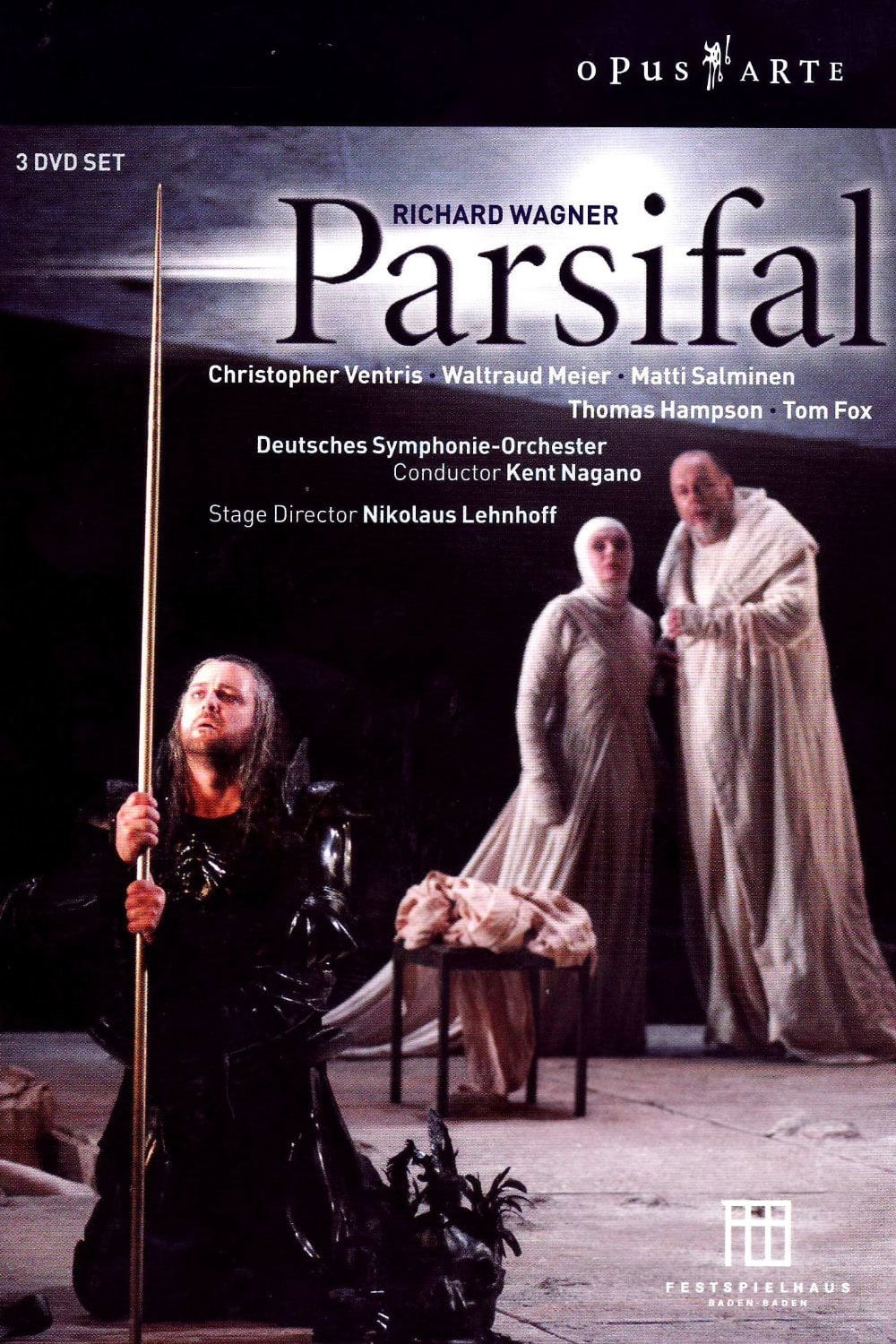
Recorded live at the Festspielhaus, Baden-Baden, Germany, August 2004. Kent Nagano, conductor. Nikolaus Lehnhoff, stage director.
Social & External
Parsifal
Kundry
Gurnemanz
Amfortas
Klingsor
Titurel
Dirigent
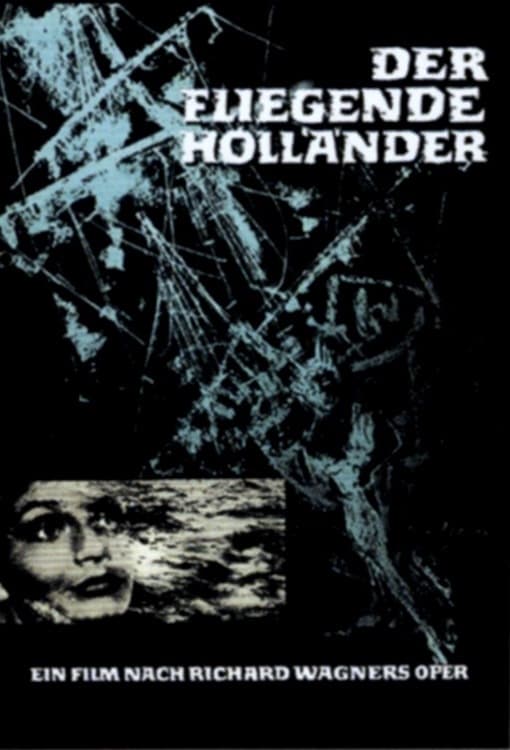
In order to escape her narrow and restrictive life, Senta, the daughter of a rich shipowner, seeks refuge in her fantasies and dreams. In this realm of imagination, a bold and restless sea captain appears to her—the Flying Dutchman—who is cursed to wander the seas forever. In her obsessive dreams, Senta frees this man through her love for him.
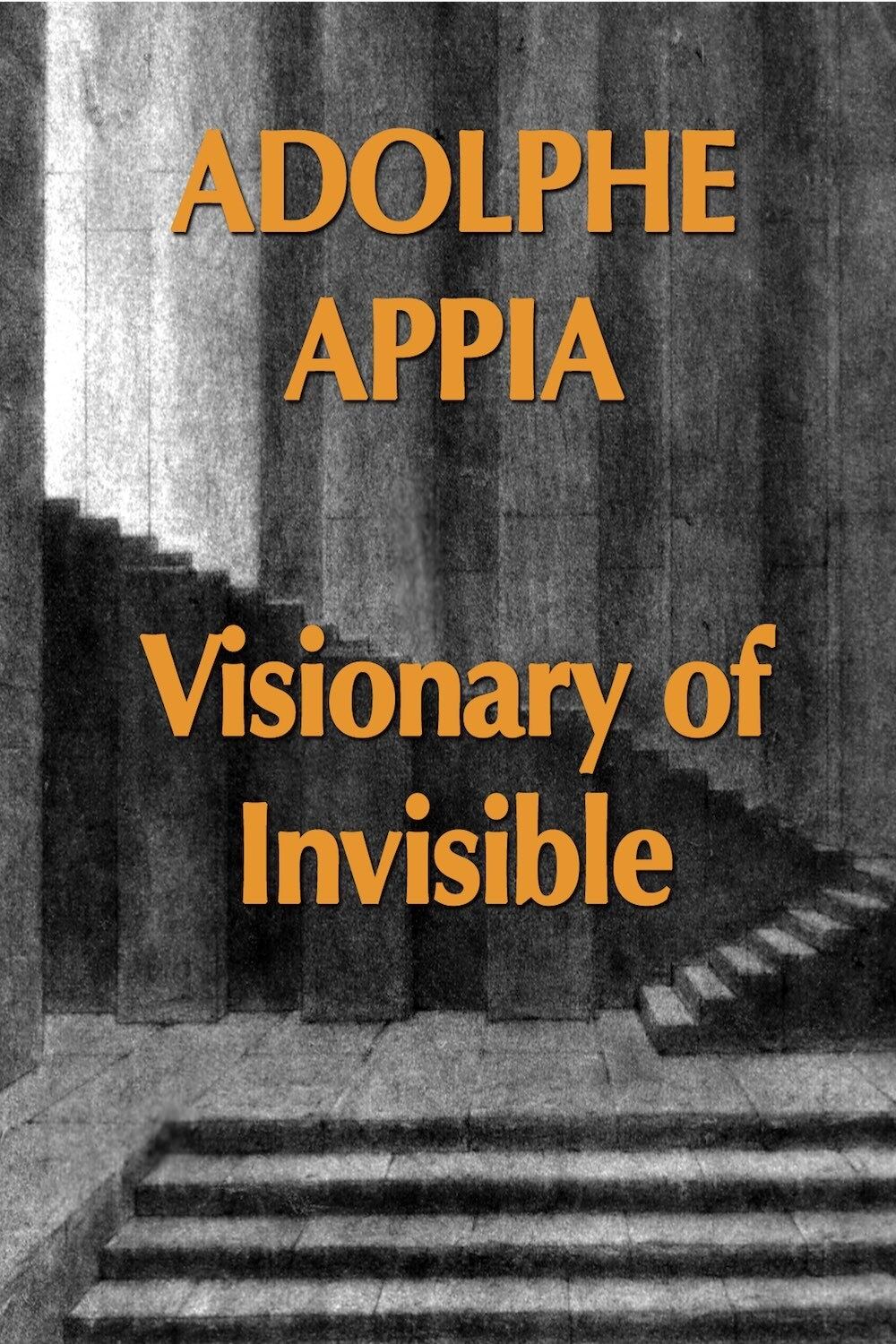
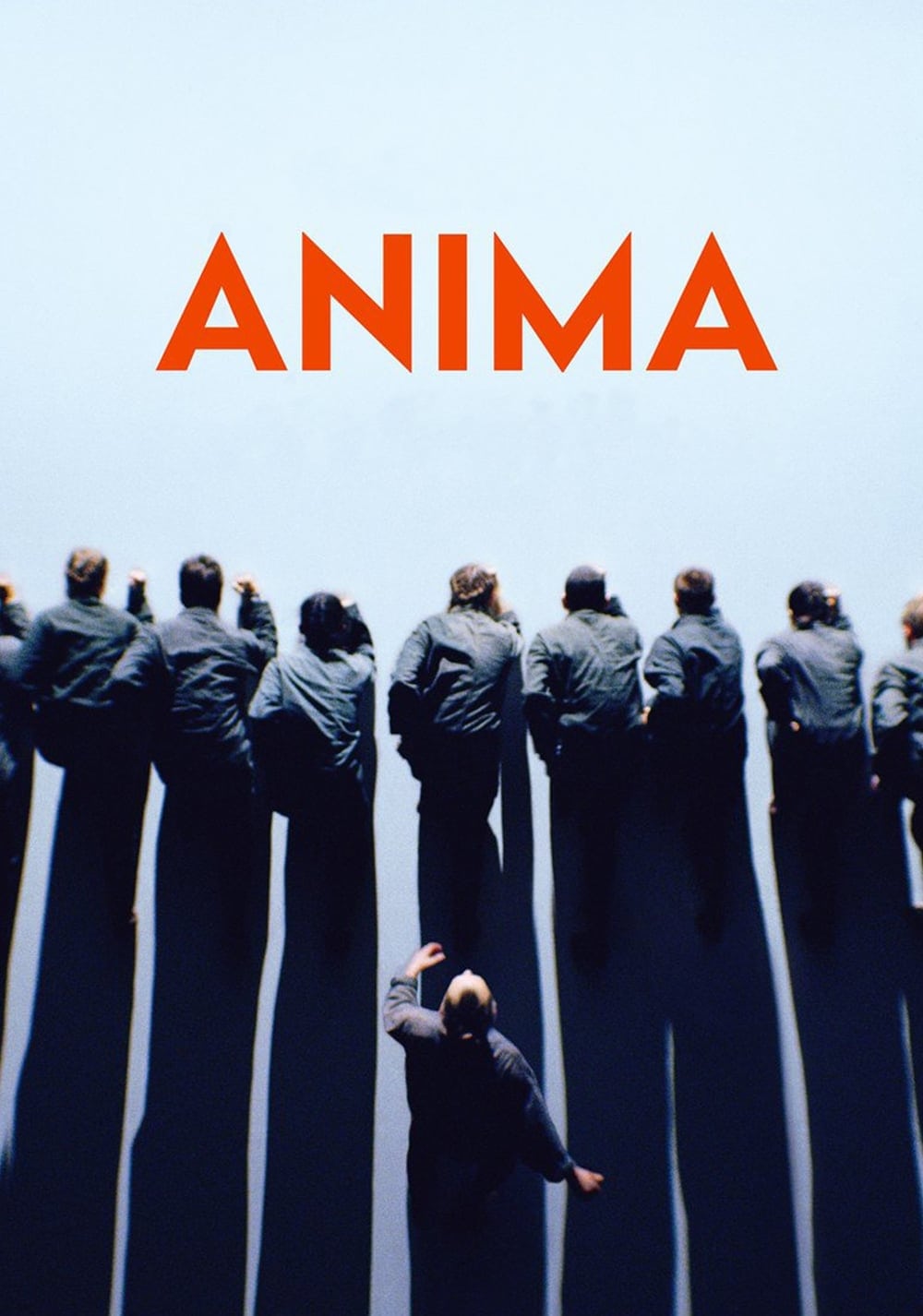
The life and work of stage designer ADOLPHE APPIA, originator of the most profound agitations in contemporary theatre. Through the dynamic alternation of animated drawings and choreographies specially conceived for the film, we discover the steps of his artistic evolution.
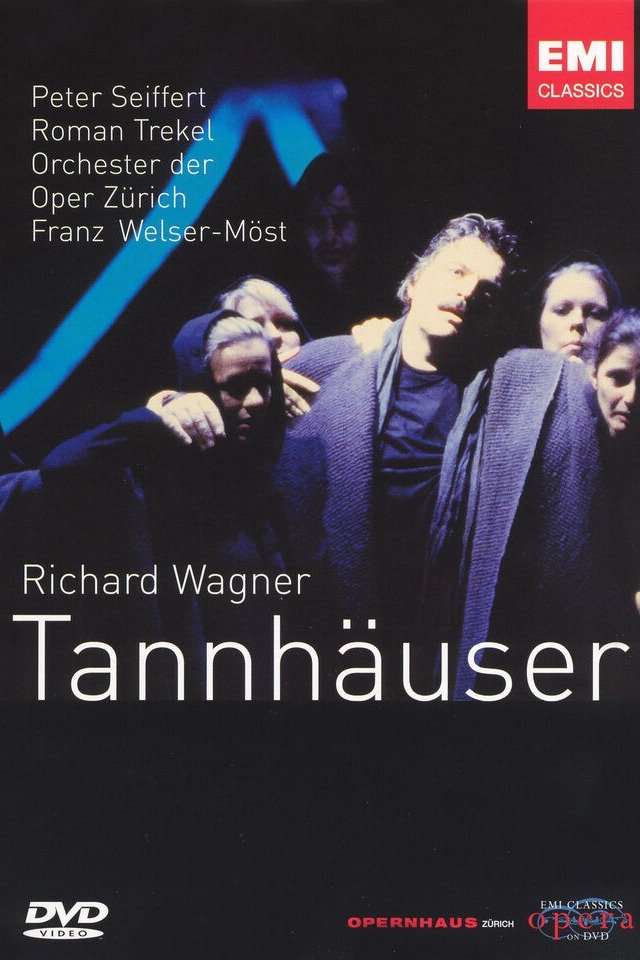
Witness the Zurich Opera's stunning production of Richard Wagner's masterpiece "Tannhauser," conducted by Franz Welser-Most and featuring Peter Sieffert (Tannhauser), Solveig Kringelborn (Elisabeth) and Roman Trekel (von Eschenbach). Initially produced in Dresden in 1845, "Tannhauser" instilled a sense of wonder in a few of Strauss's ardent friends and admirers, among them Robert Schumann and Franz Liszt. Opera buffs will love it.
TANNHÄUSER UND DER SÄNGERKRIEG AUF WARTBURG is a grand opera by Richard Wagner in three acts. After experiencing boundless sensuality and freedom with the fun-loving Venus (soprano), the singer Tannhäuser (Tenor) finds it impossible to conform to the cultured setting of his betrothed Elizabeth (soprano), who loves him. During a singing contest, Tannhäuser describes the affair with Venus as the ultimate love experience and because of that, he is cast out from the established society. Thanks to Elizabeth's intervention, he is allowed to undertake a pilgrimage to the Pope to ask for the Holy Father's pardon. If the Pope accepts to forgive him, he would be allowed to take back his place in society. Tannhäuser accepts. But fate will not allow him to meet with his beloved Elizabeth again in this life. This is a recording of the legendary staging by Götz Friedrich for the 1978 Bayreuth Festival conducted by Sir Colin Davis.
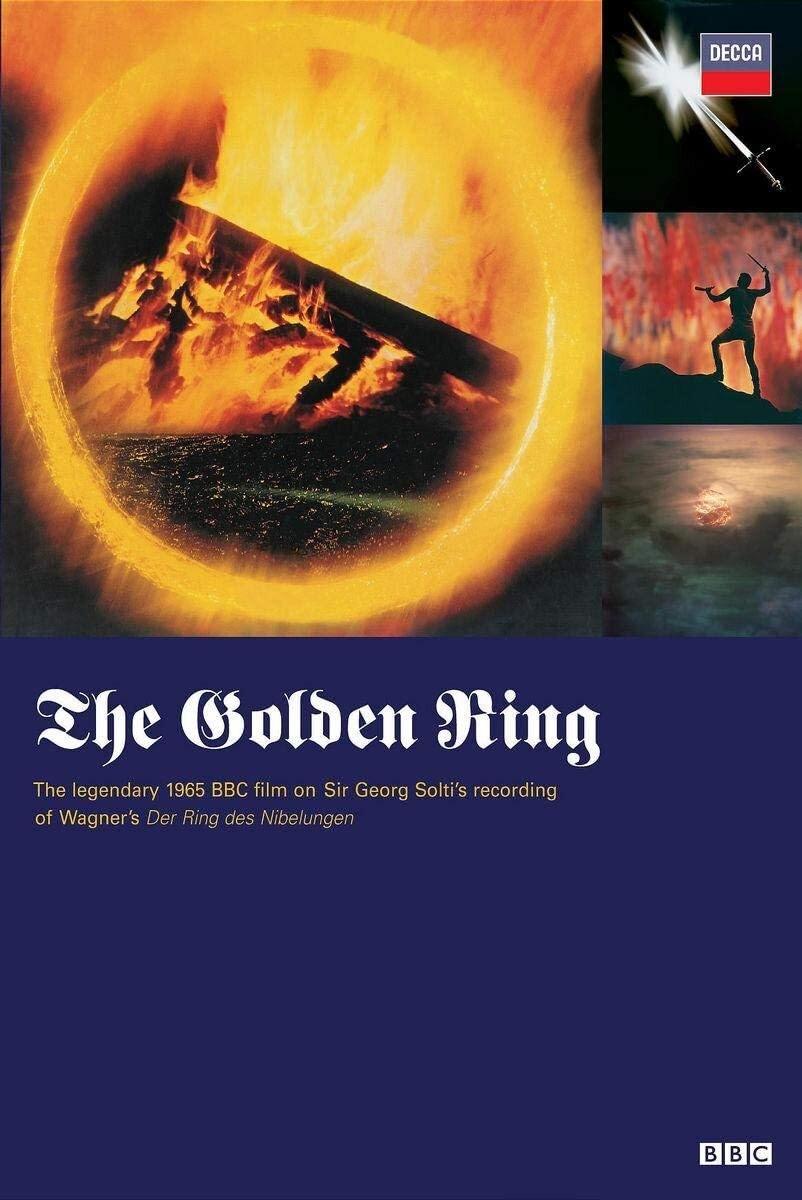
Watching the Vienna Philharmonic, Georg Solti, and a stellar cast record Wagner's immense Götterdämmerung for Decca in the fall of 1964 provides a thousand lessons in the art of working under pressure. For this classic documentary, The Golden Ring, a BBC camera crew eavesdropped as producer John Culshaw guided his engineering team through tricky technical maneuvers far removed from the relative ease of modern digital editing. What utter concentration and focus Birgit Nilsson, Wolfgang Windgassen, Gottlob Frick, and Dietrich Fischer-Dieskau bring to their collective and individual singing! Solti, for his part, oozes energy and exactitude as he pleads for greater precision and frets over details in the car en route to the sessions.
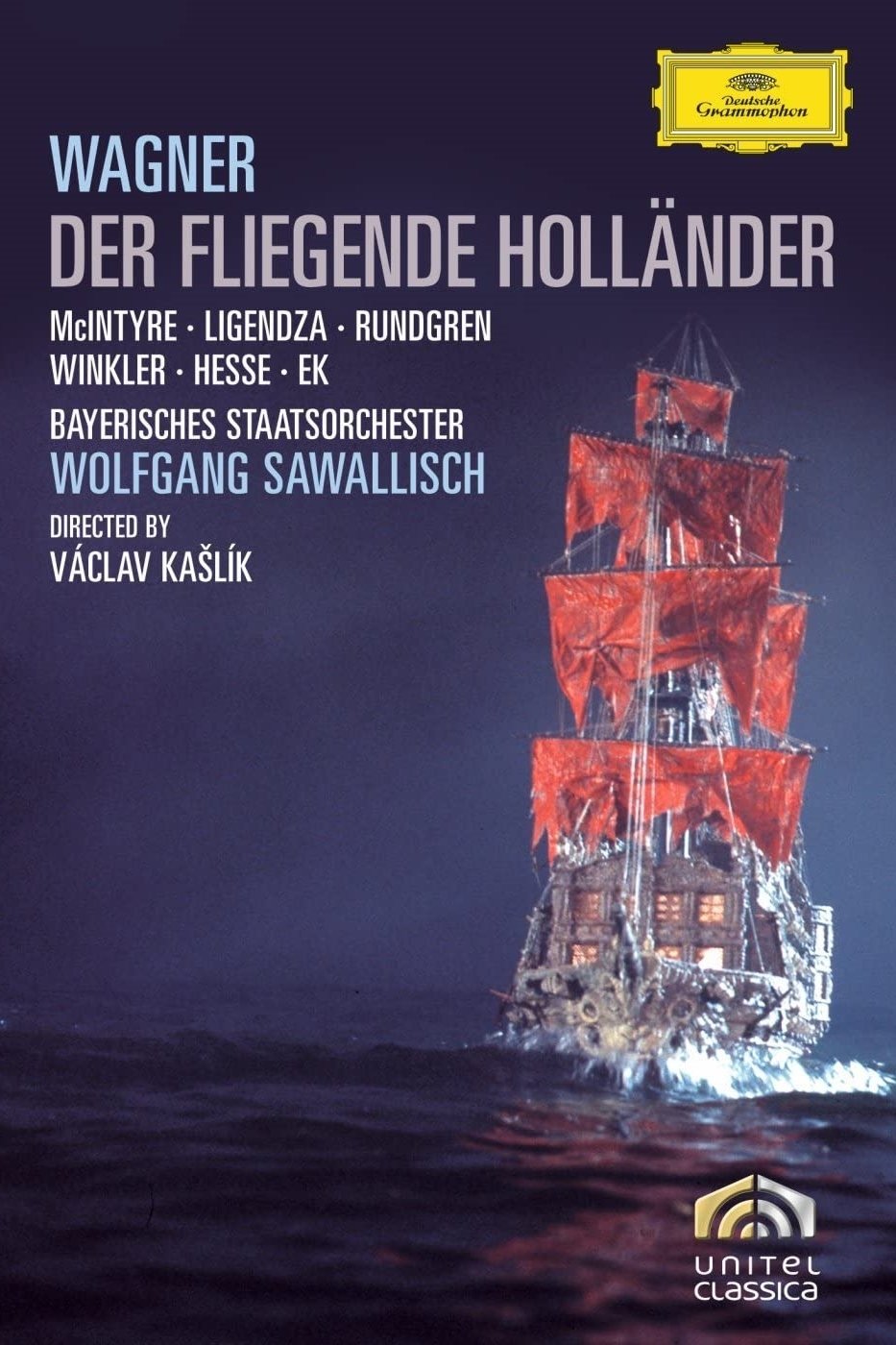
This vivid film of Wagner's romatic opera succeeds in conveying what has famously been called "the wind that blows out at you whenever you open the score", including Daland's boat anchoring against the Sandwike cliffs, the red-sailed phantom ship, and the ghost crew rising from the dead. "Scenes that recall classic horror films... Brilliantly successful" (Nürnberger Nachrichten), "Captures the works' essence" (Süddeutsche Zeitung). With a superb cast; conducted by Wagner authority Wolfgang Sawallisch.
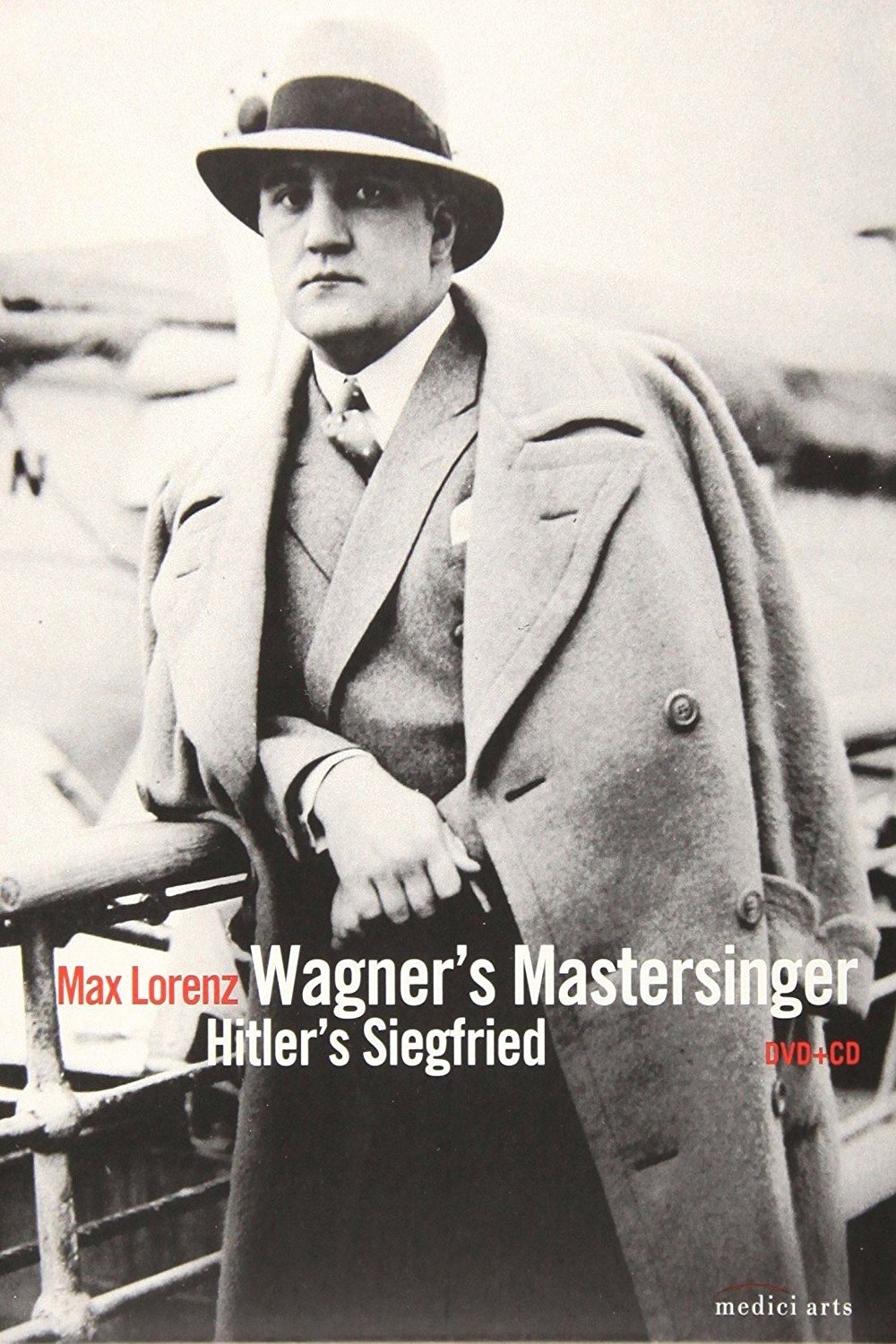
The singer Max Lorenz was Hitler's favourite tenor: married to a Jewess, he was also homosexual. The biography of this outstanding Wagner singer is also closely bound up with the story of Haus Wahnfried in Bayreuth.
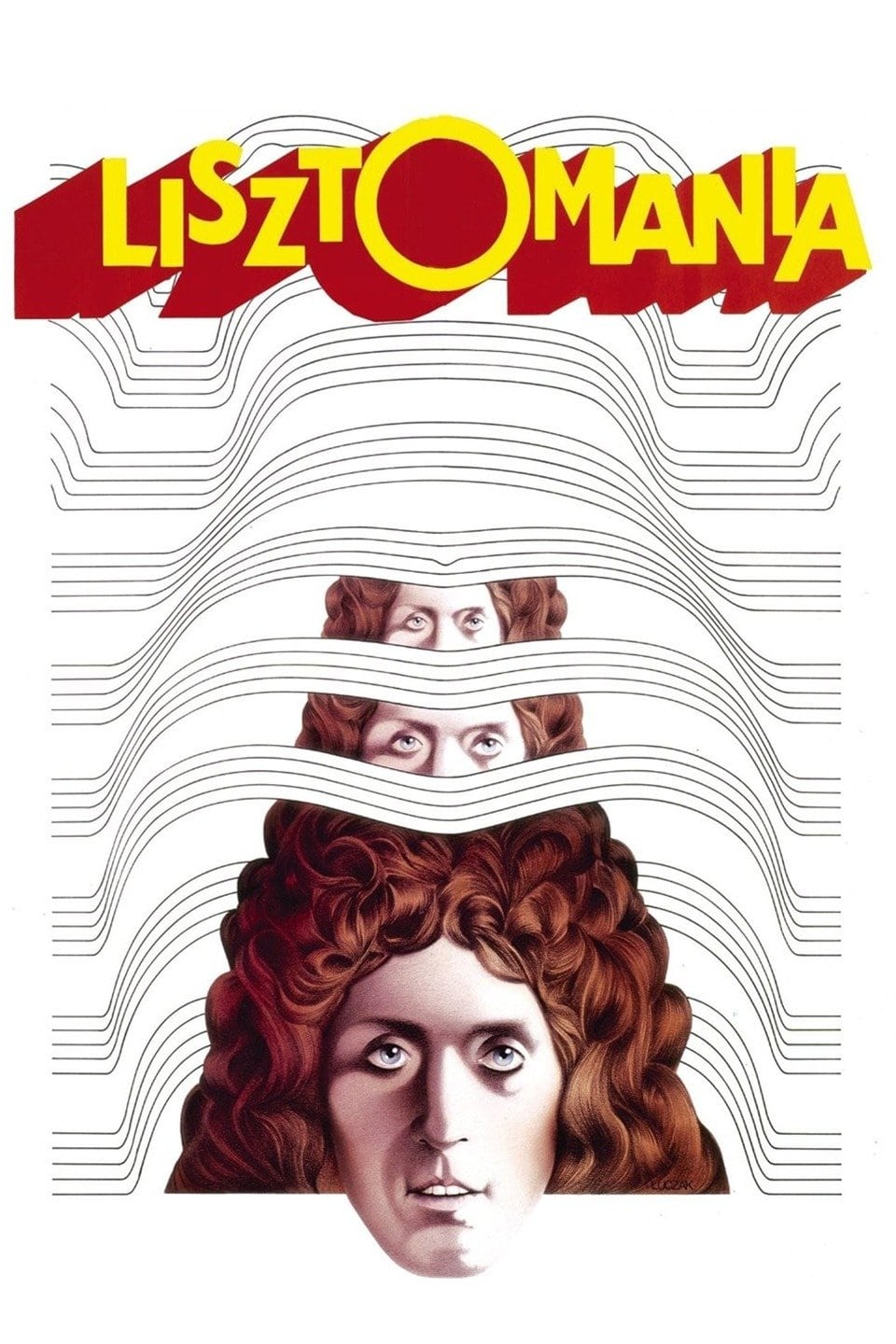
In the 19th century, Romantic composer/pianist Franz Liszt tries to end his hedonistic ways but keeps getting sucked back in by his seductive fellow composer Richard Wagner.
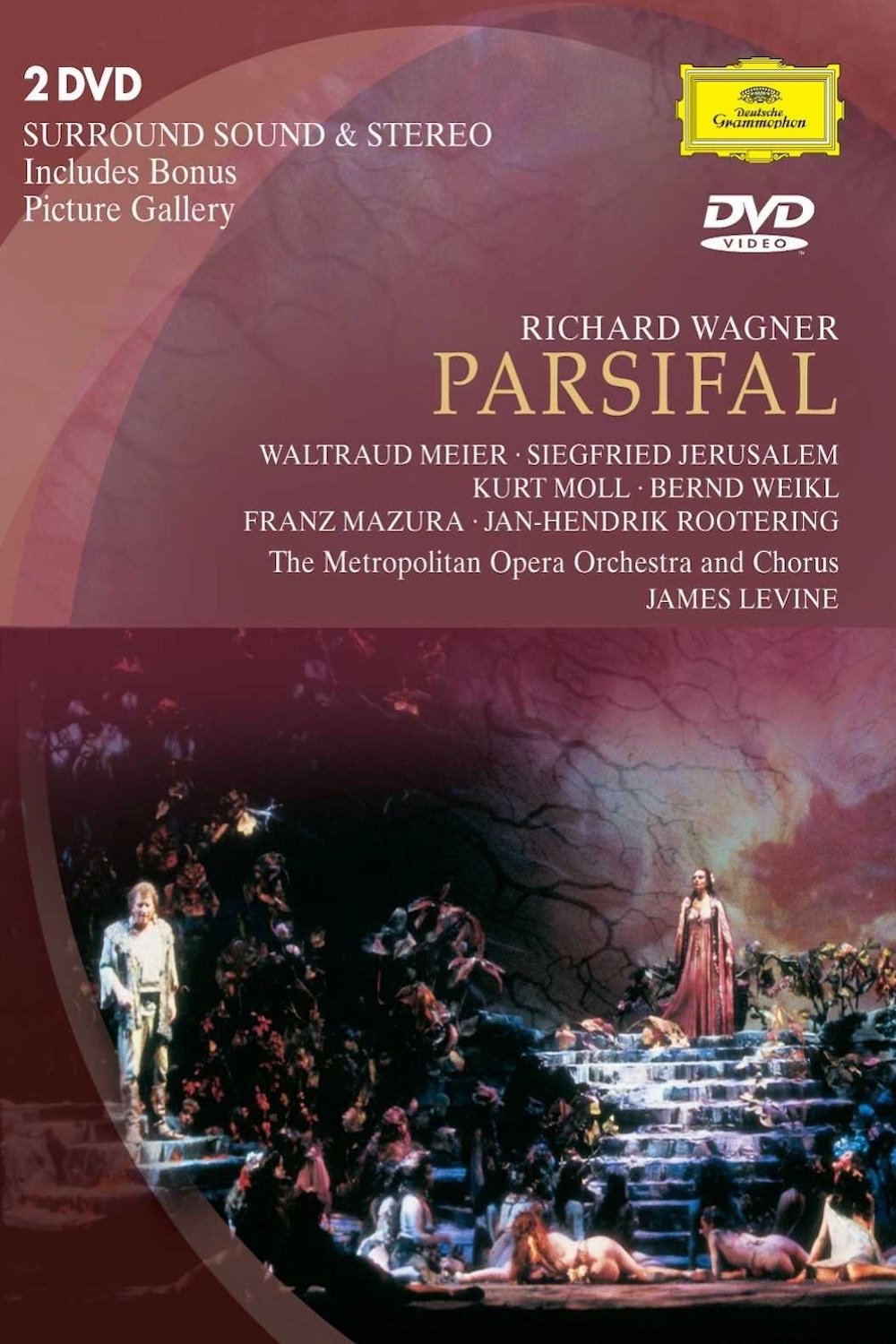
The Met production easily has the most beautiful staging, designed by Otto Schenck, who also produced the fabulous set for the Met's previous Ring cycle. Kurt Moll is a wonderful Gurnemanz, but compared to his studio recording under Karajan a decade earlier it has lost some of its original velvety body and luster. As Parsifal, Jerusalem is starting to show some wear and tear on his voice at the Met in 1992 as opposed to his prime form at Bayreuth in 1981, but is still quite good; only Placido Domingo could compete with him in the role at that time.
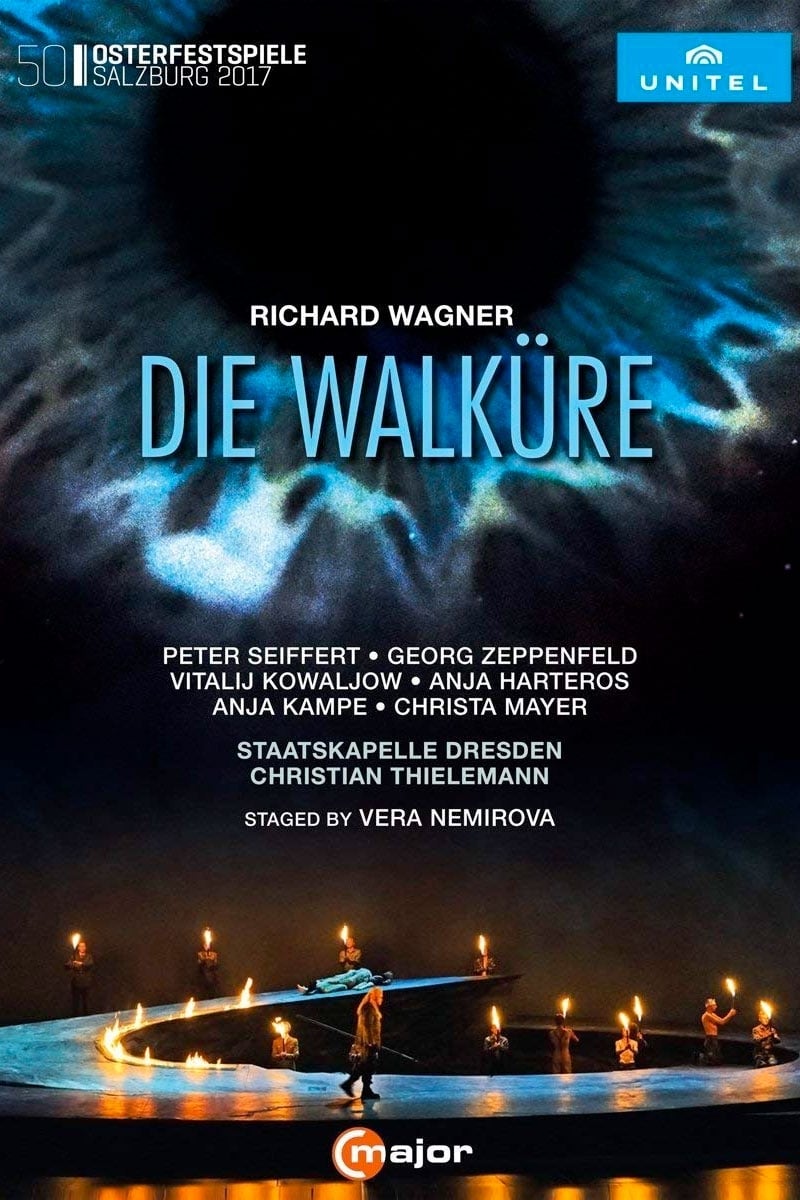
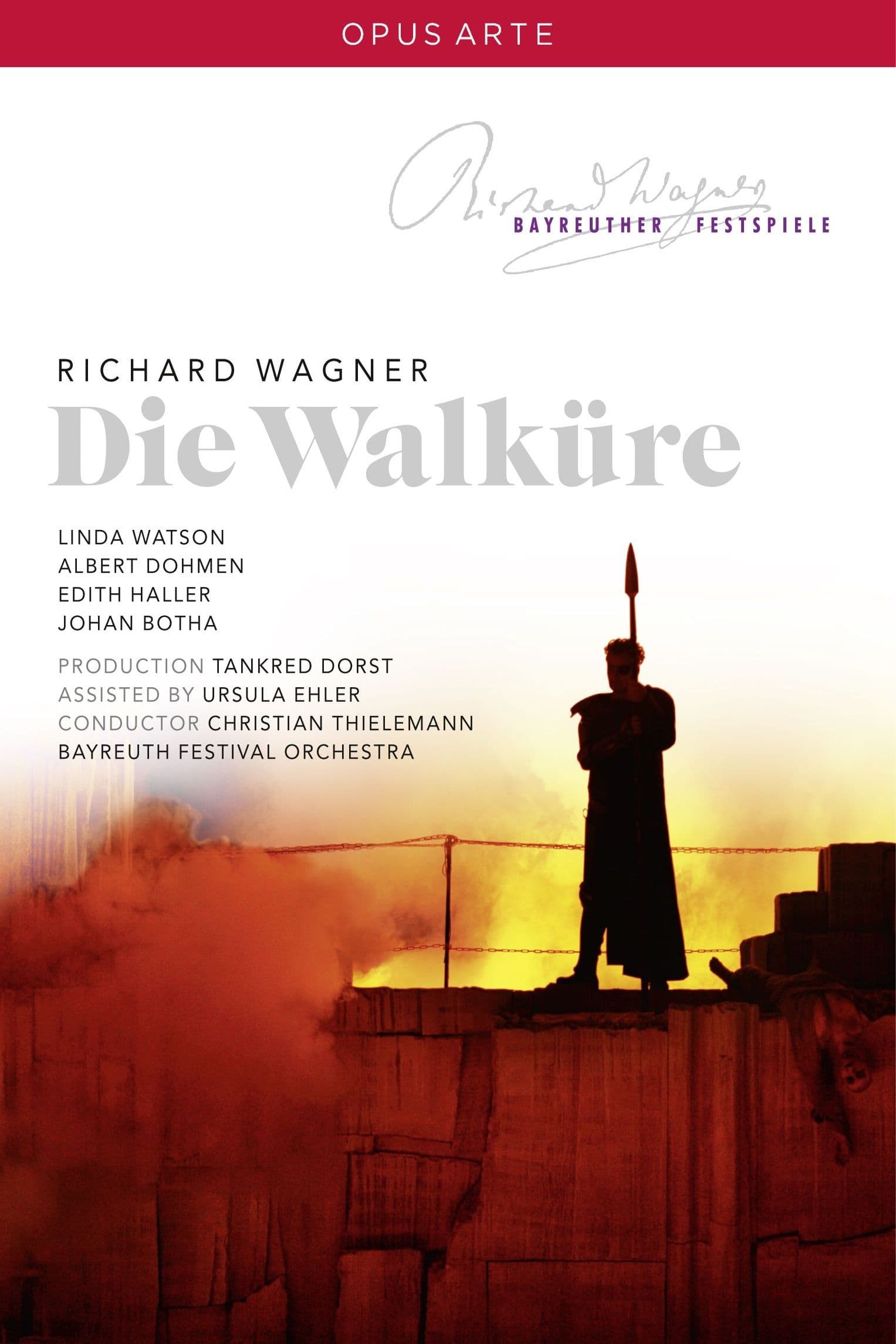
Die Walküre (The Valkyrie), WWV 86B, is the second of the four music dramas that constitute Richard Wagner's Der Ring des Nibelungen, (English: The Ring of the Nibelung). It was performed, as a single opera, at the National Theatre Munich on 26 June 1870, and received its first performance as part of the Ring cycle at the Bayreuth Festspielhaus on 14 August 1876.
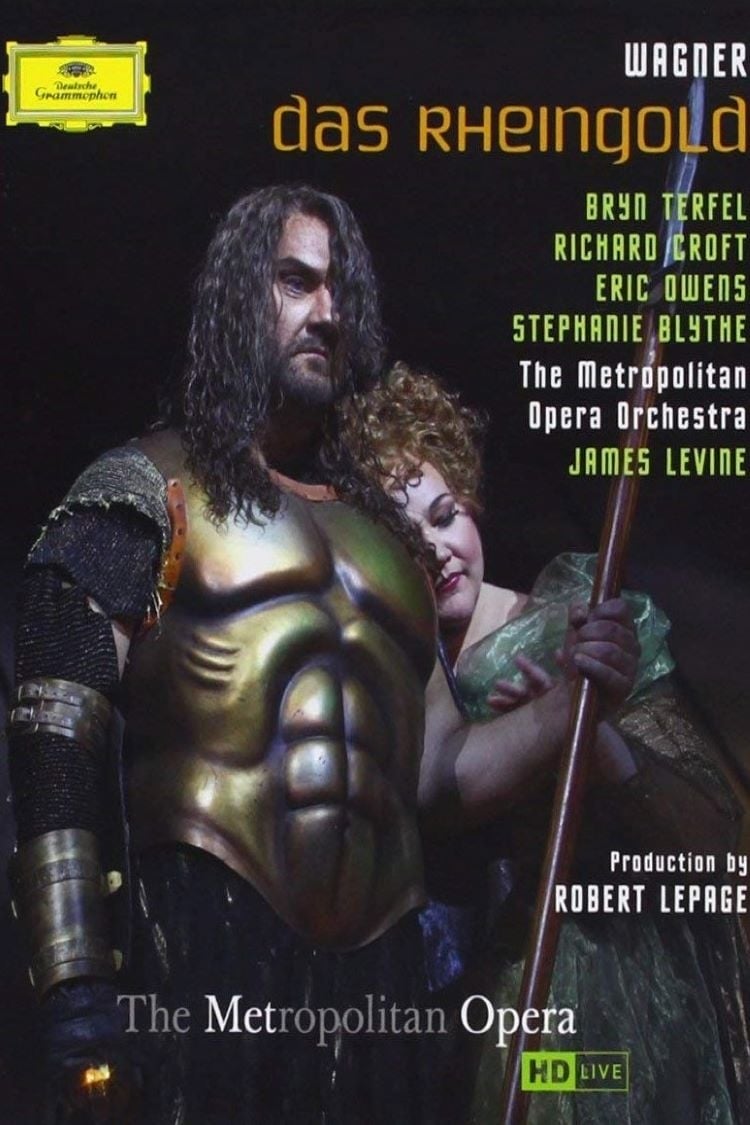
In the depths of the Rhine, the three Rhinemaidens guard the Rhinegold, a treasure of immeasurable value. The Nibelung dwarf Alberich is dazzled by the sight of it. The girls explain that whoever wins the gold and forges it into a ring will gain power over the world, but must first renounce love. Frustrated by his unsuccessful attempts to catch one of the girls, Alberich curses love and steals the gold. Wotan, lord of the gods, is reproached by his wife Fricka: he has promised to give Freia, goddess of youth, to the giants Fasolt and Fafner in return for their building a fortress for the gods. When the giants demand their reward, Loge, the god of fire, suggests an alternative payment: the ring Alberich has forged from the Rhinegold, and his other treasures. The giants agree, and Wotan and Loge leave for the Nibelungs’ underground home.
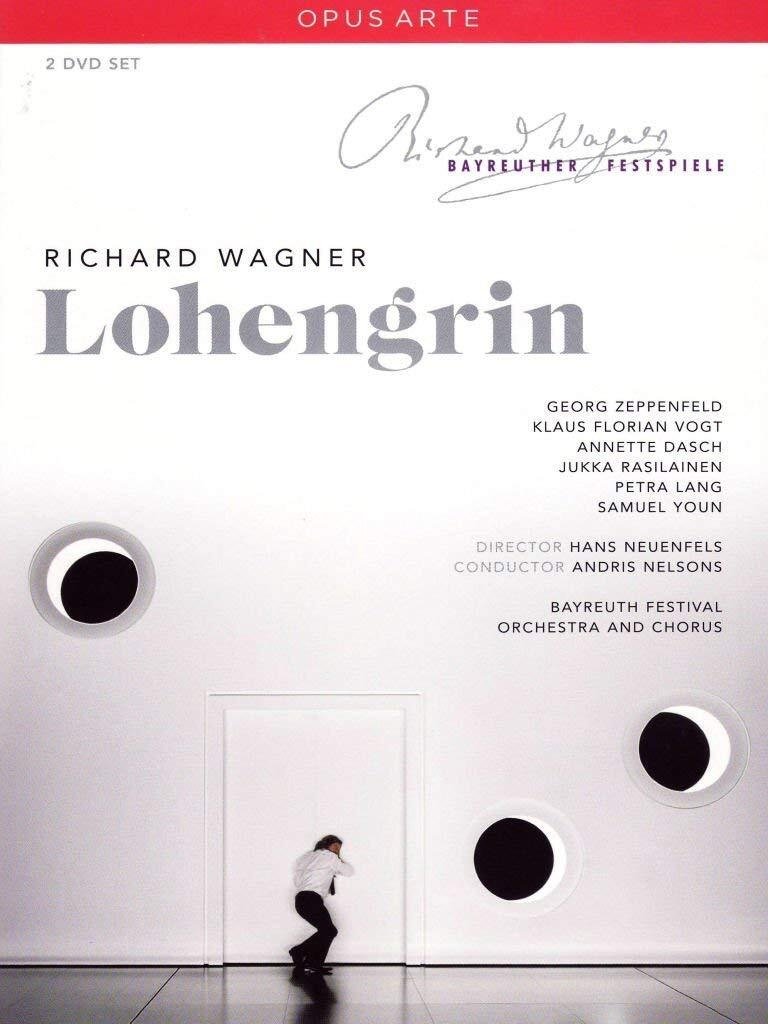
This performance of the Richard Wagner opera Logengrin was filmed in high definition for the Bayreuth Festival in 2011, and features vocalists like Georg Zeppenfeld, Klaus Florian Vogt, and Anette Dasch in the leading roles.
The documentary draws a portrait of an opera director who is staging Richard Wagner’s Die Walküre. He is torn between the tragicomic routine of an opera house and his own perception of Wagner and the Ring cycle. The film witnesses the director’s drama in maintaining the fragile link between a well-constructed performance and his own vision that lies within the music and the narrative, and is seen as German expressionism-like nightmares.
Portrait about the planning and rehearsal of Richard Wagner's Parsifal directed by Calixto Bieito at the opera house in Stuttgart.
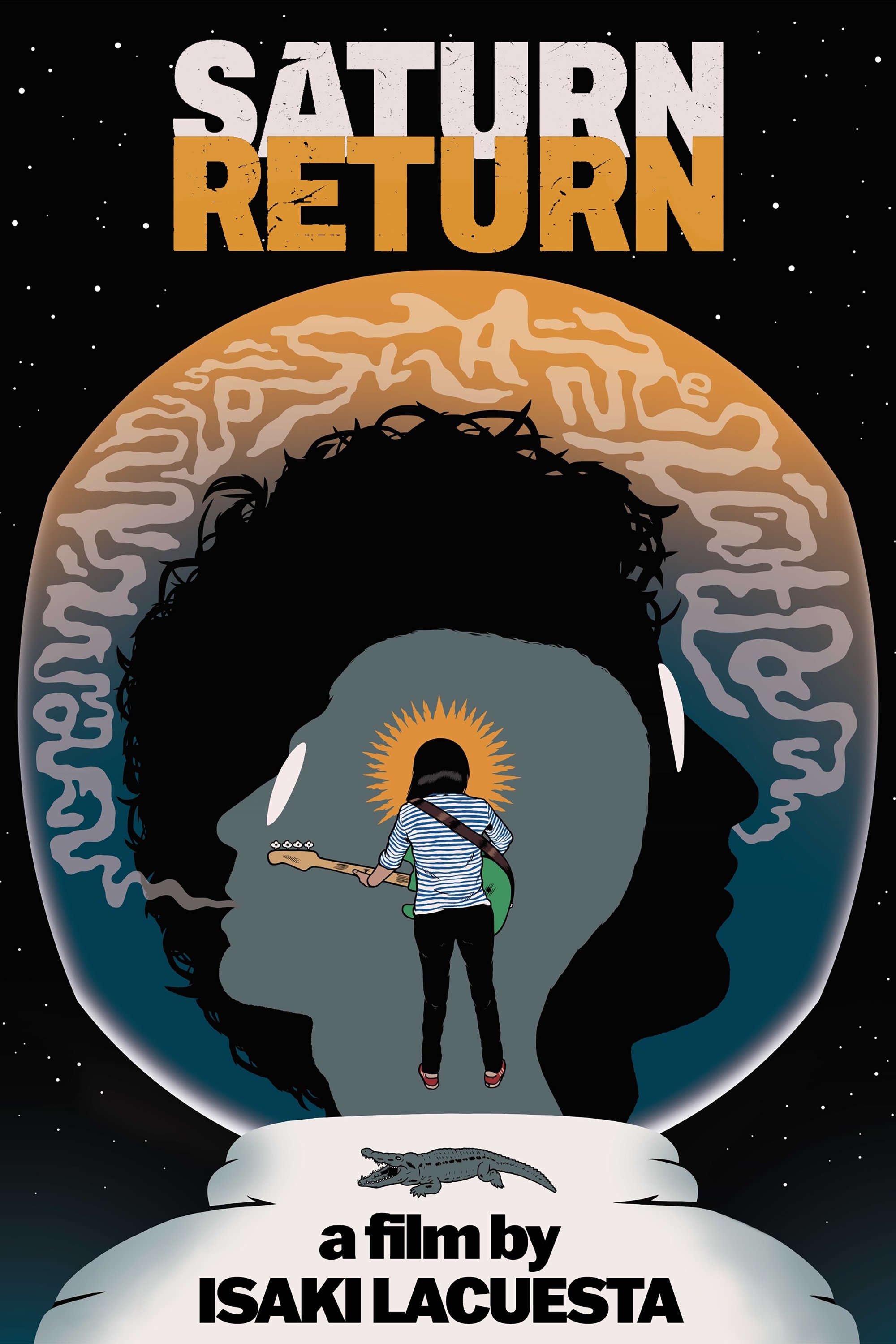
A rock band has to record their third LP, which will either propel them to stardom or fade into oblivion. Despite executives’ reservations, their idea is to have the recording take place in New York. But everything complicates, and the creative process turns into a hellish ordeal. A love triangle with all its consequences unfolds, band members desert, romantic relationships shatter, rehearsals become rampant with drugs and alcohol, and the unbearable pressure from the record label leads to endless fights and arguments only interrupted by fleeting moments of happiness. Meanwhile, unknowingly, they will be composing an album that will leave a mark on an entire generation.
The K-Pop phenomenon is shaking up the pop world. For the first time ever, there is a serious challenge to the west’s domination of the global music industry. Leading the way is the biggest boy band in the world, BTS. But how has this happened? Music journalist James Ballardie travels to South Korea to uncover the secrets behind this worldwide success story and to find out how, in just 20 short years, the music industry in the country came from obscurity to become a major player on the world stage. In the summer of 2019, BTS played two sold-out performance at the UK’s most icon venue, Wembley Stadium. Their catchy pop songs, bombastic beats, good looks and natty dance moves have captivated young pop fans worldwide, and sent them to the top of the charts in the US and beyond. Can K-Pop seriously challenge the west's domination of the global music industry? Music journalist James Ballardie travels to Seoul to meet Soo-Man Lee, the Svengali-like figure behind the phenomenon.
Ray Whitley and the other Lazy-Q cowhands break up a plot by Mrs. Pierce (Isabel La Mal) to have her son George (Sid Coke) acquire the ranch by marrying the owner's daughter (Jean Joyce).
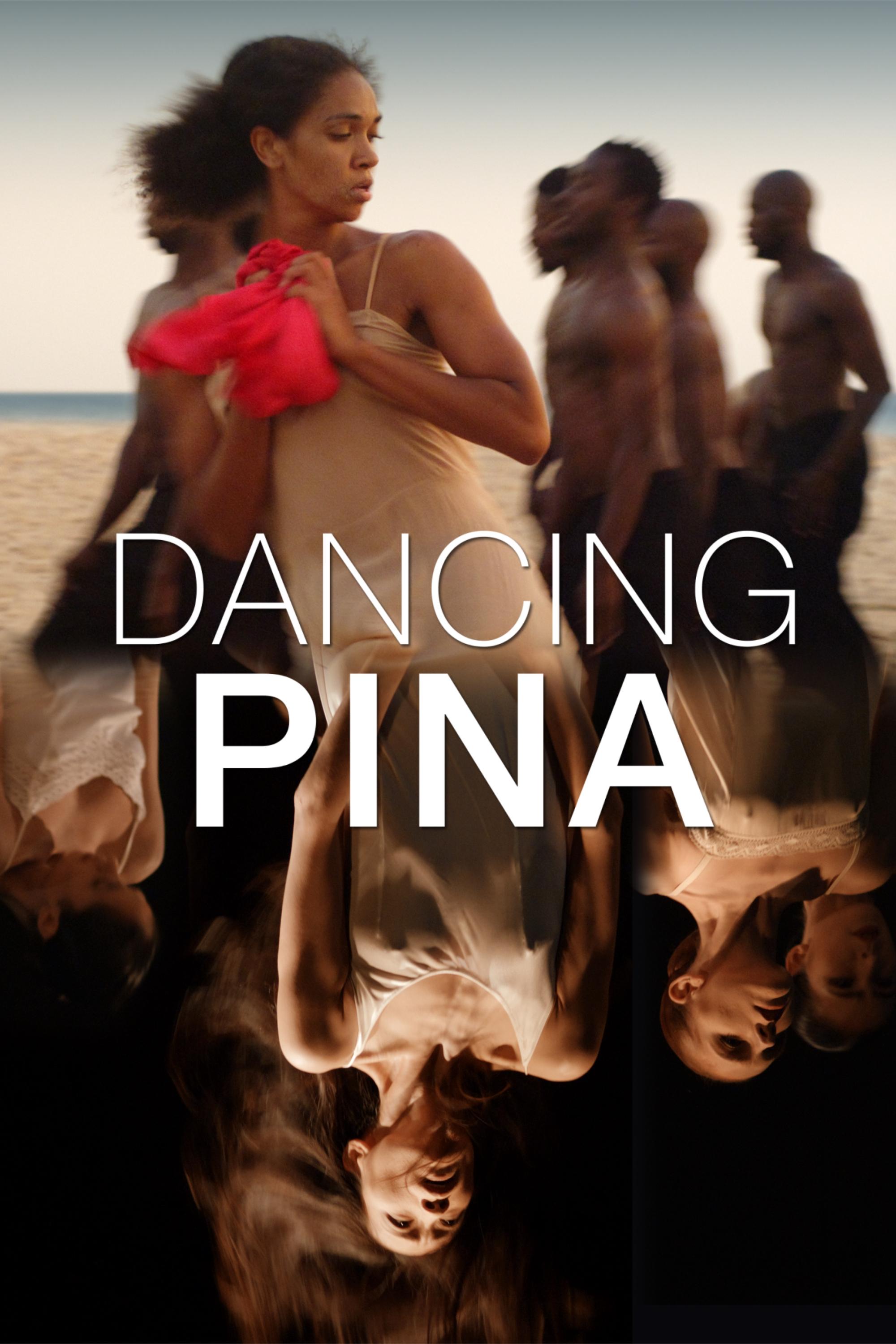
Two of Pina Bausch’s most famous works are rehearsed in Germany and Senegal, championing the choreographer’s legacy through a younger generation of dancers.
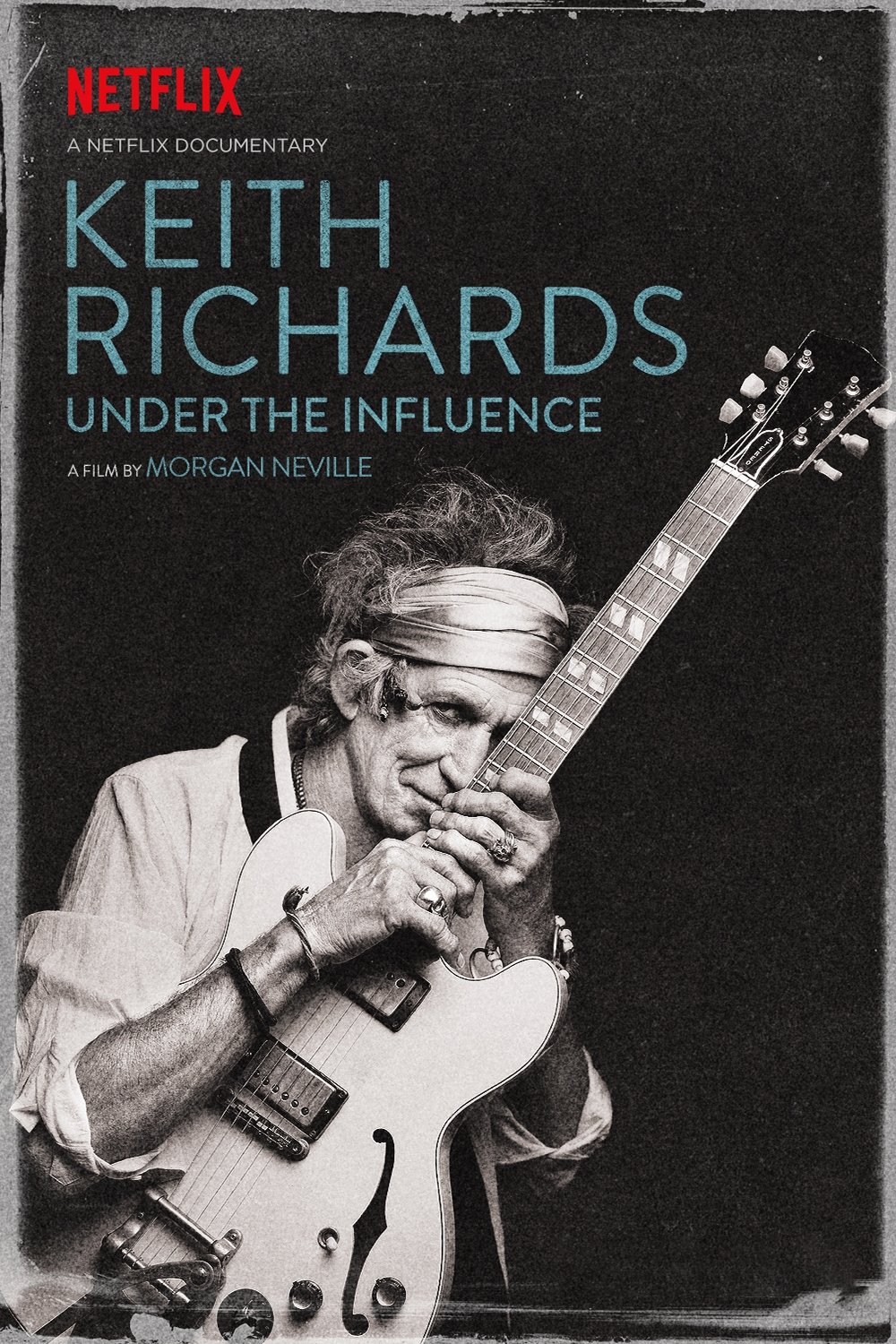
A portrait of Keith Richards that takes us on a journey to discover the genesis of his sound as a songwriter, guitarist and performer.
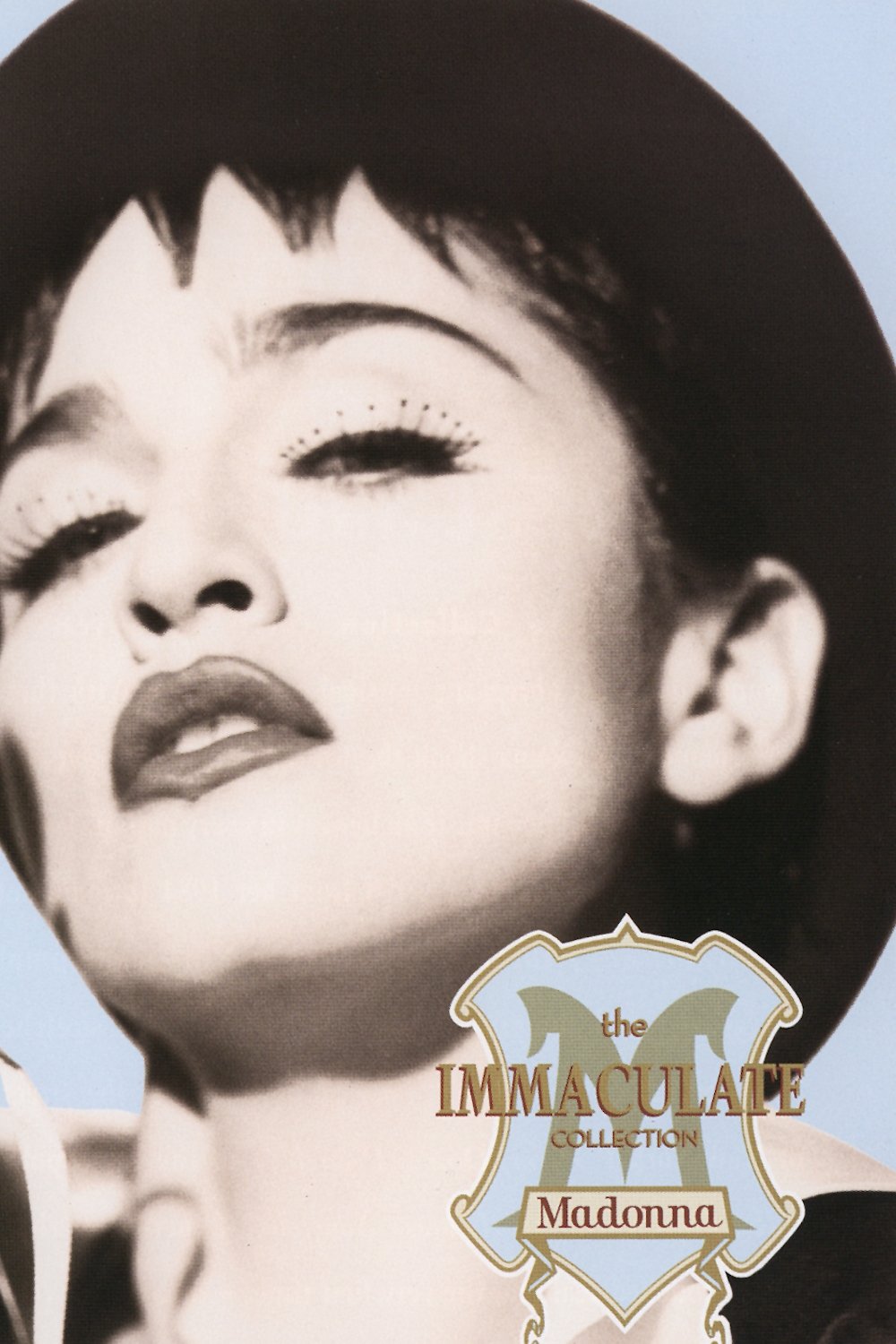
The Immaculate Collection is the first commercially released greatest videos compilation by singer Madonna. Released on November 13, 1990 to accompany the audio CD, it contained hits spanning 1983-1990. The collection won "Best Long Form Video" category at the 1991 MTV Video Music Awards. Includes the following videos: 1. Lucky Star 2. Borderline 3. Like a Virgin 4. Material Girl 5. Papa Don't Preach 6. Open Your Heart 7. La Isla Bonita 8. Like a Prayer 9. Express Yourself 10. Cherish 11. Oh Father 12. Vogue 13. Vogue (1990 MTV Awards Show Performance)
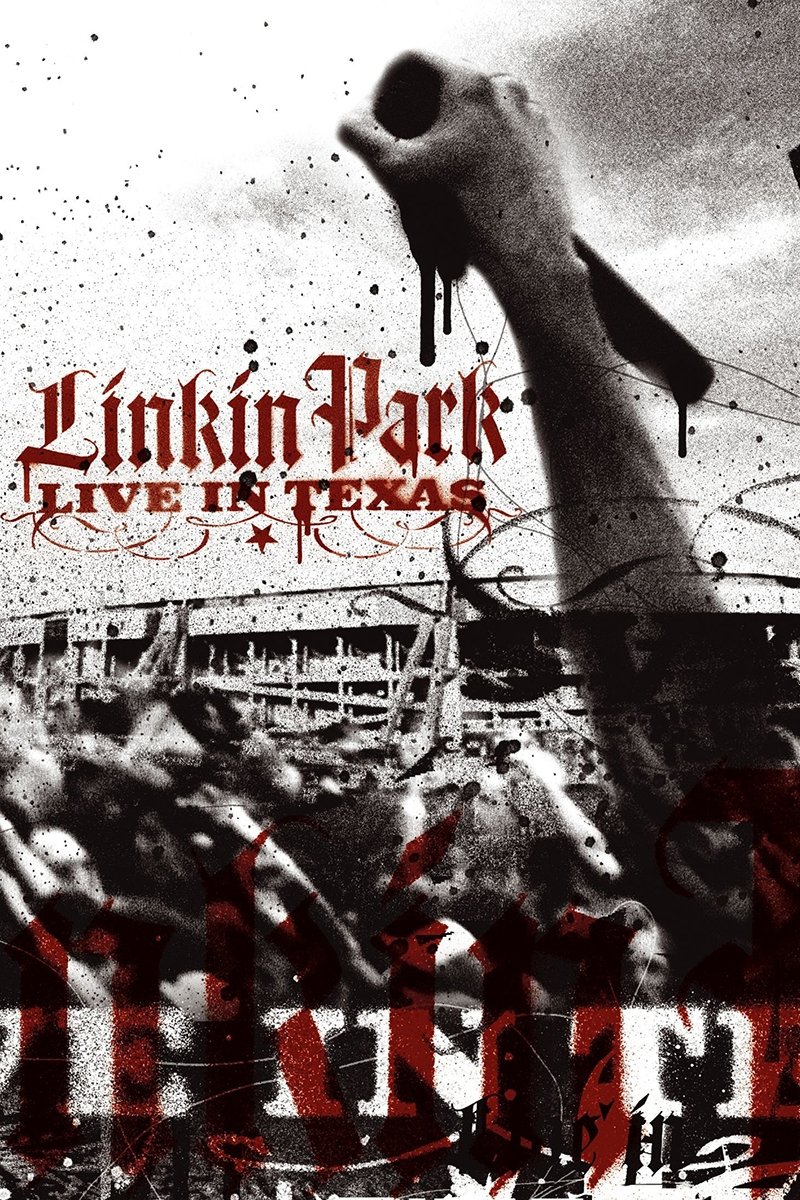
Live in Texas is the first live album and third DVD by American rock band Linkin Park. The band's main setlist includes songs from their studio albums Hybrid Theory and Meteora, as well as one song from their remix album Reanimation. The live album peaked at #23 on the Billboard 200, and it has sold 1.1 million copies in the United States.
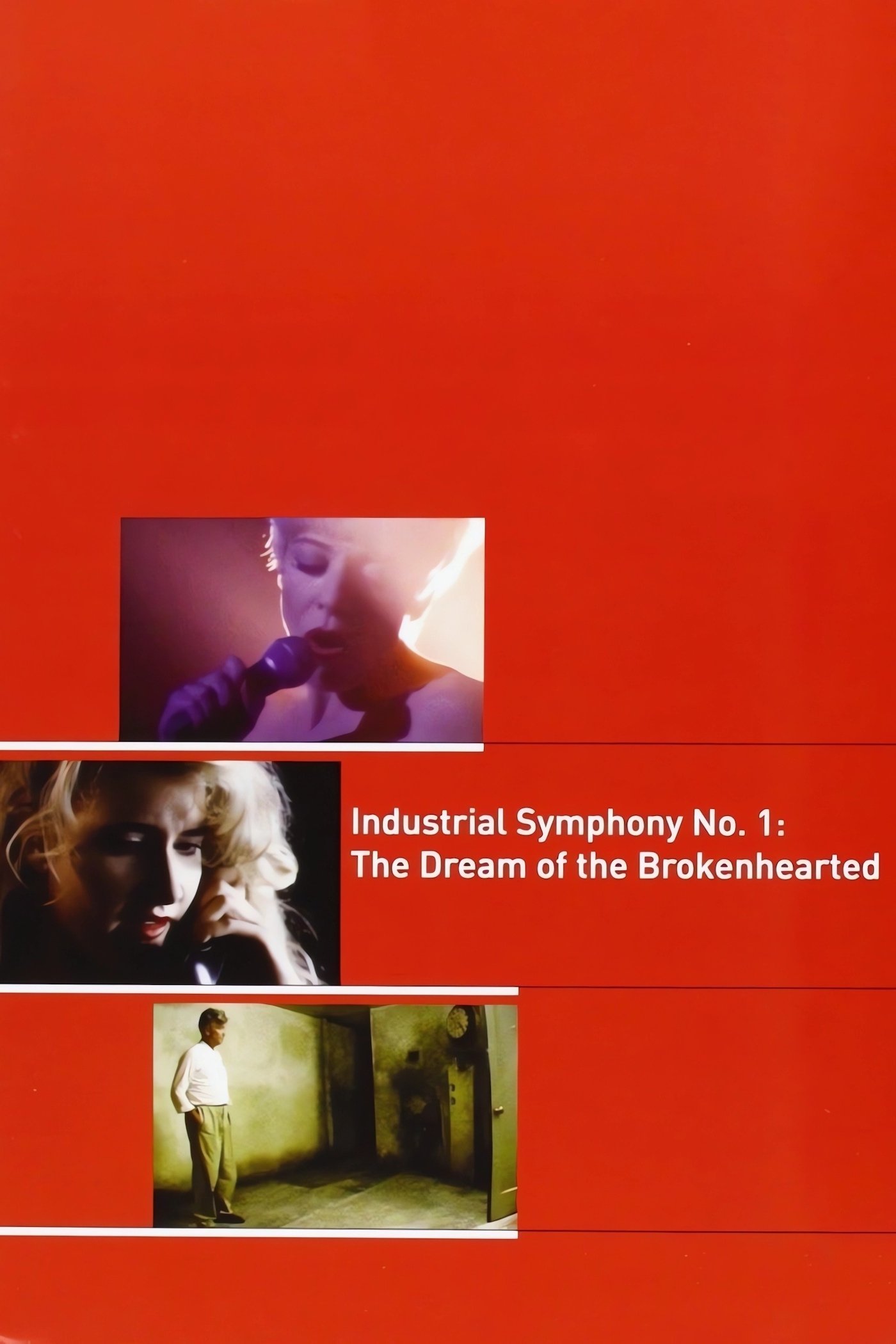
After her boyfriend ends their relationship, the dreamself of a heartbroken woman floats through the air over an industrial wasteland singing ballads of love.
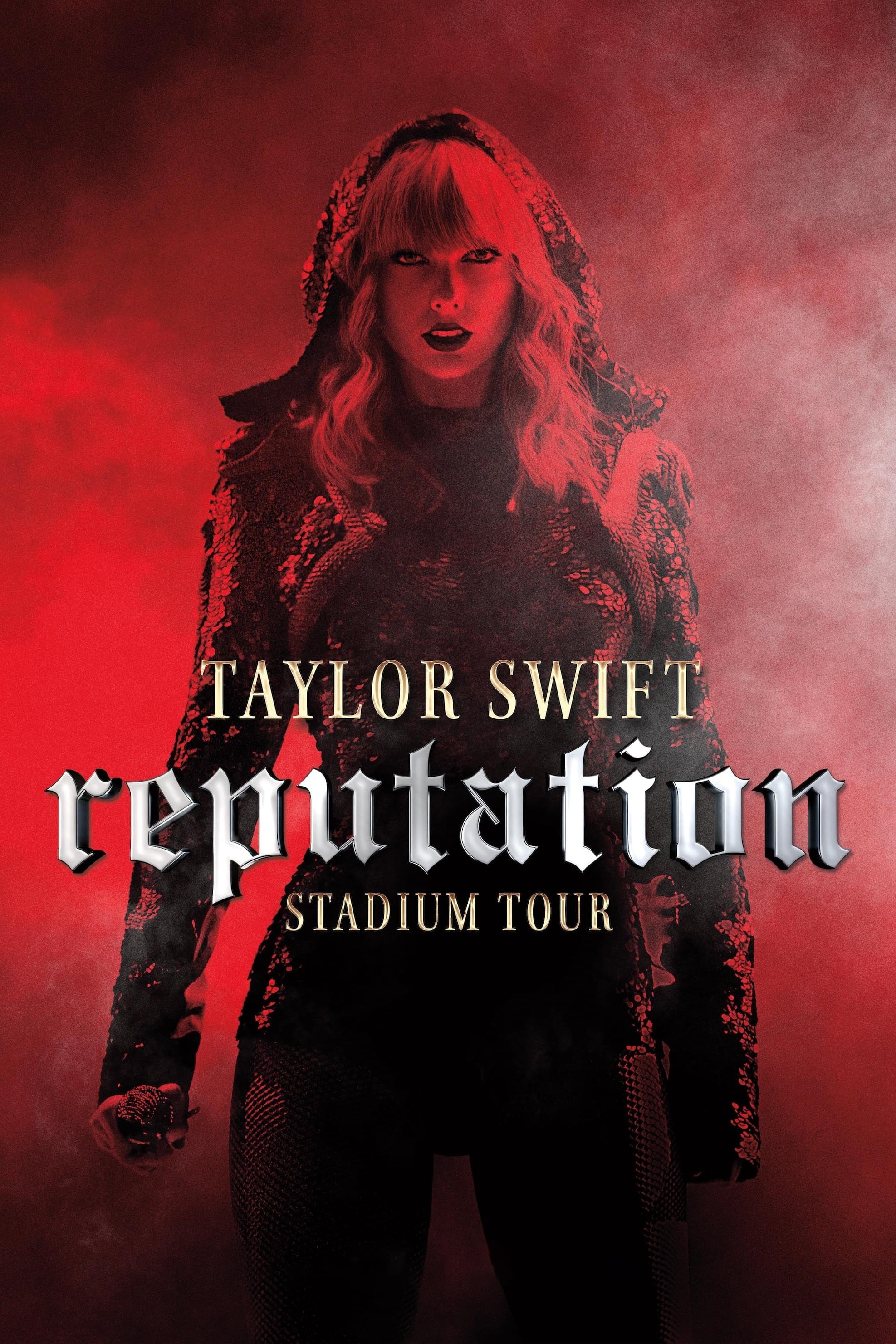
Taylor Swift takes the stage in Dallas for the Reputation Stadium Tour and celebrates a monumental night of music, memories and visual magic.
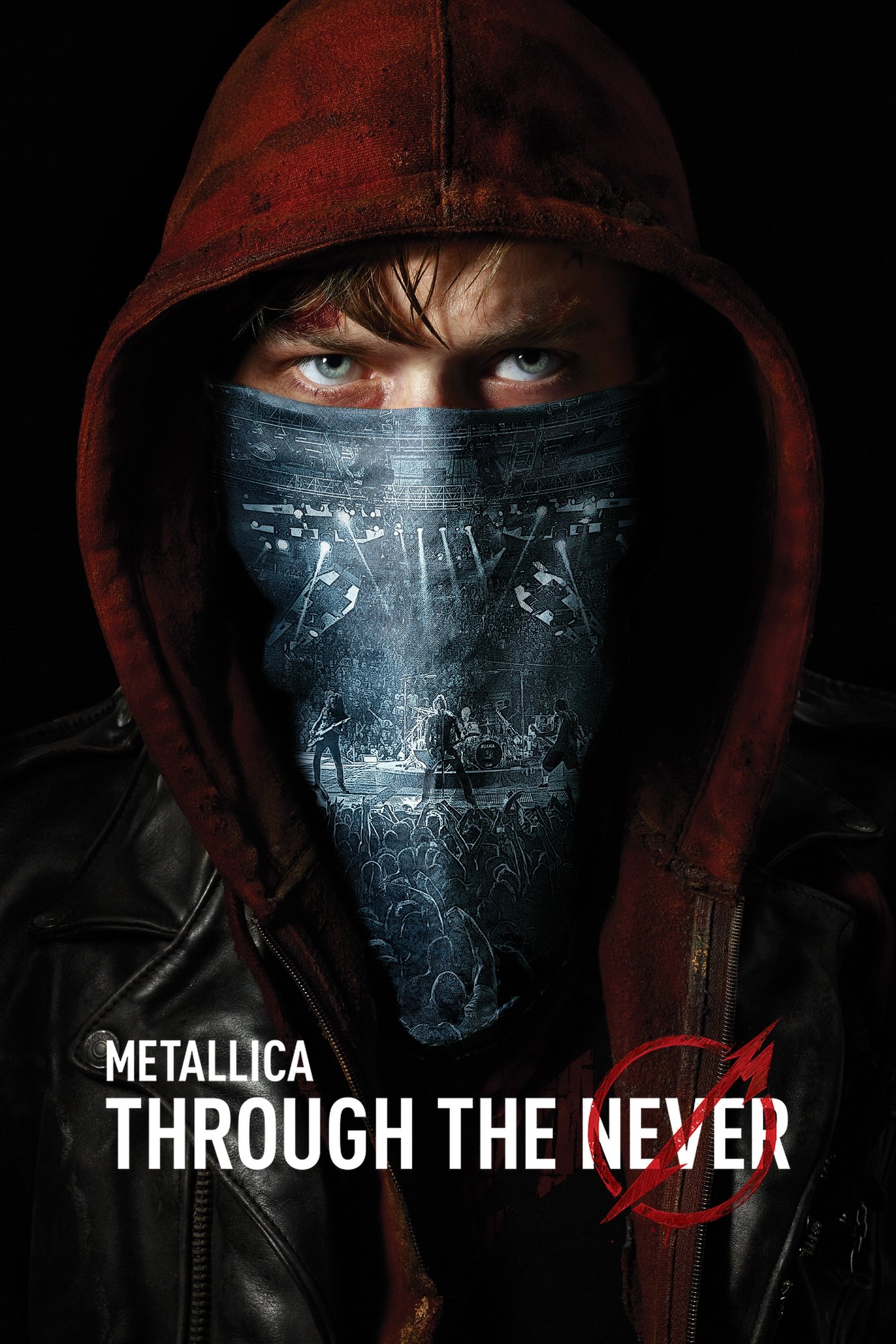
Trip, a young roadie for Metallica, is sent on an urgent mission during the band's show. But what seems like a simple assignment turns into a surreal adventure.
In this concert film, 'Hannah Montana' star Miley Cyrus performs a slew of hit songs, including 'Just Like You' and 'Life's What You Make It.'
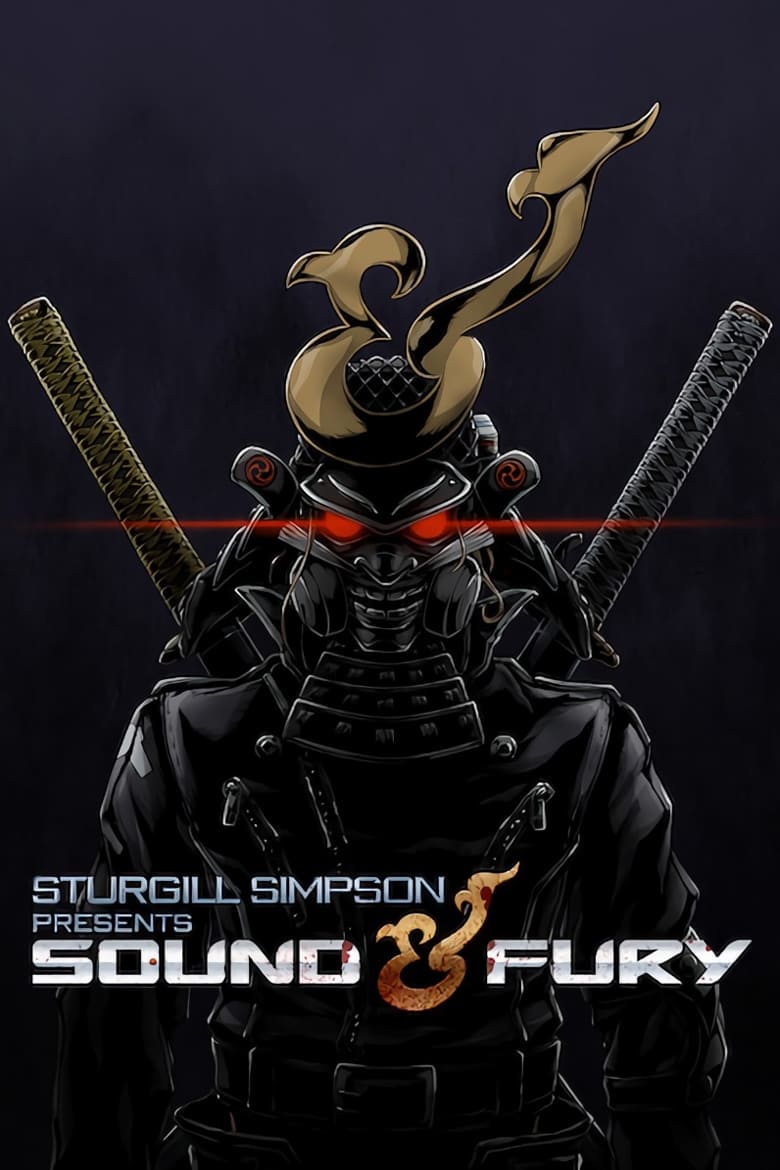
In this anime visual album, a mysterious driver heads deep into a postapocalyptic hellscape toward a ferocious showdown with two monstrous opponents.
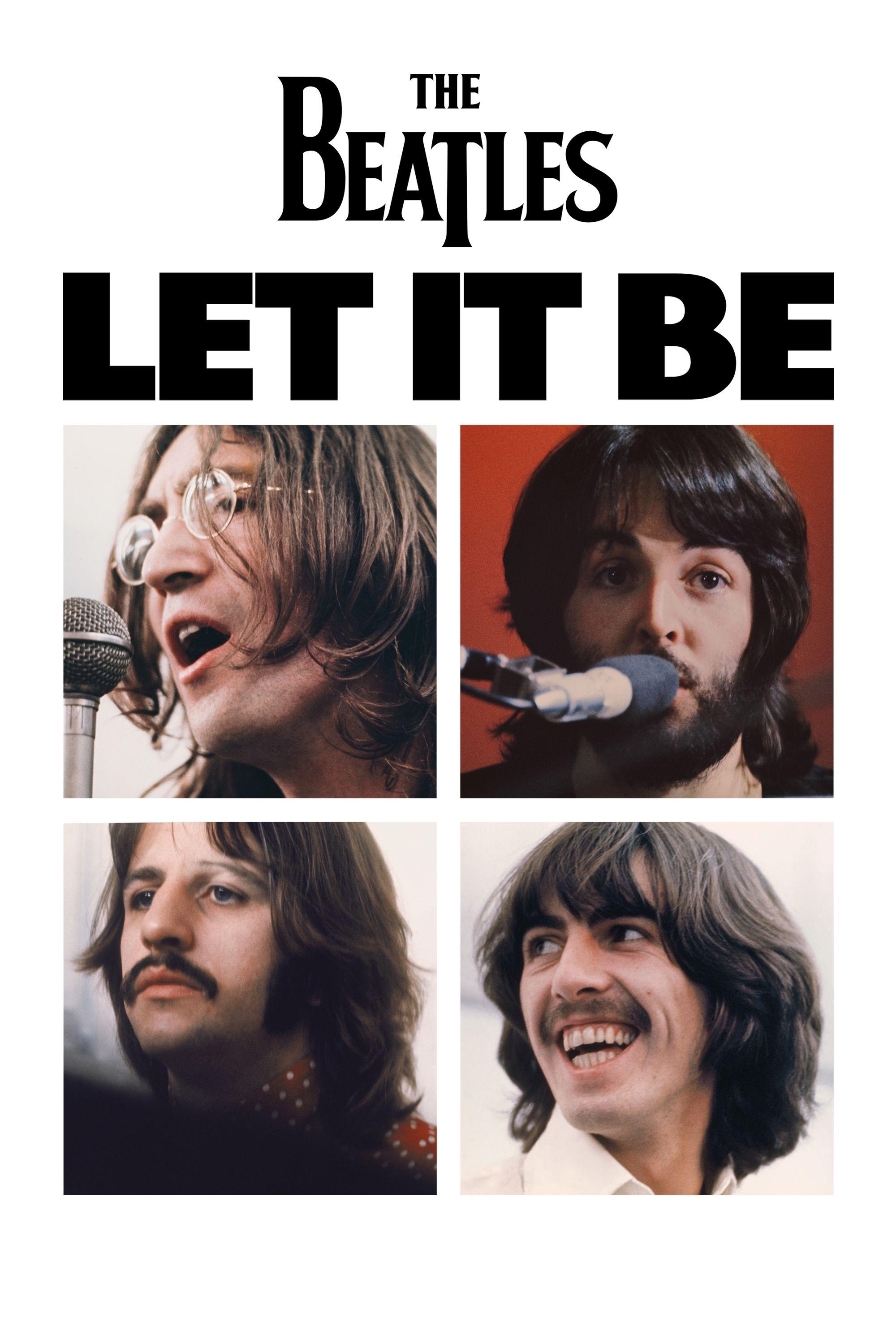
A documentary chronicling the Beatles' rehearsal sessions in January 1969 for their proposed "back to basics" album, "Get Back," later re-envisioned and released as "Let It Be."
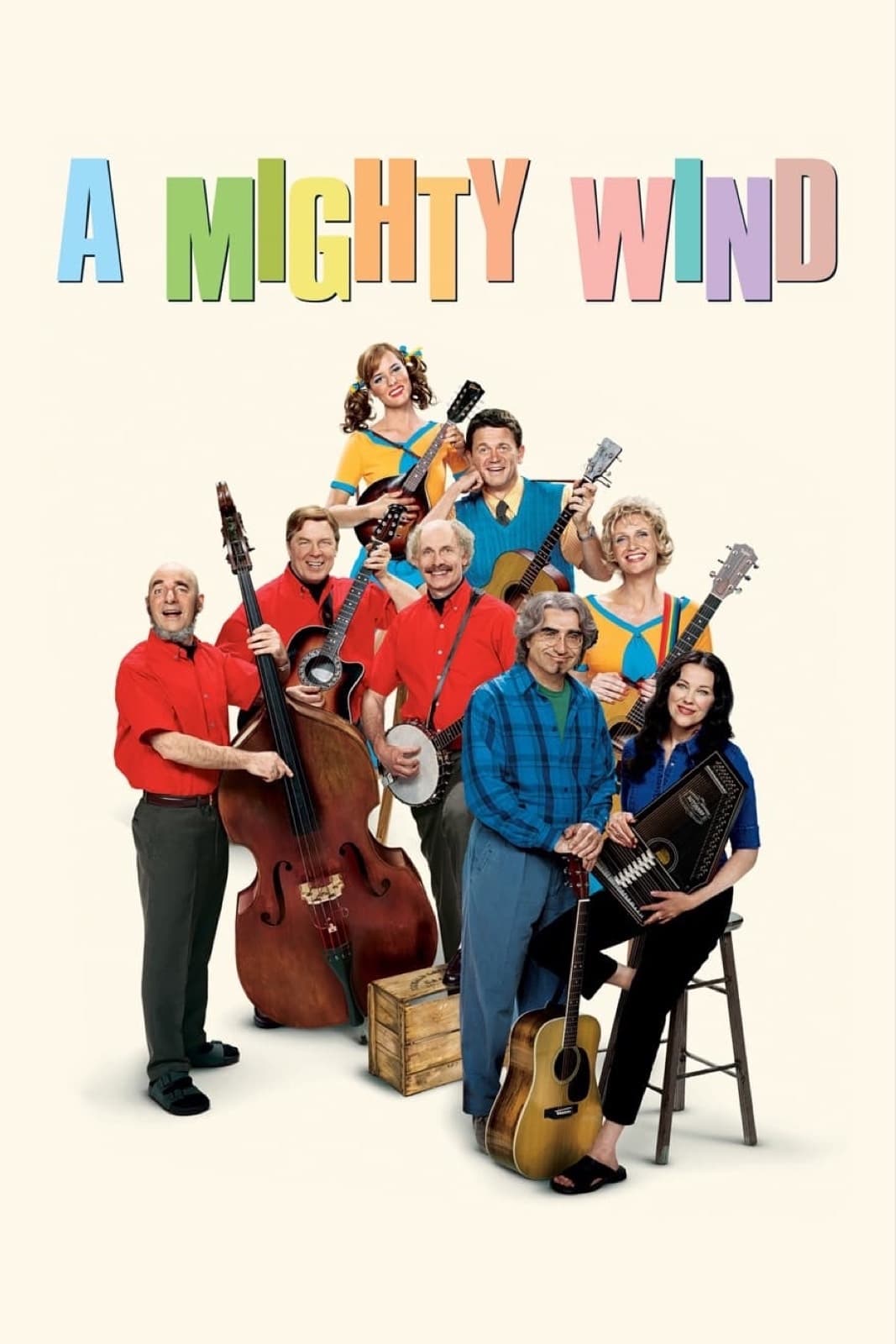
Three eclectic, never-quite-famous folk bands come together for the first time in decades following the death of their manager to put on an reunion concert in his honor, at the request of his son.
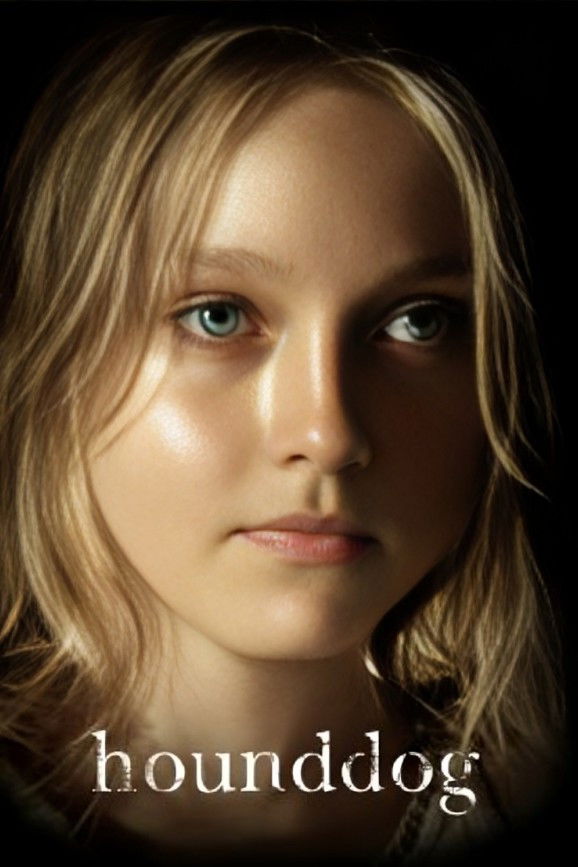
A drama set in the American South, where a precocious, troubled girl finds a safe haven in the music and movement of Elvis Presley.
Ghost is an ideological musician and leader of a jazz band who would rather play his blues in the park to the birds than compromise himself. His peripatetic performances lead him to cross paths with a singer, while his masculinity is thrown into question following a violent brawl.
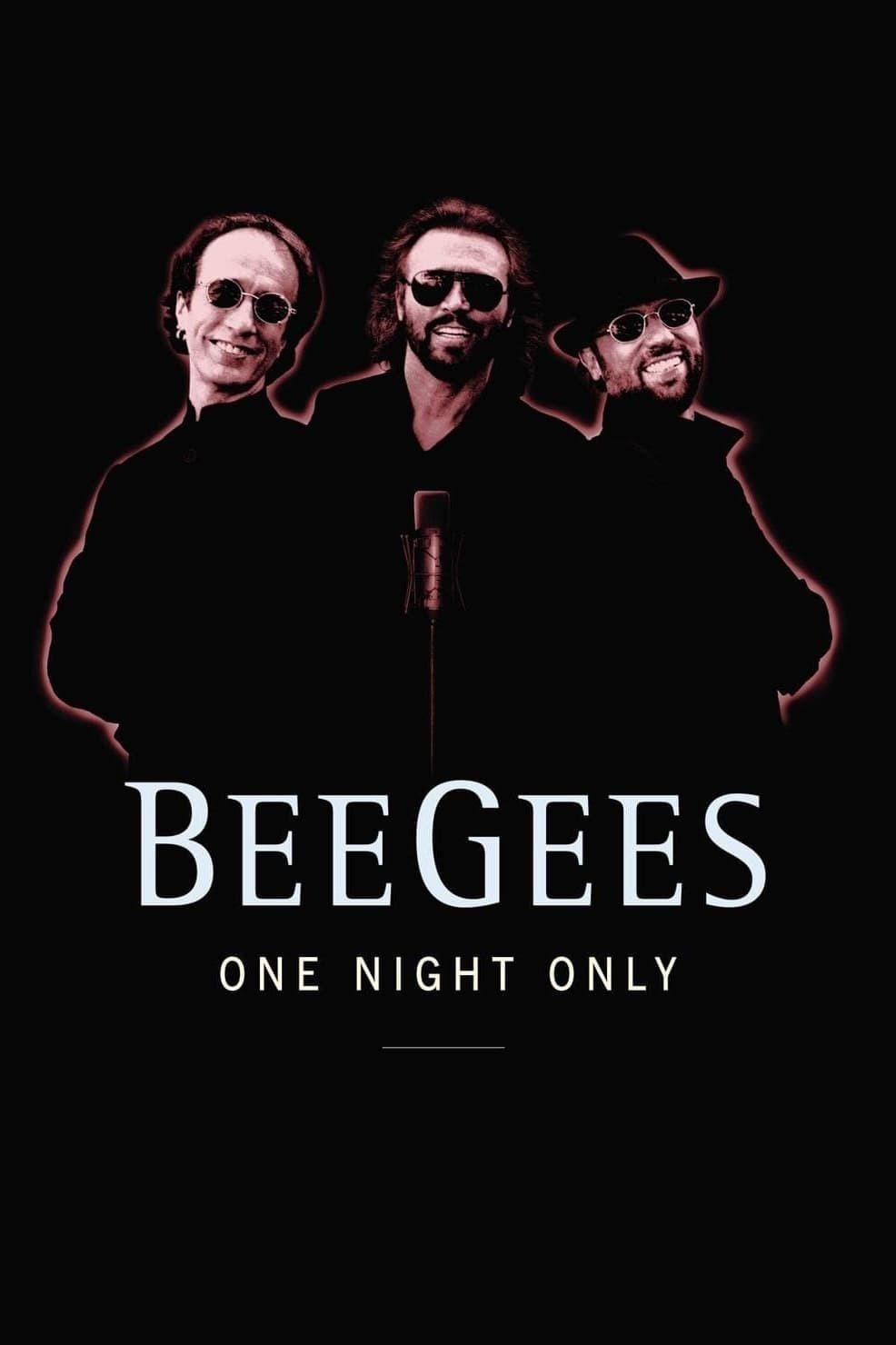
The brothers Gibb perform their greatest hits from the 60's, 70's, 80's and 90's including many songs written for and made hits by other artists but never recorded by the Bee Gees themselves.
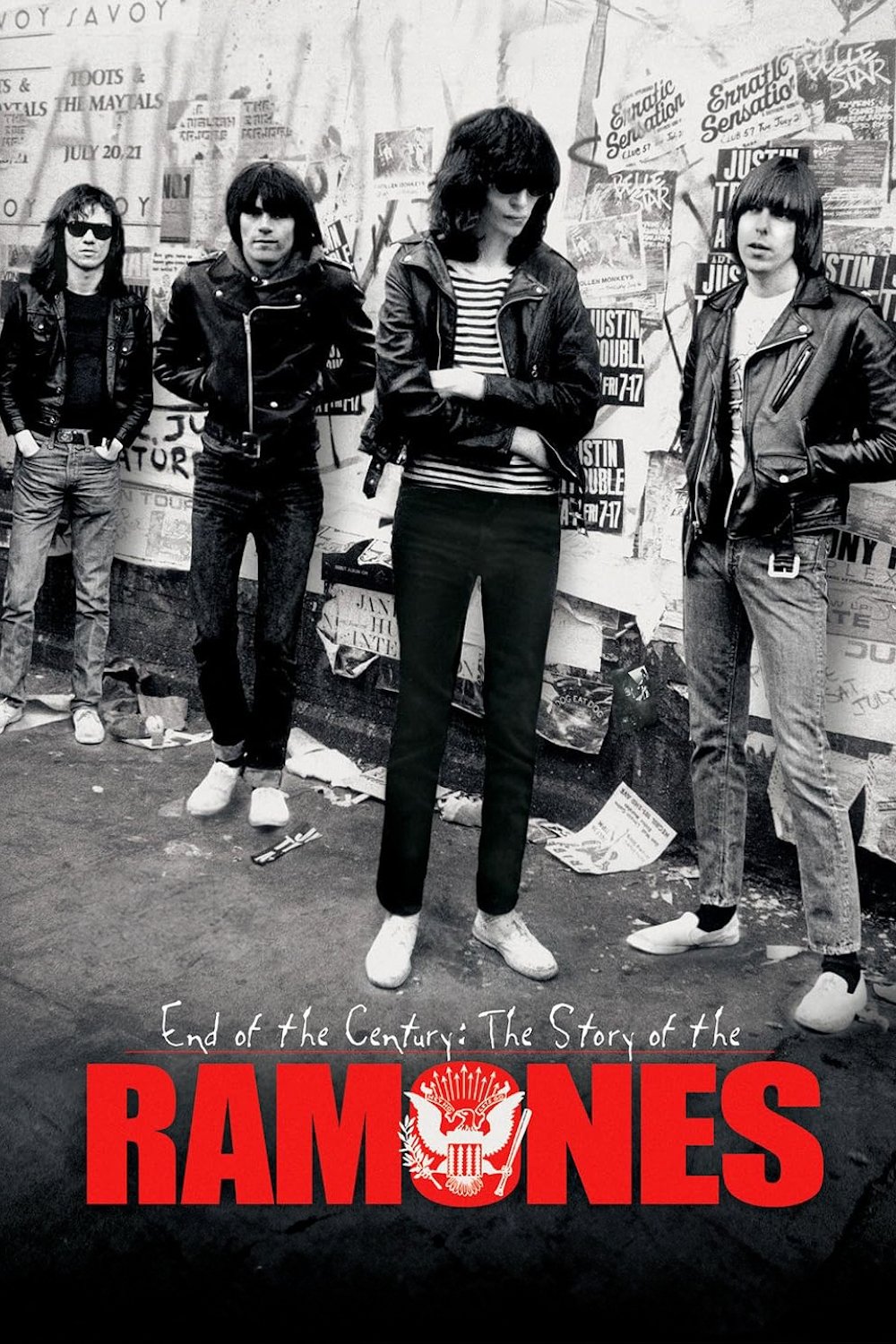
A years-in-the-making documentary on the legendary punk band the Ramones. Through a mixture of archival footage, archival and new interviews with all members of the band's various lineups, and new interviews with a number of their contemporaries, the film traces the peaks and valleys the band experienced over the course of its 20-plus year career before disbanding in 1995.
Live Aid was held on 13 July 1985, simultaneously in Wembley Stadium in London, England, and the John F. Kennedy Stadium in Philadelphia, United States. It was one of the largest scale satellite link-ups and television broadcasts of all time: watched live by an estimated global audience of 1.9 billion, across 150 nations. "It's twelve noon in London, seven AM in Philadelphia, and around the world it's time for Live Aid...!"
In the town of Normal Valley, an eccentric magician named Maestro entertains the local children every day in his spooky mansion. One stormy night, the town's mayor leads a group of angry citizens to the mansion in an attempt to run Maestro out of town.
A detective is hired to protect the life of a singer, who has recently inherited a department store, from the store's crooked manager.
In a short musical film directed by Paul Thomas Anderson, Thom Yorke of Radiohead stars in a mind-bending visual piece. Best played loud.
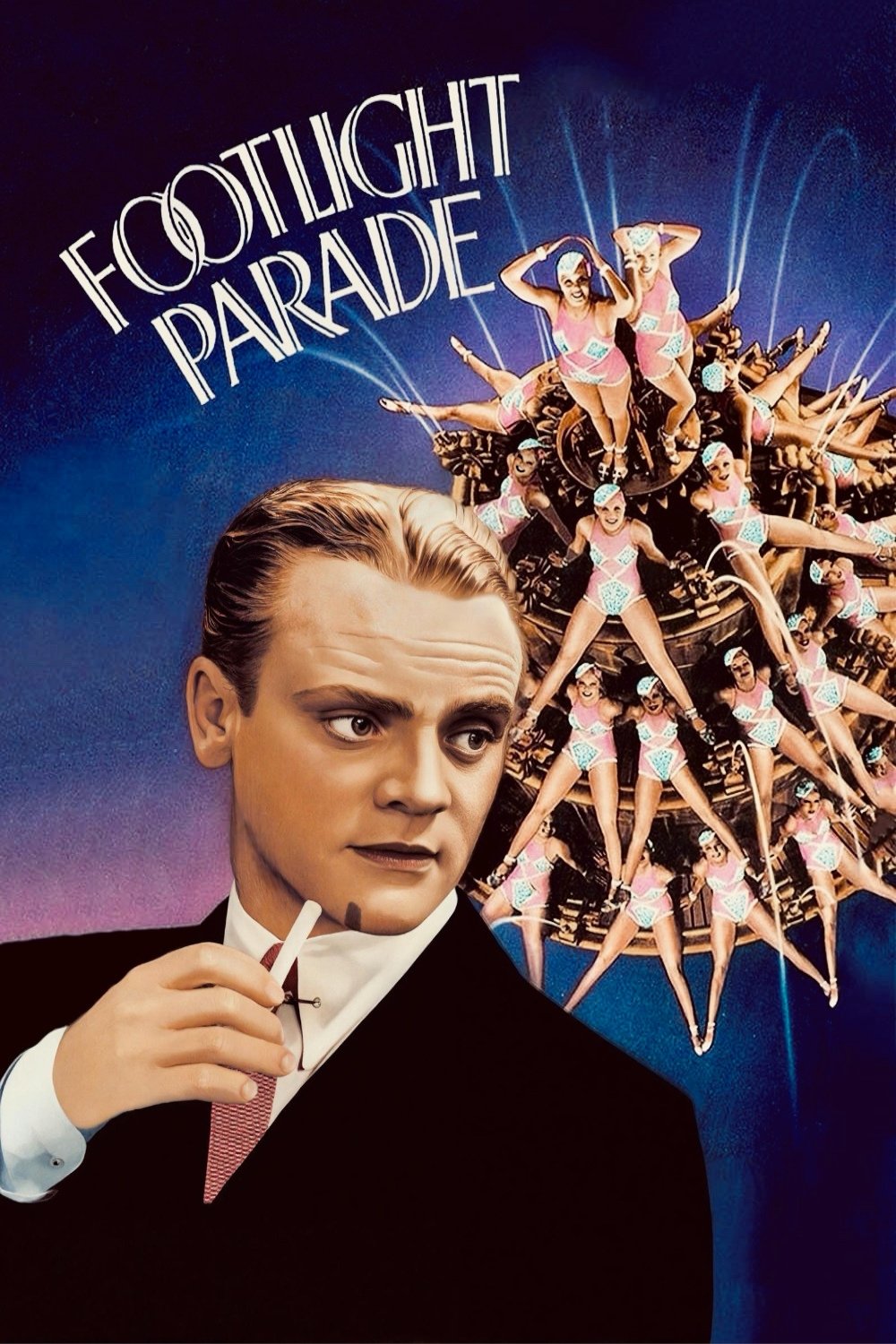
A fledgling producer finds himself at odds with his workers, financiers and his greedy ex-wife when he tries to produce live musicals for movie-going audiences.
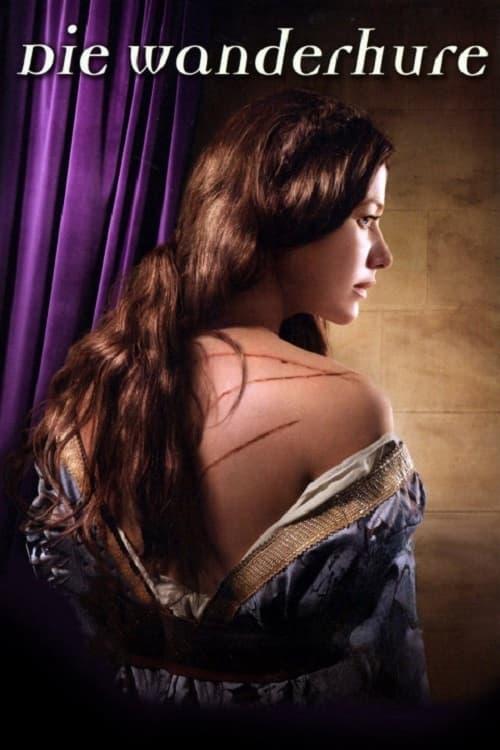
Constance, 1410. Marie, daughter of the richest bourgeois of the city, is on the eve of marrying a prestigious lawyer, son of an earl. Although the compromise fills with pride the girl's father, anxious to ennoble, Marie is not just convinced about her fiancé, who she has only seen twice. Her suspicions are confirmed tragically on the eve of the wedding when, after signing the marriage contract, a stranger breaks into the house ensuring that Marie has slept with other men in exchange for gifts, like a vile harlot. From that moment, the life of the girl will give a terrible unexpected turnaround. Alone, with his reputation ruined, she will have no choice to survive than partnering with a prostitute and lying on the roads.