A short burlesque that is lost today.
Social & External
The people behind it
Stjepan Bojničić
Gizela Huml
The Lonely Island spoofs Jose Canseco and Mark McGwire in this visual rap album set in the Bash Brothers' 1980s heyday.
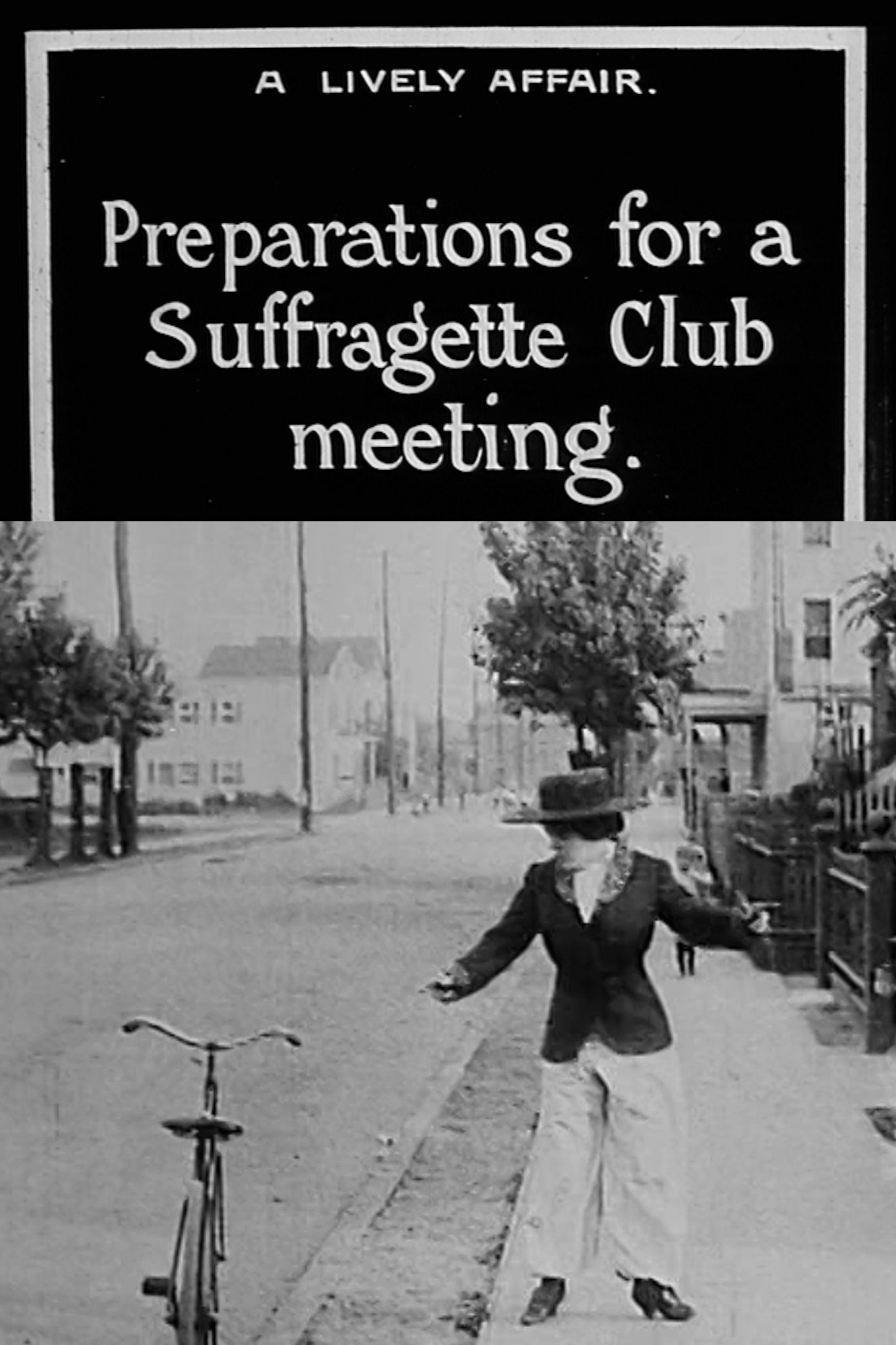
Women attending a suffragette club meeting wear pants, boss their husbands, neglect their kids, play poker, and fight. Their husbands stay home to care for the children and run the household.
Max, who fears dogs, is chased by them through the city, over walls, and even up a chimney and onto a roof.
A gentleman who's opposed to and mocks women's suffrage goes for a walk and unknowingly becomes an advertisement for it.
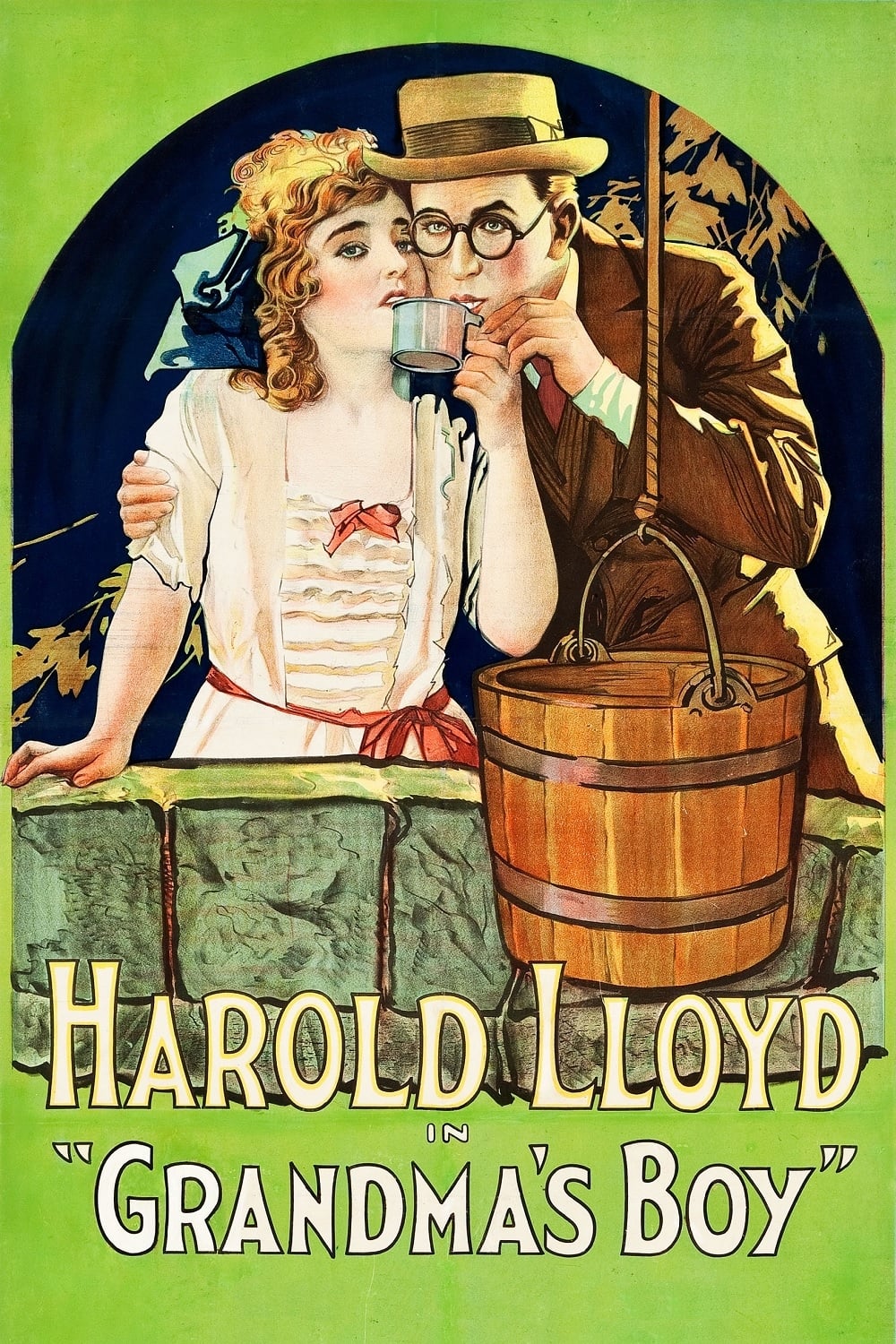
It's love at first sight for the Boy, but obstacles— namely shyness, and the temerity of other suitors— place themselves in the way of his love. Unknowingly, the Boy and the young woman of his fancy both stay at the home of mutual friends— But all is not well, as robbers lurk outside the house.
A public service animation from O'Galop that warns against the dangers of alcohol. Oh, the woes of drinking. Even a small glass of alcohol will turn someone inevitably into an epileptic criminal.
Robinet disguises himself as a woman to get away from his girlfriend’s husband, and discovers the unexpected pleasures of public drag amidst mobs of flirtatious men. (MoMA)
Helen and Tom are desperate to get married. After a foiled elopement attempt, the couple hatches a “fake wedding” scheme to trick Helen’s protective parents into allowing their marriage.
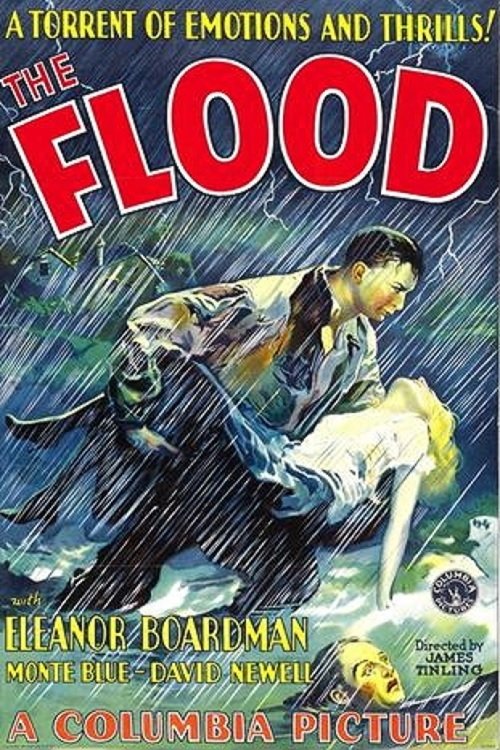
The story centers on a sordid love triangle involving a woman and two men. Their personal tensions and romantic complications reach a breaking point just as the local infrastructure fails. The climax of the film occurs when a massive dam bursts, unleashing a catastrophic flood. This disaster serves as the ultimate resolution for the characters' interpersonal struggles, forcing a conclusion to their conflicting relationships through the life-and-death stakes of the inundation.
Howard Peyton served two years for forgery. Jerry Grafton, a genteel crook, is on the lookout for him when Howard comes out of prison. He is met at the jail door by his young wife. Jerry also meets him and offers him help, but urged on by his wife, Howard refuses it. When they reach home, his wife, who has a little money, induces him to go to New York and start life anew, and send, for her when he has a position. In New York, he manages to obtain a position in the office of Arthur Jamieson, an importer. Howard sends for his wife to join him. While he is waiting, Grafton finds him and insists that he forge his employer's name, or he will expose his past offense. Naturally weak, Howard yields.
Lulu Leach is a reader of dime novels. One day she is reading a terrifying tale of anarchists. A foreign-looking man enters the office and asks to see her employer, who is out. He hands her a card and strangely enough bears the same name as the anarchist in her novel. She at once imagines him a nihilist. He is joined by a friend and together they look at the next office and rent it from Pearson, Lulu's employer. When they are gone, Lulu warns her boss, but he only laughs at her. It happens that Lulu's employer goes away for a day or two and leaves the office in her charge. This is her chance.
The night of the grand reception and dance finds Belle Oakley in high glee as she leaves for the reception. She arrives at the reception and discovers that she is without her dancing shoes. She announces her loss and immediately all the young men volunteer to go in search of them. Harry Brown, who was not as quick as the others, is left behind and sits dejectedly on the curb while the others drive away.
Sir Brian, an irascible old gentleman, who suffers from gout, receives a note saying his son Gerald is very ill at college, and asking him to come to Dublin. He is too ill to go so he gets his friend, Captain Jenks, to go instead of him. Jenks finds Gerald being nursed by a pretty girl and soon discovers that Gerald is in love with her.
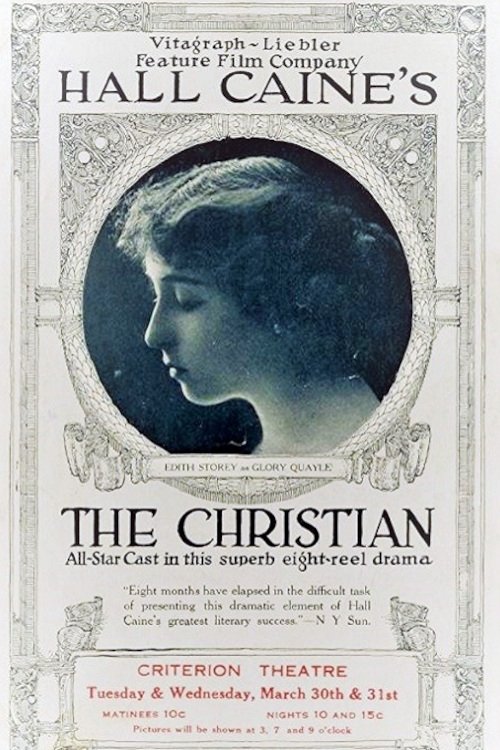
Glory Quayle, a natural-born mimic, leaves her country home, reaches London, goes on the stage, gains fame and affluence. John Storm, her country sweetheart, believing he has lost Glory forever, enters a monastery, tries to forget her, cannot kill his love, returns to the world, becomes a famous slum worker and friend of the poor.
Irene and Helen are worshipers at the shrine of Frangiapani, the tenor of the hour. When he sings at a concert, they meet in Irene's room, take the printed program of the concert, and one of them plays the accompaniment of the song he is actually singing. Irene sees an advertisement for a maid and waitress at Madame Frangiapani's home. The wild thought enters her brain that if she applies and gets the position, she will be nearer her adored. She puts the plan into execution, gets the position, and is waiting for the signor to appear. He does appear in a towering rage, at an adverse criticism in a paper which he is holding in his hand. His wife tries to soothe him and treats him like a little, unreasonable, bad-tempered child.
On Wall Street a strong-willed and arrogant stockbroker, one of those successful men who feels no one else knows anything, exasperates his son, a broker as well. The son goes into business for himself successfully. When a panic comes, his father is brought to the verge of ruin by speculating against him driving a further wedge between them. In time a reconciliation is forged by the women in their lives.
Everybody's ordered out on a strike when Benjamin Cohen, proprietor of a sweat-shop, reduces the employees' wages ten per cent. Rebecca Barish, a young Jewess, and her father, reluctantly go out with the rest. Unable to find other work, their circumstances become so reduced that Rebecca is obliged to go to the pawnshop with some of their belongings, and while there, Jacob Stattler, the pawnbroker, takes a fancy to her, and offers her father, through a schatehen, five hundred dollars to give her to him in manage.
In the college play, Tom and his room-mate, "Bunch," take prominent and successful parts, Tom as the hero and "Bunch" as the heroine, in which he is an excellent female impersonator. The day after the performance, "Bunch" makes an engagement to take a real chorus girl to dinner. Unexpectedly his mother comes to college to visit him and he makes Tom take the girl.
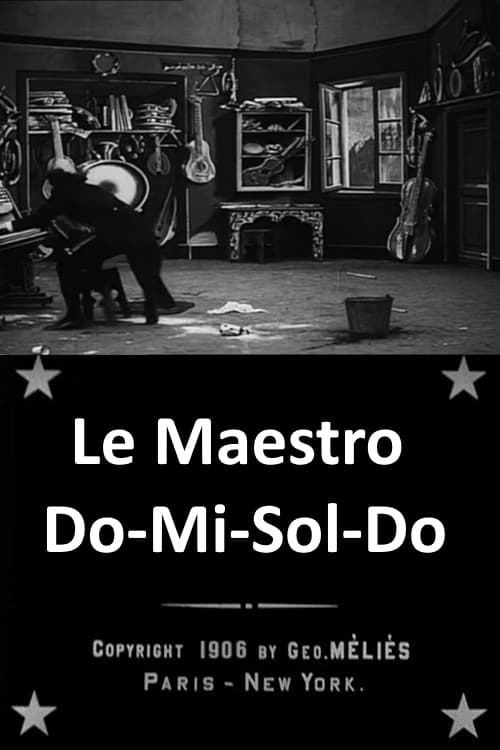
A crazy, rude musician gets some supernatural comeuppance.
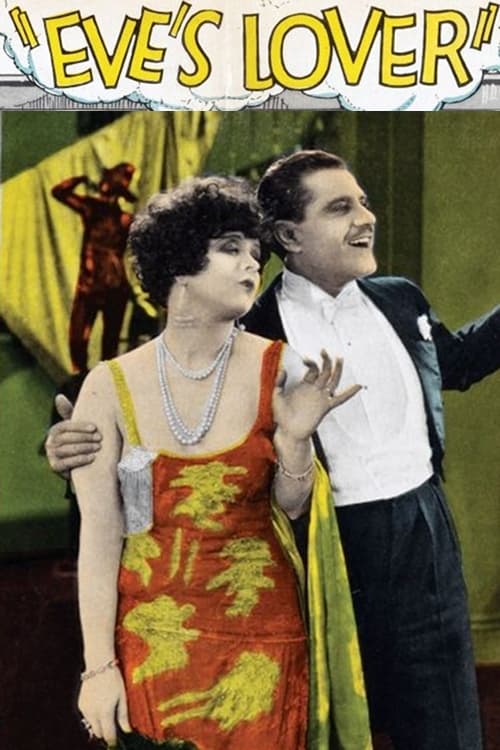
Austin Starfield has his greedy eye on a steel mill belonging to Eve Burnside. He persuades an impoverished count, Leon Molnar to marry Eve so he can then gain control of her fortune.
A young filmmaker in 1960s Paris juggles directing a cheesy sci-fi debacle, directing his own personal art film, coping with his crumbling relationship with his girlfriend, and a new-found infatuation with the sci-fi film's starlet.
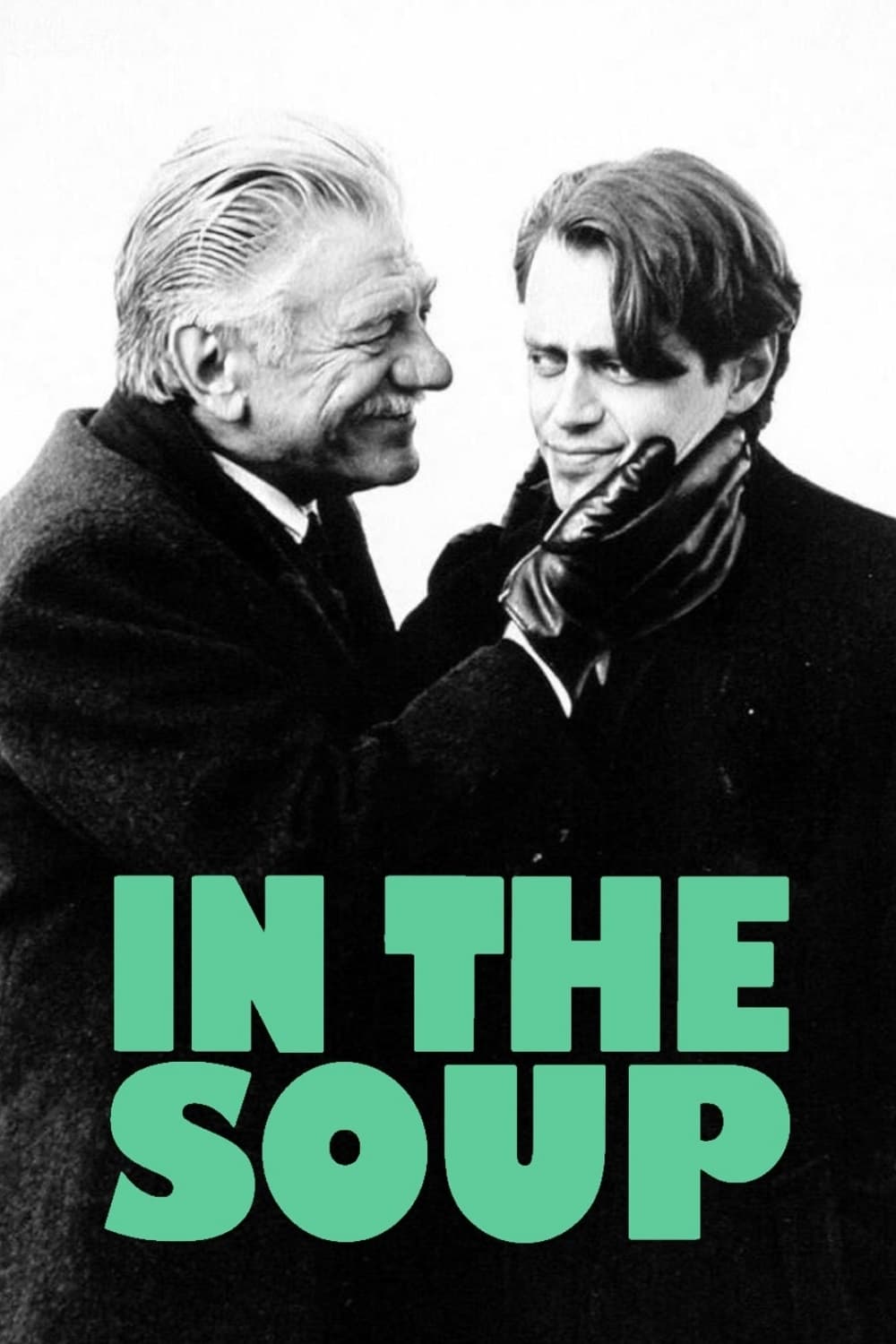
An aspiring young filmmaker gets involved with an eccentric gangster for the financing of his first film.
Recently widowed well-to-do Laura Henderson purchases the Windmill Theatre in London as a post-widowhood hobby. After starting an innovative continuous variety review, which is copied by other theaters, they begin to lose money. Mrs Henderson suggests they add risqué burlesque acts similar to the Moulin Rouge in Paris.
A group of suburban teenagers try to support each other through the difficult task of becoming adults.
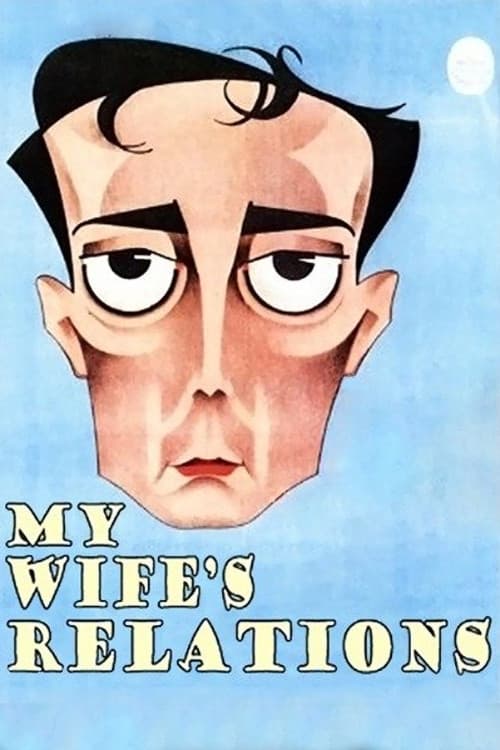
Buster and a woman are mistakenly married and her initially unfriendly family begins to treat him nicely when they come to believe he has a large inheritance awaiting him.
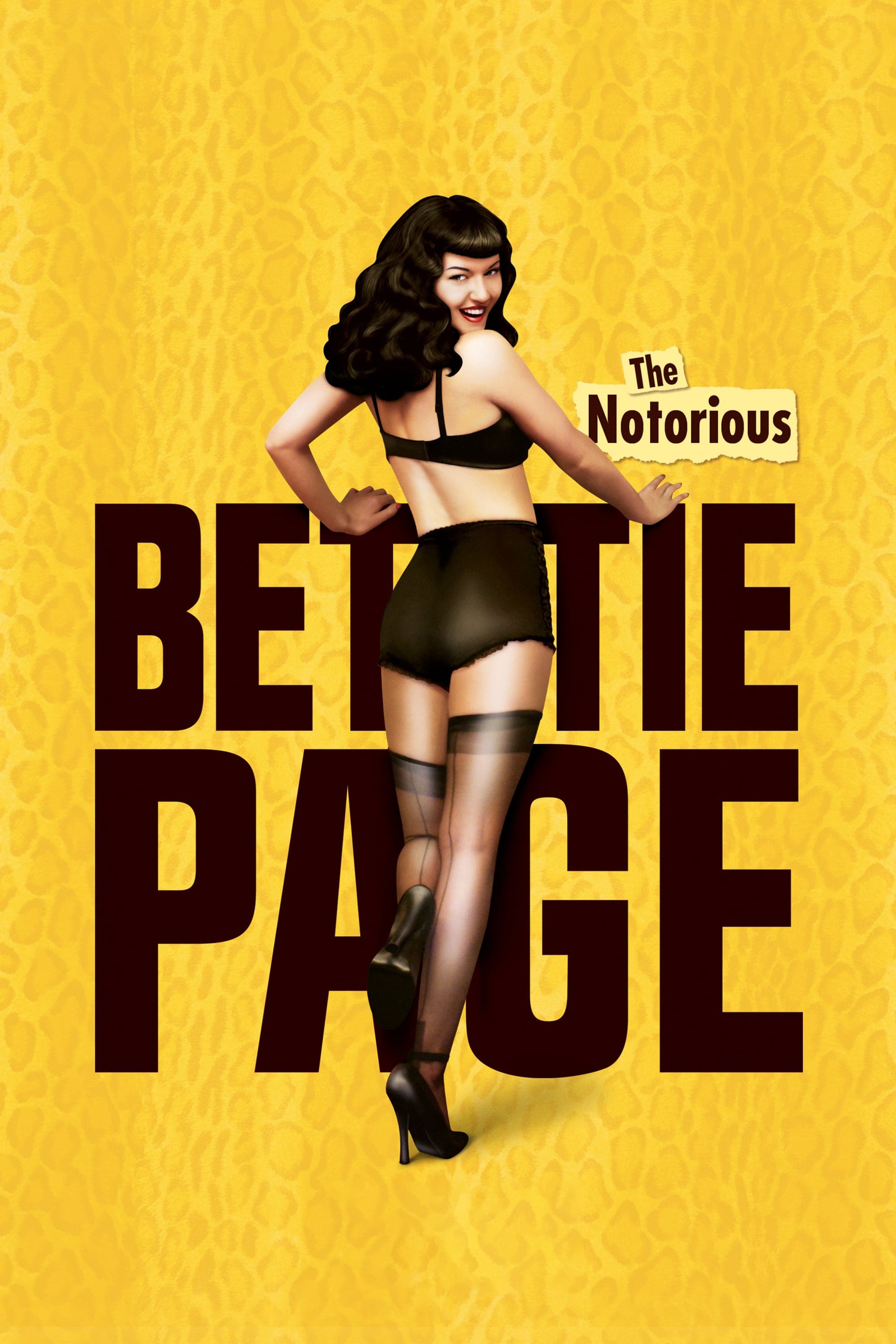
Bettie Page grew up in a conservative religious family in Tennessee and became a photo model sensation in 1950s New York. Bettie's legendary pin-up photos made her the target of a Senate investigation into pornography, and transformed her into an erotic icon who continues to enthrall fans to this day.
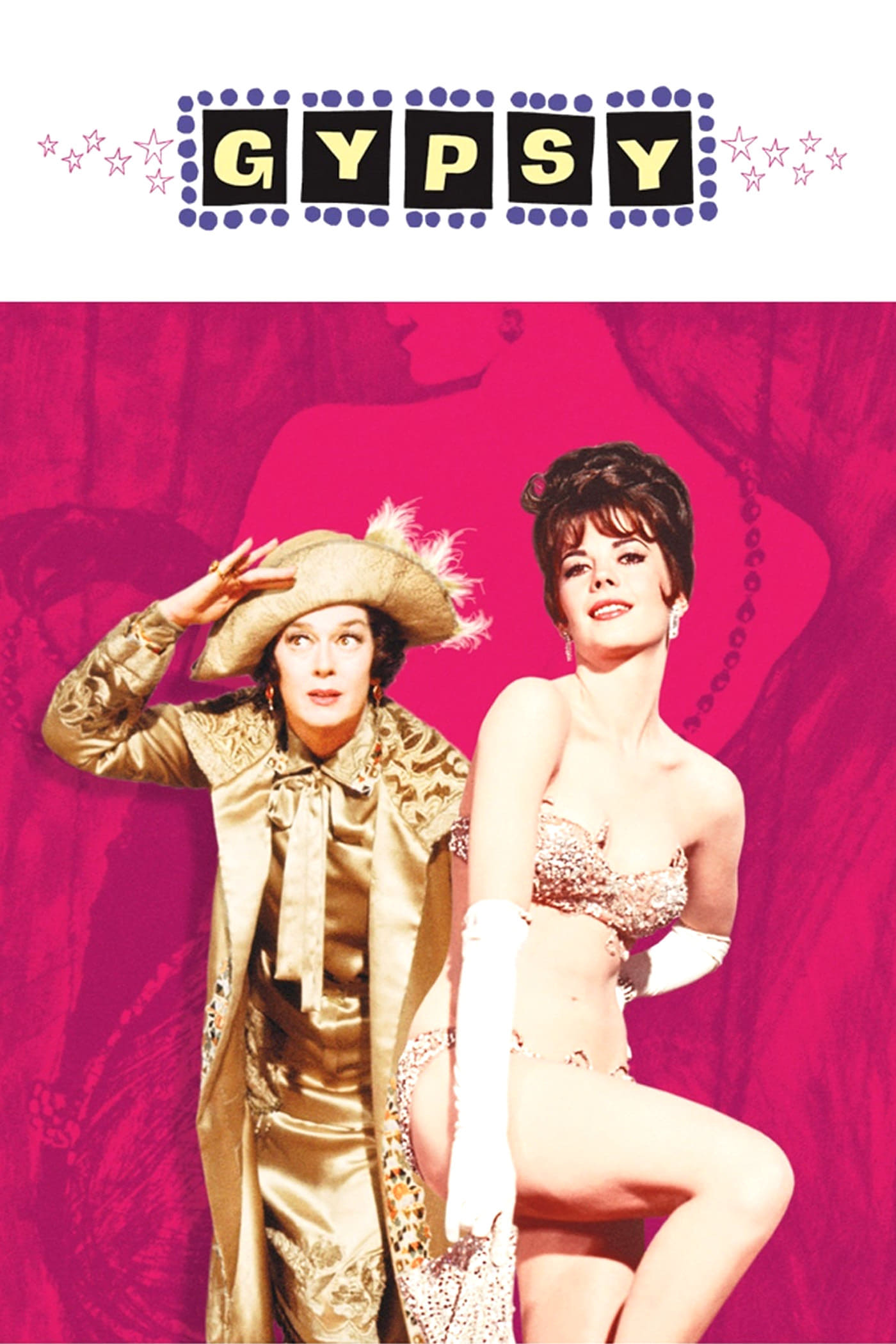
Gypsy's mother Rose dreams of a life in show business for her daughters, but Louise becomes a huge burlesque star. Stage musical loosely based on the memoirs of Gypsy Rose Lee.
A 16-year-old girl takes her parents hostage after they miss her big jump-roping competition.
Stan and Ollie are musicians attempting to travel by train to Pottsville.
A documentary filmmaker interviews the now-famous Trevor Slattery from behind bars.
While streetworker Mickey romances Minnie, Mickey's nephews Morty and Ferdie take control of his steamroller and it's full speed ahead on a very destructive ride.
A hypochondriac vacations in the tropics for the fresh air - and finds himself in the middle of a revolution instead.
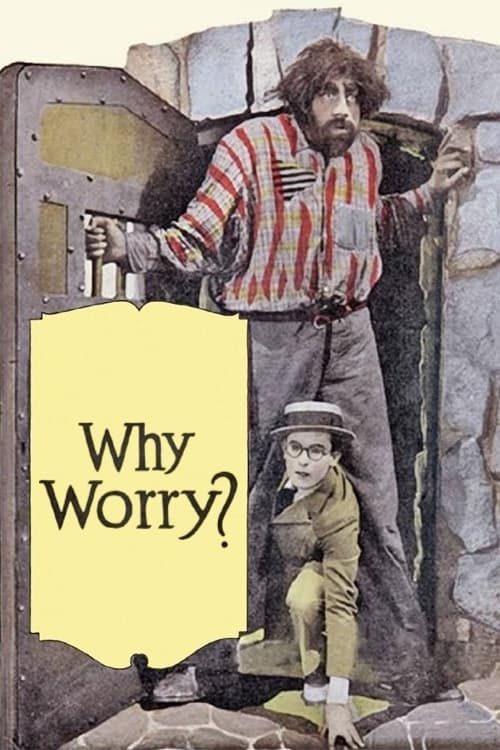
A meek young man must find the courage within when a rogue tramp menaces his hometown.
A teenager living with her sister and parents in Manhattan during the 1990s discovers that her father is having an affair.
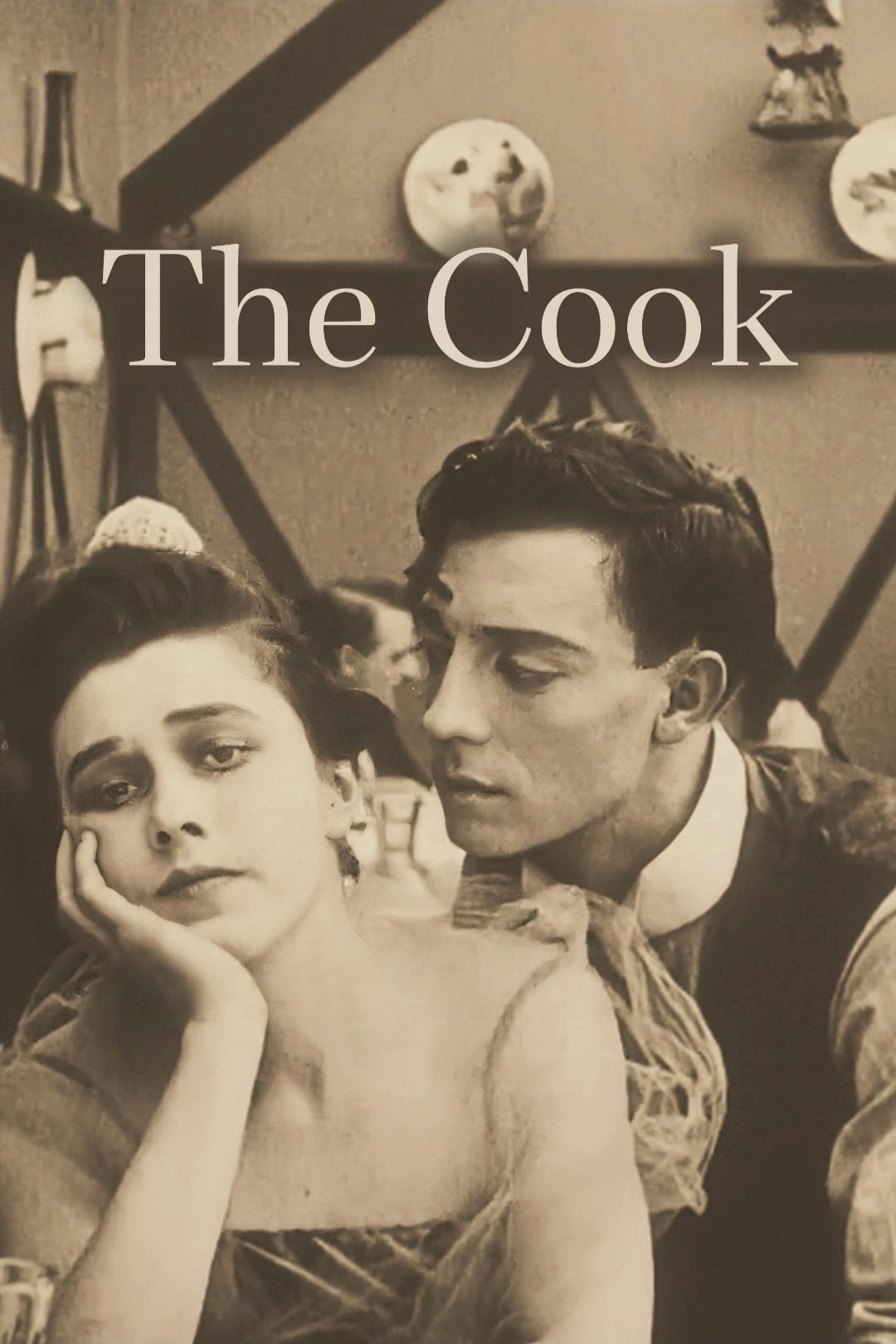
In an attempt at greater efficiency, the chef and waiter of a fancy oceanside restaurant wreak havoc in the establishment. Adding to the complications is the arrival of a robber.
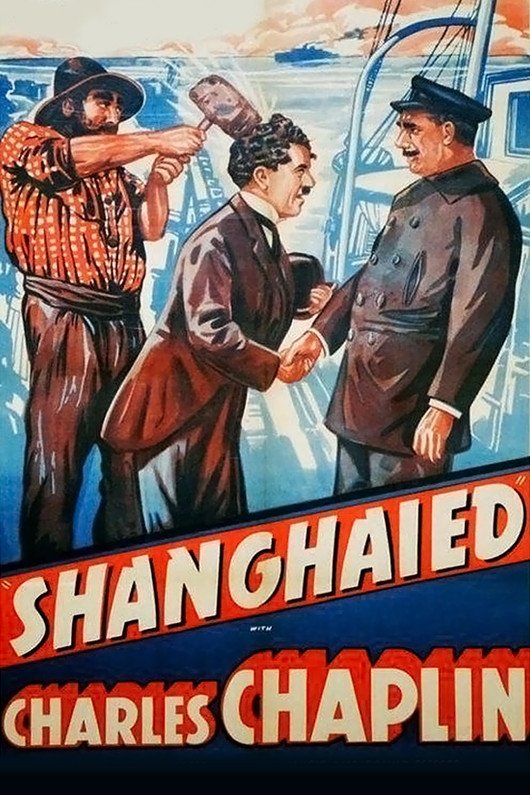
A shipowner intends to scuttle his ship on its last voyage to get the insurance money. Charlie, a tramp in love with the owner's daughter, is grabbed by the captain and promises to help him shanghai some seamen. The daughter stows away to follow Charlie. Charlie assists in the galley and attempts to serve food during a gale.
A man whose brain becomes magnetized unintentionally destroys every tape in his friend's video store. In order to satisfy the store's most loyal renter, an aging woman with signs of dementia, the two men set out to remake the lost films.
The kingdom is in a festive mood as everyone gathers for the royal wedding of Rapunzel and Flynn. However, when Pascal and Maximus, as flower chameleon and ring bearer, respectively, lose the gold bands, a frenzied search and recovery mission gets underway. As the desperate duo tries to find the rings before anyone discovers that they’re missing, they leave behind a trail of comical chaos that includes flying lanterns, a flock of doves, a wine barrel barricade and a very sticky finale. Will Maximus and Pascal save the day and make it to the church in time? And will they ever get Flynn’s nose right?
Duncan is a genius straight A student, Blade is ajuvenile delinquent. But because of a mix up with their school records, everyone thinks each is the other one. Now, Duncan kind of likes the attention from being thought of as a real bad dude, if only the school bully would stop trying to rough him up. And Blade definitely likes being thought of as important instead of as trouble.
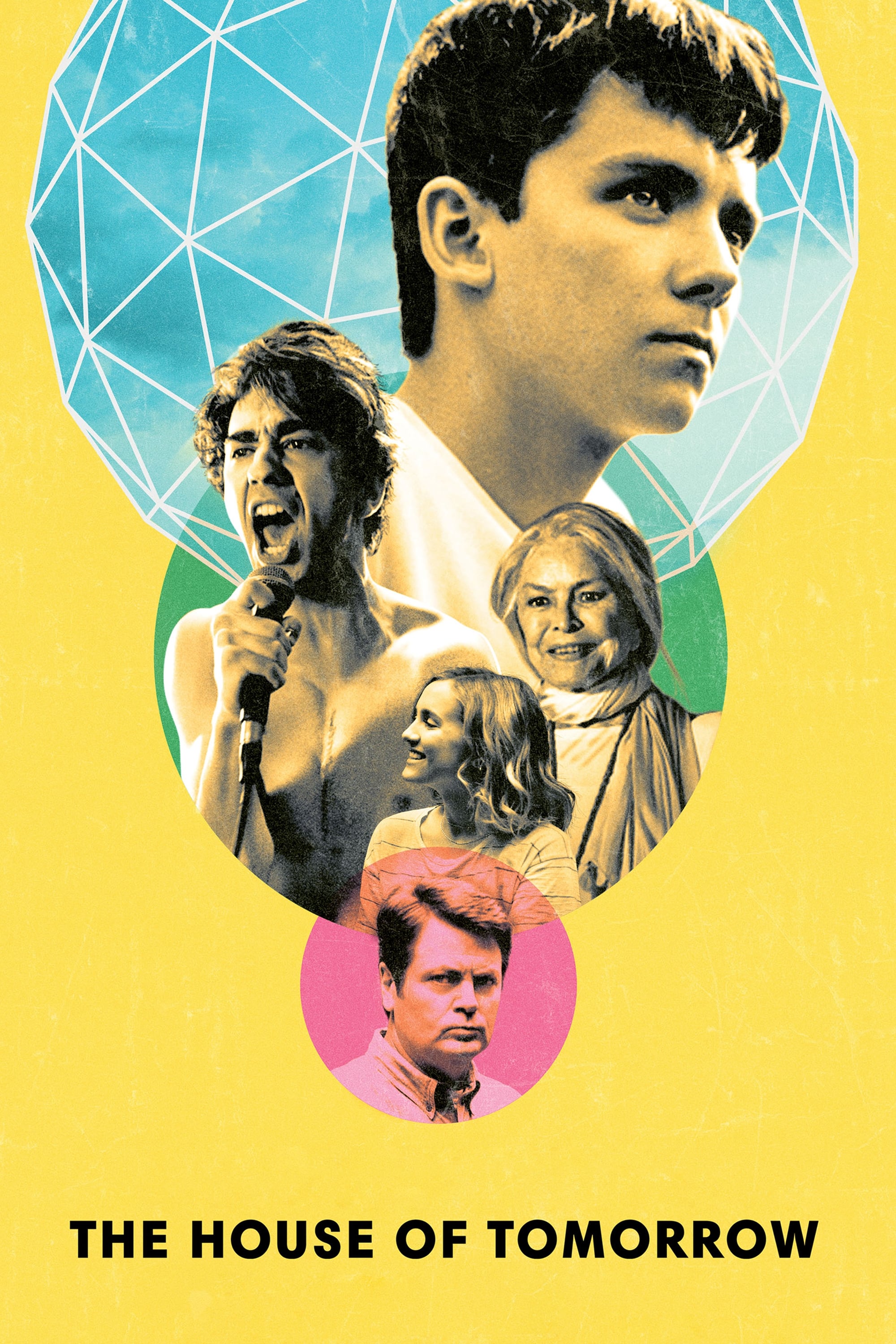
The film tells futurist, architect, and inventor R. Buckminster Fuller's incredible story through two teens hoping to get laid, become punk gods, and survive high school.