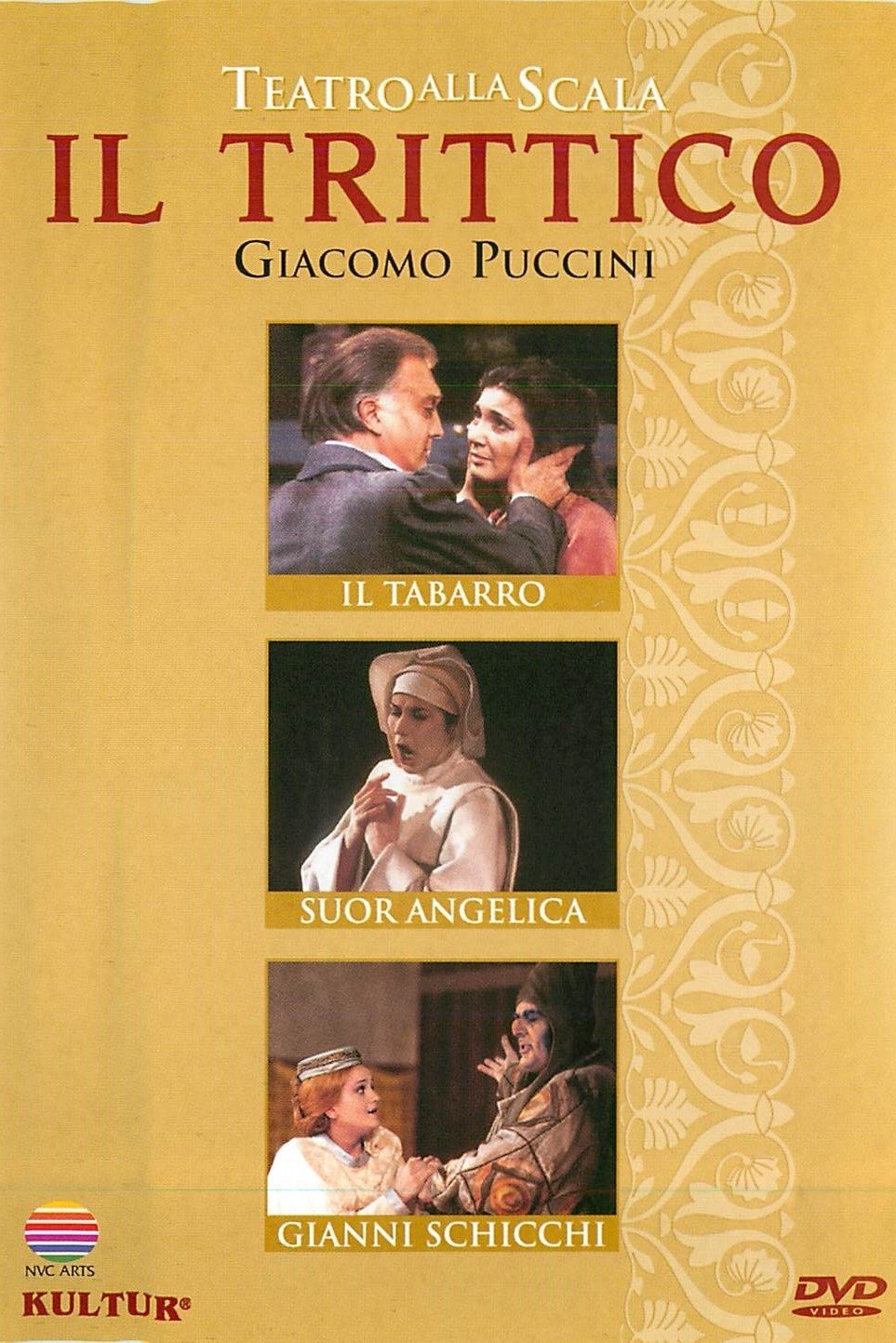
Teatro Alla Scala 1983 production of three one-act operas from Puccini.
Social & External
Unknown Role
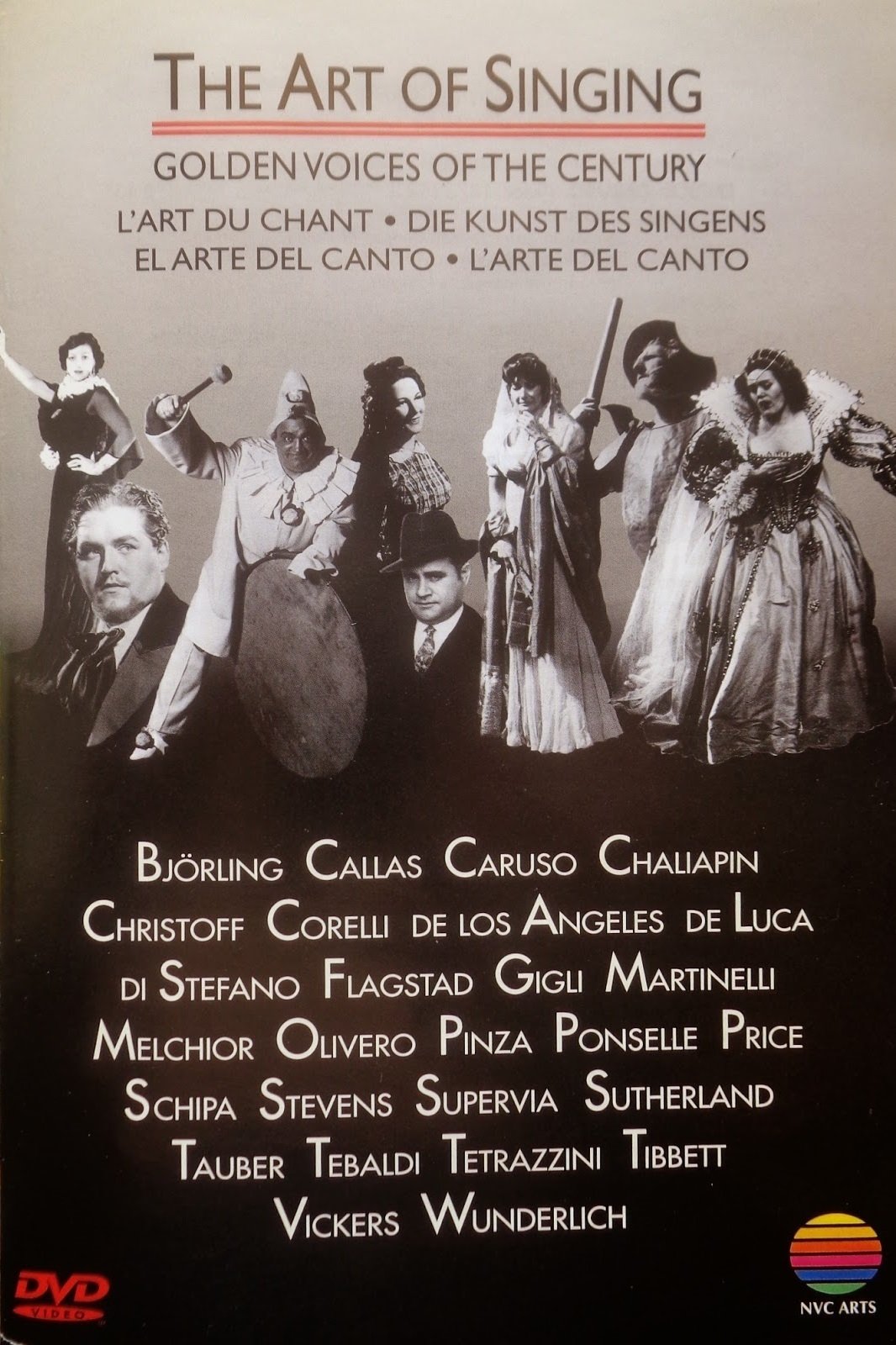
Imagine a window into the past. Imagine finally connecting singers' bodies to the voices you have always treasured on record, watching footage of performances from another era. All of singers featured here have something in common (with one exception, Sutherland): they sang and performed on stage before the advent of filmed opera. . And it shows, for the first time, a few tantalizing minutes of recently recovered footage from Callas' legendary Lisbon Traviata, featuring Addio dal Passato and Parigi oh cara with Alfredo Kraus. This DVD will leave you asking for more.
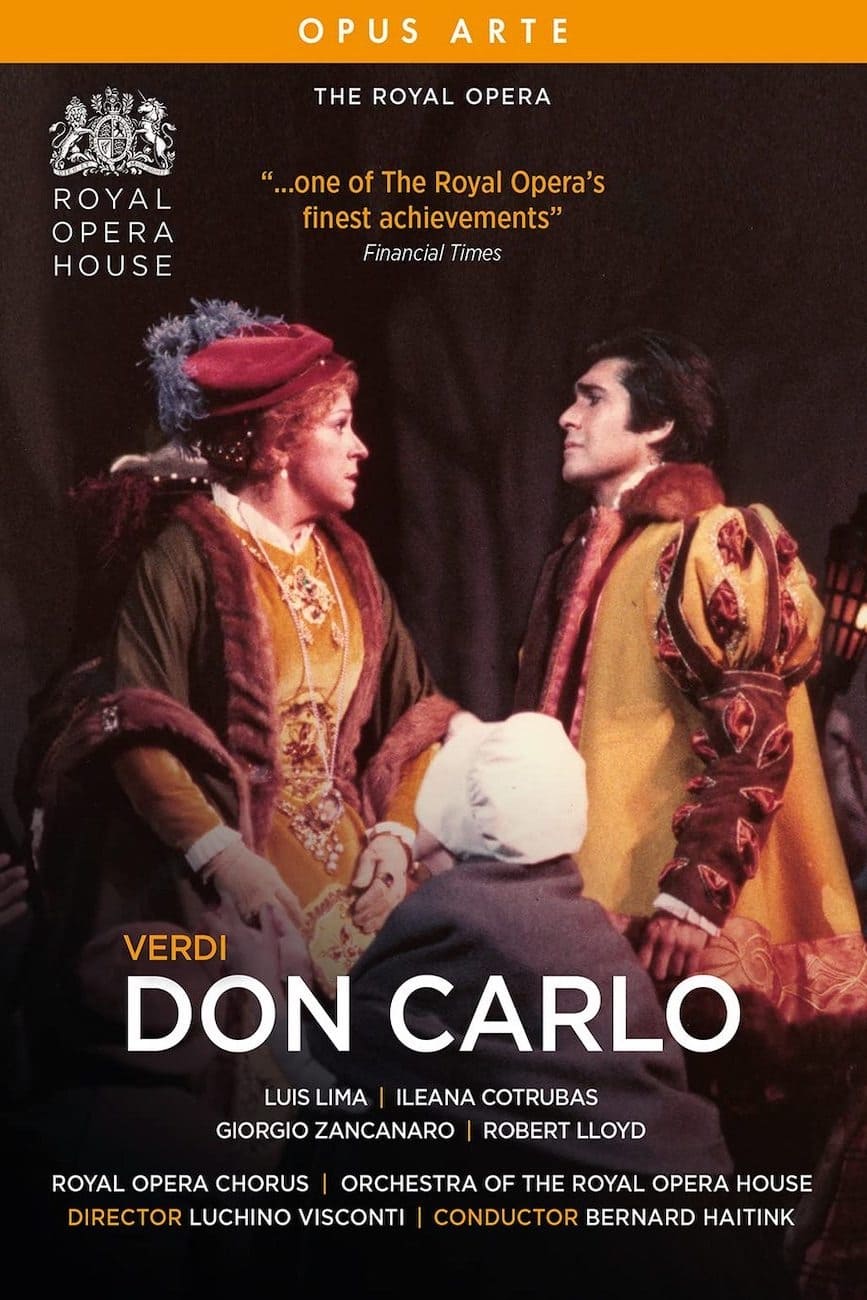
A 1985 performance of Luchino Visconti's 1958 staging for the Royal Opera House, Covent Garden. Bernard Haitink memorably directs a superb cast that includes Ileana Cotrubas at the height of her powers and Luis Lima, unequalled in his tortured introspection, in the title role. (5-act version, sung in Italian)
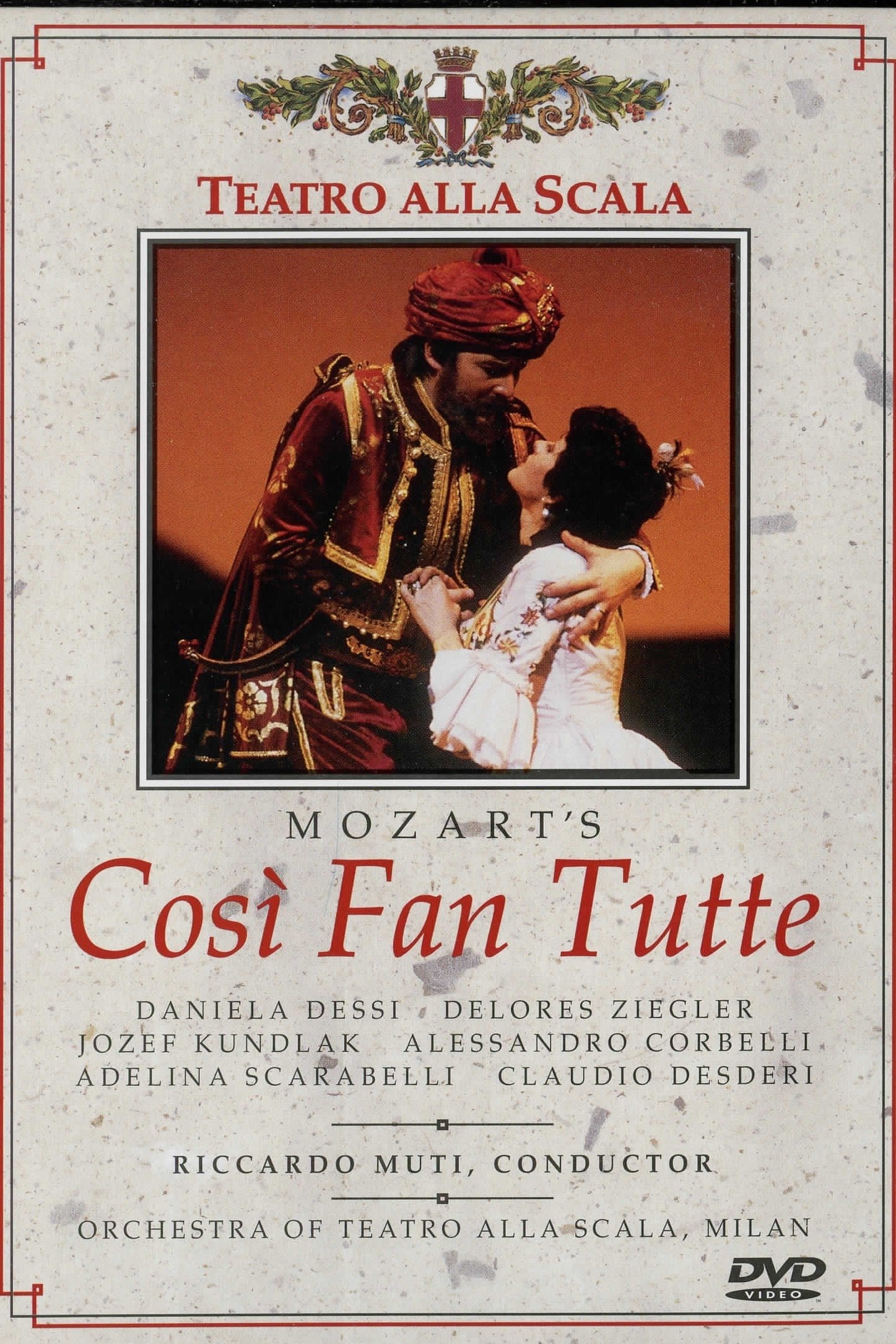
Officers Ferrando and Guglielmo are certain that their lovers Dorabella and Fiordiligi are faithful to them, but the cynical Don Alfonso challenges them to a bet that the women will be unfaithful given the chance. The officers thus pretend to go off to war, and return in disguise as Albanian strangers, to woo Dorabella and Fiordiligi incognito. The ladies are initially frosty, but soon warm to their new suitors, spurred on by their maid Despina. Performed at the La Scala Theatre in Milan.
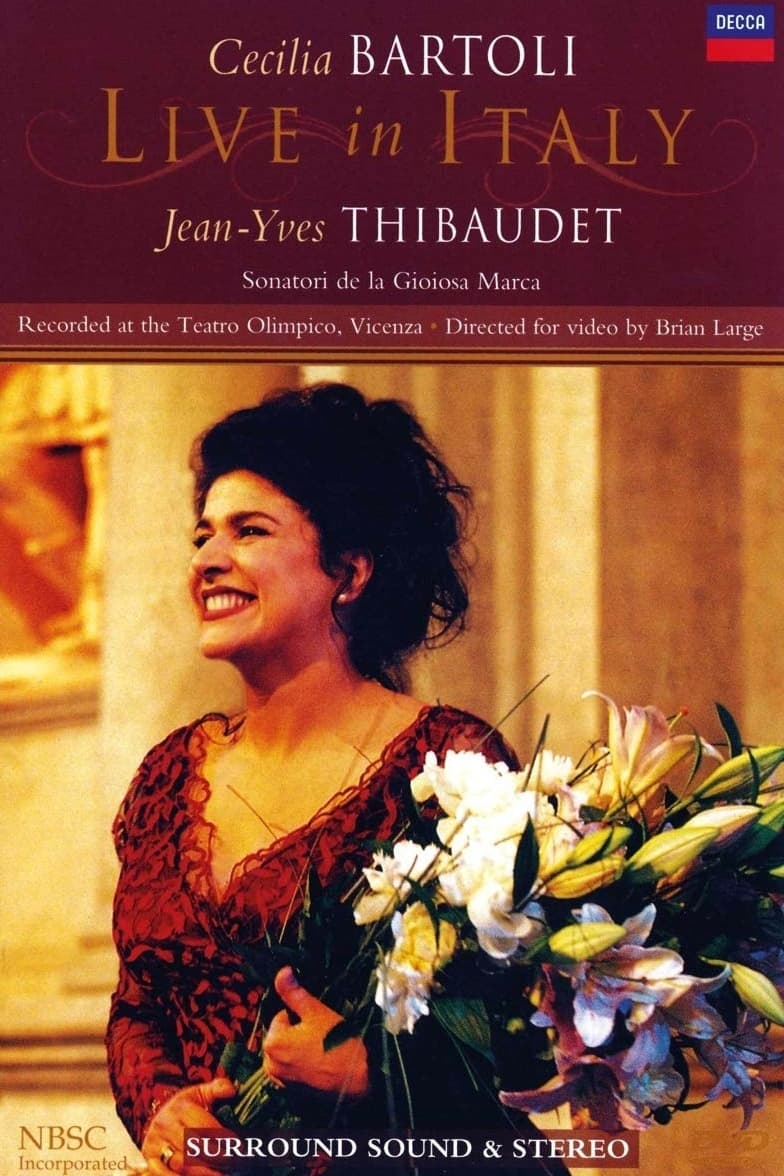
In the awe-inspiring Teatro Olimpico,Vicenza, Cecilia Bartoli, recognised as one of the best singers of our time, gives the most outstanding recital of work from a variety of composers such as Caccini, Schubert, Handel, Vivaldi, Bellini, Donizetti,Mozart, Rossini, Viardot and Bizet.
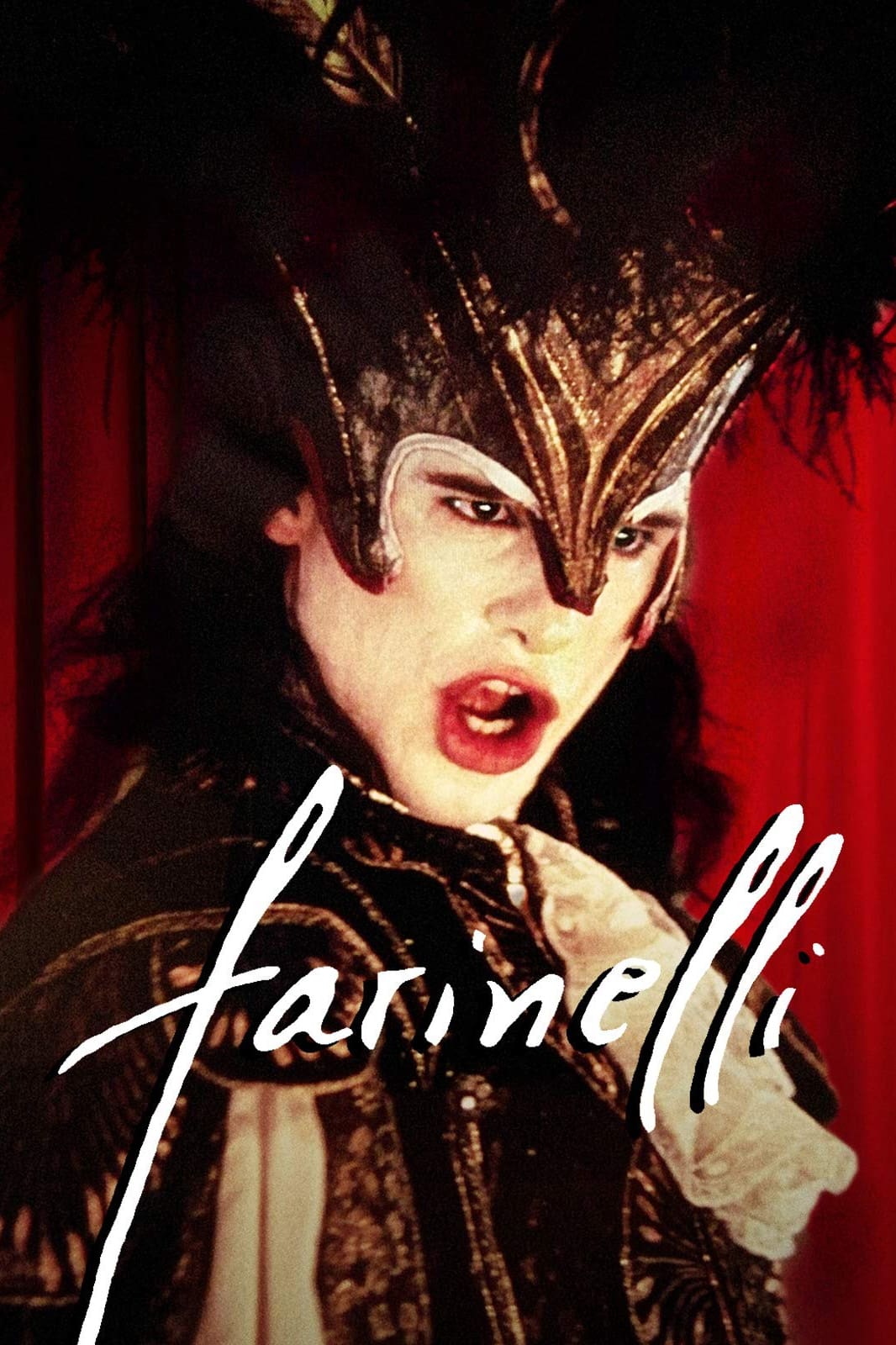
The life and career of Italian opera singer Farinelli, considered one of the greatest castrato singers of all time.
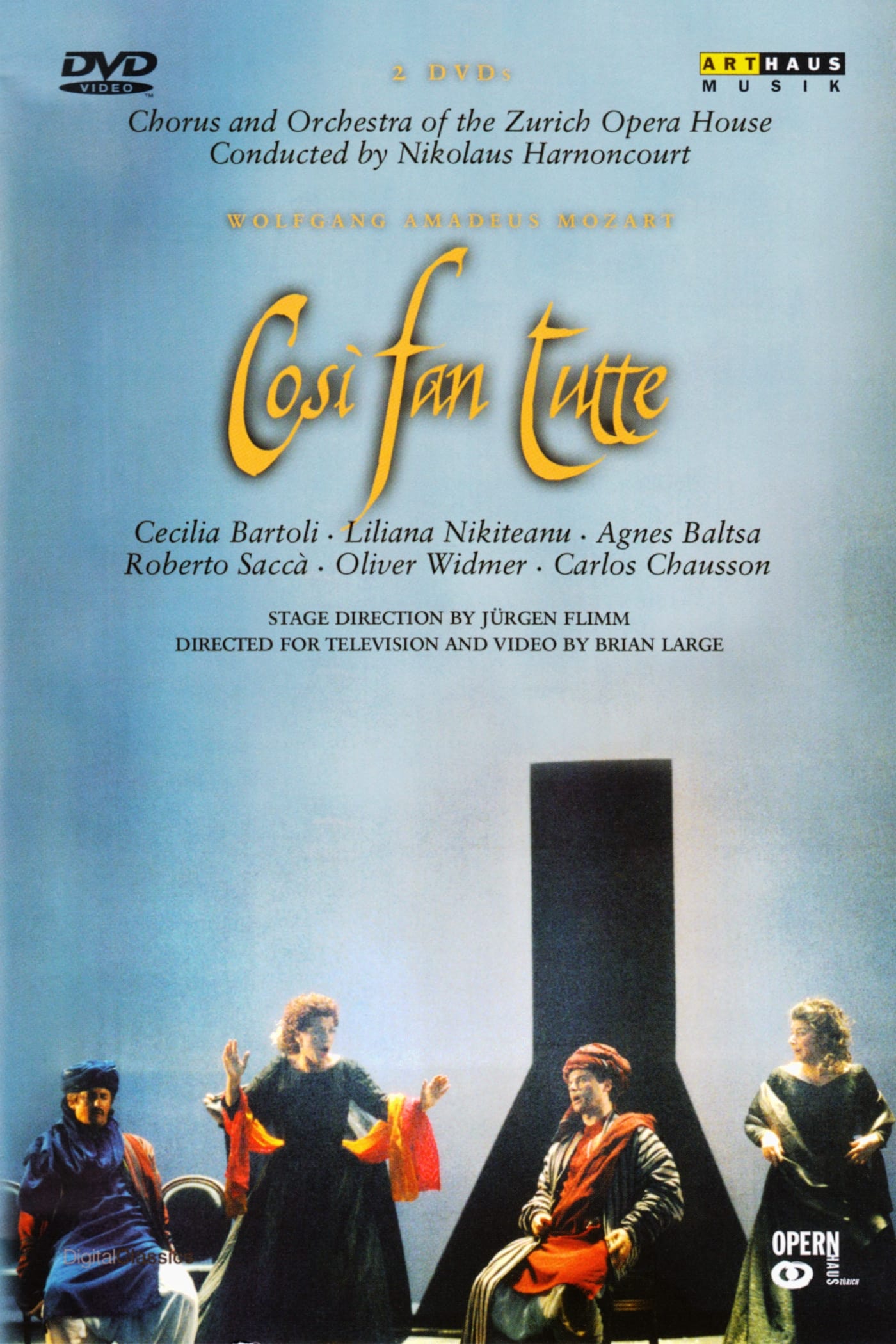
A production of Mozart's opera recorded live at Zurich Opera House in 2000. Cecilia Bartoli leads an all-star cast including Roberto Saccà, Liliana Nikiteanu, and Agnes Baltsa. The conductor is Nikolaus Harnoncourt. Filmed live at the Zurich Opera House in February 2000 on a set which visualises the subtitle "The School for Lovers", the plot revolves around two army officers arguing about the fidelity of their brides, then setting out to test their chastity. Despite the often playful humour, this is not only psychologically telling music-making, but reveals Mozart exploring the structure of opera, discarding convention to mix large ensemble sections with arias for as many different combinations of singers as possible. With Liliana Nikiteanu attractively contrasted with Bartoli, and thoroughly convincing performances by Roberto Sacca (Ferrando) and Oliver Widmer (Guilelmo), this Così has a freshness and flow which, coupled with the timeless romantic themes, feels very contemporary.
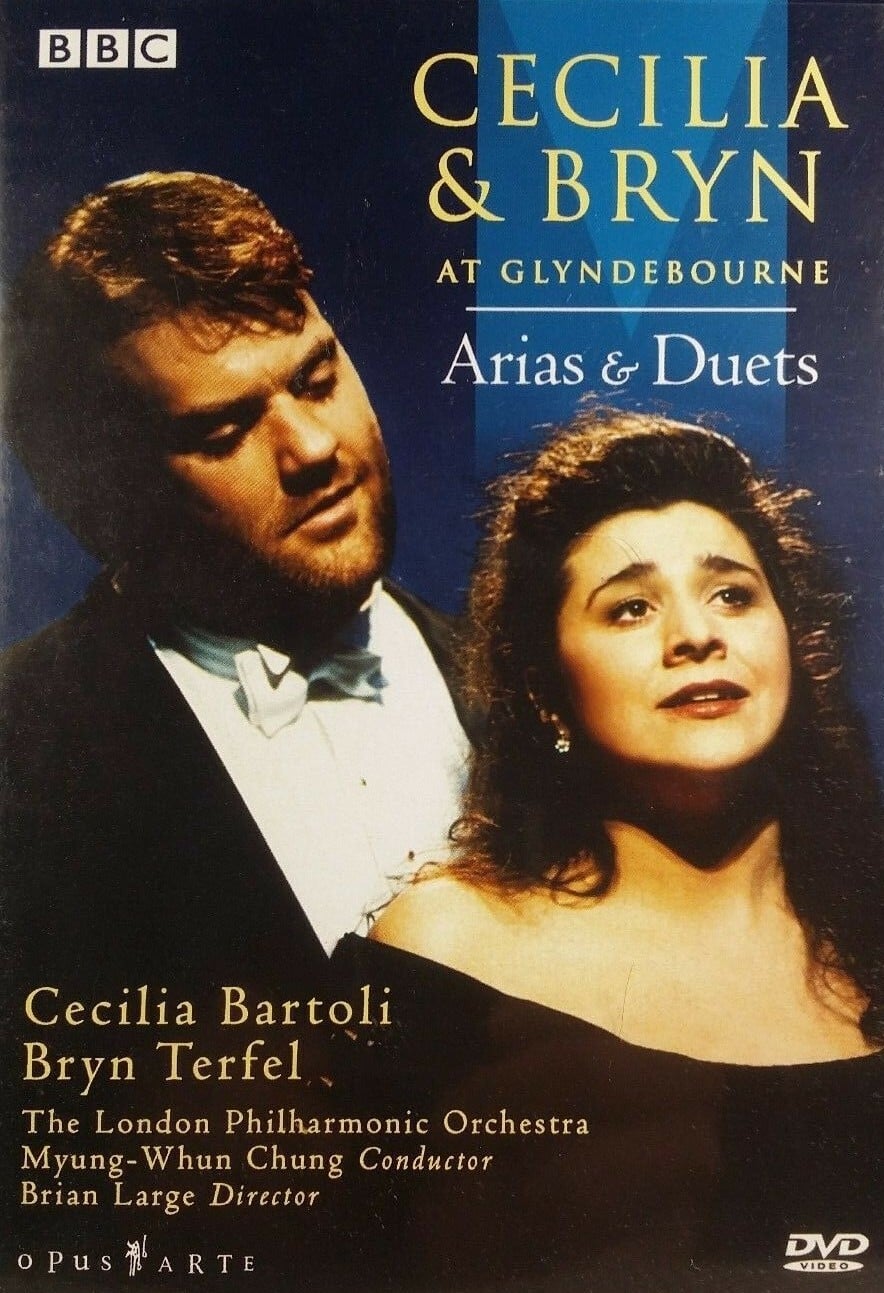
The celebrated mezzo-soprano Cecilia Bartoli joins Bryn Terfel for a recital of arias and duets recorded at Glyndebourne Opera House in 1999. The programme features favourite pieces from Mozart, Rossini and Donizetti, with the London Philharmonic Orchestra conducted by Myung-Whun Chung.
John Eliot Gardiner conducts Gluck’s 1776 French version of “Alceste” at the Théâtre du Châtelet in Paris. Soprano Anne Sofie von Otter takes the title role of Alceste, Queen of Thessaly, who offers to die at the hands of the gods in place of her husband, Admète (Paul Groves), so that the people will not lose their king. Alceste is then saved from the underworld by Hercule (Dietrich Henschel).
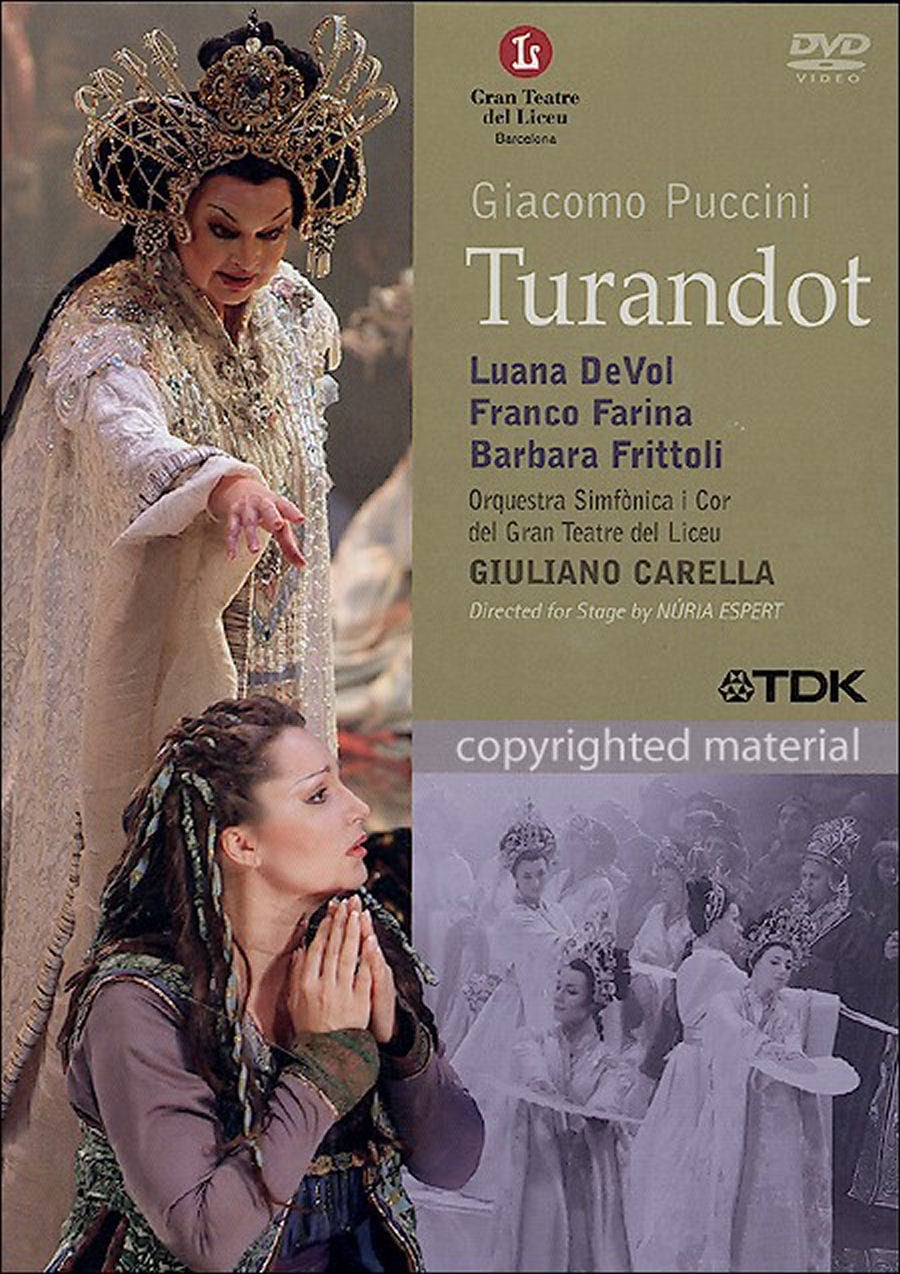
Lovely but lethal, the evil Princess Turandot comes to life through the performance of Luana De Vol in this visually stunning production of Giacomo Puccini's Peking-set opera directed by Nuria Espert and conducted by Giuliano Carella. In this 2004 performance at the Gran Teatre del Liceu in Barcelona, Spain, all the subtleties of Puccini's unique tonality and unconventional instrumentation are in ample evidence.
"Orango" - prologue to an unfinished opera by Dmitri Shostakovich (1906-1975), conducted by Esa-Pekka Salonen, performed by the Finnish Radio Symphony Orchestra and the Mariinsky Theatre Academy. In the 1920s, Soviet biologist Ilya Ivanovich Ivanov carried out a series of experiments to create a human/nonhuman ape hybrid. Three female chimpanzees were inseminated with human sperm. No pregnancy occurred.. In 1929 he organized a set of experiments involving nonhuman ape sperm and human volunteers, but was delayed by the death of his last orangutan.
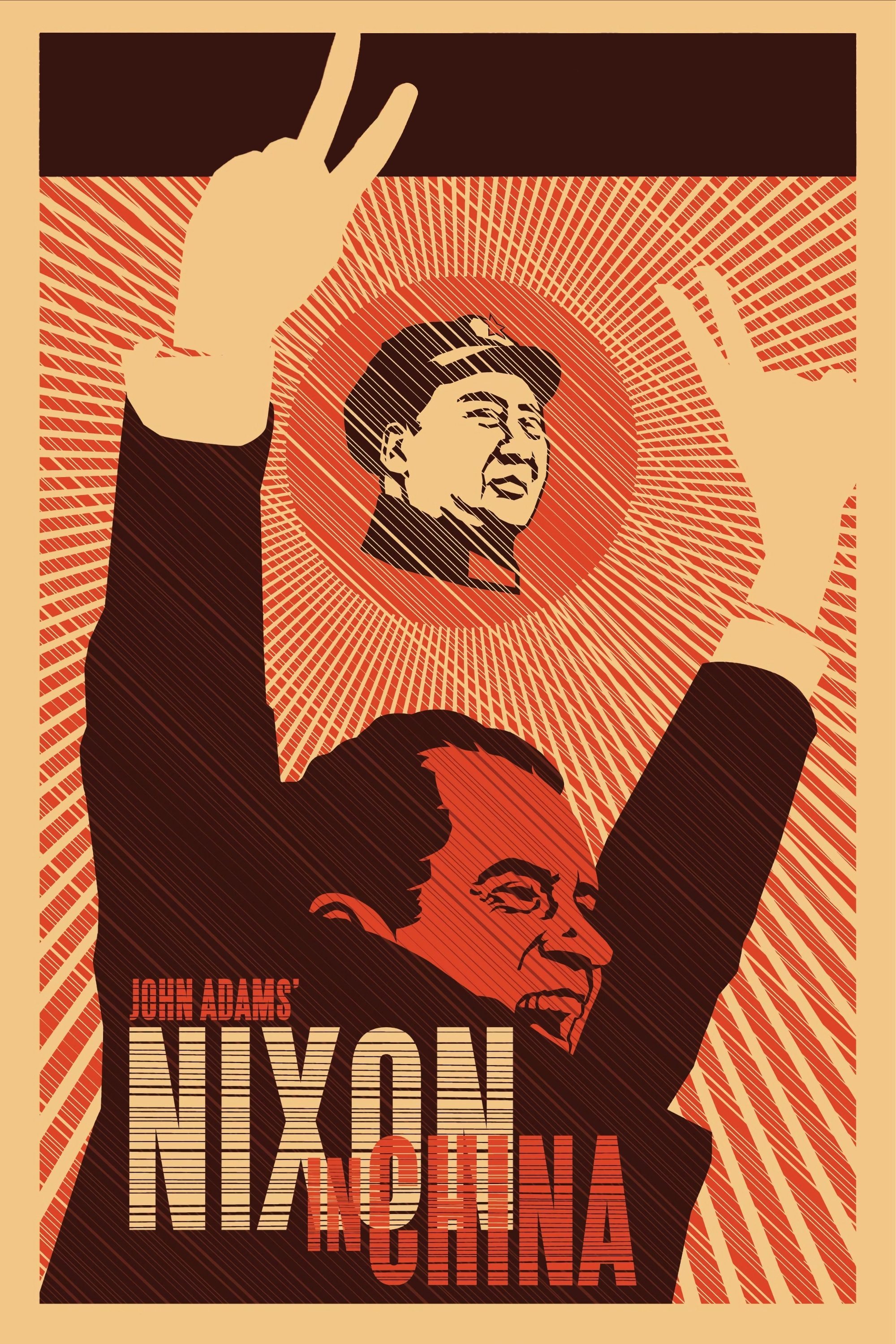
John Adams’s groundbreaking work vividly brings to life US President Nixon’s 1972 visit to the People’s Republic of China. Peter Sellars’s Metropolitan Opera production, based on his 1987 world-premiere staging, features choreography by Mark Morris and stars James Maddalena as Nixon, Robert Brubaker as Chairman Mao, Janis Kelly as First Lady Pat Nixon, Russell Braun as Chinese Premier Chou En-lai, and Kathleen Kim as Chiang Ch’ing, Mao’s wife. From the pomp of the public displays to the intimacy of the protagonists most private moments, Adams, Sellars and librettist Alice Goodman reveal the real characters behind the headlines in this landmark American opera.
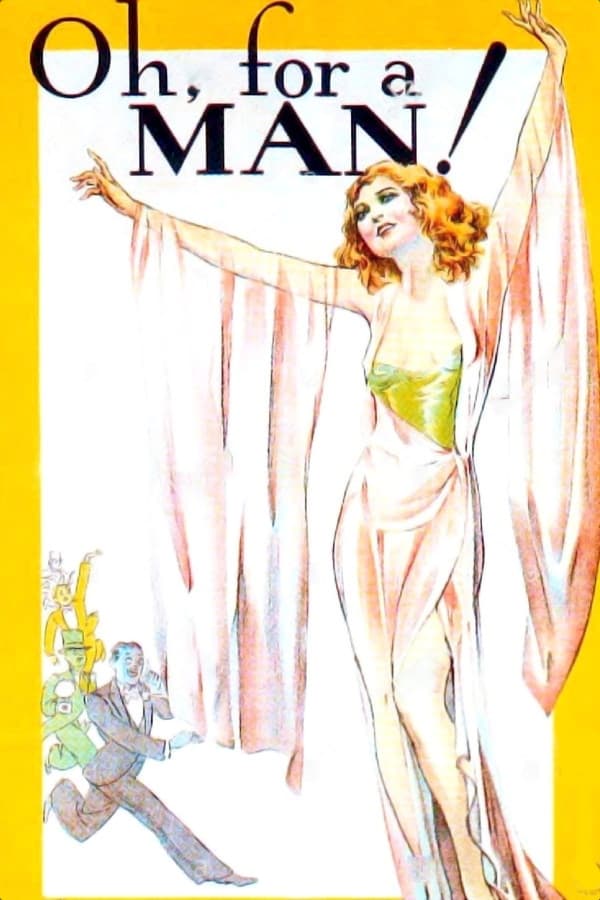
Disenchanted opera star Carlotta Manson falls for ruffian cat burglar Barney McGann and gives up her career to marry him. But Barney grows disenchanted himself at being known as the husband of a diva and itches to get back to his life of crime and manliness.
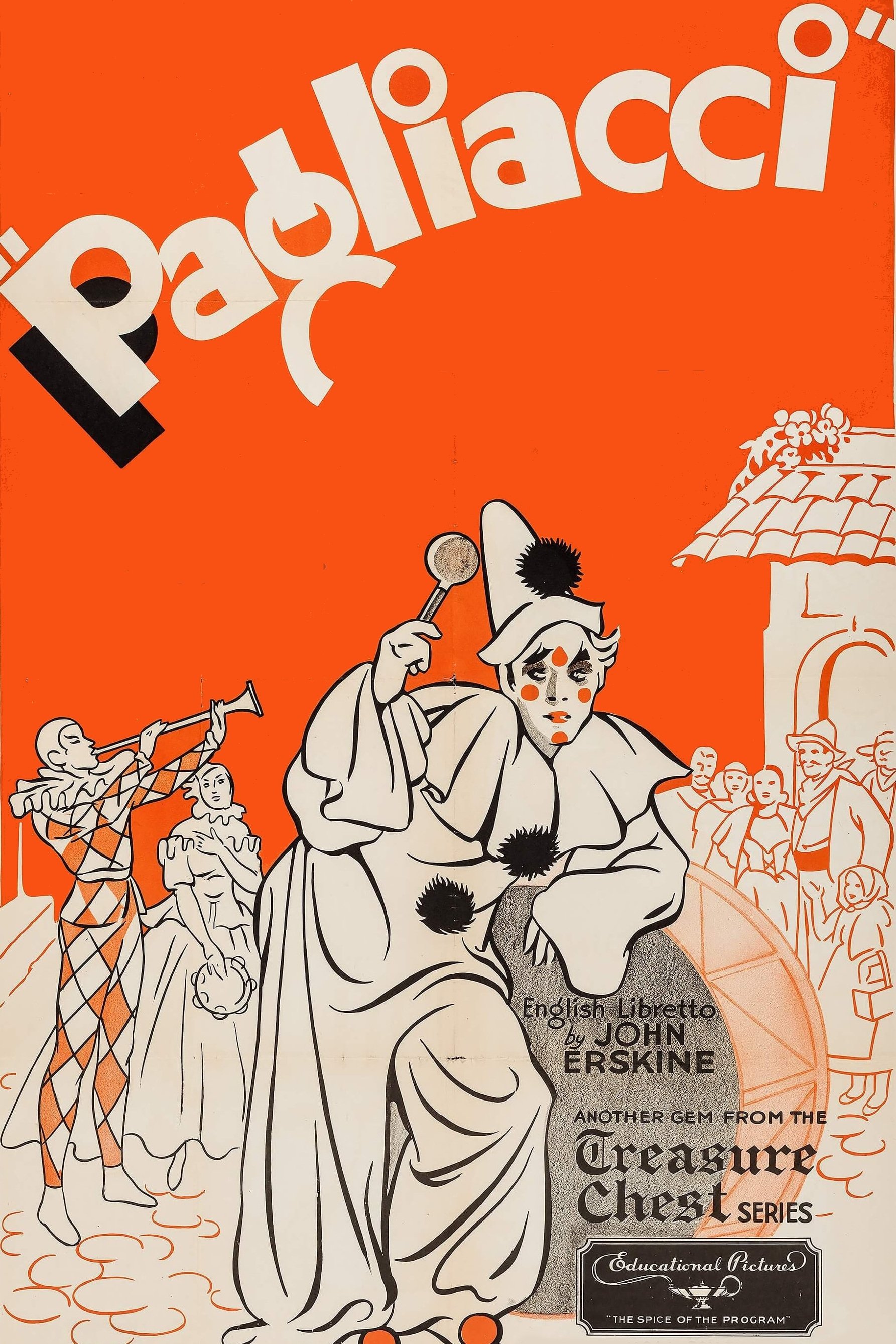
Scenes from Ruggero Leoncavallo's opera with Canio, the clown, introducing actors who are seen in pantomime while the operatic voices are heard off-screen. Canio discovers his wife has been unfaithful but carries on with his performance.
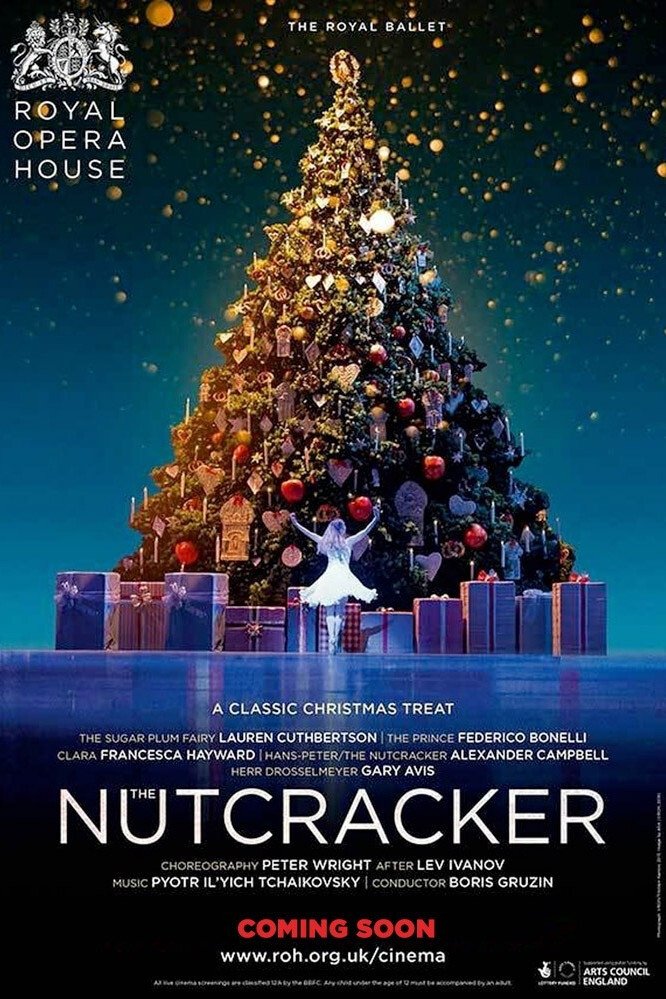
Clara is given an enchanted Nutcracker doll on Christmas Eve. As midnight strikes, she creeps downstairs to find a magical adventure awaiting her and her Nutcracker. The magician Drosselmeyer transforms the drawing room into a battle between mice and toy soldiers. During the battle, Clara saves the Nutcracker’s life – so breaking a magical spell that turned him from a boy to a toy – and the Mouse King is defeated. In celebration, Drosselmeyer sweeps Clara and the Nutcracker off to the Kingdom of Sweets, where they meet the Sugar Plum Fairy and take part in a wonderful display of dances. The next morning, Clara’s adventures seem to have been more than just a dream.
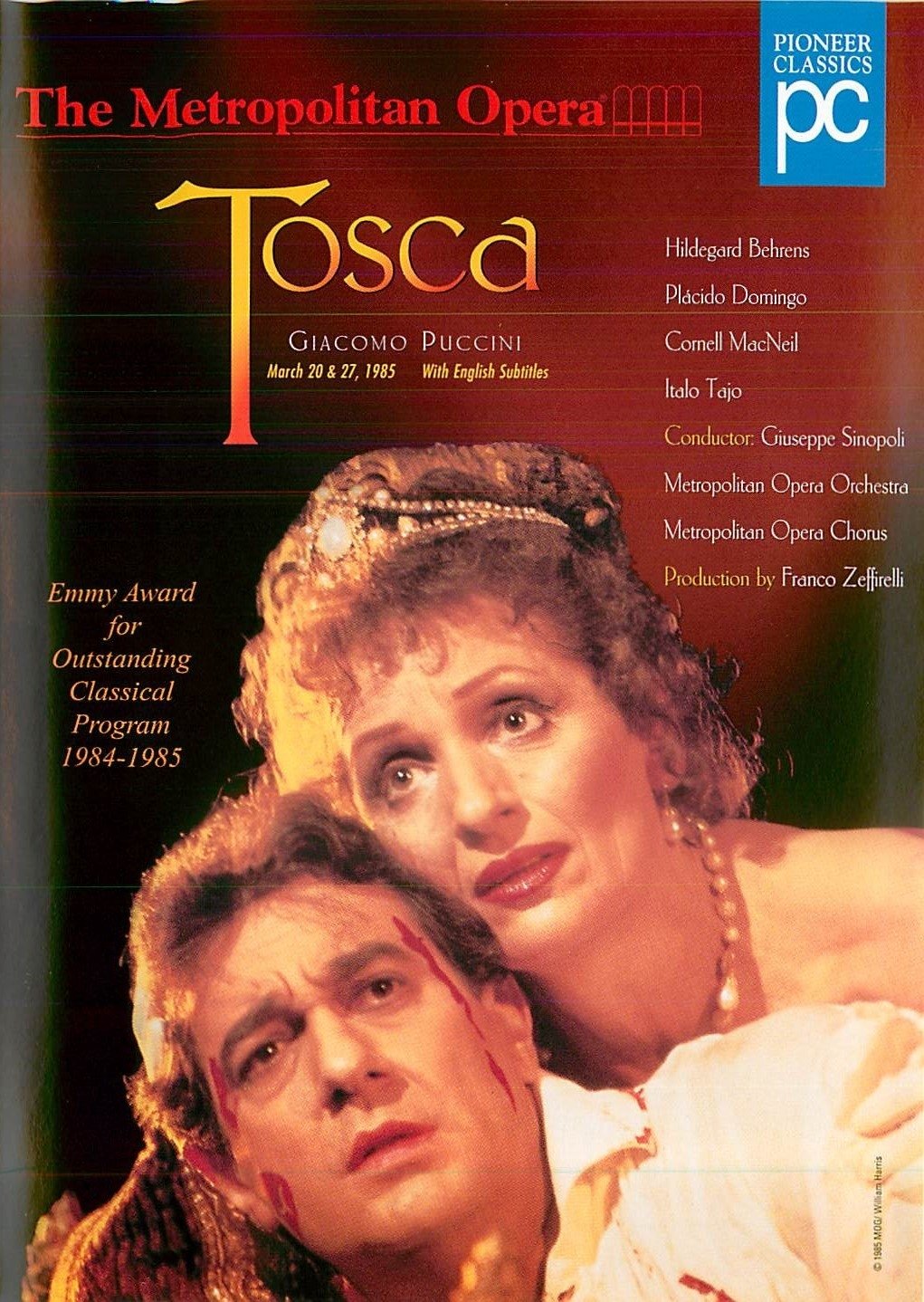
Live Metropolitan Opera performance March, 1985.
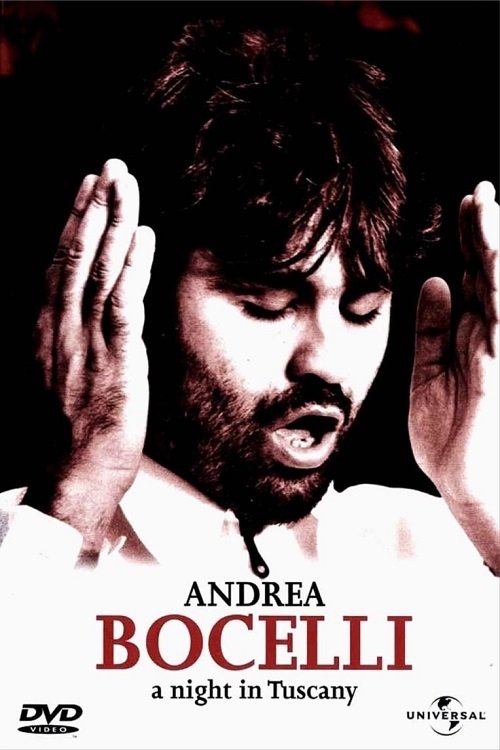
A Night in Tuscany is the first DVD released by Italian singer Andrea Bocelli of a concert held in his native Tuscany, in 1997, highlighting the unique blend of Classical, Pop, and traditional Italian songs that made him a crossover success as an internationally acclaimed tenor. The concert takes place at the Piazza dei Cavalieri in Pisa. Bocelli performs two opera duets with soprano Nuccia Focile during the concert, before singing Miserere with Italian rock star Zucchero, who discovered him, and Time To Say Goodbye with English soprano Sarah Brightman
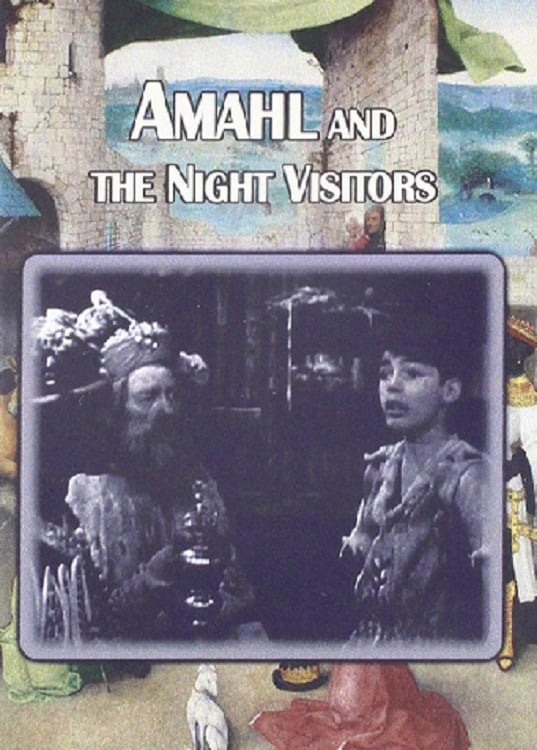
The historic, original, live airing of what would become an annual Christmas tradition throughout the 1950s, this opera tells the story of Amahl, a crippled shepherd boy, and his destitute mother, who provide temporary shelter to three men who are following a star to the newly-born Christ child.
At a sold-out concert in her hometown of LA, Olivia Rodrigo pours her heart into an electrifying night of chart-topping hits and pop-rock power ballads.
A farm girl is on an epic quest to recover a cherished family heirloom. Her journey leads her to a strange and dangerous city where she meets her one true love – but in order to save his soul, she must put the power of destiny and song to the ultimate test.
In his hometown of Toronto, Shawn Mendes pours his heart out on stage with a live performance in a stadium packed with adoring fans.
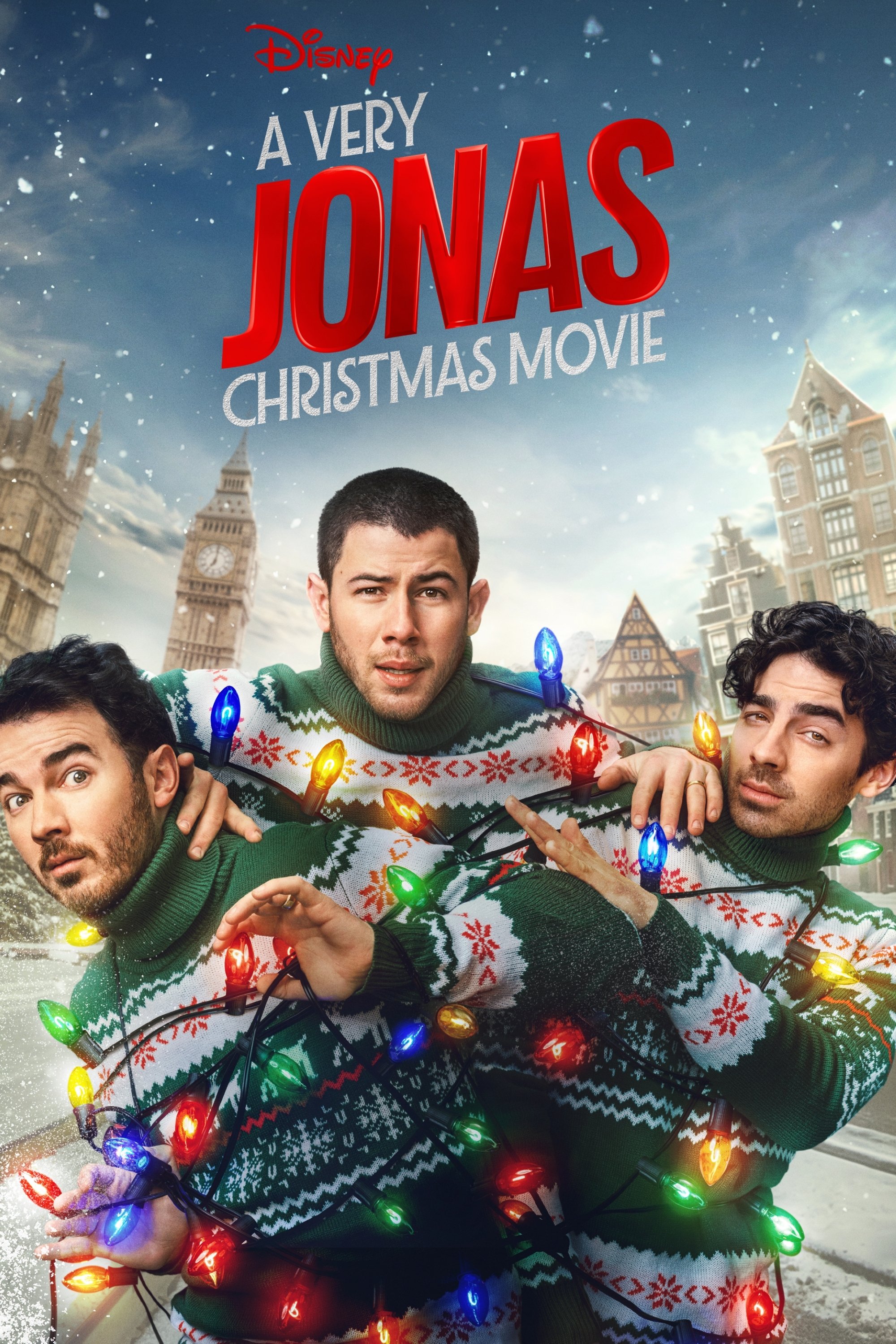
Kevin, Nick, and Joe Jonas face a series of escalating obstacles as they struggle to make it from London to New York in time to spend Christmas with their families.
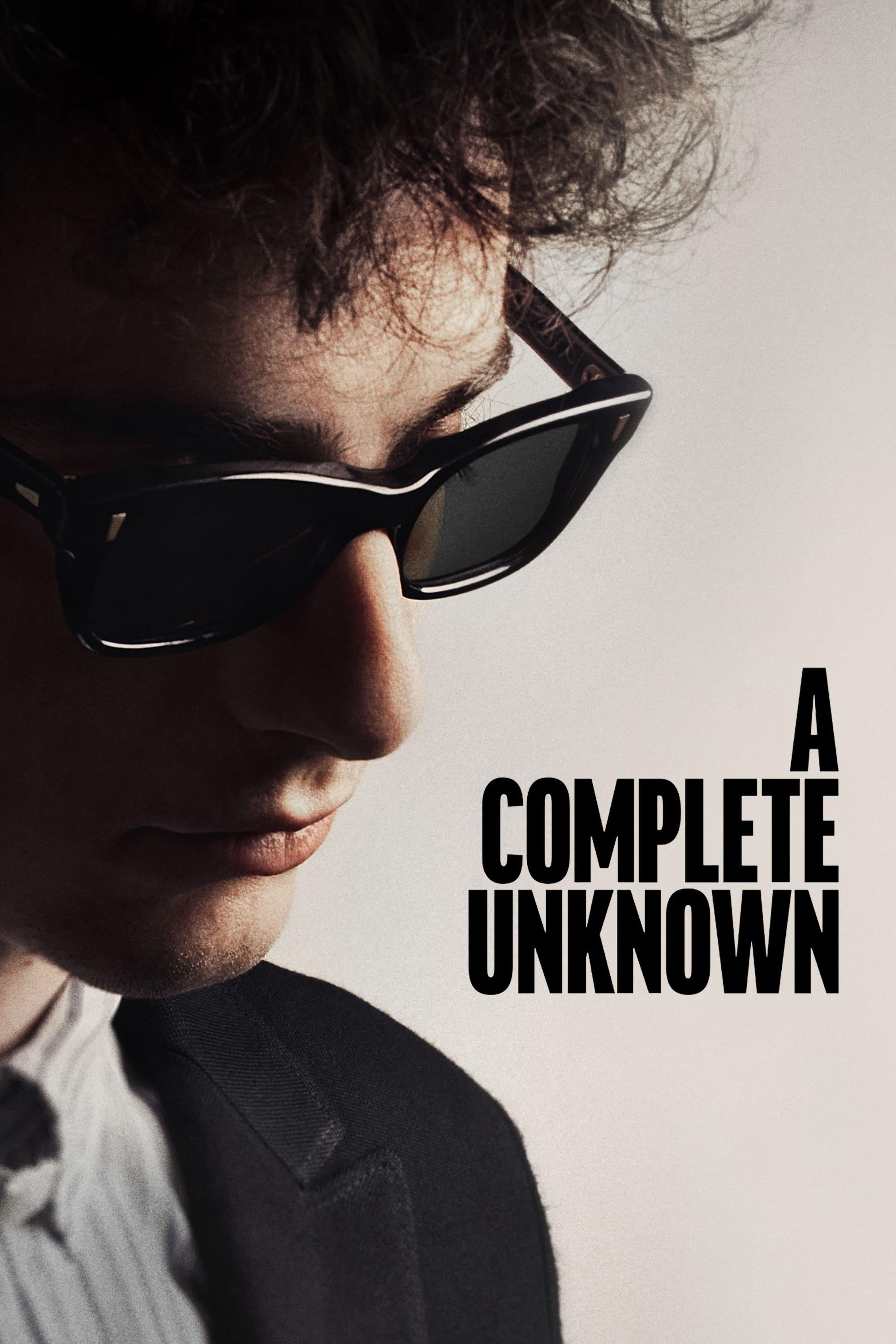
New York, early 1960s. Against the backdrop of a vibrant music scene and tumultuous cultural upheaval, an enigmatic 19-year-old from Minnesota arrives in the West Village with his guitar and revolutionary talent, destined to change the course of American music.
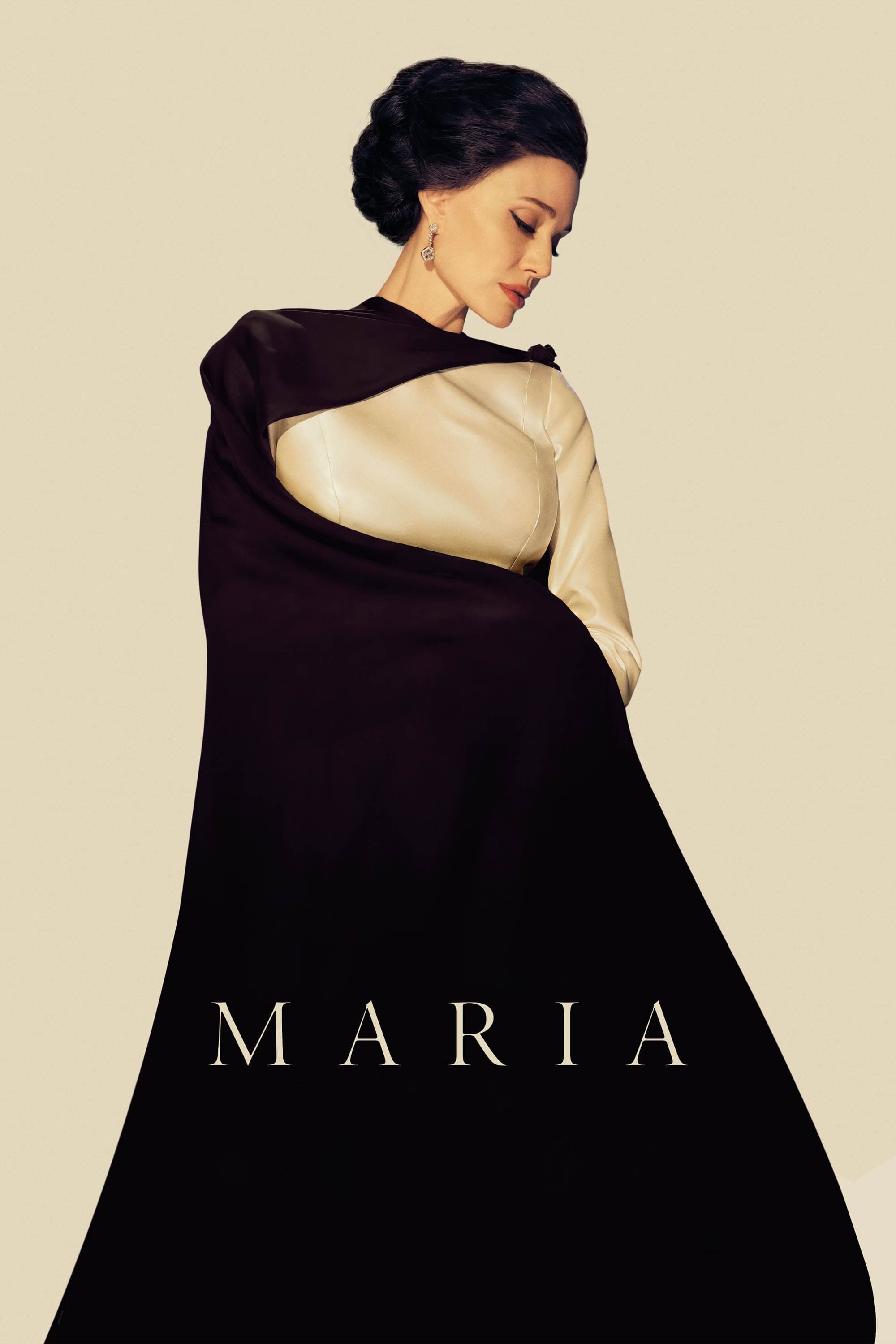
Maria Callas, the world's greatest opera singer, lives the last days of her life in 1970s Paris, as she confronts her identity and life.
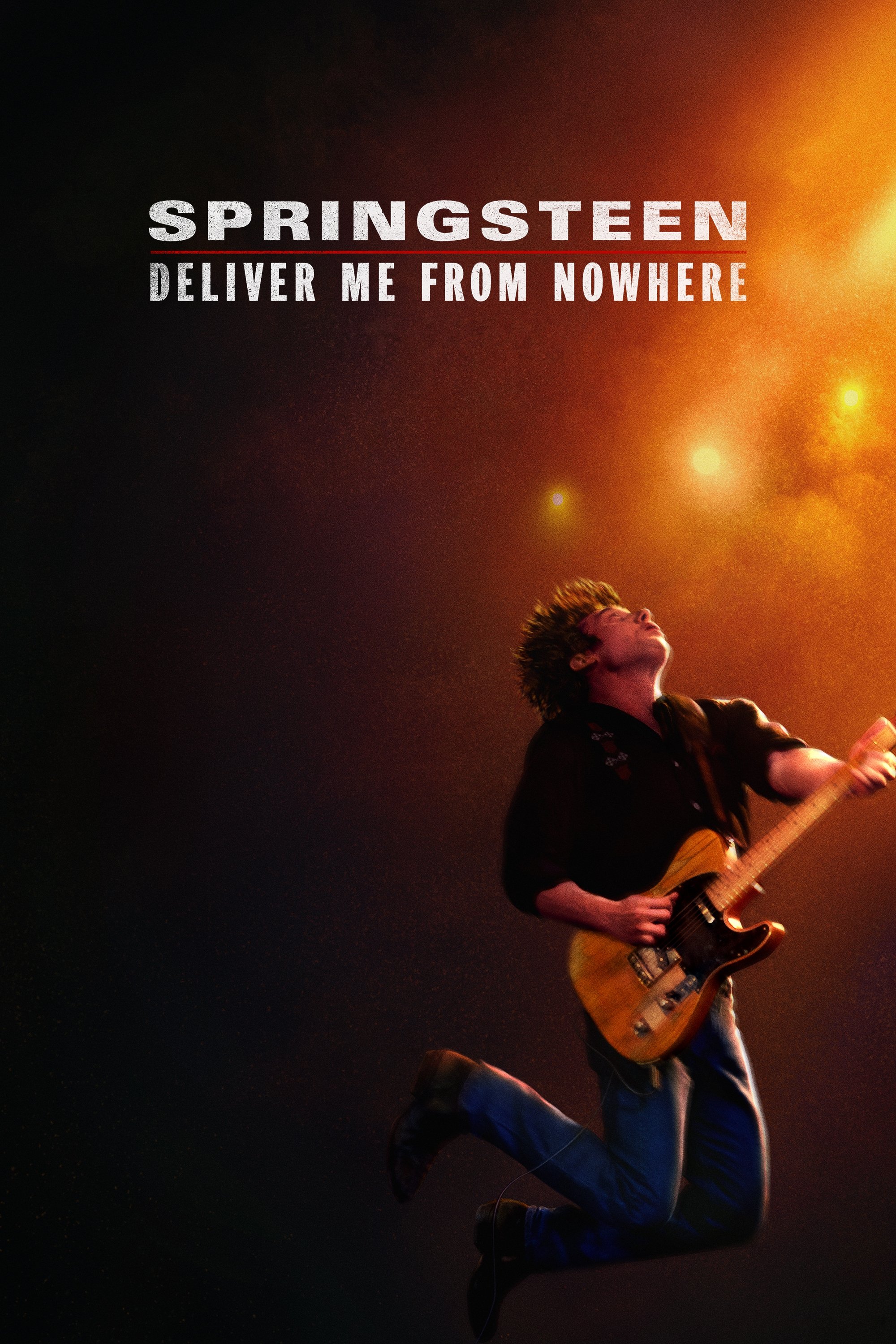
Bruce Springsteen, a young musician on the cusp of global superstardom, struggles to reconcile the pressures of success with the ghosts of his past.
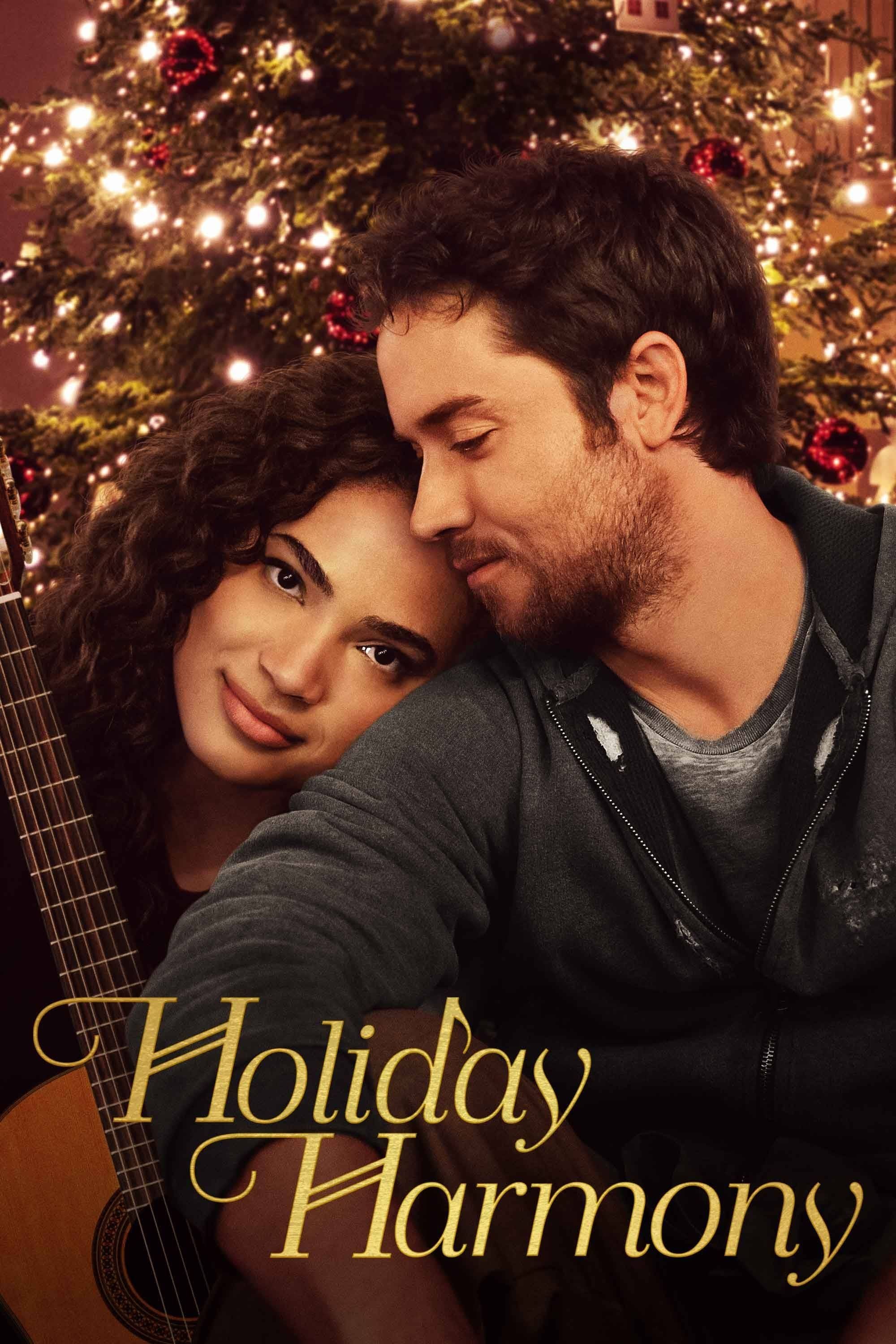
A likeable and talented underdog gets momentarily sidelined from chasing her musical dreams when her van breaks down in a welcoming small town just before Christmas.
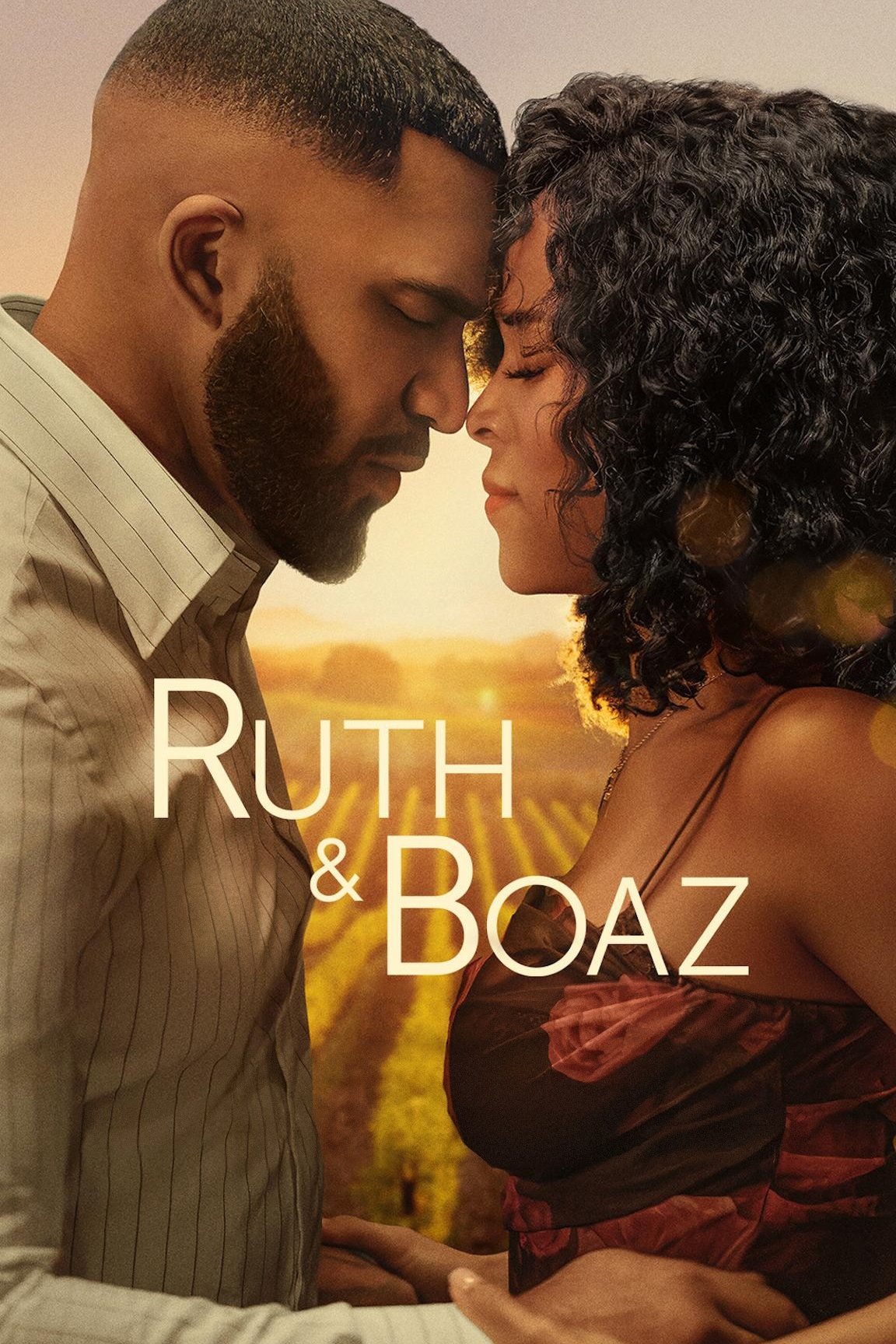
A talented singer leaves the Atlanta music scene and starts over in small-town Tennessee, where she finds love and new purpose but can't escape the past.
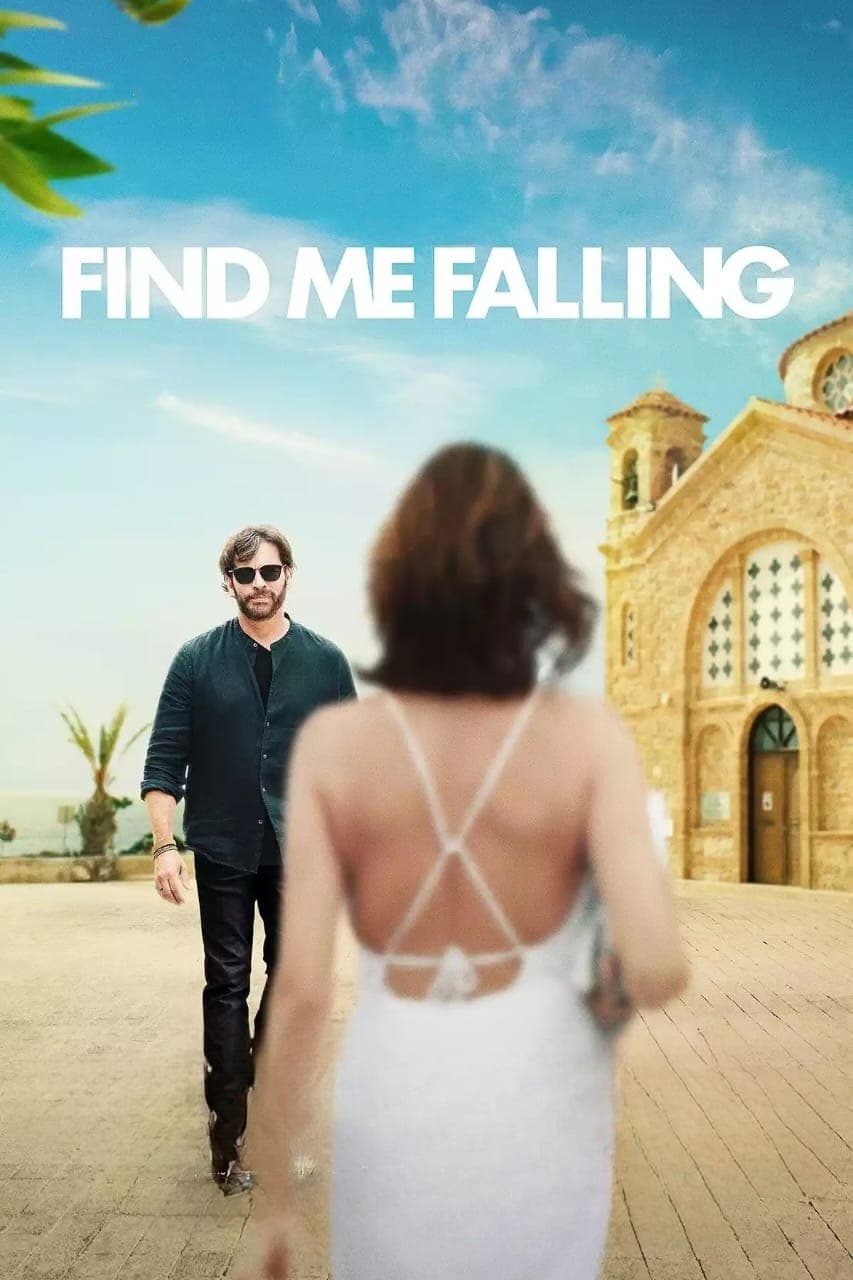
After a failed comeback album, a rock star retreats to a cliffside home on Cyprus, only to find his new life complicated by visitors — and an old flame.
When Josh gets the opportunity of a lifetime to audition for Rainbow Puppy’s Broadway musical, Josh and Blue skidoo to NYC for the very first time where they meet new friends and discover the magic of music, dance, and following one’s dreams.
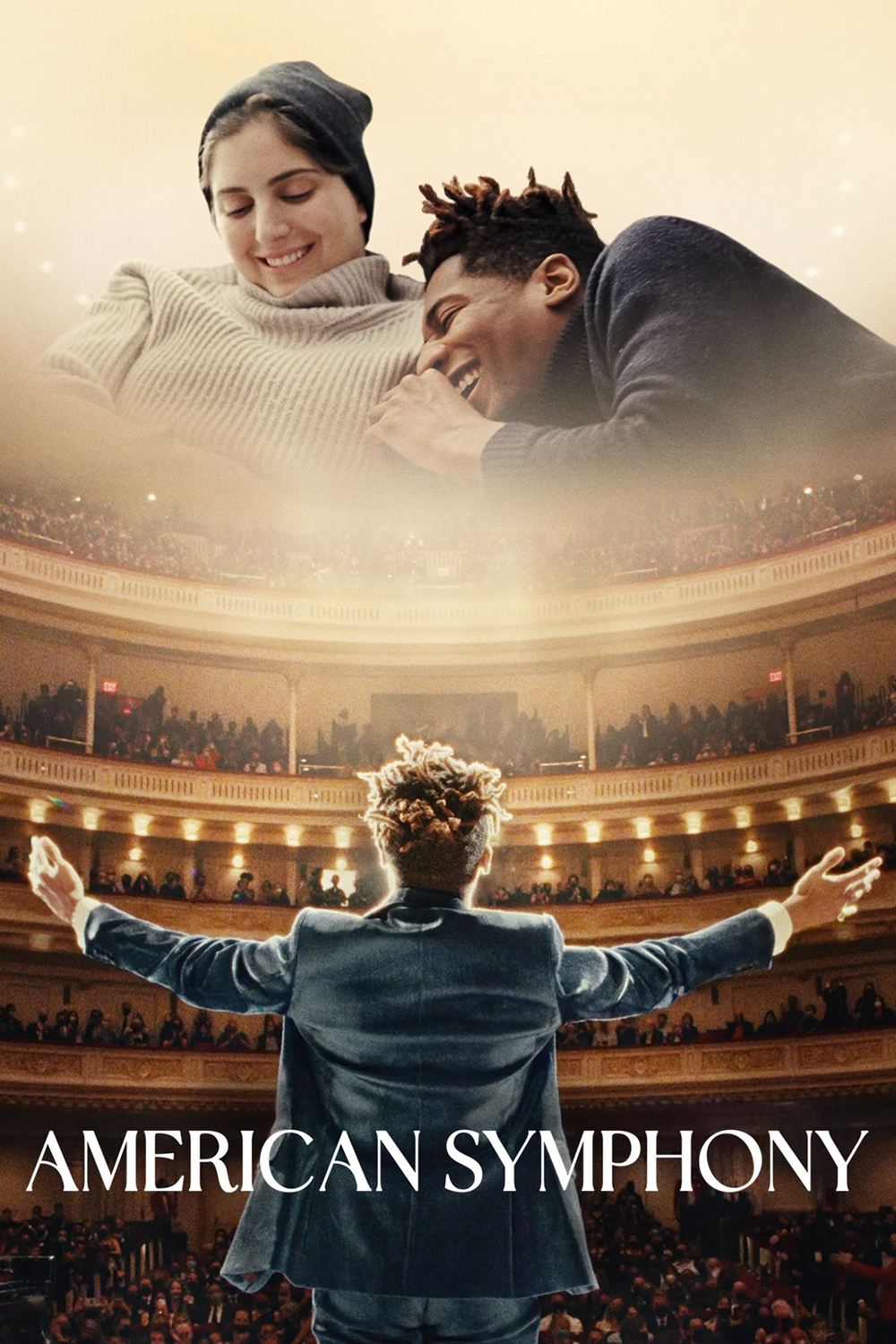
Musician Jon Batiste attempts to compose a symphony as his wife, writer Suleika Jaouad, undergoes cancer treatment.
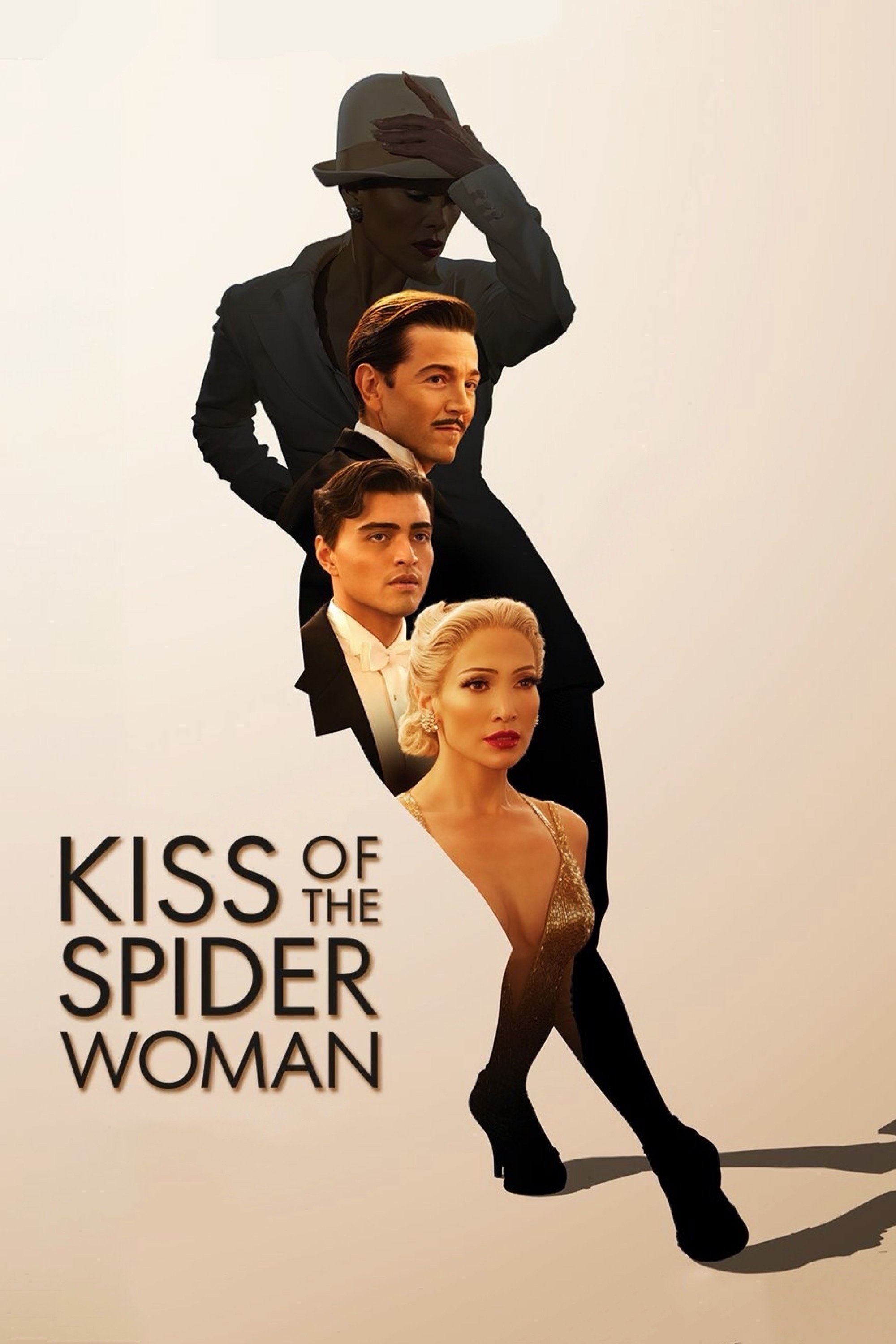
Valentín, a political prisoner, shares a cell with Molina, a window dresser convicted of public indecency. The two form an unlikely bond as Molina recounts the plot of a Hollywood musical starring his favorite silver screen diva, Ingrid Luna.
When El, an aspiring sneaker designer from Queens, meets Kira King, the fiercely independent daughter of legendary basketball star and sneaker tycoon Darius King, sparks fly as the two bond over their mutual affinity for sneakers. With a little nudge from his best friend and a sprinkle of Fairy Godfather magic, El finds the courage to use his talent to pursue his dream of becoming a ‘legit’ sneaker designer in the industry.
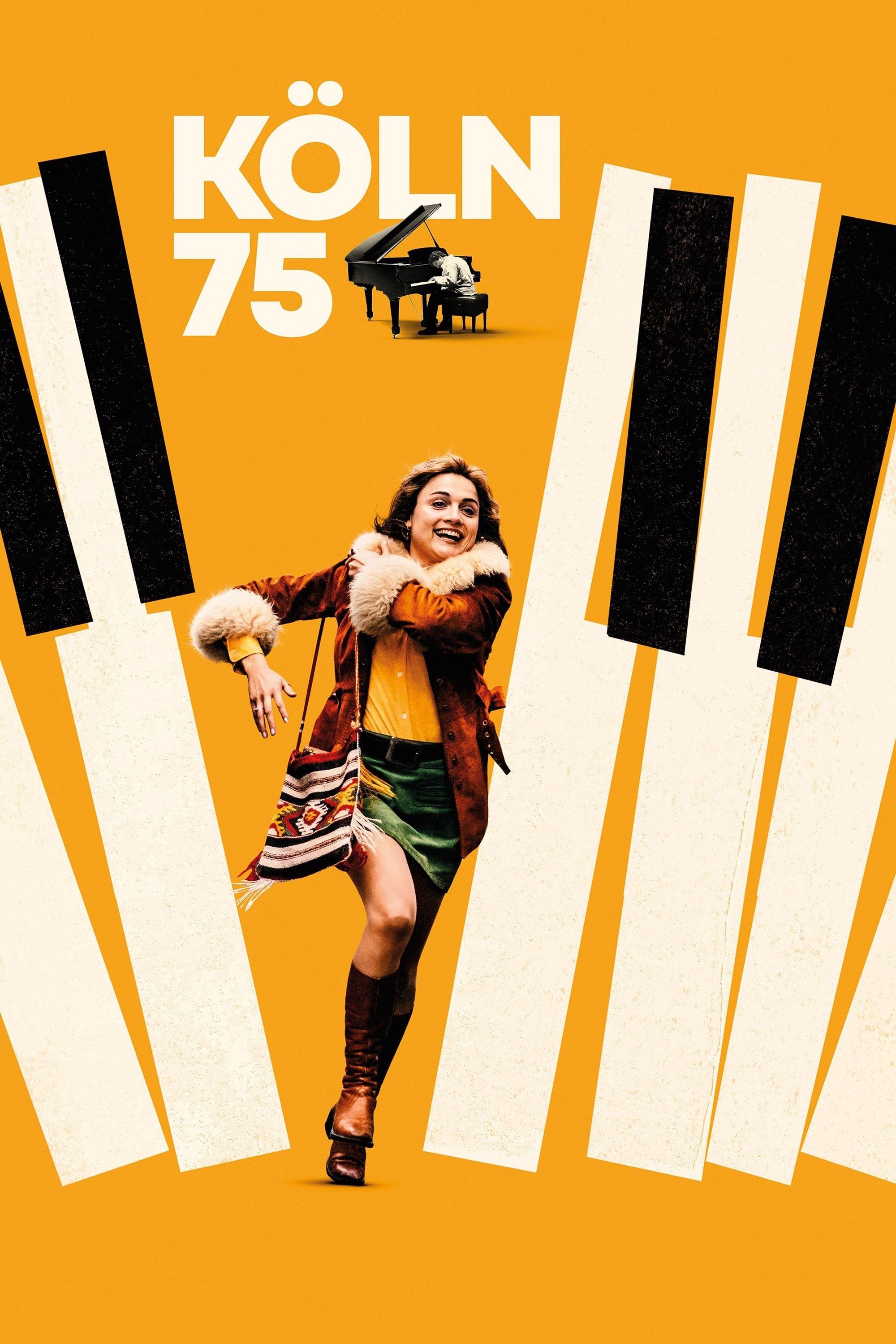
The true story of Vera Brandes, teenage patron saint of the 1970s Cologne music scene, who risked everything to organize the greatest solo concert in music history: Keith Jarrett’s legendary Köln Concert.
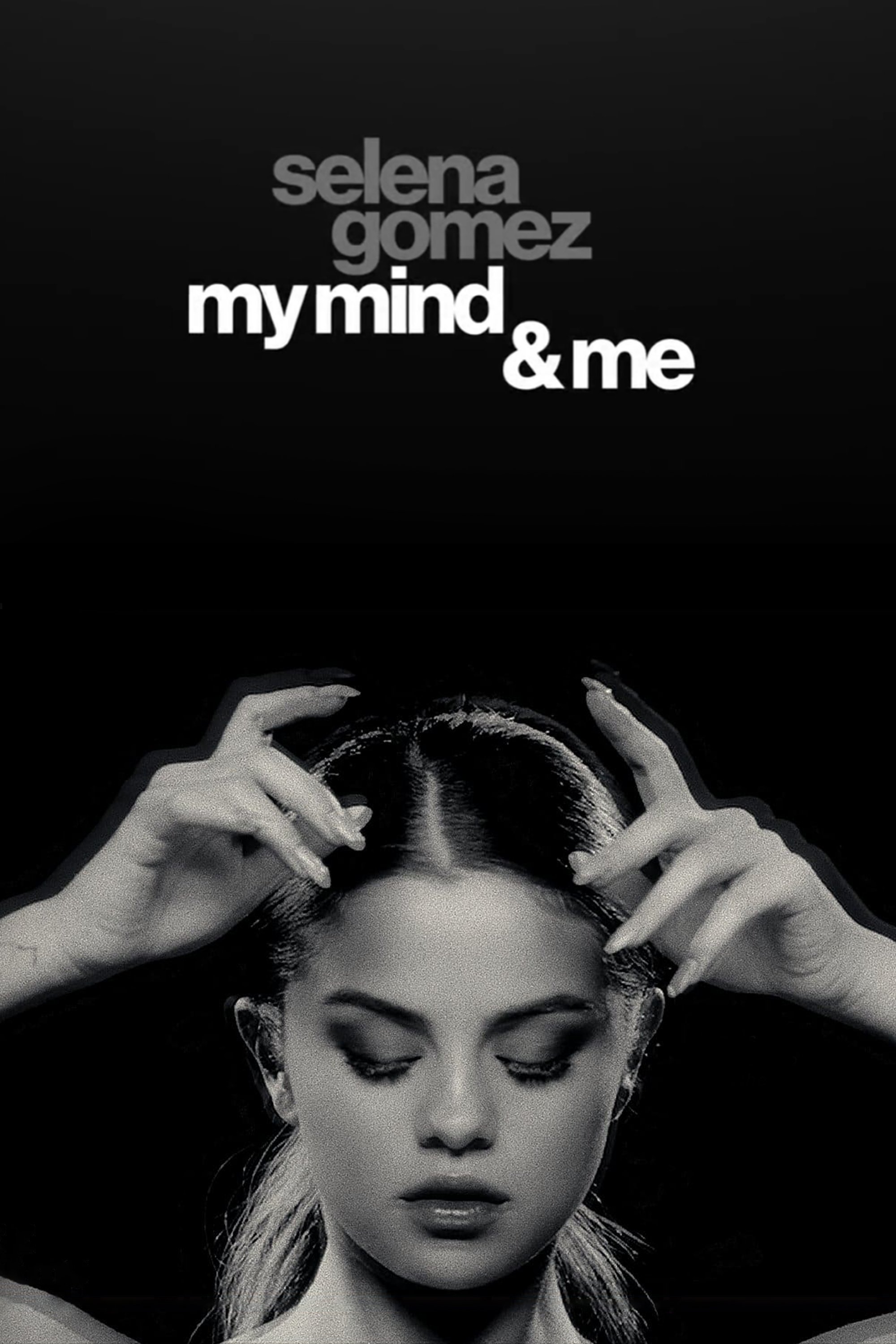
After years in the limelight, Selena Gomez achieves unimaginable stardom. But just as she reaches a new peak, an unexpected turn pulls her into darkness. This uniquely raw and intimate documentary spans her six-year journey into a new light.
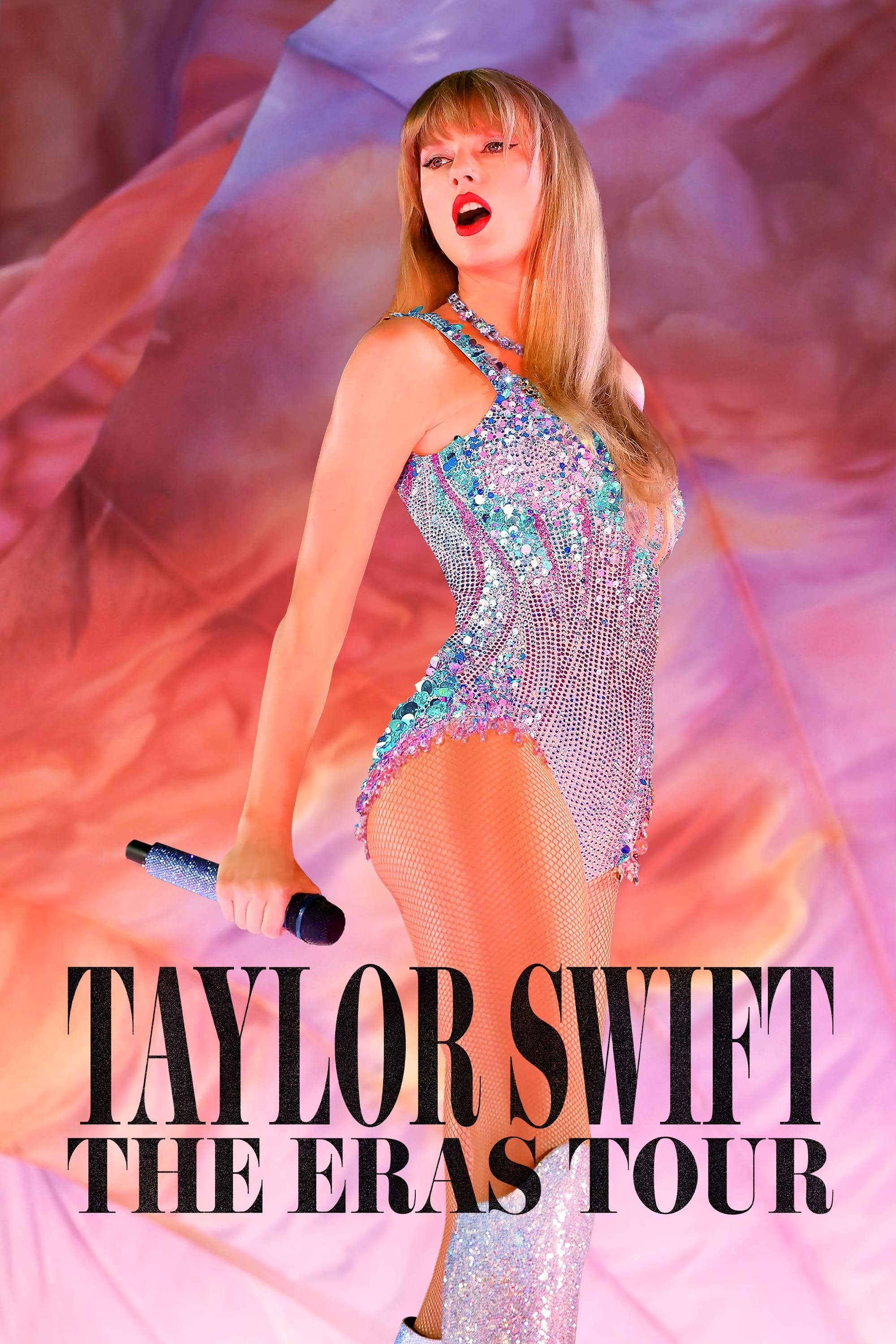
A concert film documenting Taylor Swift's record-breaking Eras Tour (2023-2024). Filmed during the Los Angeles shows, the film captures the tour's ten acts, each representing a different musical era from Swift's career. The film showcases over 40 songs, elaborate stage productions, and Swift's performance.
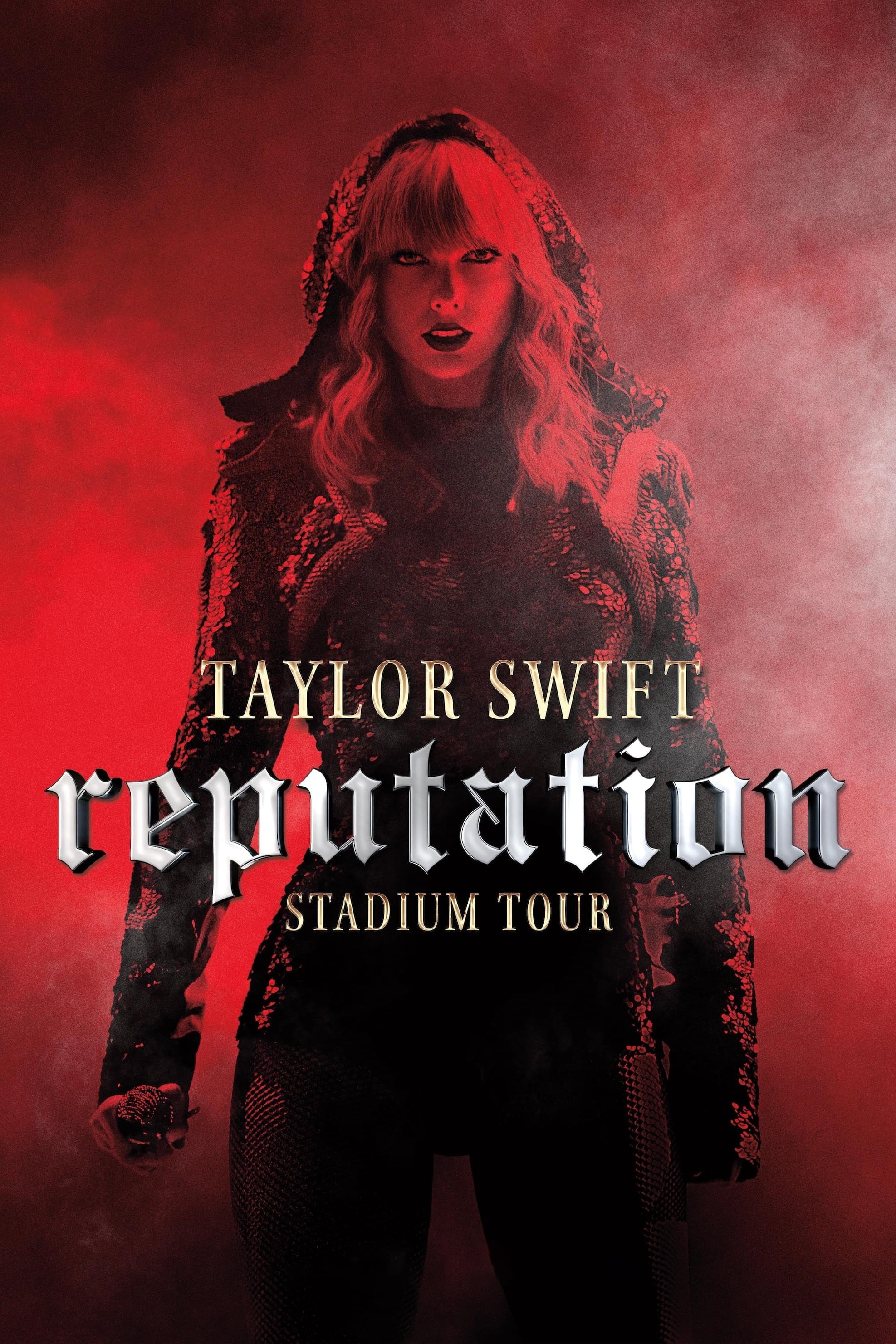
Taylor Swift takes the stage in Dallas for the Reputation Stadium Tour and celebrates a monumental night of music, memories and visual magic.
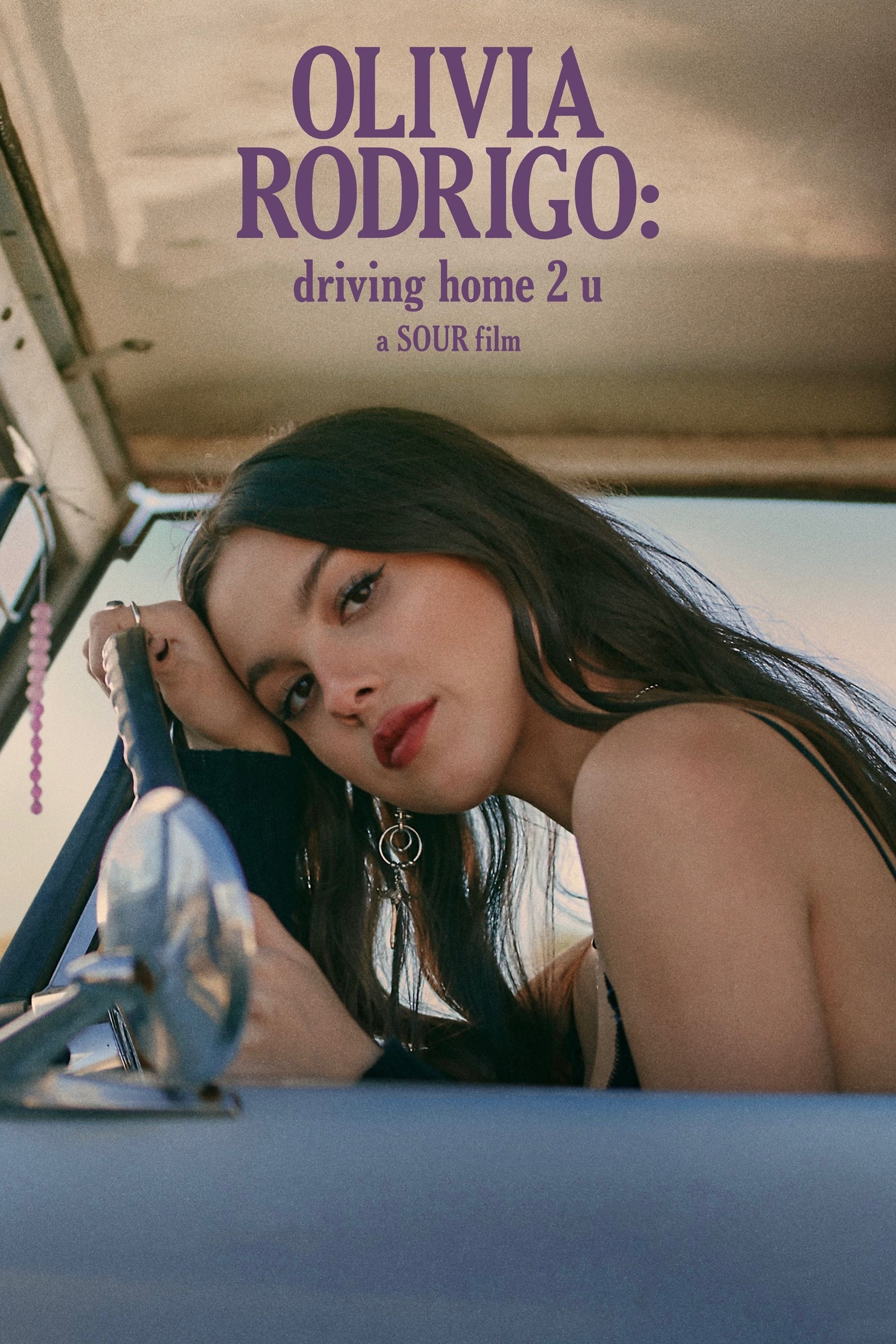
Grammy® winner singer-songwriter Olivia Rodrigo takes a familiar road trip from Salt Lake City, where she began writing her debut album “SOUR,” to Los Angeles. Along the way, Rodrigo recounts the memories of writing and creating her record-breaking debut album and shares her feelings as a young woman navigating a specific time in her life. Through new live arrangements of her songs, intimate interviews and never-before-seen footage from the making of the album, audiences will follow Olivia along on a cinematic journey exploring the story of “SOUR.”
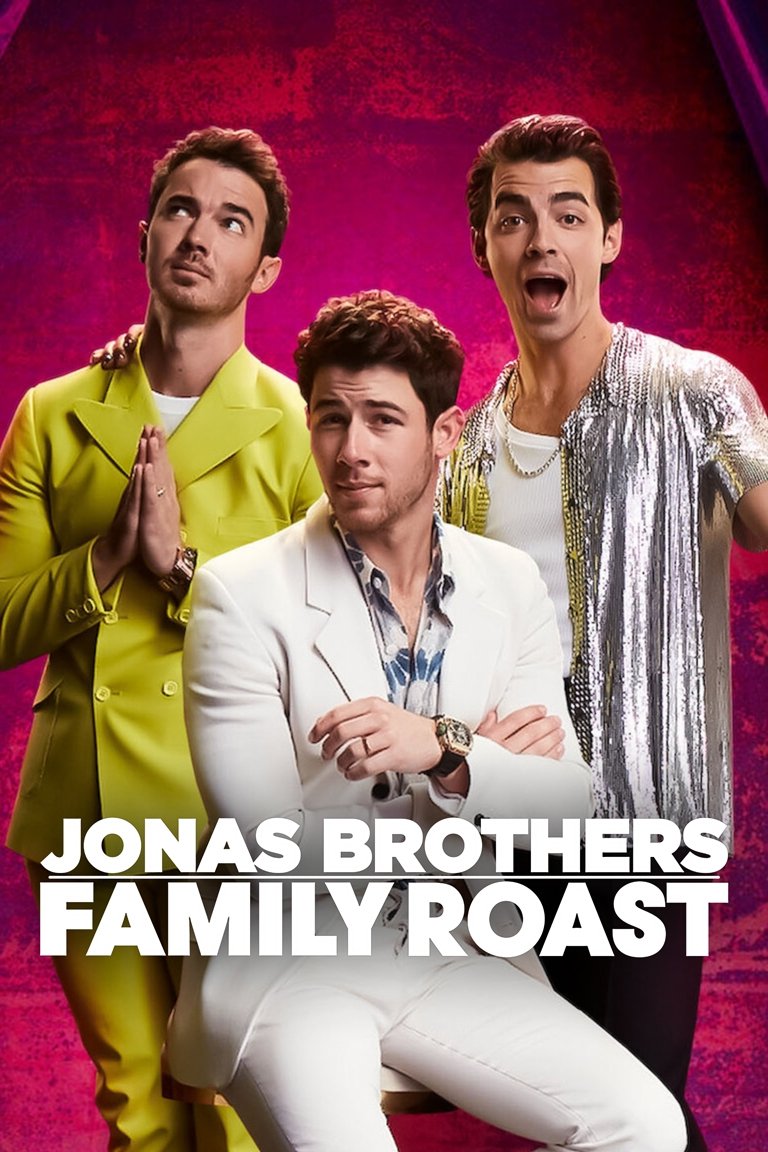
Kevin, Joe and Nick face down quick wits and deep cuts in this comedy special featuring Pete Davidson, John Legend and more. Hosted by Kenan Thompson.