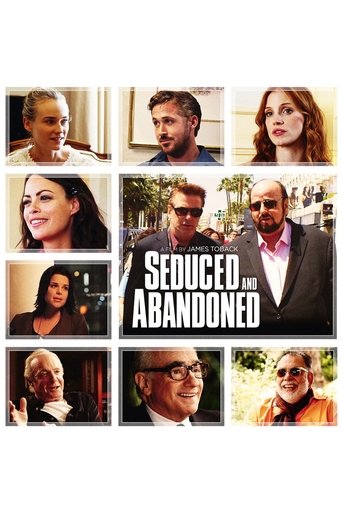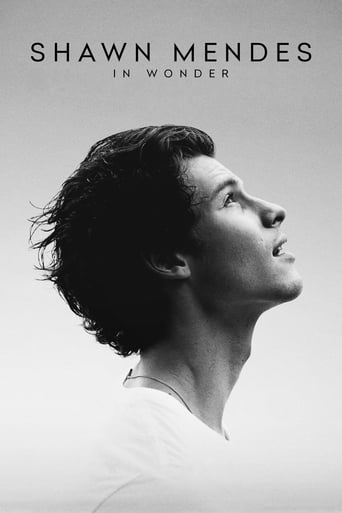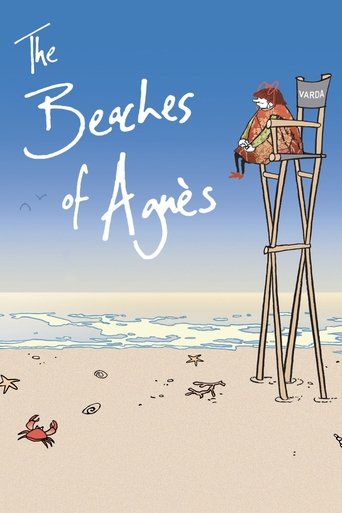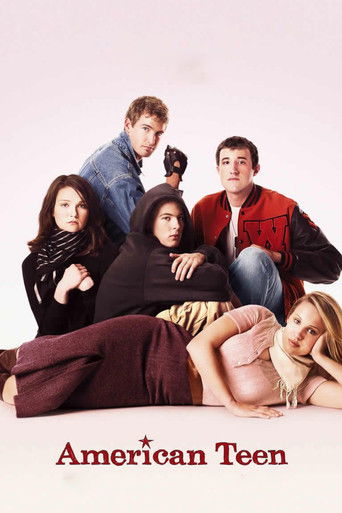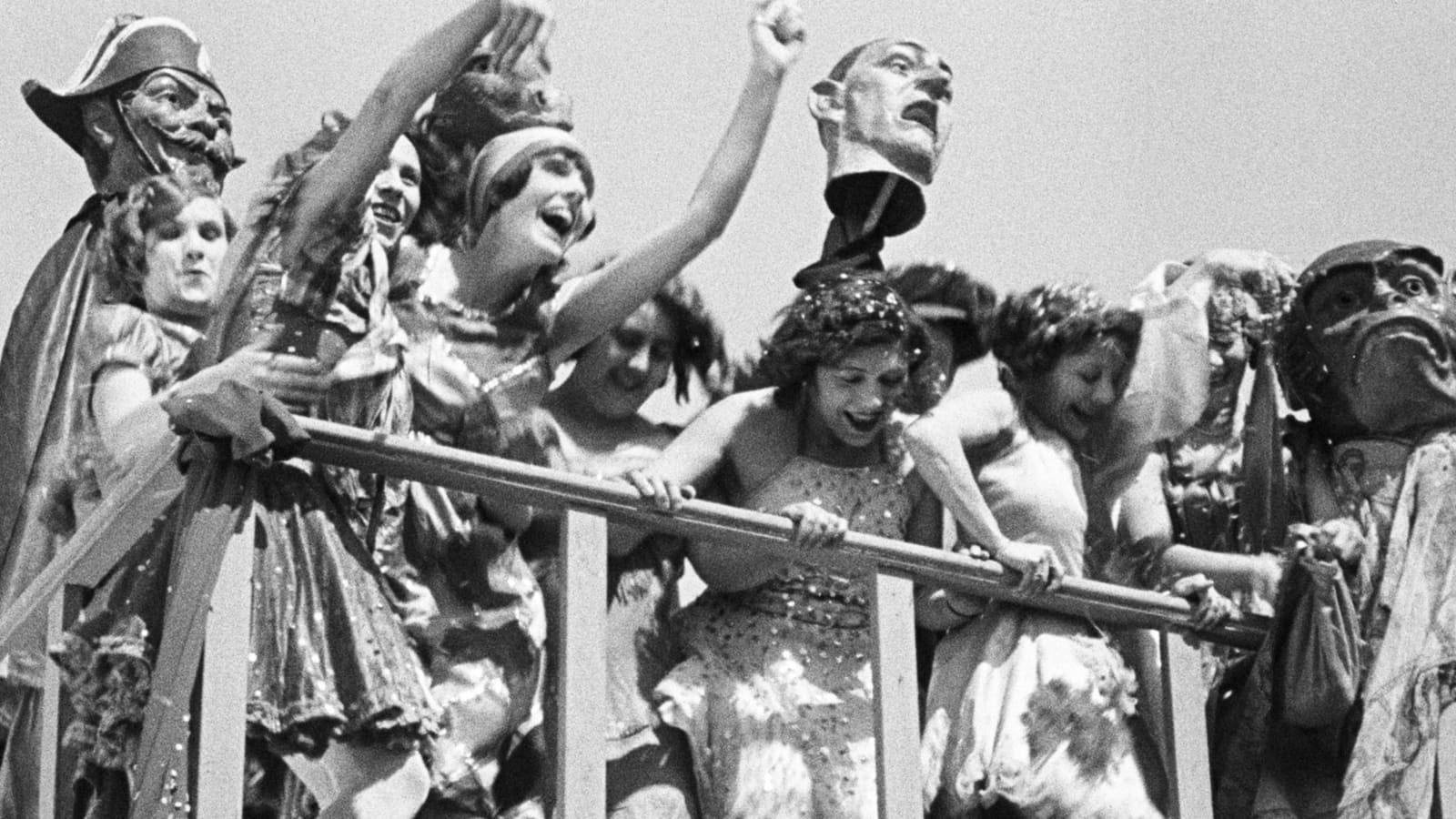
What starts off as a conventional travelogue turns into a satirical portrait of the town of Nice on the French Côte d'Azur, especially its wealthy inhabitants.
Social & External
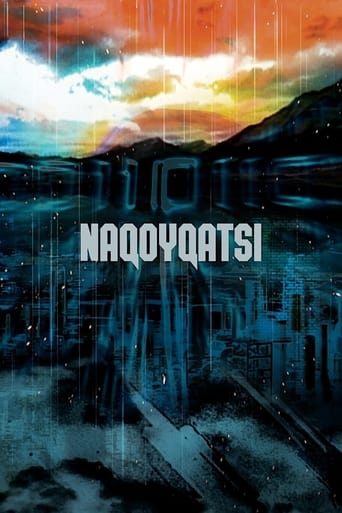
Takes us to locations all around the US and shows us the heavy toll that modern technology is having on humans and the earth. The visual tone poem contains neither dialogue nor a vocalized narration: its tone is set by the juxtaposition of images and the exceptional music by Philip Glass.
Thanks to his myriad film roles, Lon Chaney is known as “the man of a thousand faces,” and you could say that the early horror era never beheld a figure more intriguing. Yet because of his numerous transformations, his face never became as iconic as that of, say, Boris Karloff. Accompanied by a soundtrack from Bernhard Lang, this “re-imagination of shots” taken from Chaney´s forty-six surviving films offers a beguiling excursion into the history of film. The director reveals surprising associations, while highlighting the enduring magic of works which are now more or less forgotten.
I started from the assumption that the discourse about the hospital could be the objective pretext for communication between two people, the link that allows them to continue writing to each other, the intermediary between two desires.
This pioneering documentary film depicts the lives of the indigenous Inuit people of Canada's northern Quebec region. Although the production contains some fictional elements, it vividly shows how its resourceful subjects survive in such a harsh climate, revealing how they construct their igloo homes and find food by hunting and fishing. The film also captures the beautiful, if unforgiving, frozen landscape of the Great White North, far removed from conventional civilization.
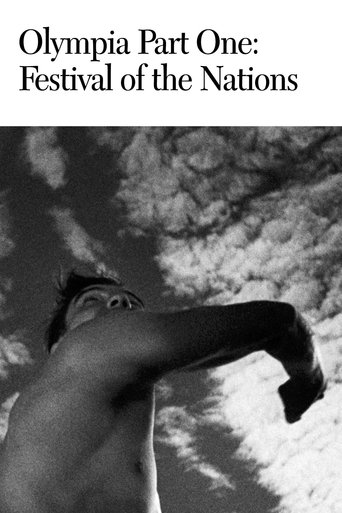
Starting with a long and lyrical overture, evoking the origins of the Olympic Games in ancient Greece, Riefenstahl covers twenty-one athletic events in the first half of this two-part love letter to the human body and spirit, culminating with the marathon, where Jesse Owens became the first track and field athlete to win four gold medals in a single Olympics.
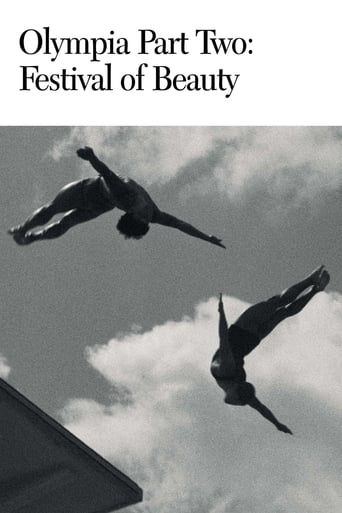
Part two of Leni Riefenstahl's monumental examination of the 1938 Olympic Games, the cameras leave the main stadium and venture into the many halls and fields deployed for such sports as fencing, polo, cycling, and the modern pentathlon, which was won by American Glenn Morris.
A paralysingly beautiful documentary with a global vision—an odyssey through landscape and time—that attempts to capture the essence of life.
The duel between Pierre Péan and Edwy Plenel revisits some of the great moments of French political life and tells the story of more than 30 years of journalism in France. From distrust to attack, from revenge to caricature, the two icons of French journalism, Pierre Péan and Edwy Plenel, have always been at war. Everything opposes them: their working methods, their vision of the profession and even their way of being. Pierre Péan has always worked alone, in secret, while Edwy Plenel was looking for his place in the collective, heading for the upper echelons of the media... In the 1980s, both men became stars of journalism. In the 1990s, with his best-selling investigations, Péan invented his own independent business model, while Plenel became editor of Le Monde. Their exceptional careers have changed the way news is reported in France
A day in the city of Berlin, which experienced an industrial boom in the 1920s, and still provides an insight into the living and working conditions at that time. Germany had just recovered a little from the worst consequences of the First World War, the great economic crisis was still a few years away and Hitler was not yet an issue at the time.
An anthology of one-minute films created by 51 international filmmakers on the theme of the death of cinema. Intended as an ode to 35mm, the film was screened one time only on a purpose-built 20x12 meter public cinema screen in the Port of Tallinn, Estonia, on 22 December 2011. A special projector was constructed for the event which allowed the actual filmstrip to be burnt at the same time as the film was shown.
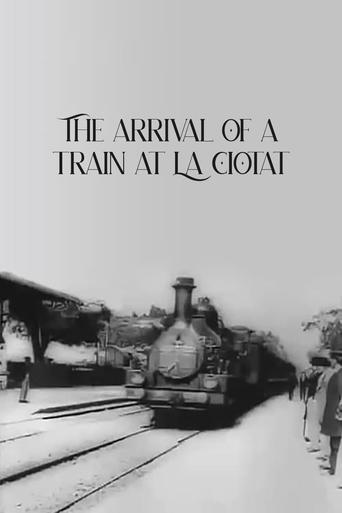
A group of people are standing along the platform of a railway station in La Ciotat, waiting for a train. One is seen coming, at some distance, and eventually stops at the platform. Doors of the railway-cars open and attendants help passengers off and on. Popular legend has it that, when this film was shown, the first-night audience fled the café in terror, fearing being run over by the "approaching" train. This legend has since been identified as promotional embellishment, though there is evidence to suggest that people were astounded at the capabilities of the Lumières' cinématographe.
This documentary visits the towns and villages of the Alsace region of France at Christmastime. See the charmingly decorated storybook towns and learn of the unique holiday traditions and celebrations. The Alsatian landscape is covered with medieval towns, castle ruins and vineyards, and the communities of the region create a season of enchantment in their celebration of Christmas.
Terpsichore is a captivating exploration of dance as an art form, illuminating the passion, discipline, and vulnerability that transform movement into poetry. The documentary follows three distinct yet interconnected artists: Cece Trapani, an Irish dancer; Aurora Maur, a burlesque performer; and the Dayton Contemporary Dance Company (DCDC), a renowned contemporary dance ensemble. Through their stories, Terpsichore reveals the universal language of dance—one that transcends genre and speaks to the depths of human emotion. Intimate interviews and behind-the-scenes rehearsal footage offer a raw, unfiltered look at the artistry behind each performance, capturing the essence of dance as both personal expression and a bridge between artist and audience. More than a showcase of technique, Terpsichore delves into the soul of movement, celebrating its power to connect, inspire, and reveal the unspoken truths of the human spirit.
Short documentary directed by Jean Vigo about the French swimmer Jean Taris. The film is notable for the many innovative techniques that Vigo uses, including close ups and freeze frames of the swimmer's body.
At a tiny Parisian café, the adorable yet painfully shy Amélie accidentally discovers a gift for helping others. Soon Amelie is spending her days as a matchmaker, guardian angel, and all-around do-gooder. But when she bumps into a handsome stranger, will she find the courage to become the star of her very own love story?
A small group of French students are studying Mao, trying to find out their position in the world and how to change the world to a Maoistic community using terrorism.
In the winter of 1959, a single mother and her young daughter arrive in a rural French town, where they open an unusual chocolate shop that disrupts the moral fiber of the strictly Catholic townsfolk and mayor.
Sophie, a quiet and shy maid working for an upper-class French family, finds a friend in the energetic and uncompromising postmaster Jeanne, who encourages her to stand up against her bourgeois employers.
For young Parisian boy Antoine Doinel, life is one difficult situation after another. Surrounded by inconsiderate adults, including his neglectful parents, Antoine spends his days with his best friend, Rene, trying to plan for a better life. When one of their schemes goes awry, Antoine ends up in trouble with the law, leading to even more conflicts with unsympathetic authority figures.
The Marquis de la Chesnaye and his wife host a weekend gala where a variety of complicated romantic and social entanglements between guests and servants lead to tragedy, all against the backdrop of a looming war.
Hollywood arrives in force to Quincy, the small town where the secret Crown Cola billionaire's live. They want to film about the billionaire's and how they made their fortunes. Summer Jenkins, who was the town pariah, joins forces with the scout, Ben, and finds filming locations, extras, lessons with the town officials and house owners, etc. When Cole Masten arrives, they hate each other, but sparks fly. Cole is running from a nasty divorce, yet is captivated by Summer. Summer is dying to leave town to get away from the gossip. This is a great story about Southern customs, a Southern girl, and a Hollywood star who finds his lady.
An exploration —manipulated and staged— of life in Las Hurdes, in the province of Cáceres, in Extremadura, Spain, as it was in 1932. Insalubrity, misery and lack of opportunities provoke the emigration of young people and the solitude of those who remain in the desolation of one of the poorest and least developed Spanish regions at that time.
A woman narrates the thoughts of a world traveler, meditations on time and memory expressed in words and images from places as far-flung as Japan, Guinea-Bissau, Iceland, and San Francisco.
A group of teenagers living in a housing project in the outskirts of Paris rehearse a scene from Marivaux's play of the same name. Krimo is determined not to take part, but after developing feelings for Lydia, he quickly assumes the main role and love interest in the play.
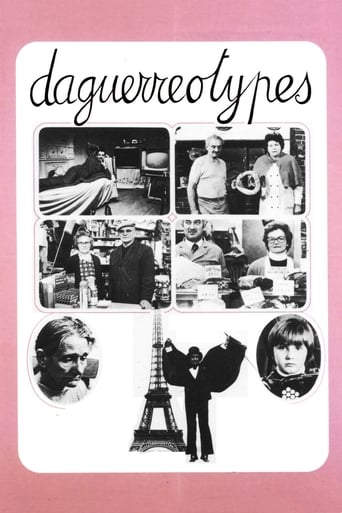
An intimate portrait of the small shops and shopkeepers of the Rue Daguerre in Paris, a picturesque street that has been the filmmaker’s home for more than 50 years.
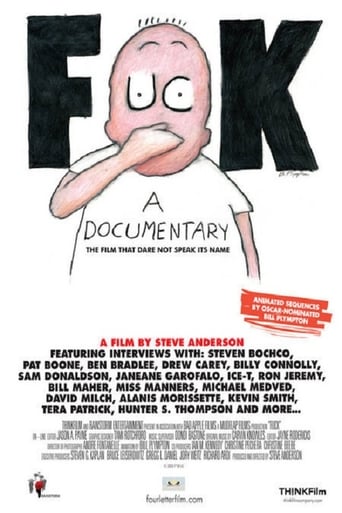
A documentary on the expletive's origin, why it offends some people so deeply, and what can be gained from its use.
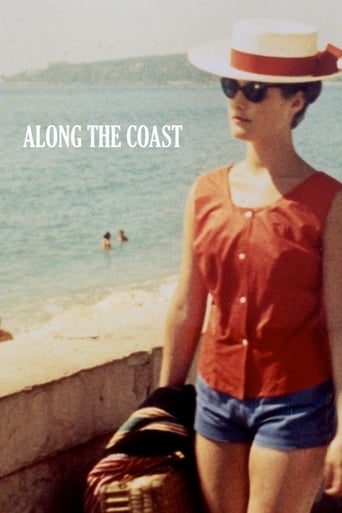
Tongue-in-cheek look at the French Riviera, especially in summer when it overflows with tourists. Reviews its history and famous visitors; displays its faux-exotic buildings, its crowded beaches, its trees and monuments; and, pokes fun at the colors women wear and the vagaries of fashion. The film celebrates the use of "Eden" as a place name, suggesting that paradise comes to the coast after all are gone, perhaps only on a remote island beach.
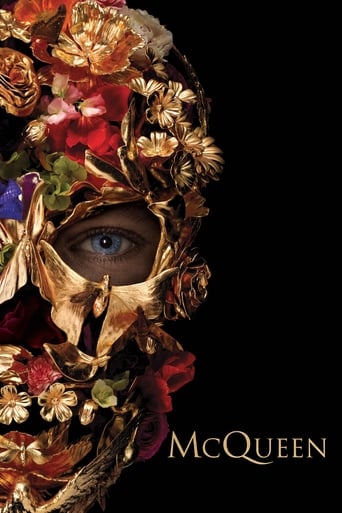
Alexander McQueen's rags-to-riches story is a modern-day fairy tale, laced with the gothic. Mirroring the savage beauty, boldness and vivacity of his design, this documentary is an intimate revelation of McQueen's own world, both tortured and inspired, which celebrates a radical and mesmerizing genius of profound influence.
A visual montage portrait of our contemporary world dominated by globalized technology and violence.
After writing for Cahiers du cinéma, a young Jean-Luc Godard decides making films is the best film criticism. He convinces producer Georges de Beauregard to fund a low-budget feature, and creates a treatment with fellow New Wave filmmaker François Truffaut about a gangster couple. The result? Breathless, one of the first features of the Nouvelle Vague era of French cinema.
A spiral design spins. It's replaced by a spinning disk. These two continue in perfect alternation until the end: a spiral design, a disk. Each disk is labelled and can be read as it rotates. The messages, in French, feature puns and whimsical rhymes and alliteration. The final message comments on the spiral motif itself.