A historical film contrasting the two Germanies – the good and the evil – which struggled for power between the two world wars.
Social & External
The people behind it
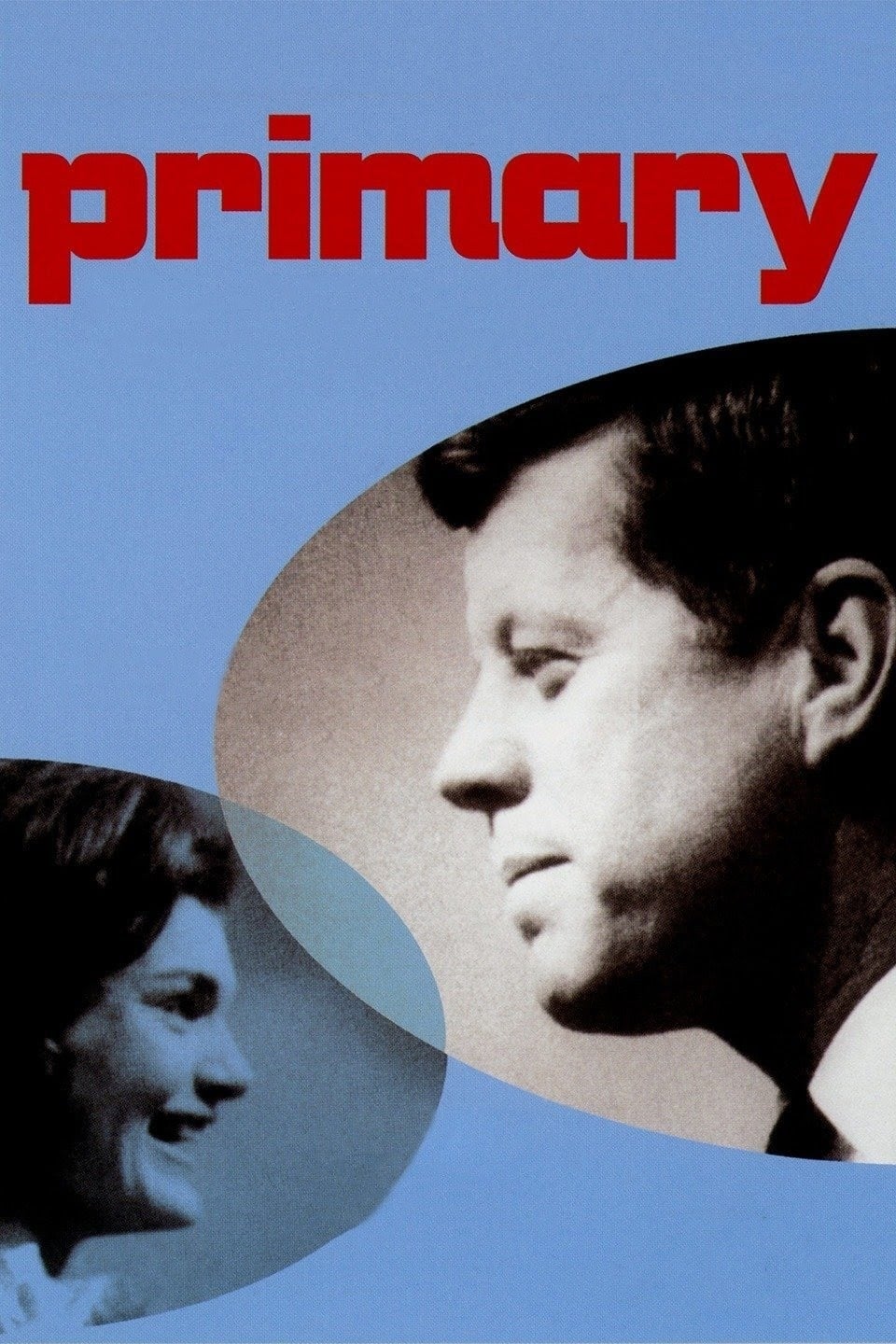
Primary is a documentary film about the primary elections between John F. Kennedy and Hubert Humphrey in 1960. Primary is the first documentary to use light equipment in order to follow their subjects in a more intimate filmmaking style. This unconventional way of filming created a new look for documentary films where the camera’s lens was right in the middle of what ever drama was occurring. Preserved by the Academy Film Archive in partnership with The Film Foundation in 1998.
I have been many times very ill in hospitals; and I drew on all that experience while making DEUX EX.
UCLA Student Color Film. "a documentary film of marked lyrical and experimental tendency which was photographed and recorded in a L.A. supermarket. It consists of five sequences: 1) description of people 2) Comedy 3) choreographing natural movements 4) transformation fo visual reality 5) empathy". Preserved by the Academy Film Archive in 2011. Filmed at Shopper's Market, Santa Monica, CA.
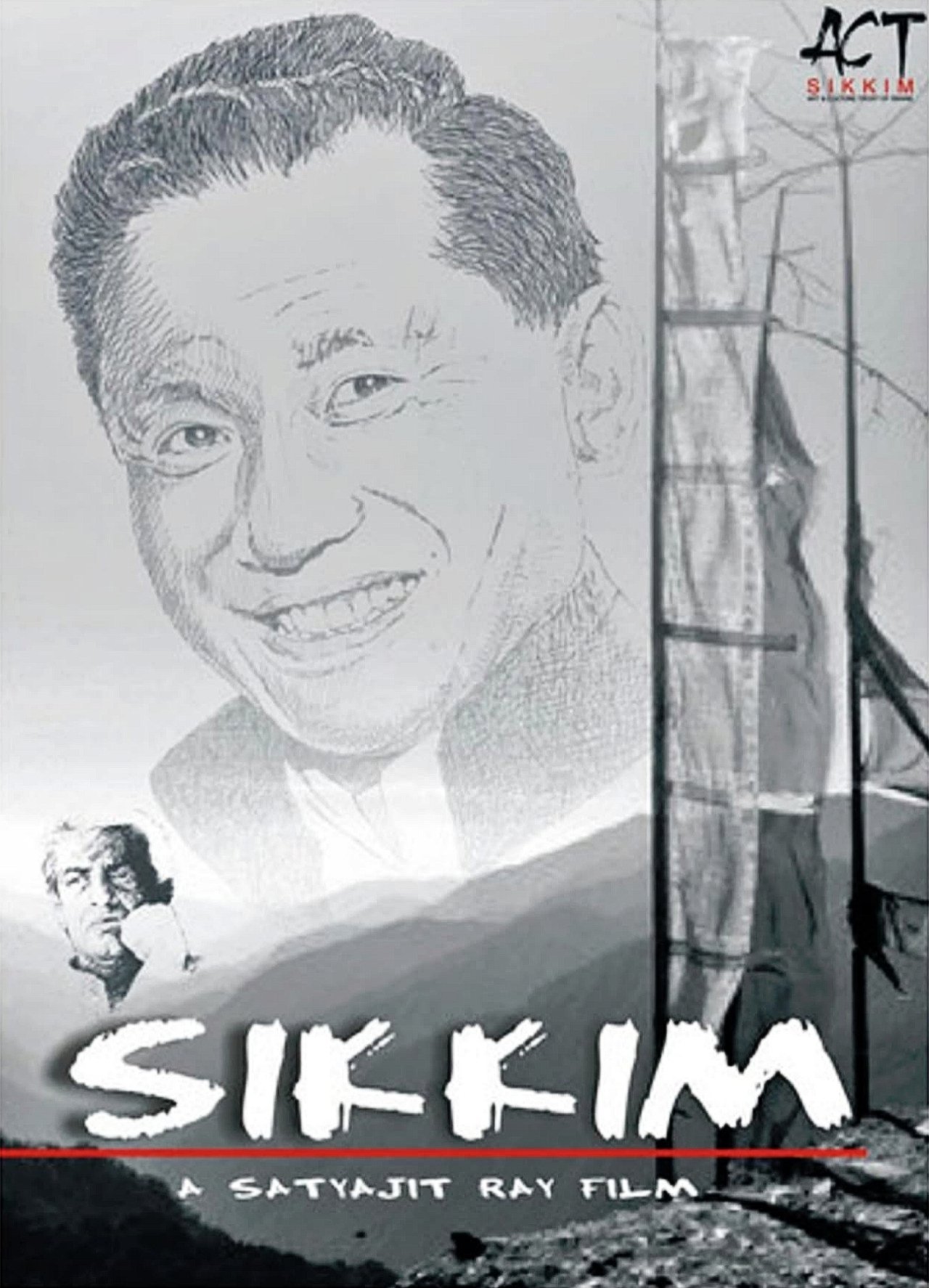
Satyajit Ray's poetic documentary was commissioned by the Chogyal (King) of Sikkim at a time when he felt the sovereignty of Sikkim was under threat from both China and India. Ray's documentary is about the sovereignty of Sikkim. The film was banned by the government of India when Sikkim merged with India in 1975. The ban was finally lifted by the Ministry of External Affairs in September 2010. Preserved by the Academy Film Archive in 2007.
This short focuses on the job of the costume designer in the production of motion pictures. The costume designer must design clothing that is correct for the film historically and geographically, and must be appropriate for the mood of the individual scene. We see famed costume designer Edith Head at work on a production. The Costume Designer was part of The Industry Film Project, a twelve-part series produced by the film studios and the Academy. Each series episode was produced to inform the public on a specific facet of the motion picture industry. Preserved by the Academy Film Archive in 2012.
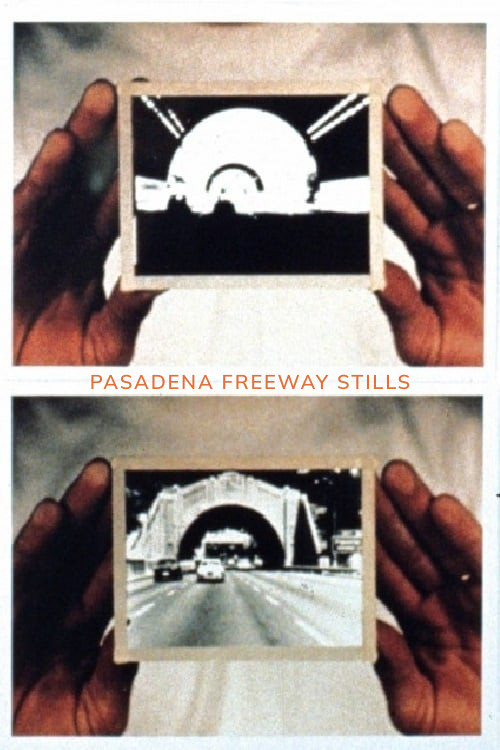
Possibly the most lucid, vivid, and awesome demonstration of the building up of still images to create moving ones, Pasadena Freeway Stills simply, gracefully and powerfully shows us the process by which we are fooled by the movies. By doing so, Gary Beydler mines a very rich vein of associations and metaphor, without the slightest ostentation. Constructed as a thrilling arc of realization and, in a quite moving way, disappointment, the film is a beautiful articulation of our emotional entanglement with moving images, while simultaneously creating a form in which the illusion of cinema is brought into incredible relief as the film we're watching gradually catches up to the film Gary is holding up to the camera with his hands, one frame at a time. (Mark Toscano) Preserved by the Academy Film Archive in 2008.
A film's art director is in charge of the set, from conception to construction to furnishing. This short film walks the viewer through art directors' responsibilities and the demands on their talents. They read a script carefully and design a set to capture the time and place, the social strata, and the mood. They must be scholars of the history of architecture, furnishings, and fashion. They choose the colors on a set in anticipation of the lighting and the mood. Their work also sets styles, from Art Deco in the 20's to 30s modernism. Then it's on to the next project. Preserved by the Academy Film Archive in 2012.
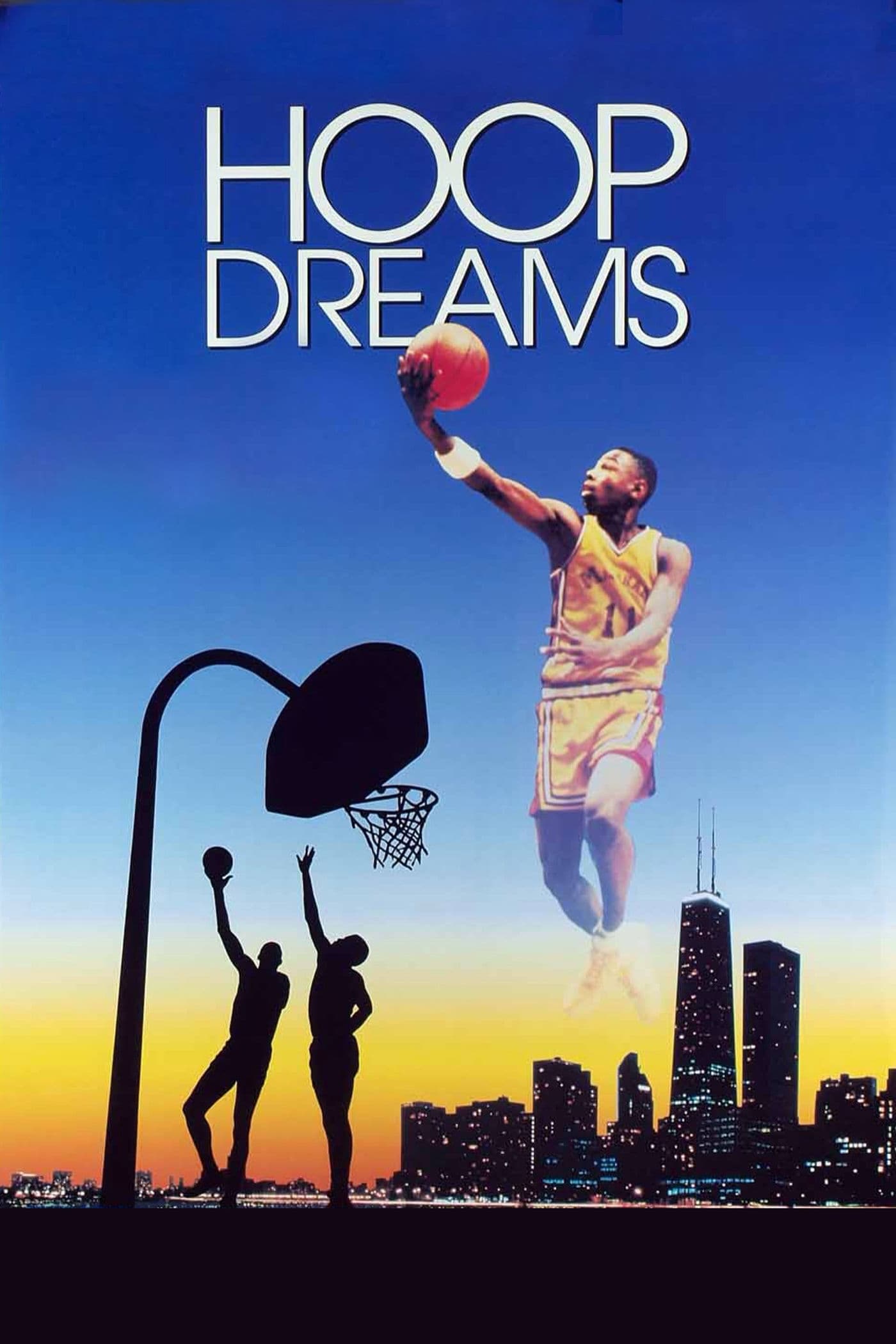
Every school day, African-American teenagers William Gates and Arthur Agee travel 90 minutes each way from inner-city Chicago to St. Joseph High School in Westchester, Illinois, a predominately white suburban school well-known for the excellence of its basketball program. Gates and Agee dream of NBA stardom, and with the support of their close-knit families, they battle the social and physical obstacles that stand in their way. This acclaimed documentary was shot over the course of five years.
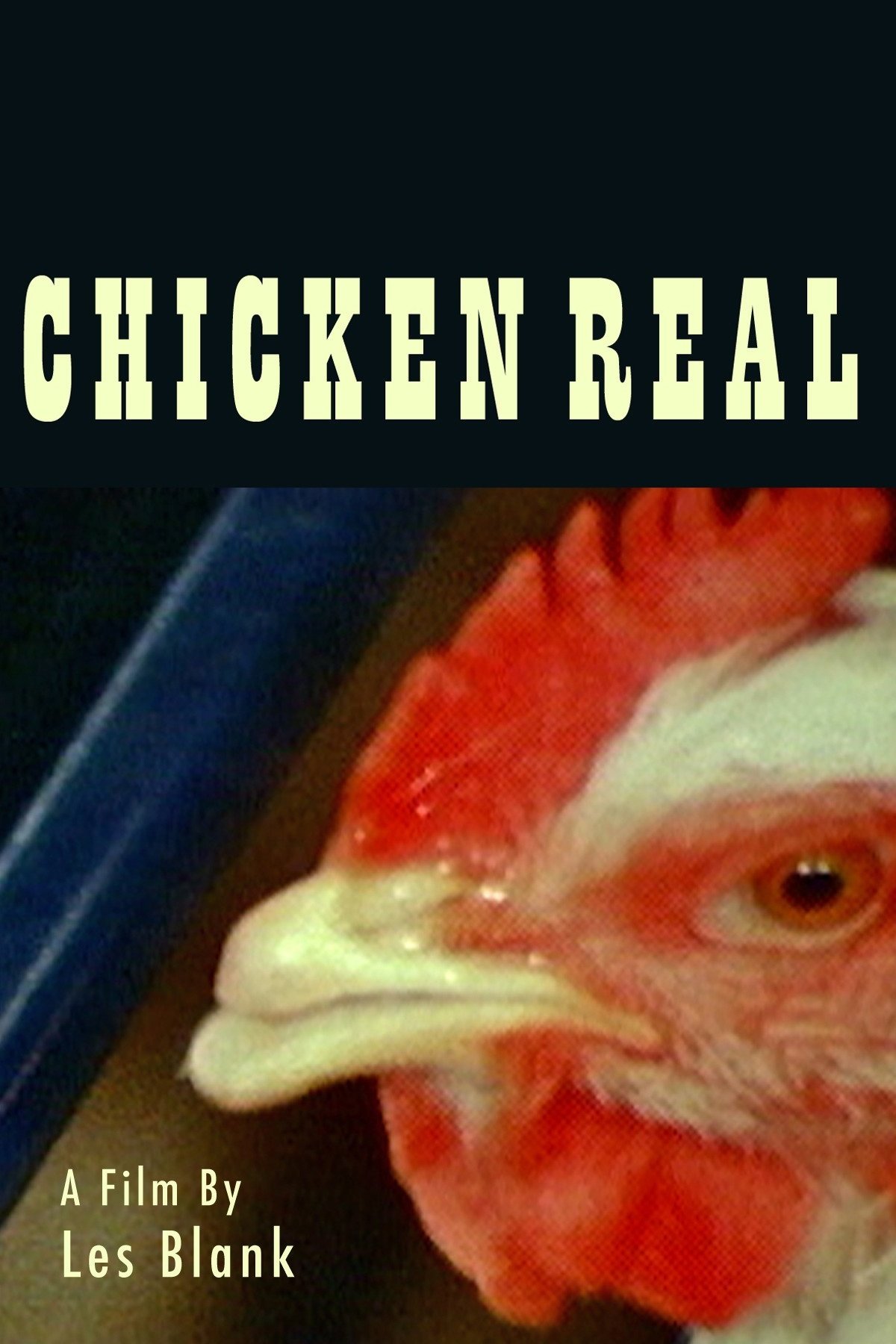
One of Les Blank's industrial films, which follows a Holly Farms "broiler" chicken from factory incubation to the county fair barbecue pit. A hilarious, disturbing and surreal look at a large-scale chicken farm producing 156 million chickens a year! Film includes lots of chicken songs and music recorded live in the Blue Ridge Mountains of North Carolina. Preserved by the Academy Film Archive in 2013.
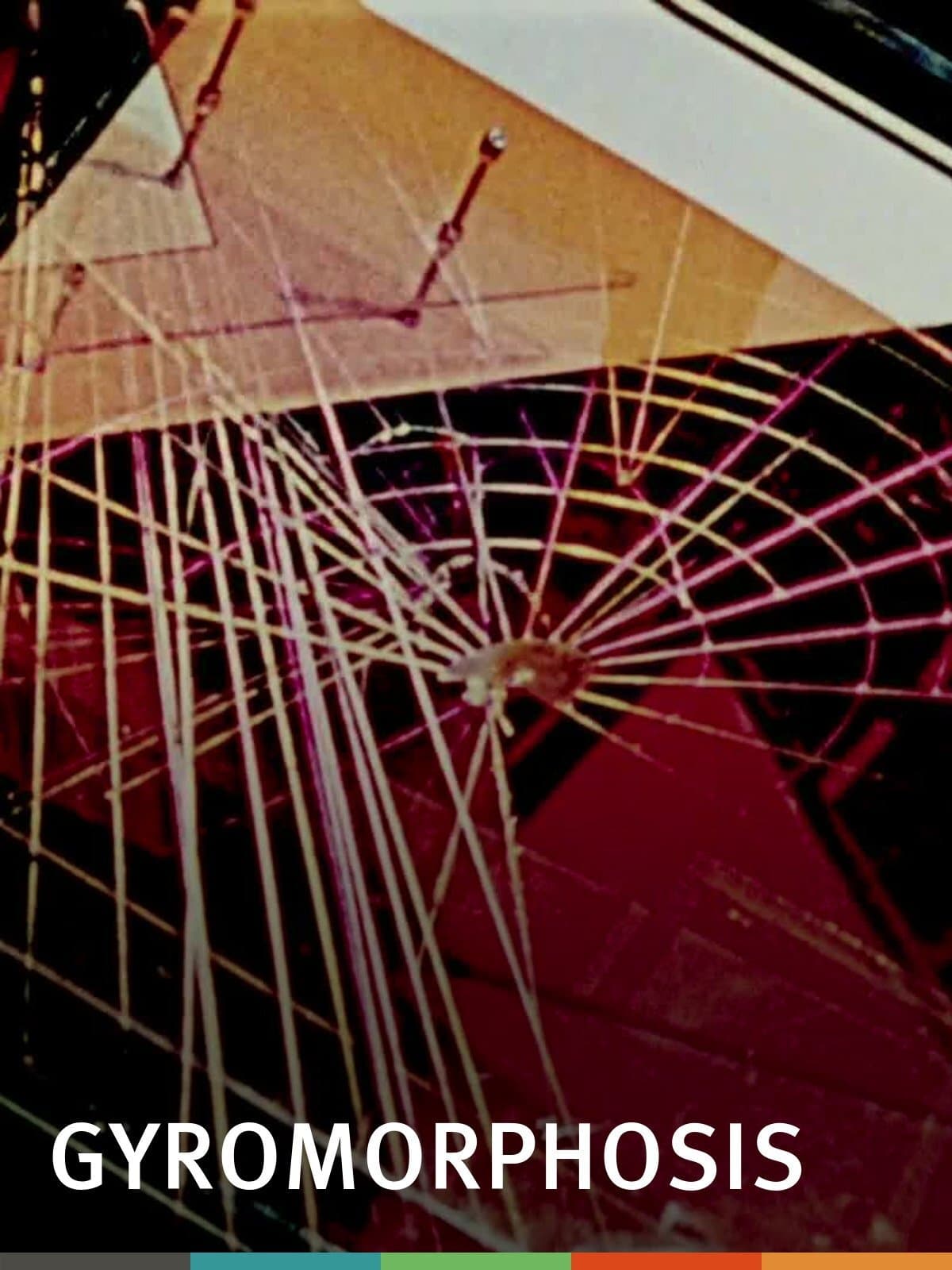
According to the director, "Gyromorphosis strives to bring into actuality the inherent kinetic qualities seen in the construction-sculpture of Constant Nieuwenhuys of Amsterdam. To realize this aim I have put into motion, one by one, pieces of this sculpture and, with colored lighting, filmed them in various detail, overlaying the images on the film as they appear and disappear. In this way, I have hoped to produce sensations of acceleration and suspension which are suggested to me by the sculpture itself."
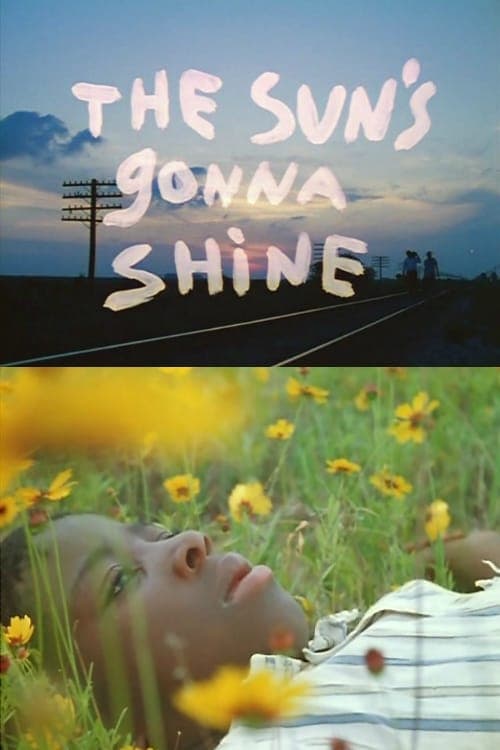
A lyrical recreation of Lightnin’ Hopkins’ decision at age eight to stop chopping cotton and start singing for a living. Preserved by the Academy Film Archive in 2013.
A documentary abstraction recorded at night in Los Angeles backed by the music of Stockhausen. It is a preliminary effort to organise camera and audio images through a cybernetic editing model and a digital computer. Preserved by the Academy Film Archive in 2013.
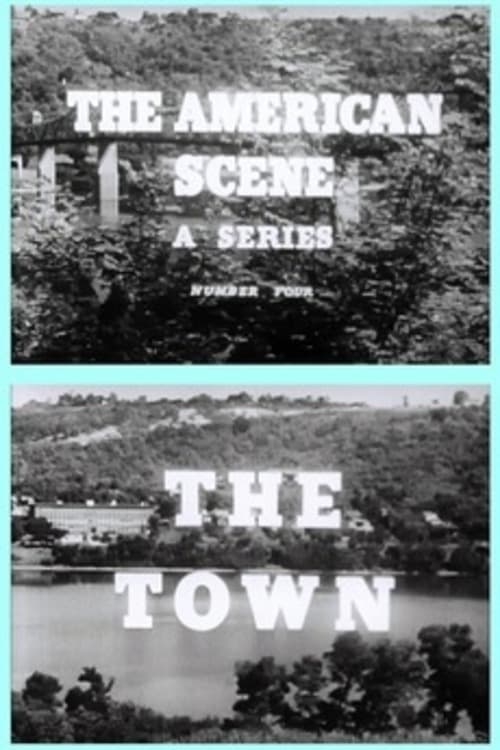
The Town was a short propaganda film produced by the Office of War Information in 1945. It presents an idealized vision of American life, shown in microcosm by Madison, Indiana. It was created primarily for exhibition abroad, to provide international audiences a more well-rounded view of America, and was therefore produced in more than 20 translations. Preserved by the Academy Film Archive in 2012.
A description and enactment of the discovery of gold by James Marshall, and the role played by John Sutter. Preserved by the Academy Film Archive.
Documentary short film reporting on the activities of the American Red Cross and the useage made of contributed funds for the previous year. Preserved by the Academy Film Archive in 2012.
This Oscar-winning documentary tells the story behind Japanese daredevil Yuichiro Miura's 1970 effort to ski down the world's tallest mountain.
Short by Stuart Schulberg. Preserved by the Academy Film Archive.
"Whereas SQUARE INCH FIELD was composed largely in the camera, Rimmer's next film, MIGRATION, made full use of rear-projection rephotography, stop-framing, and slow motion. The migration of the title is interpreted as the flight of a ghost bird through aeons of space/time, through the micro-macro universe, through a myriad of complex realities. A seagull is seen flying gracefully in slow motion against a grainy green sky; suddenly the frame stops, warps and burns, as though caught in the gate of the projector. Now begins an alternation of fast and slow sequences in which the bird flies through time-lapse clouds and fog and, in a stroboscopic crescendo, hurtles into the sun's corona. Successive movements of the film develop rhythmic, organic counterpoints in which cosmic transformations send jelly fish into the sky and ocean waves into the sun." - Gene Youngblood. Preserved by the Academy Film Archive in 2014.
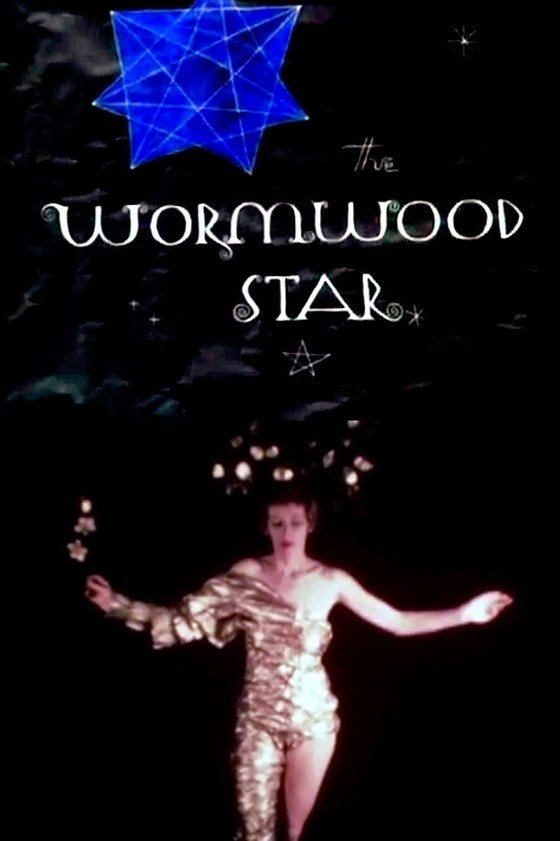
A portrait of artist, actress, poet and occultist Marjorie Cameron, presenting images of her paintings and recitations of her poems.
A bewitching, mysterious work of enveloping beauty, the film’s ominous title and a dedication to Anne Frank deeply inform our reading of its haunting subtext. Preserved by the Academy Film Archive, in partnership with the National Film Preservation Foundation, in 2009.
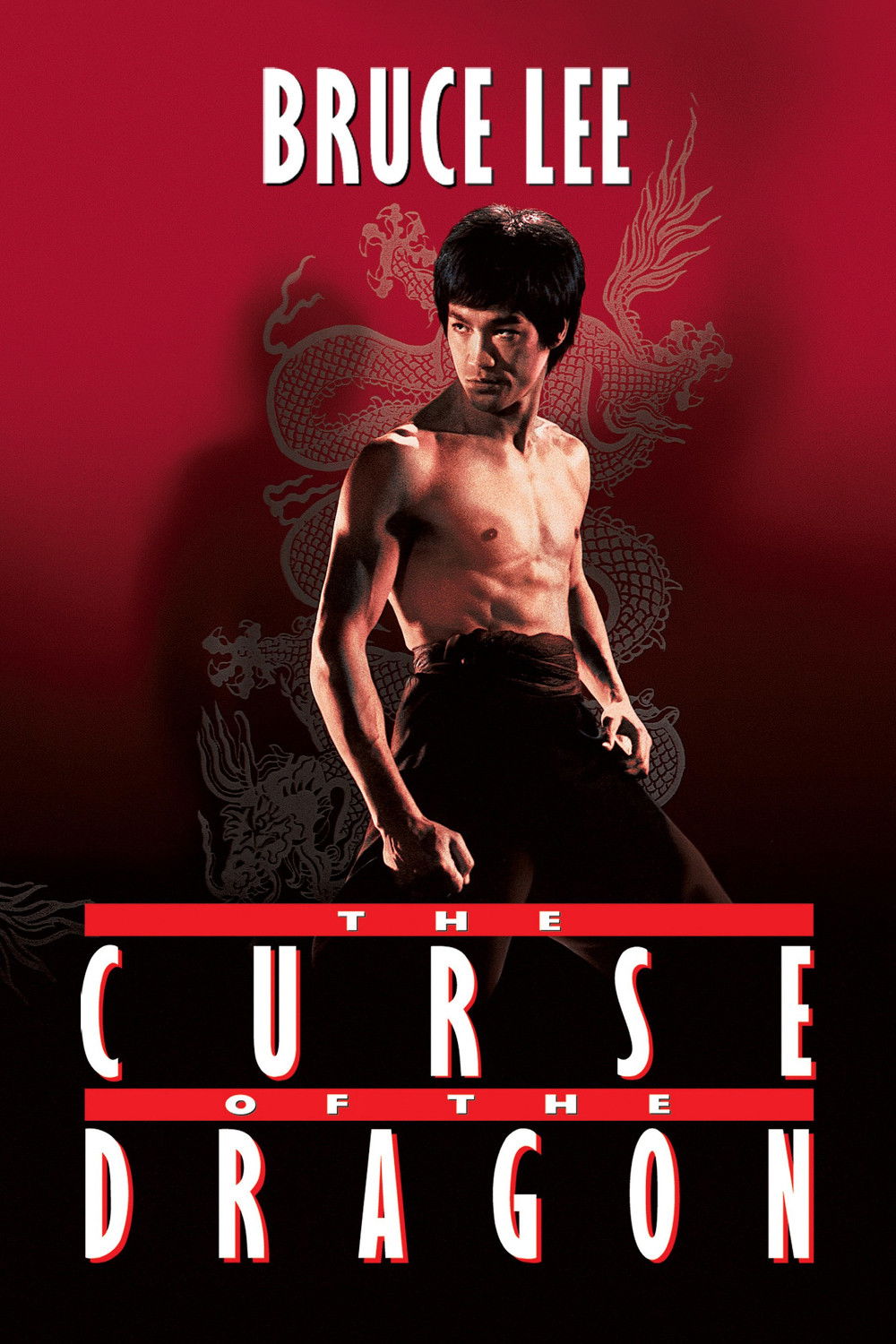
A 1993 documentary film about Bruce Lee. The film includes interviews from some of his fellow students and opponents who worked alongside him in his movies.
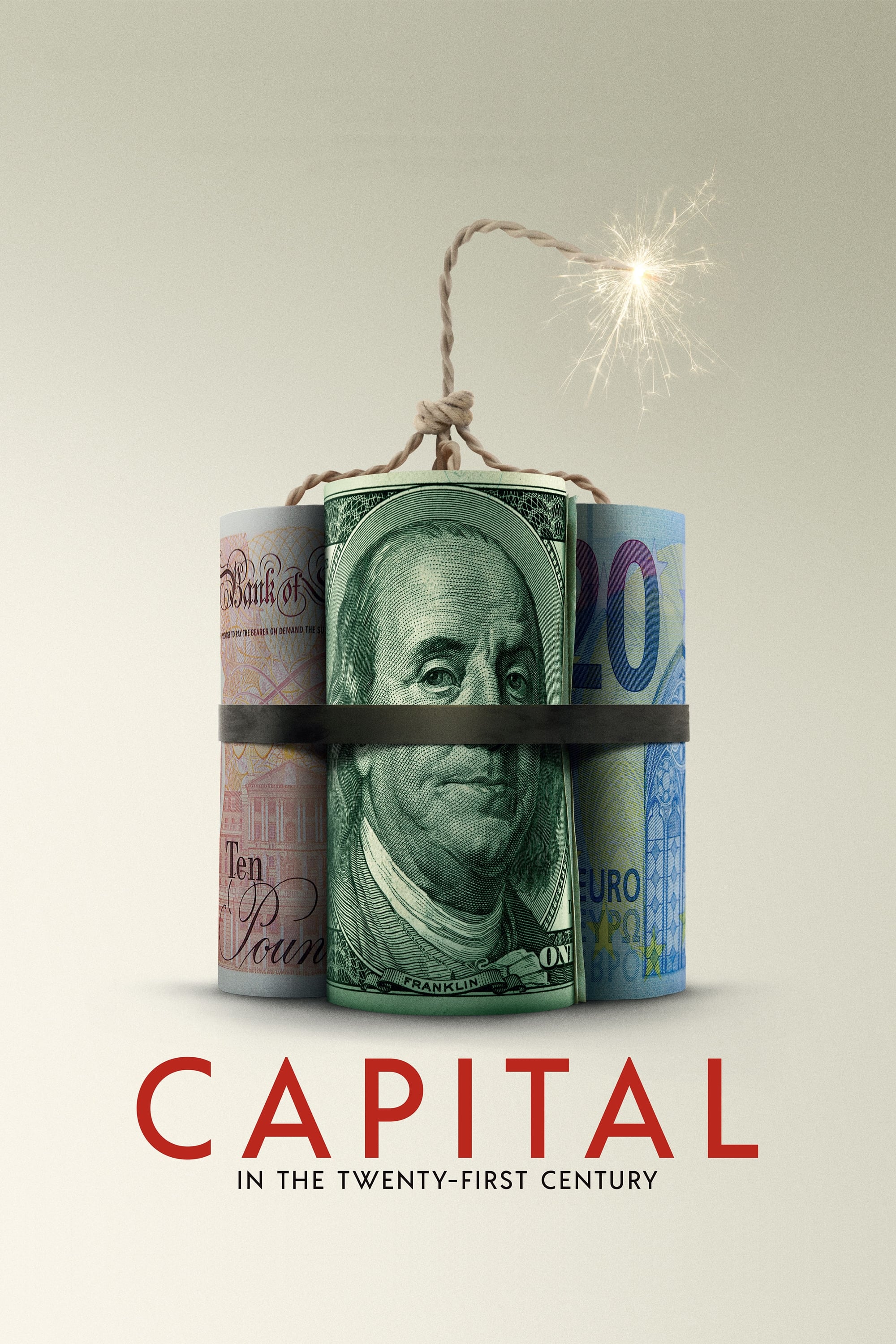
Film adaptation of French economist Thomas Piketty's ground-breaking global bestseller of the same name: an eye-opening journey through wealth and power.
A string of threatening emails escalates into a revenge plot involving a newly married US marshal and his ex-girlfriend.
In an intimate and joyful story of love in the face of loss, celebrated poets Andrea Gibson and Megan Falley find strength—and unexpected hilarity—in what might be their final year together.
Alexander McQueen's rags-to-riches story is a modern-day fairy tale, laced with the gothic. Mirroring the savage beauty, boldness and vivacity of his design, this documentary is an intimate revelation of McQueen's own world, both tortured and inspired, which celebrates a radical and mesmerizing genius of profound influence.
A documentary on the expletive's origin, why it offends some people so deeply, and what can be gained from its use.
A documentary about the life and films of director John Ford.
A look at the origins, history and conspiracies behind the "Majestic 12", a clandestine group of military and corporate figureheads charged with reverse-engineering extraterrestrial technology.
A visual montage portrait of our contemporary world dominated by globalized technology and violence.
An inside look at one of the most anticipated movie sequels ever with James Cameron and cast.
A documentary about the making of David Fincher's 2008 film THE CURIOUS CASE OF BENJAMIN BUTTON. Virtually every element in the evolution of the Fincher's film is documented here, from the project's attachment to numerous other directors during the 1990s, to its shoot in 2006 and 2007 in New Orleans, to its complex, CGI-intensive postproduction process.
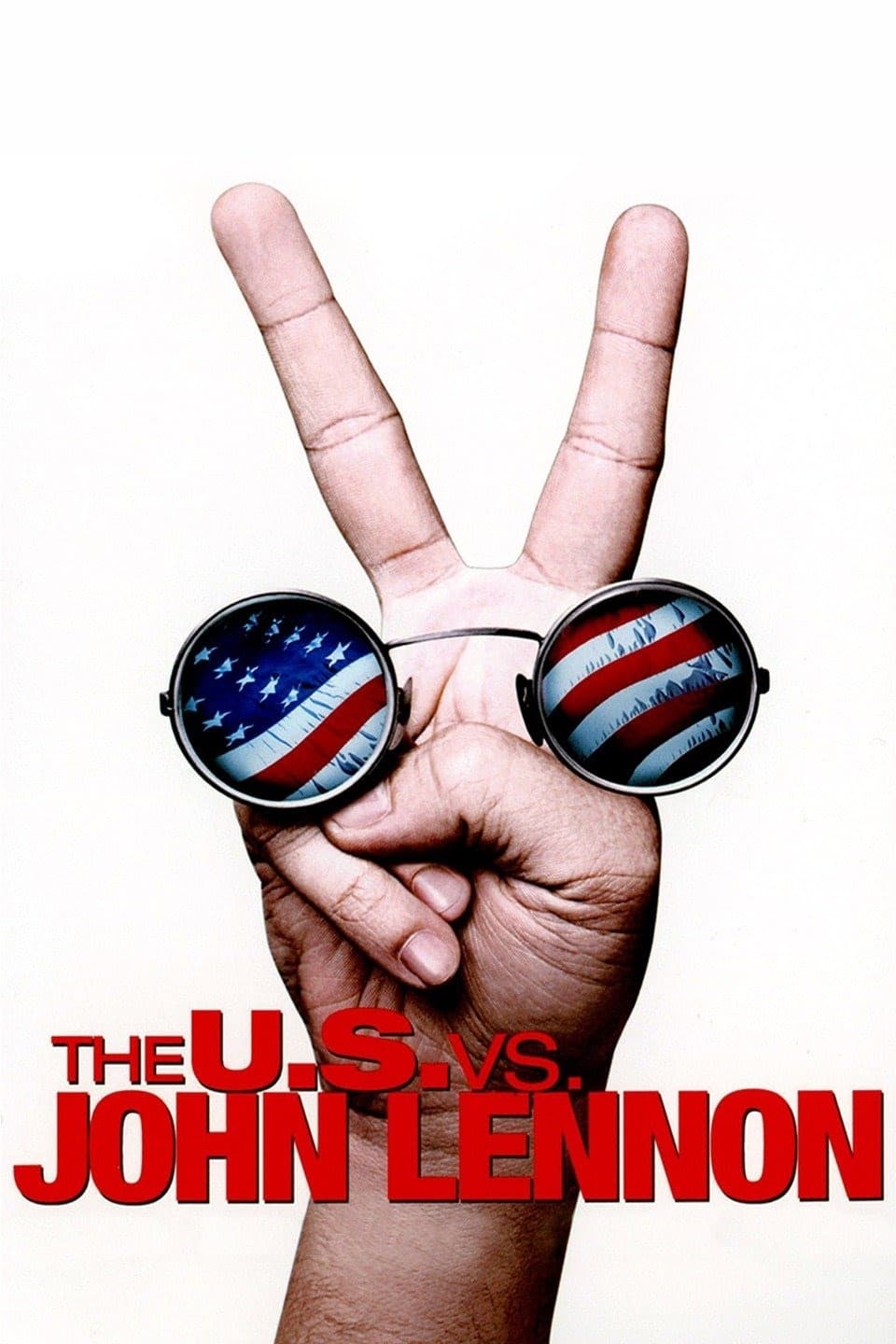
A documentary on the life of John Lennon, with a focus on the time in his life when he transformed from a musician into an antiwar activist.
A documentary about the making of season five of the acclaimed AMC series Breaking Bad.
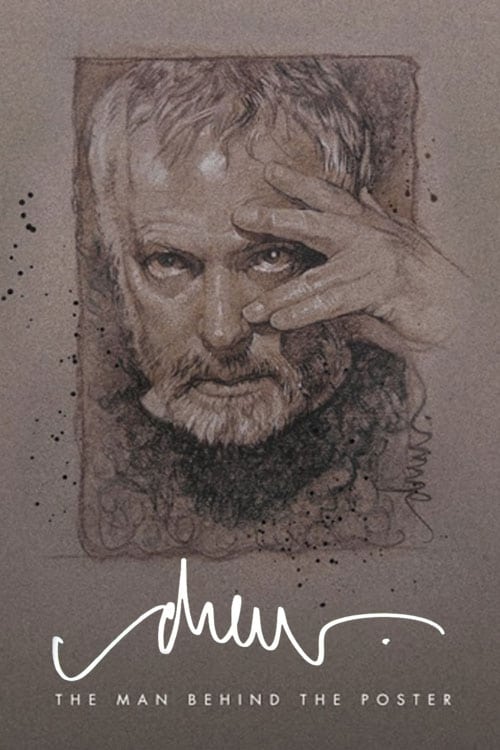
A documentary on legendary movie-poster artist Drew Struzan.
A documentary on the making of the three Godfather films, with interviews and recollections from the film makers and cast. This feature also includes the original screen tests of some of the actors for "The Godfather" film, and some candid moments on the set of "The Godfather: Part III."
A detailing of the rise to prominence and global sporting superstardom of six supremely talented young Manchester United football players (David Beckham, Nicky Butt, Ryan Giggs, Paul Scholes, Phil and Gary Neville). The film covers the period 1992-1999, culminating in Manchester United's European Cup triumph.
Through deeply personal interviews with her siblings and an examination of the photographs, letters, and belongings left behind, Mariska assembles a new portrait of her mother Jayne Mansfield, an extraordinary and complex woman.
A compilation of over 30 years of private home movie footage shot by Lithuanian-American avant-garde director Jonas Mekas, assembled by Mekas "purely by chance", without concern for chronological order.
This unique cinematic experience dives deep into an artist’s work and reveals his life path, inspiration, and creative process. It explores his fascination with myth and history. Past and present are interwoven to diffuse the line between film and painting, allowing the audience to be completely immersed in the remarkable world of one of the greatest contemporary artists, Anselm Kiefer. Wim Wenders shot this unique portrait over the course of two years in stunning 3D.
A documentary about how a dominant cultural and demographic institution both sustains their traditional activities and adapts to the digital revolution.