A documentary about Commodore 64 game music, featuring later, less well known Commodore 64 musicians.
Social & External
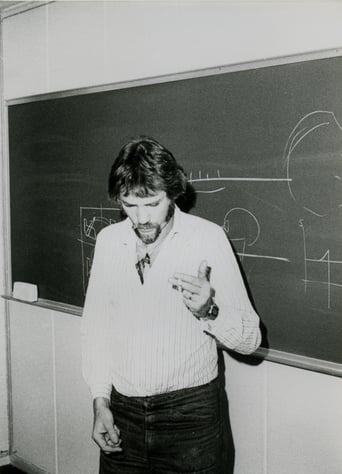
Based on the conversations Jösta Hagelbäck and Erik Ostlund had with Lars Kristiansson, a professor of information theory with data communication at Chalmers University in Gothenburg, Sweden. The talks took place at the difficult cancer sufferer Kristiansson's sick-bed and dealt with his insights in computer technology, his hopes and fears for the new technology, the role of religion, the history of mathematics, reasoning about algebra, analytic geometry and the fourth dimension, along with cultural outlooks over the Western society's lack of mysticism and spiritual values.
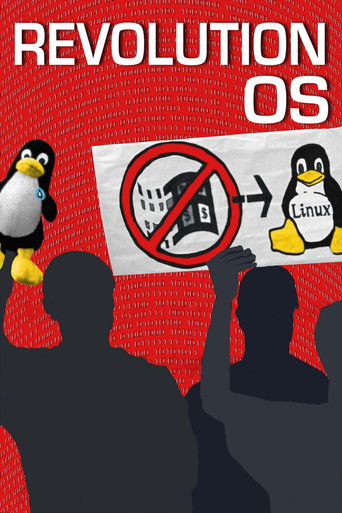
REVOLUTION OS tells the inside story of the hackers who rebelled against the proprietary software model and Microsoft to create GNU/Linux and the Open Source movement.
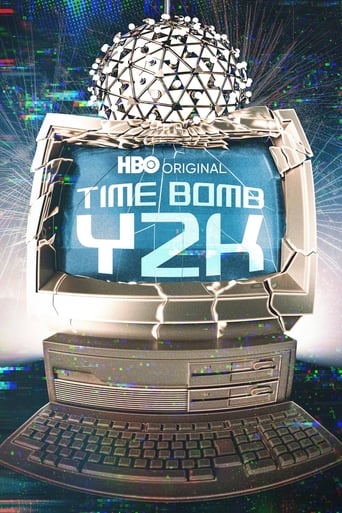
As the clock counted down to the the 21st century, the world faced a potential technological disaster: a bug that could cause computers to misinterpret the year 2000 as 1900. Crafted entirely from archival footage and featuring first-hand accounts from computer experts, survivalists, scholars, militia groups, conservative Christians, and pop icons, Time Bomb Y2K is a prescient and often humorous tale about the power and vulnerabilities of technology.
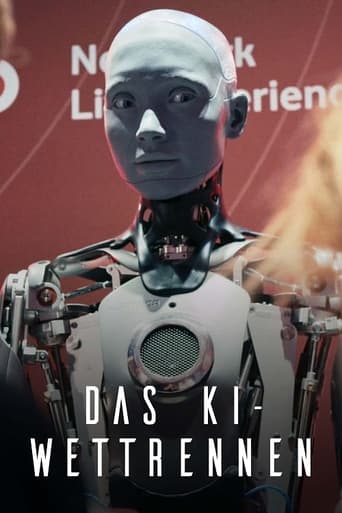
By observing the technological developments of artificial intelligence in several countries, this film sheds light on the advantages and limits of algorithms and their repercussions on the lives of citizens. Whether at the level of the State, the police, universities, or companies, artificial intelligences should be used as a tool, but very often become a substitute for the work of the individual. There are many abuses: manipulations, addictions, or centralization of power. What can governments and States do to best regulate these technological advances?
Digital advertising algorithms curate content precisely for users. Major tech firms claim to restrict disinformation yet still profit from harmful content, raising ethical concerns about democracy and online capitalism.
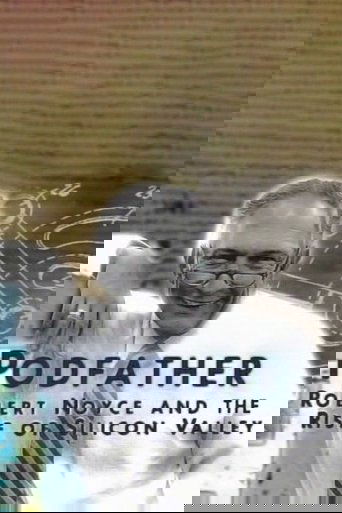
Documentary telling the story of silicon chip inventor Robert Noyce, godfather of today's digital world. Re-living the heady days of Silicon Valley's seminal start-ups, the film tells how Noyce also founded Intel, the company responsible for more than 80 per cent of the microprocessors in personal computers.
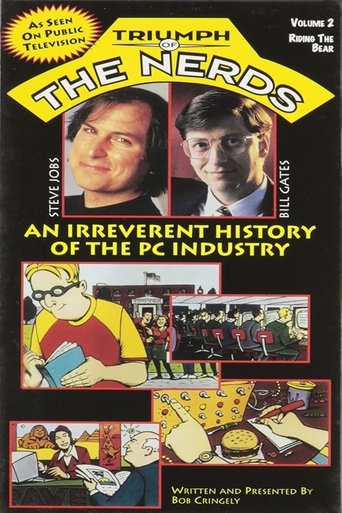
It happened more or less by accident; the people who made it happen were amateurs; and for the most part they still are. From his own Silicon Valley garage, author Bob Cringley puts PC bigshots and nerds on the spot, and tells their incredible true stories. Like the industry itself, the series is informative, funny and brash.
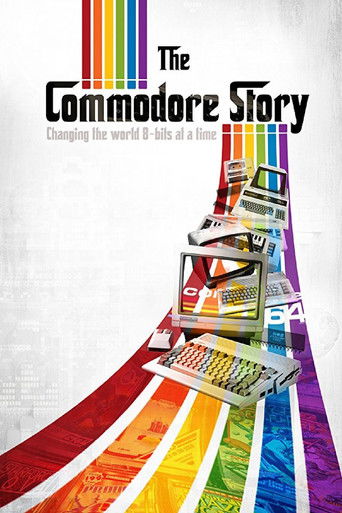
The story of the Commodore PET, VIC-20, C64 and Amiga from engineers, games developers and how Commodore influenced the first 8-bit generation users.
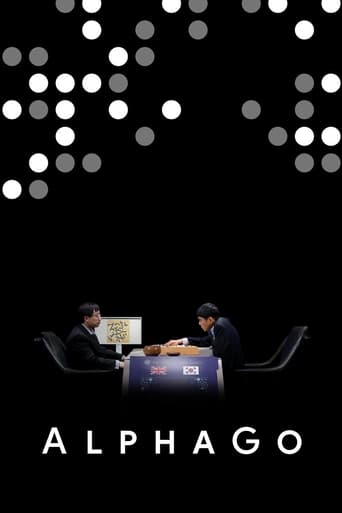
Chronicles the extraordinary life of visionary scientist Demis Hassabis and his relentless quest to solve the enigma of artificial general intelligence.
When the pandemic hit it highlighted how much Western countries rely on the chip industry. Today Europe, America and China are involved in an intense commercial struggle to dominate this sector that is so strategic for the future. From Taiwan to Shanghai, via Brussels and San Francisco, investigative journalist Nicolas Vescovacci went to meet the most influential players in this microchip war, which is redefining world geopolitics.
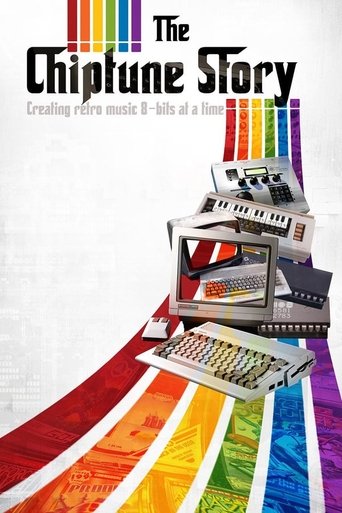
The ChipTune Story focuses on 8-bit music and the C64 SID chip. Featuring interviews with games 8-bit music composers Rob Hubbard, Chris Huelsbeck, Ben Daglish, Mark Knight. We look at the history of ChipTune from 8-bit to 16-bit sampling.
Grace Hopper dedicated her life to bringing computers to the masses, when most supposed the technology was only useful for scientists and the military. Through her genius, she taught software English, so that everyone could communicate with computers.
In 1985, a powerful new kind of computer was born. It was 10 years ahead of its time, and ready to take on Microsoft, IBM and Apple for control of the PC market. The Amiga computer revolutionized video, multimedia and digital art, with Andy Warhol being a big advocate. It was also known for being a fantastic video games machine. Despite the computer's manufacturer going bankrupt in early 1990's, the Amiga has a huge cult following worldwide to this day. This film documents the rise and fall of the Amiga in the marketplace, and gives an inside look at the passionate and eccentric community that surrounds it.
A feature documentary that explores the influence of the Commodore Amiga and how it took video game development, music and publishing to a whole new level and changed the video games industry forever.
As artificial intelligence becomes ever more sophisticated, the film industry is split between enthusiasm at what the technology can achieve and concern over the future for human workers in the industry. Will actors and actresses be replaced by machines? An overview on the coming wave of AI in cinema.
Pioneering artist Lillian Schwartz demonstrates the human input -- integrity, artistic sensibilities, and aesthetics -- that goes into producing early computer art. In voice-over she explains the intent behind a number of her films and offers insight into the artist's problems and decisions. Produced for AT&T.
Explores the incredibly complex backstory of Ted Kaczynski, the infamous Unabomber. This exquisitely crafted inquiry into the rationale of this mythic figure situates him within a late 20th century web of technology—a system that he grew to oppose. A marvelously subversive approach to the history of the Internet, this insightful documentary combines speculative travelogue and investigative journalism to trace contrasting countercultural responses to the cybernetic revolution.
A deep dive into one of the most enduring and high-stakes mysteries in technology and finance: the origins of Bitcoin and the identity of its anonymous creator, Satoshi Nakamoto.