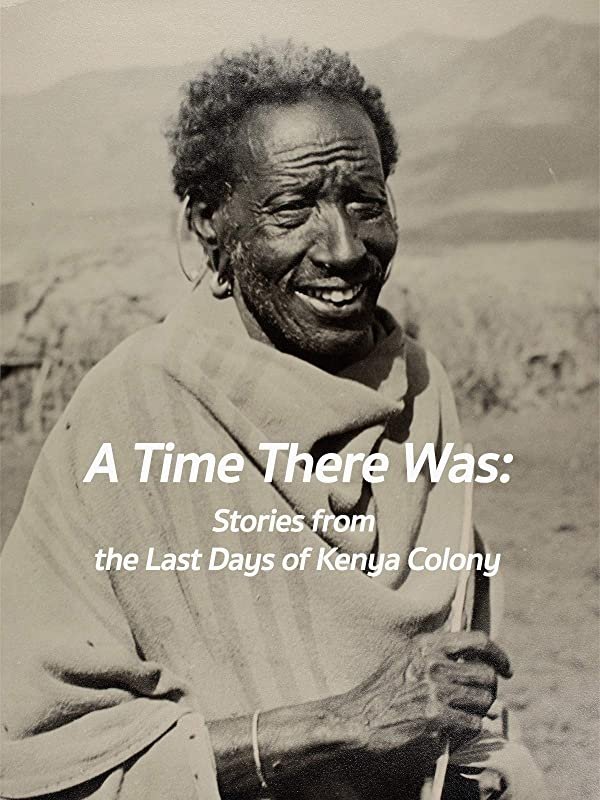
A look at the Mau Mau Rebellion of the 1950s as experienced by filmmaker Donald McWilliams.
Social & External
The people behind it
Achhroo Ram Kapila
Self
Salome Kinyanjui
Creation Myth Performer
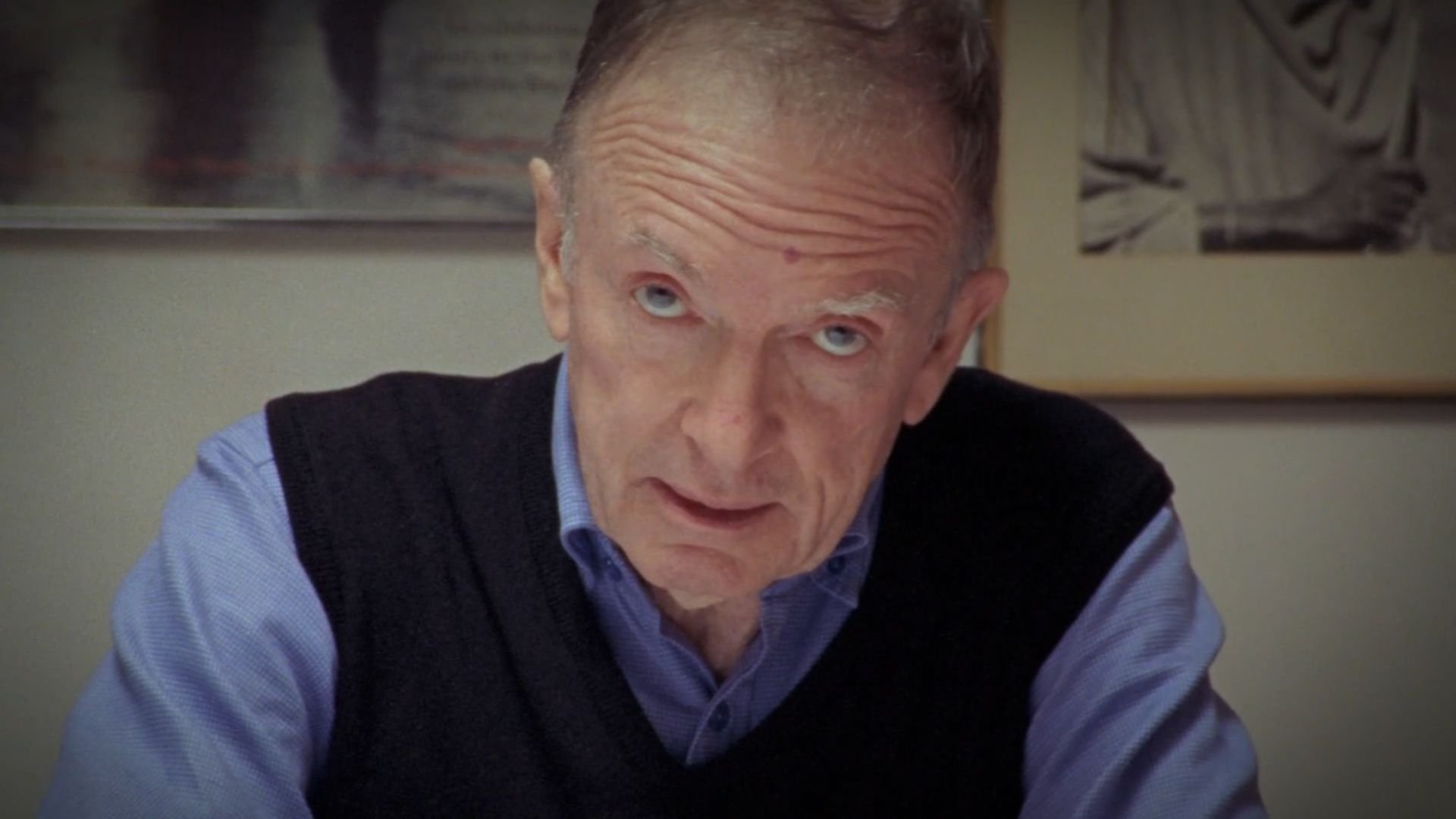
Donald McWilliams
Self / Narrator
Mwaria Njuma
John Nottingham
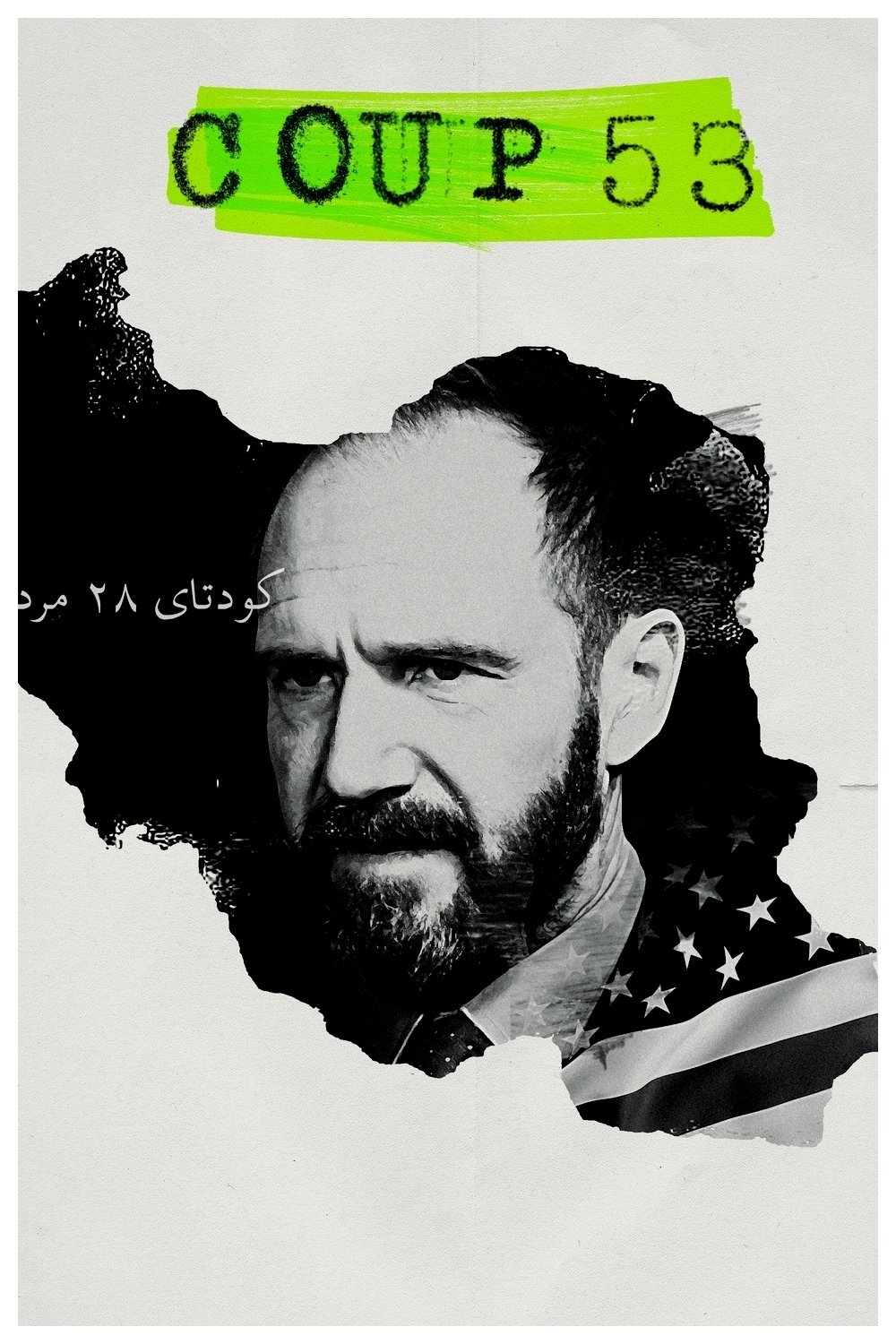
Tehran, Iran, August 19, 1953. A group of Iranian conspirators who, with the approval of the deposed tyrant Mohammad Reza Pahlavi, have conspired with agents of the British MI6 and the US CIA, manage to put an end to the democratic government led by Mohammad Mosaddegh, a dramatic event that will begin the tragic era of coups d'état that, orchestrated by the CIA, will take place, over the following decades, in dozens of countries around the world.
The story of Pastor Lucy and her husband Duncan Ndegwa, who began feeding and sheltering children from the streets of Nairobi, Kenya in 1996.
The city of Madrid as it appears in the Spanish films of the 1950s. A small tribute to all those who filmed and portrayed Madrid despite the dictatorship, censorship and the critical situation of industry and society.
For African athletes making money abroad is the big goal. But Kenyan marathon runners need to be careful – the industry is ruthless and only few make it. For years, sports managers have been bringing African athletes to Europe to run in marathons with promises of potential prize money and a top career. For many it’s a means of escaping poverty. But what price do the marathon runners themselves pay? Long-distance running is among the toughest disciplines in the world. Professional marathon runners battle over seconds in a race more than 40km long - seconds that are often worth huge sums of money. Running has become a business. The prize money for a major event can be in five figures. Participants have to be world-class athletes to win these amounts.
This documentary film from the 1950s explains how the citizens of a small midwestern town restore community spirit through a 4-H club.
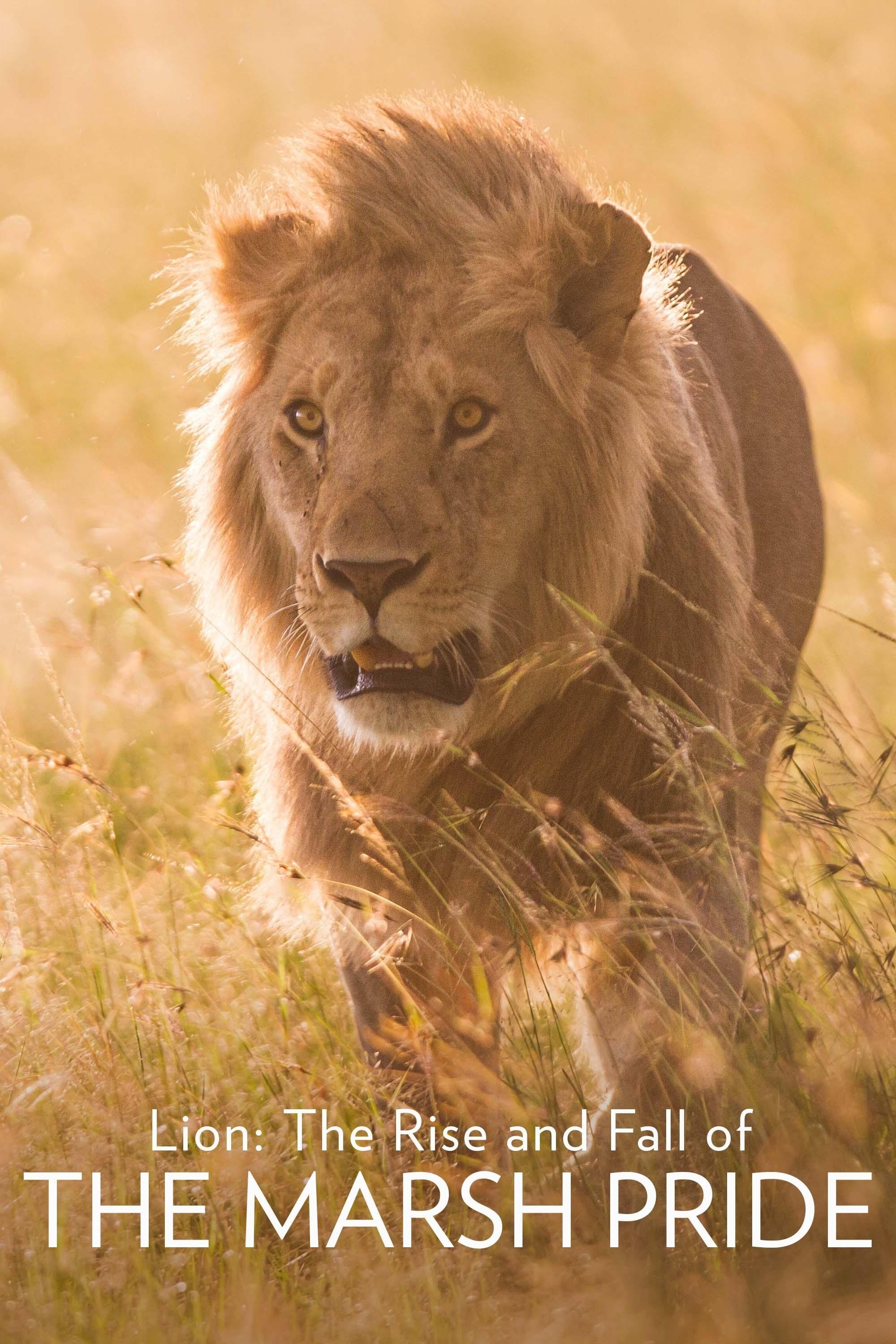
Documented in television documentaries for over 40 years by the BBC and other broadcasters around the world, the Marsh Pride is the most filmed pride of lions on Earth. In this film, the Marsh Pride battle for survival in Kenya's famous Maasai Mara Reserve, which has become a magnet for tourists, many of them keen to see the pride for themselves. A tale of shifting loyalties, bloody takeovers and sheer resilience, the lions’ story is told by those who filmed them, tried to protect them and lived alongside them, as well as some who ultimately wanted them dead.
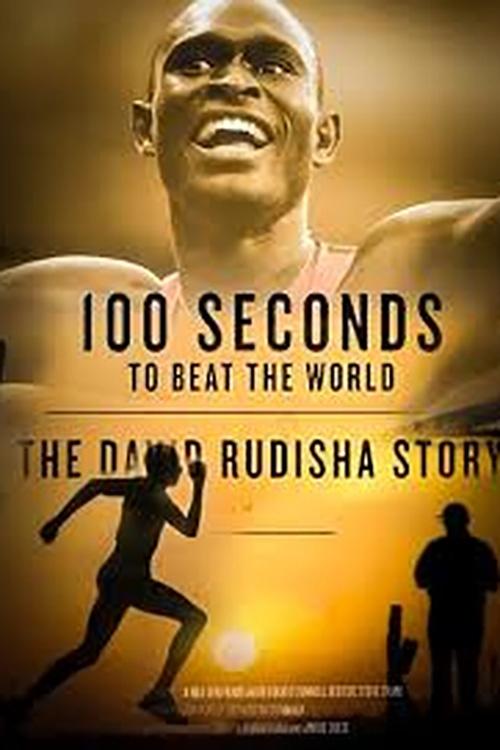
The story of Kenyan athlete David Rudisha, the greatest 800m runner the world has ever seen, and his unusual coach, the Irish Catholic missionary Brother Colm O'Connell.
A roller-coaster ride through the history of American exploitation films, ranging from Roger Corman's sci-fi and horror monster movies, 1960s beach movies, H.G. Lewis' gore-fests, William Castle's schlocky theatrical gimmicks, to 1970s blaxploitation, pre-"Deep Throat" sex tease films, Russ Meyer's bosom-heavy masterpieces, etc, etc. Over 25 interviews of the greatest purveyors of weird films of all kind from 1940 to 1975. Illustrated with dozens of films clips, trailers, extra footage, etc. This documentary as a shorter companion piece focusing on exploitation king David F. Friedman.
Sydney, the early 1950's... a city in the grip of a deadly crime wave. In just over a year more than one hundred people were poisoned. Most of the killers were women. Recipe For Murder tells the true story of three notorious poisoners; Yvonne Fletcher, Caroline Grills and Veronica Monty. The 52 minute film combines gritty archive with stunning film noir re-enactments and interviews with witnesses. Narrated by Dan Wyllie in classic pulp crime style, the film dramatically reveals the unique ingredients that created a Recipe For Murder.
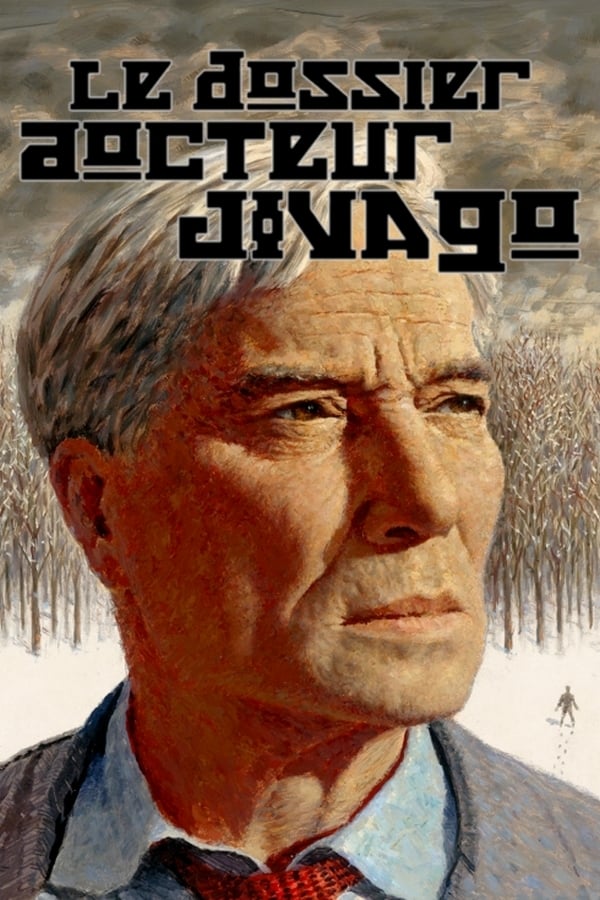
As Russian writer Boris Pasternak (1890-1960) thinks it is impossible that his novel Doctor Zhivago is published in the Soviet Union, because it supposedly shows a critical view of the October Revolution, he decides to smuggle several copies of the manuscript out of the country. It is first published in 1957 in Italia and the author receives the Nobel Prize in Literature in 1958, which has consequences.
Based on A Few Days Full of Trouble by Reverend Wheeler Parker, Jr. and Christopher Benson, the feature doc will explore two parallel tracks of the Till story. One set in motion by the last four years of an FBI investigation with details never before revealed, including significant new revelations of the case and its discoveries. The traumatic memory of Parker Jr., last surviving witness to the crime and Till’s cousin, drives that investigation. The second track is a deep immersion into the latest, proprietary findings, as high schoolers prepare for a reenactment of the murder trial of two of Till’s killers, Roy Bryant and J.W. Milam.
New light is shed on the complex relationship between Romy Schneider and her mother Magda, a German film star of the 1930s admired by Hitler - who welcomed her and her daughter to his chalet in Berchtesgaden.
A documentary detailing an indiscriminate terrorist attack that left 71 dead in Kenya.
On February 28, 1958, the community of Floyd County, Kentucky experienced one of the greatest tragedies imaginable when a school bus carrying 48 students careened over an embankment and plunged into the Big Sandy River. Miraculously, 22 children survived by swimming to shore; the rest of the students, and their driver, weren't so fortunate. Over 50 years later, filmmaker Michael Crisp reflects on the accident that broke America's heart by speaking with crash survivor Martha Burchett Marsh and numerous other locals whose lives were forever affected by this heartbreaking catastrophe.
1950s. An escape. A new family. Through VHS footage and rescued letters, a grandmother's past is revealed.
Demonstration of shoplifting methods. With the Cooperation and Assistance of Berkeley, California Police Department and Berkeley Police Reserve; Addison H. Fording, Chief of Police; J.F. Hink & Son Department Store, L.W. Hink, President. Technical Assistance: Wm. P. Beall, Lieutenant; E.A. Skells, Sergeant, Berkeley Police DepartmentGeorge Jelten, Director of Visual Merchandising, J.F. Hink and Son. Director of Photography: John L. Siegle. Sound: Walter D. Porep. Narration: John E. Pedersen.
A documentary about people in Kenya who are imprisoned by the global flower industry. The dilemmas of the industry become painfully clear and a dark world of oppression, sexual abuse and terrible working conditions unfolds. There is only one conclusion possible: the smell of the imported rose is not sweet, but bitter.
Germán Cipriano Gómez Valdés Castillo, a young radio announcer from Cuidad Juárez, succeeds in drawing attention to the pachuco movement through his character Tin Tan, laying the groundwork for a new form of binational and mass linguistic expression: Spanglish. He soon became a leading figure in theater and film on the American Continent. Singled out by critics as a destroyer of the language, he quickly won the approval of the public. His ability to improvise revolutionized the film industry. His talent as an actor, singer, dancer and comedian contributed to the Golden Age of Mexican Cinema. From El Hijo Desobediente to Capitán Mantarraya, from Cuidad Juárez to Havana, from mambo to rock, the legacy of Tin Tan makes him one of the great icons of Mexico today. This film tells his story as it has never been told before.
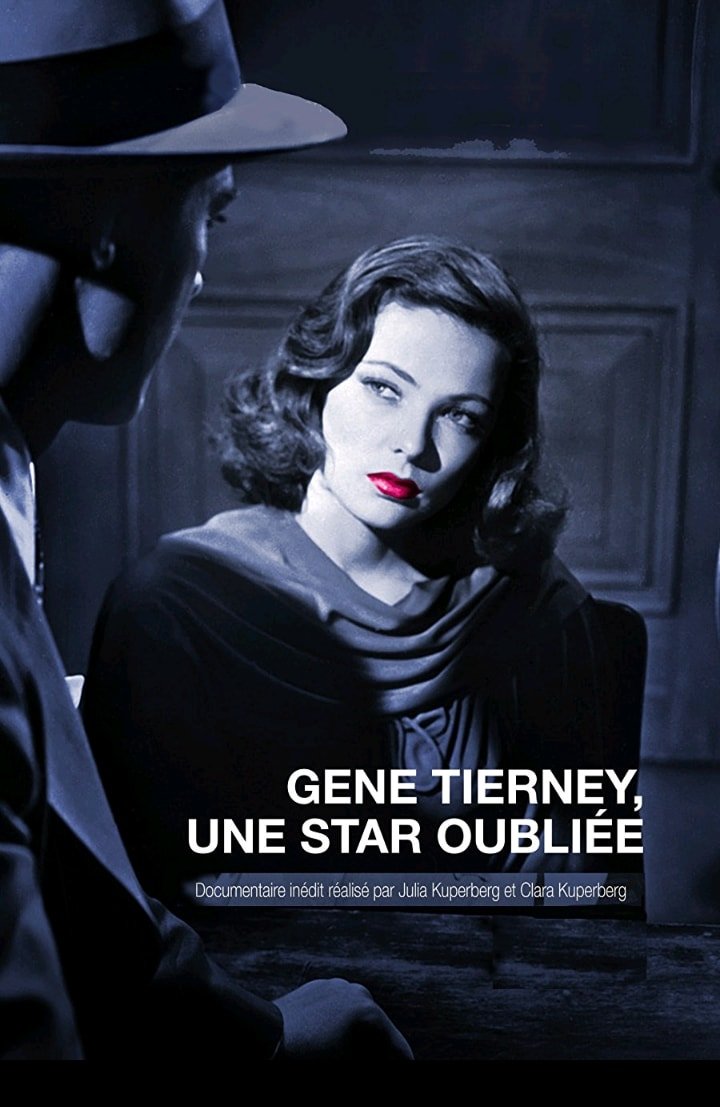
Martin Scorsese is among those paying tribute to Gene Tierney, the Academy Award-nominated American actress who was a leading lady in Hollywood throughout the 1940s and '50s.
An inside look at one of the most anticipated movie sequels ever with James Cameron and cast.
This revealing documentary honors the legendary Sidney Poitier—iconic actor, filmmaker, and civil rights activist. Featuring interviews with Denzel Washington, Spike Lee, Halle Berry, and more.
Through deeply personal interviews with her siblings and an examination of the photographs, letters, and belongings left behind, Mariska assembles a new portrait of her mother Jayne Mansfield, an extraordinary and complex woman.
JB Smoove and Martin Starr host a celebration of 20 years of "Spider-Man" movies, from the Sam Raimi trilogy to Marc Webb's movies and the trio from Jon Watts.
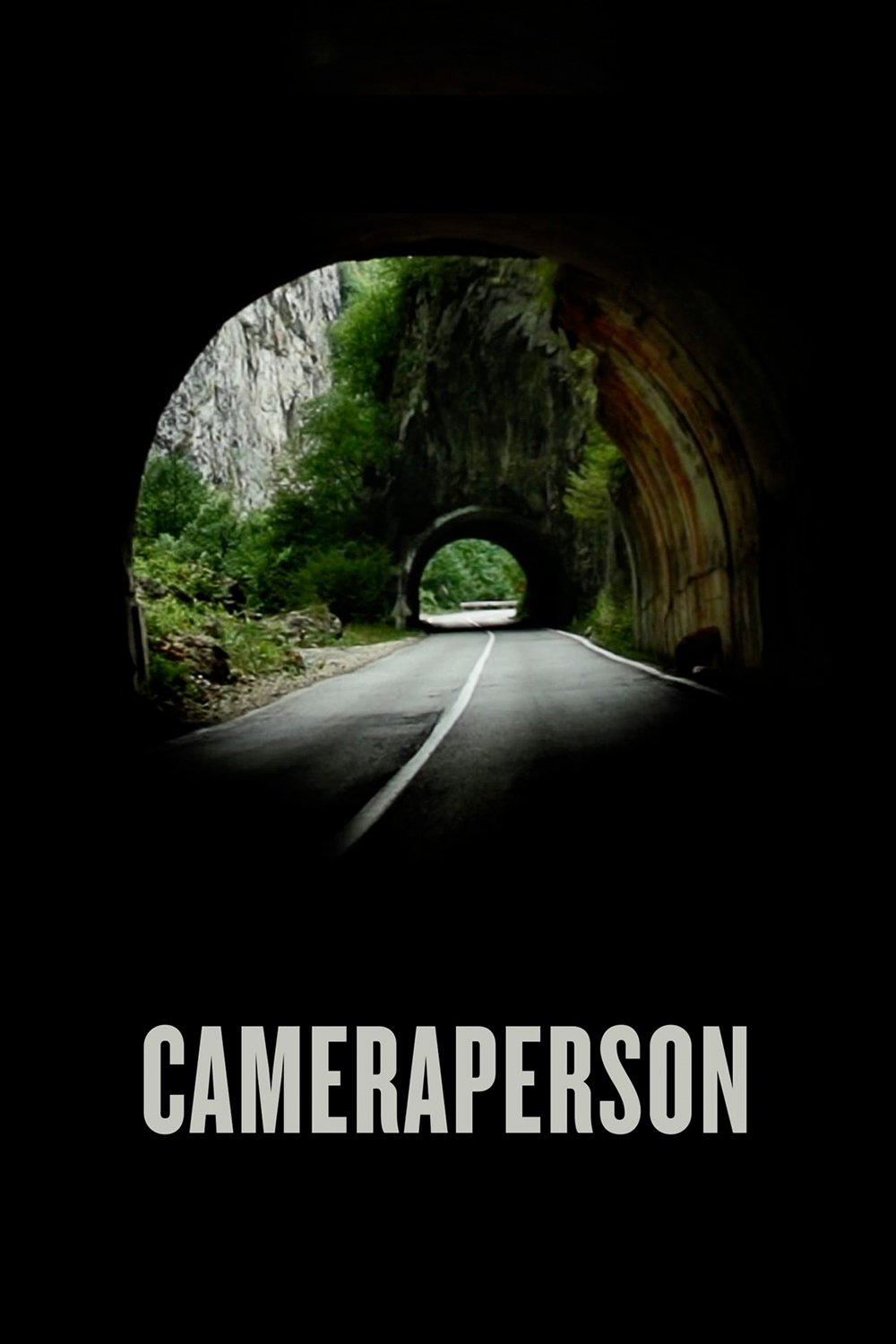
As a visually radical memoir, CAMERAPERSON draws on the remarkable footage that filmmaker Kirsten Johnson has shot and reframes it in ways that illuminate moments and situations that have personally affected her. What emerges is an elegant meditation on the relationship between truth and the camera frame, as Johnson transforms scenes that have been presented on Festival screens as one kind of truth into another kind of story—one about personal journey, craft, and direct human connection.
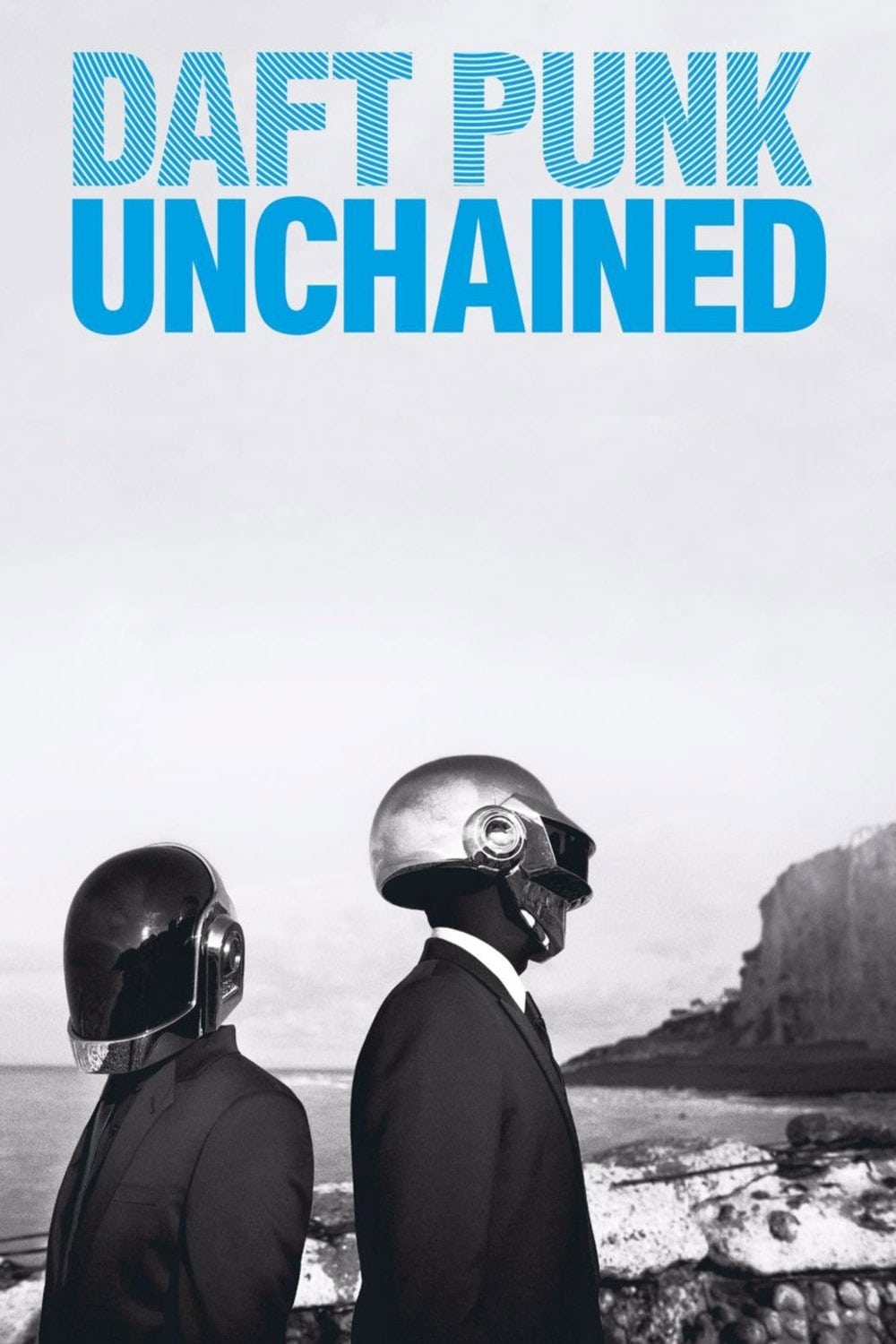
Daft Punk Unchained is the first film about the pop culture phenomenon that is Daft Punk, the duo with 12 million albums sold worldwide and seven Grammy Awards. Throughout their career Thomas Bangalter and Guy-Manuel de Homem-Christo have always resisted compromise and the established codes of show business. They have remained determined to maintain control of every link in the chain of their creative process. In the era of globalisation and social networks, they rarely speak in public and neither do they show their faces on TV. This documentary explores this unprecedented cultural revolution revealing a duo of artists on a permanent quest for creativity, independence and freedom.
Daniel Craig candidly reflects on his 15 year adventure as James Bond. Including never-before-seen archival footage from Casino Royale to the upcoming 25th film No Time To Die, Craig shares his personal memories in conversation with 007 producers, Michael G Wilson and Barbara Broccoli.
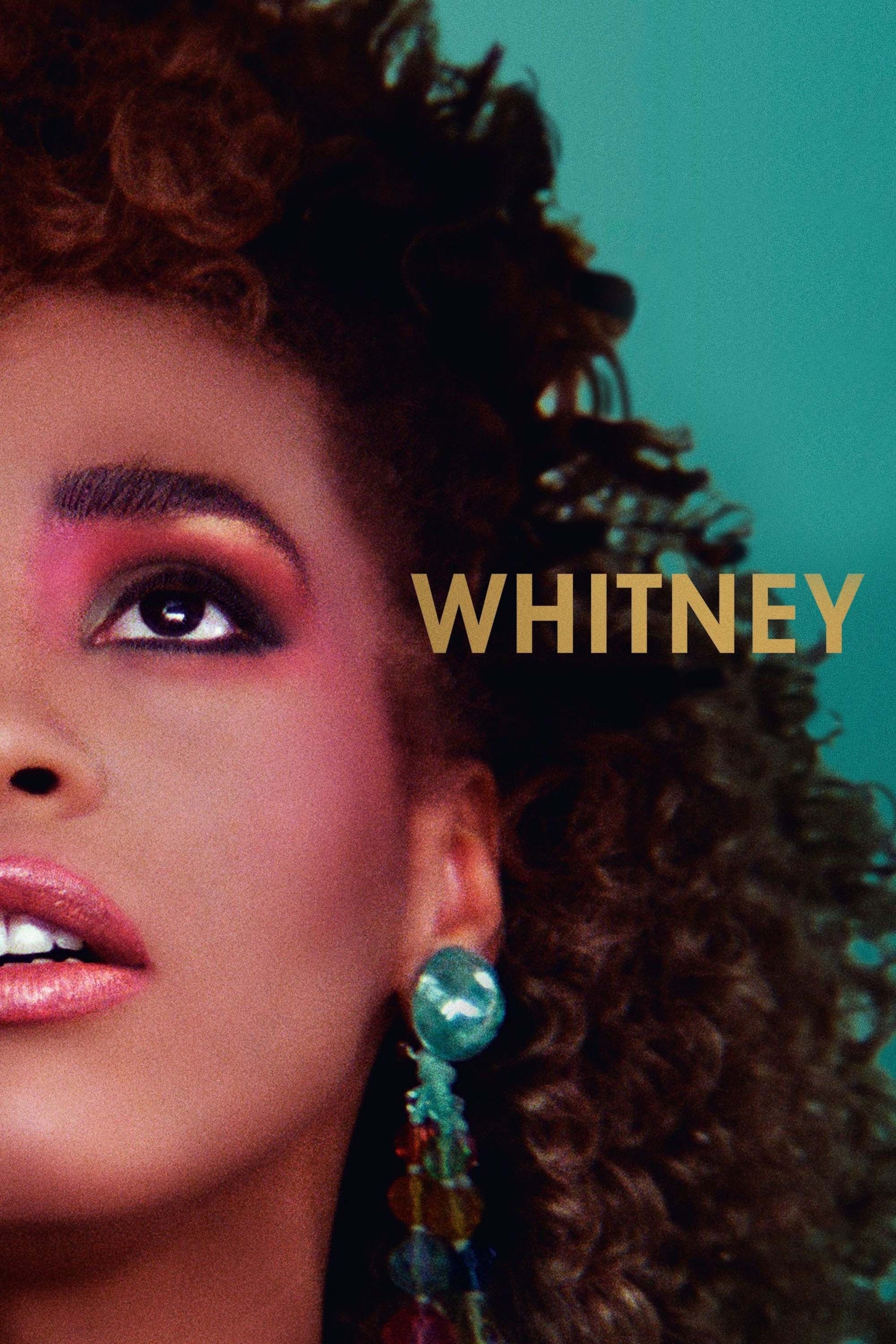
Examines the life and career of singer Whitney Houston. Features never-before-seen archival footage, exclusive recordings, rare performances and interviews with the people who knew her best.
Told through performances, TV interviews, home movies, family photographs, private letters and unpublished memoirs, the film reveals the essence of an extraordinary woman who rose from humble beginnings in New York City to become a glamorous international superstar and one of the greatest artists of all time.
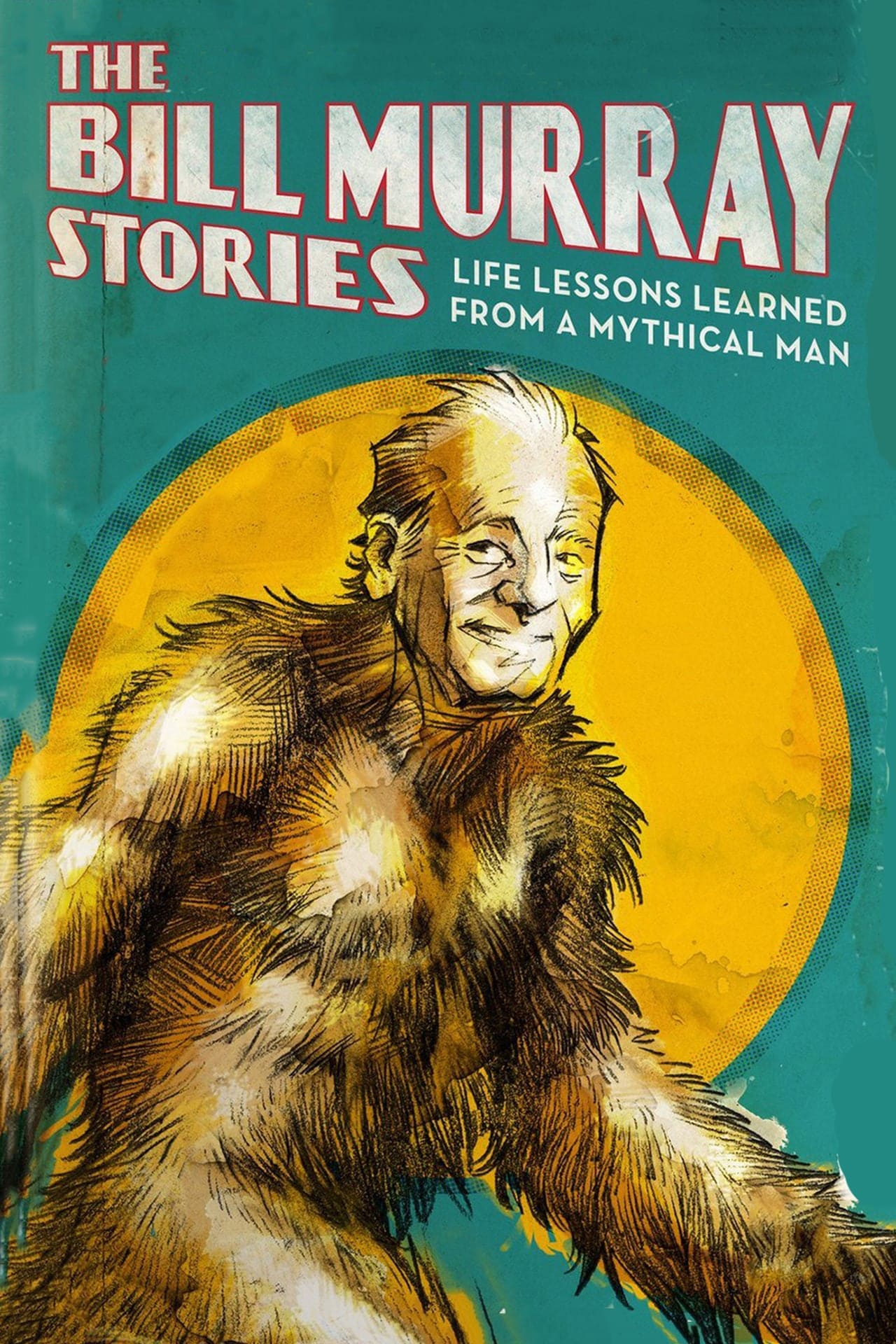
One man’s journey to find meaning in Bill Murray’s many unexpected adventures with everyday people, rare and never-before seen footage of the comedic icon participating in stories previously presumed to be urban legend.
Martin Scorsese's documentary intertwines footage from The Band's incredible farewell tour with probing backstage interviews and featured performances by Eric Clapton, Bob Dylan, Joni Mitchell, Van Morrison, and other rock legends.
Forty years after the release of Michael Jackson’s ‘Thriller,’ the best-selling album of all-time, director Nelson George takes fans back in time to the making of a pop masterpiece, featuring never-before-seen footage and candid interviews.
A detailing of the rise to prominence and global sporting superstardom of six supremely talented young Manchester United football players (David Beckham, Nicky Butt, Ryan Giggs, Paul Scholes, Phil and Gary Neville). The film covers the period 1992-1999, culminating in Manchester United's European Cup triumph.
This special explores the return of Obi-Wan Kenobi and Anakin Skywalker to the screen, as well as Ewan McGregor and Hayden Christensen to their classic roles. Director Deborah Chow leads the cast and crew as they create new heroes and villains that live alongside new incarnations of beloved Star Wars characters, and an epic story that dramatically bridges the saga films.
Rising musician Jeff Buckley had only released one album when he died suddenly in 1997. Now, never-before-seen footage, exclusive voice messages, and accounts from those closest to him offer a portrait of the captivating singer.
Jackie Chan is one of the world's biggest action stars, famed for his wacky sense of humor, remarkable martial arts techniques, and willingness to perform incredible stunts without the use of doubles -- or a net. This video takes a personal look at Chan as he works on screen projects in Hollywood and Beijing and candidly discusses his life and work.
Follow the production of “Black Panther: Wakanda Forever” as the cast and crew take on the incredible challenge of remembering T’Challa with a chapter befitting the late king. Through intimate behind-the-scenes footage and interviews, watch Shuri take on the mantel of Wakanda’s hero and face a new foe from the ocean’s depths in Namor.
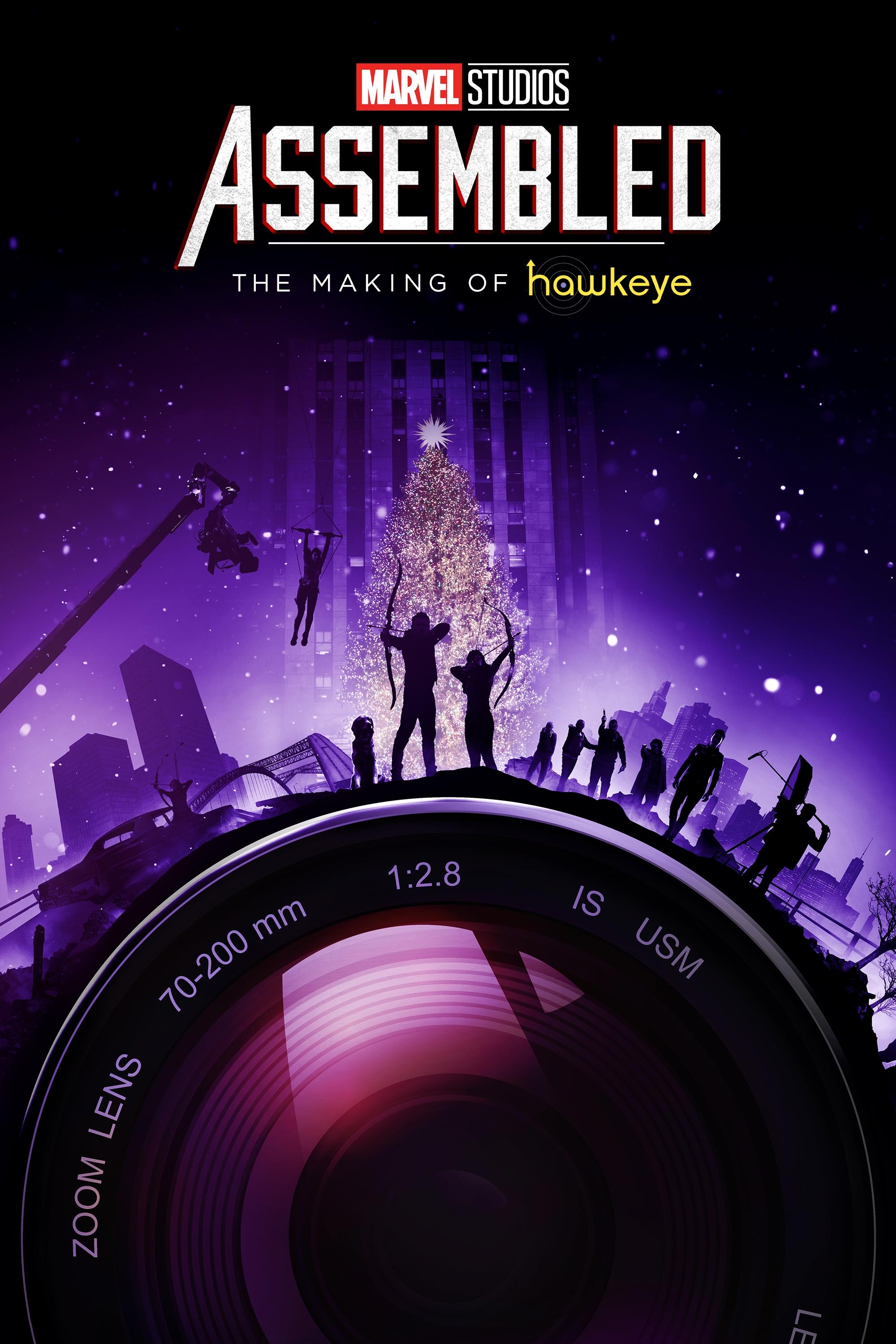
Join the likes of Jeremy Renner, Hailee Steinfeld, Florence Pugh, and Vincent D’Onofrio as they reveal how Marvel Studios’ “Hawkeye” was conceived and created. Witness firsthand what it took to pull off the show’s pulse-pounding action set pieces, and discover how iconic characters from the pages of Marvel Comics such as Kate Bishop were adapted and brought to life for the six-episode series.
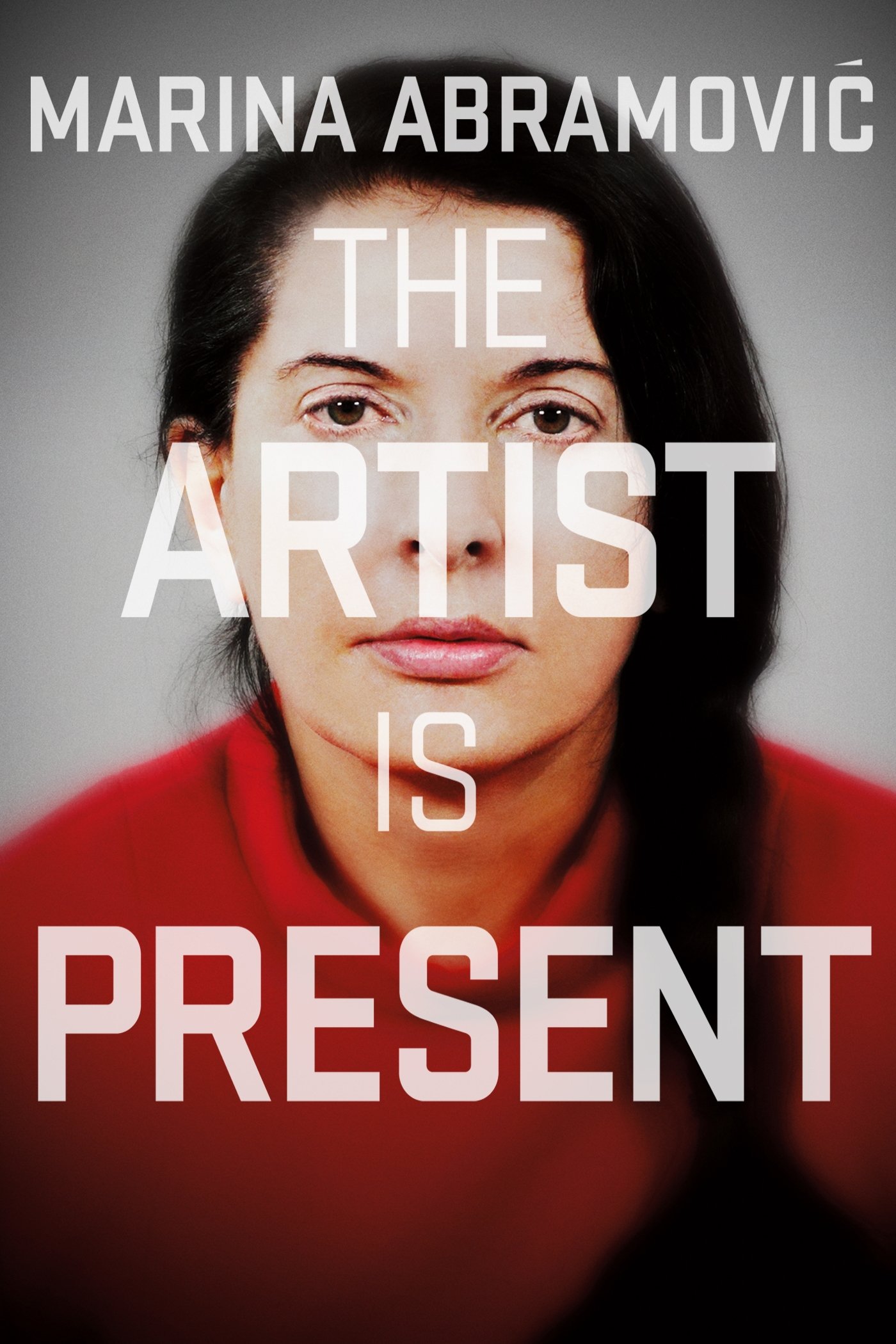
Performance artist Marina Abramovic prepares for a major retrospective of her work at the Museum of Modern Art in New York.
In 2019, Nepalese mountain climber Nirmal “Nims” Purja set out to do the unthinkable by climbing the world’s fourteen highest summits in less than seven months. (The previous record was eight years). He called the effort “Project Possible 14/7” and saw it as a way to inspire others to strive for greater heights in any pursuit. The film follows his team as they seek to defy naysayers and push the limits of human endurance.