Social & External
lui-même
“Let’s Do It!” is a story about how a national cleanup campaign in a small European country grew into an ambitious global environmental movement. The idea spread far and wide, bringing about new wave of civic activism in many countries. However, even good initiatives can hit rough spots. The important thing is not to lose hope. This documentary captures the passion to change the world over the course of 10 years, culminating in World Clean-Up Day in 2018. The movie also showcases how grass-root initiatives can grow and subside and how some ambitions can be defeated only to give rise to even more ambitious ones.
NGC visualizes in spectacular HD the devastating ecological impact each single degree increase in temperature could have on our planet over the next century.
Miami, New Orleans and New York City completely under water it’s a very real possibility if sea levels continue to rise. In Earth Under Water we’ll see these events unfold as leading experts forecast how mankind will be impacted if global warming continues. They’ll break down the science behind these predictions and explore ways humanity could adapt, including engineering vast dams near San Francisco, or building floating cities outside of New York.
A documentary on Al Gore's campaign to make the issue of global warming a recognized problem worldwide.
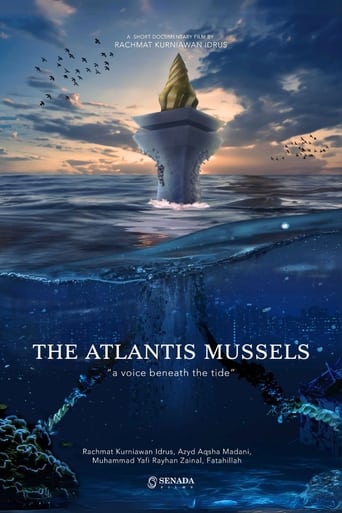
This film narrates the story of a community on the coast of the Special Capital Region of Jakarta, experiencing the direct impact of land subsidence and global climate change that jeopardize their area. In an effort to face this crisis, they come up with a unique solution by using green mussels shells for raising the ground to prevent the disaster from engulfing their homes.
A oneminutesjr. workshop held in June 2012 in The Republic of Kiribati.
This film tries to blow the whistle on what it calls the biggest swindle in modern history: 'Man Made Global Warming'. Watch this film and make up your own mind.
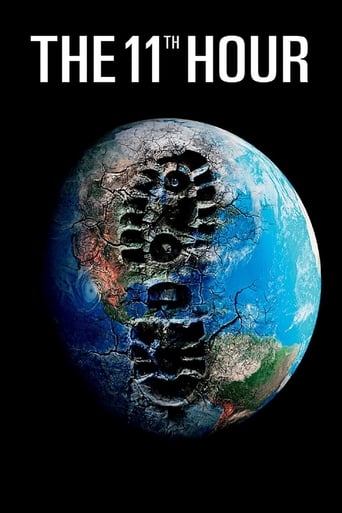
A look at the state of the global environment including visionary and practical solutions for restoring the planet's ecosystems. Featuring ongoing dialogues of experts from all over the world, including former Soviet Prime Minister Mikhail Gorbachev, renowned scientist Stephen Hawking, former head of the CIA R. James Woolse
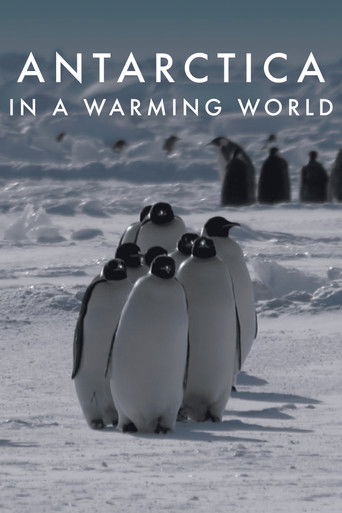
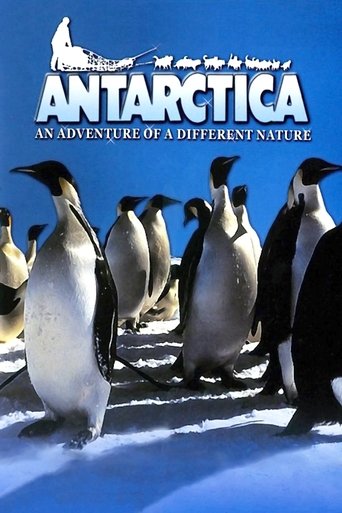
This large format film explores the last great wilderness on earth. It takes you to the coldest, driest, windiest continent, Antarctica. The film explores the life in Antarctica, both for the animals that live their and the scientist that work there.
Pete Postlethwaite stars as a man living alone in the devastated future world of 2055, looking at old footage from 2008 and asking: why didn’t we stop climate change when we had the chance?
For six weeks we explored the Antarctic Peninsula by sea kayak, sailboat, foot and small plane, observing the fast changing evolution of this most remote place. Impacted by climate change - temperatures have warmed along the Peninsula faster than anywhere on the planet during the past 50 years - this part of Antarctica is also experiencing a boom in tourism and nations fighting over who owns what as its ice slowly disappears. This National Geographic-sponsored exploration is a one-of-a-kind look at Antarctica from a unique perspective - sea level.
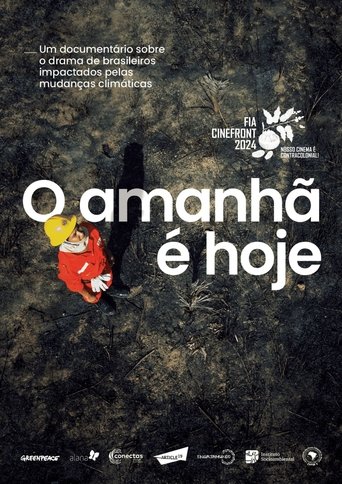
Nothing nor anyone can escape the impacts of climate change. People from all corners of Brazil, our cities and forests, our economy, our health and our dreams for the future. Six Brazilians, from five different states, tell how climate change has affected their lives. A young indigenous woman who became the leader of a volunteer fire brigade after an unprecedented forest fire; a small farmer who faced six years of drought; a centenarian caiçara community forced to move due to the advance of the sea; a retailer who saw his shop destroyed by rains and landslides that claimed hundreds of lives in Rio de Janeiro; an oyster farmer who suffered harsh losses due to rising sea temperatures; a woman from a coastal city who lost two cars to storm tides which are happening more and more often along the Brazilian coast.
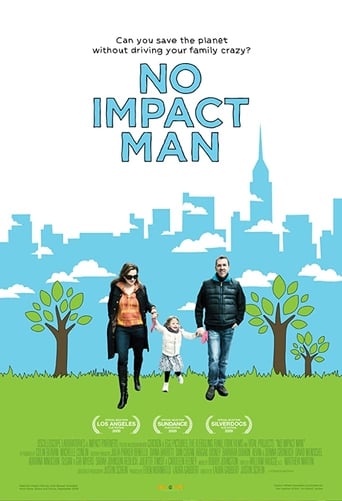
Follow the Manhattan-based Beavan family as they abandon their high consumption 5th Avenue lifestyle and try to live a year while making no net environmental impact.
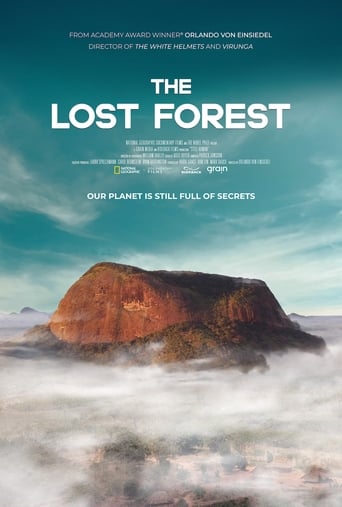
How would natural habitats develop without human interference? In this documentary we follow an international team of scientists and explorers on an extraordinary mission in Mozambique to reach a forest that no human has set foot in. The team aims to collect data from the forest to help our understanding of how climate change is affecting our planet. But the forest sits atop a mountain, and to reach it, the team must first climb a sheer 100m wall of rock.
In 200,000 years of existence, man has upset the balance on which the Earth had lived for 4 billion years. Global warming, resource depletion, species extinction: man has endangered his own home. But it is too late to be pessimistic: humanity has barely ten years left to reverse the trend, become aware of its excessive exploitation of the Earth's riches, and change its consumption pattern.
Fall Of The Republic documents how an offshore corporate cartel is bankrupting the US economy by design. Leaders are now declaring that world government has arrived and that the dollar will be replaced by a new global currency.
When National Geographic photographer James Balog asked, “How can one take a picture of climate change?” his attention was immediately drawn to ice. Soon he was asked to do a cover story on glaciers that became the most popular and well-read piece in the magazine during the last five years. But for Balog, that story marked the beginning of a much larger and longer-term project that would reach epic proportions.
A look at the work of a group of reporters and photographers from EFE, a Spanish news agency founded in 1939, which is celebrating its eightieth anniversary. A journey around the world —Mexico, Congo, USA, Libya, France, Spain, China and the Chilean Patagonia— with the purpose of honoring all people who work in the shadows, tirelessly seeking the truth in the era of social networks and fake news.
The Pacific islands of Kiribati were among the last places to be colonized by humans. But now, because of rising sea levels, they may be among the first to be abandoned. Should Kiribati President Anote Tong surrender to climate change and evacuate? Can anything be done to help him buy more time?