Social & External
The people behind it
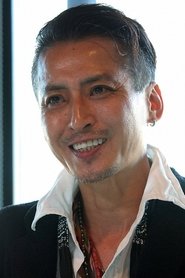
Hitoshi Ozawa
Kondo Isami
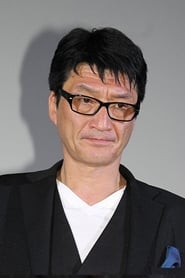
Susumu Terajima
Hijikata Toshizo
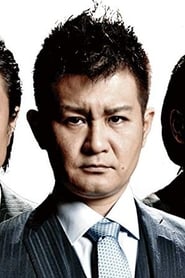
Hideo Nakano
Yamanami Keisuke
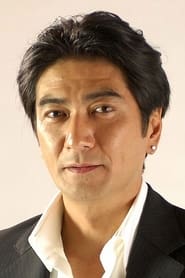
Mikio Osawa
Okita Soji
Tamotsu Ishibashi
Saito Hajime
Kazuyoshi Ozawa
Todo Heisuke
Yasukaze Motomiya
Harada Sanosuke
Kazuhiko Kanayama
Nagakura Shinpachi
Yūta Sone
Yoshida Toshimaro
Koujiro Shimizu
Miyabe Teizo
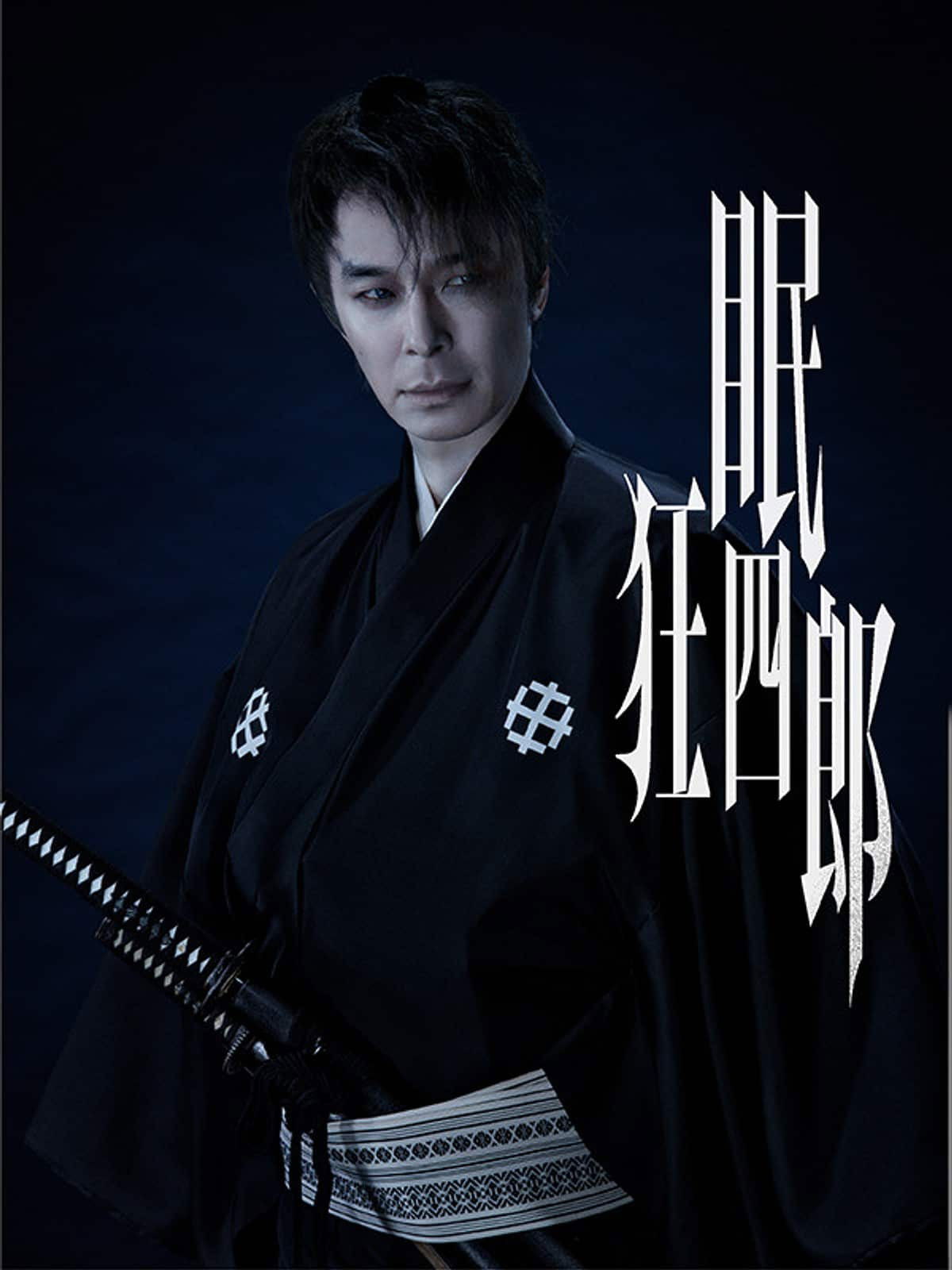
Blue-eyed ronin Nemuri Kyōshirō is ordered to eliminate assassins targeting a senior official. A rosary links the plot to hidden Christians, drawing him into rival power struggles—and multiple factions trying to kill him.
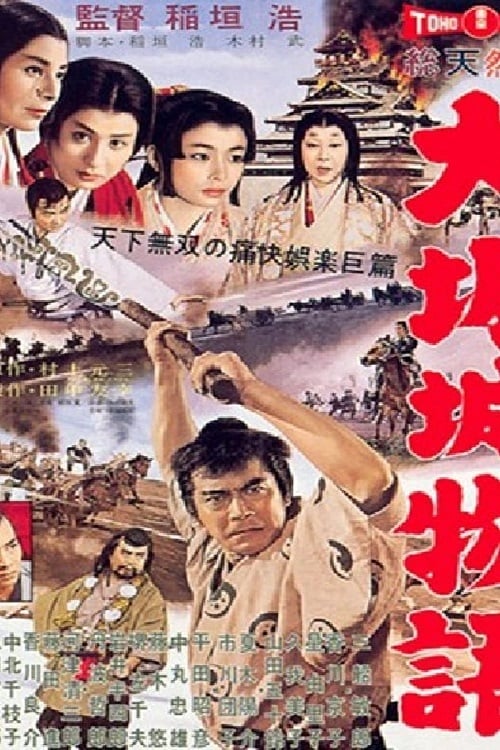
During the raging war between the Toyotomi and Tokugawa clans, the swordsman Mohei (whose family has been completely decimated) is recruited by Toyotomi to overcome the seat of power, Osaka Castle. Mohei's daredevil skills will be put to severe tests.
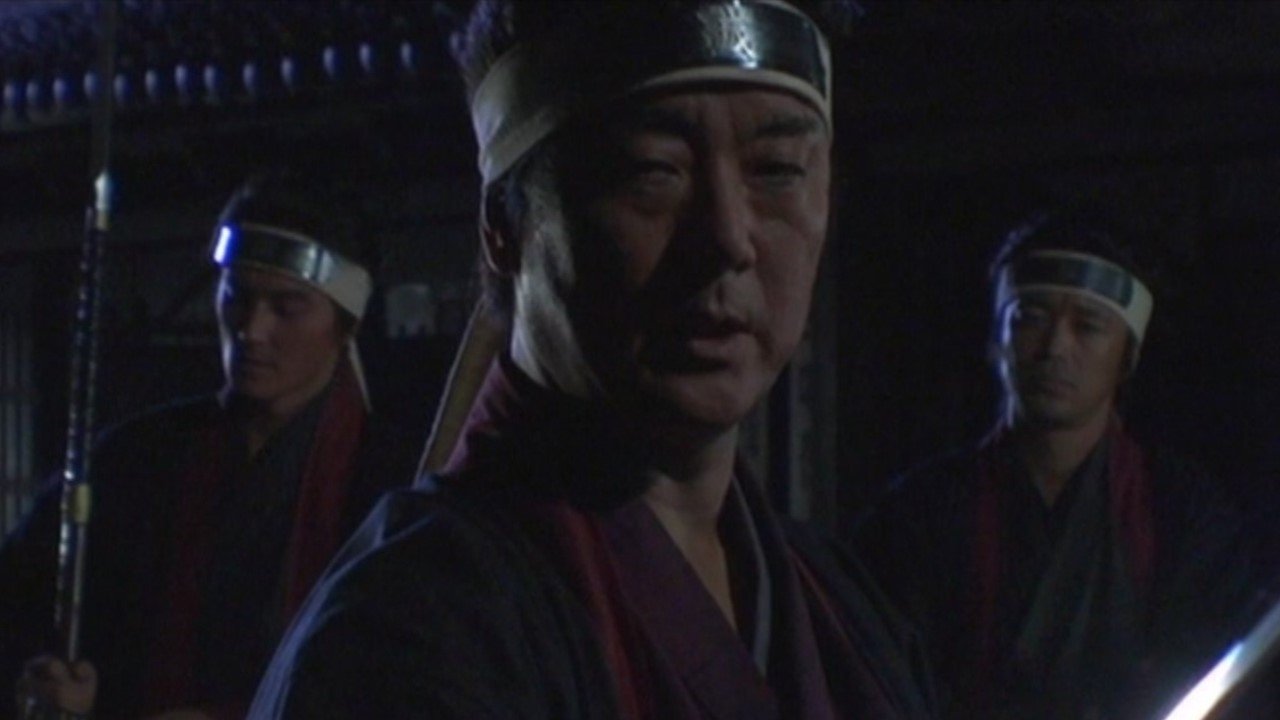
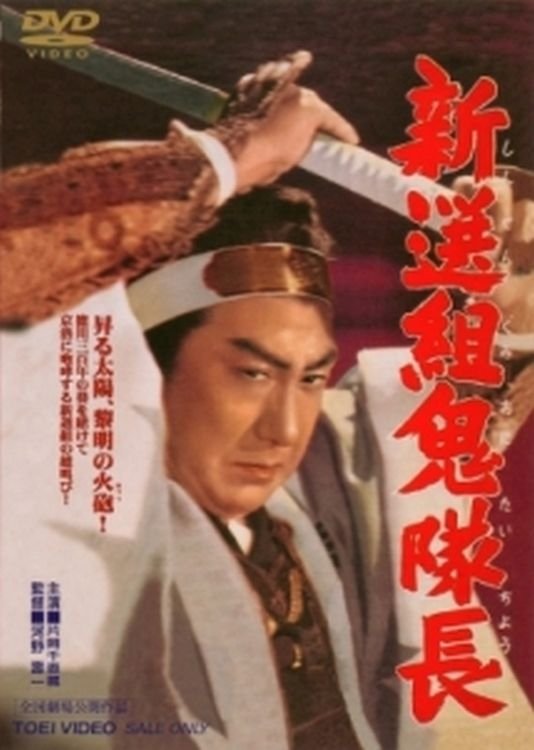
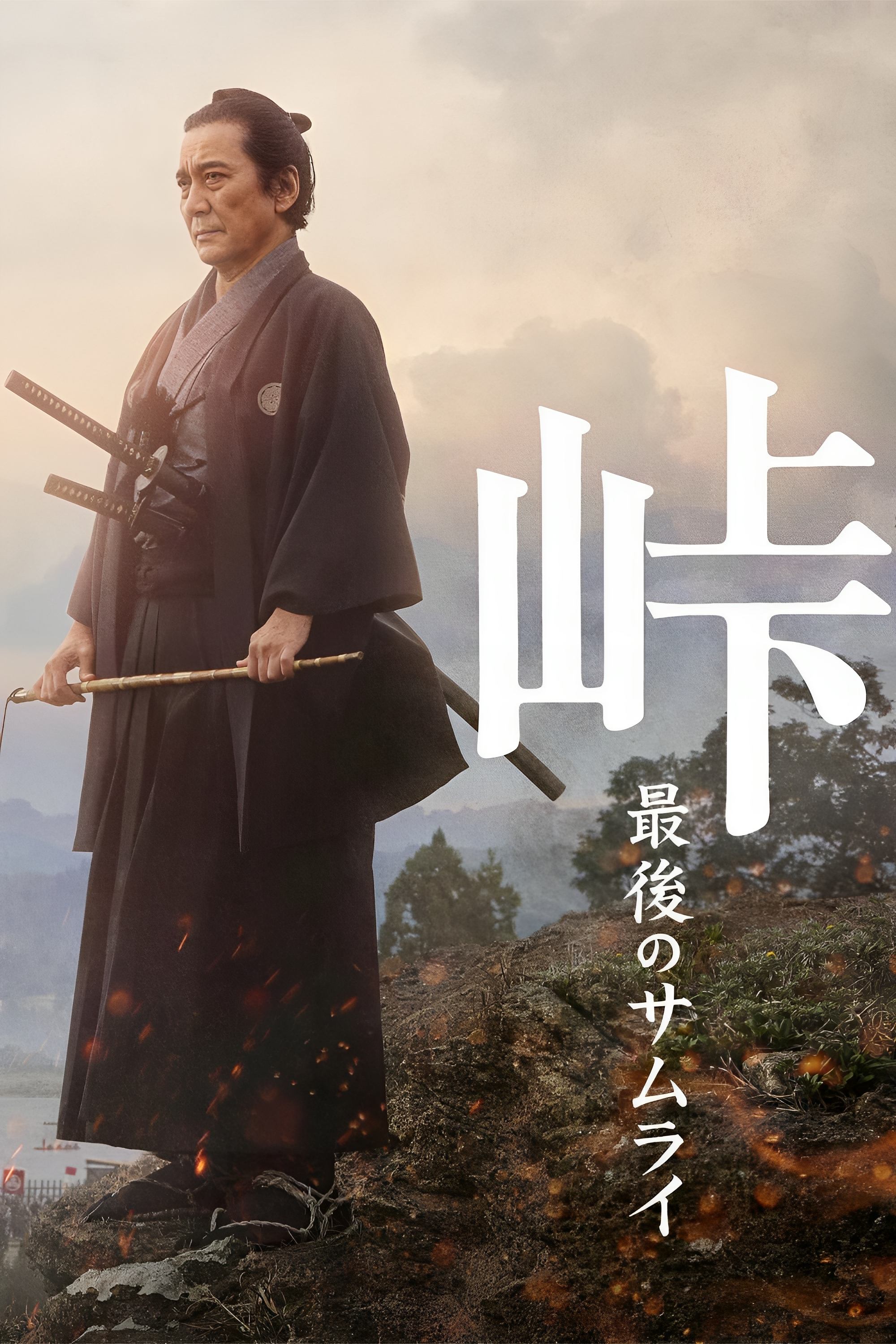
A headstrong young man seeks to join the Shinsengumi, but while his determination impresses his superiors, questions begin to arise as to his true identity and intentions.
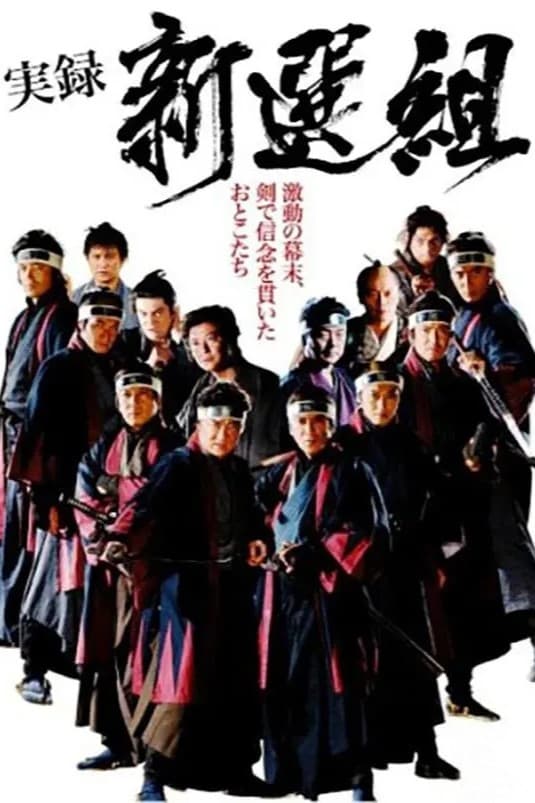
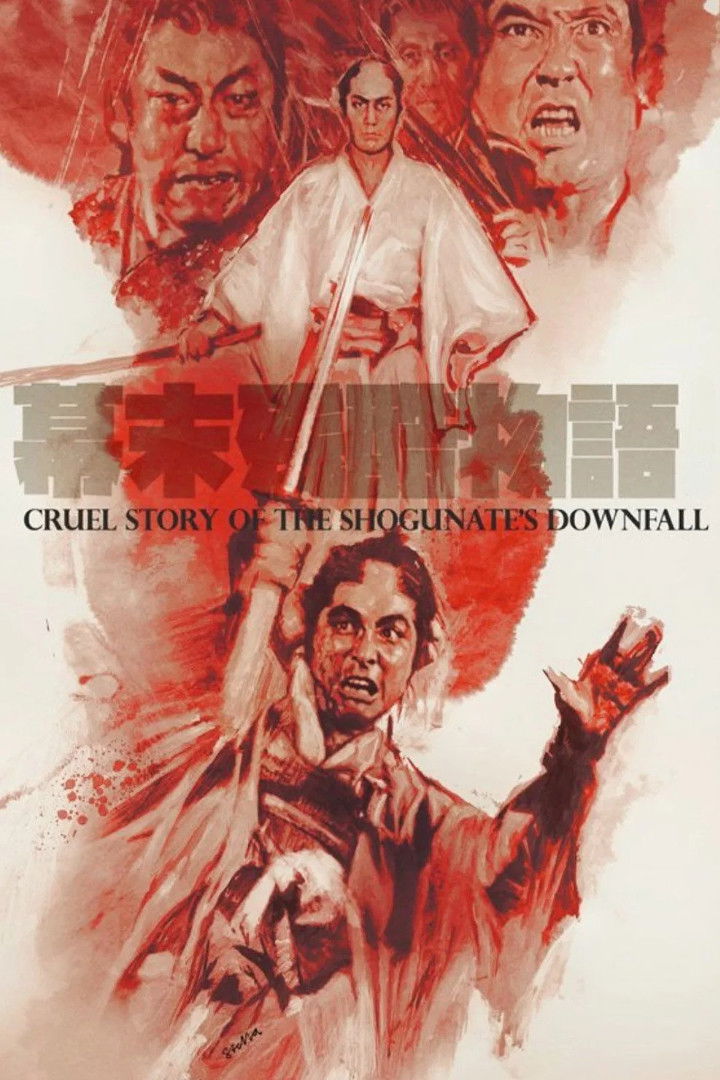
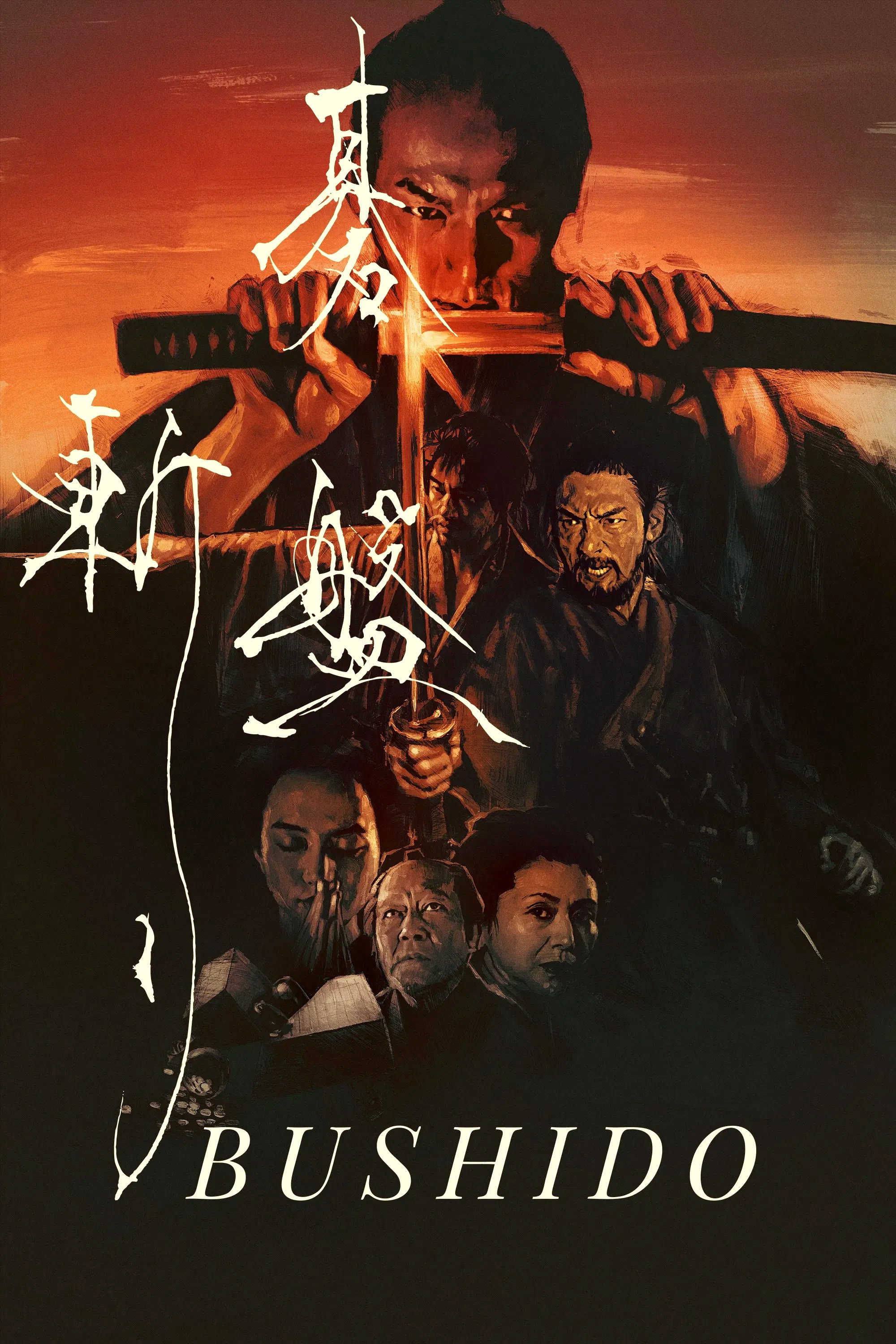
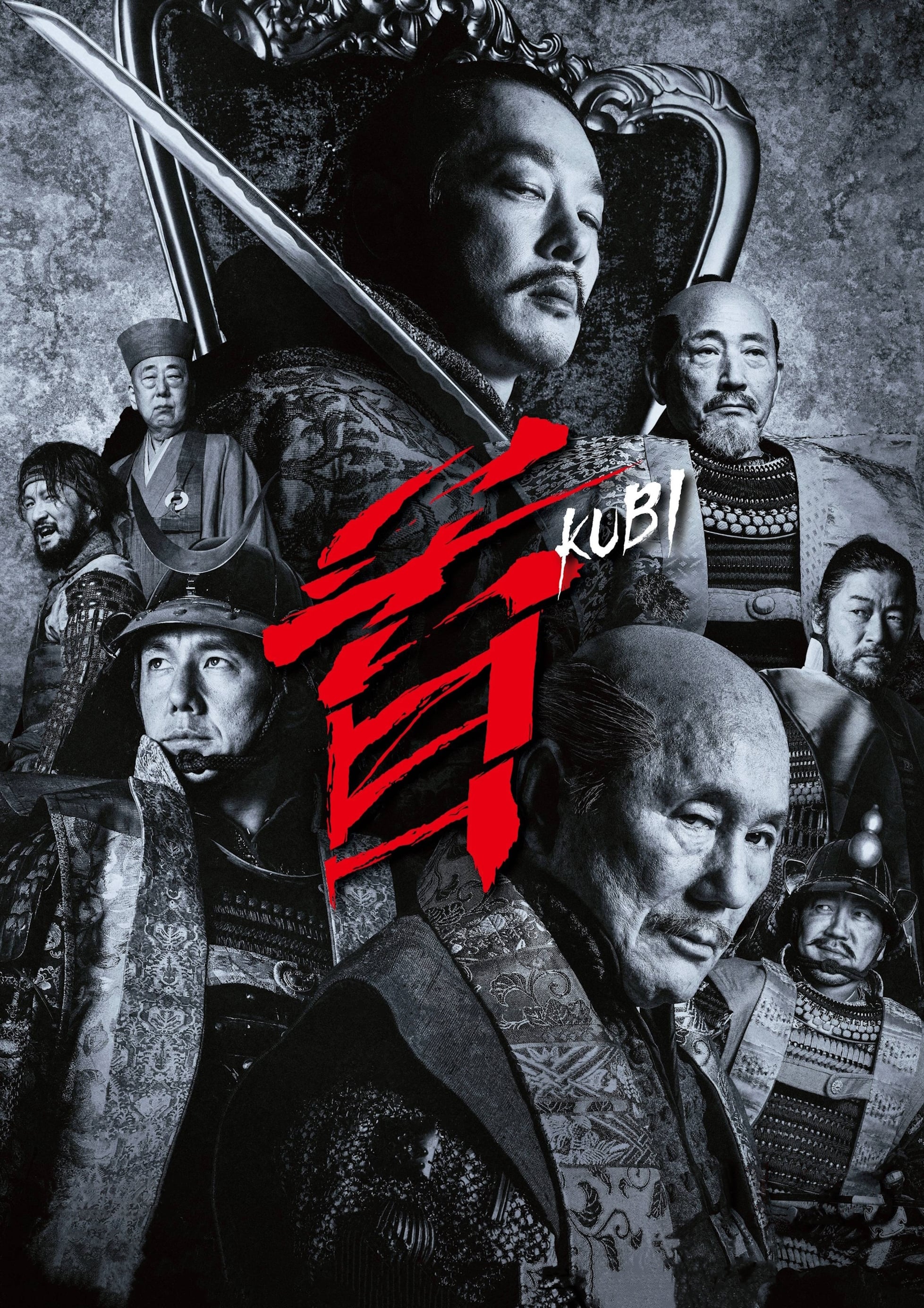
Kondo Isami, the “Devil” commander of the Shinsengumi was one of Japan’s greatest national heroes and a peerless swordsman who devoted his life to protecting the shogun and fighting on the side of the Tokugawa. This tells the story of the Shinsengumi starting at the moment of their greatest triumph through the final battles as the Tokugawa shogunate was brought down.
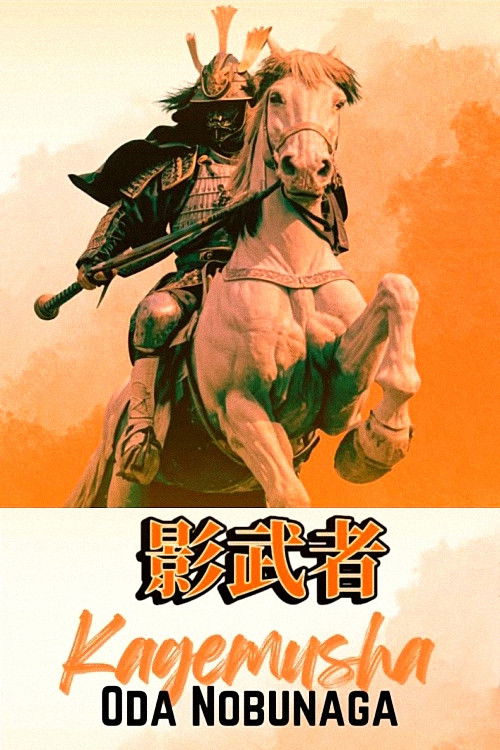
In Tensho 9, as Oda Nobunaga nears the unification of Japan, he assigns trusted generals to conquer remaining regions. Meanwhile, a peasant farmer named Sahei, resembling Nobunaga, is chosen by Hideyoshi and Sen no Rikyu to act as Nobunaga’s shadow. Furious at the idea of a double, Nobunaga confronts Sahei, who courageously performs the "Atsumori" dance, impressing Nobunaga enough to accept him as his Kagemusha. Sahei’s first test as the shadow warrior comes at a memorial service for the Oda family.
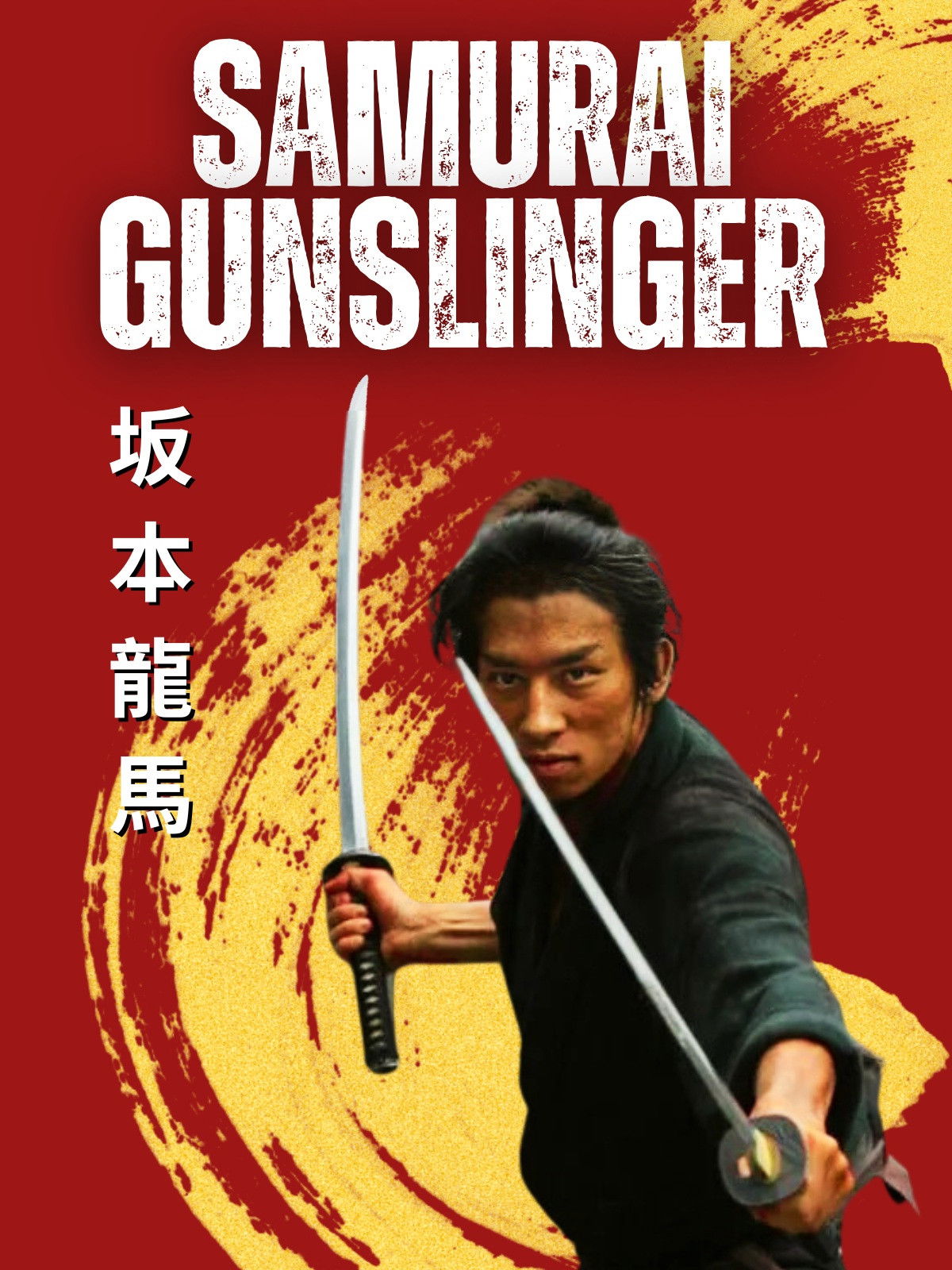
After more than 200 years of Isolation, Japan is ready for a modern samurai who isn't afraid to use guns and embrace the outside world.
The one-eyed swordsman Tange Samanosuke receives a secret order from his lord, Daizen no suke: to steal the cursed twin blades, Kenunmaru and Konryumaru. He risks his life to seize Kenunmaru, losing his right arm in the process. Saved by the fugitive Ofuji, he is reborn as the one-eyed, one-armed warrior-Tange Sazen. Soon, the turmoil reaches Town Magistrate Ooka Tadasuke.
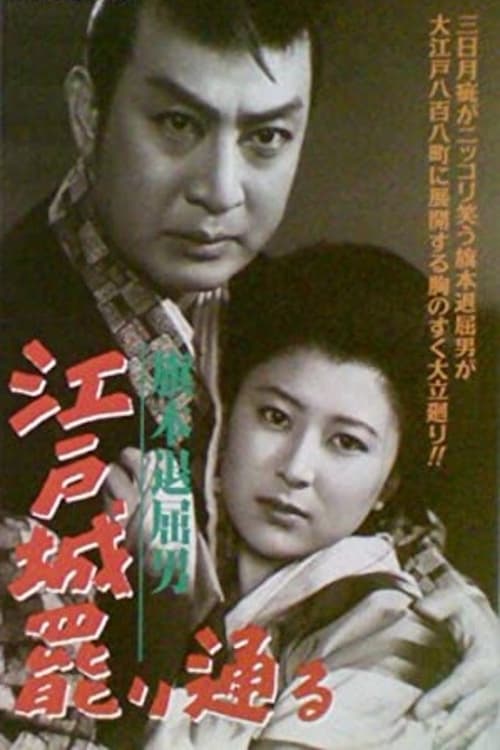
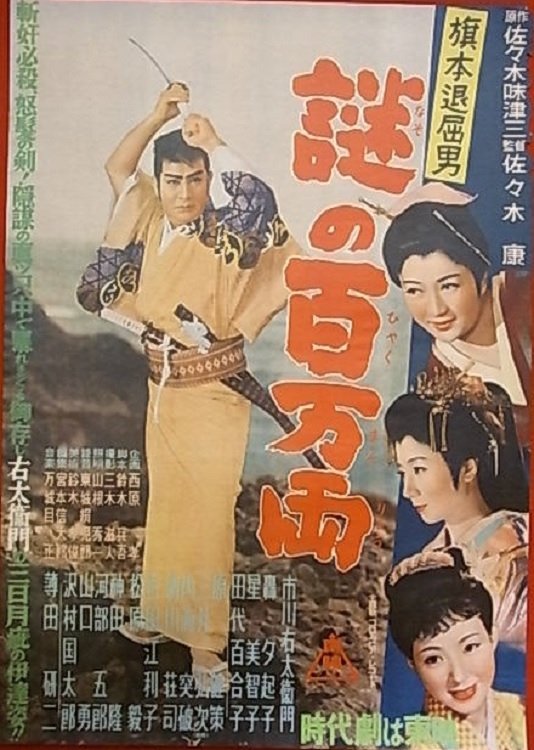
Around the Genroku era, there was a man named Saotome Shusui-no-Suke, nephew to the senior councilor Matsudaira Sakon Shogen. He was commonly known as the Bored Samurai of the Hatamoto rank. Just as he was engulfed in boredom, Tokugawa Jo-Kaibo, claiming to be the Shogun's illegitimate child, made a grand entrance into Edo. At the behest of Sakon Shogen, Shusui-no-Suke was tasked to investigate Jo-Kaibo's background and had his young page Kyoya disguise as a woman to infiltrate Jo-Kaibo's gun mansion.
Enoken plays both Kondo Isami and his deadly enemy Sakamoto Ryoma in this comedic, song-filled vision of the Meiji Restoration.
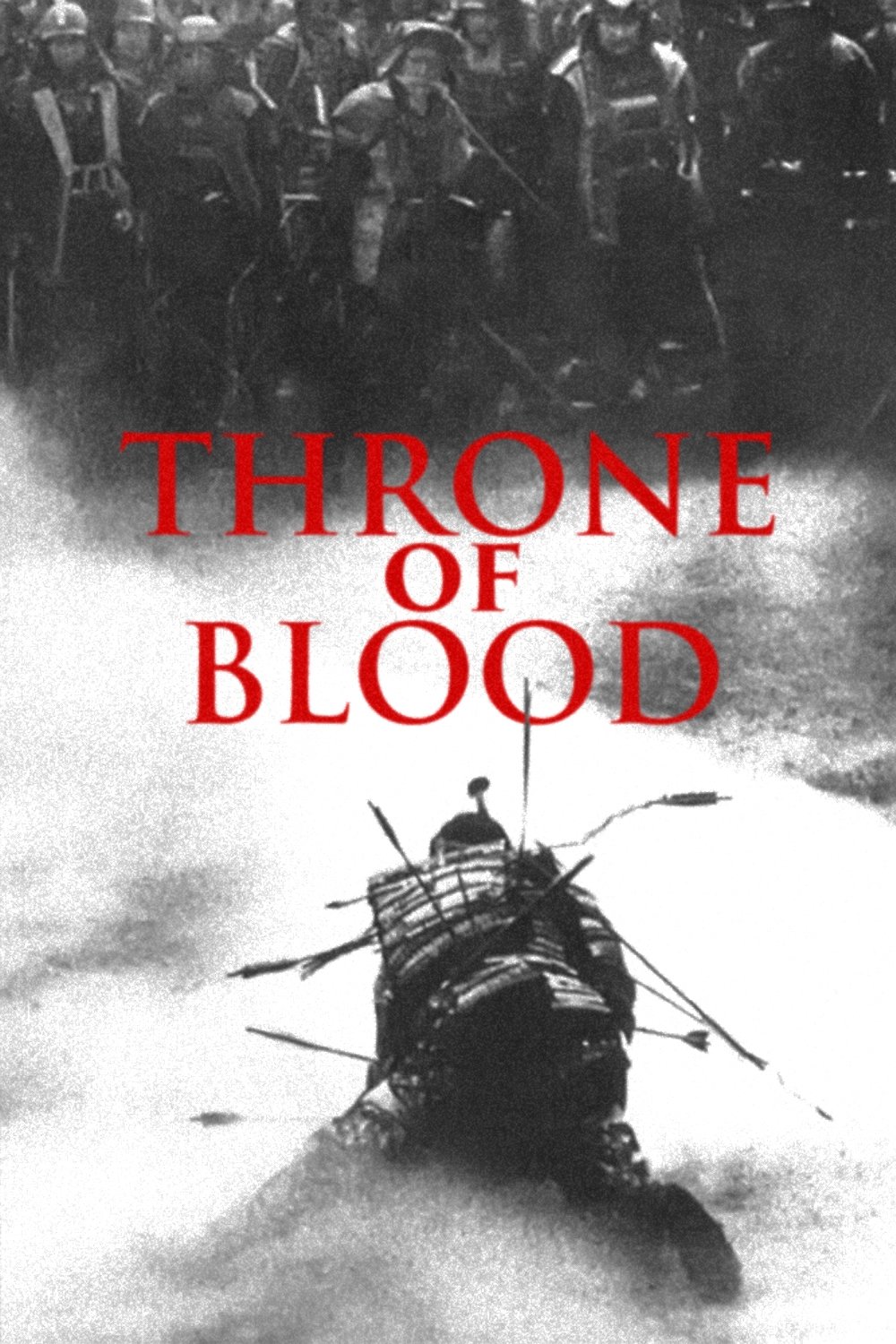
Returning to their lord's castle, samurai warriors Washizu and Miki are waylaid by a spirit who predicts their futures. When the first part of the spirit's prophecy comes true, Washizu's scheming wife, Asaji, presses him to speed up the rest of the spirit's prophecy by murdering his lord and usurping his place. Director Akira Kurosawa's resetting of William Shakespeare's "Macbeth" in feudal Japan is one of his most acclaimed films.
Yagyu Jubei, the finest swordsman in the land, is called upon to bare his blade to help Iemitsu keep his post. Meanwhile a fishmonger named Isshin Tasuke who bears an amazing resemblance to Shogun Iemitsu may be called upon to put his life on the line by acting as the Shogun's double. At the same time, the tragic story of Banzuiin Chobei and Mizuno Jurozaemon is unfolding.
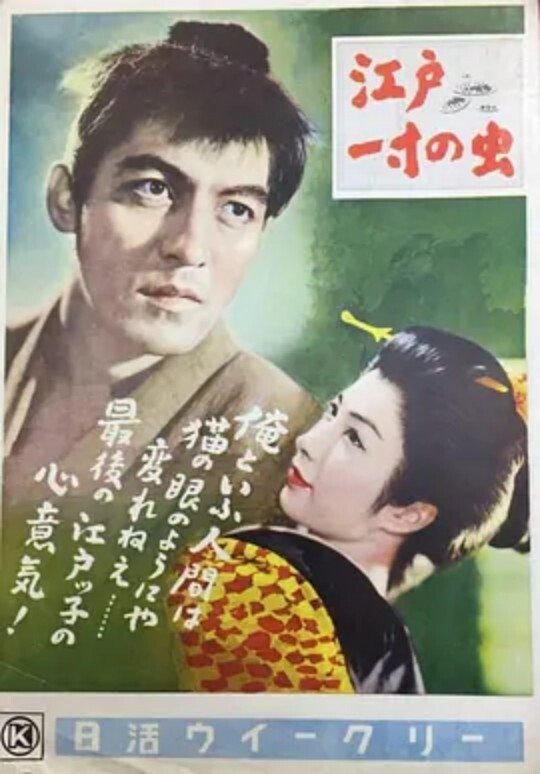
This historical film depicts the life of a man who was at the mercy of the waves during transition from the end of the Edo period to the Meiji Restoration, and therefore, shows audience the dynamic change from Edo to Meiji. Before the war, the director, Eisuke Takizawa, together with the writers, formed a scenario writer group "Narutaki-gumi and they shot many historical masterpieces.
Bored Hatamoto film #16.
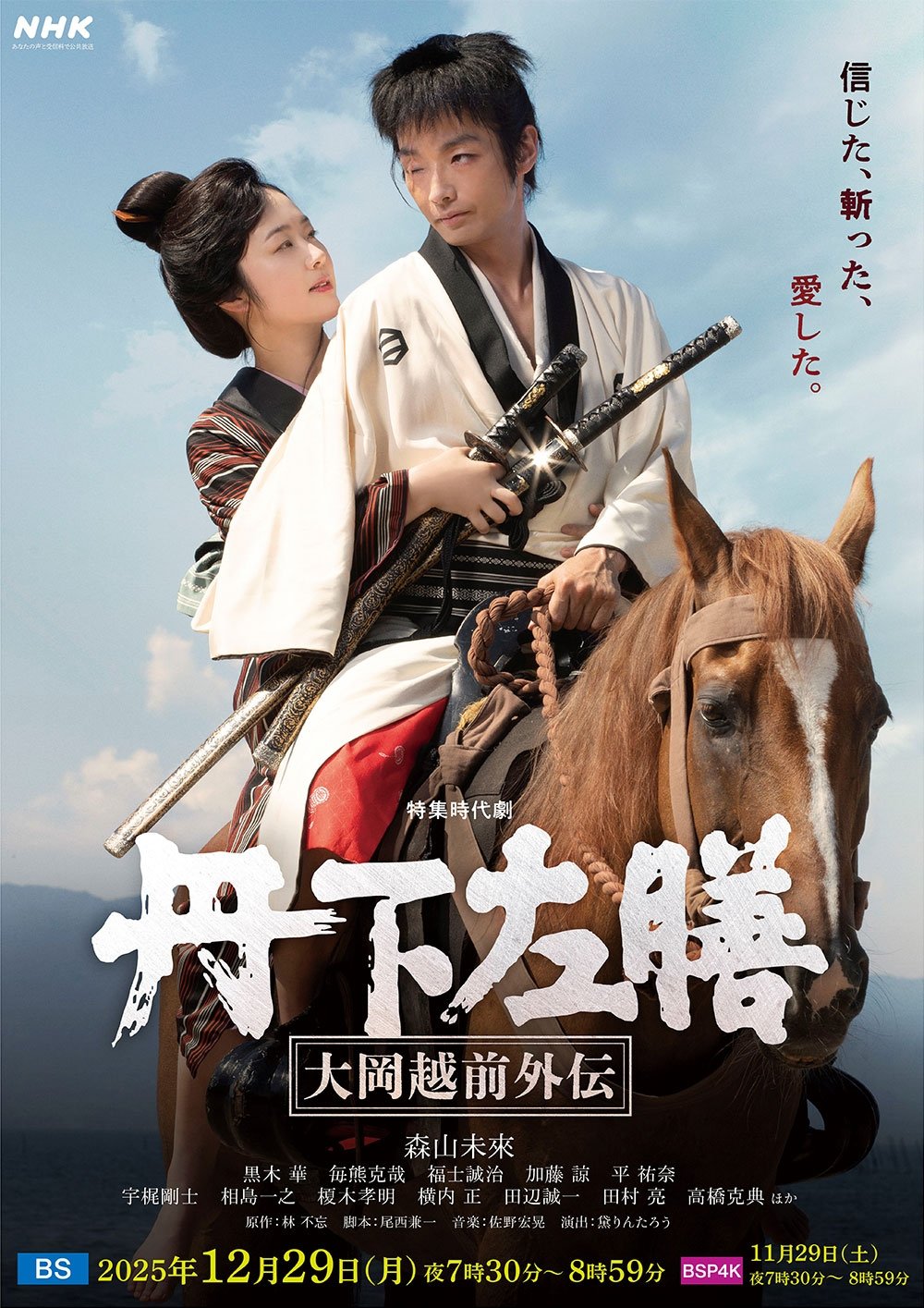
In the turbulent last days of the Edo period, Kawai Tsugunosuke, a Japanese samurai serving the Makino clan of Nagaoka, dreamt of independence from the restraints of vassalship. Despite his progressive views and his desire for his estate to remain neutral during the Boshin Civil War, he was bound by loyalty and duty to the clan and was compelled to choose sides.
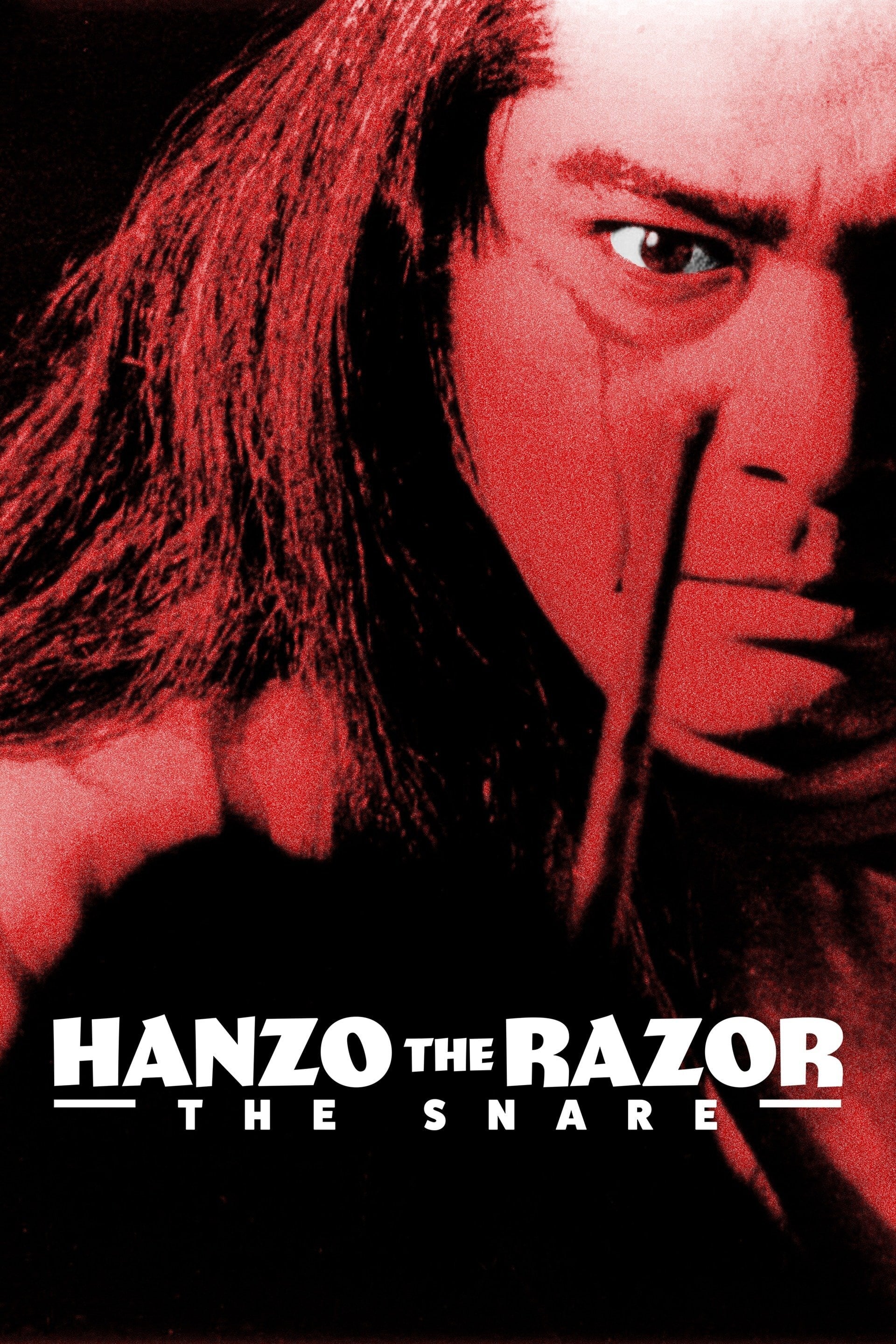
Against the backdrop of the Edo treasury devaluing currency and driving many into poverty, Hanzo Itami enforces the law without regard to status. He shows inadequate respect to the treasurer, who wants him dead.
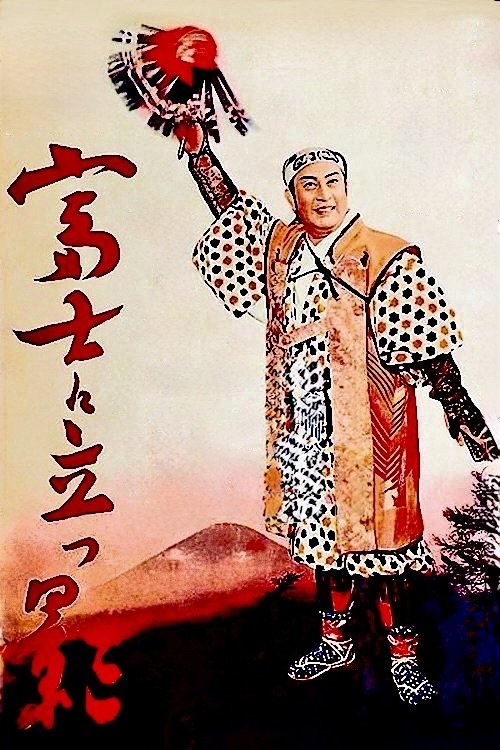
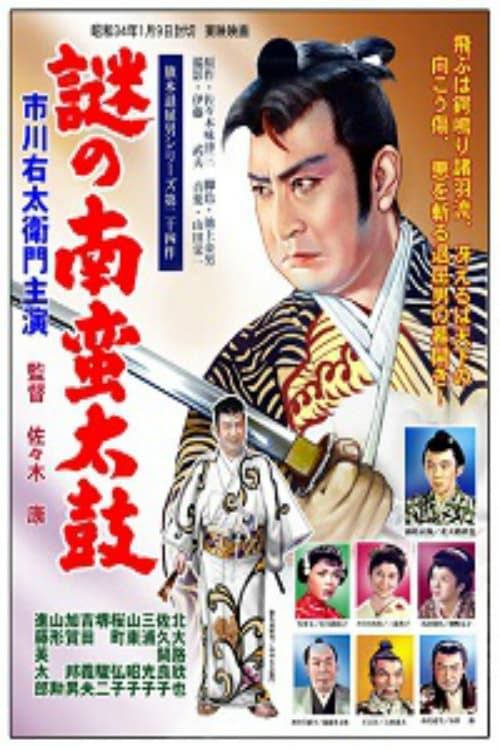
The year is 1805. Napoleon ruled Europe. Ienari is the 11th Tokugawa Shogun. An incident, which was an open official secret, took place on the foothills of Mt. Fuji. Fearing attacks from within and without, the Shogunate planned to build a training castle utilizing the most advanced techniques. Two master castle architects, Sato Kikutaro and Kumai Hakuten, were selected to compete for the honor of building this castle. Lord Mizuno Dewa has even ordered the townspeople to assist both sides with their land surveys and preparations. This leads to fear on the part of farmers that their land will be taken away from them, and sets off a series of events which rock the nation to its very roots. With an all-star cast, this is an important story with relevance to current times. One of Ichikawa Utaemon's finest performances, a true classic!
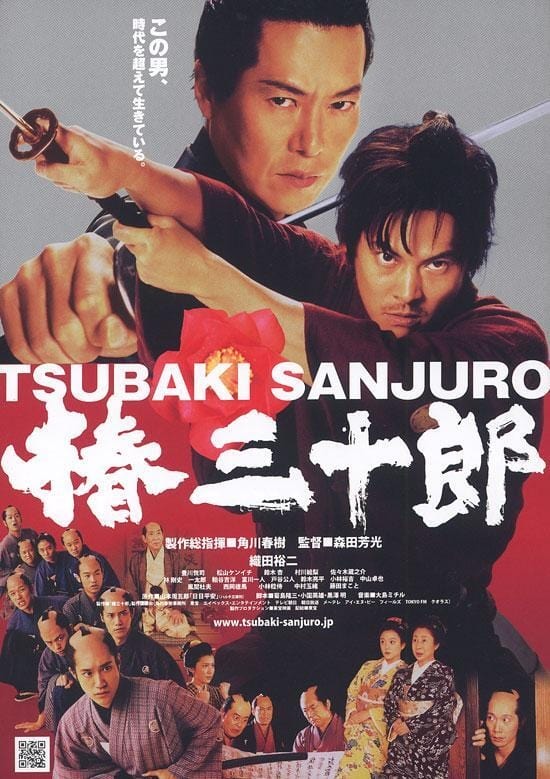
"Tsubaki Sanjuro" is a remake of Sanjuro (1962) by Akira Kurosawa. Sanjuro returns with sharper, faster, subtler sword, talking and perception. He uses them to settle the trouble and uses them good!
Saotome, a sword master and guard of the Shogunate, pursues the mystery of a deadly aerial weapon that is responsible for the multiple deaths in town.
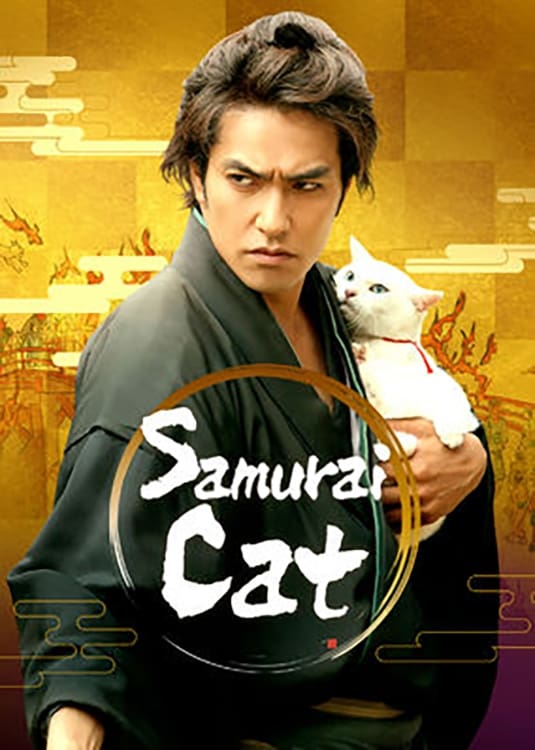
The ever versatile Kazuki Kitamura stars as masterless samurai Kyutaro Madarame, a feared swordsman who has fallen on hard times in old Edo. Caught between two warring gangs in an epic battle of cat lovers and dog lovers, he begrudgingly accepts the canine faction's offer to assassinate the opposite leader's beloved pet: an adorable white cat. Yet upon raising his lethal sword, he cannot bring himself to go through with the act, and the cat melts his ronin heart. But before finding peace as a newly minted cat person, the still fearsome Madarame will have to take on both gangs in a classic samurai street brawl.
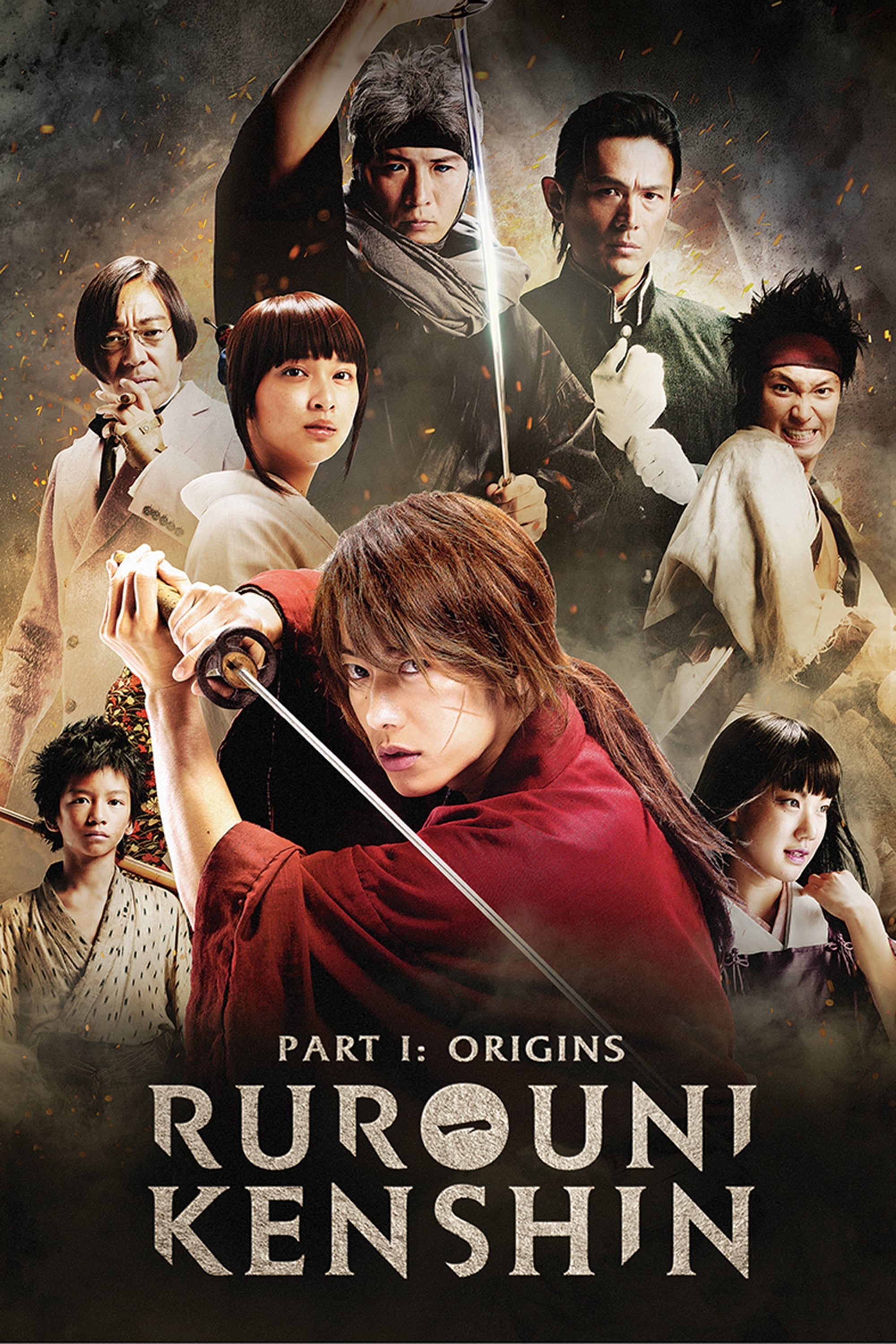
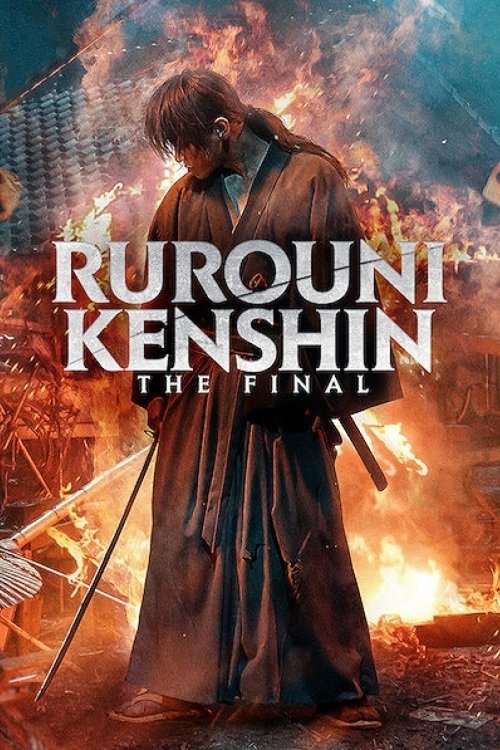
In 1868, after the Bakumatsu war ends, the ex-assassin Kenshin Himura traverses Japan with an inverted sword, to defend the needy without killing.
In 1879, Kenshin and his allies face their strongest enemy yet: his former brother-in-law Enishi Yukishiro and his minions, who've vowed their revenge.
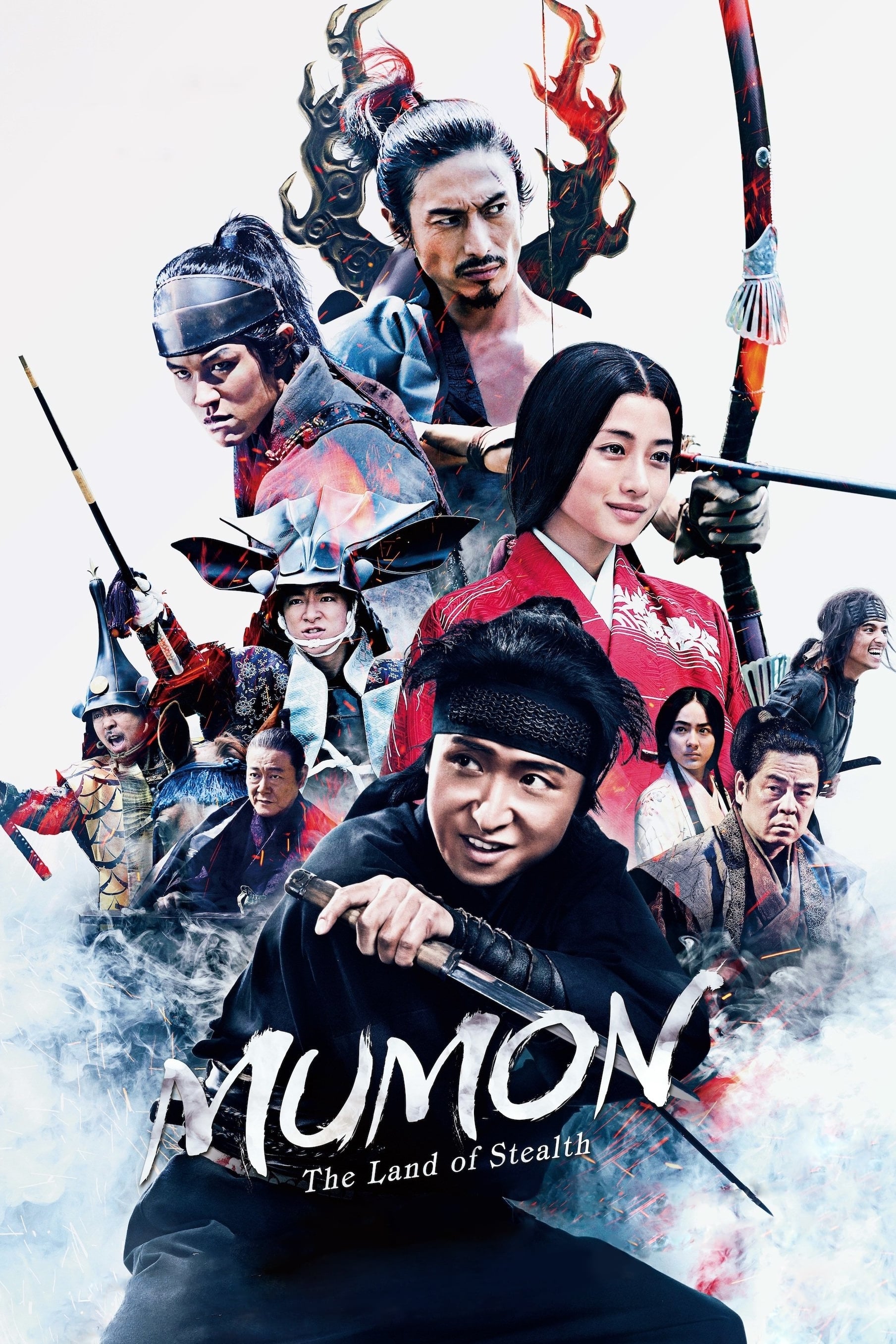
Raised suckling poison arrows among the sparring Iga ninja factions, Mumon is a carefree 16th-century mercenary. When the ninja council makes a power play to defeat the young Nobukatsu Oda struggling to step into his father’s warlord shoes as they expand rule across the country, Mumon jumps into the fray to satisfy his new bride Okuni’s demand that he make good on his promises of wealth. Yet Mumon soon finds what is worth fighting for beyond money or nation.
Set during Japan's Shogun era, this film looks at life in a samurai compound where young warriors are trained in swordfighting. A number of interpersonal conflicts are brewing in the training room, all centering on a handsome young samurai named Sozaburo Kano. The school's stern master can choose to intervene, or to let Kano decide his own path.
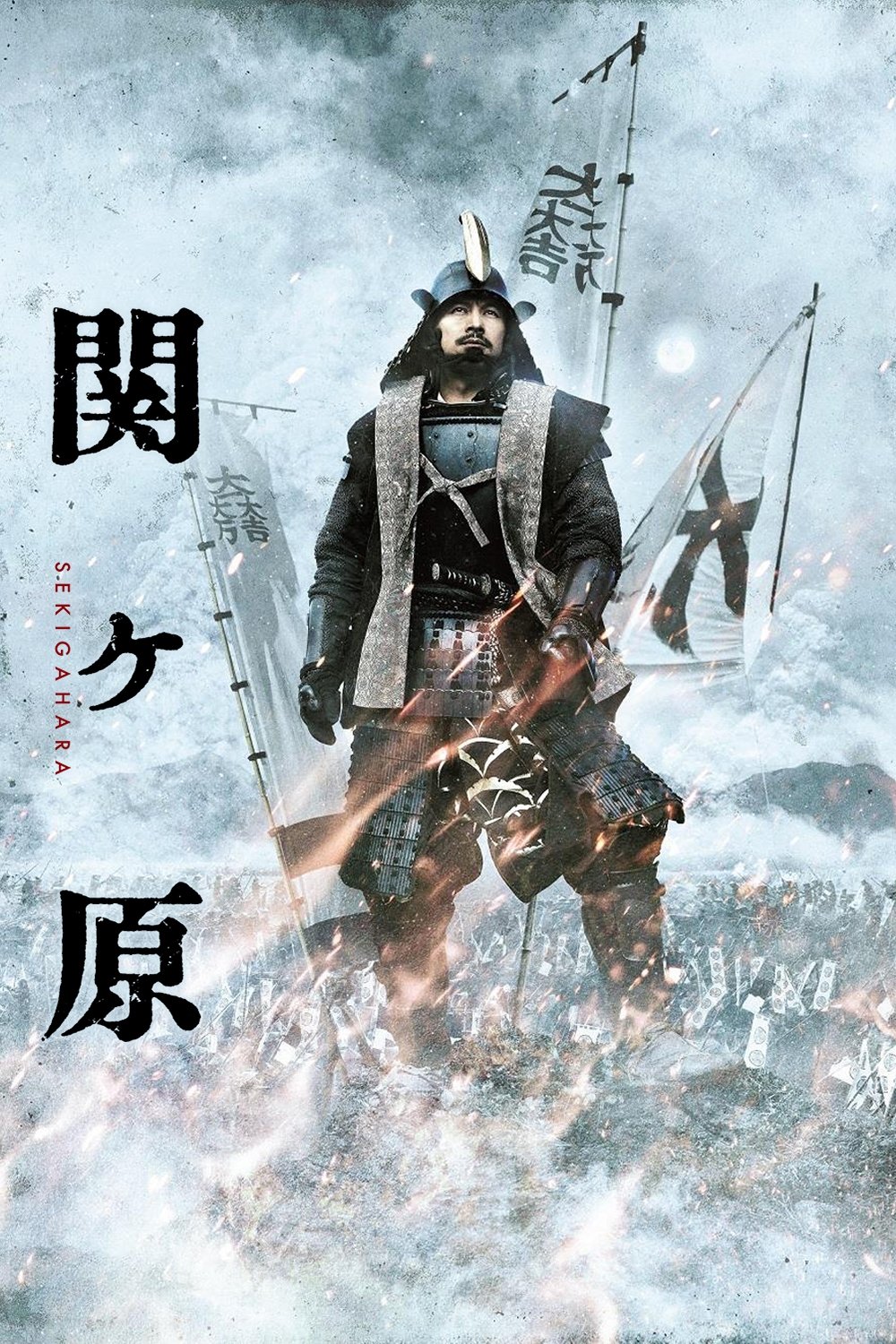
The background to and depiction of a watershed battle in Japanese history, at Sekigahara in 1600, when Tokugawa Ieyasu's Army of the East defeated the Army of the West of Ishida Mitsunari. The story includes the intrigues and shifting loyalties of the various retainers, family members, and samurai.
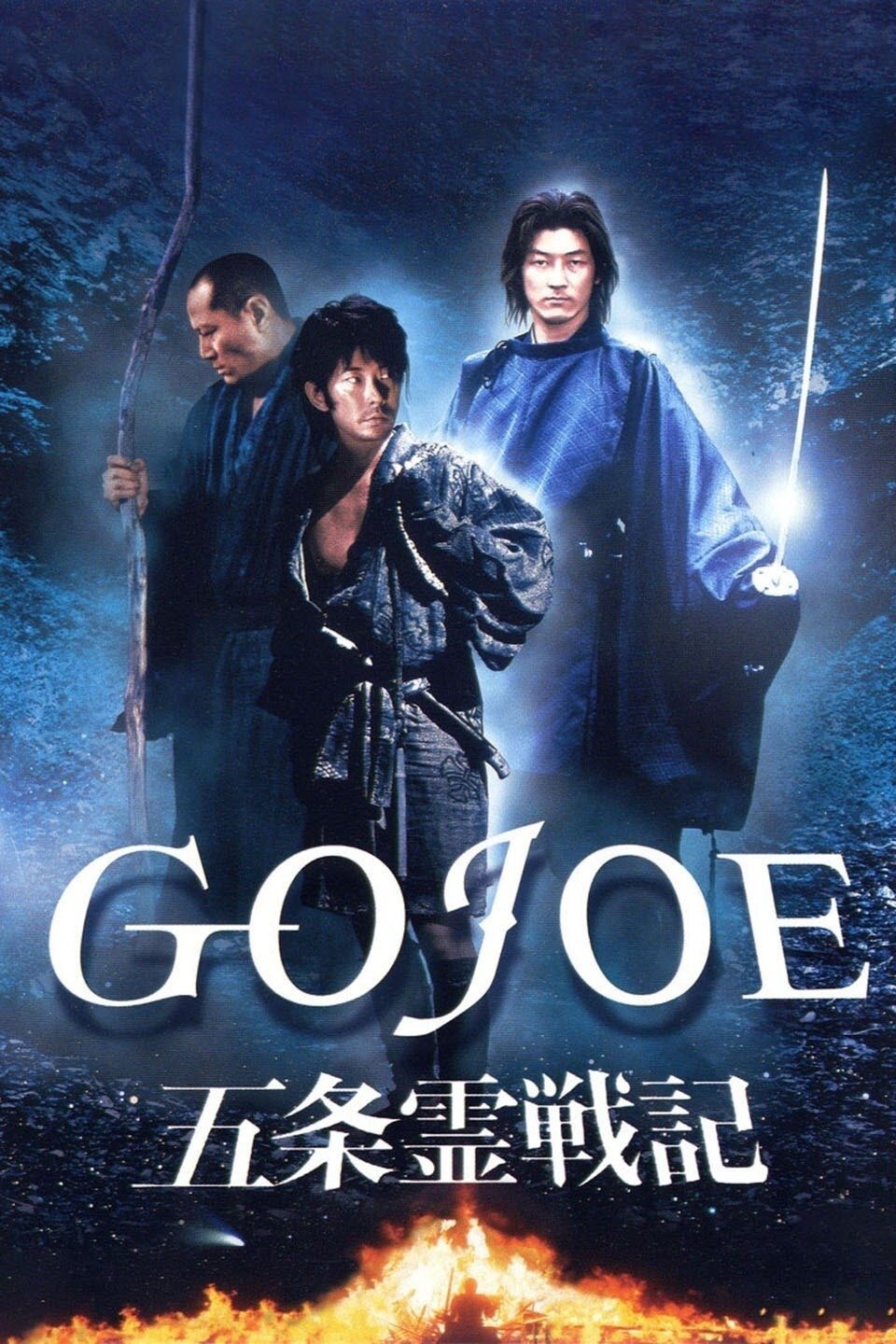
Benkei, a master fighter and killer, vows never to take another life after his conversion to Buddhism. His faith in pacifism, however, is shaken and ultimately broken by the attacks from a trio of fighters known only as the demons. Taking up his sword once more, he sets out to end their murderous terror.
Kanichiro Yoshimura is a Samurai and Family man who can no longer support his wife and children on the the low pay he receives from his small town clan, he is forced by the love for his family to leave for the city in search of higher pay to support them.
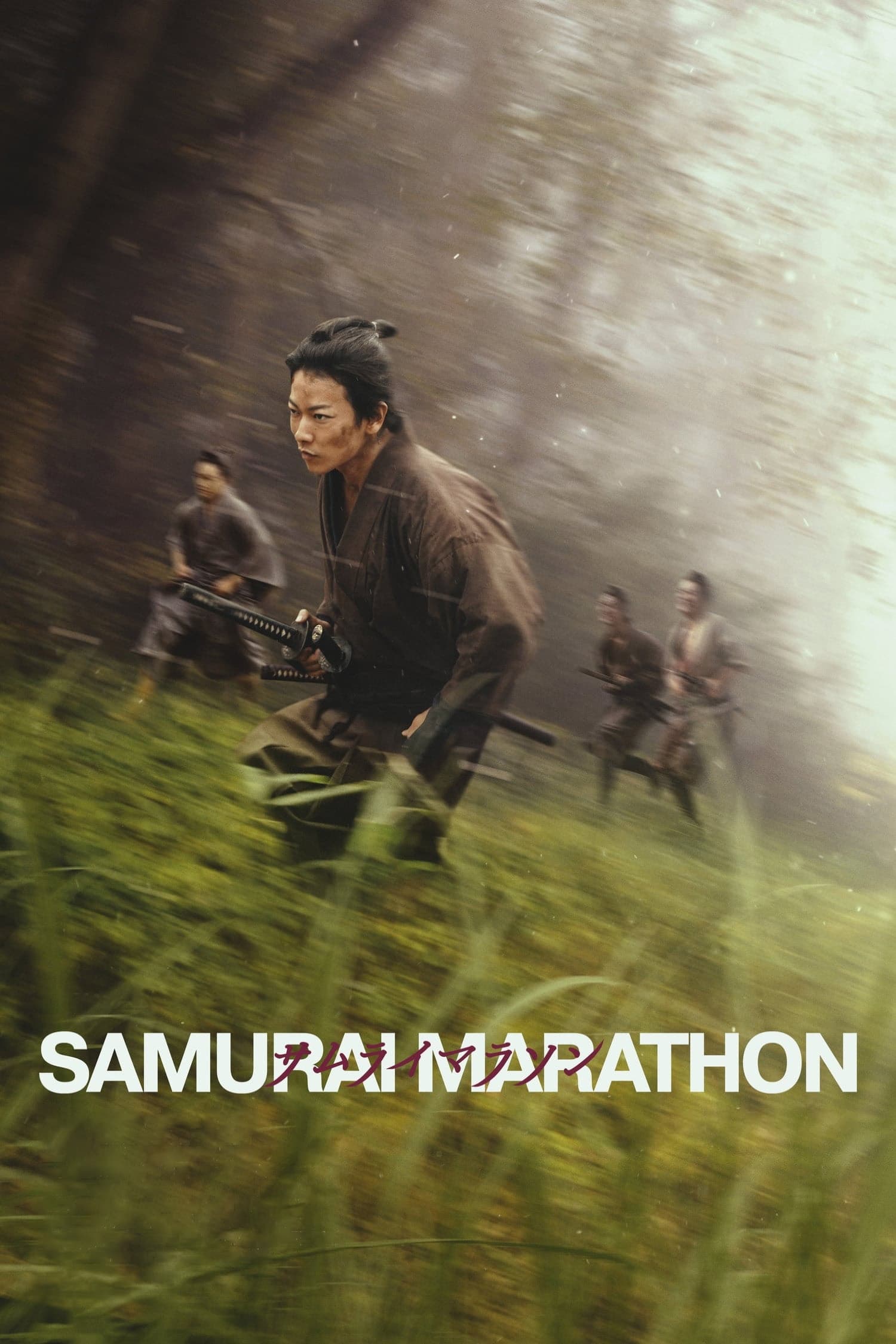
When feudal lord Itakura Katsuakira decides to prepare his samurai troops for the onslaught of modernization by having them compete in a marathon, his independent-minded daughter Yuki secretly joins the race.
A fugitive lord and his six retainers disguise themselves as monks to bluff their way through a hostile checkpoint.
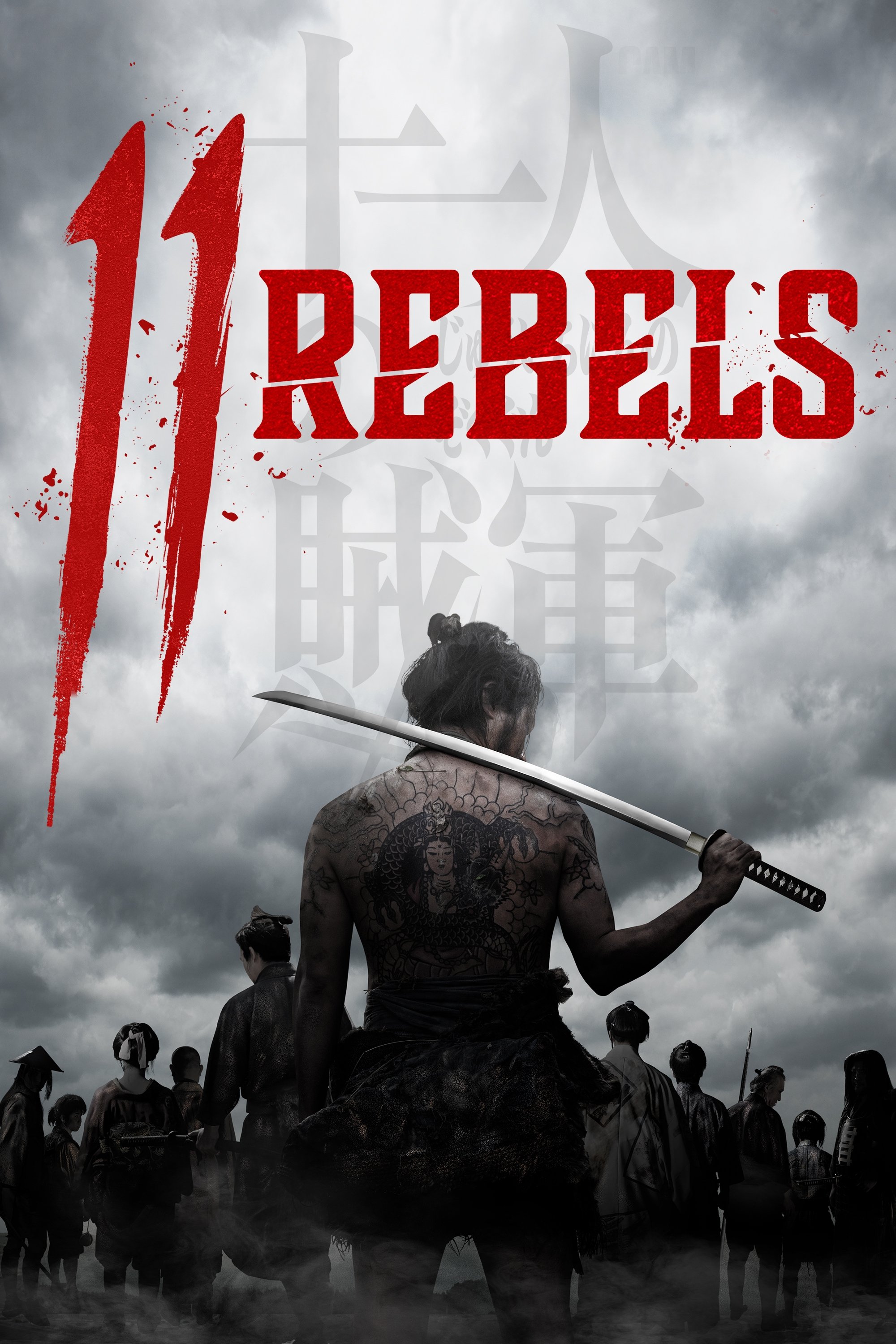
When the brutal Boshin War breaks out in Japan, a group of inmates on death row unite to defend a fortress against the Imperial army.
Kakunoshin, renowned for his skills with a sword and in the game of go, embodies the samurai code. Falsely accused of a theft, he is forced to become a lowly ronin. Years later, when a case of missing gold pulls him into a new web of intrigue, Kakunoshin uncovers the truth behind his downfall. With the real culprit exposed, the go board flips, and a hellstorm of righteous vengeance follows.
Lord Oda Nobunaga plans to control Japan where rival warlords battle by waging war against several clans. His vassal Araki Murashige stages a rebellion and promptly disappears.
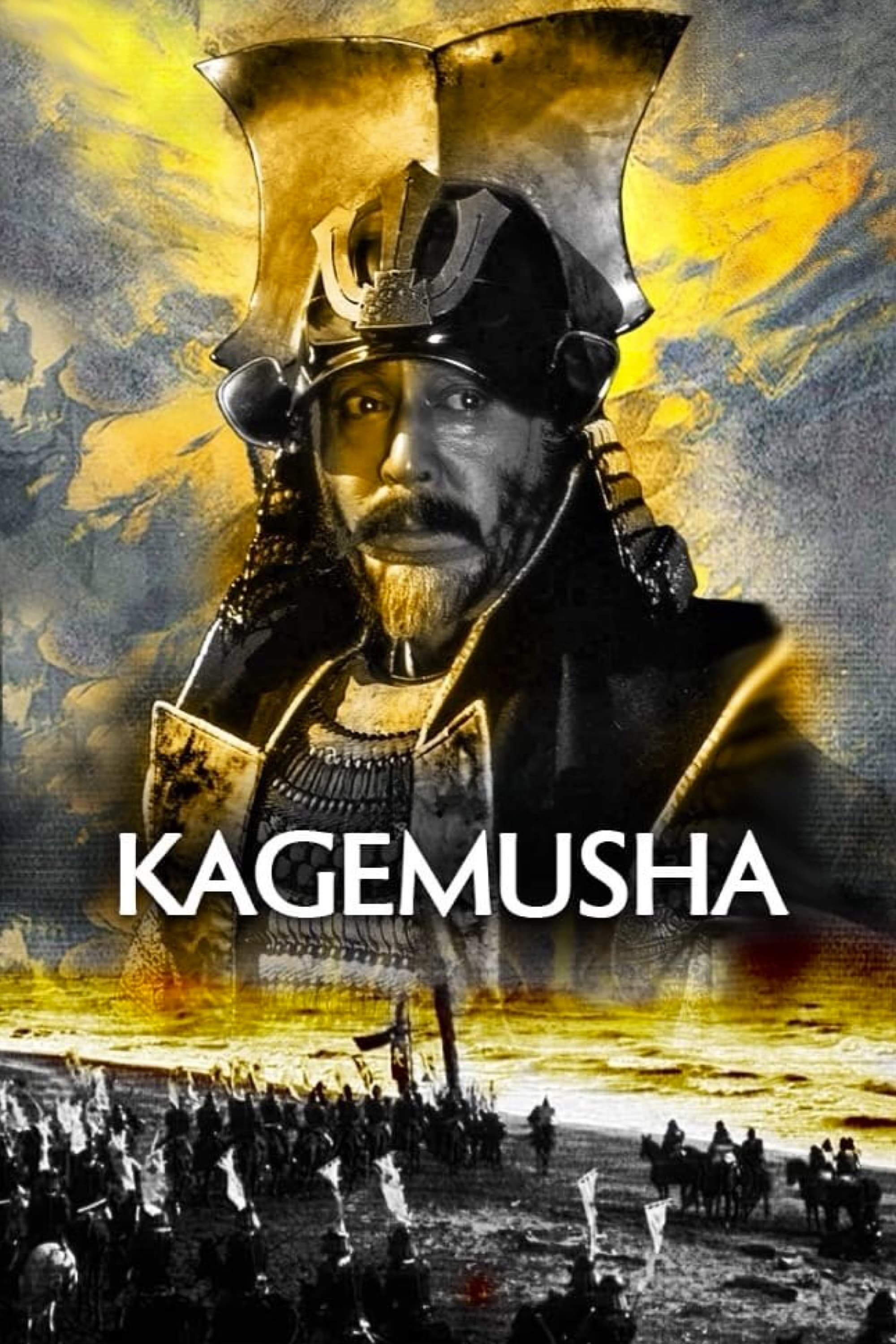
Akira Kurosawa's lauded feudal epic presents the tale of a petty thief who is recruited to impersonate Shingen, an aging warlord, in order to avoid attacks by competing clans. When Shingen dies, his generals reluctantly agree to have the impostor take over as the powerful ruler. He soon begins to appreciate life as Shingen, but his commitment to the role is tested when he must lead his troops into battle against the forces of a rival warlord.
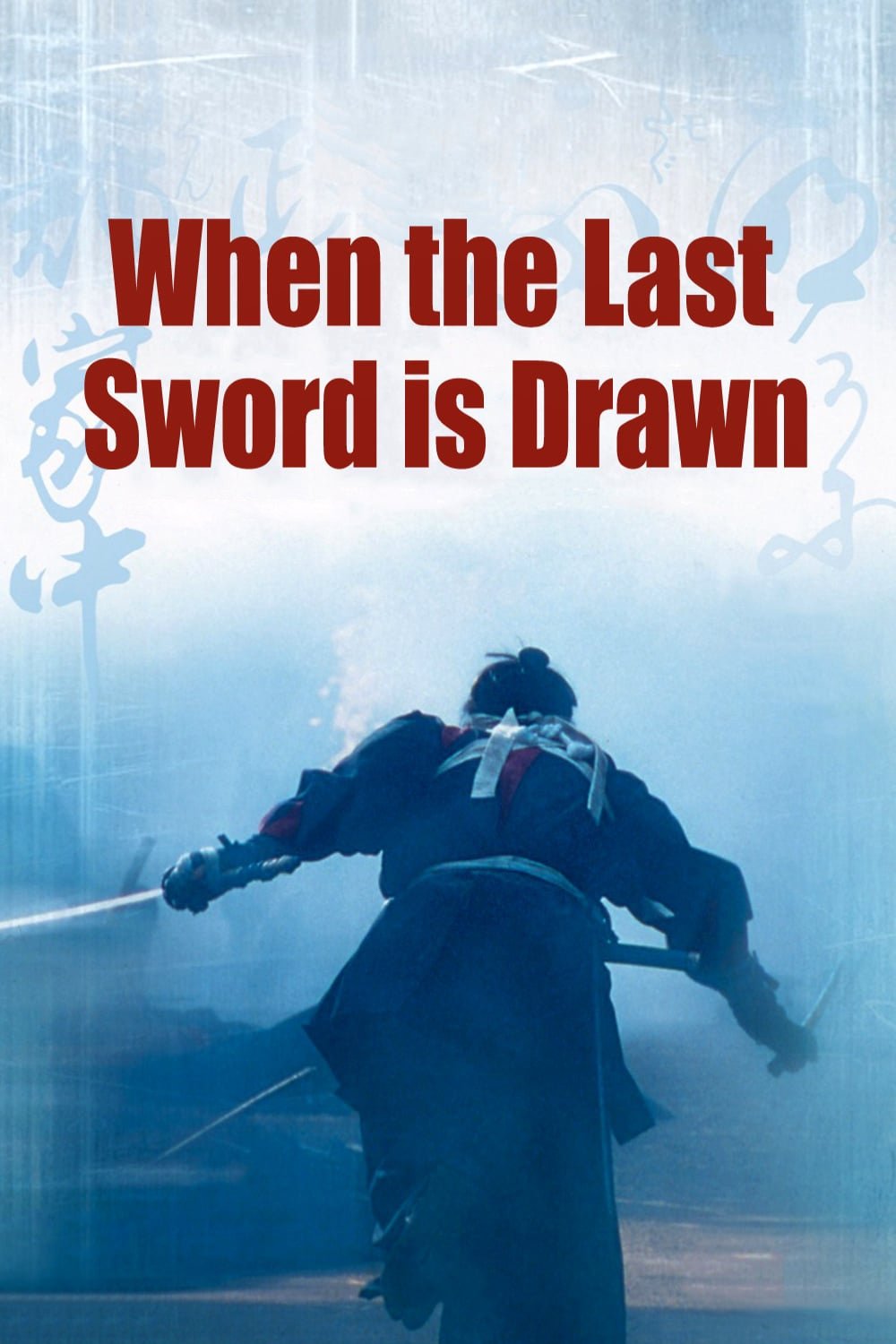
After their lord is tricked into committing ritual suicide, forty-seven samurai warriors await the chance to avenge their master and reclaim their honor.
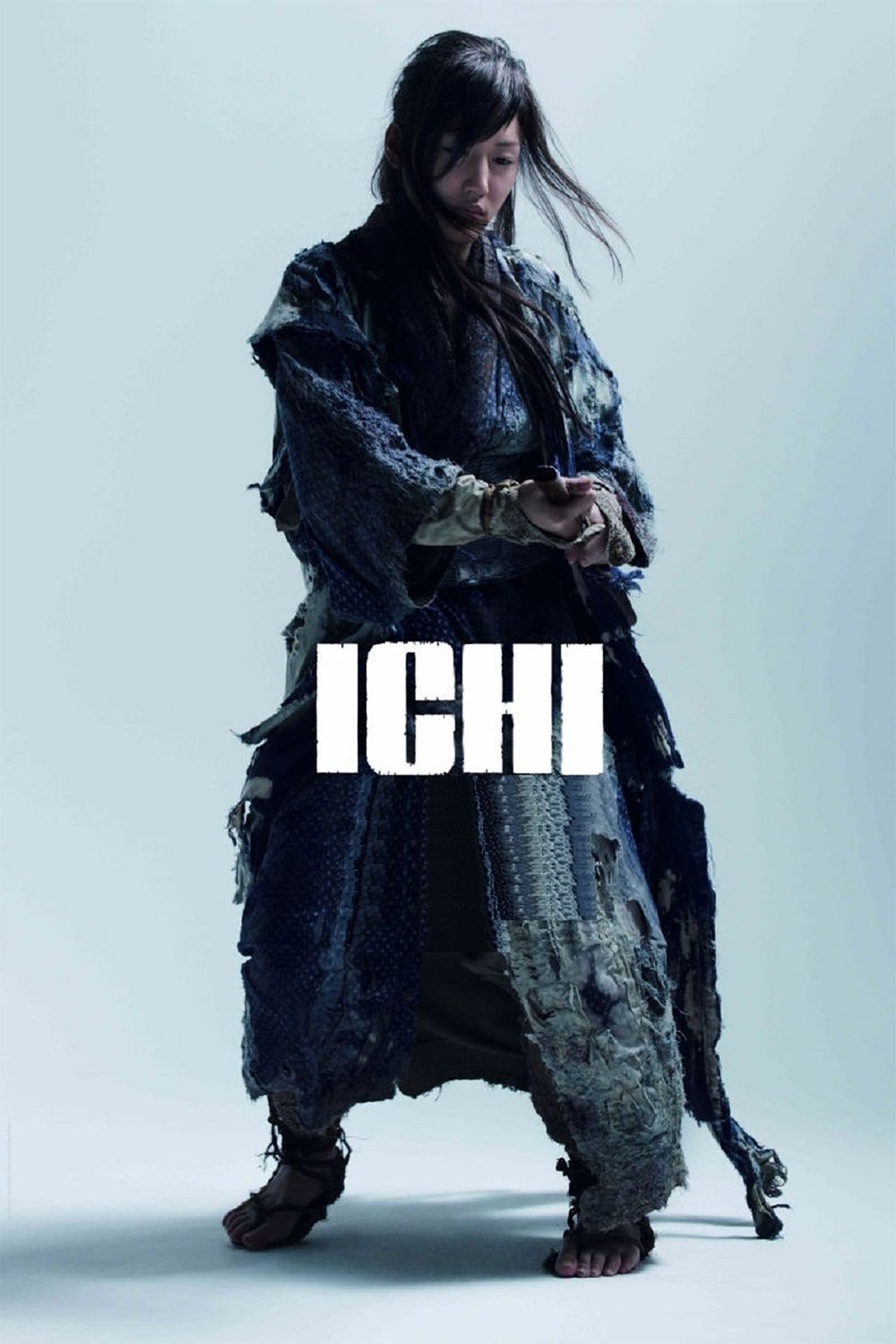
Ichi is a blind entertainer that travels the countryside with her traditional Japanese guitar and walking stick. She’s in search for the kind man that brought her up as a child, but because of her beauty she encounters problems every step of the way. Fortunately for Ichi, she is also a gifted swordswoman and carries a lethal blade within her walking stick.
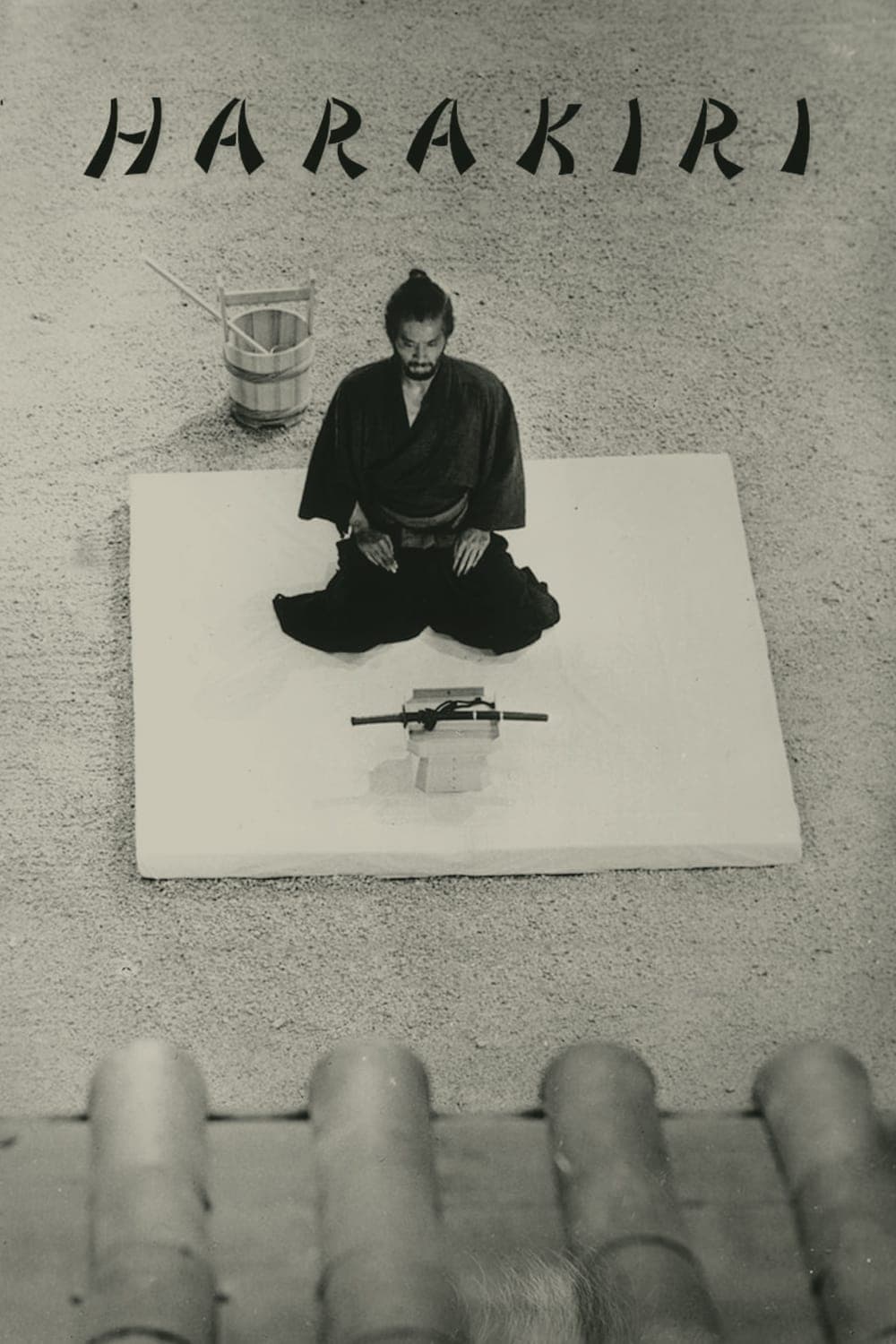
Down-on-his-luck veteran Tsugumo Hanshirō enters the courtyard of the prosperous House of Iyi. Unemployed, and with no family, he hopes to find a place to commit seppuku—and a worthy second to deliver the coup de grâce in his suicide ritual. The senior counselor for the Iyi clan questions the ronin’s resolve and integrity, suspecting Hanshirō of seeking charity rather than an honorable end. What follows is a pair of interlocking stories which lay bare the difference between honor and respect, and promises to examine the legendary foundations of the Samurai code.
A cursed dancer and a blind musician — both ostracized by society — become business partners and inseparable friends as their larger-than-life concerts propel them to stardom in 14th century Japan.
In an age of revolution, Marie Antoinette and her protector Oscar François de Jarjayes face tough choices as women growing into their distinct roles.
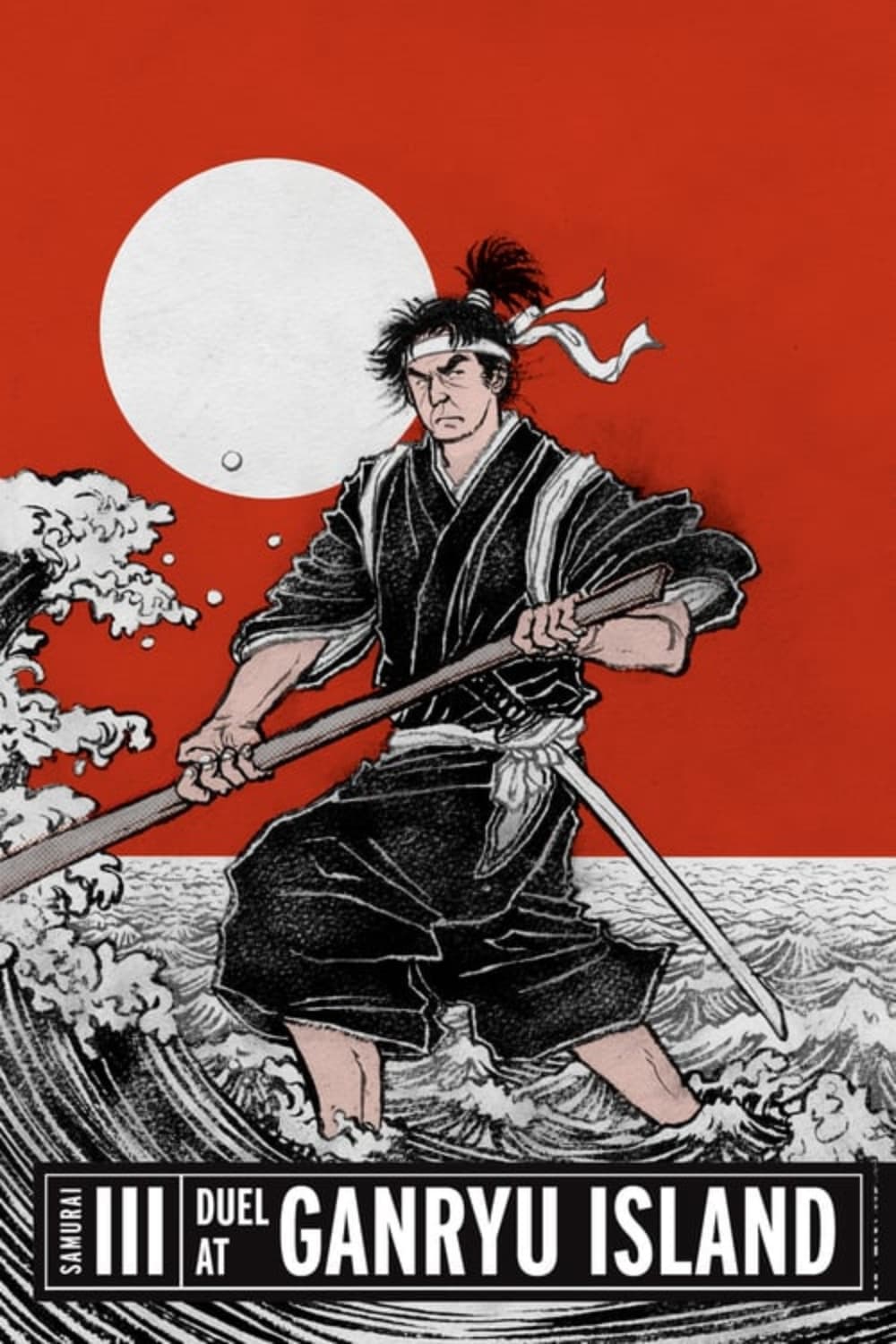
A humble and simple Takezo abandons his life as a knight errant. He's sought as a teacher and vassal by Shogun, Japan's most powerful clan leader. He's also challenged to fight by the supremely confident and skillful Sasaki Kojiro. Takezo agrees to fight Kojiro in a year's time but rejects Shogun's patronage, choosing instead to live on the edge of a village, raising vegetables. He's followed there by Otsu and later by Akemi, both in love with him. The year ends as Takezo assists the villagers against a band of brigands. He seeks Otsu's forgiveness and accepts her love, then sets off across the water to Ganryu Island for his final contest.