Three invertebrates - a water flea, a green hydra, and a planarian flatworm - engage in a food-chain fight after the hydra tries to eat the flea.
Social & External
PRIMAVERA is a three dimensional film featuring puppets that work in the so called telescope system which tries with the help of stylised images to visually depict the great variety existing in nature, the food chain and variations in the reproduction of different living organisms. The entire film is seen through the eyes of a butterfly larva.
Uses animation and live action photography to describe good food chains, almost all depending ultimately on green plants, and relates these food chains to the larger concepts of the oxygen-carbon dioxide and the nitrogen cycles, and to the unending pattern of life, growth, and decay which is known as the food cycle.
Through revealing interviews with experts and victims' families, this gripping documentary examines the problem of deadly foodborne illness in the US.
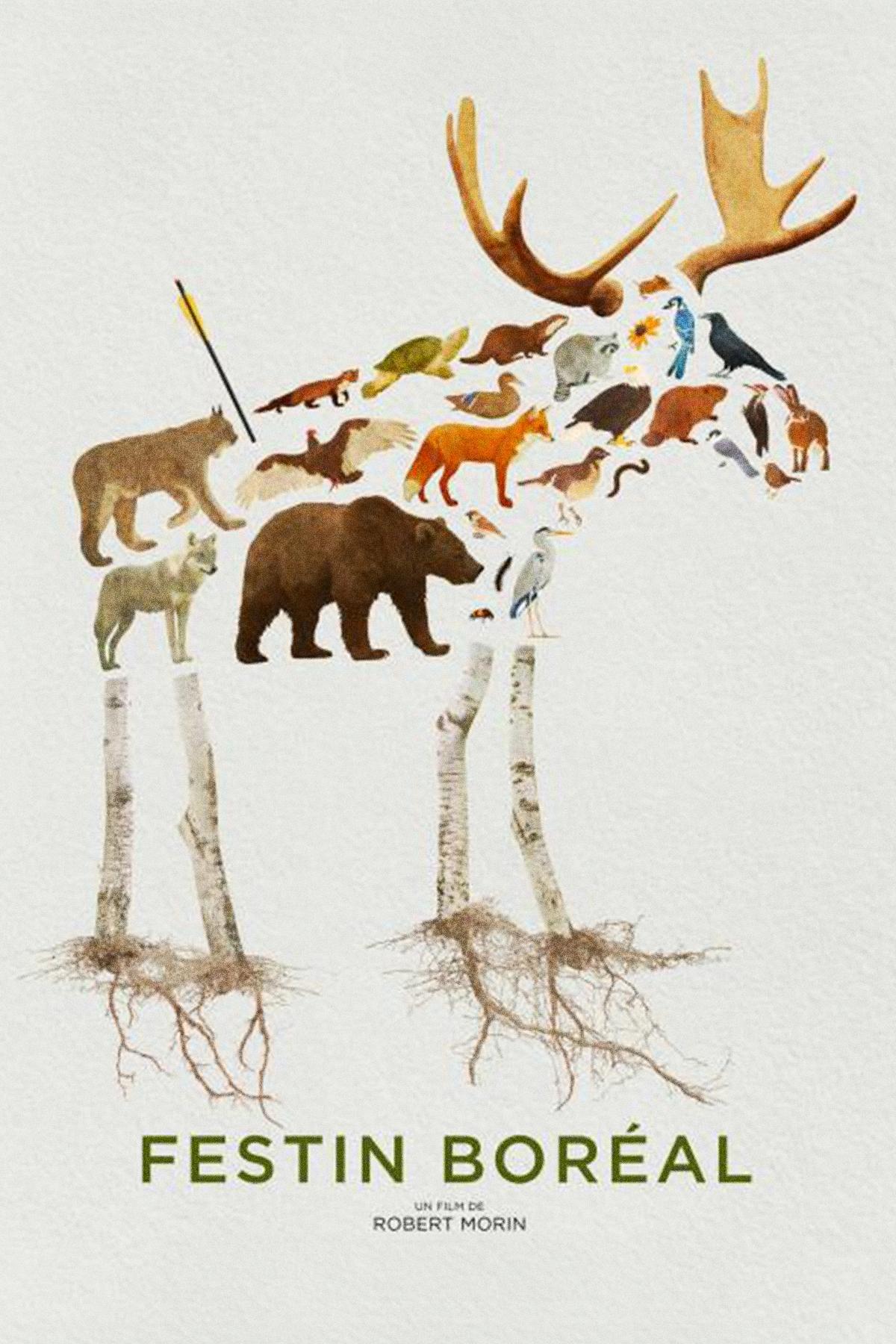
A wounded moose escapes its hunters, later dying deep in the forest and becoming... a communal feast. As the seasons go by, mammals, birds and insects invite themselves to the banquet - multiplying ensuing games, rituals and conflicts. In exploring and occasionally foiling nature's wildlife codes, our story becomes a simple yet poignant reflection on death, on its natural place in this world and, by extension, on its deeper meaning and purpose - important lessons to explore at this time when the glorious paradises offered by religions tend to feel less and less credible.
'The Lost Salmon' chronicles the plight and potential recovery of the iconic Spring-run Chinook Salmon of the Pacific Northwest. Faced with extinction in many river systems of the West, a new genetic discovery could aid in their recovery. Once teeming in the millions and a sacrament for the oldest civilizations in the Americas, time is running out for this genetically distinct wild salmon.
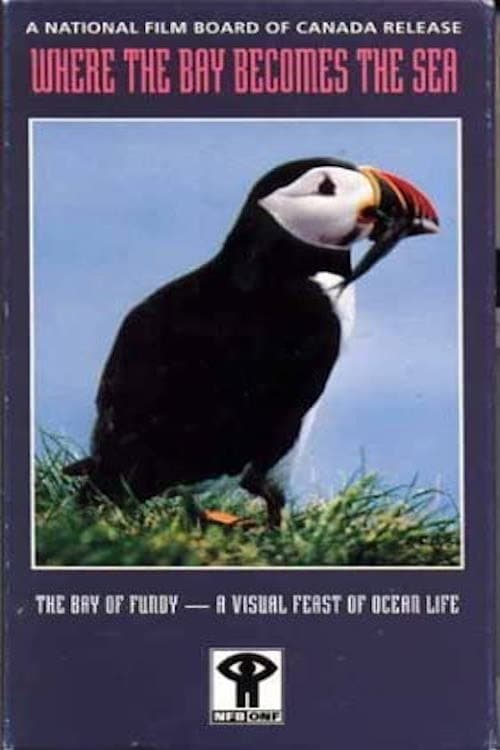
This is a documentary about the fragile and complex marine ecosystem in the Bay of Fundy. The film traces relationships within the food chain - from tiny plankton to birds and seals and finally to whales and humans. The film is a plea for careful management of our ocean resource and was first telecast as part of CBC's Nature of Things series.
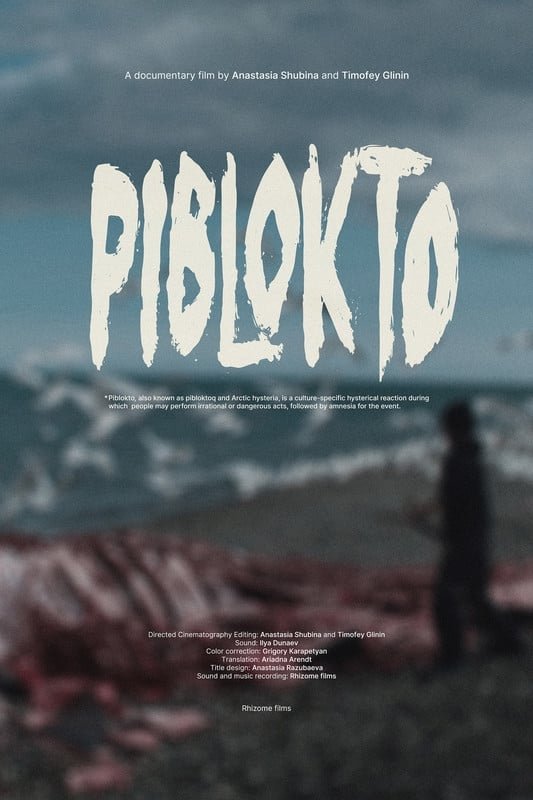
On the coast of the Arctic Ocean of Chukotka live people cut off from the world. Their life revolves around hunting walruses and whales and protecting villages from bears coming from the tundra. This turns the film into a reflection on death. Marine animals become the food of people, animal leftovers are used to feed arctic foxes on a fur farm, human cemeteries become prey for bears. It seems that all the inhabitants of these places are involved in the cycle of food and death. The film departs from the usual rhythmic structure of cinema, being built on the principle of a shamanic ritual, a meaning-forming event for northern peoples.
A German Film award winning short animated biography of accomplished 19th century organic chemist August Kekulé.
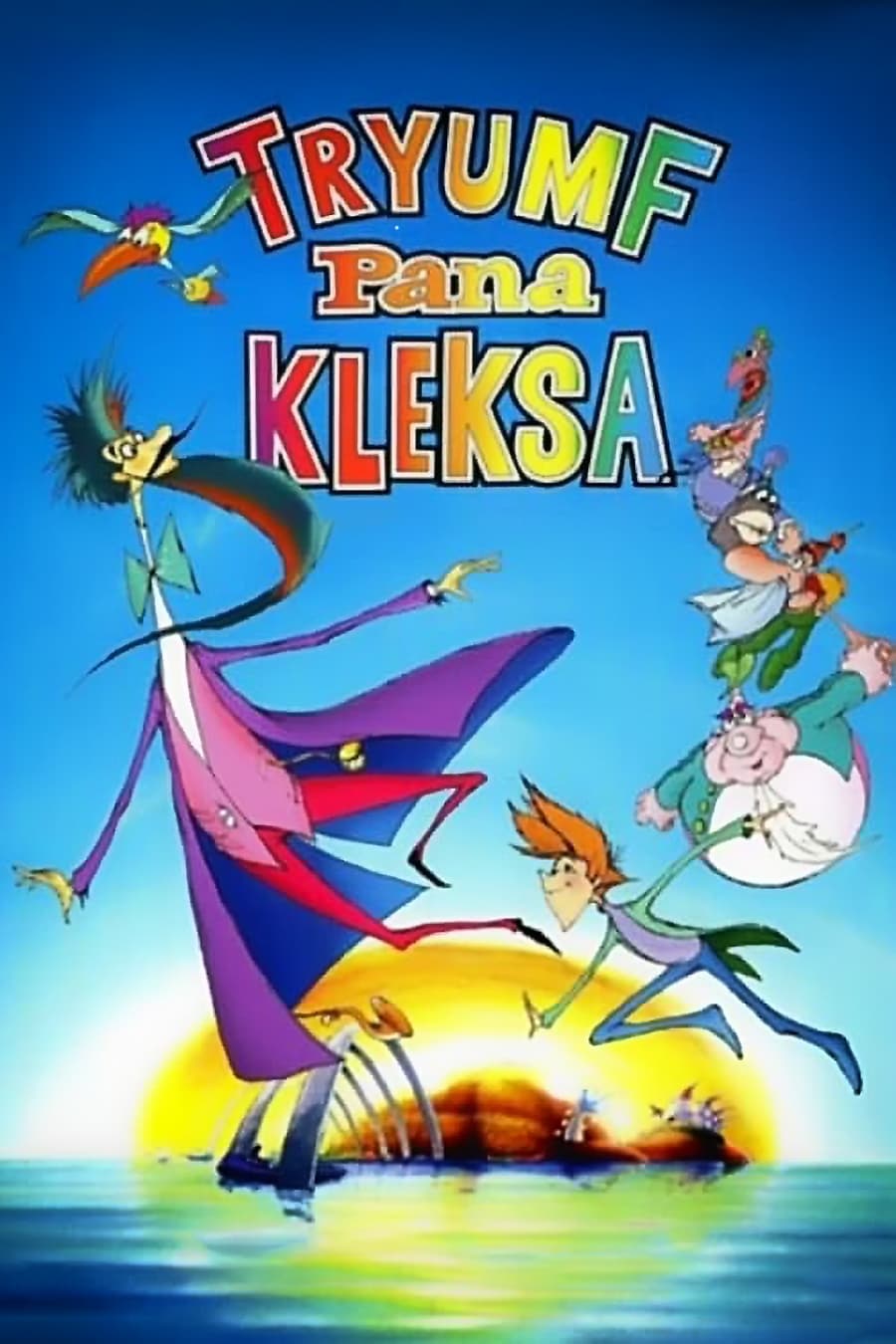
Tomek Milkowski is an comic-books' illustrator. But his chef doesn't like his drawings. He tells Tomek to make up something really cool, if the boy doesn't want to loose his job. The illustrator has a guest. It's a bird Tri-Tri from stories about Mr. Kleks. Tomek takes the book and decides to illustrate it as a comic book.
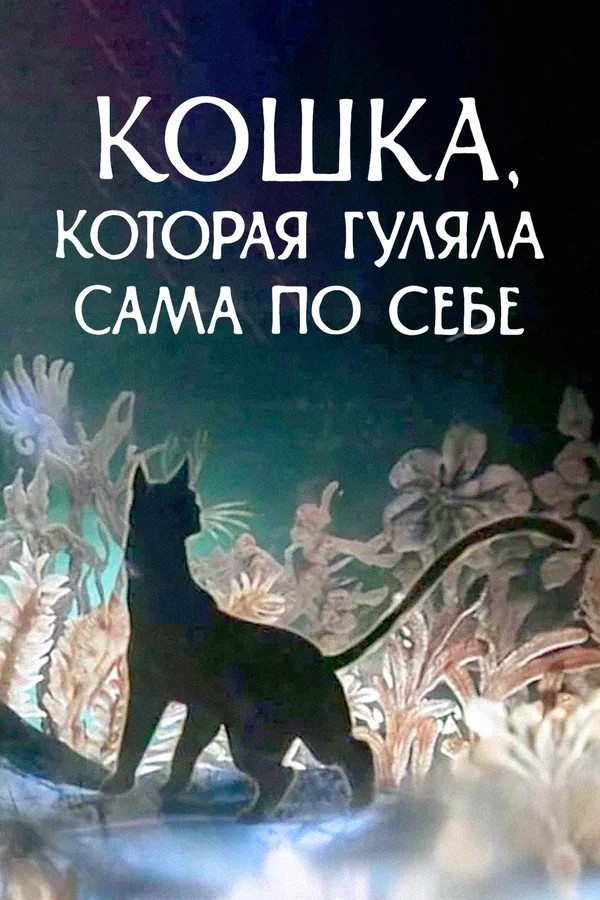
Two parents put their child in his crib for the night and leave the room. The child starts crying, and the Cat comes into the room to keep him company. The child grabs her tail, and the Cat angrily reminds him that they agreed a thousand years ago that he would not do that. Upon seeing that the child doesn't remember, the Cat sighs and decides to tell him the story from the beginning. The story starts when the planet was young and life on Earth is starting with dinosaurs.
A woman’s face disappearing behind, and emerging from, a pair of hands. Flashing lights. An empty building full of dark hallways. Designs drawn in the air with light and long-exposure cinematography.
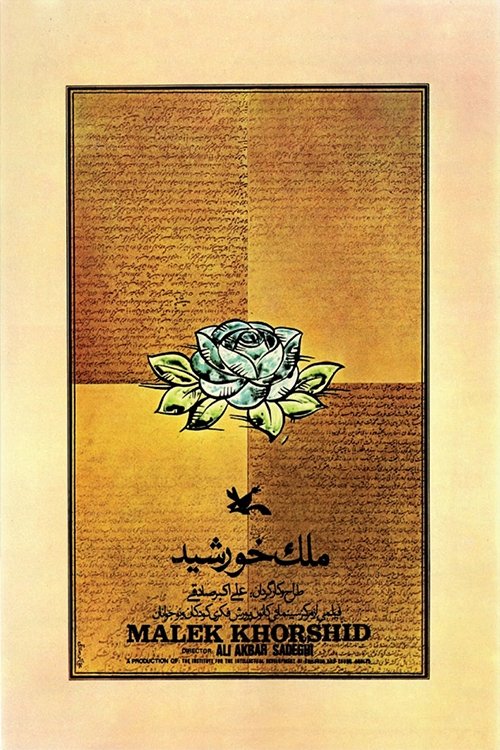
"Among ...Sadeghi's most iconic projects during his time at Kanoon was Malek ol-Khorshid (King of the Sun, 1975), a magical animation inspired by the tenth-century Persian epic The Shahnameh (The Book of Kings)." (from Ubu Web)
Featuring stirring imagery cycling through abstraction and quivering permanence, Onohana’s (Ouch, Chou Chou and such a good place to die, JC 2016) characteristically stunning animation was produced in collaboration with visitors to her past exhibitions in Shinjuku, Tokyo and Morioka, Tohoku, tracing her original illustrations. -JAPAN CUTS: Festival of New Japanese Film
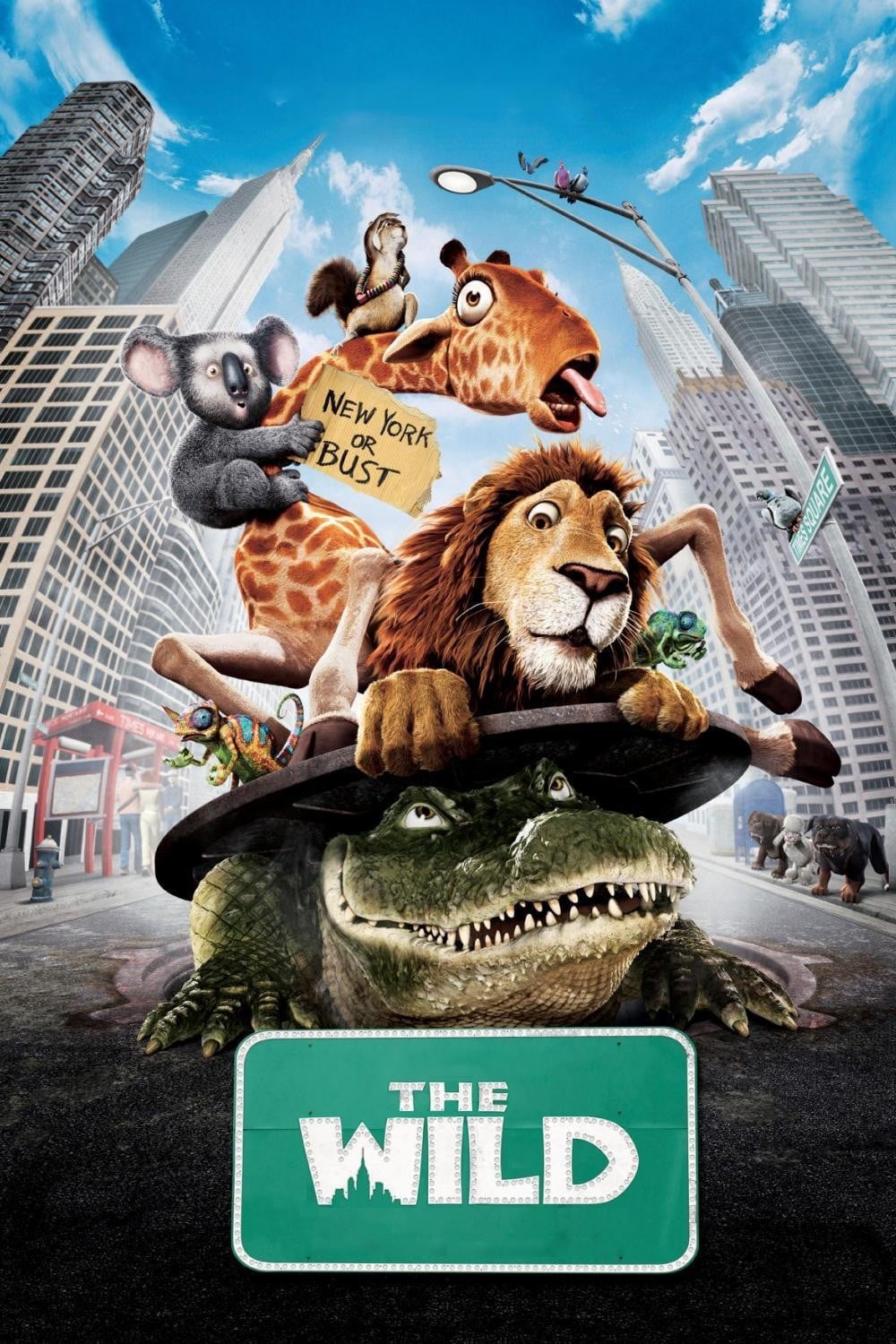
An adolescent lion is accidentally shipped from the New York Zoo to Africa. Now running free, his zoo pals must put aside their differences to help bring him back.
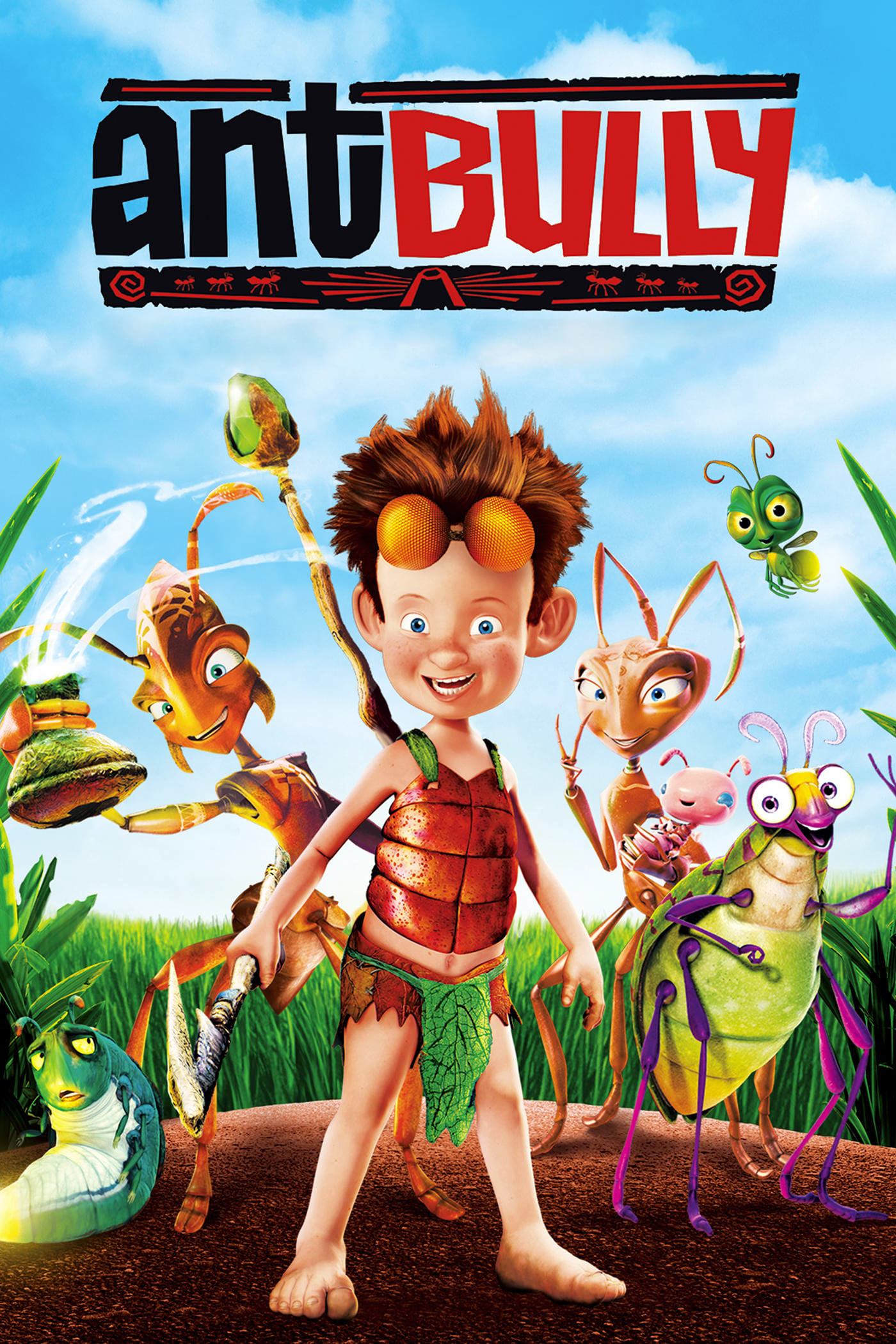
Fed up with being targeted by the neighborhood bully, 10-year-old Lucas Nickle vents his frustrations on the anthill in his front yard ... until the insects shrink him to the size of a bug with a magic elixir. Convicted of "crimes against the colony," Lucas can only regain his freedom by living with the ants and learning their ways.
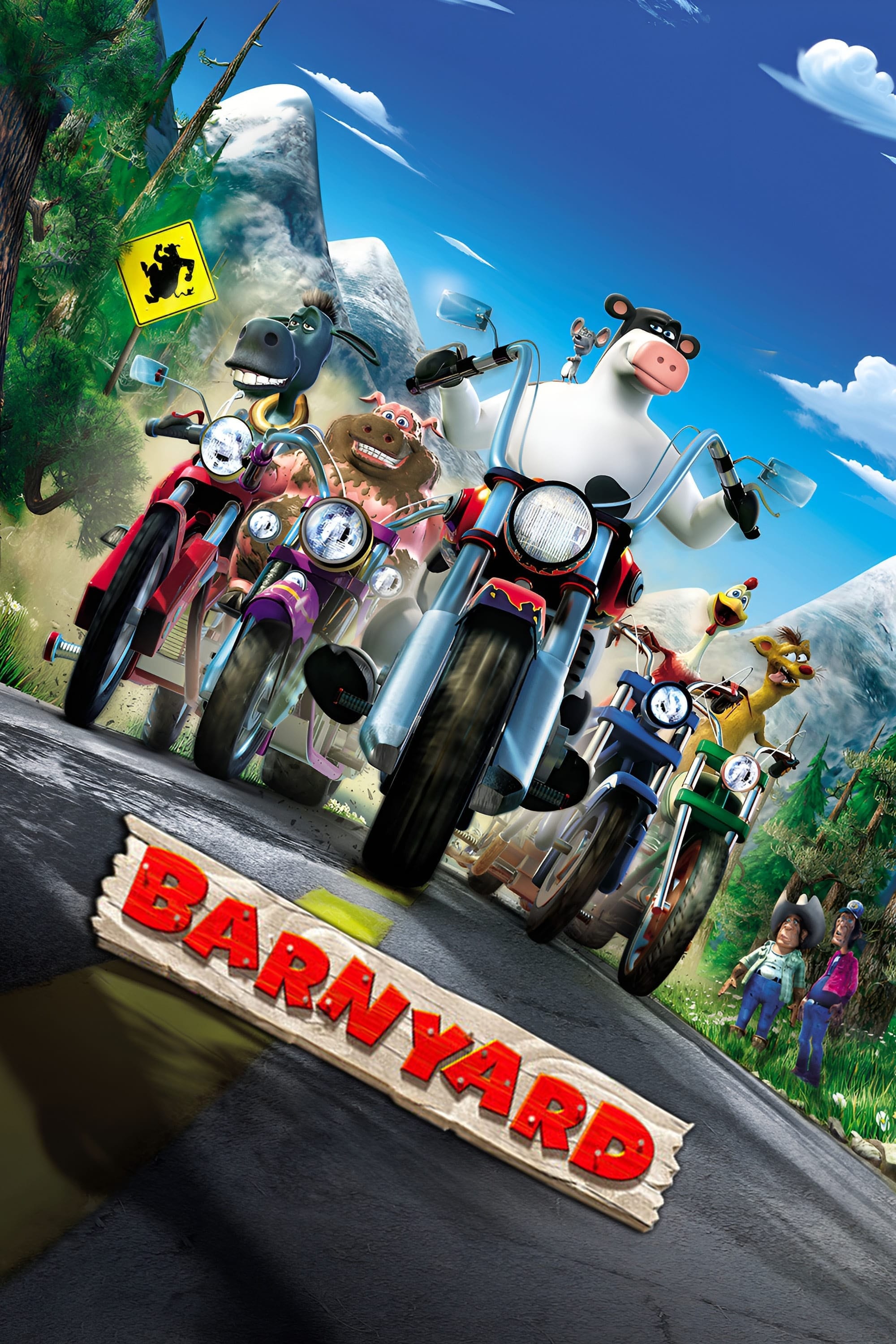
Otis is a mischievous, carefree Holstein cow who lives on a farm where, unbeknownst to humans, the animals are anthropomorphic. He prefers having fun with his best friends: Pip the mouse, Freddy the ferret, Peck the rooster, and Pig the pig - rather than following strict rules and accepting responsibility. This annoys his stern adoptive father Ben, the leader of the farm's community. One evening, Otis convinces Ben to cover his night watch so he can attend a massive party in the barn and impress Daisy, a pregnant cow who recently arrived at the farm with her best friend Bessy as a newcomer. As the animals party, Dag the coyote and his pack attempt to raid the chicken coop. Ben fends them off alone but is fatally wounded and killed. Otis must now learn the value of responsibility when he becomes the leader of his farm home's community.