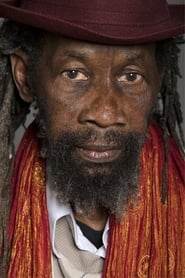
An inside look at slavery in the country of Burkina Faso, The Courage Of Others follows the journey of a slave (played by Sotigui Kouyaté) being taken across the African desert by his captors.
Social & External
Unknown Role
Warren Maxwell, the owner of a run-down plantation, pressures his son, Hammond, to marry and produce an heir to inherit the plantation. Hammond settles on his own cousin, Blanche, but purchases a sex slave when he returns from the honeymoon. He also buys his father a new Mandingo slave named Mede to breed and train as a prize-fighter.
The professional mercenary Sir William Walker instigates a slave revolt on the Caribbean island of Queimada in order to help improve the British sugar trade. Years later he is sent again to deal with the same rebels that he built up because they have seized too much power that now threatens British sugar interests.
The rebellious Thracian Spartacus, born and raised a slave, is sold to Gladiator trainer Batiatus. After weeks of being trained to kill for the arena, Spartacus turns on his owners and leads the other slaves in rebellion. As the rebels move from town to town, their numbers swell as escaped slaves join their ranks. Under the leadership of Spartacus, they make their way to southern Italy, where they will cross the sea and return to their homes.
In 1375, China was in chaos between Yuan Dynasty and Ming Dynasty. Coryo (an ancient kingdom of Korea then) sent a delegation of many diplomats, soldiers and a silent slave to make peace with the new Chinese government. However, this delegation got charged as spies and sent in exile to a remote desert.
Escaping death, a Hebrew infant is raised in a royal household to become a prince. Upon discovery of his true heritage, Moses embarks on a personal quest to reclaim his destiny as the leader and liberator of the Hebrew people.
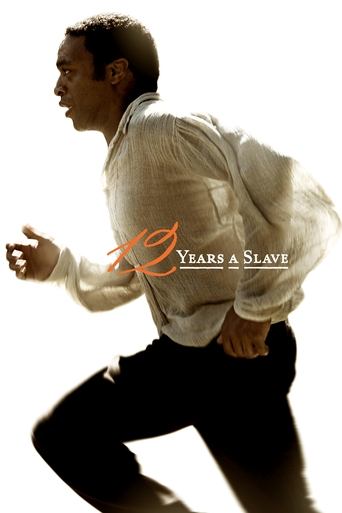
This is based on a true story. Solomon Northrop is a black man in the mid 19th century before slavery was abolished. He's a born free man who works as a carpenter and is also a part time musician. One day he is approached by some men who want him to play for them. However, that is not their intention; they have kidnapped him and sold him into slavery. Now he has to endure the hardships that he has been spared because of his status as a free man. And his family who don't know what happened to him is searching for him but where do they go? And Solomon also wishes to let them know where he is so that they could get him but unfortunately no one believes his story or is willing to help him.
Salvador, Bahia, January 1835. After more than a decade of hard work, Guilhermina, 27, a slave of Muslim origin, finally gets the resources to buy her manumission, as well as that of Teresa, 11, her teenage daughter. But, contrary to an old promise, his “lord”, farmer Souza Velho, refuses to sell the girl's letter. When Pacific Licutan, Salvador's most esteemed Islamic leadership, is arrested by the Bahian authorities, the Muslim community goes into a boiling state and begins to articulate a jihad. In desperation, Guilhermina sees in the uprising the only way to win her daughter's freedom.
Lesson in History was produced when Peters was a student at the West Surrey School of Art and Design. Having read The People Could Fly by Virginia Hamilton, she was inspired to make what she describes as 'the stories of black achievement and how stories had not been told.' The animated film was subsequently screened on the BBC as part of the series 10X10. It was shot on 16mm using cutouts, photography and masks.
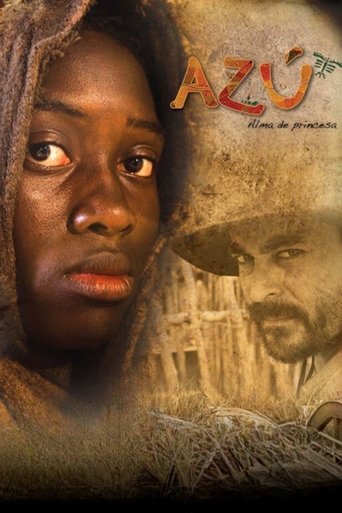
1780, a group of slaves flee from a sugar cane hacienda. As they are pursued by Don Manuel Aguirre, obsessed landowner who has fixed his eyes on Azu, the beautiful slave with an ancestral destiny.
A fascinating account of the presidency of Andrew Jackson, who was both one of America's great presidents and a borderline tyrant. The seventh president shook up the glossy world of Washington, DC with his "common-man" methods and ideals, but also oversaw one of the most controversial events in American history: the forced removal of Indian tribes, including the Cherokees, from their homes.
Green Flake, a southern slave, joins Church of Jesus Christ of Latter Day Saints as a child. Later on in his life he is sent to pave the way to what is now the Salt Lake Valley and his faith sustains him.
When the Civil War ended in 1865, more than four million slaves were set free. Over 70 years later, the memories of some 2,000 slave-era survivors were transcribed and preserved by the Library of Congress. These first-person anecdotes, ranging from the brutal to the bittersweet, have been brought to vivid life in this unique HBO documentary special, featuring the on-camera voices of over a dozen top African-American actors.
A descendant of the largest slave-trading family in U.S. history, filmmaker Katrina Browne explores the contemporary legacy of slavery by traveling with fellow descendents from Rhode Island to Ghana and Cuba, retracing the Triangle Trade route. Along the way, Browne and her companions meet with similarly interested travelers and discover the considerable importance slavery once had for Northern commerce.
In 1885, Africa is a succulent cake destined to be wildly divided and everyone wants a piece. A disturbed European king, a Pygmy working in a luxury hotel, a successful but lonely businessman, an enslaved porter, a young army deserter, a ghostly clarinetist. Some benefit from colonialism and greed. Others suffer racism and violence.
After Phyllis discovers that her daughter Cecilia can read, she’s torn between abiding to her slave owner’s commands or encouraging her daughter that reading is a pathway to their freedom.
In the pre-Civil War United States, Solomon Northup, a free black man from upstate New York, is abducted and sold into slavery. Facing cruelty as well as unexpected kindnesses Solomon struggles not only to stay alive, but to retain his dignity. In the twelfth year of his unforgettable odyssey, Solomon’s chance meeting with a Canadian abolitionist will forever alter his life.
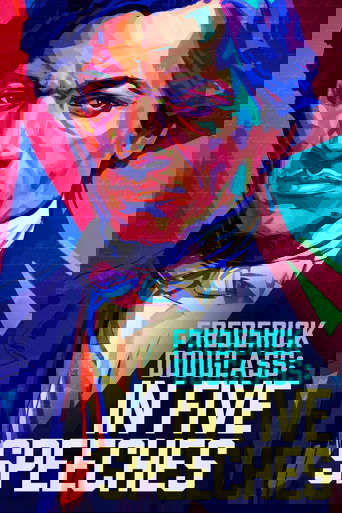
Acclaimed actors draw from five of Douglass’ legendary speeches, to represent a different moment in the tumultuous history of 19th century America as well as a different stage of Douglass’ long and celebrated life, while famed scholars provide context for the speeches, and remind us that Frederick Douglass’ words about racial injustice still resonate deeply today.
On a photo shoot in Ghana, an American model slips back in time, becomes enslaved on a plantation and bears witness to the agony of her ancestral past.
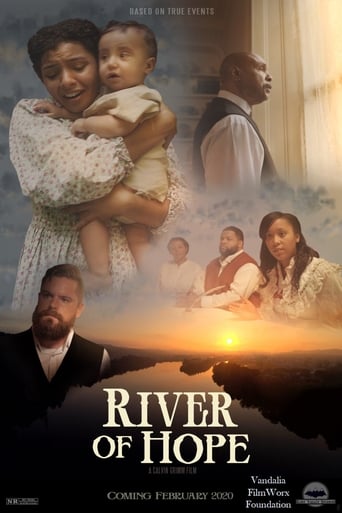
"River of Hope" tells the story of how a former slave Mary Barnes Cabell and her children helped found the first college for African Americans in West Virginia. Based on true events.
A peasant who works in a mahogany camp in the Mexican jungles with his family is disgusted with the miserable living conditions imposed upon himself and his co-workers, the peasant finally spearheads a revolt against the sadistic bosses.