Social & External
The people behind it
"Rock Garden", a hidden paradise, tells the inspiring tale of Nek Chand, a government official who secretly transformed a dense forest into a breathtaking sculpture garden. This intimate documentary explores his unwavering passion, artistic genius, and the profound impact of his unique vision on the world. The movie is streaming globally on Fawesome TV and Relay.
An analysis of the impact on the United States Latino community of immigration policies promoted by President Donald Trump.
Migrant families experience violence, but they also keep beautiful memories when they arrive in new lands. Fantastic and intimate stories, recalled from childhood, travel across time and space, magically intermingling with the help of the four elements and breaking the boundaries of cinema.
"Woodstock - Mais Que Uma Loja" tells the story of the Woodstock Discos store, a stronghold considered ground zero for heavy metal in São Paulo and one of the pioneers of the style in Brazil.
Good Copy Bad Copy is a documentary about copyright and culture in the context of Internet, peer-to-peer file sharing and other technological advances.
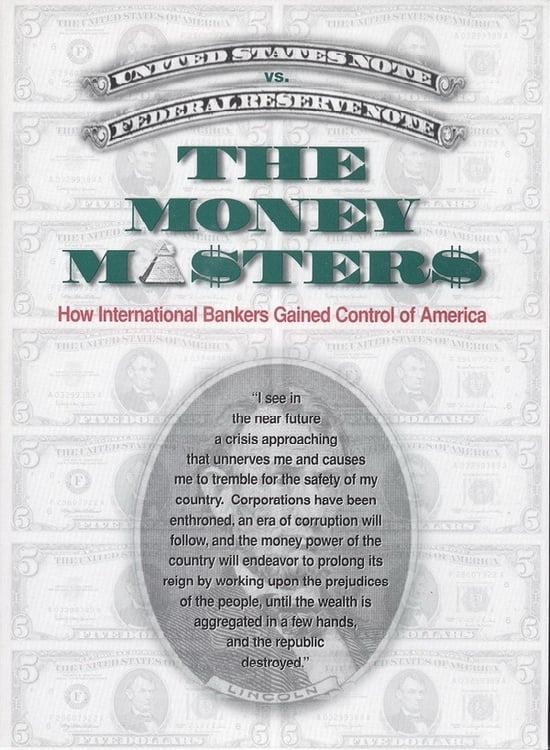
A documentary that traces the origins of the political power structure that rules our nation and the world today. The modern political power structure has its roots in the hidden manipulation and accumulation of gold and other forms of money.
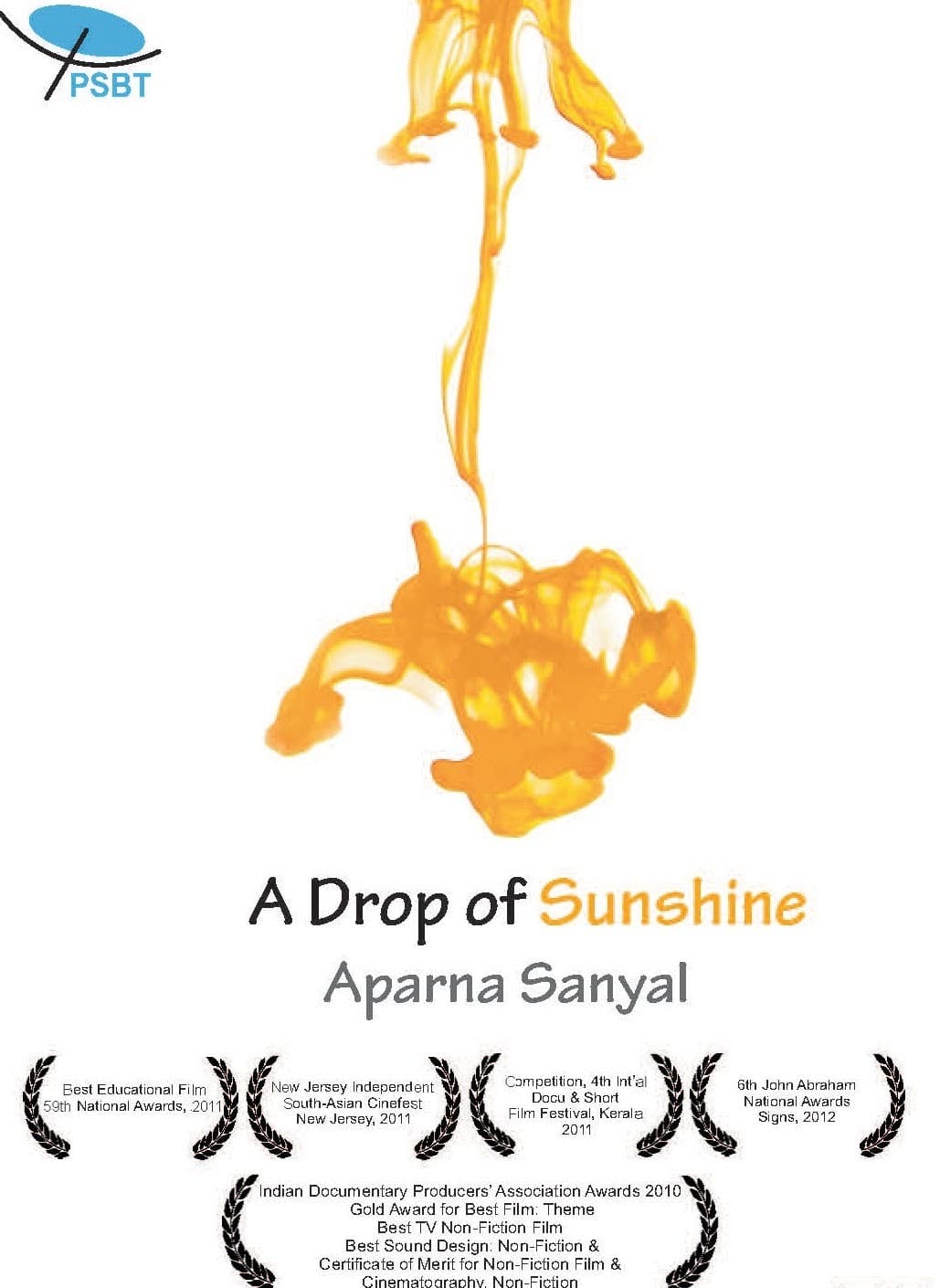
Schizophrenia. It may be one word, but it immediately conjures up multiple connotations. Mad. Incurable. Violent. Suicidal. Chemical imbalances. Crazy. A lifelong condition. Inevitable dependency on Medicines. Dark. Terrible. 'A Drop of Sunshine' challenges these notions. It questions the mainstream view of the condition and seeks alternate ways of recovering from it. Through the powerful story of its young and gutsy protagonist, Reshma Valiappan, it seeks to give viewers a new vocabulary to address the stigmatized mental illness. The film proposes that the only treatment method that can work in Schizophrenia is one where the so-called 'patient' is encouraged and empowered to become an equal partner in the process of healing.
The film looks at men and women of color in the U.S. Merchant Marine from 1938-1975. Through chronicling the lives of these men and women who, with a median age of 82, are beset with a host of life-threatening illnesses, the movie tells how they navigated issues of racism, disparities in the workplace, gender and familial relations.
Diana Mariscal reached a moment of fame in the sixties, when at just 18 years of age she was the lead actress of the movie Fando and Lis by Alejandro Jodorowsky. The moment seemed to trigger a promising career, but her public image faded little by little until disappearing. Forty years later the traces of her existence have not been entirely erased.
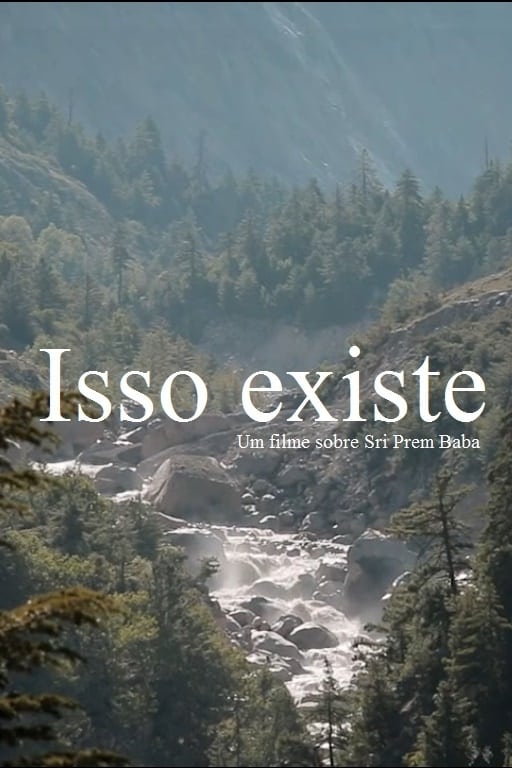
As we follow the wandering of a young father and his son through the Valley of Ganga, in India, we listen the issues which across the story of a couple: from the unexpected birth of their child and the joy of the beginnings to their common decision to separate.
NASA film documenting the launch and commissioning of AzTechSat-1, a pioneering one-to-one communications satellite in space.
The Emmy-winning story of how an American treasure hunter and a Mexican artist transformed a dying desert village into a home for world-class art.
The story of Astral, champion show jumping and his path to national competitions.
Octavio Ocampo is the creator of the metamorphic style painting technique, a technique of overlapping and juxtaposing realistic and figurative details within the images he creates. This is his story.
The story of Sri Prem Baba, spiritual master and humanitarian leader with followers around the world, begins when a 14-year-old from Sao Paulo, Brazil, had a vision that said: 'go to Rishikeshi, India'. This story is delightfully told by himself leading us through the odyssey that would turn an ordinary boy into Prem Baba. Memories of friends, admirers and followers take us along the paths of the prosperous therapist who sank into a deep existential crisis and finally found India, where he would devote himself, after much debate, to his master and his destiny. A rich journey of enlightenment that brings us precious reflections on the meaning of life and the role of each one on this planet.
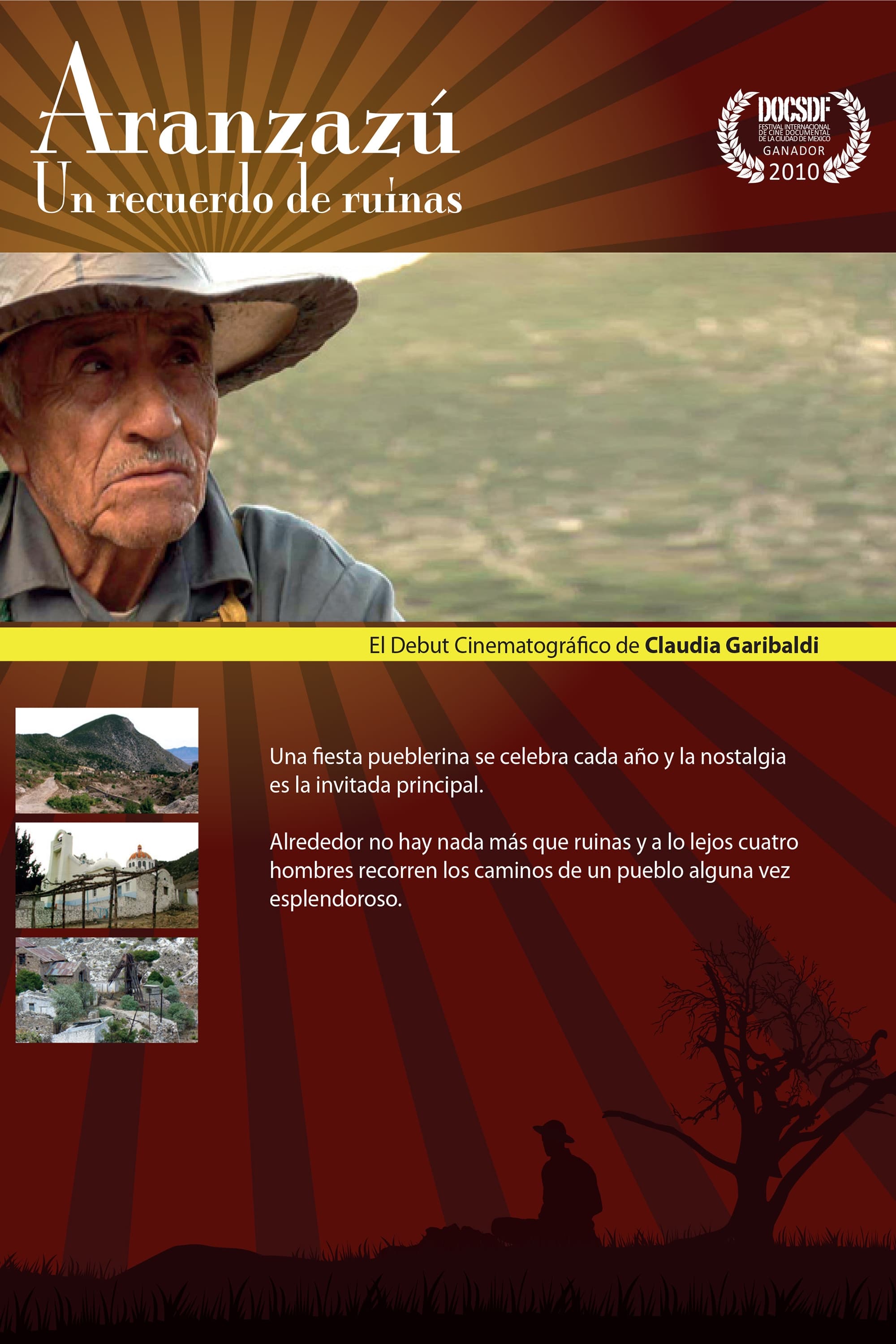
The celebration of a city is held every year and nostalgia is the main guest. Around the city there is nothing but ruins and in the distance, four men walk the streets of a city that was once great.
When Sergio Chamorro and Daniel Cruz declared their cat Morris an eligible candidate in the municipal elections of Mexico's state of Veracruz, they thought of it as a joke. But the cat's surging popularity on social media made them reconsider. Now a leading candidate, Morris's political opponents are urging citizens not to vote for the feline.
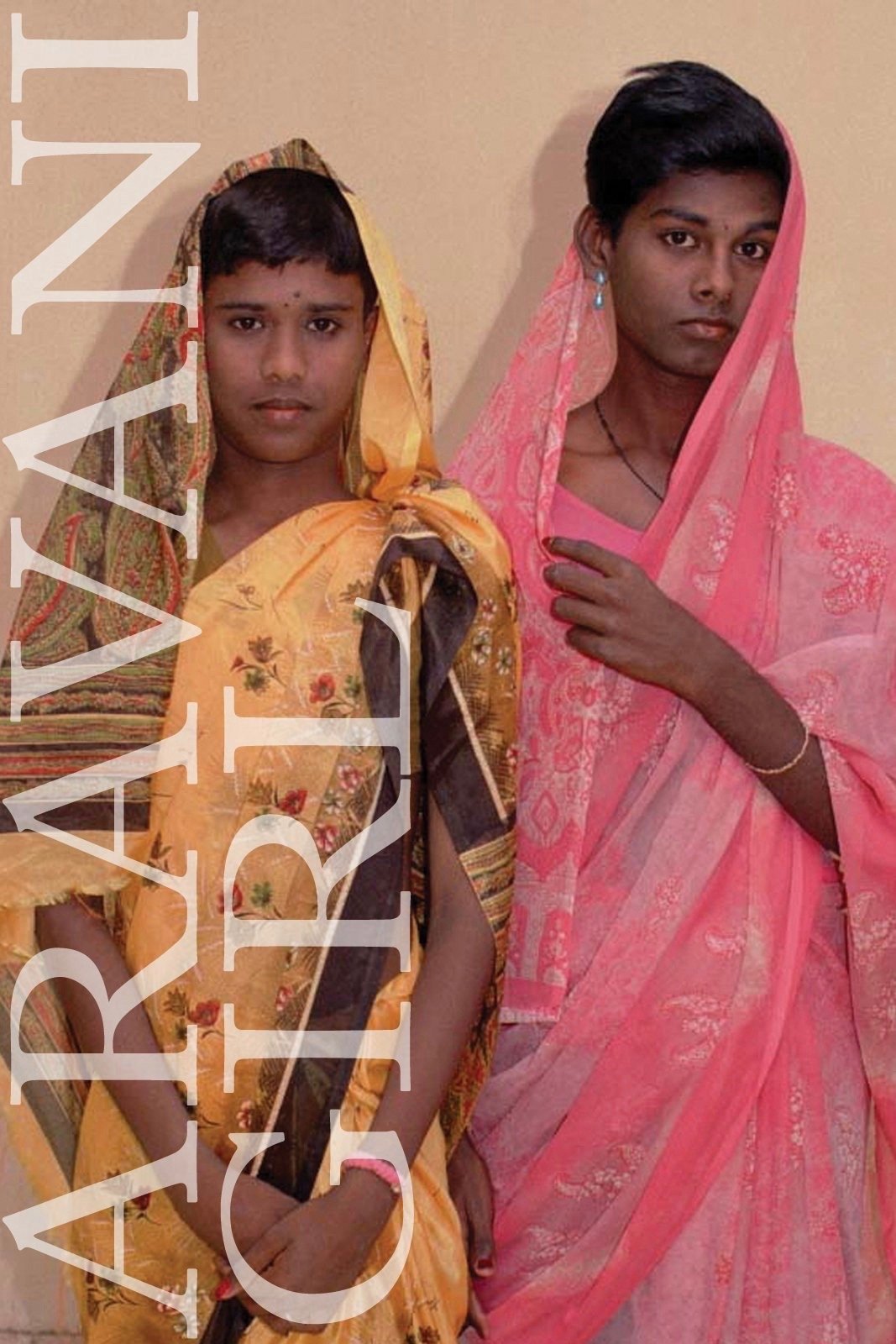
Sixteen year olds Palani and Karthik want to become "ladyboys." They're bullied in school and beaten by their families. Their parents would like to see them grow up as normal boys, but they're falling deeper and deeper into the world of the "Aravanis." Loved as dance performers but hated as homosexuals, their stories emblazon the inner conflicts of India's gender culture today.
A documentary chronicling Queen and Lambert's incredible journey since they first shared the stage together on "American Idol" in 2009.
A documentary about the life and films of director John Ford.
Ranjit, a farmer in India, takes on the fight of his life when he demands justice for his 13-year-old daughter, the victim of a brutal gang rape. His decision to support his daughter is virtually unheard of, and his journey unprecedented.
A look at the origins, history and conspiracies behind the "Majestic 12", a clandestine group of military and corporate figureheads charged with reverse-engineering extraterrestrial technology.
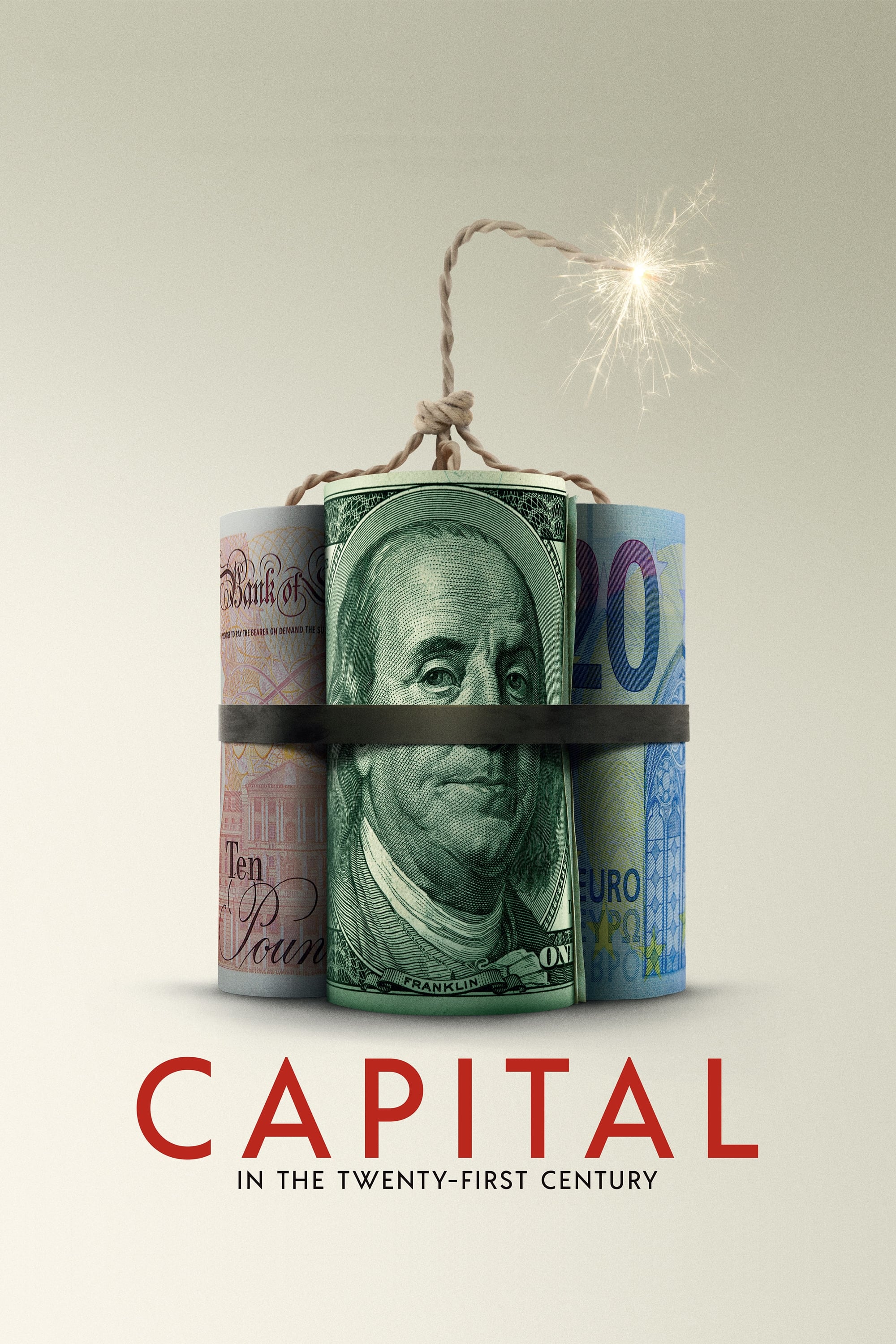
Film adaptation of French economist Thomas Piketty's ground-breaking global bestseller of the same name: an eye-opening journey through wealth and power.
A visual montage portrait of our contemporary world dominated by globalized technology and violence.
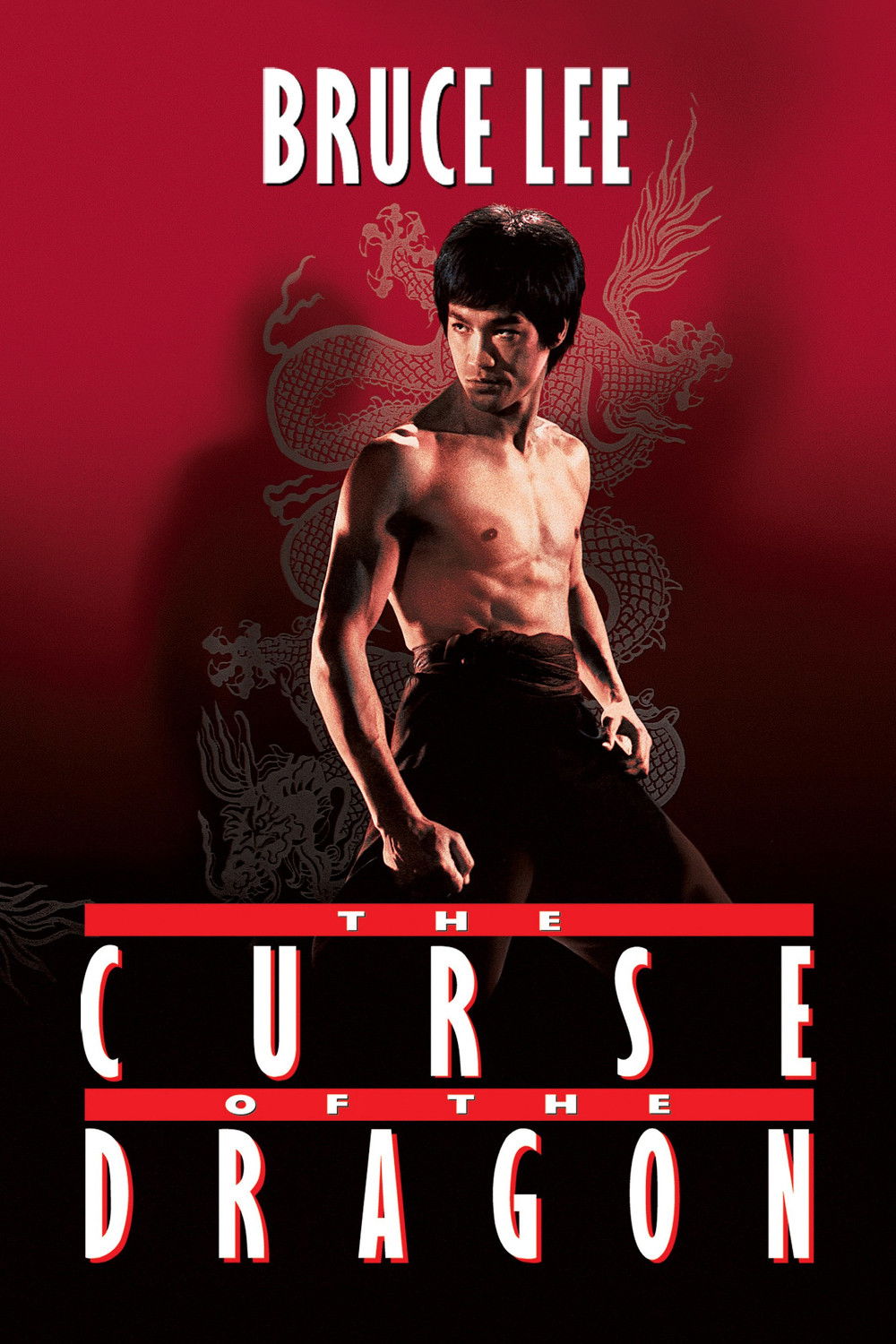
A 1993 documentary film about Bruce Lee. The film includes interviews from some of his fellow students and opponents who worked alongside him in his movies.
In an intimate and joyful story of love in the face of loss, celebrated poets Andrea Gibson and Megan Falley find strength—and unexpected hilarity—in what might be their final year together.
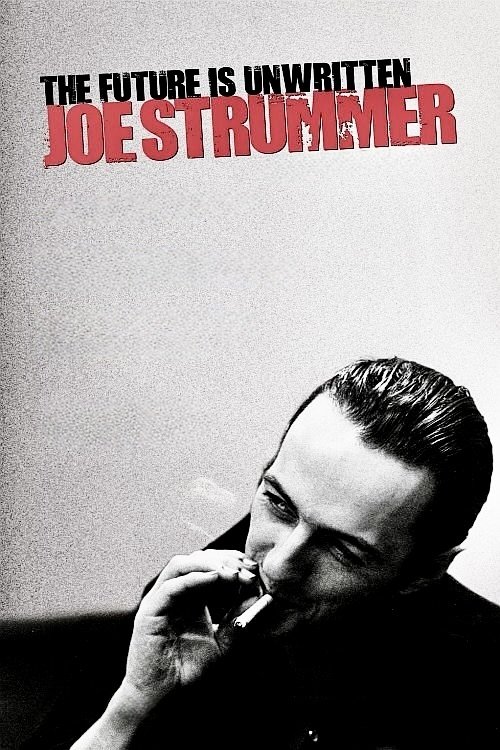
As the front man of the Clash from 1977 onwards, Joe Strummer changed people's lives forever. Four years after his death, his influence reaches out around the world, more strongly now than ever before. In "The Future Is Unwritten", from British film director Julien Temple, Joe Strummer is revealed not just as a legend or musician, but as a true communicator of our times. Drawing on both a shared punk history and the close personal friendship which developed over the last years of Joe's life, Julien Temple's film is a celebration of Joe Strummer - before, during and after the Clash.
An inside look at one of the most anticipated movie sequels ever with James Cameron and cast.
The film is based on interviews with 2,000 women from 50 countries, and covers the status of women all over the world. The topics covered include forced marriages, sexual assault, female genital mutilation, acid attacks, motherhood, sexuality, menstruation, education and the professional success of women.
A string of threatening emails escalates into a revenge plot involving a newly married US marshal and his ex-girlfriend.
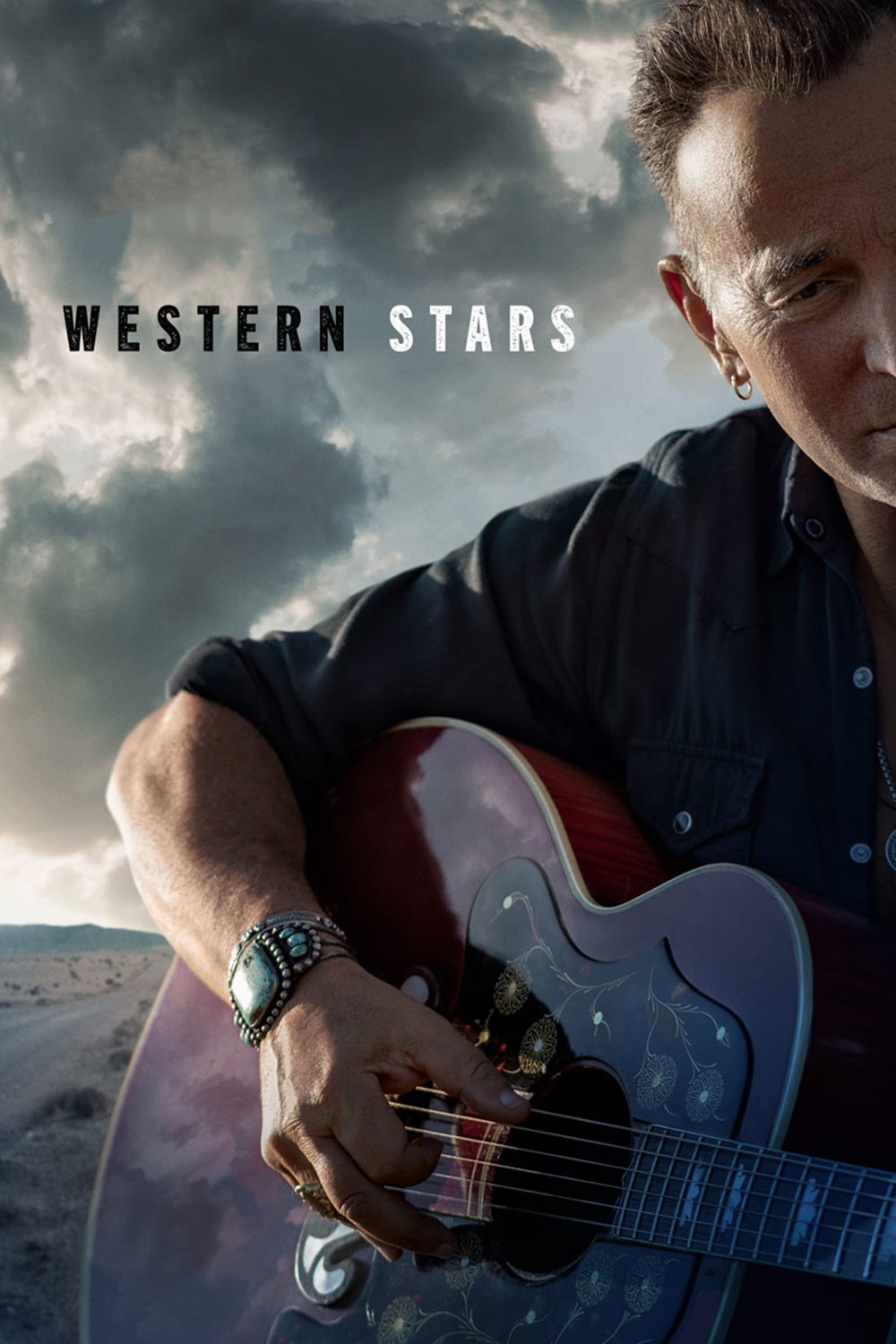
The incomparable Bruce Springsteen performs his critically acclaimed latest album and muses on life, rock, and the American dream, in this intimate and personal concert film co-directed by Thom Zimny and Springsteen himself.
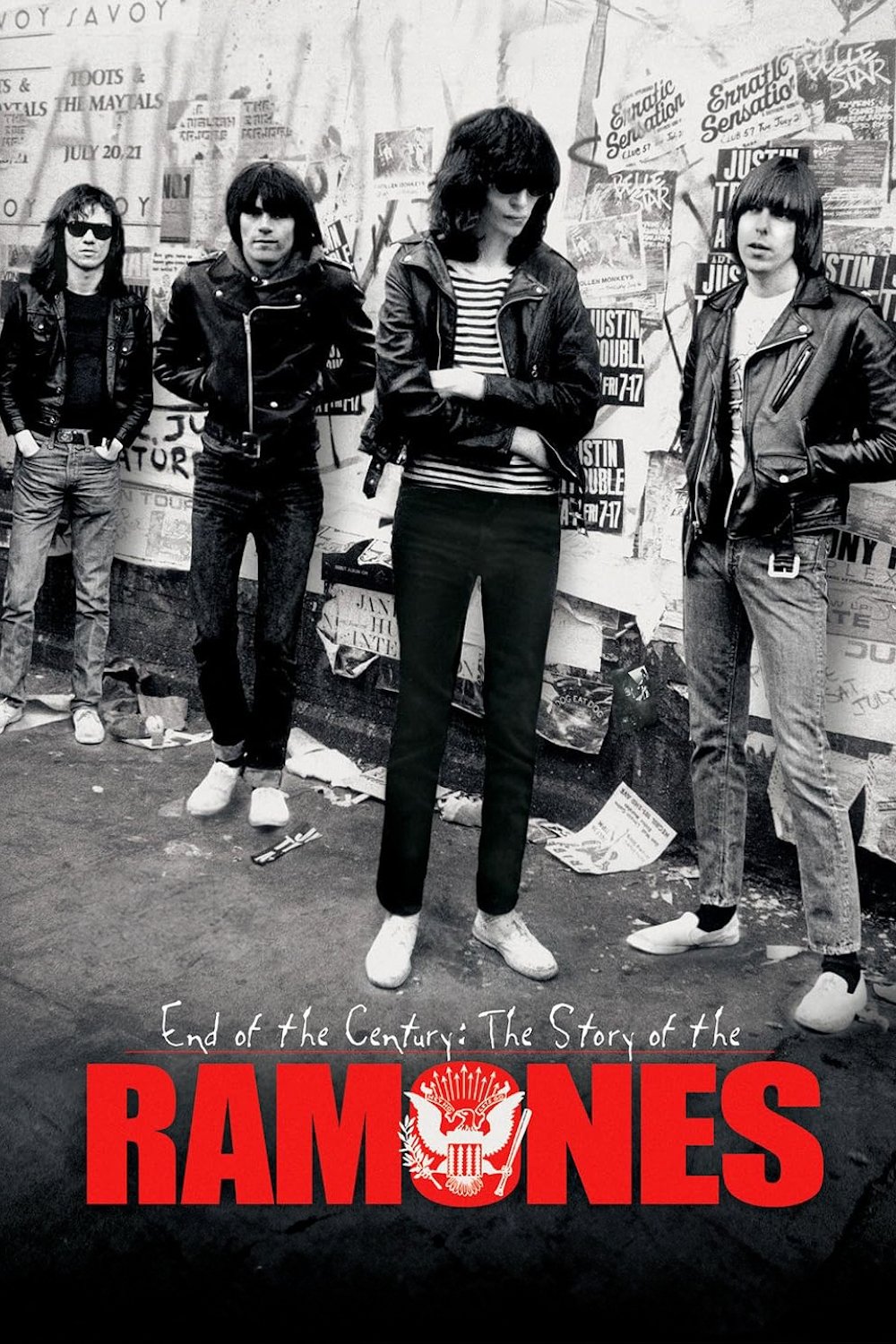
A years-in-the-making documentary on the legendary punk band the Ramones. Through a mixture of archival footage, archival and new interviews with all members of the band's various lineups, and new interviews with a number of their contemporaries, the film traces the peaks and valleys the band experienced over the course of its 20-plus year career before disbanding in 1995.
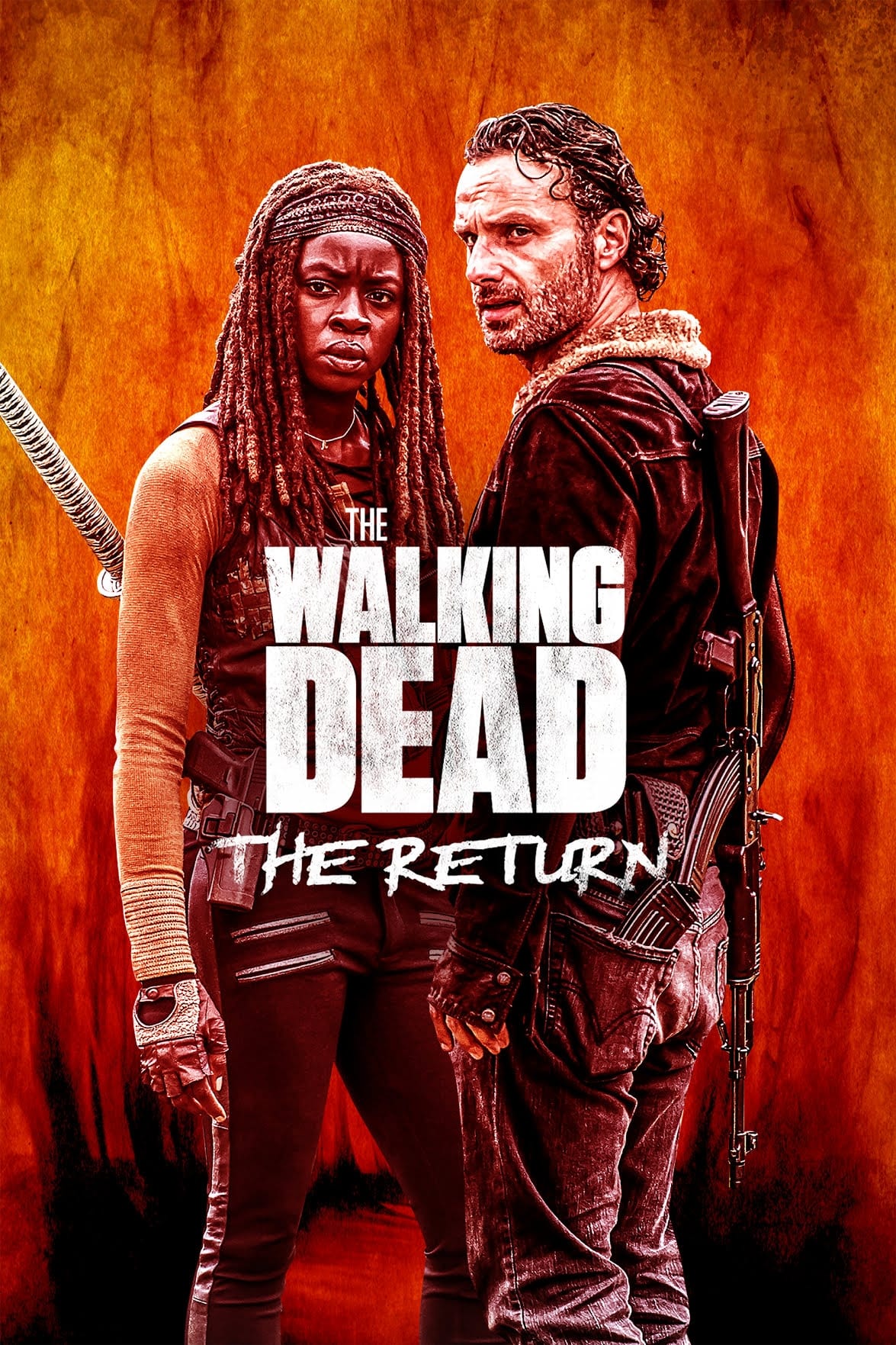
Stars of "The Walking Dead," Andrew Lincoln and Danai Gurira, walk down memory lane and visit iconic locations where pivotal moments between their characters, Rick and Michonne, were filmed.
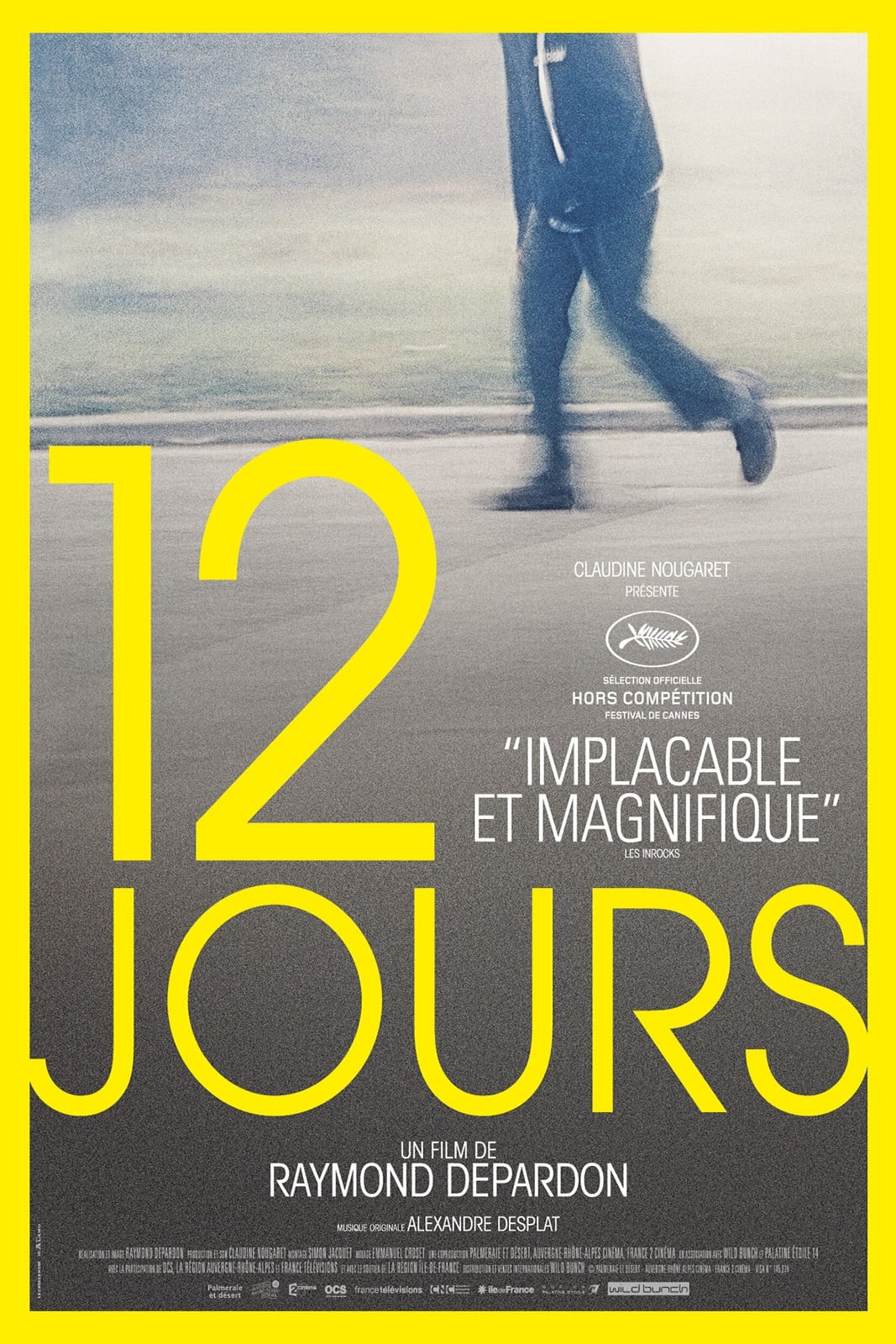
A new documentary by filmmaker-photographer Raymond Depardon – where justice and psychiatry meet.
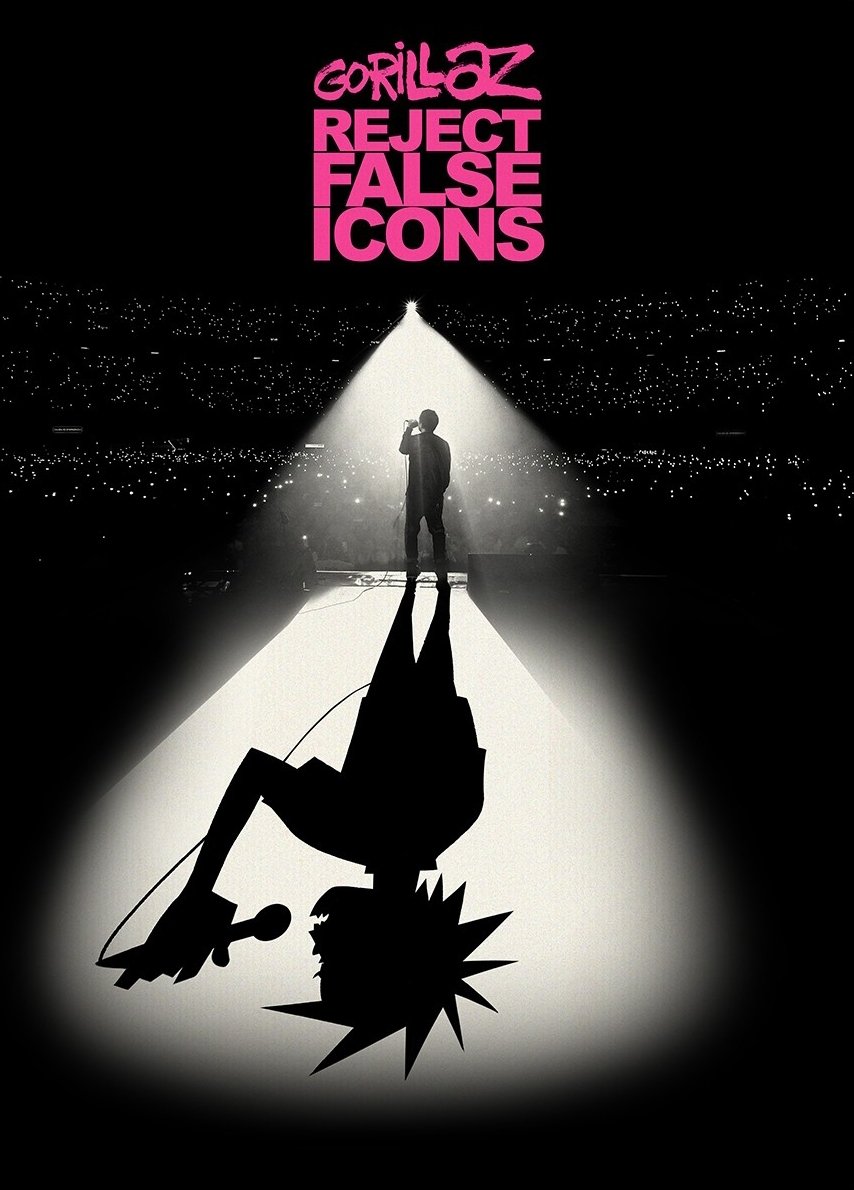
Focused on the life of the band and their collaborators over the 3 vital years in which they developed critically acclaimed albums, 'Humanz' and 'The Now Now', and undertook their most ambitious world tour to date.
An intimate conversation between filmmakers, chronicling De Palma’s 55-year career, his life, and his filmmaking process, with revealing anecdotes and, of course, a wealth of film clips.
A detailing of the rise to prominence and global sporting superstardom of six supremely talented young Manchester United football players (David Beckham, Nicky Butt, Ryan Giggs, Paul Scholes, Phil and Gary Neville). The film covers the period 1992-1999, culminating in Manchester United's European Cup triumph.
Grammy® winner singer-songwriter Olivia Rodrigo takes a familiar road trip from Salt Lake City, where she began writing her debut album “SOUR,” to Los Angeles. Along the way, Rodrigo recounts the memories of writing and creating her record-breaking debut album and shares her feelings as a young woman navigating a specific time in her life. Through new live arrangements of her songs, intimate interviews and never-before-seen footage from the making of the album, audiences will follow Olivia along on a cinematic journey exploring the story of “SOUR.”