With no wet-suit, no breaks, or physical support, Rachel Horn swims the Santa Barbara Channel to help the Special Olympics.
Social & External
The people behind it
Rachel Horn
Herself
Madhavpur: A Cinematic Journey" stands as a singular testament to the beauty and allure of Madhavpur village and does not encompass multiple seasons or episodes. Therefore, there is no season overview or main events per season to provide.
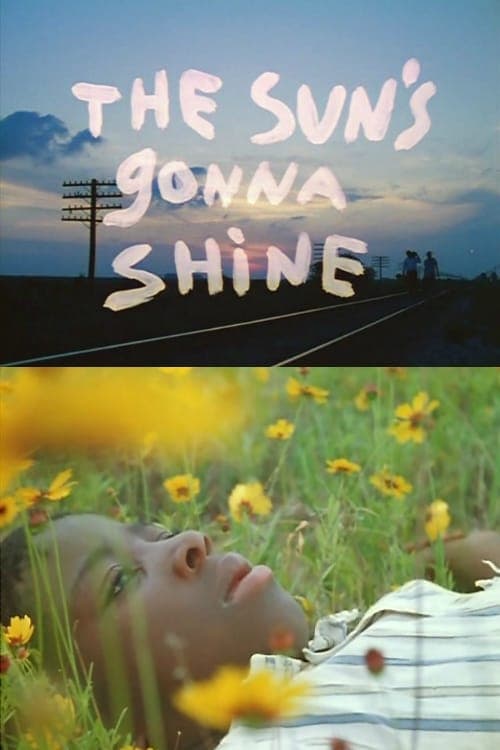
A lyrical recreation of Lightnin’ Hopkins’ decision at age eight to stop chopping cotton and start singing for a living. Preserved by the Academy Film Archive in 2013.
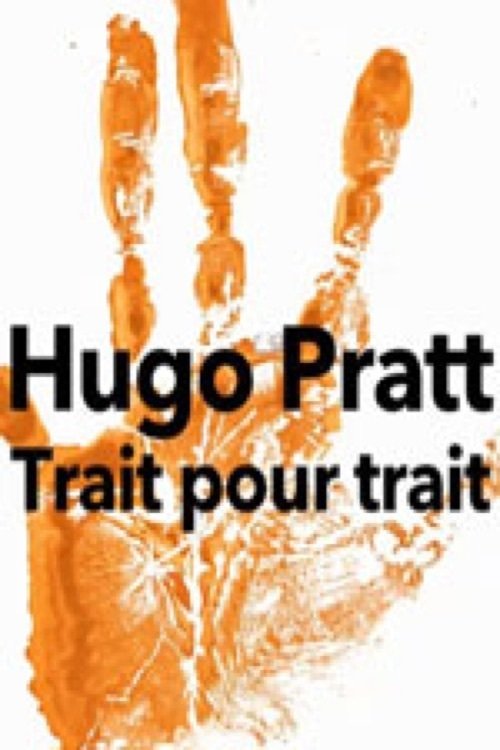
Several key words emerge from Hugo Pratt's work, inseparable from his life: travel, adventure, erudition, esotericism, mystery, poetry, melancholy... and of course, Corto Maltese, his hero and alter ego, who established him as one of the greatest names in comic books. Born in Italy in 1927 and dying in Switzerland sixty-eight years later, Hugo Pratt, born without an H and with only one T, grew up in the shadow of a fascist father who took him at a very young age to Ethiopia, which was occupied by Mussolini's forces. The teenager developed a fascination for the wide-open spaces of Africa, soon followed by an irresistible attraction to the Indian world. This was the starting point for a life of travel, success, conquests, rare failures, and marked by his veneration for the American cartoonist Milton Caniff, his absolute master.
A generational trauma through the lens of an Asian American teenager through food and poetry.
The real story about the camel ride around Mallorca, that journalist Miguel Vidal and painter Gustavo Peñalver did in 1964. Sometimes truth is stranger than fiction. This is one of them.
Tattooed hands gently glide over a rock face, probing it with the tips of the fingers. Three women, arms raised to a high boulder, appear to be in prayer. Hidden in a cave, two others stare at their bloody palms. Touching Rocks depicts bouldering as a pagan ritual.
The End of Stories is an animated documentary dome film about our inability to understand the present or imagine the future. The 4th installment in the “Corona Voicemails” series, the film showcases a collage of 37 perspectives from around the world of people coping with the turbulence of pandemic life.
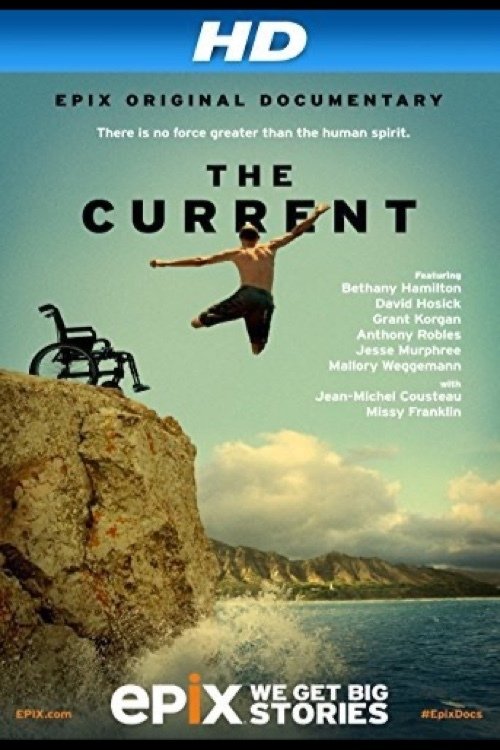
The story of individuals from all walks of life that have faced incredible obstacles, found the drive to overcome their disabilities, and have through water sports become real everyday heroes.
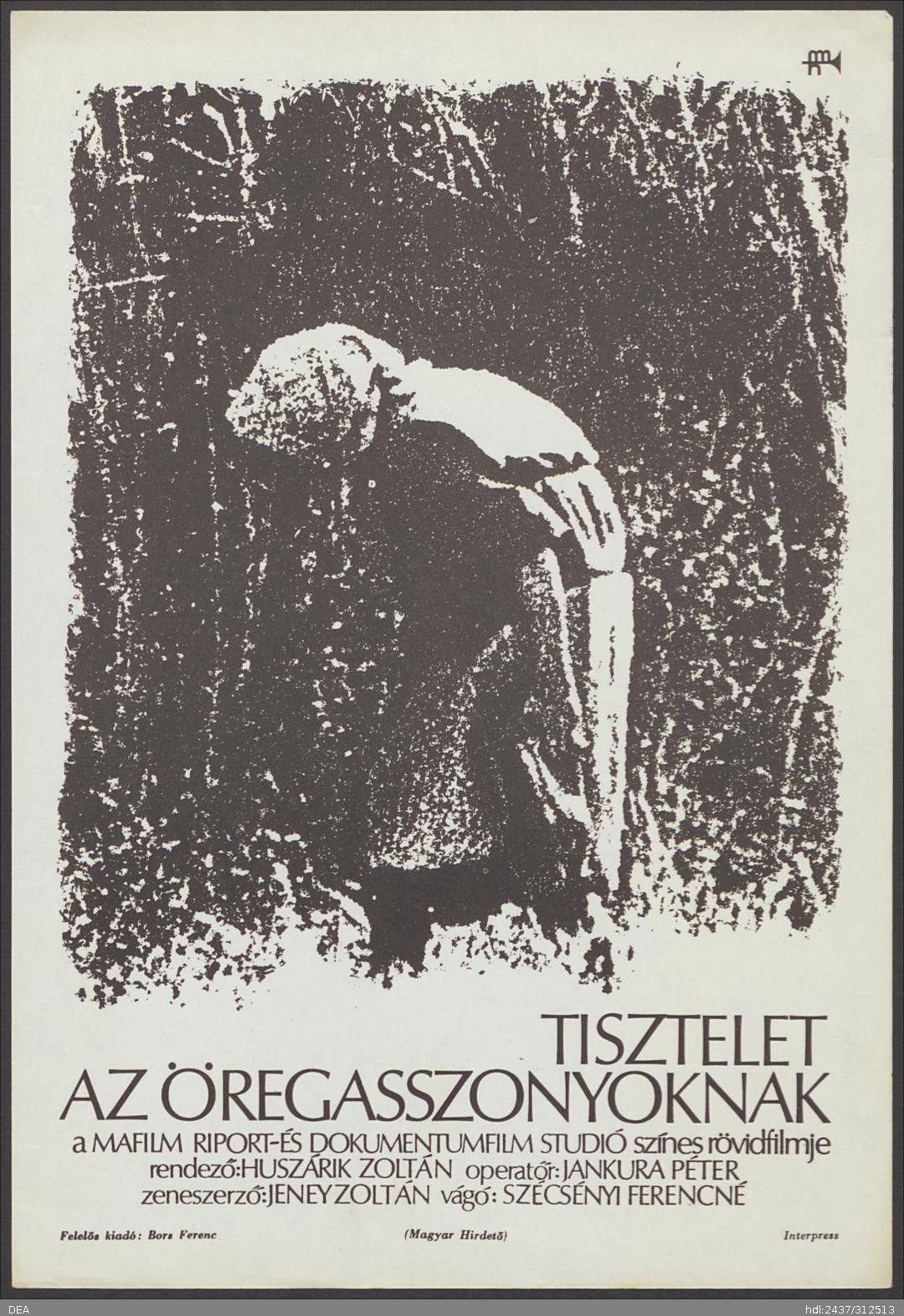
World wars pick their victims not only from those serving on the front line, women and mothers who have lost husbands and sons in battle also become victims. All that is left of loved ones are yellowing photographs, curling postcards from staging posts and crumbling graves – and a gaping loss shouldered over decades. Yet we rarely consider the grief of those who remained at home. This short by Zoltán Huszárik shares in this mourning.
An experimental film about life on earth as a cosmic experiment and the curiosity and naivete of reaching out to alien life.
Documentary on industrial lubrification.
Chiyo is a poetic exploration of the suburbs in Japan through the filmmaker’s reflection on the life of her grandmother. With a series of everyday moments in Yashio from a summer fair to Buddhist rituals, the film embodies micro-narratives, seeking cinema’s ability to offer a contemplative space.
The story of a unique Georgian musician - Gia Iashvili, who makes music for the sake of creating and remains little-known in his own country.
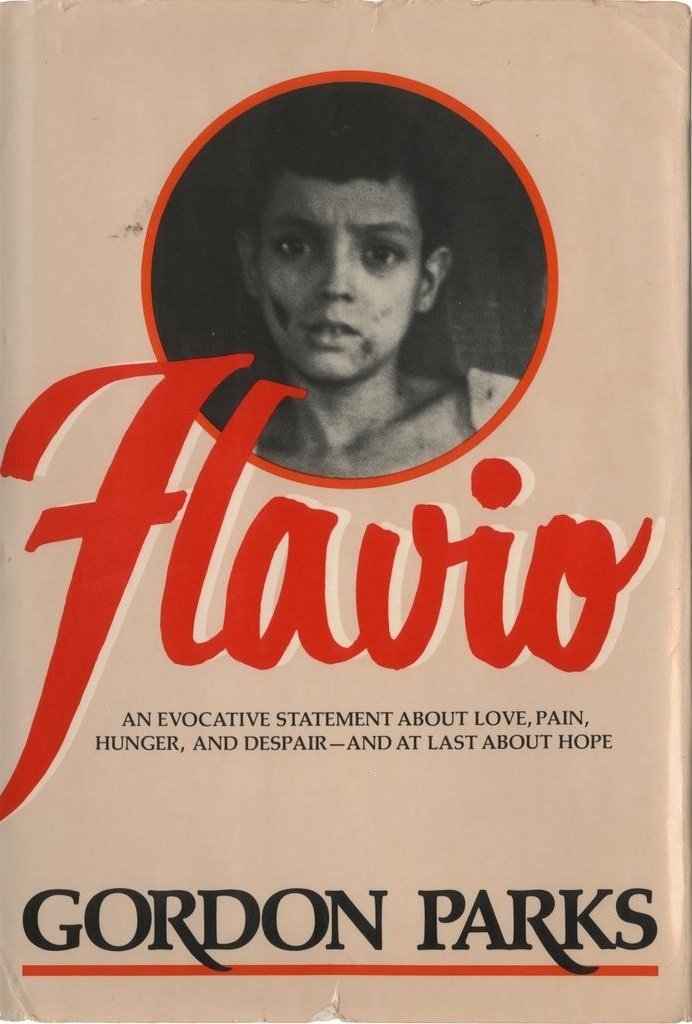
Documentary about a boy living with his family in extreme poverty in Rio de Janeiro.
Short docudrama exploring the history of sex in the homosexual community from the 1970s to the present day, and how the internet has changed the way gay men meet forever.
An autobiographical, partly animated, documentary about a filmmaker striving for a better future as a survivor of childhood sexual assault.
Dialogue-free short detailing the daily tasks of a man and his wife.
A string of threatening emails escalates into a revenge plot involving a newly married US marshal and his ex-girlfriend.
Daniel Craig candidly reflects on his 15 year adventure as James Bond. Including never-before-seen archival footage from Casino Royale to the upcoming 25th film No Time To Die, Craig shares his personal memories in conversation with 007 producers, Michael G Wilson and Barbara Broccoli.
A feature length documentary about the all-women team at the helm of Pixar's original feature, Turning Red. With unprecedented behind-the-scenes access to Director Domee Shi and her core leadership crew, this story shines a light on the powerful professional and personal journeys that brought this incredibly comical, utterly relatable, and deeply heartfelt story to the screen.
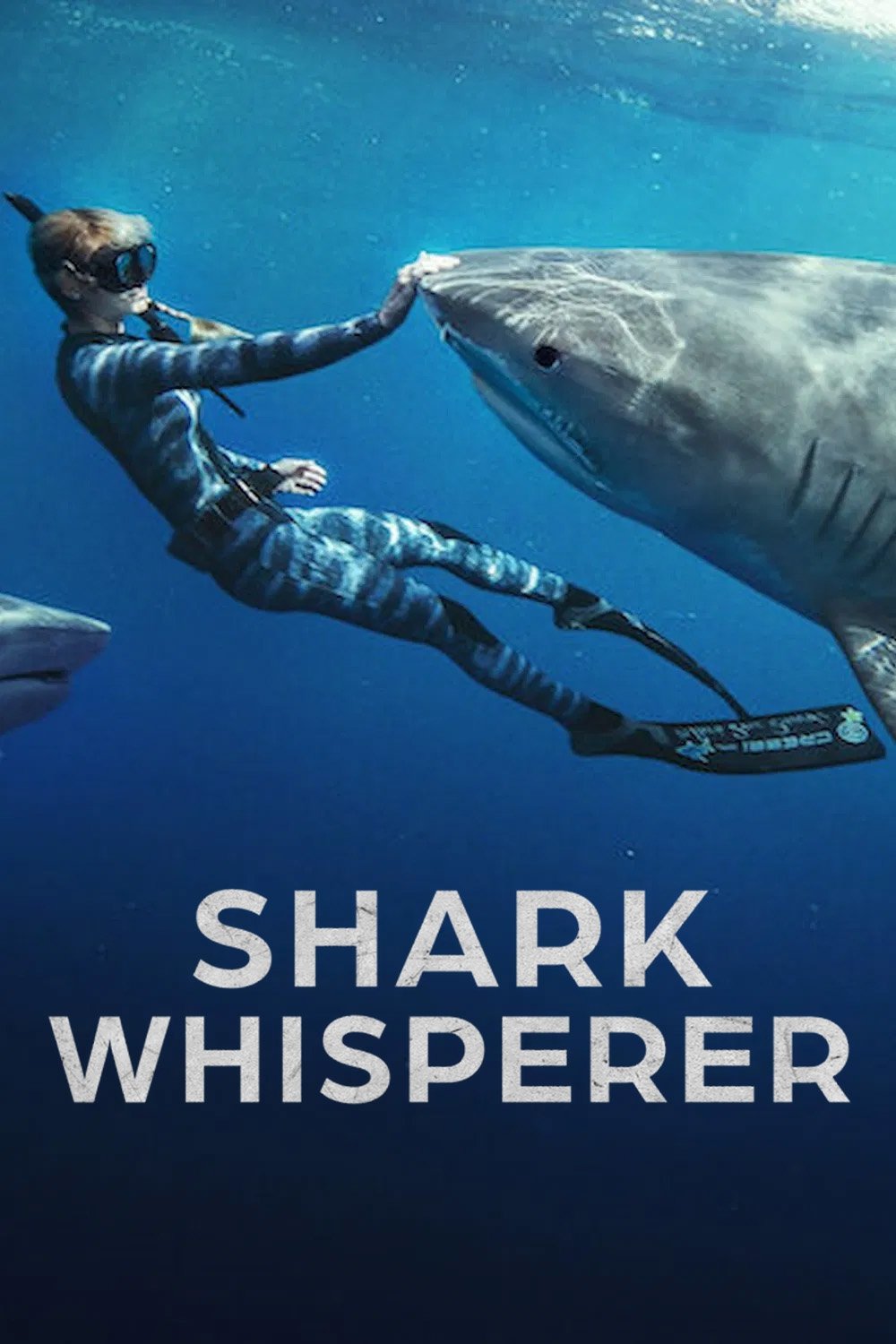
Marine conservationist and social media activist Ocean Ramsey fearlessly swims with sharks in this documentary about her risky mission to protect them.
Over 35 years after Bob Lazar's revelations, this documentary exposes secrets of a facility the government still denies. Featuring Lazar's testimony, recreations, and new evidence, it reopens a case that continues to spark global curiosity
The Making-of James Cameron's Avatar. It shows interesting parts of the work on the set.
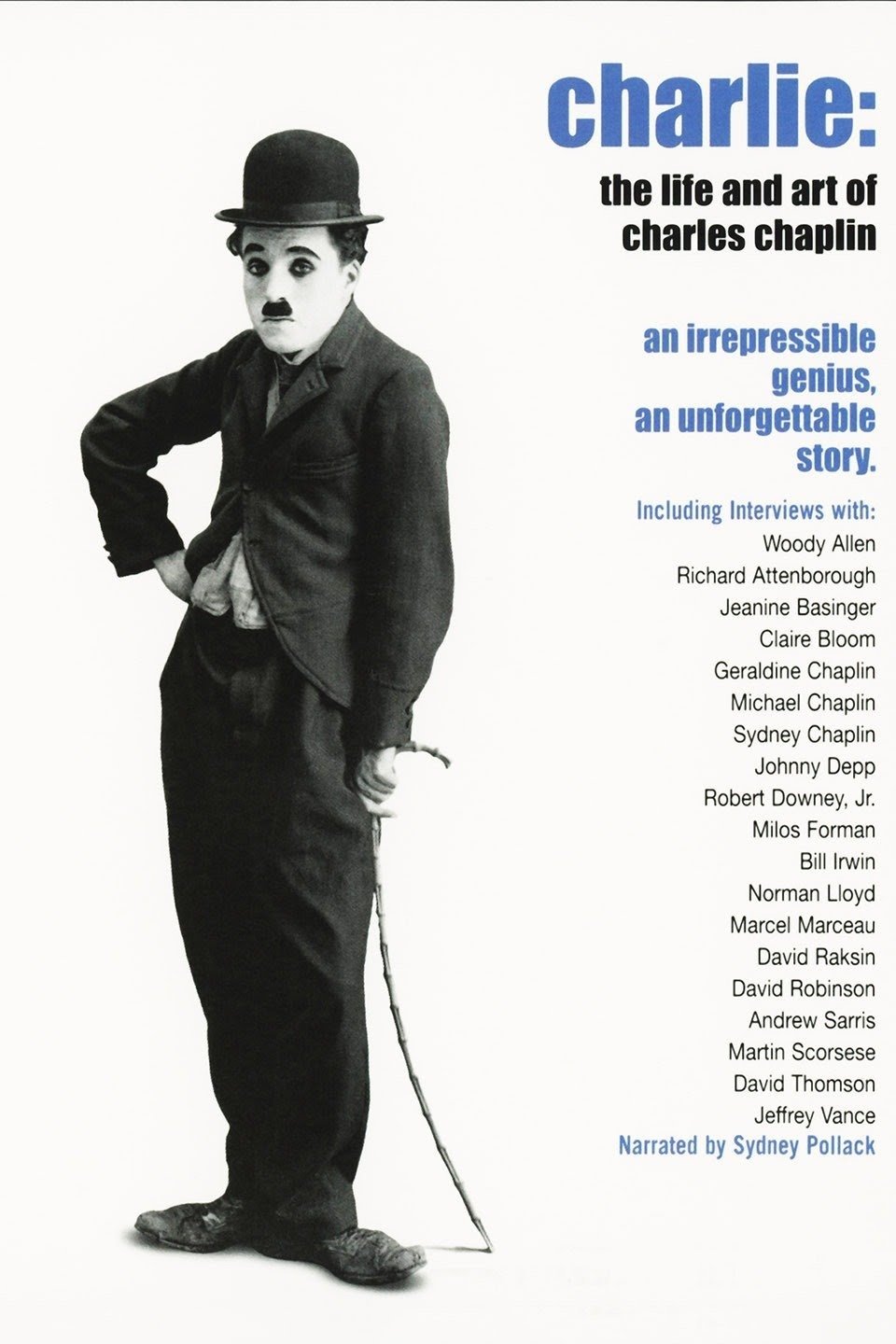
Brilliant, long in-the-works story of the life and art of the world's greatest comedian and the cinema's first genius, Charlie Chaplin. Produced, written and directed by renowned film critic Richard Schickel.
Featuring interviews with filmmakers and industry legends, discover the origins and evolution of The Joker, and learn why The Clown Prince of Crime is universally hailed as the greatest comic-book supervillain of all time.
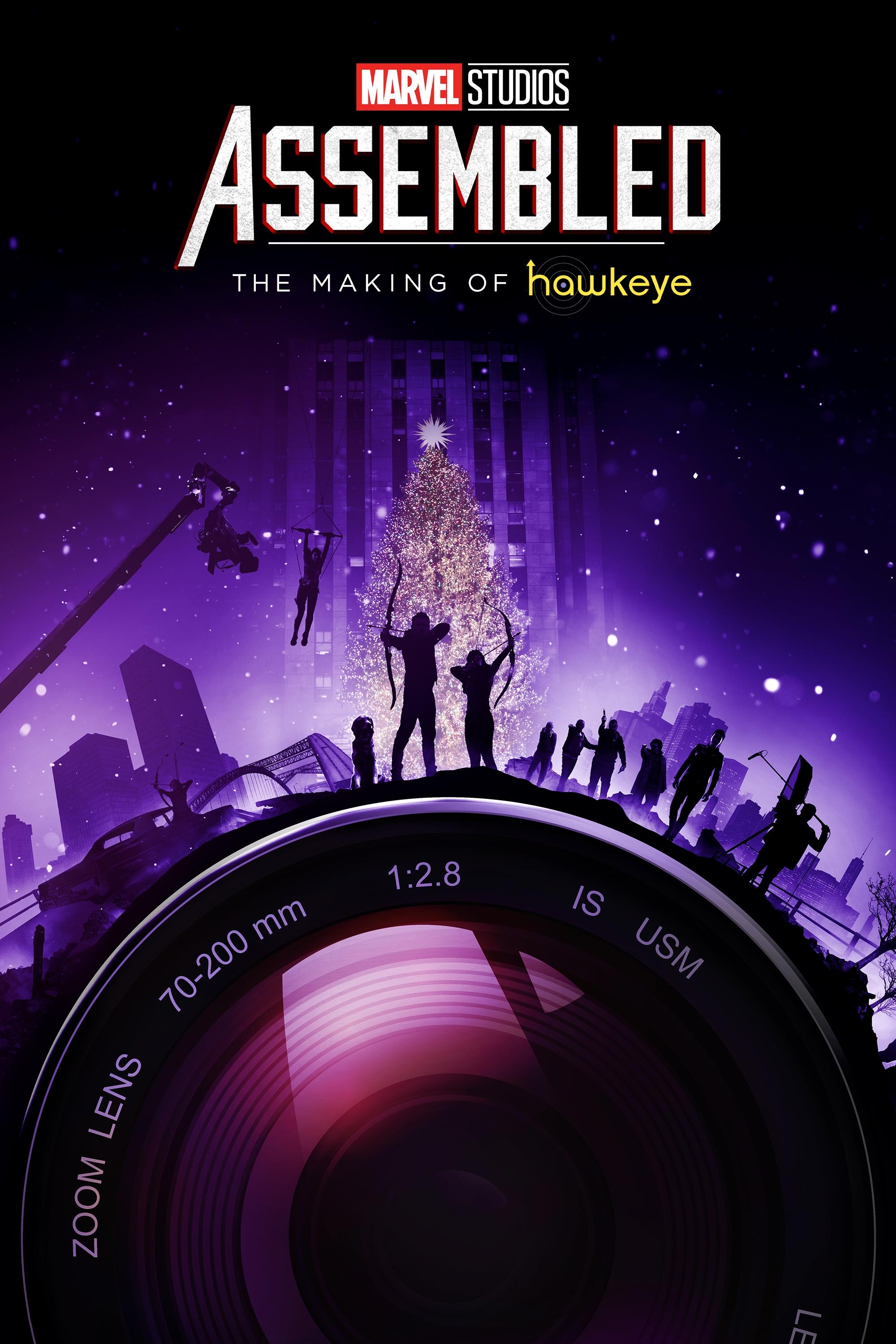
Join the likes of Jeremy Renner, Hailee Steinfeld, Florence Pugh, and Vincent D’Onofrio as they reveal how Marvel Studios’ “Hawkeye” was conceived and created. Witness firsthand what it took to pull off the show’s pulse-pounding action set pieces, and discover how iconic characters from the pages of Marvel Comics such as Kate Bishop were adapted and brought to life for the six-episode series.
The life and career of an actor, artist, and icon. His own journey through his own camera.
Artists in LA discover the work of forgotten Polish sculptor Stanislav Szukalski, a mad genius whose true story unfolds chapter by astounding chapter.
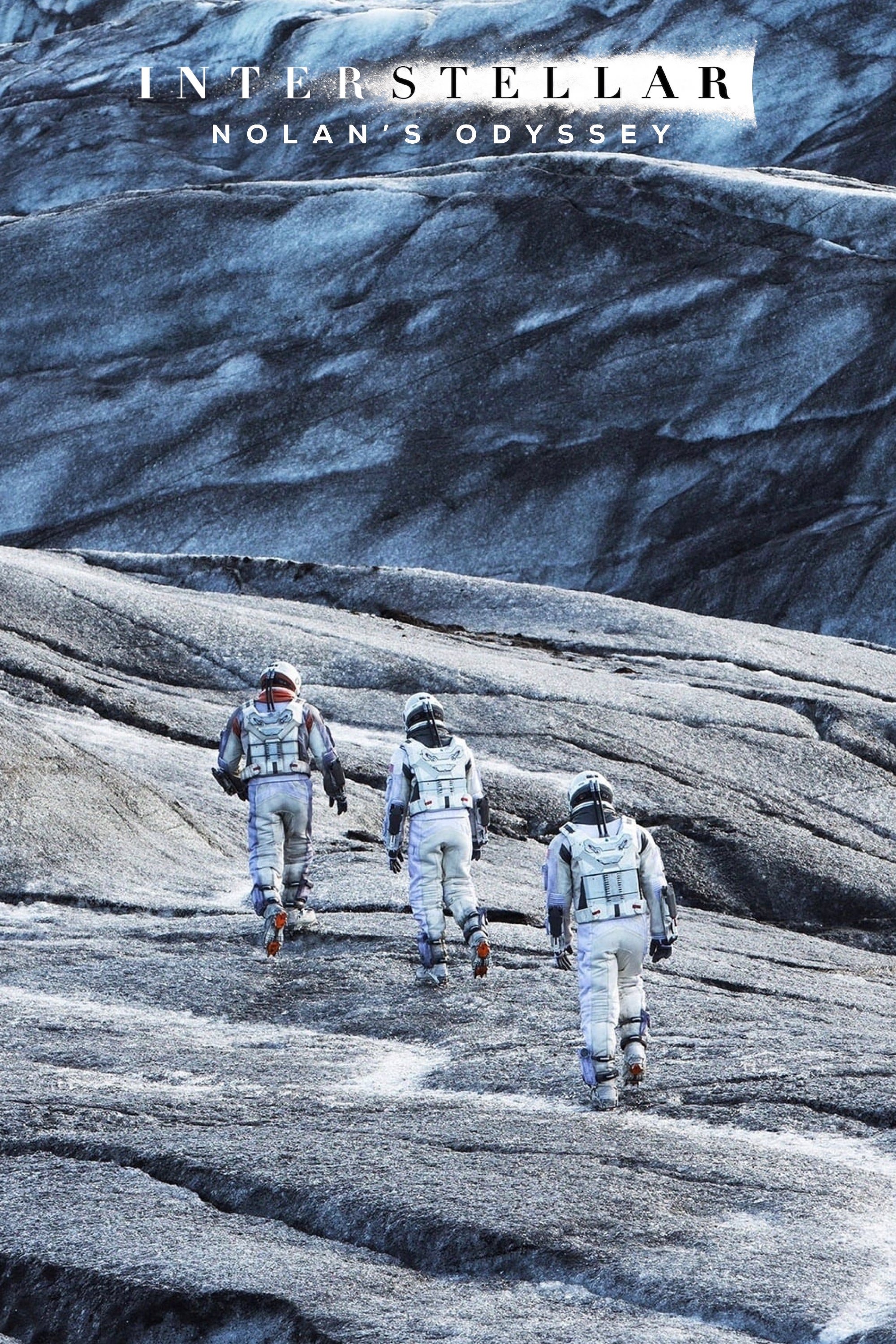
A look behind the lens of Christopher Nolan's space epic.
An inside look at one of the most anticipated movie sequels ever with James Cameron and cast.
SEDUCED AND ABANDONED combines acting legend Alec Baldwin with director James Toback as they lead us on a troublesome and often hilarious journey of raising financing for their next feature film. Moving from director to financier to star actor, the two players provide us with a unique look behind the curtain at the world's biggest and most glamourous film festival, shining a light on the bitter-sweet relationship filmmakers have with Cannes and the film business. Featuring insights from directors Martin Scorsese, 'Bernando Bertolucci' and Roman Polanski; actors Ryan Gosling and Jessica Chastain and a host of film distribution luminaries.
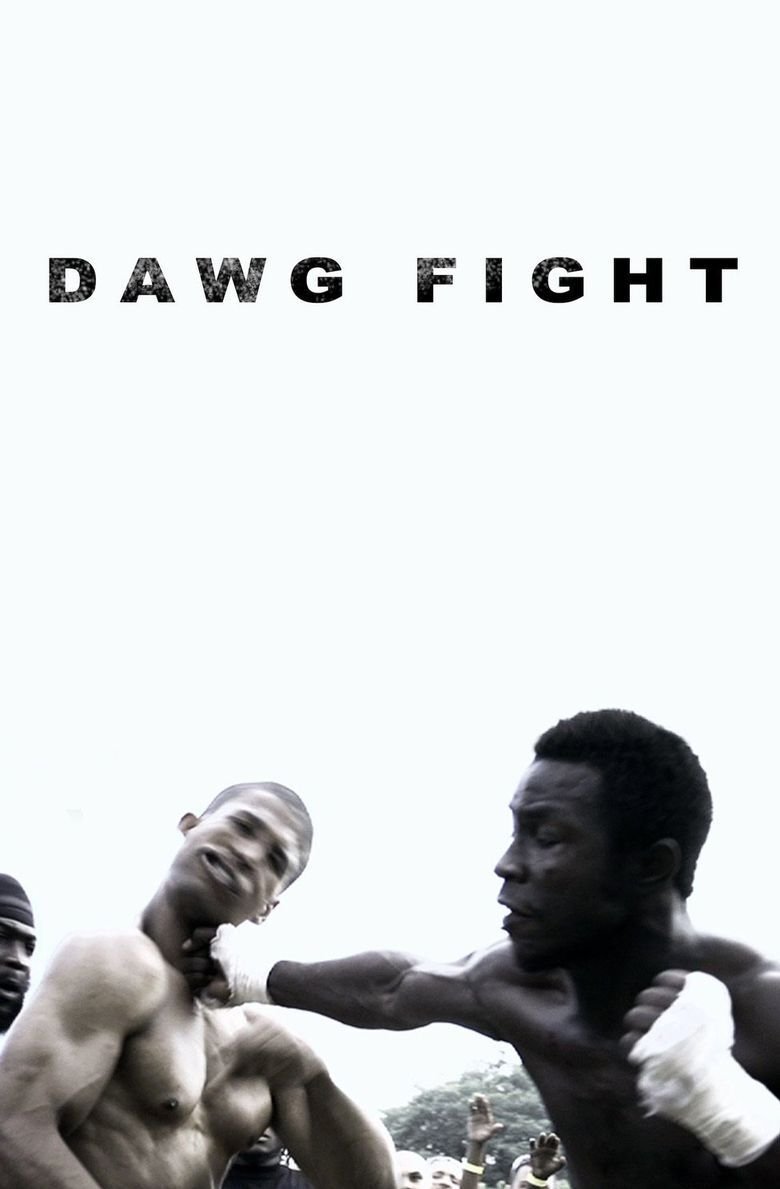
In a crime-plagued neighborhood near Miami, brutal, bare-knuckled backyard fights give young men a chance to earn money -- and self-respect.
JB Smoove and Martin Starr host a celebration of 20 years of "Spider-Man" movies, from the Sam Raimi trilogy to Marc Webb's movies and the trio from Jon Watts.
Through deeply personal interviews with her siblings and an examination of the photographs, letters, and belongings left behind, Mariska assembles a new portrait of her mother Jayne Mansfield, an extraordinary and complex woman.
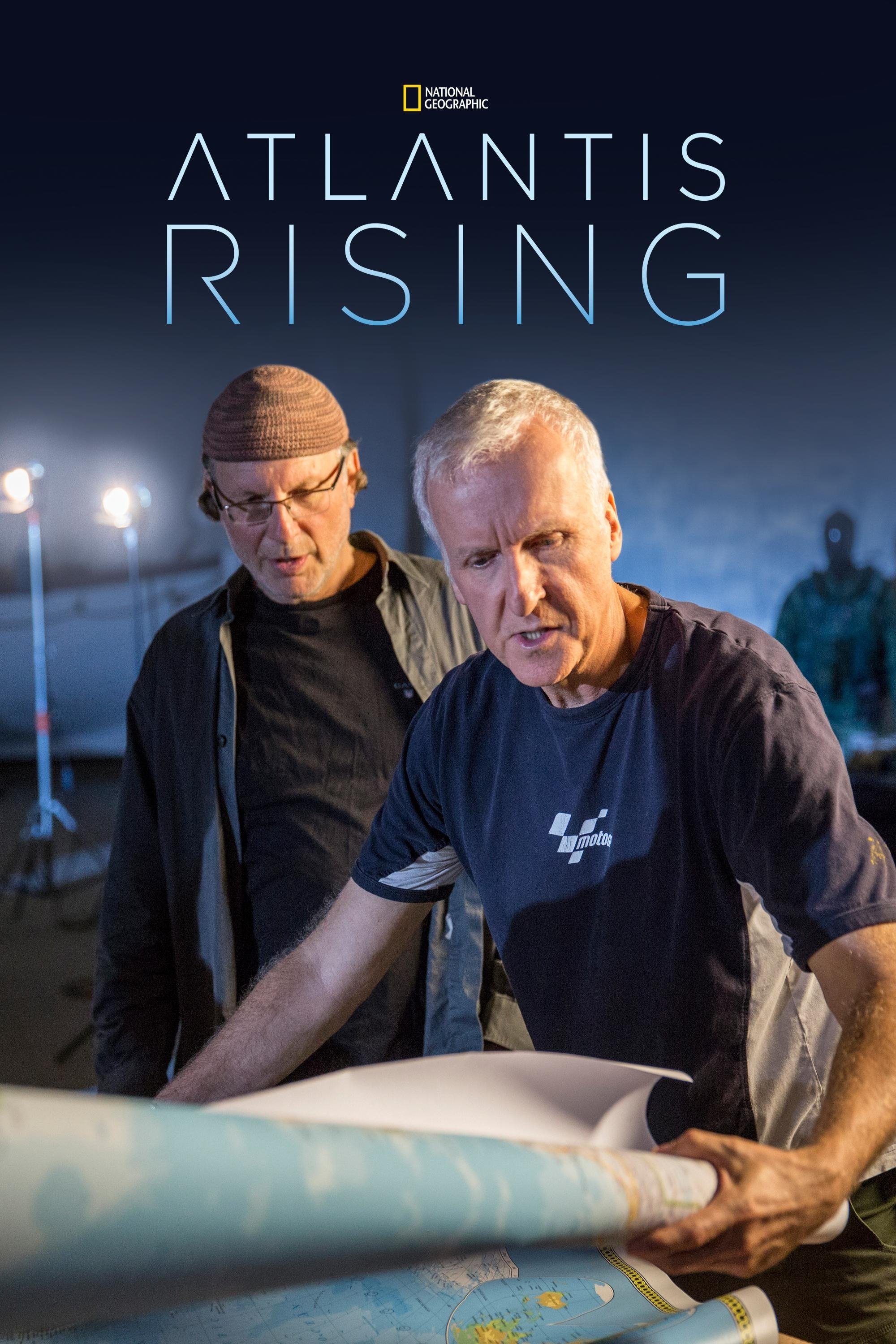
James Cameron and Simcha Jacobovici go on an adventure to find the lost city of Atlantis by using Greek philosopher Plato as a virtual treasure map.
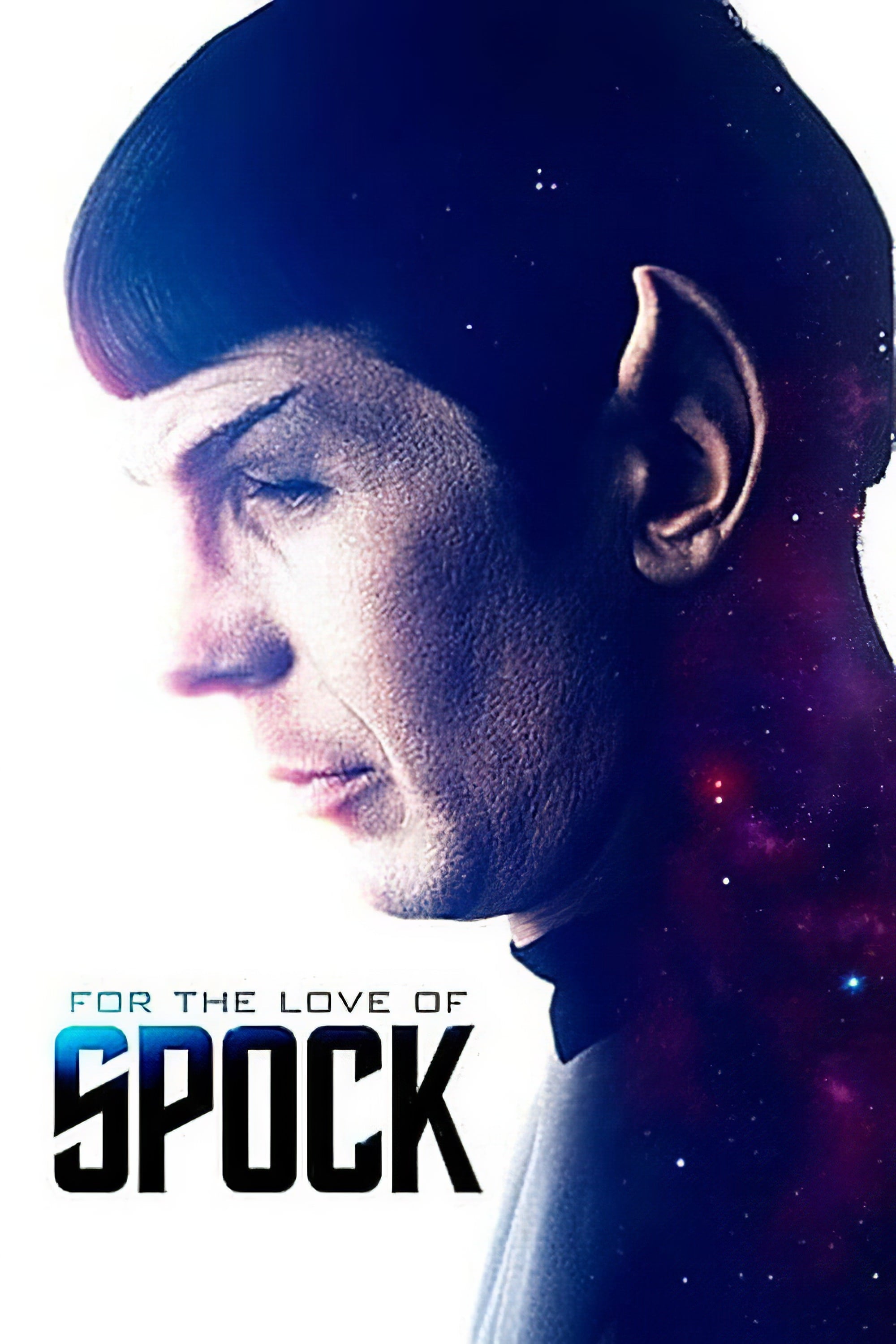
The life of Mr. Spock, as well as that of Leonard Nimoy, the actor who played him for almost fifty years, written and directed by his son: Adam.
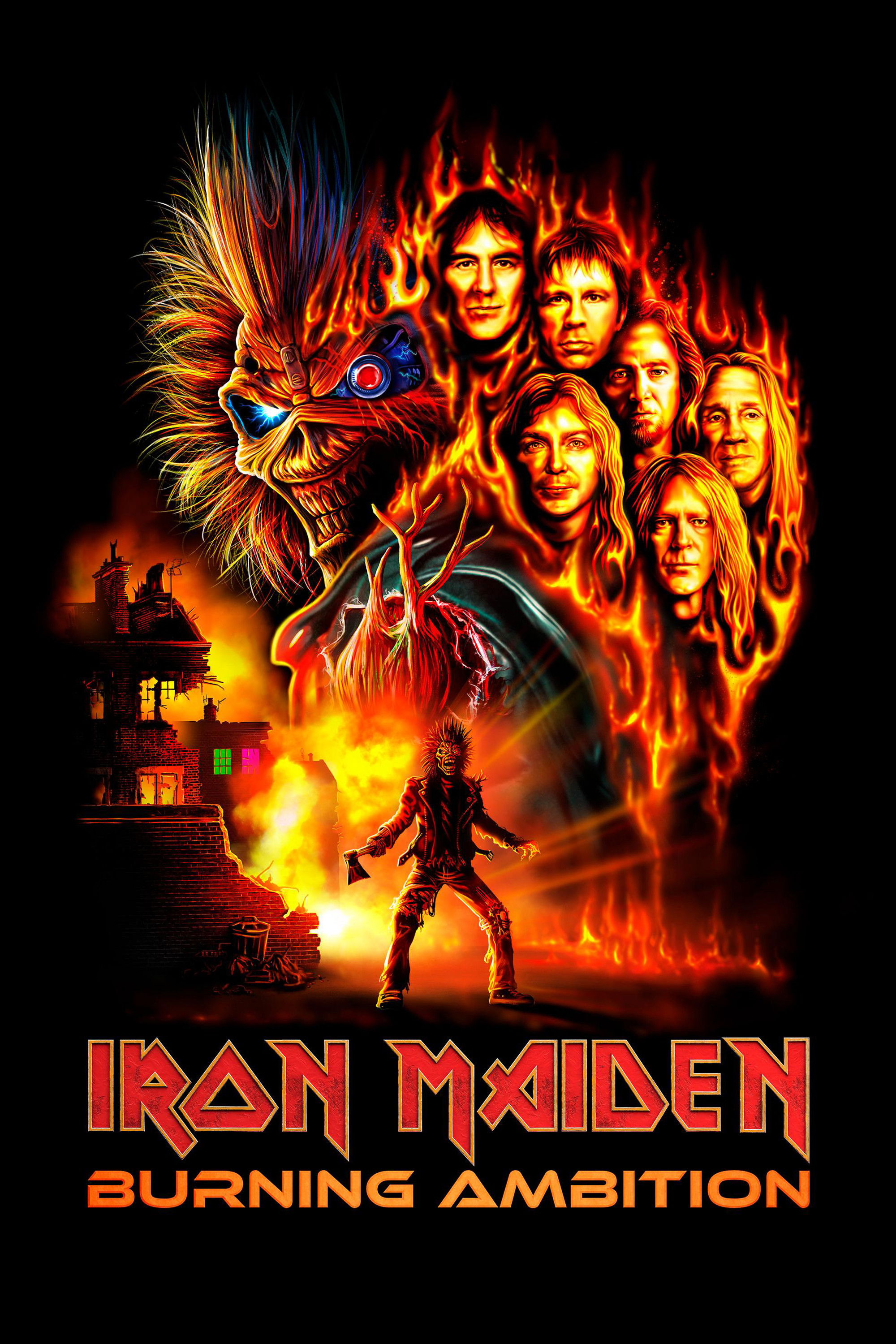
With unprecedented access to the official archives and intimate recollections from the band, both current and past, Iron Maiden: Burning Ambition invites fans to experience one of the most iconic journeys in music history. Spanning five decades, this electrifying documentary charts the band’s rise from the pubs of East London to the world’s biggest stadiums. Featuring exclusive interviews with band members and contributors such as Javier Bardem, Lars Ulrich and Chuck D, as well as all-new animated sequences of the band's legendary mascot, Eddie, the film offers a rare and intimate look at Iron Maiden’s uncompromising vision and unwavering connection with their truly global army of fans.