Social & External
The people behind it
Carolina Amaral
Tiago Correia
Noivo, Rudolfo Valentino
Keith Davis
Leonor Keil
Ângela Marques
Nuno Melo
Jorge Prendas
Two co-workers, one a vain woman and the other an awkward teenager, share an increasingly bizarre relationship after becoming roommates.
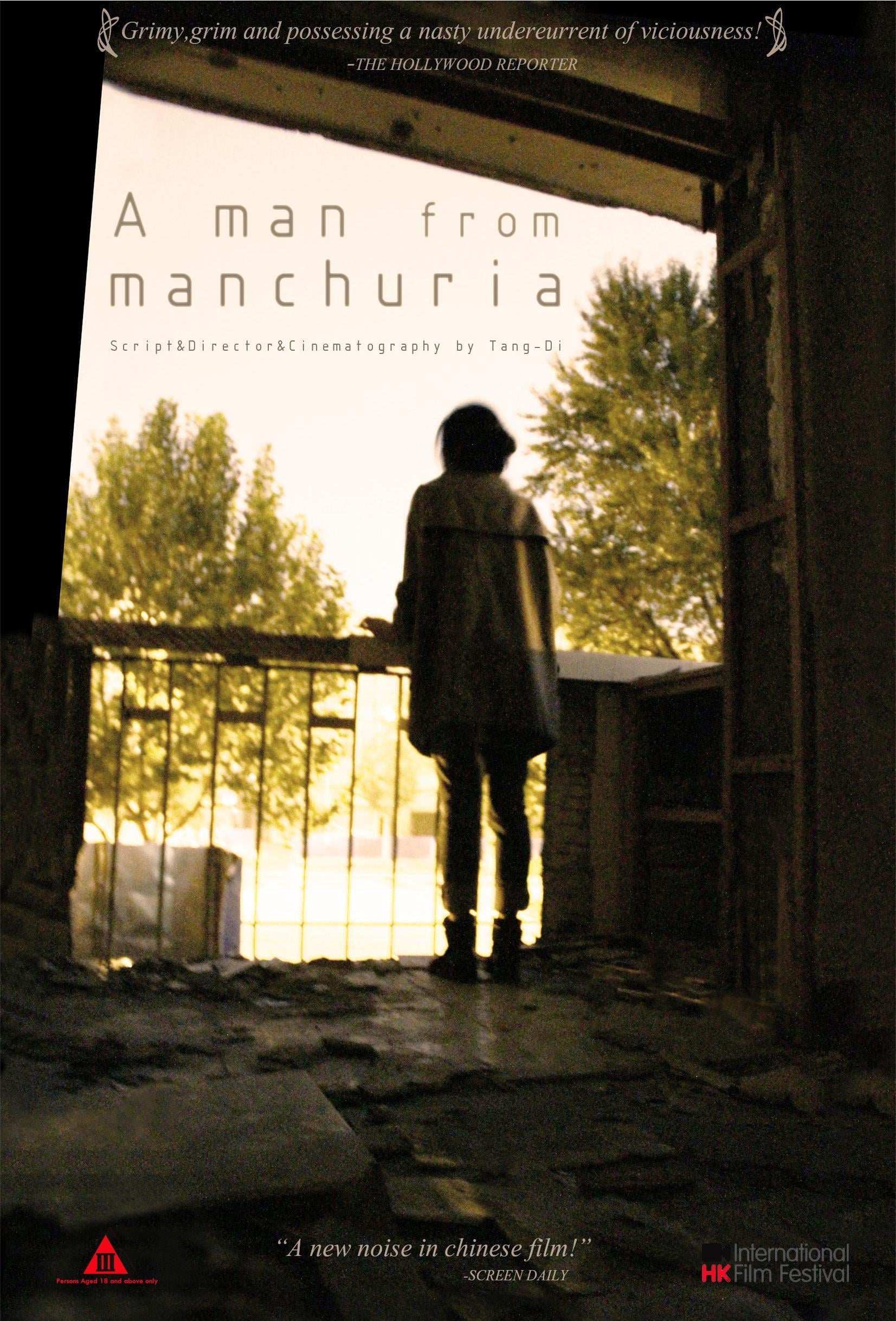
The story tracks the unhealthy and abusive relationship between an unnamed man and his wife in the days following his return to north eastern Tangshan. He's coming back to her as a wanted fugitive for a series of rapes and murders.
The veneer of the story is a tale of chance love: two French expatriates strike up a chance romance when they meet on a ship headed back to South America.
Images that take the viewer to the sea, before dark.
Without any sounds, dialogues and with unknown actors, the images are the focus of this film. Images that want to awake, to question determinant moments, state of a system's languages, the morality of deaths, the immobility, the silence, among other subjects. Shot at the height of the Brazilian military dictatorship, it is an affront to the most diverse types of repression in that period.
"We Go Past Future" is an experimental paper collage film by Anna Malina. The film reimagines a series of Soviet films from 1919 to 1953, blending them into a unique visual narrative.
A journey into a mind of an artist with creative crisis.
A short Avant-Garde experimental film
A spiral design spins. It's replaced by a spinning disk. These two continue in perfect alternation until the end: a spiral design, a disk. Each disk is labelled and can be read as it rotates. The messages, in French, feature puns and whimsical rhymes and alliteration. The final message comments on the spiral motif itself.
A couple stroll through a wintry landscape - Is this a dream? Is this Heaven?
A Japanese fairy tale meets commedia dell'Arte. All in white, the naïf Pierrot lies in a wood. Doo-wop music plays as he rises, stares about, and reaches for the moon. Although music abounds and the children of the wood are there at play, Pierrot is melancholy and alone. Harlequin appears, brimming with confidence and energy. He conjures the lovely Colombina. Pierrot is dazzled. But can the course of true love run smooth?
In a world where everyone is expected to be on point 24/7, life isn’t lived anymore — it’s performed. Always grinding. Always proving. Always “doing fine”. But the mind keeps score. And when it can’t take it anymore… the body hits pause. JEEVA is a social satire on today’s pressure culture — where being human is replaced by being perfect, and panic attacks are just the body’s way of saying: slow down. breathe. exist.
Tinskani mourns the death of his friend and mentor, Salvador. His partner, Citlali, urges him to attend the funeral with her, but Tinskani is haunted by the photograph of his friend's corpse. He'd rather wander through the town’s carnival, camera in hand, seeking to replace that ghostly portrait with new ones.
The film appears like a ritual with splendids and crypteds psalms. The Great Master of Order (Marcel Mazé, new fetish actor after Aloual) seduces the young male prey with a running cinema projector which carves Murnau's Nosferatu extracts on their bodies. Metamorphosis, rituals passages, Eros and Thanotos, illusion and reality, film into the film are the themes and images in perpetual osmosis in this Stéphane Marti's opus.
At Stamford Road in Dalston Junction of east London, the camera follows pedestrians, cars and birds while a narrator, who appears to be the director behind the camera, seems to instruct the objects.
The world shifts subtly while silent watchers already understand.
The original family is expelled from Eden and forced to face the hardships of existence. However, each of its members sees the world differently. Tensions, jealousy, and feelings of guilt lead Adam, Eve, and Cain to gang up against Abel, forcing him to make the first sacrifice.
An obsessive Vine star goes down a road of surreal imagery, as his obsession with the application develops into murder.
Eleven-year-old Yekta lives in a crumbling island mansion with her strict aunts and ailing grandfather, yearning for her absent mother. As dreams and surreal visions shape her solitude, she sets out in search of a mythical seagull with a child’s head.
The script is composed of three stories set in three different time periods and three different locations. One story takes place during an ascent of the Himalayas, another on a crossing of the Atlantic Ocean, while the third happens on an ocean-going fishing trip. The motivation/objective in every story is a quest, and hiding underneath under every motivation is the deepest level of human nature.
94-year-old Eleanor Morgenstein tries to rebuild her life after the death of her best friend. As a result, she moves back to New York City after living in Florida for decades.
A group of friends' fishing boat capsizes off the coast of Mexico and they're left alone stranded at sea and struggling for survival.
In a small village, a lonely fisherman yearning for a son is drawn to an ethereal light that links him to others and their long-buried secrets.
A street smart runner develops an intense rivalry with an equally ambitious wealthy young athlete.
A nightmarish evening unfolds for neighbors David and Robert when they accidentally hit a woman on her bike and flee the scene. While David is increasingly plagued by feelings of guilt, Robert shows no remorse and becomes overbearing and possessive.
A pair of twin brothers from East L.A. choose to live their lives differently and end up on opposite sides of the law.
Two brothers, on either side of the law, face off over organized crime in Brooklyn during the 1970s.
Thomas Montgomery, a married father of two young daughters, gets seduced by the world of online gambling and chat rooms where a virtual romance and sexual obsession ultimately leads to the murder of an innocent man.
A disillusioned psychologist tries to commit suicide until he strikes up a friendship with an unlikely saviour who teaches him a new way of living.
After the lewd and frenetic Dance of the Seven Veils, and with the solemn pledge from the very lips of Herod himself that she could have whatever her heart desires up to half his kingdom, wanton and proud young Salomé comes before her king with an unreasonable demand. Beguiled by John the Baptist, and then scorned for the sake of his god, lascivious Salomé—encouraged by her mother, the vindictive, Herodias—commands that John be executed and his head delivered on a silver platter.
A jazz musician seeks refuge from a lynch mob on a remote island, where he meets a hostile game warden and the young object of his attentions.
An aging, out-of-work actress accepts one last job, though the consequences of her decision affect her in ways she didn't consider.
The relationship of a couple who meet by chance in New York City is put to the test when they encounter a life or death circumstance.
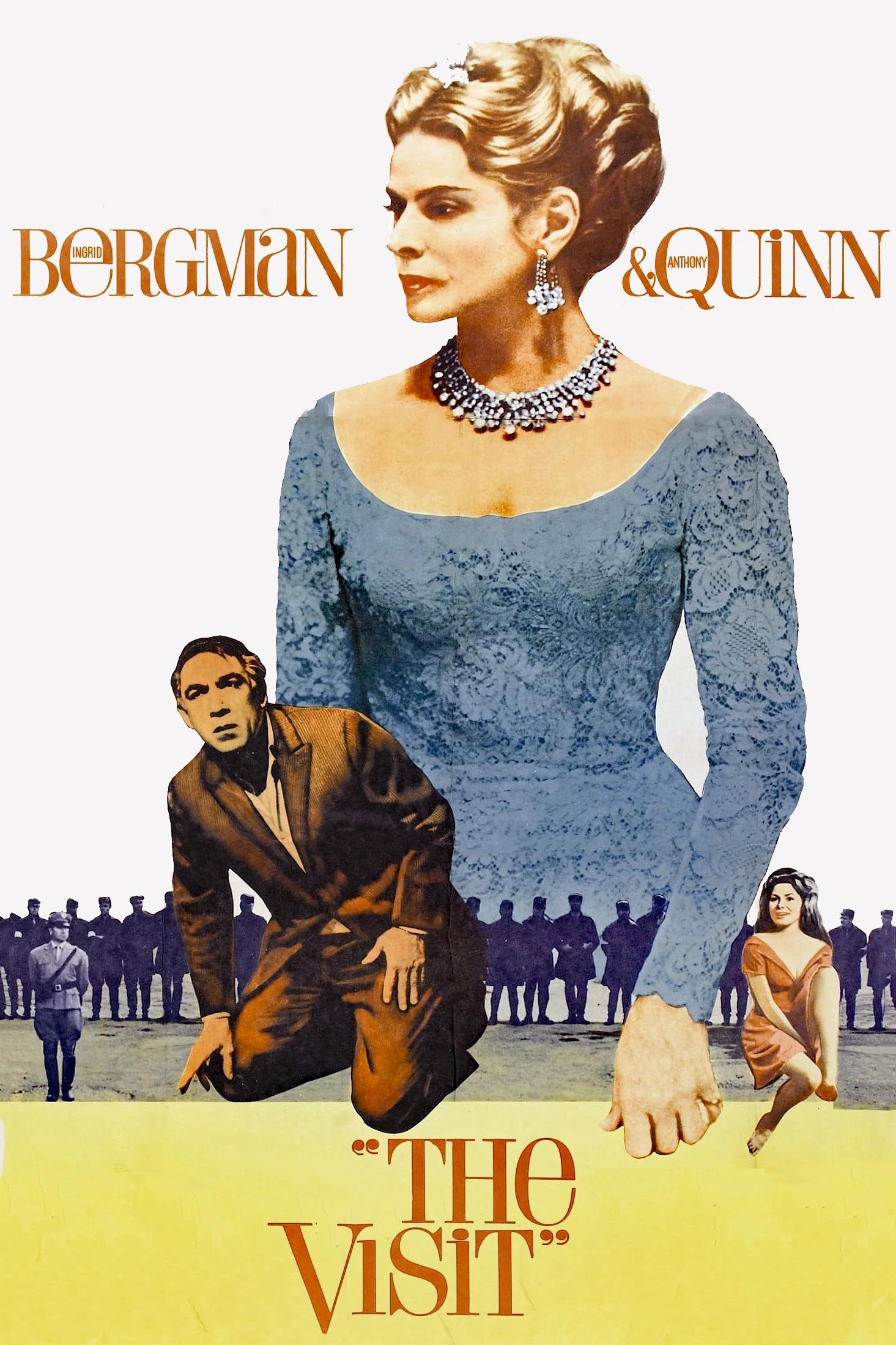
Carla Zachanassian had a child by Serge Miller as a teenager. When Serge refused to marry her, she was driven out of town. By her own wit and cunning, she has returned as a multi-millionaire for a visit. The town lays out the red carpet expecting big things from Carla, only to learn that her sole purpose is to see Serge Miller killed...
An unlikely friendship evolves over one wild night in LA between a struggling journalist and actor Hervé Villechaize, the world's most famous gun-toting dwarf, resulting in life-changing consequences for both.
Evangelist Carlton Pearson is ostracized by his church for preaching that there is no Hell.
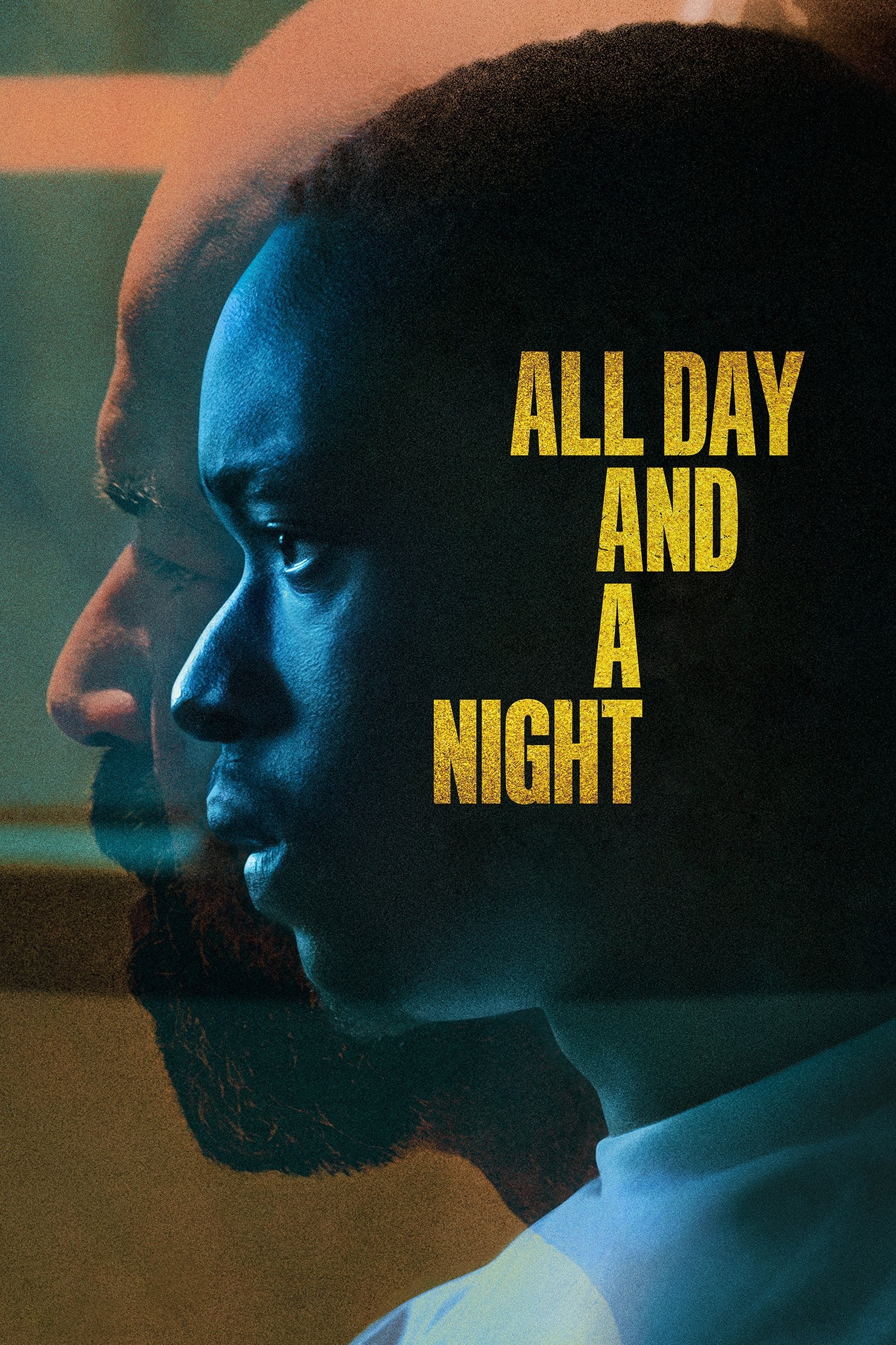
While serving life in prison, a young man looks back at the people, the circumstances and the system that set him on the path toward his crime.
Two separate stories mesh - in the first, a young music teacher, Maggie Andrews, begins dying of a heart condition and her son Nathan tries to get a pair of Christmas shoes for her before she dies. In the second, lawyer Robert Layton and his wife Kate are slowly drifting apart and the matter comes to a head during Christmas when Kate takes over for Maggie for the school choir.
When seventeen-year-old Hannah stumbles upon a website about Thinspiration--an online community devoted to anorexia as a life choice--she becomes an obsessive follower of the site founder, ButterflyAna. By the time Hannah's family realizes what is happening and get Hannah the help she needs, the disease has fully taken hold and Hannah is refusing to eat. Will this family be able to exorcise the demon of anorexia from their lives?
Louis Menkins is five weeks away from being released after 26 years in prison. He is faced with the decision to put his own release at risk in order to protect a young man named Beecher from growing gang controversies.