Correspondent Nick Schifrin and producer Zach Fannin take us inside Vladimir Putin's Russia, with an in-depth look at the resurgent national identity, the government's propaganda machine, the risk of being a Kremlin critic and much more.
Social & External
Himself
Filmmakers Laura Mulvey and Mark Lewis use rare archival footage and interviews with artists, art historians, and museum directors to examine the fate of Soviet-era monuments during successive political regimes, from the Russian Revolution through the collapse of communism. Mulvey and Lewis highlight both the social relevance of these relics and the cyclical nature of history. Broadcast on Channel Four as part of the 'Global Image' series (1992-1994).
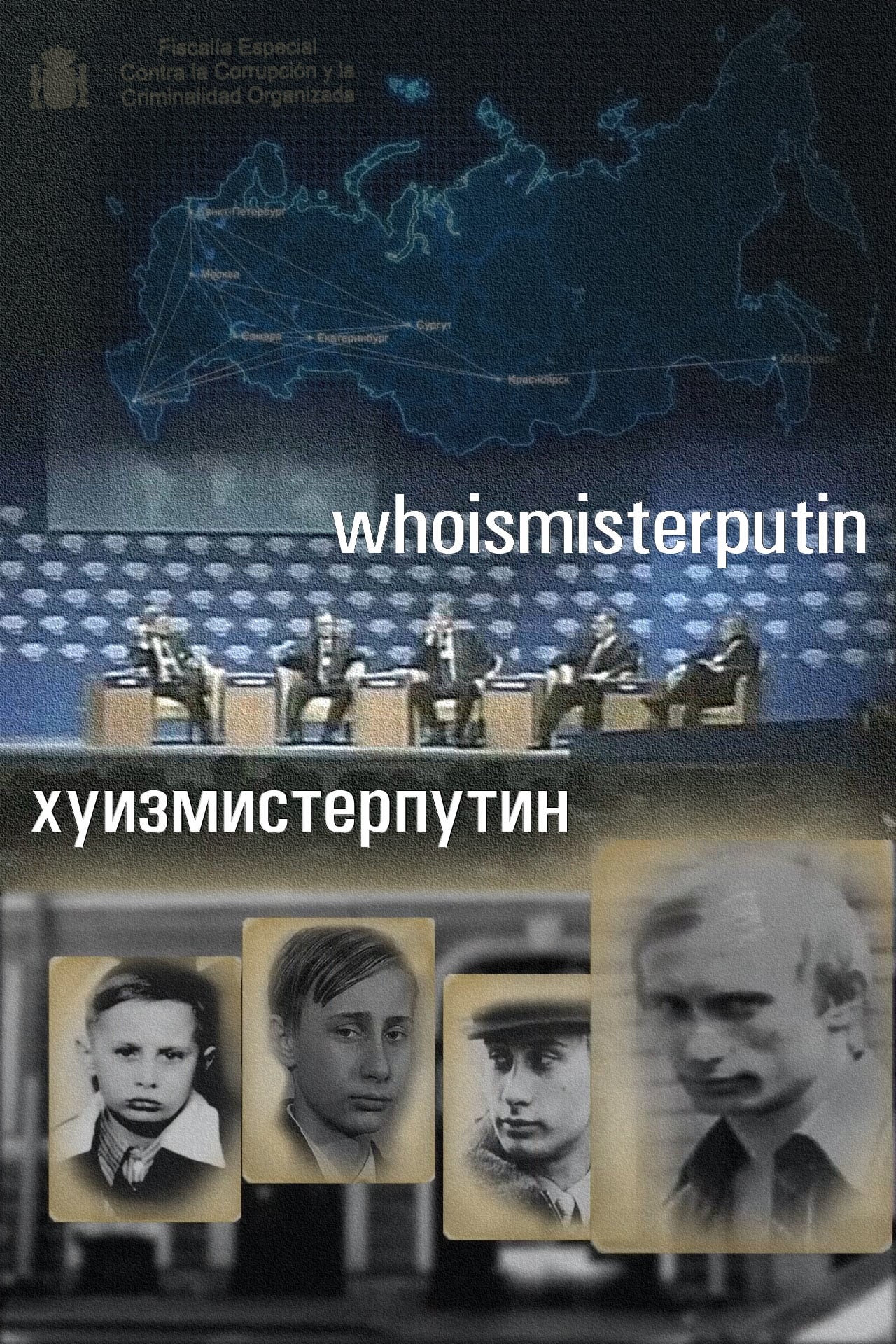
Since Russia was brought to its knees in the 1990s by crippling debt and the grip of the oligarchs following the collapse of the Soviet Union, Vladimir Putin has made it his mission to return superpower status to Russia. While not partisan to Putin's wrongs, this insightful doc examines the logic and motivations of Putin's vilified regime, and why he is so loved in his homeland.
Could our mounting modern problems have ancient solutions? Travel to the depths of China to find out.
The multiple, award-winning television author Hubert Seipel, accompanied Vladimir Putin in Russia, over a period of many weeks. He not only conducted several interviews with him, but was also present when Putin shouldered judo opponents, or challenged his bodyguards during a game of ice hockey.
Anything can happen on Russian roads and is precisely shot by the dashboard camera. Super-objective video registration grows into the strong image of Russian national character – with its permanent awaiting for the miracle and habitual approach to real dramas. A forest on fire as a symbol of Russian hell, a military tank at a car wash and car chase in the vicinity of Kremlin shot with a dashboard cam at the same time when Boris Nemtsov, the leader of political opposition, was shot dead near Kremlin. Dashboard cam depicts life in it’s purity as an unbiased observer.
An enlightening investigative report on Rosatom, Russia's powerful atomic energy agency and Vladimir Putin's formidable geopolitical tool for increasing his influence around the world.
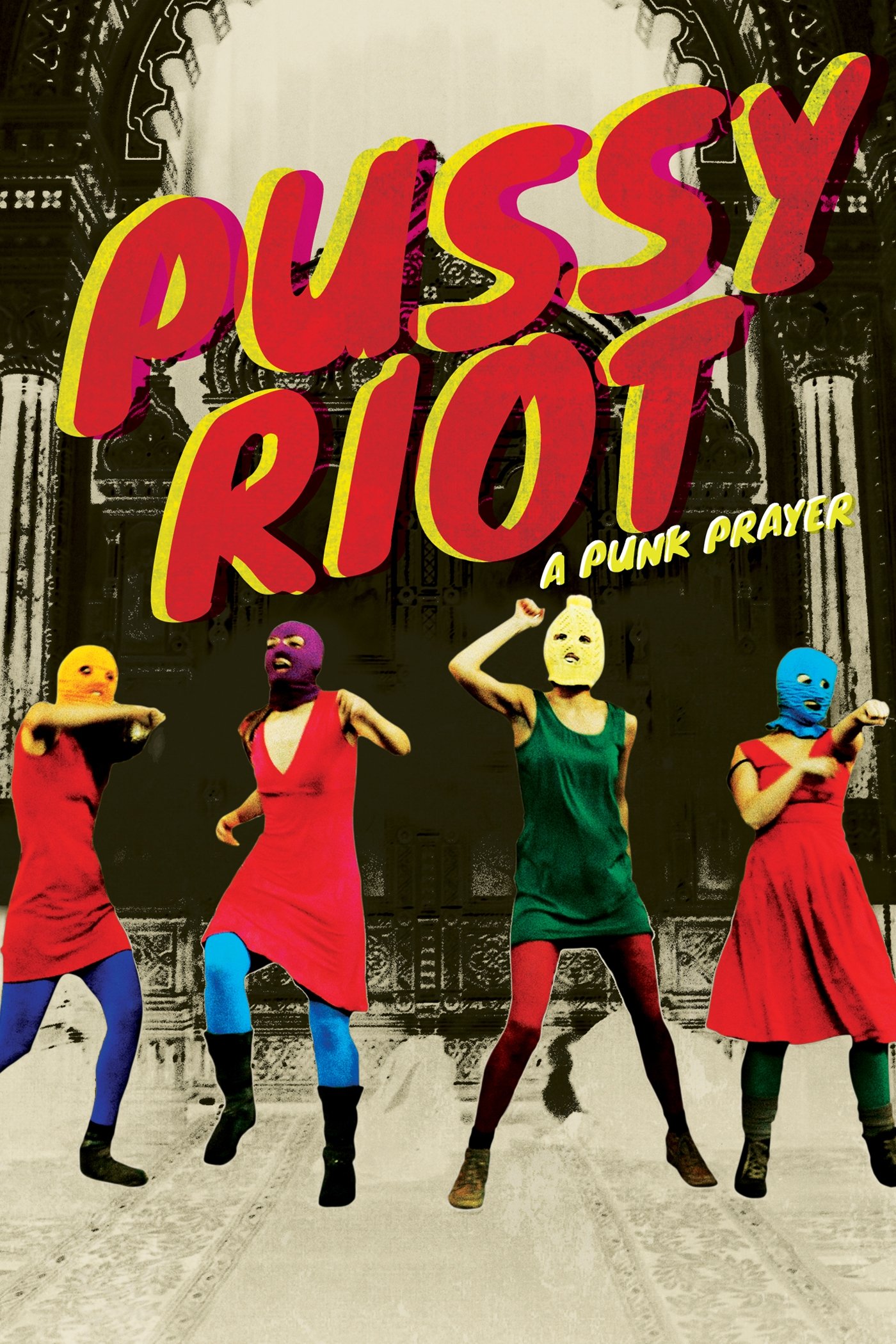
In 2012 two members of anarchistic female band Pussy Riot were sentenced to two years in a Mordovian labor camp for "hooliganism motivated by religious hatred". Russian film collective Gogol’s Wives follow each step of the feminist punk band’s battle against Putin including their first disruptive performances on a trolley bus, shooting a video about transparent elections, a controversial performance in a Red Square cathedral, and footage shot in a jail cell. Support comes from many corners including Madonna who painted the words "Pussy Riot" on her back and wore a balaclava during her Moscow show. The documentary portrays the grim state of present-day Russia, a country starkly divided between conservatism and anarchy. Pussy Riot believes that art has to be free and they're willing to take it to extremes. "Pussycat made a mess in the house," they say, and the house is Russia. The filmmakers do not seek to moralize, they simply edit events and leave viewers to draw their own conclusions.
Laika, a stray dog, was the first living being to be sent into space and thus to a certain death. A legend says that she returned to Earth as a ghost and still roams the streets of Moscow alongside her free-drifting descendants. While shooting this film, the directors little by little realised that they knew the street dogs only as part of our human world; they have never looked at humans as a part of the dogs’ world.
The CIA hears of a KGB scheme to assassinate the Soviet General Secretary and enlists Stoner, an agent retired for 10 years, to go to Russia to investigate. He verifies the plot, but then has trouble leaving the country. In the meantime, the U.S. policy makers struggle over whether or not to inform the Soviets of the plot. Stoner's problems are complicated by the renewal of an affair with Anna, a Russian, as he tries to convince her to defect.
An intimate portrait of Russian opposition leader Boris Nemtsov — once Deputy Prime Minister and “an heir of President Yeltsin”, later an uncompromising adversary of Putin — that was assassinated near the Kremlin in February 2015. Election campaigns and hotel beds, protest rallies and office routine, train compartments and courtrooms, night walks and police vans – you have never seen any politician so close. This is a story how a journalist assignment turns into a genuine friendship.
While investigating the furtive world of illegal doping in sports, director Bryan Fogel connects with renegade Russian scientist Dr. Grigory Rodchenkov—a pillar of his country’s “anti-doping” program. Over dozens of Skype calls, urine samples, and badly administered hormone injections, Fogel and Rodchenkov grow closer despite shocking allegations that place Rodchenkov at the center of Russia’s state-sponsored Olympic doping program.
Documentary about the ten days the director spent in Moscow, during the 1986 Moscow Youth Festival, as kind of a gay delegate.
A documentary about Boris Nemtsov, a prominent figure of Russian political opposition and an outspoken critic of Vladimir Putin. Nemtsov was murdered in Moscow in February of 2015.
At the peak of Perestroika, in 1987, in the village of Gorki, where Lenin spent his last years, after a long construction, the last and most grandiose museum of the Leader was opened. Soon after the opening, the ideology changed, and the flow of pilgrims gradually dried up. Despite this, the museum still works and the management is looking for ways to attract visitors. Faithful to the Lenin keepers of the museum as they can resist the onset of commercialization. The film tells about the modern life of this amazing museum-reserve and its employees.
Historic Russian battles to repel invaders serve as prelude to the story of events that redrew the map of Eastern Europe and parts of Asia in the 20th century. Following the turmoil of the Bolshevik Revolution, Communist Russia faces the venom of Nazi aggression. 1940's film footage reveals the harsh reality of total war, as the Red Army and Soviet civilians alike confront a brutal and tenacious enemy. The following decades are darkened by tensions between the USSR and foreign powers, and violent measures taken to silence voices of dissent. Finally, the Soviet people's yearning for a freer society leads to accelerating reforms and the ultimate dissolution of the USSR.
It’s the last dictatorship of Europe, caught in a Soviet time-warp, where the secret police is still called the KGB and the president rules by fear. Disappearances, political assassinations, waves of repression and mass arrests are all regular occurances. But while half of Belarus moves closer to Russia, the other half is trying to resist…
In 2008, Natasha, a newly rich woman, decides to open an independent TV station in Russia and builds an open-minded team of outcasts. By 2020, Natasha has lost everything to Russia's war between Propaganda and Truth.
Mikhail Gorbachev, former president of the Soviet Union, sits down with filmmaker Werner Herzog to discuss his many achievements. Topics include the talks to reduce nuclear weapons, the reunification of Germany and the dissolution of his country.
The story of the gold-plated statuette that became the film industry's most coveted prize, AND THE OSCAR GOES TO... traces the history of the Academy itself, which began in 1927 when Louis B. Mayer, then head of MGM, led other prominent members of the industry in forming this professional honorary organization. Two years later the Academy began bestowing awards, which were nicknamed "Oscar," and quickly came to represent the pinnacle of cinematic achievement.
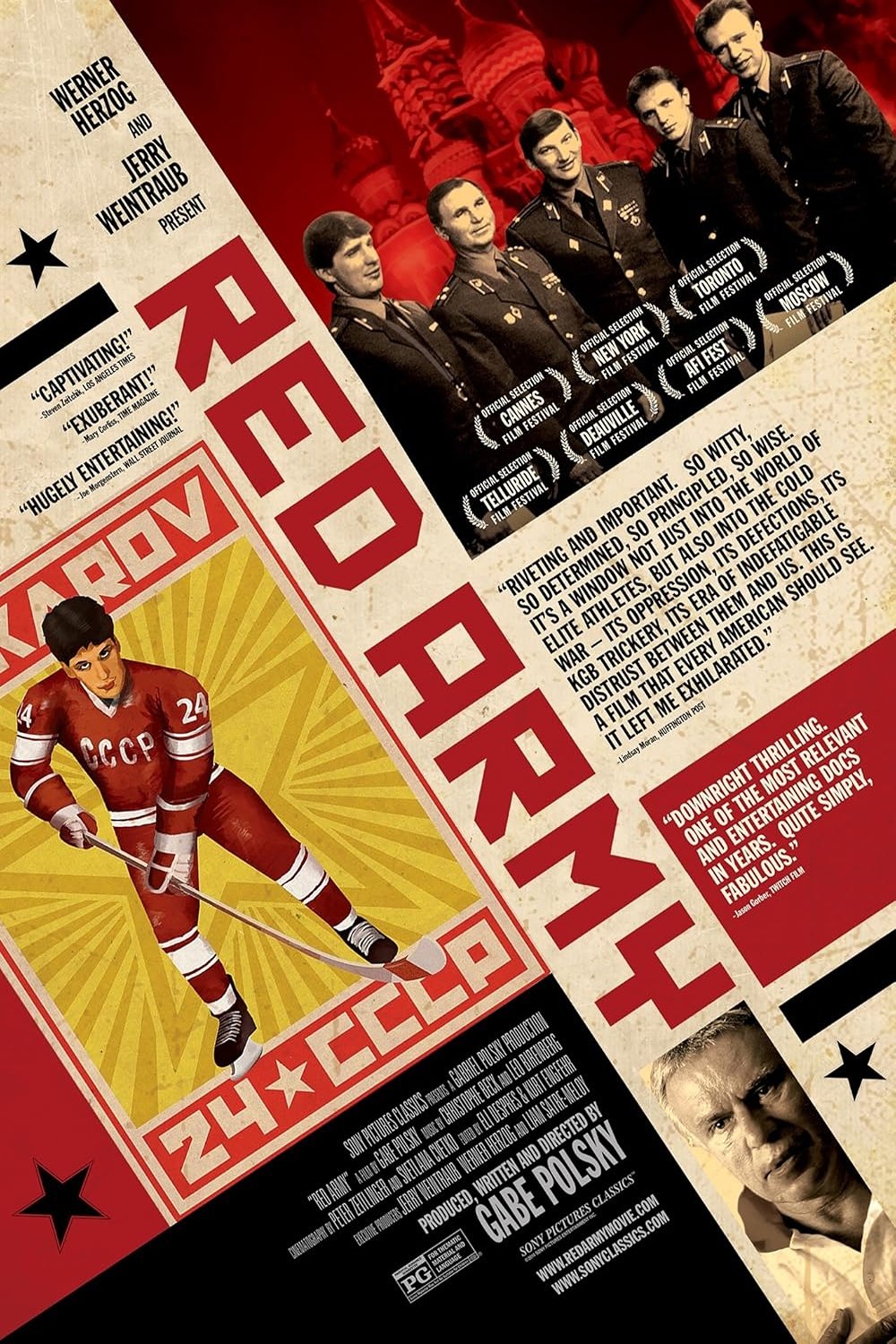
A documentary highlighting the Soviet Union's legendary and enigmatic hockey training culture and world-dominating team through the eyes of the team's Captain Slava Fetisov, following his shift from hockey star and celebrated national hero to political enemy.
Martin Scorsese, Robert De Niro, Joe Pesci, and Al Pacino in conversation about The Irishman.
A documentary focused on plastic pollution in the world's oceans.
For the 20th anniversary of "Titanic," James Cameron reopens the file on the disaster.
A visual montage portrait of our contemporary world dominated by globalized technology and violence.
Happy is a 2011 feature documentary film directed, written, and co-produced by Roko Belic. It explores human happiness through interviews with people from all walks of life in 14 different countries, weaving in the newest findings of positive psychology. Director Roko Belic was originally inspired to create the film after producer/director Tom Shadyac (Liar, Liar, Patch Adams, Bruce Almighty) showed him an article in the New York Times entitled "A New Measure of Well Being From a Happy Little Kingdom". The article ranks the United States as the 23rd happiest country in the world. Shadyac then suggested that Belic make a documentary about happiness. Belic spent several years interviewing over 20 people, ranging from leading happiness researchers to a rickshaw driver in Kolkatta, a family living in a "co-housing community" in Denmark, a woman who was run over by a truck, a Cajun fisherman, and more.
An exploration of technologically developing nations and the effect the transition to Western-style modernization has had on them.
A documentary about how a dominant cultural and demographic institution both sustains their traditional activities and adapts to the digital revolution.
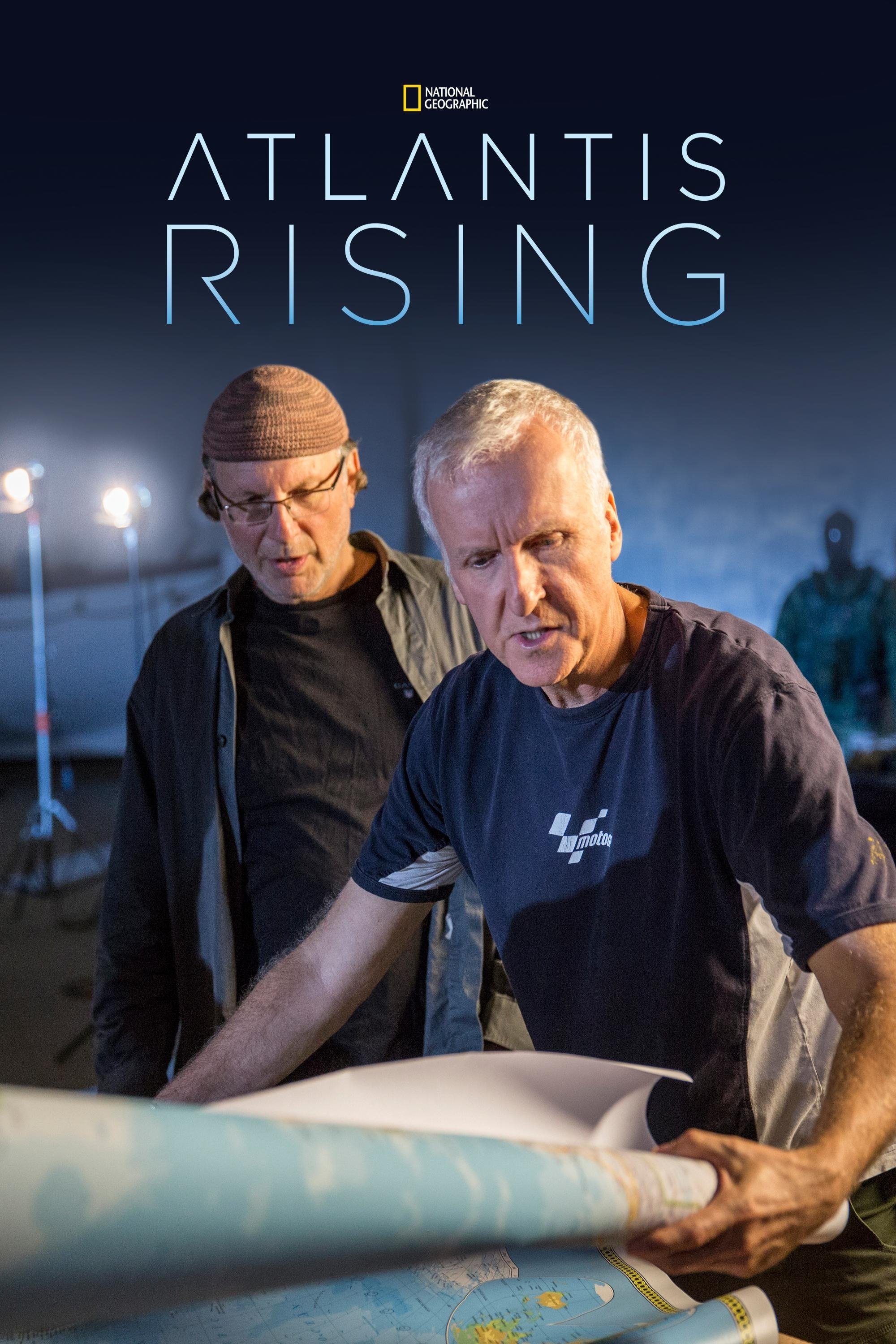
James Cameron and Simcha Jacobovici go on an adventure to find the lost city of Atlantis by using Greek philosopher Plato as a virtual treasure map.
A real-life undercover thriller about two ordinary men who embark on an outrageously dangerous ten-year mission to penetrate the world's most secretive and brutal dictatorship: North Korea.
A documentary exploring the legacy of Star Trek: Deep Space Nine, the reasons it went from the black sheep of Star Trek to a beloved mainstay of the franchise, and a brainstorm with the original writers on what a theoretical eighth season of the show could look like.
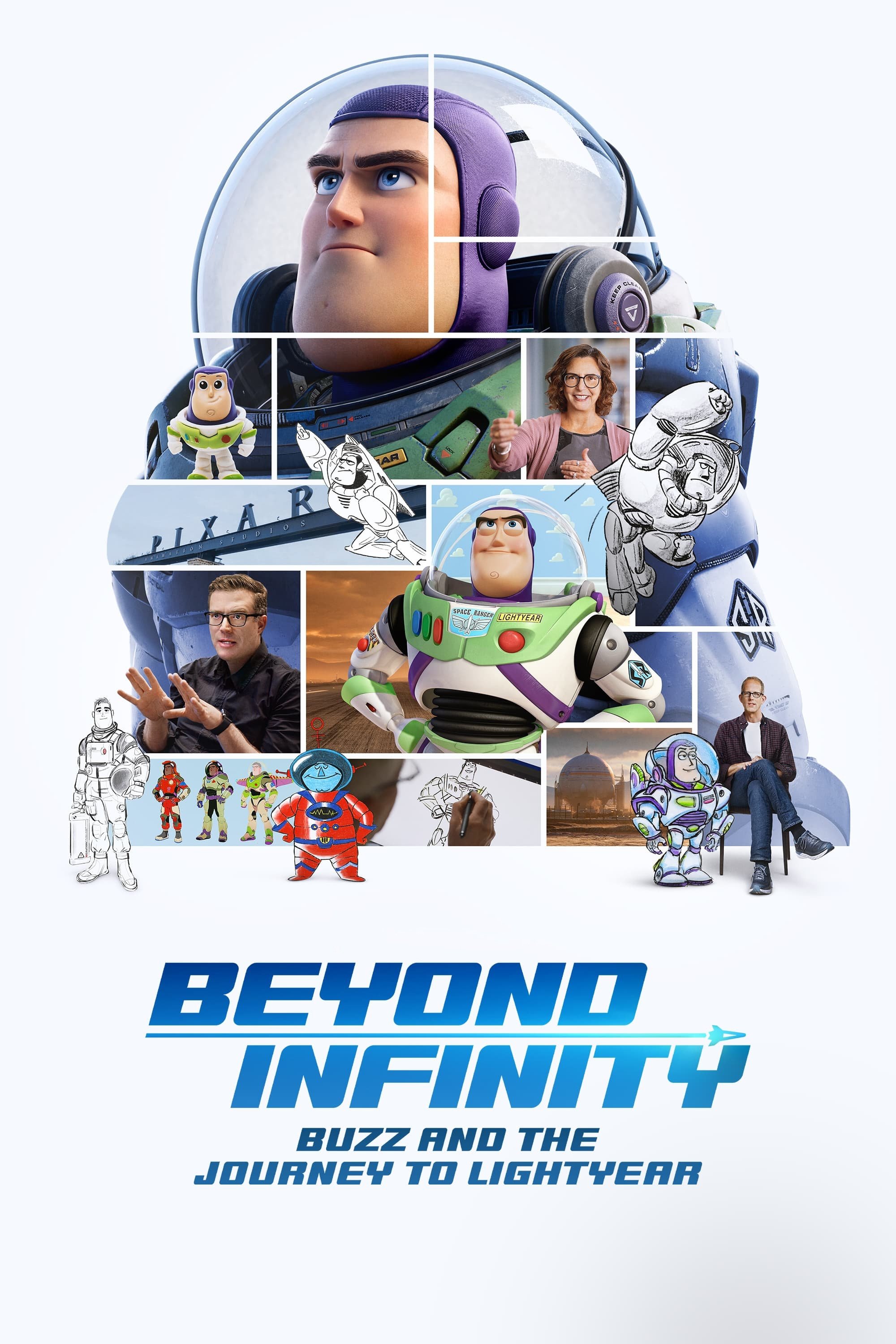
A look at the story behind Marvel Studios and the Marvel Cinematic Universe, featuring interviews and behind-the-scenes footage from all of the Marvel films, the Marvel One-Shots and "Marvel's Agents of S.H.I.E.L.D."!
Documentary about the arena-packing Swedish DJ, chronicling his explosive rise to fame and surprising decision to retire from live performances in 2016.

This documentary focuses on the actors and their journey over two summers to create the remake to the original IT, by Stephen King. The documentary originally released as bonus material, bundled with IT: Chapter Two.
Documentary filmmaker Amy Berg investigates the life of 30-year pedophile Father Oliver O'Grady and exposes the corruption inside the Catholic Church that allowed him to abuse countless children. Victims' stories and a disturbing interview with O'Grady offer a view into the troubled mind of the spiritual leader who moved from parish to parish gaining trust ... all the while betraying so many.
Takes us to locations all around the US and shows us the heavy toll that modern technology is having on humans and the earth. The visual tone poem contains neither dialogue nor a vocalized narration: its tone is set by the juxtaposition of images and the exceptional music by Philip Glass.
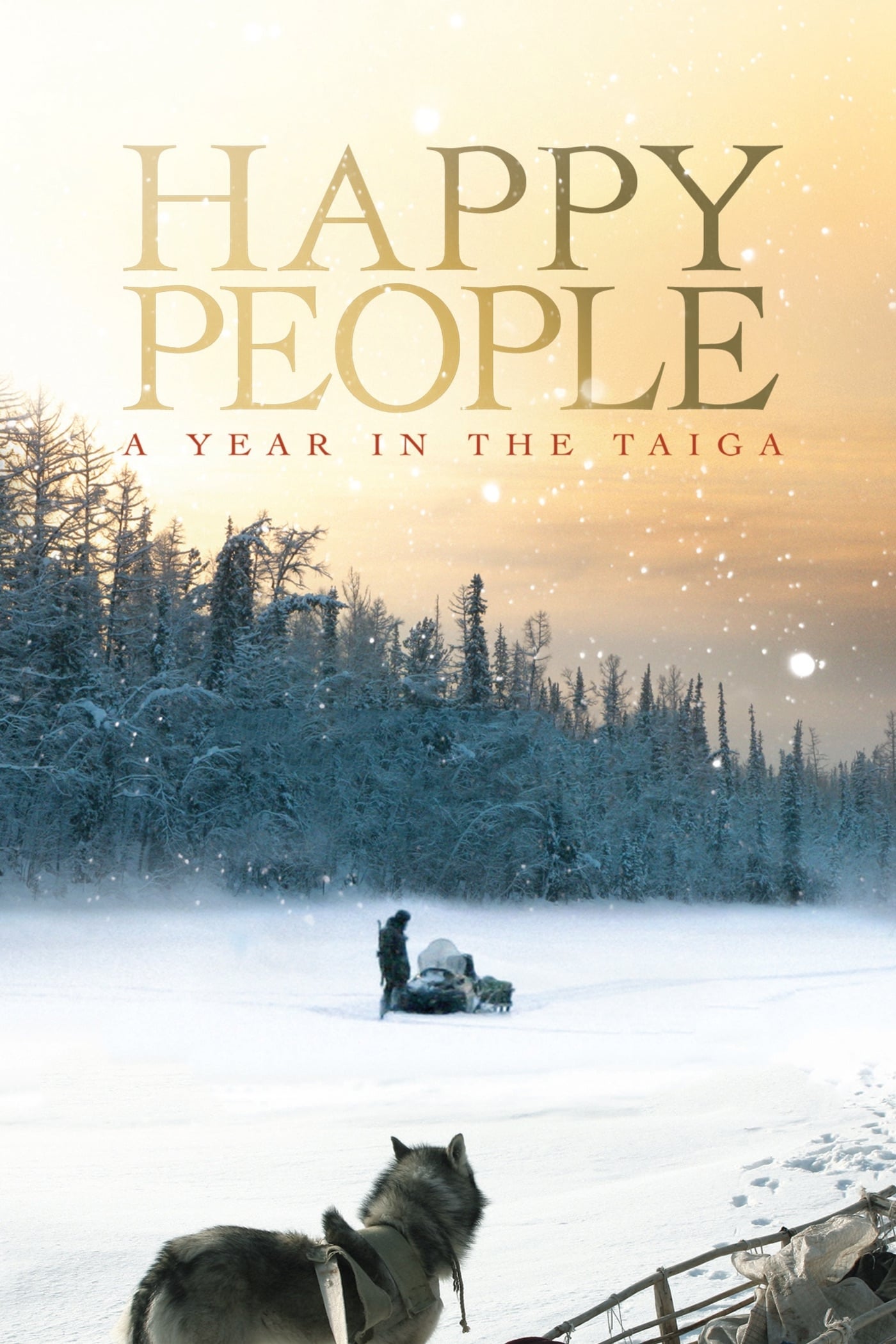
In the center of the story is the life of the indigenous people of the village Bakhtia at the river Yenisei in the Siberian Taiga. The camera follows the protagonists in the village over a period of a year. The natives, whose daily routines have barely changed over the last centuries, keep living their lives according to their own cultural traditions.
In 2010 David Crowley, an Iraq veteran, aspiring filmmaker and charismatic up-and-coming voice in fringe politics, began production on his film Gray State. Set in a dystopian near-future where civil liberties are trampled by an unrestrained federal government, the film’s crowd funded trailer was enthusiastically received by the burgeoning online community of libertarians, Tea Party activists and members of the nascent alt-right. In January of 2015, Crowley was found dead with his family in their suburban Minnesota home. Their shocking deaths quickly become a cause célèbre for conspiracy theorists who speculate that Crowley was assassinated by a shadowy government concerned about a film and filmmaker that was getting too close to the truth about their aims.