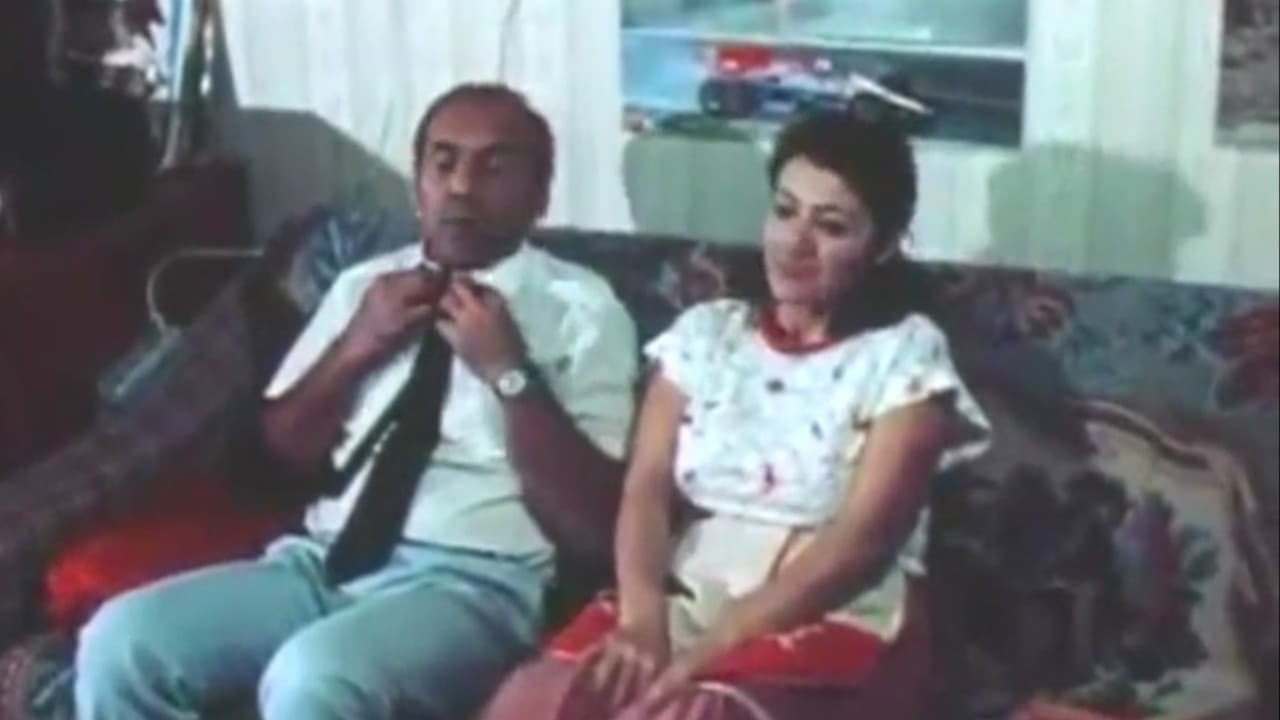
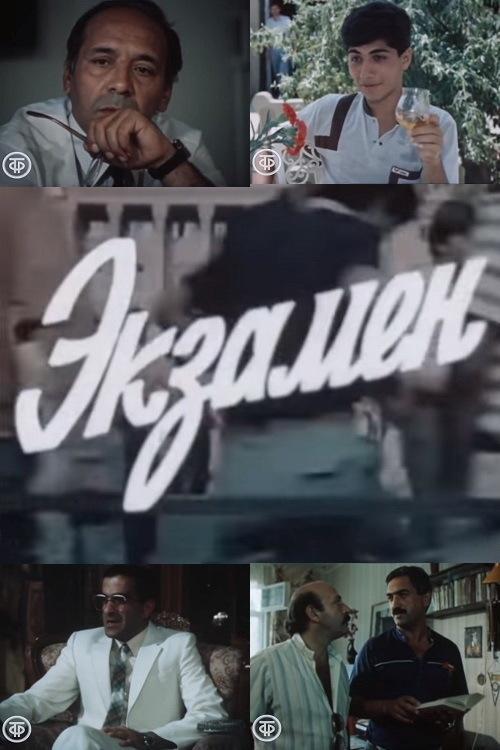
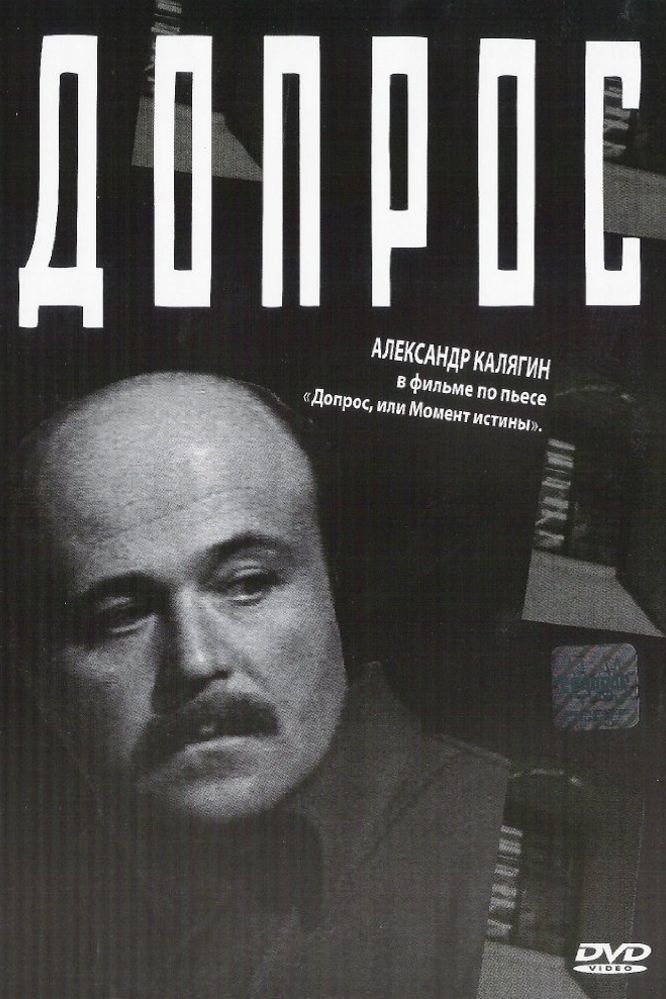
After the play of the same name of Anar.
Social & External
The people behind it
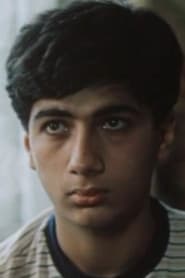
Hamlet Xanizadeh
Giyas
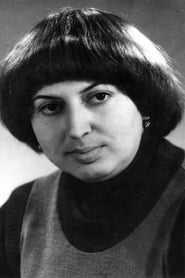
Safura Ibrahimova
Dilara
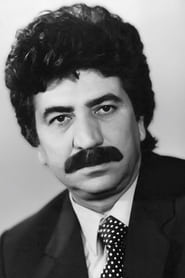
Rauf Atakishiyev
Bahram
Fuad Poladov
Shamkhal
Rafik Aliyev
Firuz
Tavakkul Ismailov
Agharafi
Samir Rzayev
Namig
Gulzar Gurbanova
Gumru
Shamil Najafzadeh
Rasim
Nazakat Gaziyeva
Rukhsara
The investigator Seyfi Ganiyev runs the case of an illegal mercery shop's head Murad Abiyev, who confessed in embezzlement of one million rubles from public funds. Abiyev is also accused of the murder of an underage girls that occurred in Riga shortly after Abiyev saw her. He denies his guilt, but does not name the perpetrators though he knows them, despite the fact that he is facing the death penalty. The investigator understands that some high-ranking officials stand behind Abiyev, but he has no proof. Ganiyev seeks to obtain from the prisoner the whole truth to bring the criminals to justice.
In Soviet Azerbaijan, a divorced Armenian couple fights over the custody of their daughter, Ashen. Stolen from one parent to another, Ashen's guardians are tragically killed in the bloody war surrounding them. Will the arrival of a new savior finally bring Ashen freedom? Official selection of the Global Lens Collection presented by the Global Film Initiative.
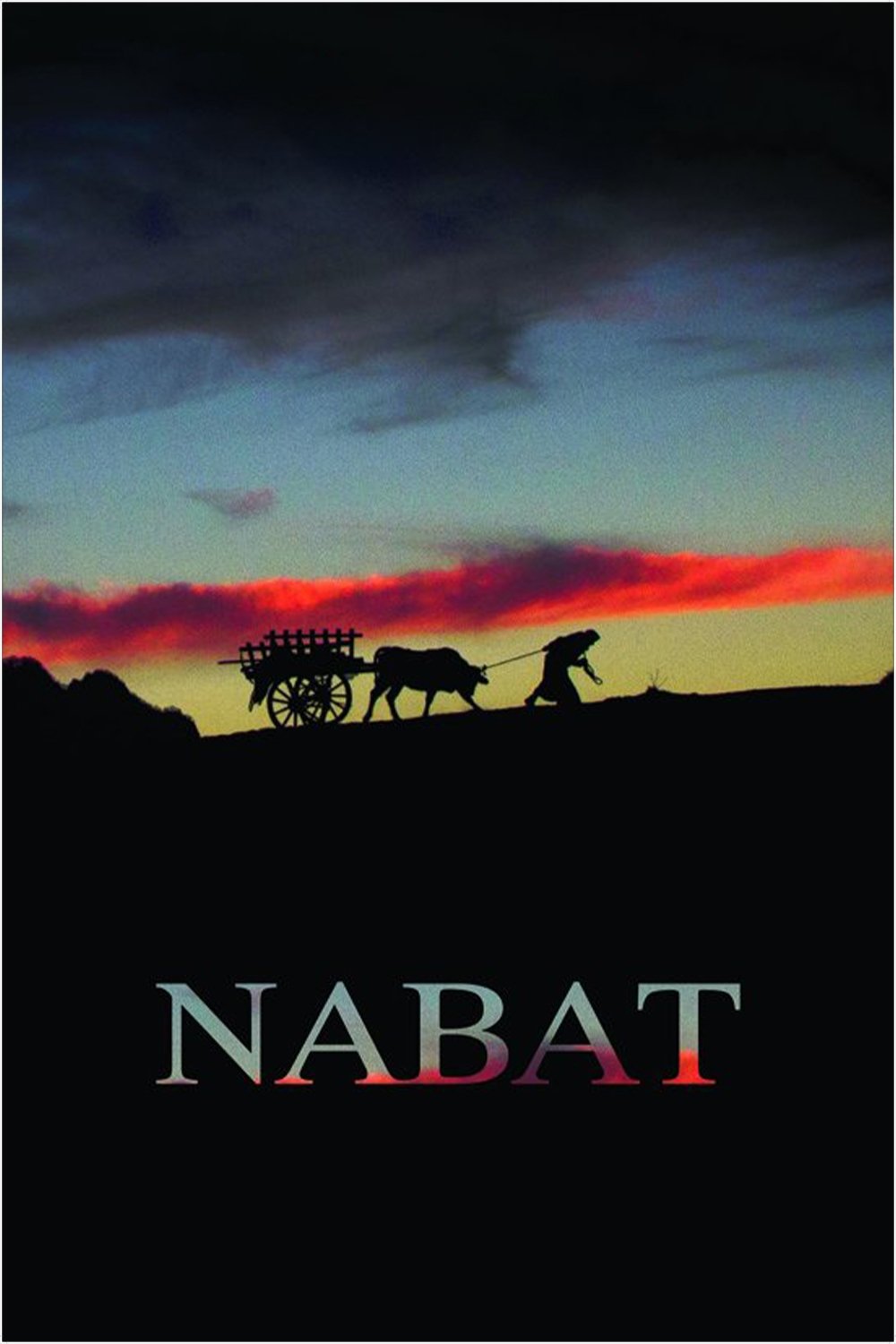
The story is set during an upsurge in the Nagorno-Karabakh conflict and revolves around an old, sick ex-forestry worker and his wife Nabat, whose son has died in battle.
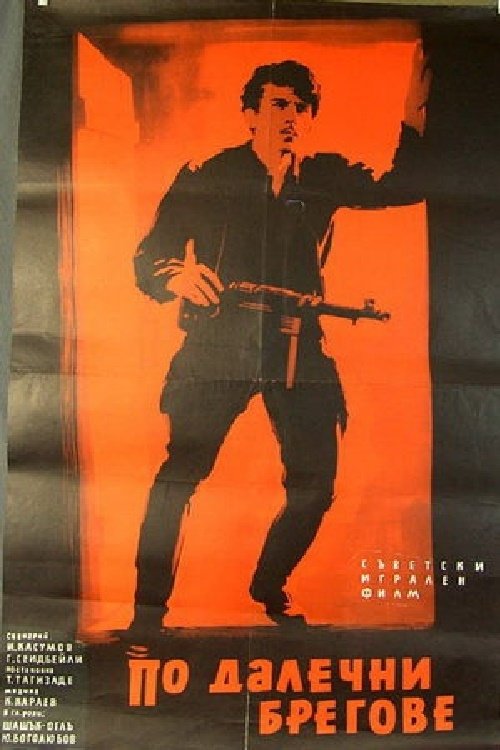
The film portrays the life of the legendary Azerbaijani guerrilla of the Second World War Mehdi Huseynzadeh, who fought the Nazi forces in the present-day Italy and Slovenia, hence the film's name On distant shores referring to the Adriatic Sea.
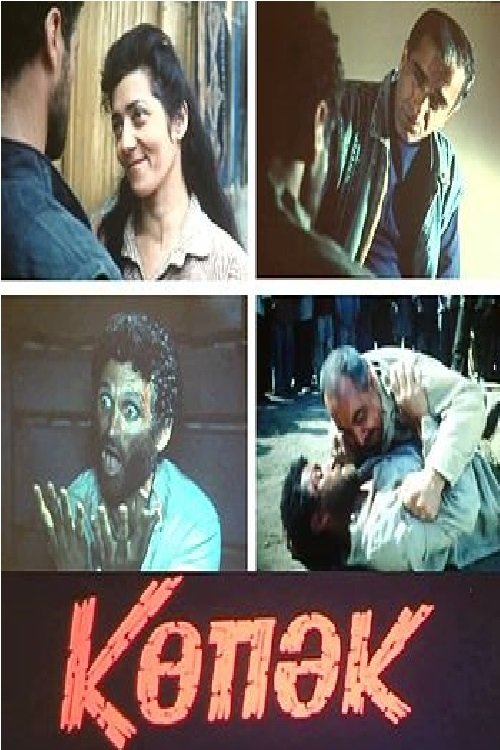
While looking for a job, a group of people end up in a private residence where they are forced to become dogs.
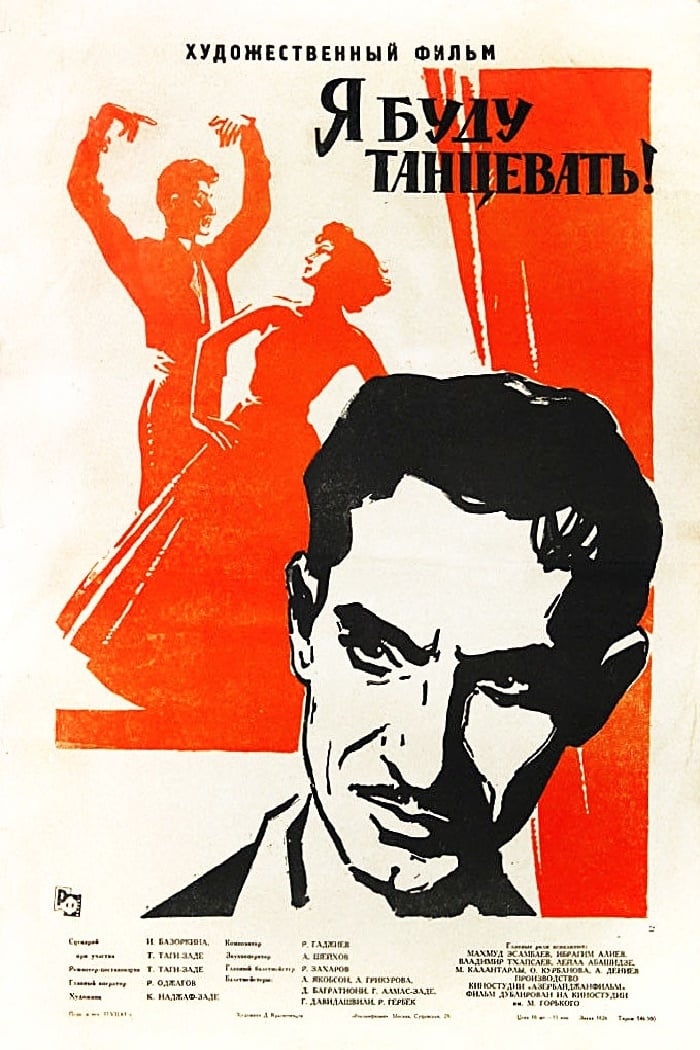
The film is about famous Chechen ballet and folk dancer Mahmud Essembayev's life.
Matteo Falcone is an Azerbaijani short drama film based on Prosper Merimée's like-named story from 1829. Matteo Falcone is a successful Corsican, who lives with his wife Giuseppa and 10-year-old son Fortunato. One day he leaves home with Giuseppa, leaving Fortunato alone.
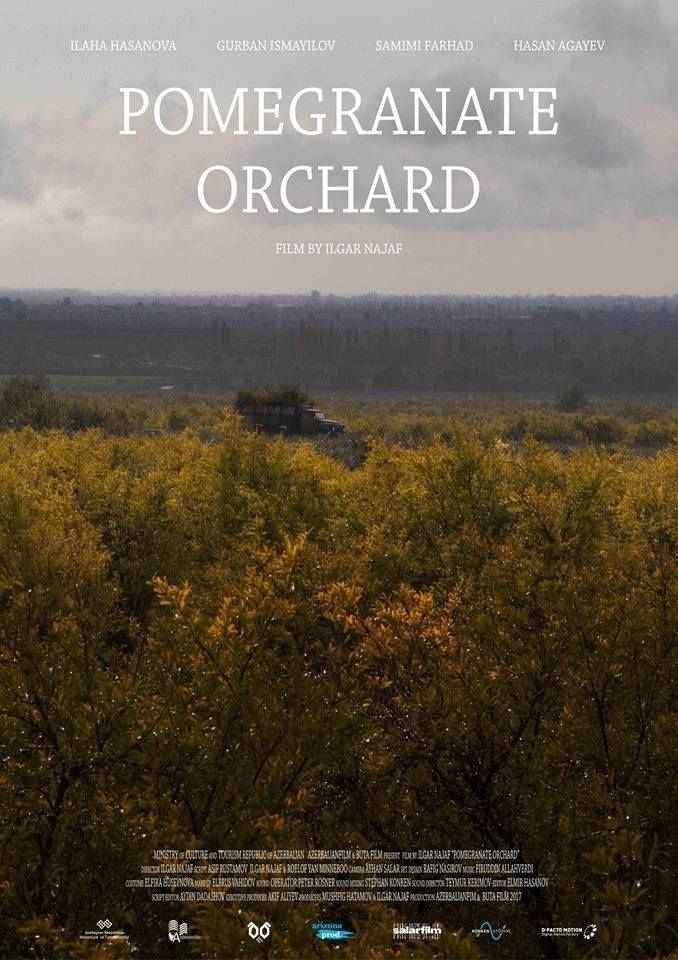
Inspired by Anton Chekhov's The Cherry Orchard, the film follows a prodigal son who returns after 12 years. His reappearance at the family home in rural Azerbaijan significantly alters their way of life.
War breaks out in the Caucasus. 75-year-old Maria loses her son in the war. She and her daughter-in-law Sofia have been living in the Caucasus for 12 years. When famine strikes, they want to move to Russia. The women decide that they must go to Moscow. Maria takes her little dog and Sofia her small suitcase, gets on the train and sets off. In the next compartment, photojournalist Alexander is also traveling. Sofia and Alexander love each other. Maria realizes at one of the stations near Volgograd that she cannot live without the Caucasus. She writes a letter to Sofia and leaves the train with her dog...
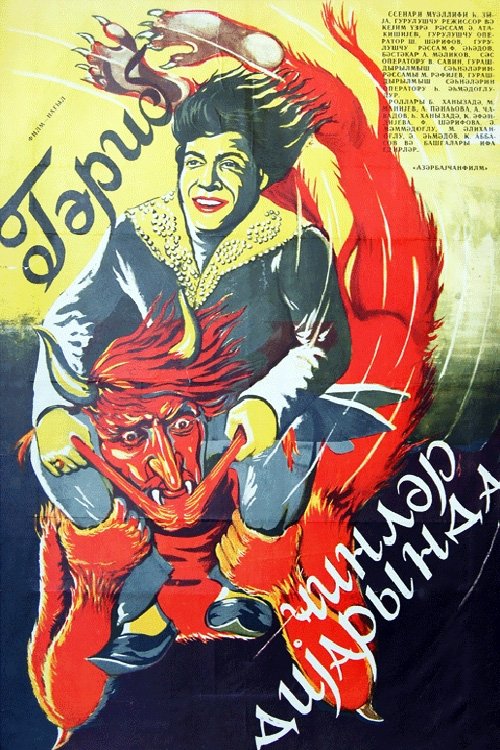
The twin brothers Sachib and Garib are cheerful and funny boys. They tend to their small farm and take care of their mother and sister. But Garib is no longer satisfied with this "simple" life. He wants to achieve prestige and prosperity. One day, while working in the fields, he is surprised by a demon who promises him wealth, fame, honor, and power if Garib works for him. Garib succumbs to the temptation and accepts the offer. His task now is to impart his knowledge and skills to the cave dwellers, called jinn. At first, Garib feels comfortable and succeeds in transforming the underworld into a fertile and flourishing landscape. But Garib is increasingly tormented by his longing for his family back home.
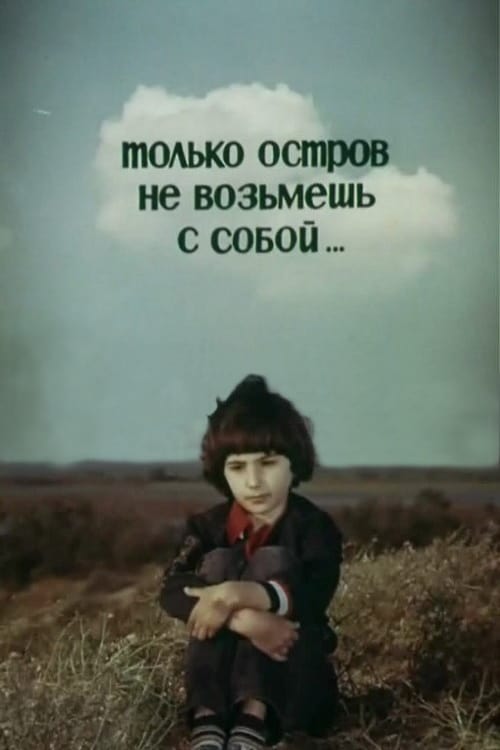
A young girl is trying to save an island which is endangered by nearby construction.
In a Azerbaijan, in the beginning of this century, the first films made in the history of cinema are shown.The characters meet each other in a room. Three characters who will witness the linking up of their destinies through their common love for this new captivating art.
A journalist is investigating a group of poachers who are illegally selling the huge amounts of fish
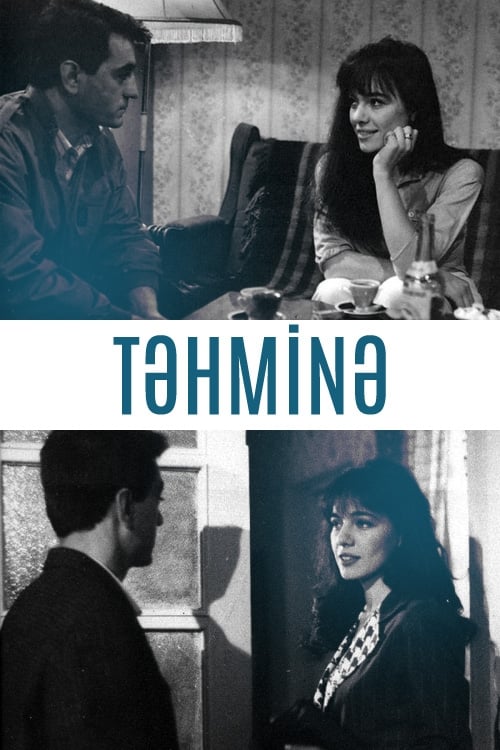
This Azerbaijani romantic drama depicts the love affair between Zaur, a man from an affluent family, and Tahmina, a divorced woman doing her best to survive in a conservative society.
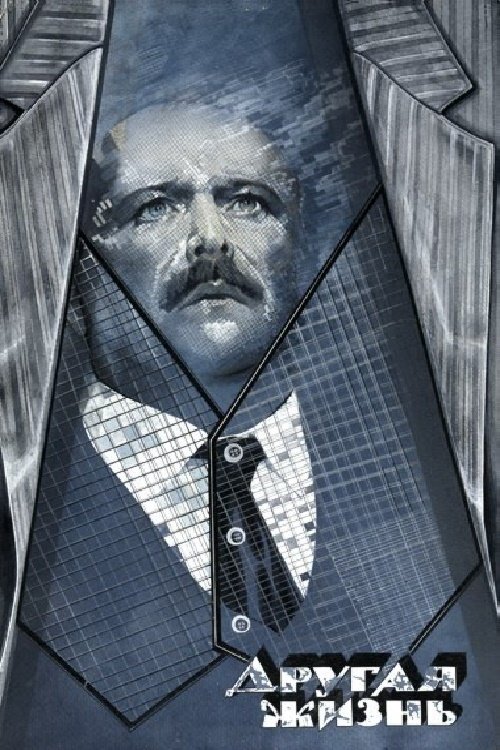
Psychological drama about a university dean who leads a double life.
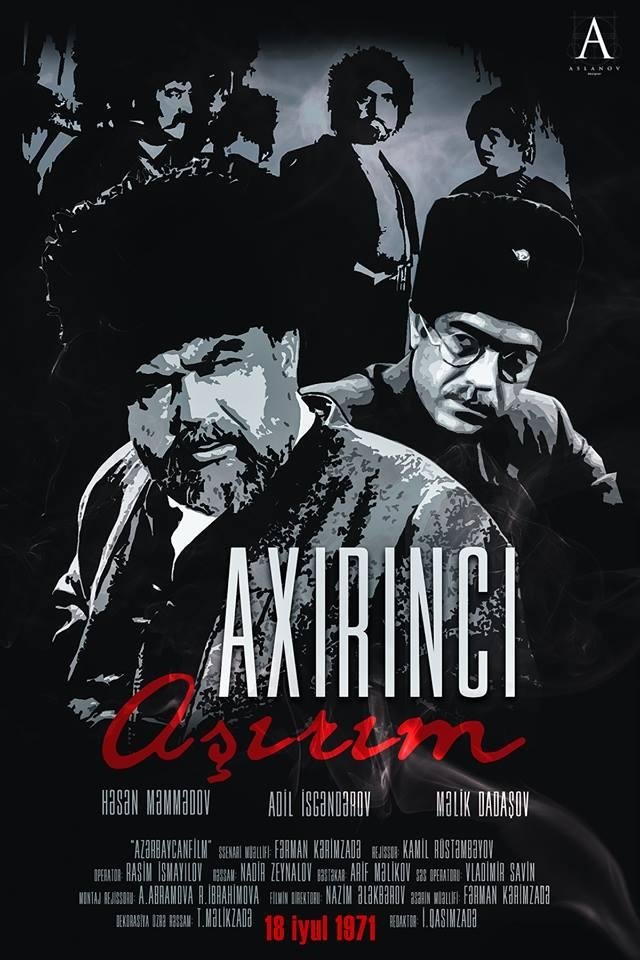
Based on a novel by Farman Karimzade, the movie shows the life in an Azerbaijani village under the Soviet rule in 1930s. Here two former "beys" (land owners) are opposing each other. One is loyal to the ideology of the past and can't reconcile himself to the new power, to second rejects the past and accepts the power of the Bolsheviks, believing that it will establish justice.
Film exposes the corruption and the decadence of the late Soviet bureaucracy in Azerbaijan SSR through the eyes of a naive Azerbaijani adult man, Hatem.
Too old grandpa is being celebity by news maker who came from centre. But then he recollected something weird things about his missus .
While there is famine during WW2, a boy with mom far away, tries to stay strong.
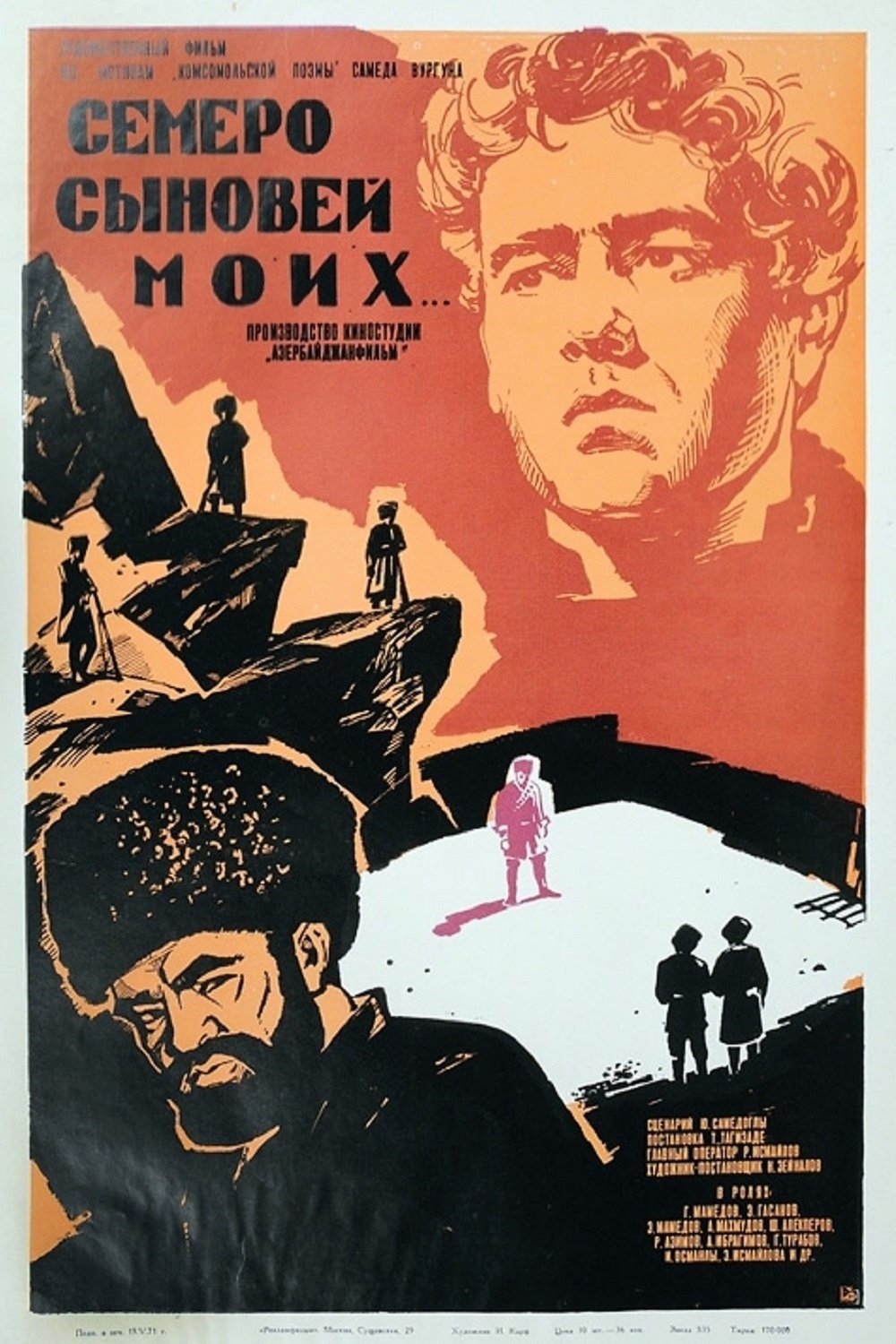
This film was based on Samad Vurgun's "Komsomol poem". Seven sons, like seven samurai become the seven komsomols (communist leaders) who were sent to a village to establish Soviet power. Seven sons become the romanticized images of people's heroes ready to take revenge.
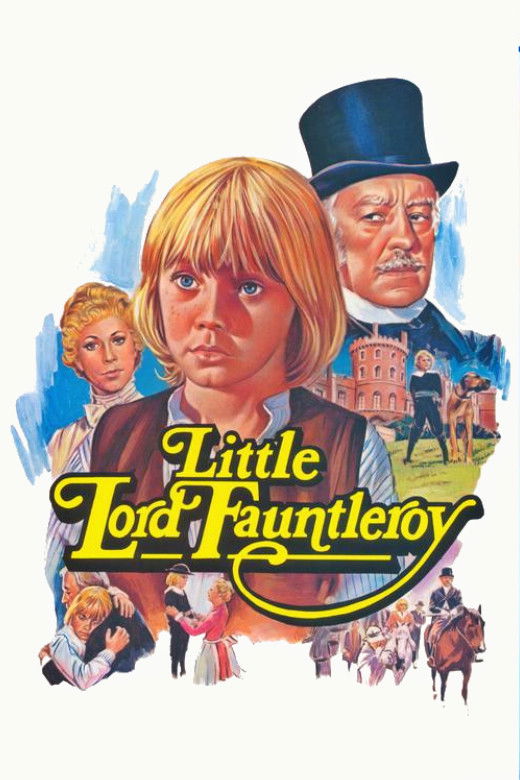
Young Cedric Errol and his widowed mother live in genteel poverty in 1880s Brooklyn after the death of his father. Cedric's grandfather, the Earl of Dorincourt, has long ago disowned his son for marrying an American. But after the death of the Earl's remaining son, he decides to accept Cedric as his heir.
Thomas Montgomery, a married father of two young daughters, gets seduced by the world of online gambling and chat rooms where a virtual romance and sexual obsession ultimately leads to the murder of an innocent man.
Heather and Heidi play volleyball for their school team, when their family decides that they need to go to a bigger school so that they will have a better chance for scholarships. But at the new school, the twins are discovered by the basketball coach. Inspired by the true story of Heather and Heidi Burge.
A showdown decades in the making brings the Donovan family legacy full circle. As the events that made Ray who he is today finally come to light, the Donovans find themselves drawn back to Boston to face the past. Each of them struggles to overcome their violent upbringing, but destiny dies hard, and only their fierce love for each other keeps them in the fight.
Kindhearted Samantha Parkington's world starts to change the day Nellie O'Malley walks into her life. Nellie, her father, and her two little sisters have moved in next door to be servants for the Ryland family. Though they come from completely different backgrounds, Samantha and Nellie become fast friends. The girls turn to each other in happiness and sorrow, adventure and danger.
A retelling of L.M. Montgomery's story of Anne Shirley, an orphan who is accidentally sent to a couple looking to adopt a boy instead.
When seventeen-year-old Hannah stumbles upon a website about Thinspiration--an online community devoted to anorexia as a life choice--she becomes an obsessive follower of the site founder, ButterflyAna. By the time Hannah's family realizes what is happening and get Hannah the help she needs, the disease has fully taken hold and Hannah is refusing to eat. Will this family be able to exorcise the demon of anorexia from their lives?
The true story of 20-year-old Colleen Stan, a hitchhiking woman abducted by a young couple and held captive for seven years, during which time she's tortured and forced to live as a slave to her captors.
A Midwestern husband and father announces his plan to have a sex change operation.
Set in the storybook world of Enchancia, the music-filled movie follows Sofia, an average girl whose life suddenly changes when her mother marries the king and she is whisked off to live in a castle with her mom, new step-father, King Roland II, and step-siblings, Amber and James. Along the way this ordinary girl learns to navigate the extraordinary life of royalty, and in the process makes everyone around her feel special.
Trudy Walker hated her life. She thought it was totally messed up until she found out about a contest that could change everything...
In the fall of 1994, a teacher at Chicago's run-down Steinmetz High conspires with the school's academic decathlon team to cheat on an academic competition.
It's the treasure hunt of a lifetime for the Rescue Riders, who must race to find a precious golden dragon egg and protect it from evil pirates.
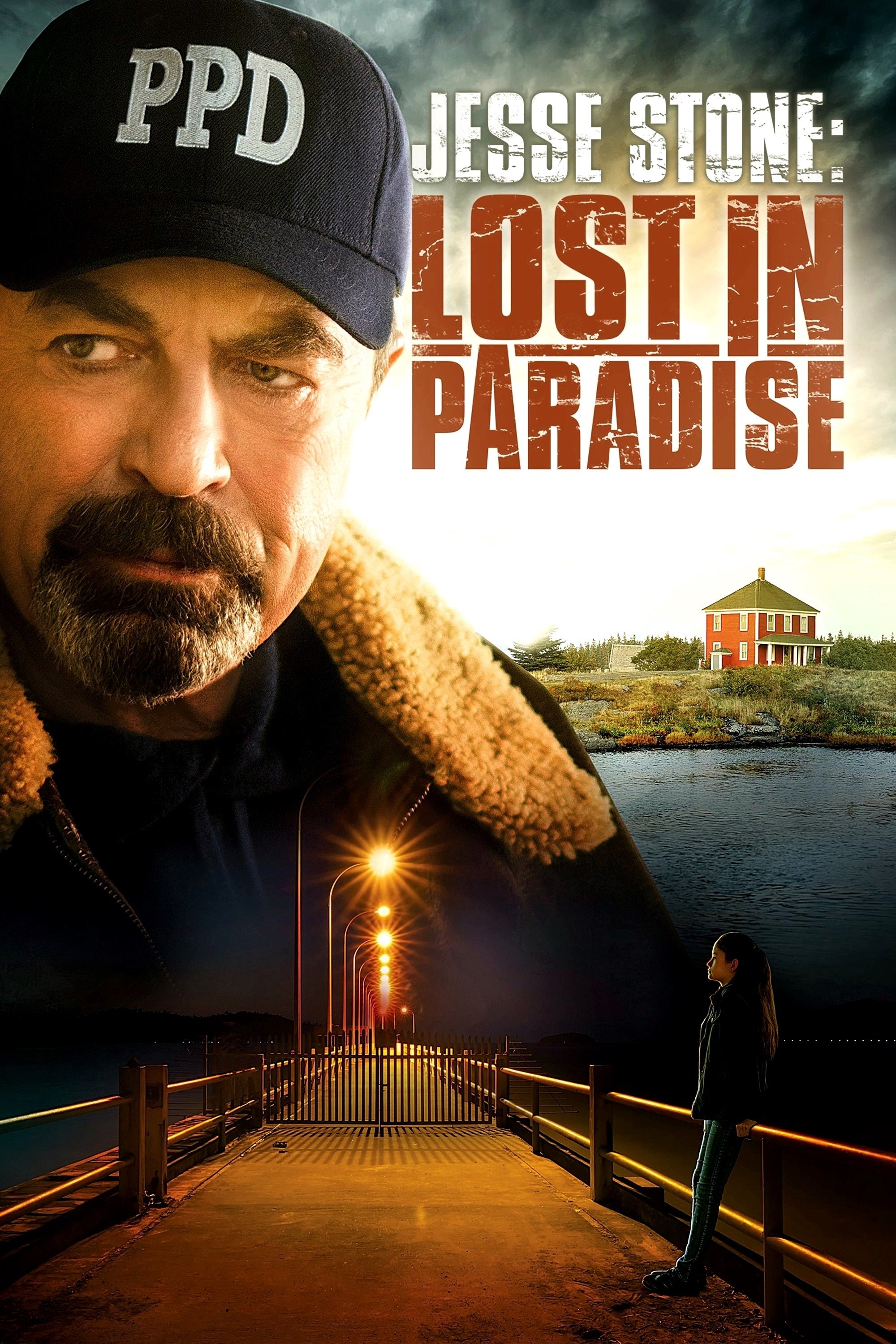
Police Chief Jesse Stone now presides over the quiet, seaside village of Paradise, Massachusetts. When the facts don't add up in a brutal Boston-area murder case, Jesse opens an investigation filled with surprises, unlikely suspects and grave danger. Though it's widely believed the murder was committed by an incarcerated serial killer, Jesse suspects another killer is at large and is hell-bent on bringing him to justice.
Prerna, a teenager growing up in rural India, comes of age when she’s introduced to the sport of skateboarding. As a result, she has to fight the odds to follow her dreams and compete in the national championship.
Set in the Ozark Mountains during the Great Depression, Billy Coleman works hard and saves his earnings for 2 years to achieve his dream of buying two coonhound pups. He develops a new trust in God as he faces overwhelming challenges in adventure and tragedy roaming the river bottoms of Cherokee country with "Old Dan" and "Little Ann."
An acclaimed stage performer, Dorothy still struggled with the challenge of her color, in a time that wouldn't let some stars in by the front door. Yet against the odds she beat out many more famous rivals for the role of "Carmen Jones", becoming the first black woman ever nominated for a Best Actress Academy Award. Marriages and affairs would break her heart, but her heart was strong. Seductive and easily seduced, she was born to be a star - with all the glory and all the pain of being loved, abused, cheated, glorified, undermined and undefeated. Here was a woman who wouldn't wait in the wings. Halle Berry stars as Dorothy Dandrige.
The Sheffield family reveal and go through some home truths as their middle child inherits the Foxworth mansion. The family's ghosts looming over, and more tragedies are in store as the curse lives on.
A dramatization of the life of Earl 'The Goat' Manigault (Don Cheadle), with a lot of factual based occurrences. A reformed junkie returns from prison to clean up his act and devote the rest of his life to the young kids of Harlem. 1996 was the 25th anniversary of the first tournament named after him.
Isaac's son Jacob deprives his brother Esau of his birthright and has to flee for his life. He finds shelter with his uncle Laban, but is himself deceived. Finally, Jacob has to face both his uncle and brother.