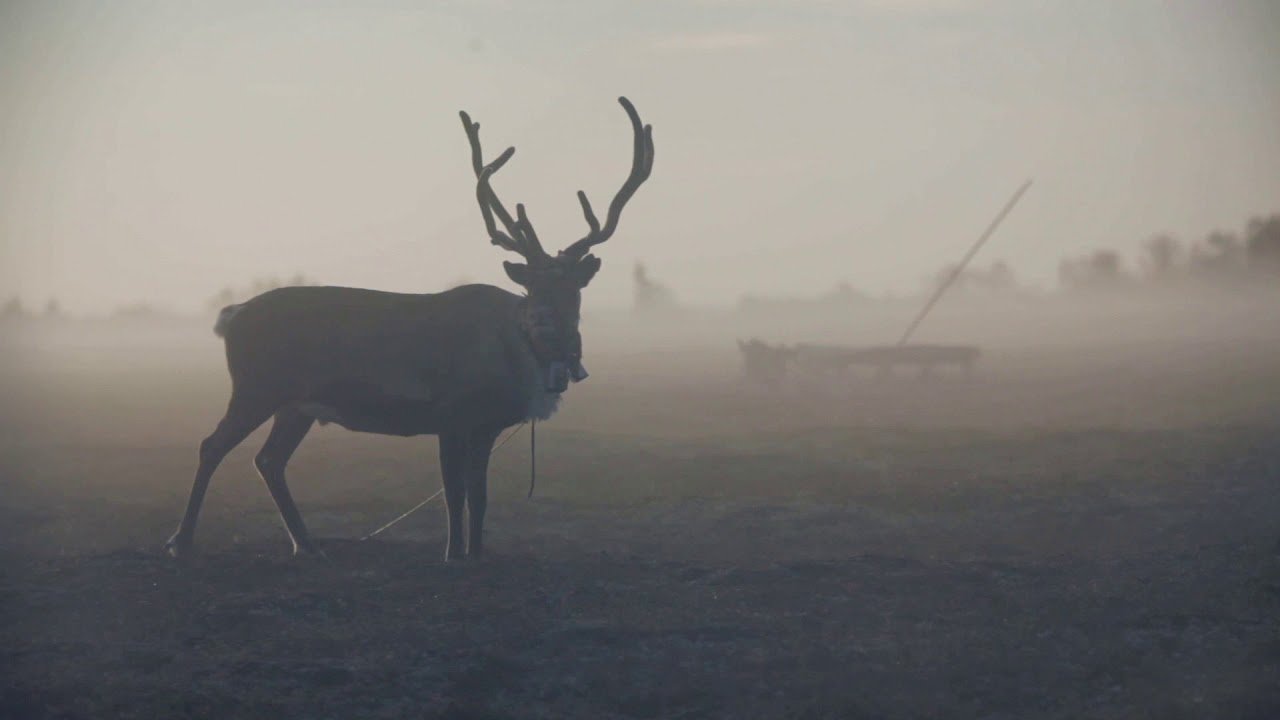
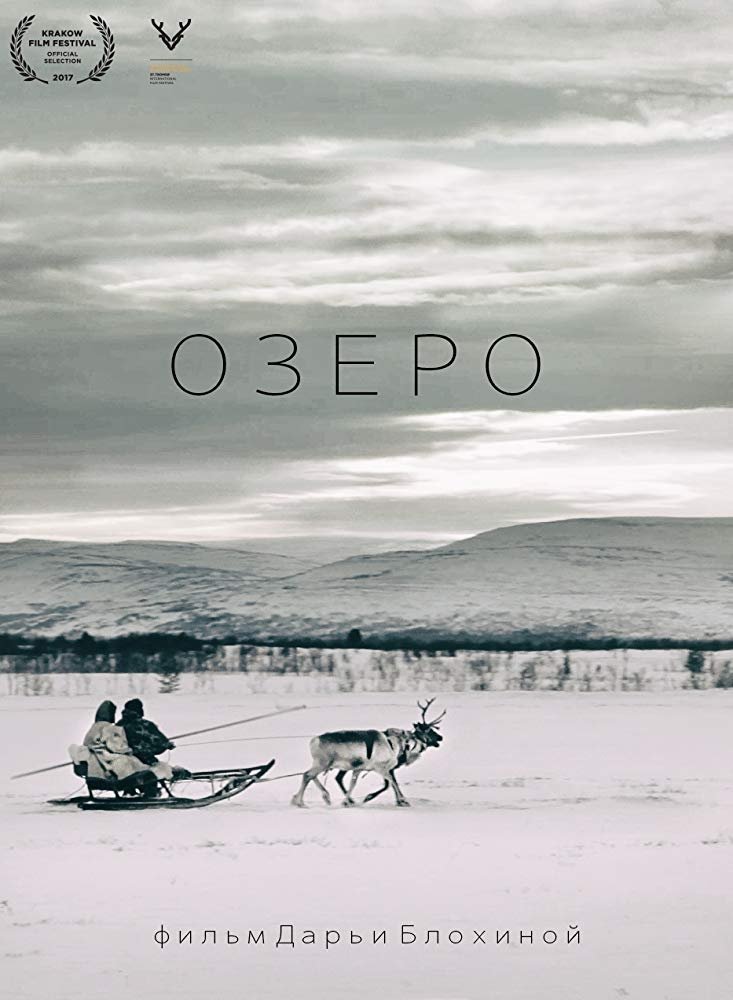
The Filippov family live in the north of Russia, far from civilisation. Despite the lack of modern conveniences, they live in harmony with nature, create art, support and understand each other like no other people in this world.
Social & External
Toronto is regarded as the third largest jazz centre in North America. This film features a cross-section of jazz bands of that city: the Lenny Breau Trio, the Don Thompson Quintet and the Alf Jones Quartet. Their styles show creative self-expression, hard work, and improvisation.
Petrouchka is a young Gabonese woman who takes care of her brother who is a victim of a disability. Her love for her brother leads her to create an association that aims to help all young people who live in this situation and is now called the mother of the disabled. She proudly shares her career with her followers on social networks.
Over nearly 20 years, filmmaker Carlos Nader lived with the Paraná truck Nilson de Paula and his family. From the beginning, the project was to conduct a documentary whose intentions become viscerally, a process also captured by the camera. During this period, becomes the lives of Nilson, who gets sick, his wife, Jane, and his only daughter, Liciane, as well as the director, who happens to be part of this circle also affectively. Major issues such as the meaning of life, are incorporated into the very fabric of the film, which oppose excerpts from the classic "The Word" (Ordet), Carl Dreyer, highlighting aesthetic and existential connections.
A fist-person story of the director of the documentary, who talks about the loneliness that entails living with an eating disorder and her vision now thar she is entering into adulthood.
A trip on the Swedish lake Mälaren by a 115-year-old steamboat. The journey between Stockholm and Mariefred takes 3,5 hours. The steamboat Mariefred was manufactured over a hundred years ago and is one of the last steam-powered vessels on the lake. The steam whistle sounds when Maja, as she is called in Mariefred, steers into the bay towards the small town. A fanfare for the summer!
A Small Paradise is a film documentary about the Greek island Kos and the people there. It is a cinematic and nostalgic journey. In the film documentary, you meet people of different backgrounds and sexes. They share their thoughts and opinions about the island and other topics. You get captivated by the small interviews, the music, and the personal stories.
In an increasingly technologically advanced world, only the bravest dare to live life in a simpler way. In this masterpiece, Carlos, better known as "Legendboy", documents his thrilling journey from his quarters to his friends' house, recounting all the ups and downs and unique moments along the way. Special commentary by "Morais".
"Who plays me, hears my voices”, shows a recent moment in the life of Gaston Lafourcade, a classical pianist and harpsichordist who, at the age of 83, enters a recording studio for the first time in his life to record a solo album and to join his daughter, Natalia Lafourcade, who during a recess period in her career, decides to embark on this adventure as a love letter to her father and as a way to enjoy what brings them together, beyond blood ties: their deep love for music.
It may be the largest and most densely populated city on Earth, but Tokyo’s 14 million human residents share their home with an astonishing array of wildlife. From jewel beetles and goshawks in the city’s shrines to the forests of Okutama where bears, monkeys and tanuki feast, this film reveals the power of nature in Japan’s capital.
"Not a documentary but the the ruins of an attempted documentary." - Grashina Gabelmann Nico’s solo concert in West Berlin 1986. She’s high, giggly, not entirely there but her voice is still haunting and raspy and her presence still the one of a star. We see short clips of an interview held the same year in a hotel – an interview Gaul found somewhere, where he can not remember. We see footage borrowed from Andy Warhol’s estate. Footage of factory parties and screen tests.
One of several Kevin Jerome Everson pieces regarding African-American rodeo riders, SECOND PLACE brings us inside the big show. The jerkily pixilated view of a bucking bull offers an aesthetic equivalent of the cowboy's wild ride while the film's silence lends an unexpected repose to the contest. Whether anticipating a bull's blasting out of the gate or watching an old hand stretch out his back, Everson's camera is ever-attentive to the action at the edge of the frame. - Max Goldberg
A film about a young woman's future plans in Munich, Germany. MUNCHEN, RAPHAELA (also known as RAPHAELA RING MUNCHEN) is part of Mike Plante's Lunchfilm series of commissioned shorts (made for the cost of a lunch between Plante and filmmaker Kevin Jerome Everson).
The original documentary on the Wigstock festival, back in the day when it was a much smaller affair in Thompkins Square Park. A full day of peace, love, and wigs…
Long Gone Wild focuses on the plight of captive orcas, picking up where the acclaimed documentary Blackfish left off while telling a uniquely new and different story...
A mother moose’s journey through nature’s eternal cycles.
Haja Fatma, a mother to eight children, tells the tale of family life in Tripoli during the Libyan Revolution. Women, young and old, all contributed during these hostile months in their own unique way. A human portal into the acts of ordinary people in their hope for freedom.
A contemplation of art and adventure in the southern wilds of New Zealand by both a landscape photographer and an adventure filmmaker. This film is the unexpected result of their two unique perspectives.
In the center of the story is the life of the indigenous people of the village Bakhtia at the river Yenisei in the Siberian Taiga. The camera follows the protagonists in the village over a period of a year. The natives, whose daily routines have barely changed over the last centuries, keep living their lives according to their own cultural traditions.
Stick Man lives in the family tree with his Stick Lady Love and their stick children three, and he's heading on an epic adventure across the seasons. Will he get back to his family in time for Christmas?
A third movie about Fyodor and his friends from the Prostokvashino village and their adventures - this time during the winter.
A plover chick has not learned to fly when his family migrates in the fall. He must survive the arctic winter, vicious enemies and himself in order to be reunited with his beloved one next spring.
This documentary promoting the joys of life in a Soviet village centers on the activities of the Young Pioneers. These children are constantly busy, pasting propaganda posters on walls, distributing hand bills, exhorting all to "buy from the cooperative" as opposed to the Public Sector, promoting temperance, and helping poor widows. Experimental portions of the film, projected in reverse, feature the un-slaughtering of a bull and the un-baking of bread.
A Soviet cult cartoon, so untypical for a Western viewer, especially, a little one. A boy named Malysh ("A Little One") suffers from solitude being the youngest of the three children in a Swedish family. The acute sense of solitude makes him desperately want a dog, but before he gets one, he "invents" a friend - the very Karlson who lives upon the roof. So typical for the Russian culture spirit of mischief, which is, actually, never punished, and the notion that relative welfare not necessarily means happiness made the book by Astrid Lindgren and its TV adaptations tremendously popular in the Soviet Union and nowadays Russia and vice versa - somewhat alienated to the Western reader and viewer (see User's comments below). However, both the book and the cartoon are truly universal - entertaining and funny for the children and thought-provoking and somewhat sad for grownups.
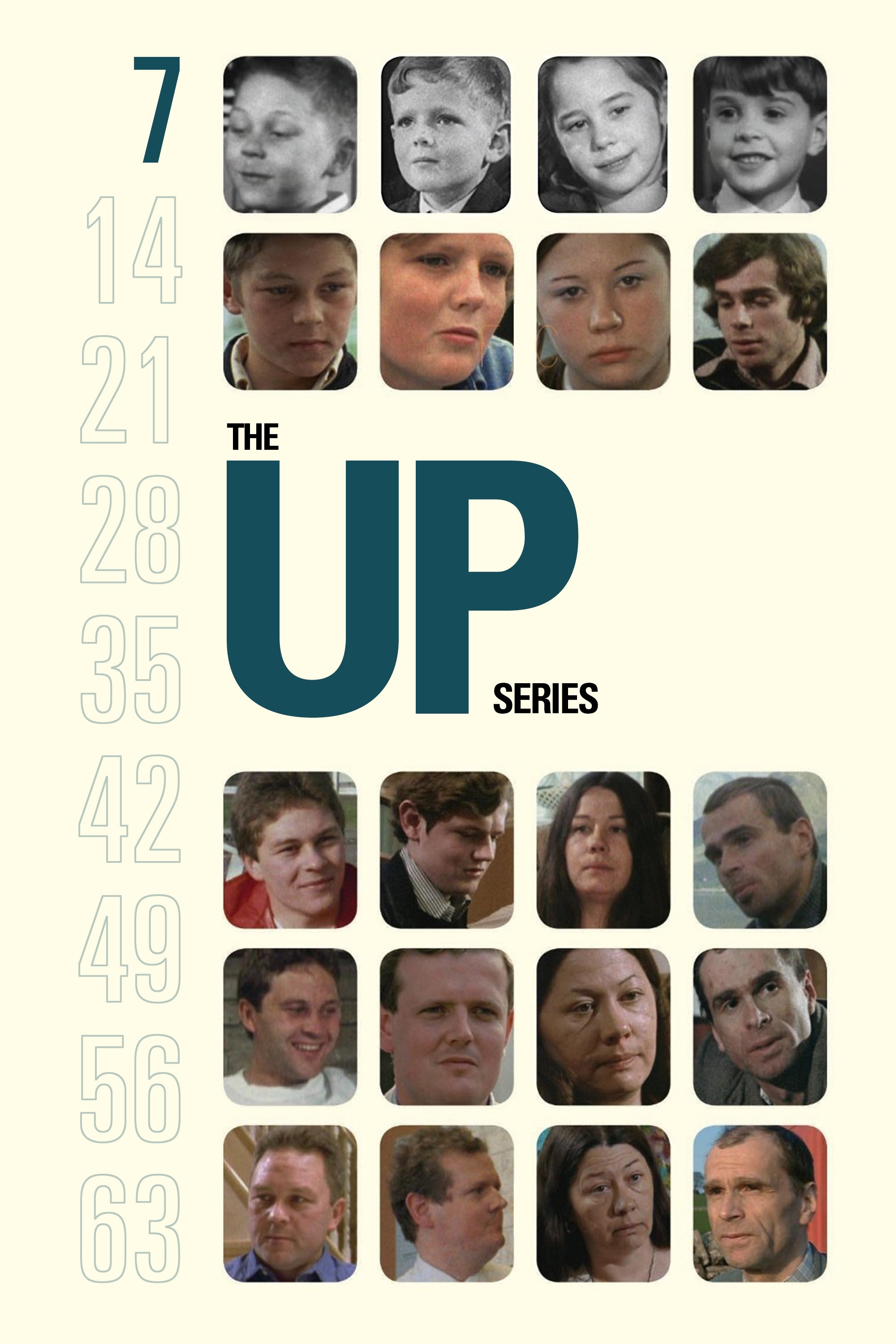
A group of British children aged 7 from widely ranging backgrounds are interviewed about a range of subjects. The filmmakers plan to re-interview them at 7 year intervals to track how their lives and attitudes change as they age.
The continuation of the adventures of Fyodor and his friends from the Prostokvashino village.
When Sid accidentally destroys Manny's heirloom Christmas rock and ends up on Santa's naughty list, he leads a hilarious quest to the North Pole to make things right and ends up making things much worse. Now it's up to Manny and his prehistoric posse to band together and save Christmas for the entire world!
First animation about Gena and Cheburashka. Gena the Crocodile works as a zoo animal at an urban zoo. Every evening, he returns home to his lonely apartment. Gena gets very tired of playing chess against himself and decides to find some friends to play with. Animals and people respond to advertisements that he posts all around the city. First, a girl named Galya comes with a homeless puppy, who is then followed by Cheburashka. They decide to build a house for all the lonely citizens of the city, but a mischievous old lady, Shapoklyak, tries to stop them in different ways.
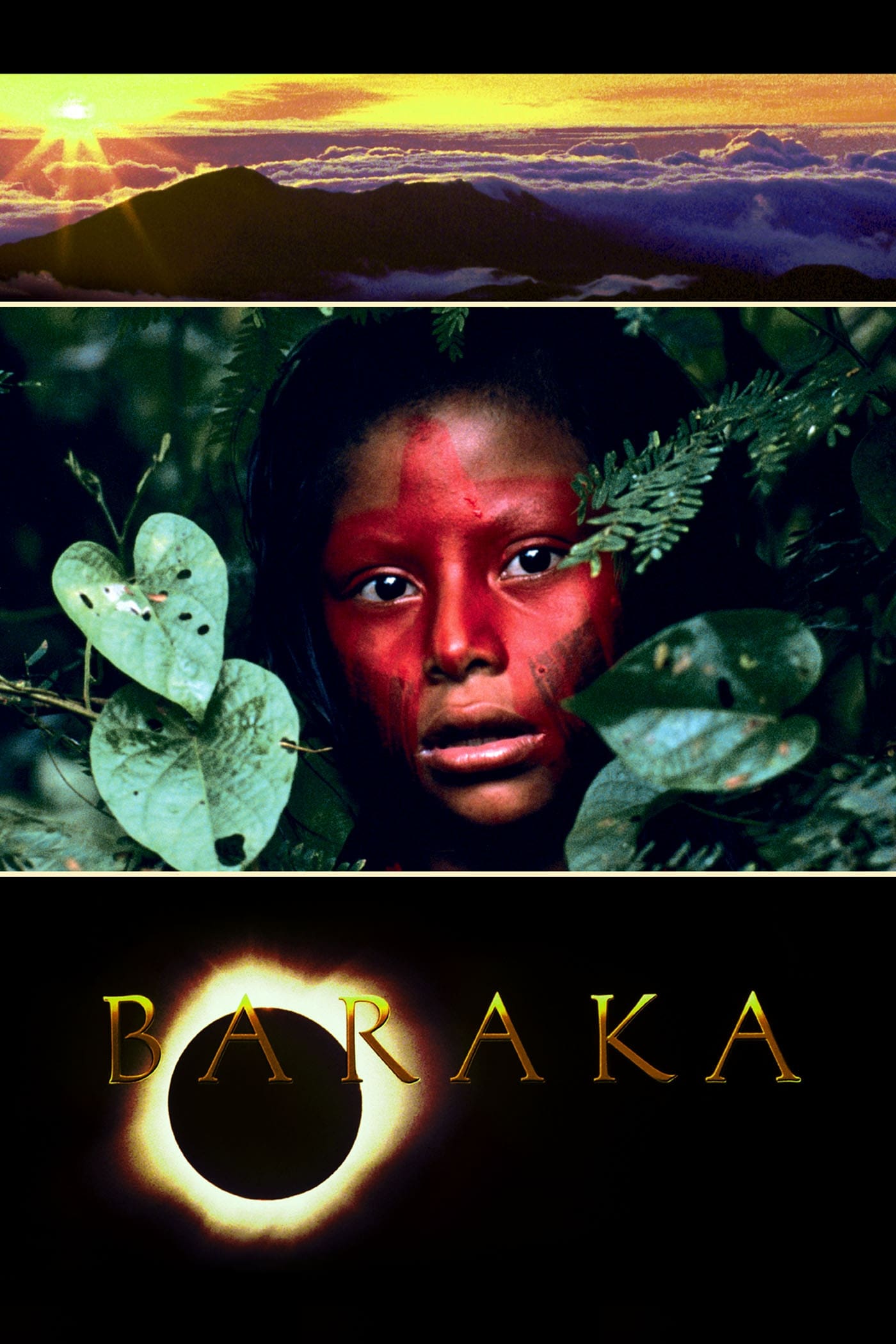
A celebration of the universe, displaying the whole of time, from its start to its final collapse. This film examines all that occurred to prepare the world that stands before us now: science and spirit, birth and death, the grand cosmos and the minute life systems of our planet.
Gena the Crocodile and Cheburashka decide to go to the sea on vacation. Shapoklyak steals their train tickets, so they are kicked off the train. On their way home, the duo, with Shapoklyak's help, stops hikers from poaching and a factory from polluting a river.
A little hedgehog, on the way to visit his friend the bear, gets lost in thick fog, where horses, dogs and even falling leaves take on a terrifying new aspect...
In 1999, Internet entrepreneur Josh Harris recruits dozens of young men and women who agree to live in underground apartments for weeks at a time while their every movement is broadcast online. Soon, Harris and his girlfriend embark on their own subterranean adventure, with cameras streaming live footage of their meals, arguments, bedroom activities, and bathroom habits. This documentary explores the role of technology in our lives, as it charts the fragile nature of dot-com economy.
Young Rudolph suffers a childhood accident that sees his nose turn from the publicly accepted norm of black to a glowing red colour. His parents worry about him getting teased, and indeed he does in the end. When he is beaten in the reindeer games by his rival for a doe he fancies, Rudolph runs away and moves into a cave with Slyly the Fox. However can he overcome his fear and reach his true potential?
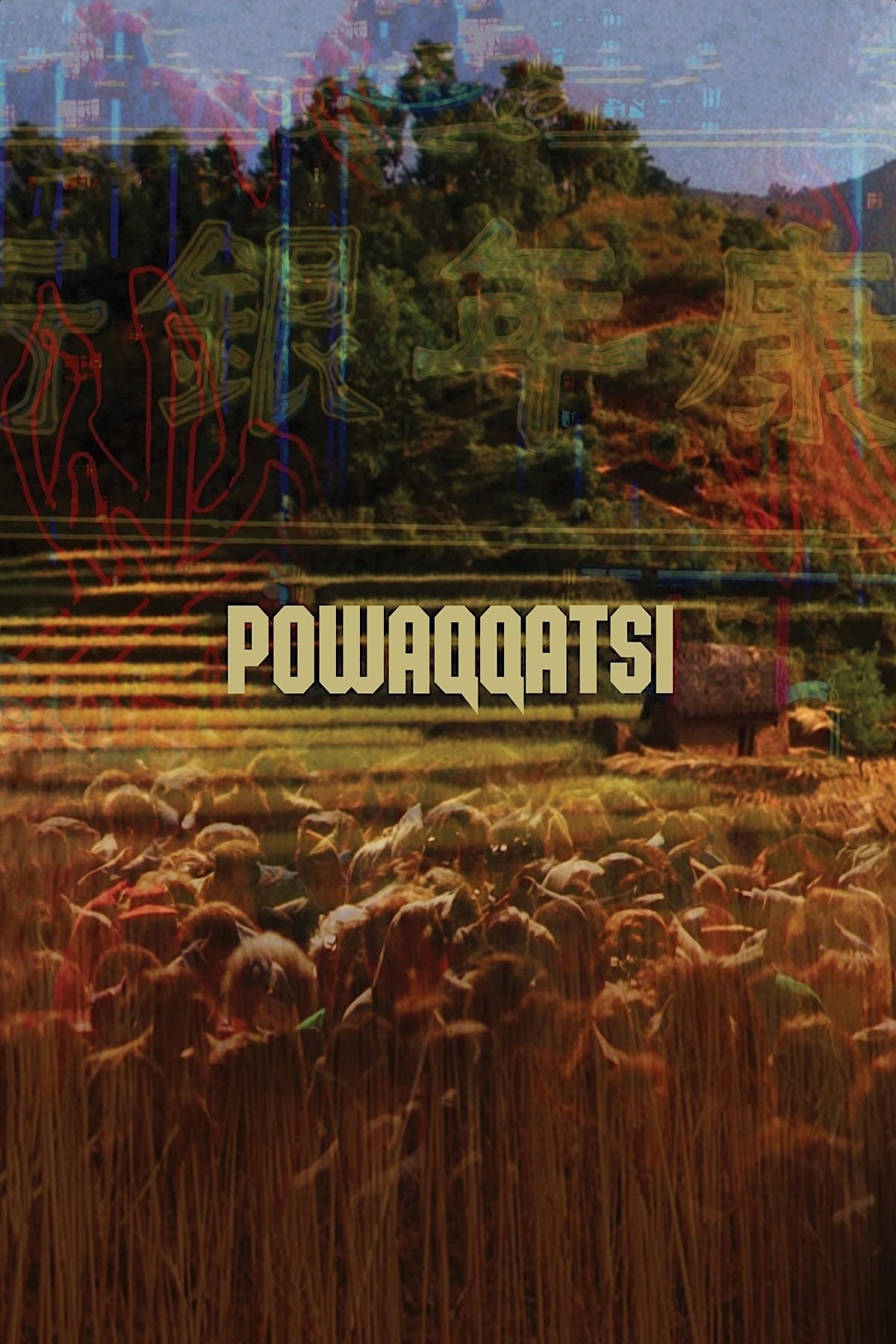
Takes us to locations all around the US and shows us the heavy toll that modern technology is having on humans and the earth. The visual tone poem contains neither dialogue nor a vocalized narration: its tone is set by the juxtaposition of images and the exceptional music by Philip Glass.
A look behind the lens of Christopher Nolan's space epic.
A young boy makes a snowman one Christmas Eve, which comes to life at midnight and takes him on a magical adventure to the North Pole to meet Santa Claus.
We live in a world where the powerful deceive us. We know they lie. They know we know they lie. They do not care. We say we care, but we do nothing, and nothing ever changes. It is normal. Welcome to the post-truth world. How we got to where we are now…

A compilation of over 30 years of private home movie footage shot by Lithuanian-American avant-garde director Jonas Mekas, assembled by Mekas "purely by chance", without concern for chronological order.