Social & External
The people behind it
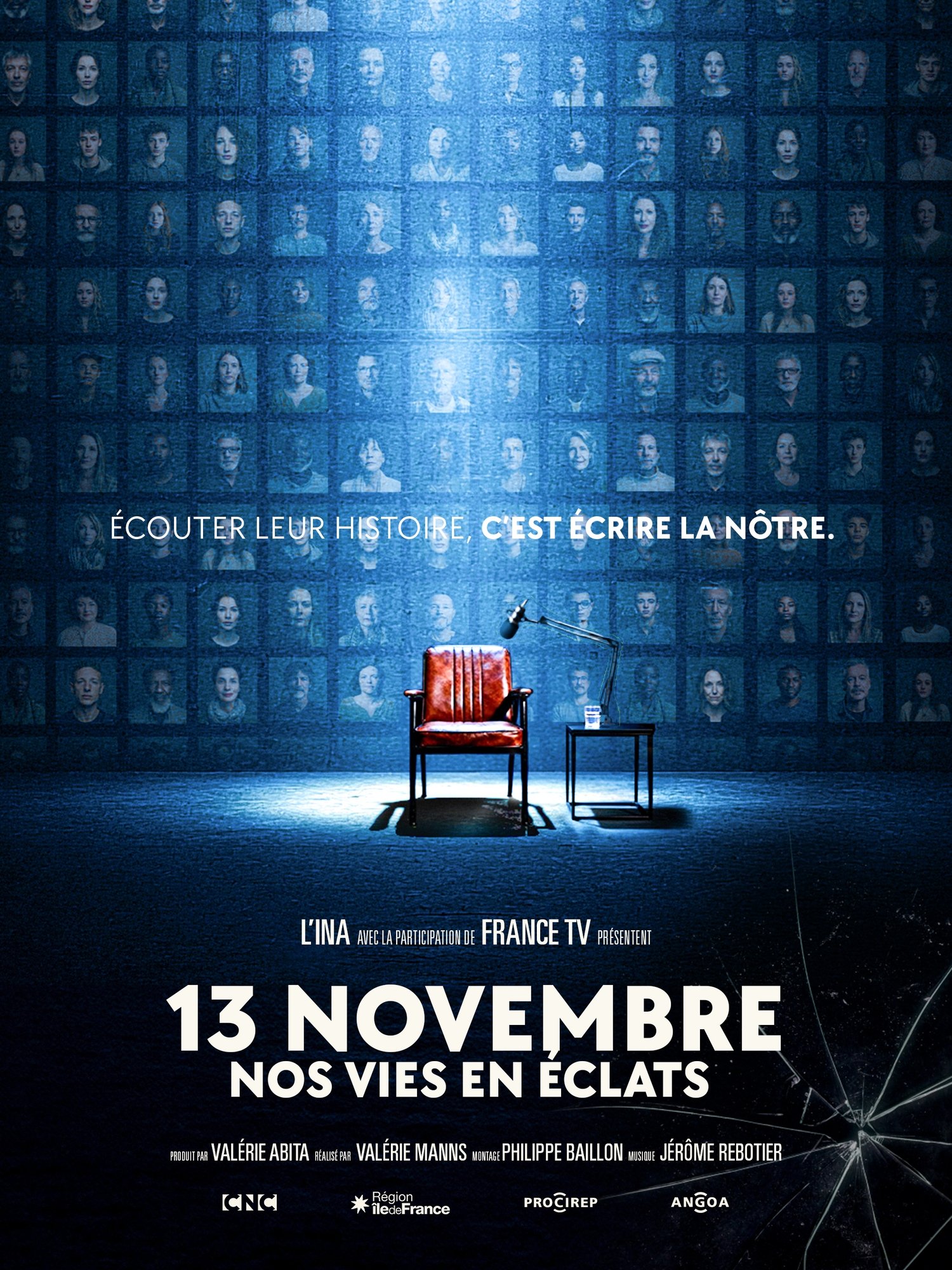
On November 13, 2015, the attacks in Paris and Saint-Denis, carried out by three Islamist commandos and claimed by ISIS, were the deadliest in France since the end of World War II. In the months that followed, the November 13 Program was launched by the CNRS and Inserm to study the construction of individual and collective memory around an event that profoundly marked French society. Today, the testimonies of 27 volunteers—among some 1,000 people—who participated in the study form a mosaic of experiences that shows how trauma extends beyond the immediate circle to permeate the national collective memory.
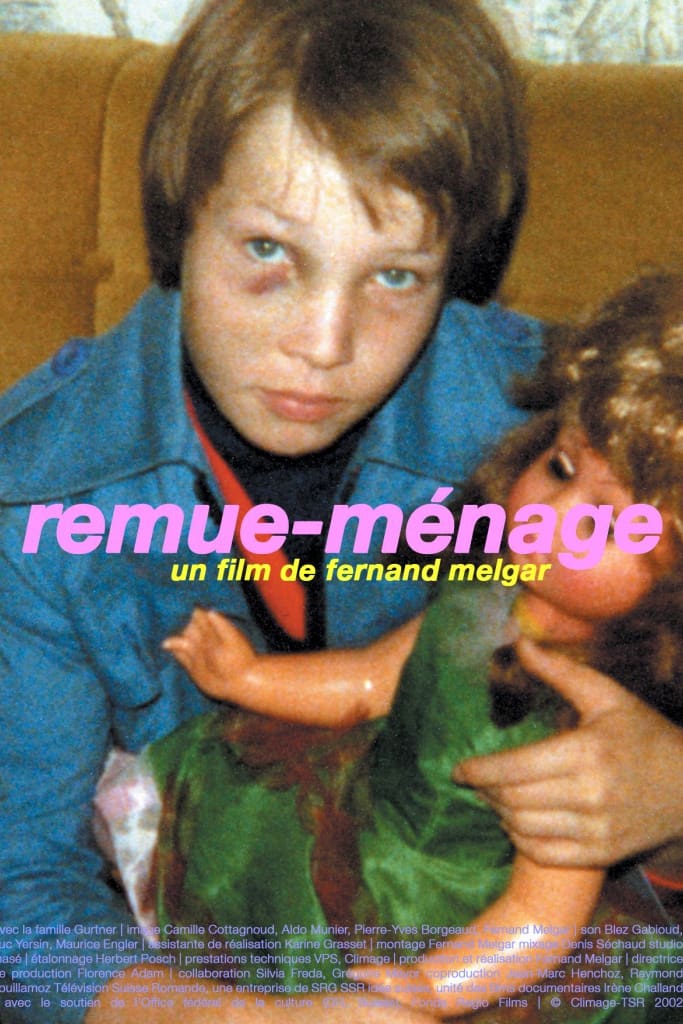
A filmmaker confined to a psychiatric institution tries to find healing by bringing together all the members of his family for a collective experiment: using a construction game set, they must try to recreate as precisely as possible the happiness that once filled their family home, which disappeared 25 years ago. If even one family member managed to restore everything perfectly, the patient would be cured - that much is certain. But nothing was ever going to go as planned.
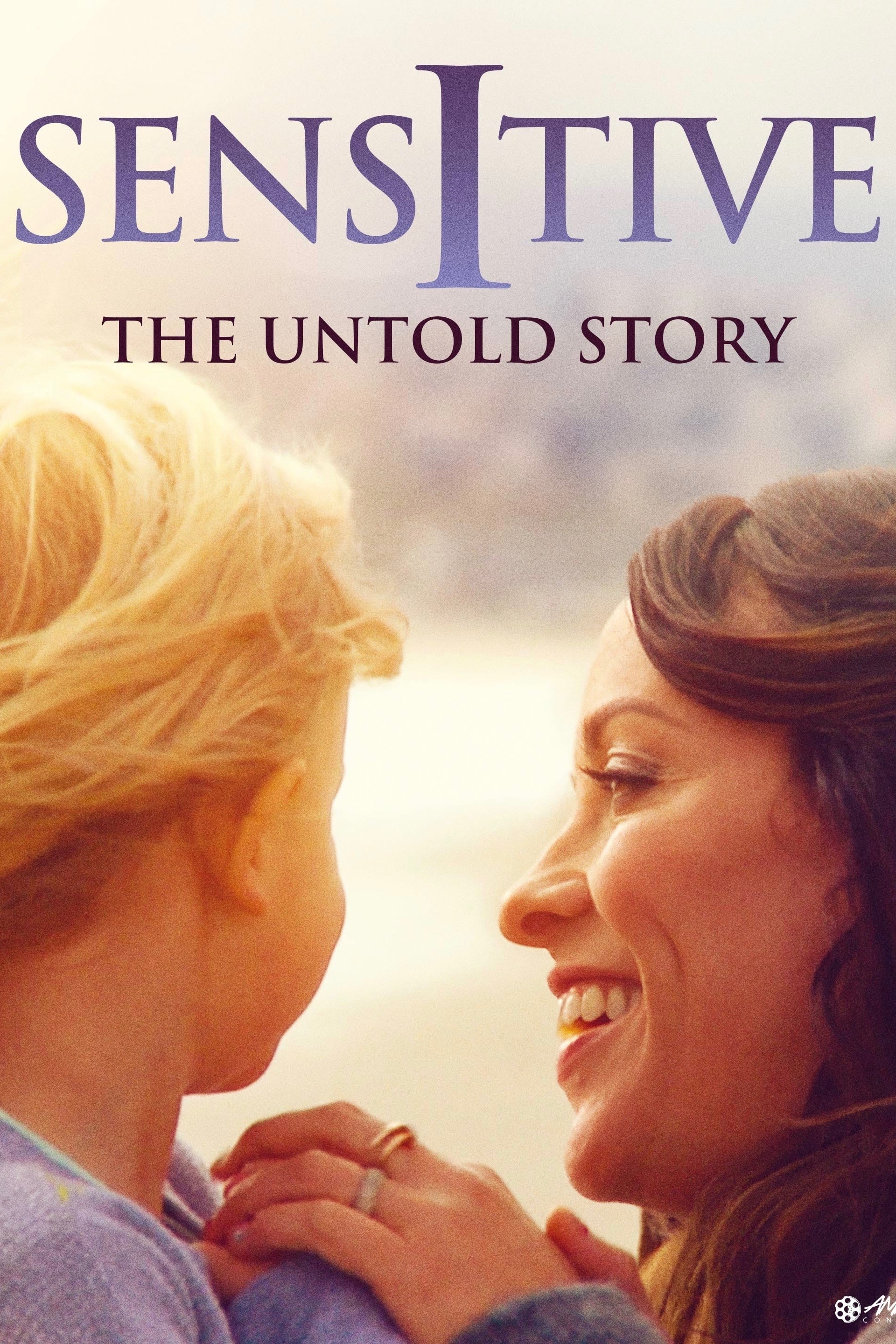
A groundbreaking documentary about the temperament trait of high sensitivity found in 20% of the population in both men and women. Based on the findings of bestselling author-psychologist Dr. Elaine Aron ("The Highly Sensitive Person").
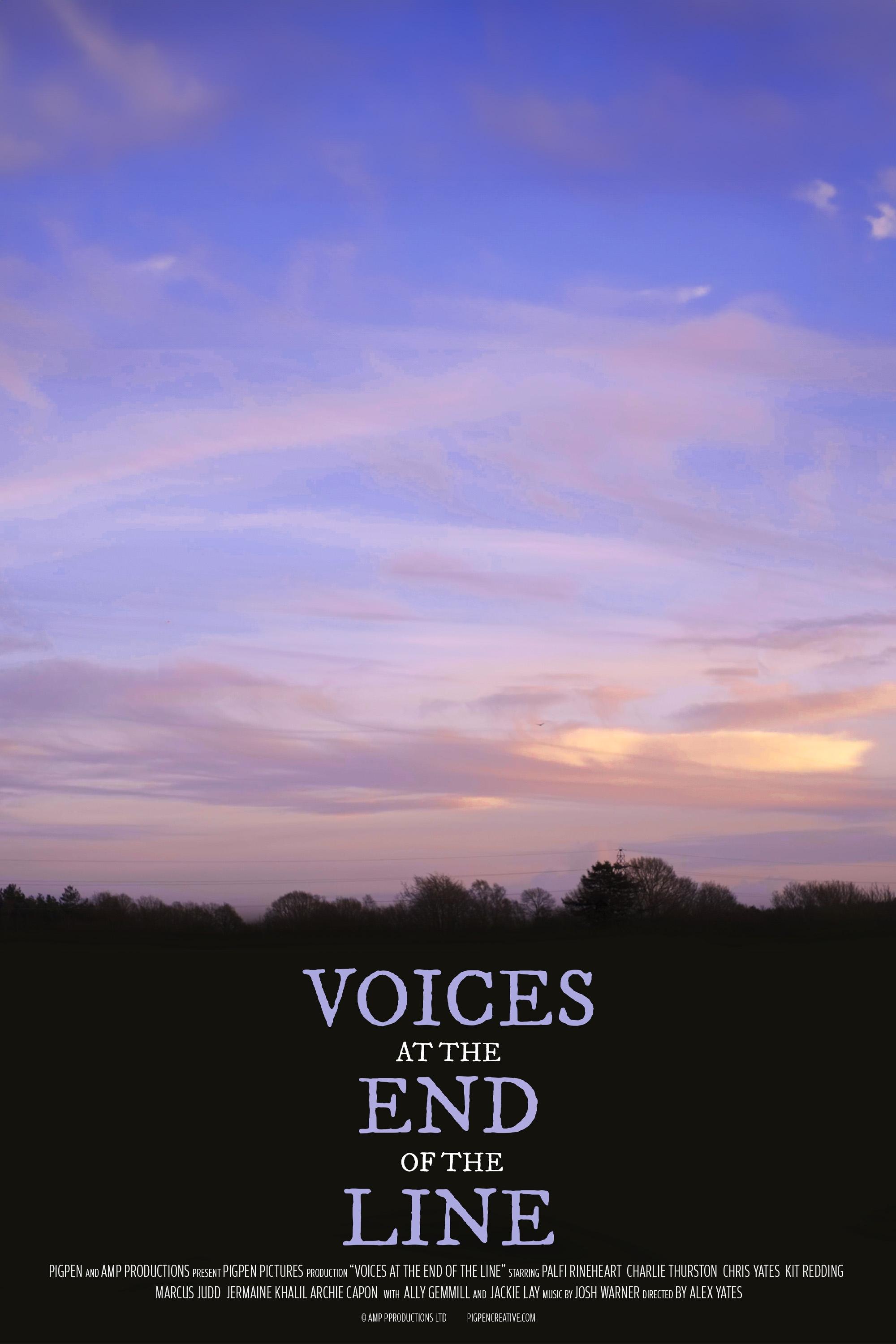
A group of authentic voicemail messages to Alex over the past 5 years from various friends and family members. It is a poetic lattice weaved with mesmeric audiovisuals, presenting the isolating effects of an ever growing digital world.
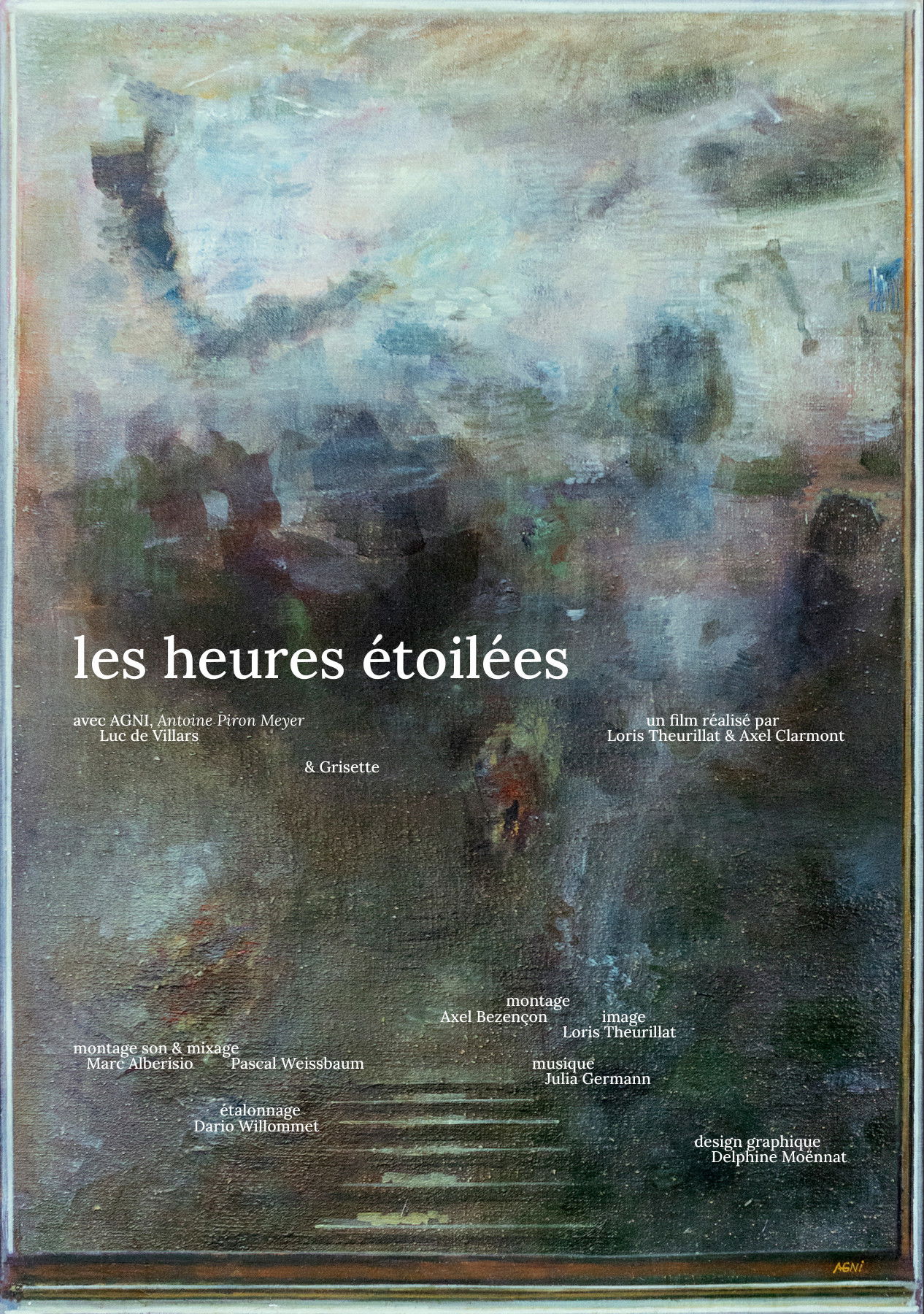
AGNI, a visual artist in the twilight of his life, is rushing to complete his monumental work. Caught up in a frantic creative routine despite his declining health, he transforms every gesture, every moment into a final trace of his passage. Soon, he knows, he will join the stars.
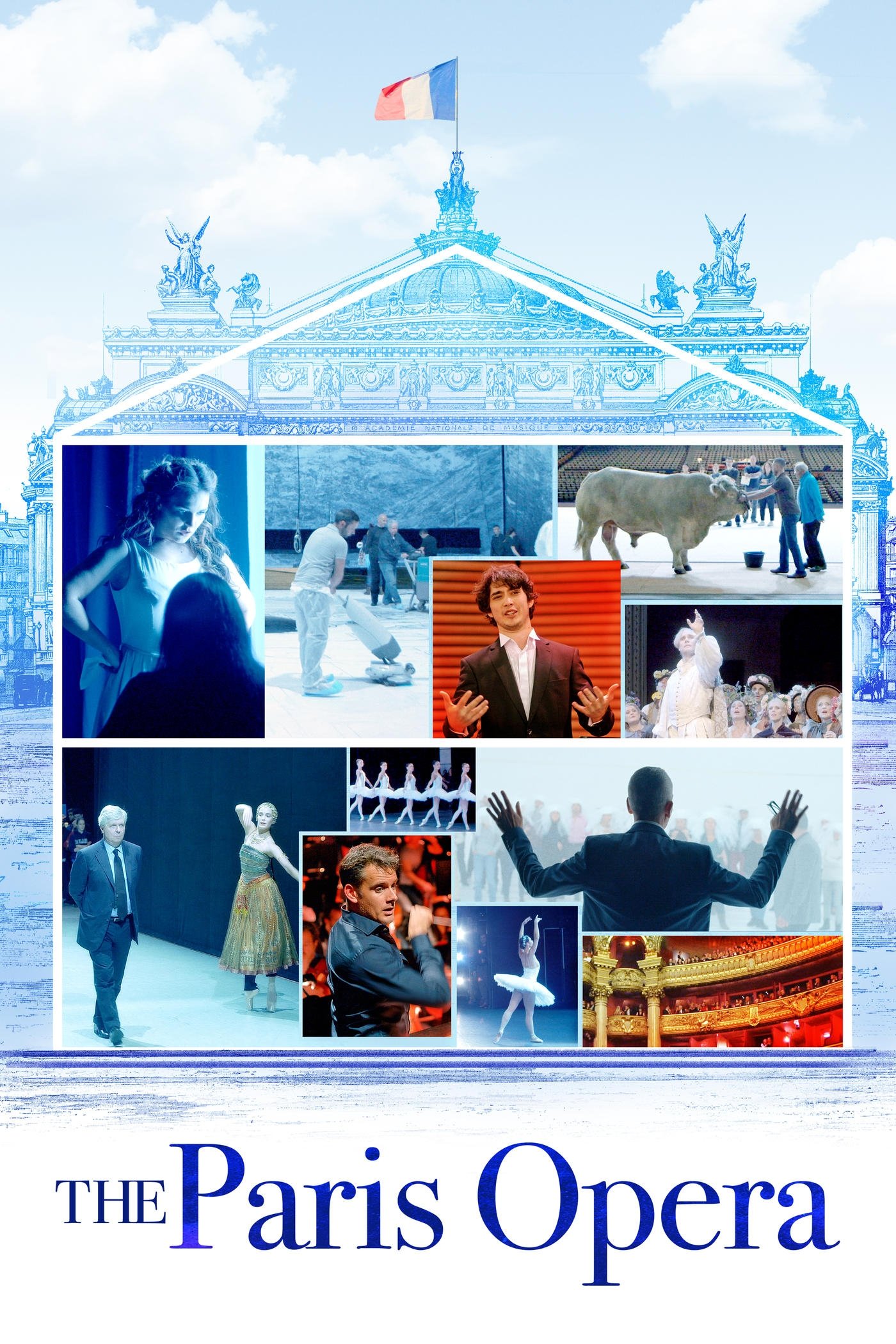
A behind-the-scenes look at the of how the Paris Opera is run under the direction of Stephane Lissner.
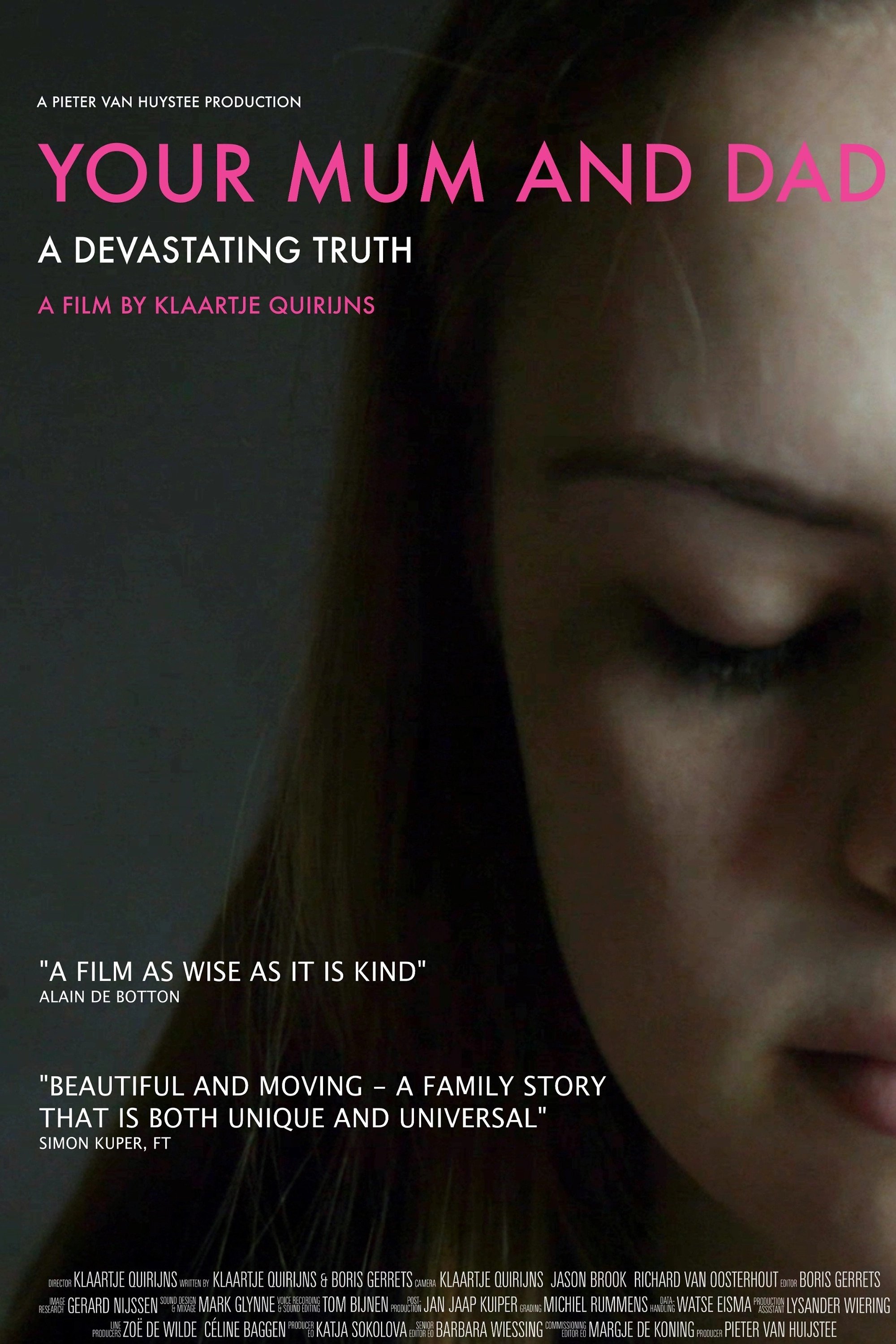
The film follows Michael Moskowitz’s work with a New York-based therapist named Kirkland Vaughns, one of the few African-American Freudian therapists in the United States, while the director reveals her own family’s devastating trauma.
Workplace is a documentary made by Gary Hustwit, in association with R/GA, for the 2016 Venice Architecture Biennale.Workplace is about the past, present, and future of the office. It looks at the thinking, innovation, and experimentation involved in trying to create the next evolution of what the office could be. The film follows the design and construction of the New York headquarters of digital agency R/GA (in collaboration with architects Foster + Partners) who have been experimenting with how physical and digital space can better interact. Digital technology has radically changed how and where most of us work, but the physical spaces we work in haven’t kept up with that transformation.
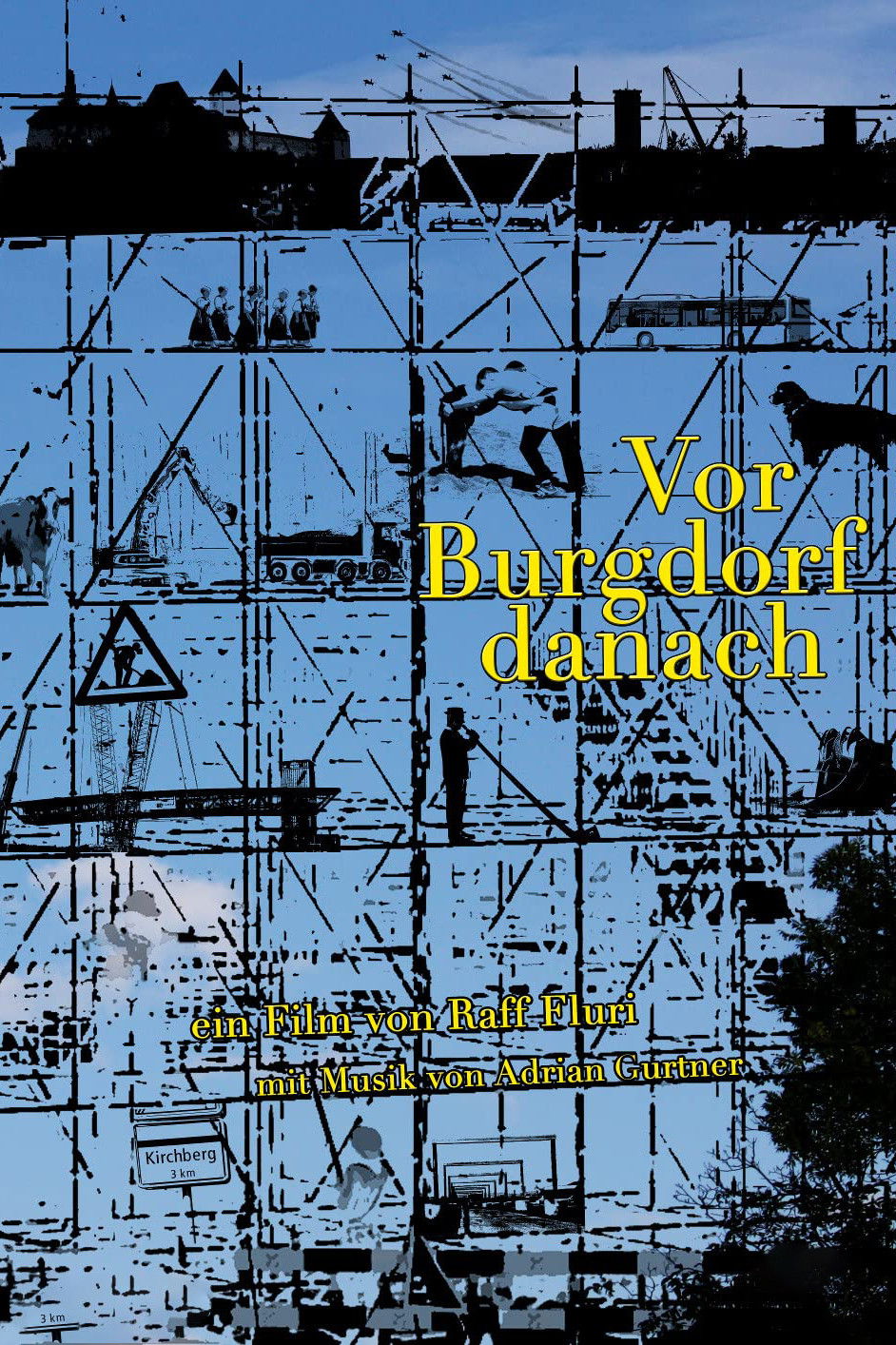
“Namibia Crossings” takes a trip through a country of archaic beauty and bizarre contradictions. The film creates polyphonies of soulful landscapes made up of each individual's highs and lows.
Switzerland was one of the last countries in the world to grant women the right to vote. This film guides us through a century of Swiss history, tracing the imprint left by the women who fought for the right to leave hearth and home – and by the men who did everything they could to send them back – until they gained legal equality, whose implementation seems to be in question still today.
Books, apps, coaching sessions: Today, happiness is everywhere. We might think that there is nothing wrong with this common-sense concern. But it’s actually the opposite of social reality. So what lies behind this contemporary obsession with happiness and the billions of euros generated by its industry? Philosophers, sociologists, economists and psychiatrists including Christophe André, Éva Illouz, Martin Seligman and Julia De Funès, confront their point of view and decipher one of the most captivating and worrying phenomena of this early century.
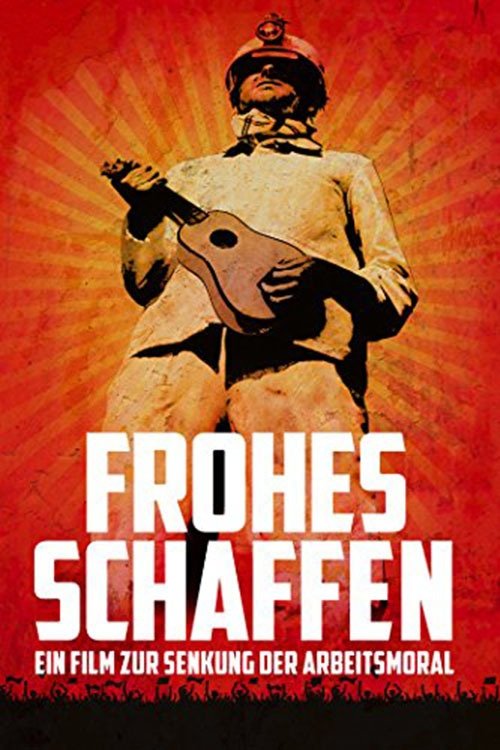
It is a fetish, a mantra, a secret religion to modern man: work. In times of the financial crisis and massive job reductions, this documentary movie questions work as our 'hallow' sense in life in a way that both humors and pains us.
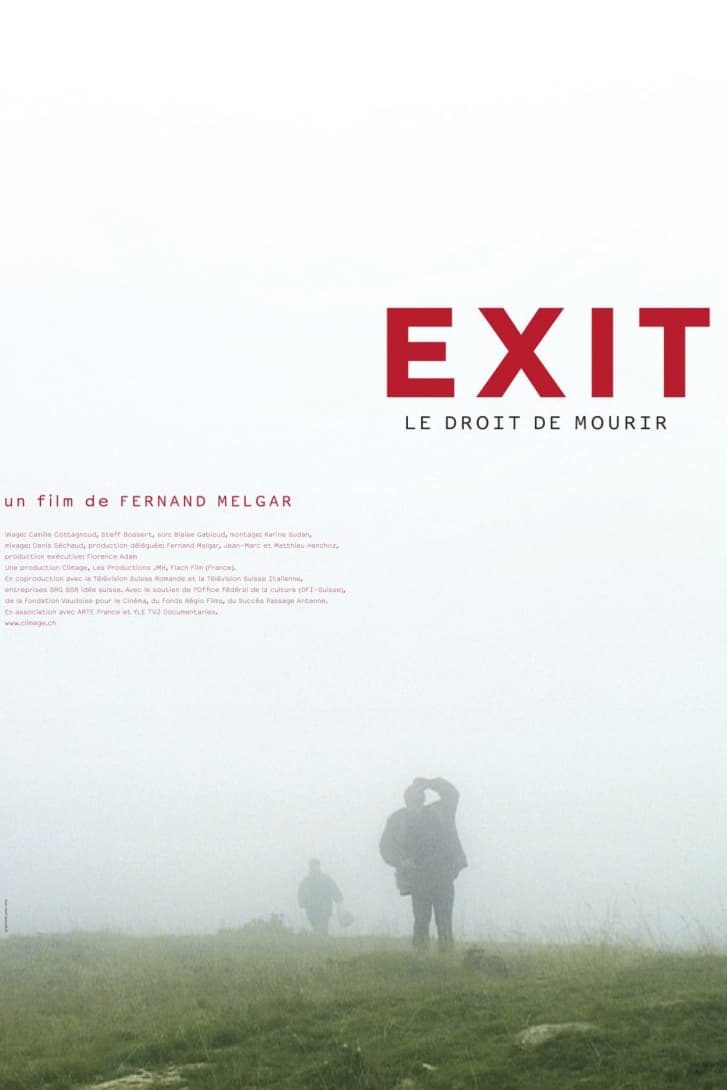
Switzerland is presently the only country in the world where suicide assistance is legal. Exit: The Right to Die profiles that nation's EXIT organization, which for over twenty years has provided volunteers who counsel and accompany the terminally-ill and severely handicapped towards a death of their choice.
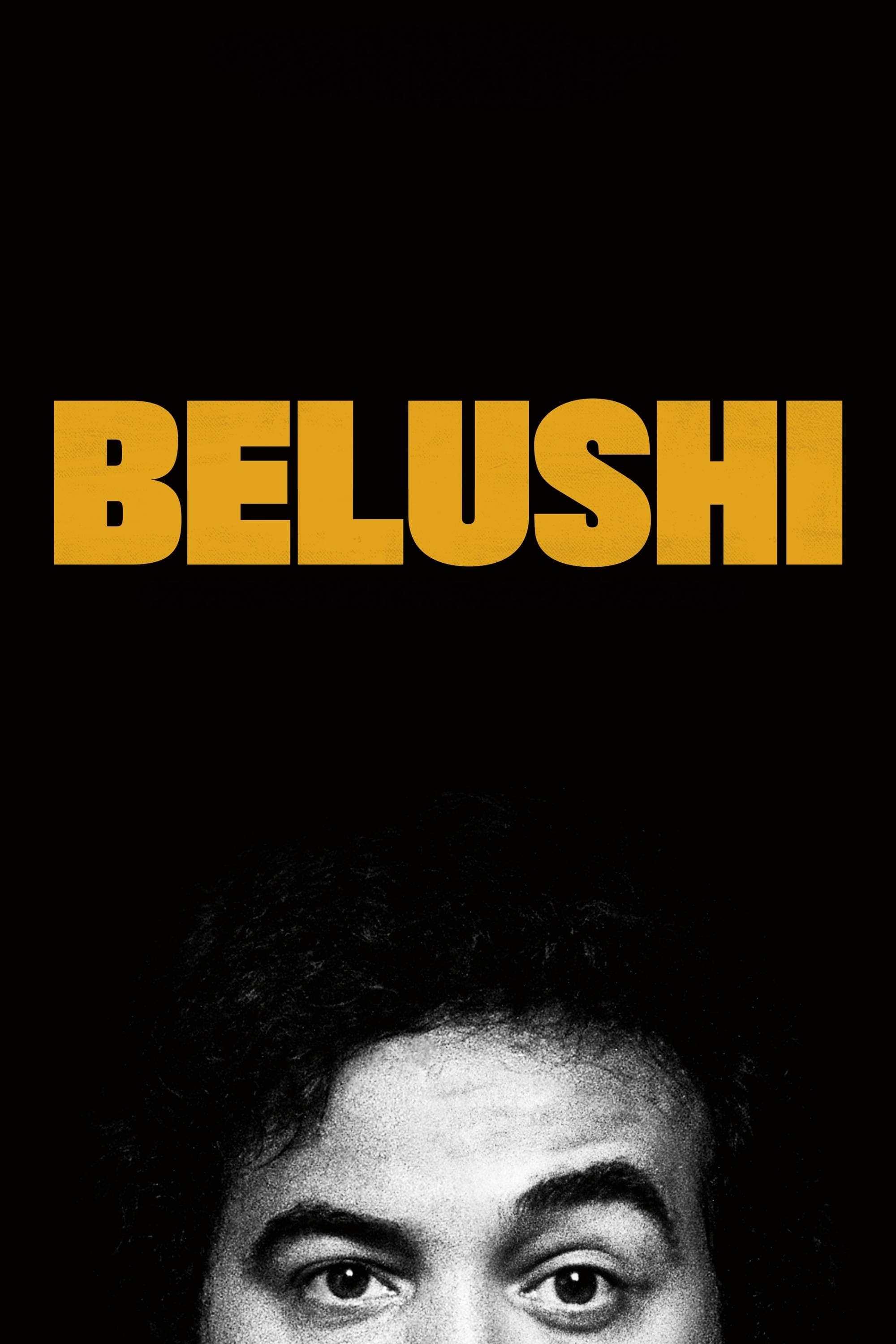
Using previously unheard audiotapes recorded shortly after John Belushi’s death, director R.J. Cutler’s documentary feature examines the too-short life of the once-in-a-generation talent who captured the hearts and funny bones of devoted audiences.
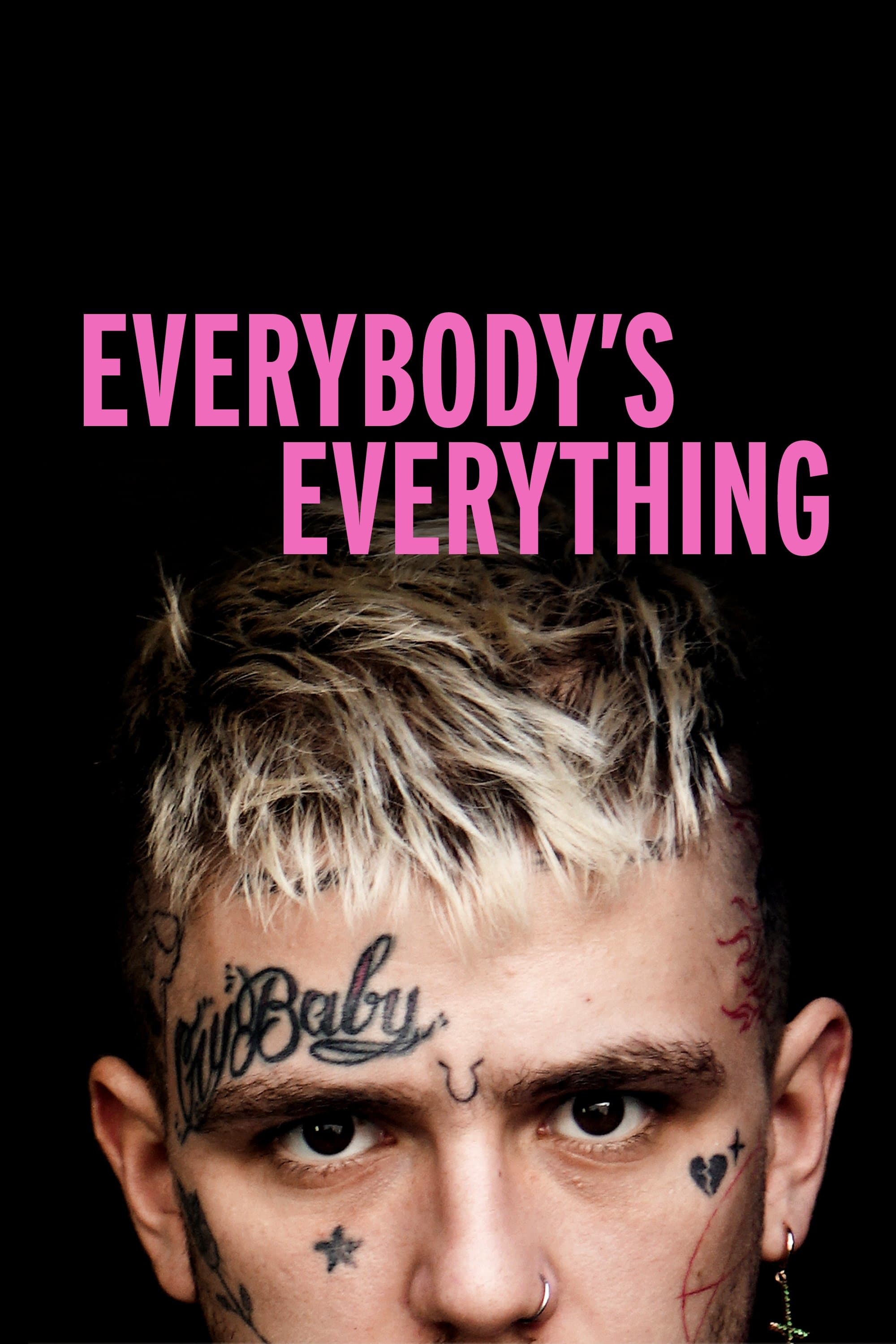
The story of artist Lil Peep from his birth in Long Island and meteoric rise as a genre blending pop star & style icon, to his death due to an accidental opioid overdose in Arizona at just 21 years of age.
In an intimate and joyful story of love in the face of loss, celebrated poets Andrea Gibson and Megan Falley find strength—and unexpected hilarity—in what might be their final year together.
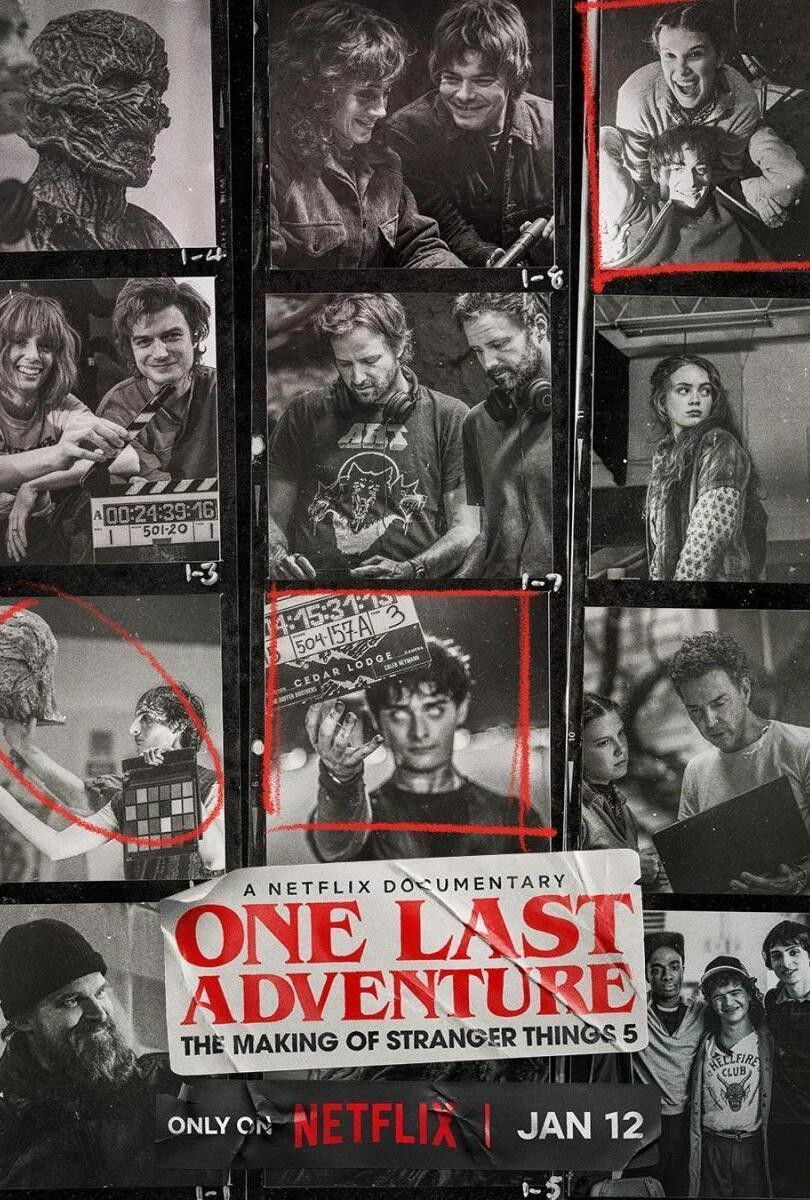
An inside look at the years of effort and craft that went into the final installment of the Duffer Brothers' generation-defining series.
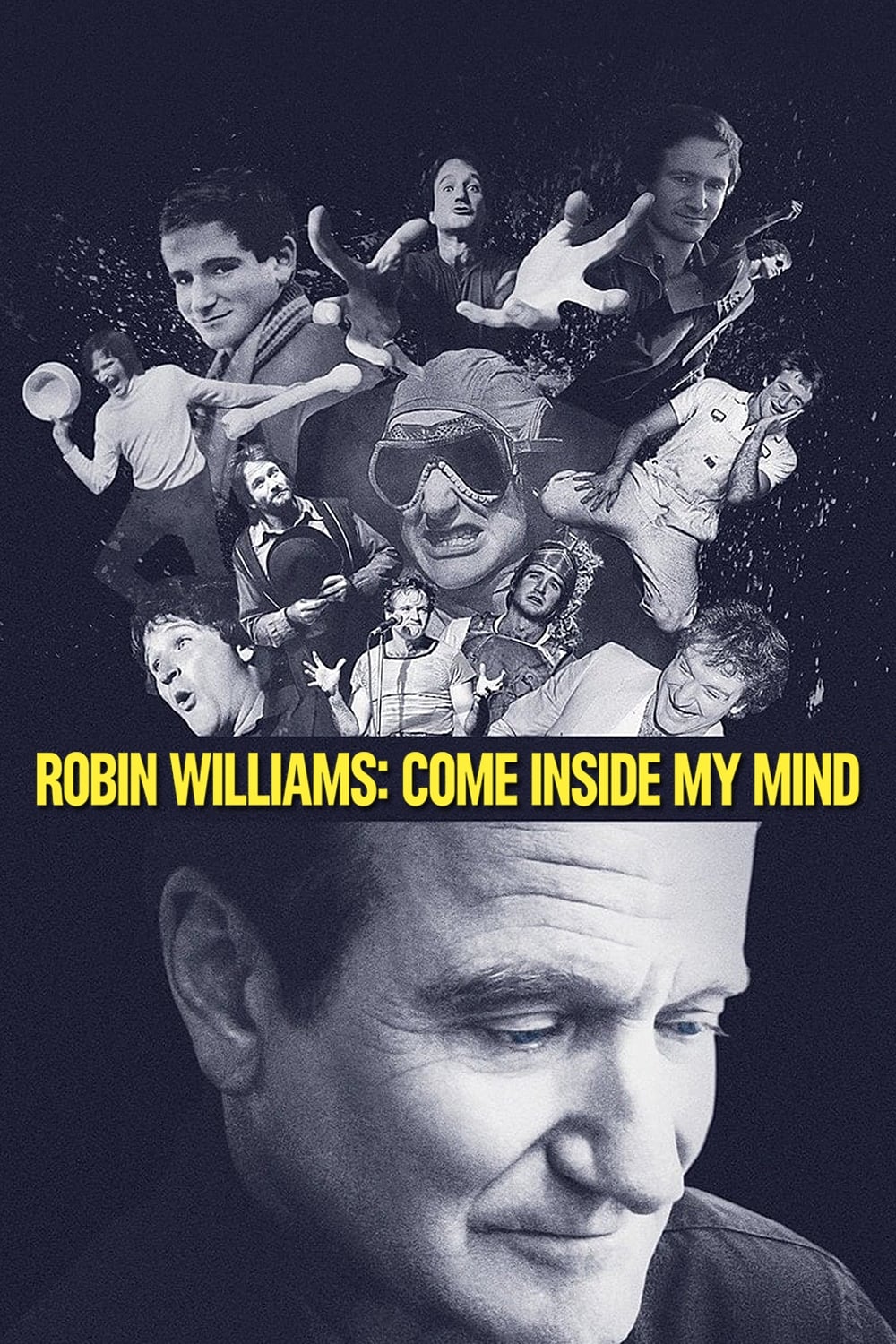
A funny, intimate and heartbreaking portrait of one of the world’s most beloved and inventive comedians, Robin Williams, told largely through his own words. Celebrates what he brought to comedy and to the culture at large, from the wild days of late-1970s L.A. to his death in 2014.
A poetic journey into the visual world of the legendary filmmaker and actor Orson Welles (1915-85) that reveals a new portrait of a unique genius, both of his life and of his monumental work: through his own eyes, drawn by his own hand, painted with his own brush.
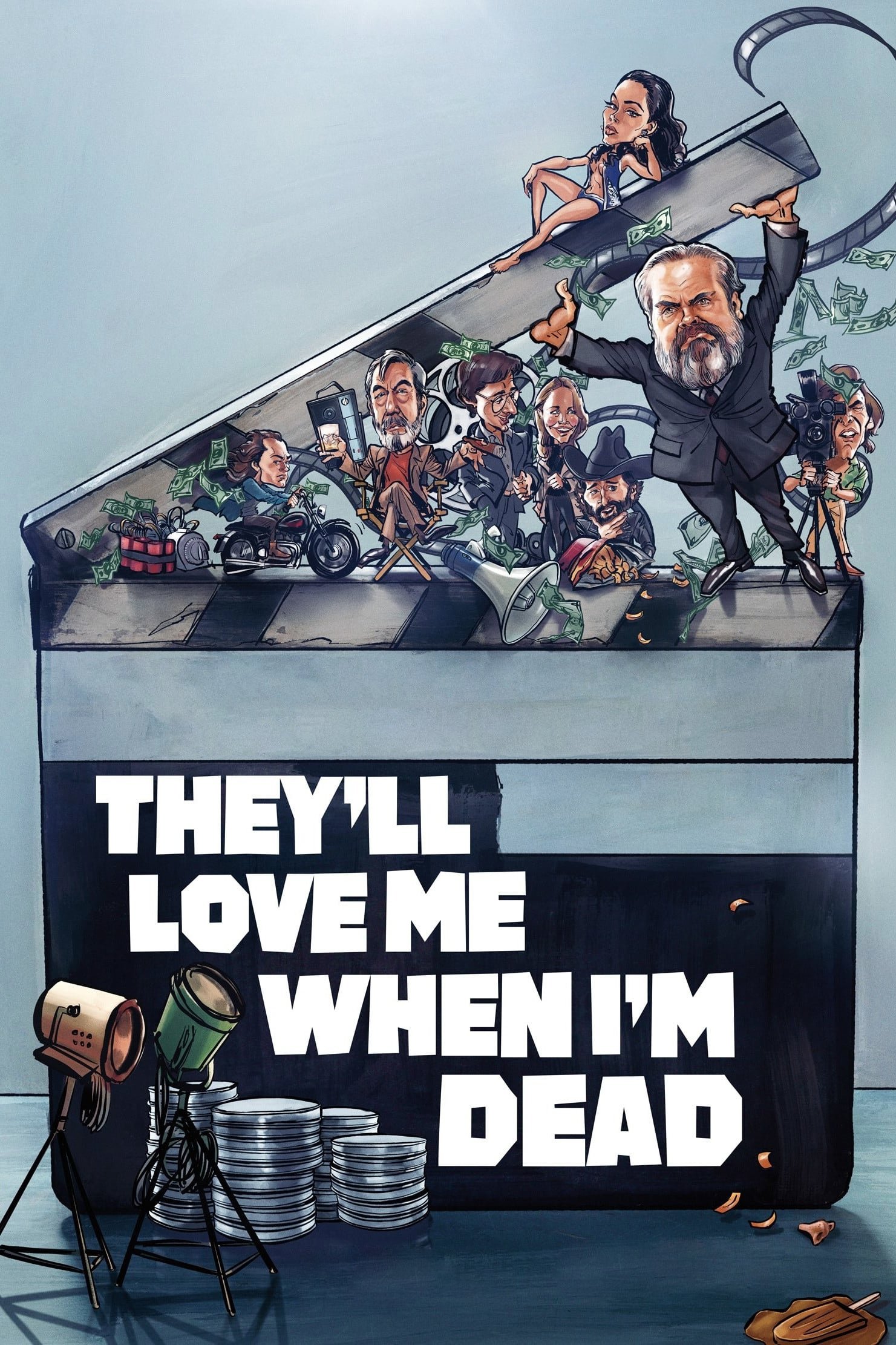
As his life comes to its end, famous Hollywood director Orson Welles puts it all on the line at the chance for renewed success with the film The Other Side of the Wind.
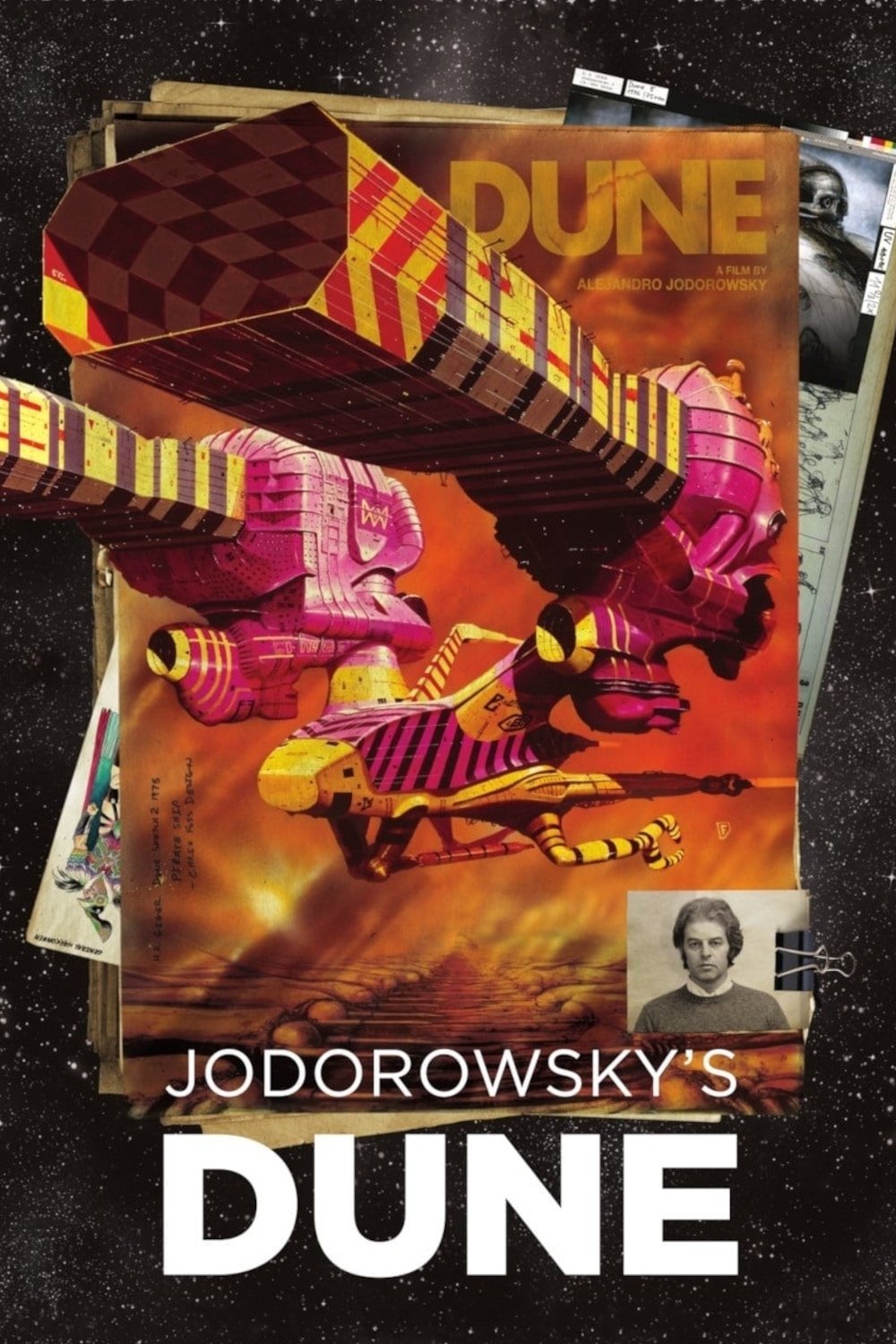
In 1974, Chilean-French director Alejandro Jodorowsky embarked on the quixotic project of adapting Frank Herbert's influential novel Dune (1969) for the big screen. After investing two years, and millions of dollars, the gigantic project ended in failure; but the artists Jodorowsky brought together to carry it out continued to work together, and ended up laying the foundations for modern science fiction cinema.
Daniel Craig candidly reflects on his 15 year adventure as James Bond. Including never-before-seen archival footage from Casino Royale to the upcoming 25th film No Time To Die, Craig shares his personal memories in conversation with 007 producers, Michael G Wilson and Barbara Broccoli.
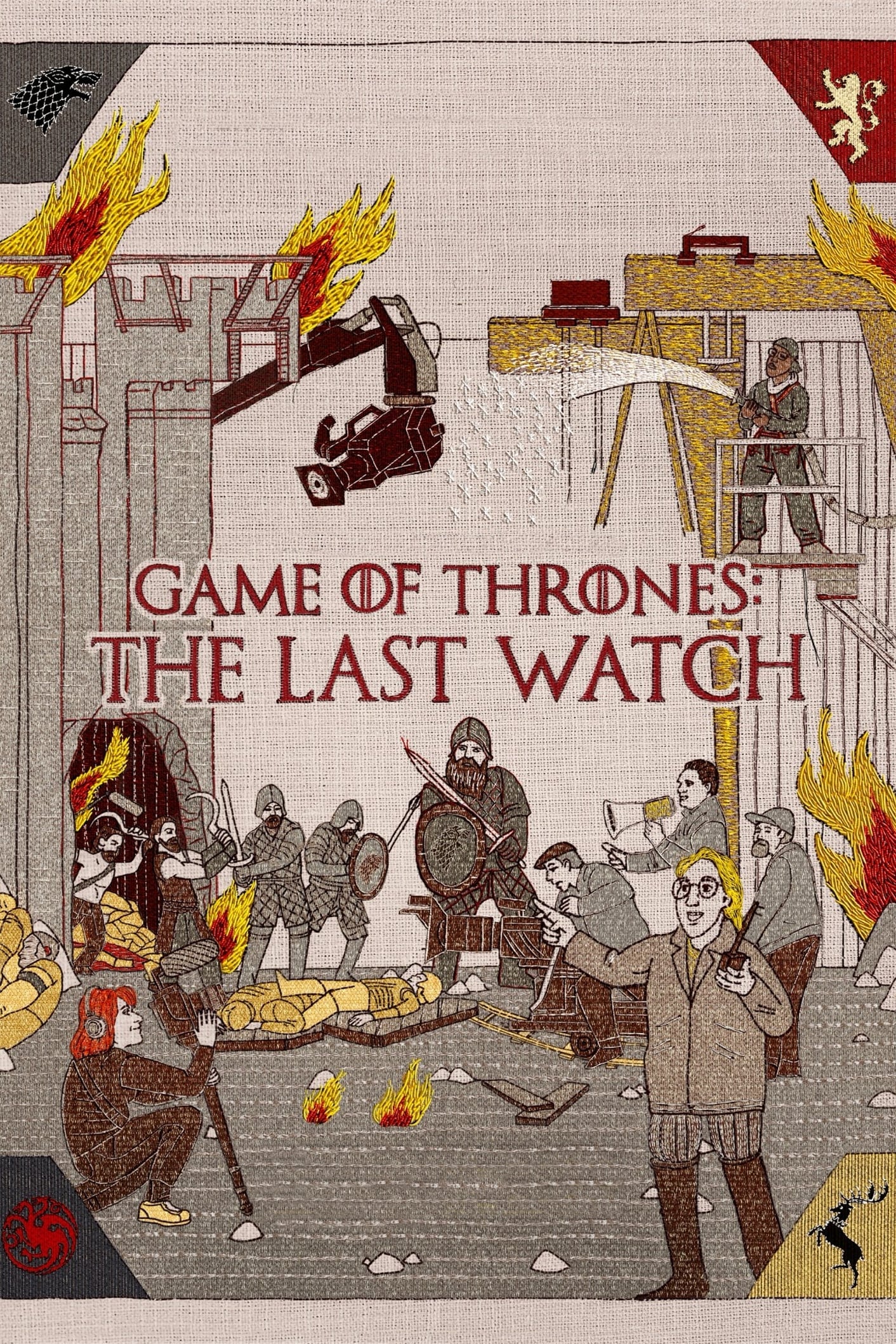
For a year, acclaimed British filmmaker Jeanie Finlay was embedded on the set of the hit HBO series “Game of Thrones,” chronicling the creation of the show’s most ambitious and complicated season. Debuting one week after the series 8 finale, GAME OF THRONES: THE LAST WATCH delves deep into the mud and blood to reveal the tears and triumphs involved in the challenge of bringing the fantasy world of Westeros to life in the very real studios, fields and car-parks of Northern Ireland. Made with unprecedented access, GAME OF THRONES: THE LAST WATCH is an up-close and personal portrait from the trenches of production, following the crew and the cast as they contend with extreme weather, punishing deadlines and an ever-excited fandom hungry for spoilers. Much more than a “making of” documentary, this is a funny, heartbreaking story, told with wit and intimacy, about the bittersweet pleasures of what it means to create a world – and then have to say goodbye to it.
Told through performances, TV interviews, home movies, family photographs, private letters and unpublished memoirs, the film reveals the essence of an extraordinary woman who rose from humble beginnings in New York City to become a glamorous international superstar and one of the greatest artists of all time.
A documentary on the expletive's origin, why it offends some people so deeply, and what can be gained from its use.
Amber Heard and Nicole Kidman discuss their characters Mera and Atlanna.
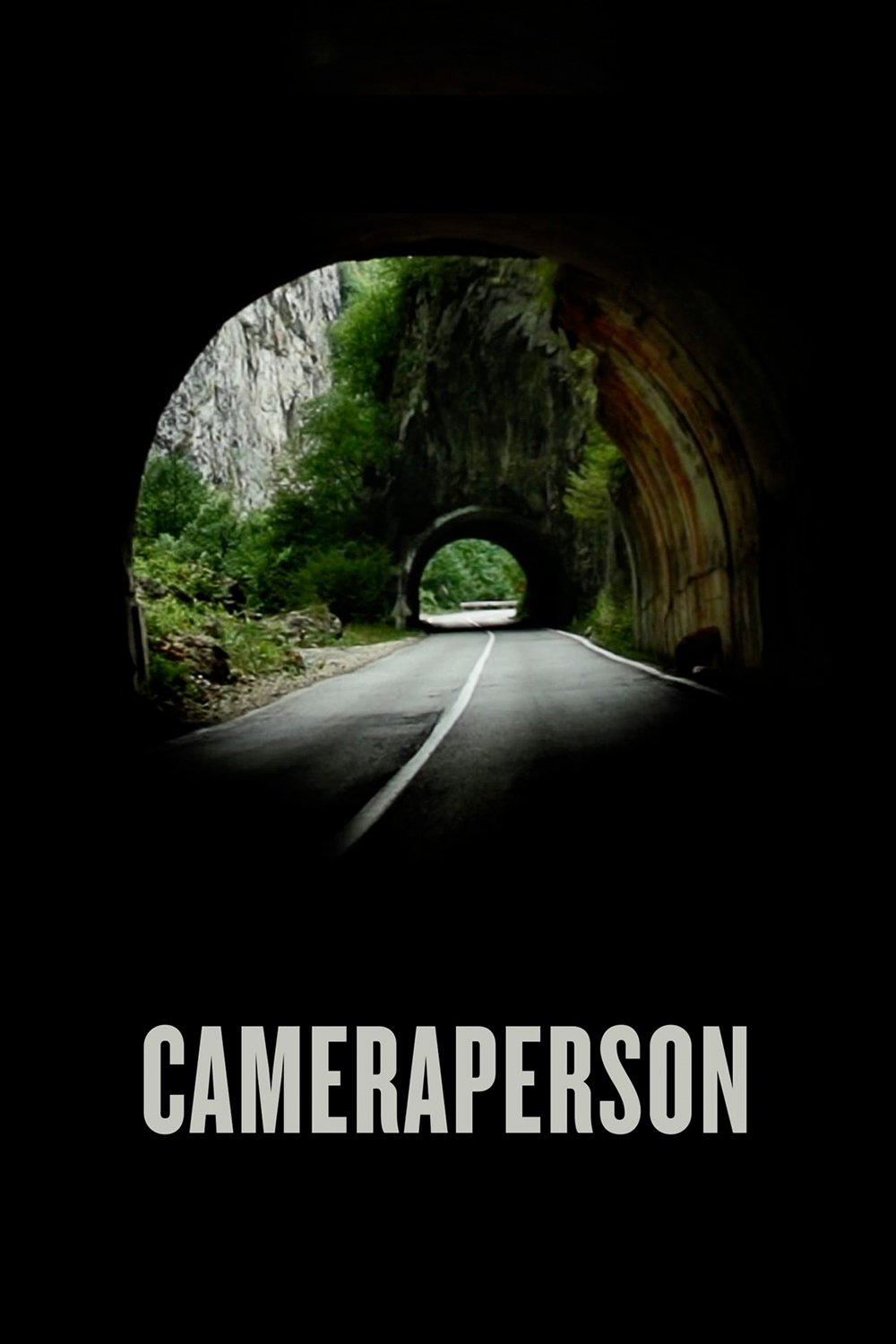
As a visually radical memoir, CAMERAPERSON draws on the remarkable footage that filmmaker Kirsten Johnson has shot and reframes it in ways that illuminate moments and situations that have personally affected her. What emerges is an elegant meditation on the relationship between truth and the camera frame, as Johnson transforms scenes that have been presented on Festival screens as one kind of truth into another kind of story—one about personal journey, craft, and direct human connection.
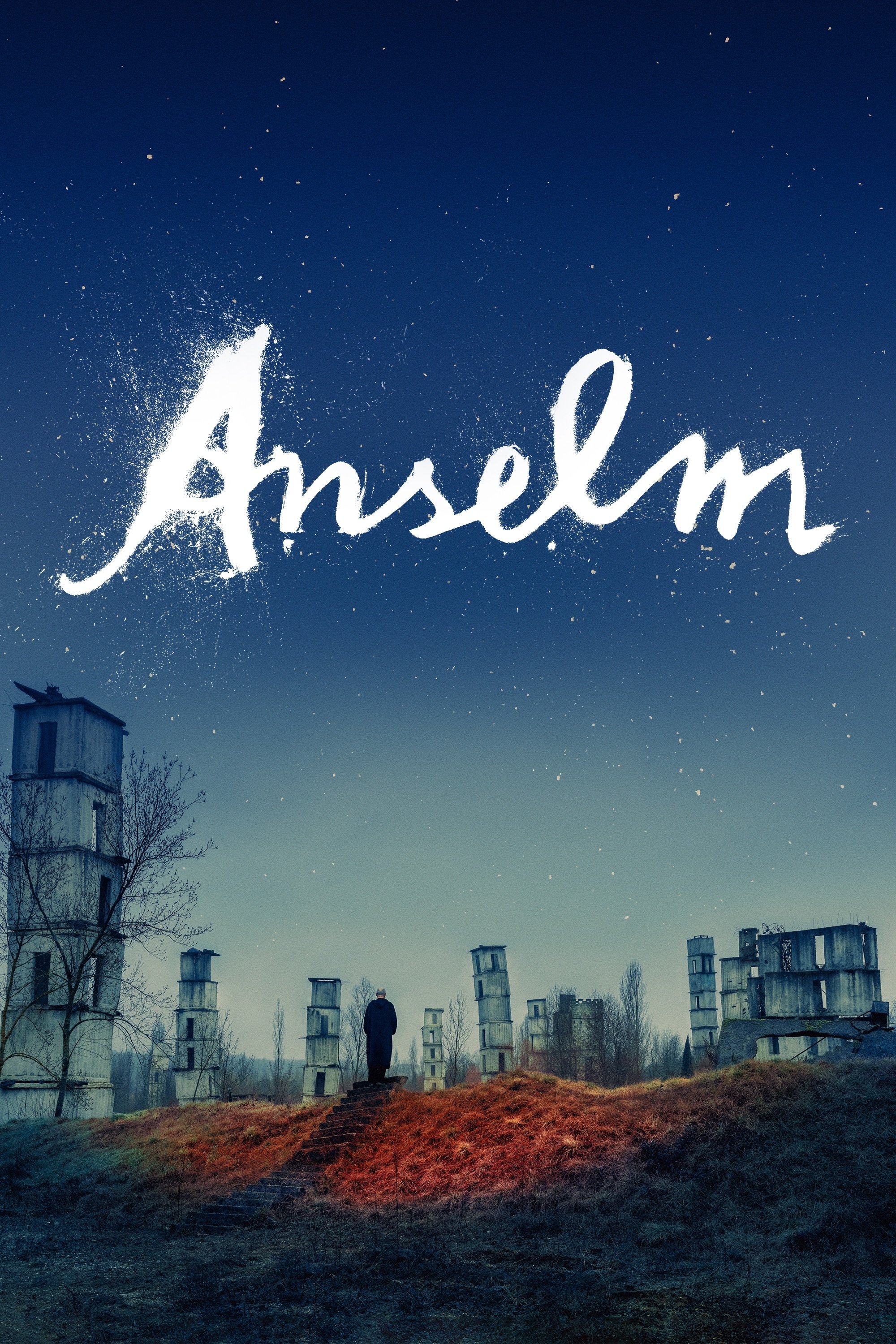
This unique cinematic experience dives deep into an artist’s work and reveals his life path, inspiration, and creative process. It explores his fascination with myth and history. Past and present are interwoven to diffuse the line between film and painting, allowing the audience to be completely immersed in the remarkable world of one of the greatest contemporary artists, Anselm Kiefer. Wim Wenders shot this unique portrait over the course of two years in stunning 3D.
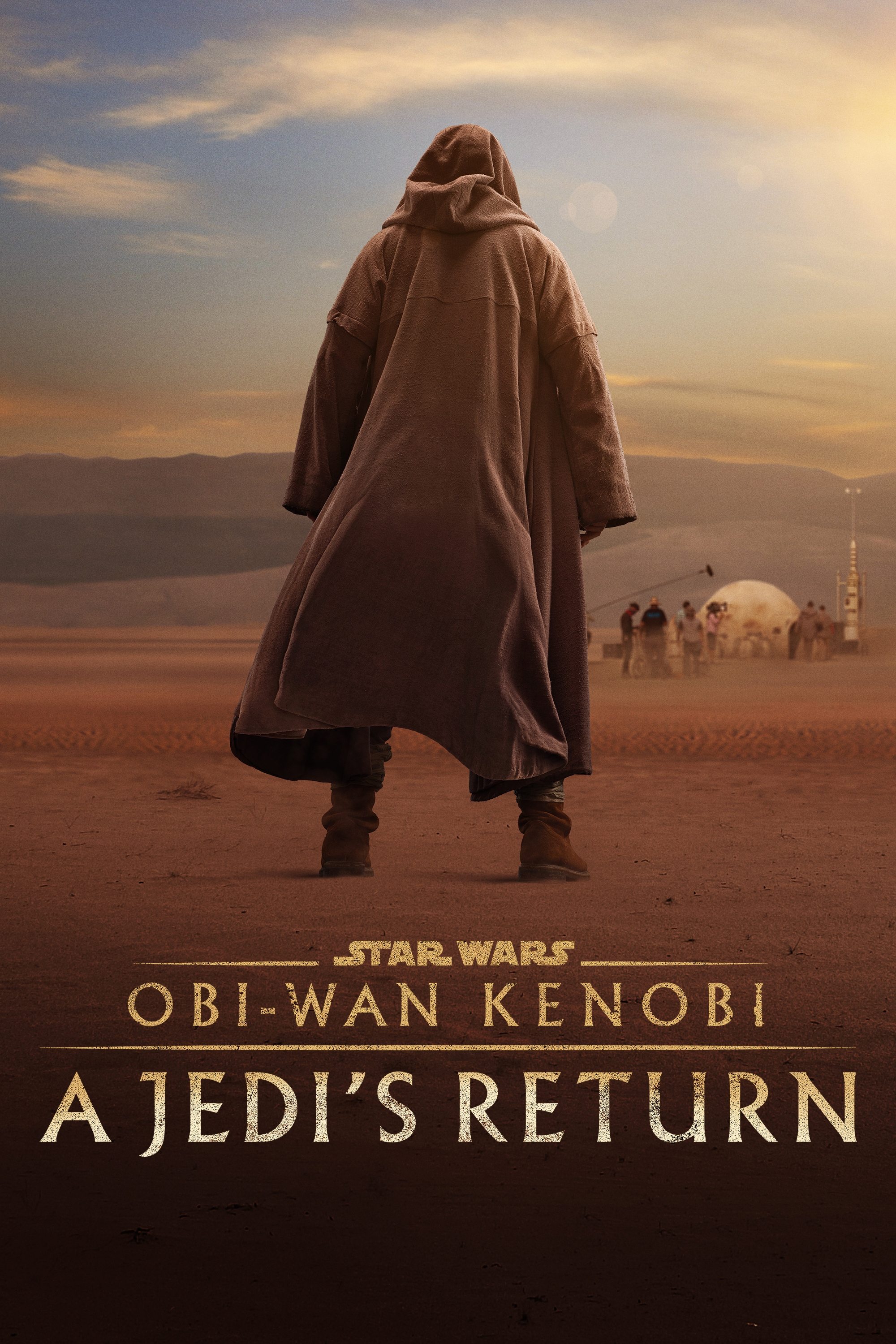
This special explores the return of Obi-Wan Kenobi and Anakin Skywalker to the screen, as well as Ewan McGregor and Hayden Christensen to their classic roles. Director Deborah Chow leads the cast and crew as they create new heroes and villains that live alongside new incarnations of beloved Star Wars characters, and an epic story that dramatically bridges the saga films.
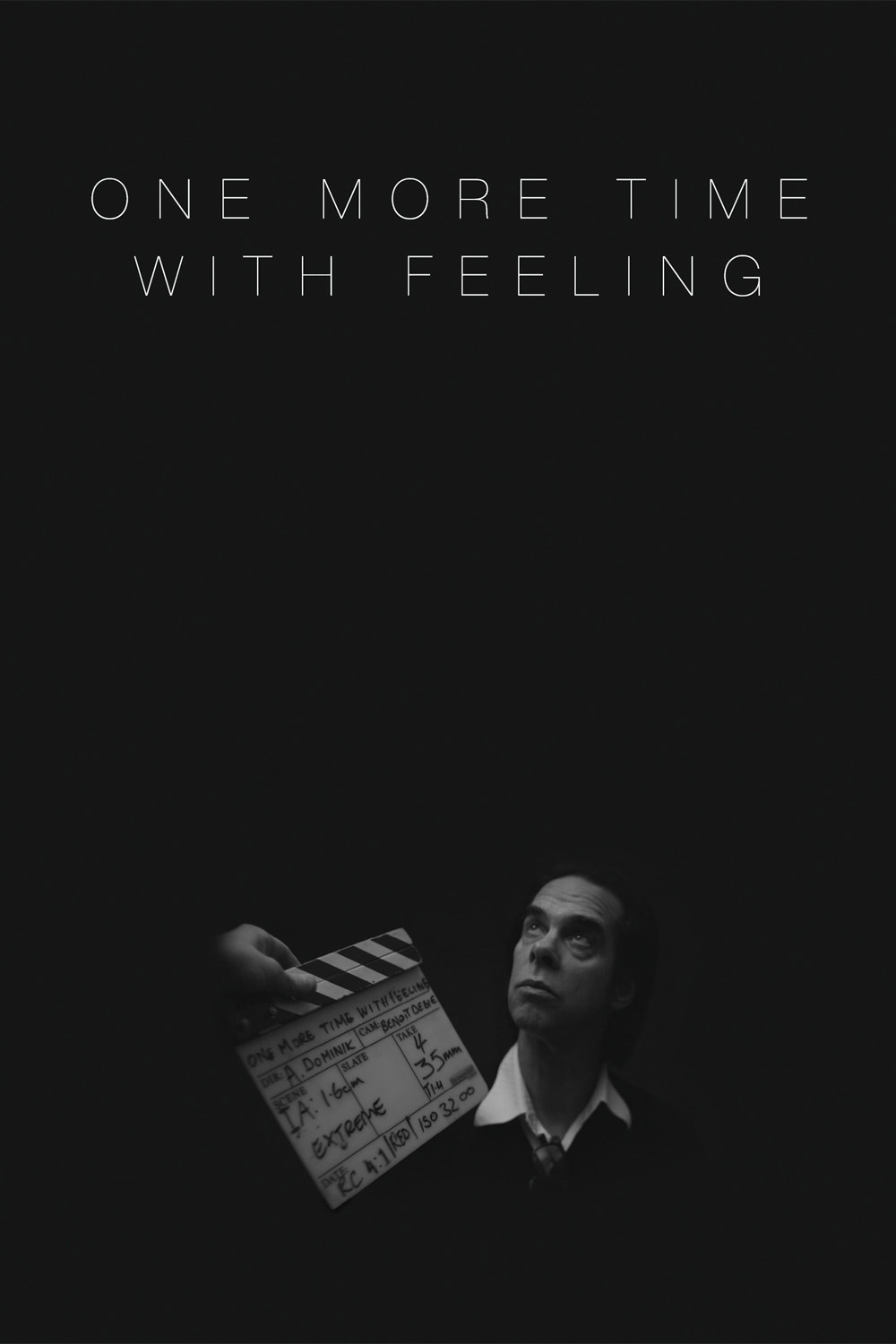
Andrew Dominik's One More Time With Feeling is a remarkable black and white documentary which chronicles the creation of Nick Cave & The Bad Seeds' album Skeleton Tree. Originally a performance based concept, the film evolved into something much more significant as Dominik delved into the tragic backdrop of the writing and recording of the album. The result is stark, fragile and raw, and a true testament to an artist trying to find his way through the darkness. It documents the writing, recording and performing of Nick Cave & the Bad Seeds’ sixteenth studio album, Skeleton Tree.
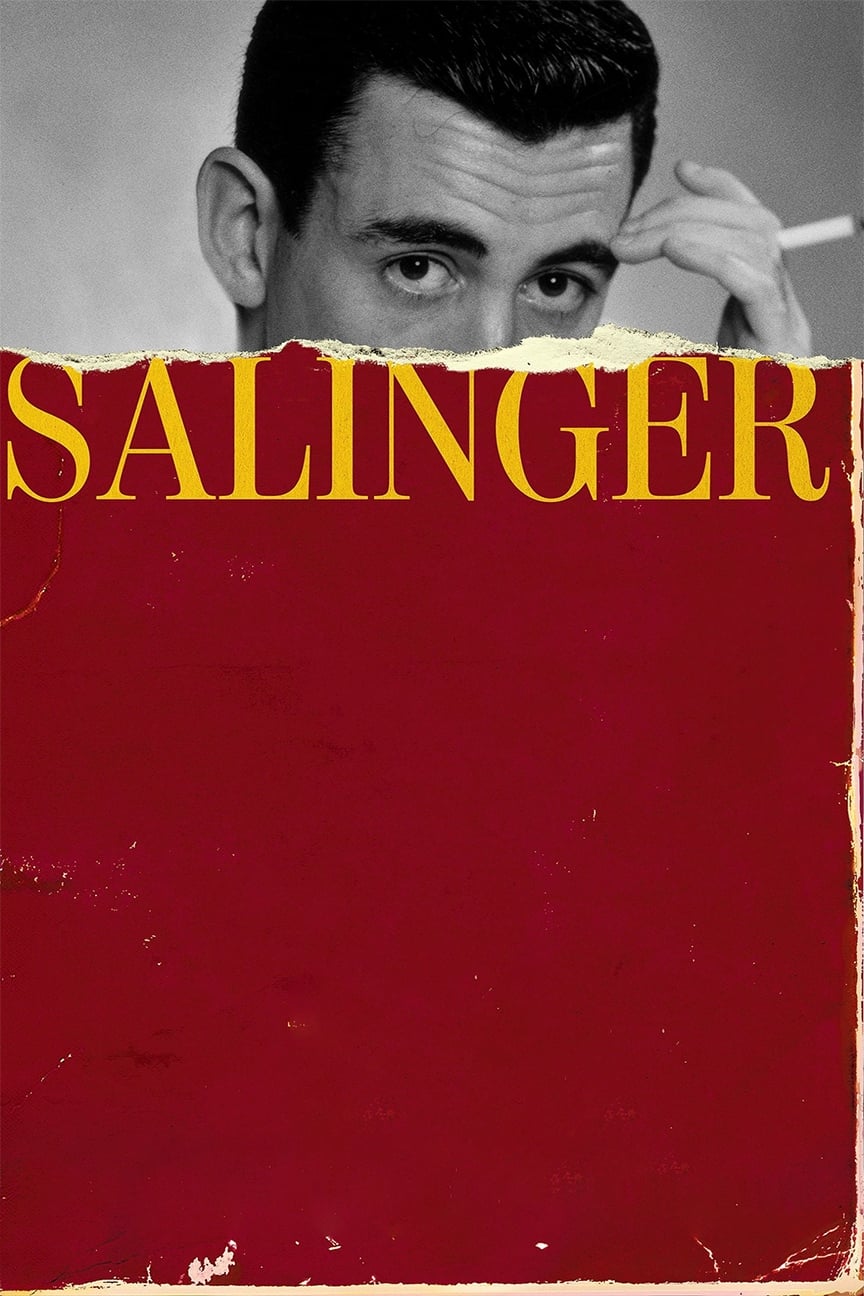
An in-depth investigation into the private world of the American writer J. D. Salinger (1919-2010), who lived most of his life behind the impenetrable wall of a self-imposed seclusion: how his dramatic experiences during World War II influenced his life and work, his relationships with very young women, his obsessive writing methods, his many literary secrets.
From a prolific career in film and television, Anton Yelchin left an indelible legacy as an actor. Through his journals and other writings, his photography, the original music he wrote, and interviews with his family, friends, and colleagues, this film looks not just at Anton's impressive career, but at a broader portrait of the man.
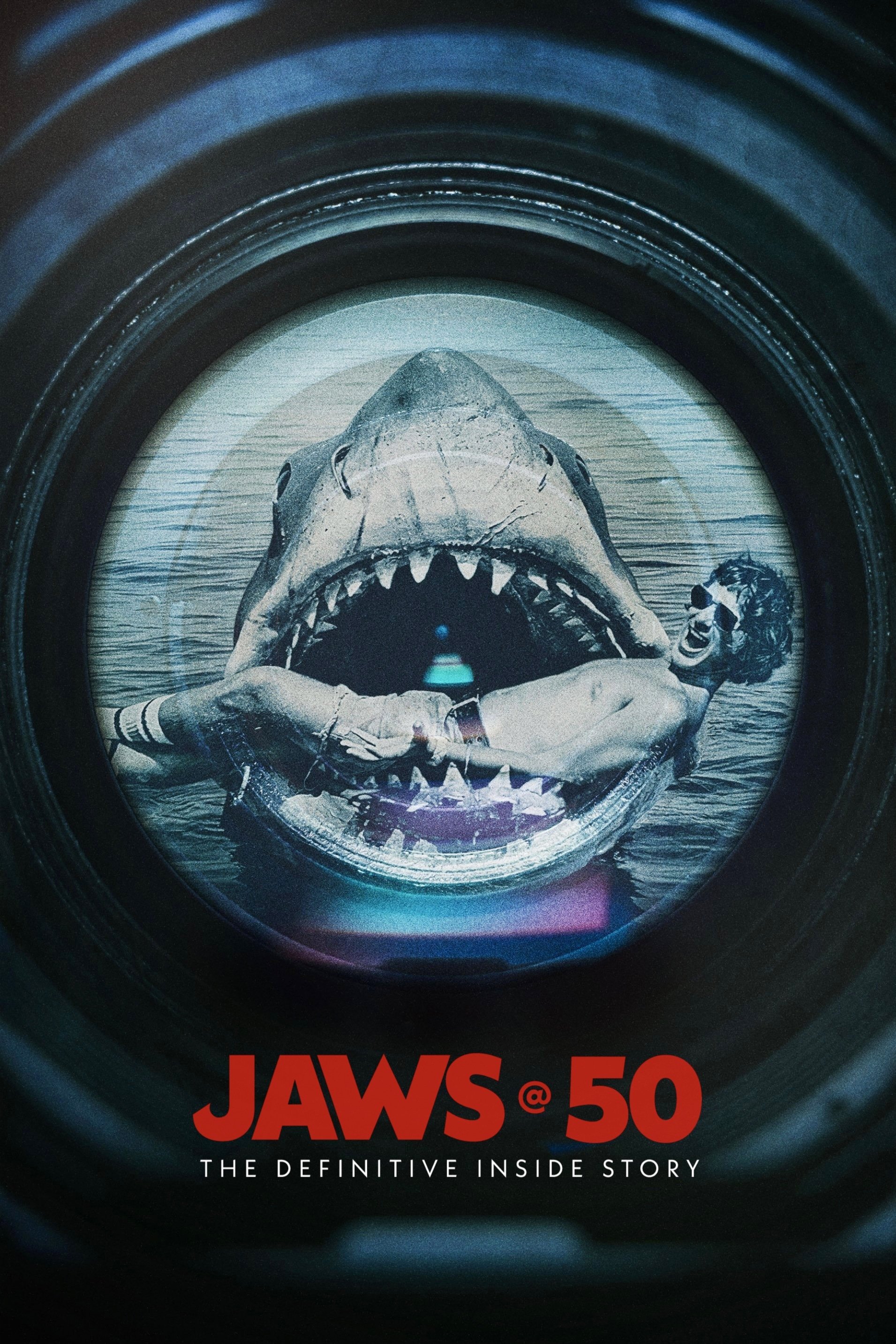
The authorized documentary celebrating the film that redefined Hollywood, 50 years after its premiere. Featuring rare archival footage and interviews with acclaimed Hollywood directors alongside Steven Spielberg, top shark scientists, and conservationists, the film uncovers the behind-the-scenes chaos and how the film launched the summer blockbuster, inspired a new wave of filmmakers, and paved the way for shark conservation that continues today.