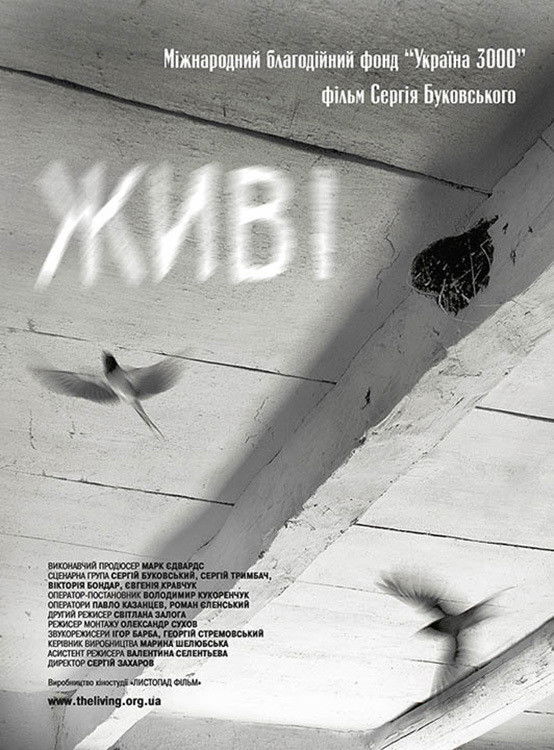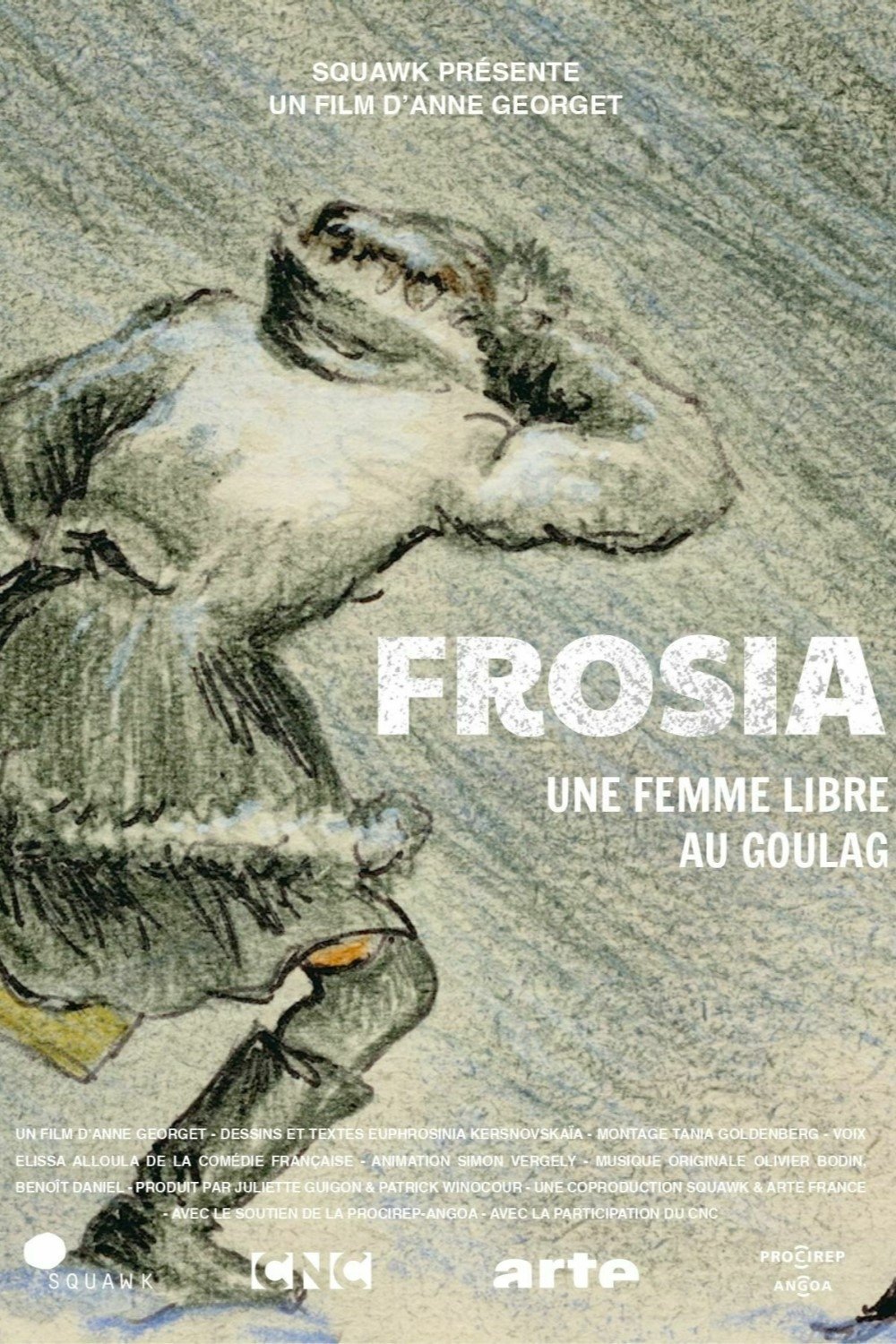
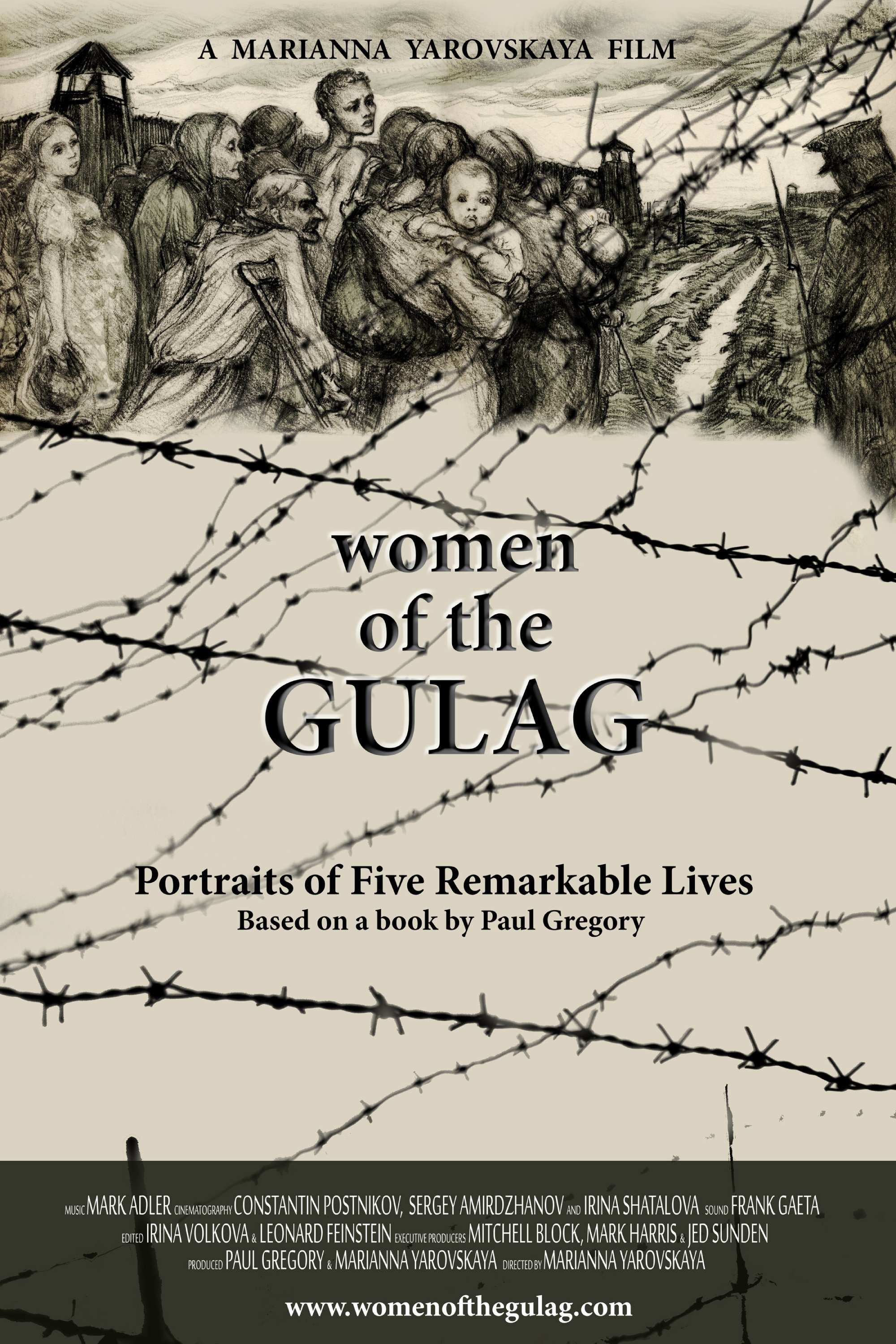
Through unique and candid interviews the film tells the compelling and tragic stories of the six women – last survivors of the Gulag, the brutal system of repression and terror that devastated the Soviet population during the regime of Stalin.
Social & External
The film is about the life and work of Grigory Ordzhonikidze Konstantinoviche, an important personality in both the Communist Party and the Soviet state. The film includes speeches by his bereaved friends who attended his funeral. In 1937, after the unexpected death of Sergo Ordzhonikidze, Vertov received an urgent order from the government to produce a film about the life of Ordzhonikidze. He was ordered to work together with Yakov Bliohom and the director of the film "Battleship Potemkin" distributed by Goskino (Soviet State Committee for Cinematography).

Filmmakers Laura Mulvey and Mark Lewis use rare archival footage and interviews with artists, art historians, and museum directors to examine the fate of Soviet-era monuments during successive political regimes, from the Russian Revolution through the collapse of communism. Mulvey and Lewis highlight both the social relevance of these relics and the cyclical nature of history. Broadcast on Channel Four as part of the 'Global Image' series (1992-1994).
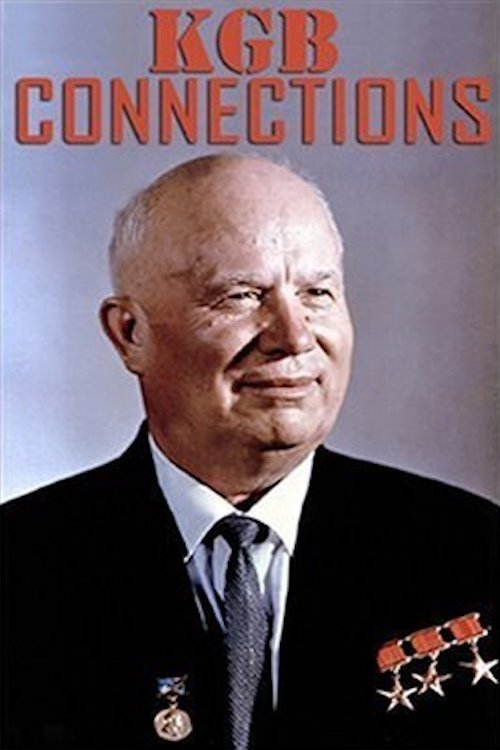
This 1982 film explains the KGB infiltration of America. Who they are, what they are doing, and how well they have infiltrated North America.
Tells the story of the tragic events in Ukraine in 1932-33, the genocidal Great Famine or the Holodomor, and one Welshman's attempts to tell the world what was happening.
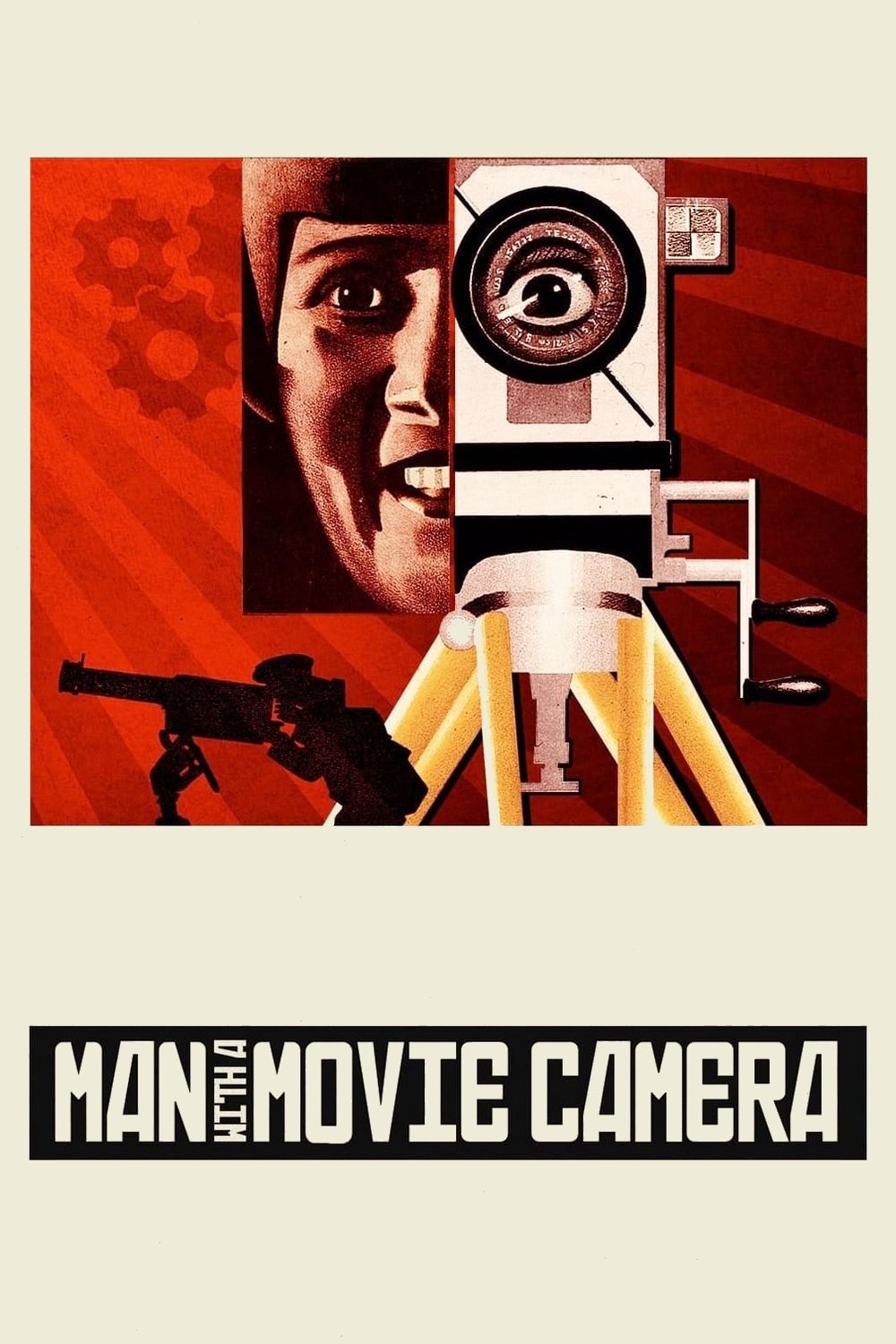
A cameraman wanders around with a camera slung over his shoulder, documenting urban life with dazzling inventiveness.
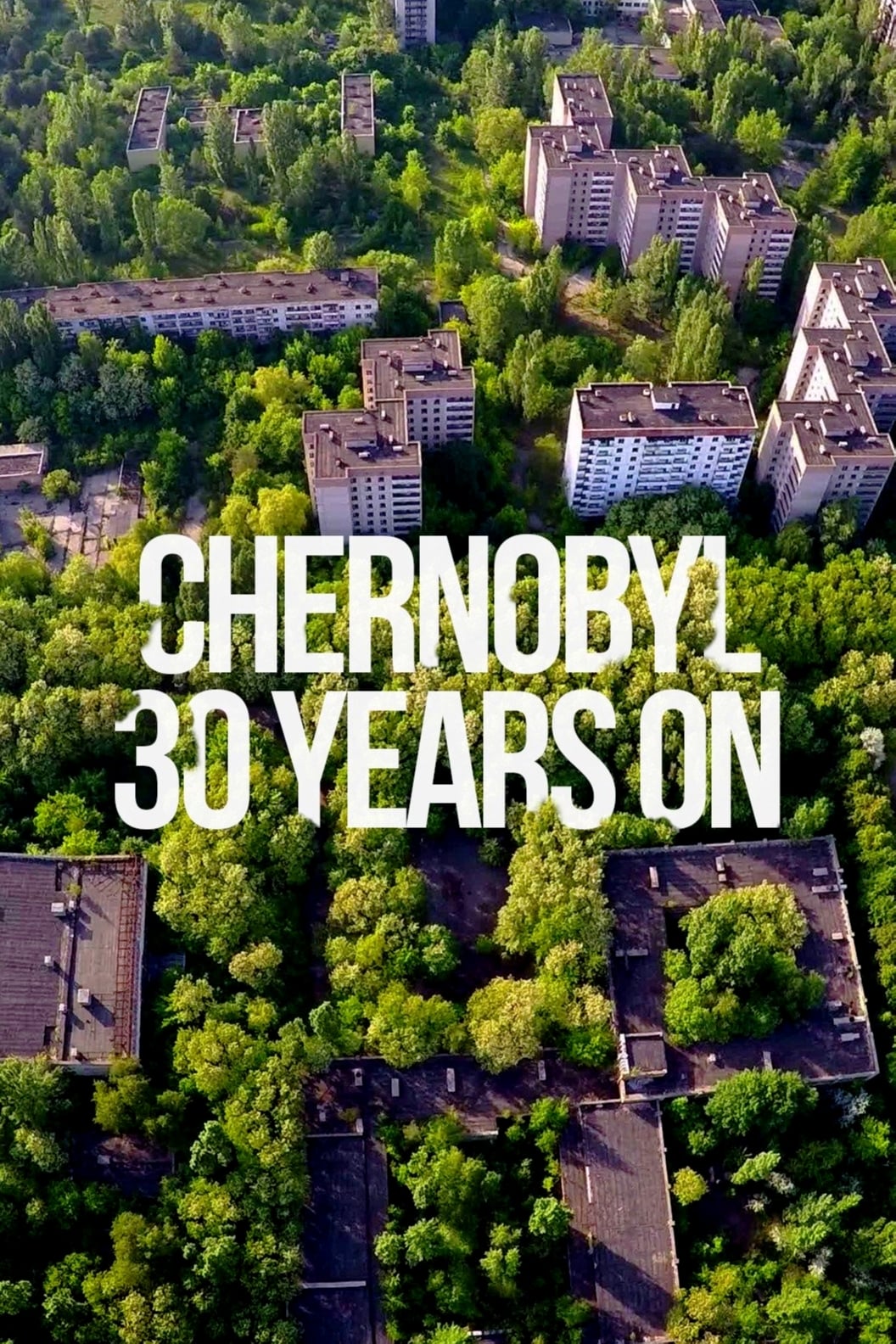
Thirty years after the Chernobyl disaster, which occurred on the night of April 26, 1986, its causes and consequences are examined. In addition, a report on efforts to strengthen the structures covering the core of the nuclear plant in order to better protect the population and the environment is offered.
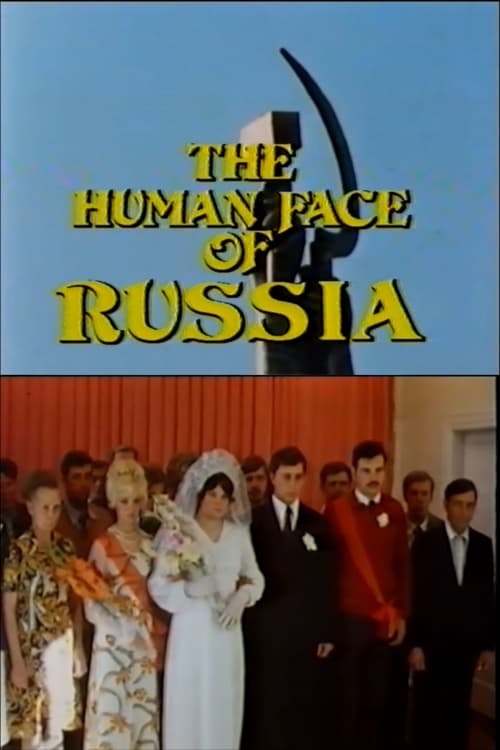
This film discusses conditions in the Soviet Union, including party activity and influence, the shortage of consumer goods, the roles of children and women, the status of religion, and the purpose of Soviet realist art.
Thundering across the sky on elegant white wings, the Concorde was an instant legend. But behind the glamour of jet setting at Mach 2 were stunning scientific innovations and political intrigue. Fifteen years after Concorde's final flight, this documentary takes you inside the historic international race to develop the first supersonic airliner. Hear stories from those inside the choreographed effort to design and build Concorde in two countries at once - and the crew members who flew her.
Historic Russian battles to repel invaders serve as prelude to the story of events that redrew the map of Eastern Europe and parts of Asia in the 20th century. Following the turmoil of the Bolshevik Revolution, Communist Russia faces the venom of Nazi aggression. 1940's film footage reveals the harsh reality of total war, as the Red Army and Soviet civilians alike confront a brutal and tenacious enemy. The following decades are darkened by tensions between the USSR and foreign powers, and violent measures taken to silence voices of dissent. Finally, the Soviet people's yearning for a freer society leads to accelerating reforms and the ultimate dissolution of the USSR.
The Antonov AN-225 Mriya, the world's largest cargo plane and the pride of Ukraine, was destroyed in a Russian attack on Hostomel airport near Kyiv at the beginning of the invasion in 2022. With exclusive images and never-before-seen film footage, test pilots and engineers of the aviation giant tell its legendary story.
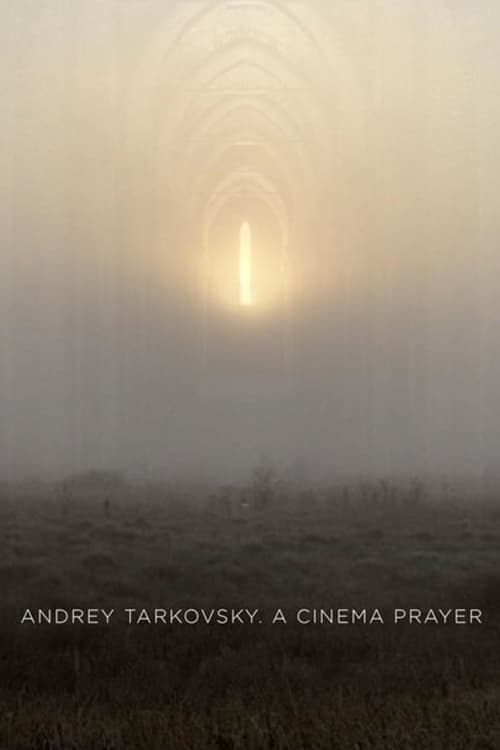
An account of the life and work of Russian filmmaker Andrey Tarkovsky (1932-86) in his own words: his memories, his vision of art and his reflections on the fate of the artist and the meaning of human existence; through extremely rare audio recordings that allow a complete understanding of his inner life and the mysterious world existing behind his complex cinematic imagery.
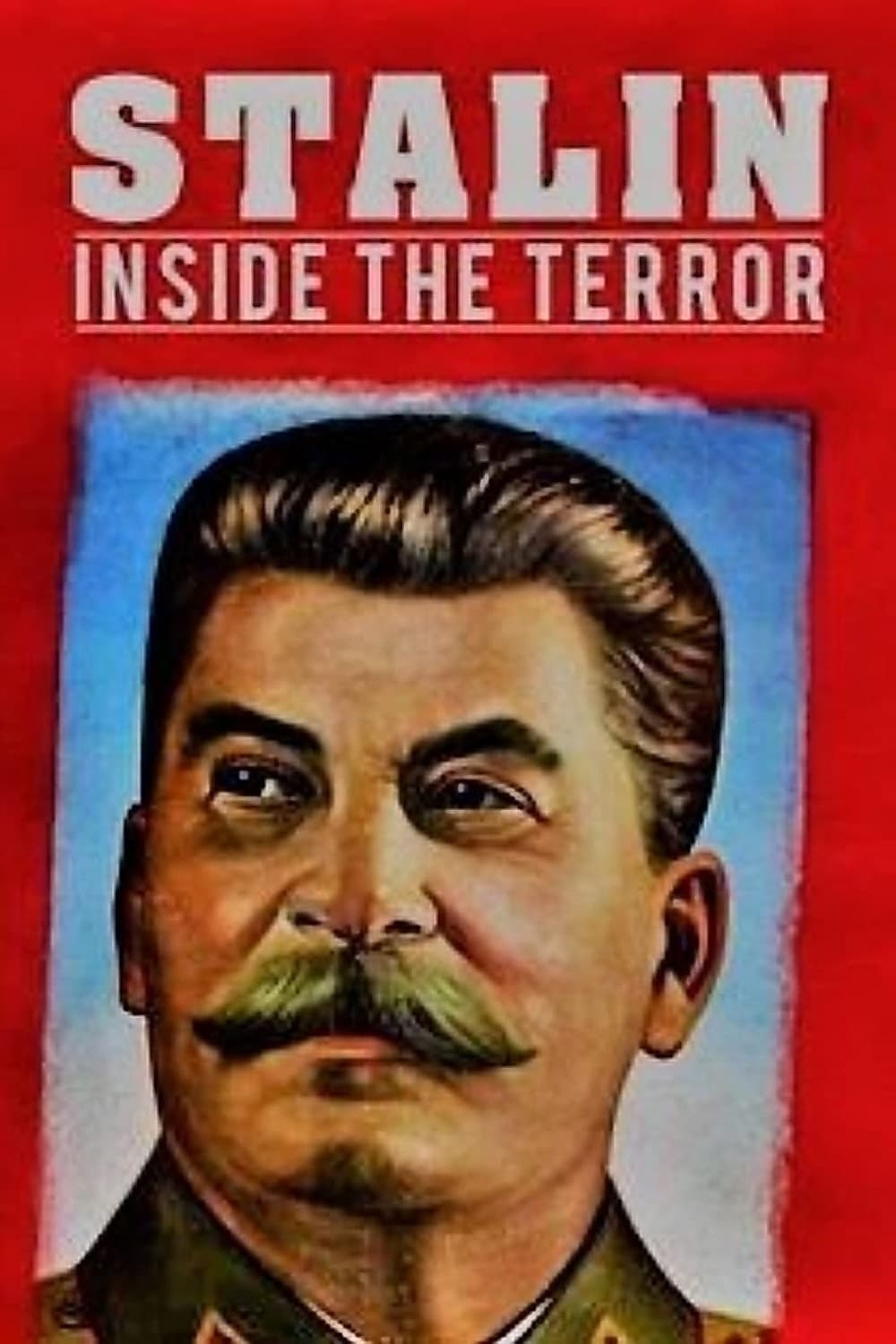
This program is an overview of the life and career of Joseph Stalin. It concentrates on describing and attempting to explain the origins of the policy of “terror” instigated by Stalin as leader of the USSR. There are interviews with surviving family members and experts all of whom attempt some sort of personality “analysis” of the dictator to explain his behaviour and policies. Another question that is examined is, given his record of “terror”, why was he so popular? Why did so many Russians mourn his death in 1953? This could be an overview and introduction to a study of both Stalin and USSR in the post revolution period.
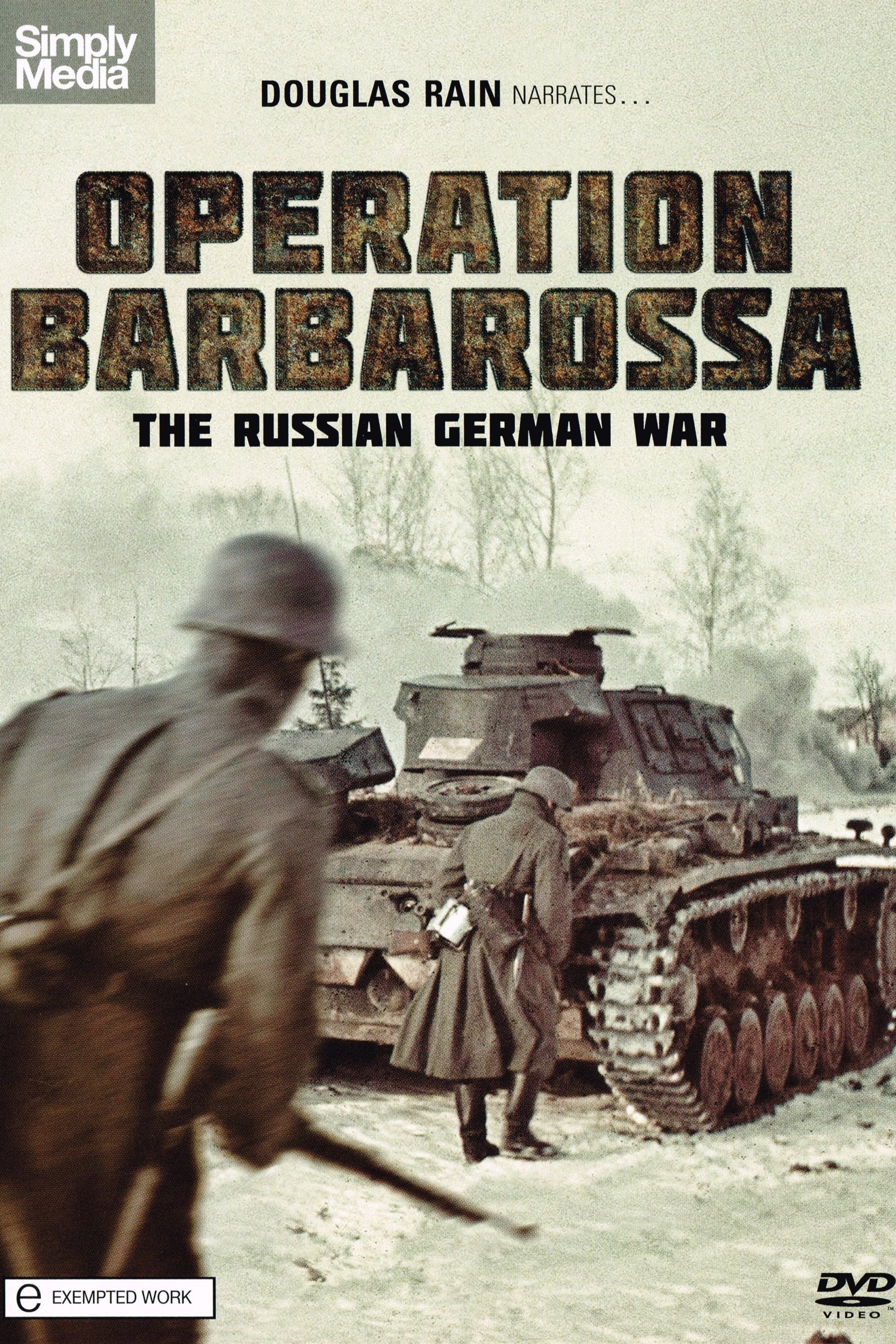
This is a rare look at one of the worst horror stories in the long infamous history of warfare. This series features captured German and Russian film footage, much of which has never been seen before. For decades the Cold War prevented us from looking closely at what really happened between the Russians and the Germans on the Eastern Front during World War II. More than a struggle between nations, it pitted maniacal tyrant against maniacal tyrant, evil ideology against evil ideology. The lives of tens of millions of human beings were consumed by its raging hatreds and appalling indignities. One in every ten Russians died. One in every four Poles died. Whole divisions of Italians, Romanians, Hungarians disappeared with barely a trace. An average of 17,800 people died on every single day and this, the war on the Russian German Front, lasted for 1,400 days. This series features captured German and Russian film footage, much of which has never been seen before.
In 1944 Crimean Tatars has suffered a long road in exile. It was accompanied by famine, illness and loss. In the first years of exile, almost half of deported Crimean Tatars died. But those, who survived, dreamed of only one thing - to return to Crimea. The documentary 1944 tells about the tragedy of all Crimean Tatars through several separate life stories. They are cherished by each Crimean Tatar family and must be remembered by all generations to come.
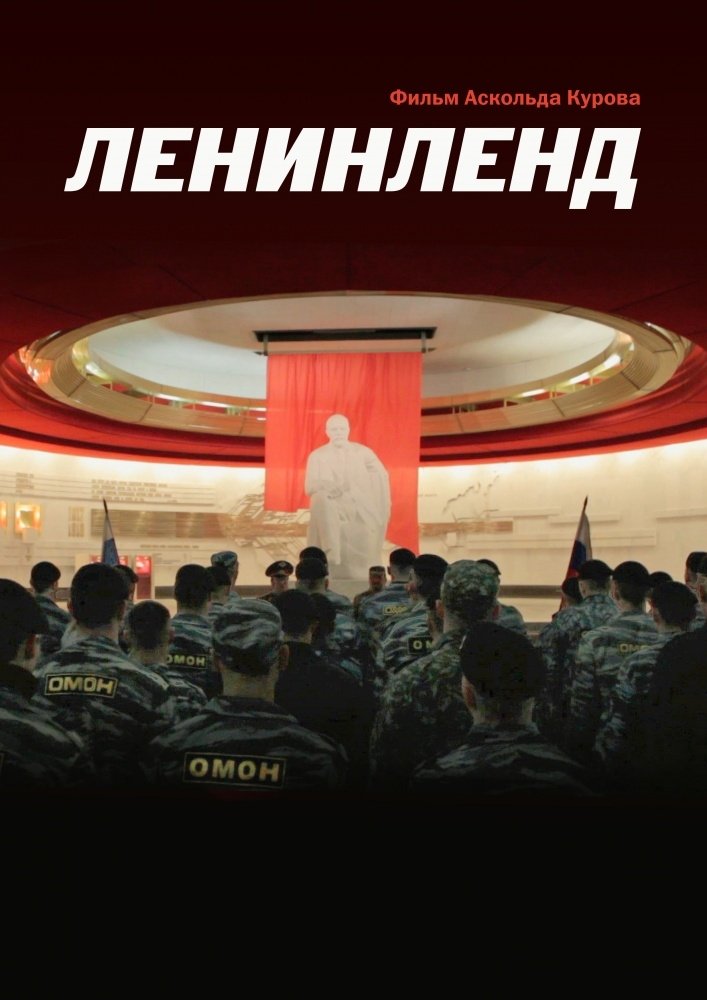
At the peak of Perestroika, in 1987, in the village of Gorki, where Lenin spent his last years, after a long construction, the last and most grandiose museum of the Leader was opened. Soon after the opening, the ideology changed, and the flow of pilgrims gradually dried up. Despite this, the museum still works and the management is looking for ways to attract visitors. Faithful to the Lenin keepers of the museum as they can resist the onset of commercialization. The film tells about the modern life of this amazing museum-reserve and its employees.
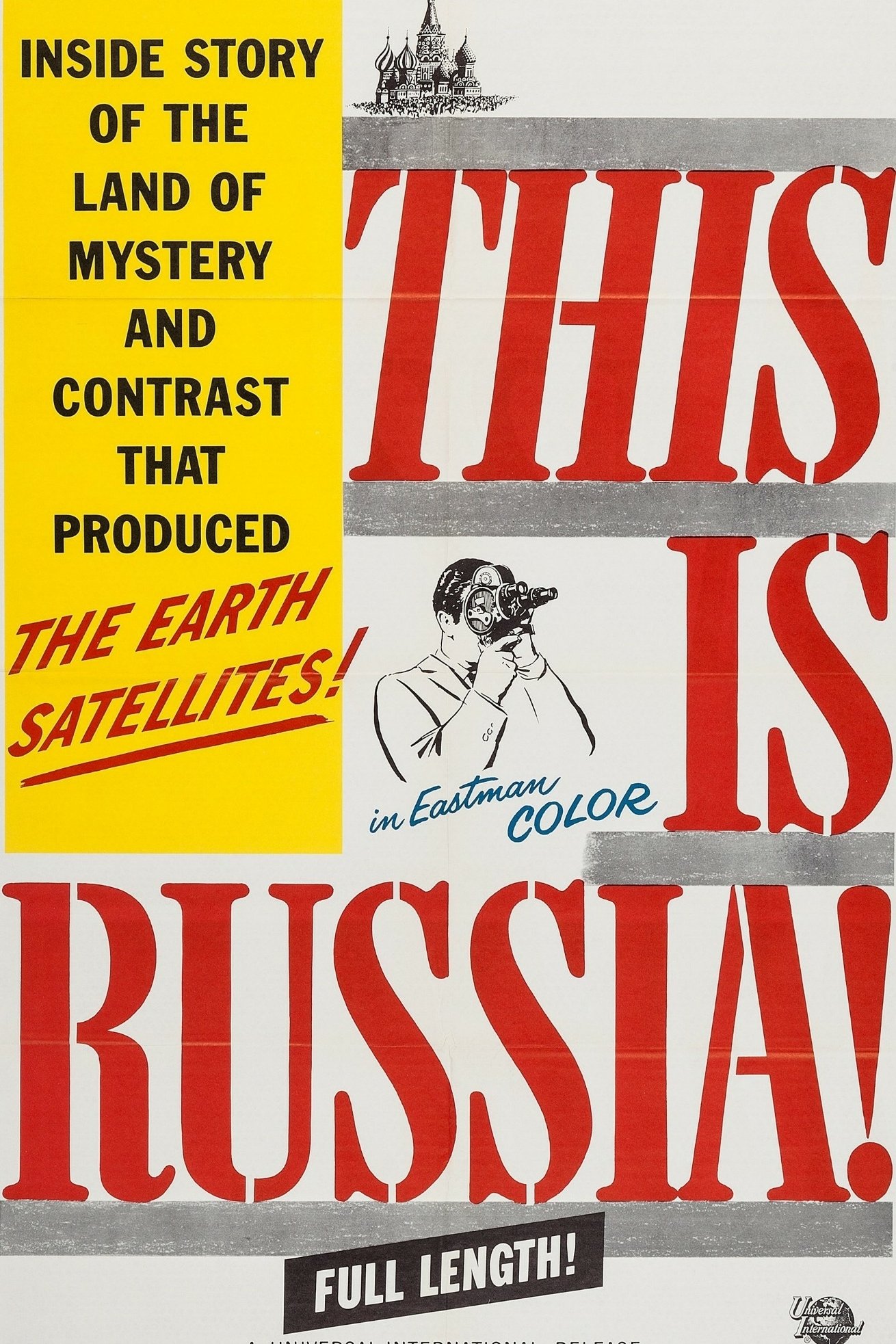
Documentary footage of late 1950s Russia covers such cities and towns as Moscow, Leningrad, Kiev, Yalta, the Black Sea, Kharkov, Sochi, Sukumi, Gori, Bukhara, Samarkand, Frunzo and Siberia.
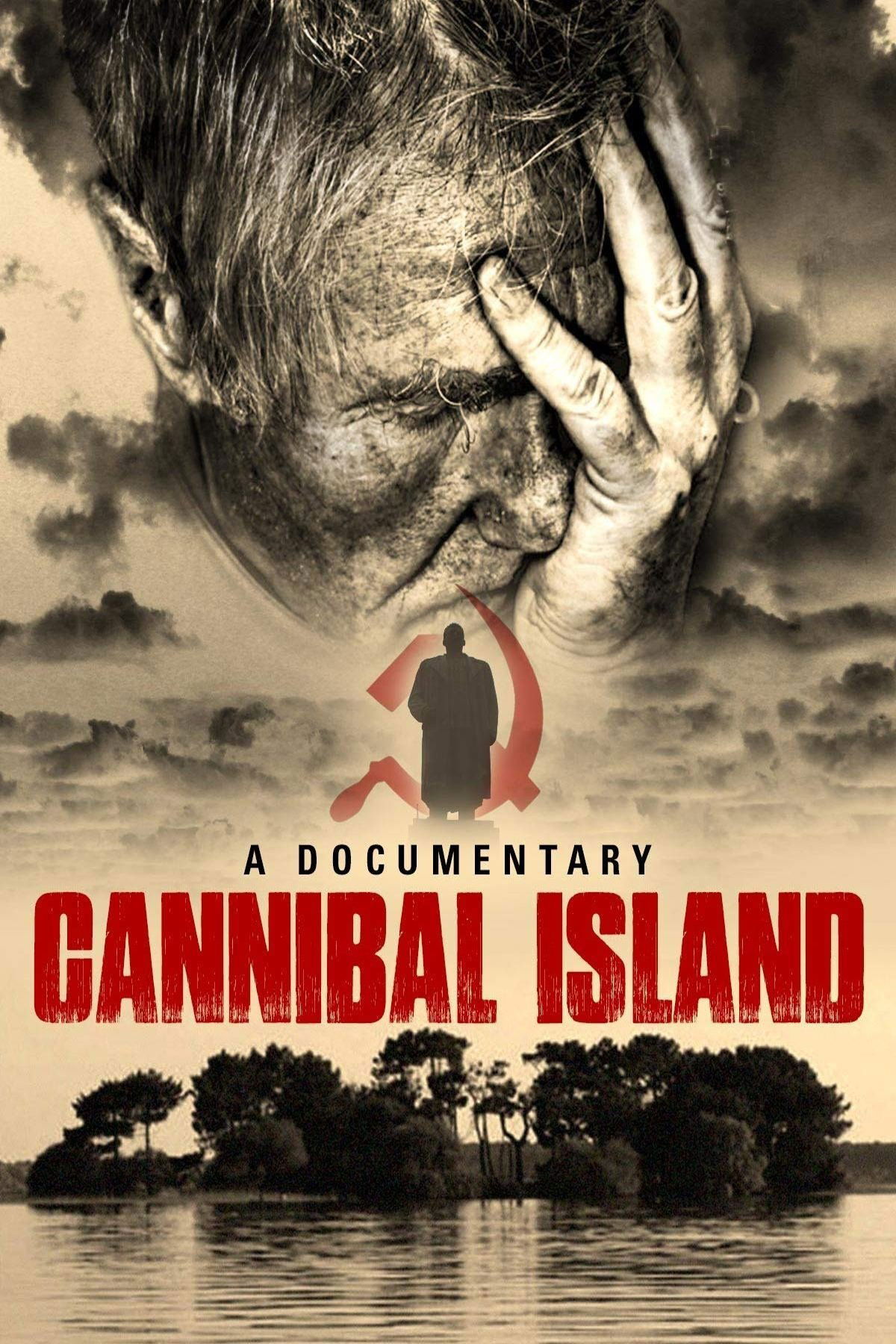
A disturbing chapter in Russian history is explored in this documentary. In 1933, Joseph Stalin sent 6000 "unwanted" citizens of Moscow and Leningrad to a desolate Siberian island - with no food or clothes to speak of. Decades later this documentary returns to the island.
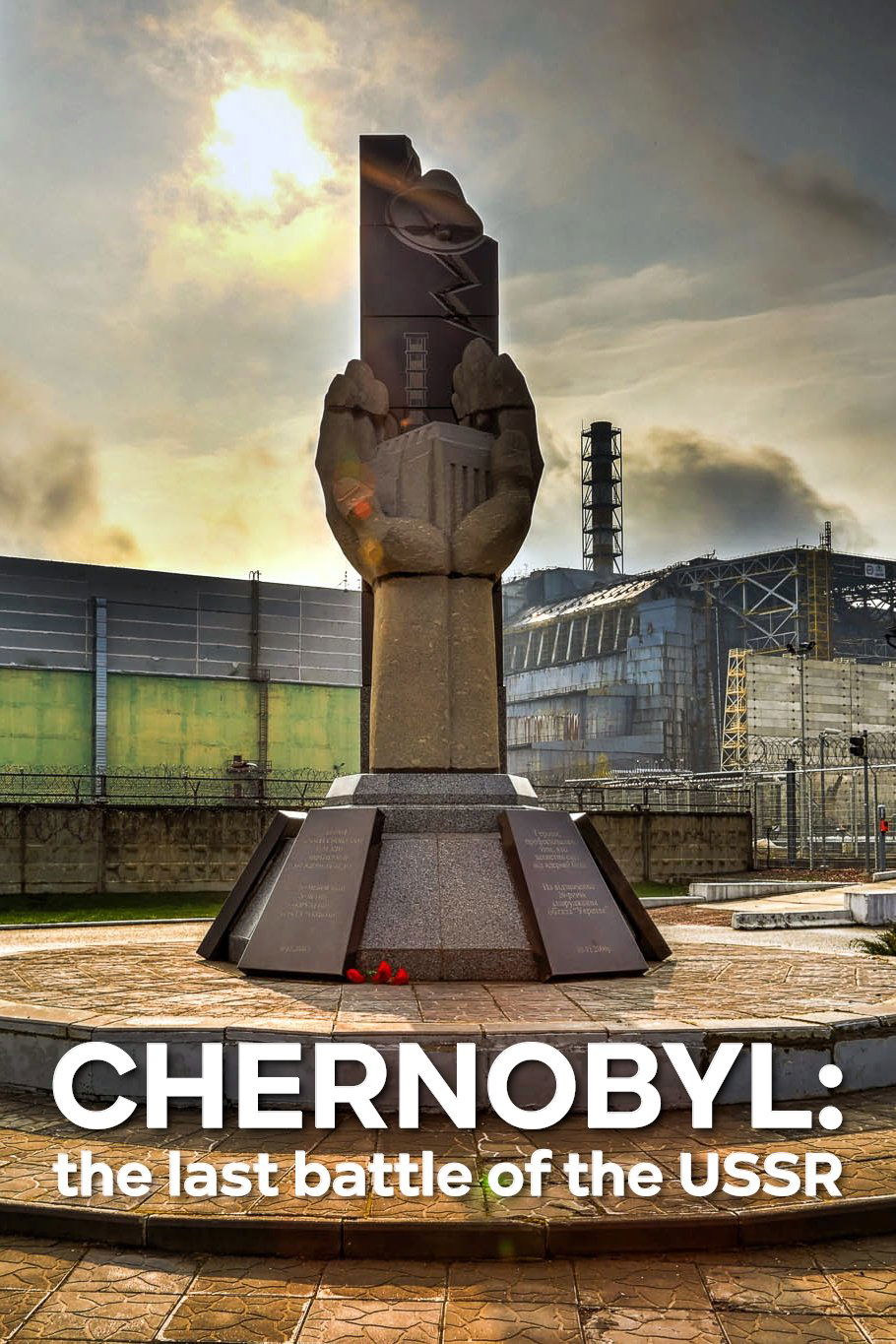
Three decades after the nuclear explosion, almost everything has been said about this ecological and sanitary disaster that made Pripiat a part of History. How did the greatest industrial disaster change the course of History, disrupt global geopolitics and, directly or indirectly, redistribute the balances and power relations of the twentieth century? The world will never be the same again. By retracing the incredible battle waged by the Soviet Union against radiation, this film proposes to retrace and enlighten an extraordinary story, while exploring the historical stakes in the medium and long-term…
Lyrical and powerfully personal essay film that reflects on the deaths of her husband Lou Reed, her mother, her beloved dog, and such diverse subjects as family memories, surveillance, and Buddhist teachings.
A detailing of the rise to prominence and global sporting superstardom of six supremely talented young Manchester United football players (David Beckham, Nicky Butt, Ryan Giggs, Paul Scholes, Phil and Gary Neville). The film covers the period 1992-1999, culminating in Manchester United's European Cup triumph.
Documentary filmmaker Amy Berg investigates the life of 30-year pedophile Father Oliver O'Grady and exposes the corruption inside the Catholic Church that allowed him to abuse countless children. Victims' stories and a disturbing interview with O'Grady offer a view into the troubled mind of the spiritual leader who moved from parish to parish gaining trust ... all the while betraying so many.
A documentary detailing the epic Rogues' Gallery of DC Comics from The Joker and Lex Luthor, Sinestro, Darkseid and more, this documentary will explore the Super Villains of DC Comics.
Those who knew iconic funnyman John Candy best share his story, in their own words, through never-before-seen archival footage, imagery, and interviews.
Martin Scorsese, Robert De Niro, Joe Pesci, and Al Pacino in conversation about The Irishman.
Follow the evolution of the 'Halloween' movies over the past twenty-five years. It examines why the films are so popular and revisits many of the original locations used in the films - seeing the effects on the local community. For the first time, cast, crew, critics and fans join together in the ultimate 'Halloween' retrospective.
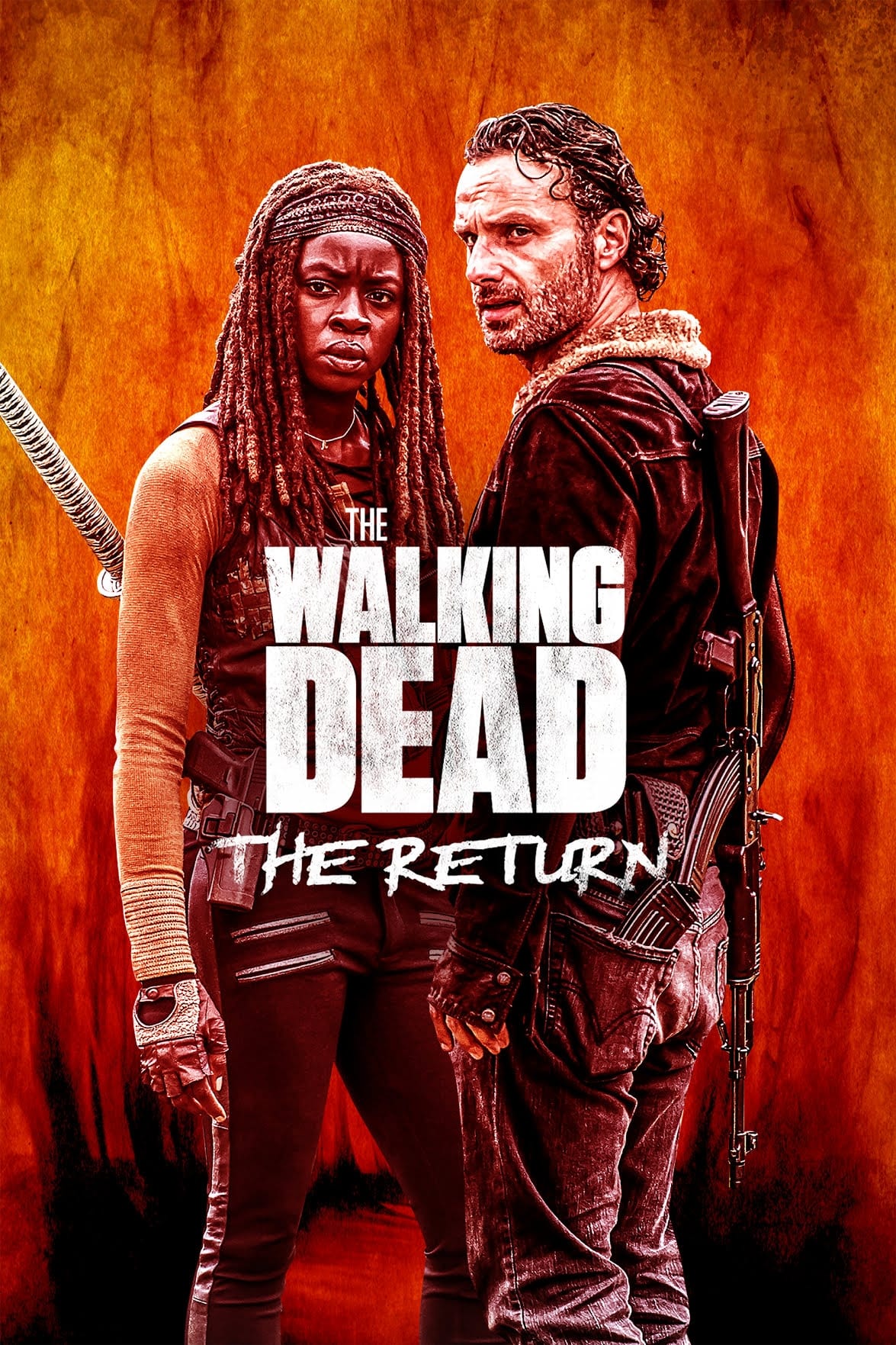
Stars of "The Walking Dead," Andrew Lincoln and Danai Gurira, walk down memory lane and visit iconic locations where pivotal moments between their characters, Rick and Michonne, were filmed.
This special explores the return of Obi-Wan Kenobi and Anakin Skywalker to the screen, as well as Ewan McGregor and Hayden Christensen to their classic roles. Director Deborah Chow leads the cast and crew as they create new heroes and villains that live alongside new incarnations of beloved Star Wars characters, and an epic story that dramatically bridges the saga films.
Martin Scorsese's documentary intertwines footage from The Band's incredible farewell tour with probing backstage interviews and featured performances by Eric Clapton, Bob Dylan, Joni Mitchell, Van Morrison, and other rock legends.
Over seven decades, actor and activist George Takei journeyed from a World War II internment camp to the helm of the Starship Enterprise, and then to the daily news feeds of five million Facebook fans. Join George and his husband, Brad, on a wacky and profound trek for life, liberty, and love.
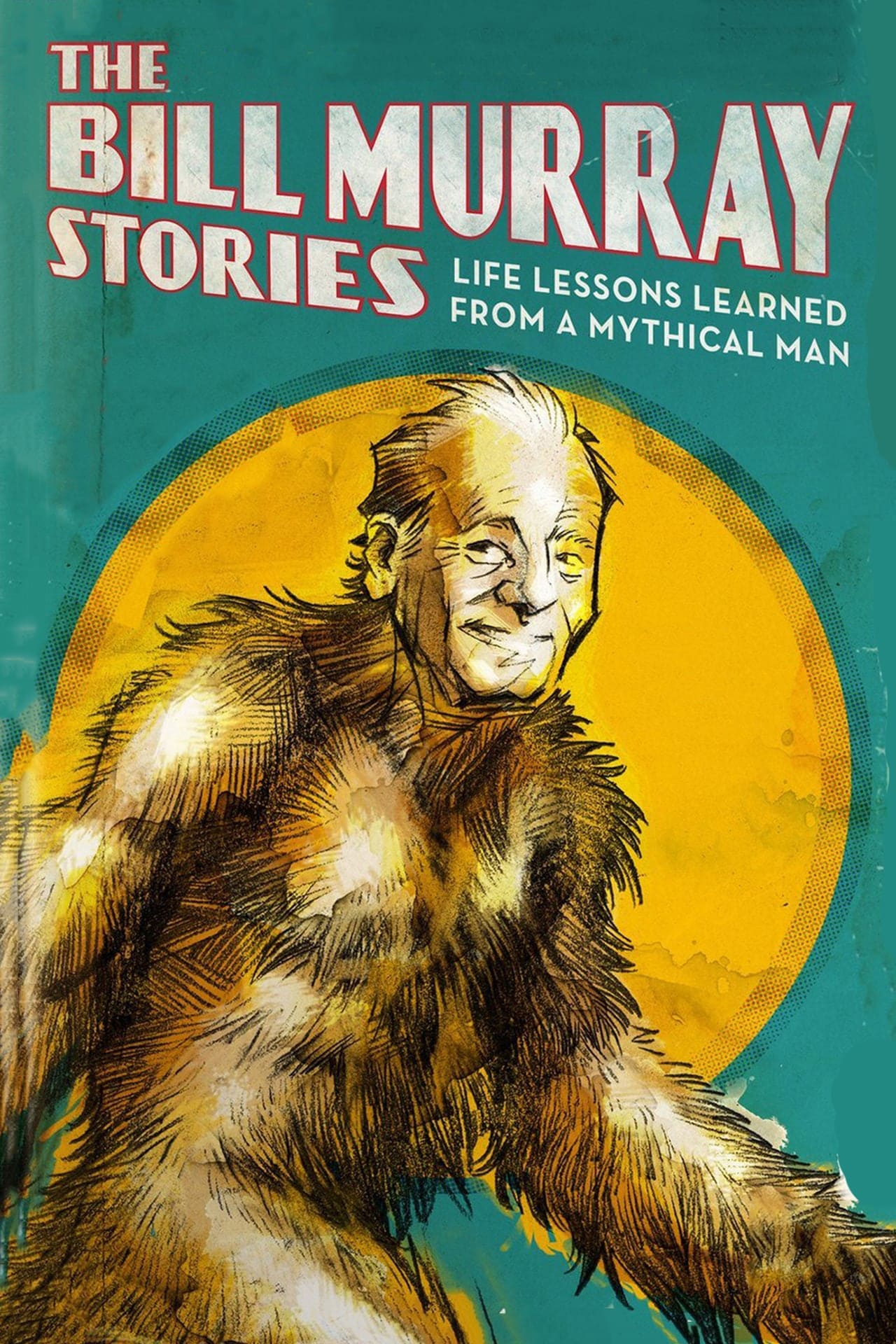
One man’s journey to find meaning in Bill Murray’s many unexpected adventures with everyday people, rare and never-before seen footage of the comedic icon participating in stories previously presumed to be urban legend.
BBC Arena's documentary on the Dames of British Theatre and film featuring Maggie Smith, Eileen Atkins, Judi Dench and Joan Plowright on screen together for the first time as they reminisce over a long summer weekend in a house Joan once shared with Sir Laurence Olivier.
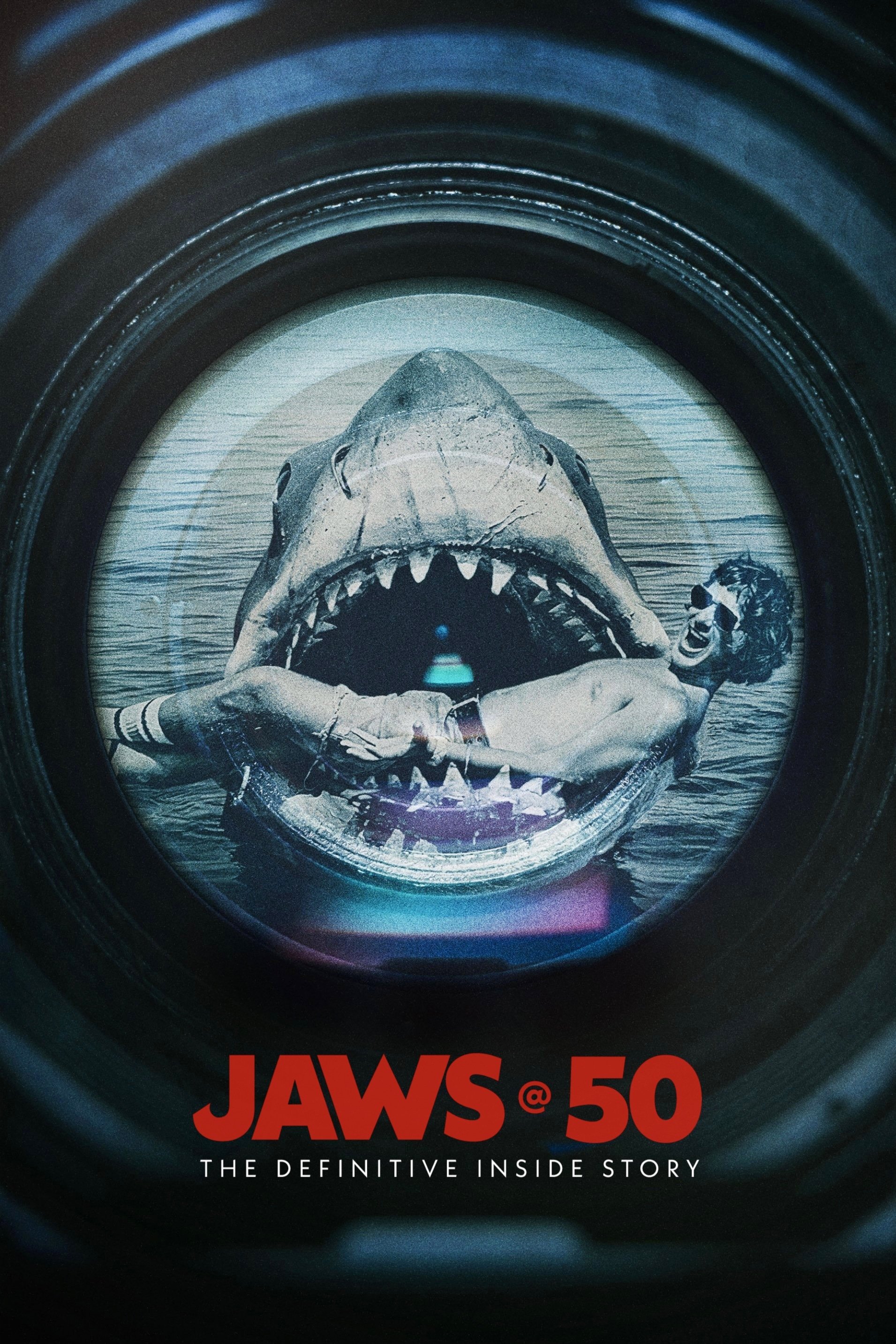
The authorized documentary celebrating the film that redefined Hollywood, 50 years after its premiere. Featuring rare archival footage and interviews with acclaimed Hollywood directors alongside Steven Spielberg, top shark scientists, and conservationists, the film uncovers the behind-the-scenes chaos and how the film launched the summer blockbuster, inspired a new wave of filmmakers, and paved the way for shark conservation that continues today.
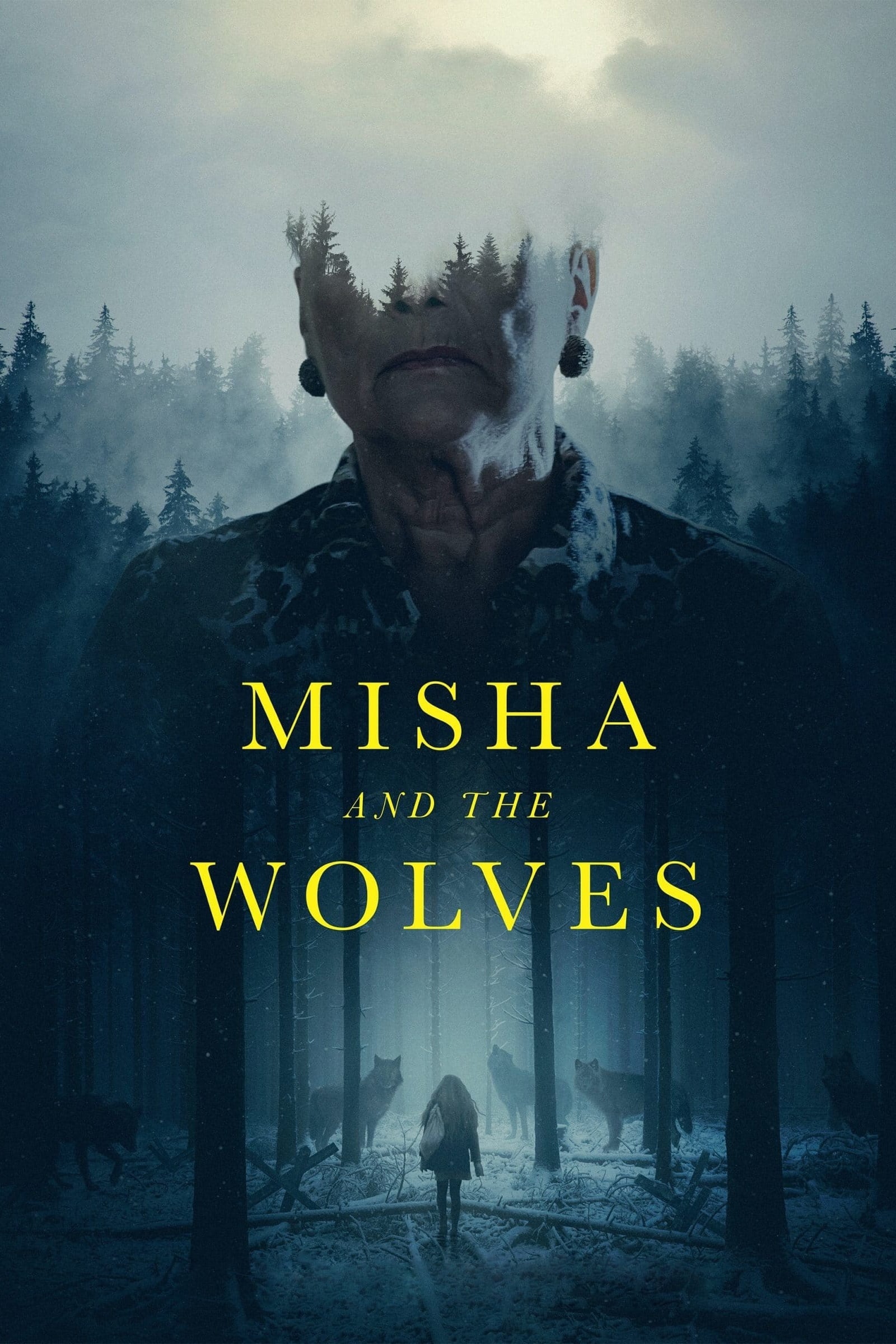
A woman’s Holocaust memoir takes the world by storm, but a fallout with her publisher-turned-detective reveals her story as an audacious deception created to hide a darker truth.
Thirty-six years after the Chernobyl nuclear reactor exploded in Soviet Ukraine, newly uncovered archival footage and recorded interviews with those who were present paint an emotional and gripping portrait of the extent and gravity of the disaster and the lengths to which the Soviet government went to cover up the incident, including the soldiers sent in to “liquidate” the damage. Chernobyl: The Lost Tapes is the full, unvarnished true story of what happened in one of the least understood tragedies of the twentieth century.
A documentary about ten very different lives connected by having appeared onscreen wearing masks or helmets in Star Wars.
A documentary focused on plastic pollution in the world's oceans.
As a visually radical memoir, CAMERAPERSON draws on the remarkable footage that filmmaker Kirsten Johnson has shot and reframes it in ways that illuminate moments and situations that have personally affected her. What emerges is an elegant meditation on the relationship between truth and the camera frame, as Johnson transforms scenes that have been presented on Festival screens as one kind of truth into another kind of story—one about personal journey, craft, and direct human connection.
The extraordinary story of the planet’s most famous contemporary scientist, told in his own words and by those closest to him. Made with unique access to Hawking’s private life, this is an intimate and moving journey into Stephen's world, both past and present.