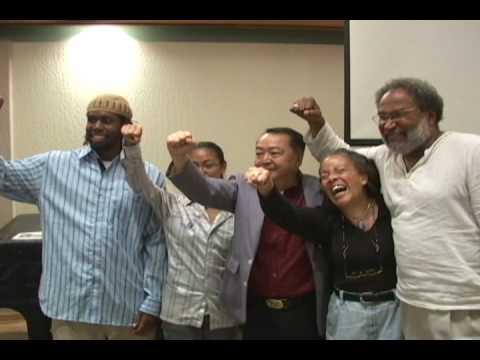
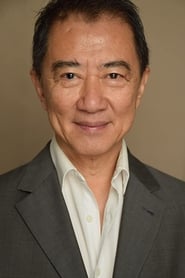
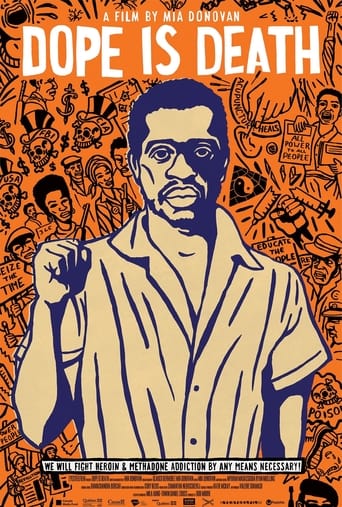
A film documenting the life of Richard Aoki, a Japanese-American activist and founding member of the Black Panther Party.
Social & External
Self (archive footage)
The Bridge is a controversial documentary that shows people jumping to their death from the Golden Gate Bridge in San Francisco - the world's most popular suicide destination. Interviews with the victims' loved ones describe their lives and mental health.
1994 at the Ambassador Hotel, 55 Mason Street in the Tenderloin district of San Francisco, California. From 1978 to 1996, the hotel was managed by Hank Wilson, a San Francisco LGBT activist who made the hotel a model for harm reduction housing. 134 run-down and exhausted rooms populated by homeless men and women, sometimes even children. All of them in urgent need of care, compassion and humanity. Nobly provided by voluntarily working professional health care and social workers staff, various benefactors, volunteers, neighbors, and community contributions.
Finnish award-winning barista Kalle Freese travels to San Francisco with his girlfriend to start an instant coffee start-up with big goals. At stake are Kalle's health, relationship and the newly formed start-up.
Completely topless. Completely uninhibited. The craze that began in San Francisco is now exploding across the USA and Europe.
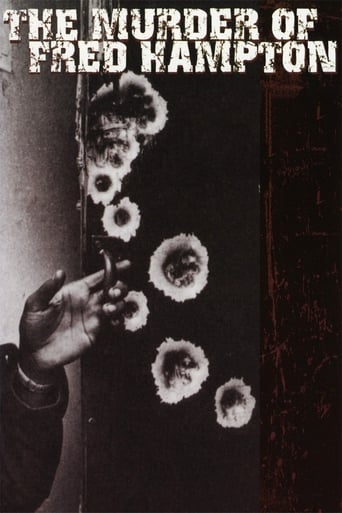
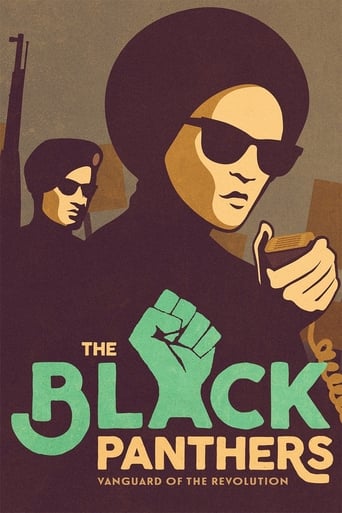
Hear the inside story of Huey Newton and the Black Panthers with this documentary that examines their efforts to promote the rights of African Americans as well as the organization's violent tactics, including the killing of a police officer. The film features a rare jailhouse interview with Newton discussing the role of revolution and civil disobedience, plus footage of several Panthers' bullet-riddled homes following police raids.
A documentary account by award-winning filmmaker John Ferry of the events that led up to the 1969 Native American occupation of Alcatraz Island as told by principal organizer, Adam Fortunate Eagle. The story unfolds through Fortunate Eagle's remembrances, archival newsreel footage and photographs.
On Oct. 17, 1989, at 5:04 p.m. PT, soon after Al Michaels and Tim McCarver started the ABC telecast for Game 3 of the World Series between the San Francisco Giants and the Oakland Athletics, the ground began to shake beneath Candlestick Park. Even before that moment, this had promised to be a memorable matchup: the first in 33 years between teams from the same metropolitan area, a battle featuring larger-than-life characters and equally colorful fan bases. But after the 6.9 Loma Prieta earthquake rolled through, bringing death and destruction, the Bay Area pulled together, and baseball took a backseat.
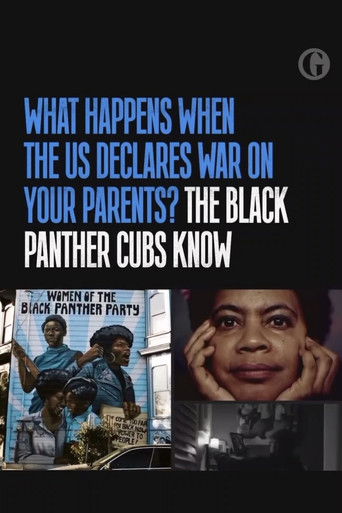
The story of how the radical Huey P. Newton developed the Black Panther Party based on his 10-point program for social reform.
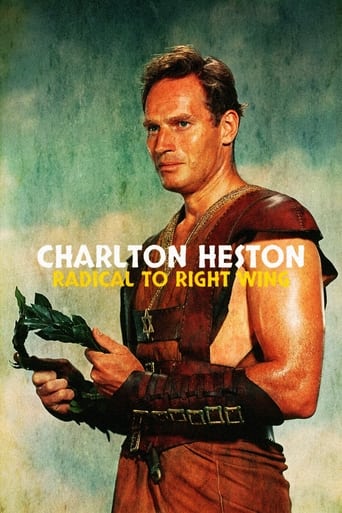
A look at the life and work of the iconic US actor Charlton Heston (1923-2008); the embodiment of many mythic heroes who was both a staunch defender of the Civil Rights movement during the sixties and a spokesman for the National Rifle Association in his later years. The extraordinary and controversial public and personal career of one of the greatest film personalities of all time.
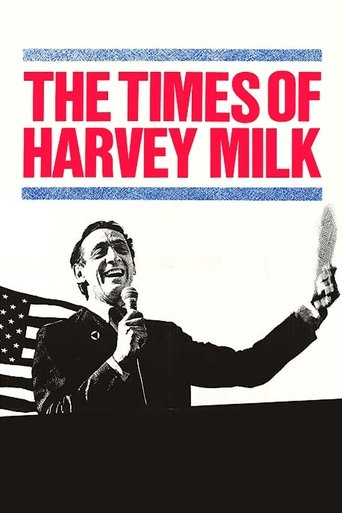
Harvey Milk was an outspoken human rights activist and one of the first openly gay U.S. politicians elected to public office; even after his assassination in 1978, he continues to inspire disenfranchised people around the world.
A compelling document of the Black Panther Party leadership in 1967. This film contains a prison interview with Minister of Defense Huey P. Newton as well as an interview with Minister of Information Eldridge Cleaver, footage of the aftermath of the police assault against the Los Angeles Chapter headquarters, demonstrations to free Huey at Hutton Memorial Park and the Alameda County Court House and a recitation of the party's Ten-Point Platform by co-founder Bobby Seale. Newsreel's 19th, and one of their most widely distributed films, it was originally released as "Off the Pig," but has since seen release under the name Black Panther. This short film features drawings from activist artist Emory Douglas.
After a long career as a commercial and portrait photographer, mischievous San Francisco artist Michael Jang sat for decades on a hidden treasure of pictures taken in his 20s—both candid celebrity shots and a down-to-earth cross-section of Chinese American family life rarely captured so playfully. Then, during the pandemic, Jang set out to share his work with the world, street guerilla-style.
This movie chronicles the life and times of R. Crumb. Robert Crumb is the cartoonist/artist who drew Keep On Truckin', Fritz the Cat, and played a major pioneering role in the genesis of underground comix. Through interviews with his mother, two brothers, wife, ex-wife and ex-girlfriends, as well as selections from his vast quantity of graphic art, we are treated to a darkly comic ride through one man's subconscious mind.
A homeless musician finds meaning in his life when he starts a friendship with dozens of parrots.
Archival footage, animation and music are used to look back at the eight anti-war protesters who were put on trial following the 1968 Democratic National Convention.
Forever, Chinatown is a story of unknown, self-taught 81-year-old artist Frank Wong who has spent the past four decades recreating his fading memories by building romantic, extraordinarily detailed miniature models of the San Francisco Chinatown rooms of his youth.
A veteran Taxi driver struggles to find passengers in San Francisco and wages a spiritual war against his new self driving competitor, Waymo.
Mash is a testament to the efficacy of the frame, wheels, cockpit, and drive-train that carry us through SF's labyrinth of lanes, alleys, and everything in between. This video recognizes those who have inspired us with their unique presence in the streets, who have created an accelerated style of riding bikes built for the track but tailored for daily abuse. The synthesis of this video sprang from a desire to show the world how these locals take ownership of San Franciscos dense landscape and display an incredible amount of focus, fluidity, and grace in the process.
The Fillmore was once a thriving, vibrant, and multicultural community with one of the most prominent jazz scenes on the West Coast and hundreds of black-owned businesses. The neighborhood’s prosperity quickly came to an end as urban redevelopment tore through neighborhoods, pushing thousands of families and businesses out of the area. Despite this, hundreds of community activists today worked tirelessly to help reclaim the “Harlem of the West.”
Rob Williams was an African-American living in Monroe, North Carolina in the 1950s and 1960s. Living with injustice and oppression, many African-Americans advocated a non-violent resistance. Williams took a different tack, urging the oppressed to take up arms. Williams was stripped of his rank as leader of the local NAACP chapter, but he continued to encourage local African-Americans to carry weapons as a means of self-defense. Wanted on a kidnapping charge, Williams and his wife fled to Cuba. His radio show Radio Free Dixie could be heard in some parts of the United States.