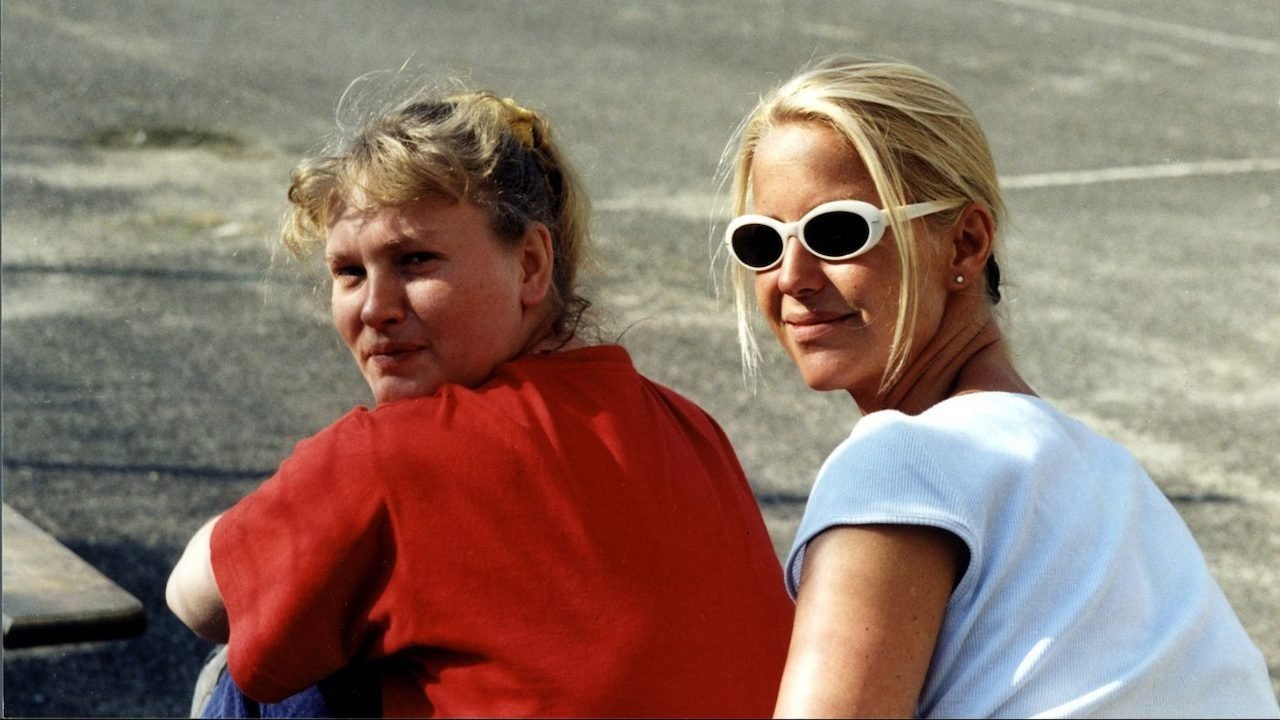
A documentary exploring a crime that shocked Germany in the summer of 1999.
Social & External
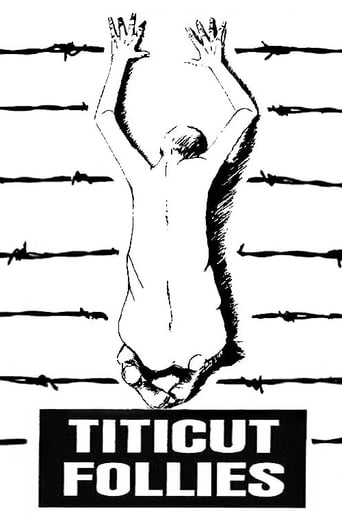
The film recounts the life of the prisoners and the problems their families encounter in their struggle to survive. Here again filmmaker Kamran Shirdel employs the cinema verité style. The interviews with the prisoners, social workers and teachers serve as commentaries for "constructed" documentary images.
The documentary accompanies a group of soccer fans twice on a train ride to a soccer match - first in 1991 and then again in 2006. Have the fans learned something or are they still hooligans?
In a world divided by the Iron Curtain, East Germany sought to carve its niche in the technological race. Enter "Robotron" - a name that seamlessly blended "robot" and "electronics." This wasn't just a brand; it was an ambitious answer to the West's technological advancements, a testament to the GDR’s drive to match, if not surpass, Western innovation. Drawing inspiration from the corporate giants of the West, the GDR‘s government merged various businesses to form this tech behemoth. With 16 major hubs in Central Germany alone, it was clear: "Robotron" was to be the DDR's technological crown jewel. But what was the Socialist Unity Party (SED), the GDR's ruling party, envisioning with this grand venture? How did "Robotron" navigate the challenges of operating within a socialist planned economy, while striving for global excellence? And as it grew to dominate East Germany's tech landscape, why did it always seem to be one step behind the leading global tech powers?
When Women Kill is a poignant documentary exploring the shocking violence that seven women fell victim to at the hands of men. The program profiles the battered women who speak frankly about the cruel abuse, threats, and fears, and the overassertive men who led them down a one-way path to death and destruction. The film features in-prison footage, including a segment depicting a confession by a follower of the notorious Charles Manson, Leslie Van Houten, who was convicted of two killing sprees and committed to life in prison.
Every year, the most beautiful, best and proudest representatives of German youth meet in Dresden to take to the streets together.
For over thirty years, three women have languished in Missouri State prison under unjust sentences for killing their abusive husbands. Denied the opportunity to enter the abuse into evidence, each of the women represents a system broken by outdated and media-sensationalized stereotypes. When a greater understanding of the "battered" syndrome change legal practices in 2000, Missouri's Governor crafts a new law demanding the parole board reevaluate each woman's case.
Thirty years after the Cold War ends, a former political prisoner of the East German secret police searches for the truth after learning his brother spied on him for the regime, and discovers the lasting effects of living in a surveillance state.
After the fall of the Berlin Wall, citizens of East Germany had to get used to a new way of consuming, working, and living. New-found freedoms were a breath of fresh air for many but in the chaos leading up to reunification with West Germany, the experience was also disconcerting.
Ashley Smith was a troubled 19-year-old when she choked herself to death at Ontario's Grand Valley Institution for Women. Her death made national headlines and led to a scathing report by Canada’s federal prison ombudsman. Incarceration for Ashley began at a youth detention centre in New Brunswick. Her crime: she had tossed crabapples at a mailman. Her one-month sentence stretched to almost four years, served in five provinces. With the prison videotapes and exclusive access to Smith’s parents, along with a fellow inmate, this documentary exposes a system that fails the many Ashley Smiths still incarcerated in Canadian institutions.
The soulless atmosphere of a women's penitentiary destroys the prisoners' personality, kills all femininity in them. The film looks at the rationality of the long prison terms for women with children.
Located in former West Berlin, Tempelhof Airport reflects the dramatic history of the 20th century. Once a Nazi showpiece, it later became a symbol of freedom during the Berlin Airlift and the Cold War. In 1978, East German citizen Constanze Glien unexpectedly arrived here after her flight was hijacked, changing the course of her life.
In February 1986 they received the call of a fatherland that no longer exists: four young GDR citizens on the verge of adulthood see themselves forced, like so many others in East and West Germany, to do their one and a half years of military service. What is special: Their service area is the border system, an anti-imperialist protective wall according to their superiors, death strips and prison bars for a population incapacitated in naked reality. Now, seventeen years later, there is a reunion with the comrades and the old post. This feature film, which was the first in reunified Germany to deal with the inner workings of the GDR border troops, tells of life on the fence, the associated contradictions and some hot phases in the Cold War.
Born in Germany in 2002, Noa Blanche Beschorner evokes the memory of those who, a generation before her, lived through the separation of East and West Germany. Tapetenwechsel (Change of Scenery) is the story of youth seeking their identity when confronting their collective memory.
Dragan Wende has lived in Berlin since the '70s and has seen the city change through the years. His nephew comes to live with him as Dragan remembers the better days he lived as a Yugoslavian immigrant in a divided city.
The final months of pregnancy and the first ones after the birth of a baby are unique experiences in a woman's life. And when this daily life is lived inside a prison?
Maryam Henderson-Uloho spent thirteen years in prison in Louisiana, seven in solitary confinement. After her release she struggled to find housing or employment. She began selling secondhand goods out of a suitcase on a street corner in New Orleans. In just three years, she grew her business to a brick-and-mortar thrift store—one that also provides housing and employment for other formerly-incarcerated women. She calls those women—and her store—Sister Hearts.
Marcel Ophüls interviews various important Eastern European figures for their thoughts on the reunification of Germany and the fall of Communism.
"Busch singt" consists of 6 films "About the first part of our century" and does not present Ernst Busch only as a singer but is a film with and about Busch as a chronicler and fighter for communist ideals of his time. Konrad Wolf died during the production, he directed part 3 "1935 oder Das Faß der Pandora" and part 5 "Ein Toter auf Urlaub".
Mo'nique visited a women's prison and performed her stand-up comedy for the inmates. I Coulda Been Your Cellmate is as much a documentary as it is a performance film.
Ross McElwee sets out to make a documentary about the lingering effects of General Sherman's march of destruction through the South during the Civil War, but is continually sidetracked by women who come and go in his life, his recurring dreams of nuclear holocaust, and Burt Reynolds.
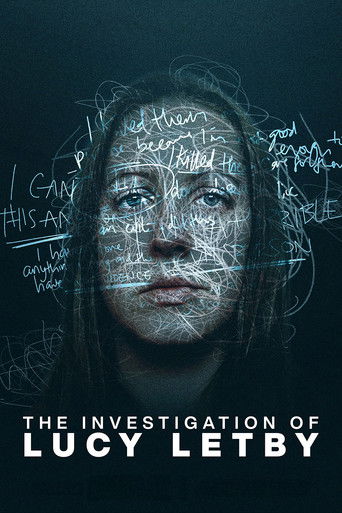
Child abuse, mental illness, and forbidden love converge in this mystery involving a mother and daughter who were thought to be living a fairy tale life that turned out to be a living nightmare.
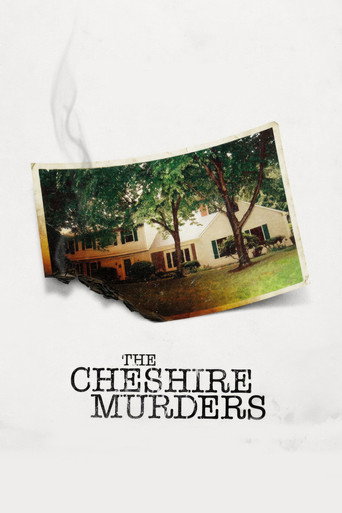
In the early-morning hours of July 23, 2007, in Cheshire, Conn., ex-convicts Steven Hayes and Joshua Komisarjevsky broke into the family home of William Petit, his wife, Jennifer, and their daughters, Michaela, 11, and Hayley, 17. Dr. Petit was beaten and tied to a pole in the basement. The three women were bound in their bedrooms while the men ransacked the house. The brutal ordeal continued throughout the morning, ending with rape, arson and a horrific triple homicide.
Lyrical and powerfully personal essay film that reflects on the deaths of her husband Lou Reed, her mother, her beloved dog, and such diverse subjects as family memories, surveillance, and Buddhist teachings.
Dubbed “The Cannibal Cop,” former NYPD officer Gilberto Valle was charged with conspiring to kidnap and eat women but argued it was all a fantasy. His story made headlines both for its disturbing details and its potential to kick off a trend of thought-policing across the nation. Featuring intimate interviews with Valle and insights from experts, Thought Crimes explores if someone can be found guilty for their most dangerous thoughts.
A depiction of the Wrangelkiez neighbourhood in Berlin. The people portrayed tell their life stories. One woman came to the neighbourhood a decade ago to work in Berlin’s still unfinished Brandenburger Airport, one man reminisces his childhood on a Tobacco farm in Kentucky, another speaks of an exceptional day in an otherwise monotonous workplace. These portraits are interwoven with the story of Elpi, a Greek woman who is waiting for the long overdue visit of an old important friend. The outcome of this mixture is a film which captures the lives and perspectives of some of Wrangelkiez’s most commanding citizens, while at the same time evoking the loss that change and time passing means for places and for people.
Unravel the case of Utah therapist Jodi Hildebrandt, whose child abuse arrest with parenting YouTuber Ruby Franke exposed a twisted tale of manipulation.
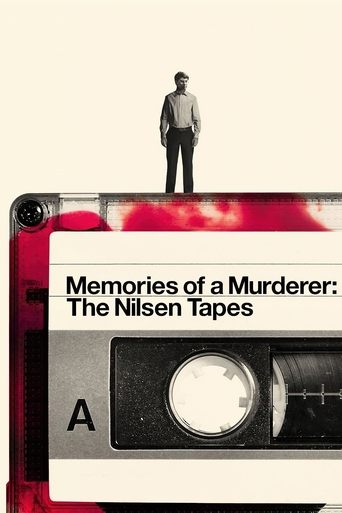
Serial killer Dennis Nilsen narrates his life and horrific crimes via a series of chilling audiotapes recorded from his jail cell.
Serving life in prison for murdering their parents, Lyle and Erik Menendez speak out in this documentary explaining the shocking crime and ensuing trials.
A documentary on the expletive's origin, why it offends some people so deeply, and what can be gained from its use.
This character-driven film considers the evolving sex trafficking landscape as seen by the main players: the exploited, the pimps, the johns that fuel the business, and the cops who fight to stop it.
This documentary examines the 1999 London bombings that targeted Black, Bangladeshi and gay communities, and the race to find the far-right perpetrator. He terrorized a city, seeking to ignite a race war but justice was served by those who wouldn't let his hate win.
When Juan Catalan is arrested for a murder he insists he didn't commit, he builds his case for innocence around unexpected raw footage.
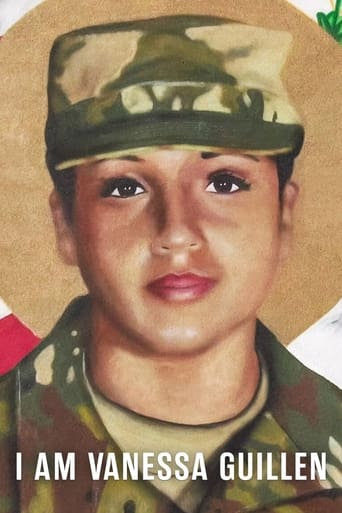
Vanessa Guillen was 20 years old when she was found murdered at a US Army base. Rather than submit to silence, her family fought for justice and change.
Follow the evolution of the 'Halloween' movies over the past twenty-five years. It examines why the films are so popular and revisits many of the original locations used in the films - seeing the effects on the local community. For the first time, cast, crew, critics and fans join together in the ultimate 'Halloween' retrospective.
When Allied forces liberated the Nazi concentration camps in 1944-45, their terrible discoveries were recorded by army and newsreel cameramen, revealing for the first time the full horror of what had happened. Making use of British, Soviet and American footage, the Ministry of Information’s Sidney Bernstein (later founder of Granada Television) aimed to create a documentary that would provide lasting, undeniable evidence of the Nazis’ unspeakable crimes. He commissioned a wealth of British talent, including editor Stewart McAllister, writer and future cabinet minister Richard Crossman – and, as treatment advisor, his friend Alfred Hitchcock. Yet, despite initial support from the British and US Governments, the film was shelved, and only now, 70 years on, has it been restored and completed by Imperial War Museums under its original title "German Concentration Camps Factual Survey".
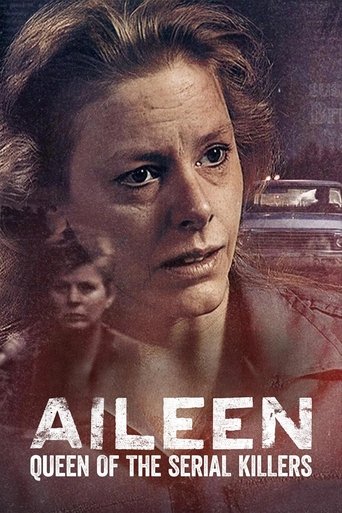
Aileen Wuornos remains a rarity: a female serial killer. From childhood abuse to death-row revelations, this documentary revisits her life and crimes.
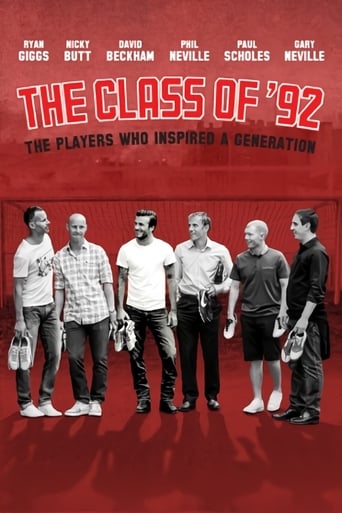
A detailing of the rise to prominence and global sporting superstardom of six supremely talented young Manchester United football players (David Beckham, Nicky Butt, Ryan Giggs, Paul Scholes, Phil and Gary Neville). The film covers the period 1992-1999, culminating in Manchester United's European Cup triumph.
Documentary filmmaker Amy Berg investigates the life of 30-year pedophile Father Oliver O'Grady and exposes the corruption inside the Catholic Church that allowed him to abuse countless children. Victims' stories and a disturbing interview with O'Grady offer a view into the troubled mind of the spiritual leader who moved from parish to parish gaining trust ... all the while betraying so many.
At a 2012 pre-season high-school football party in Steubenville, Ohio, a young woman was raped by members of the beloved high school football team. The aftermath exposed an entire culture of complicity—and Roll Red Roll maps out the roles that peer pressure, denial, sports machismo, and social media each played in the tragedy.