Tells how Rodger Kamenetz, author of the best-selling 1994 book by the same title, found his way back to Judaism - the tradition of his birth.
Social & External
Self
I enjoy religion, I appreciate belief systems and how they offer structure to people's lives. I also appreciate how spirituality manifests itself in Asian cultures as this almost earthbound presence guiding people through every day life and when they need an extra bit of help they need only ask whichever deity holds dominion over their desire. Here is an experimental film I made with videos from my iPhone. Shot across Taiwan and South Korea. An experimental film I made with videos from my iPhone. Shot across Taiwan and Korea. My aim was to explore success in how it pertains to every day life, the satisfaction of small moments, spirituality, superstition, and daily rituals.
King of the Jews is a film about anti-Semitism and transcendence. Utilizing Hollywood movies, 1950's educational films, personal home movies and religious films, the filmmaker depicts his childhood fear of Jesus Christ. These childhood recollections are a point of departure for larger issues such as the roots of Christian anti-Semitism.
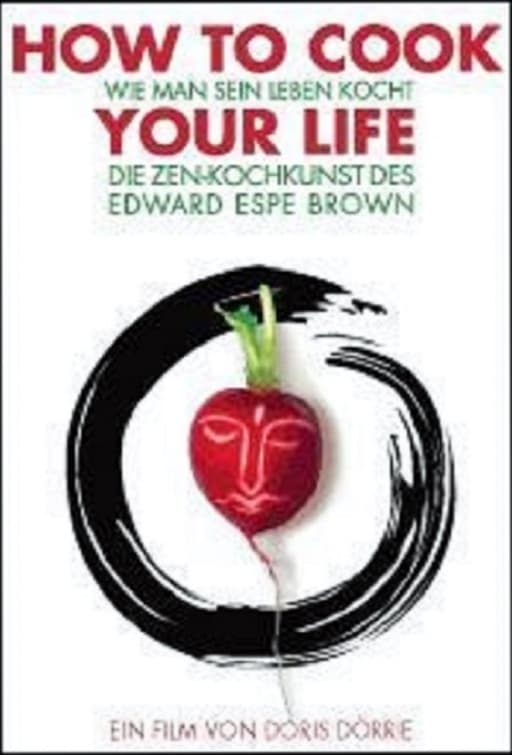
A Zen priest in San Francisco and cookbook author use Zen Buddhism and cooking to relate to everyday life.
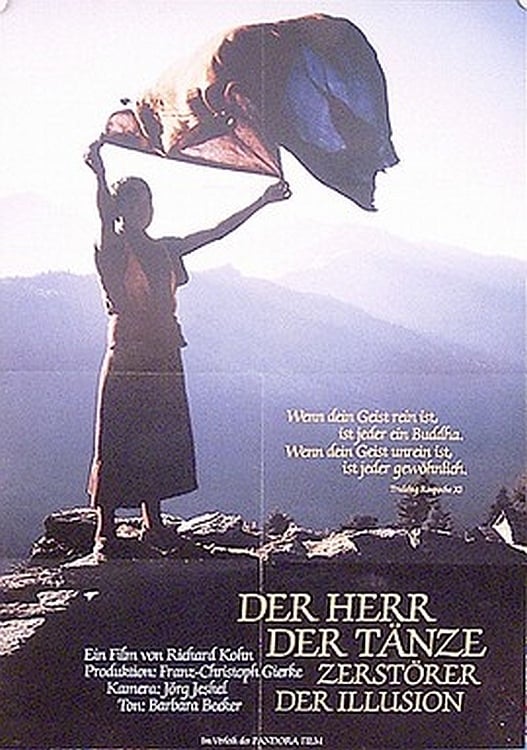
The documentary focuses on the annual Mani Rimdu festival of Tibet and Nepal, an event which encapsulates the Himalayan Buddhist experience.
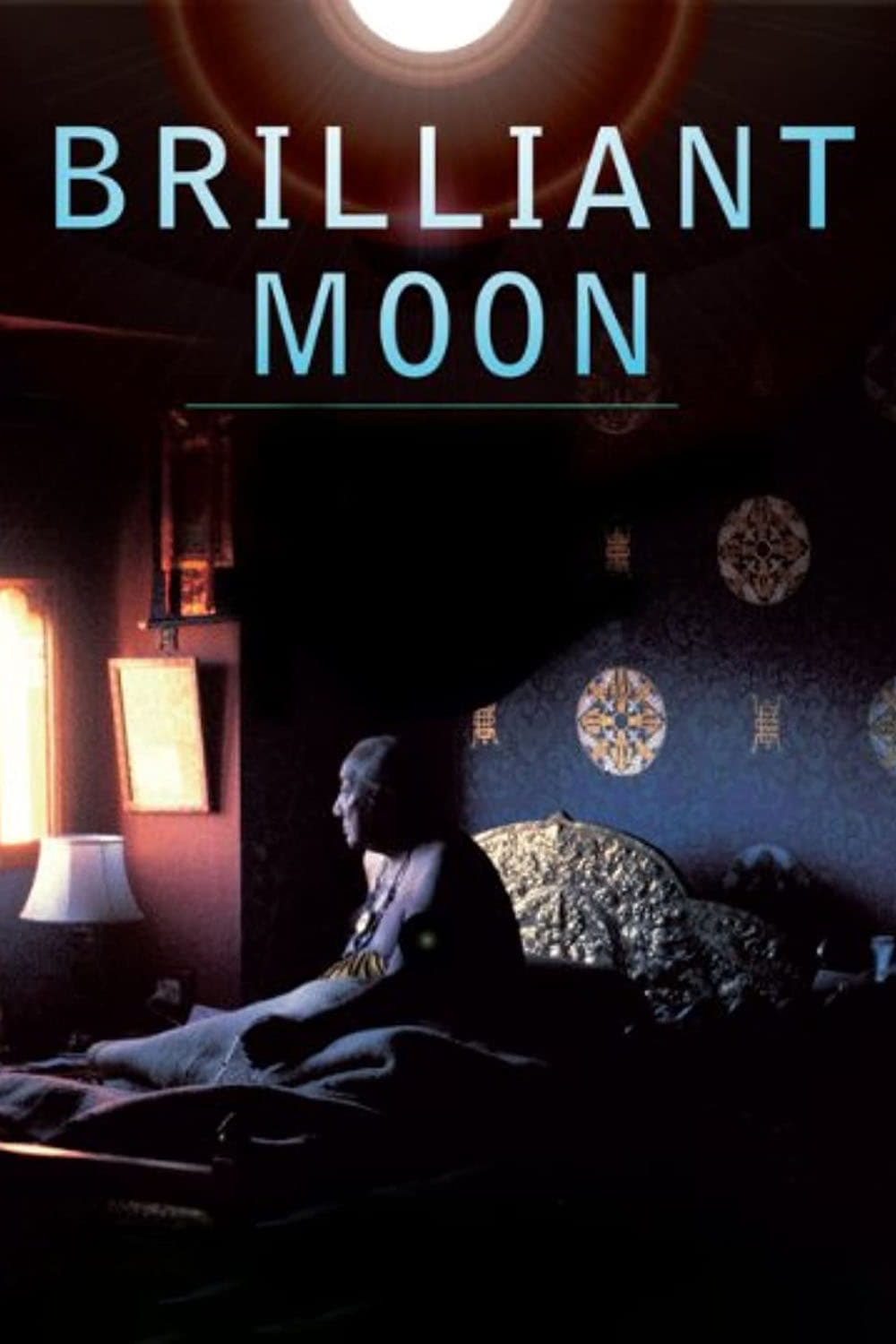
Brilliant Moon chronicles the life of the writer, poet, and meditation master Khyentse Rinpoche, one of Tibet's most revered 20th-century Buddhist teachers. Spiritual guide to His Holiness the Dalai Lama and the Royal Family of Bhutan, his life and teachings were an inspiration to all who encountered him. Richard Gere and Lou Reed provide the narration for his dangerous journey out of China, the subsequent spread of his influence and the search for his reincarnation after his death.
Narrated by Benedict Cumberbatch, Walk With Me is a cinematic journey into the world of a monastic community who practice the art of mindfulness with Zen Buddhist master Thich Nhat Hanh.
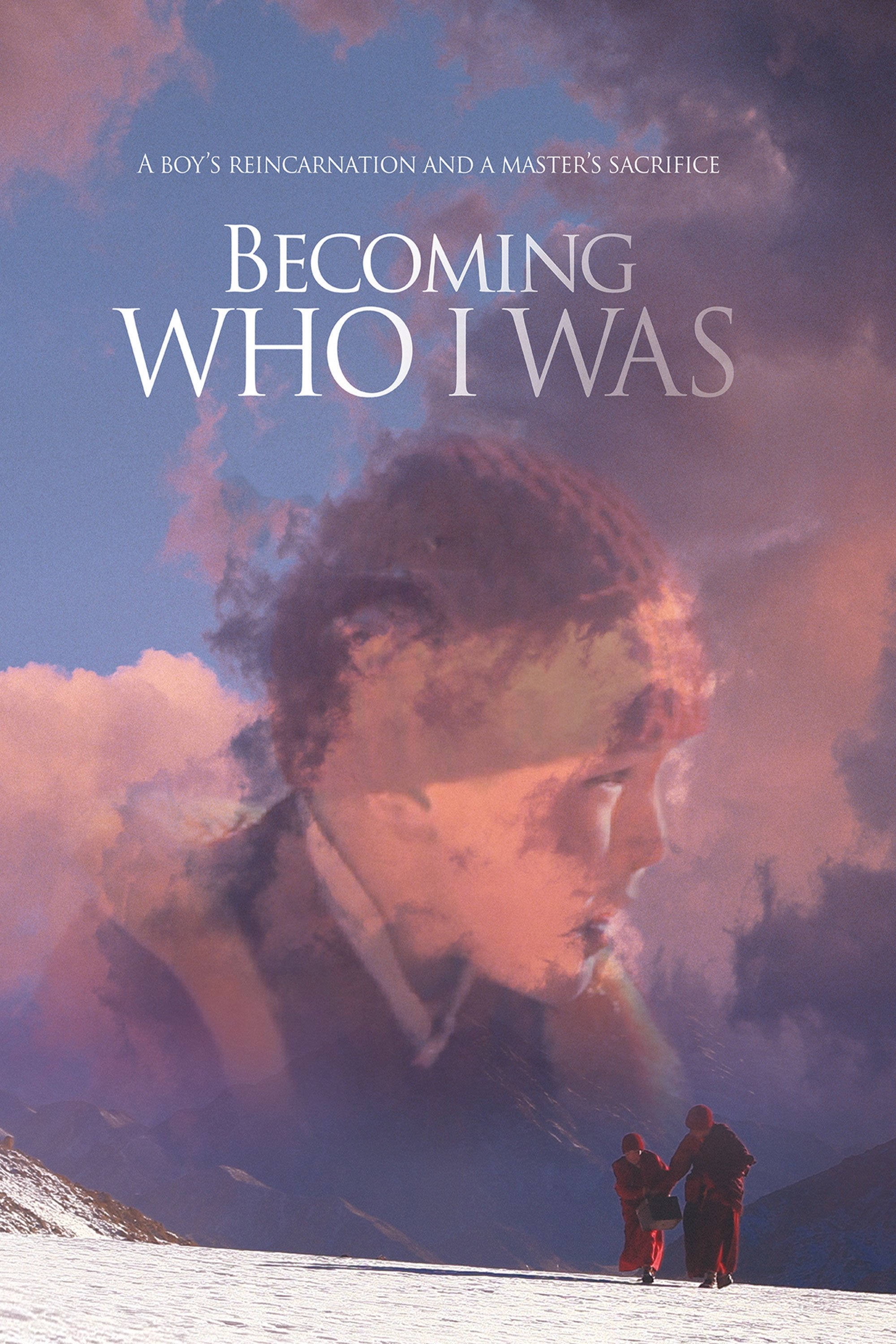
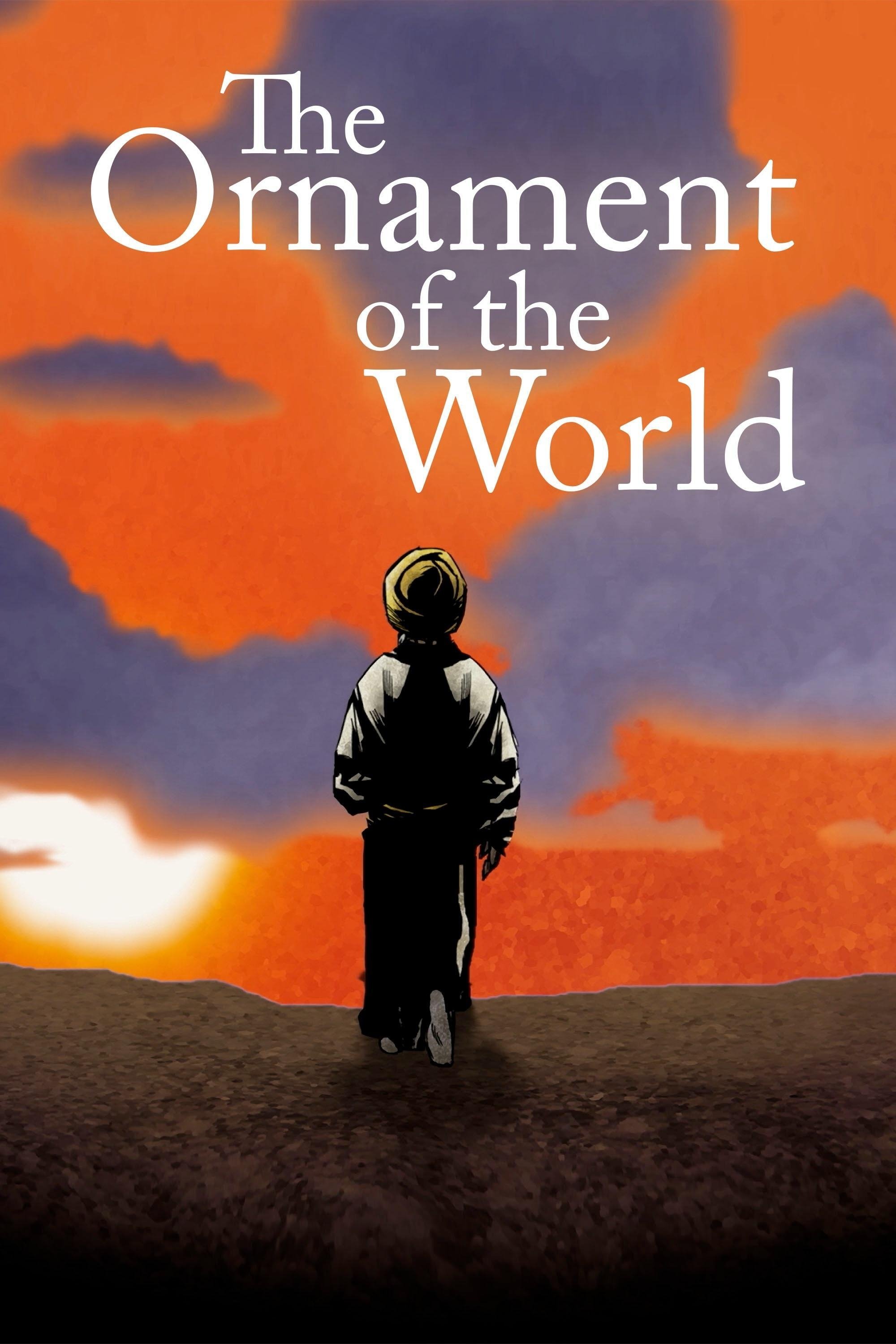
Angdu is no ordinary boy. Indeed, in a past life he was a venerated Buddhist master. His village already treats him like a saint as a result. The village doctor, who has taken the boy under his wing, prepares him to be able to pass on his wisdom. Alas, Tibet, Angdu’s former homeland and the centre of his faith, lies far away from his current home in the highlands of Northern India. On top of that, the conflict between China and Tibet makes the prospect of a trip there even more daunting. Undeterred by these harsh facts, the duo set off for their destination on foot, accompanied by questions of friendship and the nature of life. With its narrative approach steeped in a serene sense of concentration, this documentary film, composed over a period of eight years, stands as a fundamental experience in its own right.
Street art, creativity and revolution collide in this beautifully shot film about art’s ability to create change. The story opens on the politically charged Thailand/Burma border at the first school teaching street art as a form of non-violent struggle. The film follows two young girls (Romi & Yi-Yi) who have escaped 50 years of civil war in Burma to pursue an arts education in Thailand. Under the threat of imprisonment and torture, the girls use spray paint and stencils to create images in public spaces to let people know the truth behind Burma's transition toward "artificial democracy." Eighty-two hundred miles away, artist Shepard Fairey is painting a 30’ mural of a Burmese monk for the same reasons and in support of the students' struggle in Burma. As these stories are inter-cut, the film connects these seemingly unrelated characters around the concept of using art as a weapon for change.
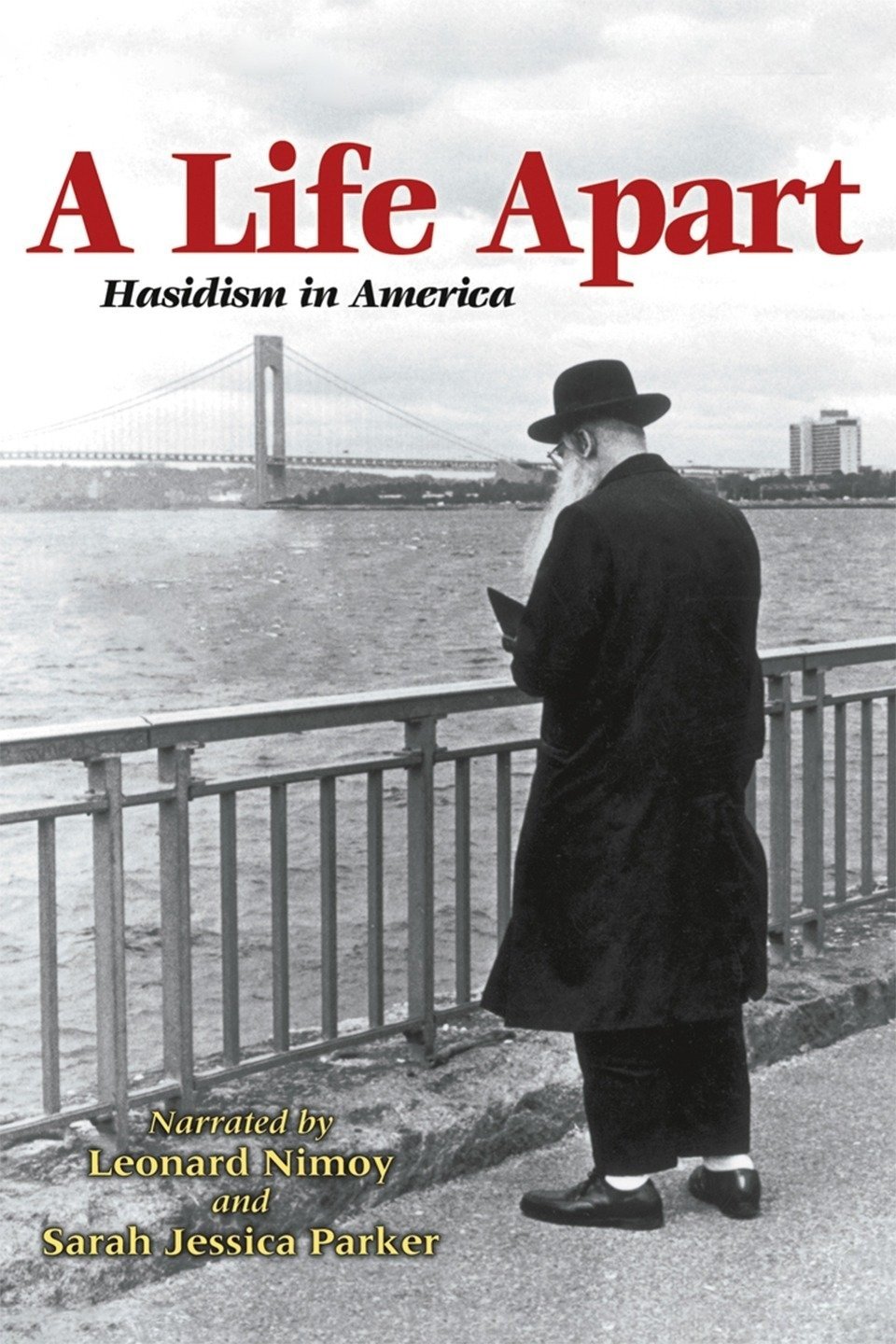
A Life Apart: Hasidism in America, is the first in-depth documentary about a distinctive, traditional Eastern European religious community. In an historic migration after World War II, Hasidism found it's most vital center in America. Both challenging and embracing American values, Hasidim seek those things which many Americans find most precious: family, community, and a close relationship to God. Integrating critical and analytical scholarship with a portrait of the daily life, beliefs, and history of contemporary Hasidic Jews in New York City, the film focuses on the conflicts, burdens, and rewards of the Hasidic way of life.
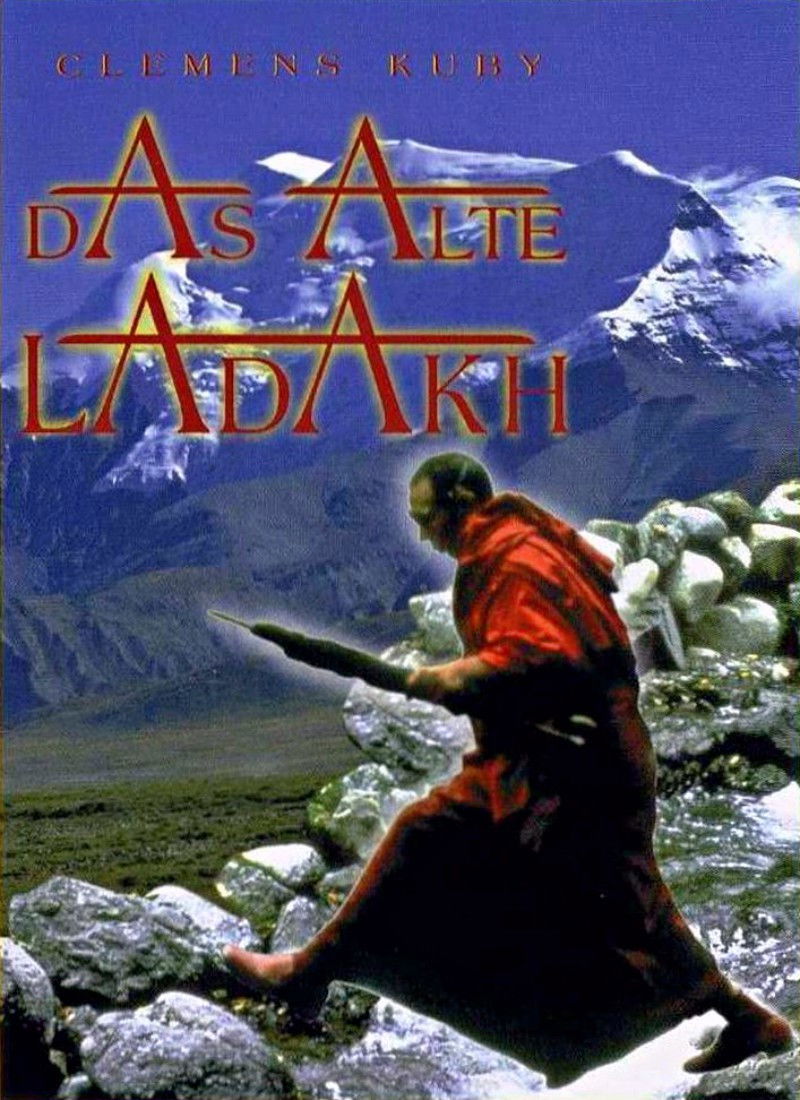
The Laddakhis, high up in the Western Himalayas, have a strong connection to the psychic energies of the gods and demons through their belief in Tantric Buddhism. People in the valley say of the Geshe (a methaphysical professor) that he can fly if he wants to. But using magic is immoral for the Buddhist. Nevertheless, a young man seduces the woman of his desire with magical powers. In a breathtaking landscape under a crystal-clear blue sky, a life unfolds in harmony with the universe, carried by an ancient consciousness.
Buddhist monks open up about the joys and challenges of living out the precepts of the Buddha as a full-time vocation. Controversies swirling within modern monastic Buddhism are examined, from celibacy and the role of women to racism and concerns about the environment.
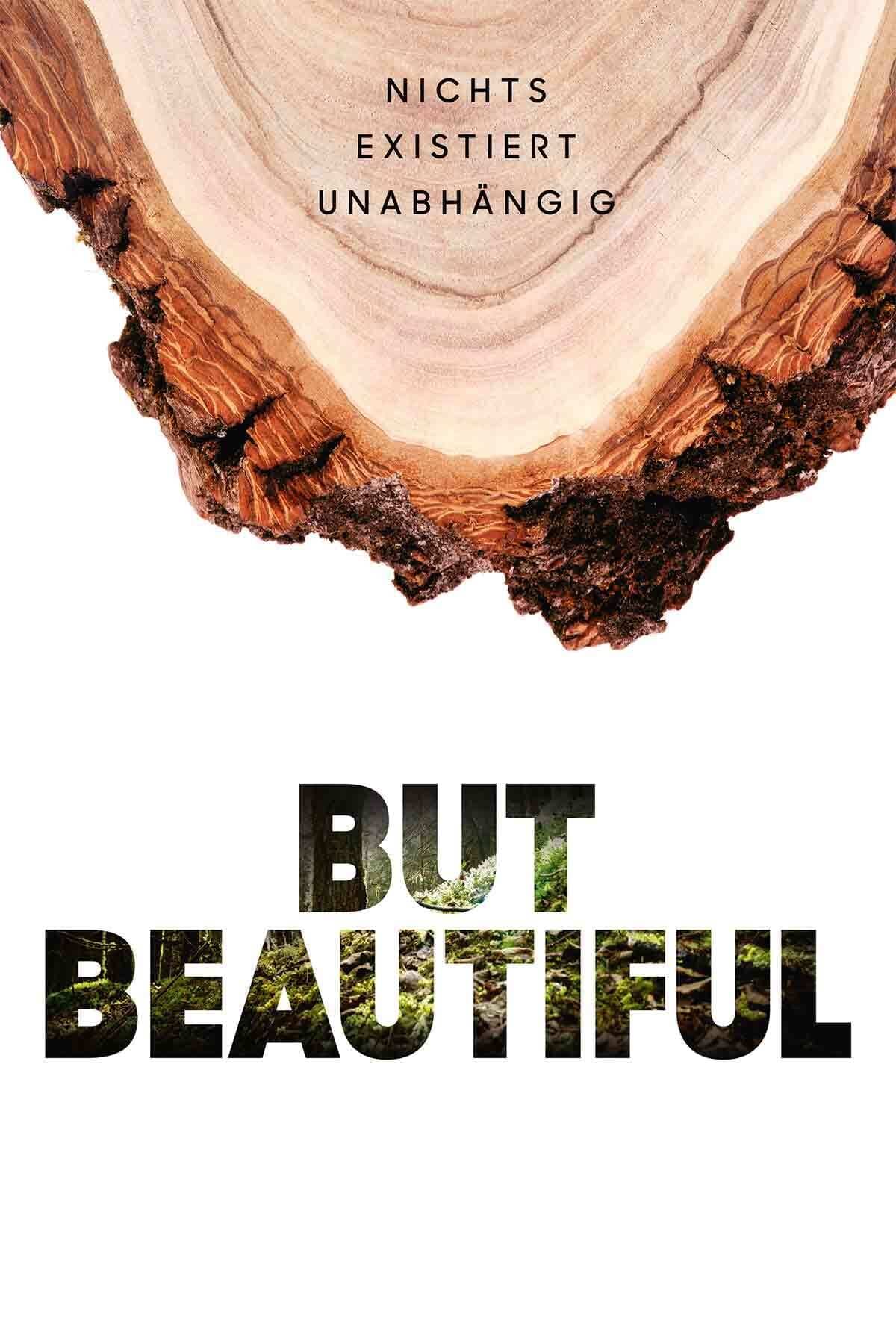
In his new film, Erwin Wagenhofer is looking for the good and beautiful in this world.
Filmed in Cordoba, Granada, Seville, and Toledo, this documentary retraces the 800-year period in medieval Spain when Muslims, Christians, and Jews forged a common cultural identity that frequently transcended their religious differences, revealing what made this rare and fruitful collaboration possible, and what ultimately tore it apart.
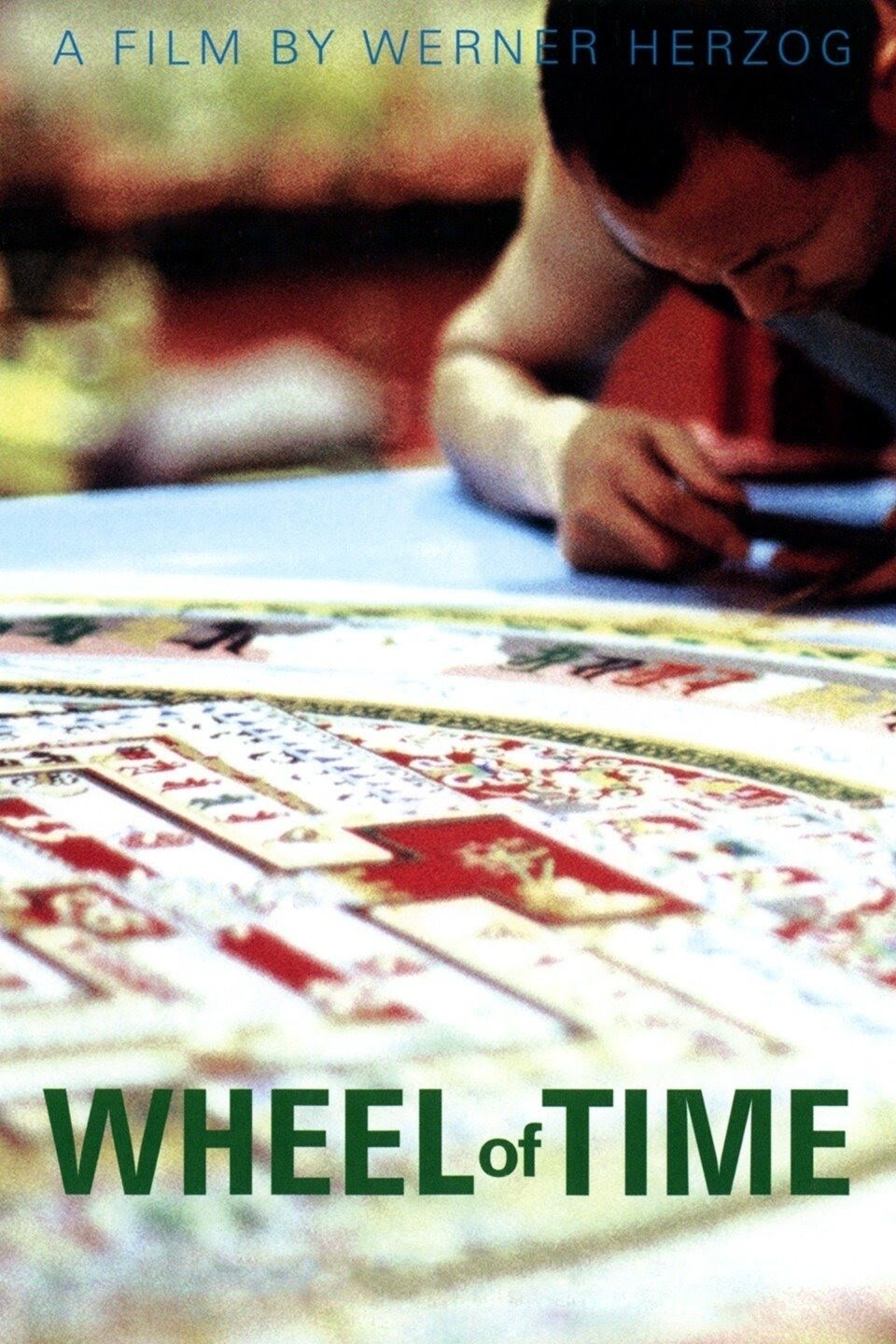
Wheel of Time is Werner Herzog's photographed look at the largest Buddhist ritual in Bodh Gaya, India.
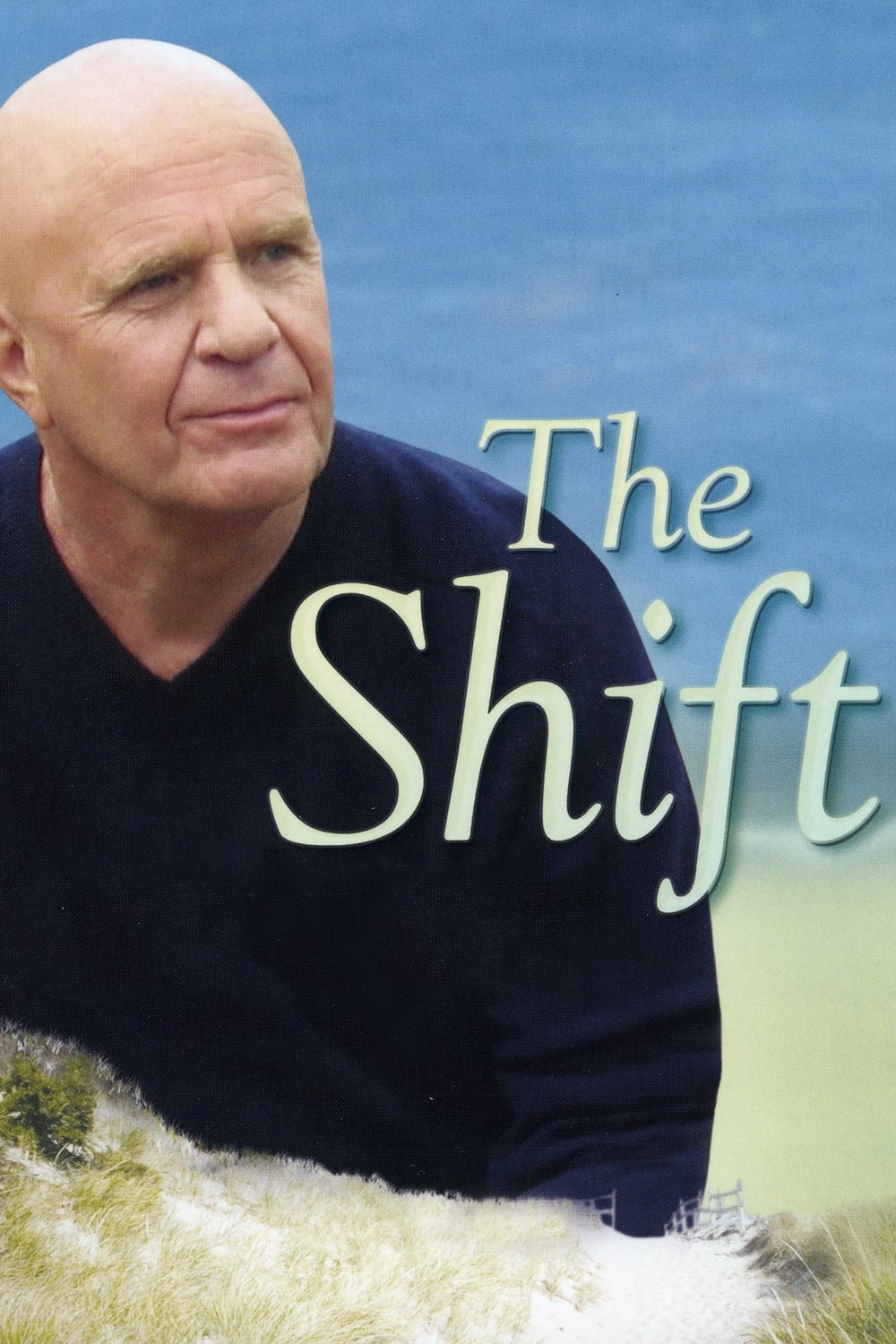
From the creators of You Can Heal Your Life: The Movie comes a compelling portrait of three modern lives in need of new direction and new meaning. In his first-ever movie, Wayne Dyer explores the spiritual journey in the second half of life when we long to find the purpose that is our unique contribution to the world. The powerful shift from the ego constructs we are taught early in life by parents and society—which promote an emphasis on achievement and accumulation—are shown in contrast to a life of meaning, focused on serving and giving back. Filmed on coastal California’s spectacular Monterey Peninsula, The Shift captures every person’s mid-life longing for a more purposeful, soul-directed life.
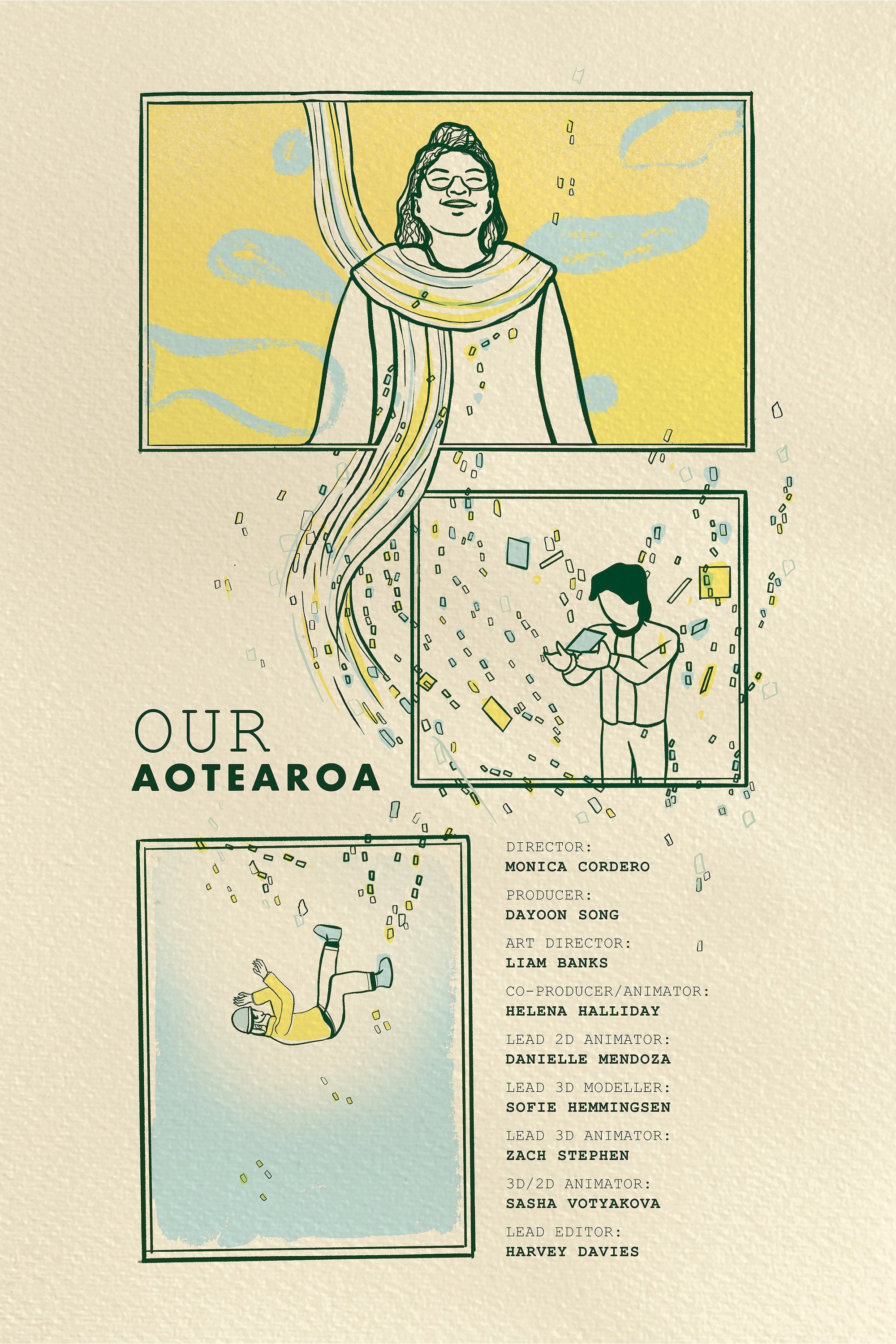
An animated documentary that speaks to immigrants' personal experiences living in Aotearoa, exploring themes of racism, discrimination, loss, loneliness, and maintaining cultural ties while living in another country.
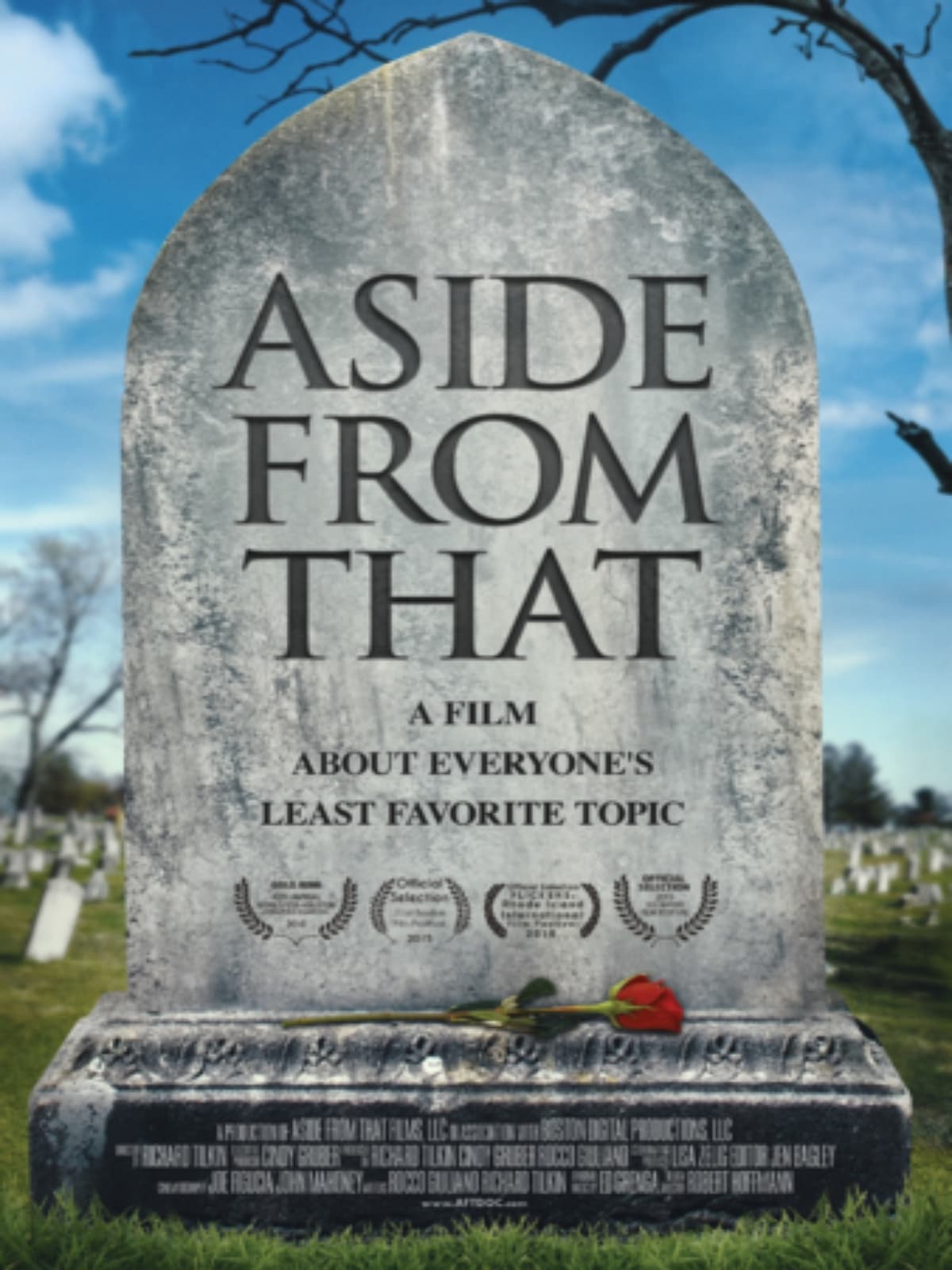
How do we live, knowing we are going to die? In search of answers, we probed the minds of atheists, Buddhists, Jews, Christians, physicians, philosophers, authors, academics, a legendary stand-up comic, and scores of random pedestrians.
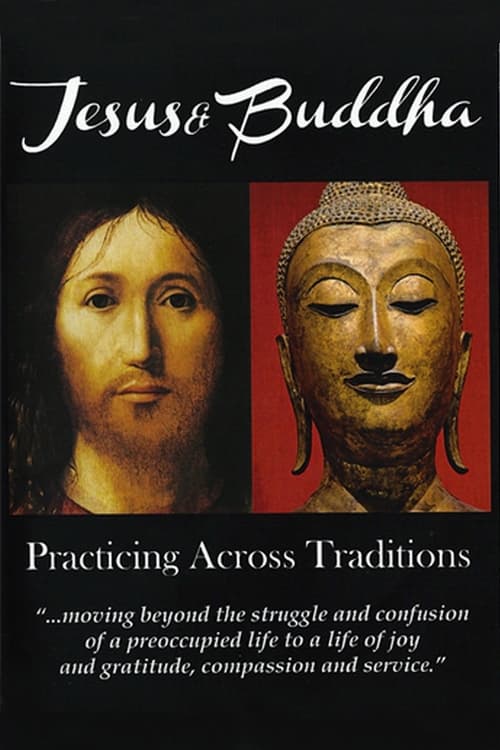
Three leading figures in today's Buddhist-Christian dialogue share their personal journeys in the new documentary Jesus and Buddha: Practicing Across Traditions. We learn how following the path of the Buddha has informed and deepened their understanding of who Jesus was and what he taught. Their experience and insight bring these two liberating archetypes alive in a way that can help guide us through our own confusion and struggle toward lives filled with joy and gratitude, compassion and service.
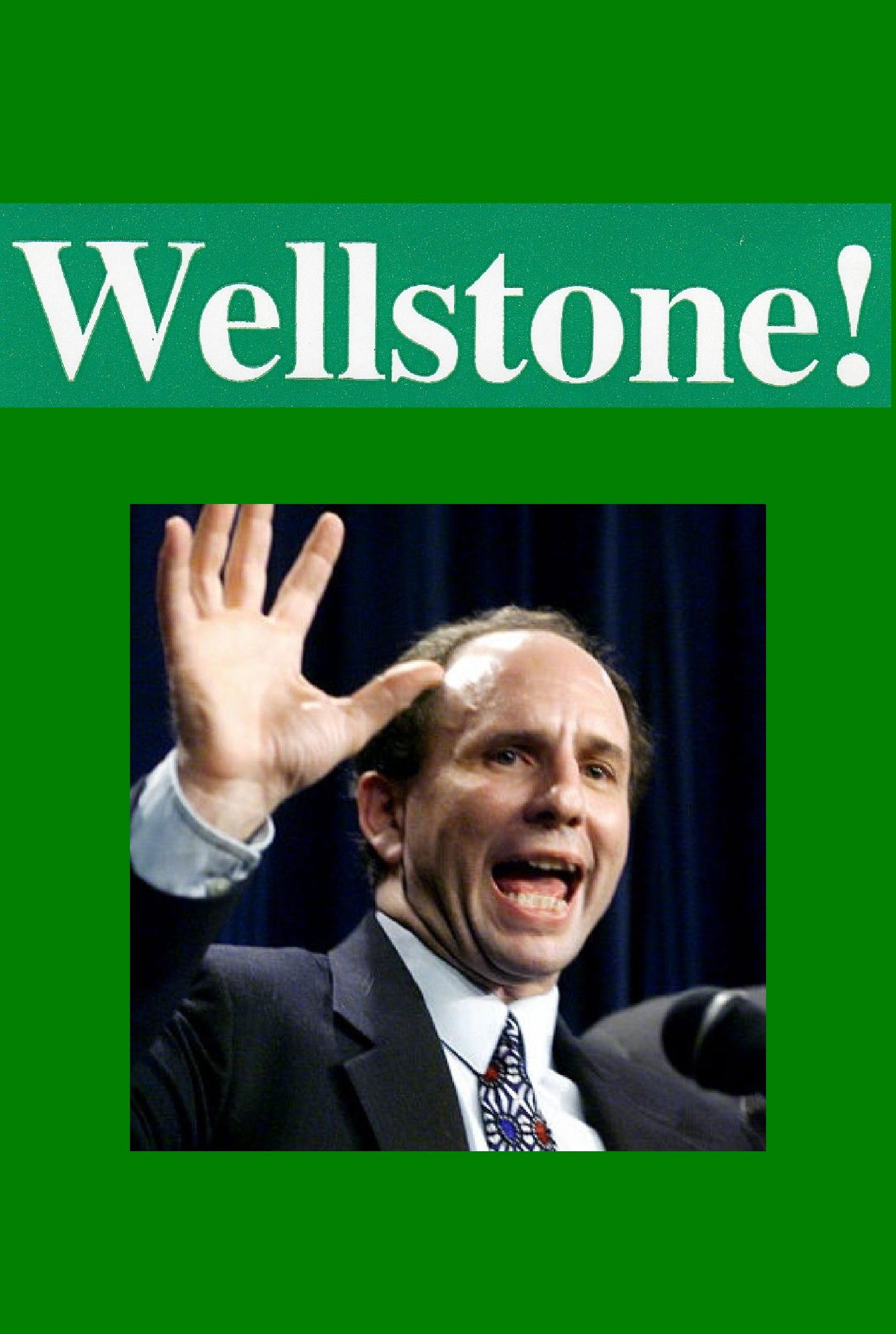
Paul Wellstone was the charismatic Minnesota progressive who used grassroots organizing to get elected and give ordinary people a stake in government. His 3rd election campaign was cut short when his small plane crashed into the north woods of Minnesota just 11 days before the 2002 election. Wellstone! explores the origin of his politics, his controversial road to the United States Senate, his deep bond with his wife and 'co-senator' Sheila, and the legacy of a life of progressive populism.
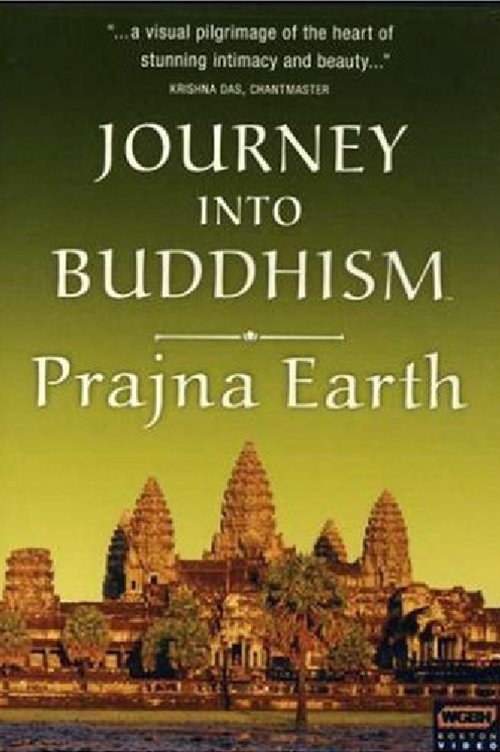
Prajna is the Sanskrit word for radiant wisdom, and yatra is the word for pilgrimage or spiritual journey. This visually stunning documentary is a cinematic pilgrimage exploring the lost civilization of Angkor in Cambodia, including the largest temple in the world, the magnificent Angkor Wat. The journey continues to sacred sites of the natural world, Hindu Bali, jungles of Java, and discovering Buddhist Borobudur. A John Bush film.
Alex Gibney explores the charged issue of pedophilia in the Catholic Church, following a trail from the first known protest against clerical sexual abuse in the United States and all way to the Vatican.
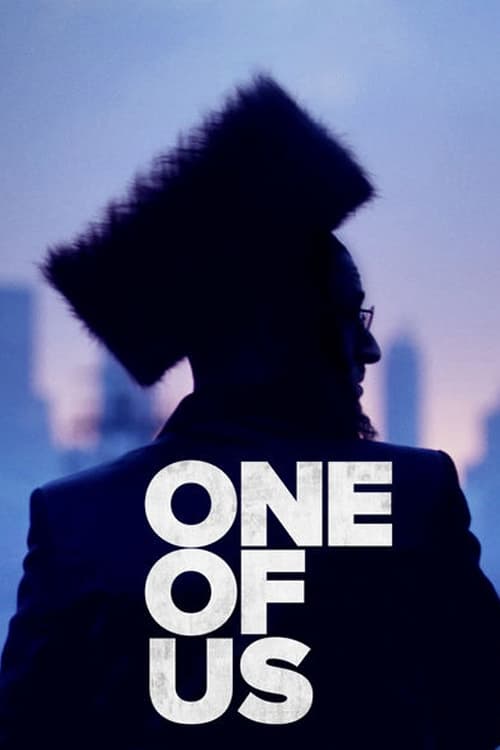
Penetrating the insular world of New York's Hasidic community, focusing on three individuals driven to break away despite threats of retaliation.
The life and career of one of comedy's most inimitable modern voices, Mr. Gilbert Gottfried.
Through deeply personal interviews with her siblings and an examination of the photographs, letters, and belongings left behind, Mariska assembles a new portrait of her mother Jayne Mansfield, an extraordinary and complex woman.
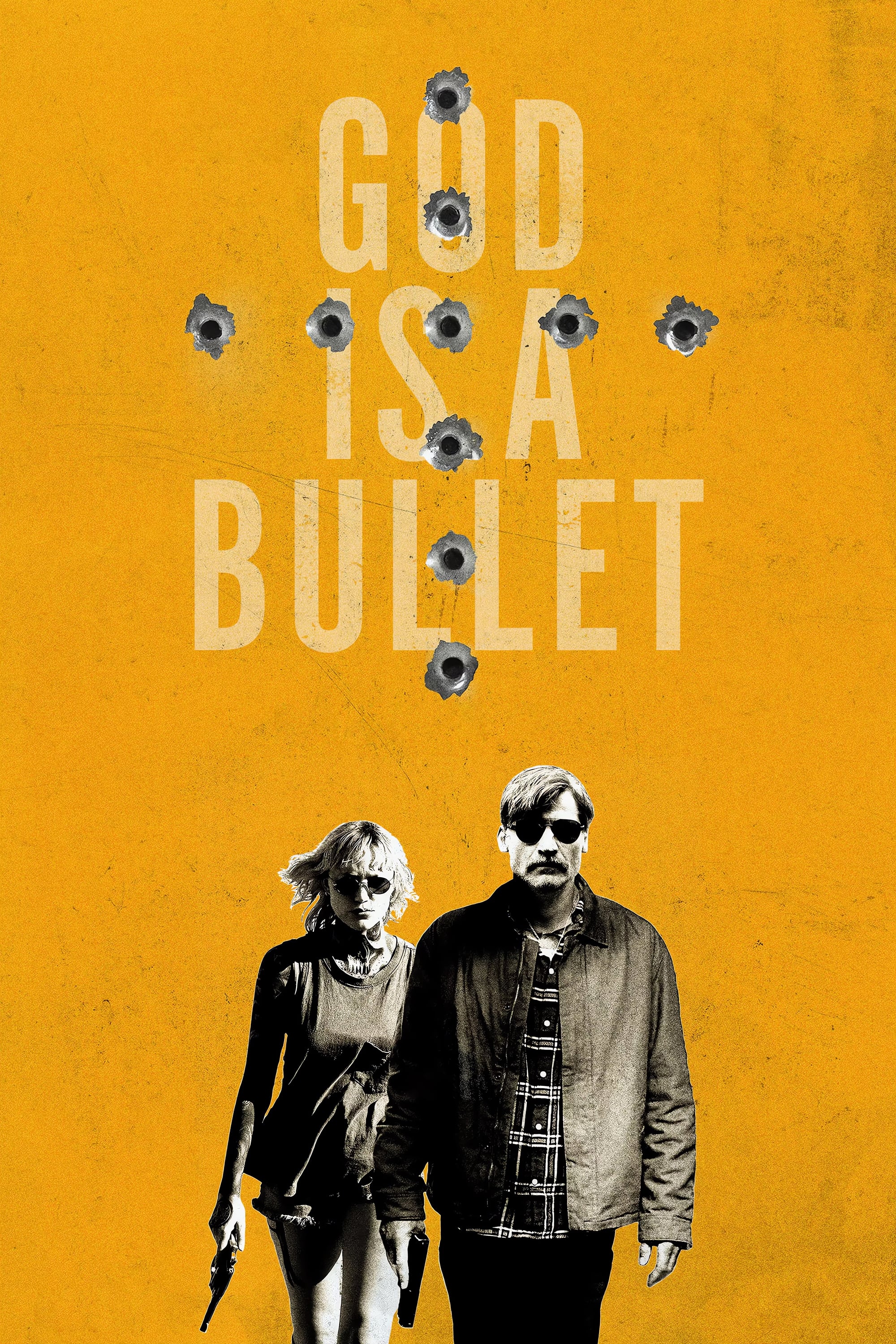
Vice detective Bob Hightower finds his ex-wife murdered and daughter kidnapped by a cult. Frustrated by the botched official investigations, he quits the force and infiltrates the cult to hunt down the leader with the help of the cult’s only female victim escapee, Case Hardin.
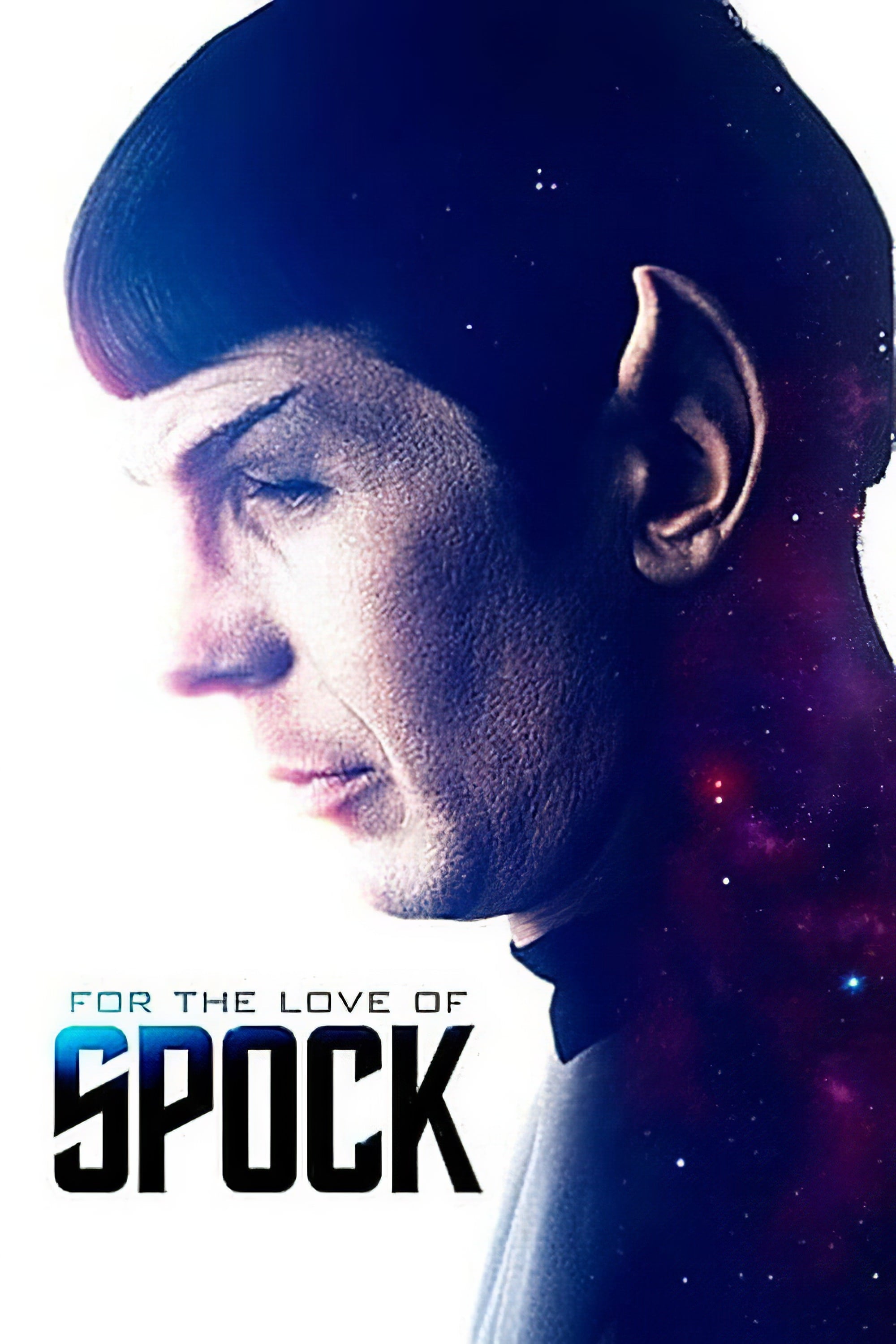
The life of Mr. Spock, as well as that of Leonard Nimoy, the actor who played him for almost fifty years, written and directed by his son: Adam.
Artists in LA discover the work of forgotten Polish sculptor Stanislav Szukalski, a mad genius whose true story unfolds chapter by astounding chapter.
The life and career of an actor, artist, and icon. His own journey through his own camera.
A detailing of the rise to prominence and global sporting superstardom of six supremely talented young Manchester United football players (David Beckham, Nicky Butt, Ryan Giggs, Paul Scholes, Phil and Gary Neville). The film covers the period 1992-1999, culminating in Manchester United's European Cup triumph.
Al Pacino's deeply-felt rumination on Shakespeare's significance and relevance to the modern world through interviews and an in-depth analysis of "Richard III."
It's the final weeks of the most consequential presidential election in history. America is poised to elect either its first female president or its first viable independent candidate. Reporting history as it's made, an idealistic young journalist teams up with her idol, legendary journalist Nick Booker, to uncover a conspiracy that places the fate of the election, and the country, in their hands.
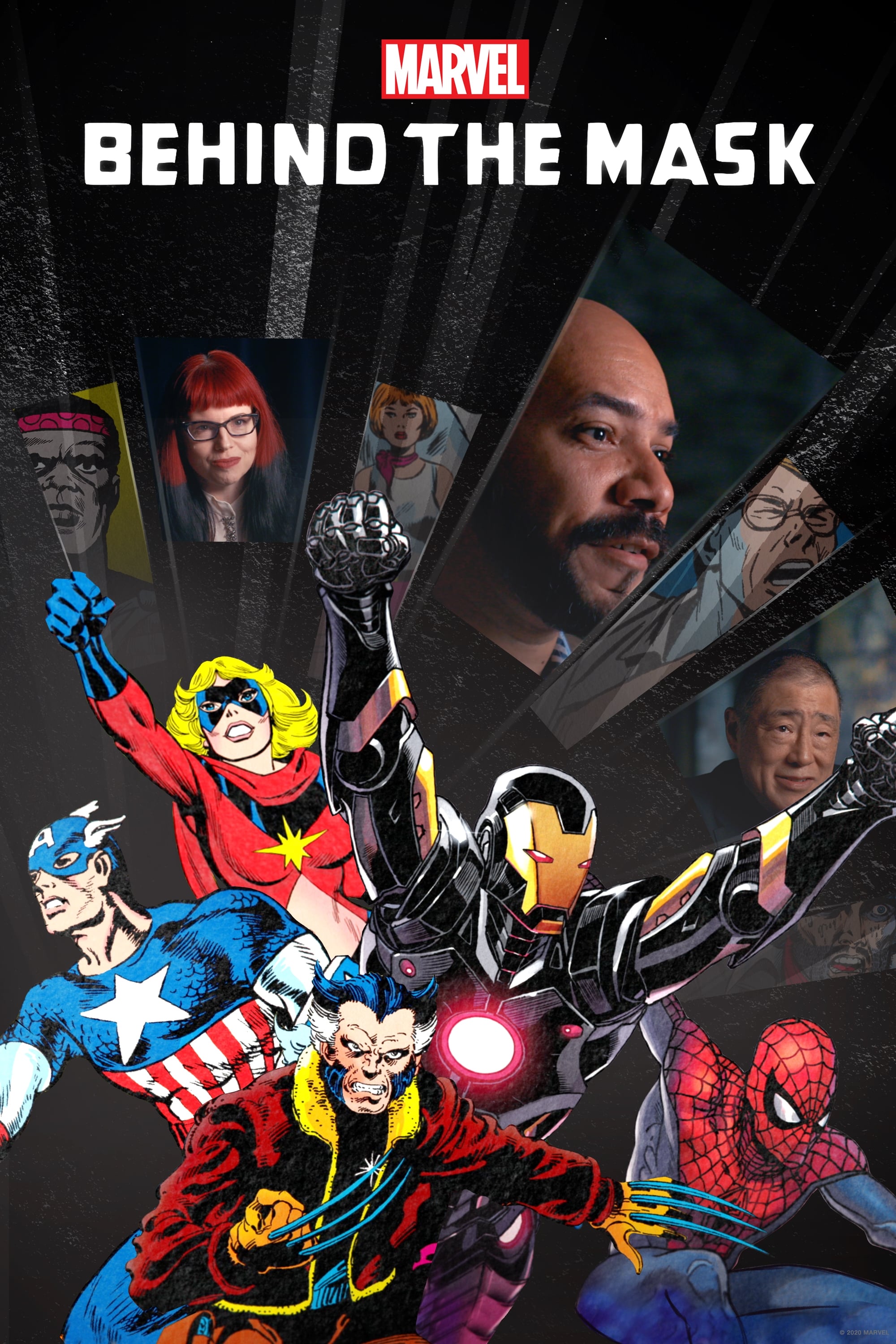
A documentary special that explores the power of identity behind the iconic superheroes we know and love today. These legendary Marvel creations and stories have not only reflected the world outside our window – they have become a reflection of our own identities and who we truly are.
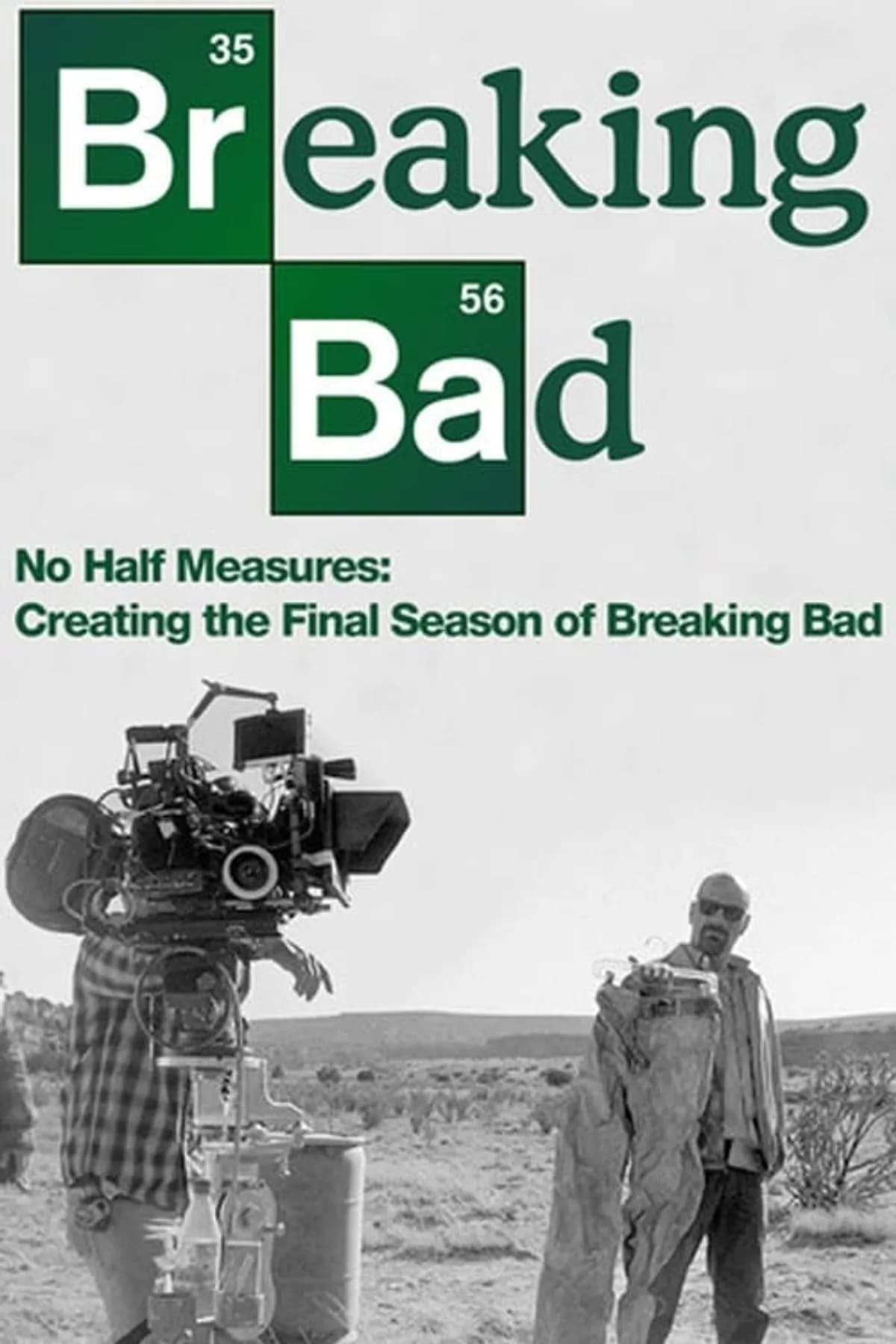
A documentary about the making of season five of the acclaimed AMC series Breaking Bad.
Alex Gibney explores the phenomenon of Stuxnet, a self-replicating computer virus discovered in 2010 by international IT experts. Evidently commissioned by the US and Israeli governments, this malware was designed to specifically sabotage Iran’s nuclear programme. However, the complex computer worm ended up not only infecting its intended target but also spreading uncontrollably.
A documentary about how a dominant cultural and demographic institution both sustains their traditional activities and adapts to the digital revolution.
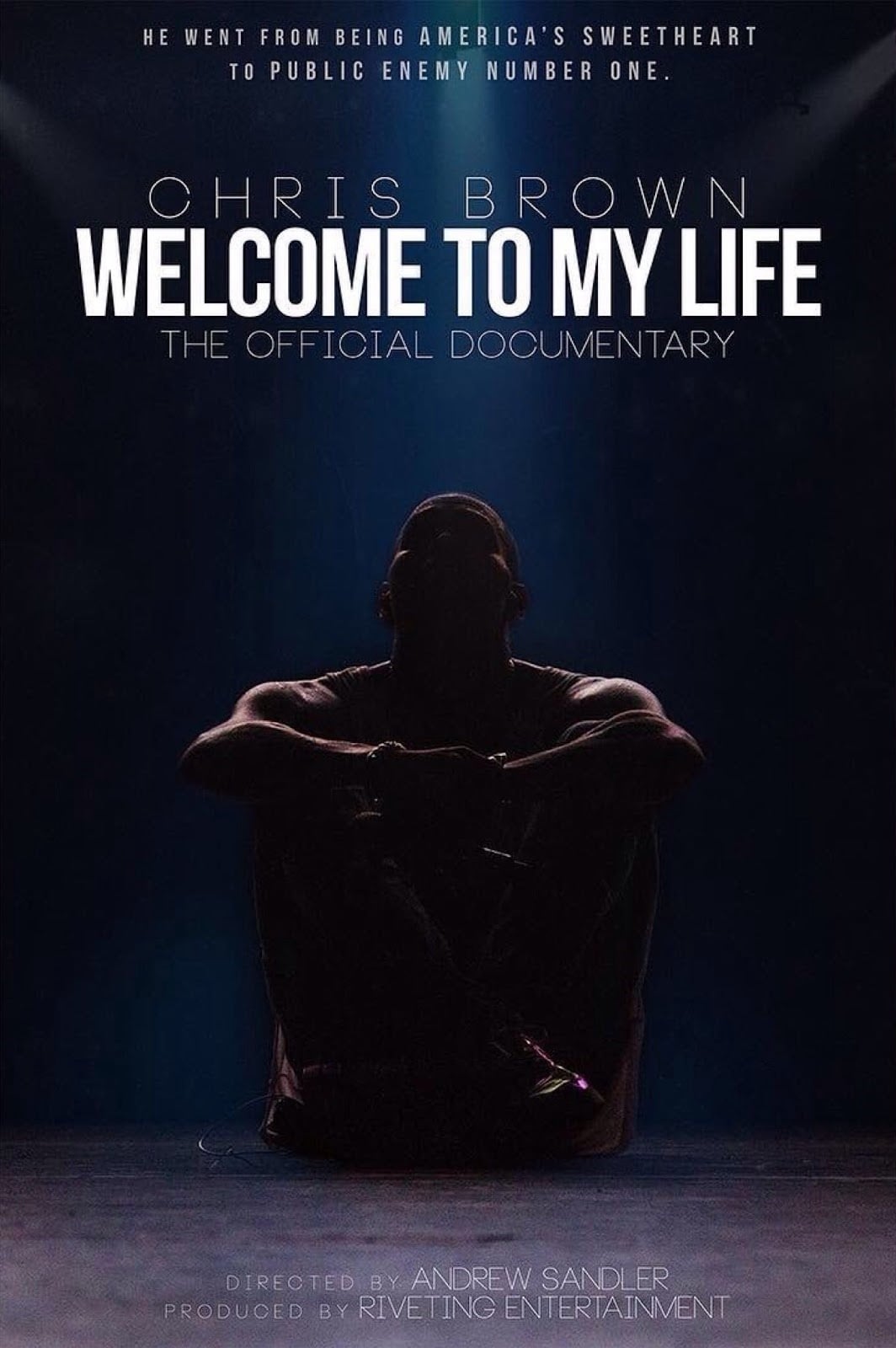
This compelling Documentary moves beyond the spotlight and past the attention-grabbing headlines to give pop superstar Chris Brown a chance to tell his own story. New interviews with the international phenomenon reveal long-awaited answers about his passion for making music, his tumultuous and much publicized relationships, and the pitfalls of coming of age in the public eye. Also included is new concert footage, behind-the-scenes access, and special interviews from Usher, Jennifer Lopez, DJ Khaled, Mike Tyson, Jamie Foxx and others.
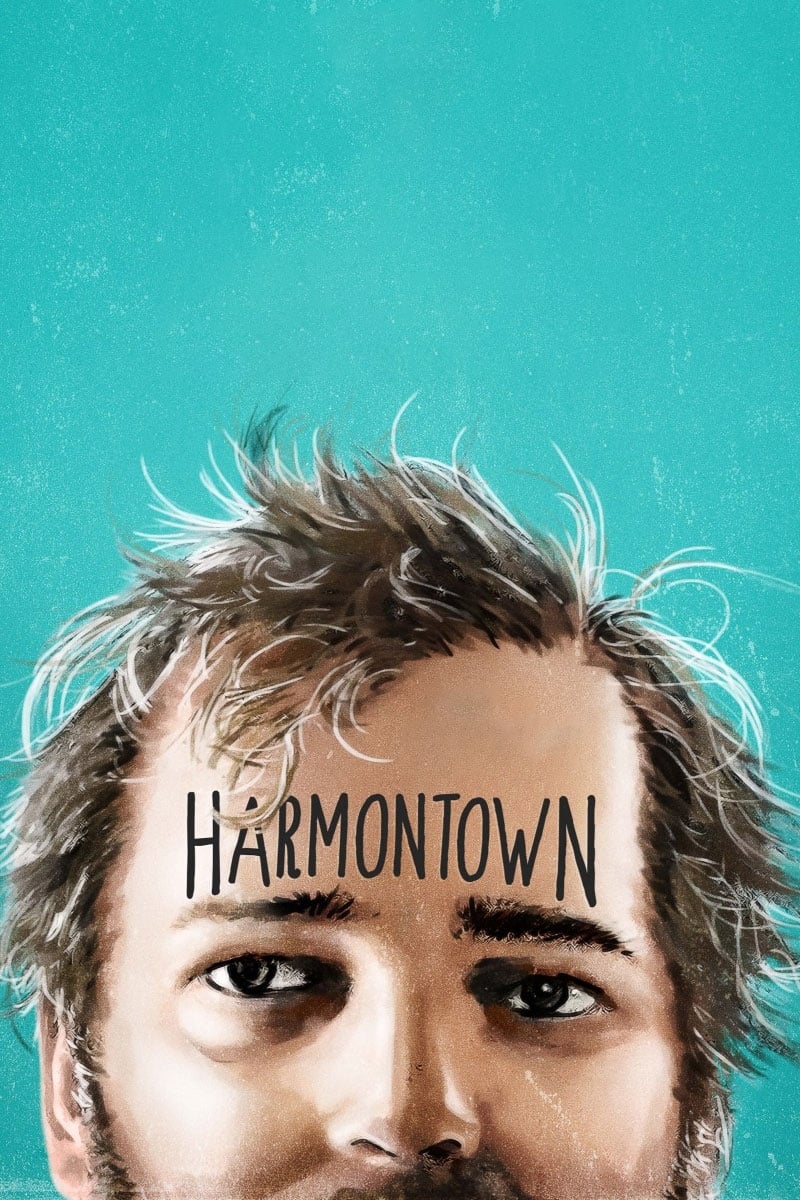
A comedic, brutally honest documentary following self-destructive TV writer Dan Harmon as he takes his live podcast on a national tour.
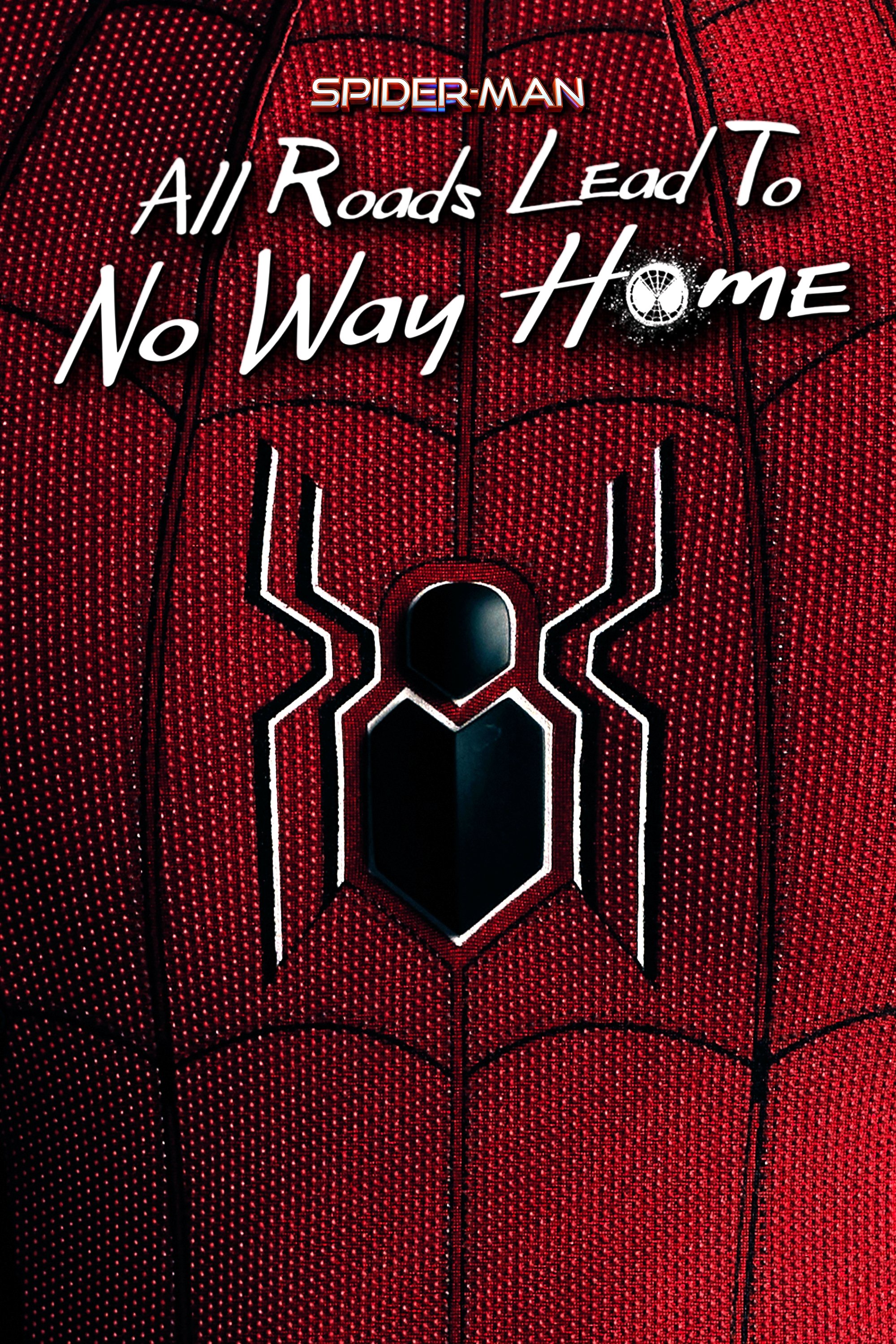
JB Smoove and Martin Starr host a celebration of 20 years of "Spider-Man" movies, from the Sam Raimi trilogy to Marc Webb's movies and the trio from Jon Watts.
Those who knew iconic funnyman John Candy best share his story, in their own words, through never-before-seen archival footage, imagery, and interviews.
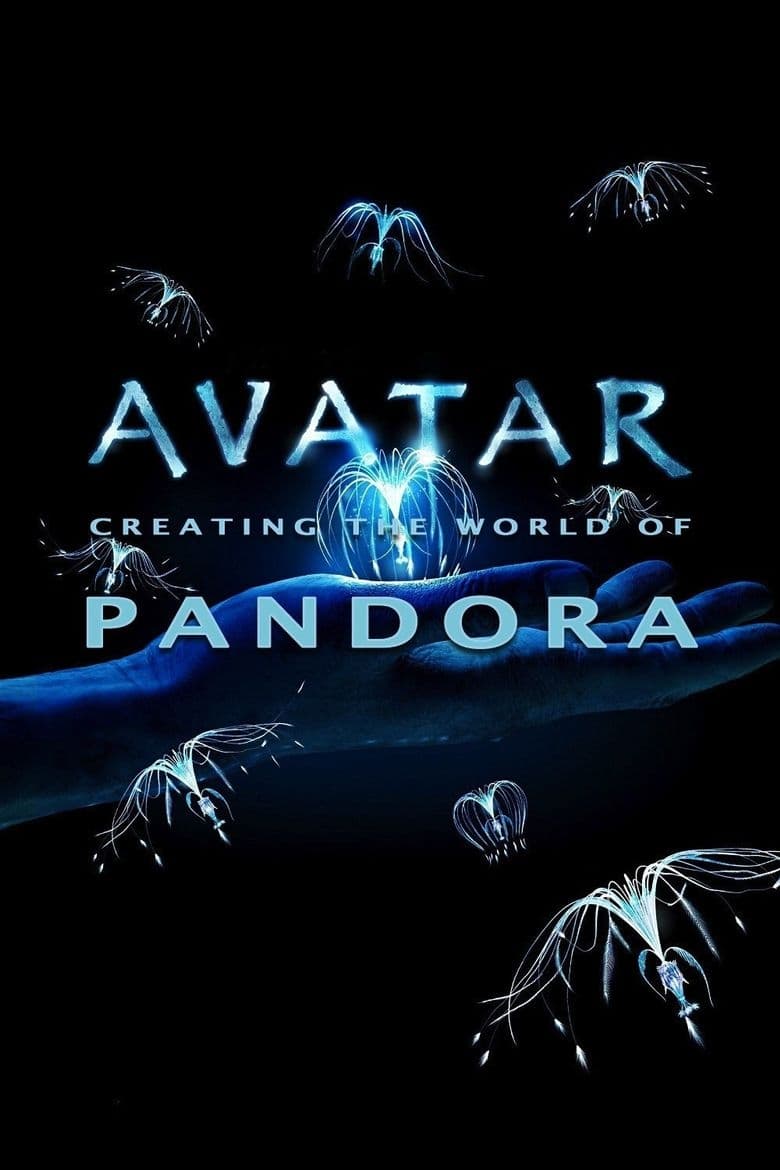
The Making-of James Cameron's Avatar. It shows interesting parts of the work on the set.