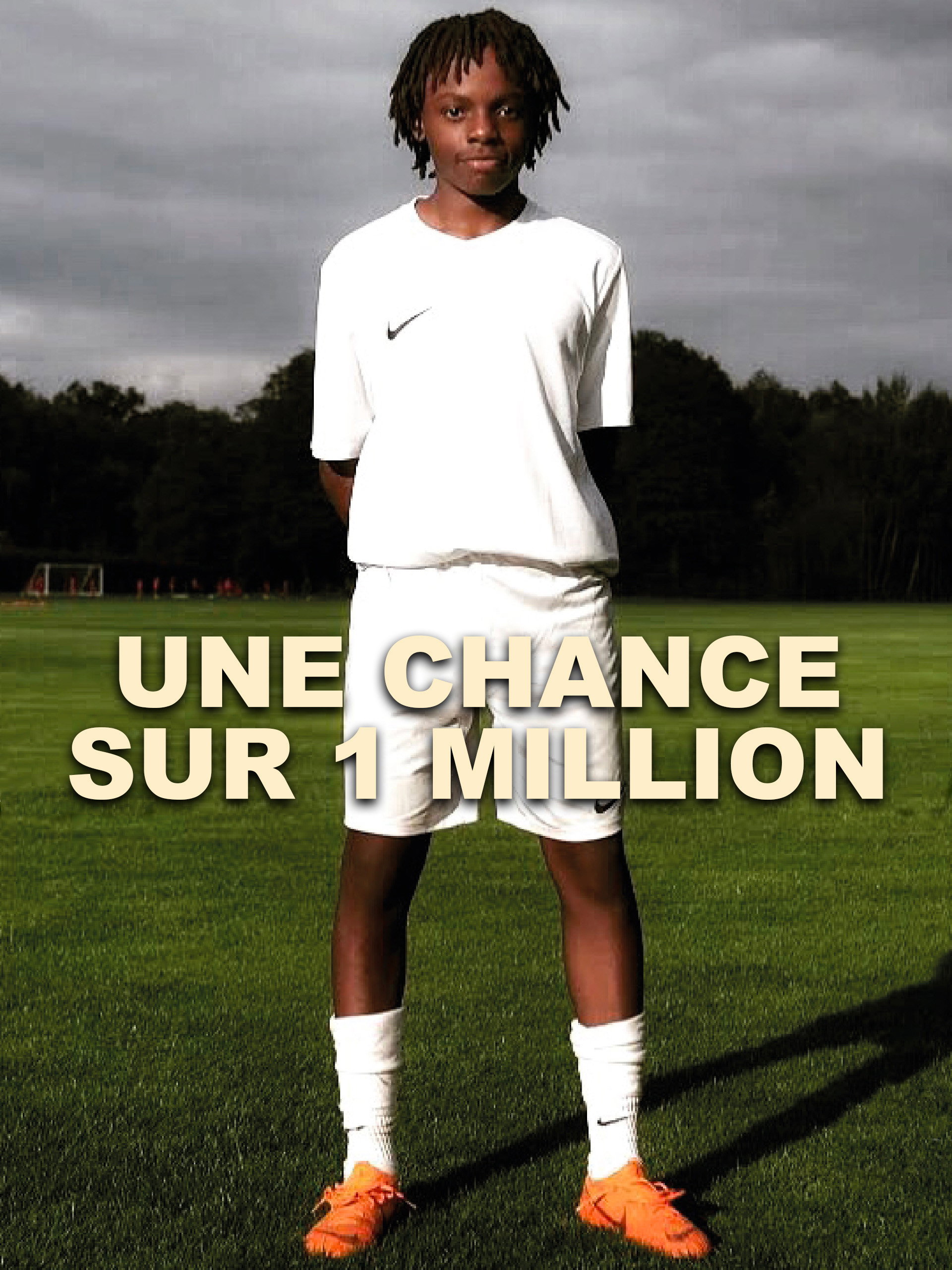
A documentary that explores what it means to be a young person in Quebec after the dissolution of the Quebec sovereignty movement.
Social & External
Revisiting her film set photos, director Léa Pool reflects on her prolific career. The filmmaker left Switzerland at the age of 25 to settle in Quebec and embark on a surprising career. She reinvents herself from film to film, exploring themes that deeply resonate with her: identity, exile, maternal absence, transitional spaces... In both documentary and fiction, she has directed 20 feature films that feature strong female characters and contemporary issues. Somewhere between a masterclass and an intimate conversation, this documentary invites Léa to share her cinematic journey in front of the camera.
On June 12, 2019, the Committee to Investigate Violence in Youth Care presented its final report. The conclusions were startling. Kim Feenstra set out to find out what progress has been made within the Youth Care system since then and ended up in a circle of grief and pain dominated by money, power and powerlessness. In her search, Kim Feenstra spoke to many people involved. The stories can be described as downright shocking. In many cases Youth Care appears to act as a revenue model that is exploiting parents and children. The complex system has only one entrance, but the exit is obstructed by all stakeholders who want to maintain their revenue model. The people who really matter, the parents and children, encounter a power block of inhuman proportions. A system dominated by money, power and powerlessness.
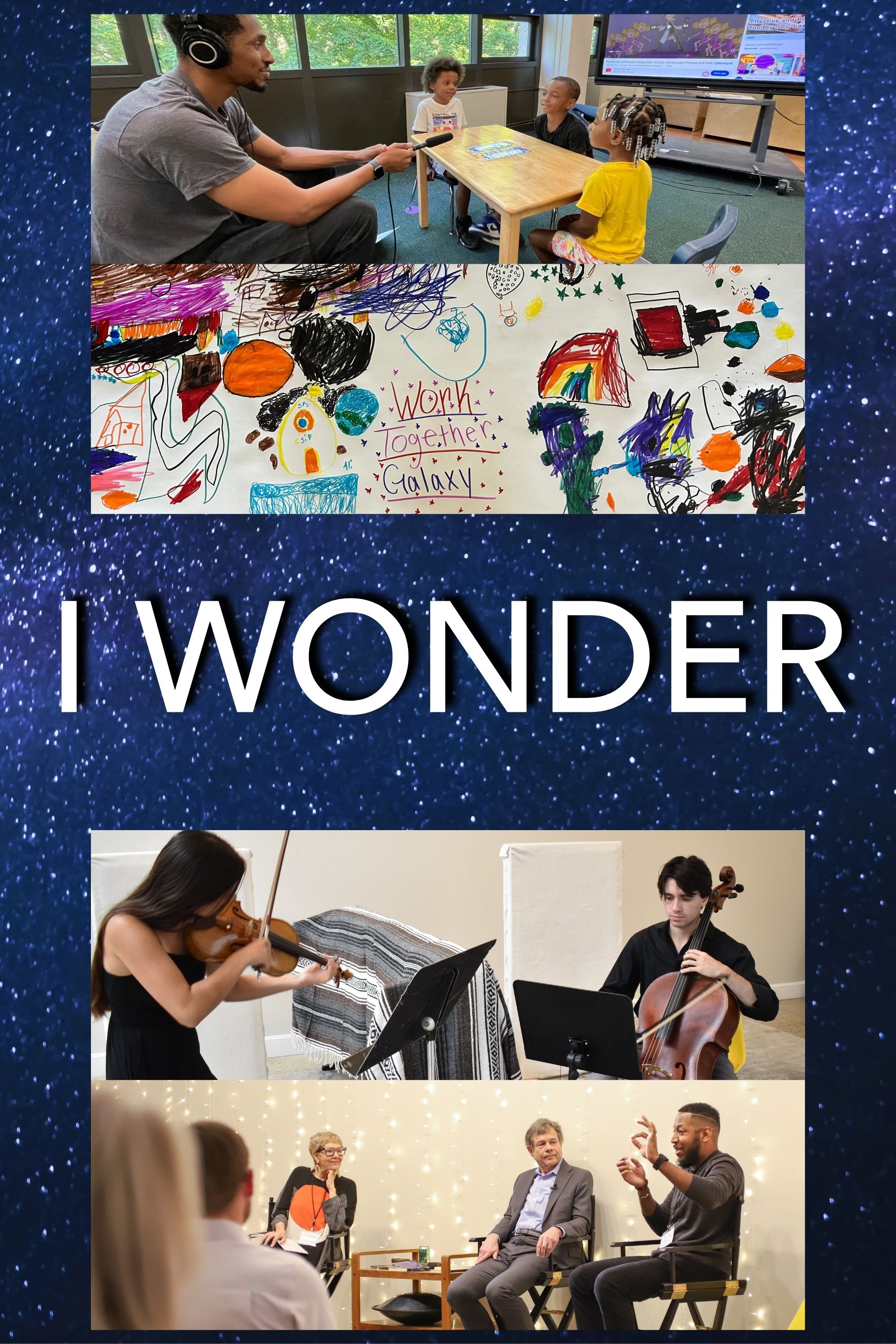
The Wonder Commission is a new music commission of The Well, composed by Dr. Brian Raphael Nabors and performed by the Antigone Music Collective. Inspiration for the new music emerges from Nabors' conversation with writer, physicist, and professor at MIT, Alan Lightman. The music also integrates the voices of youth from UpSpring's Summer 360 camp for unhoused youth and their questions about science, wonder, and hope.
On the morning of October 30, 1995, tension was palpable throughout Quebec. On this Referendum Day, 15 years after René Lévesque chanted "À la prochaine fois!", would the people of Quebec say yes or no to their independence?
Michel is the charismatic subject of this documentary about following your sex drive. Sharing unique life experiences with great verve, an aging lothario strikes an honest and simply unforgettable pose.
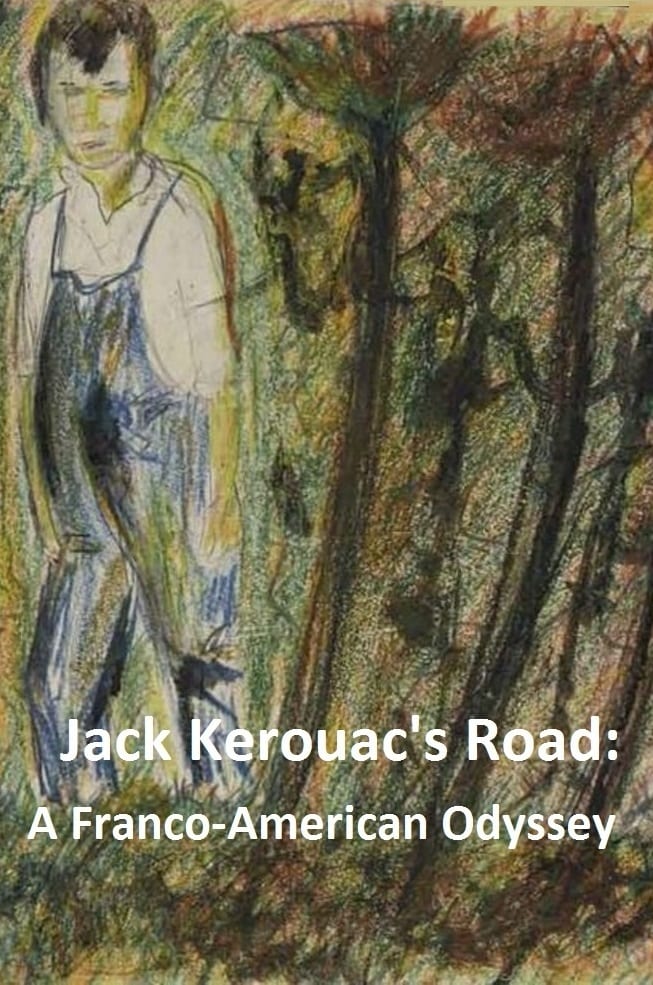
Part documentary, part drama, this film presents the life and work of Jack Kerouac, an American writer with Québec roots who became one of the most important spokesmen for his generation. Intercut with archival footage, photographs and interviews, this film takes apart the heroic myth and even returns to the childhood of the author whose life and work contributed greatly to the cultural, sexual and social revolution of the 1960s.
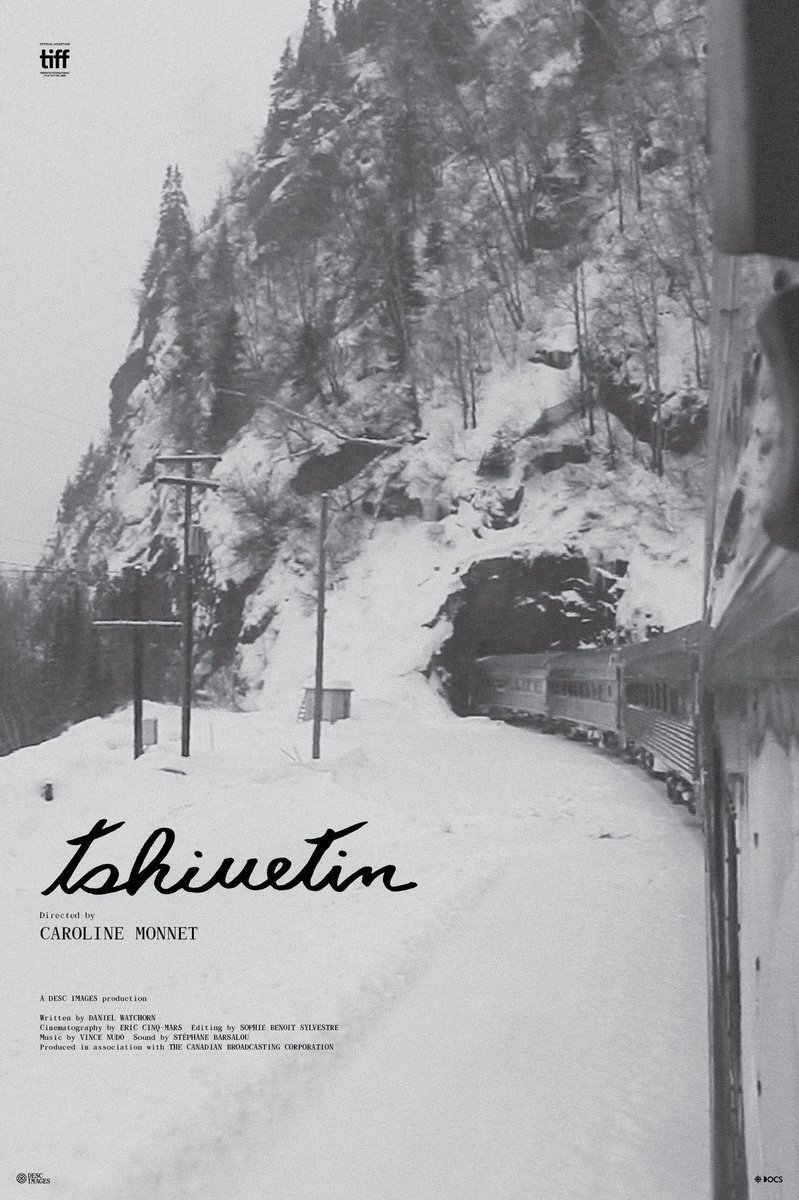
Take a breathtaking train a ride through Nothern Quebec and Labrador on Canada’s first First Nations-owned railway. Come for the celebration of the power of independence, the crucial importance of aboriginal owned businesses and stay for the beauty of the northern landscape.
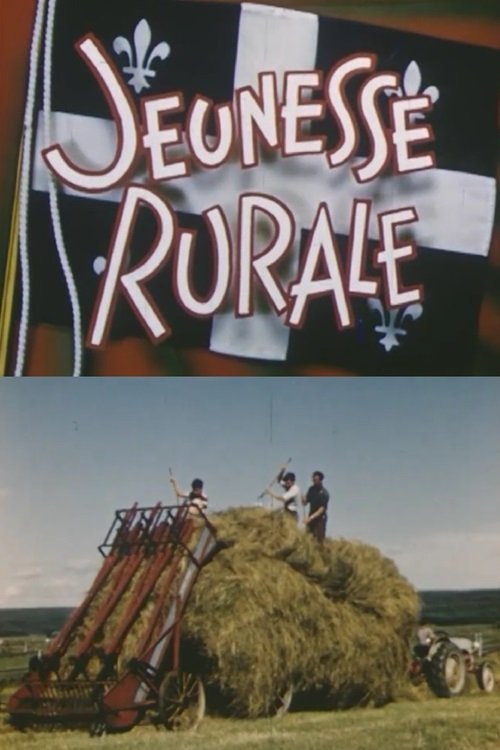
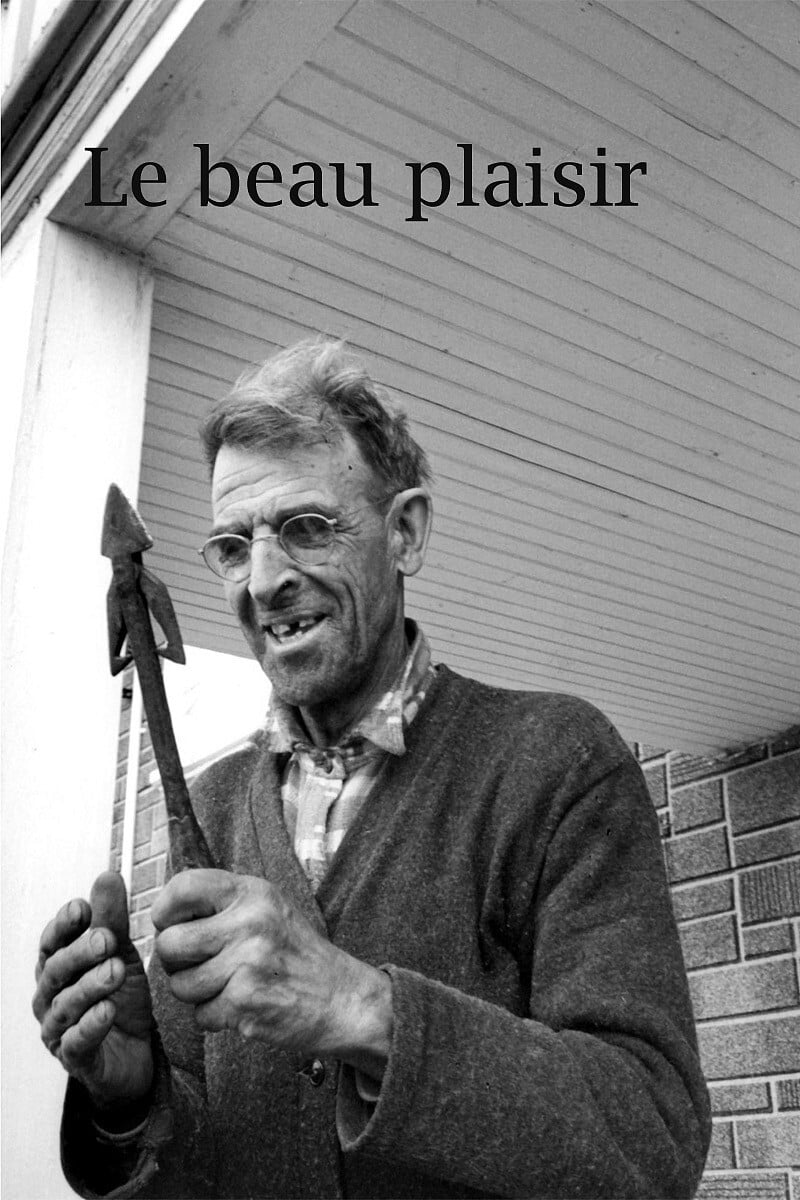
This film, with an autobiographical flavor, was shot in part on the very premises where Father Proulx grew up and highlights the importance of agriculture and the very special attention given to rural youth in the from the Government of Quebec. The farm and its little world are presented during the four seasons: the introduction of children to agricultural work, the holidays, the return to school. From November to the end of April, the older ones take courses in the various agricultural schools scattered across Quebec. In addition to studying the methods of cultivation and breeding, they receive notions of carpentry, blacksmithing and other lessons likely to be useful in their future work as farmers. In the spring, the young girls go to secondary schools of agriculture to learn domestic art, beekeeping, weaving, sewing, etc.
Yagorihwanirats, a Mohawk child from Kahnawake Mohawk Territory in Quebec, attends a unique and special school: Karihwanoron. It is a Mohawk immersion program that teaches Mohawk language, culture and philosophy. Yagorihwanirats is so excited to go to school that she never wants to miss a day – even if she is sick.
Using drama, comedy, and music, this video addresses safer sex, AIDS hysteria, relationships, homophobia, the hazards of sharing needles. Young people are encouraged to examine their ideas, attitudes, and practices, and to make personal health choices based on accurate information. What's wrong with this picture? was written by young people for young people. It uses young people's language and experiences, proving particularly effective where other forms of AIDS education have failed.
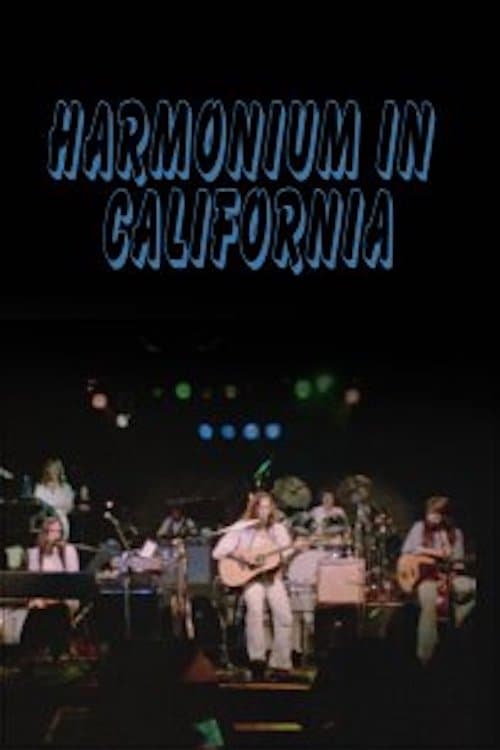
Through concerts and interviews, folk-progressive group Harmonium takes Quebec culture to California. This documentary full of colour and sound, filmed in California in 1978, recounts the ups and downs of the journey of the Quebec musical group Harmonium, who came to feel the pulse of Americans and see if culture, their culture, can succeed in crossing borders.
The testimonies of the Mashteuiatsh Puakuteu women's committee punctuate this intimate short film about mourning and healing. Throughout the doll-making workshops, the women share their doubts and hopes and build a space filled with strength and solidarity.
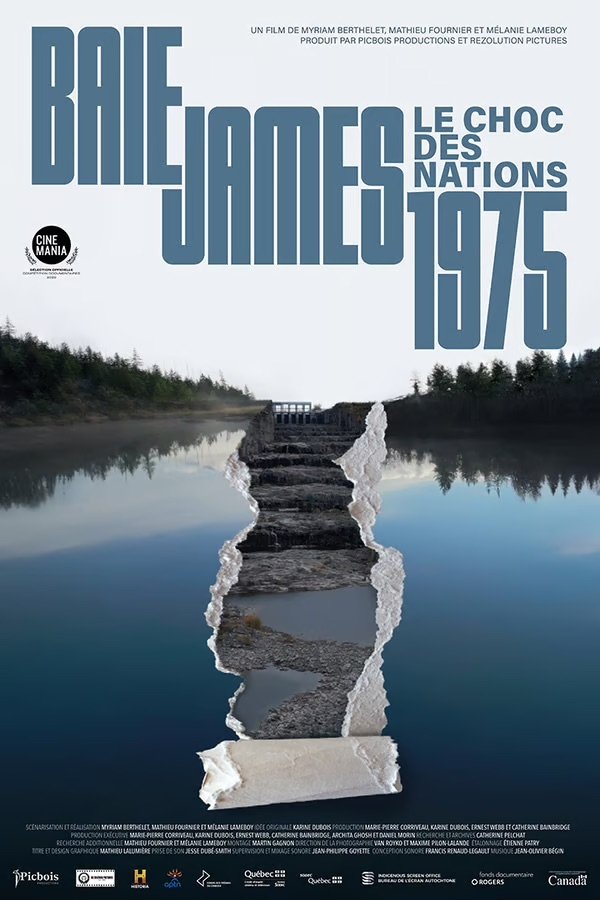
A dive into the origins of two revolutions: the rapid expansion of Hydro-Québec with the construction of the La Grande hydroelectric power plant, a project championed by Premier Robert Bourassa, and the awakening of Indigenous nations. A clash of civilizations where two worldviews collide. Quebec, buoyed by the momentum of the Quiet Revolution, takes control of its destiny. Meanwhile, in the North, young Inuit and Cree rise up for the first time to protect what is most precious to them: their land and their culture. At the heart of the conflict is the James Bay construction site, the largest of its kind in North America.
From the lower St. Lawrence, a picture of whale hunting that looks more like a round-up, with a corral, whale-boys and all. In 1534, when he stopped at the island he named l'Île-aux-Coudres, Jacques Cartier saw how the Indians captured the little white beluga whales by setting a fence of saplings into off-shore mud. In the film, the islanders show that the old method still works, thanks to the trusting 'sea-pigs,' the same old tide, and a little magic.
Jasmin is joy, living in the moment. A 15-year-old boy described as "non-verbal autistic." He communicates through his eyes. He makes sounds, says a word. He constantly sings the rhythm of a song whose lyrics only he knows. A bubble of sweetness and love.
In May 2005, after 30 years of Moroccan occupation, Saharawi students initiated a series of peaceful demonstrations demanding their right to the United Nations-mandated referendum on Western Saharan independence. The Moroccan authorities responded with a brutal campaign of repression, detaining and torturing human rights activists as well as Saharawi students and children as young as eight years old.
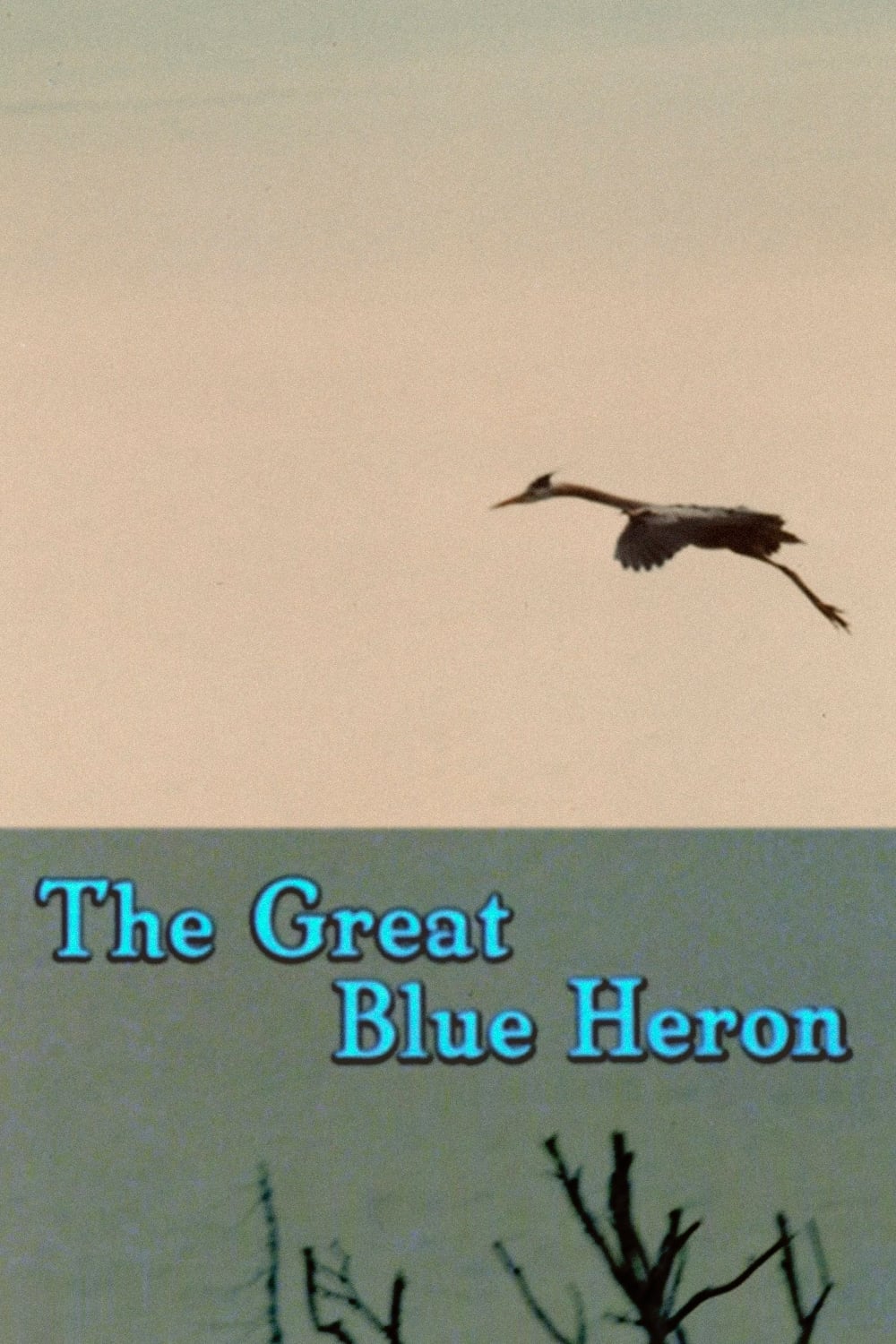
This film documents the yearly cycle of the great blue heron, its migration from Central America and the West Indies to the St. Lawrence River in Québec, and the breeding and rearing of its young. Outstanding footage shot by the filmmaker perched high in a tree affords close-ups of the birds' intricate courtship rituals. A sensitive, beautifully photographed nature film with much to tell us of ecology and wildlife.
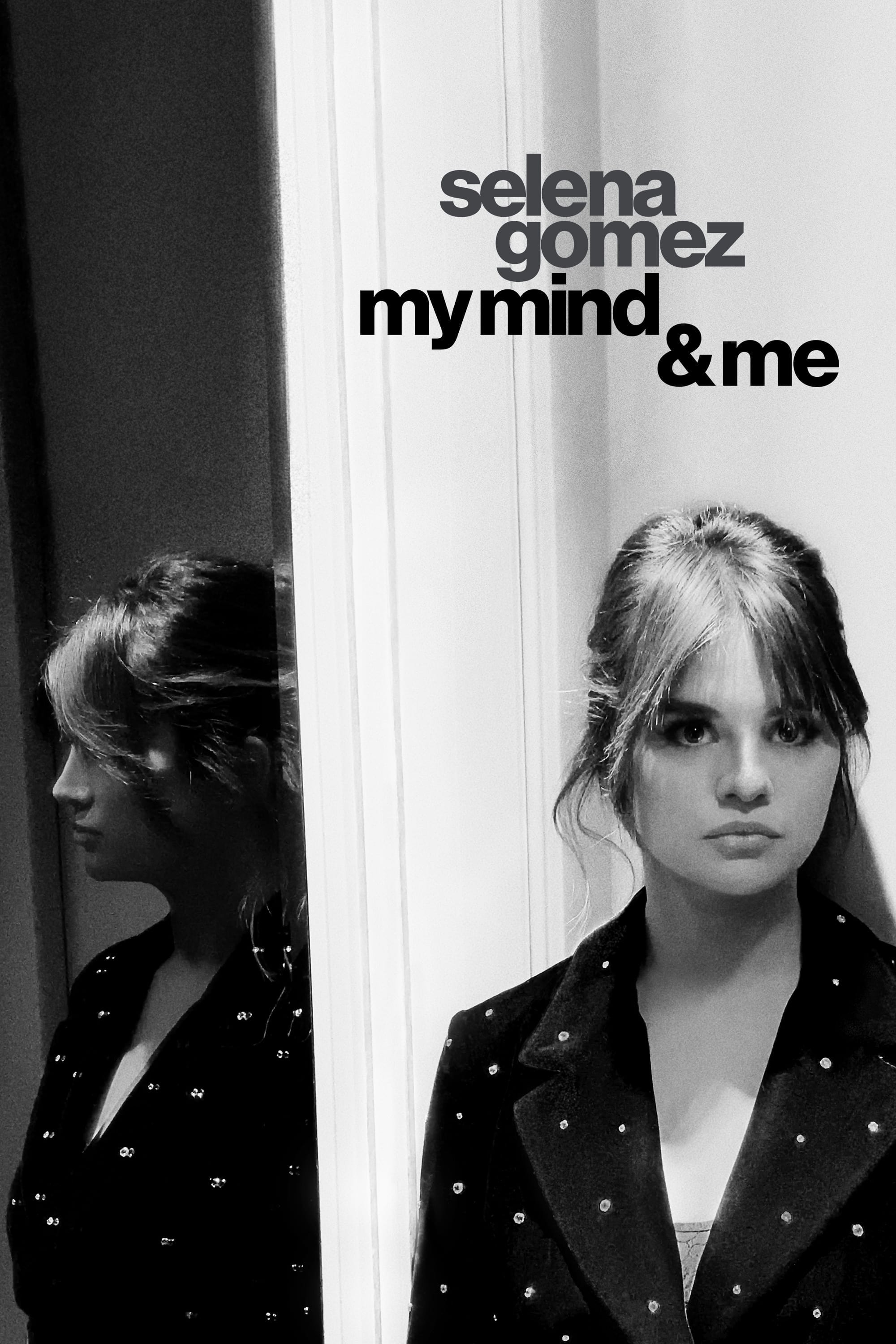
After years in the limelight, Selena Gomez achieves unimaginable stardom. But just as she reaches a new peak, an unexpected turn pulls her into darkness. This uniquely raw and intimate documentary spans her six-year journey into a new light.
A night of drunken chaos rocks a quiet Dutch town in this shocking documentary about a teen's birthday invite that accidentally went viral on Facebook.
Alexander McQueen's rags-to-riches story is a modern-day fairy tale, laced with the gothic. Mirroring the savage beauty, boldness and vivacity of his design, this documentary is an intimate revelation of McQueen's own world, both tortured and inspired, which celebrates a radical and mesmerizing genius of profound influence.
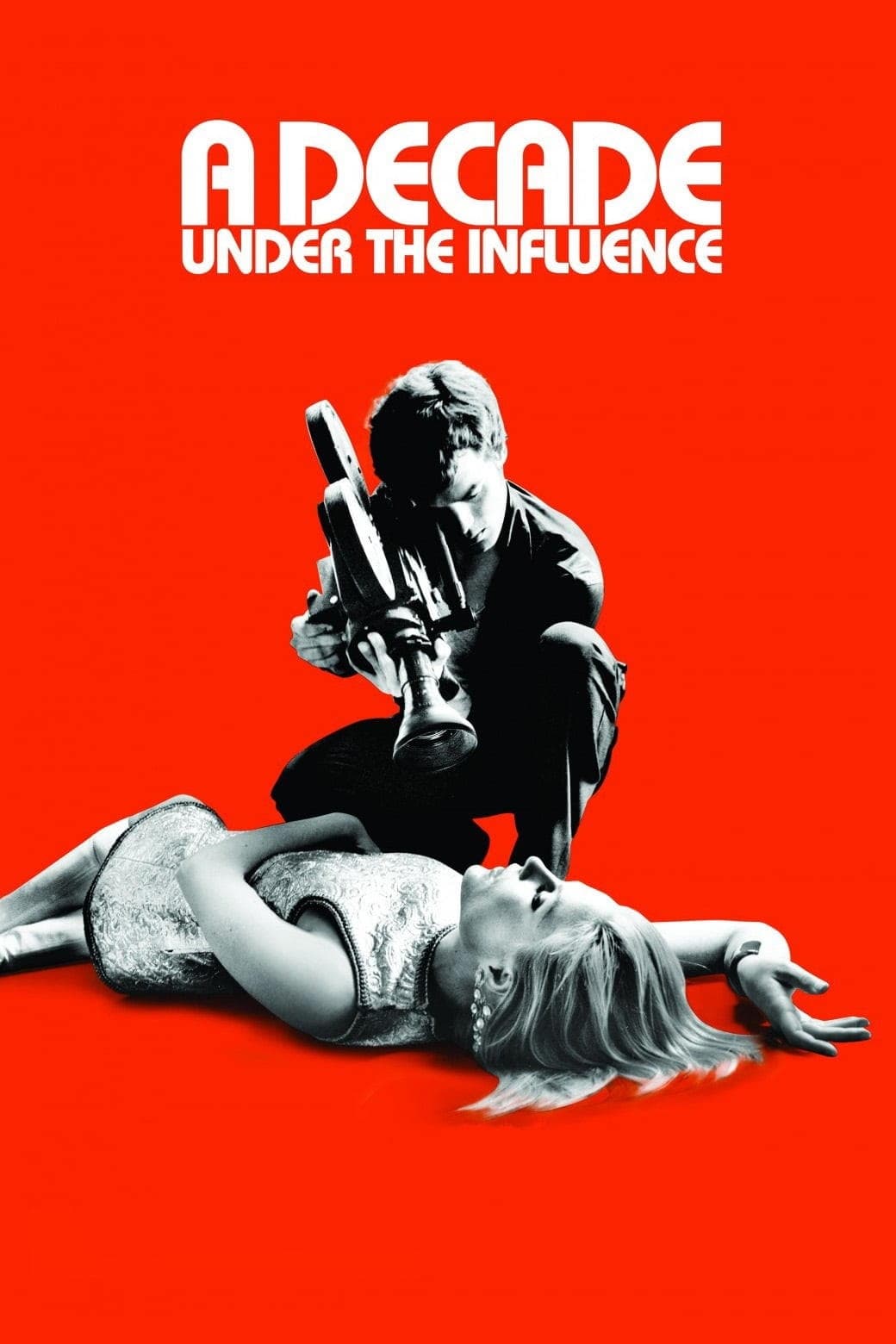
A documentary examining the decade of the 1970s as a turning point in American cinema. Some of today's best filmmakers interview the influential directors of that time.
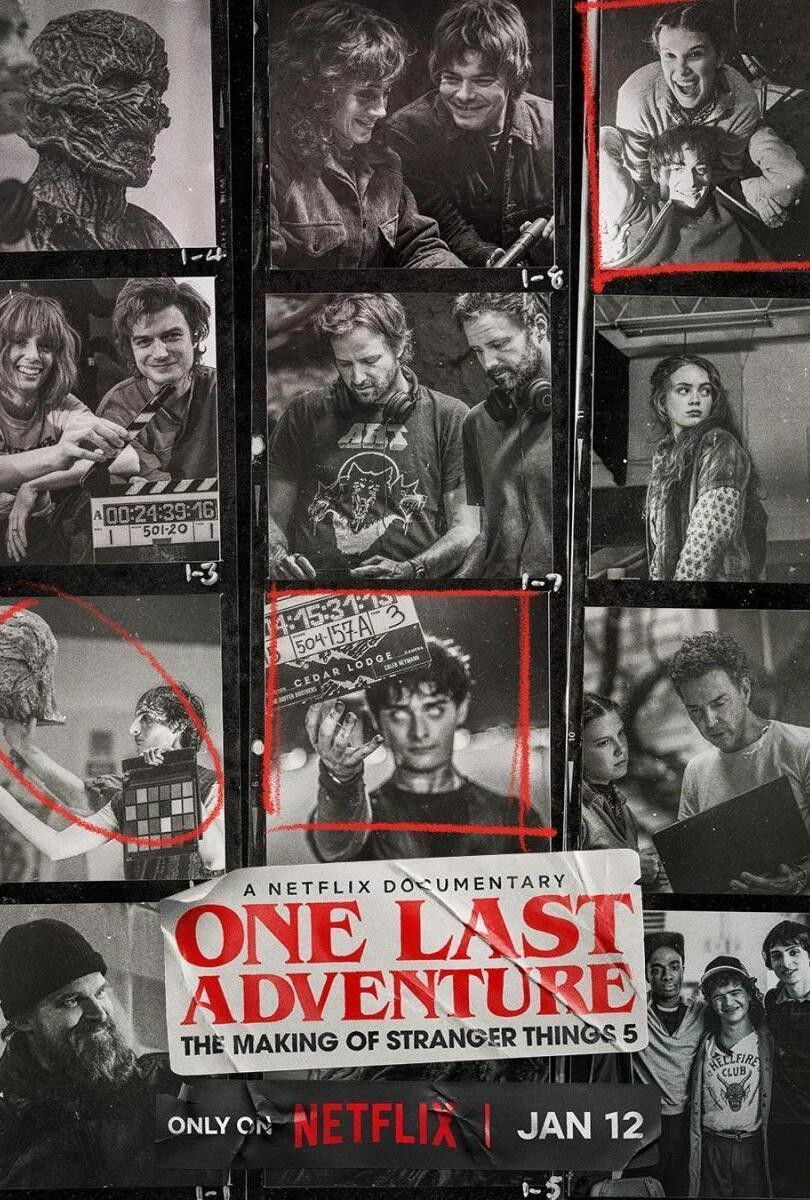
An inside look at the years of effort and craft that went into the final installment of the Duffer Brothers' generation-defining series.
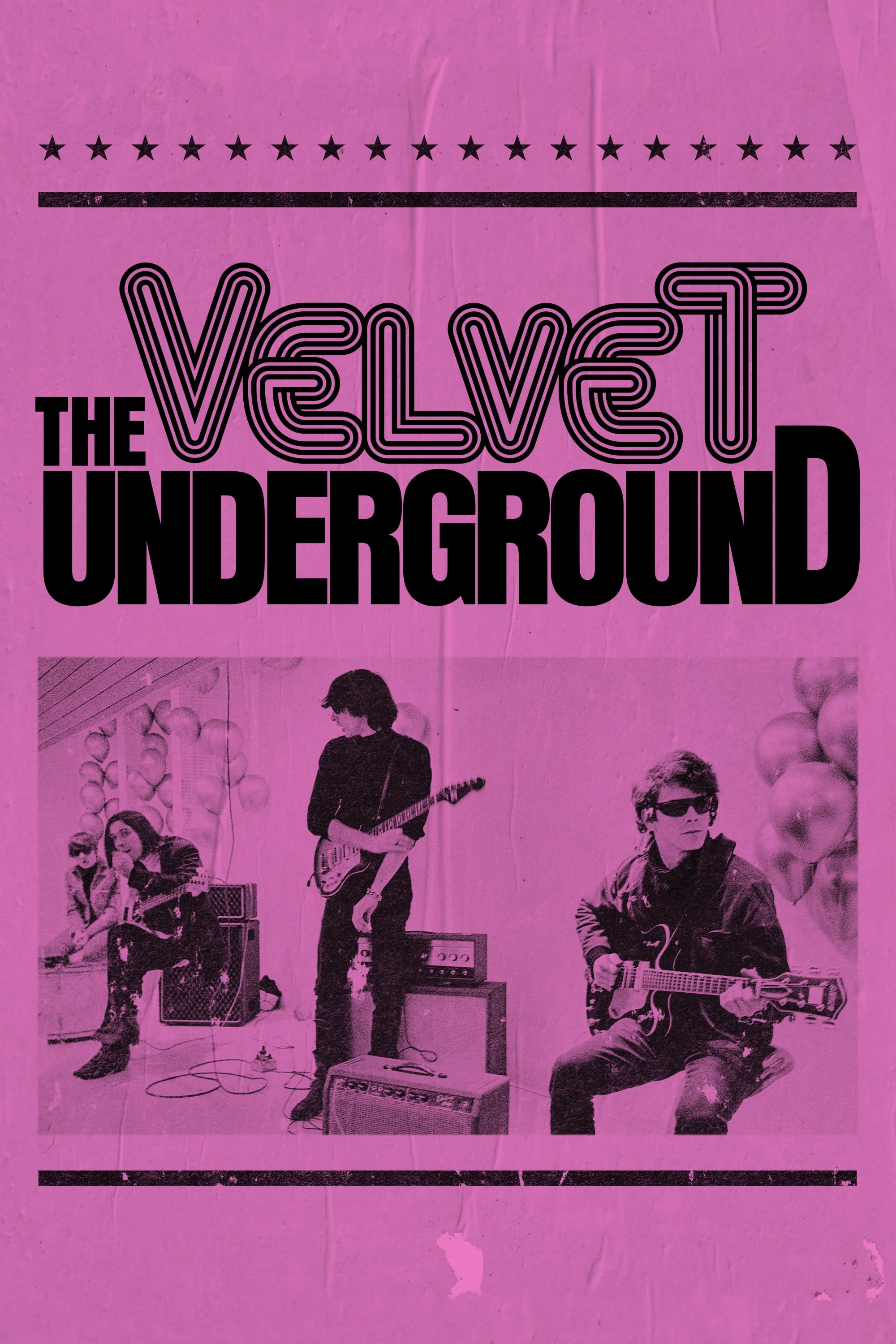
Experience the iconic rock band's legacy in the first major documentary to tell their story. Directed with the era’s avant-garde spirit by Todd Haynes, this kaleidoscopic oral history combines exclusive interviews with dazzling archival footage.
Part documentary, part concert film, part fever dream, this film captures the troubled spirit of America in 1975 and the joyous music that Dylan performed during the fall of that year.
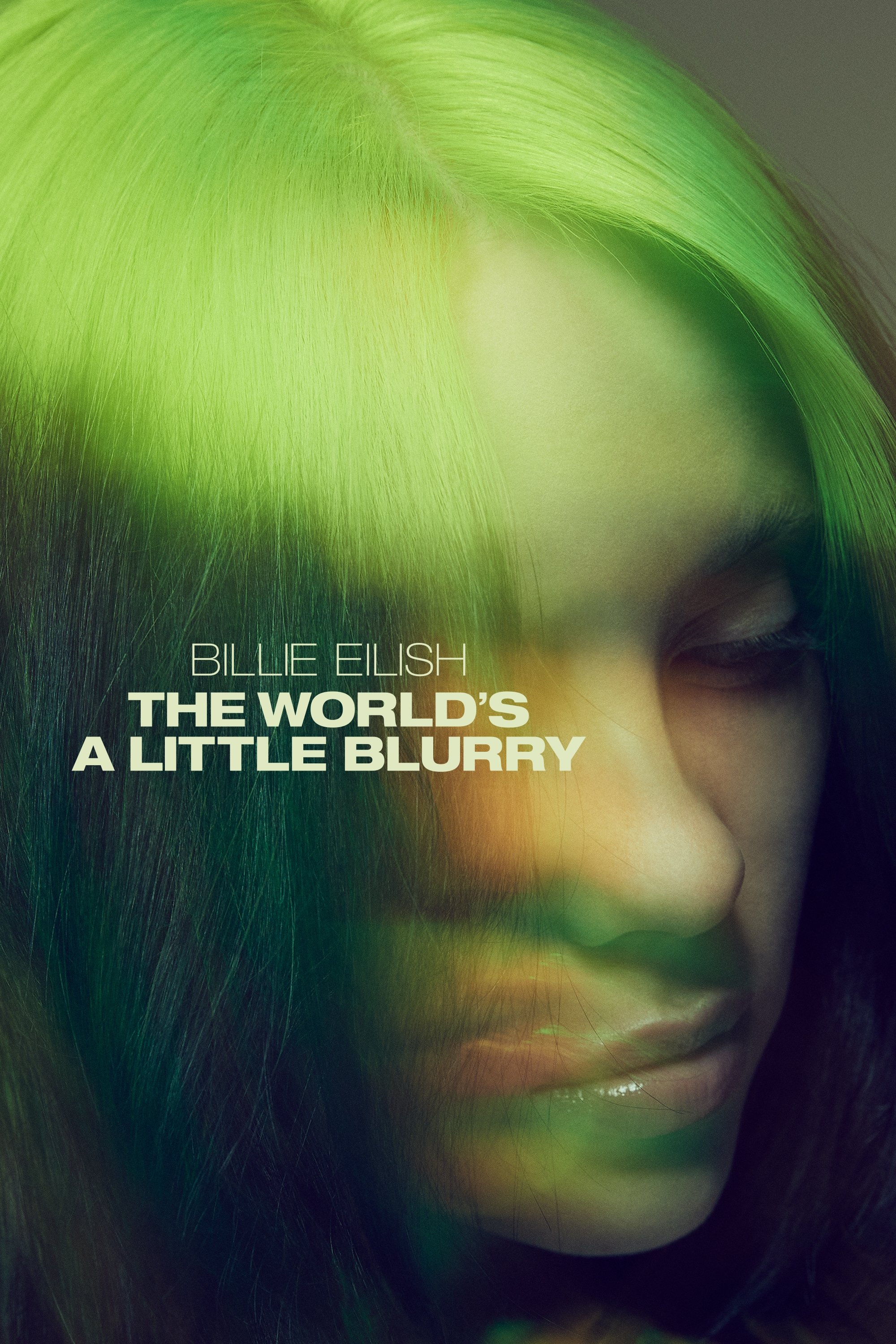
This documentary offers a deeply intimate look at extraordinary teenager Billie Eilish. Award-winning filmmaker R.J. Cutler follows her journey on the road, onstage, and at home with her family as the writing and recording of her debut album changes her life.
Unravel the case of Utah therapist Jodi Hildebrandt, whose child abuse arrest with parenting YouTuber Ruby Franke exposed a twisted tale of manipulation.
From a prolific career in film and television, Anton Yelchin left an indelible legacy as an actor. Through his journals and other writings, his photography, the original music he wrote, and interviews with his family, friends, and colleagues, this film looks not just at Anton's impressive career, but at a broader portrait of the man.
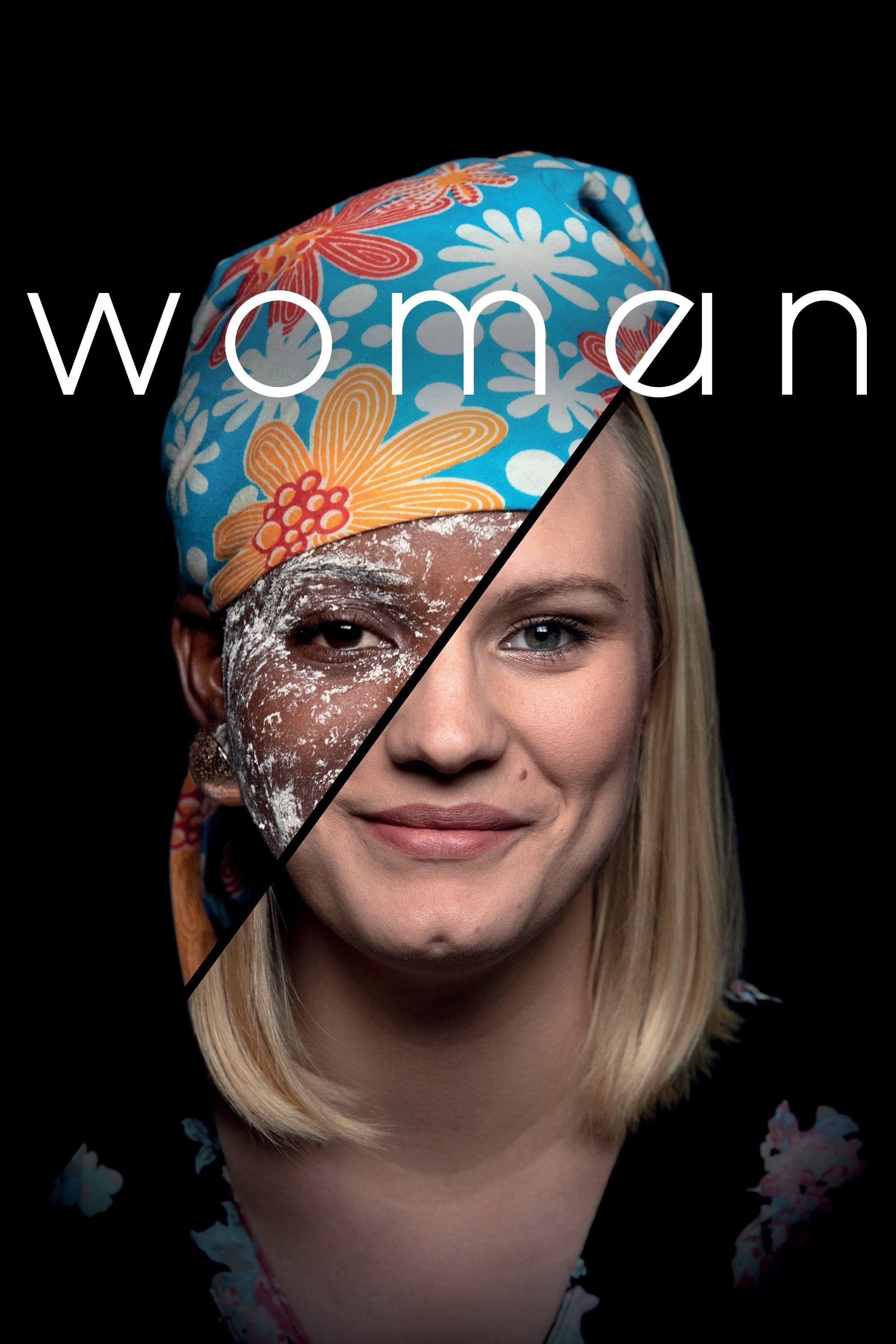
The film is based on interviews with 2,000 women from 50 countries, and covers the status of women all over the world. The topics covered include forced marriages, sexual assault, female genital mutilation, acid attacks, motherhood, sexuality, menstruation, education and the professional success of women.
A documentary on the expletive's origin, why it offends some people so deeply, and what can be gained from its use.
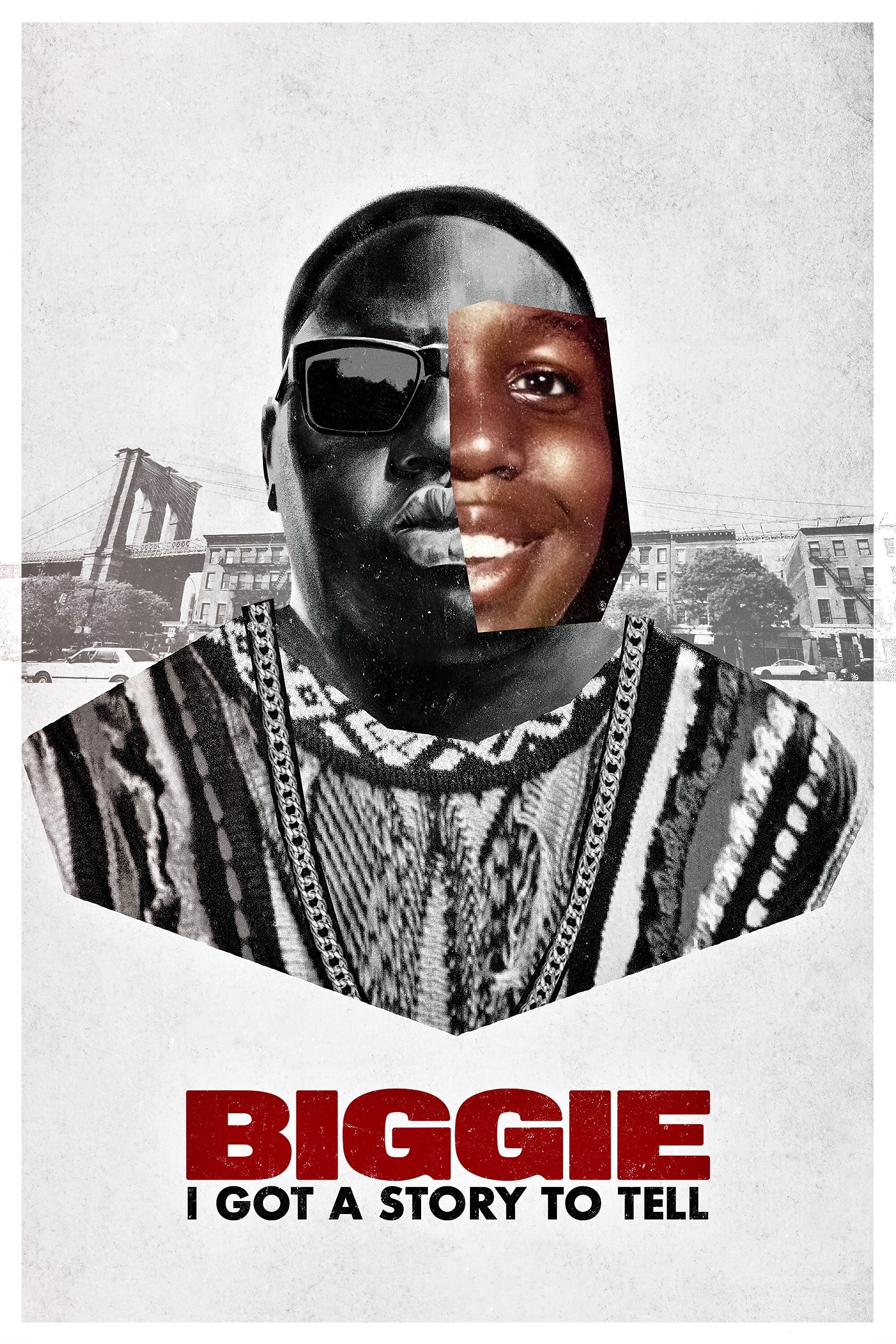
Christopher Wallace, AKA The Notorious B.I.G., remains one of Hip-Hop’s icons, renowned for his distinctive flow and autobiographical lyrics. This documentary celebrates his life via rare behind-the-scenes footage and the testimonies of his closest friends and family.
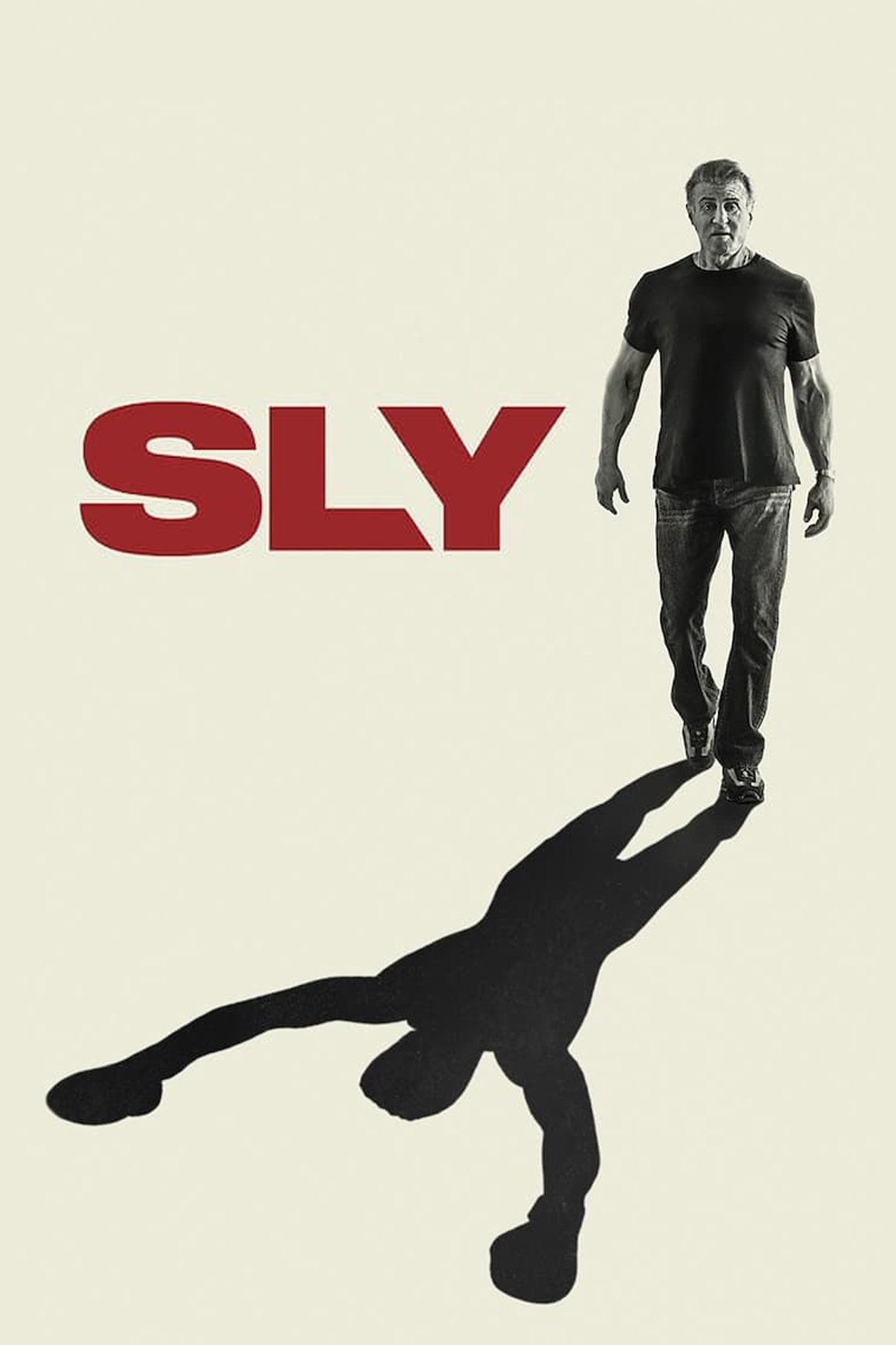
His love of film began as an escape from a rocky childhood. From underdog to Hollywood legend, Sylvester Stallone tells his story in this documentary.
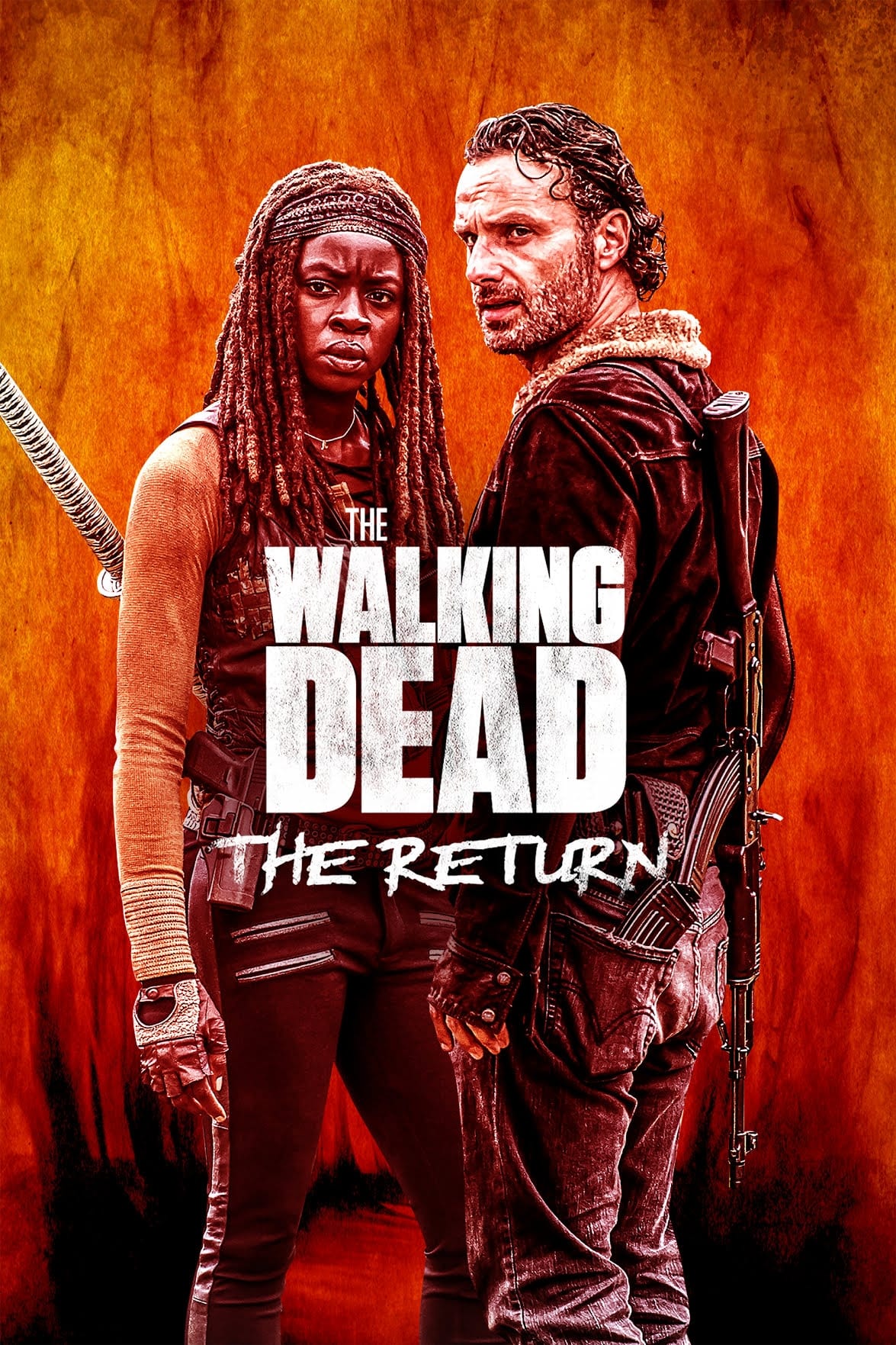
Stars of "The Walking Dead," Andrew Lincoln and Danai Gurira, walk down memory lane and visit iconic locations where pivotal moments between their characters, Rick and Michonne, were filmed.
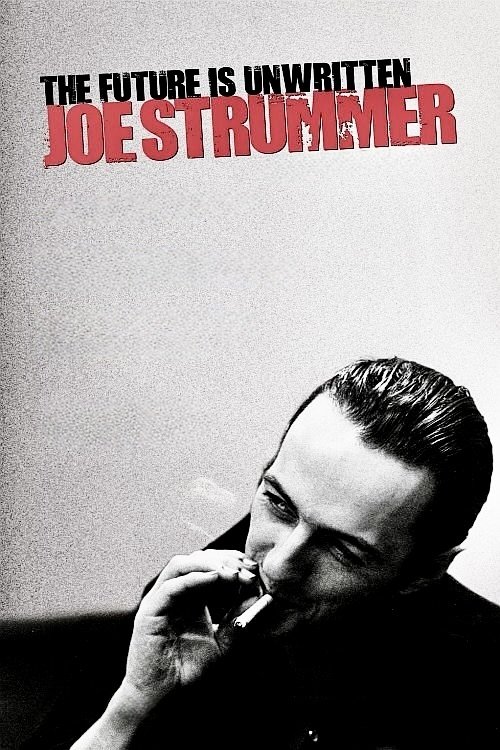
As the front man of the Clash from 1977 onwards, Joe Strummer changed people's lives forever. Four years after his death, his influence reaches out around the world, more strongly now than ever before. In "The Future Is Unwritten", from British film director Julien Temple, Joe Strummer is revealed not just as a legend or musician, but as a true communicator of our times. Drawing on both a shared punk history and the close personal friendship which developed over the last years of Joe's life, Julien Temple's film is a celebration of Joe Strummer - before, during and after the Clash.
From the heights of her modeling fame to her tragic death, this documentary reveals Anna Nicole Smith through the eyes of the people closest to her.
A documentary about how a dominant cultural and demographic institution both sustains their traditional activities and adapts to the digital revolution.
This intimate, in-depth look at Beyoncé's celebrated 2018 Coachella performance reveals the emotional road from creative concept to cultural movement.
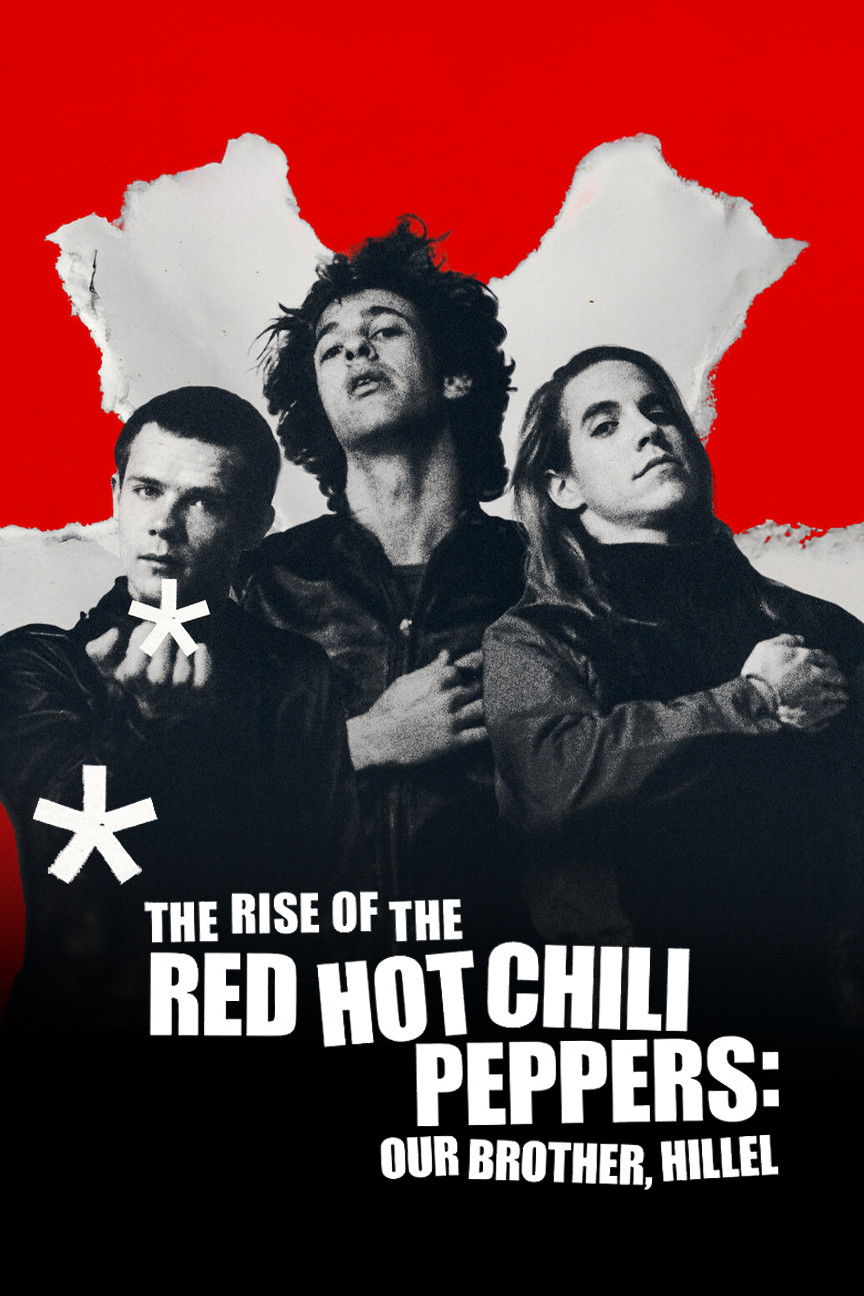
Explore the formative years of the Red Hot Chili Peppers and the profound influence of original bandmate Hillel Slovak.