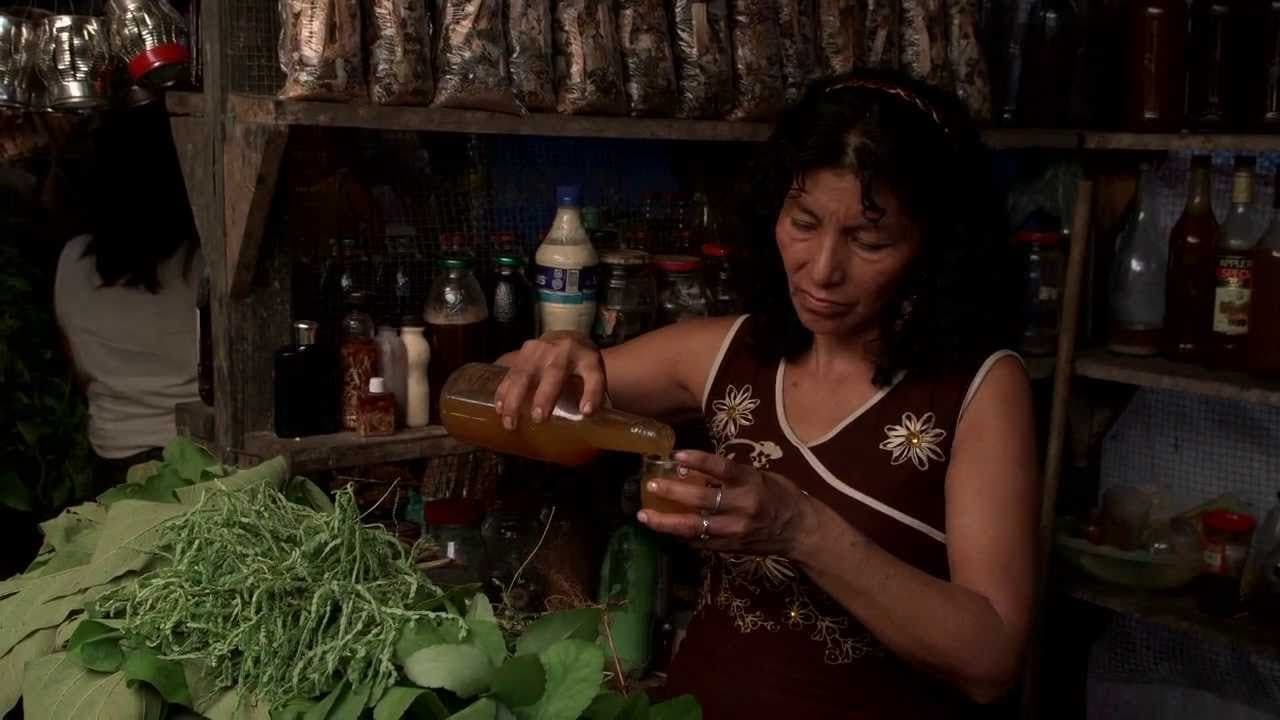
Four Westerners with various ailments travel to Peruvian Amazonia to drink ayahuasca, a traditional medicine renowned for its healing powers.
Social & External
Herself
Himself
Explore an extraordinary region where water and land life intermingle six months out of the year.
Until the 1950s, the Waorani were able to successfully defended their area of settlement – today’s Yasuni National Park in the Ecuadorian Amazon – with the aid of spears. Then Christian missionaries entered the thick rain forest and paved the way for an oil company. Nowadays many of the tribes are estranged as some want to benefit from the short-term money the company is offering while others fight to preserve their land, culture and independence under all circumstances.
In 2019, the Brazilian government coordinates the largest and riskiest expedition of the last decades into the Amazon rainforest to search for a group of isolated indigenous people in vulnerability and promote their first contact with non-indigenous. Bruno Pereira, who would later be murdered in the same region and turned into an international symbol in favor of the indigenous and the forest, leads the expedition.
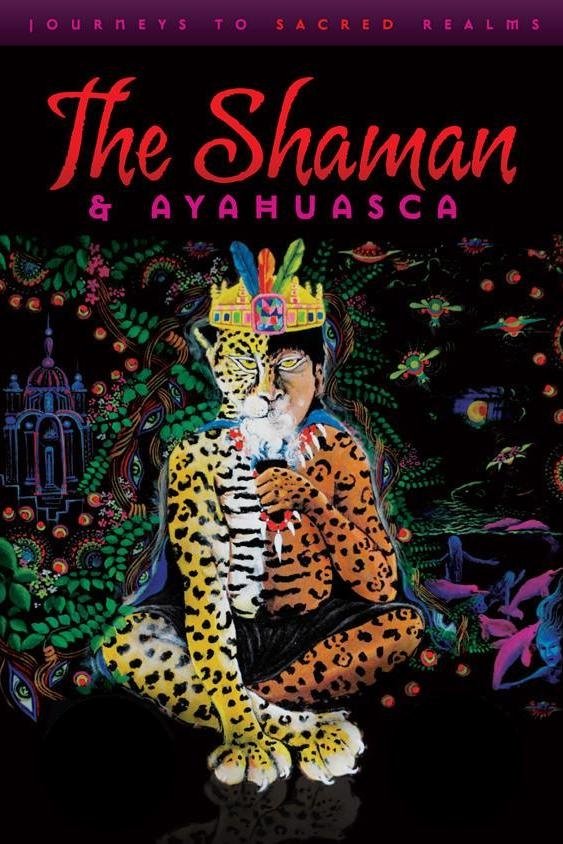
Filmed in the jungles of Peru, shaman Don Jose Campos introduces the practices and benefits of Ayahuasca, the psychoactive plant brew that has been used for healing and visionary journeys by Amazonian shamans for at least a thousand years.
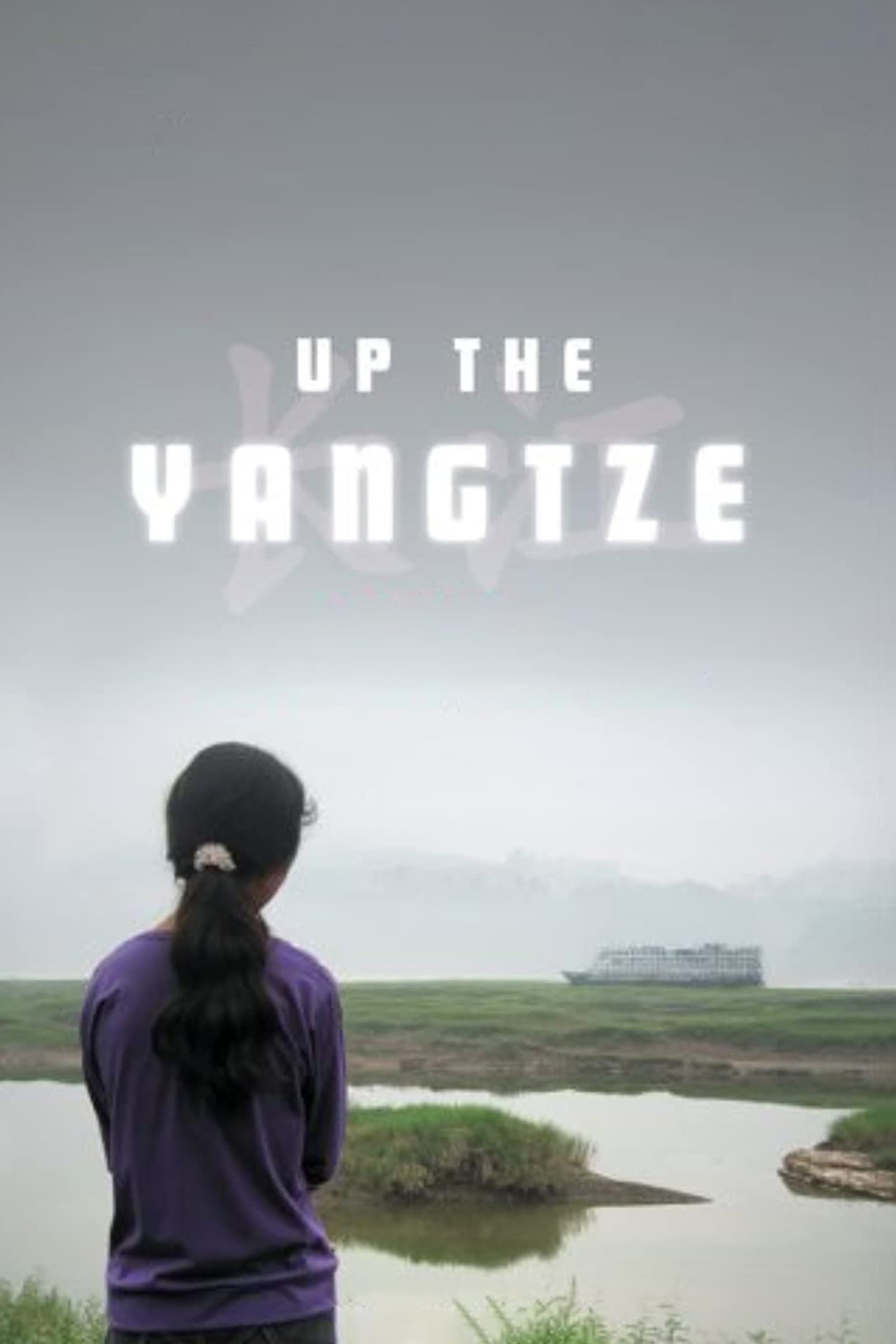
At the edge of the Yangtze River, not far from the Three Gorges Dam, young men and women take up employment on a cruise ship, where they confront rising waters and a radically changing China.

The tombs of the grand lords of Moche civilization - one of Peru's most important pre-Hispanic civilizations -- are in constant danger from grave robbers, but archeologist Walter Alva has managed to find some priceless treasures and recreate the lives of this ancient people of northern Peru.
By drawing a parallel between the Indian Durga Puja festival and other forms of celebrating the divine feminine, Santa Shakti reveals the Sacred Power beyond languages and religions.
Because we're only doing this once, and because we know not everyone could get tickets, we are proud to announce the livestream of our sold out 'Rohnert Park' show at The Hollywood Palladium, directed by our old friend Lance Bangs.
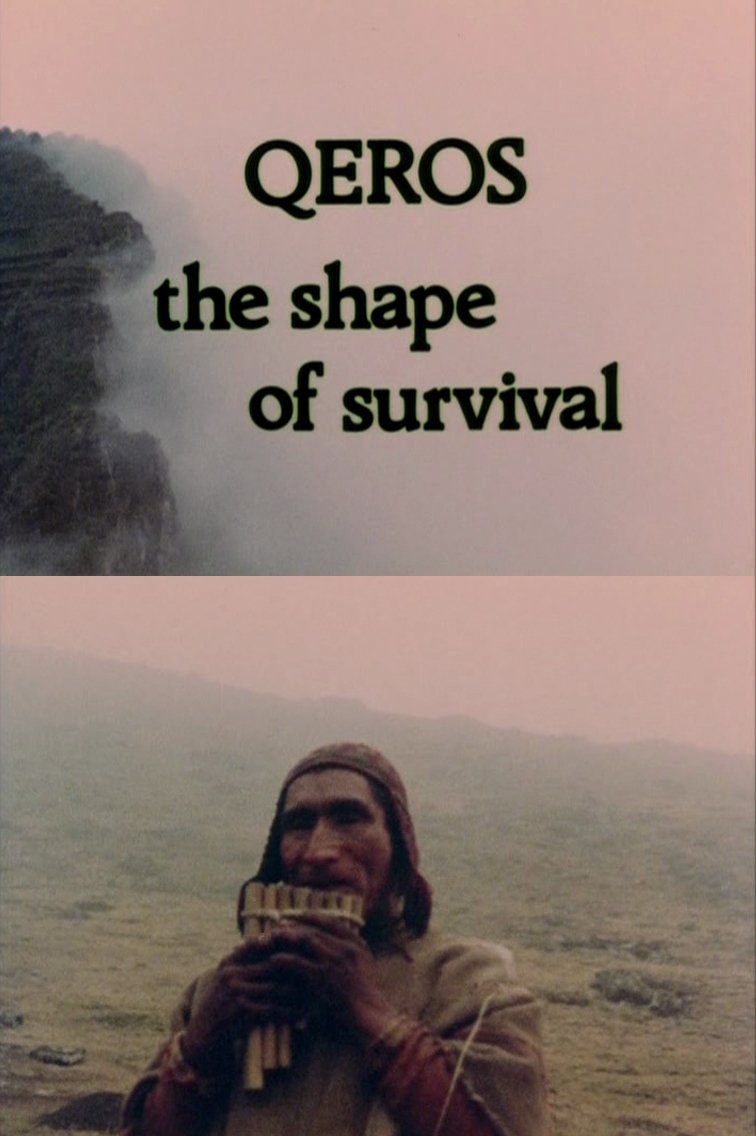
Documentary about the most popular music of the Andes -- Huayno music -- and explores the lives of three Huayno musicians in a contemporary Peru torn between the military and the Shining Path guerrillas.
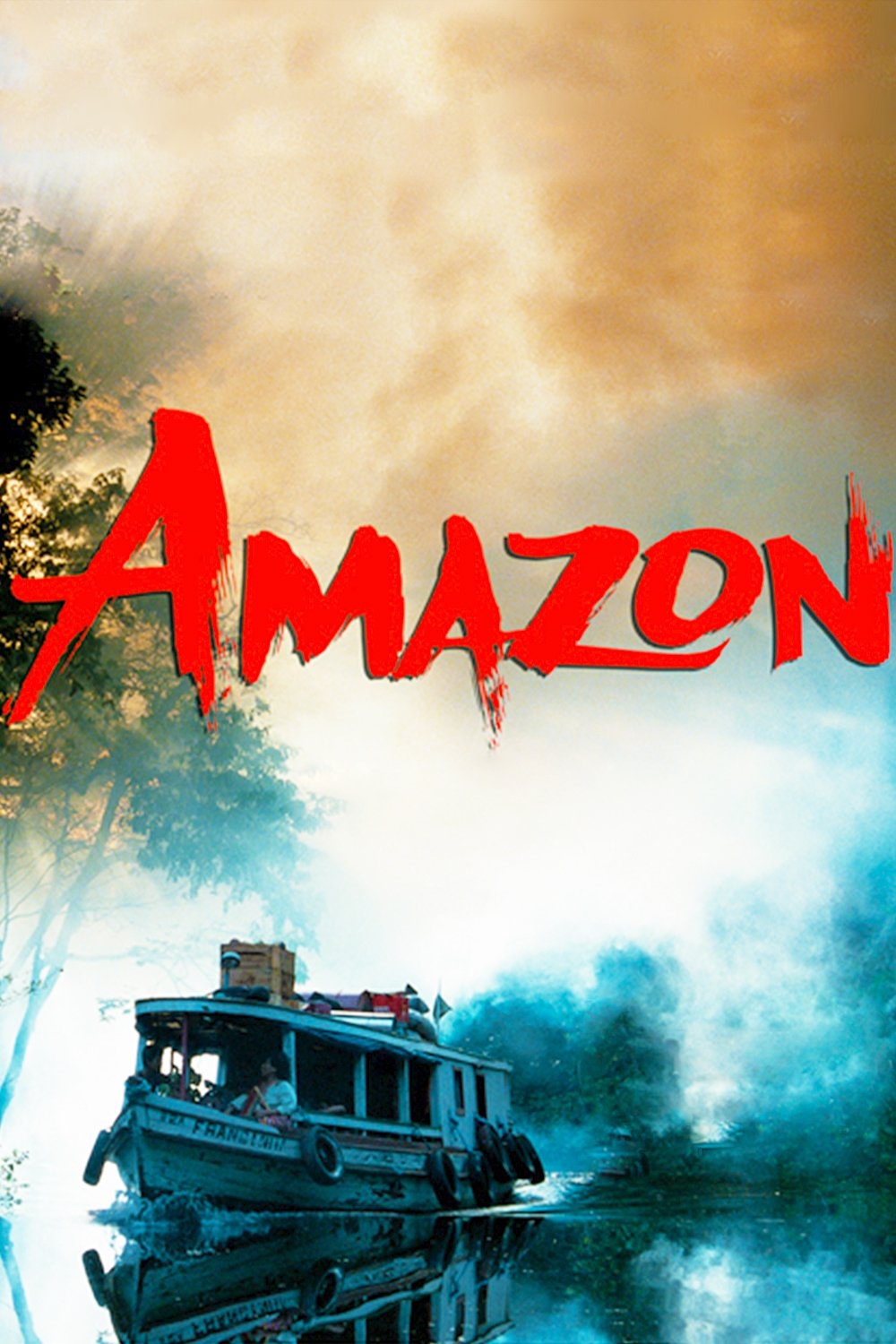
Explore the mysterious Amazon through the amazing IMAX experience. Amazon celebrates the beauty, vitality and wonder of the rapidly disappearing rain forest.
The true story of Joe Simpson and Simon Yates' disastrous and nearly-fatal mountain climb of 6,344m Siula Grande in the Cordillera Huayhuash in the Peruvian Andes in 1985.
Discovered about twenty years ago, the immense masses of water vapor that fly over the Amazon, called "flying rivers", fascinate researchers. Their future could be intimately linked to climate change.
In a remote Peruvian city, lives Honorata Vilca, an illiterate woman of Quechua descent who sells candies more than 20 years ago, with the rain will cry to the sky itself.
This film is an initiatory journey among the Fangs of Gabon and the Shipibos of Peru. With the sound of traditional instruments like the mogongo (arc in the mouth), the holy harp, and the Icaros, we discover the traditional peoples’ wisdom.
The Shipibo-Konibo people of Peruvian Amazon decorate their pottery, jewelry, textiles, and body art with complex geometric patterns called kené. These patterns also have corresponding songs, called icaros, which are integral to the Shipibo way of life. This documentary explores these unique art forms, and one Shipibo family's efforts to safeguard the tradition.
Shot in Venezuela over a 30-year period, this documentary depicts the life and work of José Maria Korta, the controversial Jesuit Missionary with the Ye'kwana people of the Amazon.
The documentary recreates the mythical journey made by the native peoples of Sarayaku in the Amazon, who navigated down the river for months until they reached Kachi Urku, the mountain of salt.
A series of suicides among youths who had to travel far from home to go to school, shocked their indigenous community in the Colombian Amazon. They are different cultures in the frantic friction of our time, it is a generation of young people born from the meeting of both cultures who are hanging before the mirages of a foreign world.
The supermarket chains used to seem unbeatable, capturing the lion’s share of the grocery market. But for some years now they have been in crisis. In the wake of a fierce price war, retailers are resorting to increasingly aggressive commercial negotiation methods at the expense of suppliers, farmers and producers. Further competition is coming from the tech giants as Amazon and Alibaba invest in the food industry. What are the implications of all these changes on working conditions, the quality of our food and the future of our planet?
"When the shamans stop dancing and life in the rainforest loses its balance, the sky will collapse and come to crush everything." This wisdom is passed down from generation to generation by the Yanomami of Brazil. But gold miners are polluting the rivers, shamans are dying, the rainforest is disappearing and the earth is getting hotter. Davi Kopenawa, a tribal leader and spokesman for the Yanomami, has been fighting relentlessly against the colonization of his land for 40 years. He warns Westerners that when the sky collapses, they too will be crushed. Why don't they listen? Translated with www.DeepL.com/Translator (free version)