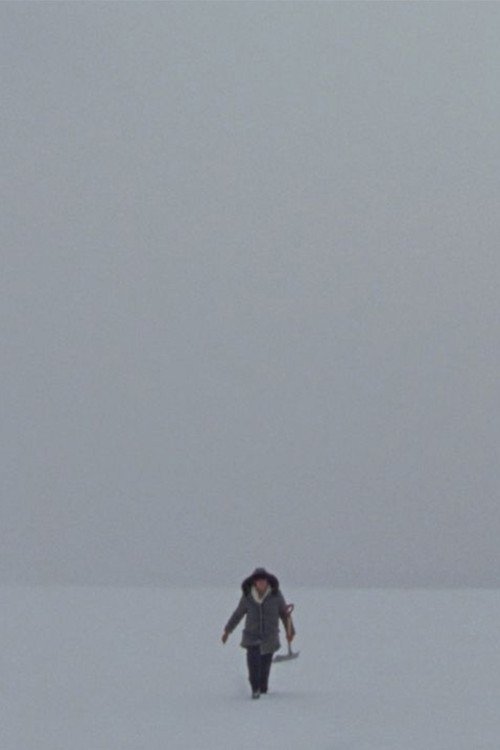

Cree director Alexandra Lazarowich riffs off classic verité cinema to craft a contemporary portrait of Métis women net fishing in Northern Alberta.
Social & External
Self
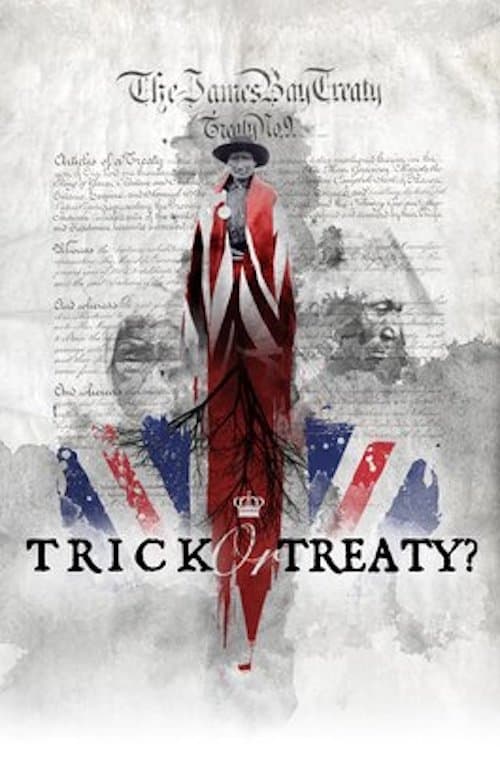
Legendary Canadian documentarian Alanis Obomsawin digs into the tangled history of Treaty 9 — the infamous 1905 agreement wherein First Nations communities relinquished sovereignty over their traditional territories — to reveal the deceptions and distortions which the document has been subjected to by successive governments seeking to deprive Canada’s First Peoples of their lands.
This documentary follows a Cree woman as she takes on the Indian Relay race season, as well as the Canadian authorities in her quest to give Missing and Murdered Indigenous Women a voice.
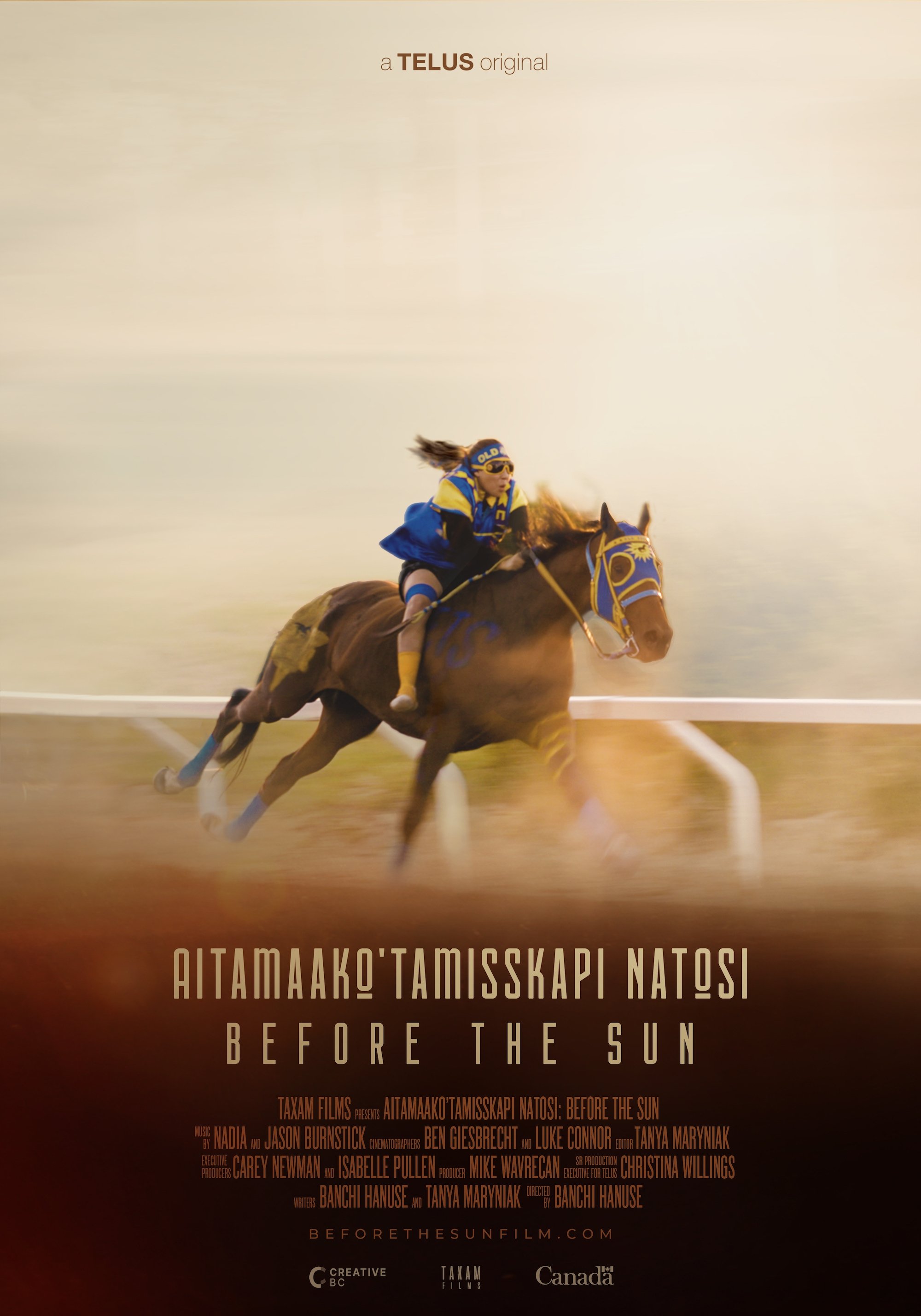
An intimate and thrilling portrait of a young Siksika woman and the deep bonds between her father and family in the golden plains of Blackfoot Territory as she prepares for one of the most dangerous horse races in the world… bareback.
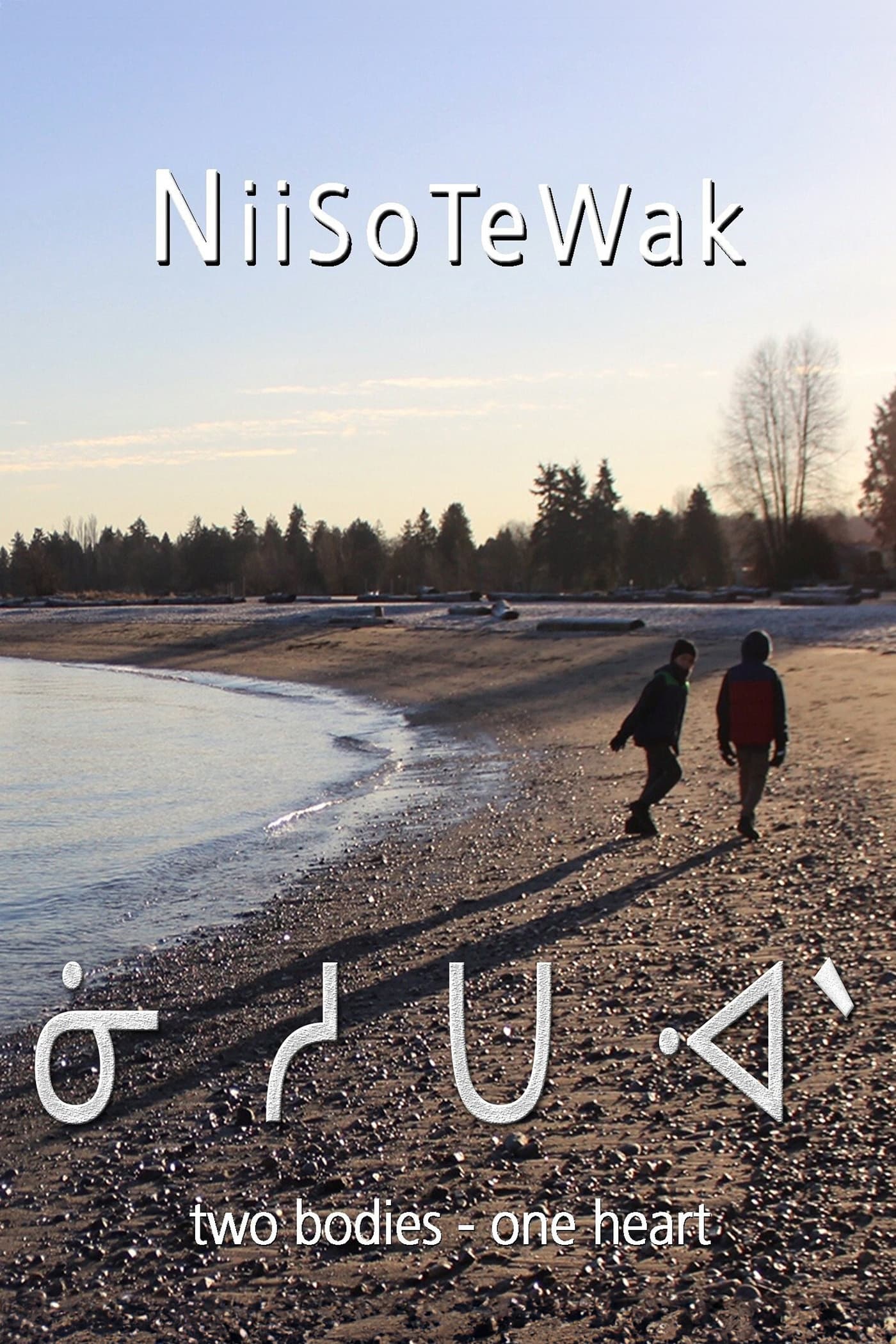
NiiSoTeWak means “walking the path together.” Tapwewin and Pawaken are 10-year-old brothers trying to make sense of the world, their family and each other. They’re already grappling with some heady questions about identity. What does it mean to be a twin? What does it mean to be Cree? How do you define yourself when you’re forever linked to someone else? The twins discuss these questions with their two elder brothers — 22-year-old actor Asivak and 20-year-old basketball player Mahiigan — and their parents, Jules and Jake.
Filmed on location in Saskatchewan from the Qu'Appelle Valley to Hudson Bay, the documentary traces the filmmaker's quest for her Native foremothers in spite of the reluctance to speak about Native roots on the part of her relatives. The film articulates Métis women's experience with racism in both current and historical context, and examines the forces that pushed them into the shadows.
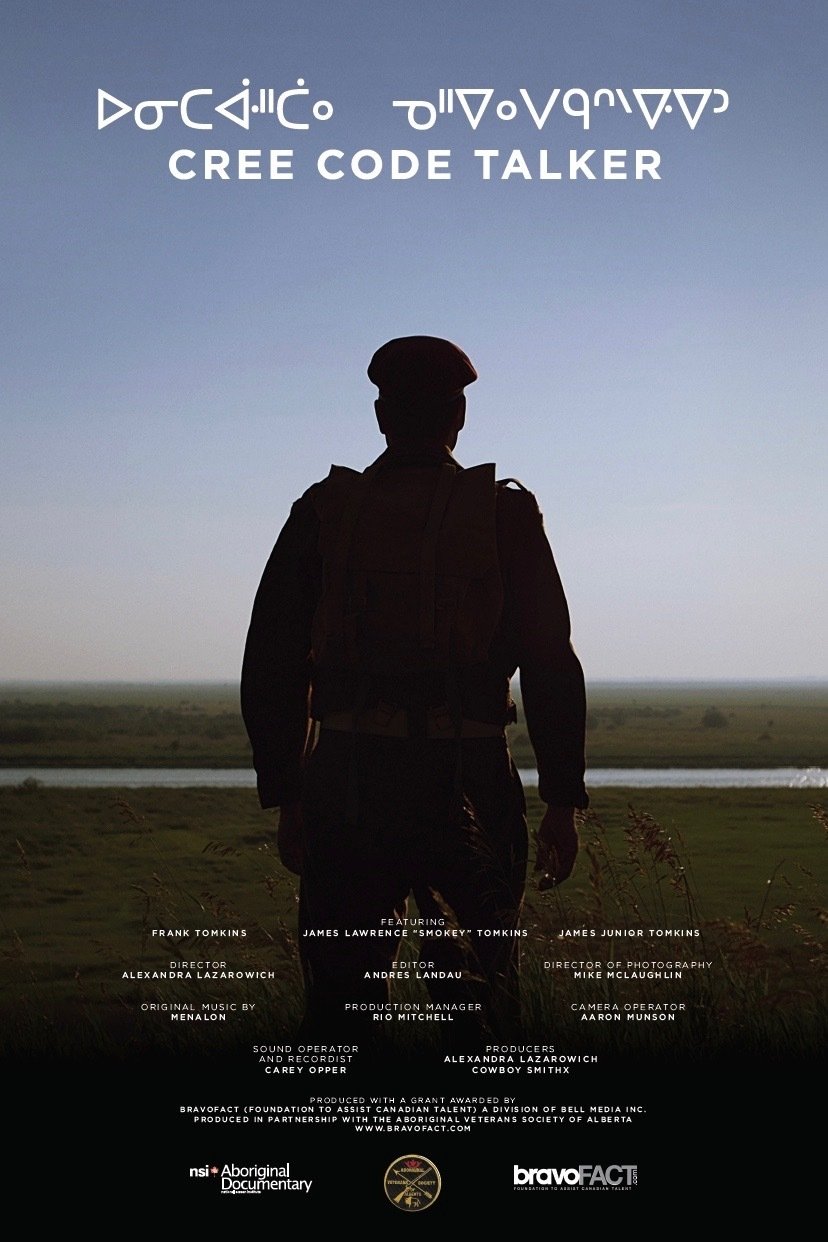
CREE CODE TALKER reveals the role of Canadian Cree code talker Charles 'Checker' Tomkins during the Second World War. Digging deep into the US archives it depicts the true story of Charles' involvement with the US Air Force and the development of the code talkers communication system, which was used to transmit crucial military communications, using the Cree language as a vital secret weapon in combat.
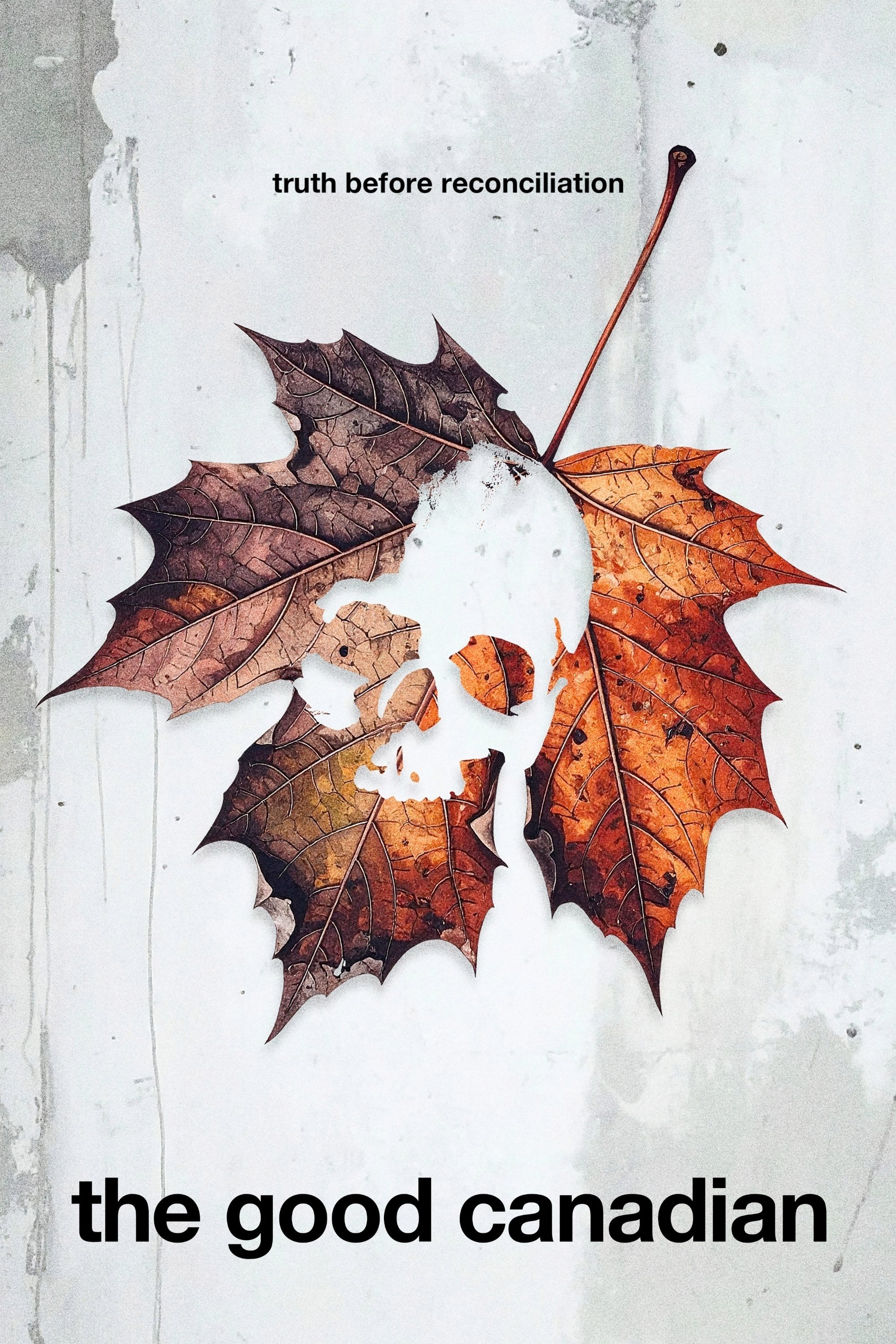
The world knows the image of the good Canadian. But what if there was a dark secret behind a national identity? THE GOOD CANADIAN exposes the truth behind the idea of a True North strong and free. In this unflinching and eye-opening documentary, directors Leena Minifie and David Paperny move us through the corridors of systemic inequity, from the Indian Act to residential schools, to modern-day family separation. Fusing shocking footage with detailed interviews with experts, advocates, whistleblowers and politicians, THE GOOD CANADIAN challenges national myth-making, while offering Canadians the chance to forge a new identity from the truth.
How the Fiddle Flows follows Canada's great rivers west along the fur-trading route of the early Europeans. The newcomers introduced the fiddle to the Aboriginal people they intermarried with along the way. A generation later, their mixed-blood offspring would blend European folk tunes with First Nations rhythms to create a rich and distinct musical tradition. From the Gaspé Peninsula, north to Hudson Bay and to the Prairies, How the Fiddle Flows reveals how a distinctive Metis identity and culture were shaped over time. Featuring soaring performances by some of Canada's best known fiddlers and step dancers and narrated by award-winning actress Tantoo Cardinal.
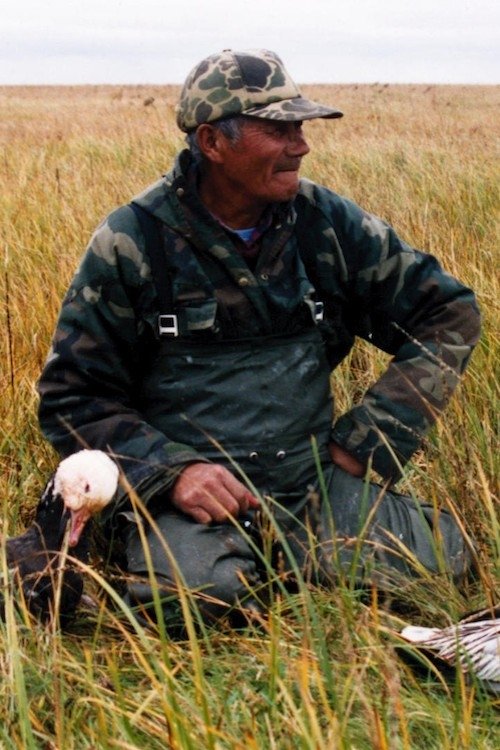
This documentary focuses on the goose hunt, a ritual of central importance to the Cree people of the James Bay coastal areas. Not only a source of food, the hunt is also used to transfer Cree culture, skills, and ethics to future generations. Filmmaker Paul M. Rickard invites us along with his own family on a fall goose hunt, so that we can share in the experience.
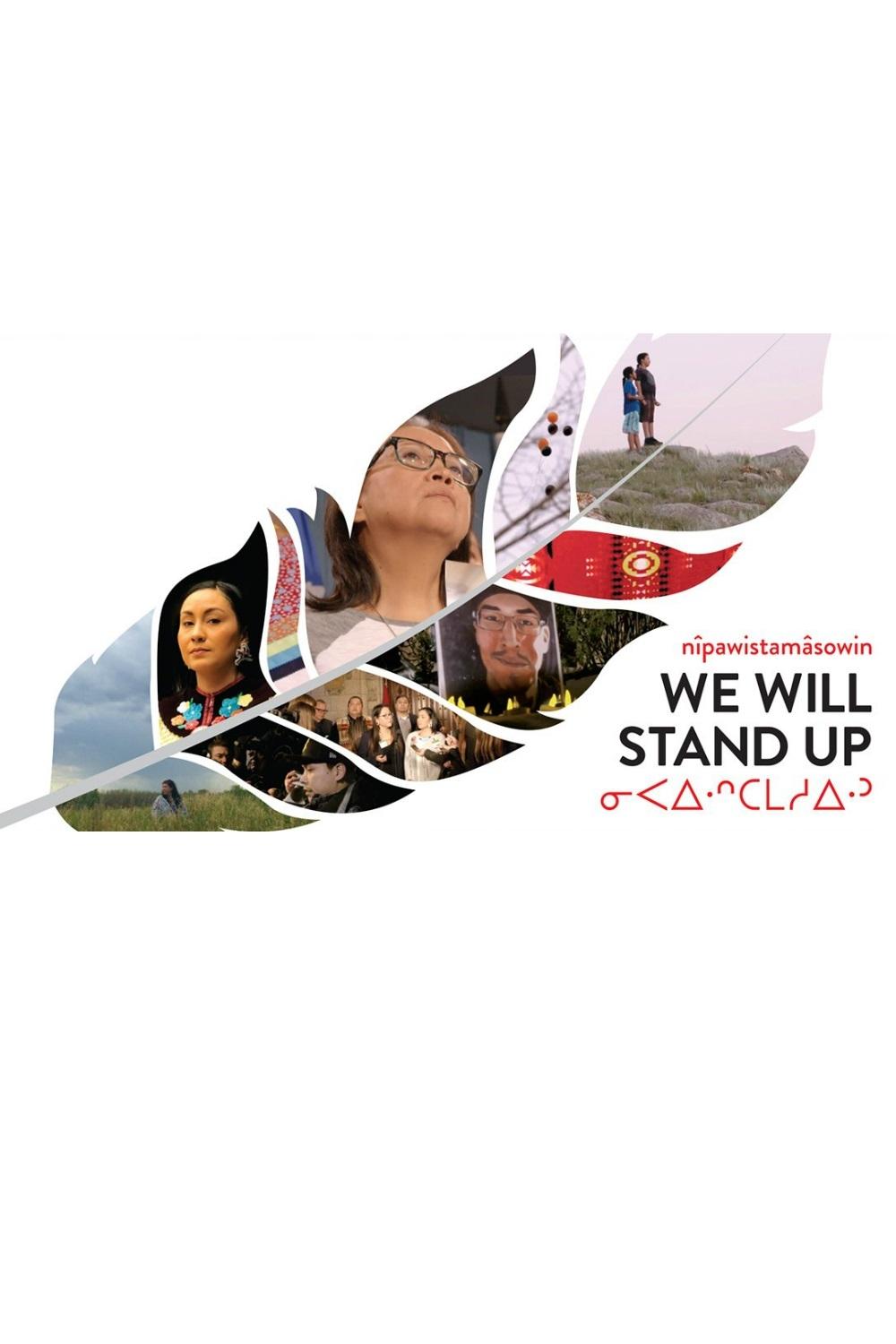
On August 9, 2016, a young Cree man named Colten Boushie died from a gunshot to the back of his head after entering Gerald Stanley's rural property with his friends. The jury's subsequent acquittal of Stanley captured international attention, raising questions about racism embedded within Canada's legal system and propelling Colten's family to national and international stages in their pursuit of justice. Sensitively directed by Tasha Hubbard, "nîpawistamâsowin: We Will Stand Up" weaves a profound narrative encompassing the filmmaker's own adoption, the stark history of colonialism on the Prairies, and a vision of a future where Indigenous children can live safely on their homelands.
This short documentary follows Frank Ladouceur, a man who lives alone for months at a time, trapping muskrat in the vast, desolate wilderness of northern Alberta. He receives no visitors, and rarely voyages to his family home in Fort Chipewyan. What some may consider an unthinkably lonely, isolated existence is the calling of this fiercely independent Métis man. Remarkably determined and self-sufficient, Frank makes his home in the wild bush.
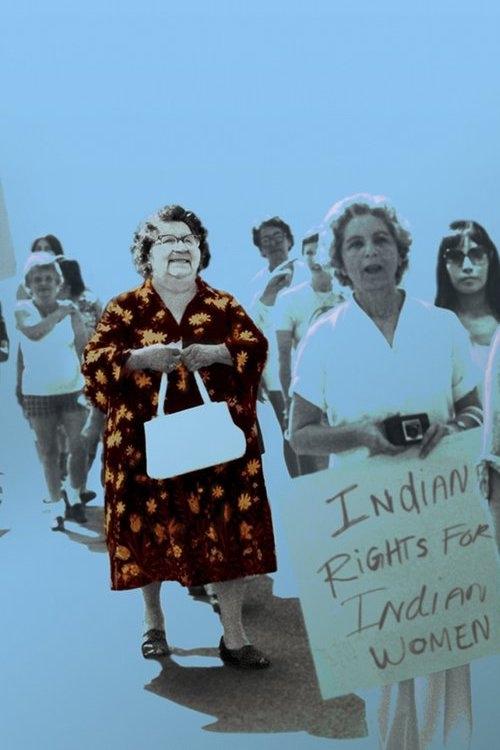
After marrying a settler, Mary Two-Axe Earley lost her legal status as a First Nations woman. Dedicating her life to activism, she campaigned to have First Nations women's rights restored and coordinated a movement that continues to this day. Kahnawake filmmaker Courtney Montour honours this inspiring leader while drawing attention to contemporary injustices that remain in this era of truth and reconciliation.
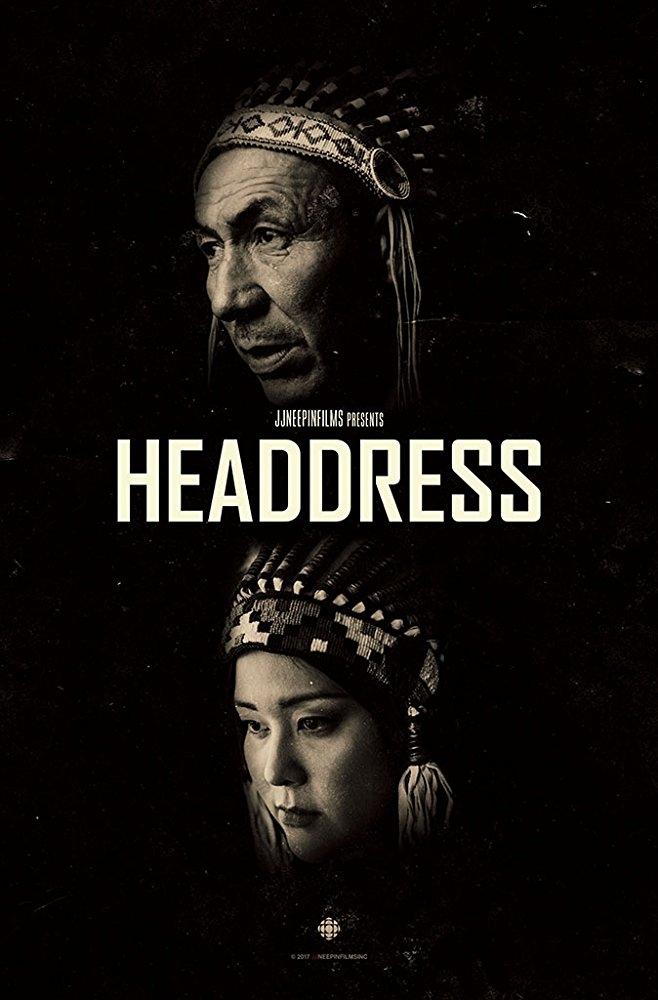
For First Nations communities, the headdress bears significant meaning. It's a powerful symbol of hard-earned leadership and responsibility. As filmmaker JJ Neepin prepares to wear her grandfather's headdress for a photo shoot she reflects on lessons learned and the thoughtless ways in which the tradition has been misappropriated.
A doc about the Cree and Chippewa people of northern Manitoba. Made in the mid 20th century, it is dated in tone, but provides insight into the vital relationship that existed between First Nations and the caribou herds that sustained them.
In Caribou in the Archive, rustic VHS home video of a Cree woman hunting caribou in the 1990s is combined with NFB archival film footage of northern Manitoba from the 1950s. In this experimental film, the difference between homemade video and official historical record is considered. Northern Indigenous women hunting is at the heart of this personal found footage film in which the filmmaker describes the enigmatic events that led to saving an important piece of family history from being lost forever.
Nose and Tina are a couple in love. The film captures the domestic details of their life together and documents their hassles with work, money and the law. The unusual bit: He is employed as a brakeman, and she as a sex worker.
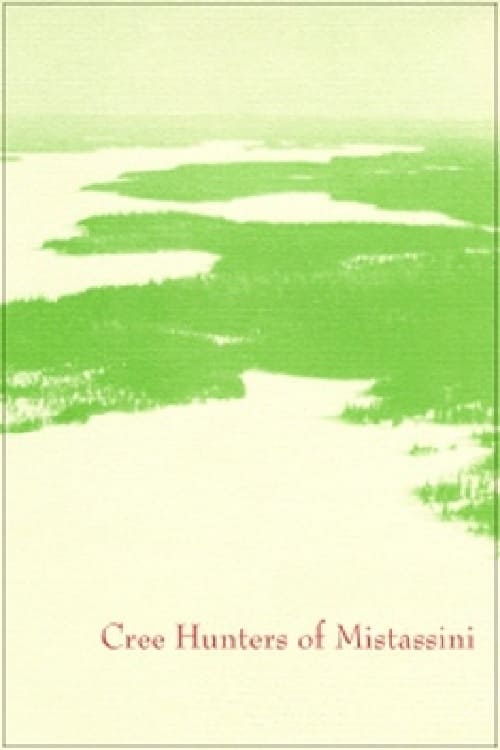
An NFB crew filmed a group of three families, Cree hunters from Mistassini. Since times predating agriculture, this First Nations people have gone to the bush of the James Bay and Ungava Bay area to hunt. We see the building of the winter camp, the hunting and the rhythms of Cree family life.
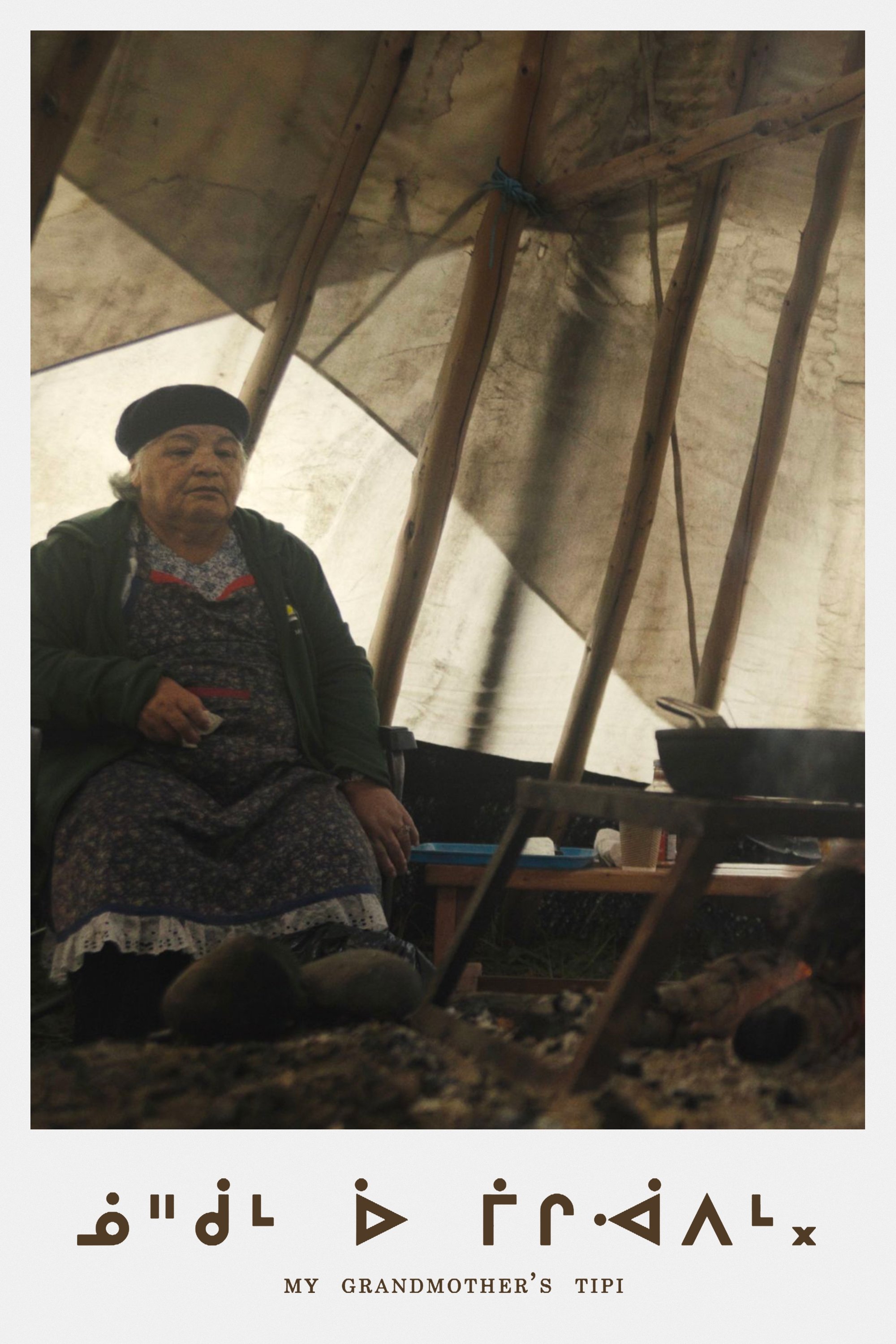
“Nuuhkuum uumichiwaapim” (« My Grandmother’s Tipi ») is an exploration of the sensorial and textural experience of a grandmother’s tipi. It is based on memories of being in a tipi, observing in the bliss of cooking and the time in-between.
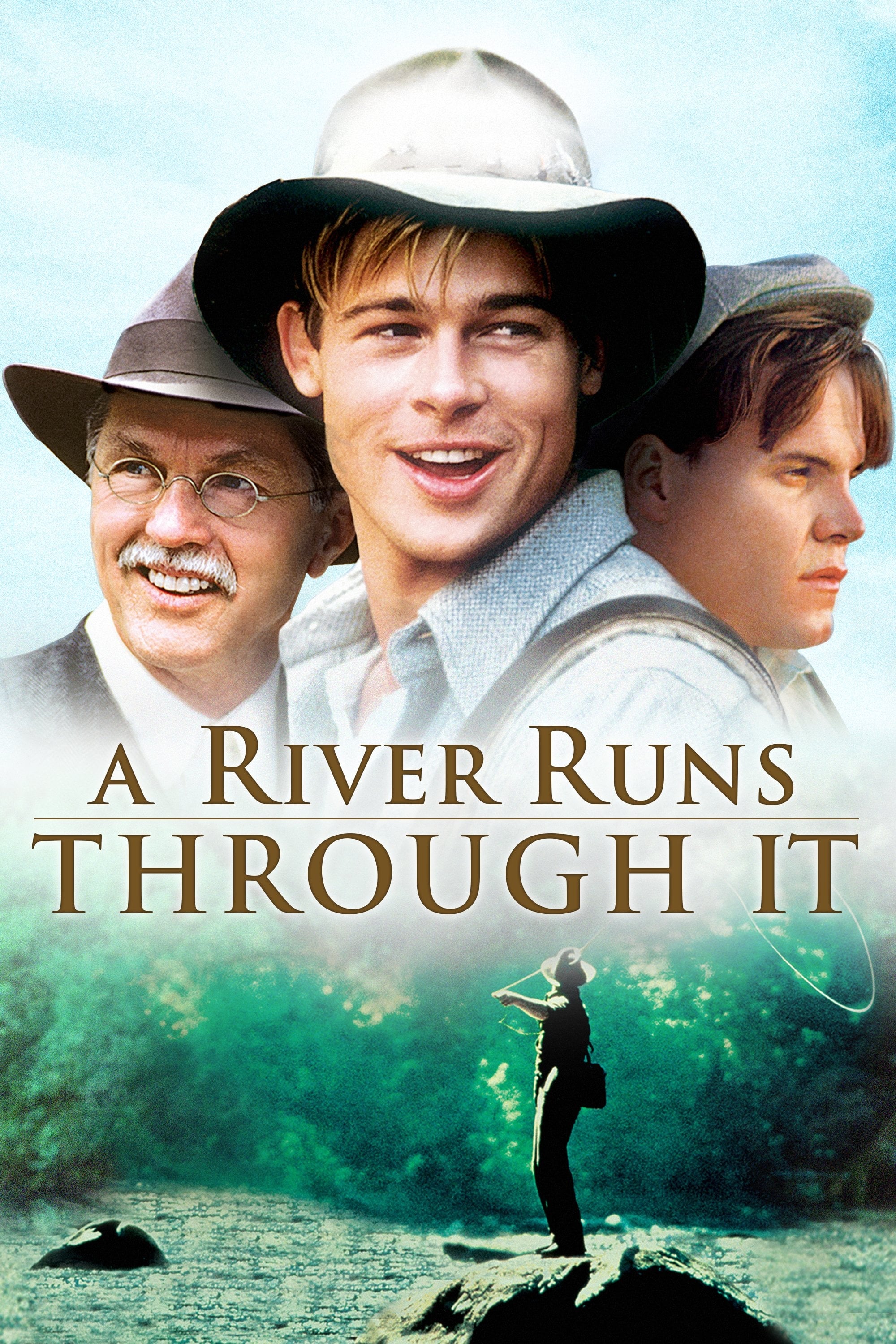
The Maclean brothers, Paul and Norman, live a relatively idyllic life in rural Montana, spending much of their time fly fishing. The sons of a minister, the boys eventually part company when Norman moves east to attend college, leaving his rebellious brother to find trouble back home. When Norman finally returns, the siblings resume their fishing outings, and assess where they've been and where they're going.
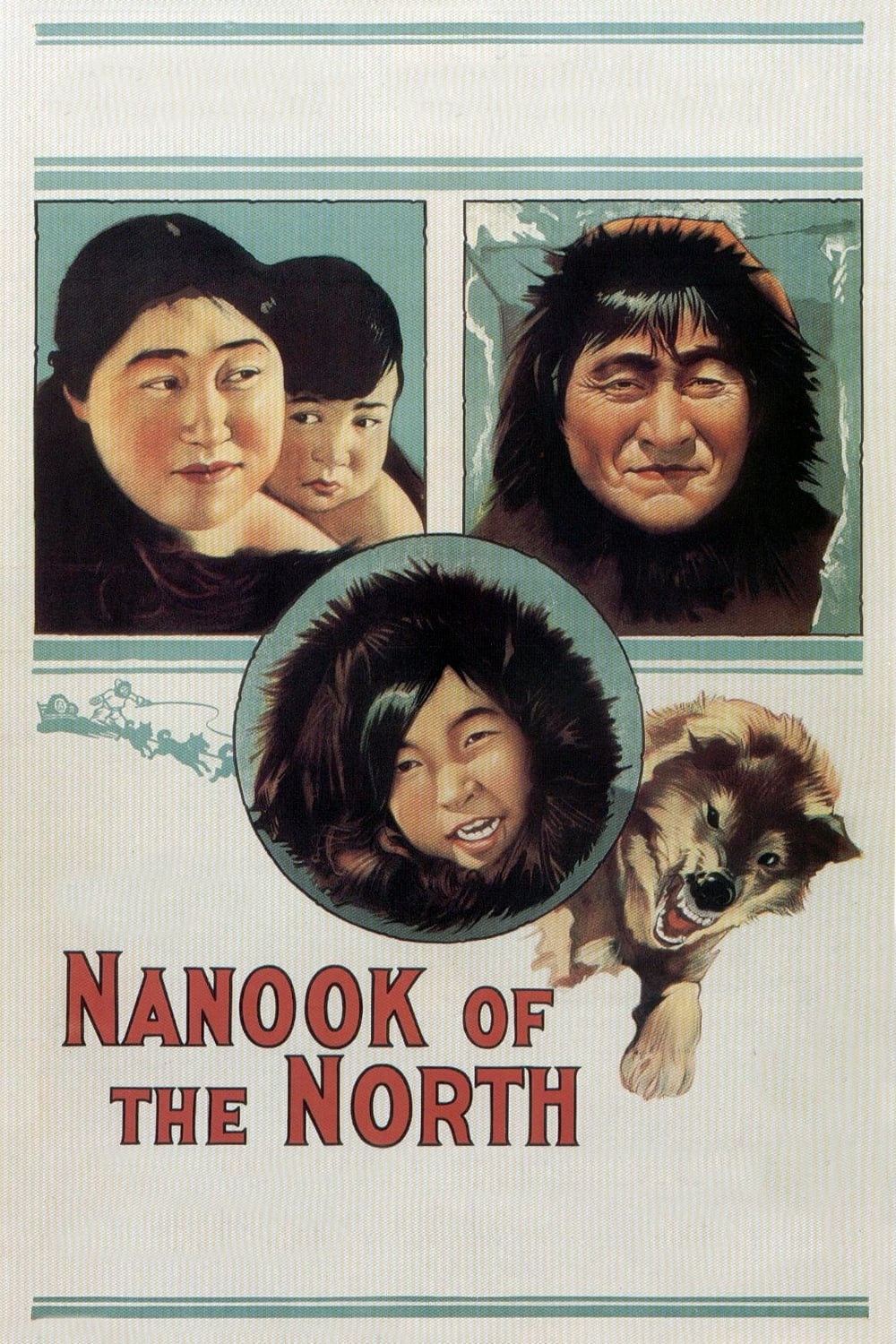
This pioneering documentary film depicts the lives of the indigenous Inuit people of Canada's northern Quebec region. Although the production contains some fictional elements, it vividly shows how its resourceful subjects survive in such a harsh climate, revealing how they construct their igloo homes and find food by hunting and fishing. The film also captures the beautiful, if unforgiving, frozen landscape of the Great White North, far removed from conventional civilization.
When seventeen-year-old Hannah stumbles upon a website about Thinspiration--an online community devoted to anorexia as a life choice--she becomes an obsessive follower of the site founder, ButterflyAna. By the time Hannah's family realizes what is happening and get Hannah the help she needs, the disease has fully taken hold and Hannah is refusing to eat. Will this family be able to exorcise the demon of anorexia from their lives?
John Shepherd spent 30 years trying to contact extraterrestrials by broadcasting music millions of miles into space. After giving up the search, he makes a different connection here on earth.
An experimental portrait of the North American commercial fishing industry through the lens of GoPro cameras placed on a fishing vessel off the coast of New England.
This character-driven film considers the evolving sex trafficking landscape as seen by the main players: the exploited, the pimps, the johns that fuel the business, and the cops who fight to stop it.
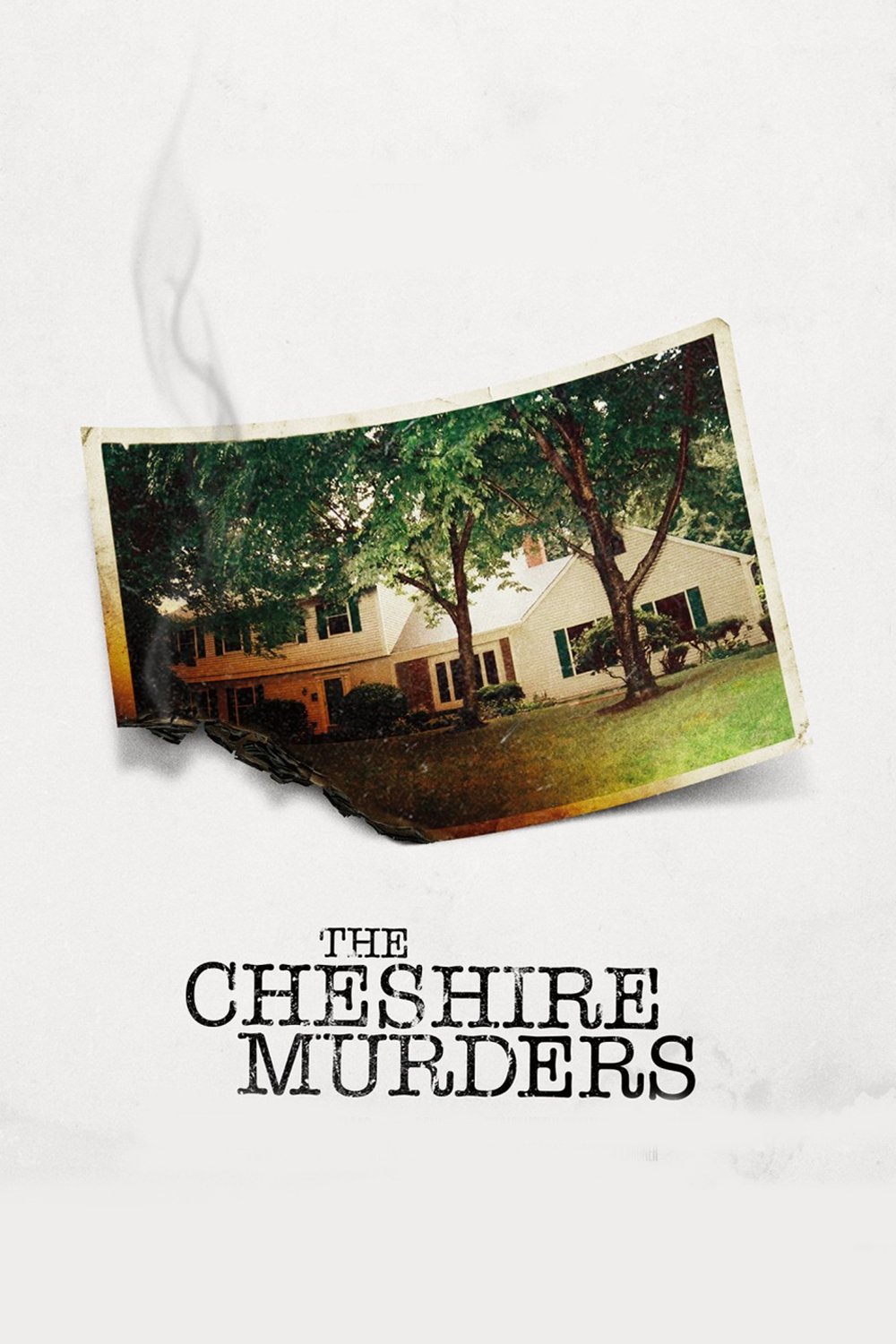
In the early-morning hours of July 23, 2007, in Cheshire, Conn., ex-convicts Steven Hayes and Joshua Komisarjevsky broke into the family home of William Petit, his wife, Jennifer, and their daughters, Michaela, 11, and Hayley, 17. Dr. Petit was beaten and tied to a pole in the basement. The three women were bound in their bedrooms while the men ransacked the house. The brutal ordeal continued throughout the morning, ending with rape, arson and a horrific triple homicide.
A profoundly personal voyage into the complexity, fragility and wonder of the human brain, after Lotje Sodderland miraculously survives a hemorrhagic stroke and finds herself starting again in an alien world, bereft of language and logic. This feature documentary takes us on a genre-twisting tale that is by turns excruciating and exquisite - from the devastating consequences of a first-time neurological experiment, through to the extraordinary revelations of her altered sensory perception.
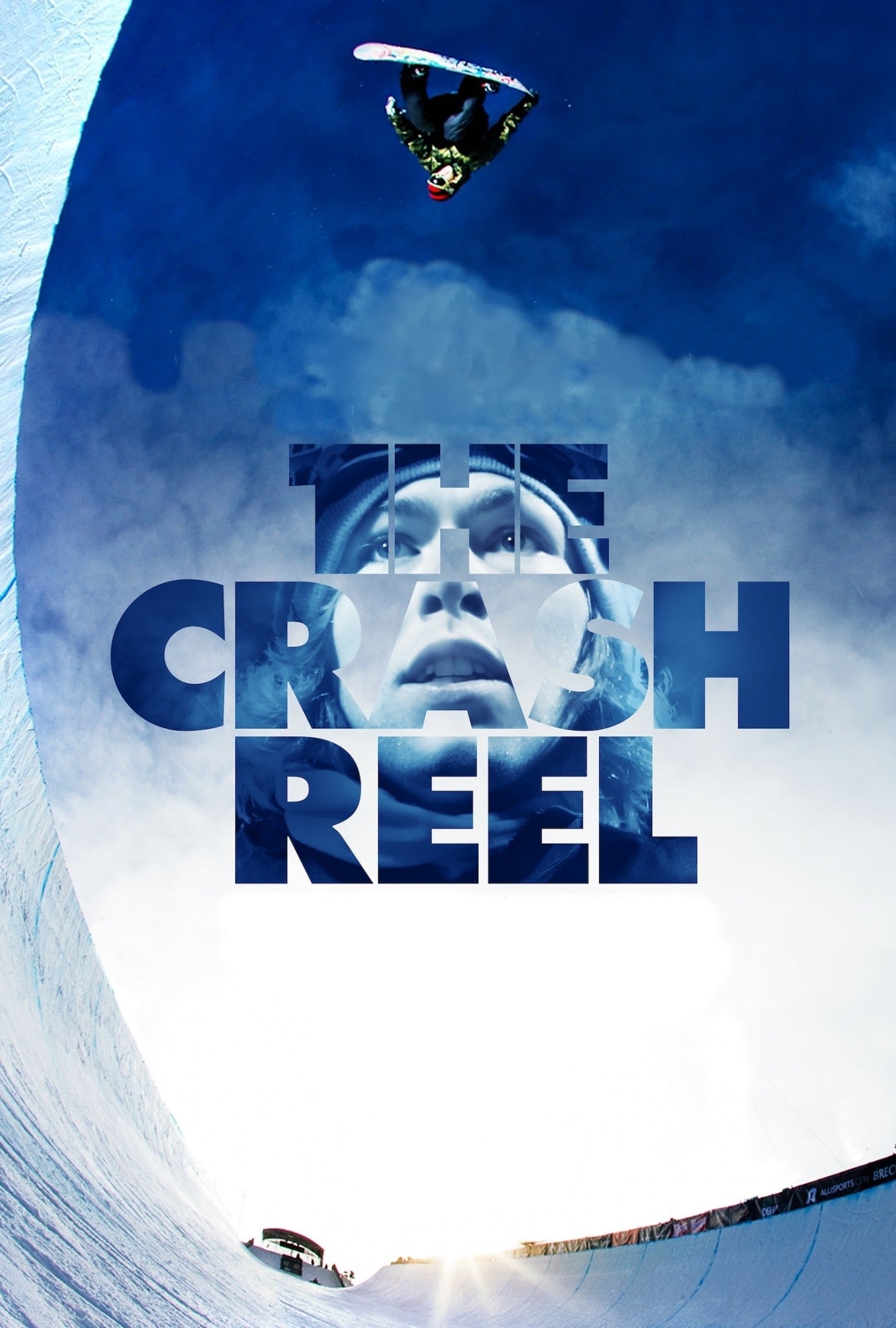
The Crash Reel tells the story of a sport and the risks that athletes face in reaching the pinnacle of their profession. This is Kevin Pearce’s story, a celebrated snowboarder who sustained a brain injury in a trick gone wrong and who now aims, against all the odds, to get back on the snow.
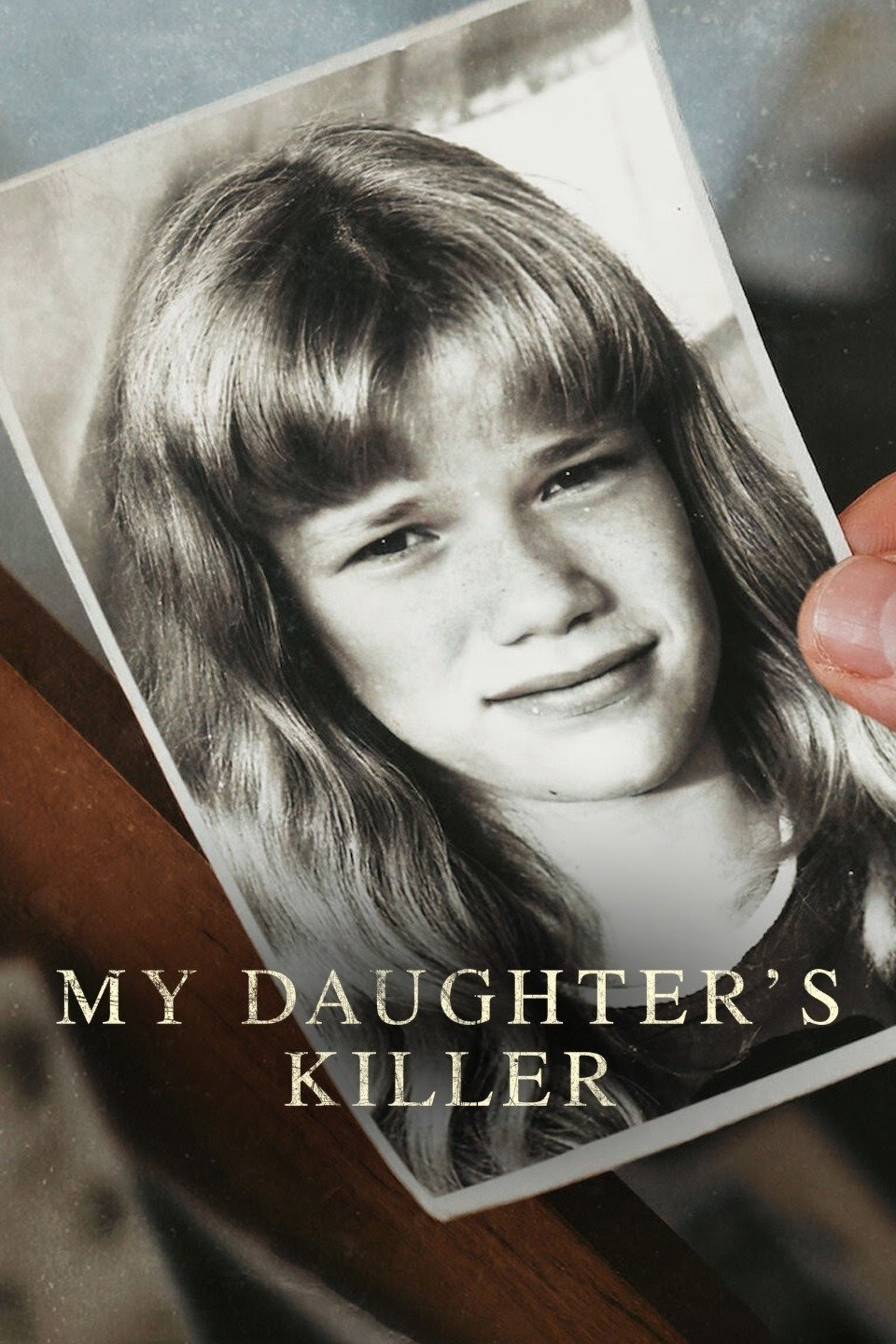
A father fights for decades to bring his daughter's killer to justice in France and Germany before taking extreme measures.
When a 5-year-old girl falls from her father's apartment, her mother embarks on a quest for justice — and is put under the national spotlight.
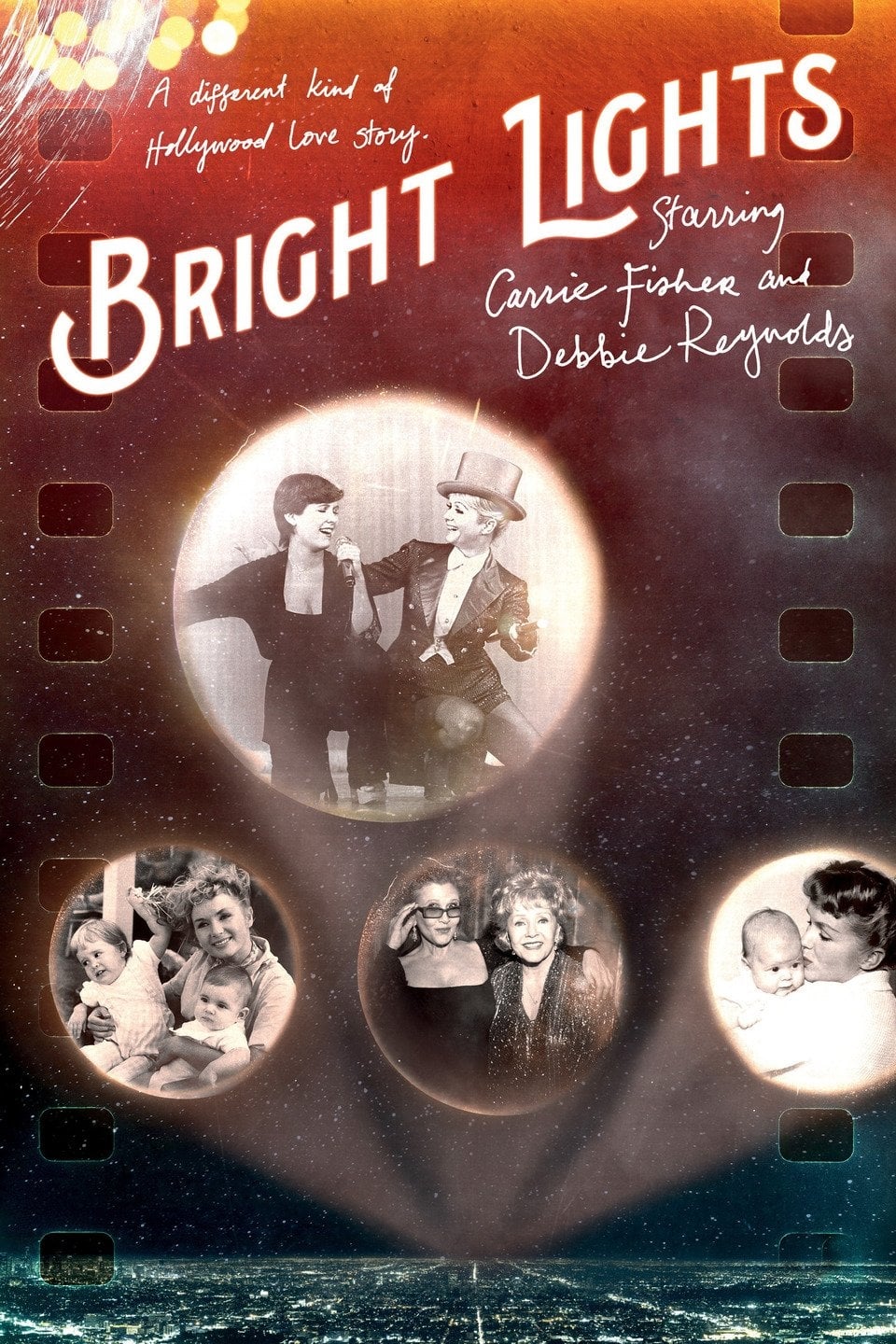
An intimate portrait of Hollywood royalty featuring Debbie Reynolds, Todd Fisher, and Carrie Fisher.
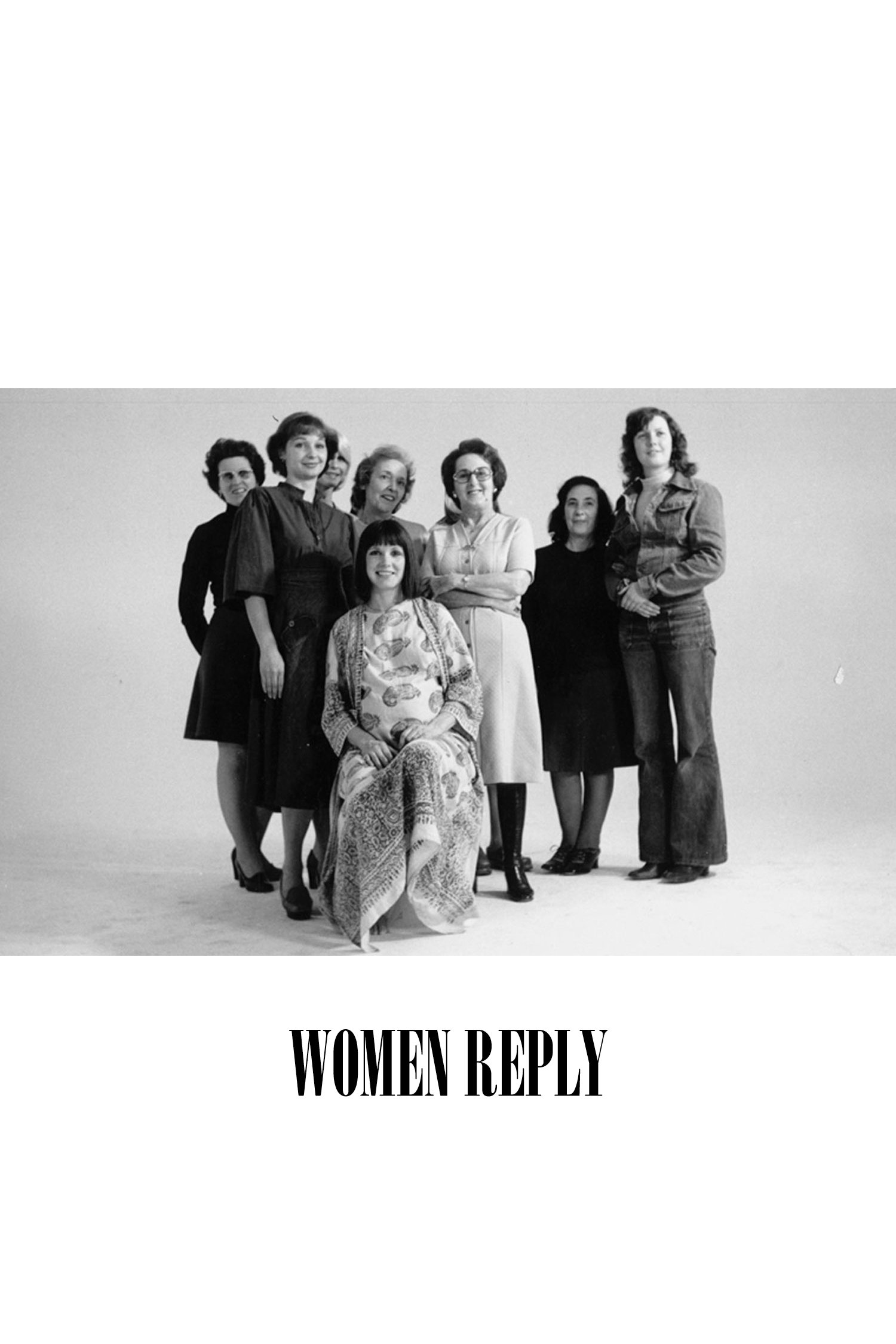
What does being a woman really mean? How do women live the status society reserves for them? A group of women, beautiful or not, young or not, gifted with motherly instinct or not, answer before Agnès Varda's camera.
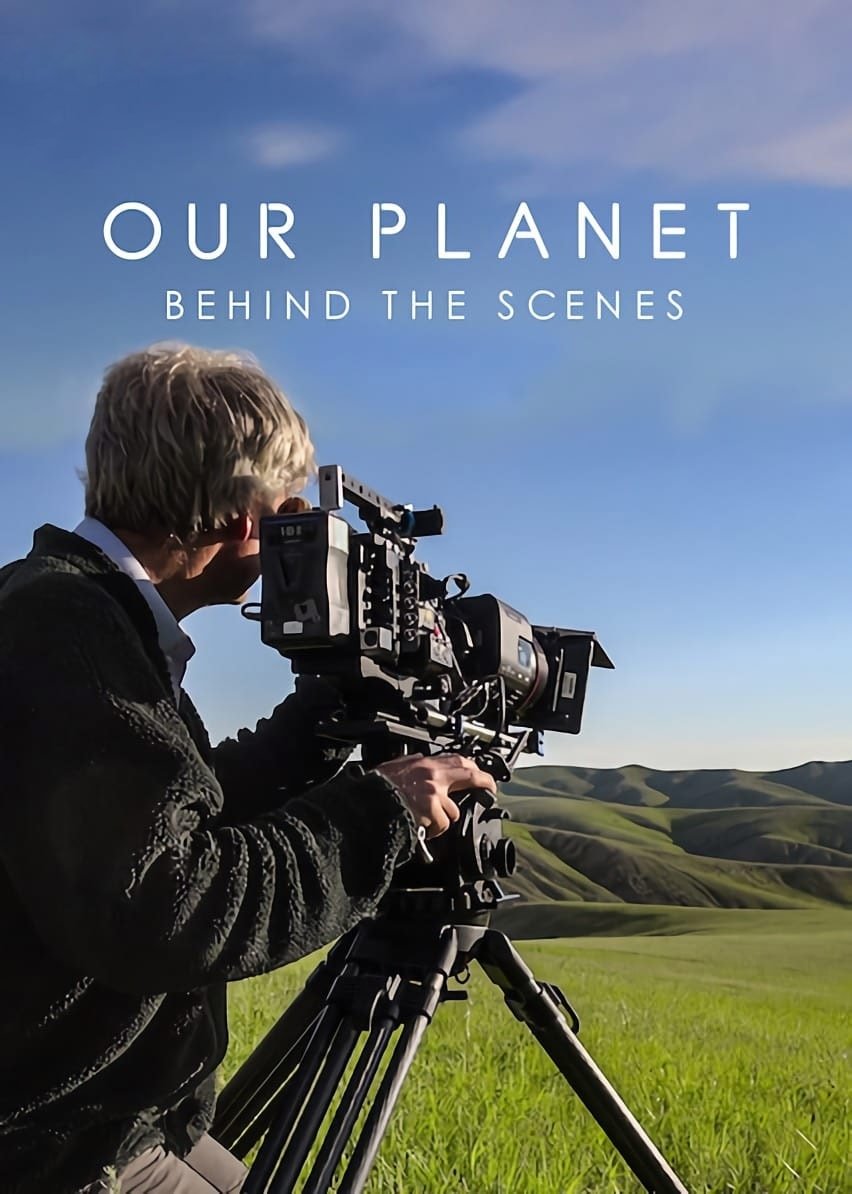
Years spent recording footage of creatures from every corner of the globe is bound to produce a bit of drama. Here's a behind-the-scenes look.
A purely observational non-fiction film that takes viewers into the ethically murky world of end-of-life decision making in a public hospital.
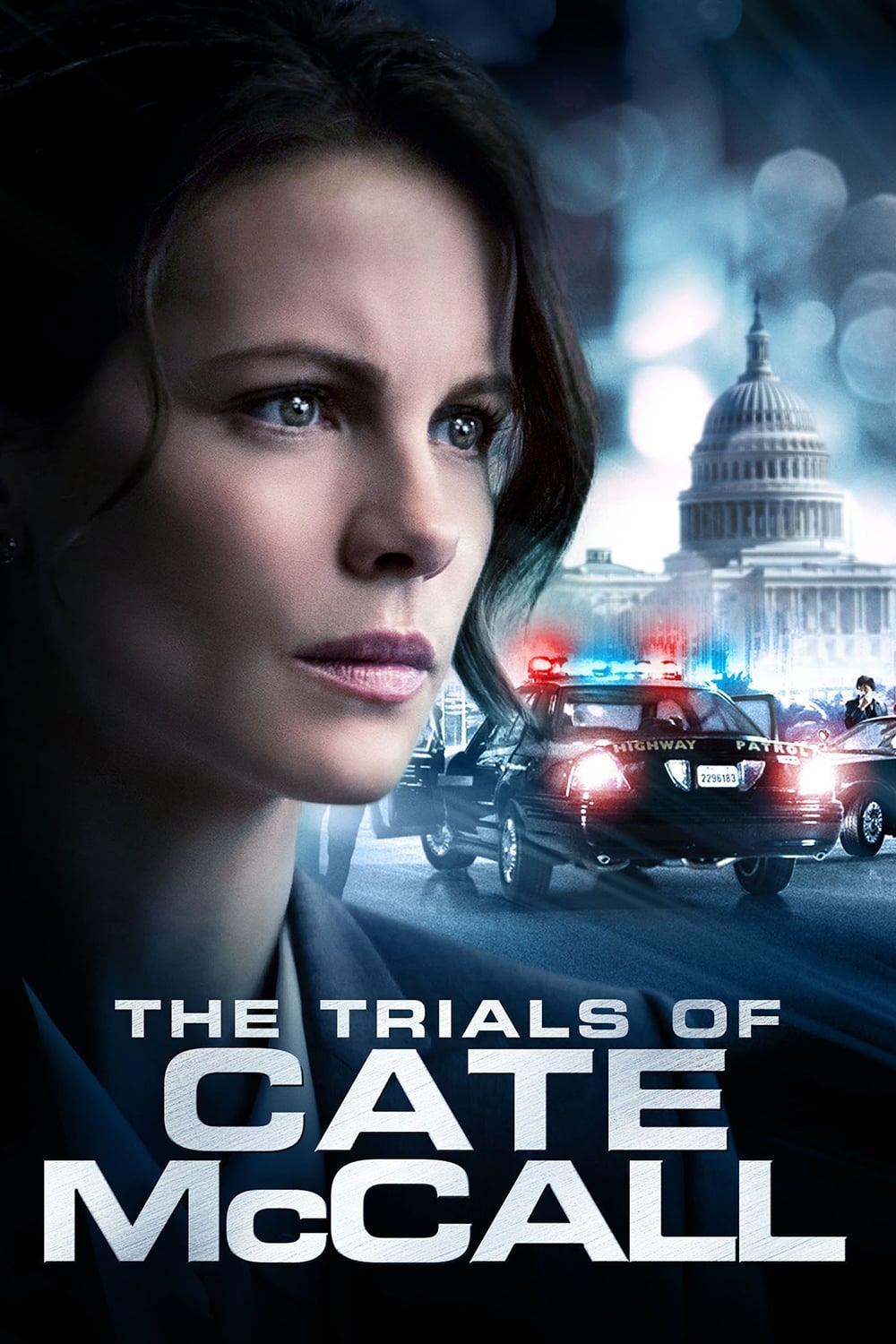
In order to be reinstated to the bar and recover custody of her daughter, a hotshot lawyer, now in recovery and on probation, must take on the appeal of a woman wrongfully convicted of murder.
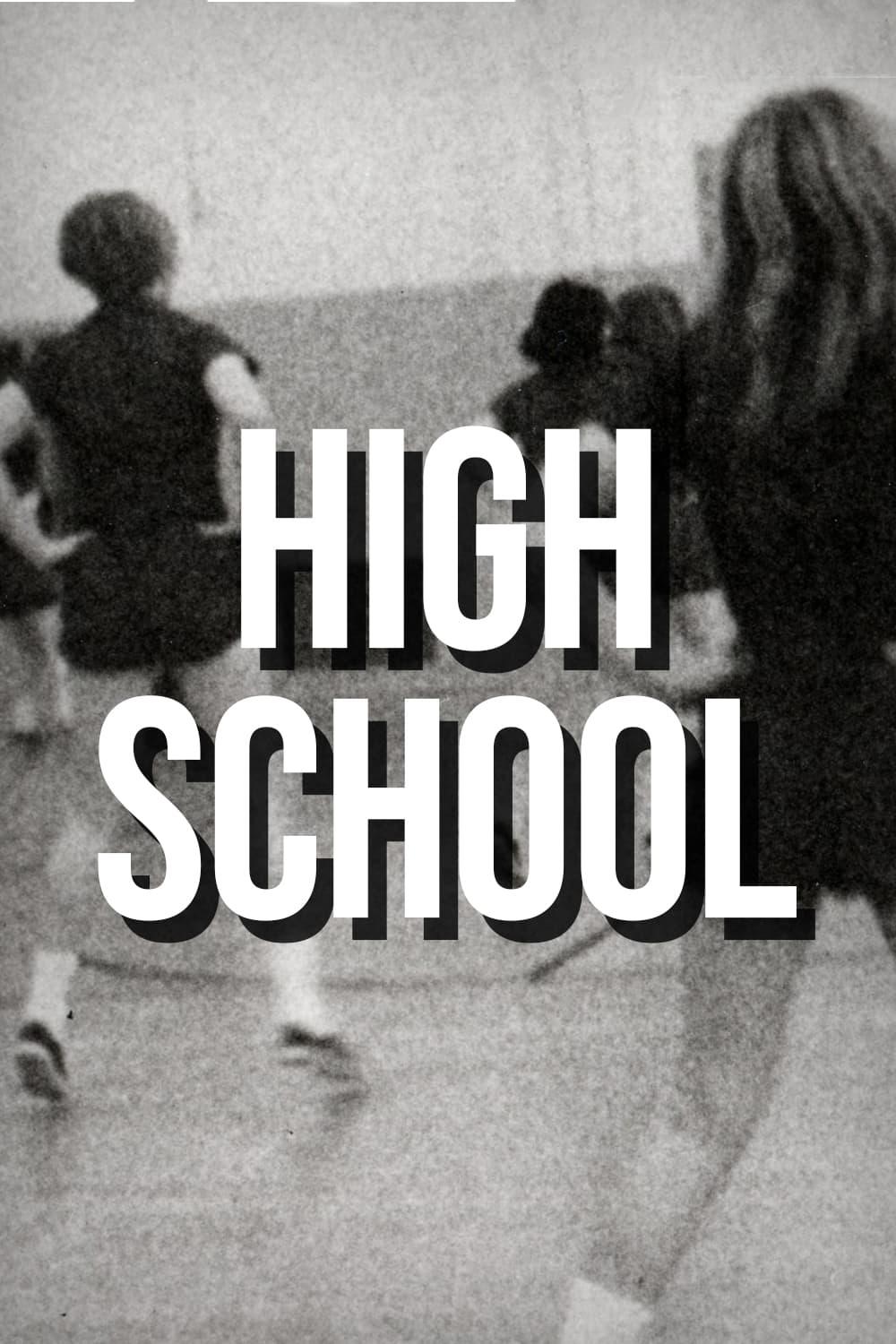
Documentary filmmaker Frederick Wiseman takes us inside Northeast High School as a fly on the wall to observe the teachers and how they interact with the students.
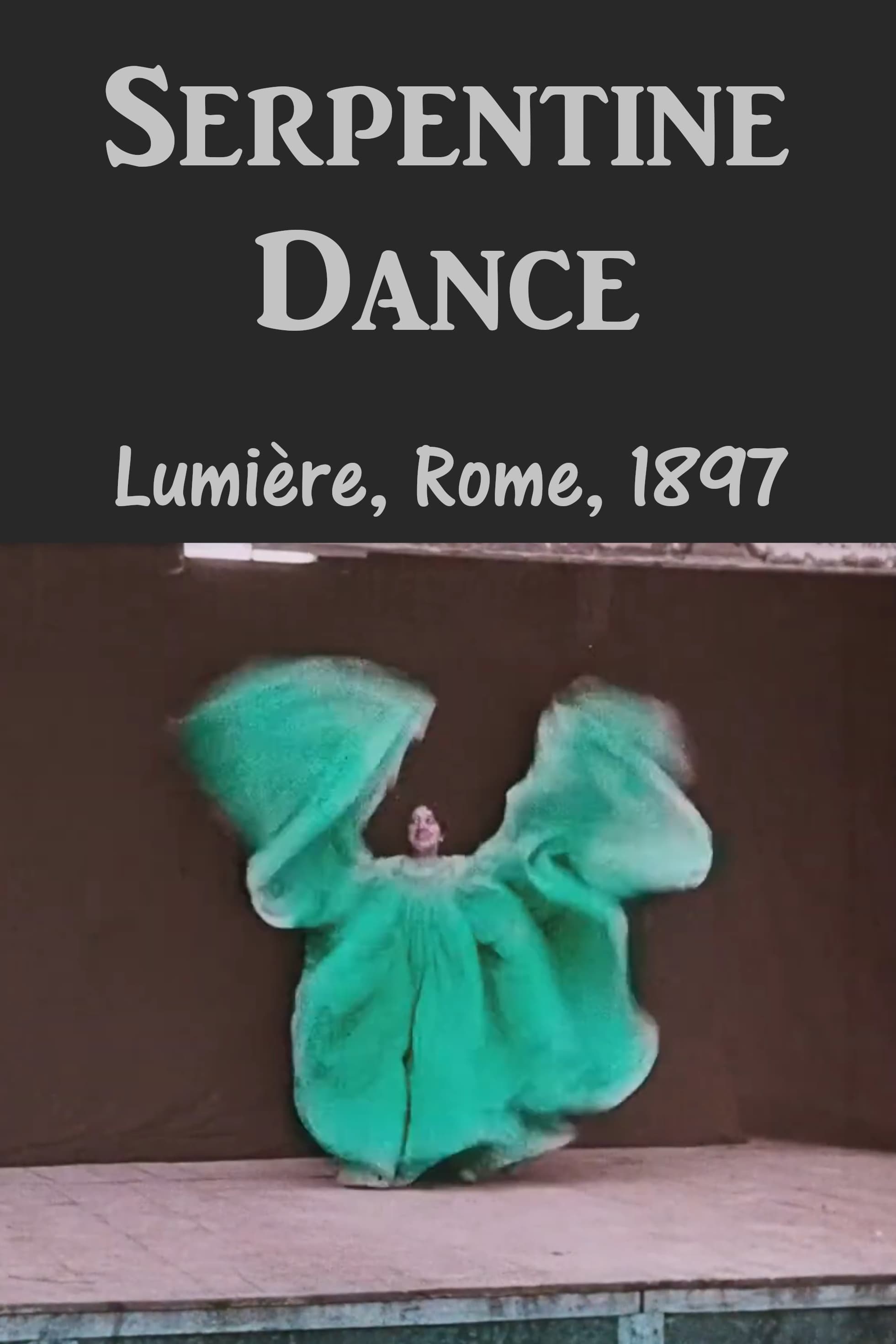
Angelic and demonic serpentine dance from dawn of cinema. Hand-colored frame by frame. Lumière no. 765 or 765.1 (colorized, different dancer?).
Justine, struggles with commitment, listens to old David Bowie covers, and uses her employer’s private MRI machines to make “X-Ray Art” After a trail of boyfriends, Justine thinks she has found The One, a hunky shoe salesman, but her temporary happiness is thrown when her neurotic 60-year-old Jewish father (Michel Blanc) suffers a delayed midlife crisis and announces that his young second wife is expecting a baby. Justine and her half-sister Dom, who is trying to adopt, are rather annoyed at the news. Coupled with resentment about her father’s absence when she was growing up, causes her to spiral into self-doubt. Overflowing with French charm, Justine gets by with the help of her family, friends, and newly discovered muse.
Lyrical and powerfully personal essay film that reflects on the deaths of her husband Lou Reed, her mother, her beloved dog, and such diverse subjects as family memories, surveillance, and Buddhist teachings.