Social & External
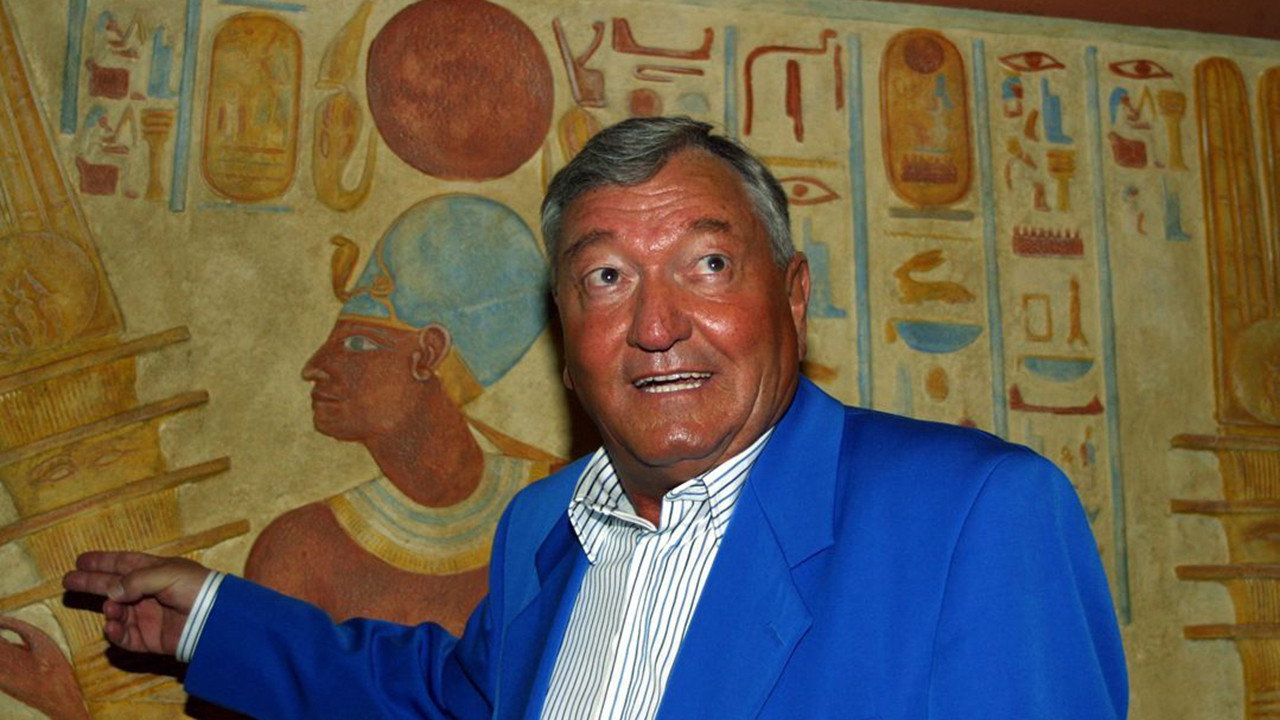
Himself - Presenter
Egypt's Great Pyramid may be humanity's greatest achievement: a skyscraper of stone built without computers or complex machinery. This super-sized tomb has fascinated historians and archaeologists for centuries, but exactly how the ancient Egyptians finished the monument and fitted its two and a half million blocks in a quarter of a century has long remained an enigma. Today the secrets of the pyramid are finally being revealed thanks to a series of new findings. At the foot of the monument, archaeologists are uncovering the last surviving relic of the pharaoh Khufu, whose tomb it is: a huge ceremonial boat buried in flat-pack form for more than 4500 years. It's a clue that points to the important role that ships and water could have played in the pyramids' construction. This documentary follows investigations that reveal how strong the link between pyramids and boats is. It's a story of more than how Egypt built a pyramid: it's about how the pyramid helped build the modern world.
Stunning new archaeological evidence provides clues about the Egyptians who built the Great Pyramid of Giza--and how they did it. Join researchers as they delve into the logbook of a work crew and discover how the massive project transformed Egypt.
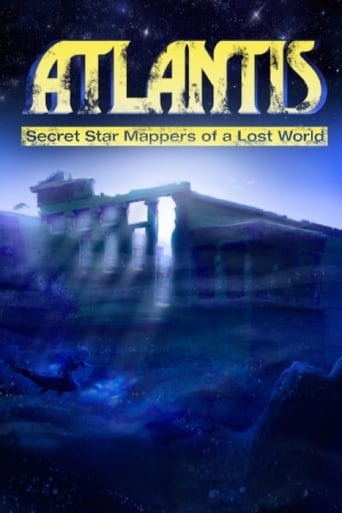
Go beyond the lost human history! A profile and examination of the recent findings of a highly advanced human settlement submerged at the end of the Ice Age when the sea level rose. The story of Atlantis has its roots in actual historical events!
Egypt's only modernist architect Hassan Fathy (1900-1989) was committed to ecology and sustainability in his architecture. This film takes us with slow steps, in still images, to two villages he created. Fathy's historically grounded, forward-looking designs prompt us to reflect on the past as well as contemplate new solutions for the future.
Experts look into the mystery surrounding the lost tomb of Queen Nefertiti, an ancient Egyptian ruler from the 18th dynasty.
It is one of Egypt's enduring mysteries. What happened to Nefertiti and her husband, Akhenaten - the radical king, and likely father of King Tut? In a dark and mysterious tomb located in the Valley of the Kings, there is a small chamber with two mummies without sarcophagi or wrappings. At times, both have been identified as Queen Nefertiti by scholars, filmmakers and historians. But the evidence has been circumstantial at best.
Of the Seven Wonders of the Ancient World, the Pyramid is the only one to survive. Many believe that even with our 21st-century technology, we could not build anything like it today. Based on the most up-to-date research and the latest archaeological discoveries, here is how the Pyramid came to be.
Travel to ancient Egypt to see how science was used to tell time, make a workable calendar, and align huge buildings. You'll learn about the connection the ancient Egyptians felt with the stars and various astronomical phenomena, and experience some of the most spectacular temples and tombs of the ancient world recreated in all of their original splendor. Telly Award winner. Narrated by John Rhys-Davies, of the Indiana Jones films and The Lord of the Rings films.
After 20 years seeking Cleopatra's tomb, archaeologist K. Martinez's search shifts to an underwater Mediterranean site. She's joined by Titanic finder Bob Ballard, Egyptian Navy and dive teams to explore the location.
They are some of the biggest pyramids on the planet, millions of tons of stone and earth towering above the landscape in a display of massive wealth and power. But it wasn't the pharaohs that built these pyramids. This is the majestic ancient city of Teotihuacán, Mexico, home to one of the most powerful civilizations of its time. But why, around 750 AD, did the advanced civilization that created Teotihuacán suddenly vanish? The identities of its founders, the language they spoke and even the original name of the city are all unknown. DNA analysis of bodies from Teotihuacán shows they weren't Mayan, Incan or Aztec, but an entirely different civilization. It was assumed to have been a peaceful, utopian society, but the latest discoveries are revealing a much darker scenario. In the depths of Teotihuacán's pyramids, experts have uncovered vault after vault filled with curious human remains.
Early "shockumentary", apparently shot in Egypt, which documents the habits of opium addicts. The interiors of drug dens are shown, and at the conclusion the film an addict is shown collapsing on a sand dune; the booming voice of the narrator informs us that the addict has perished. Footage used is from the silent film Dope Fiends.
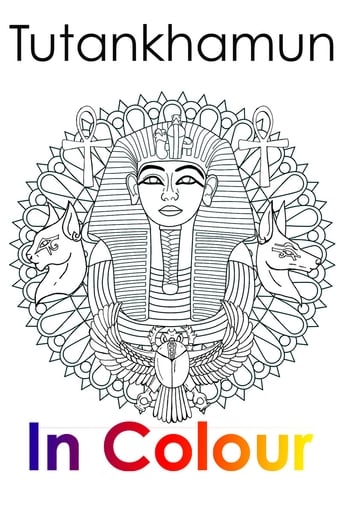
This special takes a 21st century approach to ancient history, bringing together the latest scientific evidence to build the ultimate picture of King Tutankhamun.
Hundreds of frozen and starved people floating on boats in the middle of the Mediterranean Sea fleeing from the war... Familiar scenes that we are used to seeing in recent times. But the year is 1944, and the refugees are travelling from Europe to Africa. After Italian capitulation,and before the arrival of German army, 28 000 Dalmatian Croats left their home villages and towns to live for two years under the tents in the middle of Egyptian desert, in a kind of a communist model village that was formed to show the Allies how the new Yugoslavia will look like when the war ends. This is a story about them.
In this exciting documentary you'll join a small team to the Bosnian city of Visoko. They've heard of a man called Semir 'Sam' Osmanagich. He claims to have discovered huge old pyramids, a vast network of underground tunnels and an ancient tumulus. For four and a half days he guided our team around, in search of proof of his claims. The Bosnian Indiana Jones, as Osmanagich is nicknamed, promised to show our camera crew the best places. So it would be definitive once and for all that there really are pyramids in the Bosnian Visoko valley. But are there? Or is it the biggest hoax in history?
Documentary about ancient Egypt, its temples, paintings and art, and how these old treasures are being endangered by modern civilization. Also shown are the Nile river, the Luxor and Karnak temples, the Sphynx, the Great Pyramids of Giza, the river path to the Land of the Dead, the pharaohs and queens' tombs, as well as egyptologysts' interpretation of Ancient Egypt mysteries.
Egyptian archaeologists dig into history, discovering tombs and artifacts over 4,000 years old as they search for a buried pyramid in this documentary.
Doaa el-Adl, the first woman to be awarded the esteemed Journalistic Distinction in Caricature, serves as a catalyst for transformation within the predominantly male-dominated realm of Egyptian political cartoonists. Challenging patriarchal norms, she routinely confronts censorship, harassment, and even threats to her life. In a remarkable fusion of documentary, cartoons, and animation, Egyptian director Nada Riyadh breathes life into el-Adl's most renowned works. This dynamic and fearless presentation delves into the issue of violence against women, stretching the boundaries of freedom of speech in a society often characterized by restrictions. Through her exceptional talent, el-Adl not only champions women's rights but also serves as an inspiration for societal change.
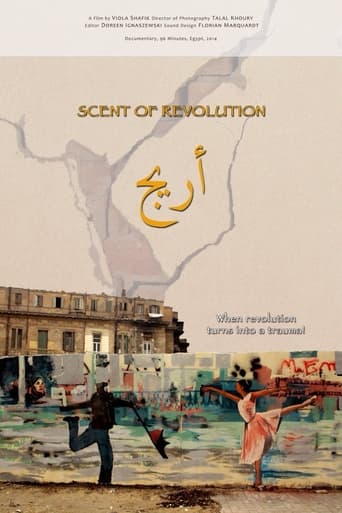
This documentary focuses on a group of women artists, photographers, musicians and actresses who express their hopes in the Arab Spring of 2011 through their crafts. Not only do we get a look at modern day Cairo, Egypt, we also examine the challenges women face there.