Social & External
Each day after work, Carlos, a language school teacher, frequents the heady surroundings of his local cruising ground. One evening he encounters a teenage boy from his class named Toni, and the two engage in a brief sexual tryst. As the relationship between teacher and student begins to develop, some dark truths emerge about the young man and his mysterious group of friends.
In Le Granier, the earth is living, is suffering and is full of history. The still camera shows a tired mountain which seems to hide a sacred secret. These telluric landscapes transfigured by Fouchard's manipulations on the image (animation techniques, toning, etc.) of a great plasticity, tell the history of this mountain populated with incantations, and its belonging to this wild nature.
A short film recounting the travels of a lonely astronaut confronted by the unknown. Unfolding as a mystery, it becomes a carefully subtle, autobiographical examination of the feeling of loneliness and the existential issue of not understanding life on earth and ones place among it.
A documentary portrait of Utopia, loosely framed by Plato’s invocation of the lost continent of Atlantis in 360 BC and its re-resurrection via a 1970s science fiction pulp novel.
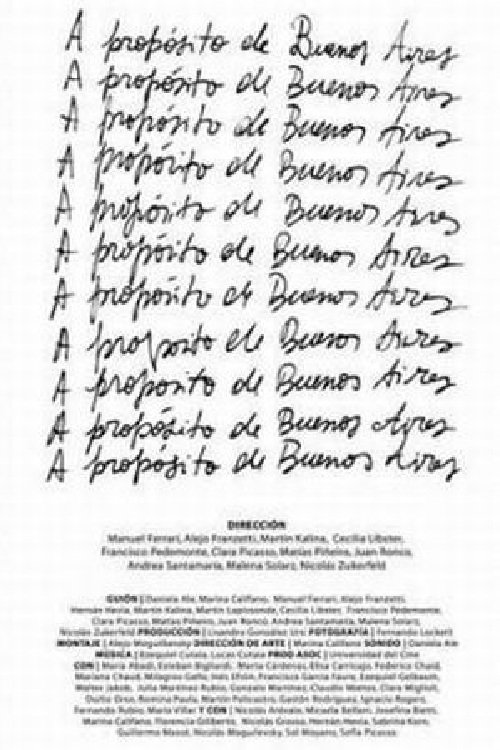
Eleven young film-makers got together to collaborate in this atypical project. Atypical not only because of its technical specs, but because of its narrative structure. There are several scenes with only the city in common, and more as a conceptual presence at that than as a precise geography. None of those scenes contains a single "story": Each one of them is part of a larger situation that we cannot see, as though the beginning and end of each "story" had to be filled in by the audience.
Cooper is given a decision that could help him finally make a difference or get him killed.
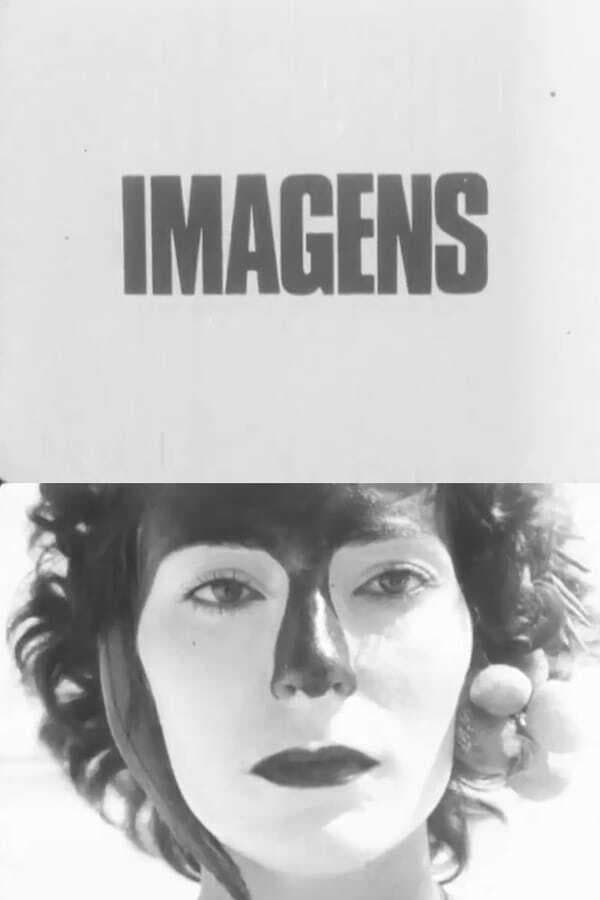
Without any sounds, dialogues and with unknown actors, the images are the focus of this film. Images that want to awake, to question determinant moments, state of a system's languages, the morality of deaths, the immobility, the silence, among other subjects. Shot at the height of the Brazilian military dictatorship, it is an affront to the most diverse types of repression in that period.
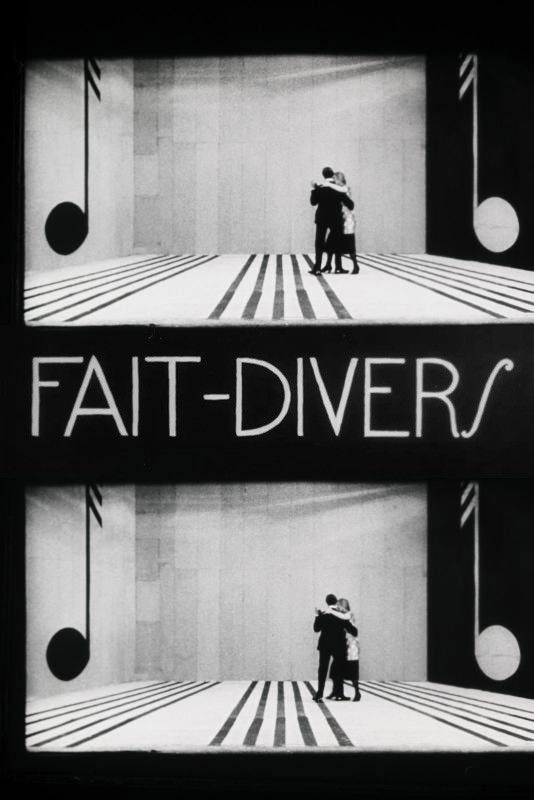
An experimental short from 1923 France which offers silent narrative in diverse, optical multi-exposures and severe close-ups offering dense montages which create psychological constructs that unfold a Parisian love affair which turns into a threesome of great emotion and consequences. Also notable for using Antonin Artaud as the male lead.
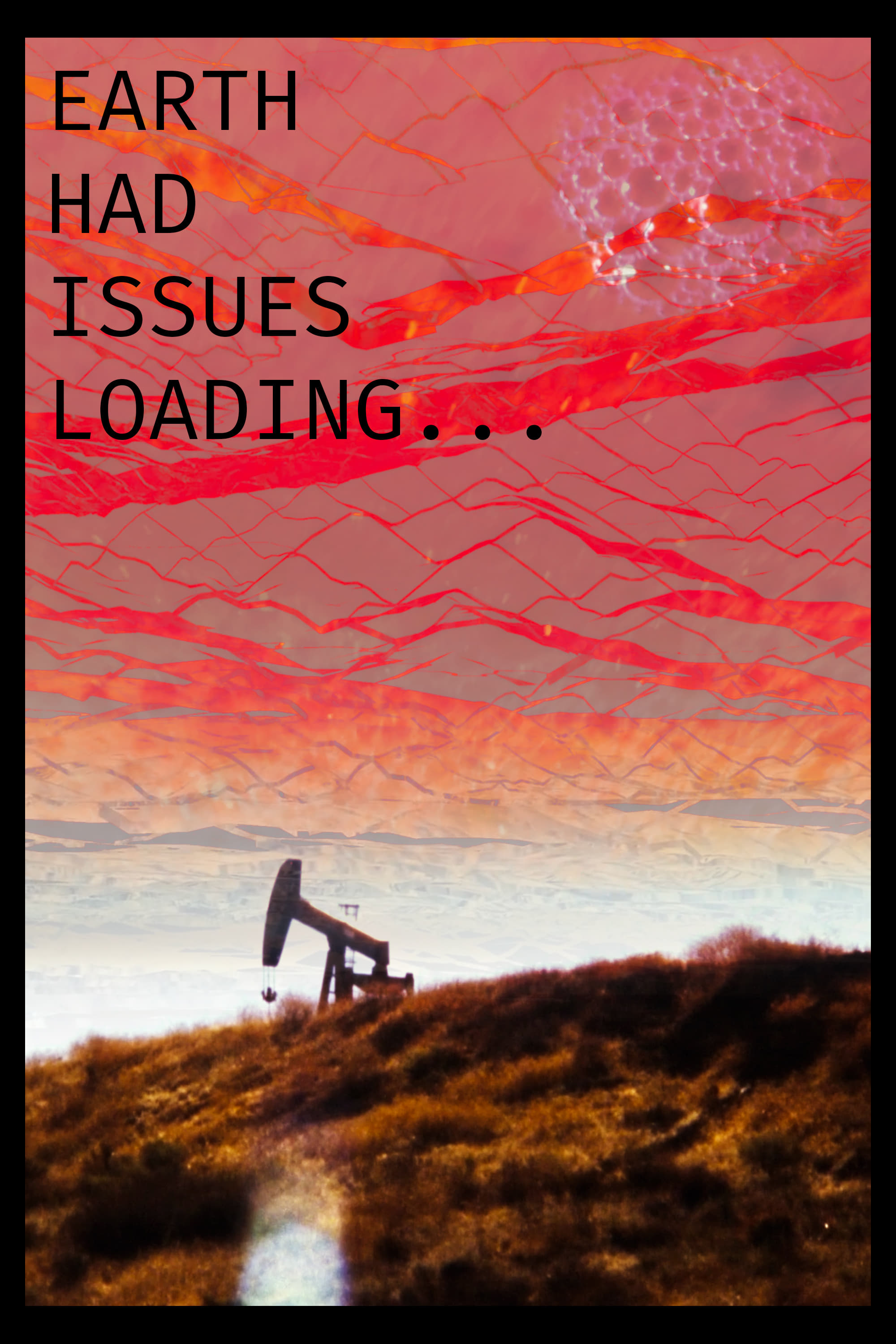
A meditation on the relationship between humans, nature, and technology.
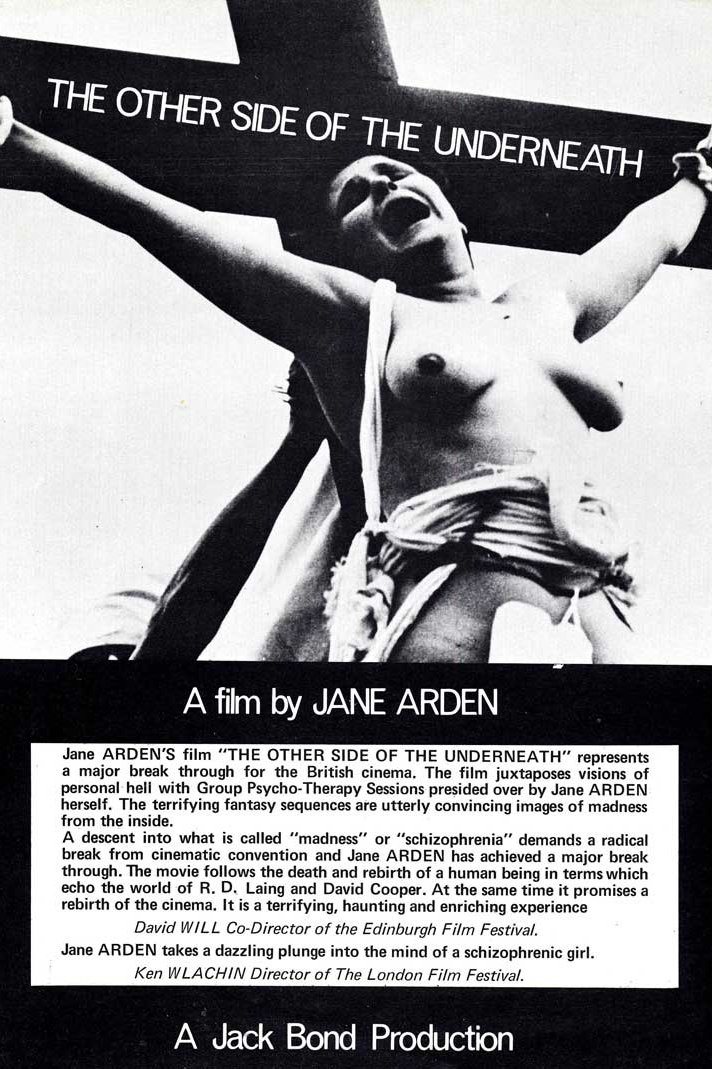
A therapist looks into the mind of a woman diagnosed as schizophrenic and finds, not madness, but tortured sexual guilt created by the taboos of society.
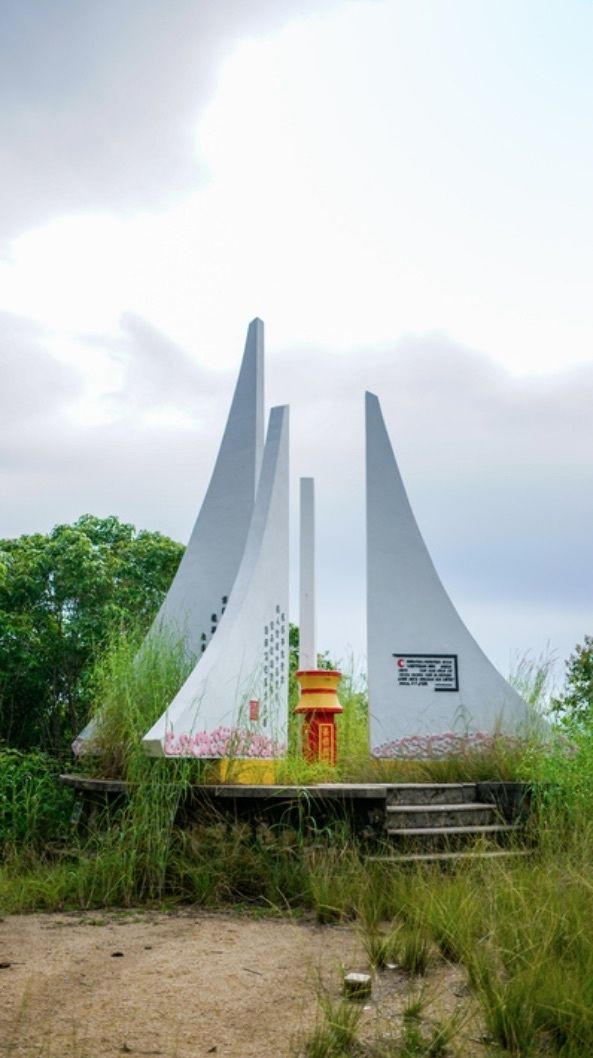
The Island is a short film shot entirely on Pulau Bidong, an island off the coast of Malaysia that became the largest and longest-operating refugee camp after the Vietnam War. The artist and his family were some of the 250,000 people who inhabited the tiny island between 1978 and 1991; it was once one of the most densely populated places in the world. After the United Nations High Commissioner for Refugees shuttered the camp in 1991, Pulau Bidong became overgrown by jungle, filled with crumbling monuments and relics. The film takes place in a dystopian future in which the last man on earth - having escaped forced repatriation to Vietnam - finds a United Nations scientists who has washed ashore after teh world’s last nuclear battle. By weaving together footage from Bidong’s past with a narrative set in its future, Nguyen questions the individual’s relationship to history, trauma, nationhood, and displacement.
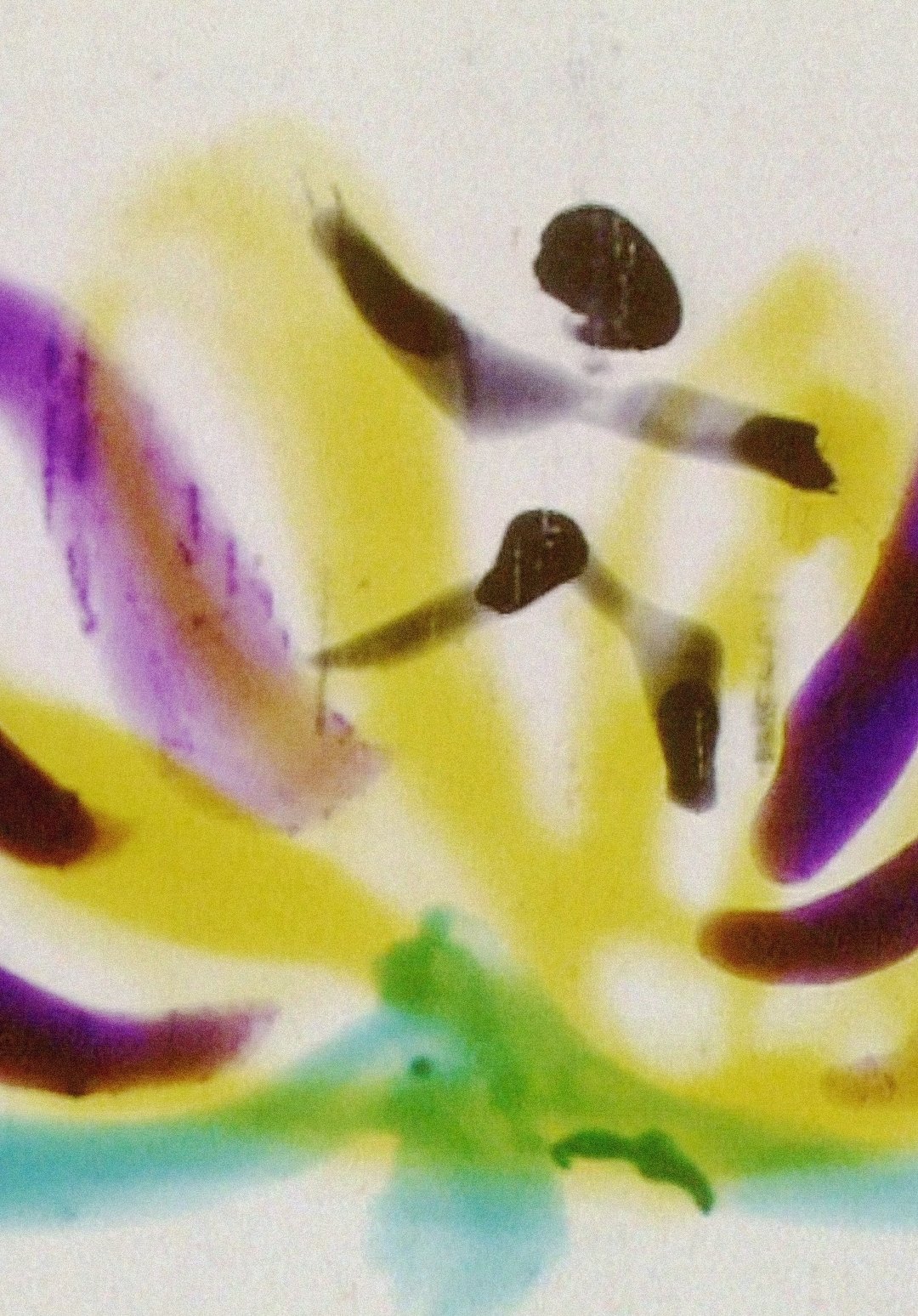
Hand painted directly onto film stock by Margaret Tait, this film features animated dancing figures, accompanied by authentic calypso music.
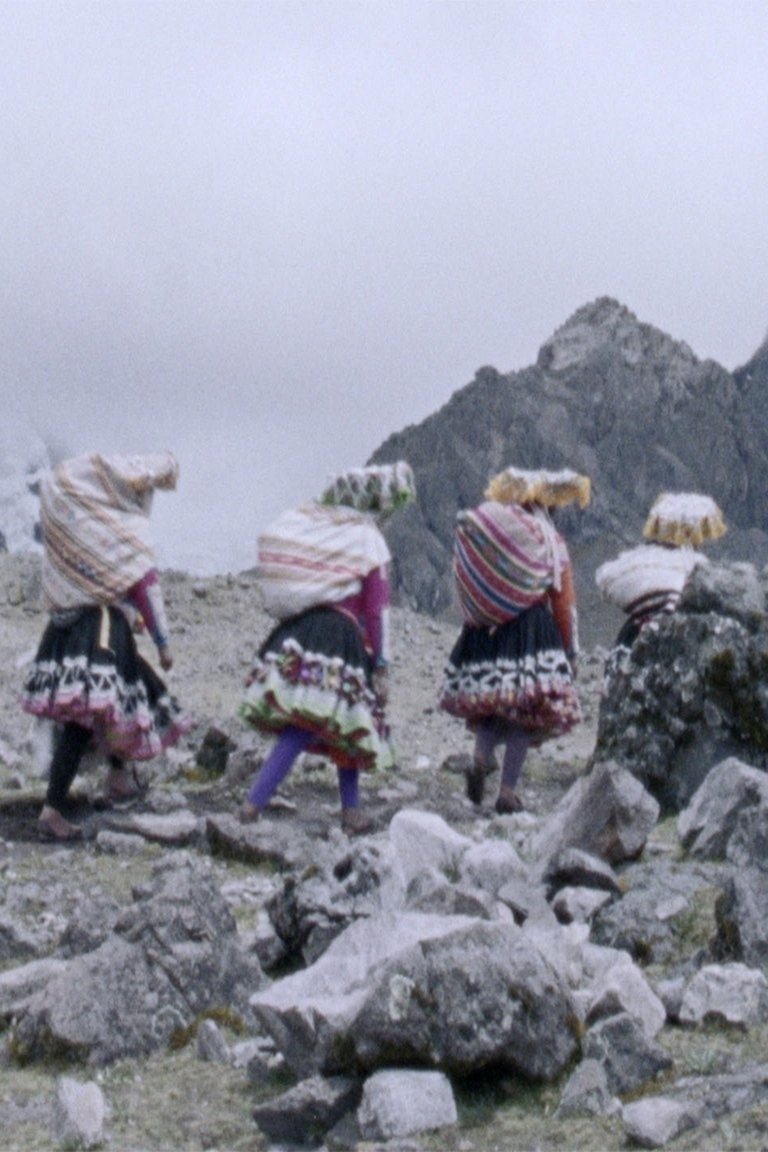
Aggregate States of Matters highlights the ambiguous relationship between humans and nature. For her new 35mm film shot in Peru, Rosa Barba worked with communities that are affected by the melting of a glacier and geological time becoming exposed. Barba shows the slow disappearance of the glacier and the perception of this fact within the Quechuan population in the Andes. While exploring different local myths, she outlines the possibility of translating ancient knowledge into the present time.
An average working man who is alone in a world of deception finds himself in a marriage of convenience.
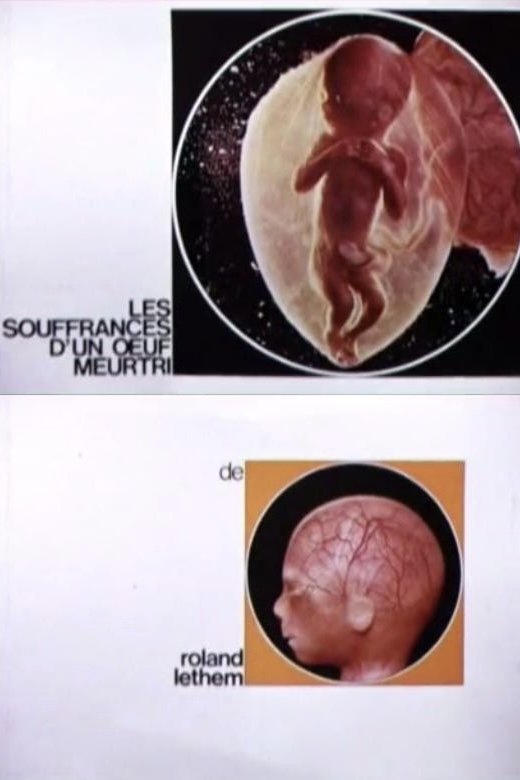
A surrealist saga in four parts: 1.) The credit sequence in which title cards show successively larger foetuses pulsating on the screen until the baby is born and cries. 2.) Etoile-directly referring to Cocteau, Lethem shows an adolescent sucking a starfish and then giving birth to a smaller starfish. A statement of inadequacy. To give birth involves an emasculation and a loss of vitality. 3.) Corps-two images of a man on a couch groping for each other, watched by a mysterious peeping Tom. As the two superimposed images come together, the heavy breathing subsides…the statement that the birth of desire is a self – realisation. 4.) Hymen – The decaying body of a girl is shot through green filters, and the final image reveals her vagina crawling with maggots and overlain with a crucifix. A representation of Catholicism preventing the free expression of desire.
The film includes sections which explore the illusion of movement within the frame, the movement created by the filming and projection equipment, of movement suggested by camera manipulation (e.g. zoom, re-focus, etc.). Structural Studies exemplified the Hein’s central project of elaborating the central process of the cinema, situating those processes equally in terms of artistic production and mechanical reproduction.
An experiment in visual perception in which a witch becomes a girl, and then returns to being a witch.
An immersive work that uses skilled manipulation of the film surface and a powerful drone soundtrack to create a layered and dense universe of controlled chaos. In about eighteen minutes we experience life to the fullest, from birth to death and eternity.