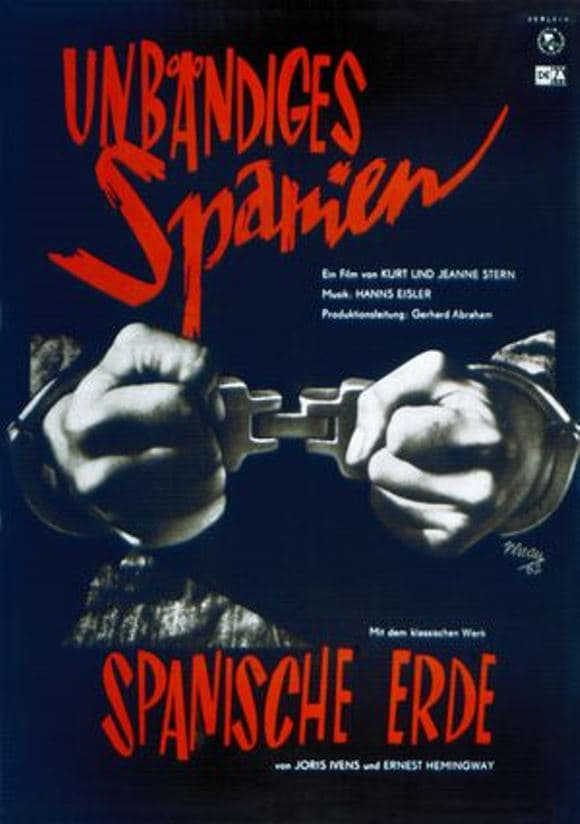
Documentary film about the Spanish Civil War.
Social & External
The people behind it
Norbert Christian
Narrator (voice)
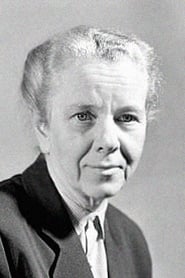
Mathilde Danegger
Manfred Krug
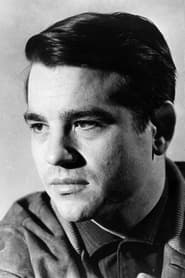
Ekkehard Schall
Hilmar Thate
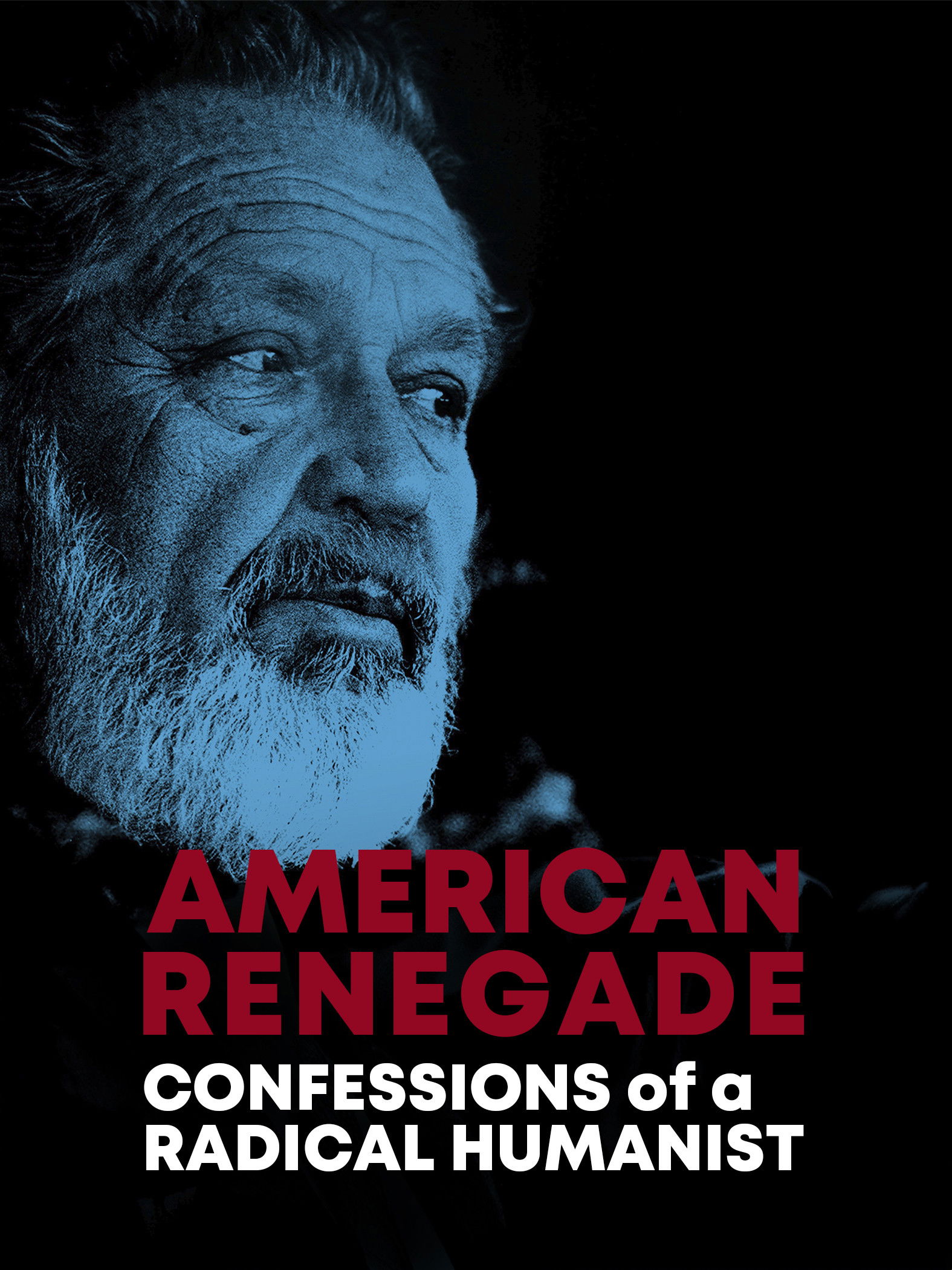
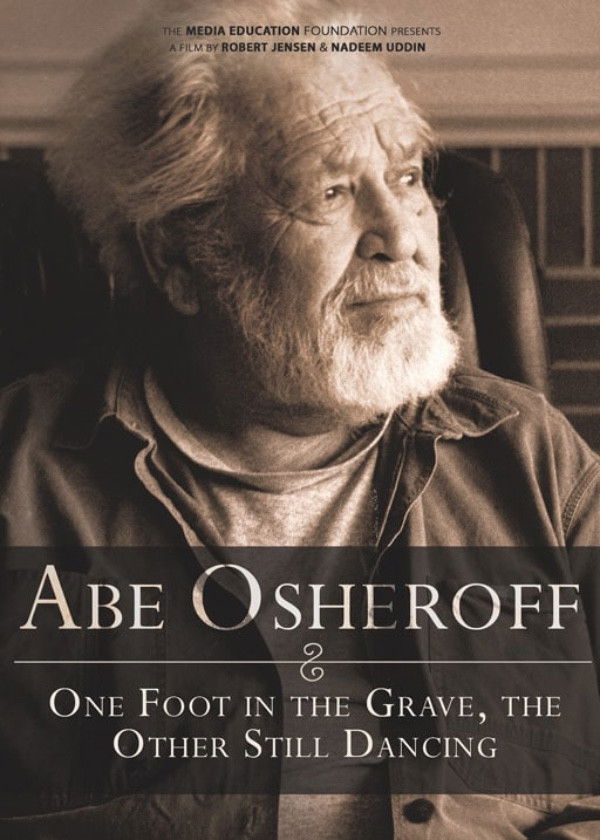
Activist, lover, visionary, renegade - For 75 years, Abe Osheroff fought on the front lines of social activism - from the battlefields of the Spanish Civil War to the killing fields of Nicaragua; from the witch hunts of McCarthy to the sharecroppers of Mississippi to streets all across the United States, Osheroff put his life on the line to keep justice alive. Through the unflinching lens of this documentary feature, this master storyteller takes us on an insightful journey inside the defining conflicts of 20th Century activism with irreverent humor and unwavering commitment to a lifetime of engagement. Osheroff's confessions strike a resounding chord in today's world with a singular voice that never stopped chanting "yes we can!"
Most people knew Abe Osheroff as an activist. For most of his 92 years - from the frontlines of the Spanish Civil War to the picket lines of the U.S. labor movement, from the struggles for civil rights in Mississippi to his work for human rights in Nicaragua - Osheroff threw himself into the fray with rare energy and enthusiasm. In this riveting and inspiring new film, Osheroff reflects on the meaning of his activism, exploring the ideas that animated his actions and sharing wisdom built up over a lifetime of commitment to the "radical humanism" that defined his politics and philosophy.
The amazing story of Cifesa, a mythical film production company founded in Valencia by the Casanova family that managed to dominate the box office during the turbulent times of the Second Spanish Republic, the carnage of the Civil War and the hardships of the long post-war period and Franco's dictatorship — and survive until the sixties, when Spain was timidly beginning to change.
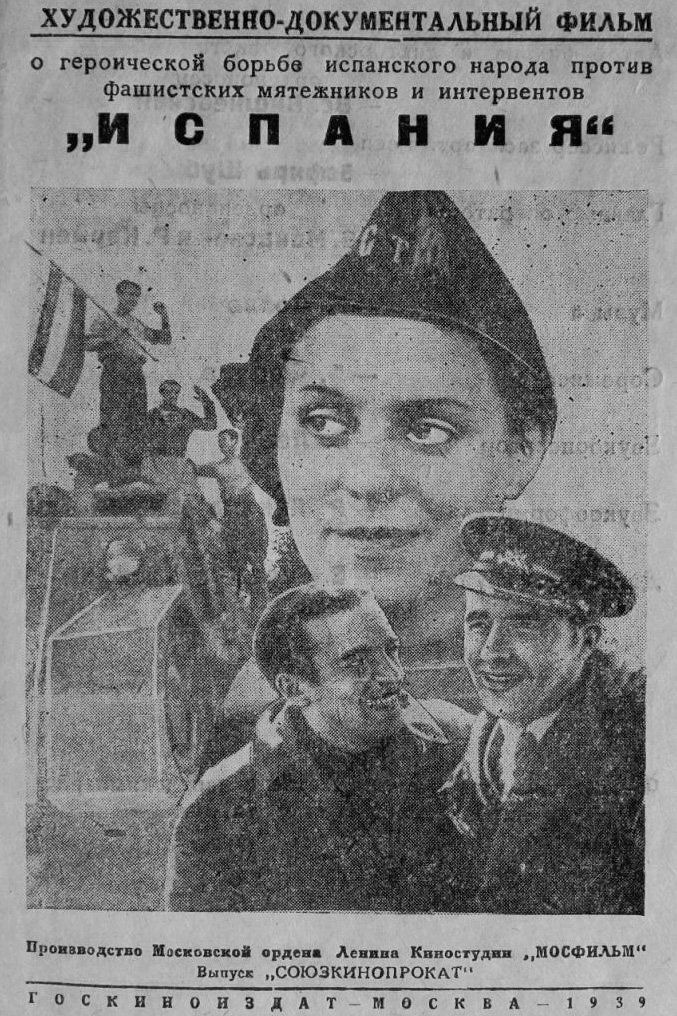
A feature-length documentary based on film reports from the Spanish civil war.
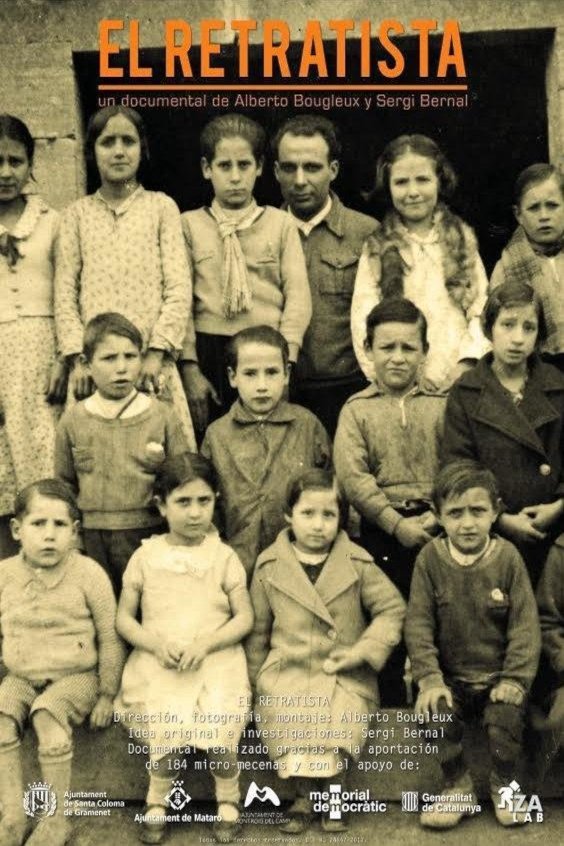
During the 30s, the young Catalan teacher Antoni Benaiges takes office at a rural school in northern Spain. Antoni has a simple project: he wants to teach his pupils to write and to be free through the use of the printing press. But his dream ends very soon. An individual and collective story in memory of the victims of the Franco's repression.
Heart of the Generacion 27, Spanish poet Emilio Prados recalls his lifetime from Mexican exile where Spanish Civil War has forced him, as other Spanish intellectuals in 1930s.
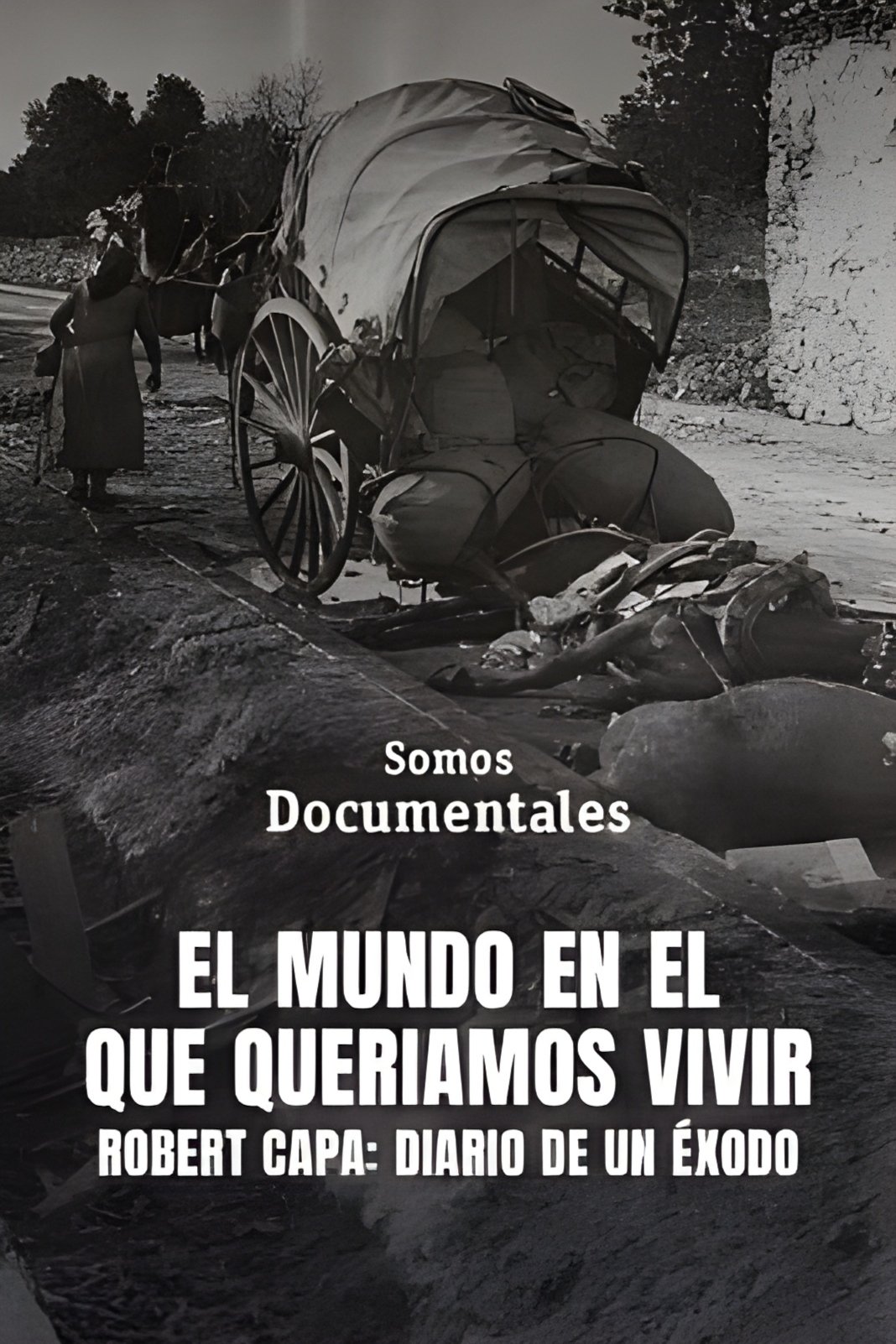
Analysis of Robert Capa's professional career and the historical impact of his visual treatment of the Spanish Civil War.
A missing submarine in Spanish Civil War leads to the first German Navy operation before WW2. Republican submarine C-3 was the victim of international secrecy and intrigues, after a torpedo from U-34 sunk it on December 12th 1936.
Documentary produced by Falange and edited in Berlin, in response to the international success of the Republican production "Spain 1936" (Le Chanois, 1937).
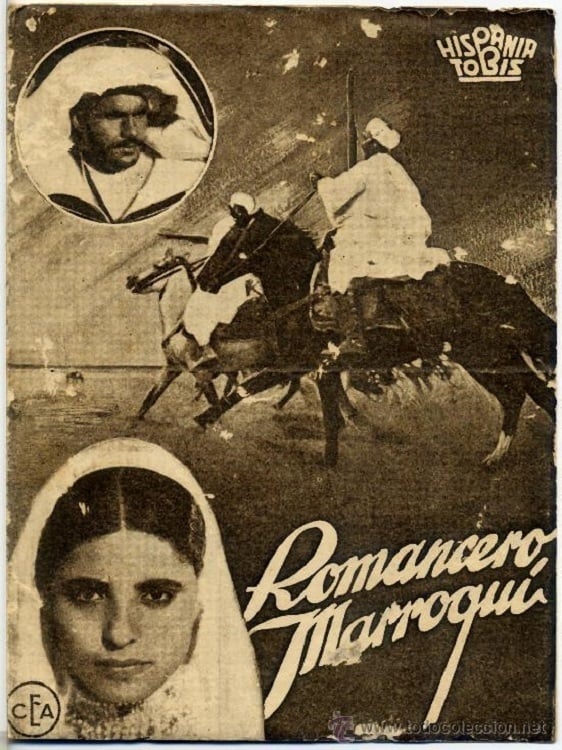
The young farmer Aalami leaves his family to find work elsewhere. He gets to know the country and its people, customs and traditions at Küste in North Africa: Market life in Tetuan, the art of craftsmanship, the life of the Moors, dances and festivities in honour of the caliph, white mosques, the call of the muezzin of the minaret and the music of the shepherd flutes. Aalami also follows Franco's call and flies from Morocco to Spain to fight at Bürgerkrieg. In the end Aalami comes back to his wife and children.
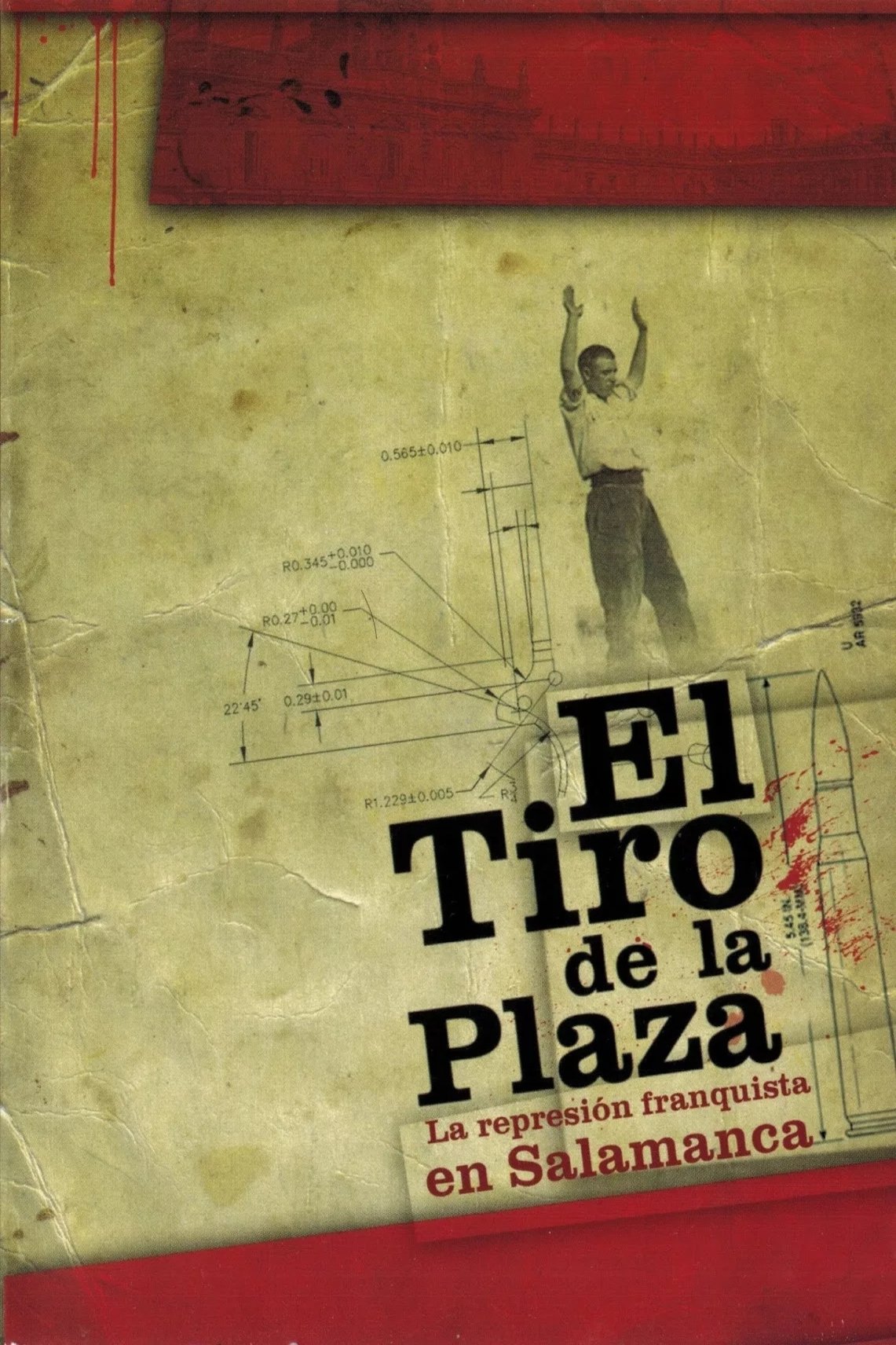
Documentary that narrates a key moment in our history: the Franco coup d'état, the cruel repression that was carried out and the attempts at resistance in the Charra province. Many people are convinced that Salamanca surrendered with open arms to the coup plotters; However, nothing could be further from the truth. In Salamanca there was repression and there were attempts at resistance; There were arrests and there were tortures, there were shootings and there were disappearances. In Salamanca there was also harsh repression that manifested itself in all its forms.
At the start of 1939 an exodus of nearly 500,000 Spanish Republicans, soldiers and civilians together, fleeing Franco's troops crossed the border to France. Louis Llech, a Perpignan based shopkeeper and enlightened amateur cineaste, owned a 16mm camera. Together with his friend Isambert, he filmed this extraordinary migration. Fascinated by the military aspect of this Retirada, he favoured shots of parades, of crowds, like those showing military equipment. He nonetheless also showed civilian distress, without insisting on its picturesque aspects, focussing more on images of the uninterrupted flow of refugees.
A short film on Republican efforts to improve education standards during the Spanish Civil War.
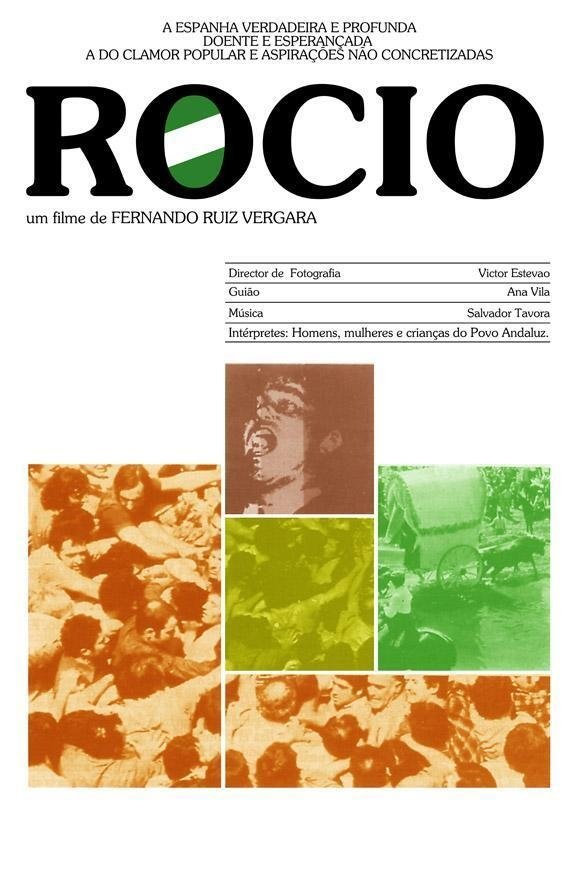
The film shows the genesis of the El Rocío pilgrimage and unveils the economic, socio-political and religious reasons and interests that nurture the phenomenon.
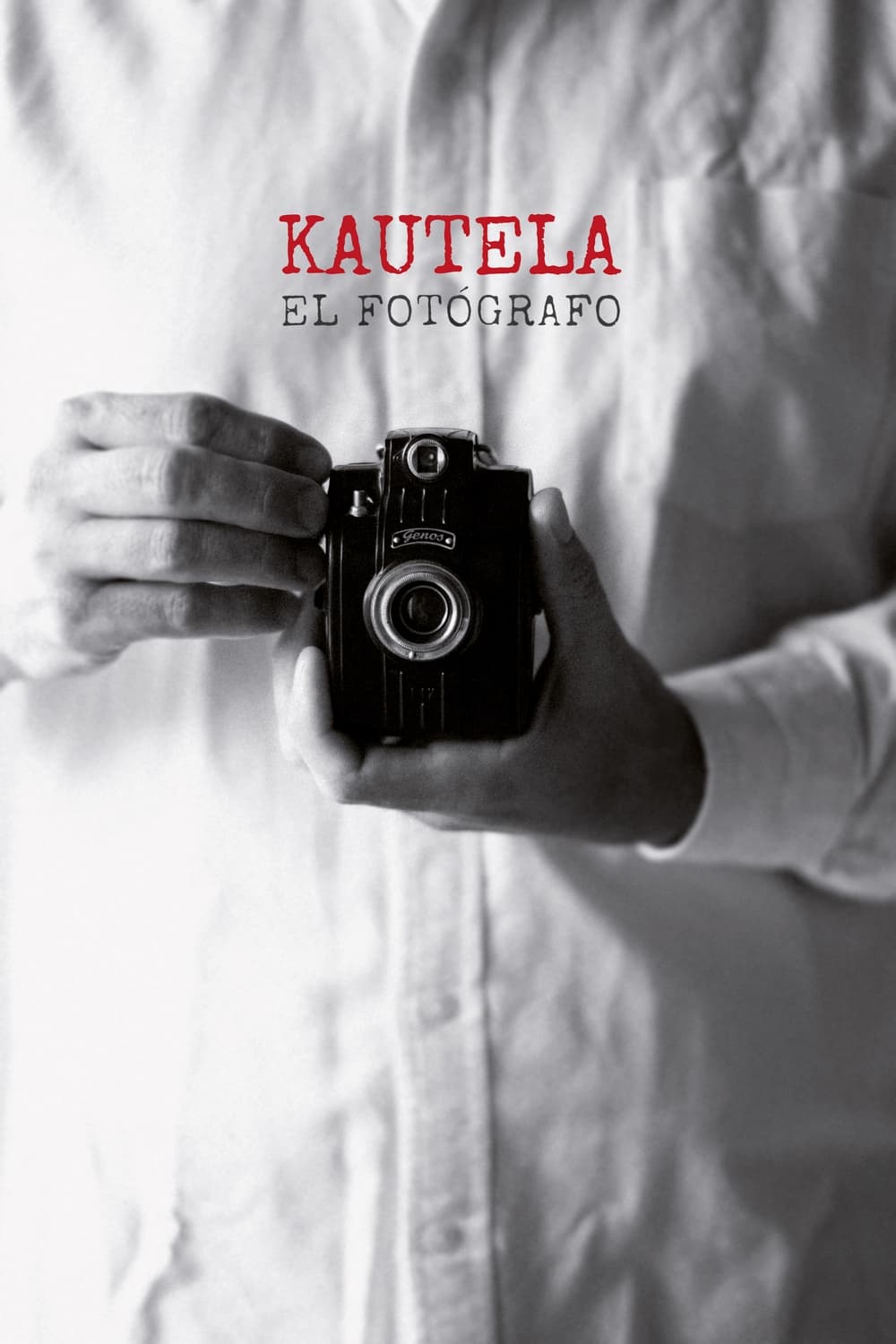
After the discovery of a suitcase hidden in the family home of Francisco Martínez Gascón, known as Kautela, a photojournalist who lived through the Spanish Civil War from the perspective of the rebel side, his granddaughter decides to carry out an investigation into his life and work.
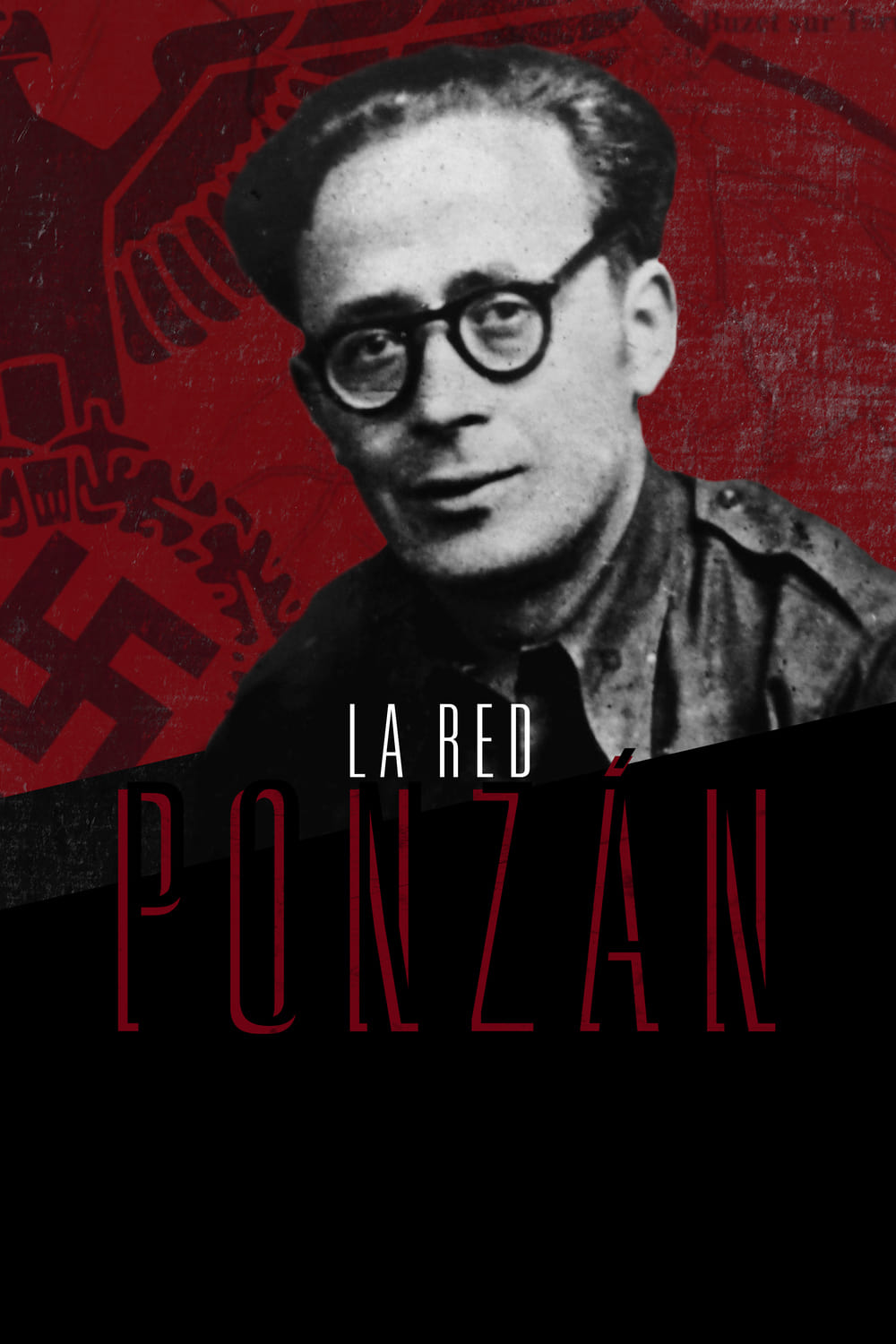
During the Spanish Civil War (1936-1939) and the Second World War (1939-1945), around three thousand people managed to elude their pursuers, and probably also avoided being killed, thanks to the heroic and very efficient efforts of the Ponzán Team, a brave group of people — mountain guides, forgers, safe house keepers and many others —, led by Francisco Ponzán Vidal, who managed to save their lives, both on one side and the other of the border between Spain and France.
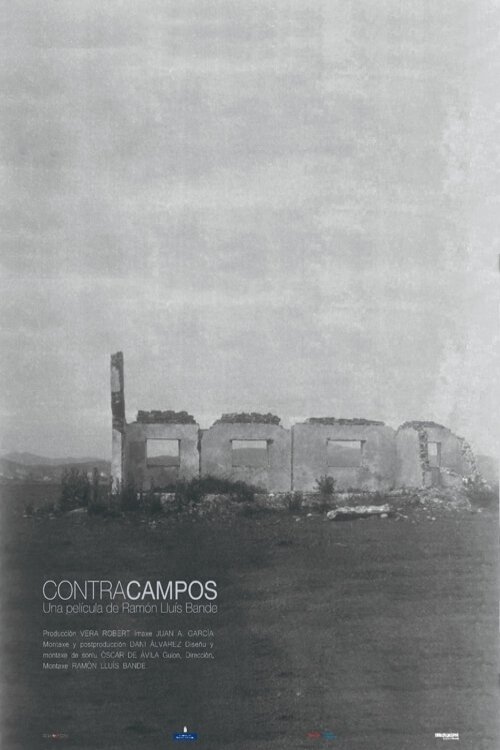
Contracampos is the attempt to (re)build a landscape. A recreational area and a shooting range in the west of Asturies, which, between 1937 and 1943, housed a Francoist concentration camp through which thousands of Republicans passed – firstly militiamen, later guerrillas and their relatives. Sharing a leisurely observation with the viewer, the film intends to resignify that space, giving it back its political meaning. But it is not a question of showing –of filming– the invisible, but rather of showing what is missing in what exists today. What was and is no longer, not even in people's memories.
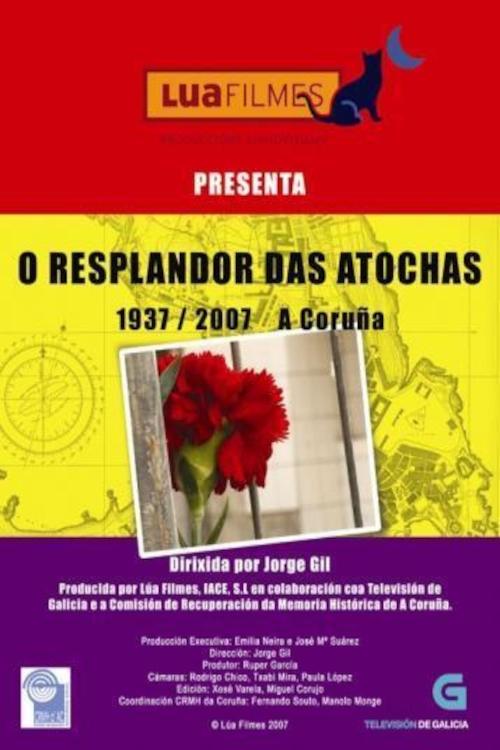
The memory of a defeat, a barbarism: the destruction at the dawn of the civil war of people who fought for freedom, a group of anarchists from A Coruña located in the Atochas area. Through valuable witnesses and historical images a reconstruction of a metaphorical episode in the history of the country. This projection is made in collaboration with its author and the Commission for the Recovery of Historical Memory.
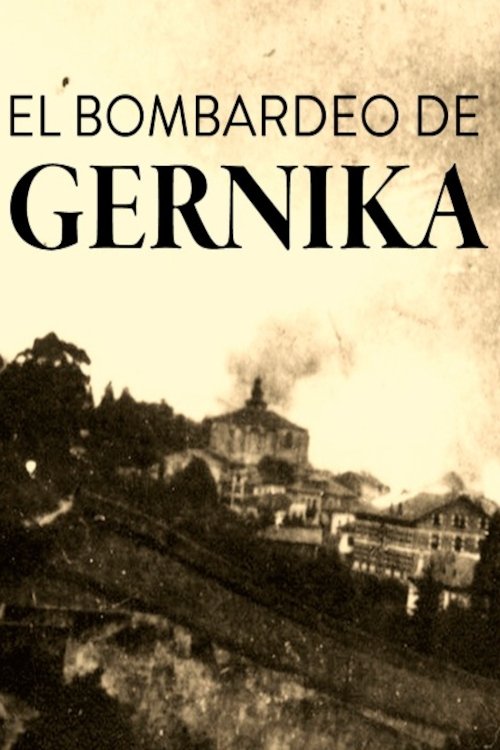
Documentary about the bombing of Gernika carried out by Nazi aviation in support of Franco's troops. Contains testimonies from survivors and unpublished color images.
A string of threatening emails escalates into a revenge plot involving a newly married US marshal and his ex-girlfriend.
In an intimate and joyful story of love in the face of loss, celebrated poets Andrea Gibson and Megan Falley find strength—and unexpected hilarity—in what might be their final year together.
An inside look at one of the most anticipated movie sequels ever with James Cameron and cast.
This revealing documentary honors the legendary Sidney Poitier—iconic actor, filmmaker, and civil rights activist. Featuring interviews with Denzel Washington, Spike Lee, Halle Berry, and more.
Ranjit, a farmer in India, takes on the fight of his life when he demands justice for his 13-year-old daughter, the victim of a brutal gang rape. His decision to support his daughter is virtually unheard of, and his journey unprecedented.
SEDUCED AND ABANDONED combines acting legend Alec Baldwin with director James Toback as they lead us on a troublesome and often hilarious journey of raising financing for their next feature film. Moving from director to financier to star actor, the two players provide us with a unique look behind the curtain at the world's biggest and most glamourous film festival, shining a light on the bitter-sweet relationship filmmakers have with Cannes and the film business. Featuring insights from directors Martin Scorsese, 'Bernando Bertolucci' and Roman Polanski; actors Ryan Gosling and Jessica Chastain and a host of film distribution luminaries.
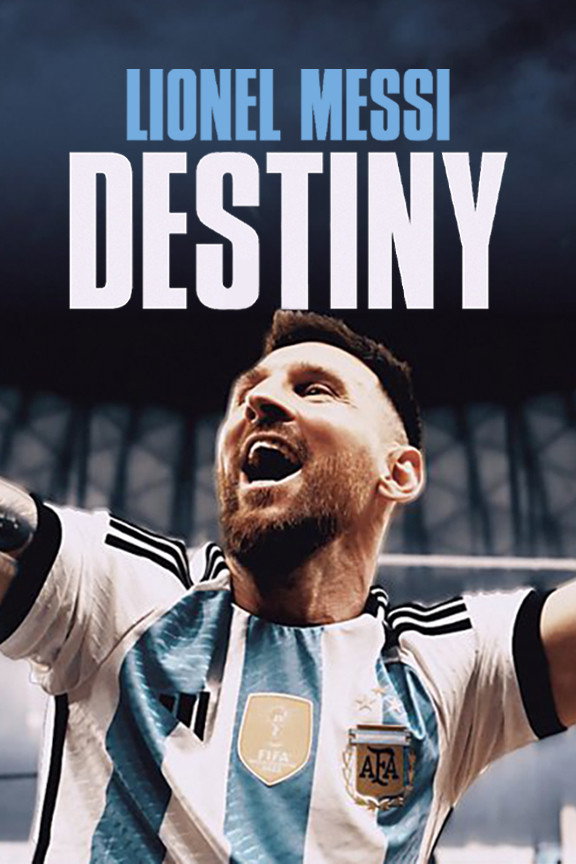
Behind-the-scenes documentary about how Lionel Messi succeeded in lifting the World Cup – the only trophy to have eluded him in an incredible career.
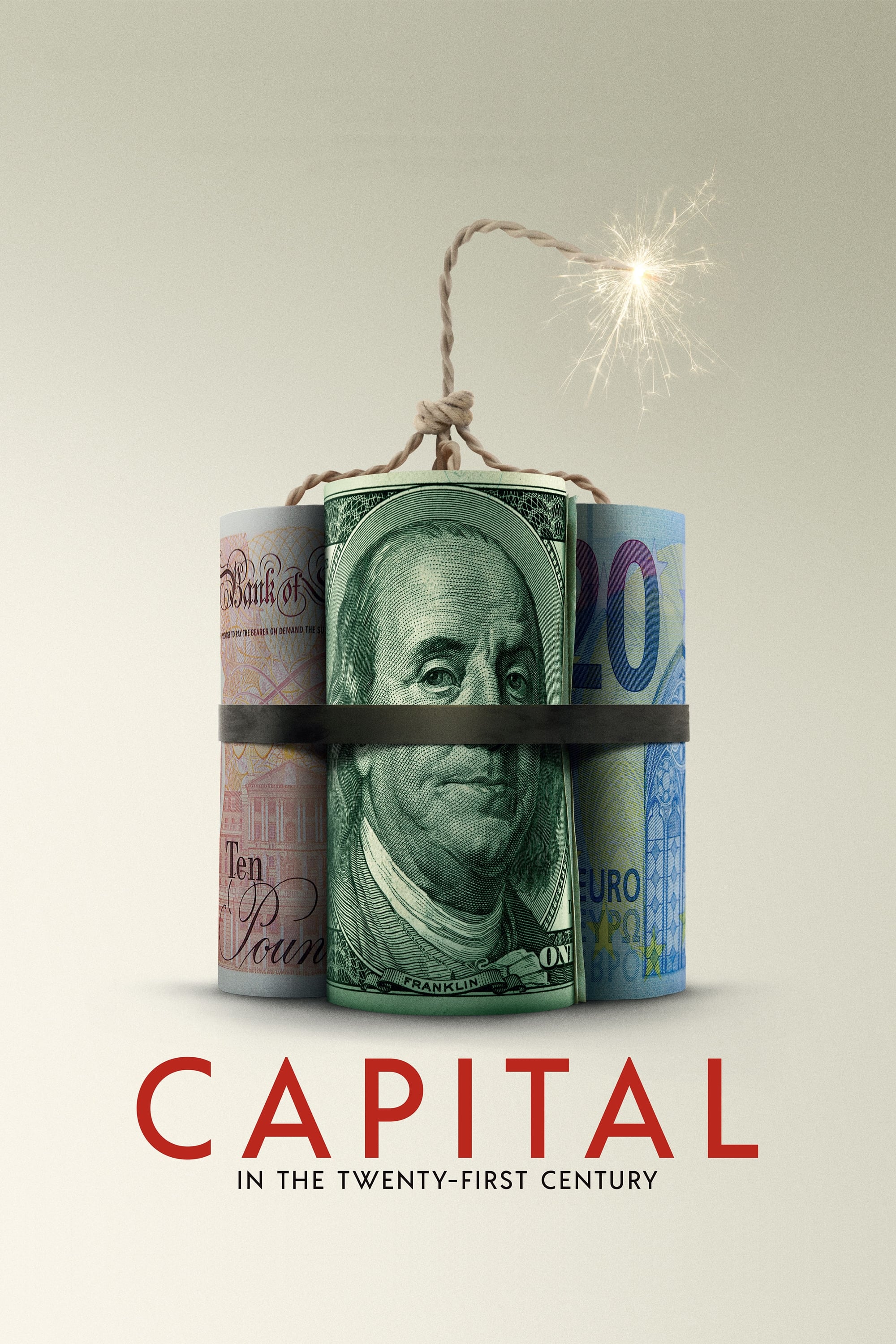
Film adaptation of French economist Thomas Piketty's ground-breaking global bestseller of the same name: an eye-opening journey through wealth and power.
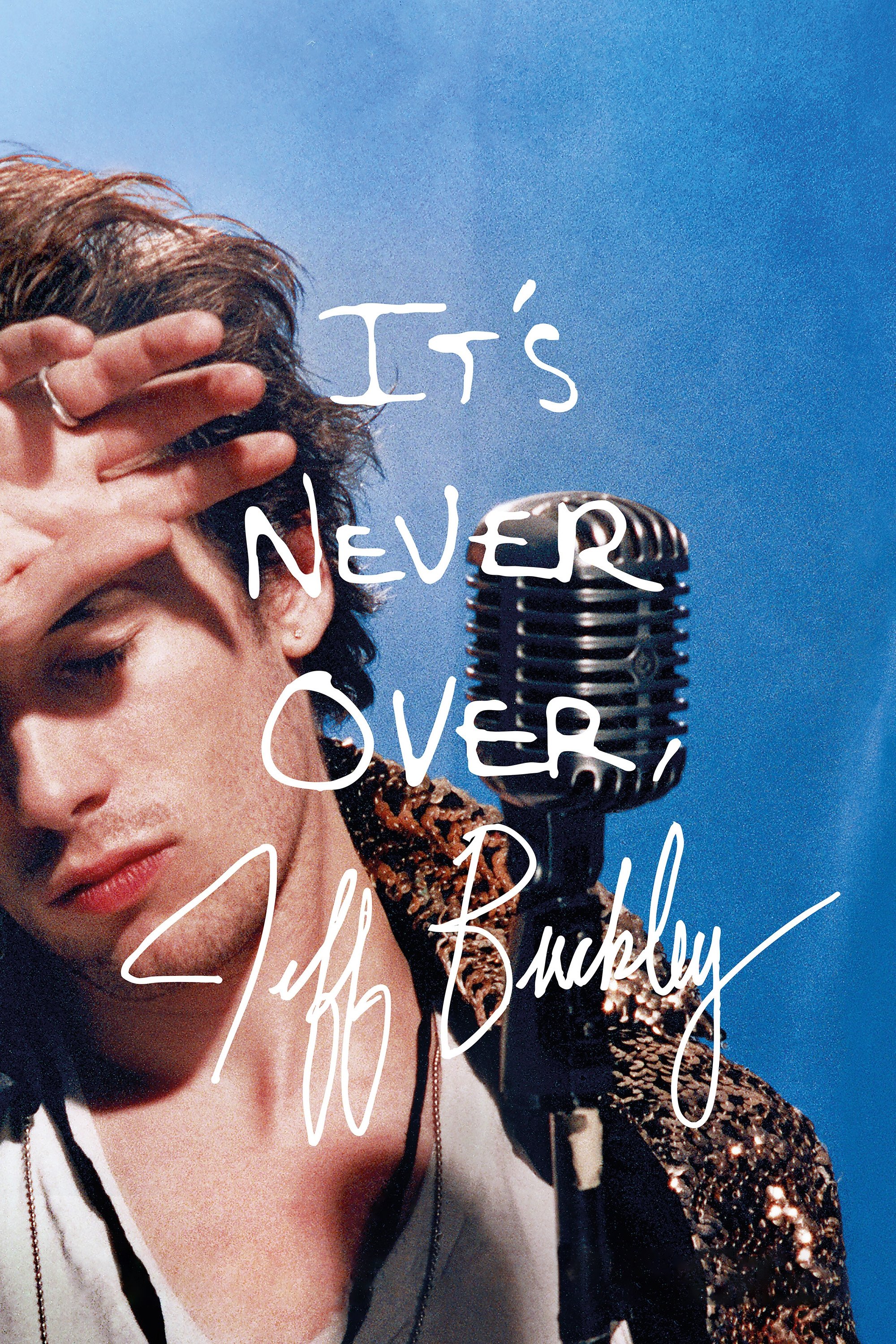
Rising musician Jeff Buckley had only released one album when he died suddenly in 1997. Now, never-before-seen footage, exclusive voice messages, and accounts from those closest to him offer a portrait of the captivating singer.
Alexander McQueen's rags-to-riches story is a modern-day fairy tale, laced with the gothic. Mirroring the savage beauty, boldness and vivacity of his design, this documentary is an intimate revelation of McQueen's own world, both tortured and inspired, which celebrates a radical and mesmerizing genius of profound influence.
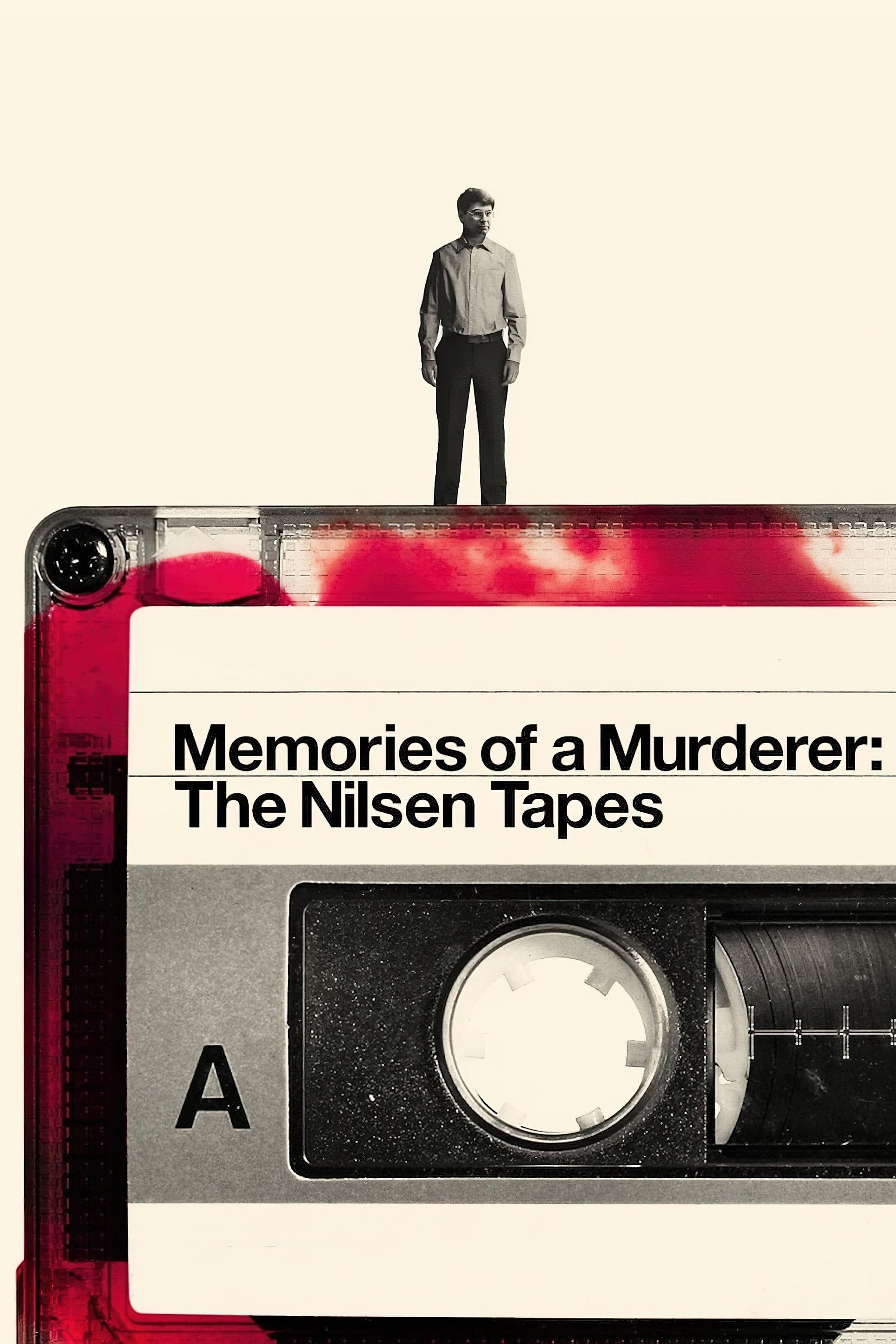
Serial killer Dennis Nilsen narrates his life and horrific crimes via a series of chilling audiotapes recorded from his jail cell.
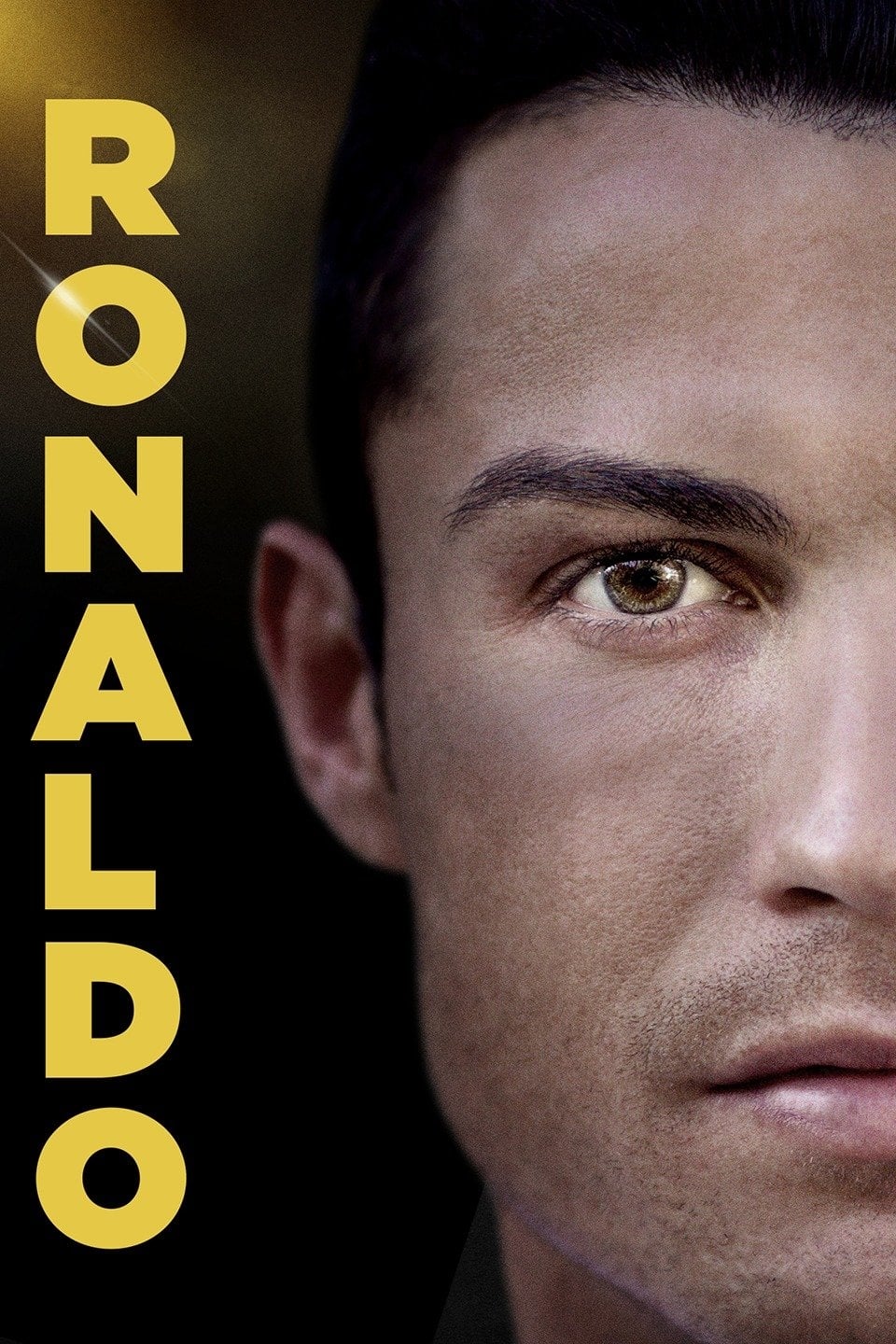
Filmed over 14 months with unprecedented access into the inner circle of the man and the sport, this is the first official and fully authorised film of one of the most celebrated figures in football. For the first time ever, the world gets vividly candid and un-paralleled, behind-closed-doors access to the footballer, father, family-man and friend in this moving & fascinating documentary. Through in-depth conversations, state of the art football footage and never before seen archival footage, the film gives an astonishing insight into the sporting and personal life of triple Ballon D'Or winner Cristiano Ronaldo at the peak of his career. From the makers of ‘Senna’ and ‘Amy’, Ronaldo takes audiences on an intimate and revealing journey of what it’s like to live as an iconic athlete in the eye of the storm.
A detailing of the rise to prominence and global sporting superstardom of six supremely talented young Manchester United football players (David Beckham, Nicky Butt, Ryan Giggs, Paul Scholes, Phil and Gary Neville). The film covers the period 1992-1999, culminating in Manchester United's European Cup triumph.
A love letter from a young mother to her daughter, the film tells the story of Waad al-Kateab’s life through five years of the uprising in Aleppo, Syria as she falls in love, gets married and gives birth to Sama, all while cataclysmic conflict rises around her. Her camera captures incredible stories of loss, laughter and survival as Waad wrestles with an impossible choice– whether or not to flee the city to protect her daughter’s life, when leaving means abandoning the struggle for freedom for which she has already sacrificed so much.
A visual montage portrait of our contemporary world dominated by globalized technology and violence.
A documentary about how a dominant cultural and demographic institution both sustains their traditional activities and adapts to the digital revolution.
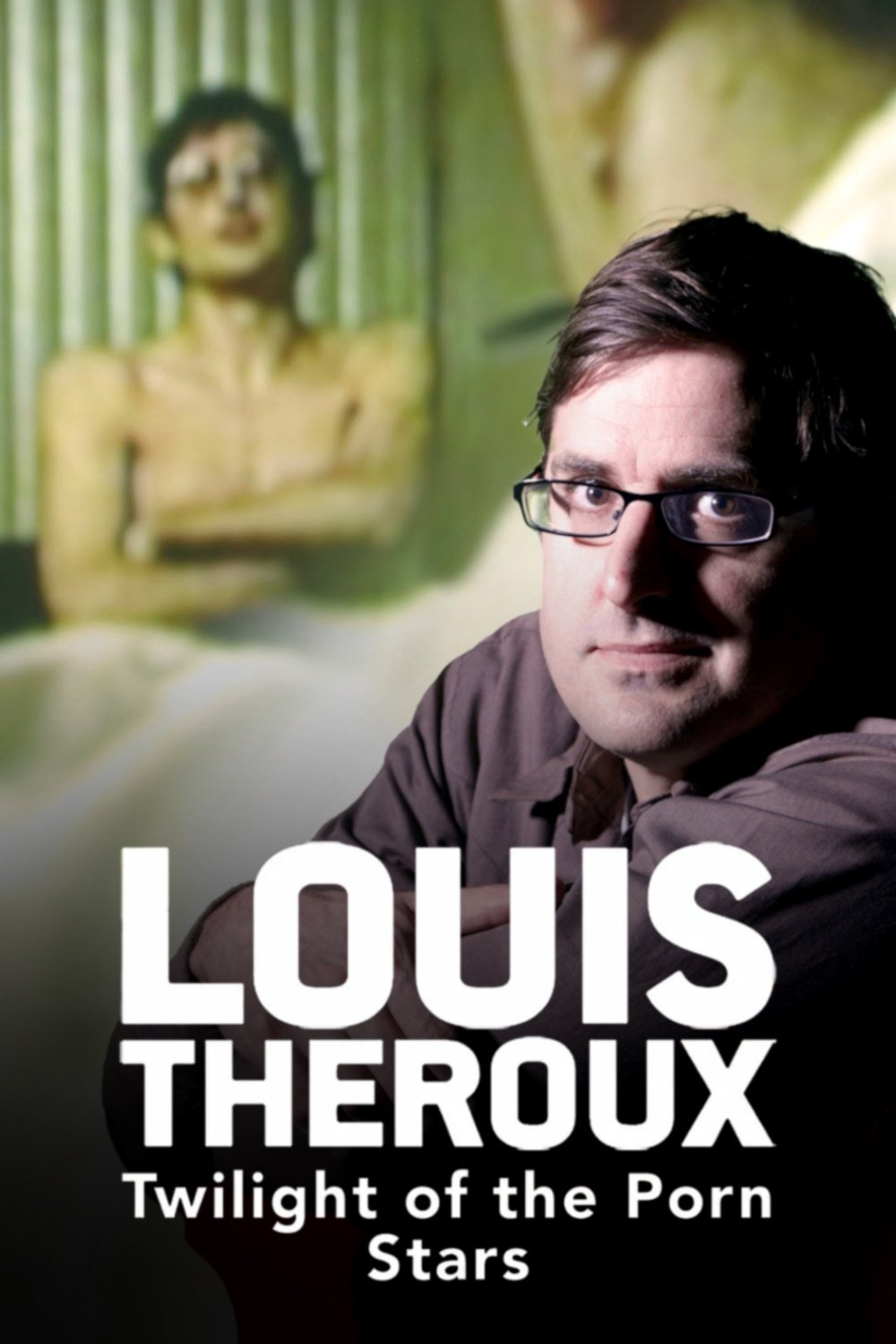
In 1997, Louis Theroux made a documentary about the world of male porn performers in Los Angeles. 15 years later, he returns to find a business struggling with the deluge of free porn on the internet. Louis revisits some of the original programme's contributors as well as meeting the latest crop of porn performers dreaming of porn stardom.
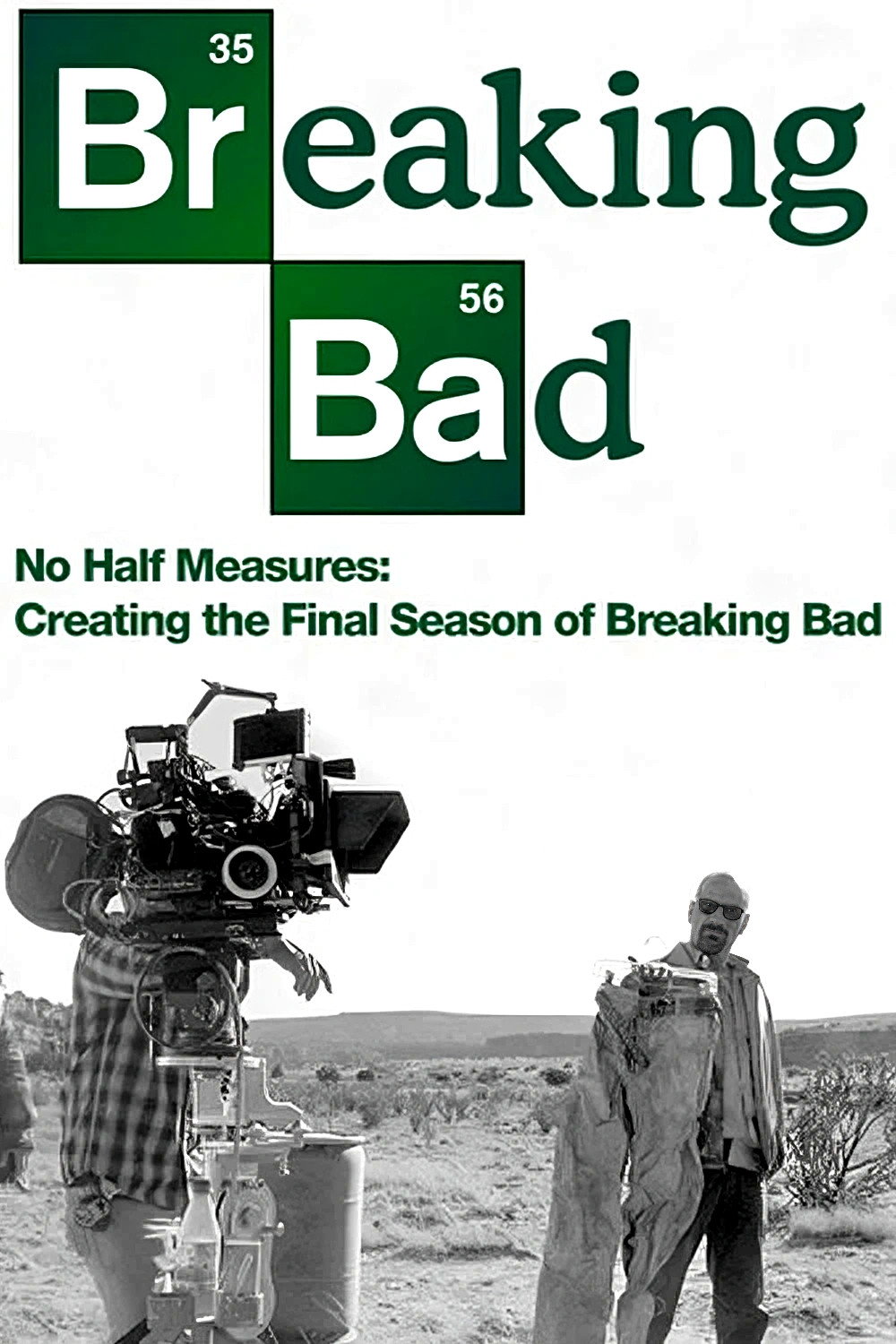
A documentary about the making of season five of the acclaimed AMC series Breaking Bad.
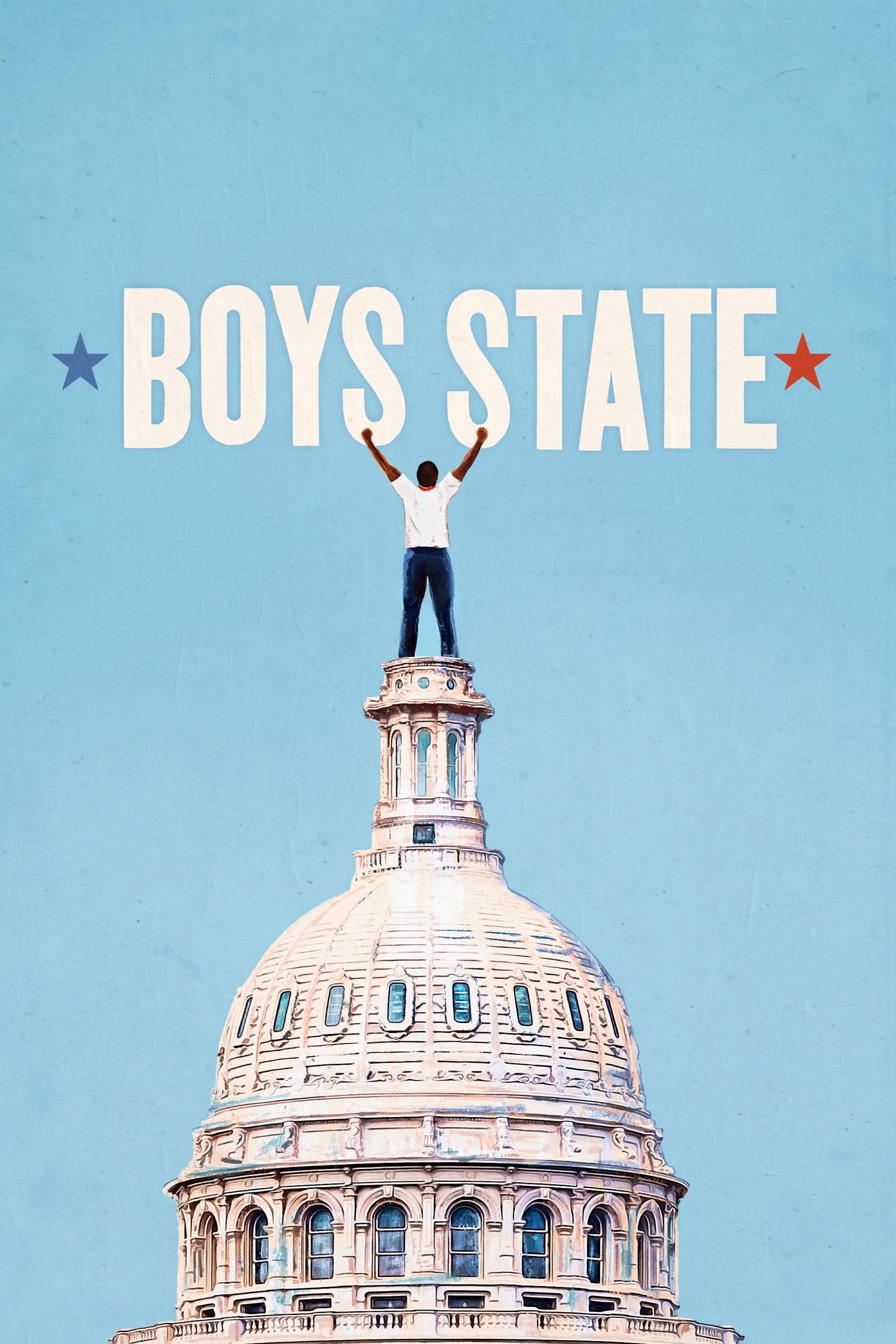
This raucous journey into the heart of democracy captures an unusual rite of passage: 1,100 teenage boys from across Texas coming together to build a representative government from the ground up.
The life and career of an actor, artist, and icon. His own journey through his own camera.