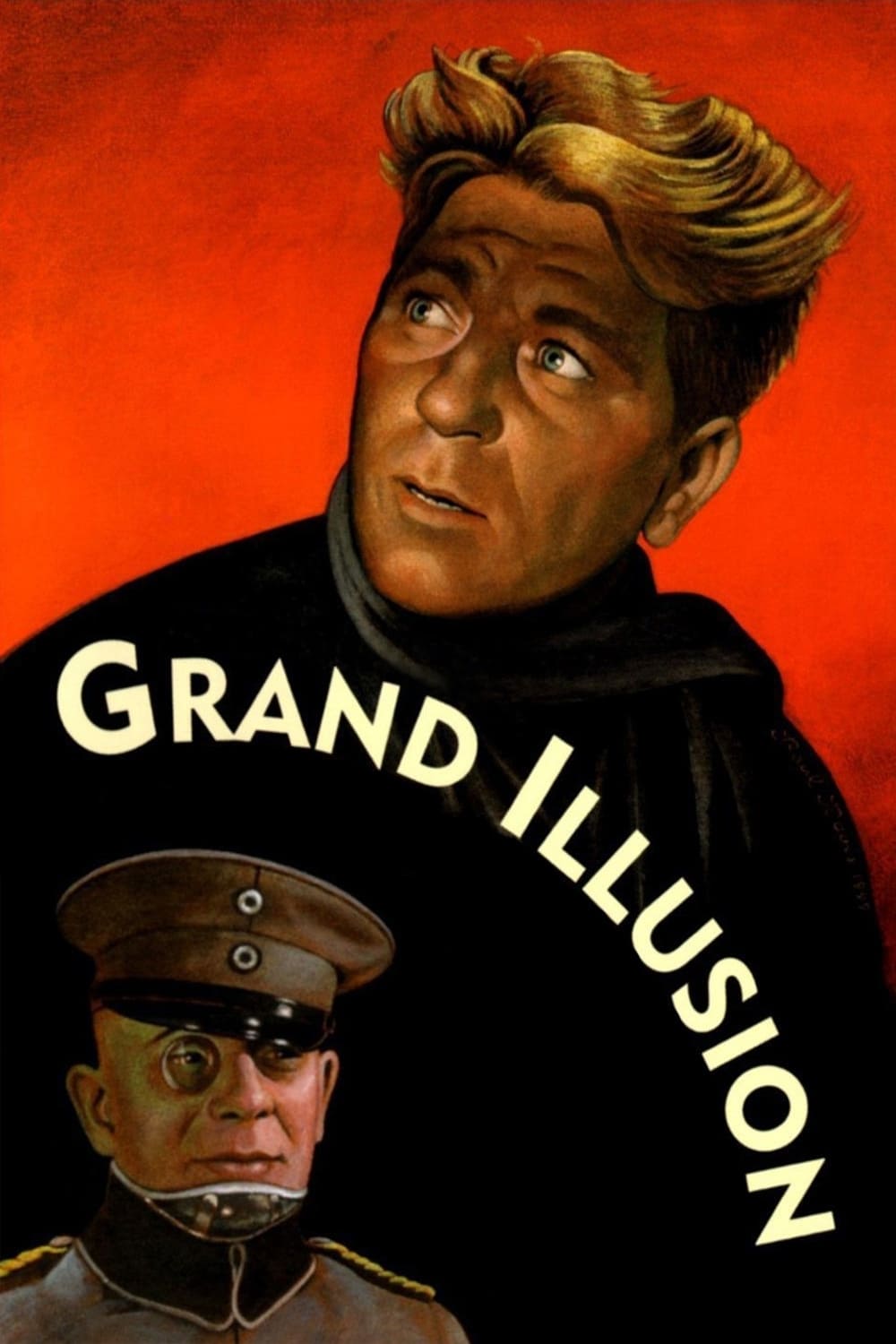
French soldiers injured in WWI are re-educated to learn new trades.
Social & External
A detailed account of one of the bloodiest battles of World War I. Between February and December 1916, the French and German armies relentlessly fought in the devastated camps around the village of Verdun.
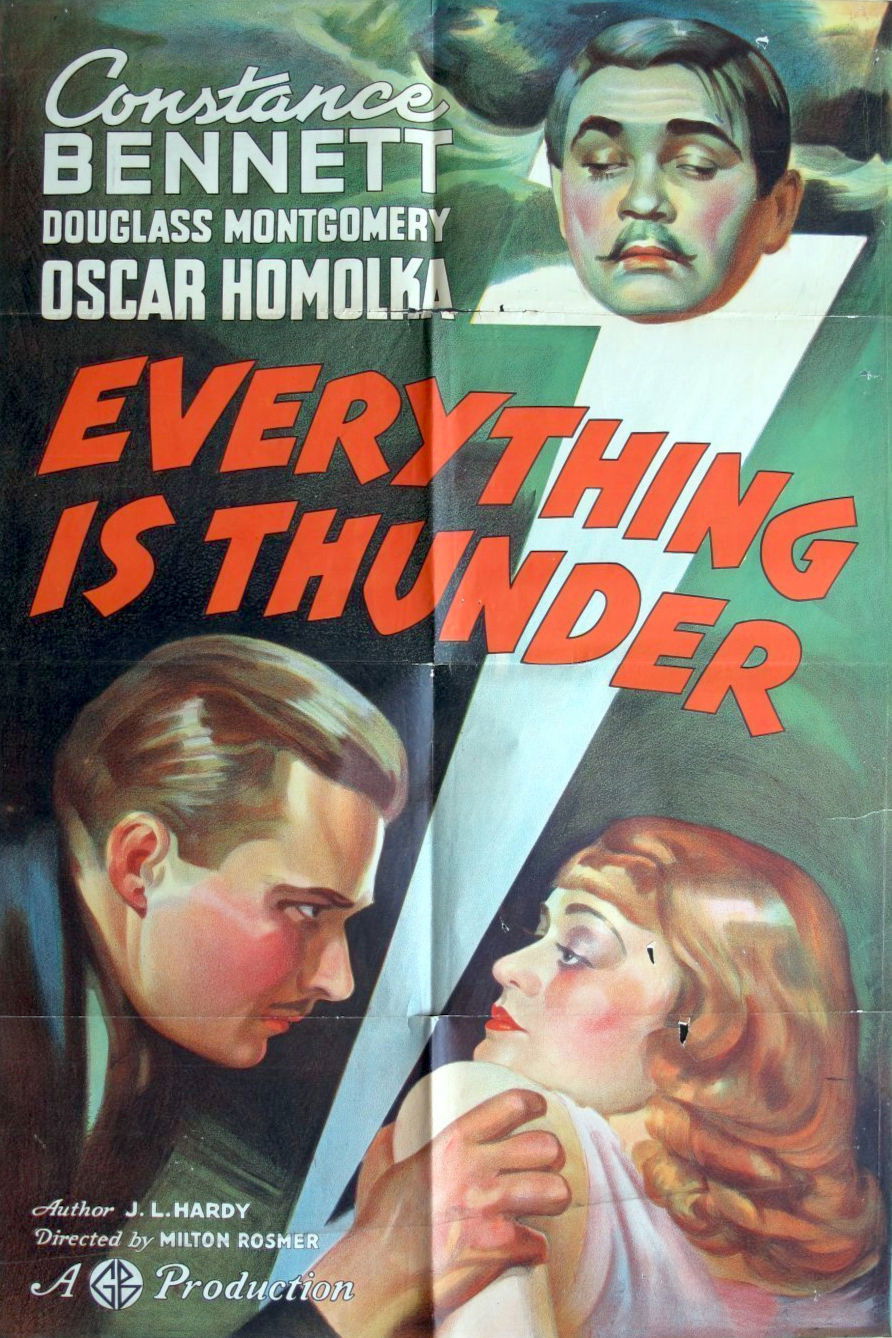
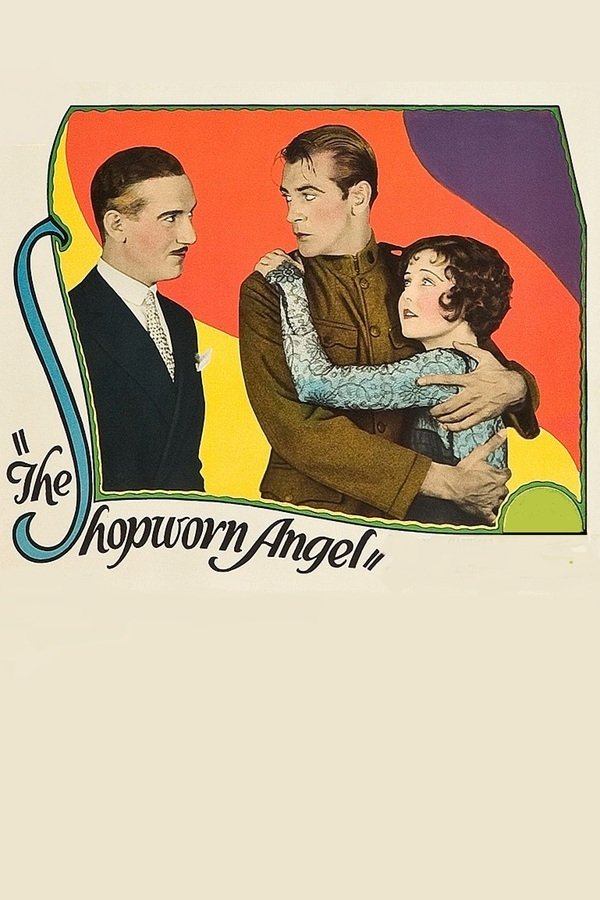
Tom Whitney, well connected but a social derelict because of his weakness for drink, is released from the draft because of an old football Injury, but a policeman persuades him that he can still do his bit in the shipyards. He takes a job in the yard owned by the man to whose daughter he was engaged in happier times. Three German propagandists seek to foment a strike to delay the work, and largely through Tom's efforts the plan goes amiss and the strike is called off. Rehabilitated by work, the launching of The Liberty is a forecast of his own rebirth.
A father and his daughter came to India as refugees post-war in their country. Few good hands help them to rebuild their lifestyle.
On 15 May, 2006, double amputee Mark Inglis reached the summit of Mt Everest. It was a remarkable achievement and Inglis was feted by press and public alike. But only a few days later he was plunged into a storm of controversy when it was learned that he had passed an incapacitated climber, Englishman David Sharp, leaving him to a lonely end high in the Death Zone.
Unassuming catering salesmen Jim Ferguson falls through a time hole to 1917 where he saves the life of dashing Royal Flying Corps pilot James "Biggles" Bigglesworth after his photo recon mission is shot down. Before he can work out what has happened, Jim is zapped back to the 1980s......
A tale of the World War I love affair, begun in Italy, between American ambulance driver Lt. Frederic Henry and British nurse Catherine Barkley. Eventually separated by Frederic's transfer, tremendous challenges and difficult decisions face each as the war rages on.
In a Belgian village during the start of World War I, the Lambert family finds themselves thrust into the heart of the conflict in The Last Front. Leonard Lambert, a devoted husband and father, grapples with protecting his family as German forces advance to their village. Amidst the war, a tender love story blossoms between Adrien Lambert, Leonard's son, and Louise Janssen, a local villager.
Destitute in a crater in the heart of no man's land, two men await their fate as soldiers and human beings amid a great war of conscience.
General Candy, who's overseeing an English squad in 1943, is a veteran leader who doesn't have the respect of the men he's training and is considered out-of-touch with what's needed to win the war. But it wasn't always this way. Flashing back to his early career in the Boer War and World War I, we see a dashing young officer whose life has been shaped by three different women, and by a lasting friendship with a German soldier.
The adventures of the Lafayette Escadrille, young Americans who volunteered for the French military before the U.S. entered World War I, and became the country's first fighter pilots.
Richthofen goes off to war like thousands of other men. As fighter pilots, they become cult heroes for the soldiers on the battlefields. Marked by sportsmanlike conduct, technical exactitude and knightly propriety, they have their own code of honour. Before long he begins to understand that his hero status is deceptive. His love for Kate, a nurse, opens his eyes to the brutality of war.
During the final days of the First World War, Officer Menis does his duty in defending the battle flag of the defeated Austro-Hungarian empire, while his fellow troops, a motley gang recruited from several different countries not loyal to the royal family, simply try to survive by any means possible.
Alvin York a hillbilly sharpshooter transforms himself from ruffian to religious pacifist. He is then called to serve his country and despite deep religious and moral objections to fighting becomes one of the most celebrated American heroes of WWI.
A young pilot in the German air force of 1918, disliked as lower-class and unchivalrous, tries ambitiously to earn the medal offered for 20 kills.
On July 5th, 1922, Norwegian explorer, scientist and diplomat Fridtjof Nansen creates a passport with which, between 1922 and 1945, he managed to protect the fundamental human rights as citizens of the world of thousands of people, famous and anonymous, who became stateless due to the tragic events that devastated Europe in the first quarter of the 20th century.
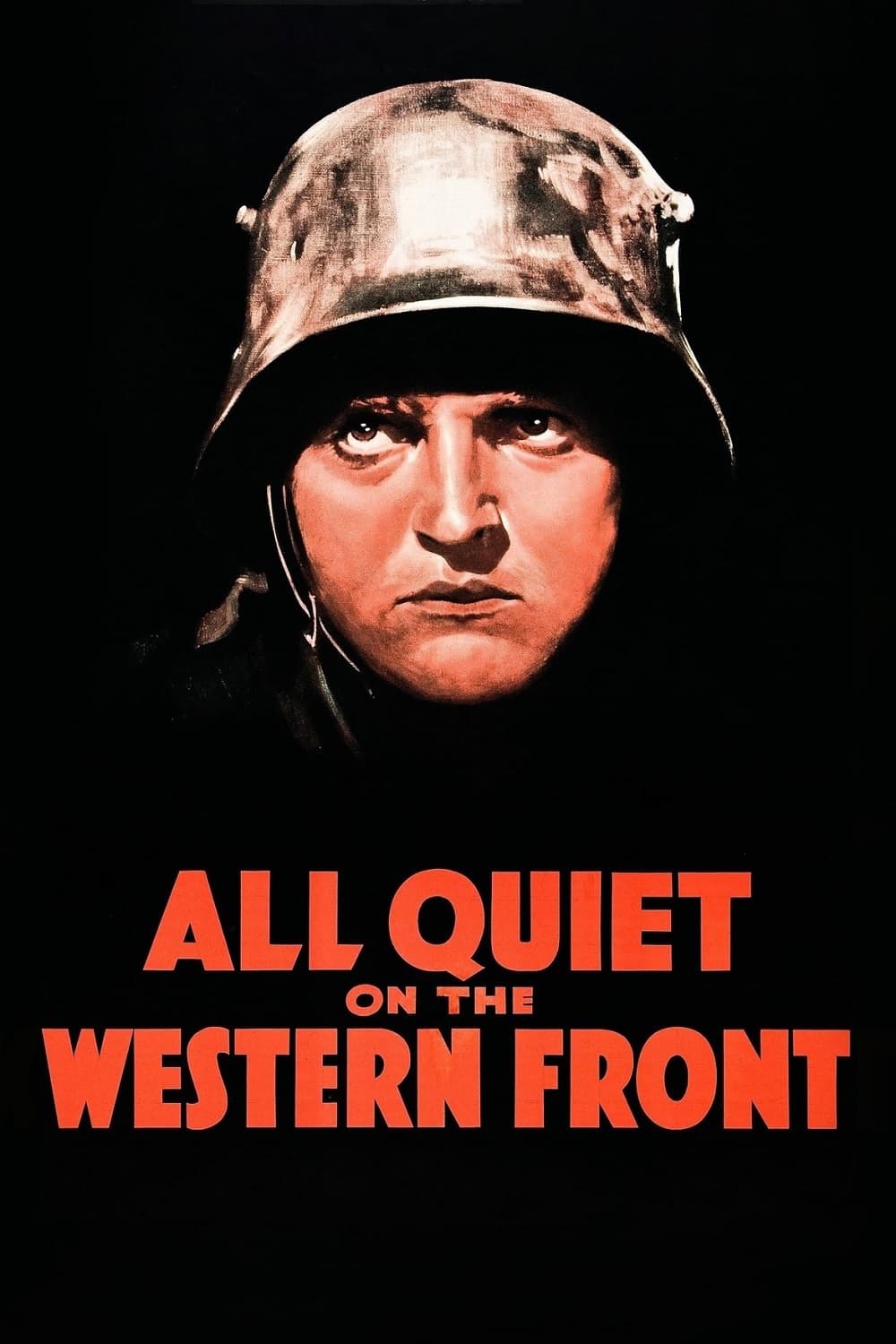
Fields of France, during the First World War. A group of young soldiers, united by the indiscriminate brutality of battle, fights to maintain their humanity in an endless cycle of combat and death.
An overview of one of the greatest disasters of the first World War WWI - the Dardanelles Campaign at Gallipoli, Turkey.
Two Australian sprinters face the brutal realities of war when they are sent to fight in the Gallipoli campaign in the Ottoman Empire during World War I.
France, 1914, during World War I. On Christmas Eve, an extraordinary event takes place in the bloody no man's land that the French and the Scots dispute with the Germans…
A documentary about World War I with never-before-seen footage to commemorate the centennial of Armistice Day, and the end of the war.
When Sgt. First Class Brian Eisch is critically wounded in Afghanistan, it sets him and his sons on a journey of love, loss, redemption and legacy.
Prelude to War was the first film of Frank Capra's Why We Fight propaganda film series, commissioned by the Pentagon and George C. Marshall. It was made to convince American troops of the necessity of combating the Axis Powers during World War II. This film examines the differences between democratic and fascist states.
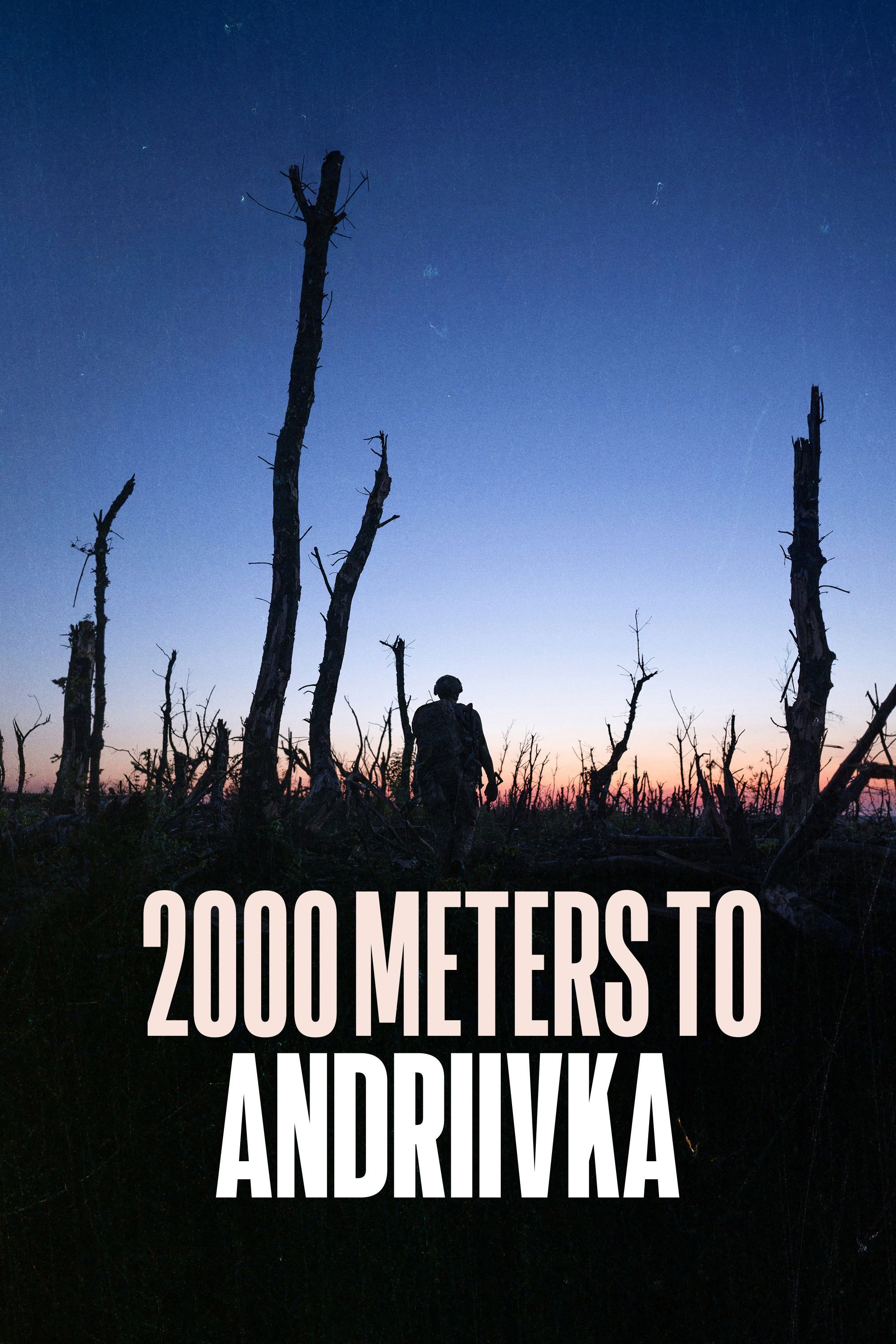
Amid the failing counteroffensive, a journalist follows a Ukrainian platoon on their mission to traverse one mile of heavily fortified forest and liberate a strategic village from Russian occupation. But the farther they advance through their destroyed homeland, the more they realize that this war may never end.
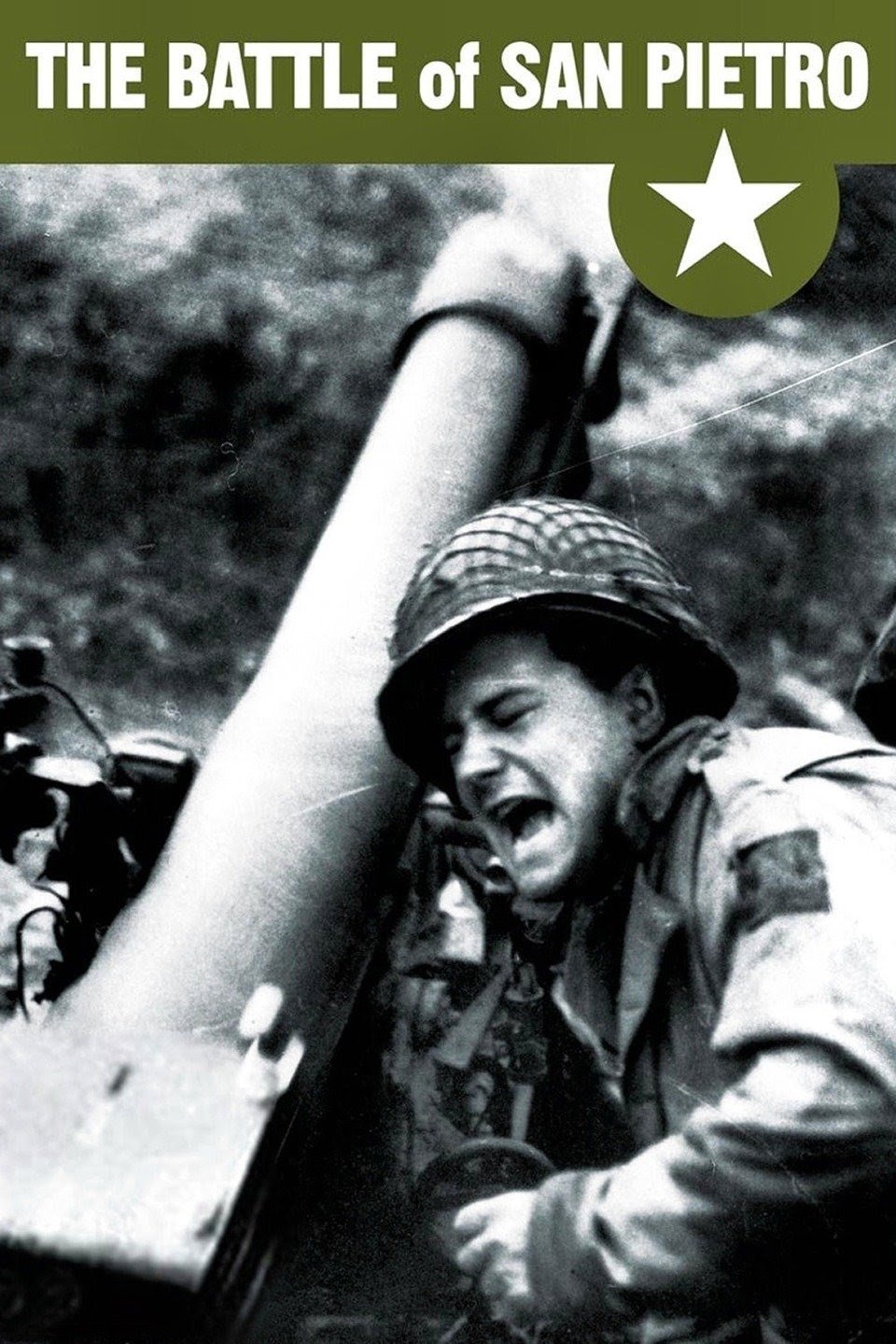
This documentary movie is about the battle of San Pietro, a small village in Italy. Over 1,100 US soldiers were killed while trying to take this location, that blocked the way for the Allied forces from the Germans. Preserved by the Academy Film Archive in 2005.
Set both in Latin America and the United States, the film explores the historic and current relationship of Washington with countries such as Venezuela, Bolivia and Chile. Pilger says that the film "...tells a universal story... analysing and revealing, through vivid testimony, the story of great power behind its venerable myths. It allows us to understand the true nature of the so-called "war on terror". According to Pilger, the film’s message is that the greed and power of empire is not invincible and that people power is always the "seed beneath the snow".
“The Soviet Story” is a story of an Allied power, which helped the Nazis to fight Jews and which slaughtered its own people on an industrial scale. Assisted by the West, this power triumphed on May 9th, 1945. Its crimes were made taboo, and the complete story of Europe’s most murderous regime has never been told. Until now...
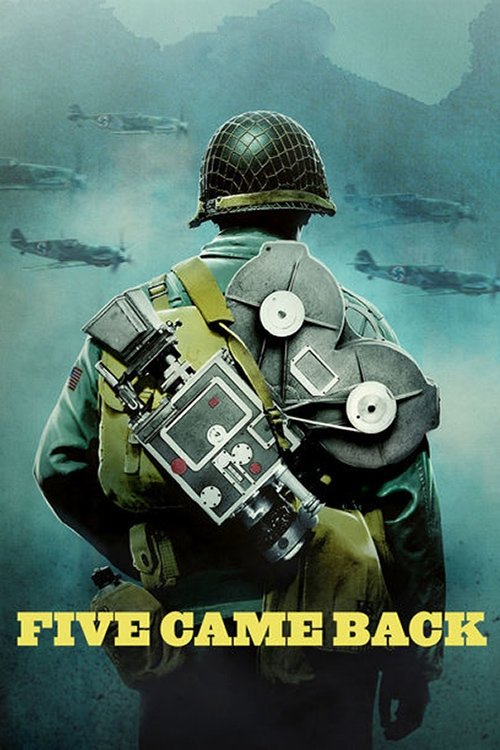
The extraordinary story of how Hollywood changed World War II – and how World War II changed Hollywood, through the interwoven experiences of five legendary filmmakers who went to war to serve their country and bring the truth to the American people: John Ford, William Wyler, John Huston, Frank Capra, and George Stevens. Based on Mark Harris’ best-selling book, “Five Came Back: A Story of Hollywood and the Second World War.”
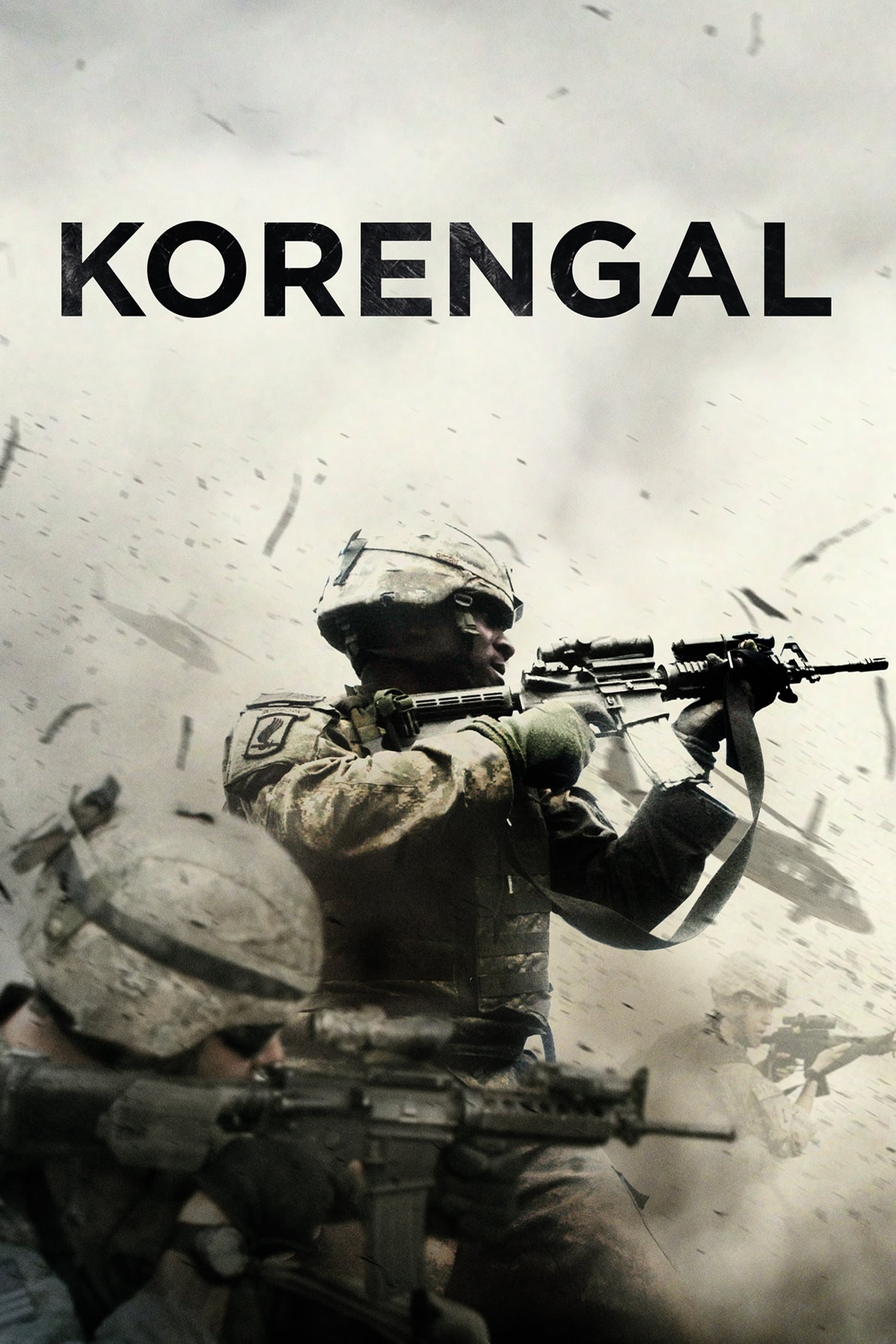
Korengal picks up where Restrepo left off; the same men, the same valley, the same commanders, but a very different look at the experience of war.
WWII from Space delivers World War II in a way you've never experienced it before. This HISTORY special uses an all-seeing CGI eye that offers a satellite view of the conflict, allowing you to experience it in a way that puts key events and tipping points in a global perspective. By re-creating groundbreaking moments that could never have been captured on camera, and by illustrating the importance of simultaneity and the hidden effects of crucial incidents, HISTORY presents the war's monumental moments in a never-before-seen context. And with new information brought to the forefront, you'll better understand how a nation ranked 19th in the world's militaries in 1939 emerged six years later as the planet's only atomic superpower.
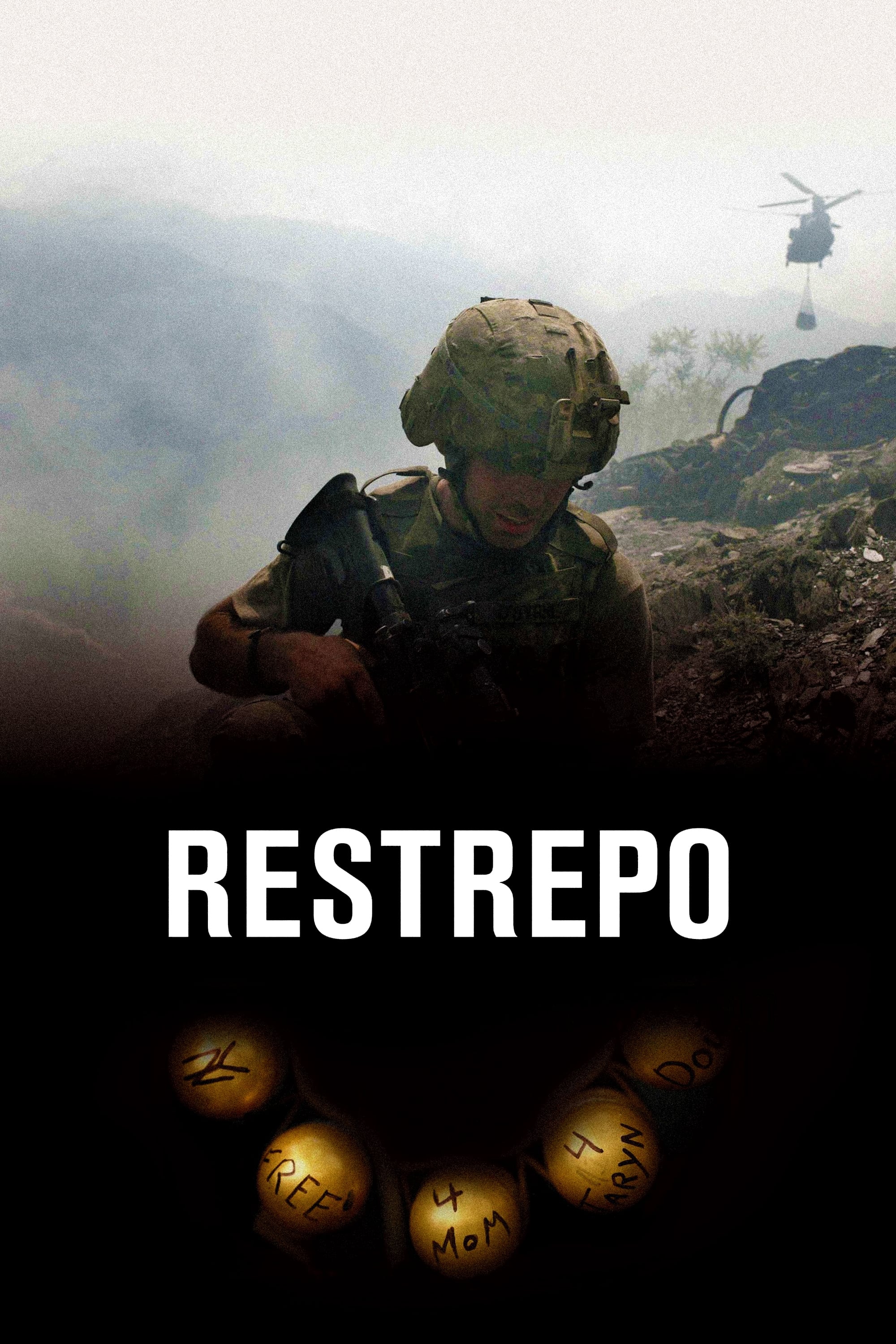
Directors Hetherington and Junger spend a year with the 2nd Battalion of the United States Army located in one of Afghanistan's most dangerous valleys. The documentary provides insight and empathy on how to win the battle through hard work, deadly gunfights and mutual friendships while the unit must push back the Taliban.
The final entry in a trilogy of films produced for the U.S. government by John Huston. Some returning combat veterans suffer scars that are more psychological than physical. This film follows patients and staff during their treatment. It deals with what would now be called PTSD, but at the time was categorised as psychoneurosis or shell-shock. Government officials deemed this 1946 film counterproductive to postwar efforts; it was not shown publicly until 1981.
With unprecedented access, this documentary follows the extraordinary journey of “Raqqa is Being Slaughtered Silently”—a group of anonymous citizen journalists who banded together after their homeland was overtaken by ISIS—as they risk their lives to stand up against one of the greatest evils in the world today.
Meet the real-life airmen who inspired Masters of the Air as they share the harrowing and transformative events of the 100th Bomb Group.
As the Russian invasion begins, a team of Ukrainian journalists trapped in the besieged city of Mariupol struggle to continue their work documenting the war's atrocities.
"Trinity and Beyond" is an unsettling yet visually fascinating documentary presenting the history of nuclear weapons development and testing between 1945-1963. Narrated by William Shatner and featuring an original score performed by the Moscow Symphony Orchestra, this award-winning documentary reveals previously unreleased and classified government footage from several countries.
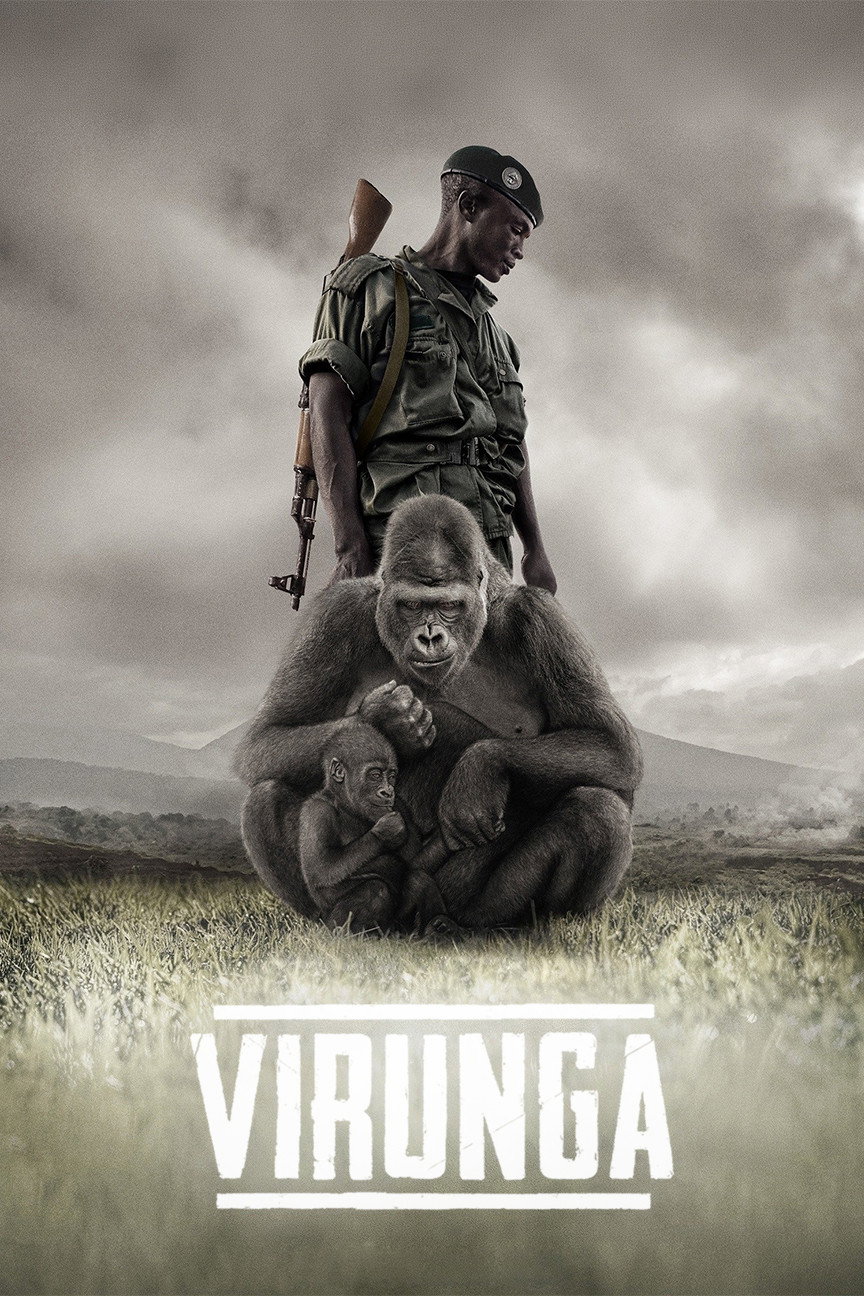
Virunga in the Democratic Republic of the Congo is Africa’s oldest national park, a UNESCO world heritage site, and a contested ground among insurgencies seeking to topple the government that see untold profits in the land. Among this ongoing power struggle, Virunga also happens to be the last natural habitat for the critically endangered mountain gorilla. The only thing standing in the way of the forces closing in around the gorillas: a handful of passionate park rangers and journalists fighting to secure the park’s borders and expose the corruption of its enemies. Filled with shocking footage, and anchored by the surprisingly deep and gentle characters of the gorillas themselves, Virunga is a galvanizing call to action around an ongoing political and environmental crisis in the Congo.
Deep beneath the surface in the Syrian province of Ghouta, a group of female doctors have established an underground field hospital. Under the supervision of paediatrician Dr. Amani and her staff of doctors and nurses, hope is restored for some of the thousands of children and civilian victims of the ruthless Syrian civil war.
When Allied forces liberated the Nazi concentration camps in 1944-45, their terrible discoveries were recorded by army and newsreel cameramen, revealing for the first time the full horror of what had happened. Making use of British, Soviet and American footage, the Ministry of Information’s Sidney Bernstein (later founder of Granada Television) aimed to create a documentary that would provide lasting, undeniable evidence of the Nazis’ unspeakable crimes. He commissioned a wealth of British talent, including editor Stewart McAllister, writer and future cabinet minister Richard Crossman – and, as treatment advisor, his friend Alfred Hitchcock. Yet, despite initial support from the British and US Governments, the film was shelved, and only now, 70 years on, has it been restored and completed by Imperial War Museums under its original title "German Concentration Camps Factual Survey".
A love letter from a young mother to her daughter, the film tells the story of Waad al-Kateab’s life through five years of the uprising in Aleppo, Syria as she falls in love, gets married and gives birth to Sama, all while cataclysmic conflict rises around her. Her camera captures incredible stories of loss, laughter and survival as Waad wrestles with an impossible choice– whether or not to flee the city to protect her daughter’s life, when leaving means abandoning the struggle for freedom for which she has already sacrificed so much.