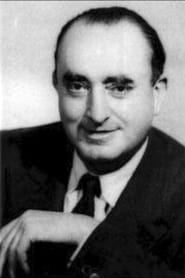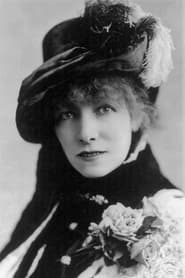
Remarkable life story of Henri Diamant-Berger, a director and screenwriter whose devotion to cinema led him to collaborate with some of the greatest actors and filmmakers of his time.

Social & External
Self
Self (archive footage)
Before compiling your next grocery list, you might want to watch filmmaker Deborah Koons Garcia's eye-opening documentary, which sheds light on a shadowy relationship between agriculture, big business and government. By examining the effects of biotechnology on the nation's smallest farmers, the film reveals the unappetizing truth about genetically modified foods: You could unknowingly be serving them for dinner.
A documentary chronicling the adolescent years of Elie Wiesel and the history of his sufferings. Eliezer was fifteen when Fascism brutally altered his life forever. Fifty years later, he returns to Sighetu Marmatiei, the town where he was born, to walk the painful road of remembrance - but is it possible to speak of the unspeakable? Or does Auschwitz lie beyond the capacity of any human language - the place where words and stories run out?
For the first 50 years of film history, the newsreel was a fixture in American movie theaters. From 1911 to 1967, these shorts proved an influential source of information – and misinformation – for generations of American moviegoers. Television news and public affairs programs became a great improvement over the scanty information offered by the newsreels. This documentary offers insight into a medium which has disappeared.
A documentary about the life and activism of Jaha Dukureh, a Gambian anti-female genital mutilation campaigner who returns to her country of birth to confront the harmful tradition that she and 200 million women and girls have undergone globally.
They're clean, educated, articulate and rarely receive public assistance. But following a divorce, job loss or a long illness, a growing number of middle-class women are forced to live out of their cars. Directed by Michèle Ohayon (Colors Straight Up) and narrated by Jodie Foster, It Was a Wonderful Life chronicles the hardships and triumphs of six "hidden homeless" women as they struggle to survive, one day at a time.

A young artist, born as Nicole, but renamed Nova, sets out on a healing journey on an indigenous Taino sanctuary in upstate New York. Accompanied by the Wild Darlings, a black + queer, healing arts collective, she transmutes the trauma of her past by performing in white-face as the male teacher that sexually abused her as a child.
The modern criminal justice system is hindered by the fact that countless rape kits remain untested in police evidence storage facilities across the United States. Only eight states currently have laws requiring mandatory testing of rape kits.
Jimi Hendrix's debut American set at 1967's Monterey Pop Festival is generally considered one of the most radical and legendary live shows ever. Virtually unknown to American audiences at the time, even though he was already an established entity in the UK, Hendrix and his two-piece Experience explode on stage, ripping through blues classics "Rock Me Baby" and Howlin' Wolf's "Killing Floor," interpreting and electrifying Bob Dylan's "Like a Rolling Stone," debuting songs from his yet-to-be-released first album and closing with the now historic sacrificing/burning of his guitar during an unhinged version of "Wild Thing" that even its writer Chip Taylor would never have imagined. Hendrix uses feedback and distortion to enhance the songs in whisper-to-scream intensity, blazing territory that had not been previously explored with as much soul-frazzled power.
A look at the life and work of Spanish filmmaker and film critic Fernando Méndez-Leite, as he writes his memoirs and a novel with autobiographical resonances.
The Captains' Summit documents the first time in Star Trek history that four stars who at some point have played Captains in Star Trek (William Shatner, Patrick Stewart, Leonard Nimoy, Jonathan Frakes) have been brought together for a 70-minute rare and unprecedented round table event. Whoopi Goldberg, star of Star Trek: The Next Generation, hosts the event.
A chronological look at films by, for, or about gays and lesbians in the United States, from 1947 to 2005, Kenneth Anger's "Fireworks" to "Brokeback Mountain". Talking heads, anchored by critic and scholar B. Ruby Rich, are interspersed with an advancing timeline and with clips from two dozen films. The narrative groups the pictures around various firsts, movements, and triumphs: experimental films, indie films, sex on screen, outlaw culture and bad guys, lesbian lovers, films about AIDS and dying, emergence of romantic comedy, transgender films, films about diversity and various cultures, documentaries and then mainstream Hollywood drama. What might come next?
Julia is a young transgender woman who left her home country of Lithuania. Now living in Germany, she walks the streets of Berlin, working as a prostitute to survive. This documentary revisits Julia over a ten-year period of her life.
A woman and her daughter struggle to make their way through the aftermath of the Balkan war.
After World War II, 4,000 Polish families came to Australia. They were Jews, Fascists, anti-Communists, and others dispossessed. In a large hostel, where even married men and women were housed in separate barracks, the adults lived for two years while they worked off the government's payment of their passage. Even though he is married to Anna and has a son, Julian falls in love with Nina and she with him. As they and others face the new situations and prejudices that await immigrants and as they take on aspects of Australian culture, old-country values reassert themselves. Julian decides what to do about love and family, and Nina must find a way to move on.
Part two of Leni Riefenstahl's monumental examination of the 1938 Olympic Games, the cameras leave the main stadium and venture into the many halls and fields deployed for such sports as fencing, polo, cycling, and the modern pentathlon, which was won by American Glenn Morris.
For decades, American touring ice shows dominated family entertainment with their dazzling production and variety acts. This documentary honors them through interviews and archival footage, and depicts one skater's quest to keep this history alive.
Six blind Tibetan teenagers climb the Lhakpa-Ri peak of Mount Everest, led by seven-summit blind mountain-climber Erik Weihenmayer.
Russian Poet Boris Ryzhy was handsome, talented and famous. So why did he end his own life at the age of 26? A quest to find the answer takes the filmmaker to the notorious neighbourhood in the cold industrial city of Yekaterinenburg where Boris grew up...
Fumiko, mother of two children and wife of an unfaithful man, shares her family life with her budding vocation as a poet. The beginning of her successful literary career coincides with her divorce and her breast cancer diagnosis. In the last stage of her life, she meets a young journalist from Tokyo who wants to write a story on her life.
London 1976: Between economic crises and the Silver Jubilee, something is brewing in the squats and basement clubs of West London: Punk. A promise, a new beginning. Punk meant self-empowerment, especially for the women in the scene. For the first time, women picked up guitar, bass and drums, formed bands and wrote their own songs.
The history of cinematic sound, told by legendary sound designers and visionary filmmakers.
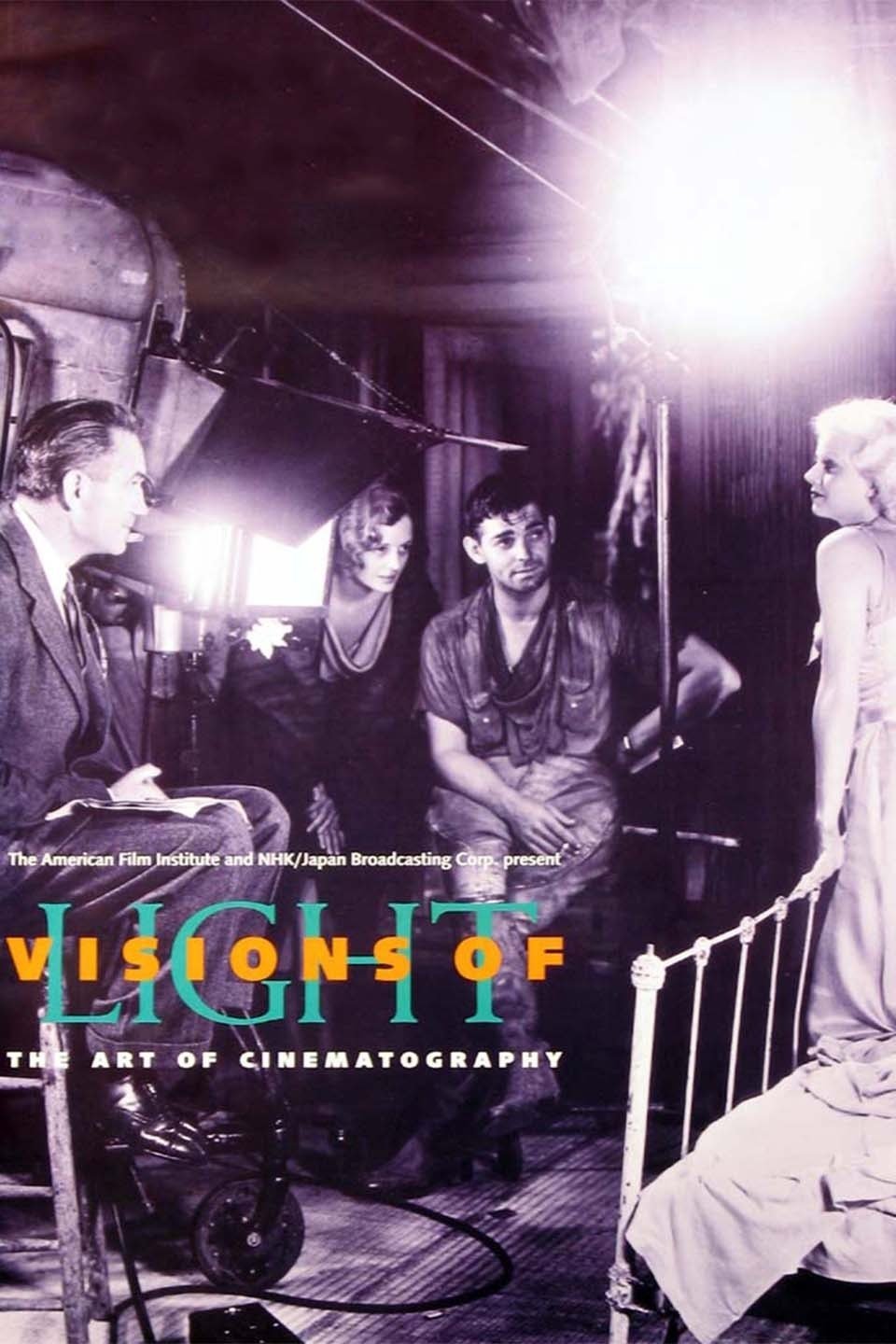
Cameramen and women discuss the craft and art of cinematography and of the "DP" (the director of photography), illustrating their points with clips from 100 films, from Birth of a Nation to Do the Right Thing. Themes: the DP tells people where to look; changes in movies (the arrival of sound, color, and wide screens) required creative responses from DPs; and, these artisans constantly invent new equipment and try new things, with wonderful results. The narration takes us through the identifiable studio styles of the 30s, the emergence of noir, the New York look, and the impact of Europeans. Citizen Kane, The Conformist, and Gordon Willis get special attention.
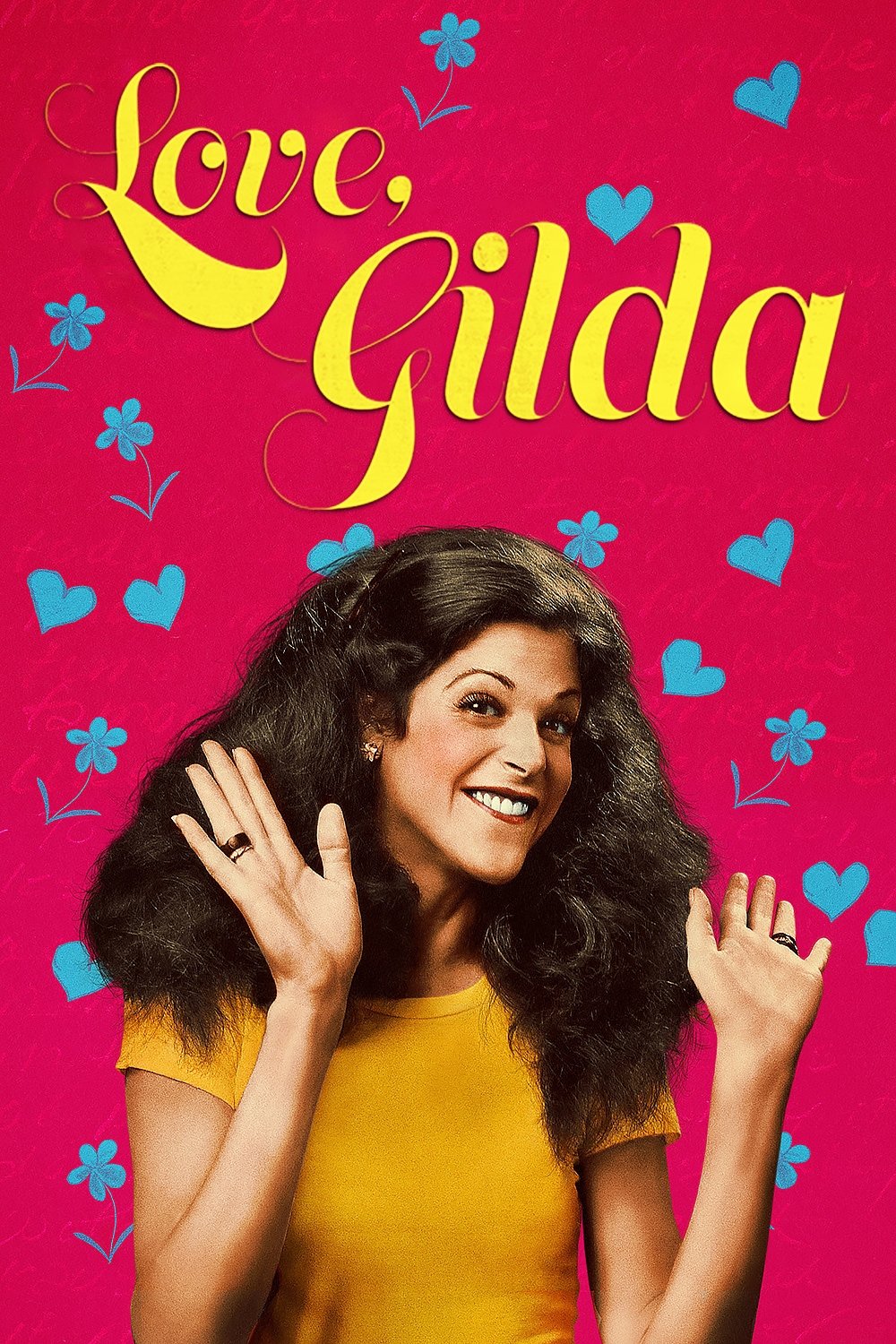
Diaries, audiotapes, videotapes and testimonials from friends and colleagues offer insight into the life and career of Gilda Radner -- the beloved comic and actress who became an icon on Saturday Night Live.
Documentary about the art of film editing. Clips are shown from many groundbreaking films with innovative editing styles.
An impressionistic portrait of the iconic actor Harry Dean Stanton comprised of intimate moments, film clips from some of his 250 films and his renditions of American folk songs.
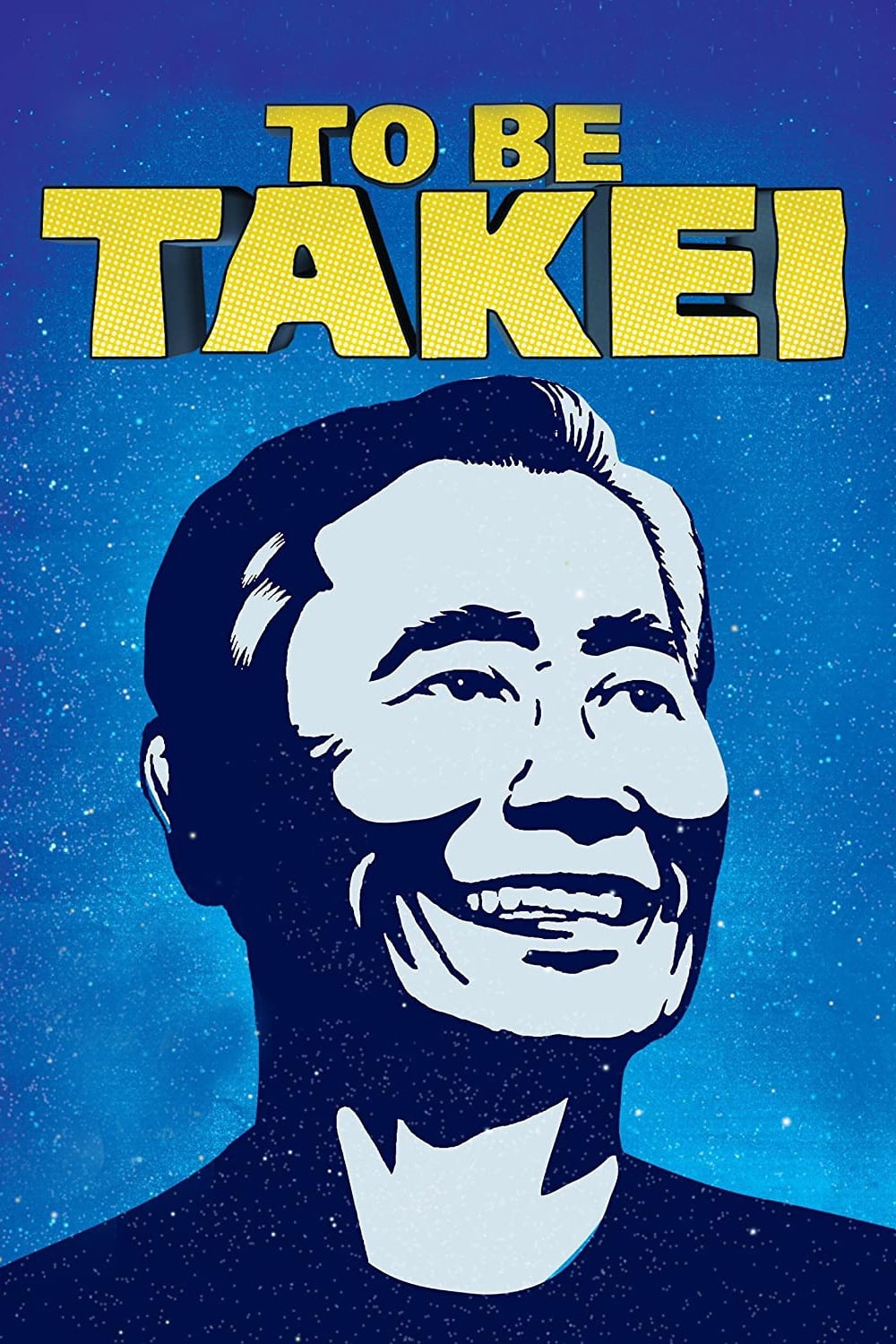
Over seven decades, actor and activist George Takei journeyed from a World War II internment camp to the helm of the Starship Enterprise, and then to the daily news feeds of five million Facebook fans. Join George and his husband, Brad, on a wacky and profound trek for life, liberty, and love.
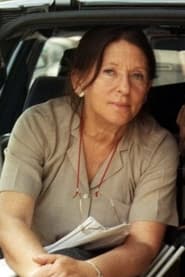
As a visually radical memoir, CAMERAPERSON draws on the remarkable footage that filmmaker Kirsten Johnson has shot and reframes it in ways that illuminate moments and situations that have personally affected her. What emerges is an elegant meditation on the relationship between truth and the camera frame, as Johnson transforms scenes that have been presented on Festival screens as one kind of truth into another kind of story—one about personal journey, craft, and direct human connection.
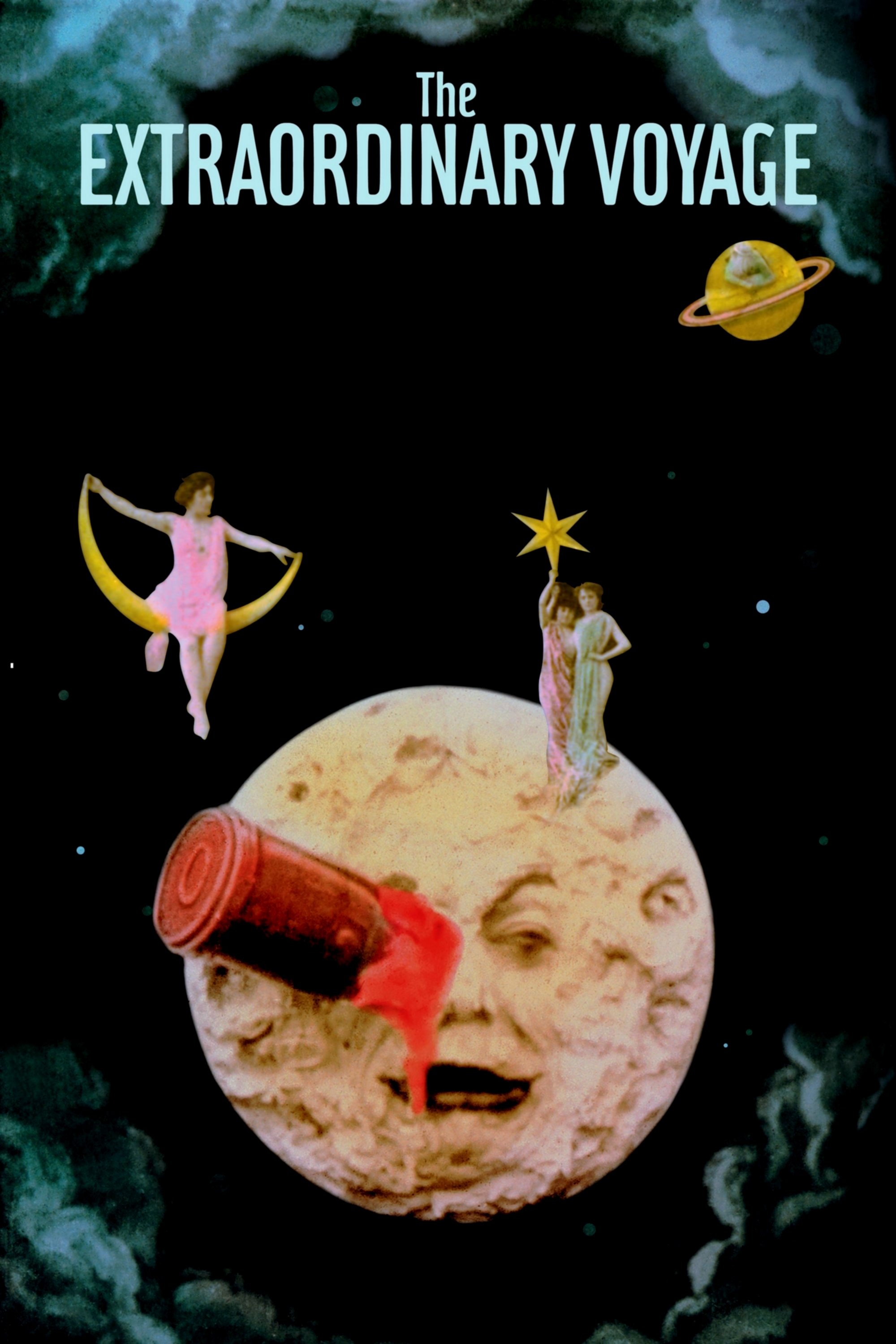
An account of the extraordinary life of film pioneer Georges Méliès (1861-1938) and the amazing story of the copy in color of his masterpiece A Trip to the Moon (1902), unexpectedly found in Spain and restored thanks to the heroic efforts of a group of true cinema lovers.
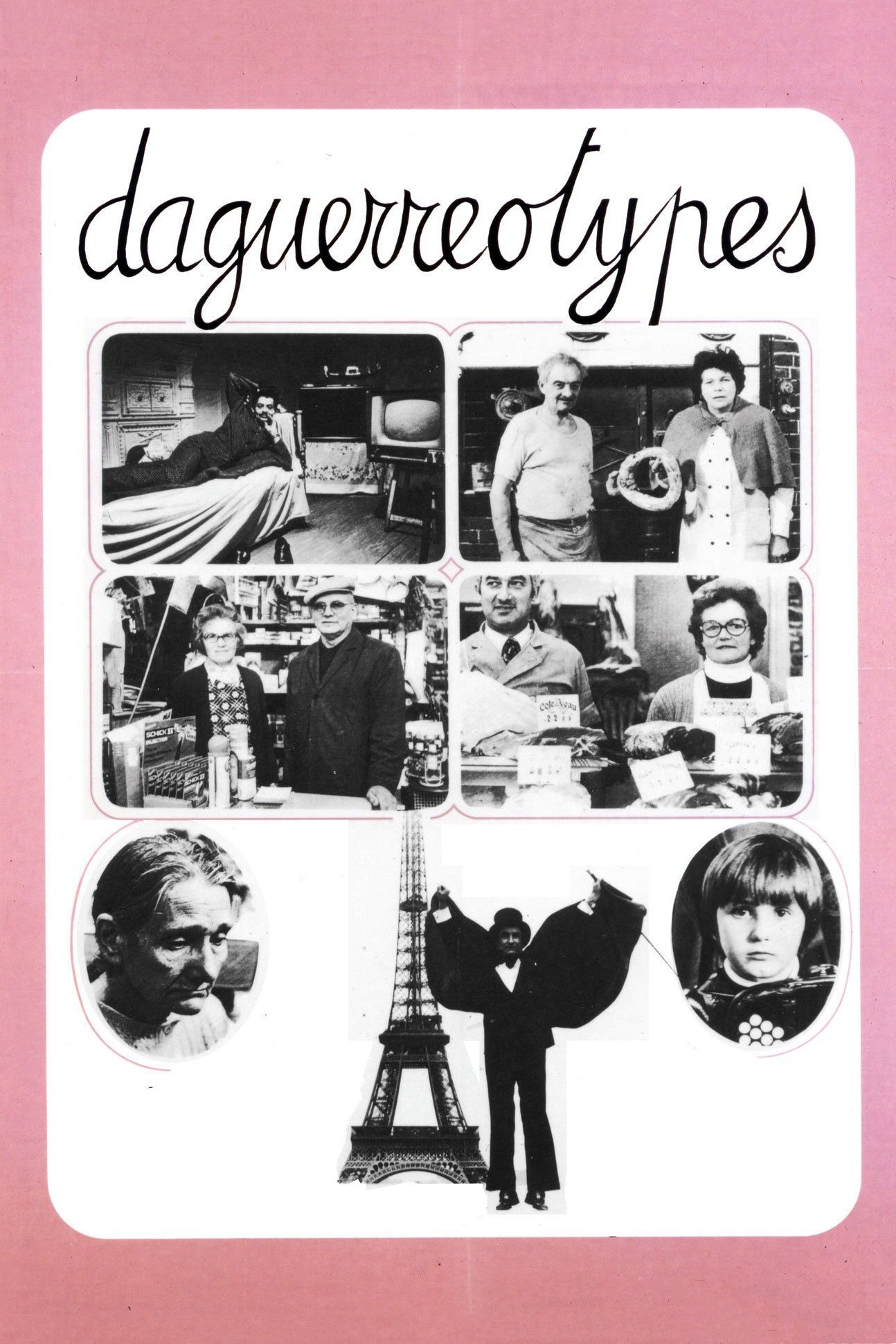
An intimate portrait of the small shops and shopkeepers of the Rue Daguerre in Paris, a picturesque street that has been the filmmaker’s home for more than 50 years.
Lyrical and powerfully personal essay film that reflects on the deaths of her husband Lou Reed, her mother, her beloved dog, and such diverse subjects as family memories, surveillance, and Buddhist teachings.
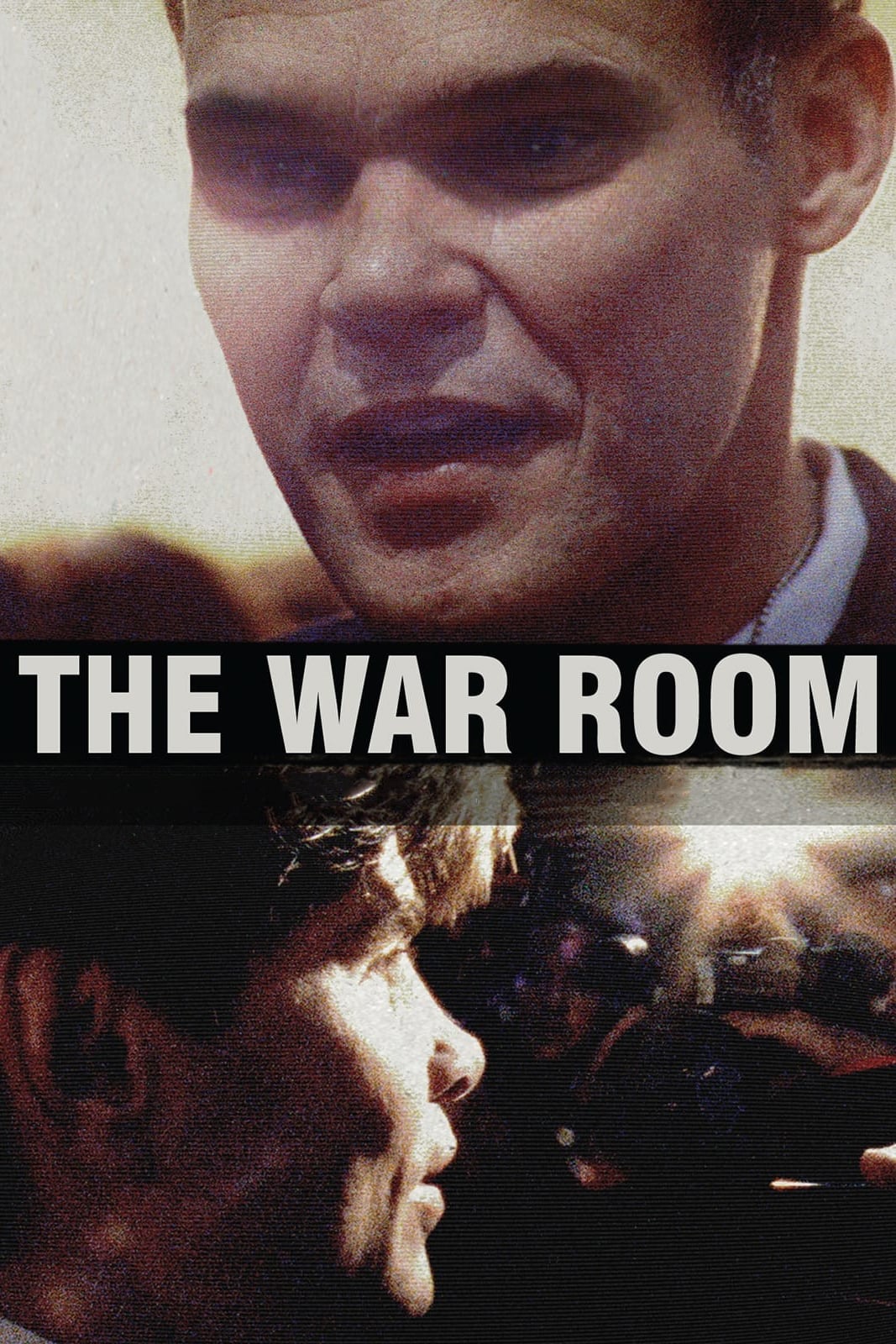
A behind-the-scenes documentary about the Clinton for President campaign, focusing on the adventures of spin doctors James Carville and George Stephanopoulos.
Using the book 'Fragments', which collects Marilyn Monroe's poems, notes and letters, and with participation from the Arthur Miller and Truman Capote estates who have contributed more material, each of the actresses will embody the legend at various stages in her life.
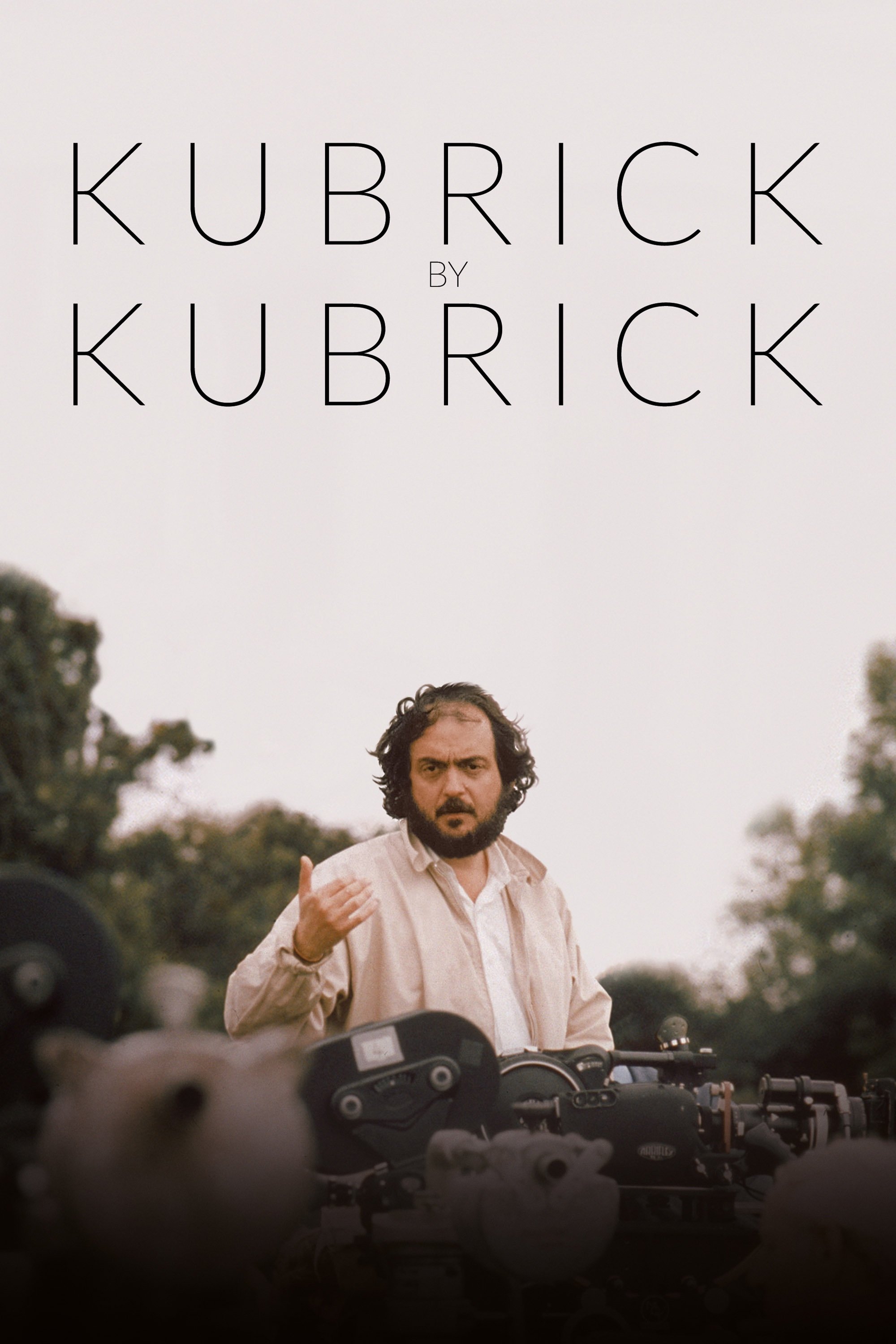
American filmmaker Stanley Kubrick (1928–1999), one of the greatest in history, but also one of the most reserved, gave few interviews throughout his long career, and none of them were filmed. A first-person journey through his life and work, based on a recorded conversation with French film critic Michel Climent.
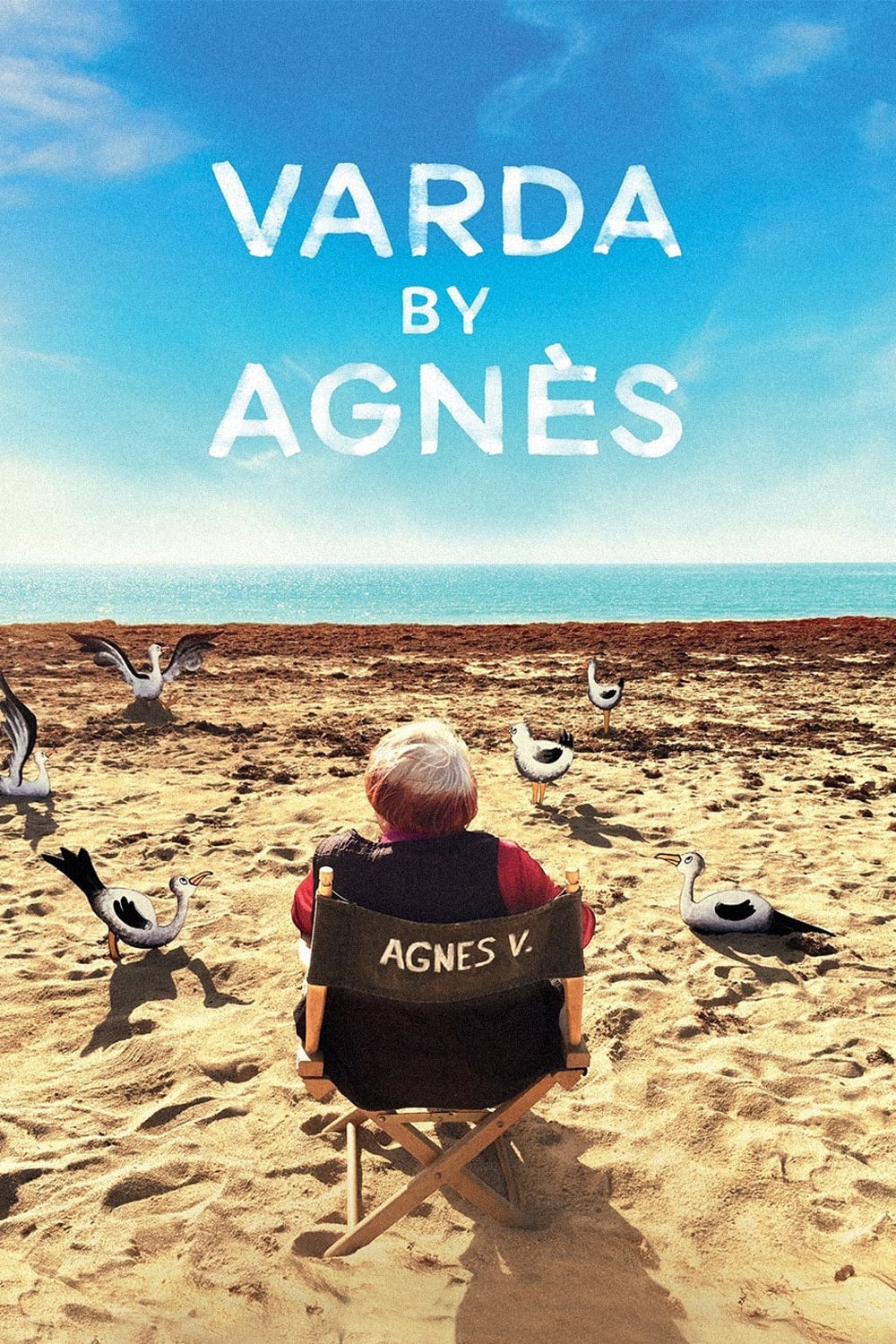
An unpredictable documentary from a fascinating storyteller, Agnès Varda’s last film sheds light on her experience as a director, bringing a personal insight to what she calls "cine-writing," traveling from Rue Daguerre in Paris to Los Angeles and Beijing.
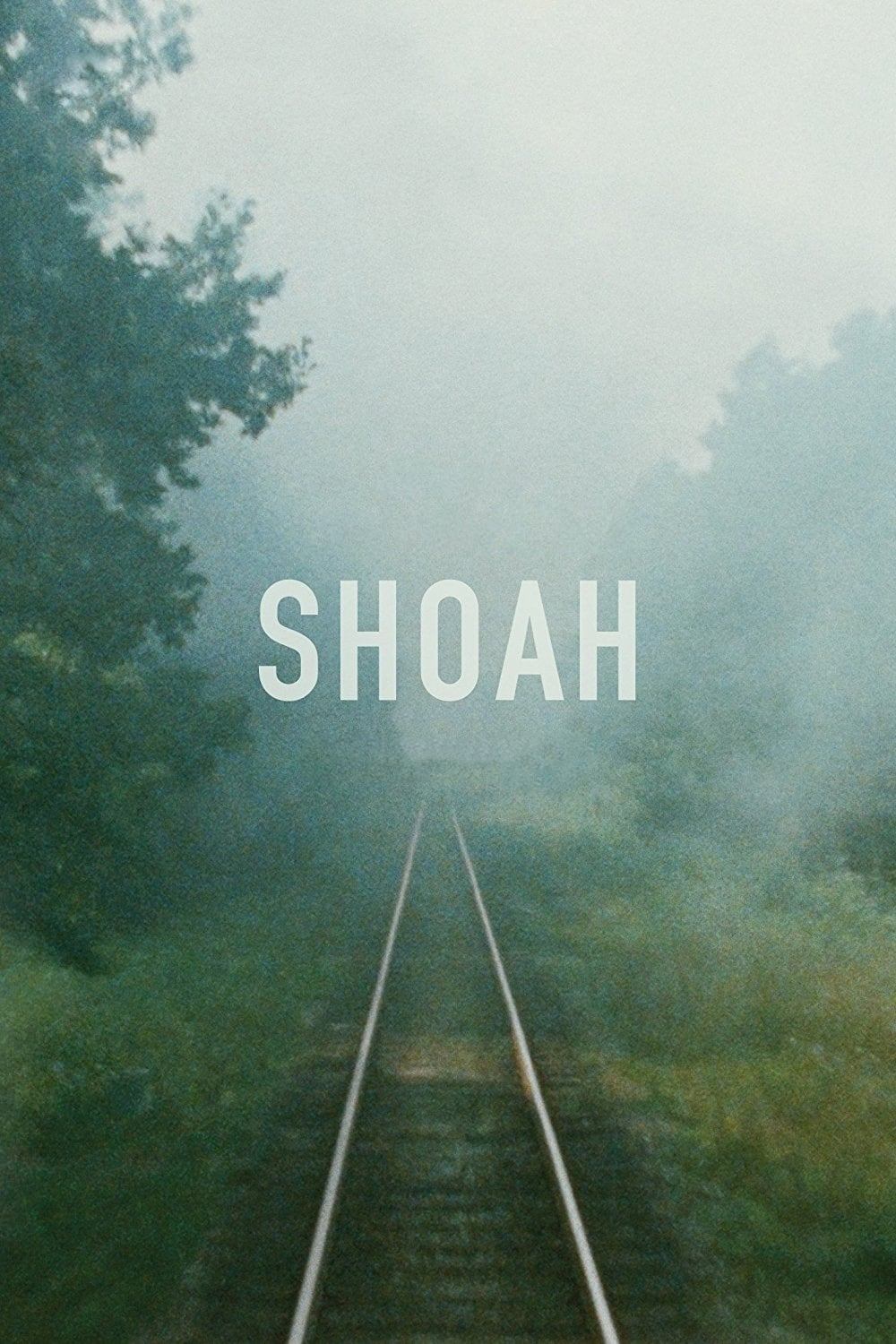
Director Claude Lanzmann spent 11 years on this sprawling documentary about the Holocaust, conducting his own interviews and refusing to use a single frame of archival footage. Dividing Holocaust witnesses into three categories – survivors, bystanders, and perpetrators – Lanzmann presents testimonies from survivors of the Chelmno concentration camp, an Auschwitz escapee, and witnesses of the Warsaw Ghetto Uprising, as well as a chilling report of gas chambers from an SS officer at Treblinka.
An intimate documentary delving into Rian Johnson's process as he comes in as a director new to the Star Wars universe.
In the Realms of the Unreal is a documentary about the reclusive Chicago-based artist Henry Darger. Henry Darger was so reclusive that when he died his neighbors were surprised to find a 15,145-page manuscript along with hundreds of paintings depicting The Story of the Vivian Girls, in What is Known as the Realms of the Unreal, of the Glodeco-Angelinnian War Storm, Cased by the Child Slave Rebellion.
A chronicle of the long career of American filmmaker Roger Corman, the most tenacious and ingenious low-budget producer and director in the US film industry, a pioneer of independent filmmaking and discoverer of new talent.
Oliver Stone charts the history of the United States from the Second World War to the present.
Before computer graphics, special effects wizardry, and out-of-this world technology, the magic of animation flowed from the pencils of two of the greatest animators The Walt Disney Company ever produced -- Frank Thomas and Ollie Johnston. Frank and Ollie, the talent behind BAMBI, PINOCCHIO, LADY AND THE TRAMP, THE JUNGLE BOOK, and others, set the standard for such modern-day hits as THE LION KING. It was their creative genius that helped make Disney synonymous with brilliant animation, magnificent music, and emotional storytelling. Take a journey with these extraordinary artists as they share secrets, insights, and the inspiration behind some of the greatest animated movies the world has ever known!