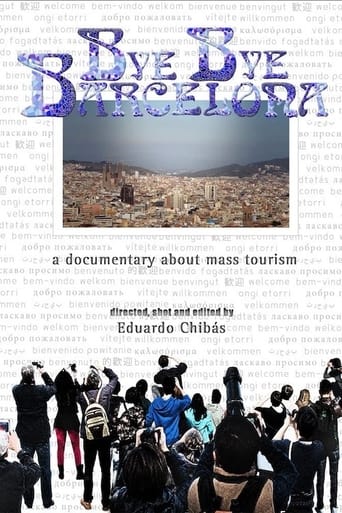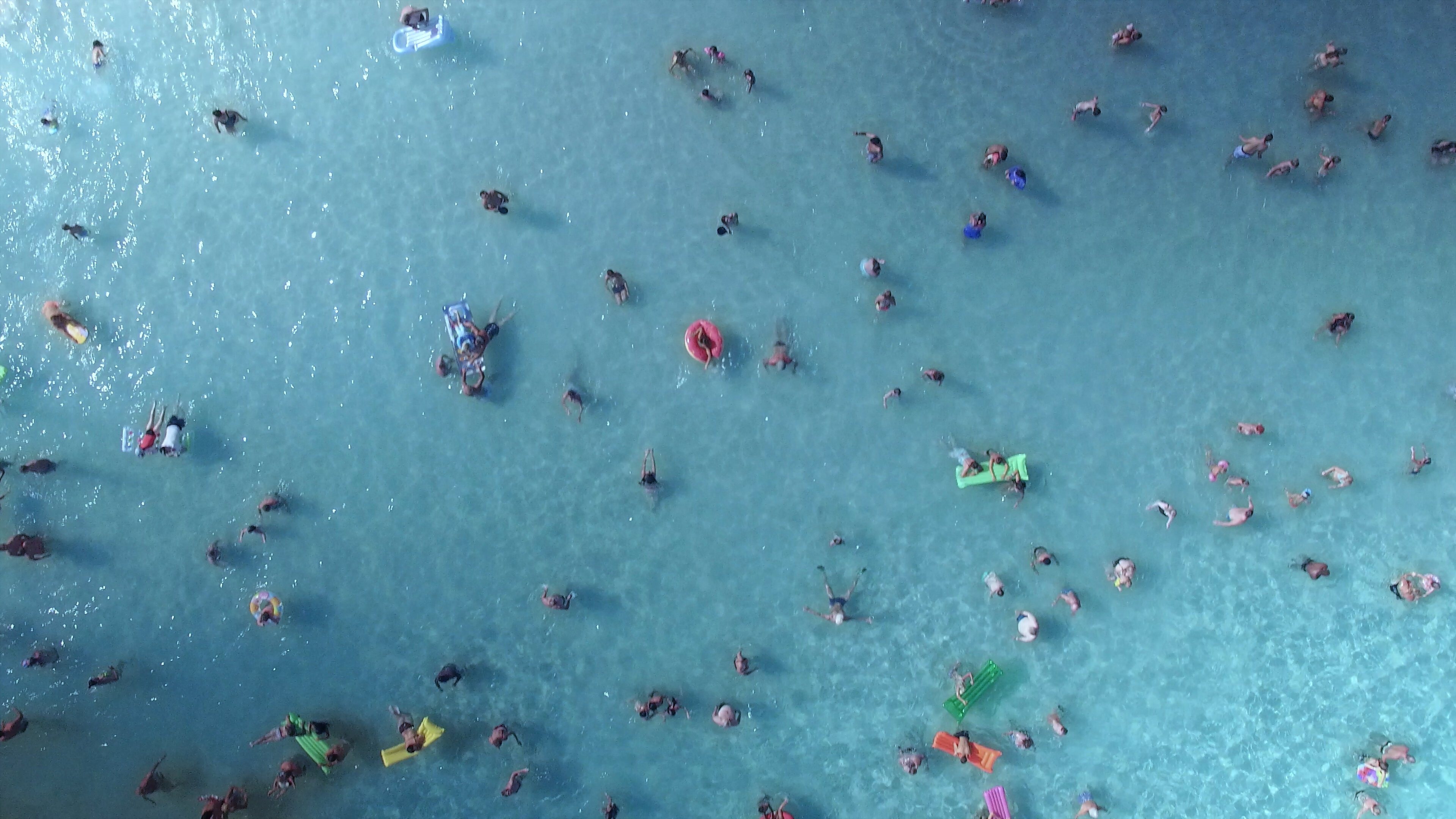
What was once the "Island of Calm" is now on the verge of collapse. Multiple alarm bells are starting to ring. Is this model of tourism sustainable? Could Mallorca become a reference for so many other places suffering from the same problem?
Social & External
Since World War II North Americans have invested much of their newfound wealth in suburbia. It has promised a sense of space, affordability, family life and upward mobility. As the population of suburban sprawl has exploded in the past 50 years Suburbia, and all it promises, has become the American Dream. But as we enter the 21st century, serious questions are beginning to emerge...
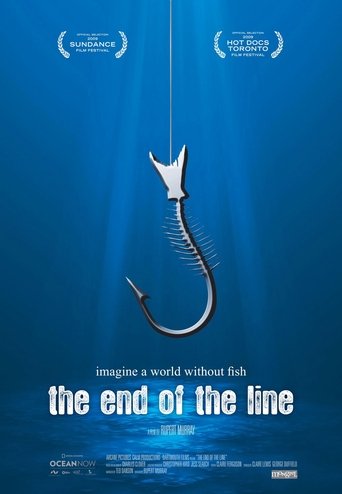
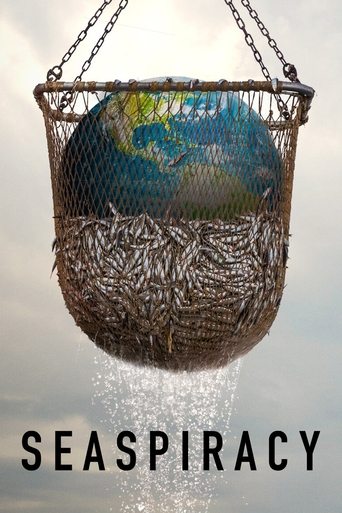
Examines the devastating effect that overfishing has had on the world's fish populations and argues that drastic action must be taken to reverse these trends. Examines the imminent extinction of bluefin tuna, brought on by increasing western demand for sushi; the impact on marine life resulting in huge overpopulation of jellyfish; and the profound implications of a future world with no fish that would bring certain mass starvation.
Britain is undergoing a domestic heating revolution - heat pumps are replacing gas boilers and apparently everyone should prepare to put one in their homes. Alexis Conran investigates whether these devices live up to the hype, examining the pros and cons to help consumers choose the best option. Plus, tips on maximising savings.
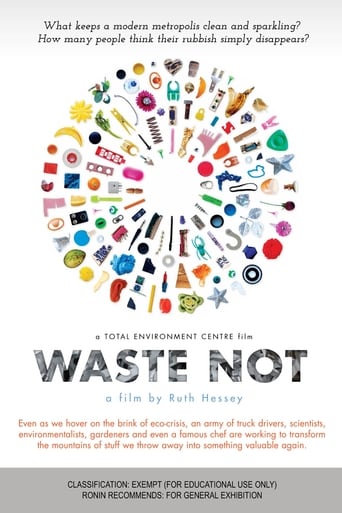
Waste Not is a film about where your garbage goes, who sorts it for you, and what it is worth if it isn't just tossed into landfill. It's easier and cheaper to retrieve gold from old computers for instance, than to dig it up. Organics can be used to create fertiliser and green electricity and yet each Australian sends half a tonne of food waste to landfill each year where it is contaminated with chemicals and e-waste. We recycle only 50% of all our waste. There is an alternative to environmental apocalypse and we don't have to wait for the politicians to make it happen. All we really need to do is be creative and use our imaginations to turn this waste into wealth again. Waste Not talks to scientists, workers at waste depots, environment campaigners, gardeners and even a famous chef about how easy it is to save the planet by simply recycling properly.
The successes and failures of a couple determined to live in harmony with nature on a farm outside of Los Angeles are lovingly chronicled by filmmaking farmer John Chester, in this inspiring documentary.
The plight of small-scale farmers in Africa and Asia forced off their land by an unprecedented corporate land grab. If they refuse they are subject to horrific violence, which has led to women miscarrying and deaths. Exploring the personal stories of those affected, this documentary gives a voice to threatened subsistence farmers throughout the developing world. If your livelihood was ripped away from you, how would you cope?
In 1971, John Lennon and Yoko Ono embark on a search for a girl named Kyoko. On April 23rd, they are arrested by the police at a hotel in Palma de Mallorca, Spain.
A "beauty rebel with a cause", Anju Rupal founded and leads ABHATI, a global brand that enhances beauty inside and out, and empowers women in places that need it most.
In colorful, sunkissed postcards, this film invites you to join the wonderful and melancholic backstage world of a classic Charter holiday.
Takes viewers inside the homes of people seriously affected by increasingly ferocious floods hitting the UK. With one in six British homes now at risk of flooding, residents across the country count the cost, both financial and mental, to their communities affected by flooding over the last decade.
In search of a simpler life, a young couple returns home to Alabama where they set out to eat the way their grandparents did – locally and seasonally. But as they navigate the agro-industrial gastronomical complex, they soon realize that nearly everything about the food system has changed since farmers once populated their family histories. A thoughtful and often funny essay on community, the South and sustainability, “Eating Alabama” is a story about why food matters.
The adventurous life of Natacha Rambova (1897-1966), an American artist, born Winifred Kimball Shaughnessy, who reincarnated herself countless times: false Russian dancer, silent film actress, scenographer and costume designer, writer, spiritist, Egyptologist, indefatigable traveler, mysterious and curious; an amazing 20th century woman who created the myth of Rudolph Valentino.
This film weaves together expert analysis of America's food and farming system with a powerful narrative of one extraordinary farmer who is determined to create a sustainable future for his community.
At the height of the summer tourist season, the Spanish beach town Magaluf turns into a hellscape of the low-cost travel industry. For eight weeks every year, over one million mostly British vacationers ride an alcohol-soaked tide of public urination, fisticuffs and ambulance sirens for recreation. Instead of assembling a clip-reel of "balconing," when drunk idiots jump into hotel pools from their balconies, filmmaker Miguel Ángel Blanca crafts a far deeper and atmospheric look at a place where visitors and locals alike are driven by pleasure. Long-time resident Maria has little time left, so she takes in a seasonal lodger who listens to her relive her glory days. An enterprising real estate agent peddles an extravagant development, while a young gay man drifts without any plans beyond robbing a tourist for kicks. Part ghost story, part foreboding parable, this is a stylish and vivid impression of people and a place dreaming of escape. Myrocia Watamaniuk (Hot Docs)
For most of the world, consumption has been the unquestioned duty of every individual. Then garbage activist Annie Leonard brought her two-hour lecture to Free Range who helped her turn it into a 20-minute animated revolution. Shown in thousands of classrooms, endlessly blasted by Fox News, viewed more than 10 million times, The Store of Stuff finally opens the door to a serious cultural dialog about the costs of consumption.
The cod fishery off the east coast of Newfoundland was a way of life, the backbone of society -- until it collapsed. A review of the history leading up to the crisis and the subsequent call for a moratorium of the northwest Atlantic cod fishery.
The human being feels generally as fascinated as fearful before death and the inevitable fact of dying. Workers at the cemetery of Palma de Mallorca, in Spain, face this harsh reality every day, so they have found a way to deal with it.
Director John Webster convinces his wife and two small children that the whole family should go on an oil diet, yet without having to give up their a middle class suburban lifestyle. All the everyday things that we don't do, or that we can't help doing, make up recipes for disaster. In this comedy of errors they find themselves questioning their values and putting to test their will power and ultimately, their happiness.
A film about the importance of heirloom seeds to the agriculture of the world, focusing on seed keepers and activists from around the world.
As society tackles the problem of feeding our expanding population safely and sustainably, a schism has arisen between scientists and consumers, motivated by fear and distrust. Food Evolution, narrated by Neil deGrasse Tyson, explores the polarized debate surrounding GMOs. Looking at the real-world application of food science in the past and present, the film argues for sound science and open-mindedness in a culture that increasingly shows resistance to both.