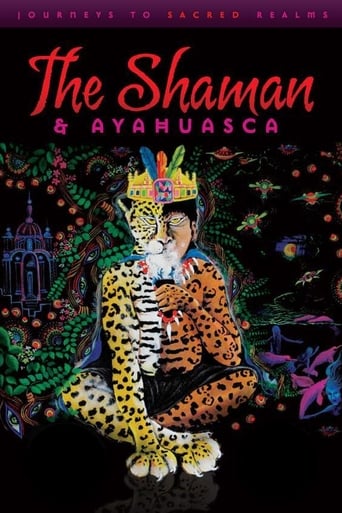
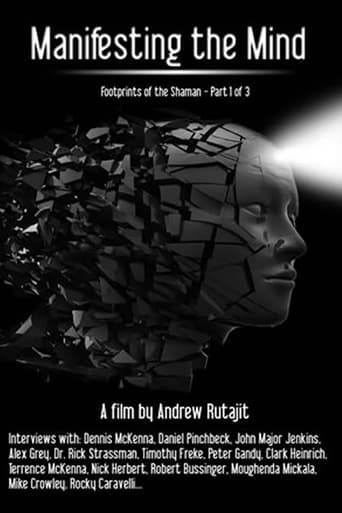
This film is an initiatory journey among the Fangs of Gabon and the Shipibos of Peru. With the sound of traditional instruments like the mogongo (arc in the mouth), the holy harp, and the Icaros, we discover the traditional peoples’ wisdom.
Social & External
The people behind it
Sandra Ingerman
The US detonated 67 nuclear weapons over the Bikini Atoll in the Marshall Islands during the Cold War, the consequences of which still reverberate down four generations to today. "NUKED," is a timely new feature documentary focussing on the human victims of the nuclear arms race, tracing the displaced Bikinian's ongoing struggle for justice and survival even as climate change poses a new existential threat. Using carefully restored archival footage to resurrect contemporaneous islanders’ voices and juxtaposing these with the full, awesome fury of the nuclear detonations, NUKED starkly contrasts the official record with the lived experience of the Bikinians themselves, serving as an important counterpoint to this summer’s Oppenheimer.
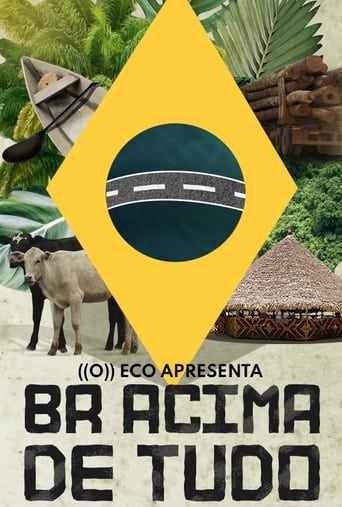
Rescue bridge of the Tupinambá de Uruçumirim village, headquarters of the Tamoia Confederation until 1567, when it was destroyed in a genocidal operation, commanded by Portuguese led by Estácio de Sá, with the support of the Jesuits Manuel da Nóbrega and Anchieta, here founding the city of Rio de January. Testimony and contemporary point of view from Pajé Sapaim Kamayurá.
Disrupt, reject, destroy, avoid: At the interrupted rhythm of the broken photographs that a granddaughter has rescued from her grandfather’s hands, the last piece reconstructs the memory of an older man who has decided to leave behind his life impulses to surrender to sleep and calm. An essay on the act of joining our memories, the illusion of remembering and the freedom to forget.
Three friends fly from Europe to Gabon to undergo a Bwiti initiation ceremony. After ritual bathing, they will eat the root bark of the iboga tree.
Ãjãí is a fun game in which only the players' heads can touch the ball. This practice, shared by few indigenous peoples in the world, is present among the Myky and Manoki populations of Mato Grosso, who speak a language of an isolated linguistic family. of the villages. But to organize this great party, your young bosses will face some challenges ahead.
Living with Giants delves into the imaginative world of Paulusie Kasudluak, a young Inuk facing responsibilities as he transitions into adulthood. The film portrays his thoughts, his dreams, and his beliefs, and allows for an intimate immersion into his life. Paulusie is a caring son to his ailing father and a good boyfriend. But what begins as the story of an innocent teenager quickly becomes the struggle of a young man coping with the guilt of having made a huge mistake. Tragically, Paulusie takes the most dramatic decision and takes his own life. Living with Giants remains a poetic journey of resilience that echoes issues that are far greater than Paulusie's personal story.
Documentary that accompanies the exchange between the mestizo urban artist Xadalu and the filmmaker of the Mbya Guarani ethnic group Ariel Kuaray Ortega. As part of his artistic quest, Xadalu goes on an immersion in Guarani territory, accompanied by Ariel. While traveling between villages, Xadalu transforms his experiences into art. After this period, Xadalu travels spreading his work through the streets of several cities. Ariel accompanies him filming wherever they go. Xadalu introduces Ariel to a new world: the world of street art. United in the same fight for the indigenous cause, Xadalu and Ariel cross over for special places and experiences, while their relationship evolves and changes.
Angels Gather Here’ follows Jacki Trapman’s journey back to her hometown of Brewarrina to celebrate her parents, Bill and Barbara’s 60th Wedding Anniversary. Going home is never easy for Jacki. Amidst the family celebrations she reflects on her life; her story symbolising the strength, dignity and resilience of many Aboriginal people in the face of adversity.
Three Alaska Native women work to save their endangered language, Kodiak Alutiiq, and ensure the future of their culture while confronting their personal demons. With just 41 fluent Native speakers remaining, mostly Elders, some estimate their language could die out within ten years. The small community travels to a remote Island, where a language immersion experiment unfolds with the remaining fluent Elders. Young camper Sadie, an at-risk 13 year old learner and budding Alutiiq dancer, is inspired and gains strength through her work with the teachers. Yet PTSD and politics loom large as the elders, teachers, and students try to continue the difficult task of language revitalization over the next five years.
Alanis Obomsawin, a North American Indian who earns her living by singing and making films, is the mother of an adopted child. She talks about her life, her people, and her responsibilities as a single parent. Her observations shake some of our cultural assumptions.
The first mountains that the Amsterdam-based Colombian artist and filmmaker Ana Bravo Pérez saw in the Netherlands were black. In this experimental work, she follows the stench of the coal in the port of Amsterdam back to its origin: an open wound in northern Colombia. The mine is located in the territory of the Wayuu and has a huge impact on the indigenous people.
In this evocative meditation, a disturbing link is made between the resource extraction industries’ exploitation of the land and violence inflicted on Indigenous women and girls. Or, as one young woman testifies, “Just as the land is being used, these women are being used.”
When an academic unearths a forgotten history, residents of the small township of Pukekohe, including kaumātua who have never told their personal stories before, confront its deep and dark racist past.
The Indigenous peoples of northern British Columbia still hunt and fish, using a combination of traditional ways and modern equipment and techniques where appropriate. Lumbering and trapping bring them money and goods. Their traditional arts and crafts, however, remain essentially unchanged. This archival film reflects the social and cultural values and beliefs prevalent at the time of production.
Documentary about the Velasco regime and the material conditions in Peru prior to the coup d'état in 1968, as well as the Peruvian left wing
In this searing documentary, Indigenous people share heartbreaking stories that reveal the injustices inflicted by the Canadian child welfare system.
Seas the Day: The Sailing Movie is a genre-defying documentary that blends real-world adventure with deeply human storytelling. It transcends typical sailing documentaries by blending docu-fiction with a narrative inspired by Joseph Campbell’s classic The Hero's Journey. Directed by Ryan Luskin, an anthropologist and teacher, the film follows his family's quest across sixteen countries, learning life skills from diverse cultures.
Tackling colossal waterfalls in Gabon, kayakers Adrian Mattern, Dane Jackson, Bren Orton and Kalob Grady's story of high-stakes adventure reveals the gritty reality behind the veneer of social media.
Flora Bear’s youngest granddaughter searches for truth and answers about her Indigenous grandmother’s life.
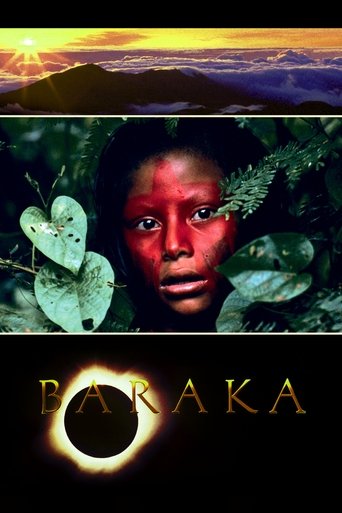
A paralysingly beautiful documentary with a global vision—an odyssey through landscape and time—that attempts to capture the essence of life.
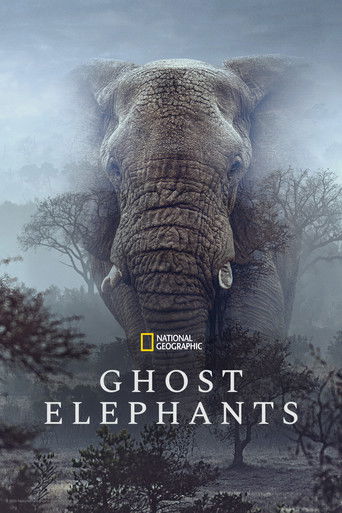
In Angola's mist-shrouded highlands, three KhoiSan master trackers embark on a spiritual quest to rediscover the legendary "ghost elephants" of Lisima, creatures presumed lost but remembered in ancestral trance, ritual, and memory.
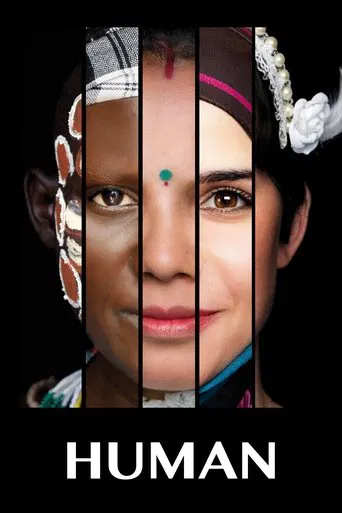
A collection of stories about and images of our world, offering an immersion to the core of what it means to be human. Through these stories full of love and happiness, as well as hatred and violence, it brings us face to face with the Other, making us reflect on our lives. From stories of everyday experiences to accounts of the most unbelievable lives, these poignant encounters share a rare sincerity and underline who we are – our darker side, but also what is most noble in us, and what is universal. Our Earth is shown at its most sublime through never-before-seen aerial images accompanied by soaring music, resulting in an ode to the beauty of the world, providing a moment to draw breath and for introspection. This film is a politically engaged work which allows us to embrace the human condition and to reflect on the meaning of our existence.
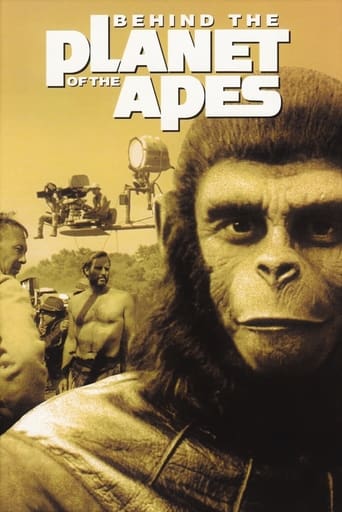
Roddy McDowall takes you, film by film, from production meetings to make-up sessions, then right onto the movie set to see the actual filming of the science fiction masterpiece. The most comprehensive history of Planet of the Apes ever created, this fascinating 127-minute documentary explores one of the most imaginative and influential series in movie history.
A documentary about how a dominant cultural and demographic institution both sustains their traditional activities and adapts to the digital revolution.
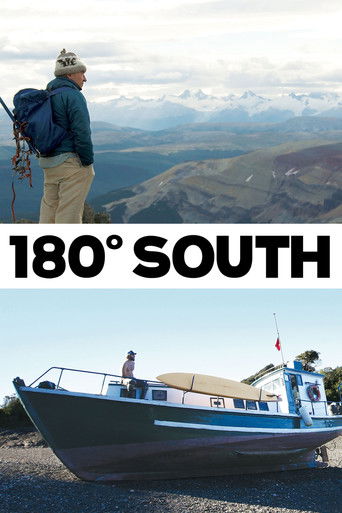
The film follows adventurer Jeff Johnson as he retraces the epic 1968 journey of his heroes Yvon Chouinard and Doug Tompkins to Patagonia.
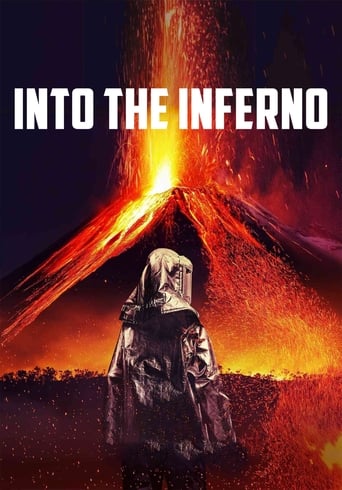
With stunning views of eruptions and lava flows, Werner Herzog captures the raw power of volcanoes and their ties to indigenous spiritual practices.
The life of Bambi, a male roe deer, from his birth through childhood, the loss of his mother, the finding of a mate, the lessons he learns from his father, and the experience he gains about the dangers posed by human hunters in the forest.
Takes us to locations all around the US and shows us the heavy toll that modern technology is having on humans and the earth. The visual tone poem contains neither dialogue nor a vocalized narration: its tone is set by the juxtaposition of images and the exceptional music by Philip Glass.
The film is based on interviews with 2,000 women from 50 countries, and covers the status of women all over the world. The topics covered include forced marriages, sexual assault, female genital mutilation, acid attacks, motherhood, sexuality, menstruation, education and the professional success of women.
A visual montage portrait of our contemporary world dominated by globalized technology and violence.
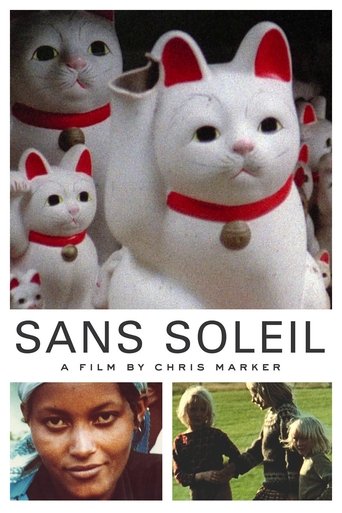
A woman narrates the thoughts of a world traveler, meditations on time and memory expressed in words and images from places as far-flung as Japan, Guinea-Bissau, Iceland, and San Francisco.
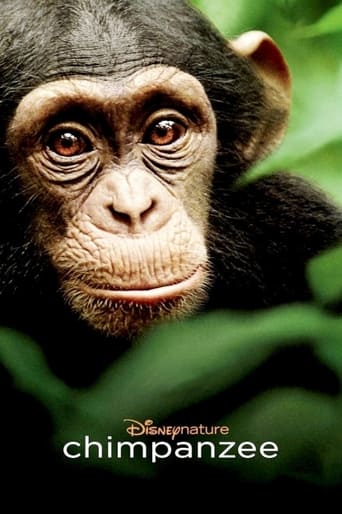
A nature documentary centered on a family of chimps living in the Ivory Coast and Ugandan rain forests. Through Oscar, a little chimpanzee, we discover learning about life in the heart of the African tropical forest and follow his first steps in this world with humor, emotion and anguish. Following a tragedy, he finds himself separated from his mother and left alone to face the hostility of the jungle. Until he is picked up by an older chimpanzee, who will take him under her protection.
Capturing Avatar is a feature length behind-the-scenes documentary about the making of Avatar. It uses footage from the film's development, as well as stock footage from as far back as the production of Titanic in 1995. Also included are numerous interviews with cast, artists, and other crew members. The documentary was released as a bonus feature on the extended collector's edition of Avatar.
This revealing documentary honors the legendary Sidney Poitier—iconic actor, filmmaker, and civil rights activist. Featuring interviews with Denzel Washington, Spike Lee, Halle Berry, and more.
A documentary about a man who impersonates a wise Indian Guru and builds a following in Arizona. At the height of his popularity, the Guru Kumaré must reveal his true identity to his disciples and unveil his greatest teaching of all.
An intimate portrait of the small shops and shopkeepers of the Rue Daguerre in Paris, a picturesque street that has been the filmmaker’s home for more than 50 years.
Lupita Nyong'o narrates a documentary about Peanuts and its creator, Charles M. Schulz. Famous fans—including Drew Barrymore, Kevin Smith, and Al Roker—share its influence on them, and a new animated story finds Charlie Brown on a quest.
A non-narrated documentary following the lovesome lives of four infants from birth to their first birthday. The babies featured are two from rural areas: Ponijao from Opuwo, Namibia, and Bayar from Bayanchandmani, Mongolia, as well as two from urban areas: Mari from Tokyo, Japan, and Hattie from San Francisco, USA.
Born to Be Wild observes various orphaned jungle animals and their day-to-day behavioural interactions with the individuals who rescue them and raise them to adulthood. The film unfurls in two separate geographic spheres. Half of it takes place in the rain forests of Borneo, where celebrated primatologist Dr. Birute Galdikas assists baby orangutans; the other half takes place on the arid savannahs of Kenya, where zoologist Dame Daphne Sheldrick works with baby elephant calves.