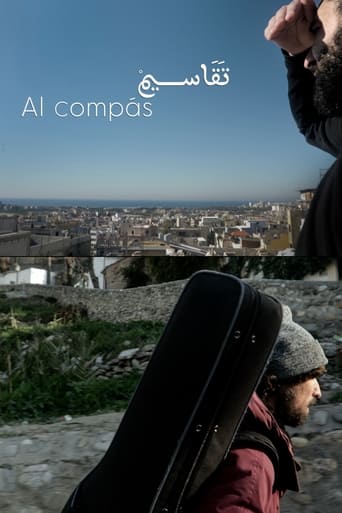
Documentary about the folk scene around Castilla y León
Social & External
Unknown Role
Father John Misty performs a career spanning setlist at The Ryman in Nashville, TN, during the tour for his 5th studio LP, Chloë and the Next 20th Century
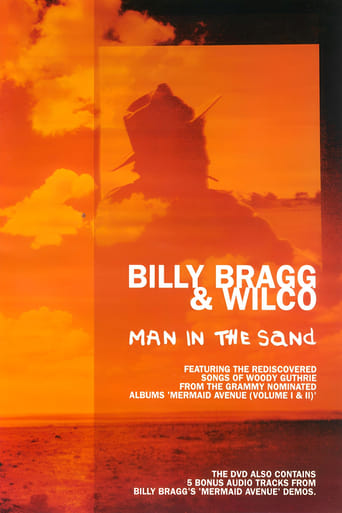
Every American who has listened to the radio knows Guthrie's "This Land Is Your Land." The music of the folk singer/songwriter has been recorded by everyone from the Mormon Tabernacle Choir to U2. Originally blowing out of the Dust Bowl in Depression-era America, he blended vernacular, rural music and populism to give voice to millions of downtrodden citizens. Guthrie's music was politically leftist, uniquely patriotic and always inspirational.
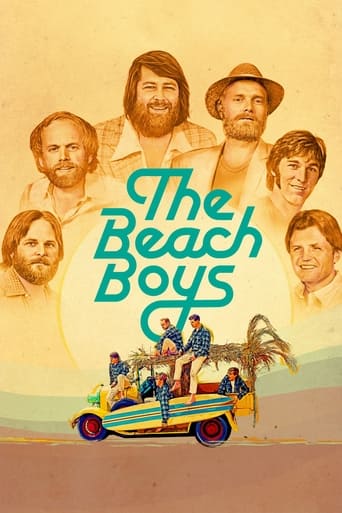
This special celebrates the harmonious pop-rock group, blending full-performance clips, rare home movies and exclusive interviews with the members.
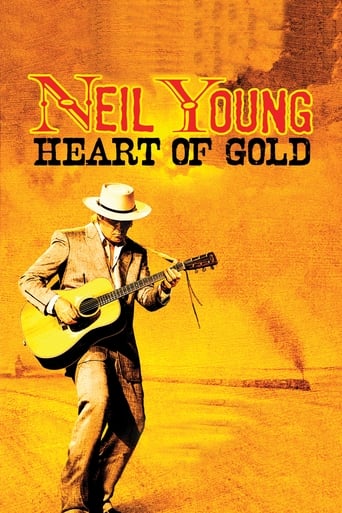
In March 2005, Neil Young was diagnosed with a brain aneurysm. Four days before he was scheduled for a lifesaving operation, he headed to Nashville, where he wrote and recorded the country folk album Prairie Wind with old friends and family members. After the successful operation and recovery period, he returned to Nashville that August to play at the famed Ryman Auditorium, once again gathering together friends and family for this special performance.
While flying to the first stop on their latest tour, the four members of the Australian music group The Seekers recall in flashback the origins of the group and their rise to success.
A rare 1979 BBC Arena documentary on the Albion Band, Ashley Hutchings and the development of English folk rock up to that time.
Following folk musician Joan Baez on her extensive 2008-2009 tour, this film commemorates her career, which has spanned five decades. It includes concert and archival footage as well as interviews with such disparate colleagues, friends and admirers as Bob Dylan, Jesse Jackson and David Crosby. In addition to the music, it also touchs upon Baez's long history of global social activism.
Documentary following English folk-rock pioneers Fairport Convention as they celebrate their 45th anniversary in 2012. Fairport's iconic 1969 album Liege and Lief featured some of folk music's biggest names - including singer Sandy Denny, guitarist Richard Thompson and fiddler Dave Swarbrick - and was voted by Radio 2 listeners as the most influential folk album of all time.
The music speaks for itself in this performance documentary that highlights some of the biggest names within the country-folk scene in Texas and Tennessee during the last weeks of 1975 and the first weeks of 1976, eschewing narration and staged interviews.
A journey through Italy across a century of popular religious devotion. Ancient and more recent saints, white and black Madonnas, devotional processions... are the expression of a need for the sacred that seems very distant from our way of being, but perhaps is not that distant at all. Today, especially in the South, but with some “isolated” locations in the North, popular faith is still a very real thing, which finds its finest expression in song and in music.
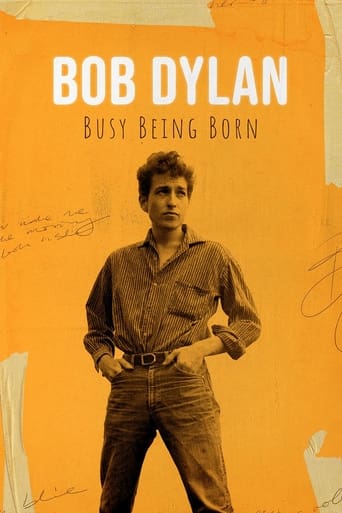
Few musicians have made an impact throughout the decades as seismic as Bob Dylan. Retrace his journey, from humble folk beginnings in Hibbing, to the bustling electric Greenwich Village.
A portrait of the Chicago Near-North nightlife scene in the mid-1960s, centering around the struggles and romantic desires of an African American singer played by long-forgotten folk sensation Willie Wright. (Courtesy Chicago Film Archives)
The dance house movement, which (illegally) brought folk music from the minority Hungarian Gypsies and peasants of Transylvania - now part of Romania - to Budapest, and its effect on views of the value of traditional culture.
On the 38th anniversary of the seminal music documentary, Heartworn Highways - a film that explored and captured the nascent roots of the Outlaw Country movement in the mid-70s - this followup documentary celebrates the authenticity and expresses the feelings of the legendary original, via a community of contemporary "outlaws" living and creating music in Nashville, Tennessee.
Stompin' Tom performs live at the Horseshoe Tavern on Queen St. in Toronto.
Interviews and rare archive footage weave together performances from a landmark multi-artist concert at the Royal Festival Hall in London, celebrating the songs and artistry of the great folk-blues troubadour Bert Jansch.
The Library of Congress Gershwin Prize for Popular Song will honor either a songwriter, interpreter, or singer/songwriter whose career reflects lifetime achievement in promoting the genre of song as a vehicle of artistic expression and cultural understanding. Paul Simon, one of America's most respected songwriters and musicians, was the recipient of the first annual Library of Congress Gershwin Prize for Popular Song. Named in honor of the legendary George and Ira Gershwin, the award recognizes the profound and positive effect of popular music on the world's culture.
He was born in Granada, the only city in the world with an explosive name. At the age of ten he joined the Falange because he wanted to play the drum. His biggest musical influences have been Holy Week and his first host, the one he was given at birth. It was produced at the age of sixteen. A little later he began using drugs to escape. he should have died before thirty. For forty years he has hit the drums as life has hit him, with all his might.
This short film was created by a group of Indigenous filmmakers at the NFB in 1972 and is essentially a song by Willie Dunn sung by Bob Charlie and illustrated by John Fadden: "Who were the ones who bid you welcome and took you by the hand, inviting you here by our campfires, as brothers we might stand?" The song expresses bitter memories of the past, of trust repaid by treachery, and of friendship debased by exploitation upon the arrival of European colonists.
A film about the first benefit rock concert when major musicians performed to raise relief funds for the poor of Bangladesh. The Concert for Bangladesh was a pair of benefit concerts organised by former Beatles guitarist George Harrison and Indian sitar player Ravi Shankar. The shows were held at 2:30 and 8:00 pm on Sunday, 1 August 1971, at Madison Square Garden in New York City, to raise international awareness of, and fund relief for refugees from East Pakistan, following the Bangladesh Liberation War-related genocide.