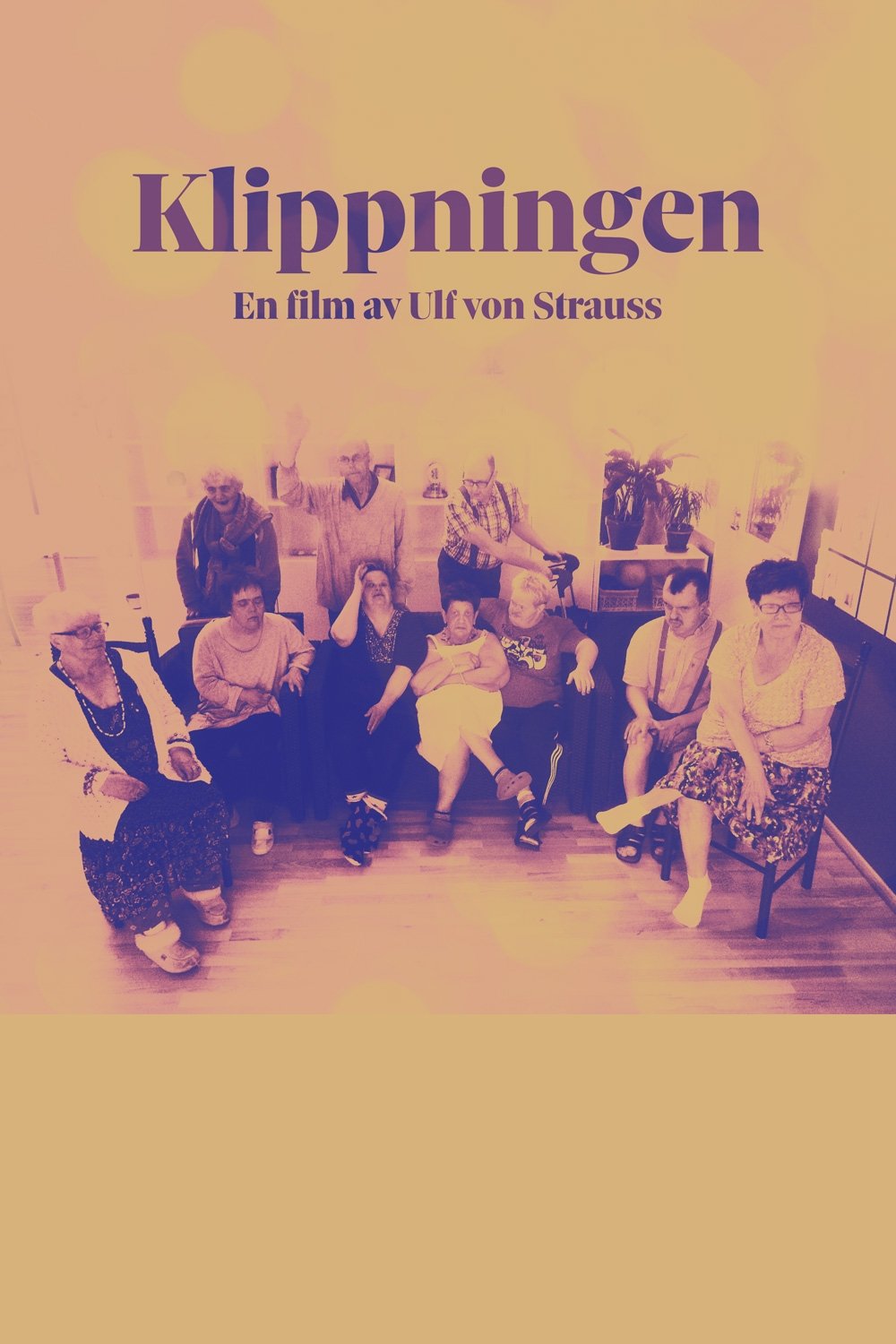
Maria Jansson is a teacher in Tyresö. Every other month she travels to Åkersvängen, a home for people with disabilities on Åland. She travels to cut the hair of her brother and his friends at Åkersvängen.
Social & External
Herself
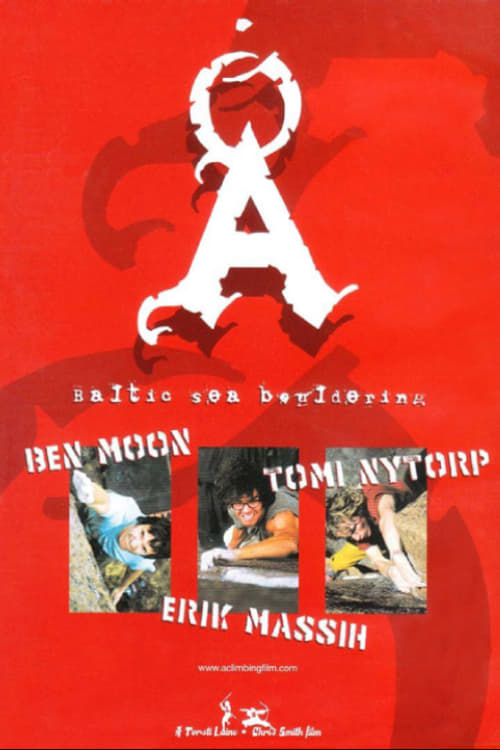
In late summer 2003, climbers from Britain, Sweden, and Finland descended upon the sleepy archipelago of Aland in the Baltic Sea to discover for themselves, its combination of spectacularly beautiful scenery and array of climbing problems. Baltic Sea Bouldering presents an insight into how climbers tackle this fresh and exciting bouldering destination. What we receive is a fascinating look at how some of Europe's best climbers tackle an unclimbed highball project that stretches mental strength to the limits.
Finland’s first nature documentary. The filmmakers’ expedition leads them all the way to the Åland Islands and the Karelian Isthmus.
A film about Edo's petrol station run by two brothers that seems like it has been frozen in time since the 1950s.
The old bus "Tired Theodore" came into service in 1954 and operated for long periods along the line Lumparland - Mariehamn. One summer day a number of older people had gathered for a bus ride along the winding country roads in Lumparland, and to relive old memories. At the same time one of the locals, Putte Karlsson, took up a large project: rebuilding the old mill in Lumparby. The mill was owned by his grandfather, skipper and farmer in the village. Sawmills previously existed in many villages in Åland Islands but today they are no longer in use. It is a big challenge and many are skeptical that Putte will put everything to work.
Bomarsund 1854 tells the story of two humanists, whose actions during the Crimean War prevented bloodshed. They are the British hydrographer, Bartholomew James Sulivan, and the Russian commandant, Jacov Andreyevitch Bodisco, two men who fought on opposite sides in the war. It also traces the rise and fall of the multi-cultural community of Bomarsund. The small island of Åland, located in the Baltic Sea between Sweden and Finland, played a significant role in the war that raged during 1854, originally called the Oriental War and partially fought in Northern Europe. The Baltic campaigns became the forgotten theatre of the Crimean War. The attention awarded events elsewhere has overshadowed the significance of this theatre, which lay close to the Russian capital of St Petersburg.
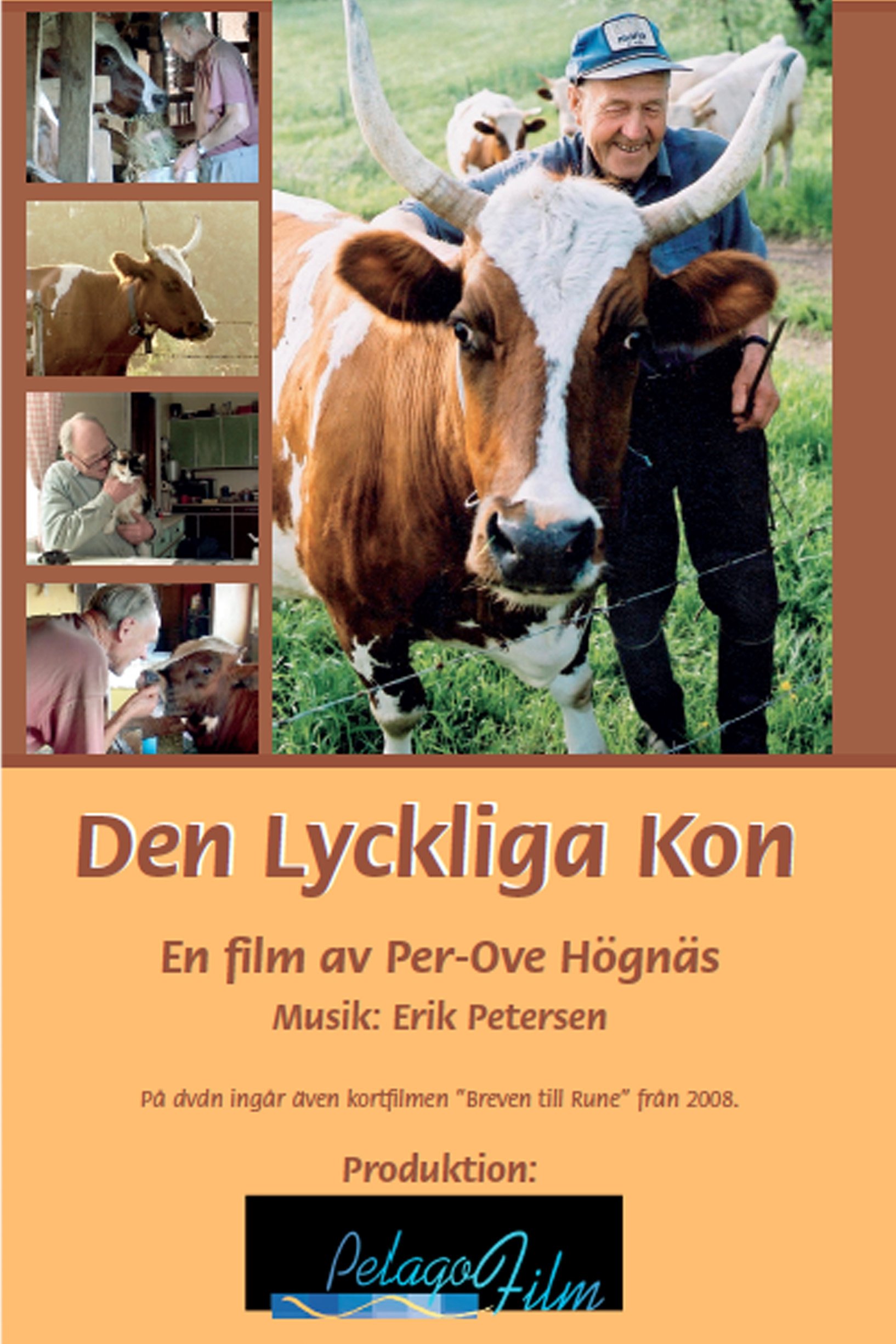
The Happy Cow ”is a documentary about the love and concern of a human being for animals. At the same time, it is a story about a person's great sacrifices and the stubborn struggle to maintain a lifestyle and culture that are irrevocably about to disappear. Rune has chosen to stay out of EU regulations. He refuses to fill out forms and refuses to mark his cows with yellow plastic markings in their ears. Therefore, he cannot even deliver his milk to the dairy. Some of the milk is given to the calves, but most of it ends up in the manure pile. Thousands of litres of milk are thrown away every year.
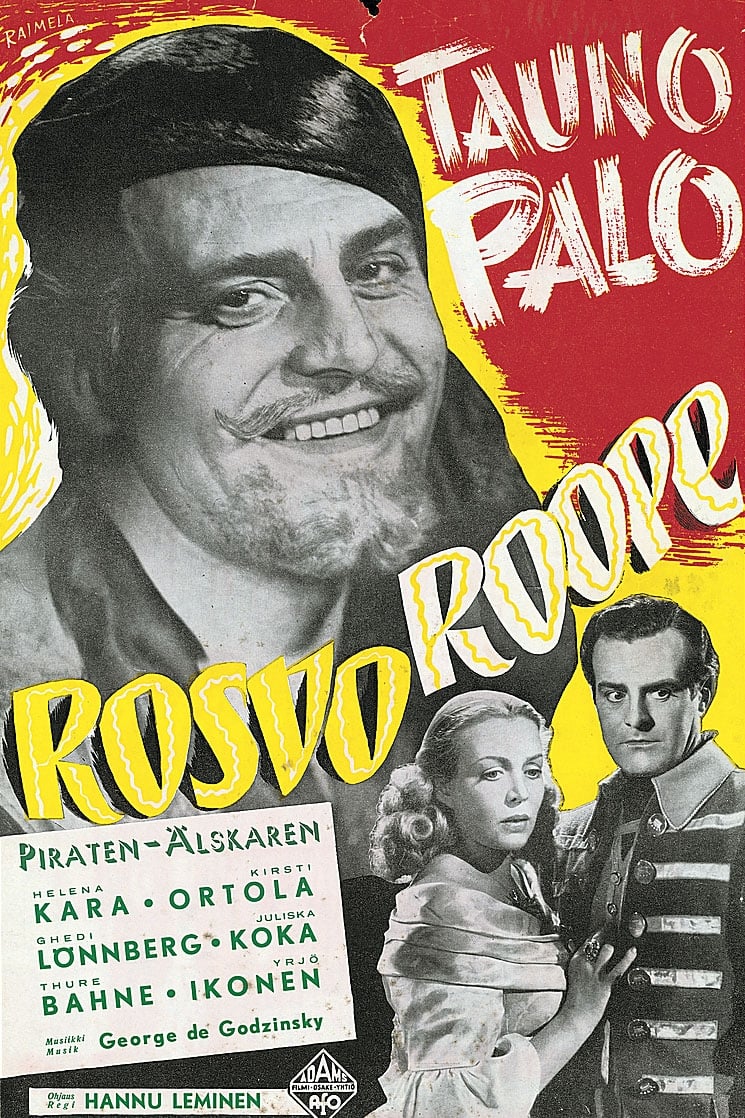
In the 18th century, Robert's beloved Helena is forced to marry the cruel Henrik Brest. Robert becomes Roope the Pirate, the most famous pirate in the Baltic Sea, whose legendary life includes scheming and partying, sword fights and women's adventures.
Maja and Janne move to the barren and remote island of Stormskerry, where survival is a daily struggle. Growing up in a world of old values, Maja becomes aware of a new era: a woman can be an equal partner instead of a mere bystander. The couple have children, and life is good until trouble sets in: war arrives on the island, Janne is forced to flee from the English troops, and Maja and the children are imprisoned. The family also faces many financial difficulties and death. Years pass, but Maja remains strong and stays in Stormskerry despite all the hardships and difficulties.
Discover more about Aromatherapy with the help of a very experienced Aromatherapist, a range of the most popular essential oils are explained and the best ways in which to use them.
With many breeds and countless variations, canines are one of the most diverse species on Earth. From ears to tails, coats to paws, every part of their bodies is uniquely structured to serve a purpose. How Dogs Got Their Shapes shines a light on a variety of canine shapes to explain how each aspect plays a pivotal role in the evolution, history, and behavior of distinct dog breeds.
"Born in a coffin" - For 60 years Sonja Malmberg worked as a undertaker in Filipstad, Värmland, Sweden. At the age of 83 she leaves the office, after also having written three books. Poems and texts from these books form the backbone of this portrait of her, in the meeting with filmmaker Staffan Winbergh. A friendship for almost 50 years.
"With one foot in eternity. Arne in the boat." - About the existential everyday artist, subsistence and natural philosopher Arne Ottoson who has chosen to isolate himself in an earthen hut in the woods of western Värmland, Sweden.
Set in the mountains of northeast Italy, this film may be considered an observational documentary about rural life. Although this is undeniably the case, at the same time Under the cold stars can hardly be considered a documentary: the microcosm on which it focuses appears to be a reflection of a broader reality and perhaps a way to deal with the themes of man’s existence and his relationship with animals, nature and, most importantly, with time. As written by Franco Piavoli "it is a film which essentially relies on images and sound, where words themselves are sound and the music of life, of the relentless flow of time."
Film Geek is a joyous and emotional look back at a movie obsessed kid growing up in New York City, and his relationship with his mysterious father. Crafted entirely out of film clips from over 2,000 movies, as well as his personal archives, Emmy and DGA-award winning director Richard Shepard mines the material for clues to understand his own DNA.
The story of Alexa's journey as a trans woman, navigating the toxic culture that encompasses skateboarding, and what it means to transcend fear through community.
A nuanced portrait of a new generation, Dear Thirteen is a cinematic time capsule of coming of age in today’s world. Through the eyes of nine thirteen-year-olds, we see how pressing social, geographical and political challenges are shaping, and being shaped by, young people: rising anti-Semitism in Europe, guns in America, gender identity and racial divisions across Australia and Asia. With no adult commentary outside the filmmaker, Dear Thirteen offers an intimate view into the universal uncertainty inherent in growing up.
For 30 years, Chef Jimmy Lee Hill has dedicated himself to the gourmet culinary training program he leads at Lakeland Correctional Facility in Coldwater, Michigan. The pioneering program gives prisoners a prestigious skill they can take back into the workforce and provides a sense of purpose as they serve their time. As he enters his senior years, tensions arise over Chef Hill’s faith in a particular trainee.
In May 2015, a group of students from Tokyo, ranging in age from 16 to 23, head to a farmhouse in Sukagawa, Fukushima Prefecture. They were met by Kazuya Tarukawa, a farmer, and his mother, Mitsuyo. Kazuya's father took his own life immediately after the nuclear accident, saying that he may have encouraged his son, who had taken over the farming business, down the wrong path. Kazuya struggles as a farmer and the students who listen to him talk about the reality of crops in Fukushima four years after the disaster and the absurdity of TEPCO's compensation system, as well as his determination to carry on farming on his ancestral land.
Two Black and Latinx civil rights champions join forces to fight structural racism amid a troubling resurgence of white supremacy.