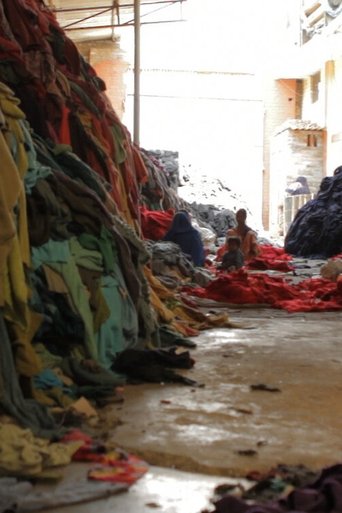
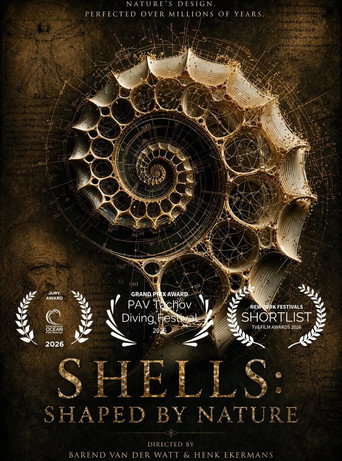
Documentary about a woman who wants to reinvest her Shell stock for a better future.
Social & External
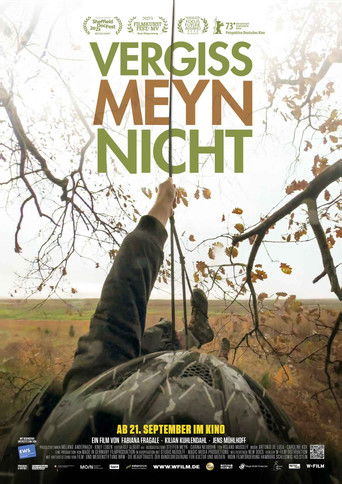
Fall 2018: The Hambach Forest becomes a chaotic scene of the climate conflict. In the midst of this chaos, film student Steffen Meyn has a fatal accident. Based on footage he collected over two years, we follow Steffen’s path up the trees and into an activism full of contradictions.
A compilation of conferences/debates between renowned designers, environmental activists, and students on the concept of design. Held in Aspen, Colorado, USA.
Lydia Jennings is a member of the Huichol (Wixaritari) and Pascua Yaqui (Yoeme) Nations and holds a doctorate in soil microbiology. Her work is dedicated to environmental science and the essential role of Indigenous communities in these spaces. Her hope is to create more inclusive academic and environmental landscapes. In place of her graduation, which was canceled as a result of the pandemic, Lydia instead celebrated by running 50 miles in honor of the Indigenous scientists and knowledge keepers who came before her. It’s a run to honor the past and present while looking towards the future.
Activist/author Edward Abbey's legacy lives on in his best-selling books and now in director ML Lincoln's lively documentary. Lincoln pays tribute to Abbey and the environmental movement he inspired, reenacting his "monkeywrenching," and interviewing notable eco-warriors and present-day activists.
"Black Diamonds: Mountaintop Removal and the Fight for Coalfield Justice" is an award-winning feature documentary exploring radical community resistance to the explosive rise of mountaintop removal coal mines in Appalachian states.
A richly lyrical documentary celebration of the vibrant beach life in the North East of England, constructed entirely out of Sirkka-Liisa Konttinen's black & white photographs.
Set in the rural town of Marmora; the home of Punkfest, arsenic poisoning, radioactive pollution, and visions of the Virgin Mary.
At the Edge of the World chronicles the controversial Sea Shepherd Antarctic Campaign against a Japanese whaling fleet. The international volunteer crew, under-trained and under-equipped, develop a combination of bizarre and brilliant tactics with which to stop the whalers. But first they must find the Japanese ships, a far more difficult challenge than ever imagined - long-time activist Paul Watson and first-time captain Alex Cornelissen employ an array of strategies in the hopes of finding an elusive adversary in the vast expanse of the Ross Sea. With one ship (the Farley Mowat) too slow to chase down the whaling fleet, with their second ship (the Robert Hunter) unsuited for Antarctic ice conditions and with no country supporting their efforts to enforce international law, the situation becomes increasingly desperate. Against all odds, however, a real-life pirate tale unfolds - a modern-day "David vs. Goliath" adventure.
From Inside of Here is a feature-length non-fiction film based in research in the Mexican Wolf Recovery Area in western New Mexico. The audience is invited to understand the filmmaker as a subject co-produced by their location, as well as consider the ways the land is co-produced by those on it. The place itself is a character in the film, as are the filmmaker's methods. The film is composed of multiple media: 16mm film, HD video, infrared stills, inter-titles, and sound recordings. The result is a feminist ethnographic landscape film that communicates both the majesty of 1800s landscape photography and the violence of a settler colonial gaze that is its context.
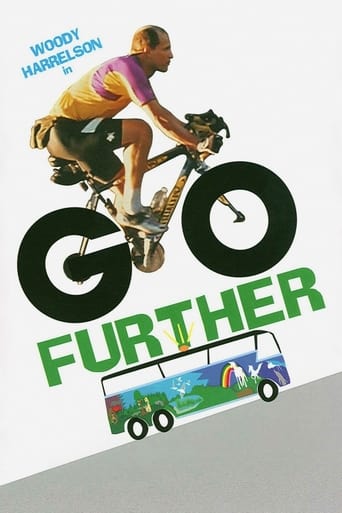
"Go Further" explores the idea that the single individual is the key to large-scale transformational change. The film follows actor Woody Harrelson as he takes a small group of friends on a bio-fueled bus-ride down the Pacific Coast Highway. Their goal? To show the people they encounter that there are viable alternatives.
A documentary on Paul Watson, who takes the law into his own hands on the open seas, confronting, by any nonviolent means necessary, the hunters who indiscriminately slaughter whales, seals and sharks, along with complicit governments and environmental organizations. Written by Anonymous "Pirate for the Sea" is a biographical film of Captain Paul Watson, the youngest founding member of Greenpeace Canada. He organized early campaigns protesting the killing of seals, whales, and dolphins. Greenpeace ejected him for being too much of an activist. Starting his own organization, the Sea Shepherd Conservation Society, he went on to sink illegal whaling ships, stopped Canadian seal hunts for ten years, permanently halted sealing in British Isles, killing of dolphins on Iki Island, Japan, etc. This documentary witnesses his latest campaigns and explores the personal and environmental history of this controversial marine conservationist. Written by R.C.
Shangri-La (2023) journeys through Mongolia from an intercultural perspective, reflecting on tradition, modernity, and the tension between indigenous and Western belief systems. As filmmakers from industrialized nations — Germany and South Korea — we critically examine our own positions as outsiders, questioning the ways in which histories, environments, and ways of knowing are perceived and represented.
When the Greenpeace ship Arctic Sunrise set sail in 2013 to protest the first ever oil drilling in the Arctic Ocean, none of the people on board could have known what was coming. Seized at gunpoint by Russian special forces, the 'Arctic 30' were thrust into headlines all over the world, facing up to 15 years in prison and finding themselves at the centre of a bitter international dispute.
Mauri (life principle, life force, vital essence inherent in all living things) The film is an intimate, visually stunning testament to a land and a people who have survived removal, exploitation and colonization — and to the healing ways that are part of the Māori ancestral knowledge. It juxtaposes the enduring trauma of colonialism with the resilience offered through Māori ancestral healing traditions.
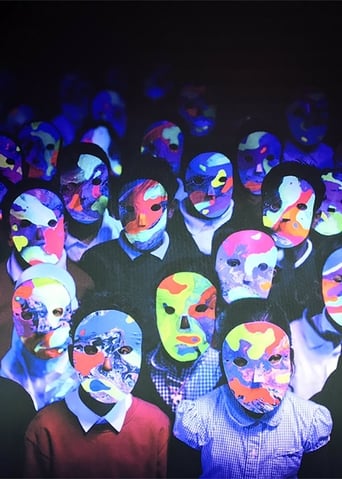
Ted Hughes's 1993 novel The Iron Woman is the springboard for this multi-media project by Mikhail Karikis. The video section of the installation features seven-year-olds from Mayflower Primary School in East London discussing the novel's environmental themes.
Standing Rock, 2016: the largest Native American occupation since Wounded Knee, thousands of activists, environmentalists, and militarized police descend on the Dakota Access Pipeline, in a standoff between Big Oil and a new generation of native warriors. Embedded in the movement, native activist and filmmaker Cody Lucich chronicles the sweeping struggle in stunning clarity, as the forces battle through summer to bitter winter, capturing the spirit and havoc of an uprising. From the initial gathering days on the Standing Rock reservation, the movement grew to thousands of water protectors, living in a protest camp and resisting construction of the Dakota Access Pipeline. Akicita focuses on the voices of young Native warriors who stepped up to lead the charge, expressing the beats of the movement from every front—confrontations with the police, the vibrant daily customs of the camp, and more. Through the eyes of the young Native protesters, the struggle feels deeply personal.
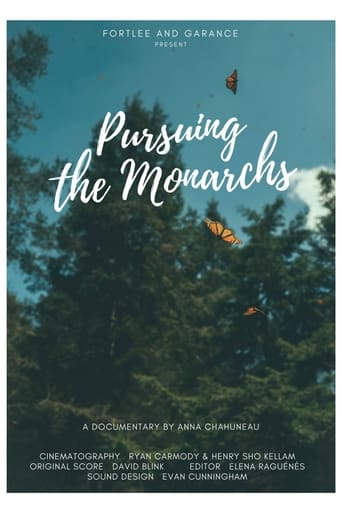
The story of the Monarch butterfly: a symbol of American pride and the embodiment of the returning dead in Mexico. It would be a happy story, only, today they are dying. The monarch butterflies population has declined by up to 80% in the last decade. Who is to blame?
This piece gives the viewer a glimpse into the life and philosophy of Dale Egan who has been practicing the art of 'Gl'nage' for decades where he reclaims the artefacts of our disposable society.
Built on a layer of frozen earth, Dawson City, Yukon, Canada has subarctic winters where temperatures routinely drop below −40°C. Meet the four season food producers who engage in small-scale agriculture, and those who support their back-to-the-land movement. These resilient unassuming farmers have carved out small patches of fertile soil, in an otherwise unforgiving expanse of isolated wilderness, to make a living and a life.
Exploring the impact of human behavior on our environment from the perspective of one of South Florida's most beloved and fragile underwater creatures: the sea turtle. A critical look at the effects of global warming, water pollution, and our "throw-away" plastic lifestyle on this keystone species...and inevitably ourselves.