Social & External
Narrator (voice)
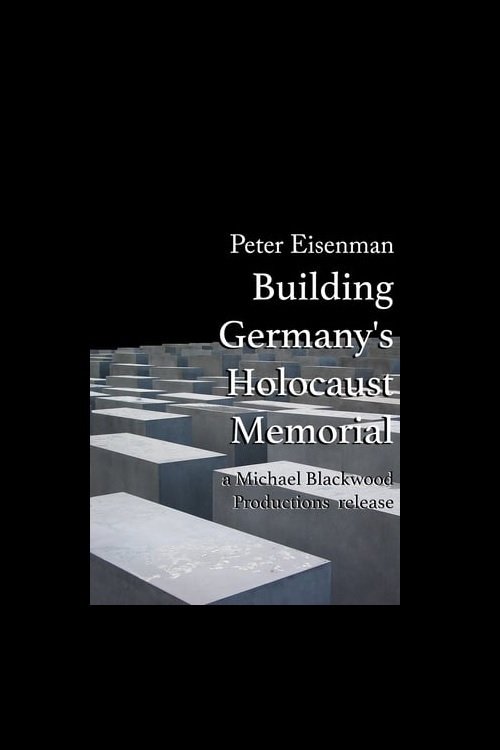
This documentary explores the creation of the Holocaust Memorial in Berlin as designed by architect Peter Eisenman. Reaction of the German public to the completed memorial is also shown.
The little-known story of Ukrainian children torn from their homes in the crush between the Nazi and Soviet fronts in World War II. Spending their childhood as refugees in Europe, these inspiring individuals later immigrated to the United States, creating new homes and communities through their grit, faith and deep belief in the importance of preserving culture.
In 1945, 160 German cities lay in ruins and the loss of millions of lives, billions in material assets and countless cultural treasures was mourned throughout Europe... With the question “How could it happen?”, the film goes back to the year 1914, when the “primal catastrophe of the 20th century” took its course with the First World War.
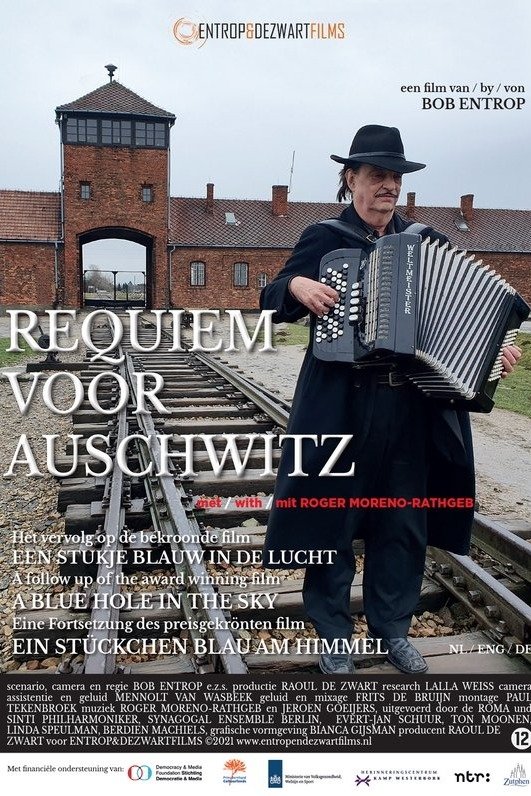
13 years ago, director Bob Entrop made the film A piece of blue in the sky, the first film in the Netherlands that depicted the murder of almost 1 million Sinti and Roma during the Second World War. There is a taboo on what happened during the war, you don't talk about it with anyone and certainly not in front of a camera. Requiem for Auschwitz is a sequel, with the most valuable moments from the first film, supplemented with the grandchildren and the creation and performance of the 'Requiem for Auschwitz' by Sinti composer Roger Moreno Rathgeb by the Sinti and Roma Philharmonic from Frankfurt and a Jewish choir in the Berliner Dom in Berlin, during Holocaust Memorial Day. During his visit to Auschwitz in 2020 with four musicians from the Dutch Accompaniment Orchestra, Roger shows them the places that inspired him.
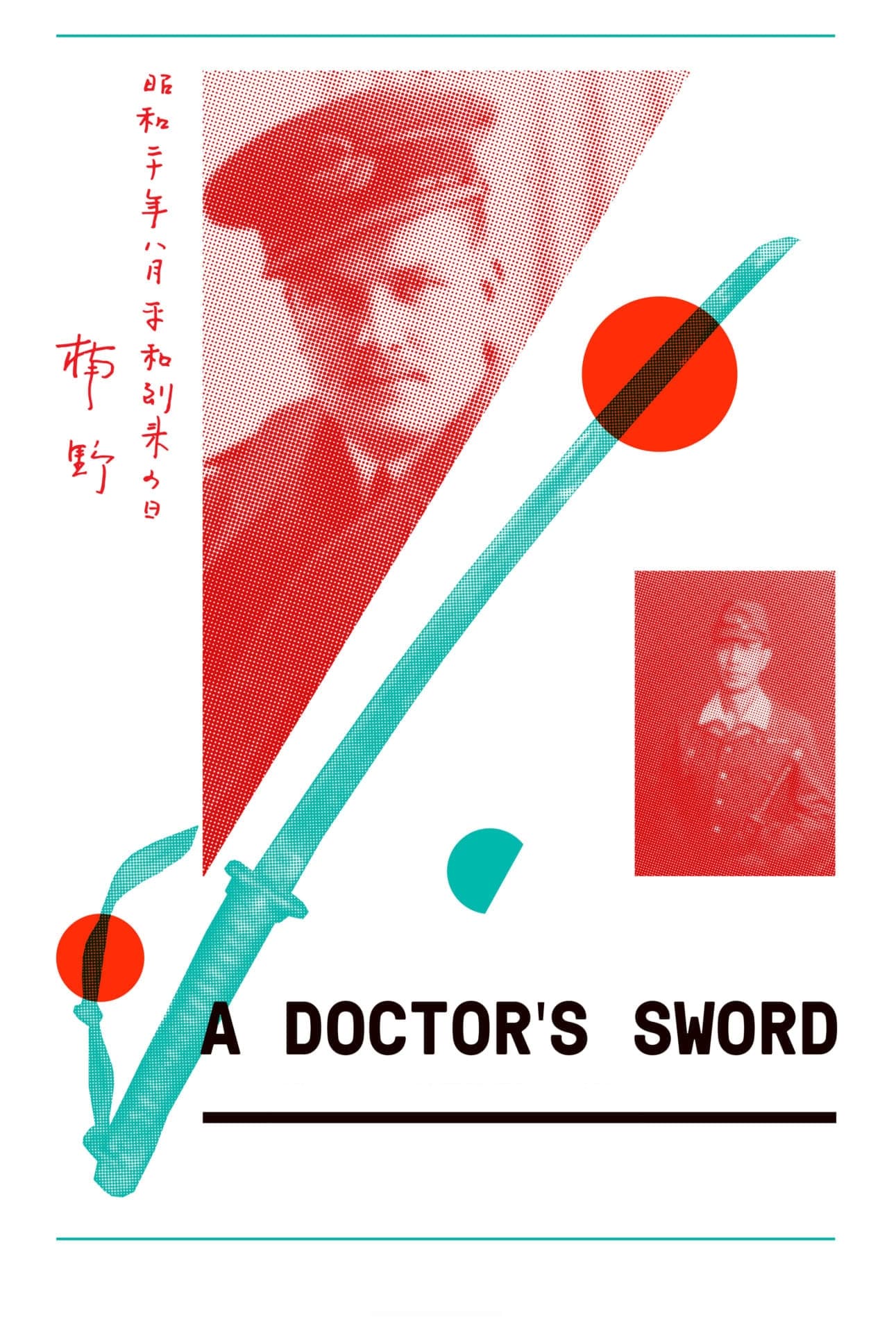
An Irish doctor survived the atomic bomb attack on Nagasaki and was given a Samurai sword for the lives he saved. 70 years later his family searches for the origin of their father's sword.
To help prevent the unthinkable from ever coming true, it is important to know what could really happen....the most awesome and deadly display of warfare that the world has ever seen.
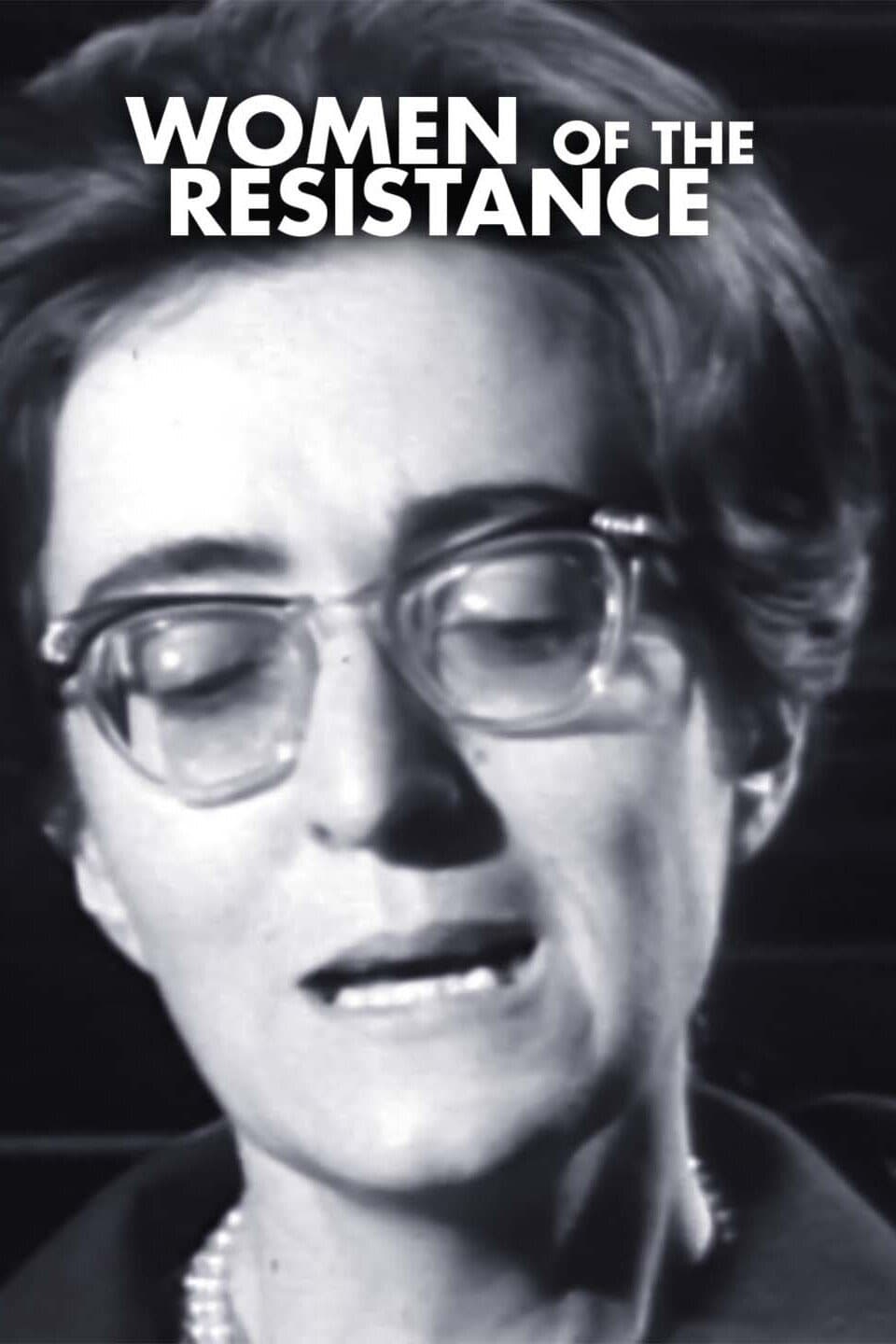
Documentary composed of interviews with female partisans who survived the German invasion of Italy in World War II.
Normandy is a place steeped in history – after the Allied landings on 6th June 1944, it became one of the Second World War’s most hotly contested territories. Making direct reference to Jean Grémillon’s film Le six juin à l’aube, which was shot in 1944/5 under the direct influence of the total destruction of the region, this documentary essay carries out an inspection in search of the traces left behind by history 70 years later.
This major Documentary reveals the true story of the first victory of the Allies over the Axis powers. It is the Victory at the Battle of Greece! The Documentary portrays the tenacity of the Greek soldiers during WW2, which forced Hitler to disperse his forces in a manner unfavorable to his strategic objectives. It catalyzed the alliance between Britain and the United States and resulted in aborting the Axis plans in the Mediterranean, the Middle East, and the Eastern Front. During the first thirteen months of the war, Hitler's unstoppable war machine had occupied seven European countries and had enslaved a population of 120 million by fighting for less than three months. The surprising seven-month-long Greek resistance to the invading armies of Italy and Germany that followed in 1940-194, gave the Greeks the first Allied victories on land and became a beacon of hope and an inspiration to freedom-loving countries everywhere.
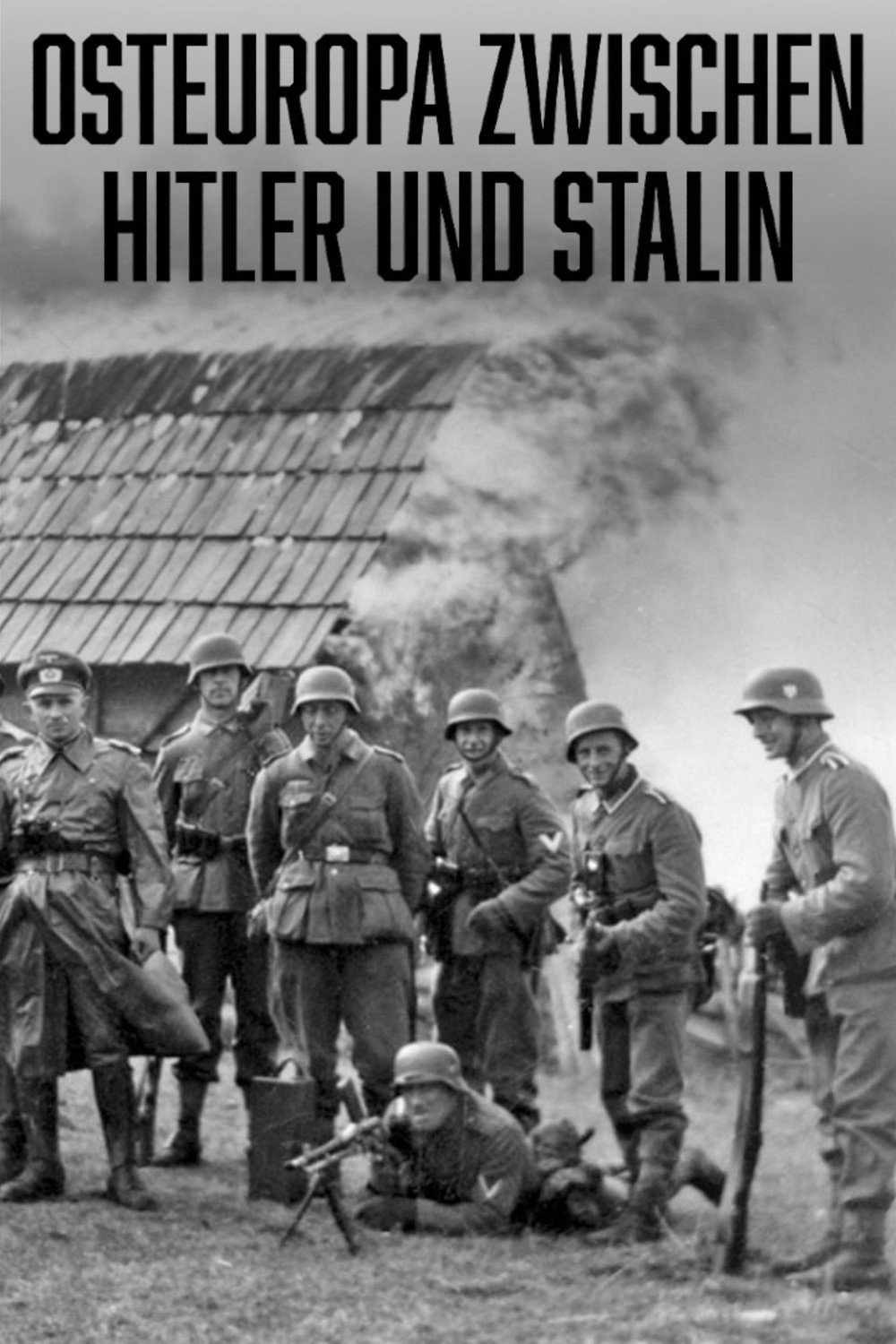
Between 1930 and 1945, Eastern Europe experienced mass violence on an unprecedented scale. Hitler and Stalin exploited the vast region for their respective expansionist plans. It is estimated that around 14 million civilians were murdered—primarily Jews, Poles, Balts, Belarusians, and Ukrainians.
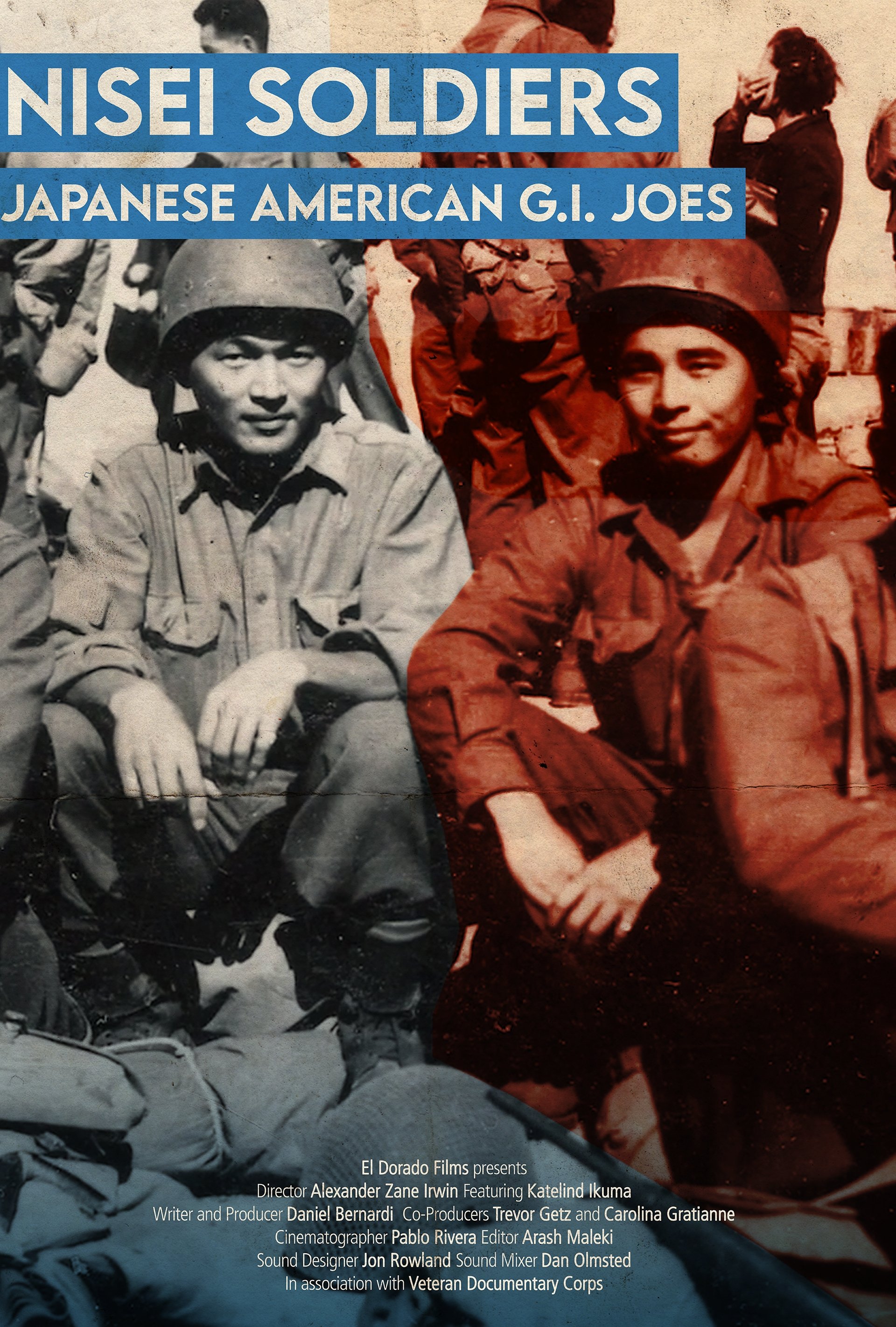
Leaving internment camps to defend their country in Europe, Japanese-American Nisei soldiers of WWII became the most decorated unit in American history.
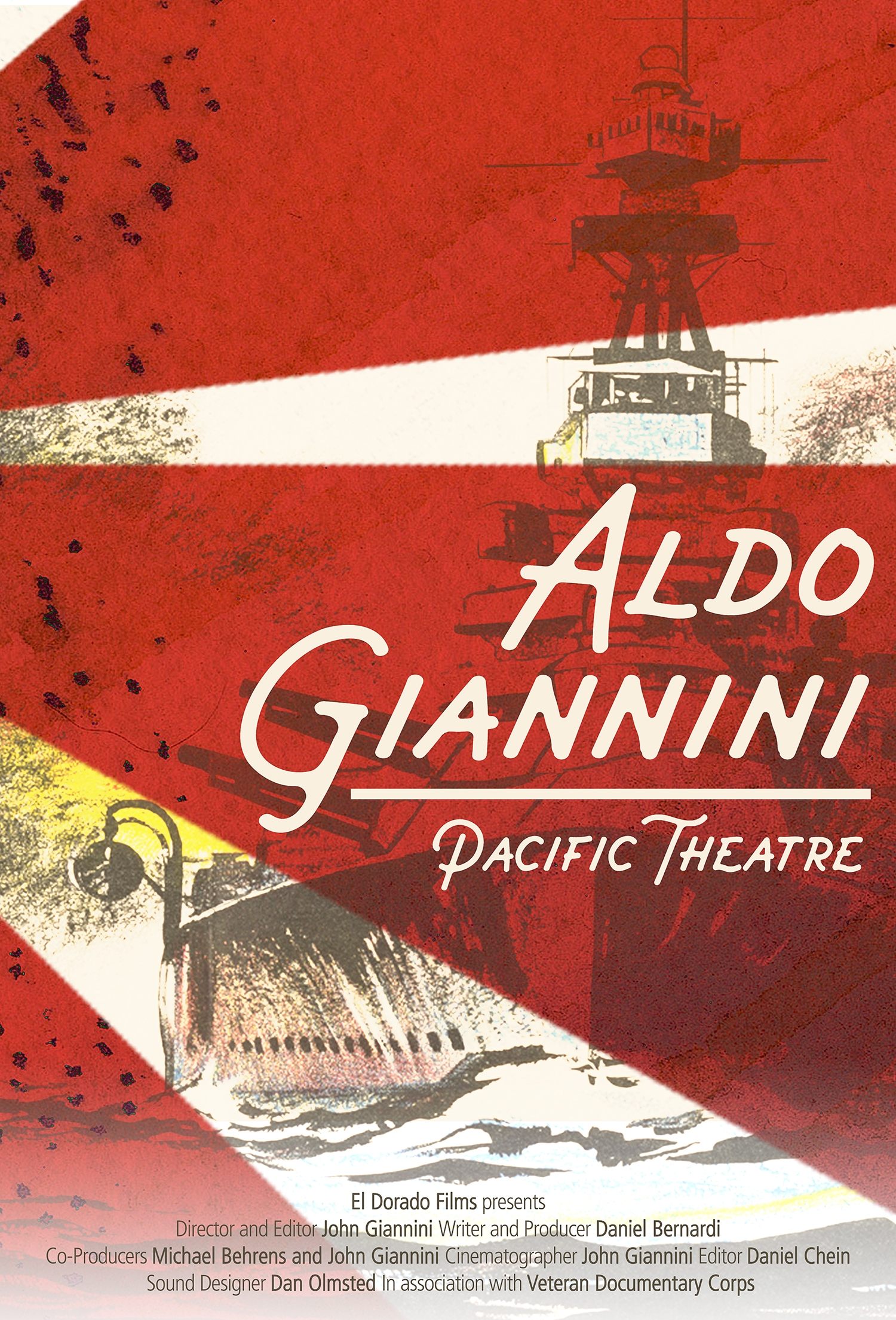
Like many other young men of his generation, after Pearl Harbor was attacked, Aldo Giannini joined the Marines with little idea of what lay ahead. After training, he was quickly deployed overseas and fought in the bloody Battle of Tarawa, surviving with a shrapnel injury and the haunting memory of witnessing the loss of 3,250 U.S. lives. He went on to fight in other battles and returned home after 3 intense years of service. Nearly eight decades later, he still questions if winning the island was worth the price.
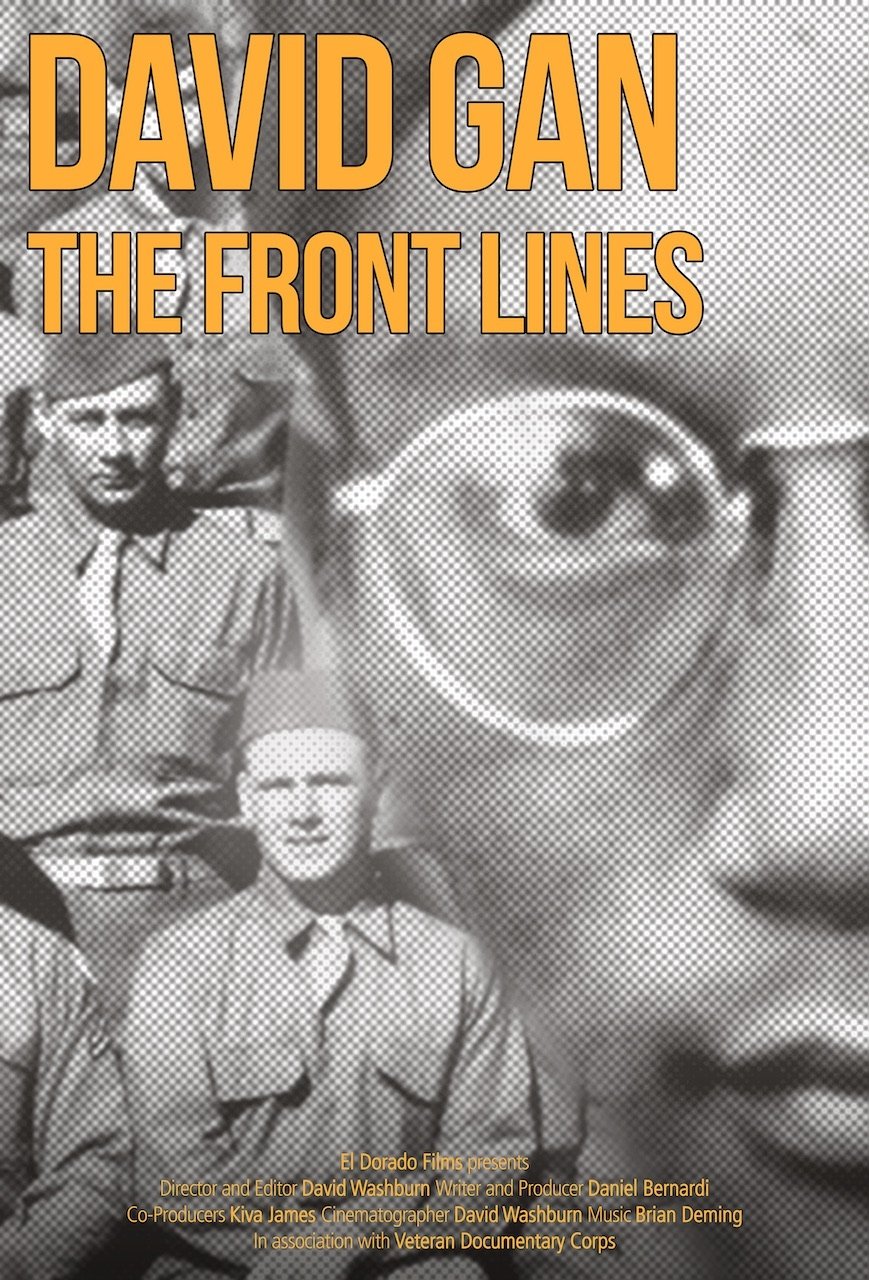
A young David Gan joins the WWII effort, eager to serve his country. Feelings of exclusion as a Chinese-American disappear in the Army. After experiencing the loss of so many fallen comrades, David dedicates his life to those who never came home.
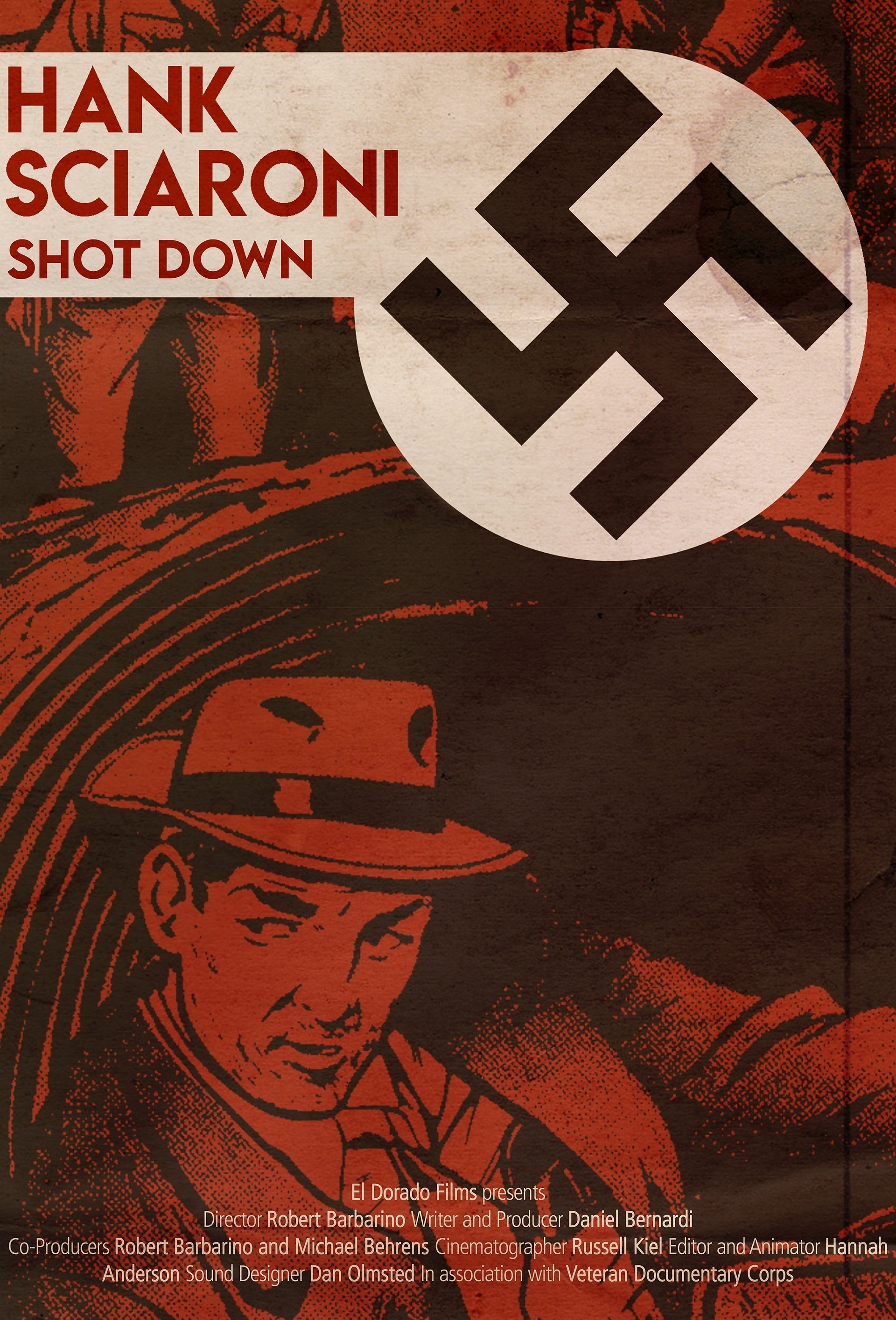
Through the perils of air combat, and an emergency landing behind enemy lines in Italy, Hank Sciaroni utilized his capability to speak Italian to help get him and his men to safety as the Germans closed in.
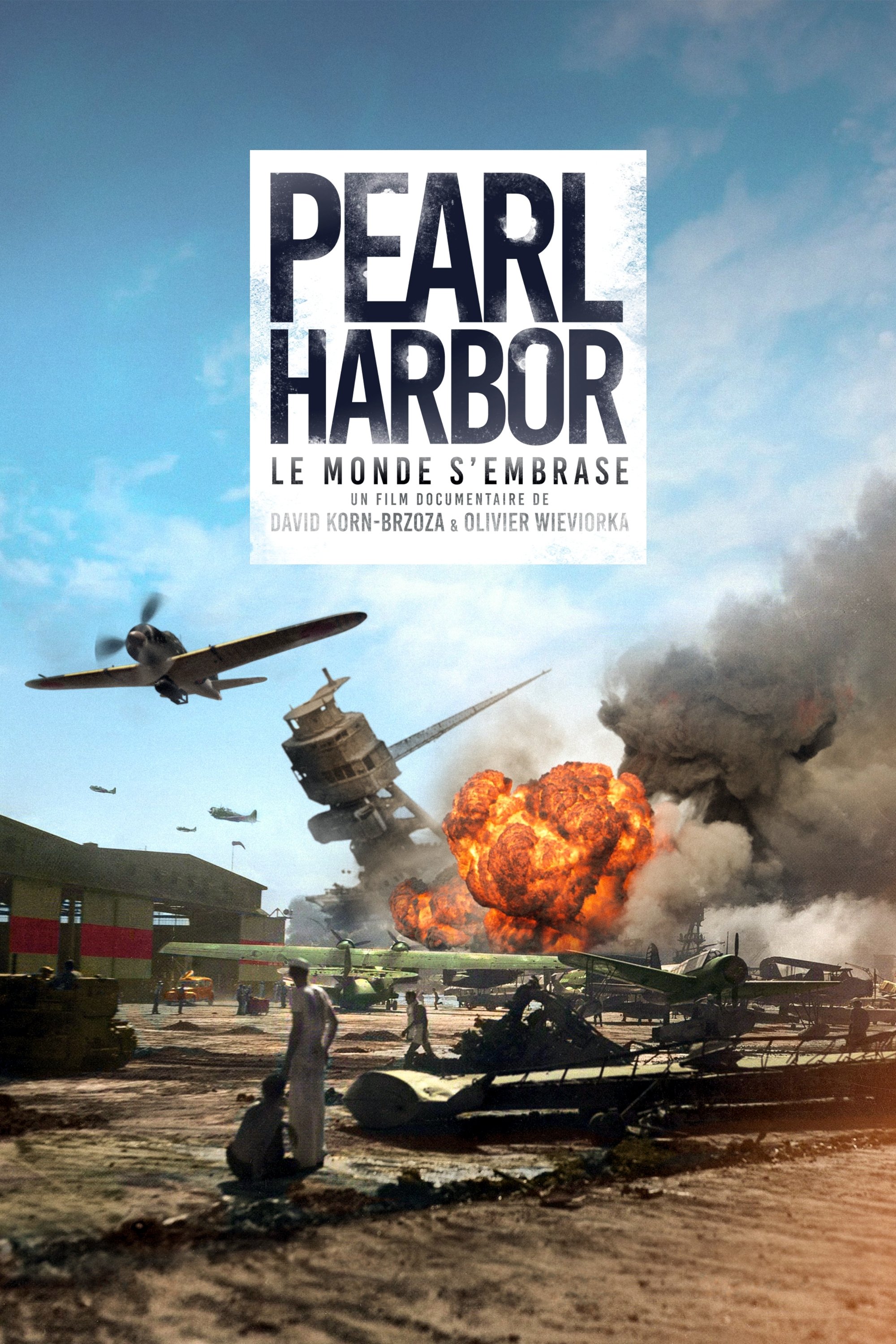
Hawaii, Pacific Ocean. In this heavenly place, one of the most memorable battles of the Second World War took place 80 years ago. On December 7, 1941, at 7:53 am, a Japanese air squadron struck the American fleet which anchored in the waters of Pearl Harbor. The United States were struck at the heart of their defensive system and entered the conflict the very next day. How Pearl Harbor changed the face of World War II and therefore the face of the world? What are the diplomatic undersides of Pearl Harbor? Was the attack really a surprise attack? Is it really a Japanese victory?
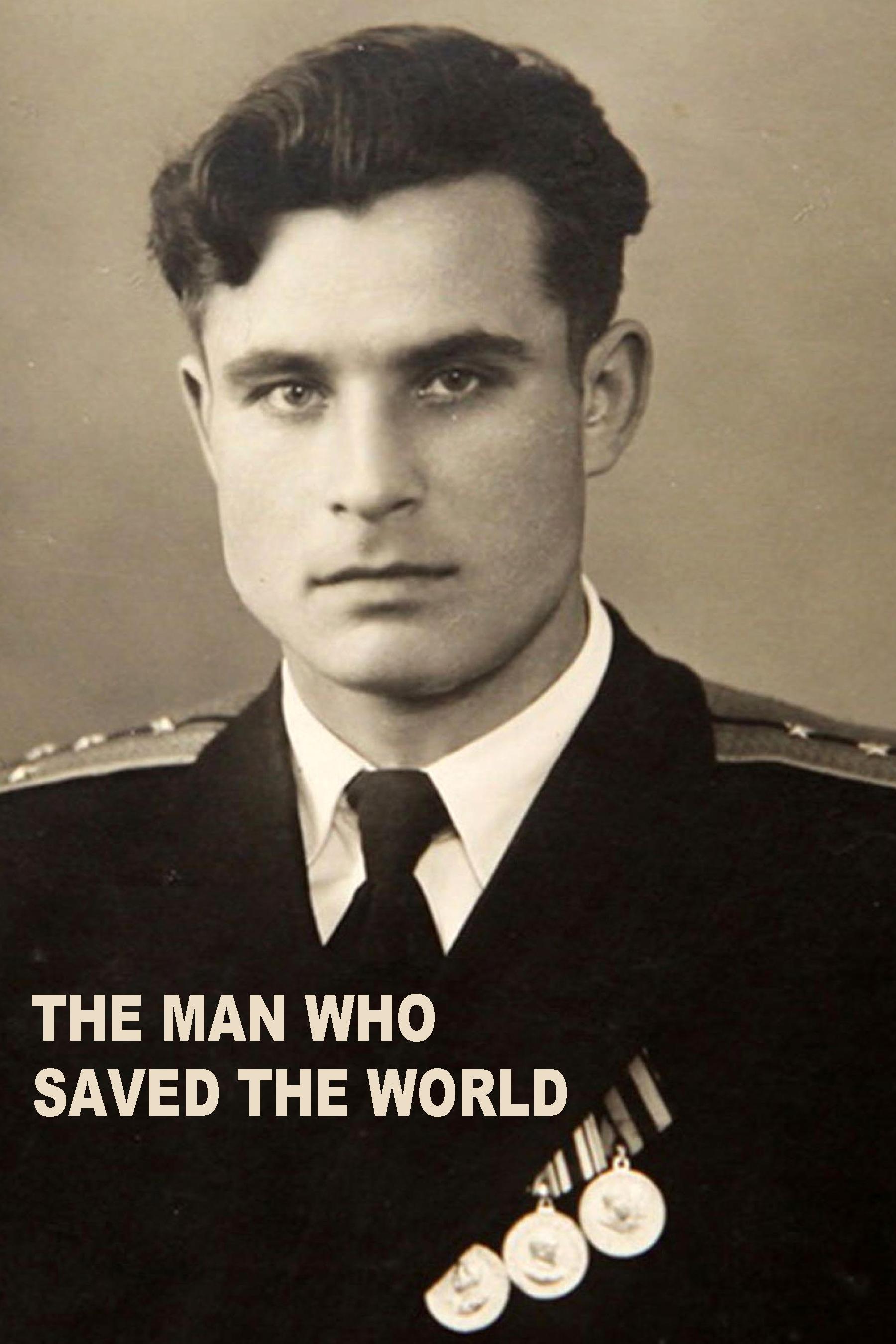
During the Cuban Missile Crisis of 1962, Soviet Navy officer Vasily Arkhipov refused to launch a nuclear strike and saved the world from nuclear war and total destruction.
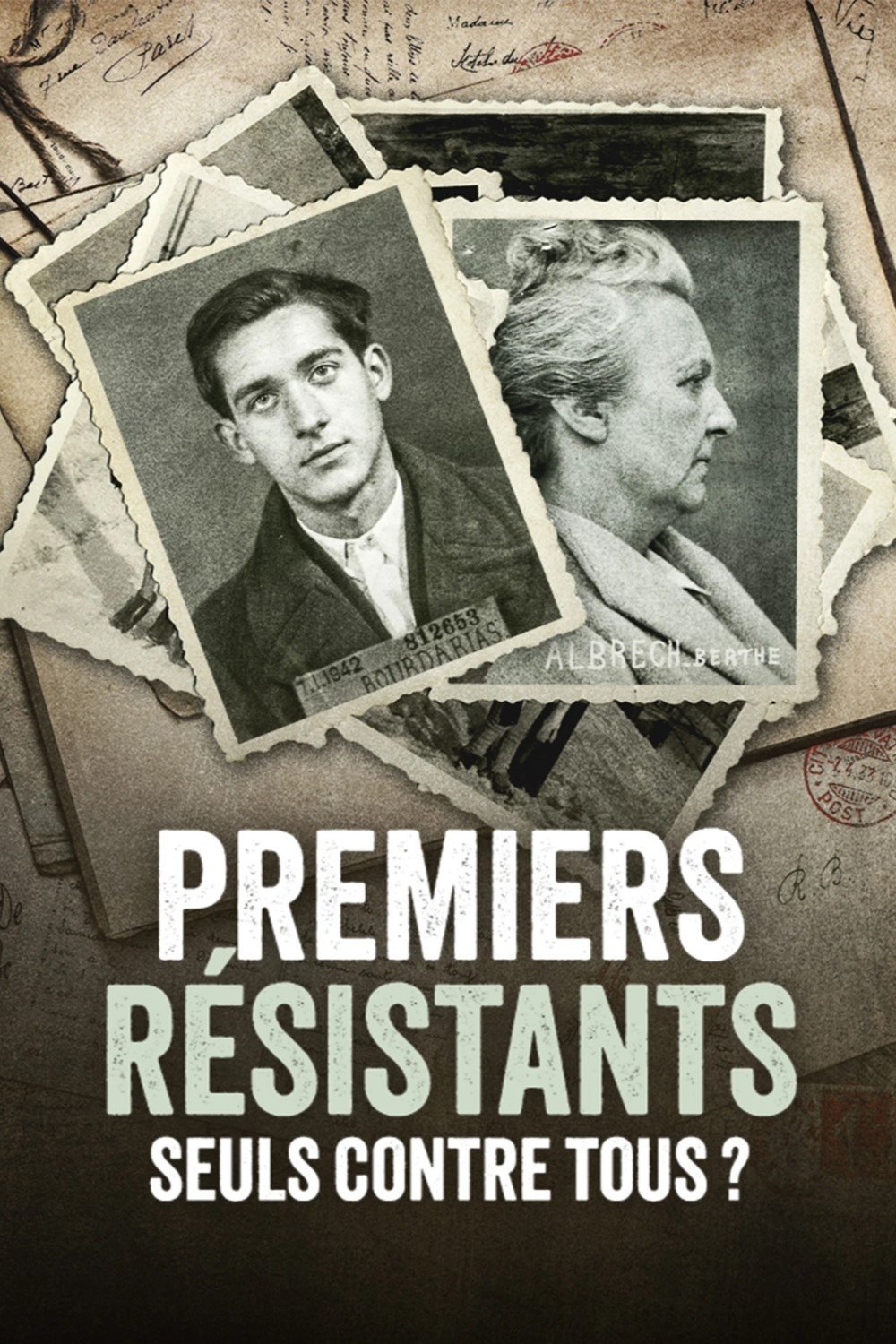
May 1945. Victory. Triumph over Nazi Germany. And already, history is being rewritten. The story of a France liberated by its people, resistant at heart, united against oppression. In our memories, we see the faces of heroes: Gaullists and Communists. We forget the origins of the struggle. That of the very first men and women, left-wing, right-wing, communists, far-right, apolitical... who, individually and from June 17, 1940, said "no." A visceral and spontaneous "no" in a France that said "yes," rallying behind Pétain. A "no" from the heart and courage, fueled by the will to act in the name of freedom. They started from nothing, had to invent everything, risk their lives and those of their loved ones. They are the heroes, those who, in isolation, stood up at once and chose to disobey, whatever the cost, even to the point of self-sacrifice. Alone against all...