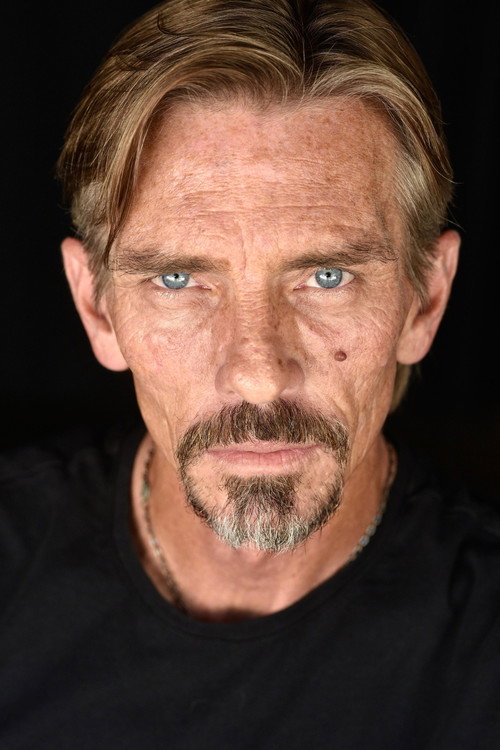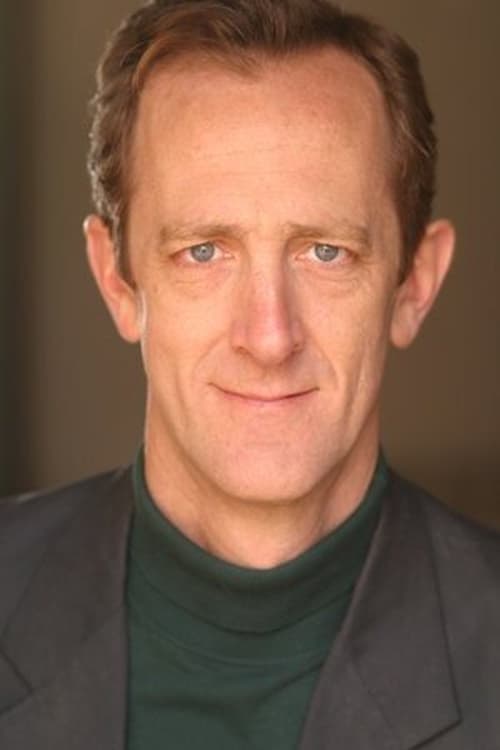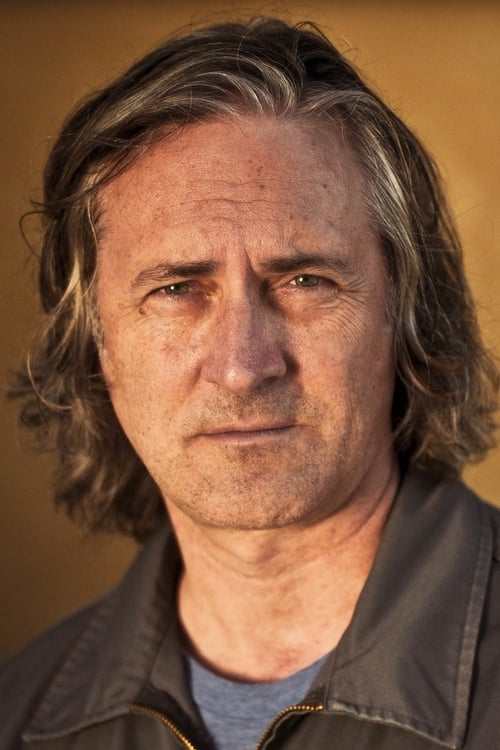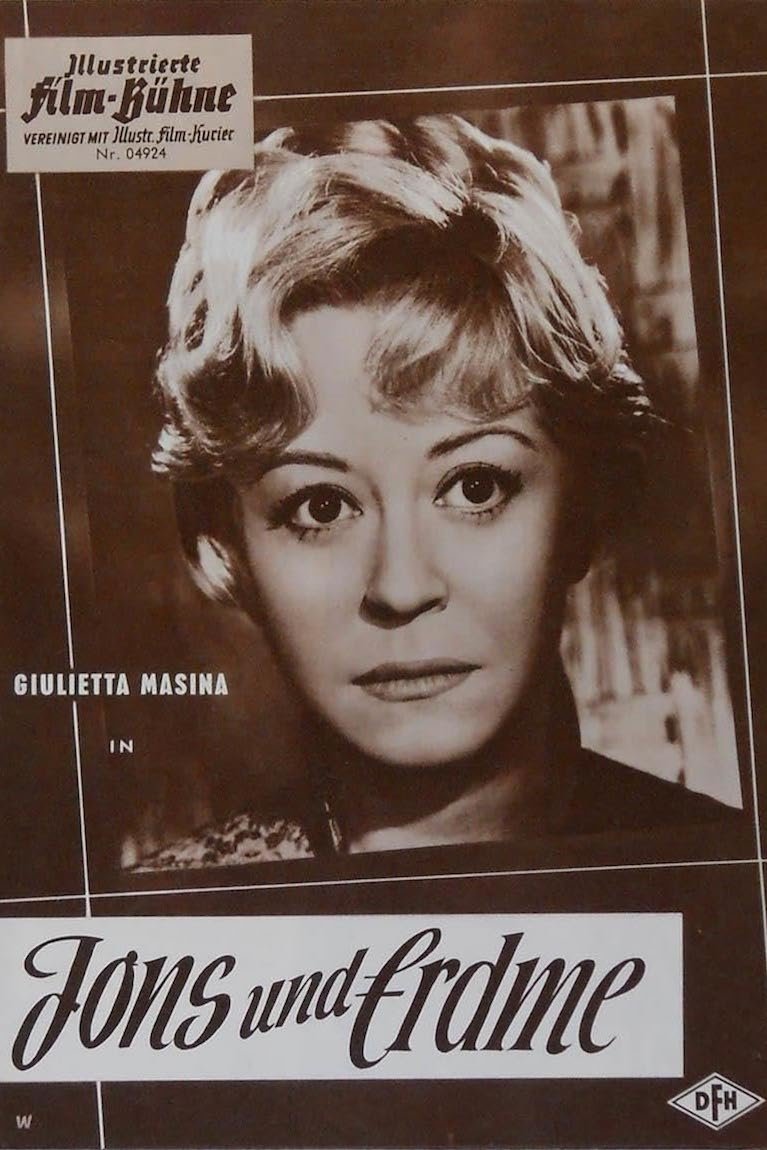
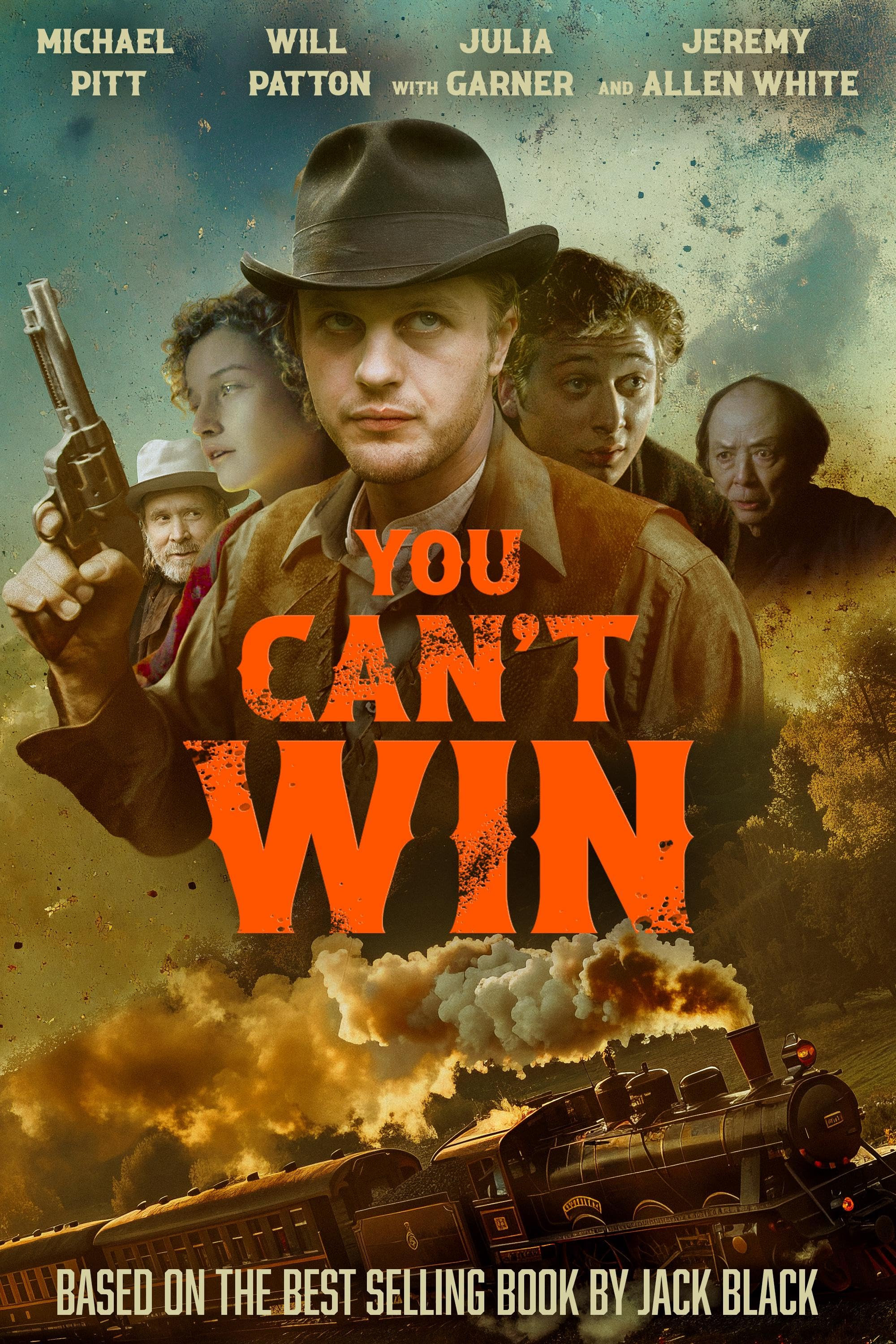
The true-crime story of legendary outlaw Jack Black, whose 1926 memoir became an unlikely bestseller upon its release and later inspired generations of counter-cultural writing.
Social & External
Jack Black
Smiler
Julia
Foot and a Half George
Freemont Older
Chicken
Lau Mung-mui chances on To Lai-leung and their encounter transcends to a rendezvous in their dreams. They admire each other, but they do not know each other's names and addresses. They keep on thinking of each other and decide to take each other as their future husband and wife. Mui's father wants his son to get married, but he pays no attention to his father's wishes. Mui leaves home to look for Leung. Leung's father forces his daughter to marry her rich and powerful cousin. Leung becomes despondent and dies, following an arranged marriage with her cousin. Mui sought everywhere for Leung for three years, but to no avail. He locates the home of Leung, but the household has moved out. The house is guarded by an old servant. Mui, chasing Leung's spirit, has a brief romance with her. Acknowledging that their union will be hindered by their incompatibility as a mortal and a spirit, Leung reincarnates as a mortal so that their love may be rekindled.

In this biographical drama, Selena Quintanilla is born into a musical Mexican-American family in Texas. Her father, Abraham, realizes that his young daughter is talented and begins performing with her at small venues. She finds success and falls for her guitarist, Chris Perez, who draws the ire of her father. Seeking mainstream stardom, Selena begins recording an English-language album which, tragically, she would never complete.
Ko Suk-ying is saddened over her arranged marriage as manipulated by her father Hak-ming. Ko Kok-sun's Cousin Chow Wai's spends the Mid-Autumn Festival before her marriage with the Kos. She has been in love with Sun. Sun finds out about her love for him when she is about to be married off, he is too weak to oppose to Wai's betrothal to another man. Sun's son, Hoi-sun, falls ill. Fearing the displeasure of his elders, Sun dares not consult a western doctor. Meanwhile, another dispute arises among members of the family over the ancestral land. When accused of being incompetent in his management, Sun takes the blame silently. Wai dies of grief while Hoi-sun becomes a victim of mistreatment. Sun is devastated at this double blow. Hak-ming instructs Sun to arrange for Ying's wedding. Knowing the kind of man Ying's fiancee is, Sun is reluctant. Not wanting to follow in Wai's footsteps, Ying fights for her own rights, and backed by an enlightened Sun, she leaves for a new start.
Inspired by real events, this fictional dramatization gives an insider account of how the women of Newsnight secured Prince Andrew's infamous interview.
Chor Yuen started his directorial career with a bang. From its very first image, The Natural Son establishes Chor as a filmmaker of stylistic flourish, which would be sustained in various forms throughout his long tenure. Adapted from '30 cents' pulp fiction, it is a Kong Ngee melodrama made in the studio's mould, with Westernised characters and trendy middle-class lifestyles. Yet, Chor's first film is not exempt from the social urgency that characterises the Cantonese cinema of his father, Cheung Wood-yau. The film cloaks its entertainment in a moral deliberation on blood ties, its story about the raising of a bastard child a head-on challenge of archaic family values. An ostentatious start for a colourful and eventful career.
The adaptation of a lesser known novel by Nobelist Ivo Andric, which describes the life of a spinster who was overwhelmed by a single passion: avarice.
After winning a thousand dollars in gold in a boxing match, Jack Mackenzie and his wolf-dog trek south on a journey in hunt of a suitable wife.
A writer leaves his upper-class life and journeys with a woman claiming to be his sister, and her two friends.
Filmed entirely inside Civitavecchia prison, with the inmates themselves as protagonists and co-authors, Fortezza is the reinterpretation of one of the most important novels of the 1900s: The Tartar Steppe by Dino Buzzati. Three soldiers arrive at a solitary military garrison which no longer serves any defensive function. Here, time is at a standstill and is marked by strict regulations, power dynamics, engrained idleness and habit. Waiting in vain for an enemy that will not arrive, the military officers are consumed by the need to give their stay meaning, and resist the attraction that this place holds for them.
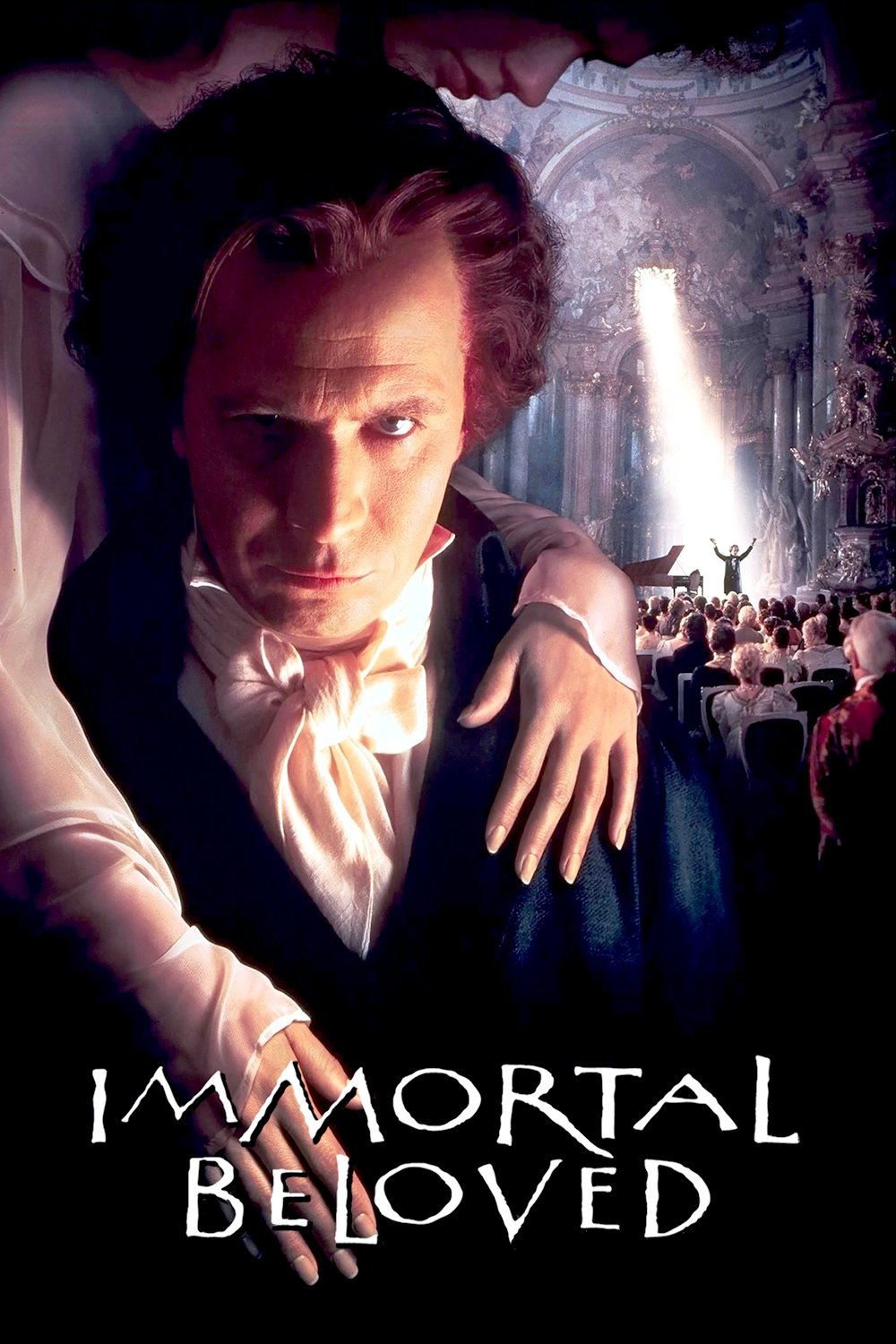
A chronicle of the life of infamous classical composer Ludwig van Beethoven and his painful struggle with hearing loss. Following Beethoven's death in 1827, his assistant, Schindler, searches for an elusive woman referred to in the composer's love letters as "immortal beloved." As Schindler solves the mystery, a series of flashbacks reveal Beethoven's transformation from passionate young man to troubled musical genius.
Follows Prince Naseem Hamed from his humble beginnings on the tough working-class streets of Sheffield and his discovery by Ingle, himself a steel industry worker turned boxing trainer. Their unlikely partnership, Naz’s unorthodox style, cocky persona, and sheer dominance in the ring propelled them to the top of boxing’s elite and unprecedented levels of global superstardom, all in the face of the rampant Islamophobia and racism of ’80s and 90’s Britain.
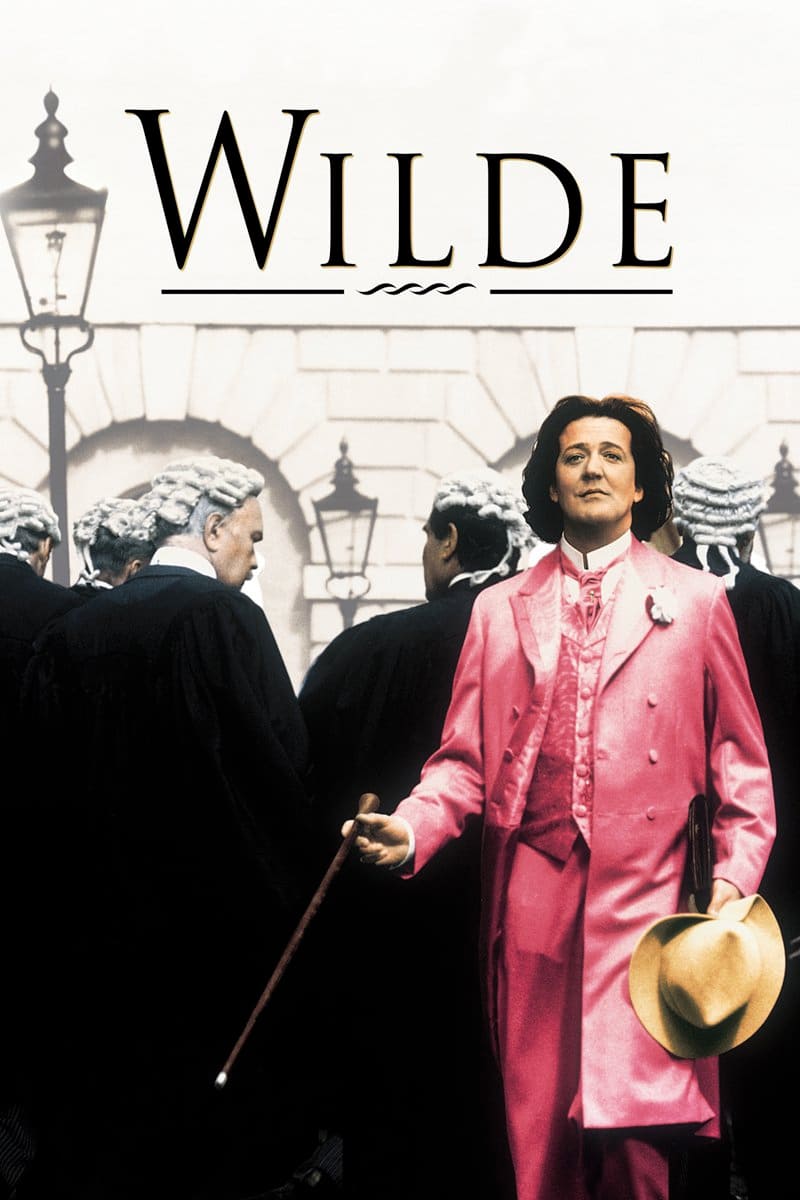
Oscar Wilde is a married playwright who has occasionally indulged his weakness for male suitors. After much toil, Wilde debuts 'The Importance of Being Earnest' in London, and a chat at the theatre with Lord Alfred 'Bosie' Douglas leads to a full-fledged romance. However, this affair leads to a legal dispute with Lord Alfred's oppressive father, the Marquess of Queensberry, and, given the local anti-gay laws, Wilde is jailed. Wilde's vast intellect helps him survive until he regains his freedom.
Christy Martin never imagined life beyond her small-town roots in West Virginia—until she discovered a knack for punching people. Fueled by grit, raw determination, and an unshakable desire to win, she charges into the world of boxing under the guidance of her trainer and manager-turned-husband, Jim. But while Christy flaunts a fiery persona in the ring, her toughest battles unfold outside it—confronting family, identity, and a relationship that just might become life-or-death.
22-year-old Miles Davis embarks on a transformative trip to Paris in 1949, where he falls into a passionate romance with Juliette Gréco, the French singer, actress, and Left Bank icon. What begins as an intimate affair blossoms into a profound connection between two young artists—just before they became cultural legends.
We all carry our leaves, some of winter, some of spring and summer. But all leaves grow, breathe and wither with time; and so do we.
Follow the resilience, the overcoming of obstacles and the female emancipation of Bertha Benz, who defied social norms and went on a groundbreaking road trip to prove the potential of her husband's invention, the world's first automobile.
The life (and death under torture) of Jean Moulin, head of the French Interior Resistance movements during WWII.
Pre-WWII Czech democratic politician Milada Horáková was one of the first victims of the communist regime in Czechoslovakia. Opposing the 1948 coup but not leaving the country, she was arrested and tried for treason on fabricated charges in a show trial broadcast on the radio.
"Family" (1953), which launched the Union Film legacy, "Spring" (1953) and "Autumn" (1954) are adaptations of Ba Jin's highly regarded novel "Torrent Trilogy". In "Family", director Ng Wui skilfully condenses the voluminous first part of the novel into an emotionally powerful and intellectually focused story of youngsters struggling to survive oppression and repression in a feudalistic family. This well-received film quickly established the company's reputation.
Bus Money dons various disguises on public buses to protect the defenceless from the bullies and receives heroic praise. Money meets Tai Ngau, a righteous journalist, when they bear witness to the callous response of Manager Mo to the death of his servant Ah-kwai. Tai writes to redress grievances of the deceased. When visiting the family of orphans, he chances on his kindred spirit giving the eldest daughter Ah-yin a gift of gold. Money exploits the weakness of Mo and her connection with his son Sze-fu to swindle a fortune out of the lewd man for the benefits of the fatherless children. Her rage grows learning that Mo's friend Fong Hak-sang has pulled off a lucrative fraud on returned overseas Chinese and forces Ah-yin to pledge herself in paying off her father's debts. Money, who has all kinds of tricks up her sleeve, teams up with Tai and gives Mo and Fong their comeuppance before setting off on her next mission.