Social & External
The people behind it
Filmed in 1968, "Little Pioneers" examines the gap between socialist rhetoric and social reality by focusing on children excluded from state protection. Through close, unembellished observation, Želimir Žilnik documents young people living in slum conditions and surviving through informal and illegal means, using the film’s ironic title to underscore the contrast between official ideology and everyday life.
Along an overgrown rail track south of the Zairean town Kisangani, a UN expedition together with a handful of journalists discover “lost” refugees. They are eighty thousand Hutus from far away Rwanda, the last survivors of three years of hunger and armed persecution that transpired throughout the vast Congo basin. The Hutu-refugees leave the forest, gathering in two gigantic camps. Hundreds of refugees die every day from diseases and malnutrition The Rwandans are promised repatriation with airplanes out of Kisangani. The film traces those refugees into the heart of the rainforest, and the hopeless attempts to help them.. But only four weeks later, the unprotected UN-camps are again attacked by machine-gun fire, deliberately massacred by factions of the rebel army (AFDL) of today’s Democratic Republic Congo. Eighty thousand men, women and children disappear once again back into the jungle. (jedensvet.cz)
Cédric Herrou is a farmer who supports and houses African refugees in the alpine village of Breil-Sur-Roya in southern France. Some regard him as a heroic good Samaritan, but others – including the French border police and state prosecutor – denounce him as the leader of a band of smugglers, bringing migrants from Italy into France while flouting official border controls. As Cedric moves from one prosecution to another, why do he and his fellow activists feel compelled to defy the authorities?
Since the fall of the Iron Curtain an estimated four million children have found themselves living on the streets in the former countries of the Soviet Union. In the streets of Moscow alone there are over 30,000 surviving in this manner at the present time. The makers of the documentary film concentrated on a community of homeless children living hand to mouth in the Moscow train station Leningradsky. Eight-year-old Sasha, eleven-year-old Kristina, thirteen-year-old Misha and ten-year-old Andrej all dream of living in a communal home. They spend winter nights trying to stay warm by huddling together on hot water pipes and most of their days are spent begging. Andrej has found himself here because of disagreements with his family. Kristina was driven into this way of life by the hatred of her stepmother and twelve-year-old Roma by the regular beatings he received from his constantly drunk father. "When it is worst, we try to make money for food by prostitution," admits ...
An ambitious young journalist uncovers the horrific slaughter of 22,000 Polish officers during World War II, a secret kept hidden for far too many years.
This feature documentary follows three newly arrived people in Canada and their experiences with the Canadian Refugee process. As claims are assessed and paperwork is double checked, we begin to examine exactly who can be considered a refugee.
In 2018, Brazil's first shelter for LGBT+ refugees opened its doors in the city of Manaus, the largest city of the state of Amazonas. This collaborative documentary film tells the story of three residents who are all trying to build a new life in this incongruous urban metropolis. A candid, and intimate insight into the many challenges faced by LGBT+ refugees.
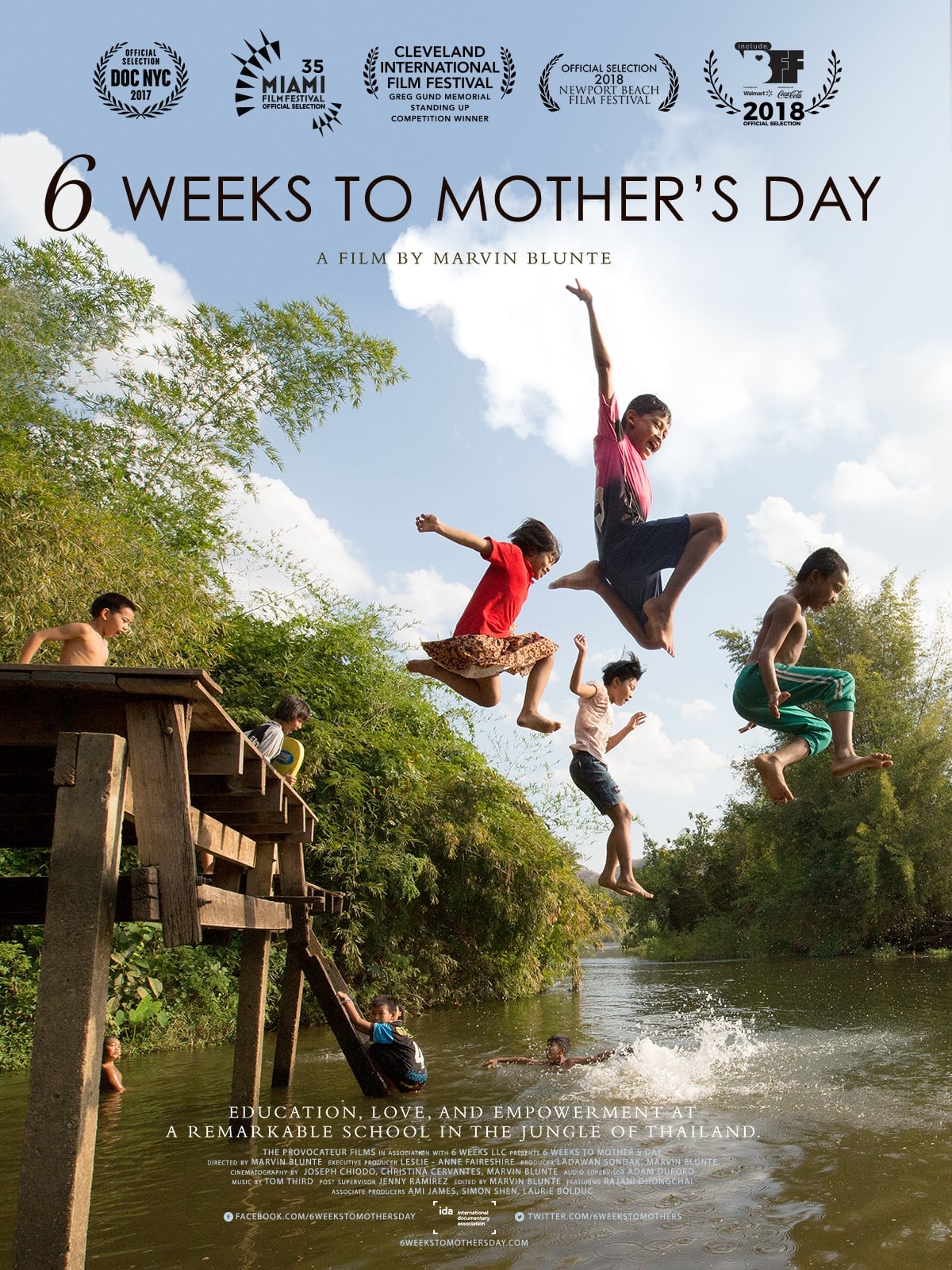
150 underprivileged and orphaned students in the remote jungle of Thailand attending the country's first democratic school prepare a special celebration to honor their remarkable adoptive mother on Mother's Day.
A visit to Peterlee, Co. Durham.
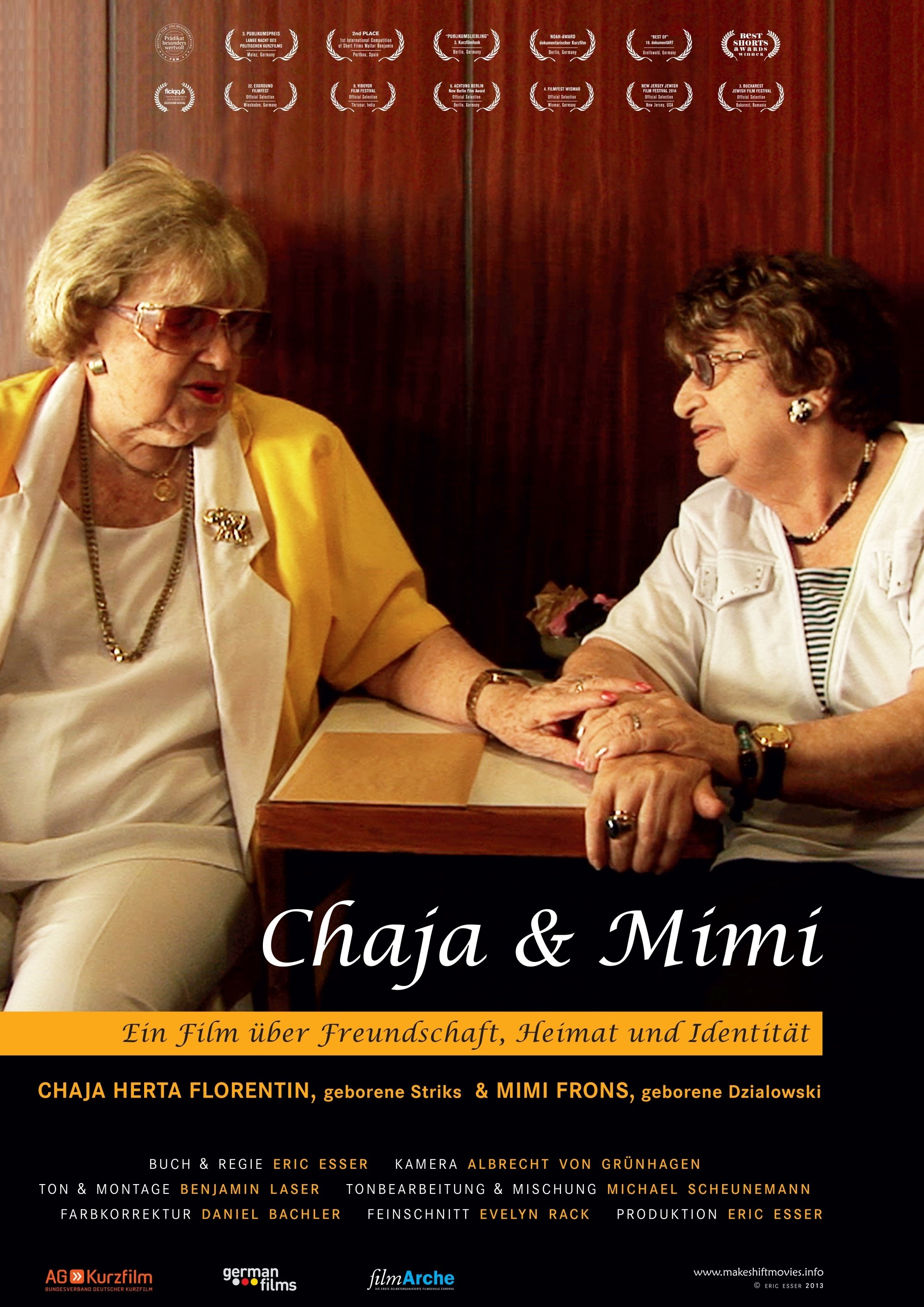
Chaja Florentin and Mimi Frons have been best friends for 83 years. Born and raised in Berlin, they had to escape from the Nazis to Palestine with their families in 1934. They talk about their complicated relationship with Berlin in a Tel Aviv café where they meet everyday. A film about friendship, homeland and identity.
Part road-movie and part intimate portrait of lives in transit, IT WILL BE CHAOS unfolds between Italy and the Balkan corridor, intercutting two unforgettable refugees stories of human strength and resilience.
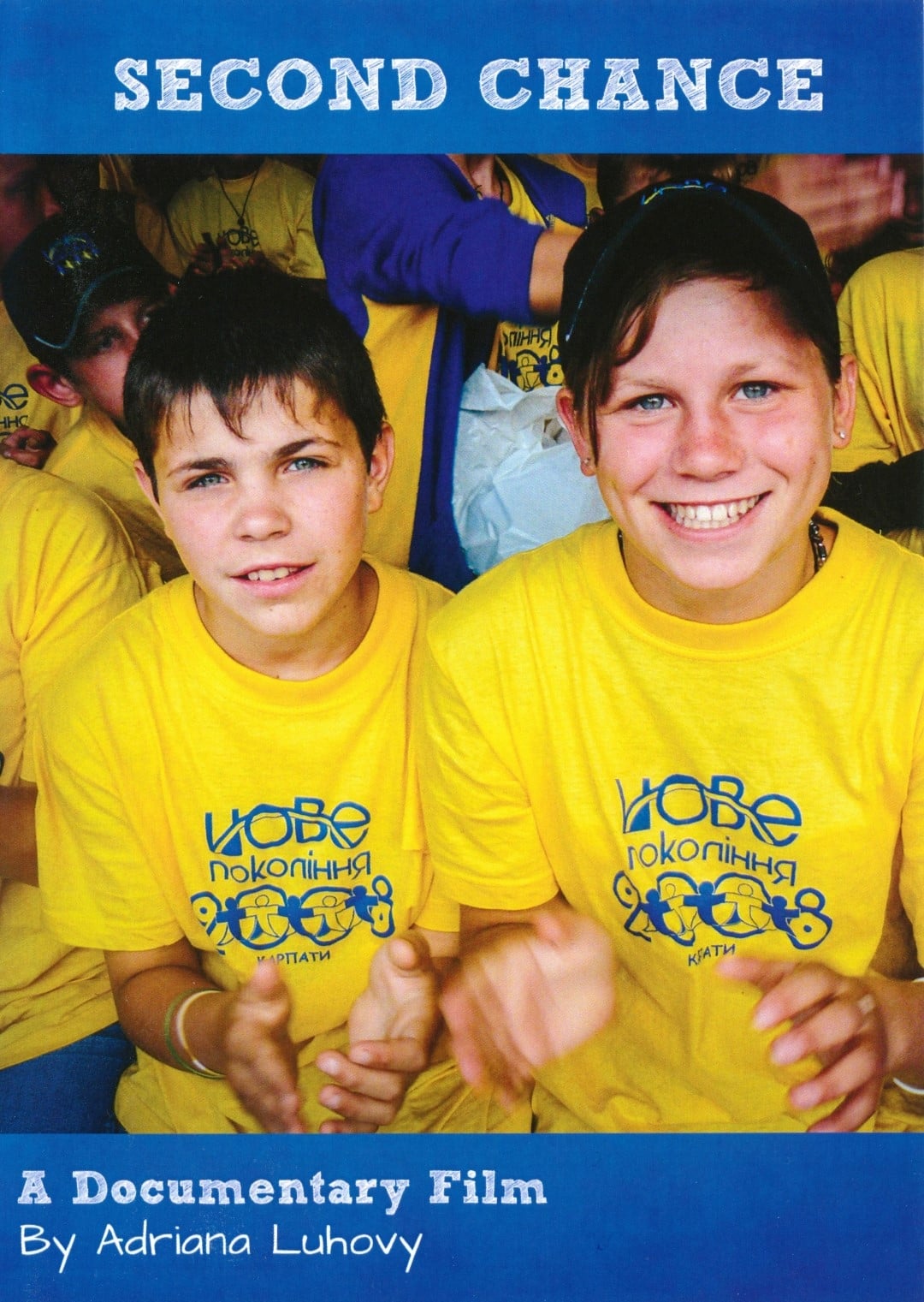
Second Chance tells a story of Ukrainian orphaned children and the Canadian volunteers who spend their summers working along side them. The film follows first time volunteer and filmmaker, Adriana Luhovy, as she learns about the children and becomes witness to their strengths and resilience. Converging in Yaremche in the Carpathian Mountains of Ukraine, over 500 orphaned children come together from all over the country. At first quiet and fearful, they learn to trust one another and their counsellors. By countering heartbreaking statistics - 60% of orphaned girls are trafficked within the first year of leaving the orphanage; 50% of boys end up in jail; 10% commit suicide - the volunteers are dedicated to making a difference in the lives of orphaned Ukrainian children.
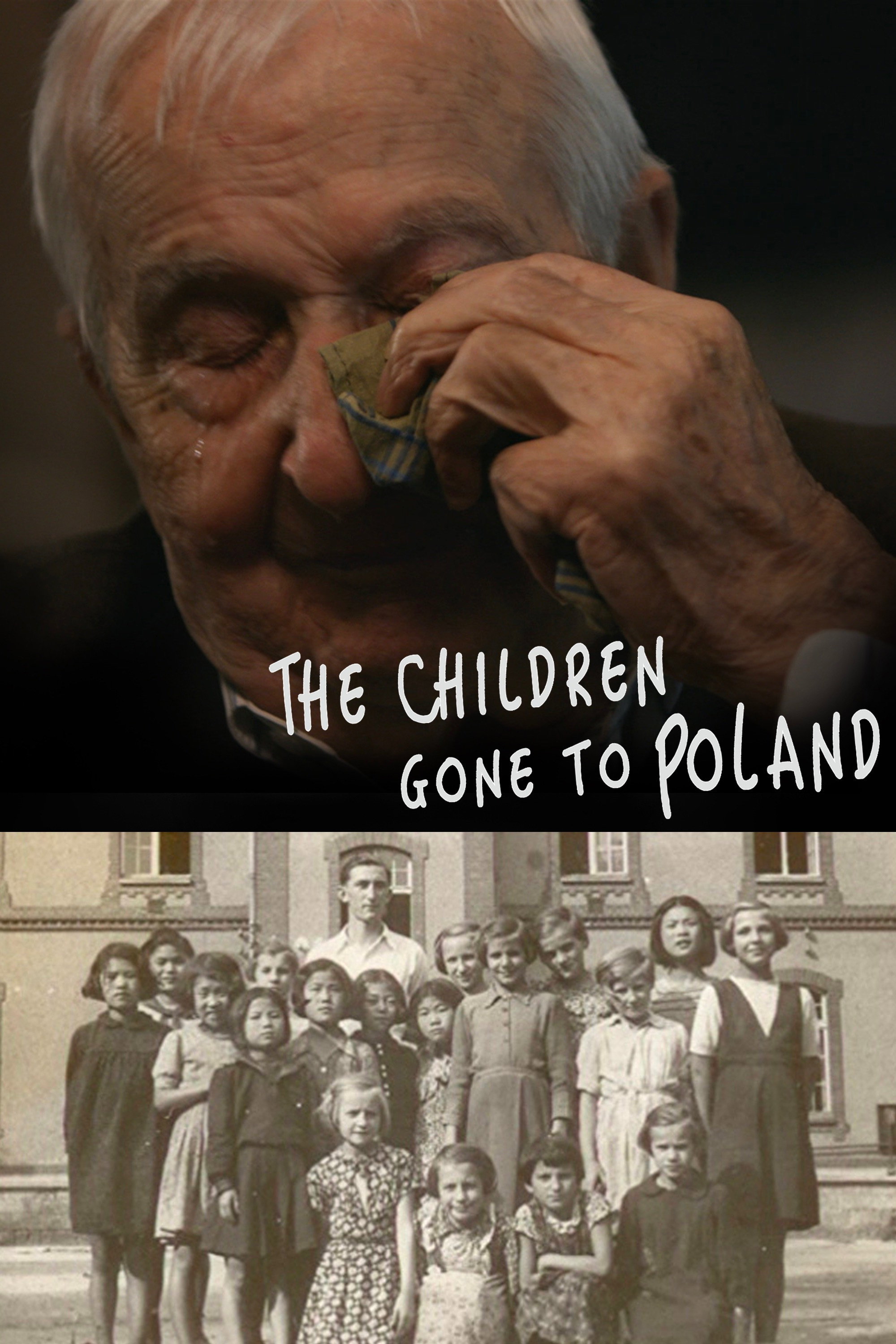
Tracing the footsteps of North Korean orphans who went to Poland during the Korean War, two women, one from the North and the other from the South, bond through the solidarity of wound and forge together a path toward healing.
During World War II, an orphaned young girl seeks to survive and perhaps even help resistance fighters battle the Nazis.
The supermarkets are full of cheap fruit and vegetables. Most produce comes from Spain, but Italy is also an important supplier. How can countries produce so cheaply? The film uncovers catastrophic working conditions.
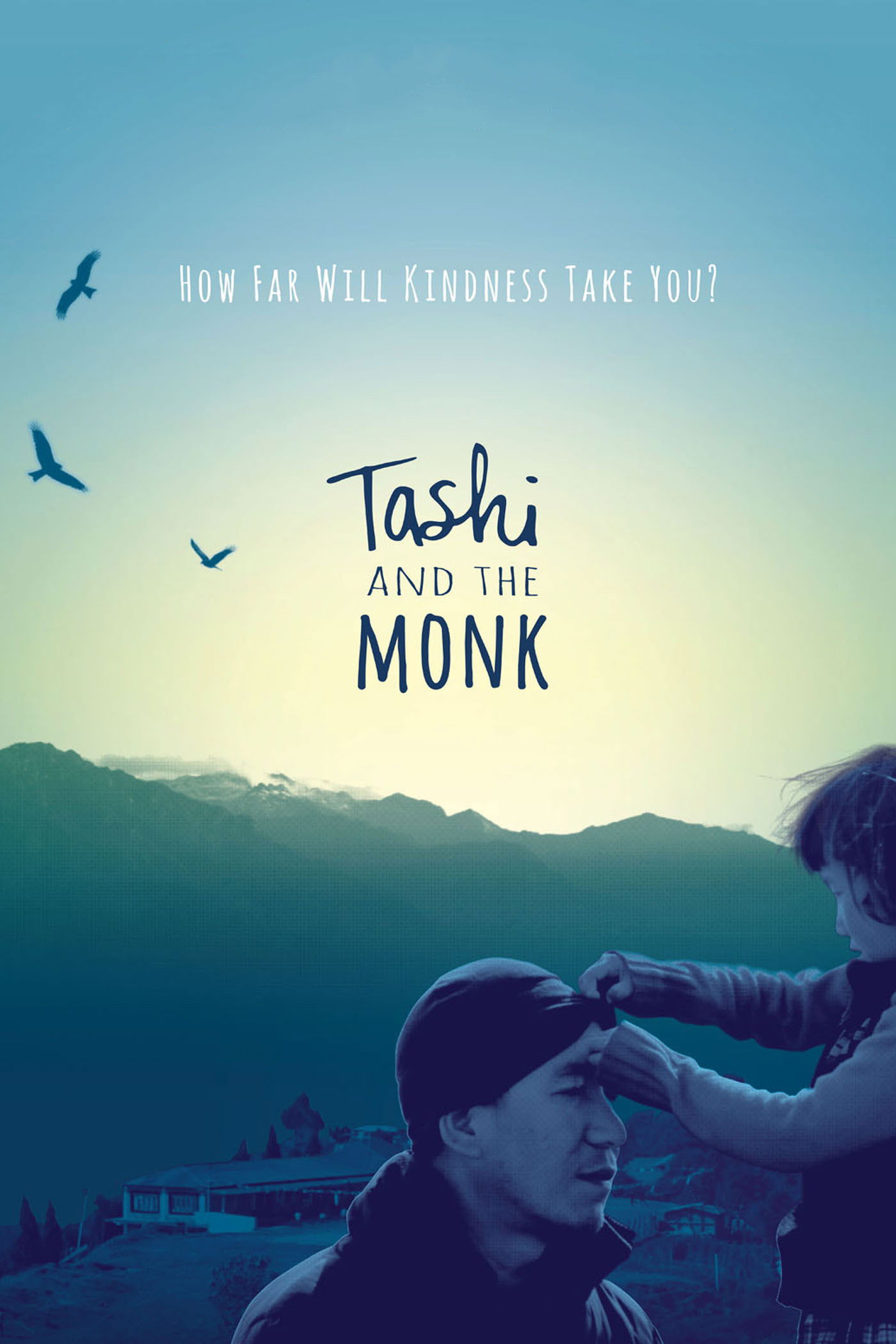
This moving documentary profiles a former Buddhist monk who runs a home for orphaned children in the Himalayas, and his relationship with its newest arrival, troubled five-year-old Tashi.
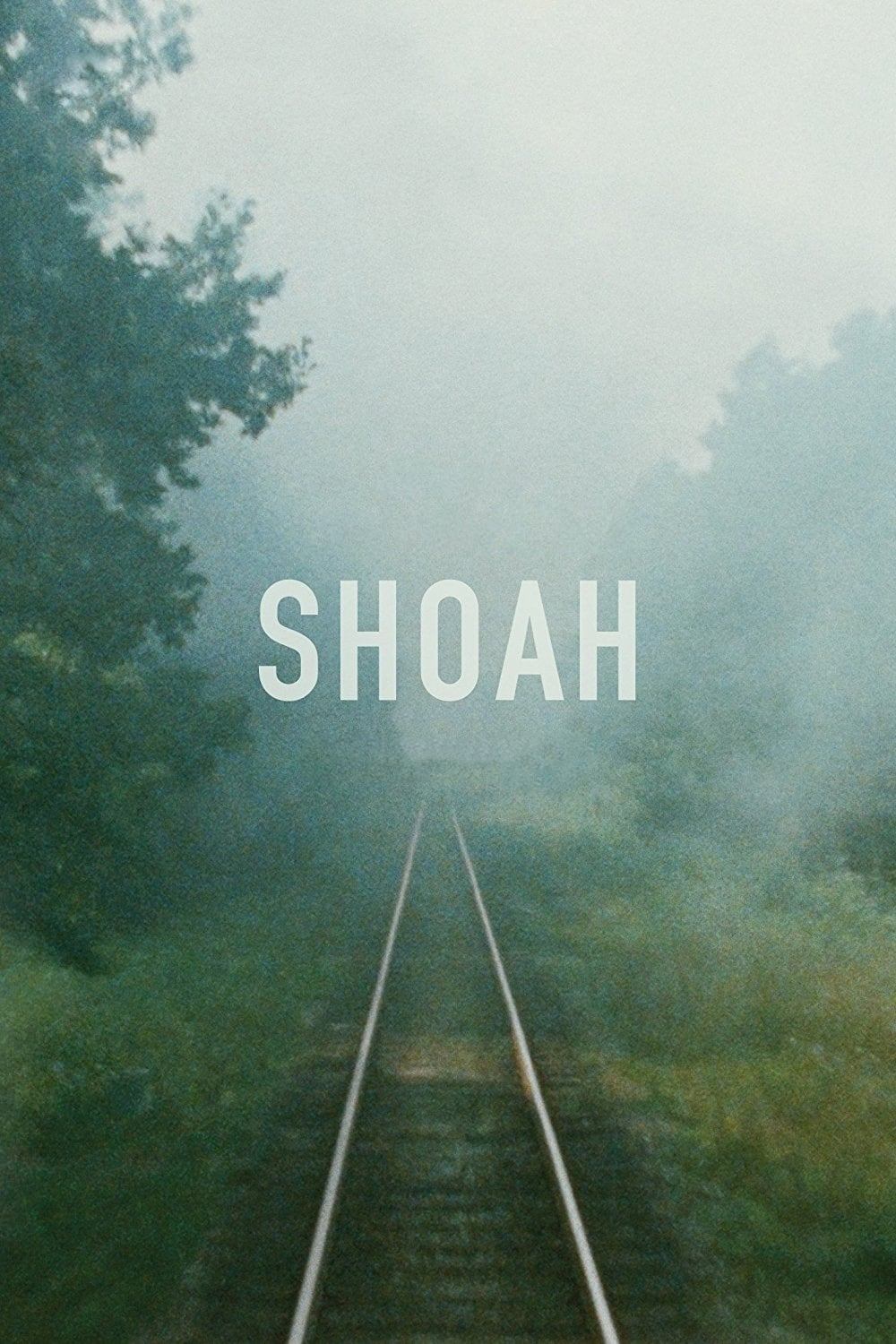
Director Claude Lanzmann spent 11 years on this sprawling documentary about the Holocaust, conducting his own interviews and refusing to use a single frame of archival footage. Dividing Holocaust witnesses into three categories – survivors, bystanders, and perpetrators – Lanzmann presents testimonies from survivors of the Chelmno concentration camp, an Auschwitz escapee, and witnesses of the Warsaw Ghetto Uprising, as well as a chilling report of gas chambers from an SS officer at Treblinka.
Oliver Stone charts the history of the United States from the Second World War to the present.
The history of cinematic sound, told by legendary sound designers and visionary filmmakers.
An unprecedented and intimate look at the life, work and enduring legacy of British actress Audrey Hepburn (1929-1993).
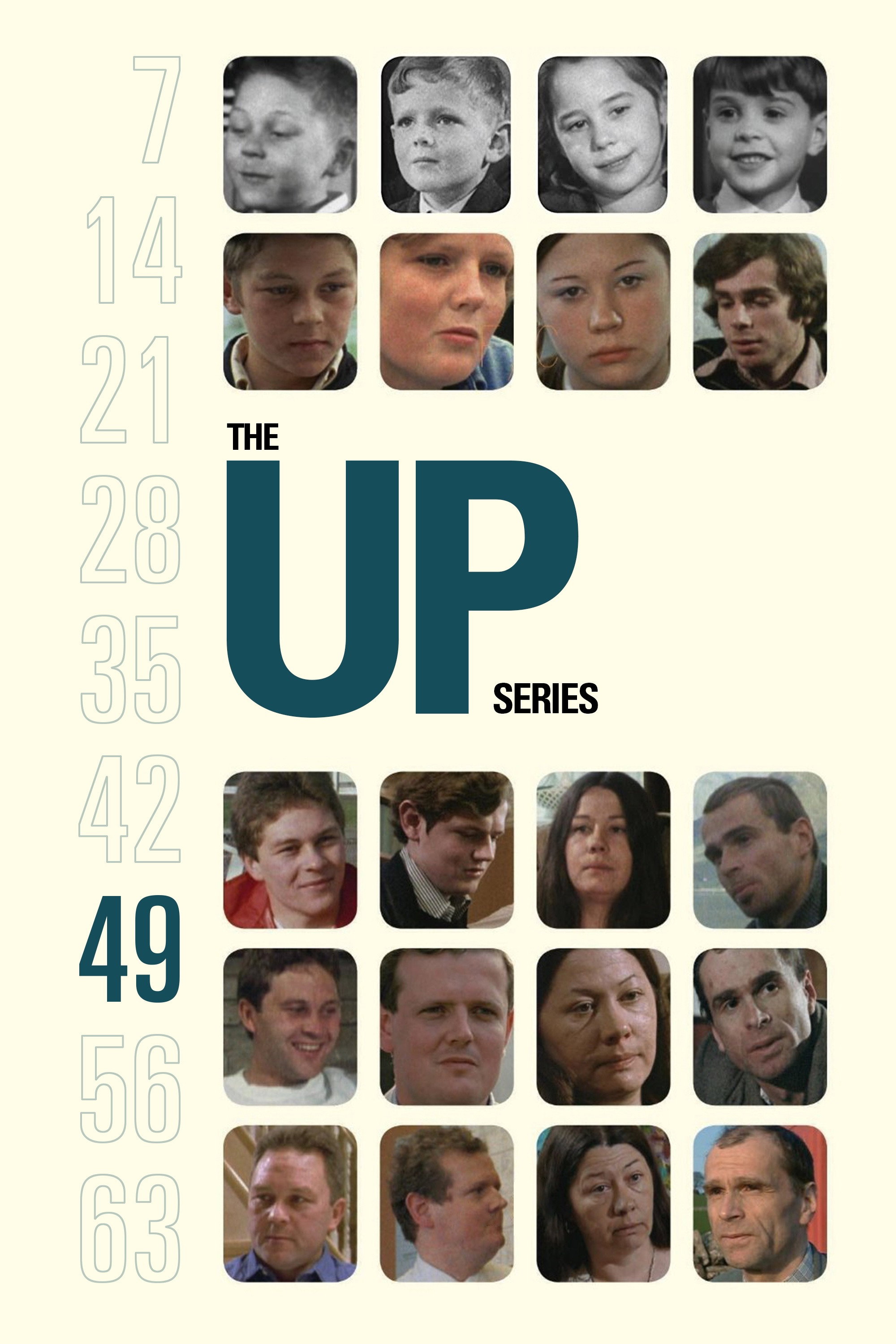
49 Up is the seventh film in a series of landmark documentaries that began 42 years ago when UK-based Granada's World in Action team, inspired by the Jesuit maxim "Give me the child until he is seven and I will give you the man," interviewed a diverse group of seven-year-old children from all over England, asking them about their lives and their dreams for the future. Michael Apted, a researcher for the original film, has returned to interview the "children" every seven years since, at ages 14, 21, 28, 35, 42 and now again at age 49.In this latest chapter, more life-changing decisions are revealed, more shocking announcements made and more of the original group take part than ever before, speaking out on a variety of subjects including love, marriage, career, class and prejudice.
This revealing documentary honors the legendary Sidney Poitier—iconic actor, filmmaker, and civil rights activist. Featuring interviews with Denzel Washington, Spike Lee, Halle Berry, and more.
He's devoted his career to uncovering stories the powerful want buried. From My Lai to Abu Ghraib, dig into the life's work of journalist Seymour Hersh.
Experience the events of September 11, 2001 through the eyes of President Bush and his closest advisors as they personally detail the crucial hours and key decisions from that historic day.
Lupita Nyong'o narrates a documentary about Peanuts and its creator, Charles M. Schulz. Famous fans—including Drew Barrymore, Kevin Smith, and Al Roker—share its influence on them, and a new animated story finds Charlie Brown on a quest.
A documentary on the expletive's origin, why it offends some people so deeply, and what can be gained from its use.
More than 65 million people around the world have been forced from their homes to escape famine, climate change and war, the greatest displacement since World War II. Filmmaker Ai Weiwei examines the staggering scale of the refugee crisis and its profoundly personal human impact. Over the course of one year in 23 countries, Weiwei follows a chain of urgent human stories that stretch across the globe, including Afghanistan, France, Greece, Germany and Iraq.
The film is based on interviews with 2,000 women from 50 countries, and covers the status of women all over the world. The topics covered include forced marriages, sexual assault, female genital mutilation, acid attacks, motherhood, sexuality, menstruation, education and the professional success of women.
A comedic, brutally honest documentary following self-destructive TV writer Dan Harmon as he takes his live podcast on a national tour.
14-year-old Laura Dekker sets out on a two-year voyage in pursuit of her dream to become the youngest person ever to sail around the world alone.
Hidden in the heart of Russia, there is a Soviet-era city where thousands of people live and work behind barbed-wire fences monitored by armed guards. It is Ozyorsk (Ozersk), located in the Chelyabinsk Oblast, one of the most polluted places on the planet and home to the largest stockpiles of nuclear material. Its code name: City 40.
“The Soviet Story” is a story of an Allied power, which helped the Nazis to fight Jews and which slaughtered its own people on an industrial scale. Assisted by the West, this power triumphed on May 9th, 1945. Its crimes were made taboo, and the complete story of Europe’s most murderous regime has never been told. Until now...
A new documentary by filmmaker-photographer Raymond Depardon – where justice and psychiatry meet.
From its distinctive neighborhoods to its architectural homes, Los Angeles has been the backdrop to countless movies. In this dazzling work, Andersen takes viewers on a whirlwind tour through the metropolis' real and cinematic history, investigating the myriad stories and legends that have come to define it, and meticulously, judiciously revealing the real city that lives beneath.
A string of threatening emails escalates into a revenge plot involving a newly married US marshal and his ex-girlfriend.
Filmmaker Alain Resnais documents the atrocities behind the walls of Hitler's concentration camps.