Social & External
Hip-Hop Culture and Graffiti Video Magazine
An experimental film following a trip made by three friends in which the contrast between the agitated city of São Paulo, Brazil and the calmness of the beach leads the flow. No script. No story. Just vibes.
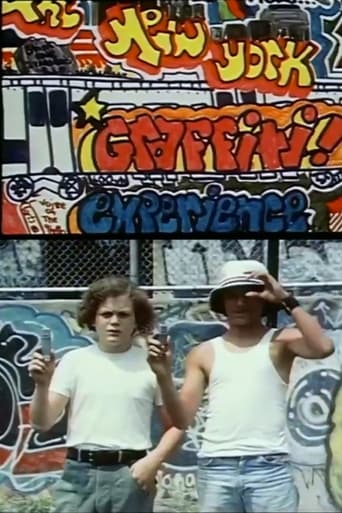
An incredible historic document showcasing the roots of Old School Hip Hop movement with all its disciplines involved: Djing, Mcing, Breakdancing, and Graffiti. Featured in the "NYC: Urban Image" show at MoMA PS1 1983.
Meet the crew of the Union Pacific Challenger No. 3985, the largest and most powerful steam engine in the world. This colorful documentary is a behind-the-scenes look at the conductors, engineers and mechanics who keep this fickle train running, an engaging history of steam power, and a scenic tour the Great Plains -- from Cheyenne, Wyo., through Denver and across Nebraska to the Omaha headquarters of the Union Pacific.
Documentary on New York Graffiti featuring art by Cliff, Phase 2, Comet, Blade, IN, Billy167, LSD OM, Ajax , Dean, Mico, Checker 170, Skylark
A look into the creation of the film Moebius. Featuring exclusive behind the scenes footage, interviews with the cast and crew, and a look at the film's shooting locations and media coverage. The original cut of this documentary was lost long ago, but 27 years after it's creation, it was reconstructed from footage recovered and remastered taken from various restored VHS, Betacam SP, MiniDV, and DigiBeta tapes. A final version faithful to the original was successfully re-edited under the supervision of Moebius director Gustavo Mosquera R. and released online. Along with the version in Spanish, a version dubbed in English was also released.
This short documentary shows how a city's water supply is purified at a filtration plant. The complex system of the underground mains that supply all parts of the city with water is also illustrated, as is the safeguarding of water supplies on trains, ships and aircrafts.
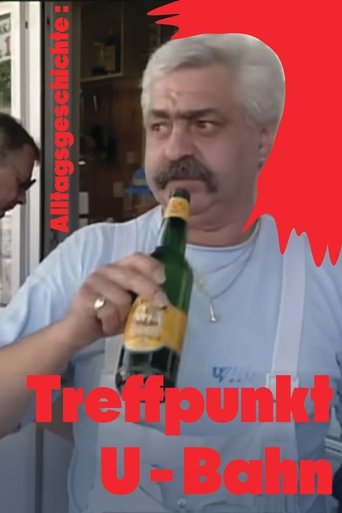
Ignaz Wuzel and Gerhard Jeschko are regulars at the espresso in the Südtiroler Platz underground station. Warden Leopold Prinz knows the problems of the children from Karlsplatz. In 1993, Elizabeth T. Spira filmed people on the Vienna subway network. Above all, it is the desperate, the lost and the forgotten who find refuge and a home in and around the subway.
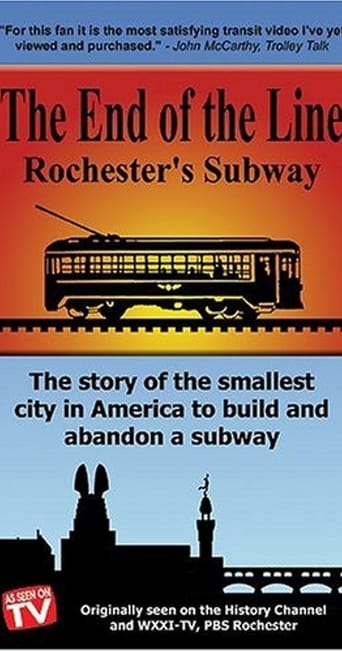
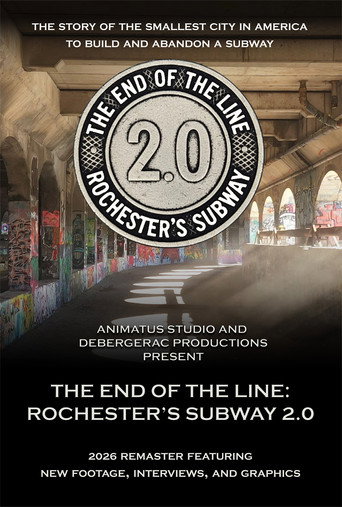
"The End of the Line - Rochester's Subway" tells the little-known story of the rail line that operated in a former section of the Erie Canal from 1927 until its abandonment in 1956. Produced in 1994 by filmmakers Fredrick Armstrong and James P. Harte, the forty-five minute documentary recounts the tale of an American city's bumpy ride through the Twentieth Century, from the perspective of a little engine that could, but didn't. The film has since been rereleased (2005) and now contains the main feature with special portions that were added as part of the rereleased version. These include a look at the only surviving subway car from the lines and a Phantom tun through the tunnels in their abandoned state, among others, for a total of 90 minutes of unique and well preserved historical information.
An amusing view of the machine that has taken the country by winter storm: the snowmobile, revving, raring, ready to go. What the motorboat was to the summer lake, this motorized sled now is to the snow-covered fields. This film shows it all--the pull of this sit-down sport, the eagerness of the trade to keep it booming, the daring rivalry of the racing crowd, and the bemused pleasure of the family outing.
A filmic letter to New York City, the subway, and self.
First transmitted in 1969, this documentary follows the construction of the world’s most advanced underground system. Macdonald Hastings narrates the story of one of the most complex tunnel engineering feats of its time. He reveals the isolation felt by the miners who spent six years burrowing deep beneath the streets of London, shows what they did beneath one of London's most famous department stores and explains why the ground at Tottenham Court Road had to be frozen during the hottest weeks of 1966. The result is a brave new world of transport with automated trains, two way mirrors, automatic fare collection and closed-circuit television, all choreographed by a computer programme played out by an updated version of a pianola located in a control room somewhere near Euston station.
A film looking at the first 100 years of the Underground Railway in London from 1863 to 1963. A range of well known people and senior managers speak alongside some excellent archive film.
Britain operates the most experienced diesel and electric railway in tne world. A century and a half ago she invented the steam engine and introduced a new system of transport; and in only nine years British Rail and the British locomotive industry designed, built and tested enough diesel and electric locomotives to replace fifteen thousand steam engines. The transition from steam to new forms of motive power, and its effects on rallwaymen and passengers, is the subject of this film. Produced in association with the Central Office of Information, the British Locomotive Allied Manufacturers' Association and the British Electrical Manufacturers' Association.
A film aimed at showing young people the range of careers open to them if they joined British Rail as an apprentice. It shows the support and education given to apprentices during their training.
A journey from London King's Cross to Peterborough on the fastest Inter-City Special - at a speed of well over 1250 mph! A sped-up four-minute High Speed Train journey promoting the use of the trains throughout the old Eastern Region, set to very early 80s synth music. One of the last BTF productions, and one of only very few to have a copyright date at the end.
Continuing the study of the normal tasks performed by a permanent-way gang, this film deals with the maintenance of switches, common crossings and obtuse crossings. These are the fundamental units from which all track layouts, however complicated are built up.
A transformer weighing 123 tons has to be moved to a remote site in Blaenau Ffestiniog. This documents its movement by rail and road.
The operation of the London Transport central Lost Property Office at Baker Street. Collected in BFI's "London on the Move."