Social & External
The people behind it
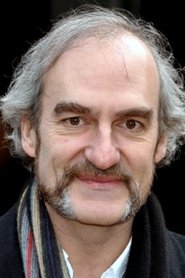
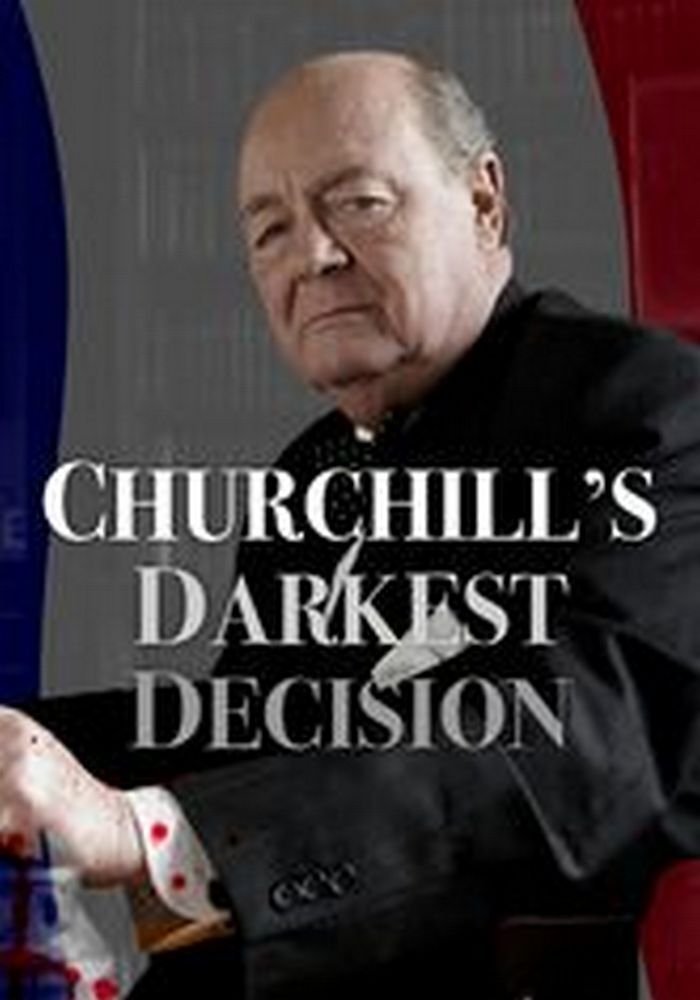
Michel Vuillermoz
Charles de Gaulle
Clément Roussier
Lieutenant Geoffroy Chodron de Courcel
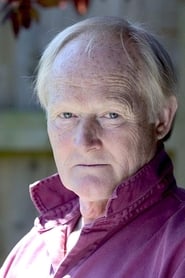
Christian Rodska
Winston Churchill
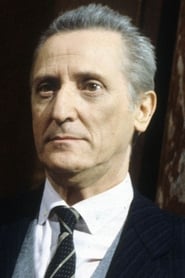
Peter Hudson
David Lowe
Lord Halifax
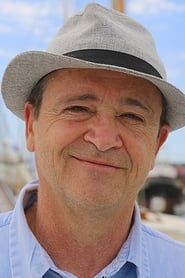
Michel Bompoil
Paul Reynaud
Philippe Hérisson
Roland Margerie
François Lescurat
Dominique Leca
Alain Mottet
Maréchal Pétain
André Penvern
Maxime Weygand
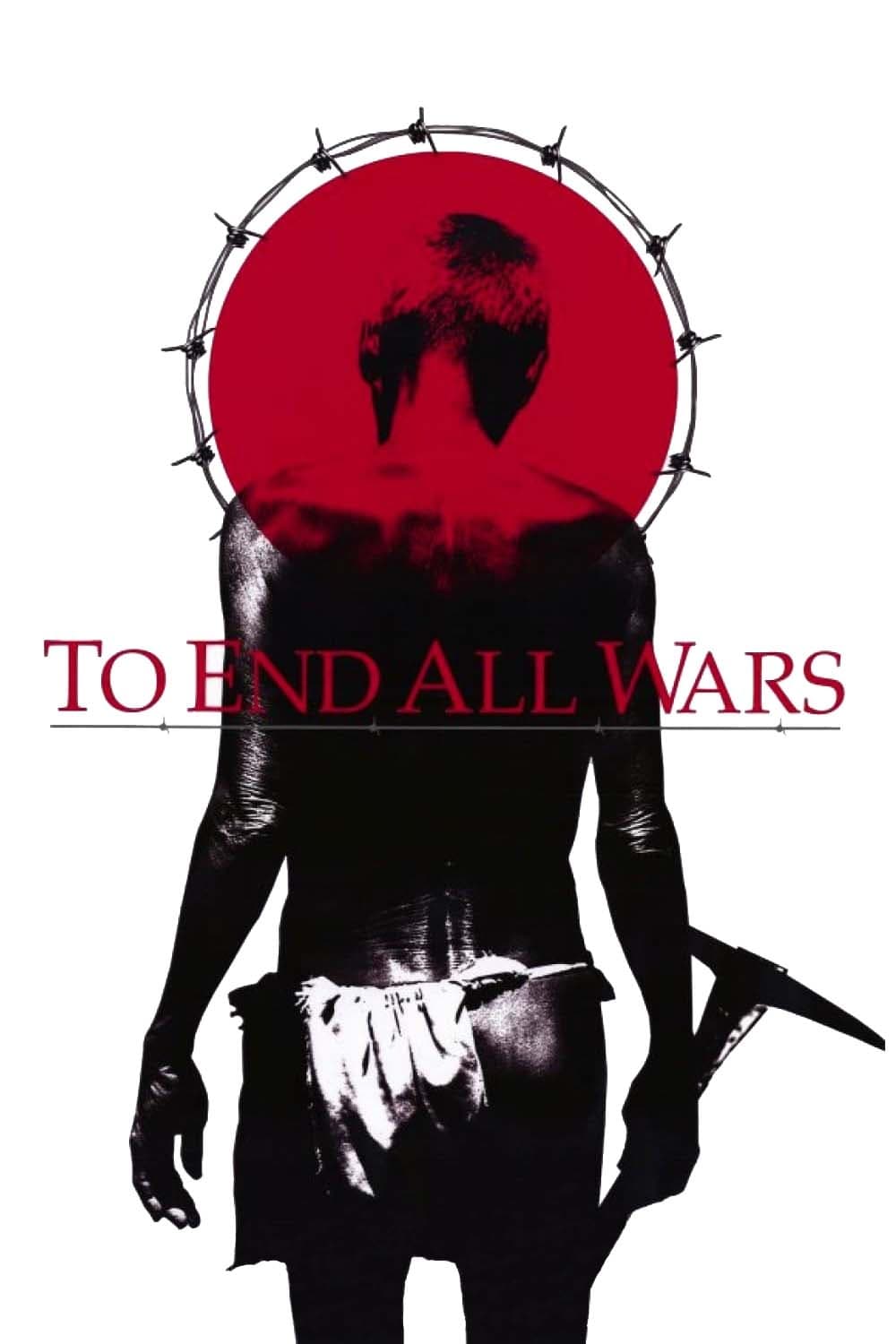
Story of a simple-minded Finnish soldier set in the winter of 1943.
12 American military prisoners in World War II are ordered to infiltrate a well-guarded enemy château and kill the Nazi officers vacationing there. The soldiers, most of whom are facing death sentences for a variety of violent crimes, agree to the mission and the possible commuting of their sentences.
A Blind Hero depicts Otto Weidt's story as told by award-winning journalist and author Inge Deutschkron, who tells the incredible tale of Weidt's efforts to save her and the rest of his employees from the Nazis, including Alice Licht, the love of Otto Weidt's life.
Tony Robinson’s VE Day: Minute By Minute will take a unique look at a pivotal day in the history of the modern world, delving into the key events that made VE Day such a momentous twenty-four hours. This is the story of what happened on that most celebrated and important day, including original interviews with historians and veterans who tell their stories and share their first-hand experiences. Using unseen archive footage and stills, plus never told accounts from veterans who were there, this one-off special will chart the moment the clock struck midnight, to 24 hours later, when fighting officially stopped across Europe. Up and down the country it was dawning on people that they were waking up not with fear or anxiety, but with relief and excitement. This was a Great Britain no one had experienced for six years. A Britain at peace. At almost no notice street celebrations were being prepared and tens of thousands were flocking to London and other city centres.
Based on a real-life story, this drama focuses on a small group of Allied soldiers in Burma who are held captive by the Japanese. Capt. Ernest Gordon, Lt. Jim Reardon and Maj. Ian Campbell are among the military officers kept imprisoned and routinely beaten and deprived of food. While Campbell wants to rebel and attempt an escape, Gordon tries to take a more stoic approach, an attitude that proves to be surprisingly resonant.
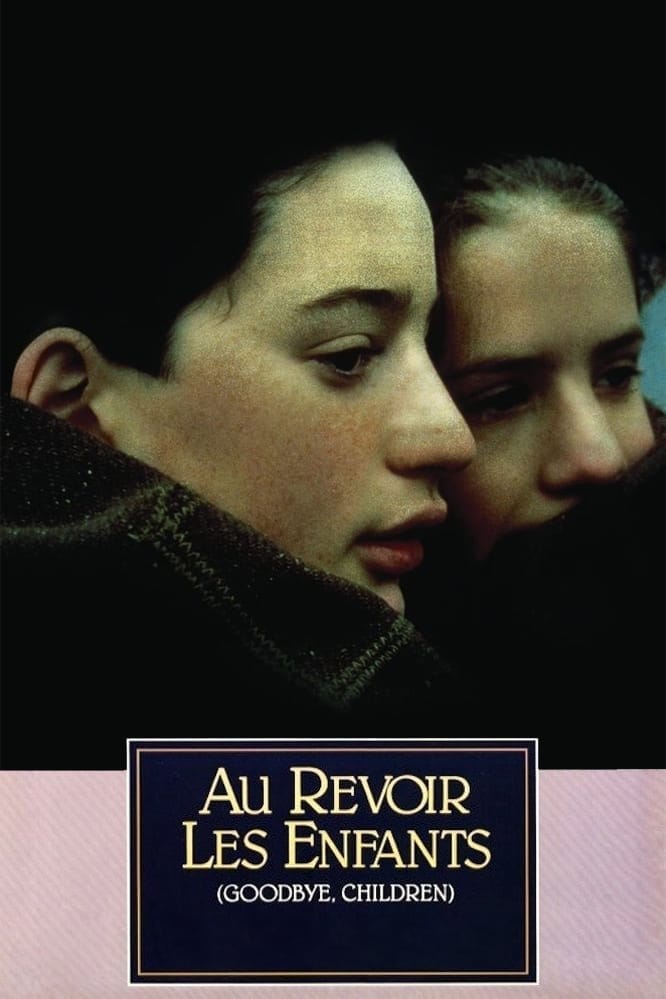
Au revoir les enfants tells a heartbreaking story of friendship and devastating loss concerning two boys living in Nazi-occupied France. At a provincial Catholic boarding school, the precocious youths enjoy true camaraderie—until a secret is revealed. Based on events from writer-director Malle’s own childhood, the film is a subtle, precisely observed tale of courage, cowardice, and tragic awakening.
The role of African American soldiers during the World War II Allied invasion of Normandy.
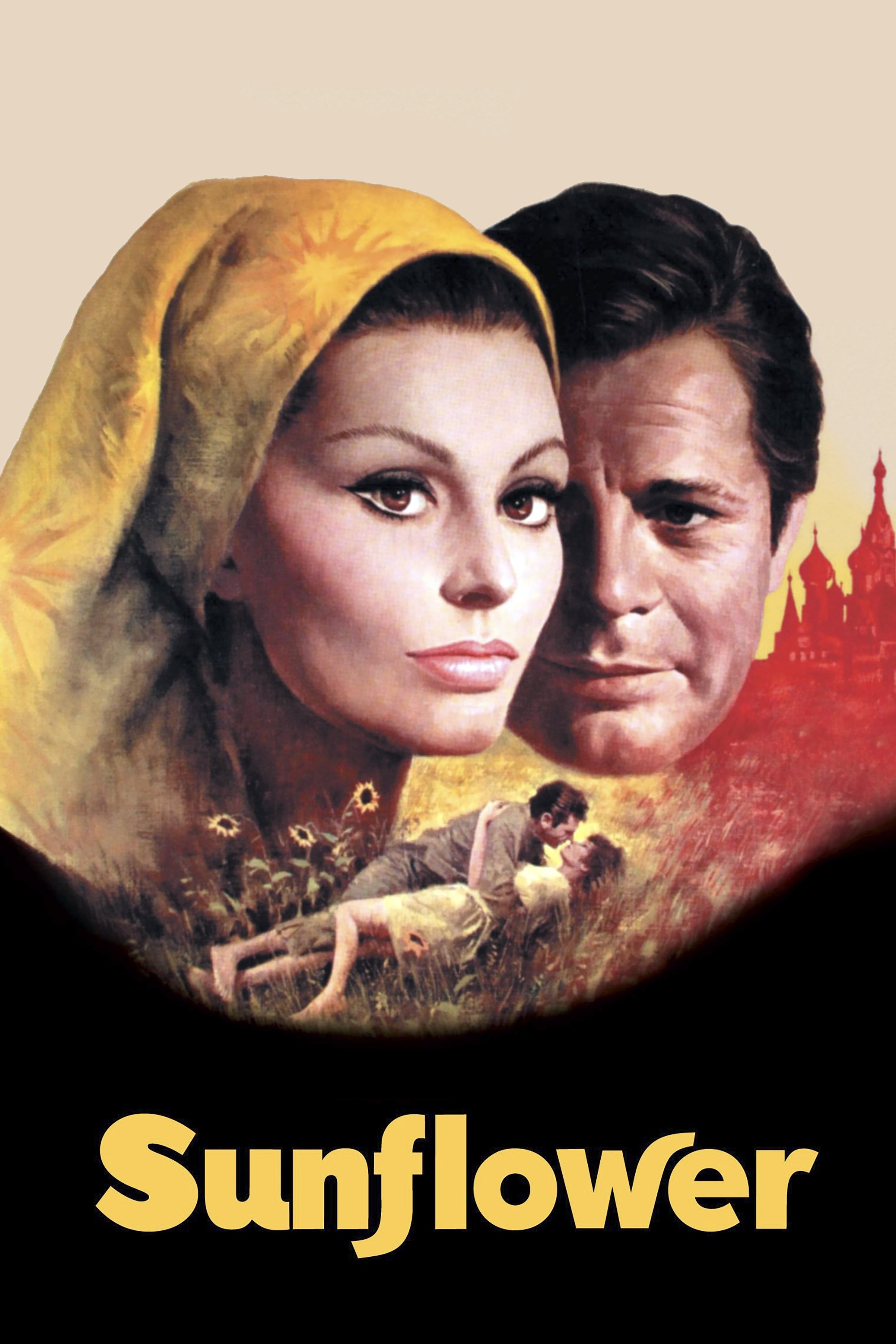
After World War II, a woman refuses to believe her husband, missing on the Russian front, is dead. Flashbacks reveal their brief courtship and marriage. Years later, she travels to Russia with his photo, determined to find him. What will she discover?
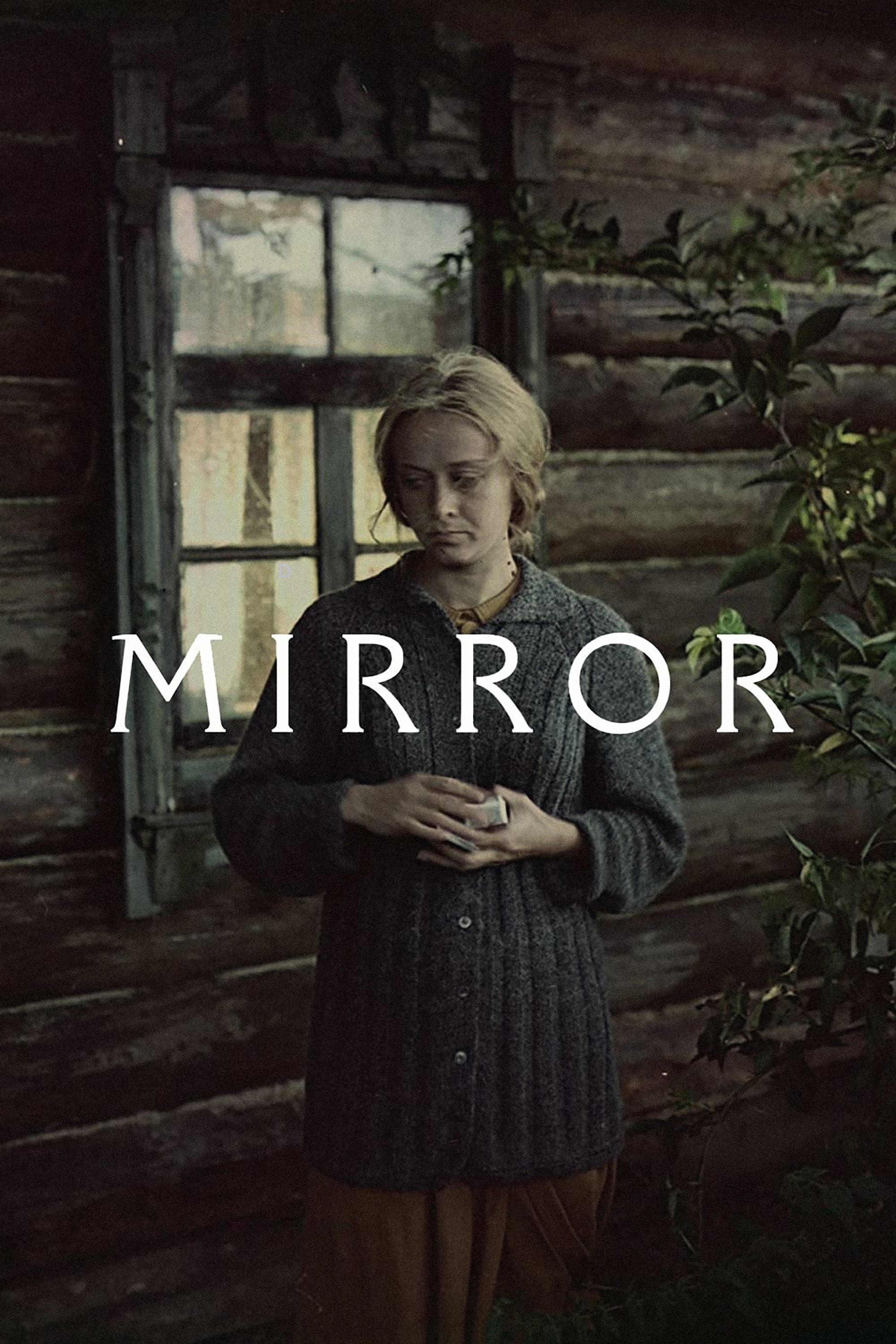
A dying man in his forties recalls his childhood, his mother, the war and personal moments that tell of and juxtapose pivotal moments in Soviet history with daily life.
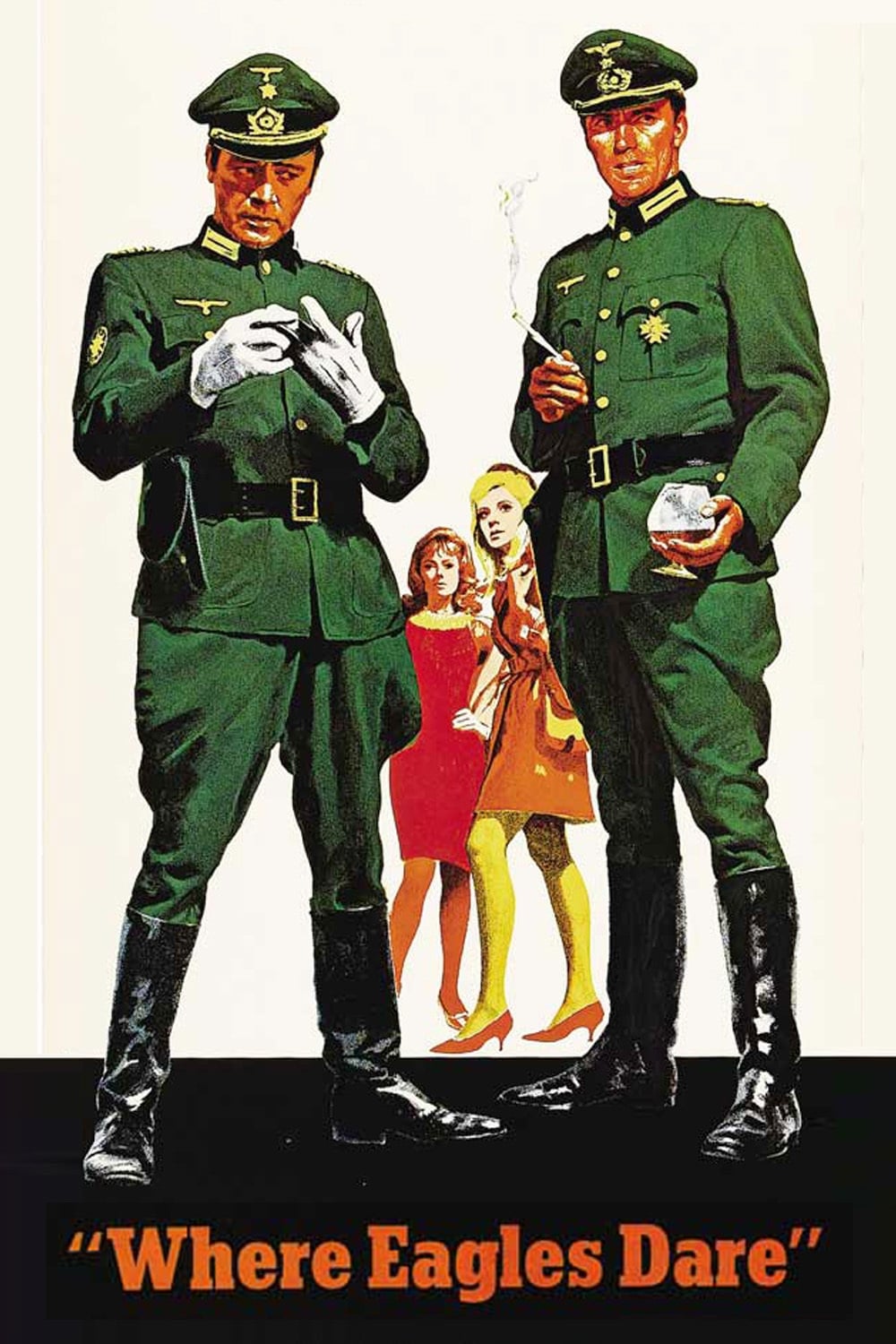
World War II is raging, and an American general has been captured and is being held hostage in the Schloss Adler, a Bavarian castle that's nearly impossible to breach. It's up to a group of skilled Allied soldiers to liberate the general before it's too late.
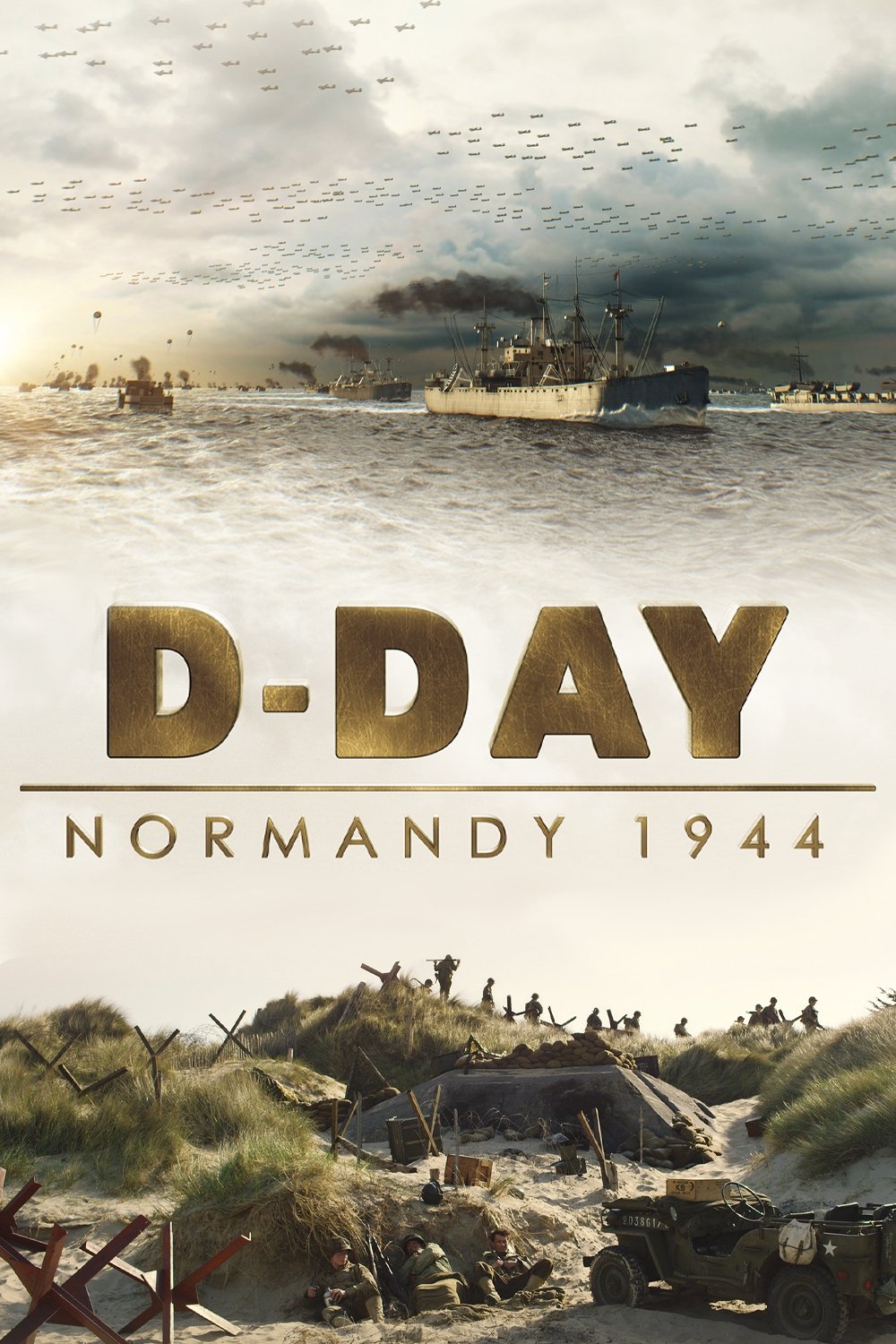
June 6, 1944: The largest Allied operation of World War II began in Normandy, France. Yet, few know in detail exactly why and how, from the end of 1943 through August 1944, this region became the most important location in the world. Blending multiple cinematographic techniques, including animation, CGI and stunning live-action images, “D-Day: Normandy 1944” brings this monumental event to the world’s largest screens for the first time ever. Audiences of all ages, including new generations, will discover from a new perspective how this landing changed the world. Exploring history, military strategy, science, technology and human values, the film will educate and appeal to all. Narrated by Tom Brokaw, “D-Day: Normandy 1944” pays tribute to those who gave their lives for our freedom… A duty of memory, a duty of gratitude.
The background to, events of and consequences of the Battle of Mers-El-Kebir on 3 July 1940. In that battle, Royal Navy ships fired on the French Fleet in order to prevent it from falling into German hands. A French battleship was sunk and several other ships damaged. Nearly 1,300 French sailors were killed.
A German Platoon is explored through the brutal fighting of the Battle of Stalingrad. After half of their number is wiped out and they're placed under the command of a sadistic captain, the platoon lieutenant leads his men to desert. The platoon members attempt escape from the city, now surrounded by the Soviet Army.
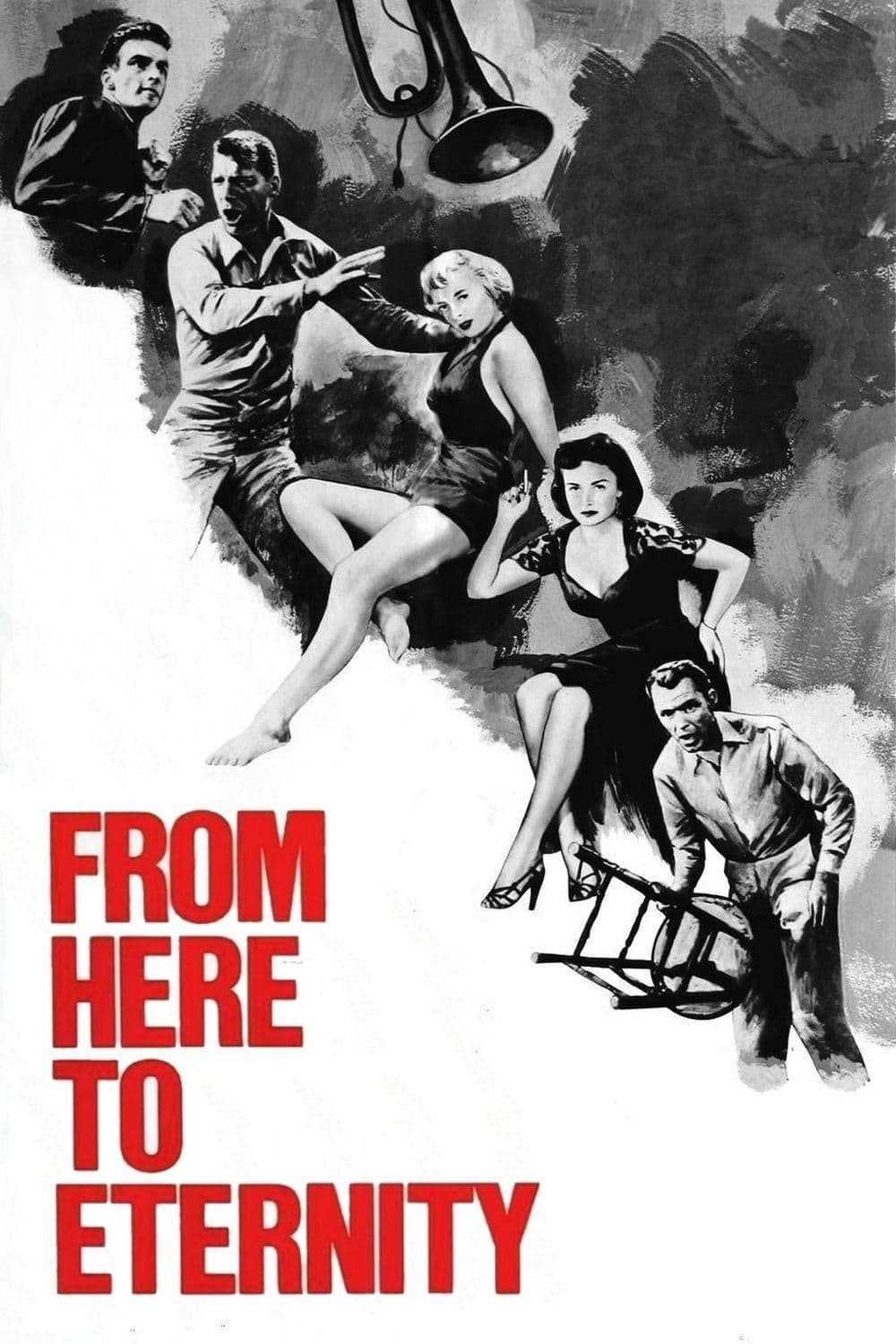
In 1941 Hawaii, a private is cruelly punished for not boxing on his unit's team, while his captain's wife and second in command are falling in love.
In 1940, the Royal Air Force fights a desperate battle against the might of the Luftwaffe for control of the skies over Britain, thus preventing an attempted Nazi invasion.
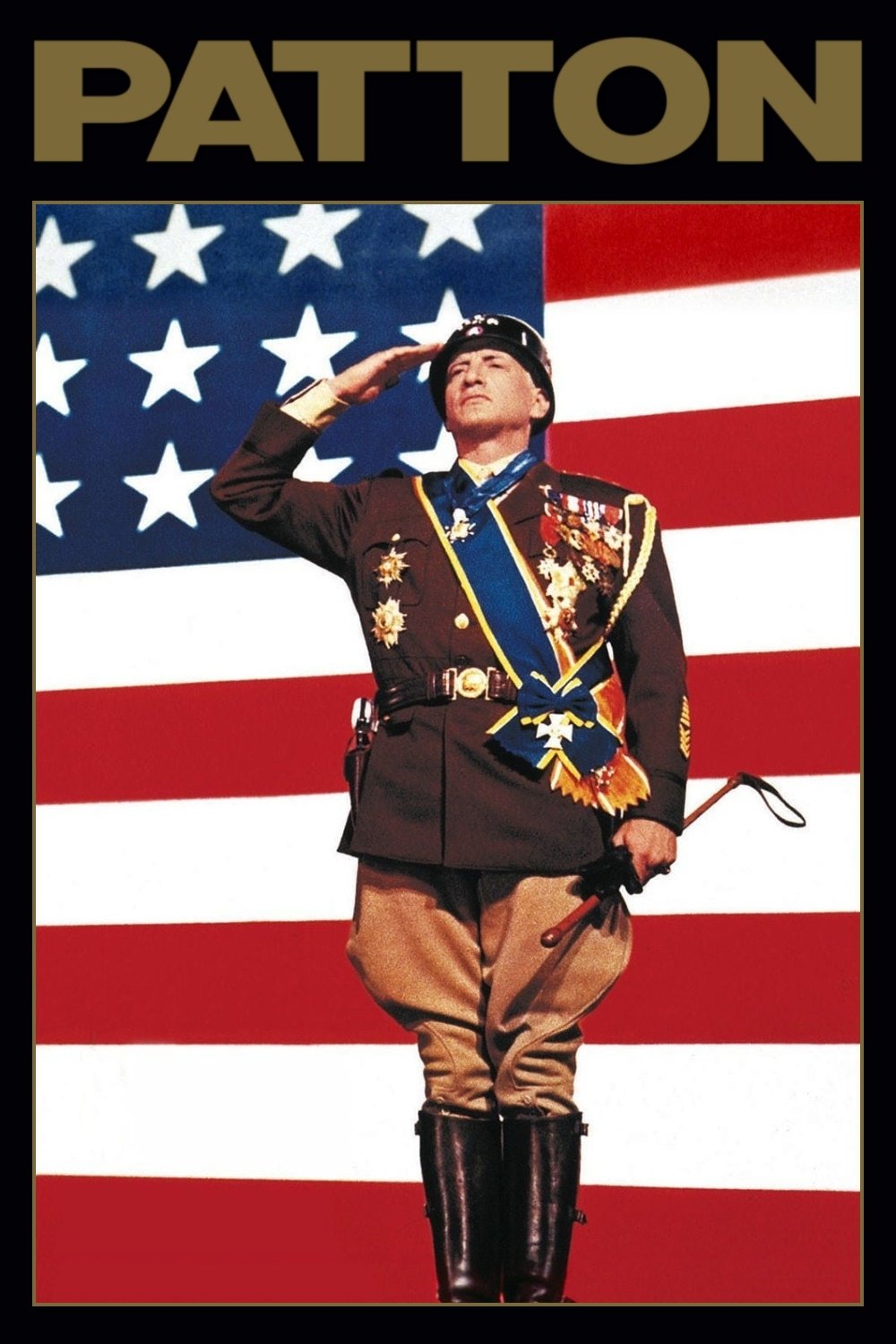
"Patton" tells the tale of General George S. Patton, famous tank commander of World War II. The film begins with Patton's career in North Africa and progresses through the invasion of Germany and the fall of the Third Reich. Side plots also speak of Patton's numerous faults such his temper and habit towards insubordination.
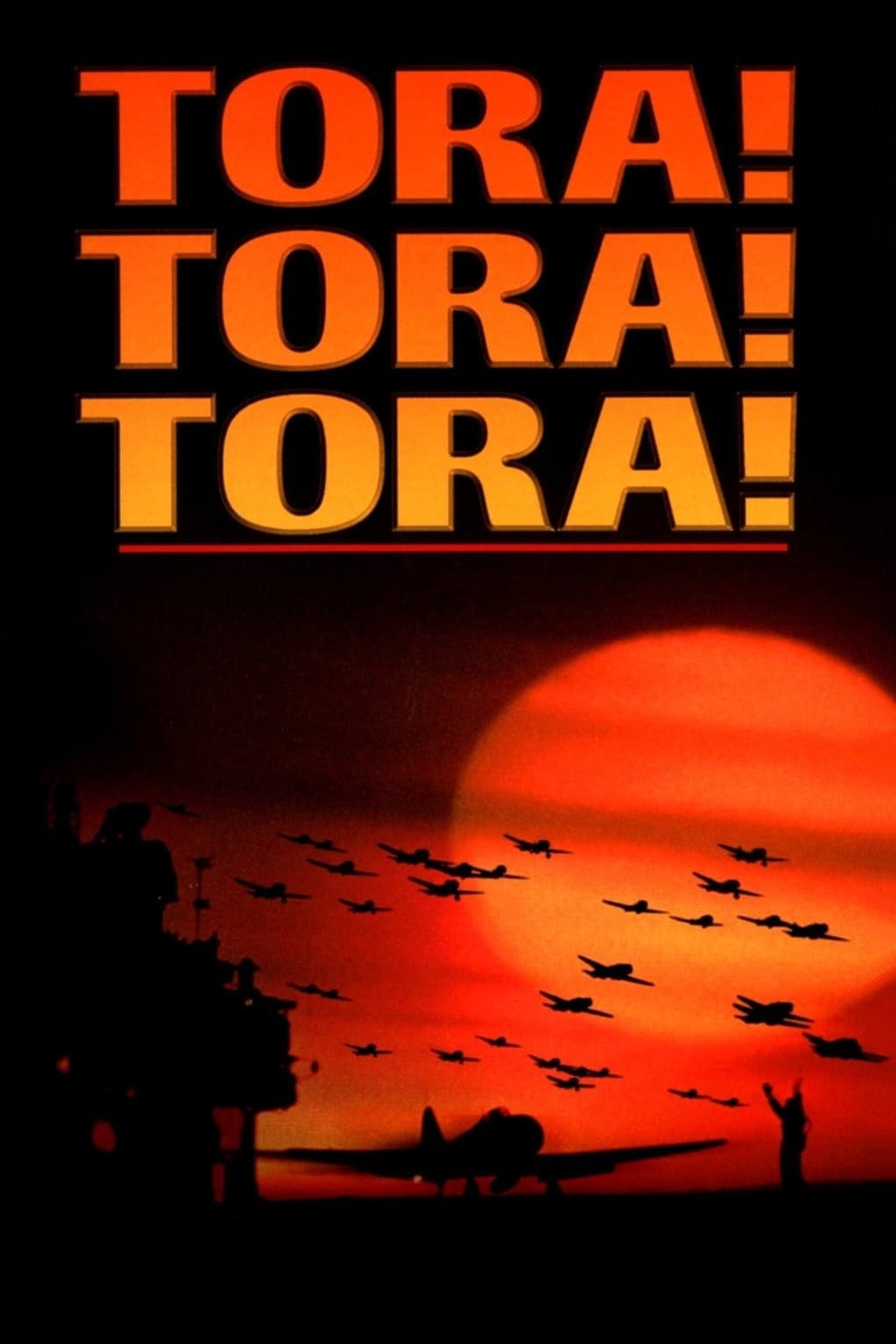
In the summer of 1941, the United States and Japan seem on the brink of war after constant embargos and failed diplomacy come to no end. "Tora! Tora! Tora!", named after the code words used by the lead Japanese pilot to indicate they had surprised the Americans, covers the days leading up to the attack on Pearl Harbor, which plunged America into the Second World War.
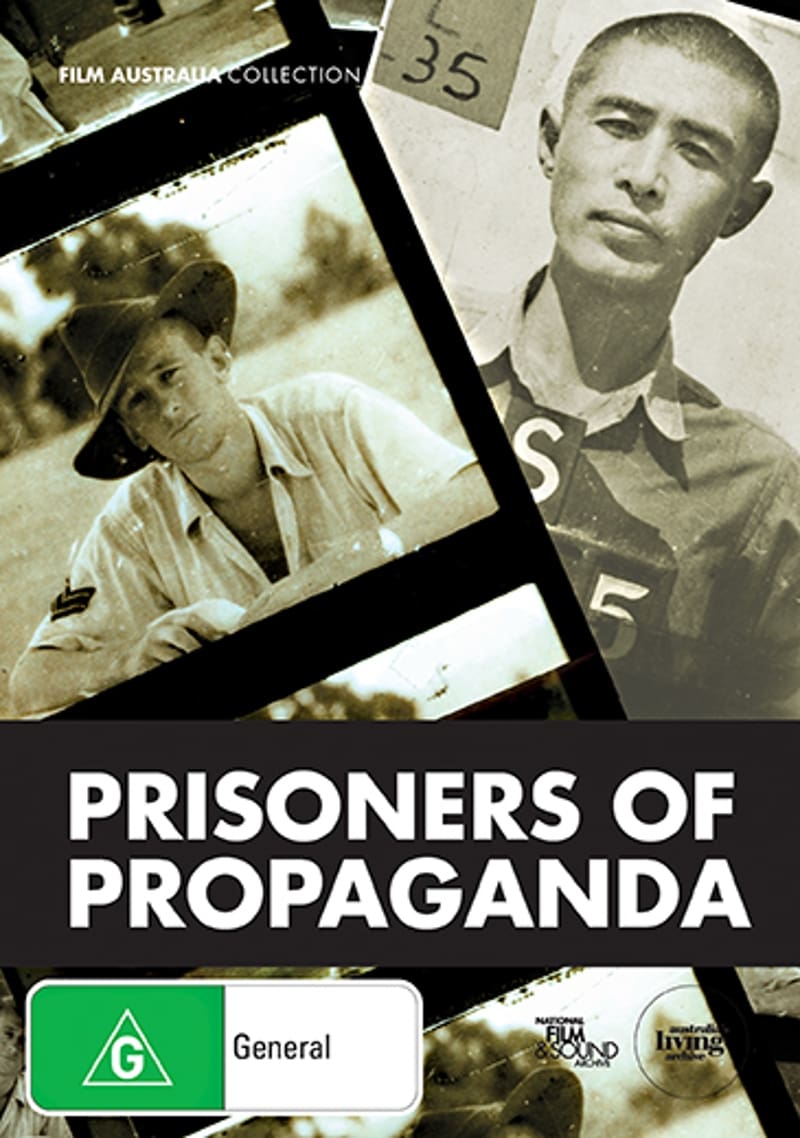
In 1943, the Imperial Japanese Secret Service made a film called Calling Australia! to show the "exemplary conditions" under which prisoners of war were kept, and to "soften up" the Australian public for the anticipated occupation of their country by Japanese forces. Prisoners of Propaganda tells why the film was made, and how it came to be forgotten.
The adaptation of the eponymous play by Carl Zuckmayer tells the story of renegade general Harras of the German Luftwaffe, who during WWII openly criticizes the Nazi regime. As a consequence, he is put under surveillance, and even imprisoned for a brief period of time. Still remaining outspoken, Harras realizes the horrific dimensions of this hopeless and injust war waged by Germany.
Regent Horthy is the leader of Hungary and a German ally, but his favorable standing with Hitler changes as the war comes to an end. Forced to cede Hungary’s power or else witness the execution of his son, Regent Horthy gives up control of his country to the Nazis, who quickly move Hungarians to ghettos and death camps, with no hope in sight. But the despair changes when a young man named Elek emerges. Separated from his family during the relocations and aided by the woman he loves , Elek defies the enemy by becoming one of them. In a race against time, disguised as a Nazi Officer he embarks on a mission to save his family and thousands of his countrymen.
A WWII veteran escapes his care home in Northern Ireland and embarks on an arduous but inspirational journey to France to attend the 75th anniversary of the D-Day landings, finding the courage to face the ghosts of his past.
Fr. Hugh O'Flaherty is a Vatican official in 1943-45 who has been hiding downed pilots, escaped prisoners of war, and Italian resistance families. His activities become so large that the Nazis decide to assassinate him the next time he leaves the Vatican.
On the night of August 24, 1944, the fate of Paris rests with General von Choltitz, who plans to destroy the city on Hitler's orders. As the general prepares to detonate explosives throughout the capital, Swedish consul Raoul Nordling uses diplomacy in a desperate bid to convince him to defy the orders and save Paris.
Japan, 1944. Trained for intelligence work, Hiroo Onoda, 22 years old, discovers a philosophy contrary to the official line: no suicide; stay alive whatever happens; the mission is more important than anything else. Sent to Lubang, a small island in the Philippines where the Americans are about to land, this role will be to wage a guerrilla war until the return of the Japanese troops. The Empire will surrender soon after; Onoda, 10,000 days later.
The story of the senior-level preparations for the D-Day invasion on June 6, 1944 from the time of Dwight D. Eisenhower's appointment as the Supreme Allied Commander in Europe, to the establishment of the beachhead in Normandy.
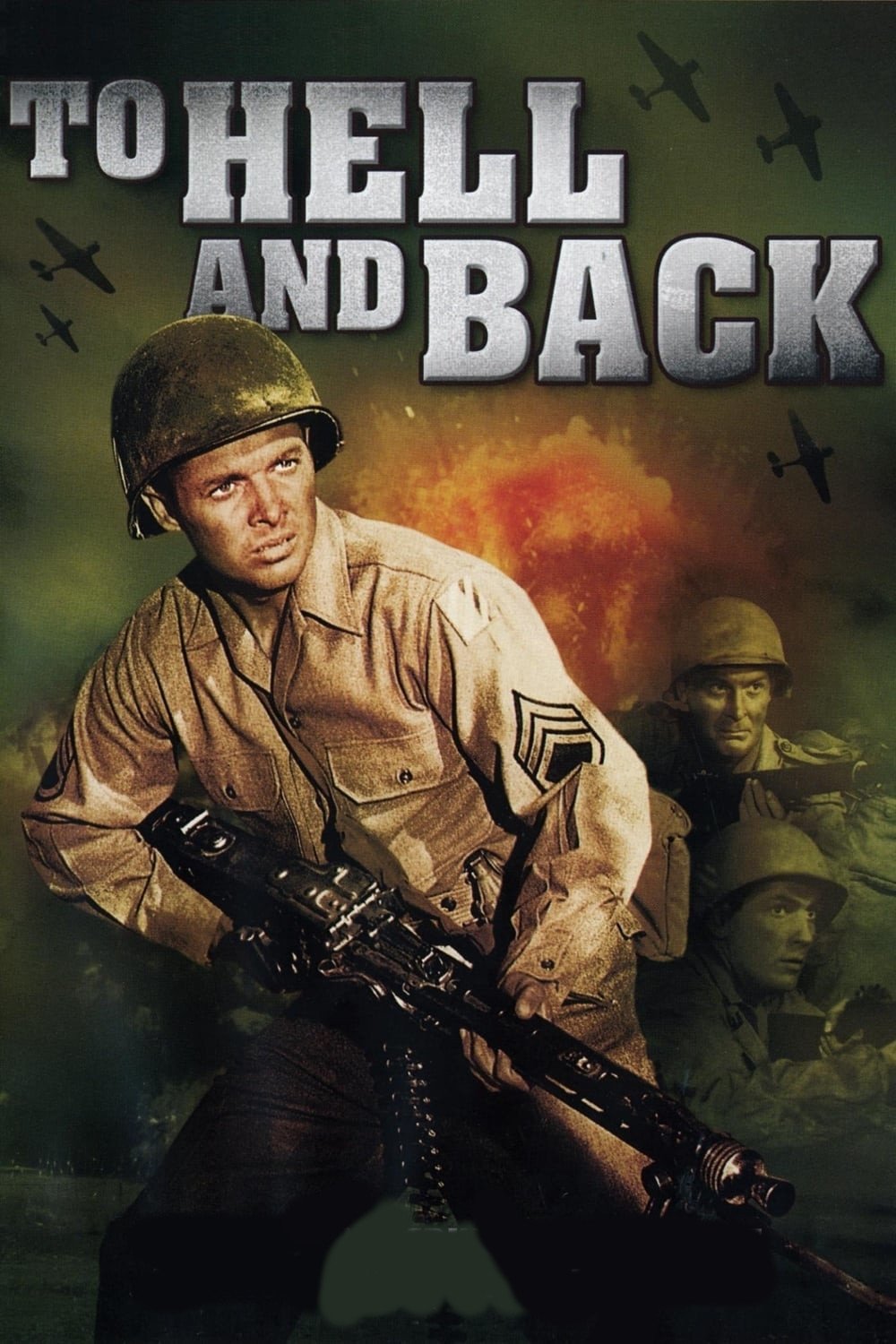
The true WWII story of Audie Murphy, the most decorated soldier in U.S. history. Based on the autobiography of Audie Murphy who stars as himself in the film.
In WWII Western Germany, Private David Manning reluctantly leaves behind a mortally wounded fellow soldier and searches for survivors from his platoon, only to learn from commanding officer Captain Pritchett that they have all been killed in action. Despite requesting a discharge on the grounds of mental disability, Manning is promoted to sergeant and assigned to lead a new platoon of young inductees.
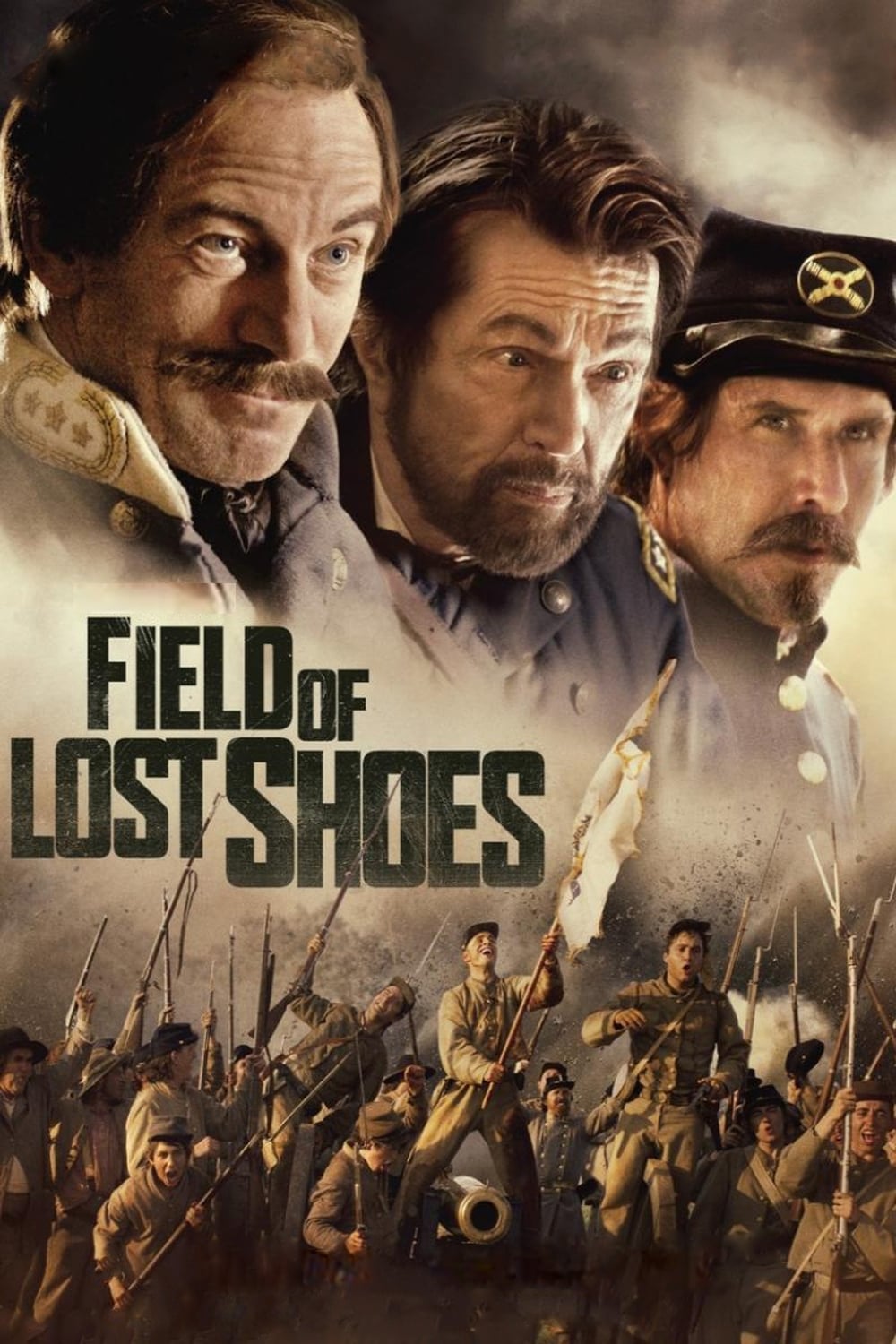
A group of teenage cadets sheltered from war at the Virginia Military Institute must confront the horrors of an adult world when they are called upon to defend the Shenandoah Valley.
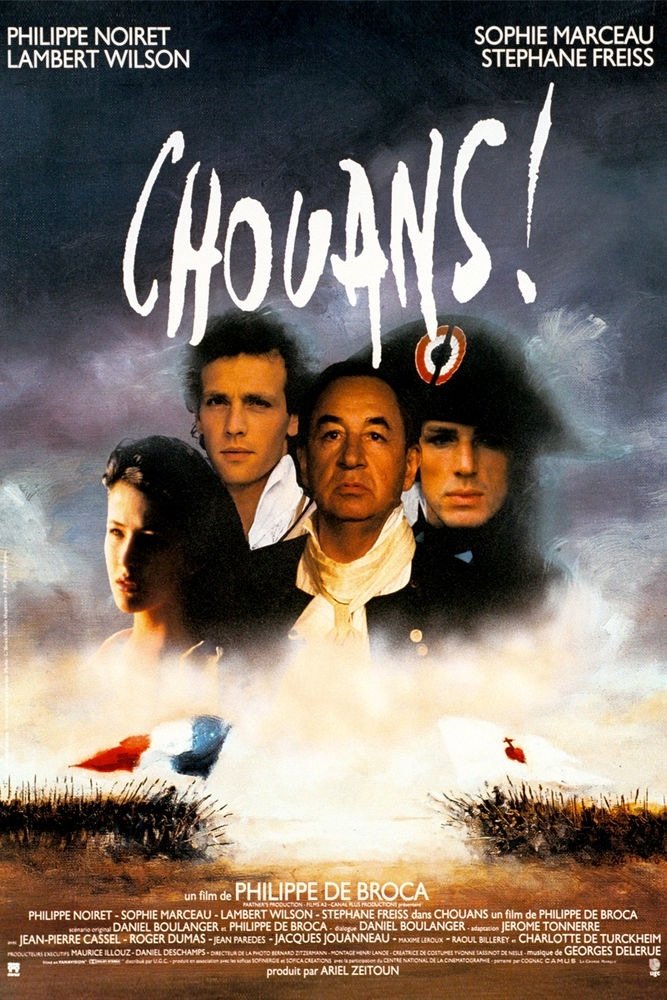
Directed by Philippe de Broca, the film recounts a bloody episode of the French Revolution. 1793, the Terror . In Vendée and in Bretagne, the chouans are revolting against the young Republic and fight for the monarchy restauration. The civil war divides also the family of the Count Savinien de Kerfadec, a liberal and generous noble and a flying machines inventor.
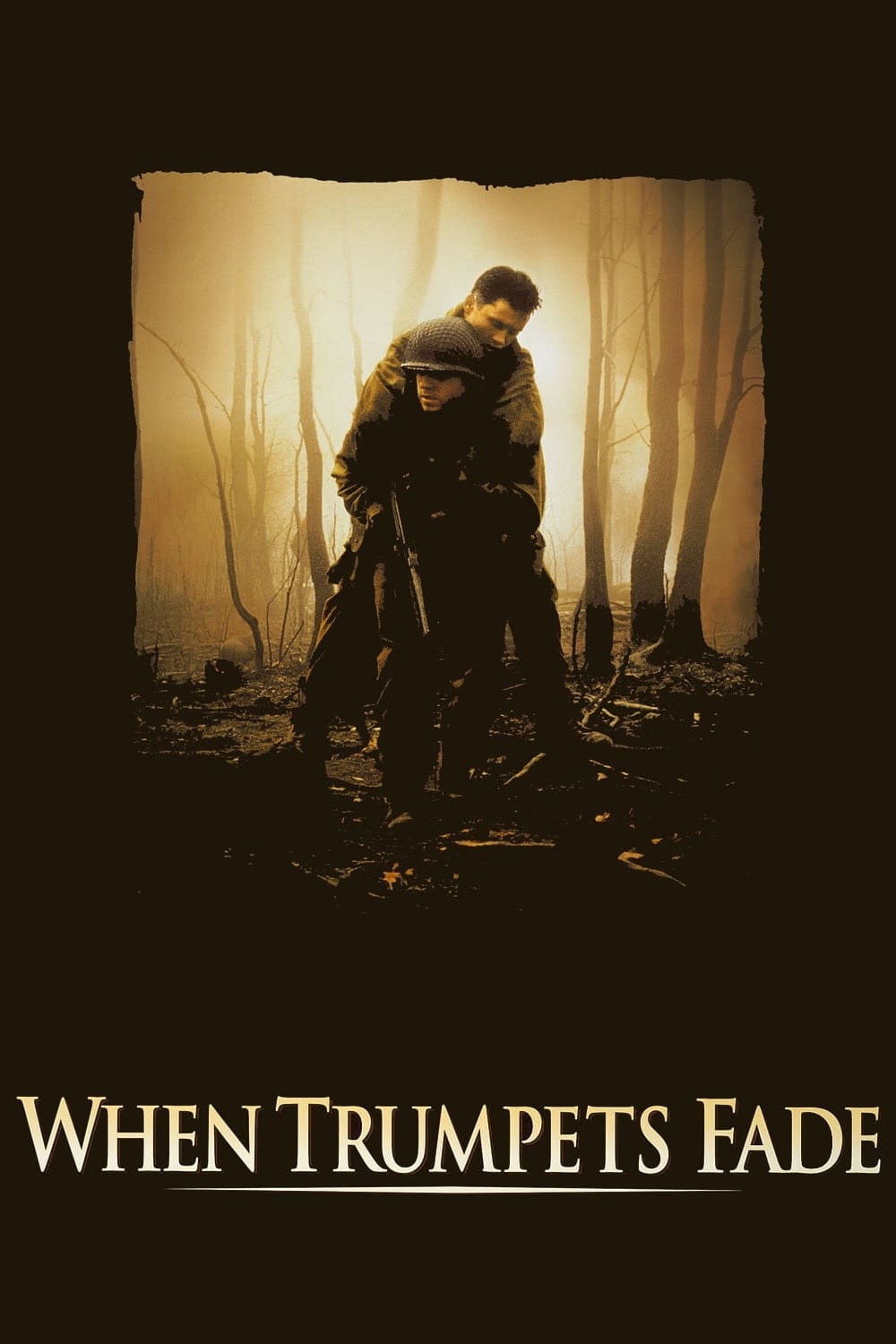
During World War II, a young man is called up and, with an increasing sense of foreboding, undertakes his army training ready for D-Day, June 6th, 1944.
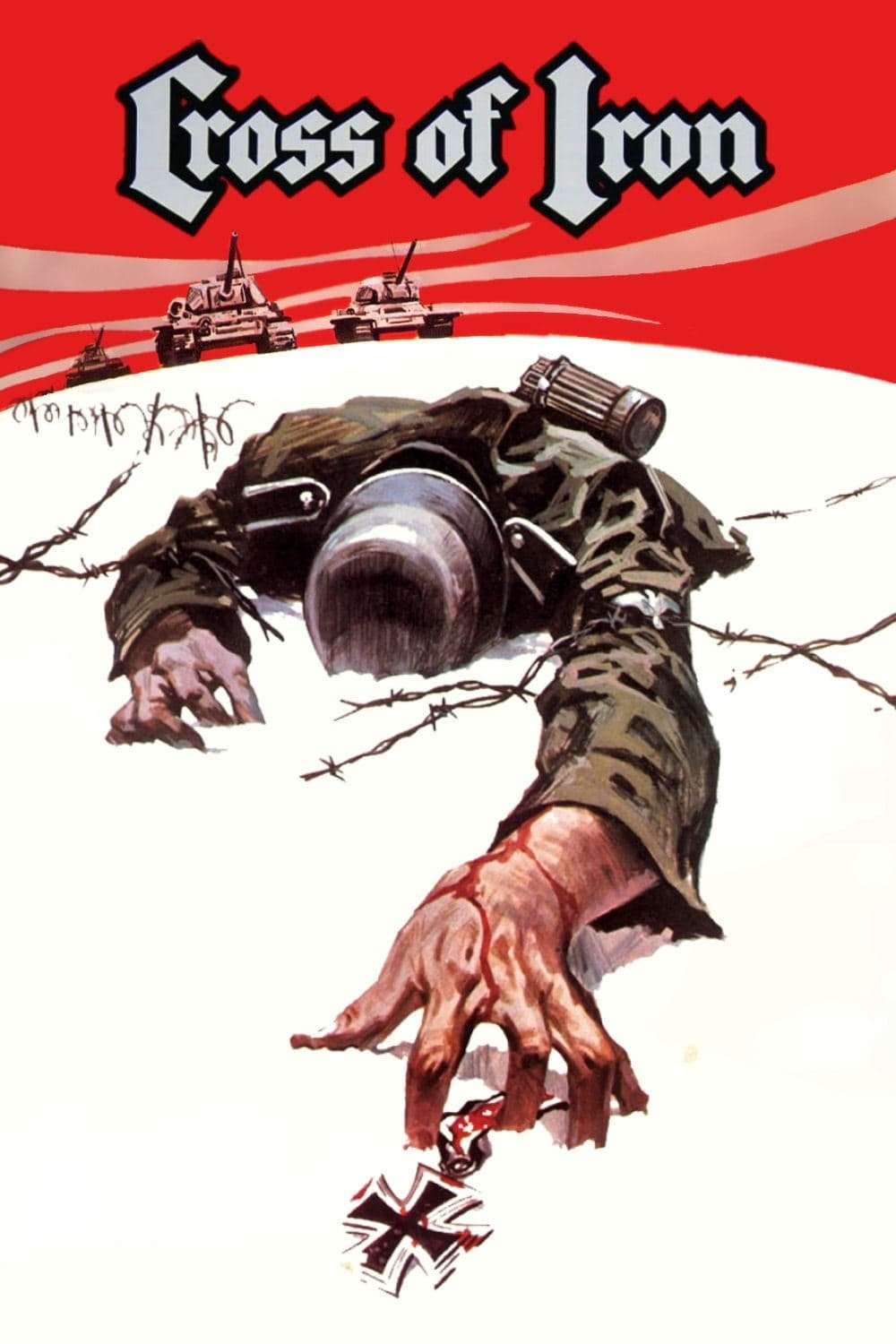
It is 1943, and the German army—ravaged and demoralised—is hastily retreating from the Russian front. In the midst of the madness, conflict brews between the aristocratic yet ultimately pusillanimous Captain Stransky and the courageous Corporal Steiner. Stransky is the only man who believes that the Third Reich is still vastly superior to the Russian army. However, within his pompous persona lies a quivering coward who longs for the Iron Cross so that he can return to Berlin a hero. Steiner, on the other hand is cynical, defiantly non-conformist and more concerned with the safety of his own men rather than the horde of military decorations offered to him by his superiors.
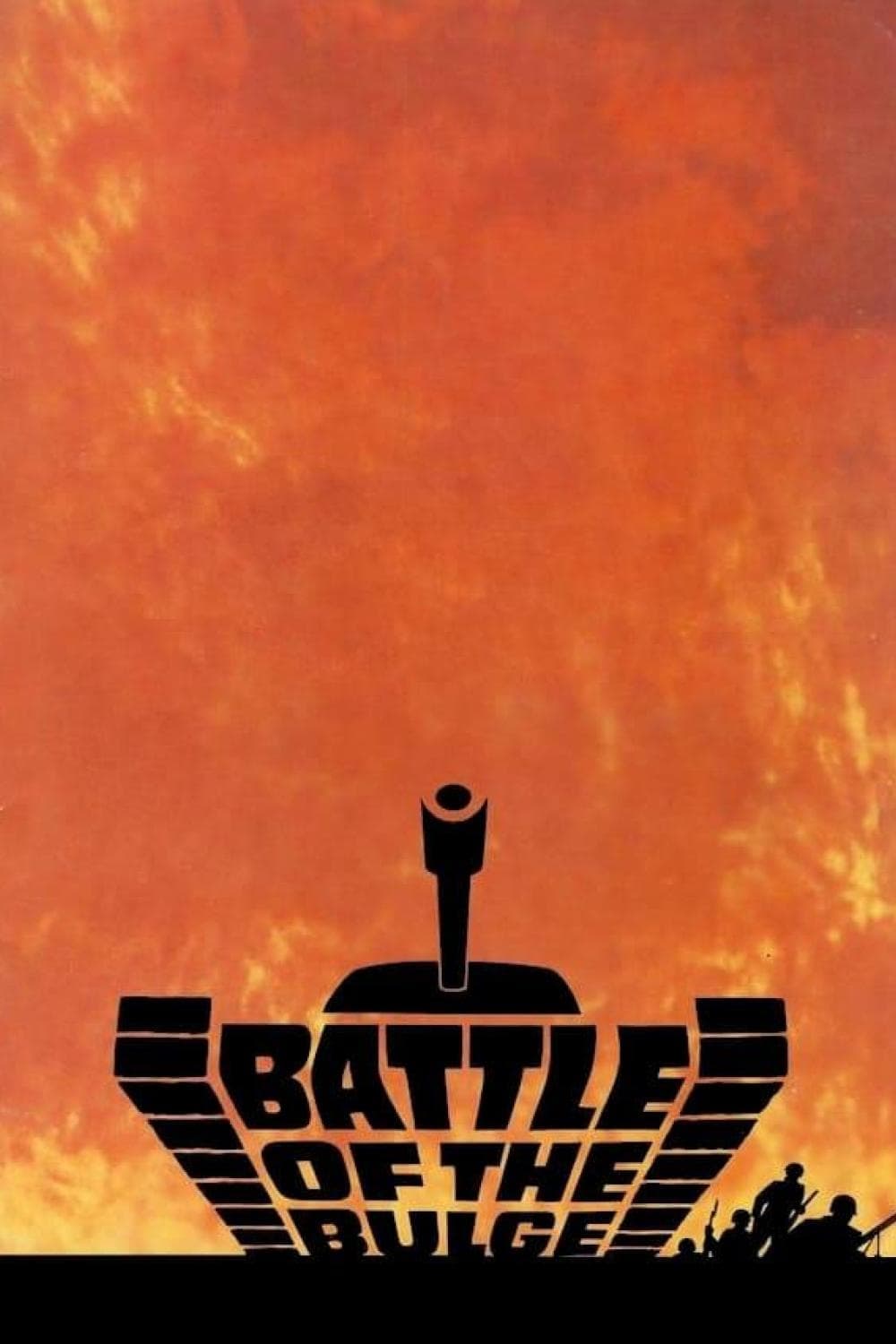
In the winter of 1944, the Allied Armies stand ready to invade Germany at the coming of a New Year. To prevent it, Hitler orders an all-out offensive to re-take French territory and capture the major port city of Antwerp.
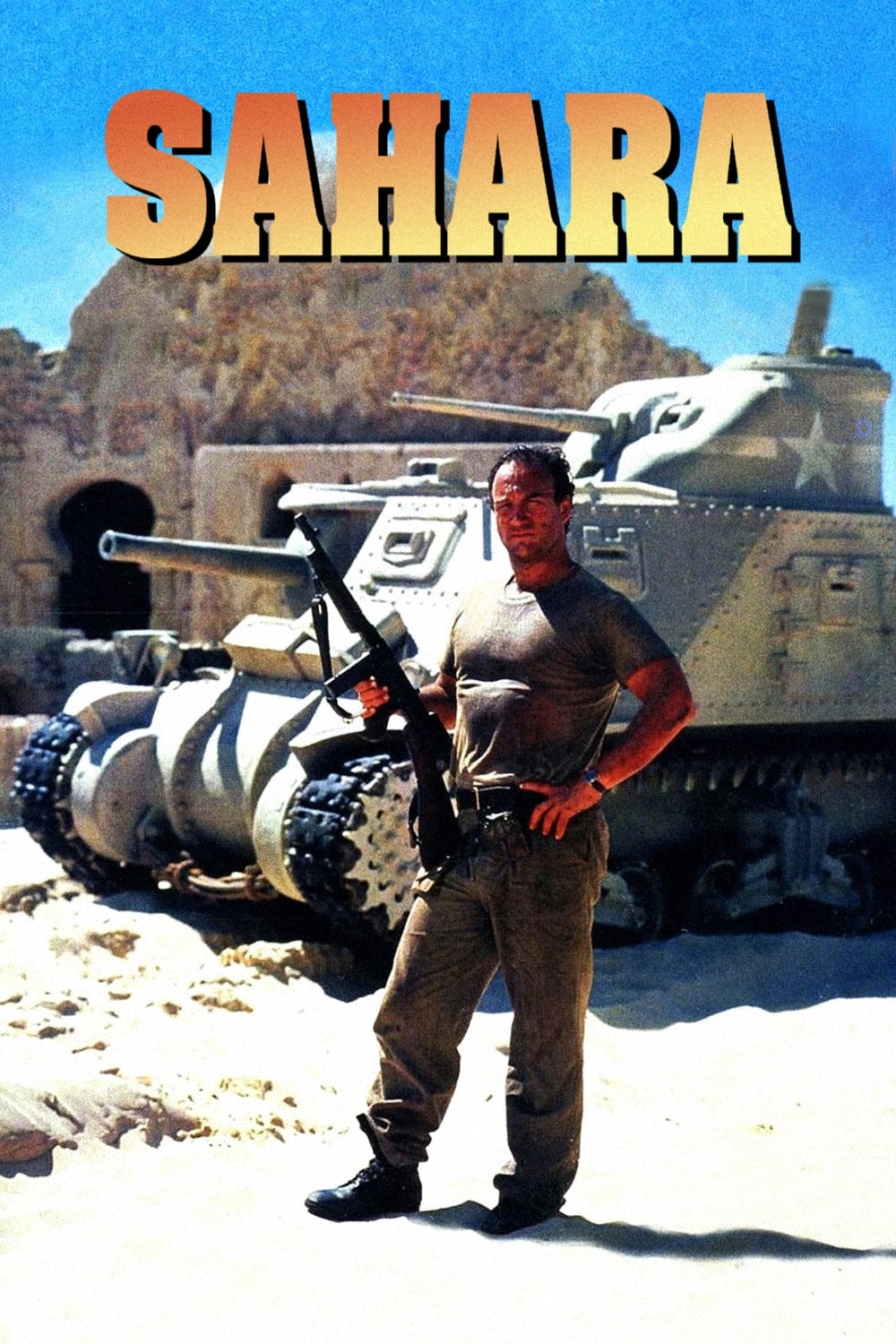
After the fall of Tobruk in June 1942, U.S. Army sergeant Joe Gunn leads his tank into the Sahara desert, in order to evade advancing Rommel's forces and reach Allied lines. Along the way he picks up few Allied soldiers, but soon they are running out of water. They find water at the ancient well, but the well is a goal of an entire German battalion. Despite the impossible odds, Sergeant Gunn decides to defend the well.
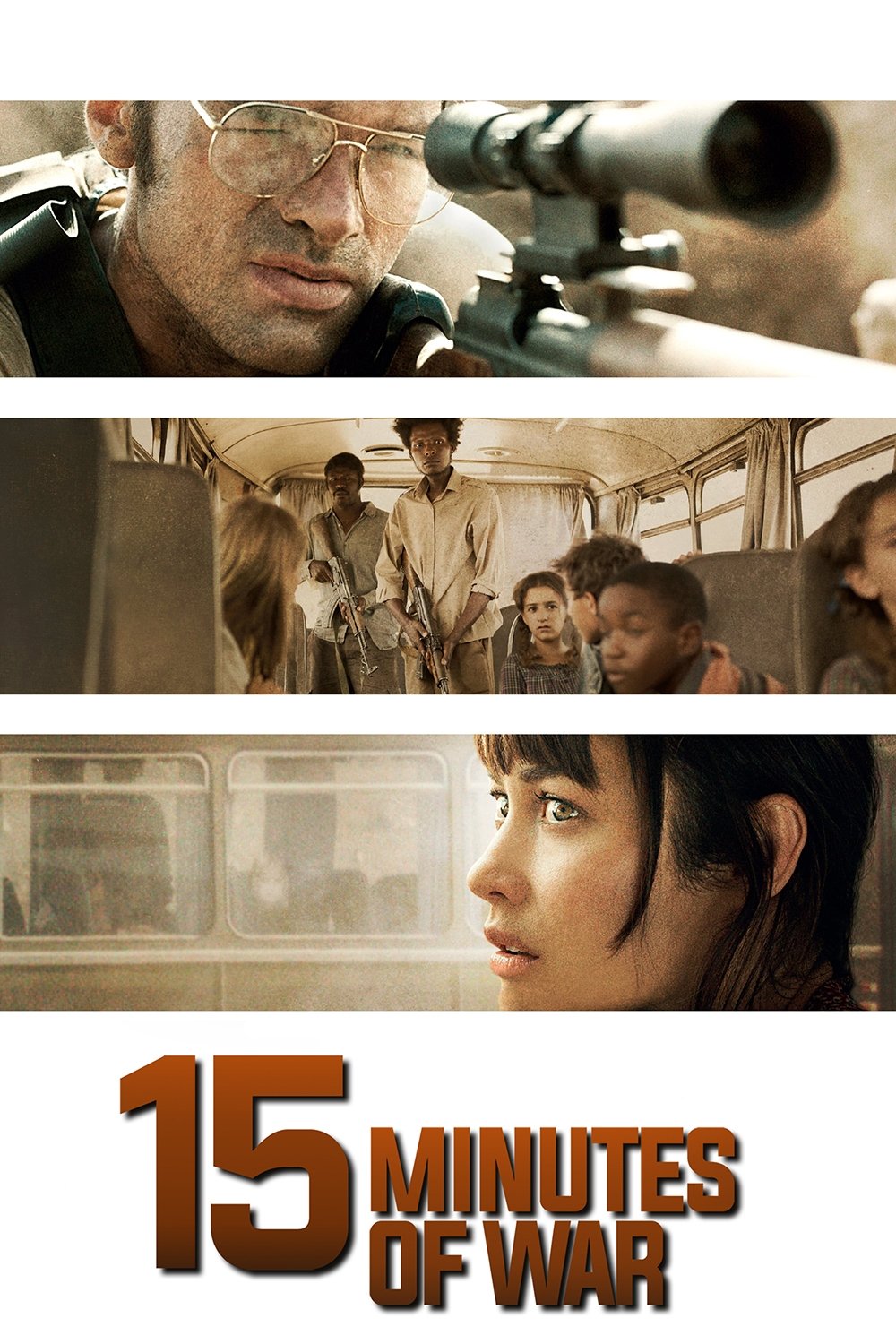
February 1976. Somalian rebels hijack a school bus carrying 21 French children and their teacher in Djibouti City. When the terrorists drive it to a no-man’s-land on the border between Somalia and French territory, the French Government sends out a newly formed elite squad to rescue the hostages. Within a few hours, the highly trained team arrives to the crisis area, where the Somalian National Army has taken position behind the barbed wire on the border. The French unit is left with very few options to rescue the hostages. As the volatile situation unravels, the French men quickly come up with a daring plan: carry out a simultaneous 5 men sniper attack to get the children and the teacher out safely. A true story.
A chronicle of the Cristeros War (1926-1929), which was touched off by a rebellion against the Mexican government's attempt to secularize the country.
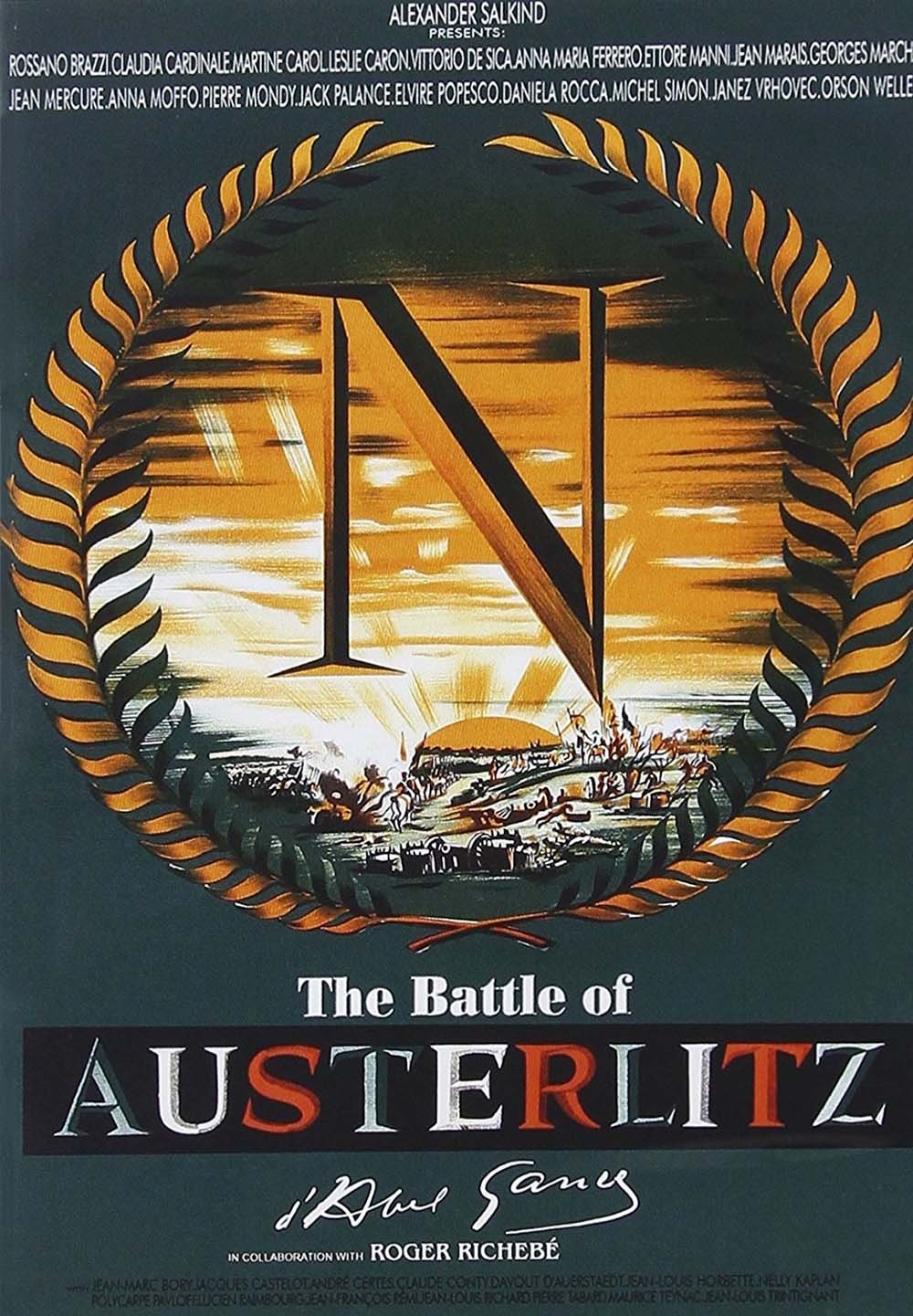
Napoleon Bonaparte crowns himself emperor and fights the English, Austrians and Russians in 1802.
Paris, summer 1942. Irene is a young, bubbly, 19-year-old Jewish girl. Her family watches her discover the world, friends, new love and a passion for the theatre. The aspiring actress is living her youthful life without a care in the world, but she does not know that time may be running out.
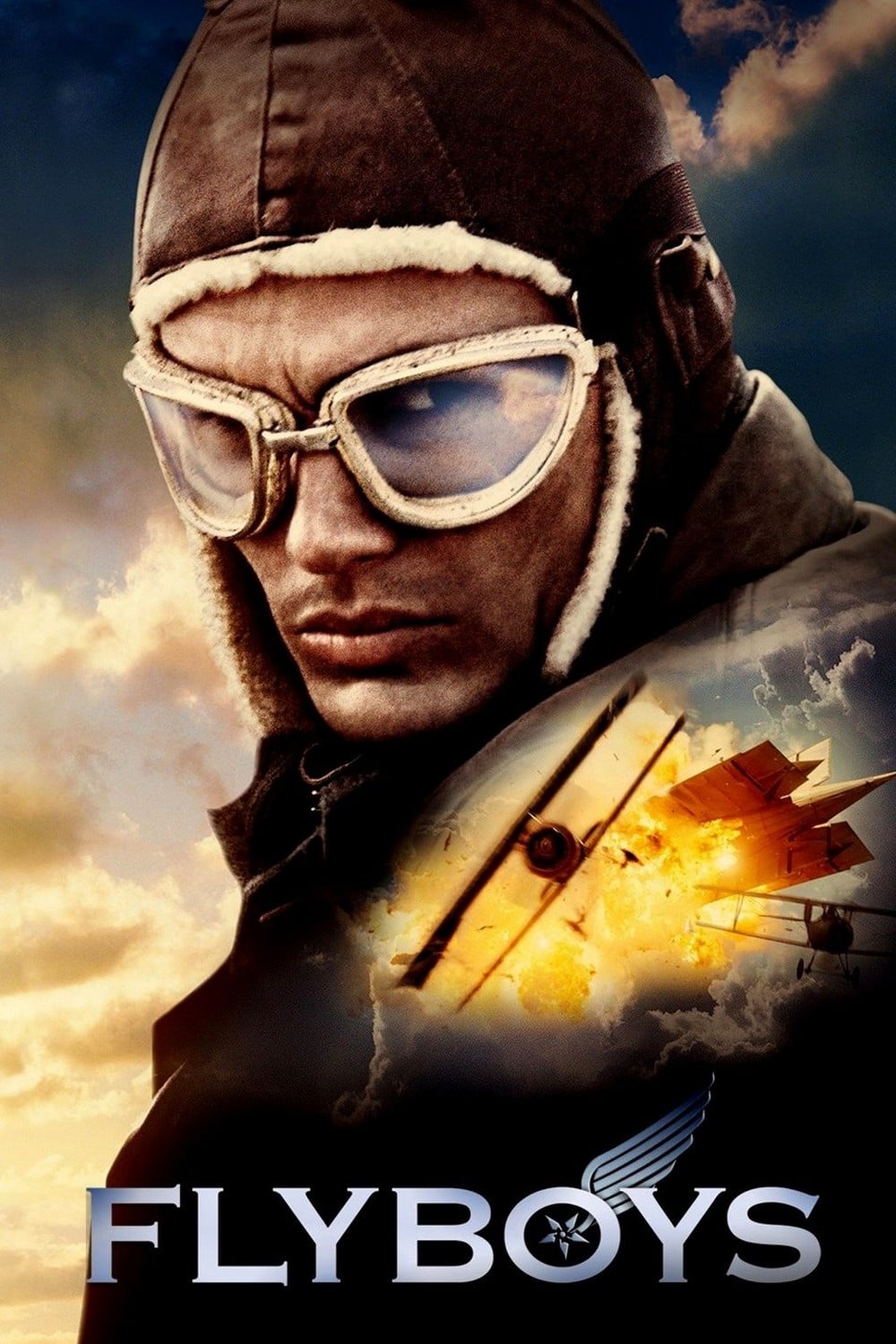
The adventures of the Lafayette Escadrille, young Americans who volunteered for the French military before the U.S. entered World War I, and became the country's first fighter pilots.
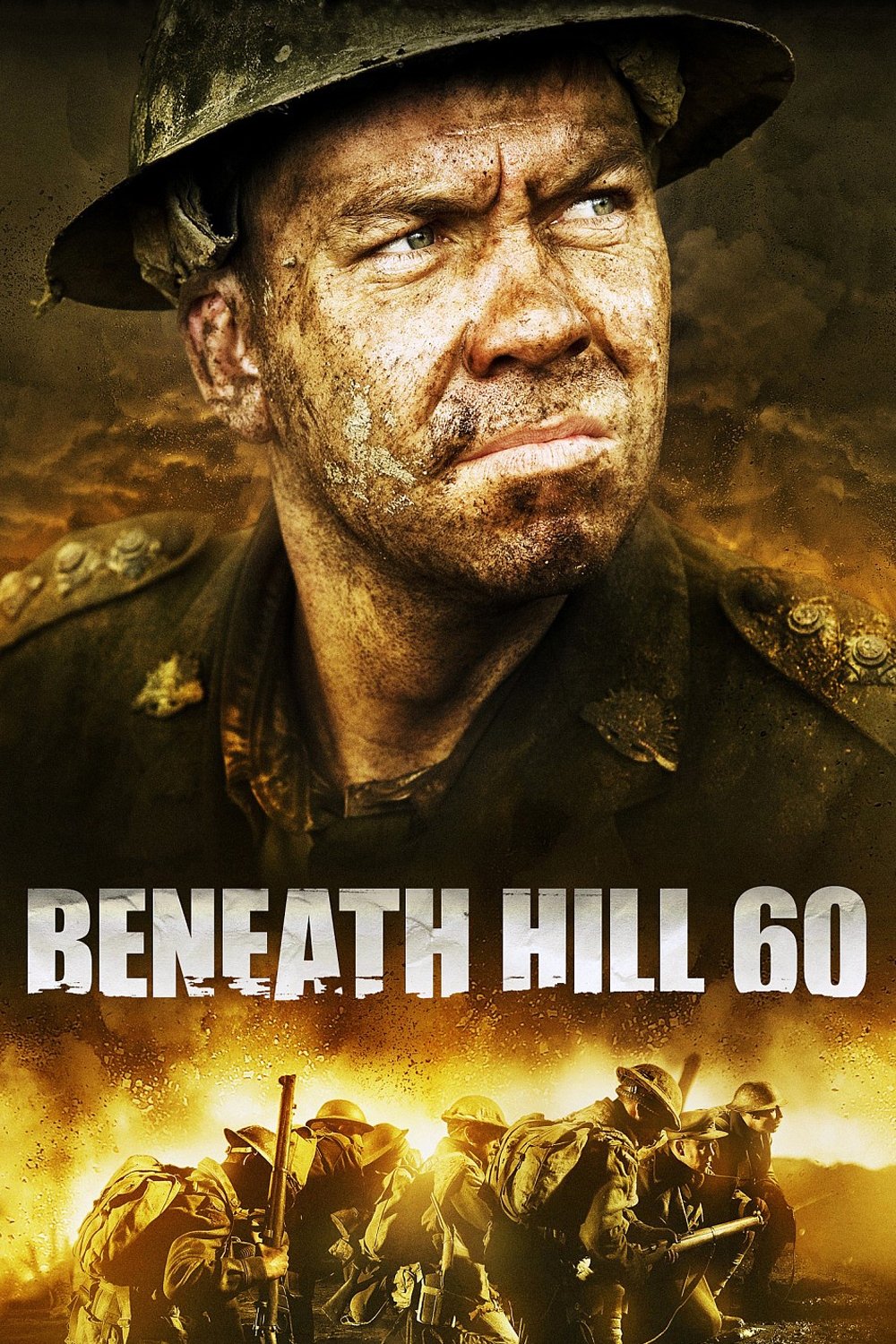
The true story of Australia's cat-and-mouse underground mine warfare—one of the most misunderstood, misrepresented and mystifying conflicts of WW I. It was secret struggle BENEATH the Western Front that combined daring engineering, technology and science. Few on the surface knew of the brave, claustrophobic and sometimes barbaric work of these tunnellers.