Dancer and fashion designer Tyler Jacobs asks us to tag along on his journey to reclaiming his two-spirit heritage and knowledge.
Social & External
Legendary documentary filmmaker Alanis Obomsawin provides a glimpse of what action-driven decolonization looks like in Norway House, one of Manitoba's largest First Nation communities.
Three intrepid women battle for Indigenous women's treaty rights.
A deep dive into the history of the Canadian Government and the Department of National Defence leasing First Nations reserves as practice bombing ranges during World War I and World War II. This documentary follows the Enoch Cree Nation's process of developing it's land claim against the Canadian Government following the discovery of active landmines in the heart of the nation's cultural lands and golf course in 2014, almost 70 years later.
NIN E TEPUEIAN - MY CRY is a documentary tracks the journey of Innu poet, actress and activist, Natasha Kanapé Fontaine, at a pivotal time in her career as a committed artist. Santiago Bertolino's camera follows a young Innu poet over the course of a year. A voice rises, inspiration builds; another star finds its place amongst the constellation of contemporary Indigenous literature. A voice of prominent magnitude illuminates the road towards healing and renewal: Natasha Kanapé Fontaine.
Filmmaker and educator Janine Windolph ventures from Saskatchewan to Quebec with her two teens and younger sister, tracing their familial origins to the Cree First Nation of Waswanipi. Against the scenic backdrop of these Traditional Lands, Elders offer newfound interdependence and hands-on learning, transforming this humble visit into a sensory-filled expression of reclamation and resilience. Our Maternal Home lovingly establishes a heart-centred form of resistance to confront and heal from the generational impacts of cultural disconnection, making space for what comes next.
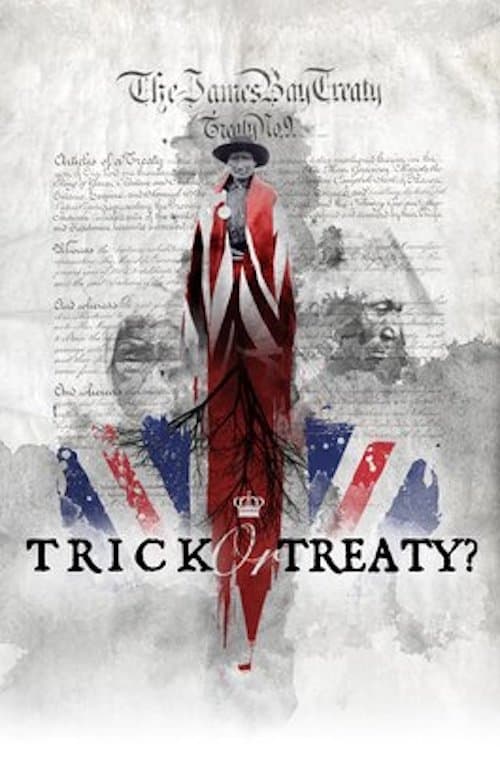
Legendary Canadian documentarian Alanis Obomsawin digs into the tangled history of Treaty 9 — the infamous 1905 agreement wherein First Nations communities relinquished sovereignty over their traditional territories — to reveal the deceptions and distortions which the document has been subjected to by successive governments seeking to deprive Canada’s First Peoples of their lands.
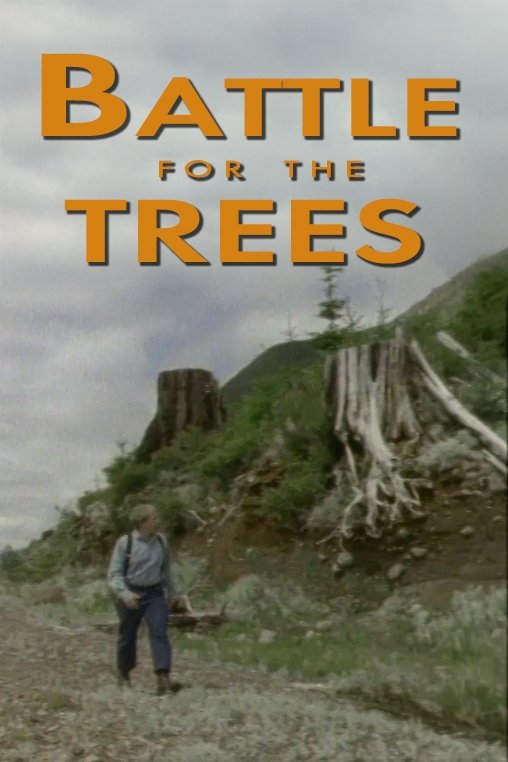
This documentary examines the battle strategies of citizens, scientists, loggers, environmentalists and First Nations people who are fighting over the liquidation of public forests and, with it, a way of life.
David Vandenbrink seems like a healthy 21-year-old, bright and articulate young man. There is little to suggest that while in his mother's womb, he suffered permanent brain damage. His condition, fetal alcohol syndrome (F.A.S.), went undiagnosed for the first 18 years of his life, causing confusion, anger, and pain for both David and his non-Indigenous adoptive family. Fetal alcohol syndrome is a term used to describe a set of symptoms seen in some children born to women who drank alcohol during pregnancy. The damage can be subtle or severe, resulting in a wide range of symptoms in the areas of slowed growth, disfigurement, and damage to the brain. Associated behavioural problems include impulsiveness, poor judgment, and an inability to grasp the consequences of actions. This personal story, using video footage shot by David himself, along with the experiences of members of his family, is a hard look into the serious consequences of a little-known, but widespread, health problem.
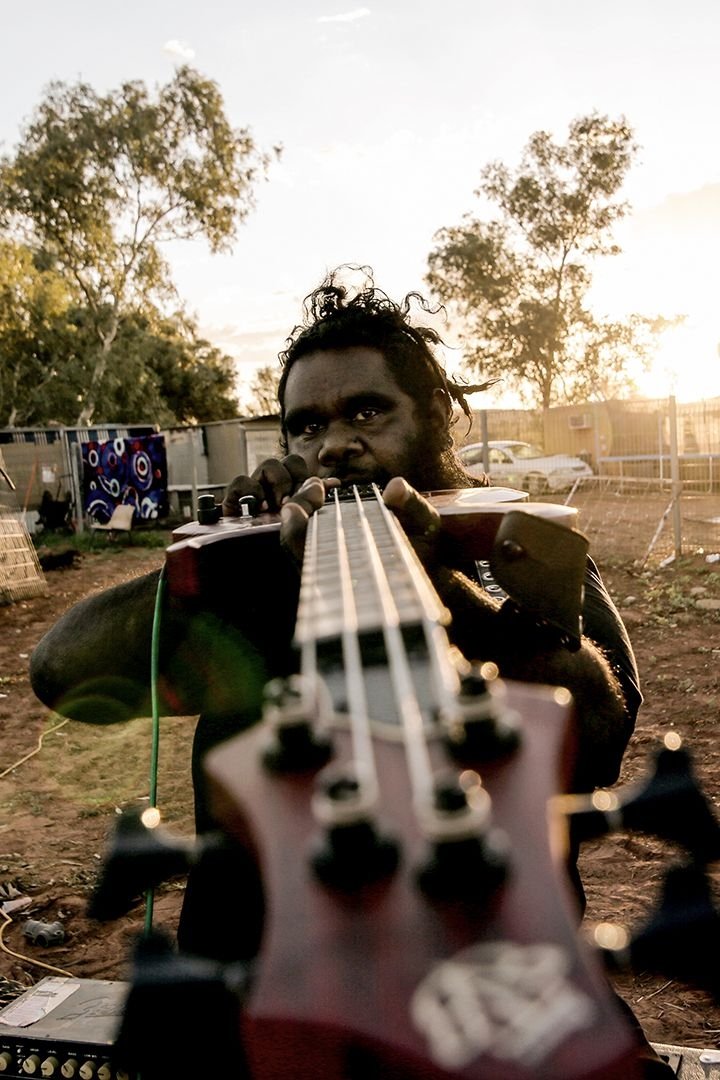
The most isolated metal band in the world, Southeast Desert Metal, and their Aunty Kathleen, share ancient Arrernte culture with the world through song and painting.
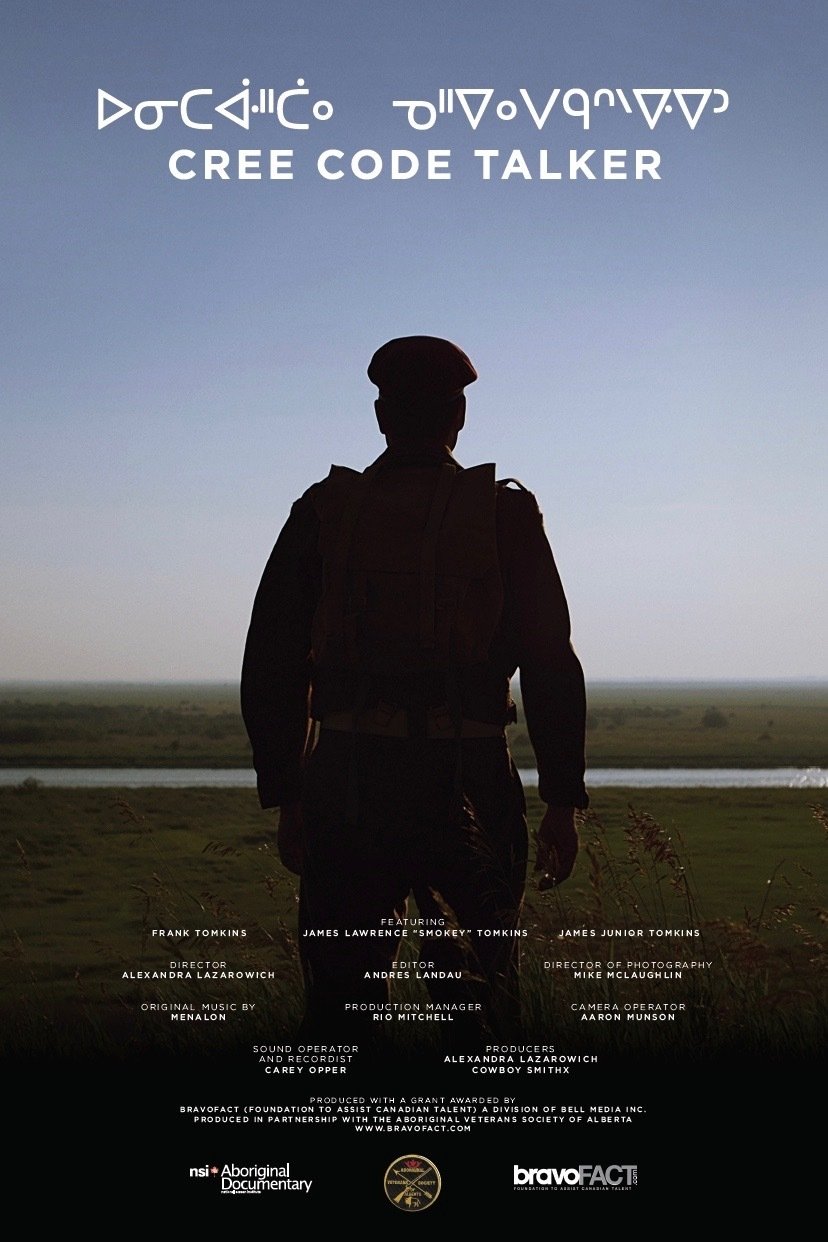
CREE CODE TALKER reveals the role of Canadian Cree code talker Charles 'Checker' Tomkins during the Second World War. Digging deep into the US archives it depicts the true story of Charles' involvement with the US Air Force and the development of the code talkers communication system, which was used to transmit crucial military communications, using the Cree language as a vital secret weapon in combat.
Atikamekw elder Cézar Néwashish continues to recount the history of the community of Manawan that first began in The History of Manawan: Part One. As Christianity and European customs take deeper root in the community – abetted by residential schools and aggressive assimilationist government policies – seemingly irreversible changes to significant customs begin to unfold. Despite these struggles, the people carry on. This short is part of the Manawan series directed by Alanis Obomsawin.
Director Clint Alberta takes us on a hilarious and bittersweet journey into the hearts and minds of some very ordinary, extraordinary young Canadians. Clint, taking on the role of Clint Star, seeks out his far-flung buddies, young Natives like himself. They talk about sex and life... love and abuse... 500 years of oppression--with humour, grace and courage. Deep Inside Clint Star explores issues of identity, sexuality and intimacy, while retaining the creative and playful style of a director who is not afraid of turning the camera on himself. This engaging documentary will draw you out of yourself and deep inside Clint Star.
This short documentary presents the empowering story of Rodney "Geeyo" Poucette's struggle against prejudice in the Indigenous community as a two-spirited person.
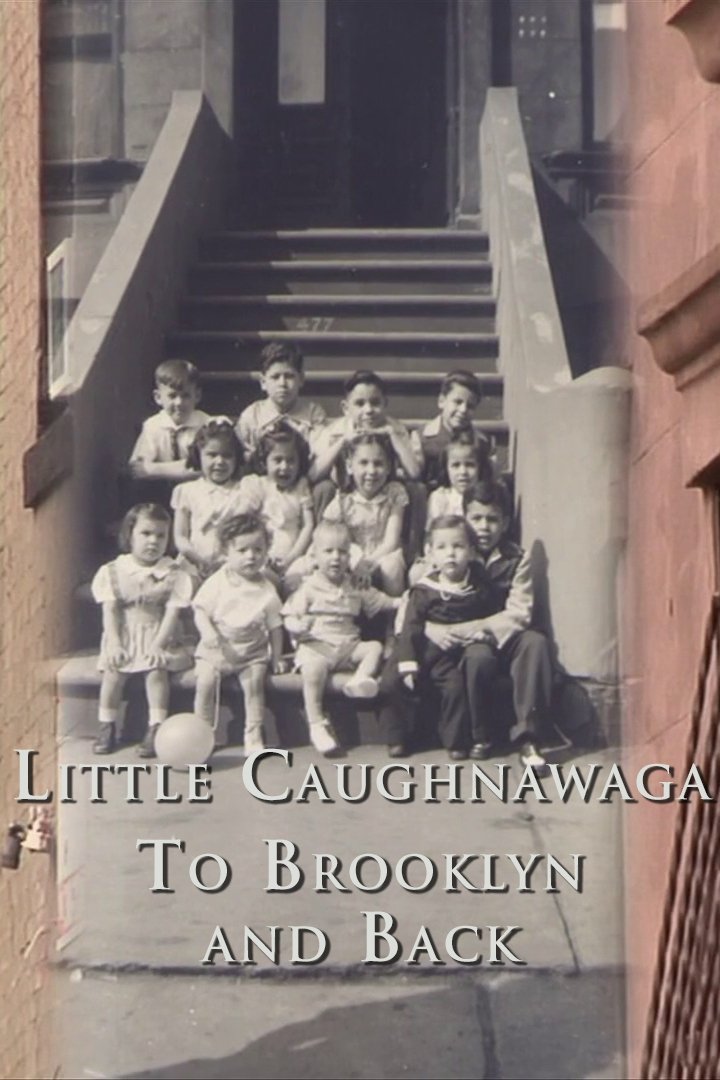
For over 50 years, the Kahnawake Mohawks, of Quebec, Canada occupied a 10 square block area in the North Gowanus section of Brooklyn, which became known as Little Caughnawaga. The men, skilled ironworkers, came to New York in search of work and brought their wives, children and often, extended family with them. The story of the Mohawk ironworkers is an important one and is one that has been told and continues to be told through documentaries, newspaper and magazine articles. Yet the stories of Kahnawake Mohawk women who lived in Brooklyn have gone untold.
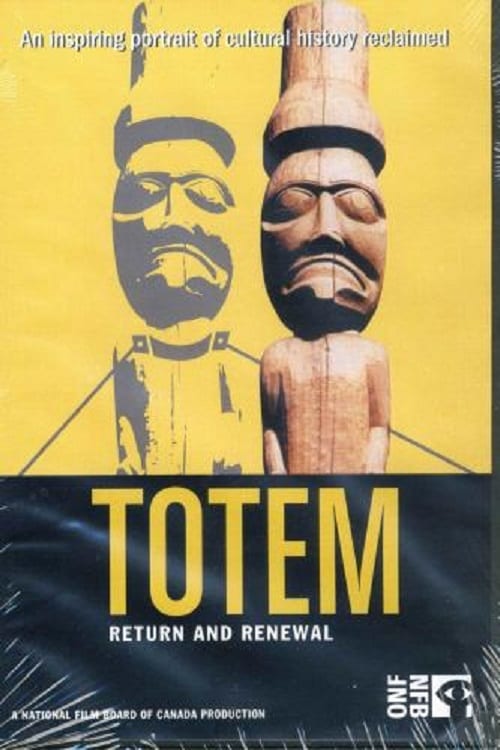
In this follow-up to his 2003 film, Totem: the Return of the G'psgolox Pole, filmmaker Gil Cardinal documents the events of the final journey of the G'psgolox Pole as it returns home to Kitamaat and the Haisla people, from where it went missing in 1929.
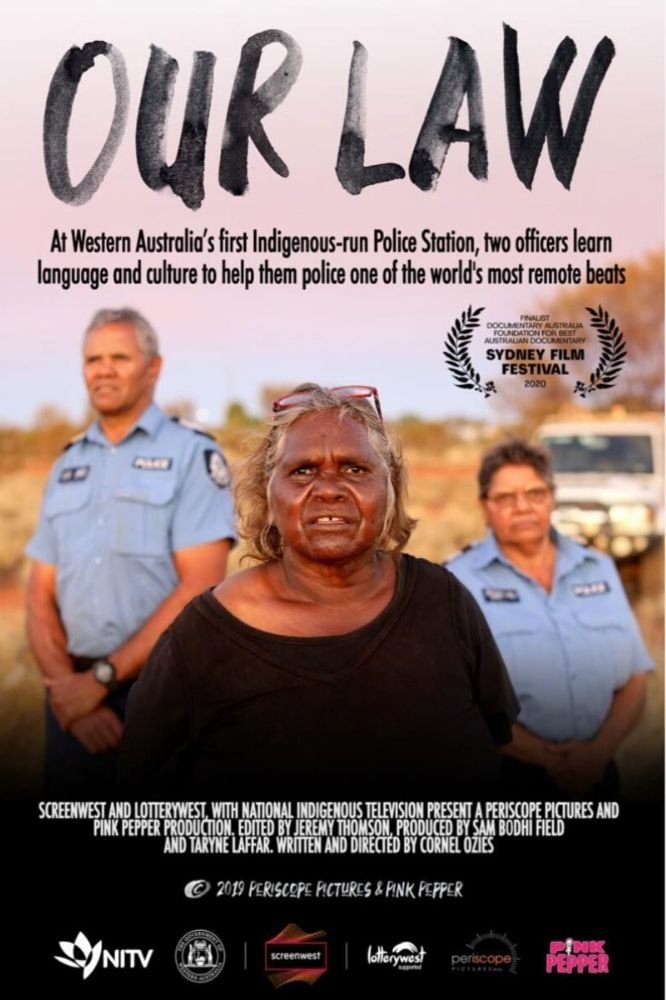
At Western Australia’s first Indigenous-run police station, two officers learn language and culture to help them police one of the most remote beats in the world.
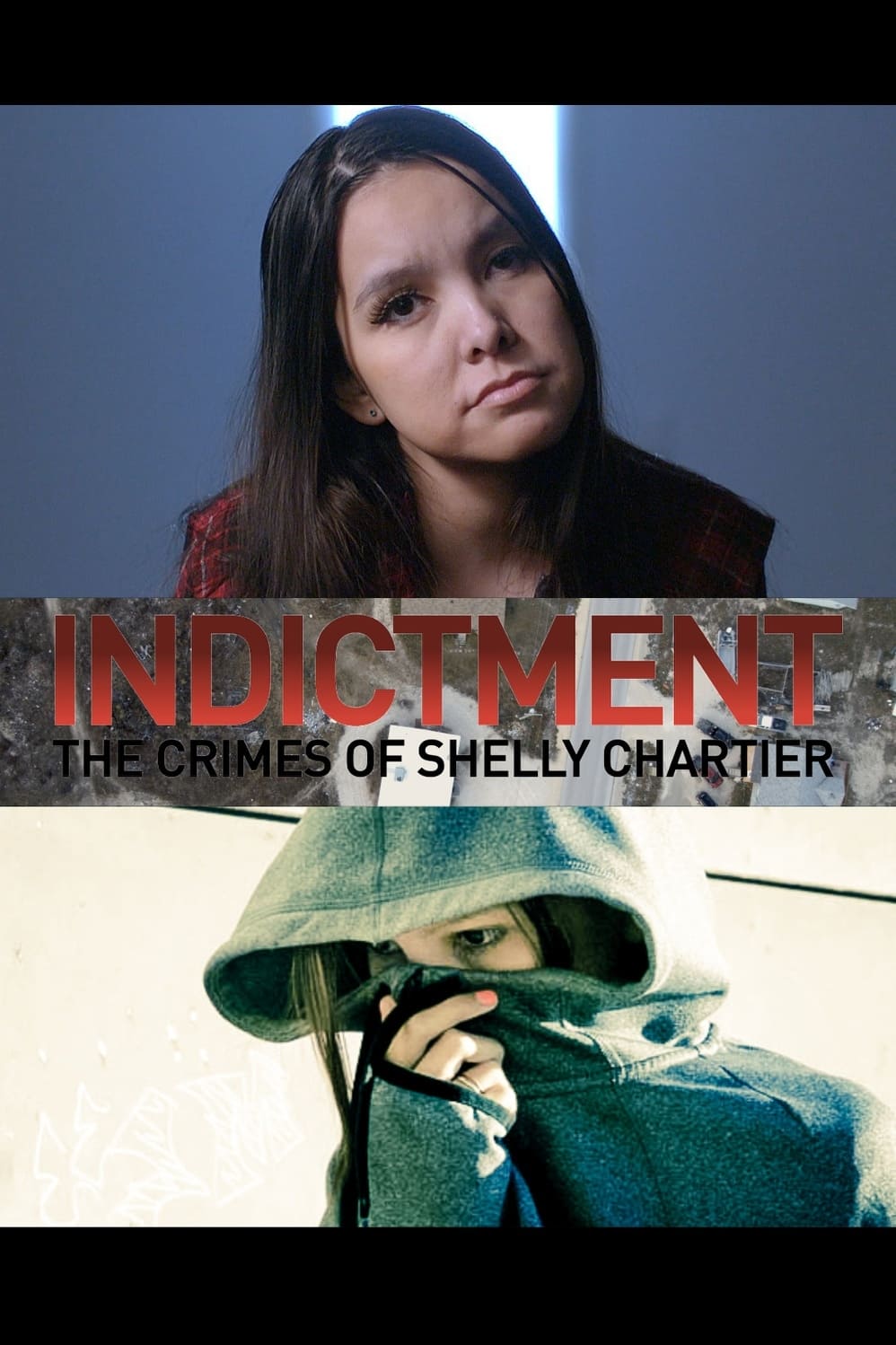
Sensationalized in the media as a high profile catfishing case involving an NBA superstar and an aspiring model, Shelly Chartier was portrayed as a master manipulator who used social media as her weapon. Through the sensitive and intelligent lens of Indigenous directors Lisa Jackson and Shane Belcourt, the sensationalism is swept aside to reveal something much more compelling and complex - the story of a young woman caught in historical circumstances beyond her control and how she struggles to rebuild her life after incarceration.
This documentary profiles the tiny Ojibway community of Hollow Water on the shores of Lake Winnipeg as they deal with an epidemic of sexual abuse in their midst.
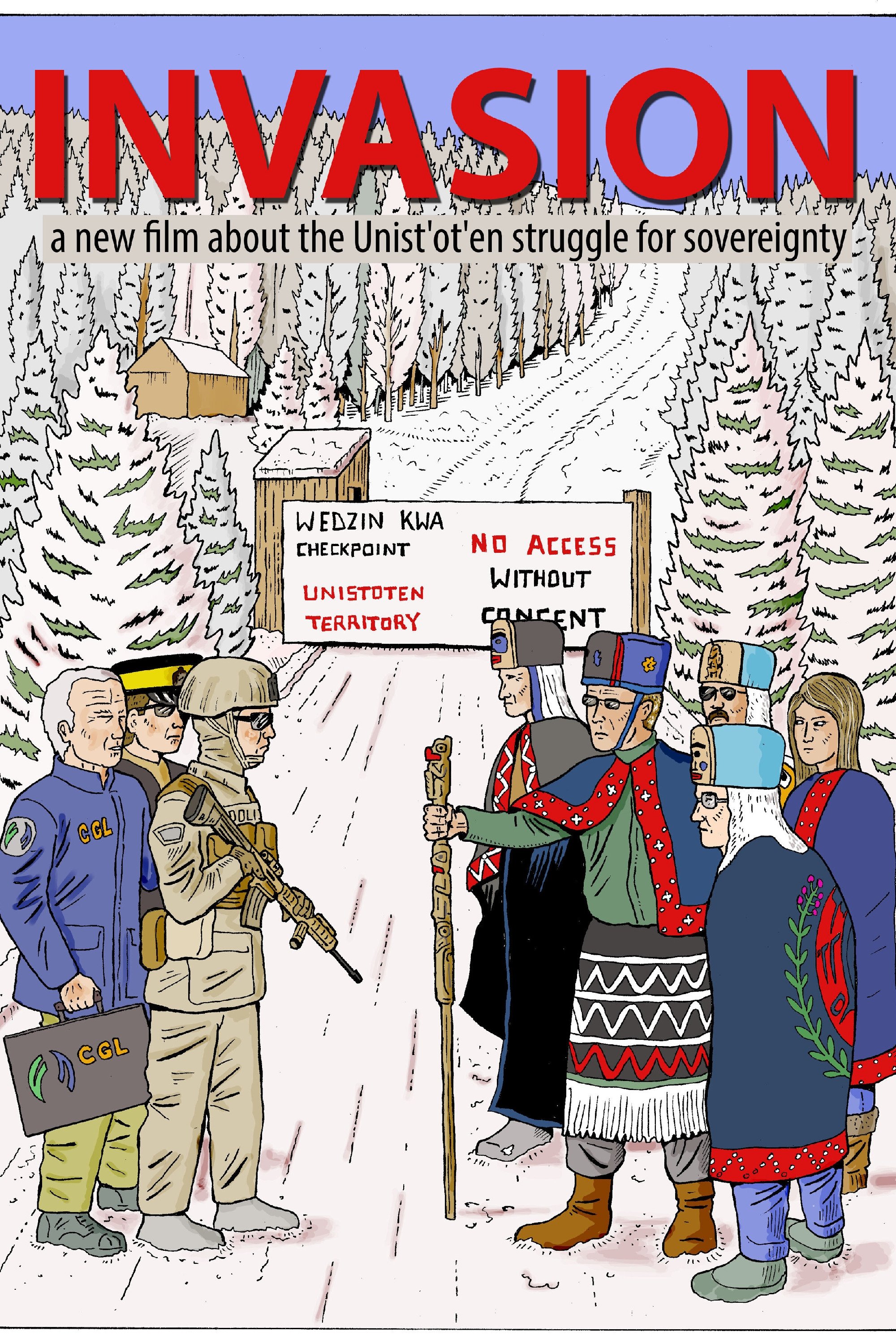
In this era of “reconciliation”, Indigenous land is still being taken at gunpoint. Unist’ot’en Camp, Gidimt’en checkpoint and the larger Wet’suwet’en Nation are standing up to the Canadian government and corporations who continue colonial violence against Indigenous people. The Unist’ot’en Camp has been a beacon of resistance for nearly 10 years. It is a healing space for Indigenous people and settlers alike, and an active example of decolonization. The violence, environmental destruction, and disregard for human rights following TC Energy (formerly TransCanada) / Coastal GasLink’s interim injunction has been devastating to bear, but this fight is far from over.
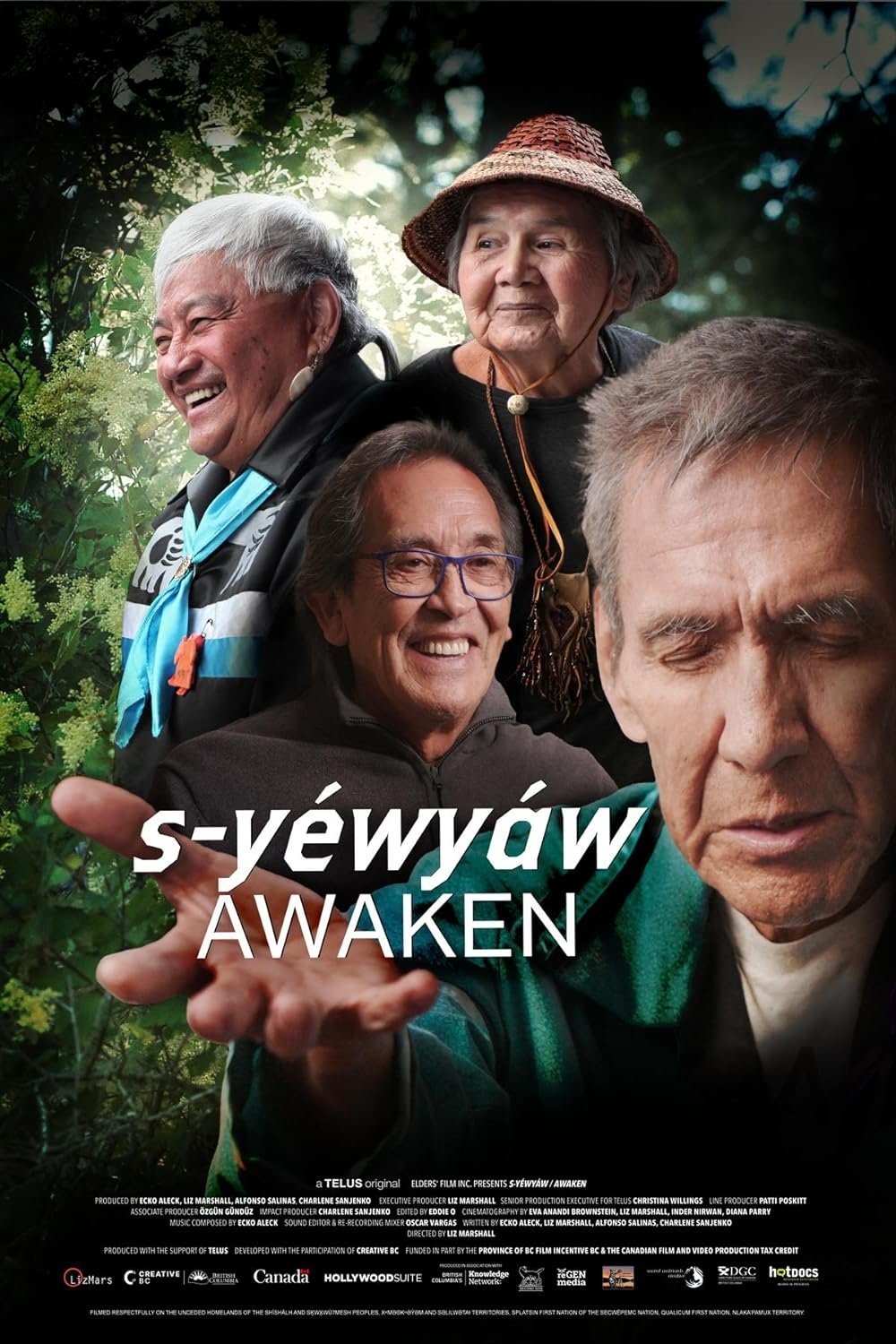
Stories of hope and homecoming intersect as Indigenous multimedia changemakers learn and document the teachings of their Elders. Ecko Aleck of the Nlaka'pamux Nation (Lytton, BC,) Alfonso Salinas of the shíshálh Nation (Sunshine Coast, BC,) and Charlene SanJenko of Splatsin of the Secwépemc Nation (Shuswap, BC,) are learning and documenting the traditional cultural teachings and legacies of their Elders, including the impacts of genocide resulting from Canada's Indian Residential School (IRS) system. Calling the audience's attention to the filmmaking process of narrative collaboration between an Indigenous and settler team, this character-driven documentary connects the transformative stories of three Indigenous multimedia changemakers and their four Elders. Infused by Indigenous ceremony, s-yéwyáw: Awaken walks alongside the process of intergenerational healing.