Documentary about the Cold War.
Social & External
The people behind it
Igor Kostolevskiy
Narrator (voice)
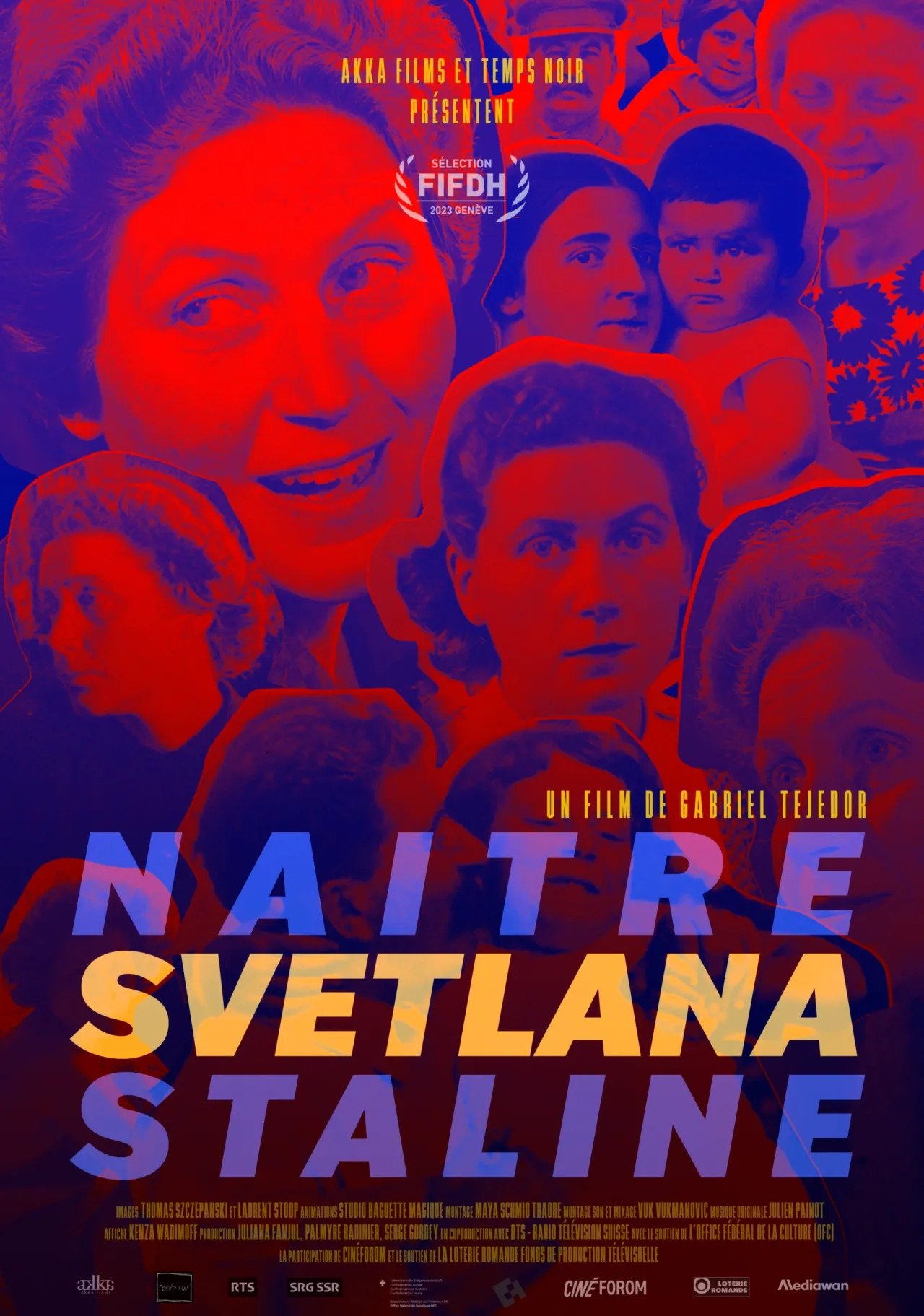
In 1967, in the middle of the Cold War, Joseph Stalin's only daughter goes to the American embassy in New Delhi and asks for asylum. Svetlana leaves behind her country and her two children. Hunted by the press, the KGB, and many admirers, the woman, nicknamed the Kremlin princess, will never cease to flee. From the summit of the Soviet empire to the solitude and poverty of her last years in a Wisconsin home, Gabriel Tejedor traces the destiny of a resolutely free woman, at the very heart of the century and its geopolitical challenges.
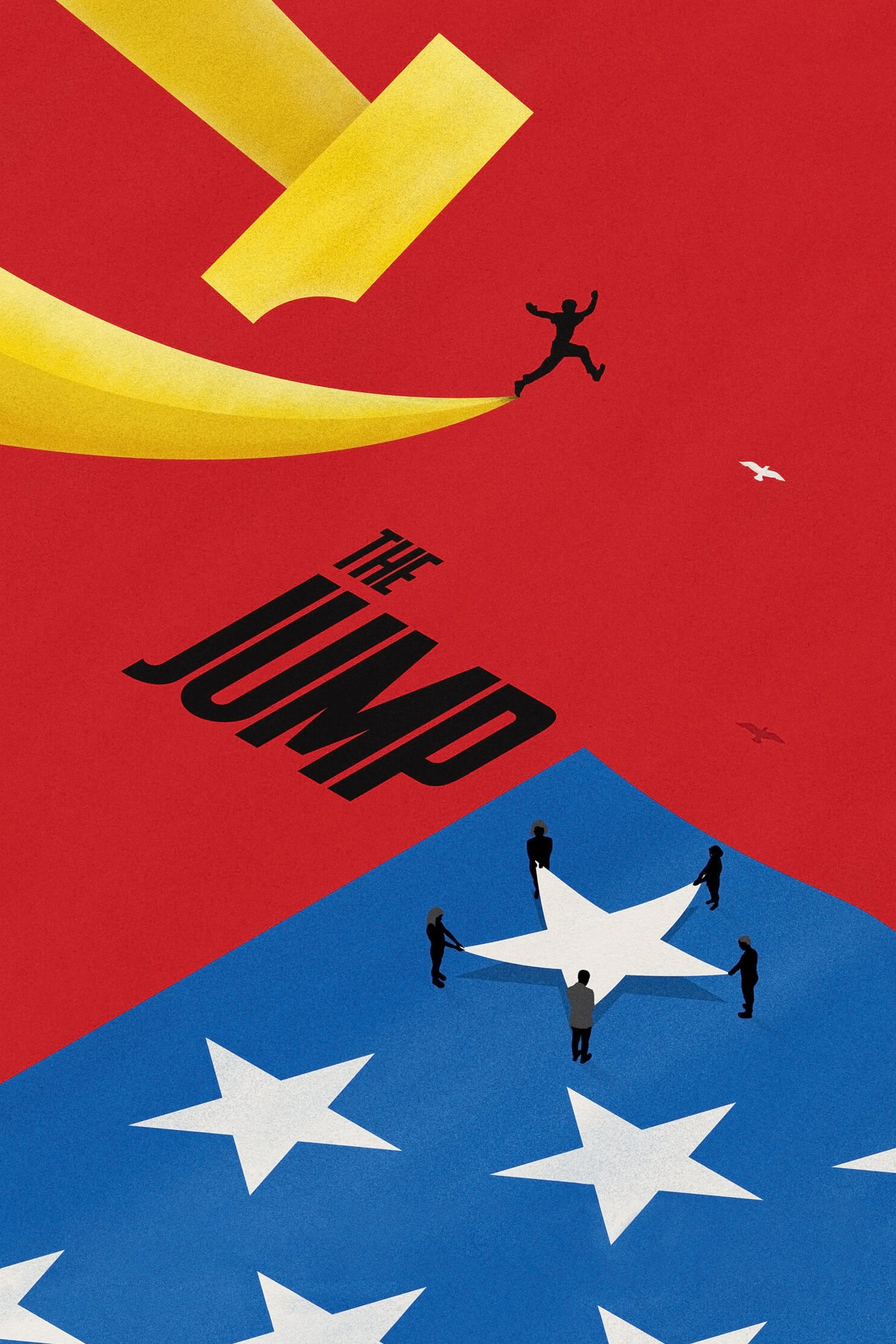
In the Cold War years of the 1970s, an American patrol boat meets a Soviet ship off the east coast of the United States for talks about fishing rights in the Atlantic. In the midst of this, while Russian commanders are aboard the U.S. Coast Guard vessel where the talks are being held, a Lithuanian sailor jumps across the ten feet of icy water separating the boats. Crash-landing on the deck of the American ship, he desperately begs for asylum. Though they try, the Americans ultimately fail to provide protection and the Soviets are allowed to capture him and brutally return him to their vessel. Thus begins a stranger-than-fiction story of imprisonment, discovery, fame, and freedom. Through rare archival footage and a dramatic first-person re-enactment of that fateful day by Simas Kudirka, the would-be defector himself, this tale of one of the biggest Cold War muddles takes us on a journey of uncanny twists of fate, and the emotional sacrifices of becoming a universal symbol of freedom.
THE AMERICAN EXPERIENCE presents Nixon’s China Game, the story of an operation so secret that it managed to elude the international press, the members of Nixon’s cabinet, and even the US State Department. The documentary features never-before-seen footage of Kissinger’s secret mission to China, newly released transcripts of the negotiations, private diaries, Nixon’s own handwritten notes, and interviews with American and Chinese officials -- including those who were in on the covert plan, and those who were kept in the dark.
In 1938 an airfield was built at the northeastern-most end of America, the descent went slowly but incessantly through the Cold War. This is the story of how its inhabitants gradually moved away from the great world stage and had to reinvent themselves as well as their home town.
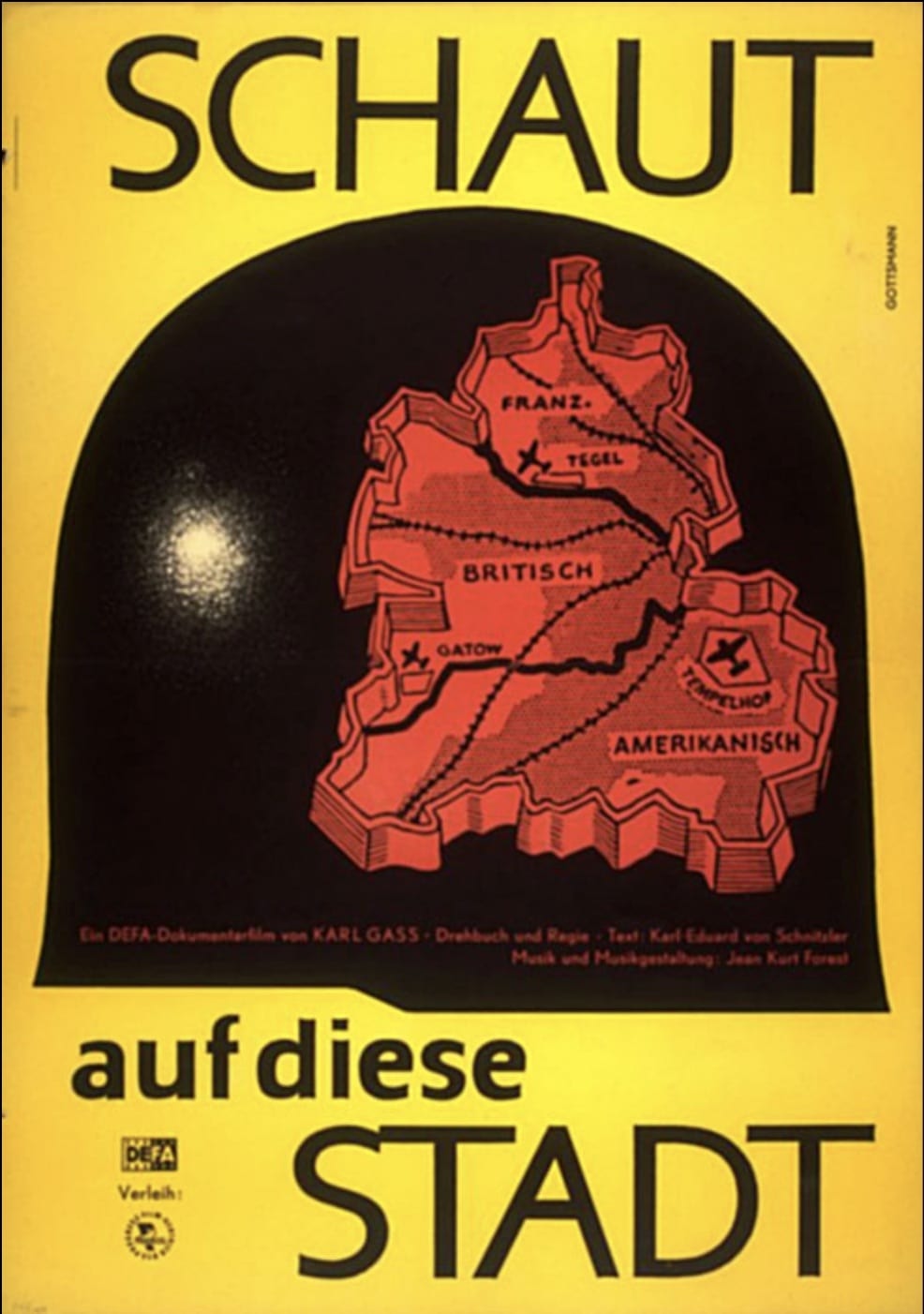
Started in the summer of 1961, even before the Wall was built, the film becomes an explanation after this historical event as to why things can no longer go on as they were before. Unmistakably, as in almost all of Karl Gass' films, the passion with which he treats his subject is unmistakable. If you want to get to know the zeitgeist of the historically significant year 1961, which on both sides knew more the Cold War vocabulary than factual arguments, you can see the Eastern variant in this propaganda film.
Cold War film illustrating the defense capacity of America's telephone network, highlighting AT&T's role in the design and construction of the nation's integrated defense structure, including the Distant Early Warning Line and the North American Air Defense Command. In the dramatic ending, rockets and missiles are fired at hostile forces in a readiness exercise and score a direct hit.
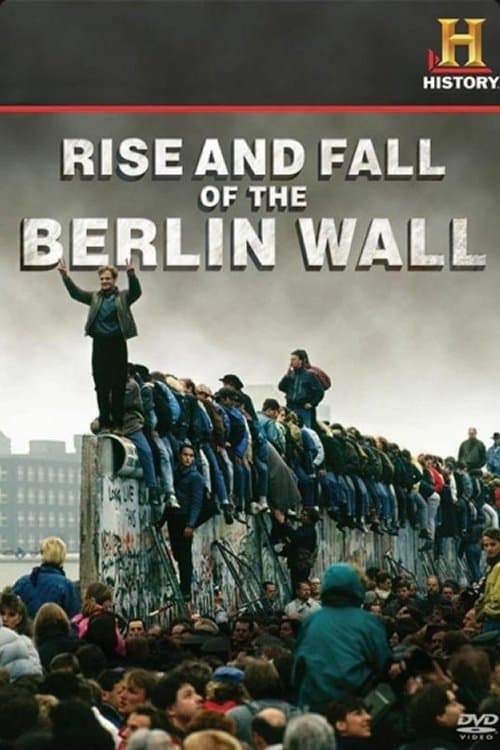
In August 1961, a few railway cars and barbed wire divided East Germany from West. It was a barrier that would be extended and become increasingly more sophisticated, a technological counter to each escape attempt. Computer imagery reconstructs how the Berlin Wall grew from a meager obstacle to a 97 mile barrier of concrete slabs, watchtowers and guards.
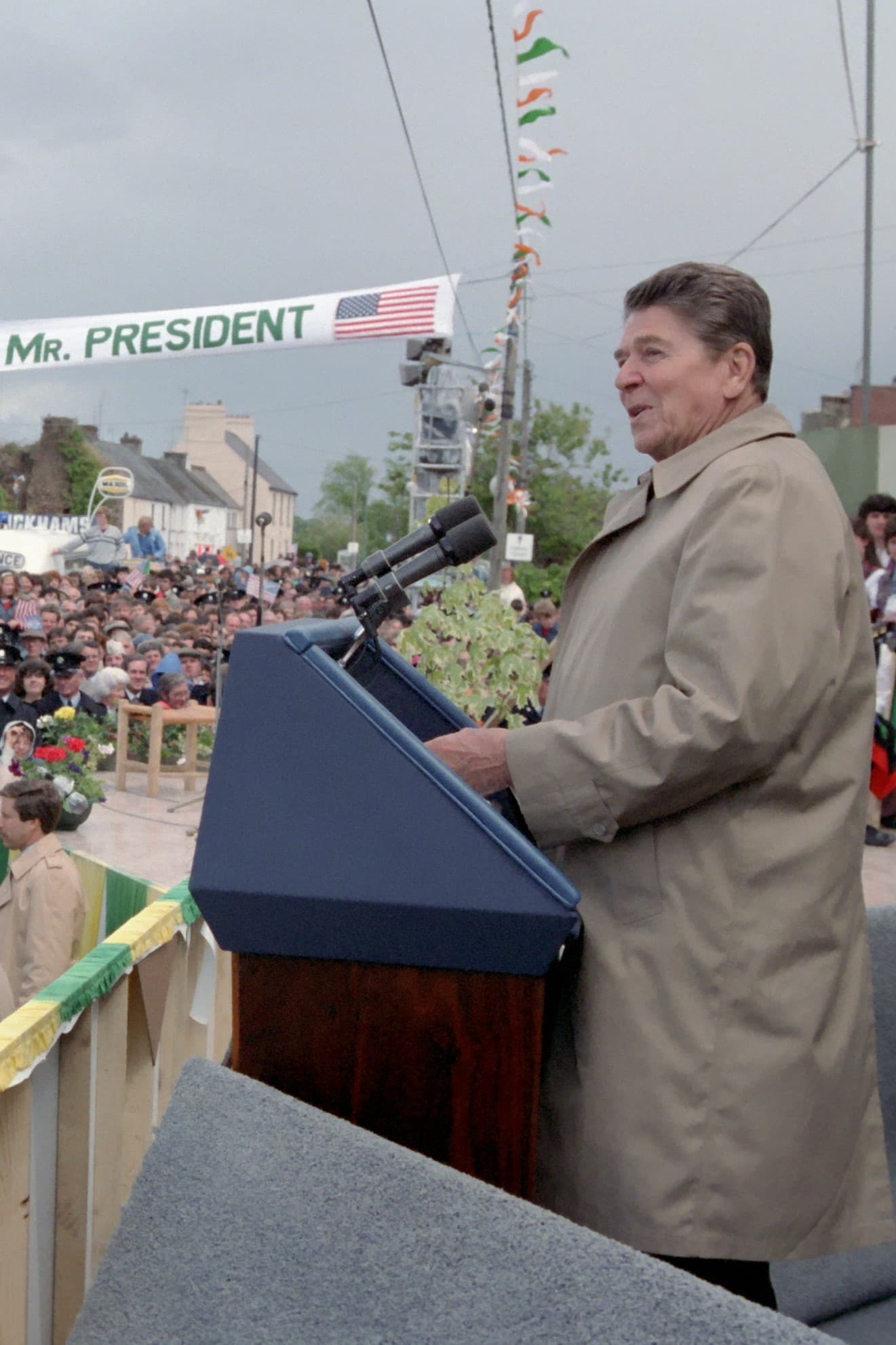
In 1984 a tiny, anonymous Tipperary village was thrust in to the world's spotlight when US President Ronald Reagan arrived to visit his ancestral home. It was said that Ballyporeen would never be the same again.
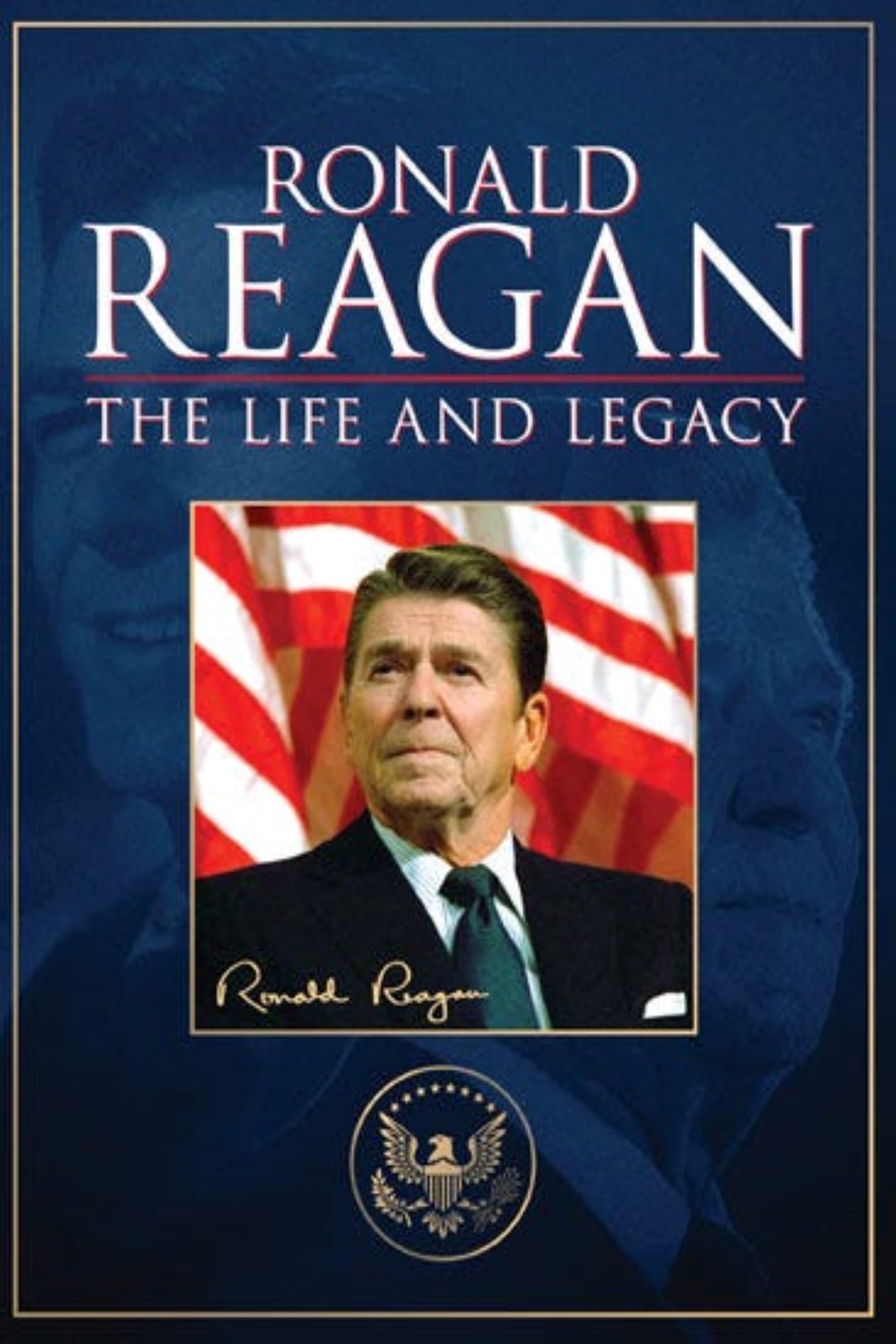
This commemorative video examines the life and political career of the late Ronald Reagan, America's 40th president. Interviews with family members and journalists, excerpts from his many letters (read by his son, Ron) and recordings of some of his major addresses tell Reagan's story and illustrate why the man known as "The Great Communicator" had such a lasting impact on America and the world. Includes memorials and coverage of Reagan's funeral.
From his very first day in office Ronald Reagan endeared himself to millions of Americans with his affable, fun-loving personality. Now, for the first time, his most humorous tales and most amusing anecdotes are combined on one delightfully entertaining DVD.
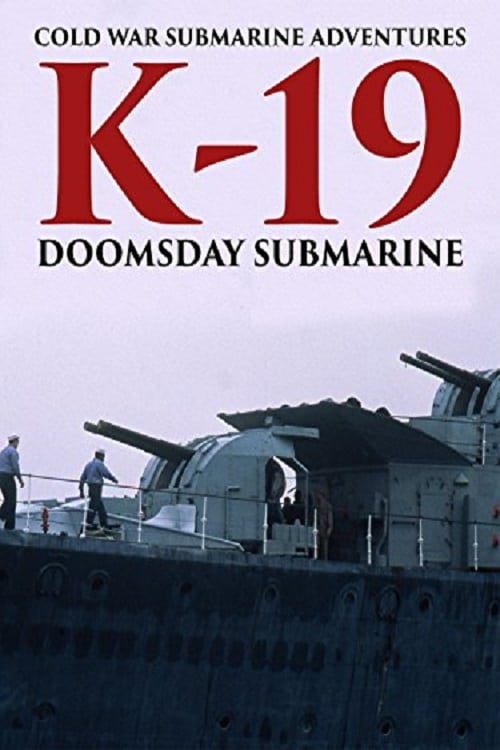
The disastrous first combat patrol of the K-19, the Soviet Union's first atomic-powered nuclear missile submarine.
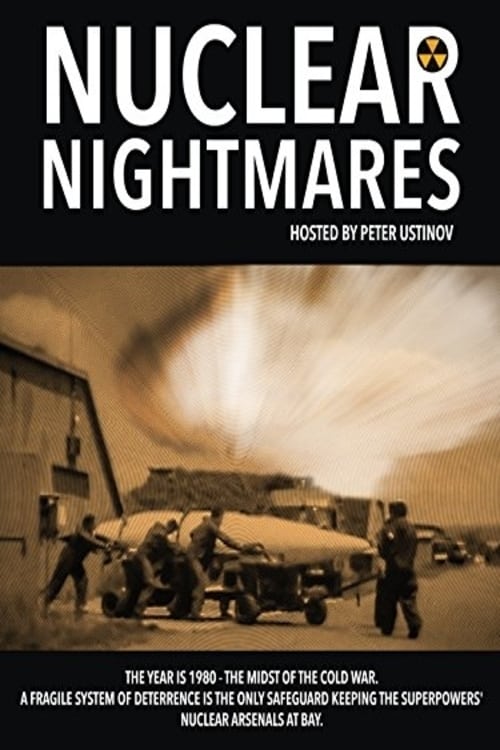
Peter Ustinov hosts this haunting 1980 documentary exploring the world's nuclear weaponry and the fragile system that deters either side from initiating the first nuclear strike. Although the world's political climate has mellowed since the Cold War era, Nuclear Nightmares takes the viewer back in time to gain a perspective of what it was like to live under a very real nuclear threat.
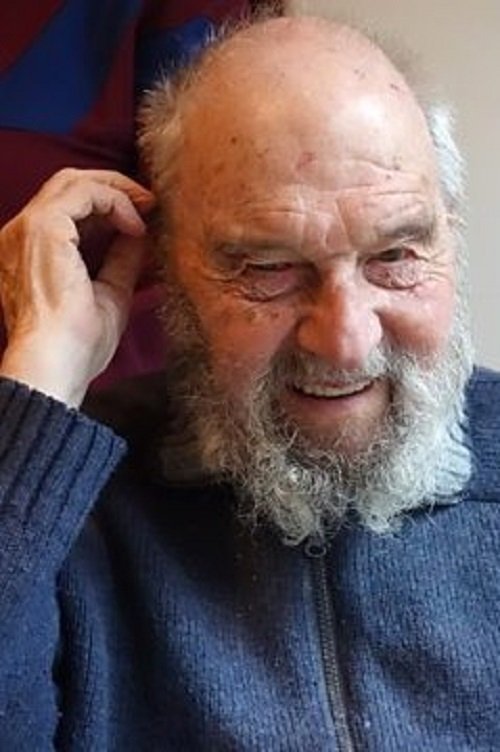
Documentary about the Cold War spy George Blake, who betrayed his colleagues to the KGB, then escaped from Wormwood Scrubs five years later and fled to the Soviet Union.
Docudrama telling the story of a building with a breath taking career that began in the empire, flourished in the Weimar Republic, perished in the Nazi dictatorship, and was rebuilt after its partial destruction.
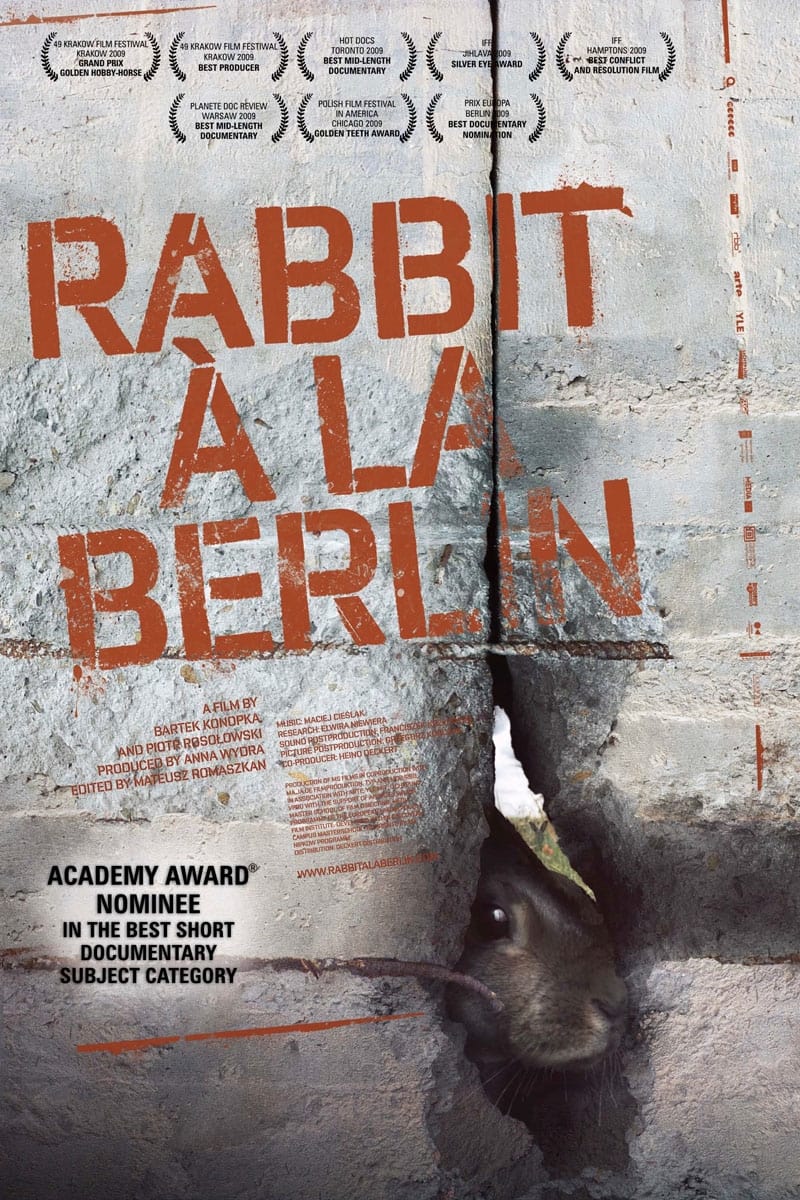
The untold story about wild rabbits which lived between the Berlin Walls. For 28 years Death Zone was their safest home. Full of grass, no predators, guards protecting them from human disturbance. They were closed but happy. When their population grew up to thousands, guards started to remove them. But rabbits survived and stayed there. Unfortunately one day the wall fell down. Rabbits had to abandon comfortable system. They moved to West Berlin and have been living there in a few colonies since then. They are still learning how to live in the free world, same as we - the citizens of Eastern Europe.
The film is set to bring forward once again the well-worn images of the summit talks between Reagan and Gorbachev in Geneva. It is a reproduction of the days during the summit. On the one hand, pictures are gathered from the perspective as an onlooker in Geneva, on the other hand, the old television footage is processed.
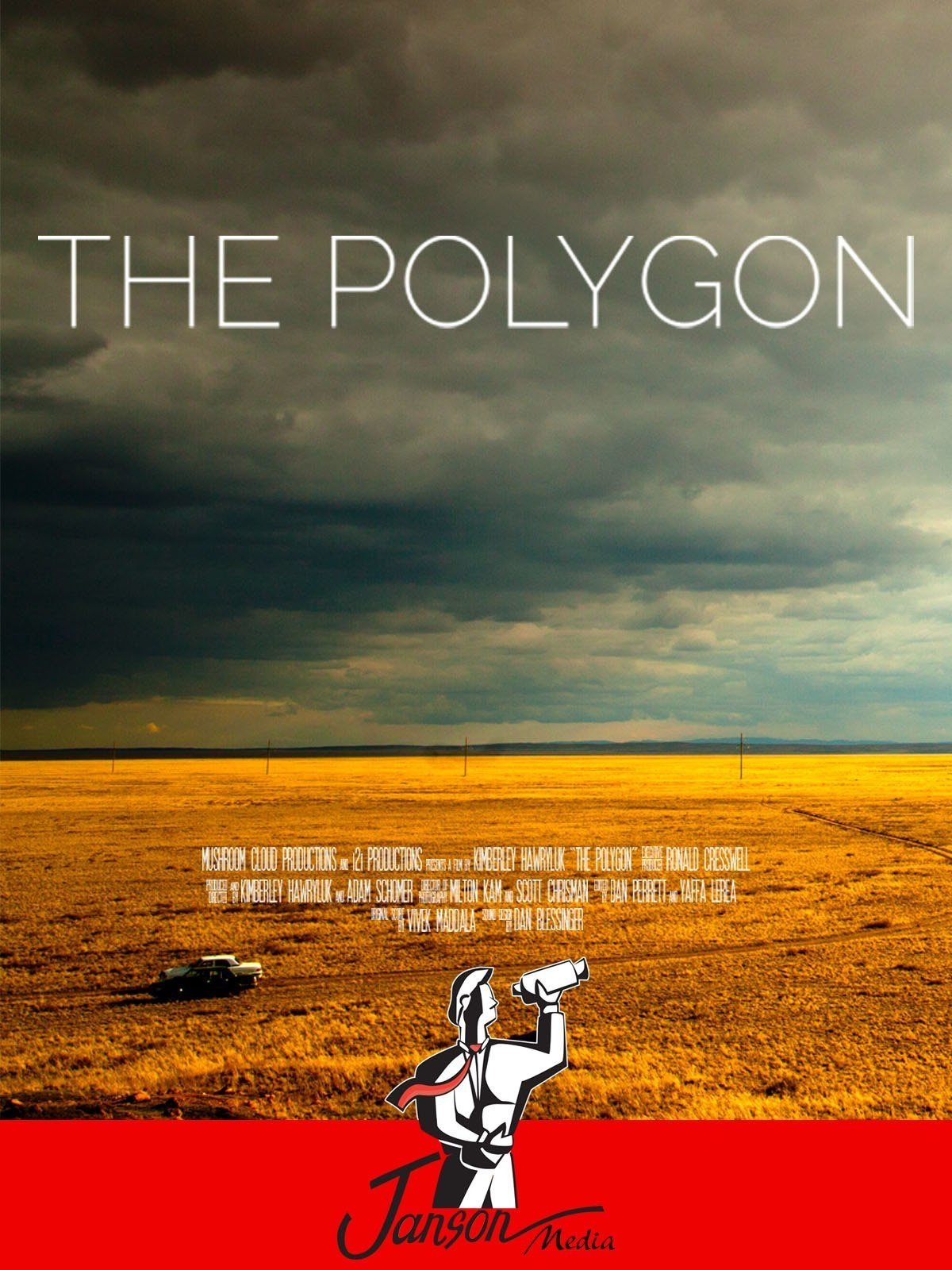
The Polygon shines a light on the village of Sarzhal in East Kazakhstan, situated only 18kms from the perimeter of the former Semipalatinsk Test Site, that was home to over 600 nuclear detonations. Between 1949 and 1991 the Soviet Union detonated 116 above ground bombs, whose massive radioactive mushroom clouds were witnessed by thousands of innocent and unsuspecting Kazakh villagers. They gazed openmouthed at the spectacle, completely unaware that nuclear fallout was raining down on them, their children, livestock and homes. 20 years after the closure of The Polygon they are still suffering high rates of cancer, cancer related diseases and mental illness. The Polygon takes us on a journey from the twisted Cold War experiments to those victims who remain today, still suffering despite the emergence of Kazakhstan as a major economic player on the global stage.
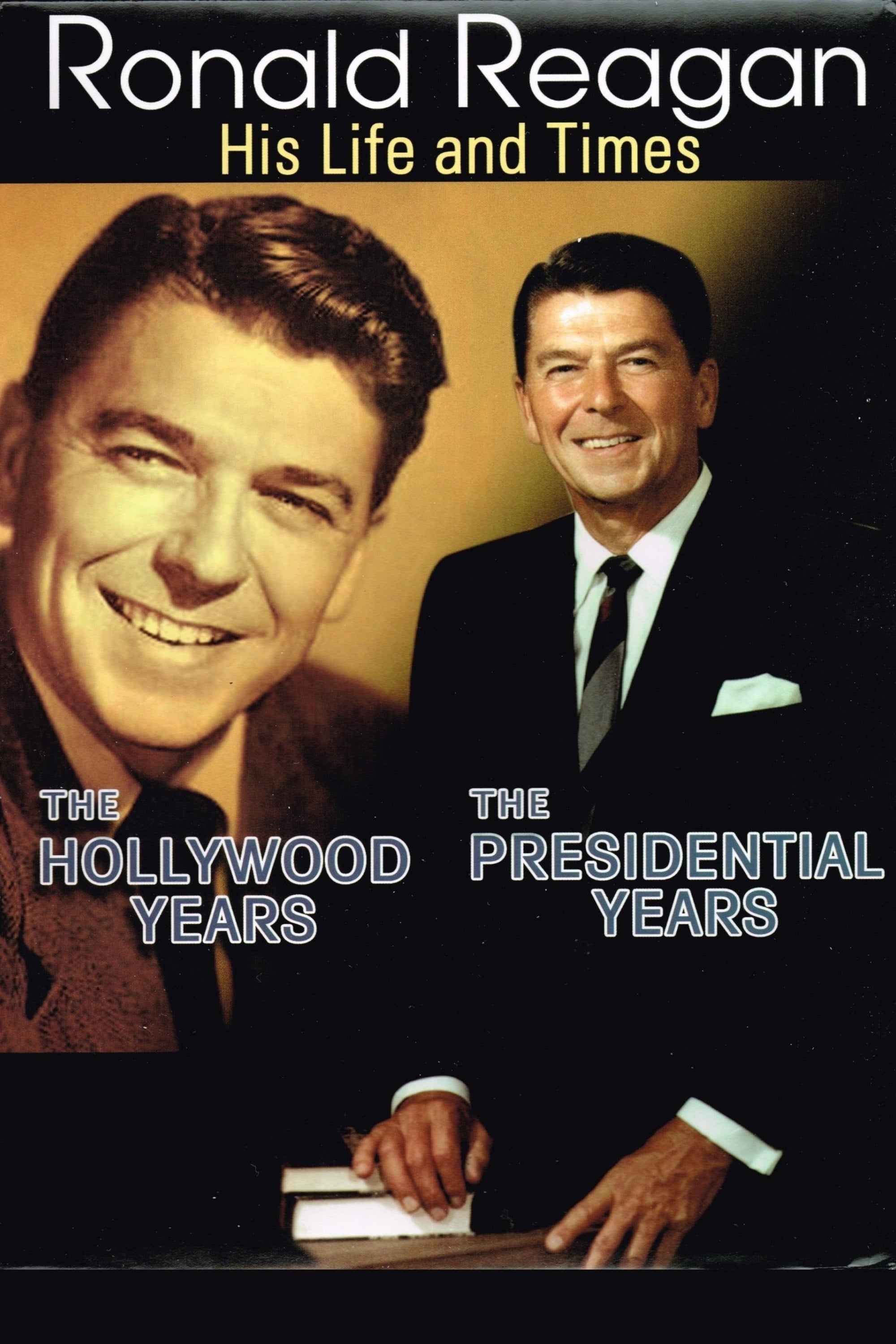
These 2 one-hour specials will take a look back at Ronald Reagan from his ups and downs as a Hollywood movie star to a legendary force in American politics. HOLLYWOOD YEARS: will take a look at the actor as he goes from local sports broadcaster to respected leading an using film clips, interviews and rare footage. This one a kind documentary traces the ups and downs of his on-screen career, his marriages to Hane Wyman and Nancy Davis and his role as a "friendly witness" during the McCarthy hearings. PRESIDENTIAL YEARS: documents Ronald Reagan's extraordinary transformation from a Hollywood movie star to a legendary force in American politics. From political spokesman to Governor of California, Reagan's rapid rise in leadership carried him all the way to the White House where he would inscribe an indelible legacy into the pages of world history.
An inside look at one of the most anticipated movie sequels ever with James Cameron and cast.
A documentary about the making of season five of the acclaimed AMC series Breaking Bad.
In an intimate and joyful story of love in the face of loss, celebrated poets Andrea Gibson and Megan Falley find strength—and unexpected hilarity—in what might be their final year together.
Through deeply personal interviews with her siblings and an examination of the photographs, letters, and belongings left behind, Mariska assembles a new portrait of her mother Jayne Mansfield, an extraordinary and complex woman.
“The Soviet Story” is a story of an Allied power, which helped the Nazis to fight Jews and which slaughtered its own people on an industrial scale. Assisted by the West, this power triumphed on May 9th, 1945. Its crimes were made taboo, and the complete story of Europe’s most murderous regime has never been told. Until now...
This revealing documentary honors the legendary Sidney Poitier—iconic actor, filmmaker, and civil rights activist. Featuring interviews with Denzel Washington, Spike Lee, Halle Berry, and more.
Director Michael Apted revisits the same group of British-born adults after a 7 year wait. The subjects are interviewed as to the changes that have occurred in their lives during the last seven years.
Those who knew iconic funnyman John Candy best share his story, in their own words, through never-before-seen archival footage, imagery, and interviews.
Examines the life and career of singer Whitney Houston. Features never-before-seen archival footage, exclusive recordings, rare performances and interviews with the people who knew her best.
Over 35 years after Bob Lazar's revelations, this documentary exposes secrets of a facility the government still denies. Featuring Lazar's testimony, recreations, and new evidence, it reopens a case that continues to spark global curiosity
A string of threatening emails escalates into a revenge plot involving a newly married US marshal and his ex-girlfriend.
Rising musician Jeff Buckley had only released one album when he died suddenly in 1997. Now, never-before-seen footage, exclusive voice messages, and accounts from those closest to him offer a portrait of the captivating singer.
A subjective documentary that explores various theories about hidden meanings in Stanley Kubrick's classic film The Shining. Five very different points of view are illuminated through voice over, film clips, animation and dramatic reenactments.
Al Pacino's deeply-felt rumination on Shakespeare's significance and relevance to the modern world through interviews and an in-depth analysis of "Richard III."
Prelude to War was the first film of Frank Capra's Why We Fight propaganda film series, commissioned by the Pentagon and George C. Marshall. It was made to convince American troops of the necessity of combating the Axis Powers during World War II. This film examines the differences between democratic and fascist states.
The life and career of an actor, artist, and icon. His own journey through his own camera.
Martin Scorsese's documentary intertwines footage from The Band's incredible farewell tour with probing backstage interviews and featured performances by Eric Clapton, Bob Dylan, Joni Mitchell, Van Morrison, and other rock legends.
Join the likes of Jeremy Renner, Hailee Steinfeld, Florence Pugh, and Vincent D’Onofrio as they reveal how Marvel Studios’ “Hawkeye” was conceived and created. Witness firsthand what it took to pull off the show’s pulse-pounding action set pieces, and discover how iconic characters from the pages of Marvel Comics such as Kate Bishop were adapted and brought to life for the six-episode series.
Journey into the extraordinary world of "The Witcher" — from casting the roles to Jaskier's catchy song — in this behind-the-scenes look at the series.
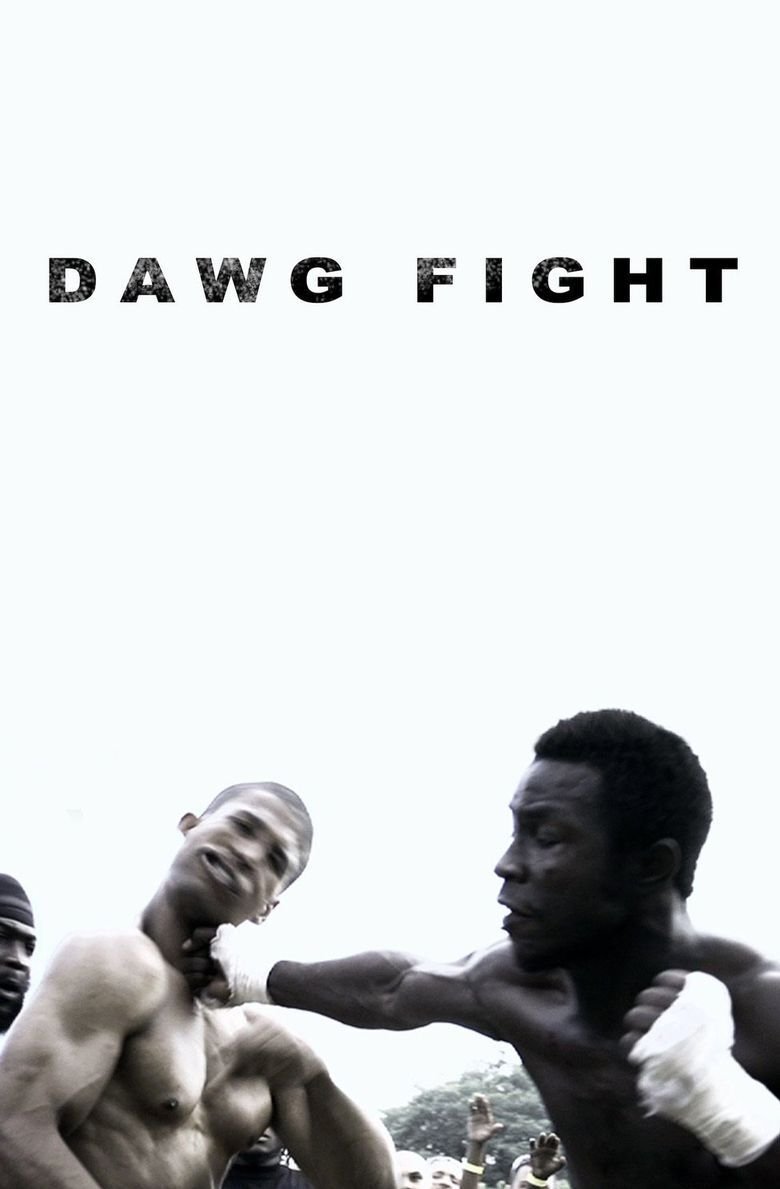
In a crime-plagued neighborhood near Miami, brutal, bare-knuckled backyard fights give young men a chance to earn money -- and self-respect.