Social & External
The people behind it
A melancholy and affectionate look at the global obsession with movies, "TINSEL - The Lost Movie About Hollywood" was lost for 30 years and never shown publicly. An outside-in, inside-out view of the Motion Picture Industry circa 1990, it is a film about fame in general and the love of movies in particular. The film includes new footage offering perspective from the 21st century. The film examines the uncertain future the industry faces in its second century, as technology and new platforms change the movie-watching experience forever.
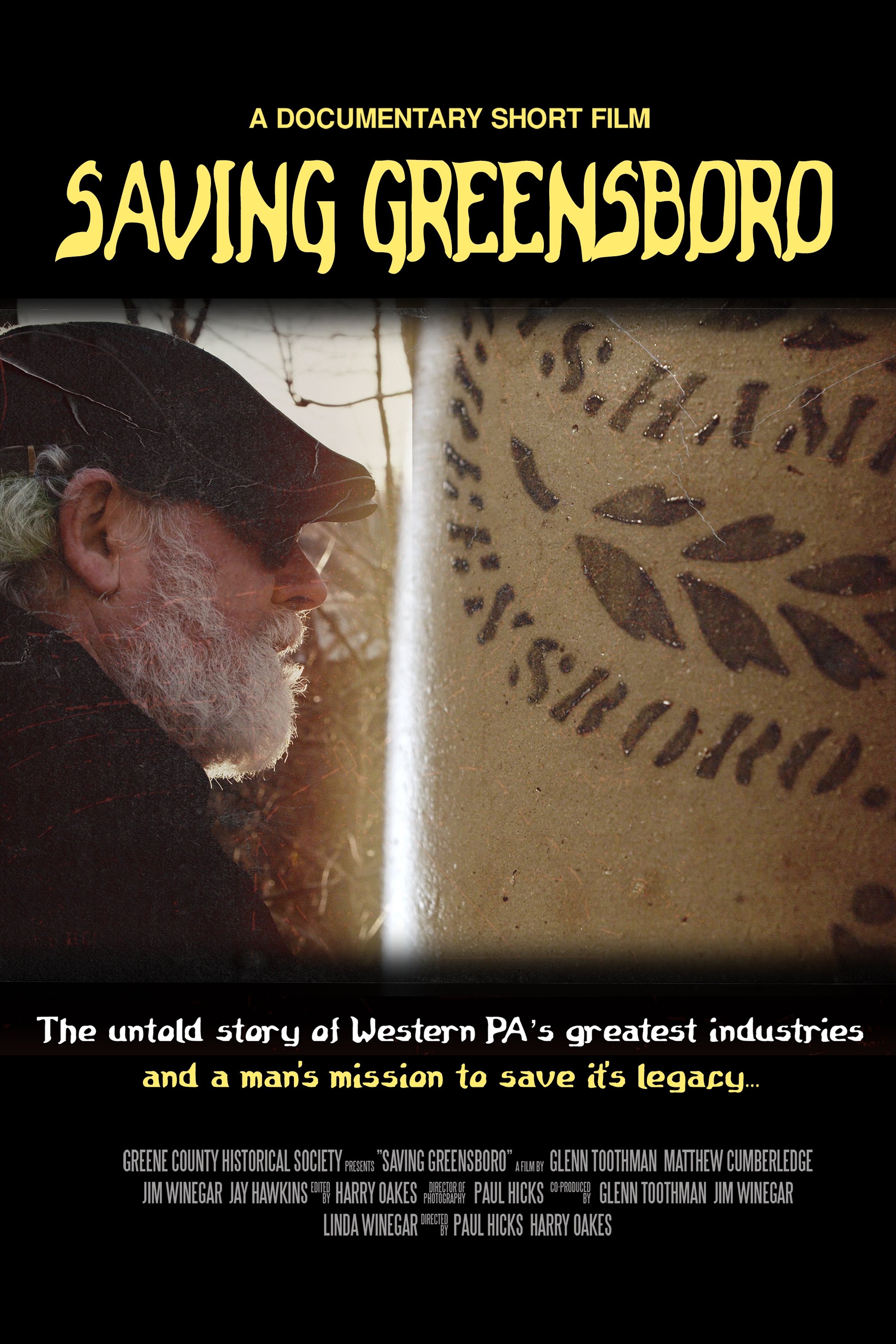
When lock & dam construction along the Monongahela River threatens to flood the quiet town of Greensboro, desperate citizens seek the help of Glenn Toothman, a new young attorney, to save the place they call home. Glenn's ensuing research unearths the town's surprising significance to American history. But is that knowledge enough to stem the tides of modernity?
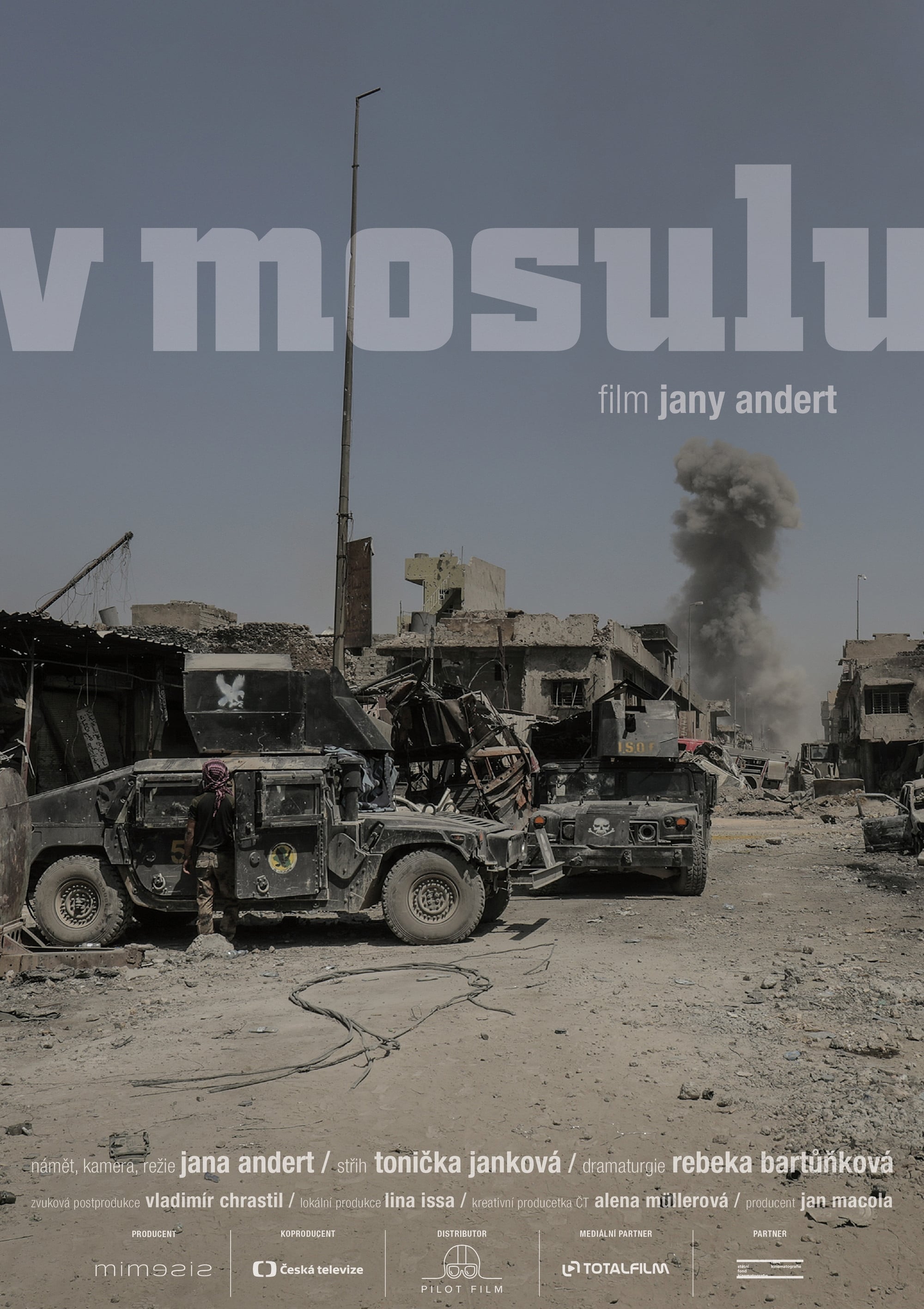
A shock therapy of news coverage from the war front. Documentarist Jana Andert spent eight months with an elite Iraqi Army unit on the front lines of the battle for Mosul, occupied by Islamic State fighters from 2014 to June 2017. An unflinching report from a city in ruins, robbed of its soul by one of the worst catastrophes of modern times.
Private McKinley Nolan vanished 40 years ago in Vietnam on the Cambodian frontier. Some say he was captured, some say he was a traitor, some even say he was an American operative. The US Army officially claims he was radicalized and went native, joining the Viet Cong and later encountering the Khmer Rouge. In 2006, retired US Army Lt. Dan Smith, revisiting the battlefields of his youth, may have encountered the elusive McKinley, alive. So began a journey into the heart of darkness.
Documentary exploring the experience of Soviet soldiers during the Soviet war in Afghanistan.
Patrolled by desperate gunmen looking to capture any vessel that strays into their path, the waters off East Africa are among the most dangerous in the world. With Somali pirates continuing to make headlines, this timely documentary tells the story of the US container ship Maersk Alabama, which was stormed by bandits in April 2009. With the captain taken hostage, the unarmed crew made the remarkable decision to confront the gun-toting invaders in a brave attempt to save their skipper and the ship. Now, using dramatic recreations and interviews with the crew and their families, this exclusive one-hour special reveals the incredible events that took place over those few days.
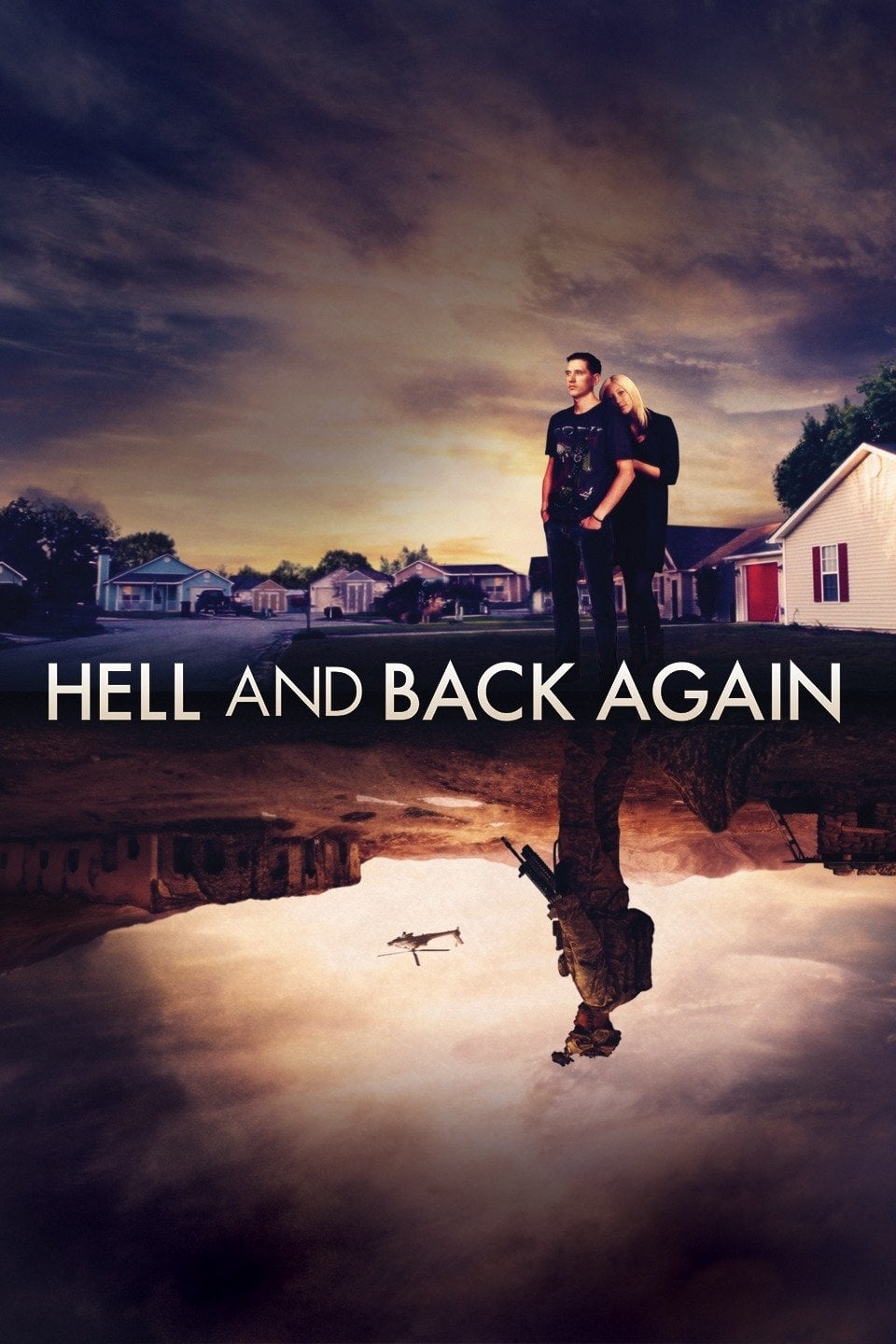
What does it mean to lead men in war? What does it mean to come home? Hell and Back Again is a cinematically revolutionary film that asks and answers these questions with a power and intimacy no previous film about the conflict in Afghanistan has been able to achieve. It is a masterpiece in the cinema of war.
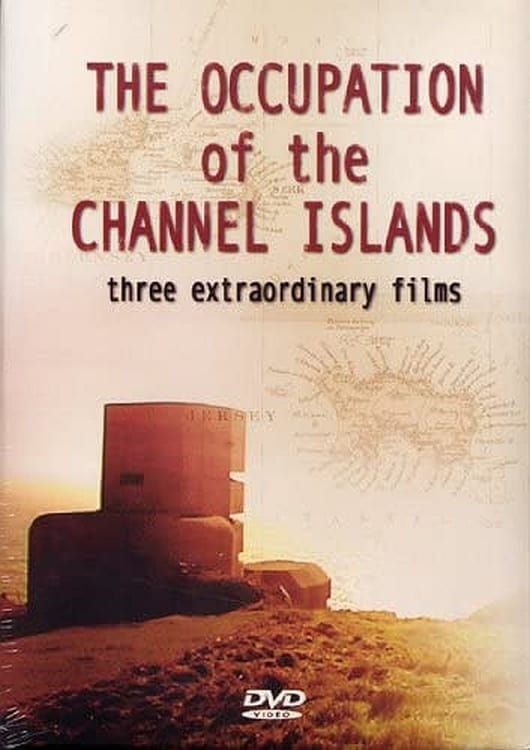
In 1941 Hitler deported over 2000 British men, women and children from the Channel Islands to the heart of Nazi Germany. It was a terrifying journey into the unknown and some killed themselves rather than go. Others had just hours to pack one bag, destroy their pets and leave. However, the initial horror of the camps and the struggle to survive in the primitive conditions was replaced with a determination not just to survive, but to thrive, as Hitler's crime created one of the most bizarre episodes of the war.
In 1940 the Channel Islands became the only part of Britain to fall under Nazi rule. Now in this film Islanders speak from the heart about one of the most extraordinary periods in our history. Reliving in their own words the horror of the first air raids, the shock of occupation and the islands' gradual five year long decent into privation and starvation before experiencing the capitulation of the German forces and the joy of liberation.
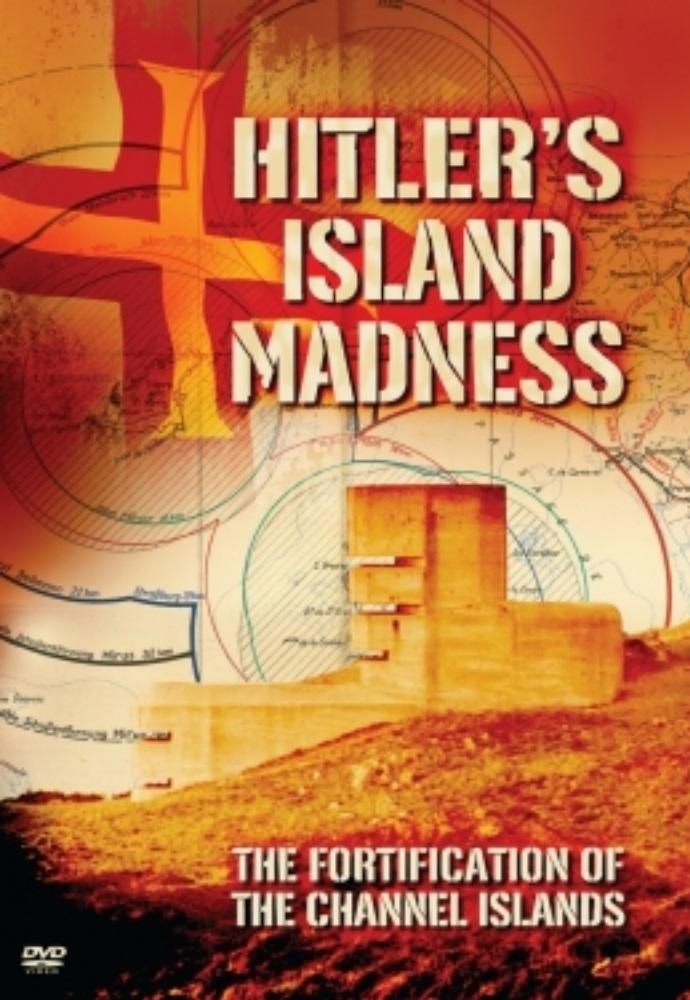
As soon as Hitler's forces occupied the Channel Islands in 1940 he ordered a series of fortifications to defend the only British territory he ever conquered. The problem was he never stopped - pouring men, concrete and weapons into the islands. By 1944 his officers talked of the Fuehrer's inselwahn - his 'island madness' and the Channel Islands had become the most fortified place on earth.
In 1940, carried on a wave of rumour and panic, thirty thousand Channel Islanders fled their homes, their livelihoods and the islands for five long years in exile. Arriving in England with just one small case and only twenty pounds in cash, they were sent by rail across the country from Oldham to Glasgow. Children separated from parents, all cast adrift in an alien culture. Homeless and jobless, the adventures that befell them helped forge friendships the length and breadth of Great Britain which survive to this day. This is their story.
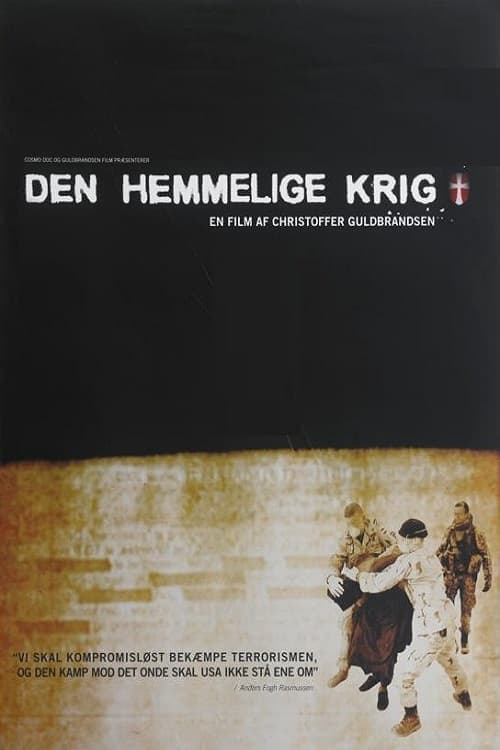
Controversal documentary focusing on events in Afghanistan in 2002 in which Danish soldiers handed over prisoners to the US Army even though USA no longer treated prisoners of war according to the Geneva Convention. Further, the film questions the Danish Prime Minister's reasons for getting Denmark involved in the so-called War Against Terrorism in Afghanistan in the first place.
In the Netherlands, the final year of elementary school means turmoil for the pupils and their parents. There is no escape from the pressure on children to score as high as possible on tests to get into the best secondary schools. Parents who can afford it pay for as many private lessons as possible; other parents put pressure on the teachers. This documentary shows pupils and parents from very different backgrounds going through this process. They struggle anxiously for the same goal: the best possible start in life.
Poet Emily Dickinson, pigeonholed as the strange recluse since her death, takes you on a journey through the seasons of her life amid 1800s New England.
In an intimate and joyful story of love in the face of loss, celebrated poets Andrea Gibson and Megan Falley find strength—and unexpected hilarity—in what might be their final year together.
An inside look at one of the most anticipated movie sequels ever with James Cameron and cast.
Through deeply personal interviews with her siblings and an examination of the photographs, letters, and belongings left behind, Mariska assembles a new portrait of her mother Jayne Mansfield, an extraordinary and complex woman.
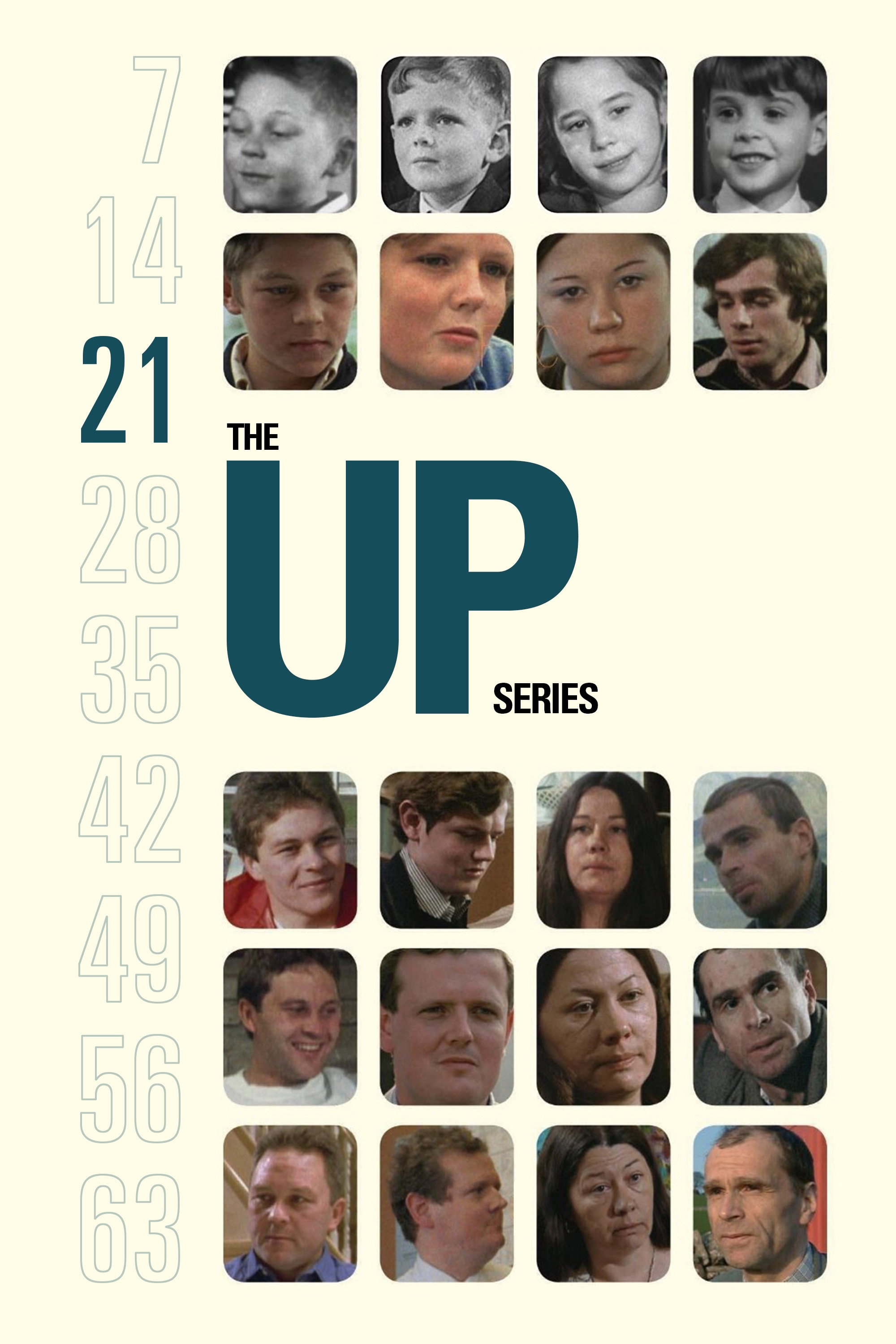
After another 7 year wait, director Michael Apted revisits the same group of British-born children from Seven Up! and 7 Plus Seven. The subjects are interviewed as to the changes that have occurred in their lives during the last seven years.
Those who knew iconic funnyman John Candy best share his story, in their own words, through never-before-seen archival footage, imagery, and interviews.
This revealing documentary honors the legendary Sidney Poitier—iconic actor, filmmaker, and civil rights activist. Featuring interviews with Denzel Washington, Spike Lee, Halle Berry, and more.
A string of threatening emails escalates into a revenge plot involving a newly married US marshal and his ex-girlfriend.
Director Michael Apted revisits the same group of British-born adults after a 7 year wait. The subjects are interviewed as to the changes that have occurred in their lives during the last seven years.
Bruce Conner’s most celebrated film for a reason: it takes historical moments that were replayed over and over on television—chilling repetition of Kennedy assassination coverage—and repurposes them into a meditation on how the media tries to exert authority and apply a sense of order to the anarchic. And though it may sound perverse to say so, the film is also—not incidentally—a thrill to watch. -- The A.V. Club
The film follows adventurer Jeff Johnson as he retraces the epic 1968 journey of his heroes Yvon Chouinard and Doug Tompkins to Patagonia.
Martin Scorsese's documentary intertwines footage from The Band's incredible farewell tour with probing backstage interviews and featured performances by Eric Clapton, Bob Dylan, Joni Mitchell, Van Morrison, and other rock legends.
Over 35 years after Bob Lazar's revelations, this documentary exposes secrets of a facility the government still denies. Featuring Lazar's testimony, recreations, and new evidence, it reopens a case that continues to spark global curiosity
A documentary about the making of season five of the acclaimed AMC series Breaking Bad.
The life and career of one of comedy's most inimitable modern voices, Mr. Gilbert Gottfried.
14-year-old Laura Dekker sets out on a two-year voyage in pursuit of her dream to become the youngest person ever to sail around the world alone.
The life and career of an actor, artist, and icon. His own journey through his own camera.
Explore the evolution of Buzz Lightyear from toy to human in the making of Pixar’s Lightyear. Dive into the origin and cultural impact of everyone’s favorite Space Ranger, the art of designing a new “human Buzz,” and the challenges faced by the Lightyear crew along the way.
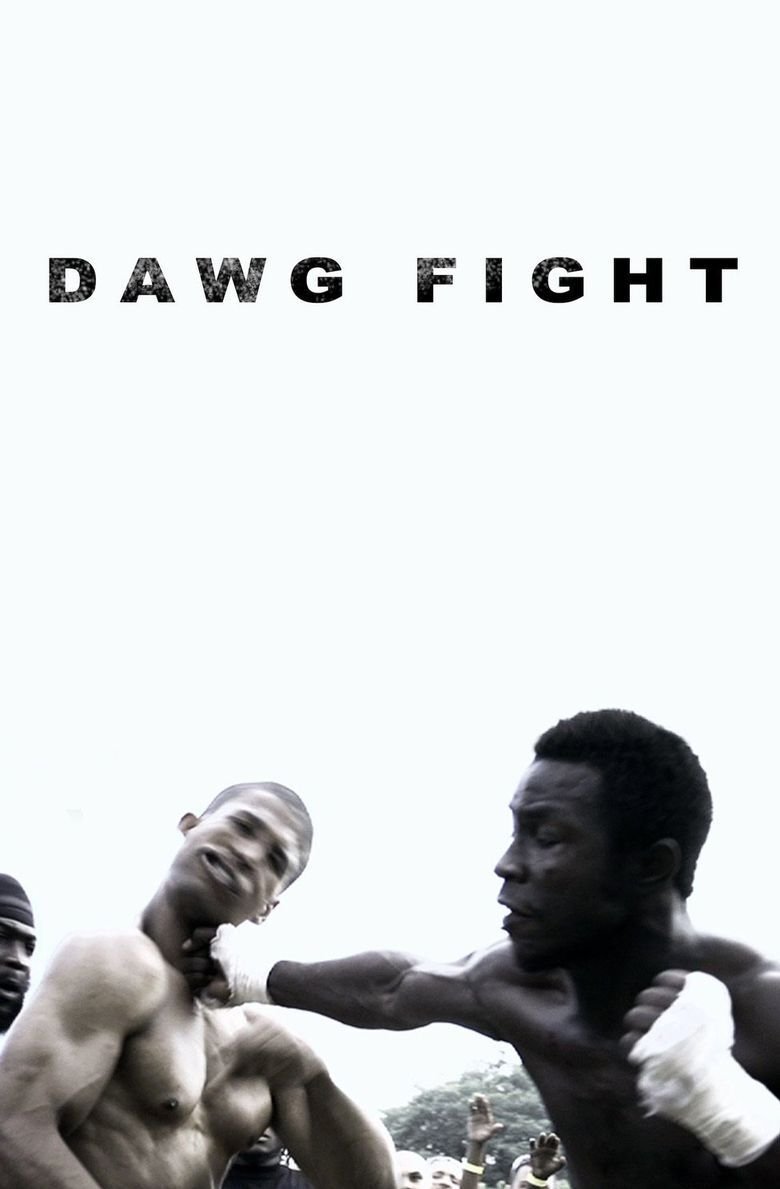
In a crime-plagued neighborhood near Miami, brutal, bare-knuckled backyard fights give young men a chance to earn money -- and self-respect.
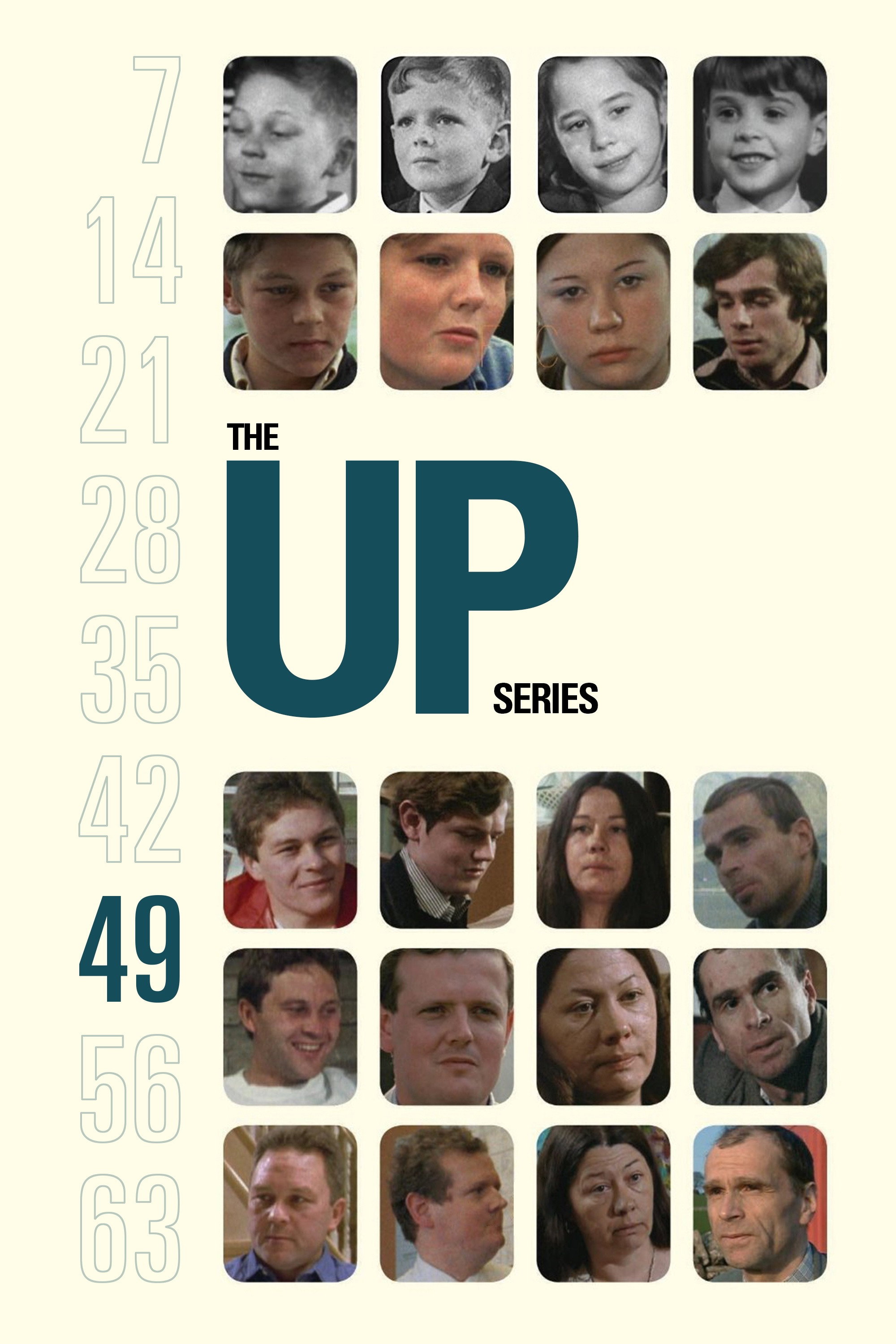
49 Up is the seventh film in a series of landmark documentaries that began 42 years ago when UK-based Granada's World in Action team, inspired by the Jesuit maxim "Give me the child until he is seven and I will give you the man," interviewed a diverse group of seven-year-old children from all over England, asking them about their lives and their dreams for the future. Michael Apted, a researcher for the original film, has returned to interview the "children" every seven years since, at ages 14, 21, 28, 35, 42 and now again at age 49.In this latest chapter, more life-changing decisions are revealed, more shocking announcements made and more of the original group take part than ever before, speaking out on a variety of subjects including love, marriage, career, class and prejudice.