Third film of Juan José Ponce's trilogy about Federico García Lorca.
Social & External
The people behind it
Upon the outbreak of the Spanish Civil War in July 1936, the anarchist union CNT socialized the film industry in Spain, so in Madrid and Barcelona film workers took over the production assets and, between 1936 and 1938, numerous films on a wide variety of topics were released, composing a varied mosaic that gives rise to one of the most unusual and original moments of Spanish cinematography.
This film focuses on the Spanish Civil War that occurred in the 1930s as a result of the attempted Communist takeover of the Republican government. It documents how a handful of infiltrators and agitators were able to capture the country while the majority was either fooled by slogans of promised reform or frightened by acts of terrorism into non-resistance. This documentary was produced by the Committee to Research the Spanish War Knoxville, Tennessee
Documentary about Charles Olson, exploring his life and the significance of Gloucester, Massachusetts.
On 19 July 1965, the South-African poet Ingrid Jonker walked into the sea near Drieankerbaai in Cape Town at the age of 31. She left behind a little daughter and an oeuvre of three laurelled collections of poems. Jonker's work fell into oblivion, until on 25 May 1994 president Nelson Mandela opened the very first session of the first democratically elected parliament of South Africa with Jonker's poem Die kind wat dood geskiet is deur soldate by Nyanga, a poem from 1960 that refers to the demonstrations near Sharpeville. Mandela chose the poem for good reason; he called Jonker 'both an African and an Afrikaner'. A white person in South Africa cannot get a bigger compliment. In the documentary Korreltjie niks is my dood, director Saskia van Schaik reconstructs the poet's eventful life, making her powerful poetry with its South-African rhythm tell part of the story. (filmcommission.nl)
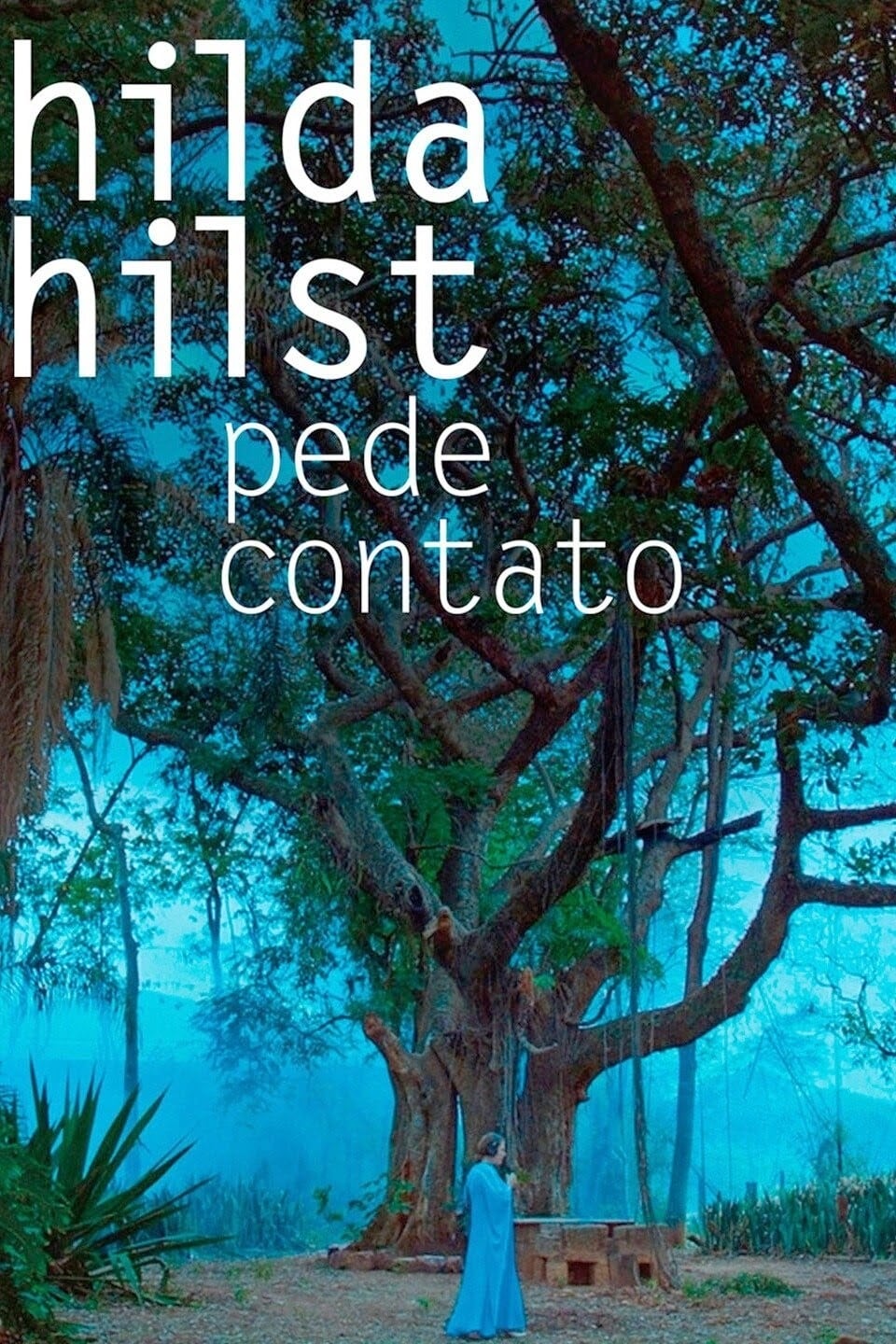
Documentary about the poet, writer and playwright Hilda Hilst, considered by critics as one of the most important voices of the Portuguese language of the twentieth century. Through the use of personal sound and image files, interviews, meetings and fictional interventions, we will seek the memory and the presence of Hilda Hilst in her daily life at Casa do Sol, the farm where she lived in Campinas.
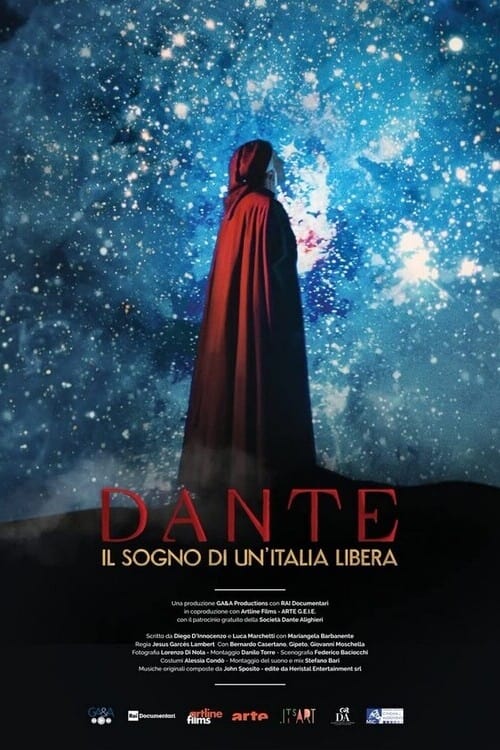
Dante Alighieri was a poet, philosopher and politician in 1300 Florence. The visionary author of "Inferno", the first book of the "Divine Comedy", he was both a direct witness and a narrator of his times and his poem is a remarkable geopolitical chronicle of a tumultuous period of the Middle Ages from 1300 to 1320, a time when Kings, Popes, rulers and warlords played a deadly chess game for the control of Europe. In this high end docudrama, some of the world's finest scholars will help provide historical context to the unfolding of events, making them accessible to a wide audience, and giving us a privileged viewpoint over one of the most eventful and funding chapters of European history.
Dangling from a high window, a young non-binary person is on the cusp of life and death. Flashes of film, literature, art (paintings) and cultural history pass them by, as if to tell a message. A postmodern treatise on connection to culture and the past.
A documentary, originally produced for Dutch television, on the life and works of Osip Mandelstam (1891-1938), the groundbreaking Soviet poet and dissident.
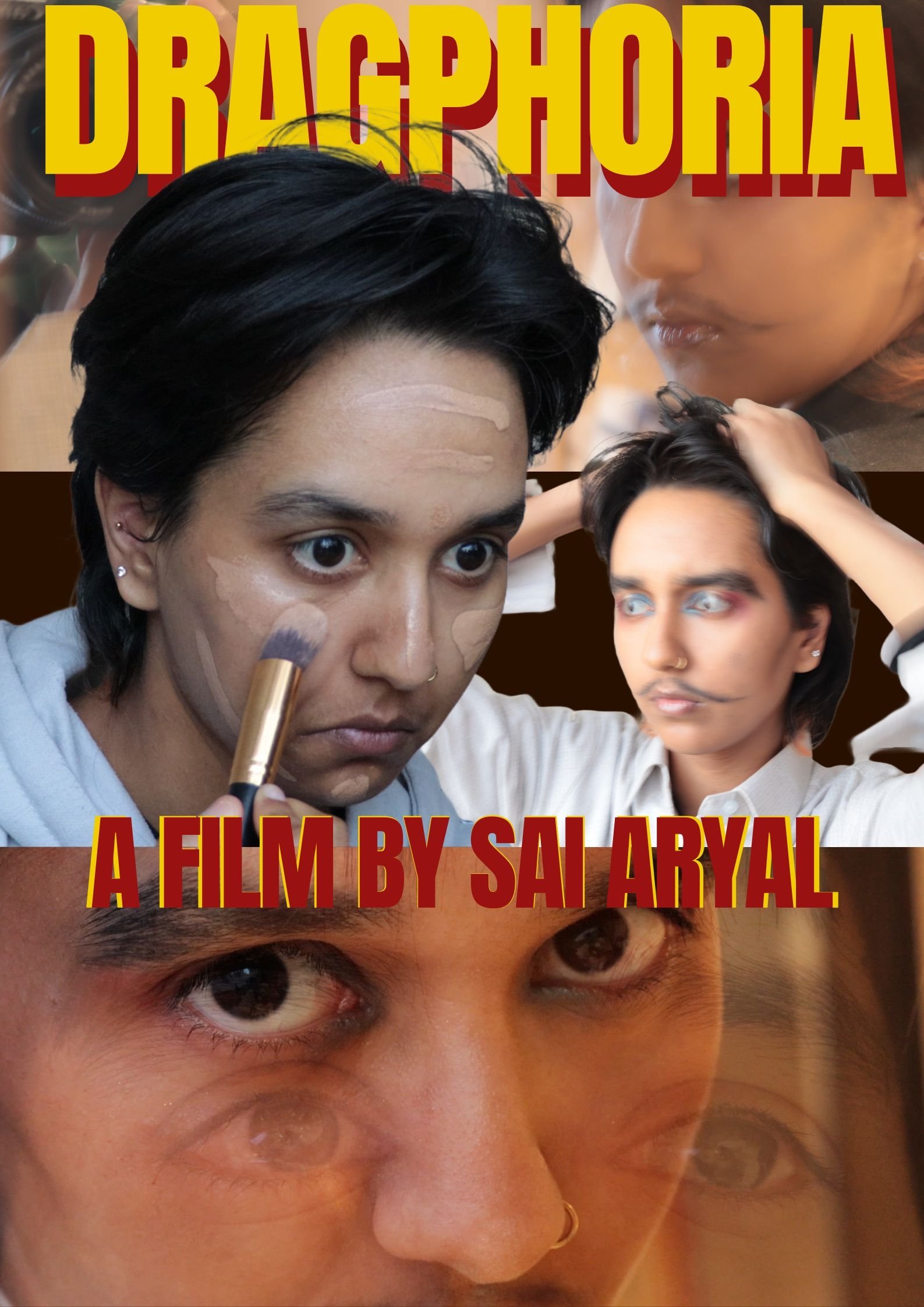
Dragphoria is a short film about drag and identity, finding yourself in a noisy crowd, and slowly accepting yourself after a long-awaited denial.
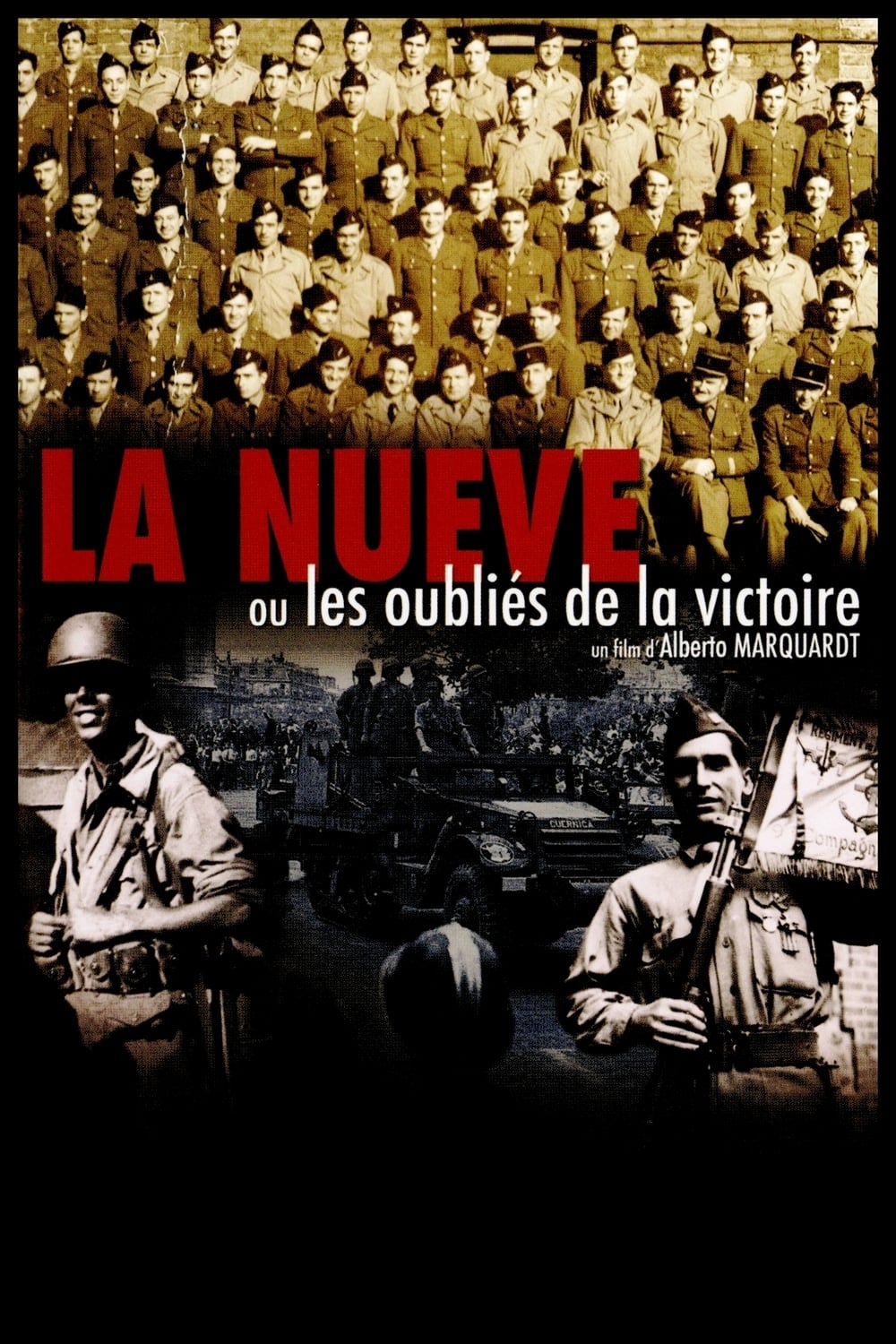
The story of the Spanish Republicans of La Nueve, the 9th Company of the Régiment de marche du Tchad, part of the French 2nd Armored Division, known as Leclerc Division, whose troops were the first who entered Nazi-occupied Paris on August 24, 1944.
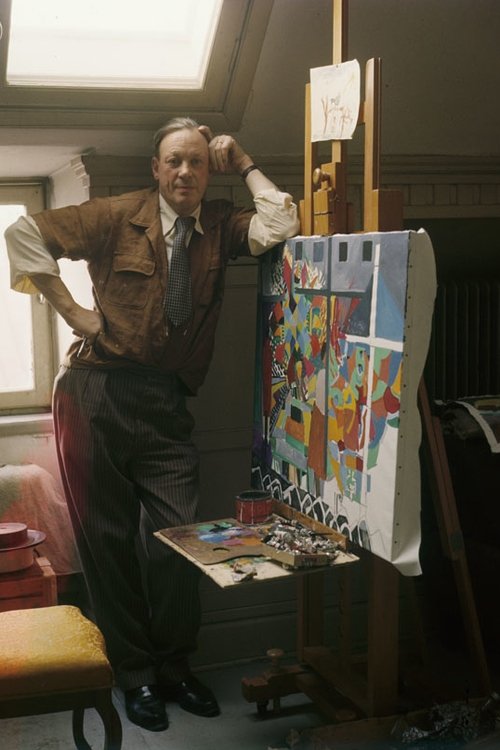
About Swedish artist, painter, sculptor and set designer Sven "X-et" Erixson, presented with Lars Johan Werle's music and accompanied by readings from various literature and poetry.
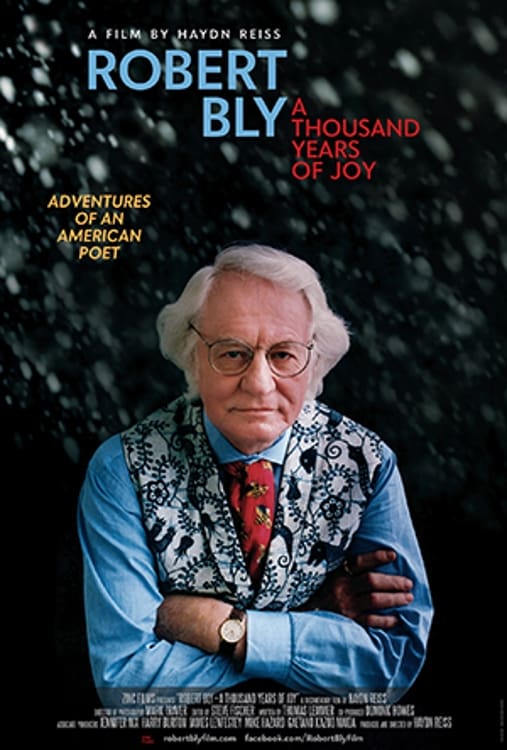
A Thousand Years of Joy charts poet/activist Robert Bly's journey from Midwestern farm boy to global troubadour, bestselling author of Iron John and leader of the men's movement.
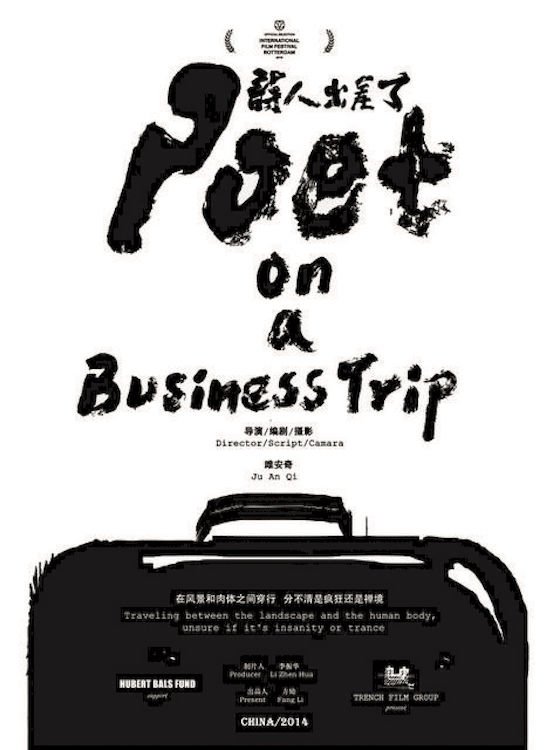
In 2002, Ju Anqi made a film about a tour by the poet Shu through Xinjiang, the most western-lying, autonomous Uyghur province of China. All that we know about Shu is that he plays a poet who sends himself on a business trip - an absurd, satirical starting point that sets the tone for the film. For a variety of reasons, it was not until 2013 that Ju started editing the rough, lyrical material that he had shot in what is now a very restless Xinjiang: it's like an excellent wine that has had time to mature. Structured around 16 poems which he wrote on the road, Shu’s physically exhausting journey takes him along endless rocky roads, passing shabby inns and through impressive landscapes from one prostitute to the next. In its documentary authenticity, Poet on a Business Trip is also an historic document that exudes an atmosphere of loss, providing an unsentimental yet melancholy glimpse of a country in transition and a mirror for the existential irreversibility of time. (c) iffr.com
Video-essay about poet Ana Enriqueta Terán.
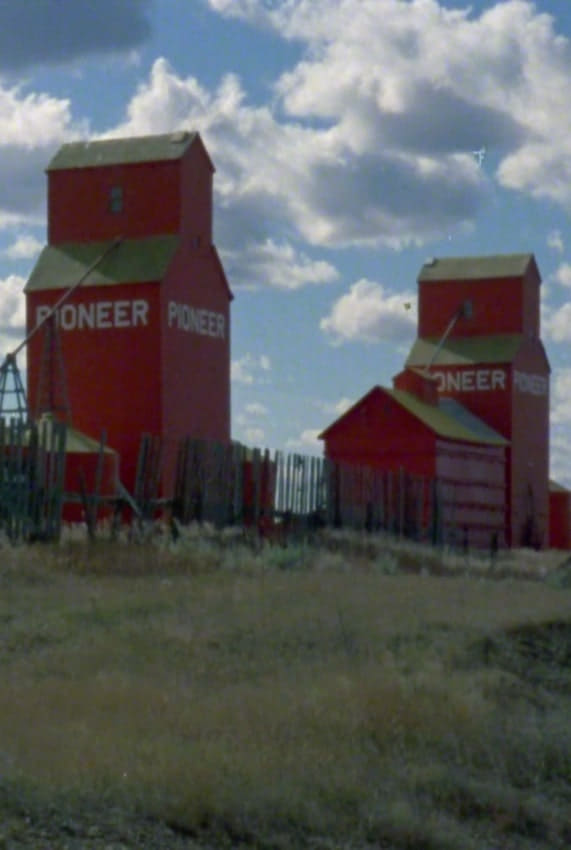
In this short documentary, Canadian poet Andrew Suknaski introduces us to Wood Mountain, the south central Saskatchewan village he calls home. In between musings on his poetry, which is tinged with nostalgia and the vast loneliness of the plains, the poet discusses the area’s multicultural background and Native heritage, as well as the customs and stories of these various ethnic groups.
In an intimate and joyful story of love in the face of loss, celebrated poets Andrea Gibson and Megan Falley find strength—and unexpected hilarity—in what might be their final year together.
This revealing documentary honors the legendary Sidney Poitier—iconic actor, filmmaker, and civil rights activist. Featuring interviews with Denzel Washington, Spike Lee, Halle Berry, and more.
An inside look at one of the most anticipated movie sequels ever with James Cameron and cast.
The story of the tortuous struggle against the silence of the victims of the dictatorship imposed by General Franco after the victory of the rebel side in the Spanish Civil War (1936-1975). In a democratic country, but still ideologically divided, the survivors seek justice as they organize the so-called “Argentinian lawsuit” and denounce the legally sanctioned pact of oblivion that intends to hide the crimes they were subjects of.
Ranjit, a farmer in India, takes on the fight of his life when he demands justice for his 13-year-old daughter, the victim of a brutal gang rape. His decision to support his daughter is virtually unheard of, and his journey unprecedented.
Survivors and insiders recount March 11, 2004's terrorist attack on Madrid, including the political crisis it ignited and the hunt for the perpetrators.
An exploration —manipulated and staged— of life in Las Hurdes, in the province of Cáceres, in Extremadura, Spain, as it was in 1932. Insalubrity, misery and lack of opportunities provoke the emigration of young people and the solitude of those who remain in the desolation of one of the poorest and least developed Spanish regions at that time.
Through deeply personal interviews with her siblings and an examination of the photographs, letters, and belongings left behind, Mariska assembles a new portrait of her mother Jayne Mansfield, an extraordinary and complex woman.
Alexander McQueen's rags-to-riches story is a modern-day fairy tale, laced with the gothic. Mirroring the savage beauty, boldness and vivacity of his design, this documentary is an intimate revelation of McQueen's own world, both tortured and inspired, which celebrates a radical and mesmerizing genius of profound influence.
THE SPIRIT MOLECULE weaves an account of Dr. Rick Strassman's groundbreaking DMT research through a multifaceted approach to this intriguing hallucinogen found in the human brain and hundreds of plants, including the sacred Amazonian brew, ayahuasca. Utilizing interviews with a variety of experts to explain their thoughts and experiences with DMT, and ayahuasca, within their respective fields, and discussions with Strassman’s research volunteers, brings to life the awesome effects of this compound, and introduces us to far-reaching theories regarding its role in human consciousness.
Daniel Craig candidly reflects on his 15 year adventure as James Bond. Including never-before-seen archival footage from Casino Royale to the upcoming 25th film No Time To Die, Craig shares his personal memories in conversation with 007 producers, Michael G Wilson and Barbara Broccoli.
Al Pacino's deeply-felt rumination on Shakespeare's significance and relevance to the modern world through interviews and an in-depth analysis of "Richard III."
The film follows adventurer Jeff Johnson as he retraces the epic 1968 journey of his heroes Yvon Chouinard and Doug Tompkins to Patagonia.
14-year-old Laura Dekker sets out on a two-year voyage in pursuit of her dream to become the youngest person ever to sail around the world alone.
The life and career of an actor, artist, and icon. His own journey through his own camera.
A string of threatening emails escalates into a revenge plot involving a newly married US marshal and his ex-girlfriend.
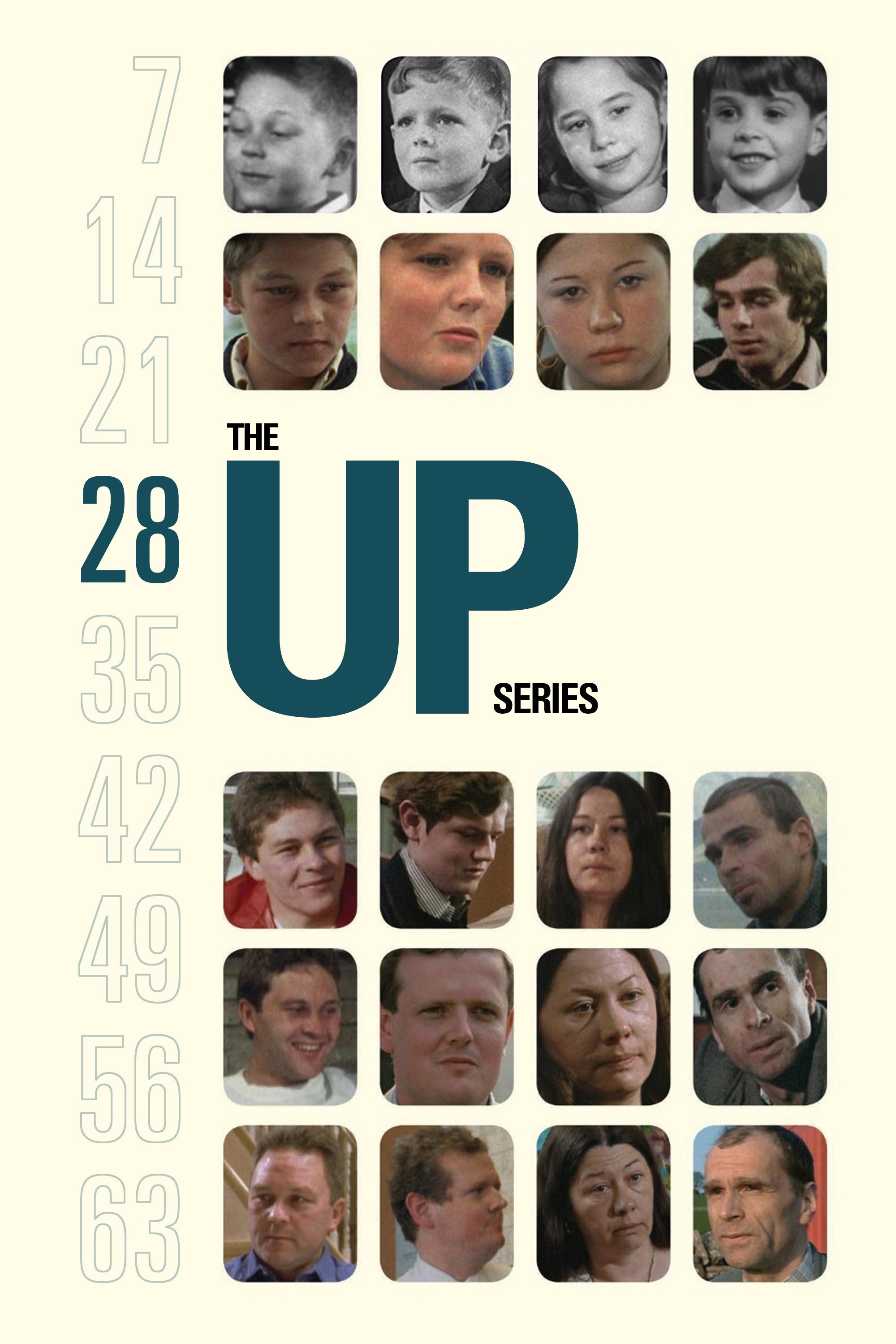
Just two years away from turning 30, participants in Michael Apted's documentary series are facing serious questions of identity and purpose, wondering whether they've found their place in the world.
An unprecedented and intimate look at the life, work and enduring legacy of British actress Audrey Hepburn (1929-1993).
A documentary about the making of season five of the acclaimed AMC series Breaking Bad.
Over 35 years after Bob Lazar's revelations, this documentary exposes secrets of a facility the government still denies. Featuring Lazar's testimony, recreations, and new evidence, it reopens a case that continues to spark global curiosity