The Danish ambassador to Washington declares himself to be the sole representative of a free Denmark during the Nazi occupation of the country.
Social & External
The people behind it
Ulrich Thomsen
Henrik Kauffmann
Denise Gough
Charlotte Kauffmann
Mikkel Boe Følsgaard
Povl Bang-Jensen
Zoë Tapper
Zilla Sears
Burn Gorman
Berle
Henry Goodman
Franklin D. Roosevelt
Esben Dalgaard
Einar Blechingberg
Ross McCall
Mason Sears
Pixie Davies
Poppin Sears
Amber Fernée
Tilda
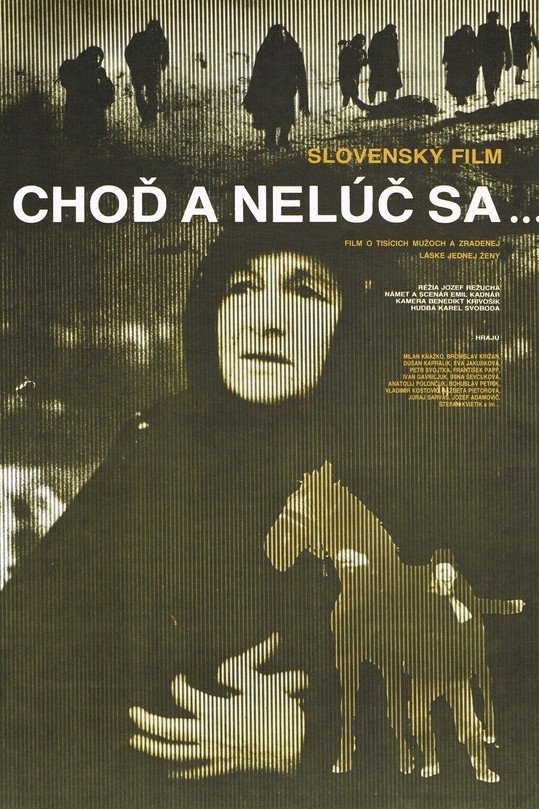
In Slovakia, they often and gladly honored those soldiers who refused to serve the fascist regime and stood against it. Lieutenant Kukorelli also rejected the tempting career of a pilot, instead helping the resistance fighters and later participating in the Slovak National Uprising.
The dramatic story captures the hard and dangerous life of the partisan group "Čapajev" led by Ľudovít Kukorelli during World War II. It retrospectively presents the course of the Slovak National Uprising in eastern Slovakia.
In WWII, a squad of U.S. African-American soldiers are sent on a rescue mission behind enemy lines to locate their lost commanding officer and a downed fighter pilot.
Jacquot Demy, the son of a garage owner and a hairdresser, is fascinated by cinema and decides to pursue his dream of becoming a filmmaker by any means necessary.
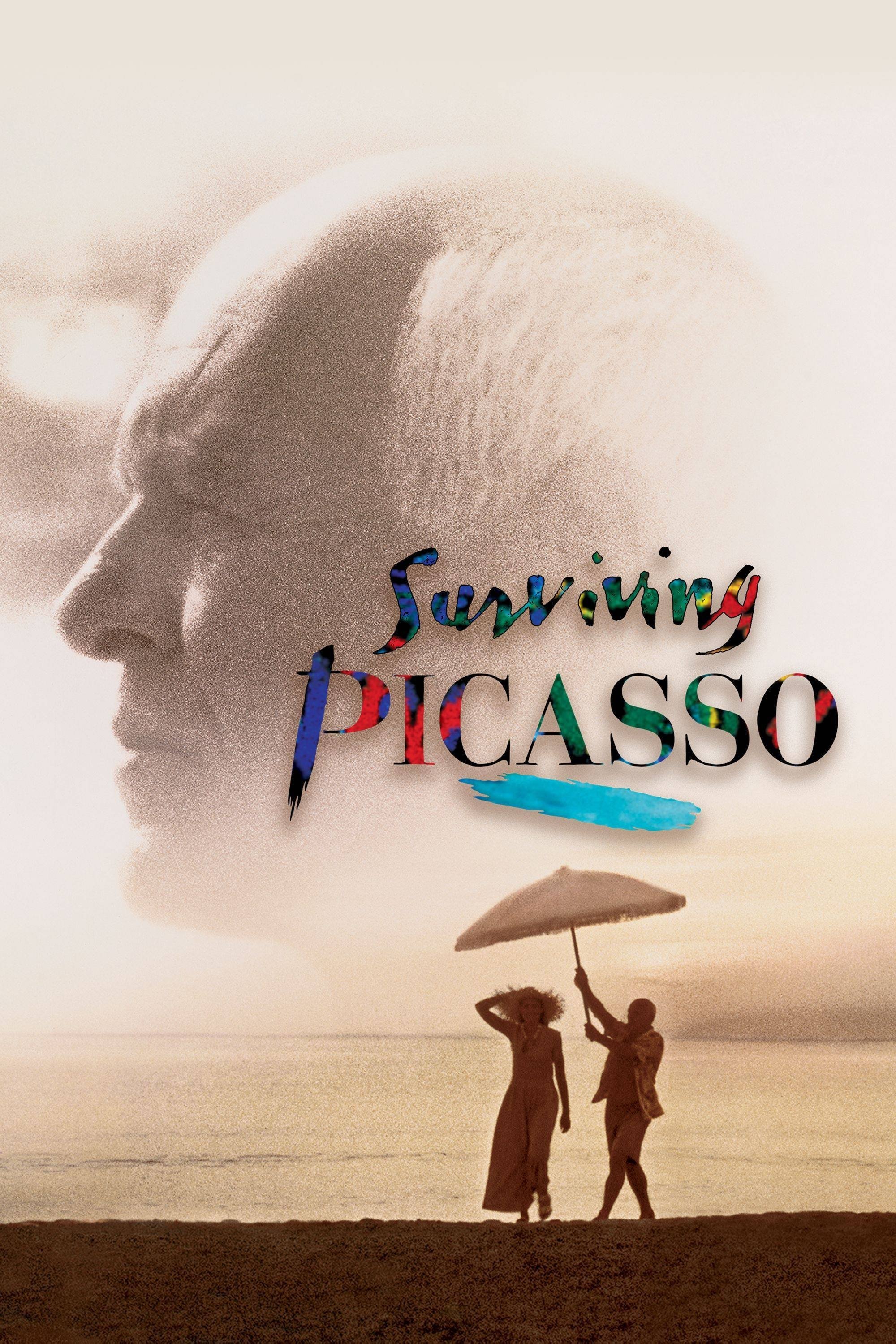
The passionate Merchant-Ivory drama tells the story of Francoise Gilot, the only lover of Pablo Picasso who was strong enough to withstand his ferocious cruelty and move on with her life.
A story of three couples and their intertwining love stories set in 1940s Taiwan and Shanghai, centered around the 1949 sinking of Taiping.
The story of Italian cinema under Fascism, a sophisticated film industry built around the founding of the Cinecittà studios and the successful birth of a domestic star system, populated by very peculiar artists among whom stood out several beautiful, magnetic, special actresses; a dark story of war, drugs, sex, censorship and tragedy.
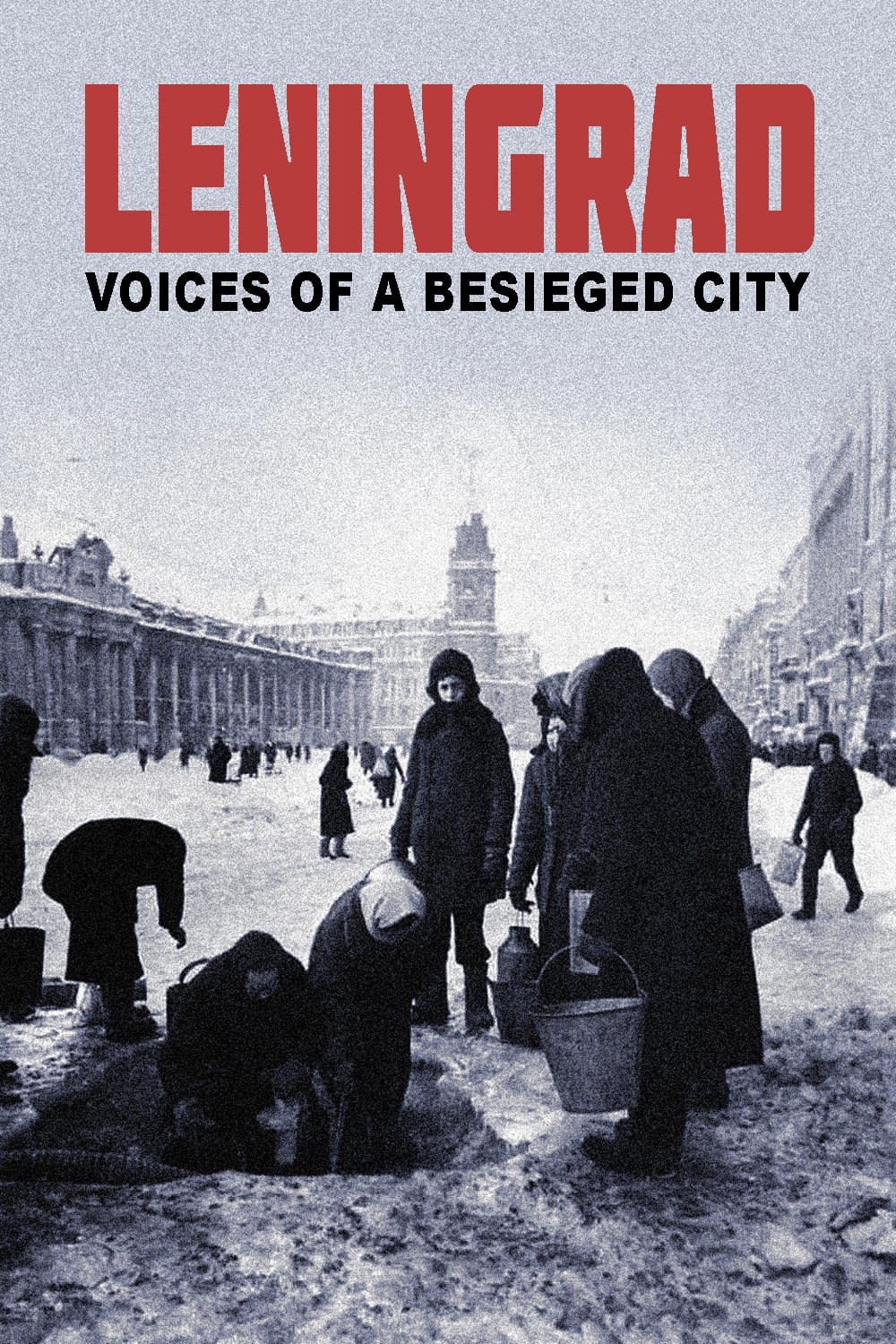
It was one of the great crimes of the Second World War: from 1941 to 1944, a total of 872 days, the siege and starvation of Leningrad by the German Wehrmacht on Hitler's orders lasted. Over a million people fell victim to the blockade, most of them dying of hunger. Countless of these starving people wrote diaries with the last of their strength, and cameramen filmed in the paralyzed city. Evidence from the hell of the siege, many of the film recordings, but above all the written memories on which this documentary on the occasion of the 80th anniversary of the liberation is based, remained under lock and key after the war. The voices of those who had suffered through this terrible time should not be heard by anyone, because they did not fit the pathos of the Leningrad heroic song that was officially sung. Most of the recordings come from women. The writers feared neither the enemy nor the Communist Party or Stalin, who often proved incompetent in providing for the population.
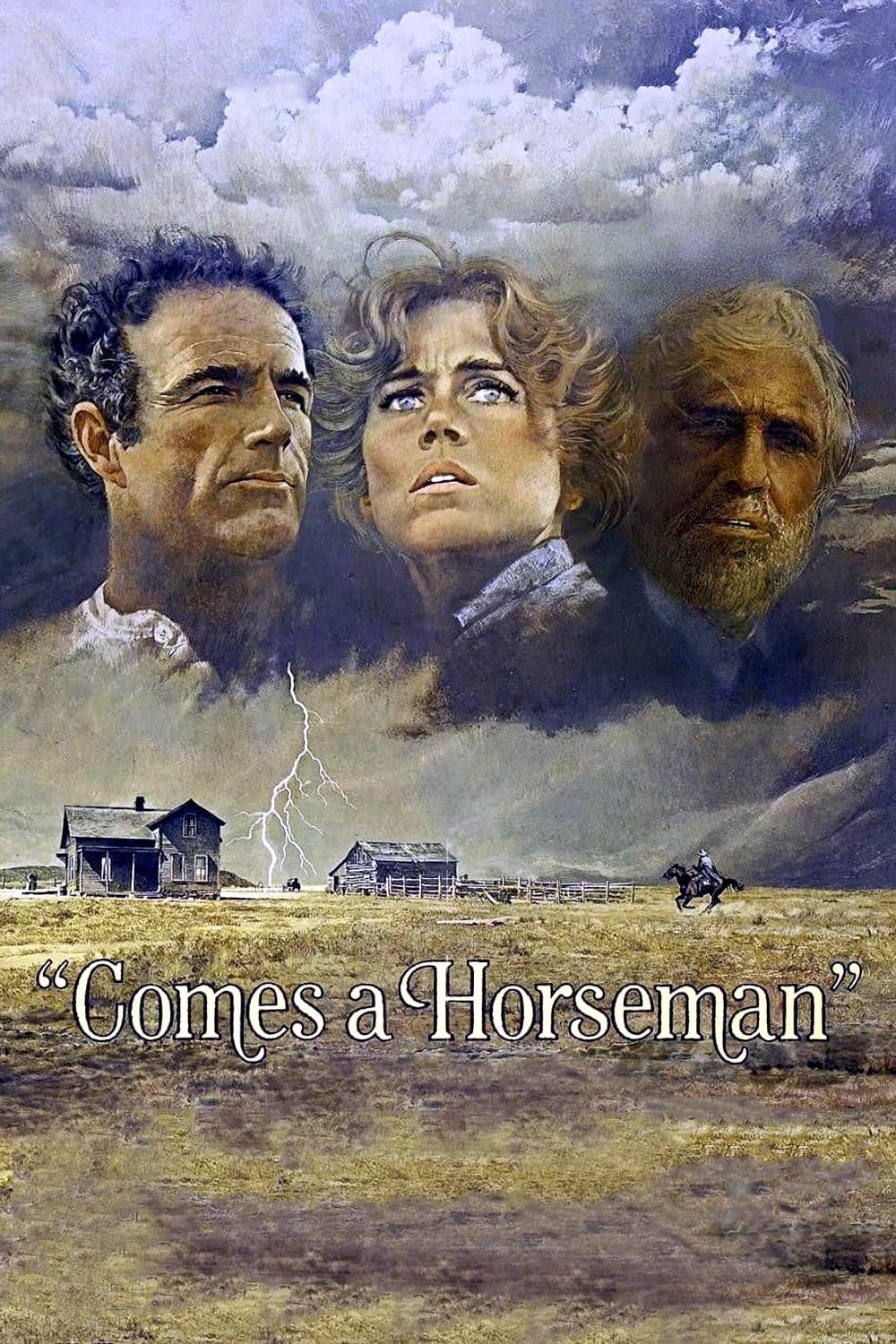
Ella Connors is a single woman who gets pressured to sell her failing cattle farm to her corrupt ex-suitor, Jacob Ewing. She asks for help from her neighbor, Frank Athearn. As Ella and Frank fight back through stampedes, jealousy, betrayal, and sabotage... they eventually find love.
With hopes of reuniting with her husband, who left for the Vietnam War without telling her, a young wife joins a traveling band as the lead singer.
Czechoslovakia, March 1939, on the eve of World War II. As the German invaders occupy Prague, inventor Axel Bomasch manages to flee and reach England; but those who need to put his knowledge at the service of the Nazi war machine, in order to carry out their evil plans of destruction, will stop at nothing to capture him.
During World War II, a Cockney woman marries a Canadian soldier and adjusts to life in Alberta.
The film tells about the childhood of Yuri Gagarin, about that time of life, which, in his own words, played an important role in shaping his character: war, the occupation of their villages by the Germans, famine, the theft of the elder brother and sister to Germany, the expulsion of the Nazis from Smolensk, moving family in the city of Gzhatsk.
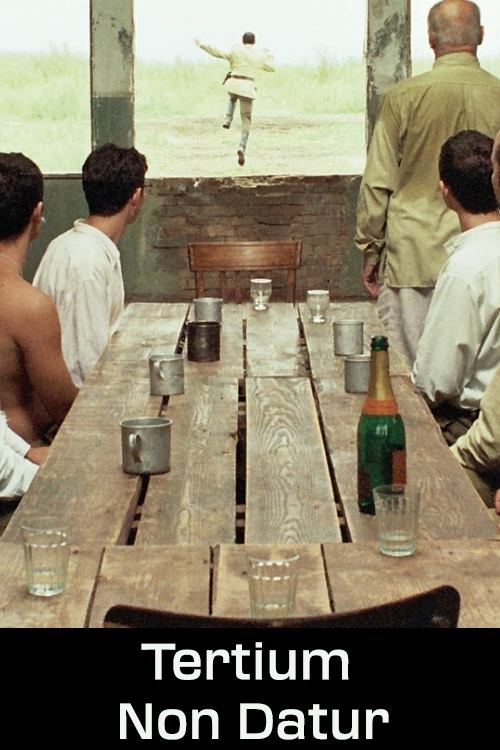
A Hungarian youth comes of age at Buchenwald during World War II. György Köves is 14, the son of a merchant who's sent to a forced labor camp. After his father's departure, György gets a job at a brickyard; his bus is stopped and its Jewish occupants sent to camps. There, György find camaraderie, suffering, cruelty, illness, and death. He hears advice on preserving one's dignity and self-esteem. He discovers hatred. If he does survive and returns to Budapest, what will he find? What is natural; what is it to be a Jew? Sepia, black and white, and color alternate to shade the mood.
A TV film based on Karol Horák's novel. The story takes place in southern Gemer in the spring of 1945. It covers several days in the first months after the war. Matyla, a simple village woman, sets out into the world to get sugar for her daughter and her unborn child. A film about a mother, which is a testimony about people and an era from the perspective of the current middle generation.
Siblings Maisie and Tony, along with their mother, gather for their sister Eileen's wedding. It is a joyous occasion, but through flashbacks, it becomes clear that the family was not always happy. Their father was physically abusive to his wife and left the children emotionally traumatized. As a result, the children have grown into unhappy adults, looking for love they didn't receive when they were young.
All birds in the sky in human wars.
In the Ukrainian steppe, toward the end of World War II, the German and Romanian troops are retreating in the face of the unstoppable Red Army. A Romanian military unit has set up its headquarters in a deserted school. A visit of high-ranking Wehrmacht officers is suddenly announced. Hope is awakened: will they receive new orders? But disappointment comes quickly.
Gunman Flame and his partner Citron assassinate Nazi collaborators for the Danish resistance. Assigned targets by their Allies-connected leader, Aksel Winther, they relish the opportunity to begin targeting the Nazis themselves. When they begin to doubt the validity of their assignments, their morally complicated task becomes even more labyrinthine.
On March 21st, 1945, the British Royal Air Force set out on a mission to bomb Gestapo's headquarters in Copenhagen. The raid had fatal consequences as some of the bombers accidentally targeted a school and more than 120 people were killed, 86 of whom were children.
In the early morning of April 9, 1940, the Danish army is alerted: the Germans have crossed the border.
Struggling to survive in post-WWI Copenhagen, a newly unemployed and pregnant young woman is taken in by a charismatic elder to help run an underground adoption agency. The two form an unexpected bond, until a sudden discovery changes everything.
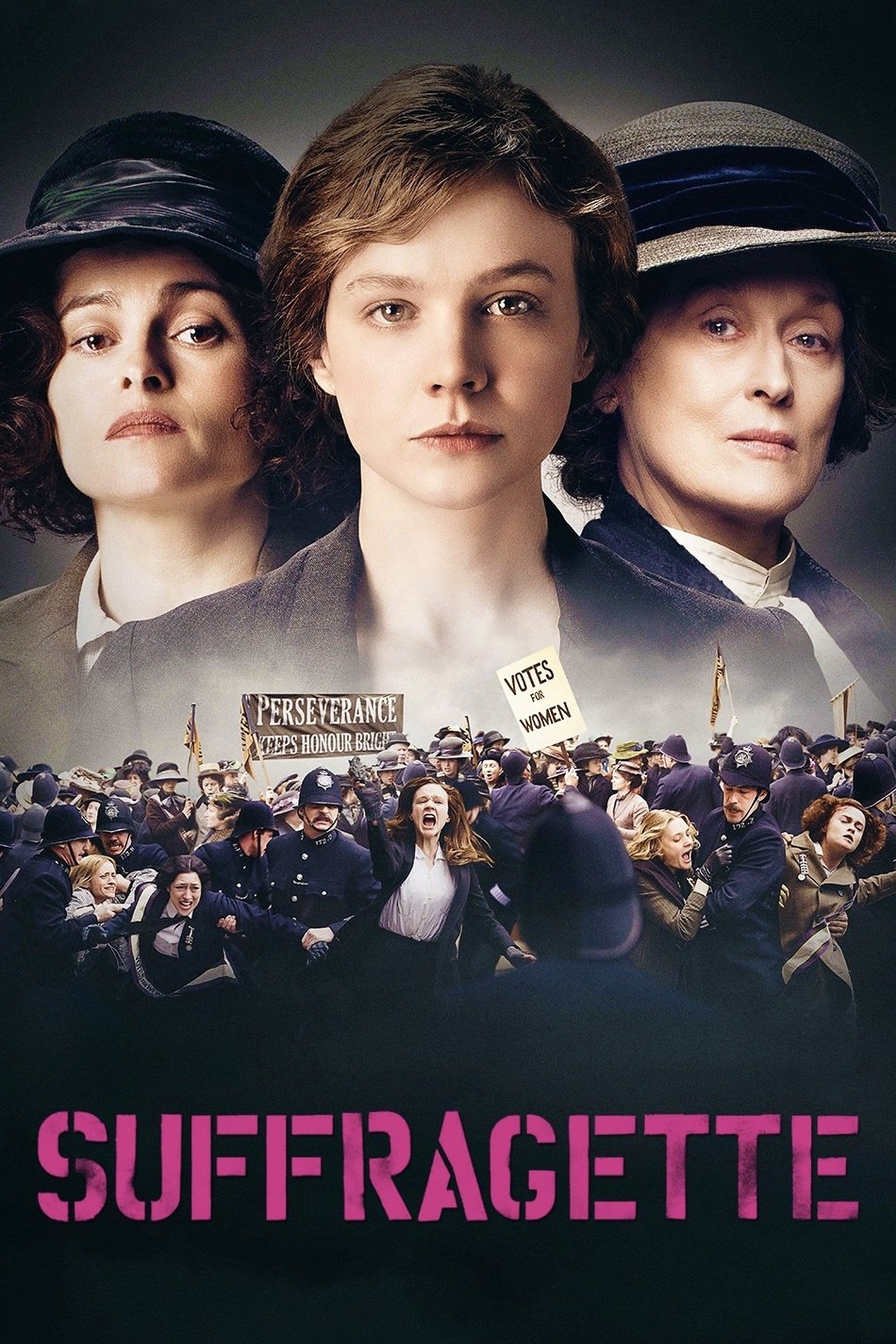
Based on true events about the foot soldiers of the early feminist movement, women who were forced underground to pursue a dangerous game of cat and mouse with an increasingly brutal State.
Denmark, 1755. Captain Ludvig Kahlen sets out to conquer a Danish heath reputed to be uncultivable, with an impossible goal: to establish a colony in the name of the king, in exchange for a royal title. A single-minded ambition that the ruthless lord of the region will relentlessly seek to put down. Kahlen's fate hangs in the balance: will his endevours bring him wealth and honour, or cost him his life...?
On the eve of World War II, the German Kurt Müller, his American-born wife Sara, and their three children, having lived in Europe for years, visit Sara's wealthy mother near Washington, DC. Kurt secretly works for the anti-Nazi resistance. A visiting Romanian count, becoming aware of this, seeks to blackmail him.
This powerful follow-up to “The Gathering Storm” follows Churchill from 1940 to 1945 as he guided his beleaguered nation through the crucible of the war years--even as his marriage was encountering its own struggles.
The story of the senior-level preparations for the D-Day invasion on June 6, 1944 from the time of Dwight D. Eisenhower's appointment as the Supreme Allied Commander in Europe, to the establishment of the beachhead in Normandy.
When Gerda Wegener asks her husband Einar to fill in as a portrait model, Einar discovers the person she's meant to be and begins living her life as Lili Elbe. Having realized her true self and with Gerda's love and support, Lili embarks on a groundbreaking journey as a transgender pioneer.
Karlskov is a self made, successful owner of a large electronics factory, has a wife and five children. They live the good, privileged upper-class life on Strandvejen north of Copenhagen when the Nazis occupy Denmark in April 1940. Karl struggles to continue production at the factory, but to protect his family and employees he reluctantly begins to produce for the German market. It brings him into a controversial collaboration with the occupying power and causes painful breaks in the family.
Activist Bayard Rustin faces racism and homophobia as he helps change the course of Civil Rights history by orchestrating the 1963 March on Washington.
The film portrays MacArthur's life from 1942, before the Battle of Bataan, to 1952, when he was removed from his Korean War command by President Truman for insubordination, and is recounted in flashback as he visits West Point.
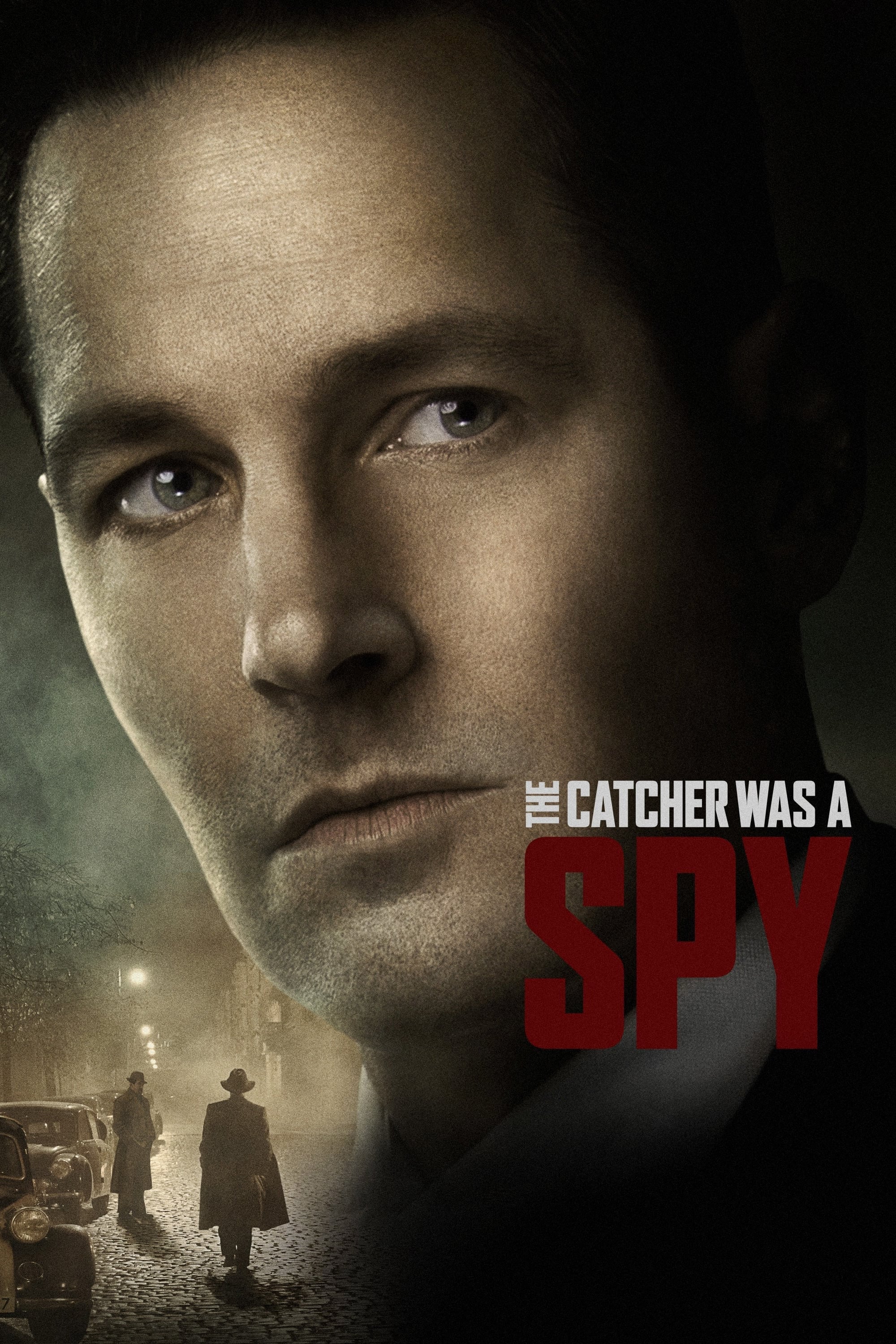
Former major league baseball player Moe Berg lives a double life working for the Office of Strategic Services in World War II Europe.
In 1520, the notorious and power-hungry Danish King Christian II is determined to seize the Swedish crown from Sten Sture, no matter what it takes. Meanwhile, sisters Freja and Anne make a solemn promise to seek revenge on the men who brutally murdered their family. Everything comes to a head in the heart of Stockholm, where the sisters are drawn into a ruthless political struggle between Sweden and Denmark that culminates in a mass execution, presided over by the mad King "Christian the Tyrant," known as the Stockholm Bloodbath.
At the turn of the 19th century, Pugilism was the sport of kings and a gifted young boxer fought his way to becoming champion of England.
War photographer W. Eugene Smith travels back to Japan where he documents the devastating effect of mercury poisoning in coastal communities.
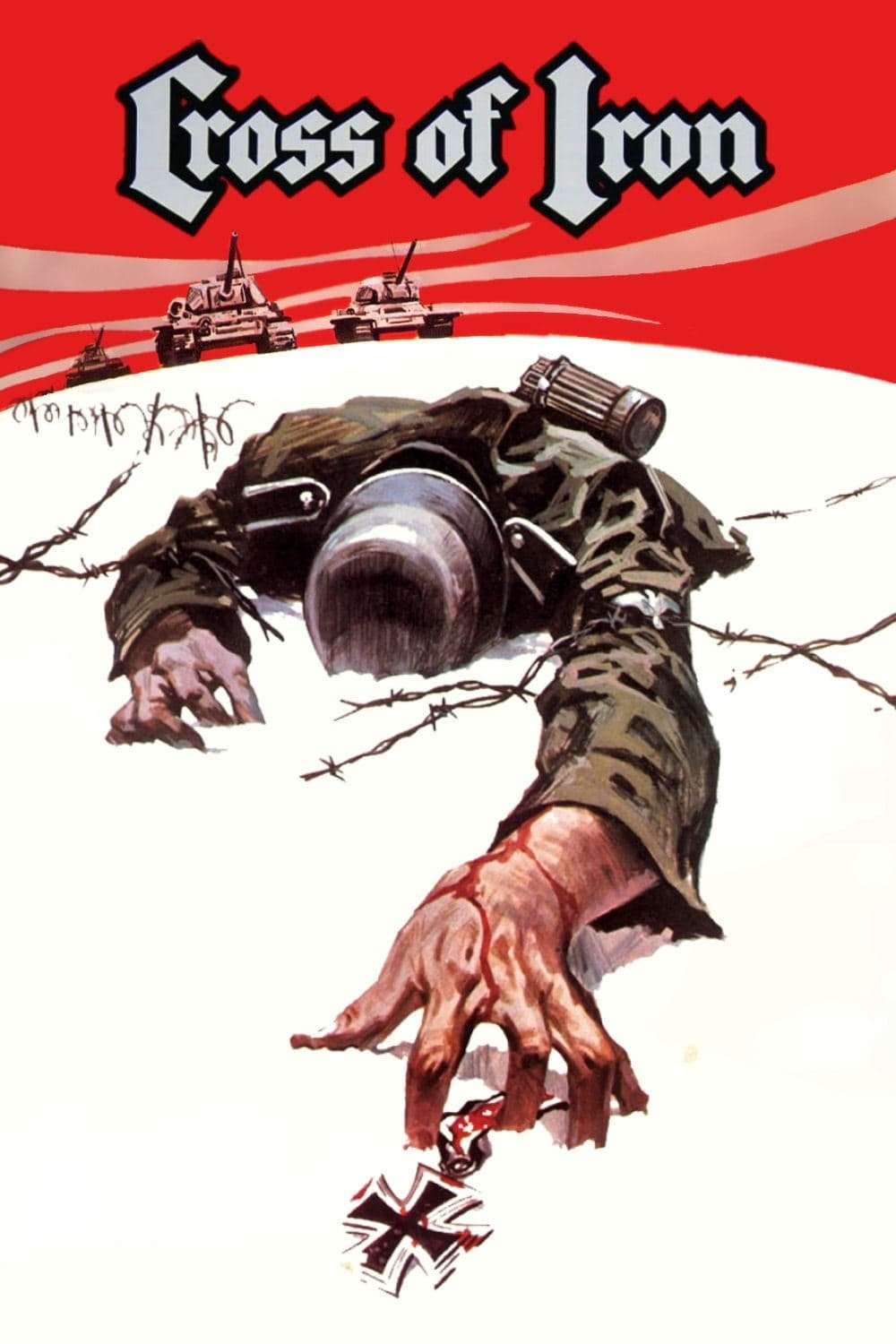
It is 1943, and the German army—ravaged and demoralised—is hastily retreating from the Russian front. In the midst of the madness, conflict brews between the aristocratic yet ultimately pusillanimous Captain Stransky and the courageous Corporal Steiner. Stransky is the only man who believes that the Third Reich is still vastly superior to the Russian army. However, within his pompous persona lies a quivering coward who longs for the Iron Cross so that he can return to Berlin a hero. Steiner, on the other hand is cynical, defiantly non-conformist and more concerned with the safety of his own men rather than the horde of military decorations offered to him by his superiors.
Billie Holiday spent much of her career being adored by fans. In the 1940s, the government targeted Holiday in a growing effort to racialize the war on drugs, ultimately aiming to stop her from singing her controversial ballad, "Strange Fruit."
In postwar Germany, an American psychiatrist must determine whether Nazi prisoners are fit to go on trial for war crimes, and finds himself in a complex battle of intellect and ethics with Hermann Göring, Hitler's right-hand man.