Social & External
The people behind it
René Dary
Bébé
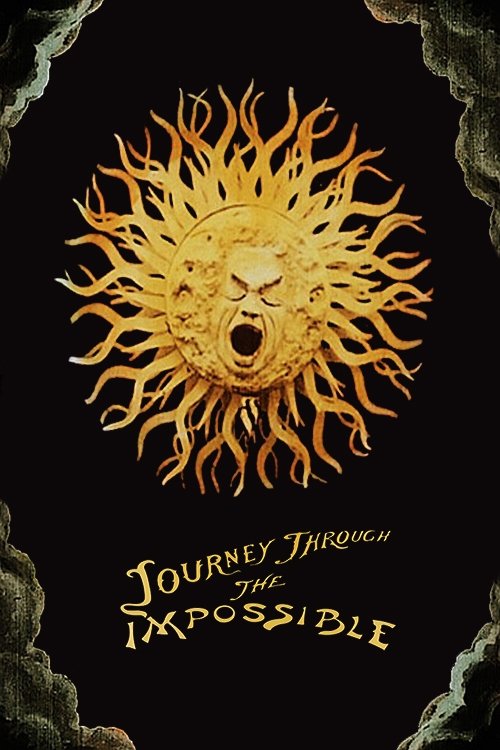
Using every known means of transportation, several savants from the Geographic Society undertake a journey through the Alps to the Sun which finishes under the sea.
A bumbling tramp desires to build a home with a young woman, yet is thwarted time and time again by his lack of experience and habit of being in the wrong place at the wrong time...
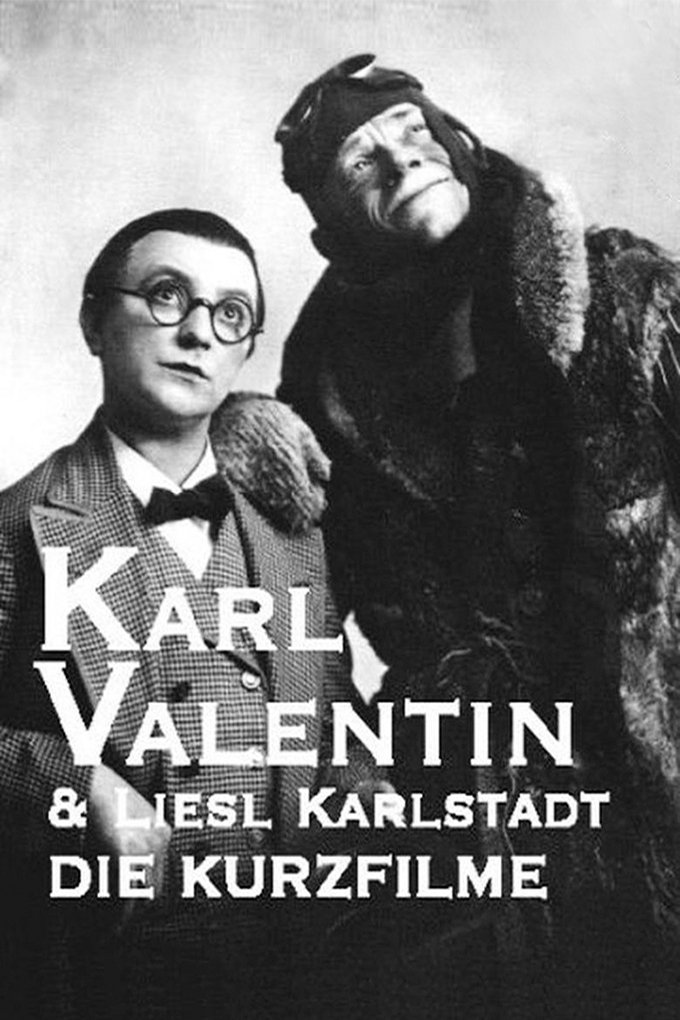
Karl Valentin and Liesl Karlstadt at the Oktoberfest.
A tramp cares for a boy after he's abandoned as a newborn by his mother. Later the mother has a change of heart and aches to be reunited with her son.
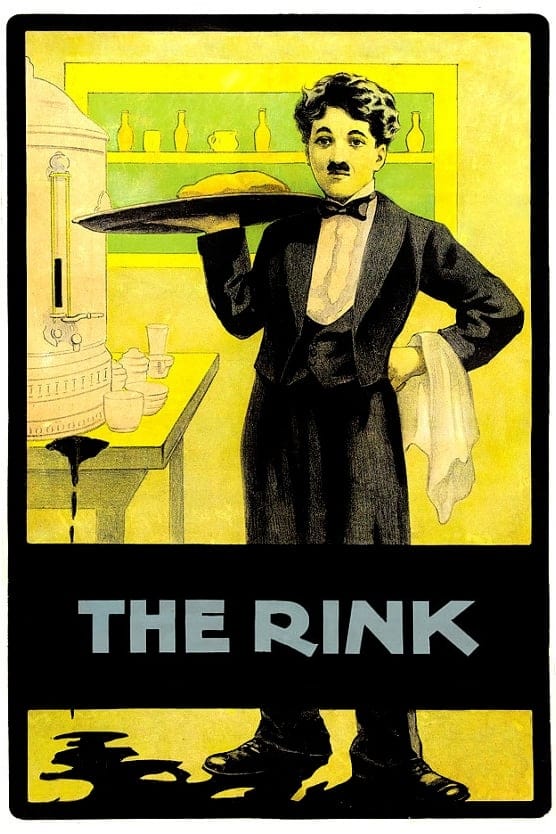
After amusements working in a restaurant, a waiter uses his lunch break to go roller skating.
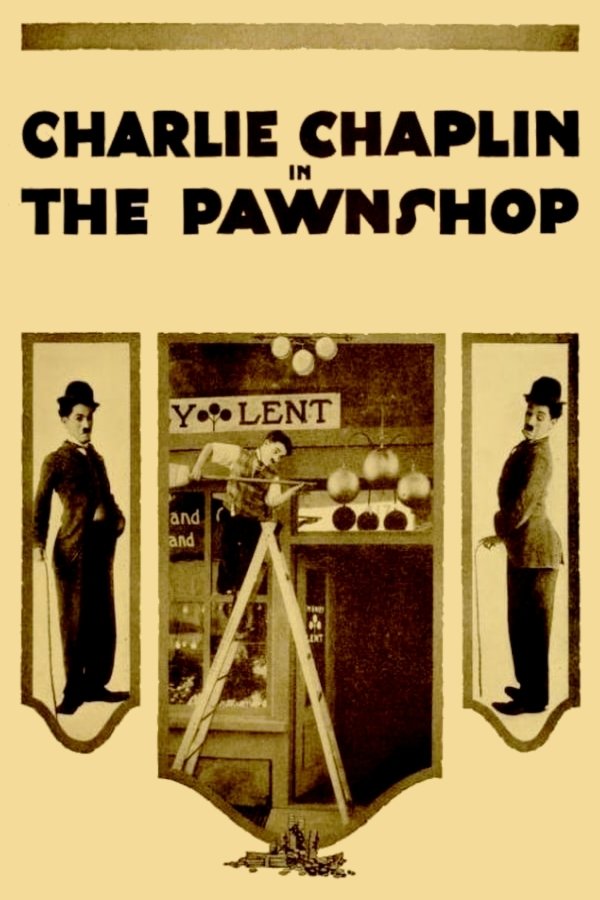
A pawnbroker's assistant deals with his grumpy boss, his annoying co-worker and some eccentric customers as he flirts with the pawnbroker's daughter, until a perfidious crook with bad intentions arrives at the pawnshop.
In Marseilles a skilled pizza delivery boy Daniel who drives a scooter finally has his dreams come true. He gets a taxi license. Caught by the police for a huge speed infraction, he will help Emilien, a loser inspector who can't drive, on the track of German bank robbers, so he doesn't lose his license and his dream job.
Before being extradited to Africa to stand trial, a notorious Belgian criminal is entrusted to the Marseilles police department for less than 24 hours. But the wily crook convinces bumbling policeman Emilien he's a lowly Belgian embassy employee who got railroaded by the brilliant master criminal.
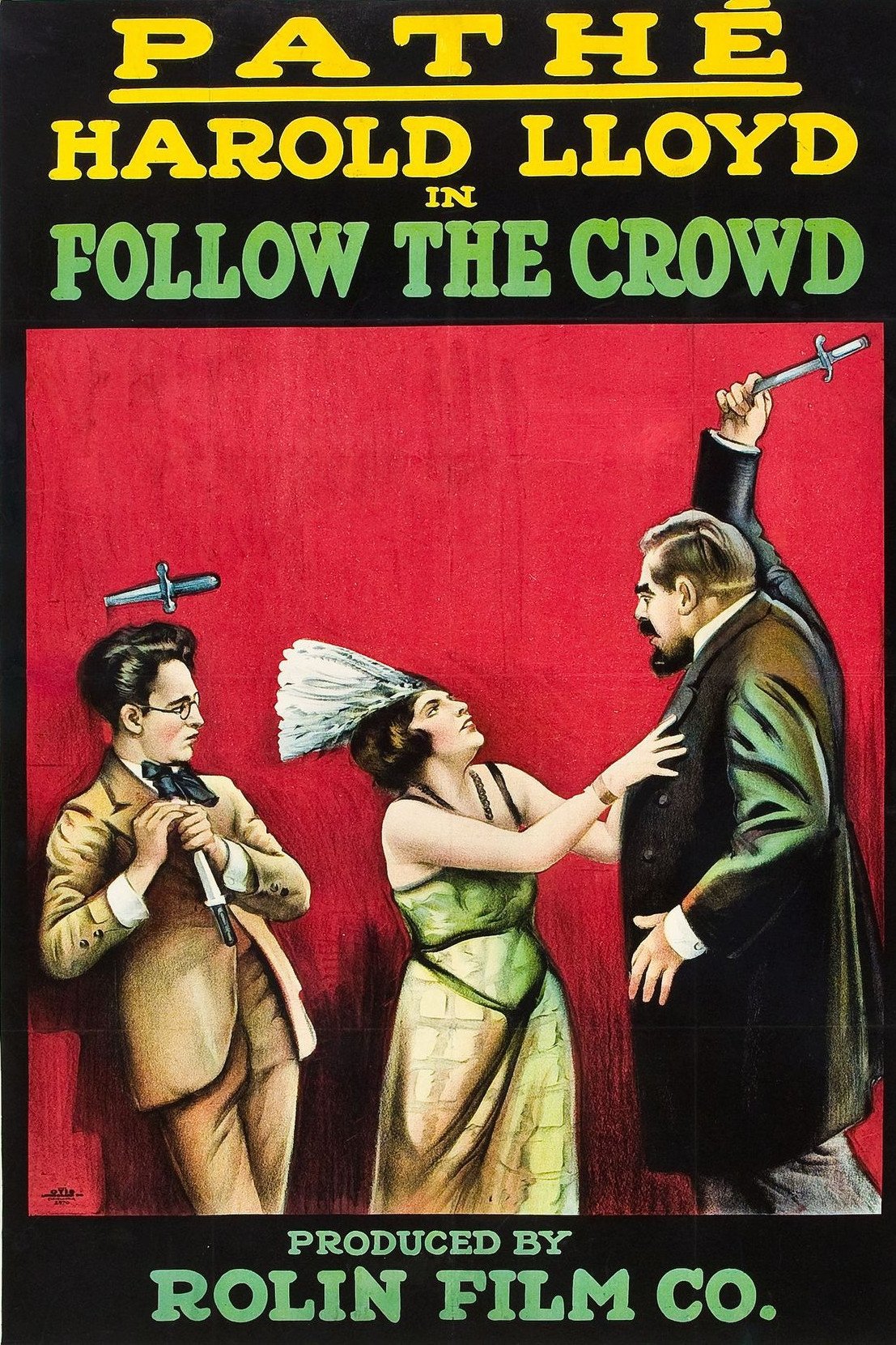
A clueless man finds a bomb on the street and keeps throwing it to the crowd around him. The sketch then moves with the clueless nerd getting involved in all sorts of troubles until he accidentally gets into a hideout from a terrorist group that will complicate things for him more than he ever hoped.
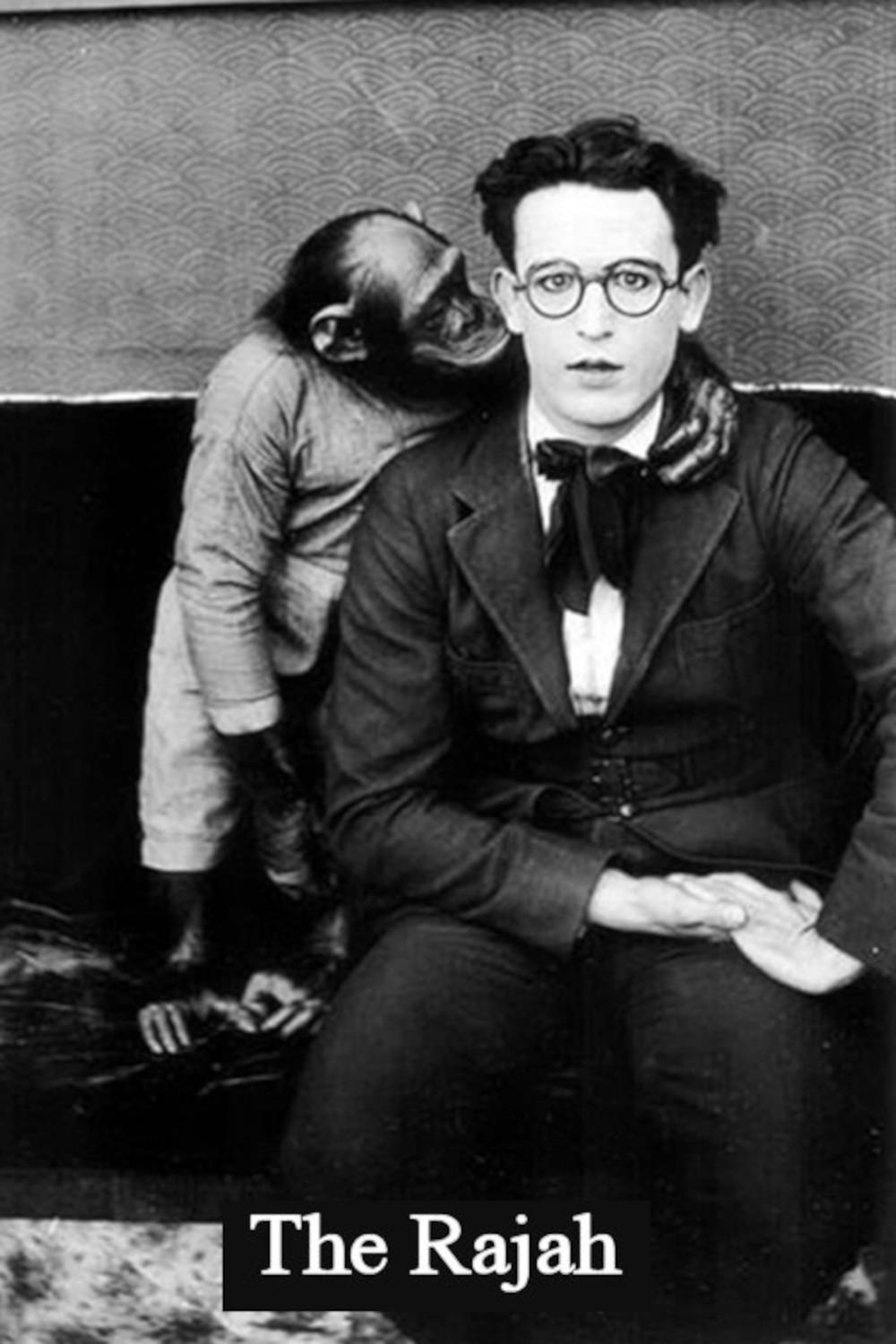
A Harold Lloyd short featuring a young Snooky the chimp
A film crew is shooting a movie about guns and robbers, when real robbers turn up. Having to go home in robbers costume, they are mistakingly accused of a robbery. One of the earliest films portraying bisexual characters.
Fairground boxing booth where visitors try to knock out the champion and win five pounds, the first contestants is knocked out but the very eager (and possibly drunk) third man knocks out the champion and overcome with "boxing fever" rushes out punching at everybody and everything he meets. (britishpathe.com)
Each time Mrs Babylas sees an animal, she just can't help herself bring it back home.
A banana grieves with the death of its friend.
The opening shows a colored nursemaid in the park with baby carriage, and seated on a bench receives the attention of several smart colored men who admire her greatly and endeavor to make her acquaintance. But the dusky belle is coy and declines to make the acquaintance of any of them, until one more fortunate than the rest is invited to a seat on the bench with her, and a most pronounced flirtation takes place between the lady and her beau. (Selig catalog)
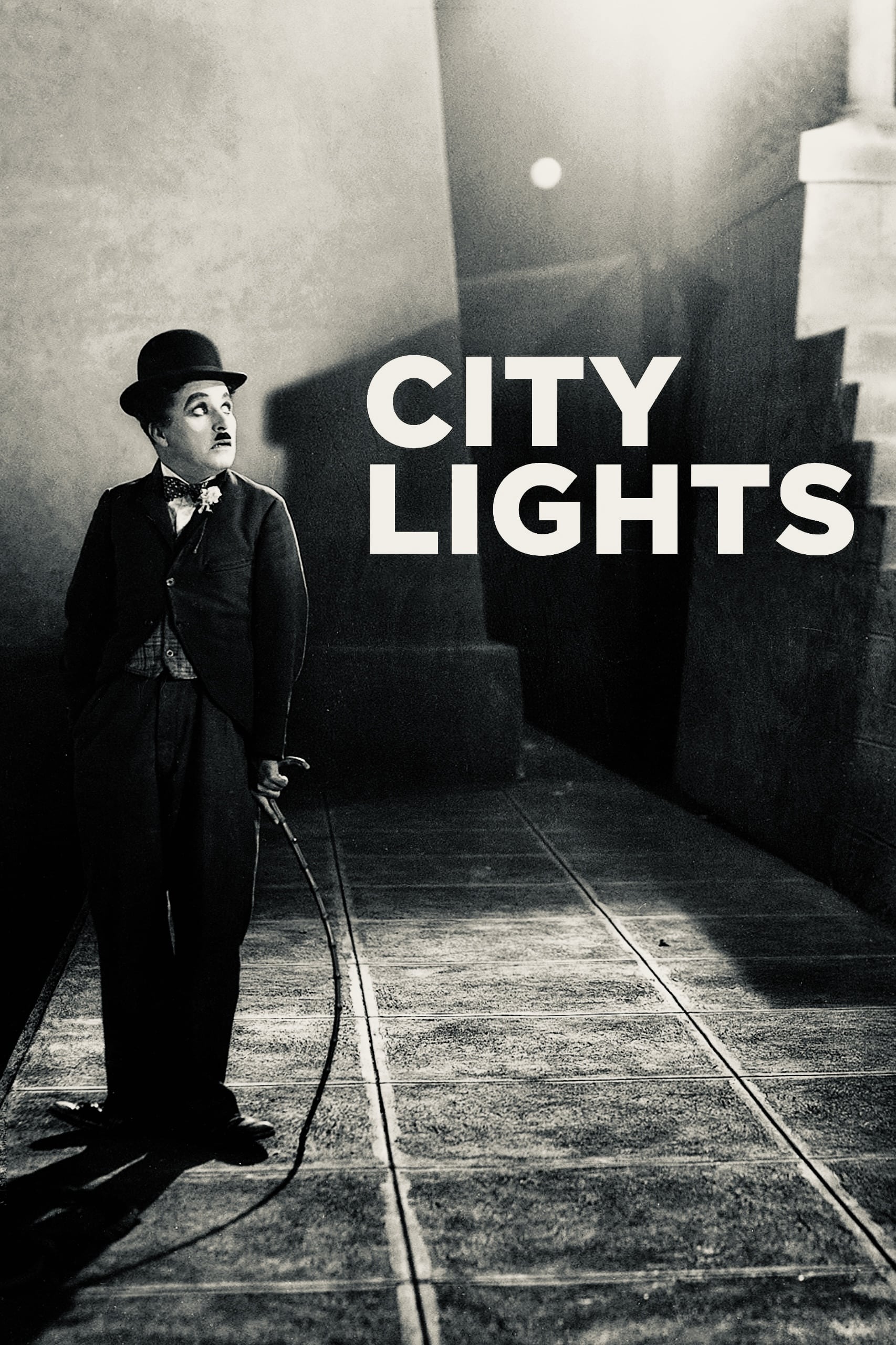
A tramp falls in love with a beautiful blind flower girl. His on-and-off friendship with a wealthy man allows him to be the girl's benefactor and suitor.
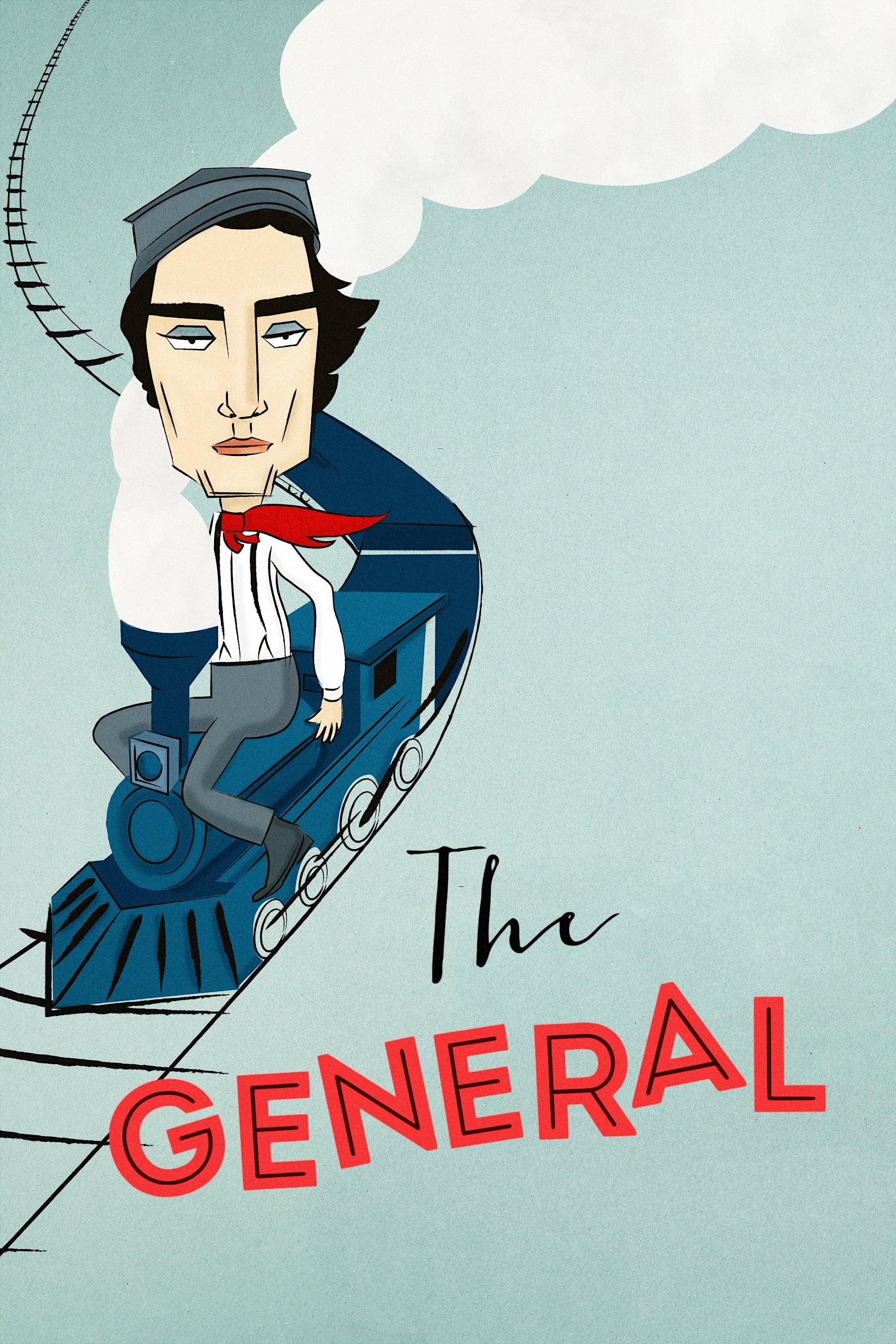
During America’s Civil War, Union spies steal engineer Johnny Gray's beloved locomotive, 'The General'—with Johnnie's lady love aboard an attached boxcar—and he single-handedly must do all in his power to both get The General back and to rescue Annabelle.
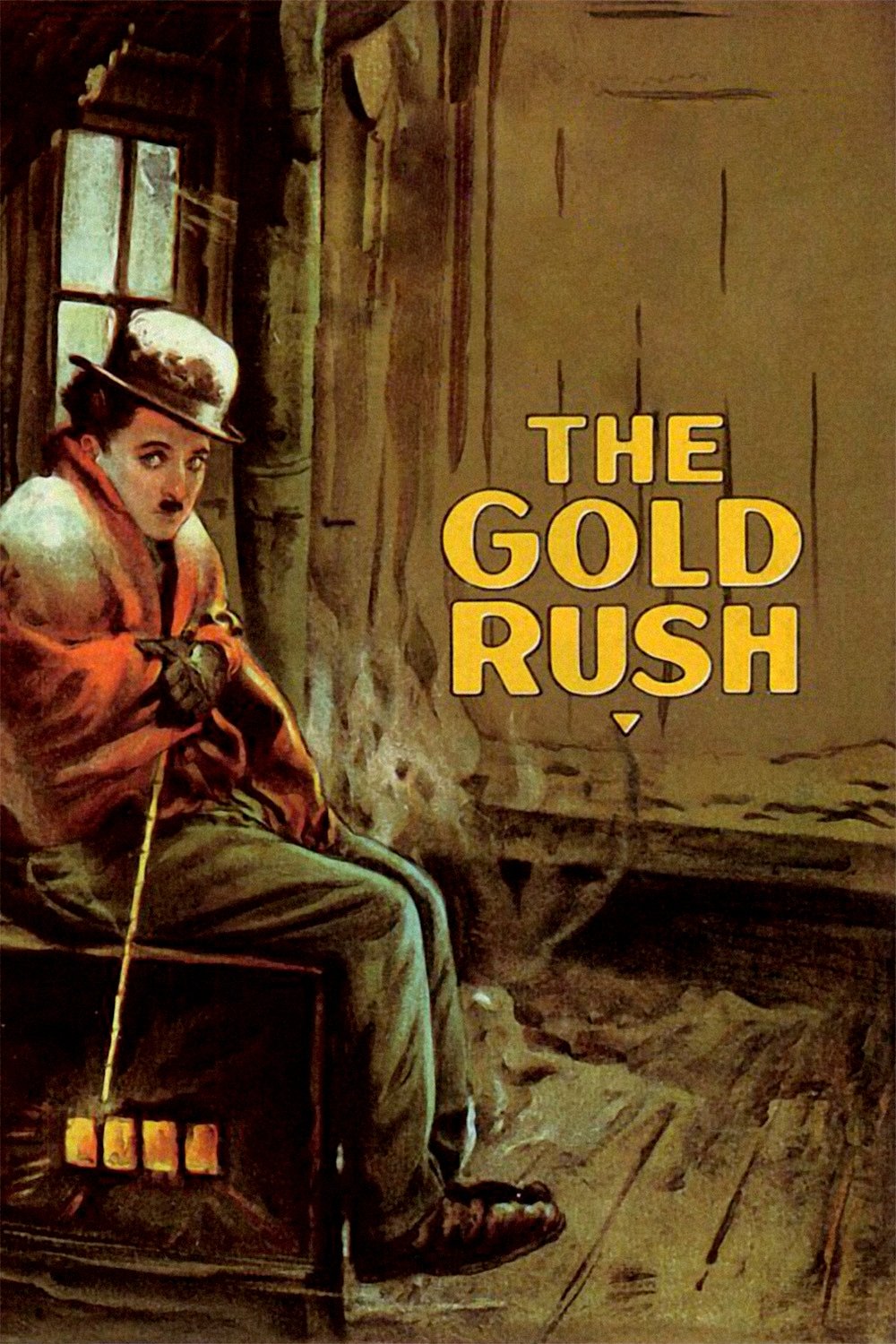
A gold prospector in Alaska struggles to survive the elements and win the heart of a dance hall girl.
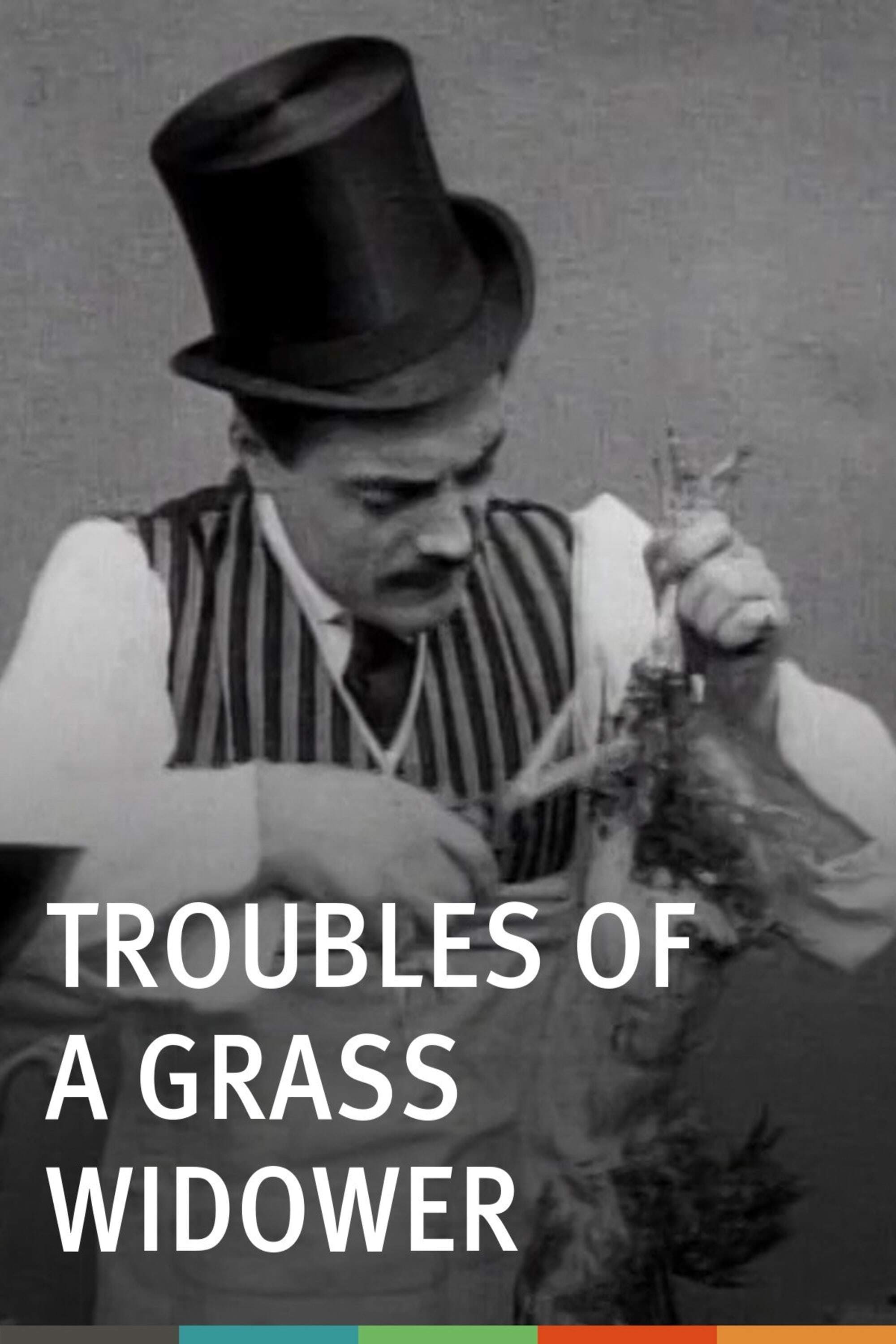
A housewife tires of her husband's annoying behavior and returns to her mother. At first, the husband is quite pleased to have the house all to himself. But he quickly discovers that even the most basic domestic chores can be fraught with difficulty.
Two old tars, retired from service, live alone in a cottage by the sea. They sail along on an even keel, until a buxom and comely widow projects herself on the scene when one old tar breaks one of their unwritten laws and falls in love with her. The other old fellow objects strenuously.
This Surrealist film, with a title referencing the Communist Manifesto, strings together short incidents based on the life of director Luis Buñuel. Presented as chance encounters, these loosely related, intersecting situations, all without a consistent protagonist, reach from the 19th century to the 1970s. Touching briefly on subjects such as execution, pedophilia, incest, and sex, the film features an array of characters, including a sick father and incompetent police officers.
François Marsault, a war veteran, makes the most of his retirement alongside his wife Annie. Authoritarian and ruthless, François rules his family with an iron fist — but when he discovers that his esteemed wife cheated on him 40 years ago, he files for divorce and confronts her former lover, who lives in the French Riviera.
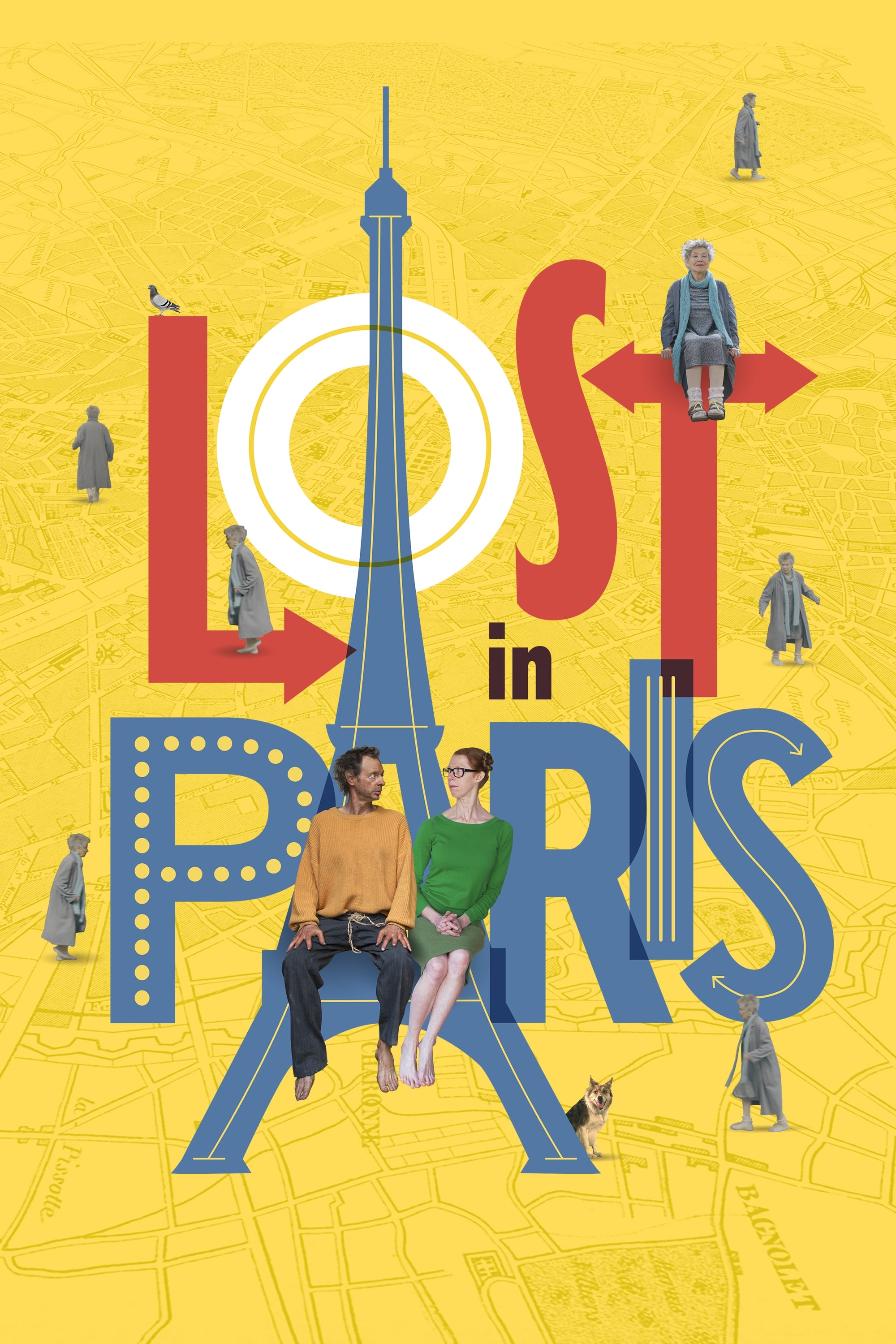
Fiona visits Paris for the first time to assist her myopic Aunt Martha. Catastrophes ensue, mainly involving Dom, a homeless man who has yet to have an emotion or thought he was afraid of expressing.
At 55, Anne is finally enjoying her freedom after her children leave home. But everything changes when her 23-year-old daughter, Louise, moves back in with her after a professional and romantic failure. And to make matters worse, her son, Théo, announces that she's going to be a grandmother! Anne realizes that life never goes as planned and that, at any age, we are still learning to grow up.
Three Chaplin silent comedies "A Dog's Life", "Shoulder Arms", and "The Pilgrim" are strung together to form a single feature length film. Chaplin provides new music, narration, and a small amount of new connecting material. "Shoulder Arms" is now described as taking place in a time before "the atom bomb".
Mabel goes home after being humiliated by a masher whom her husband won't fight. The husband goes off to a bar and gets drunk.
38-year-old Alice has everything to become the next editor-in-chief of Rebelle magazine except for her uptight image. But when the young and charming Balthazar, barely 20, crosses Alice's path, she realizes that he holds the key to her promotion.
Aspiring filmmakers Mel Funn, Marty Eggs and Dom Bell go to a financially troubled studio with an idea for a silent movie. In an effort to make the movie more marketable, they attempt to recruit a number of big name stars to appear, while the studio's creditors attempt to thwart them.
A young man paying the rent for himself and his lifelong friends ends up flat-broke and resorts to selling marijuana to pay the bills – only to get caught up in the dangerous world of drugs.
A failed 40 year old comedian wants to organize the first Black protests in France but meeting with other French celebrities of the Black community will make it a whole new adventure.
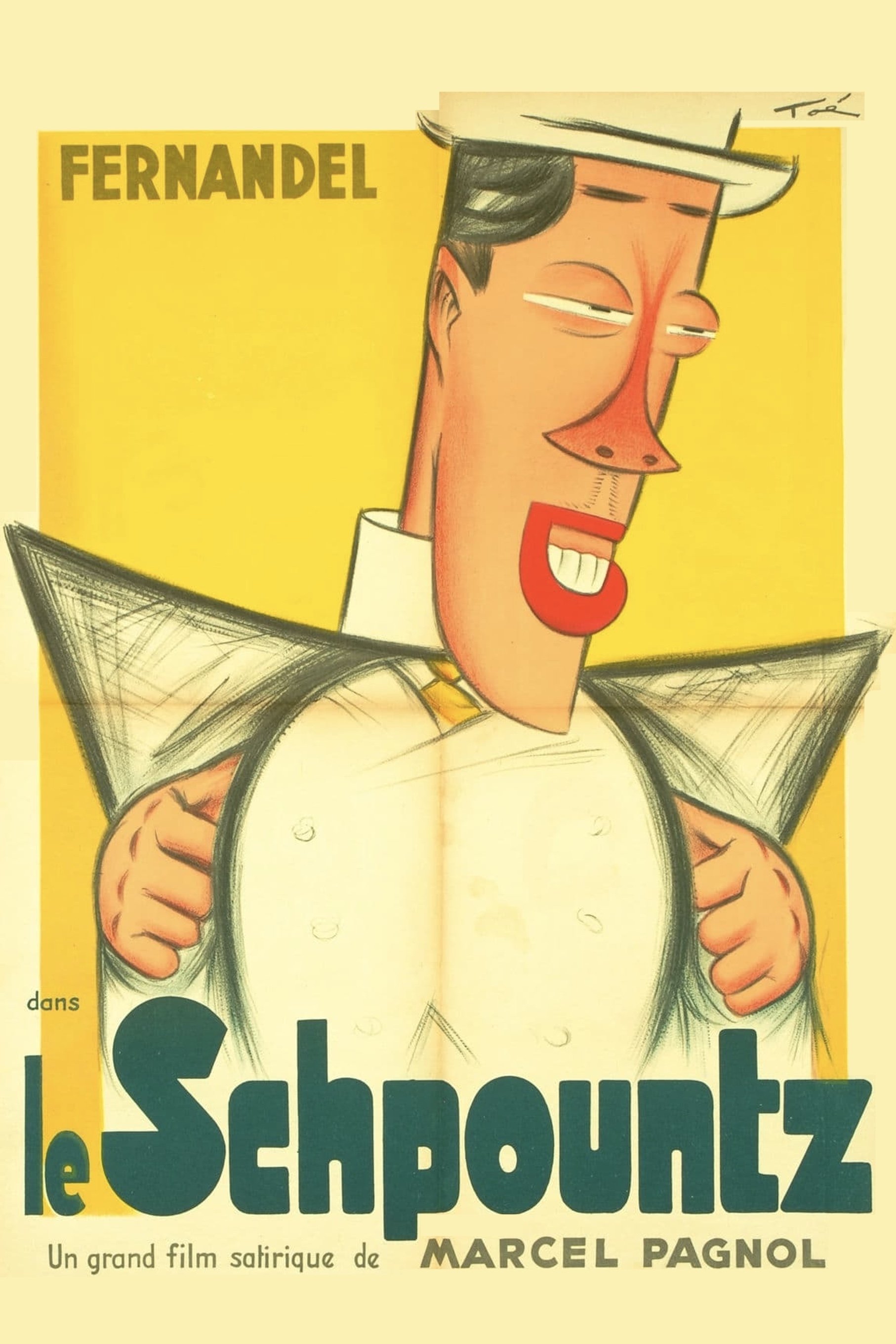
A pompous grocer’s assistant in Marseille annoys a visiting film crew so much that they prank him with a phony acting contract; believing it to be real, the “schpountz” heads to Paris for his new career.
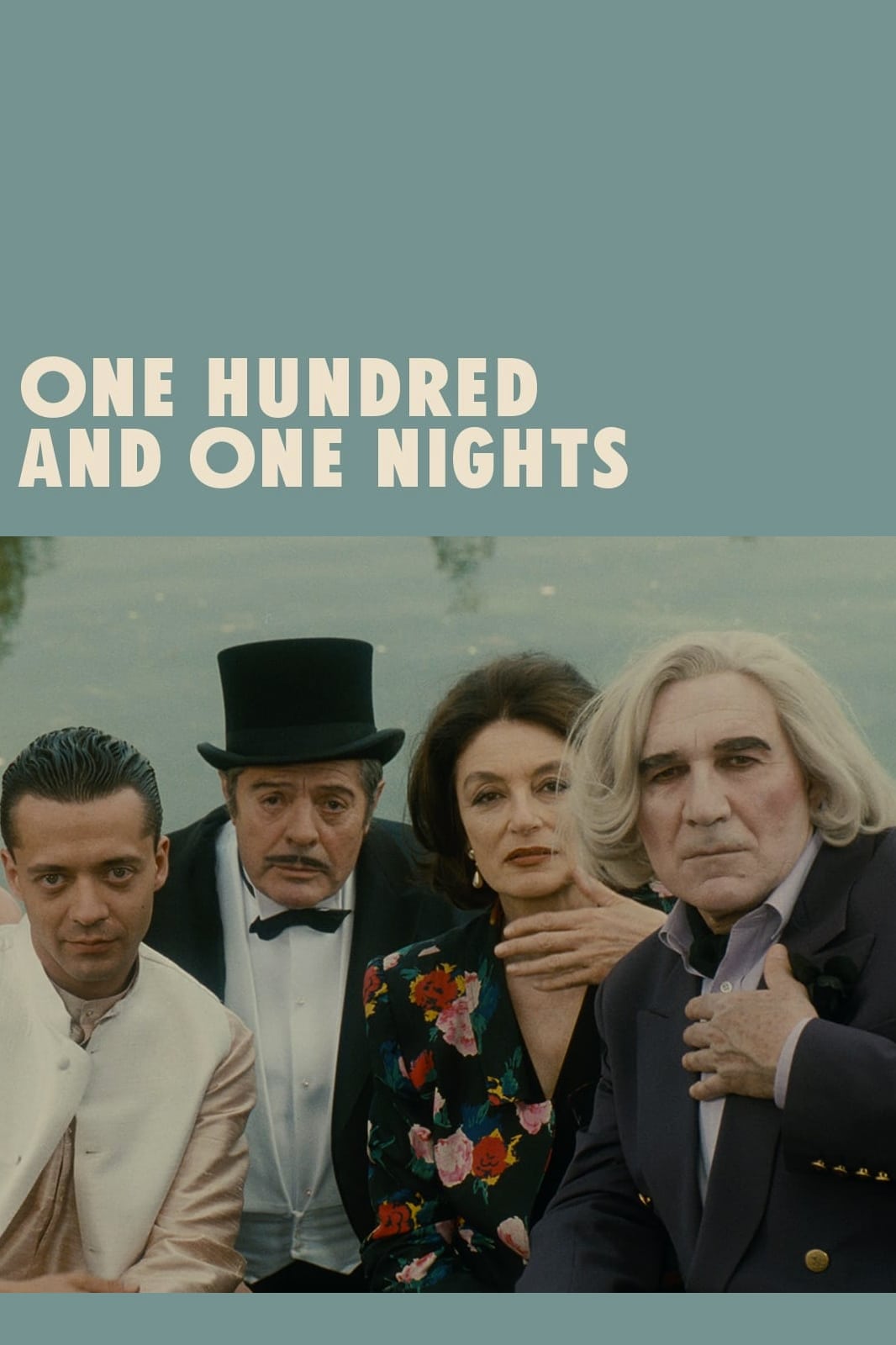
Monsieur Cinema, a hundred years old, lives alone in a large villa. His memories fade away, so he engages a young woman to tell him stories about all the movies ever made.
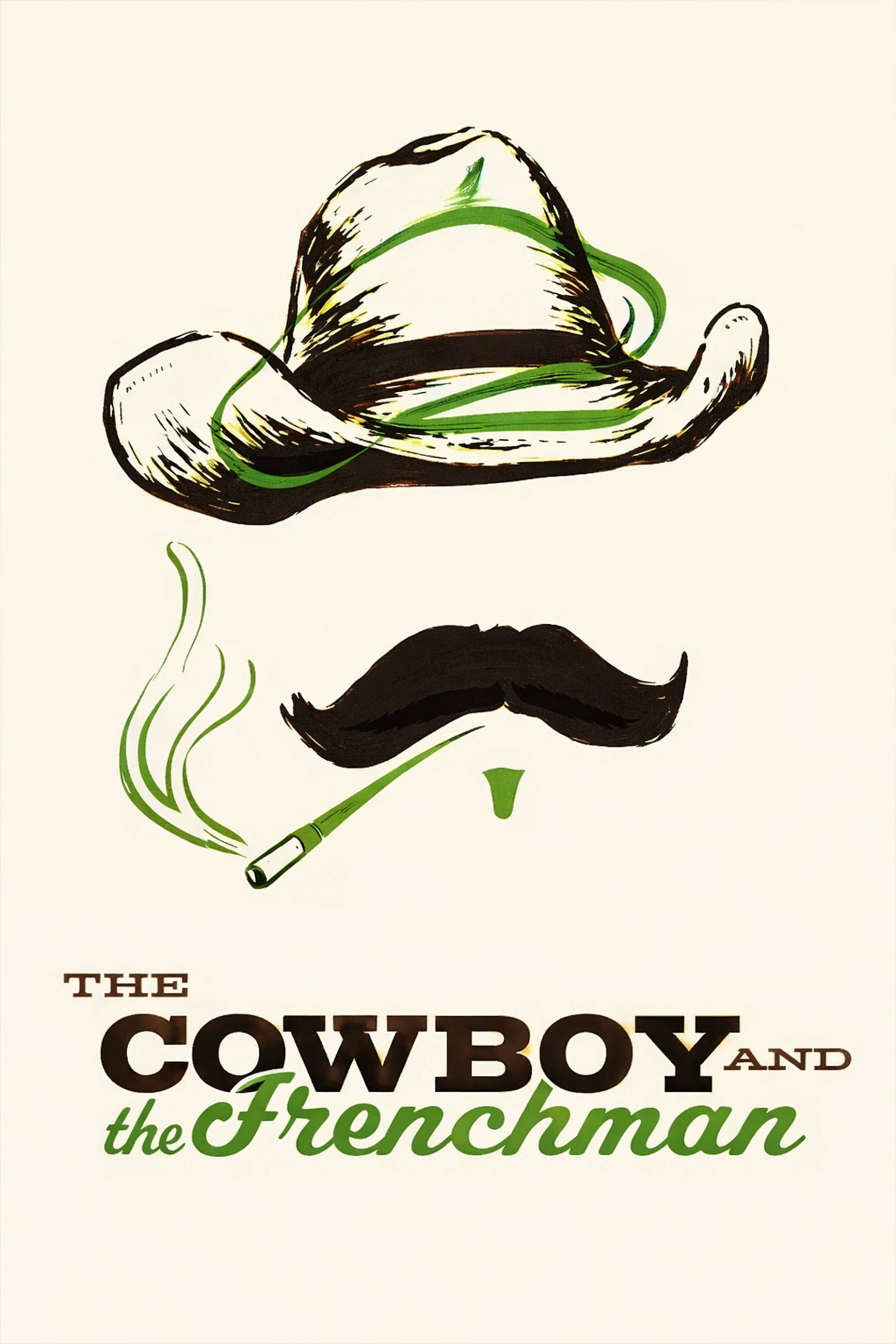
A grizzled, hard-of-hearing cowboy, Slim, and his two friends, Dusty and Pete, capture a mysterious, well-dressed Frenchman.
The story of a big party during which Jacques Tati brings together audience members, performers, clowns, children, and himself.
Valentin D is a hot designer architect who claims to be an orphan because he is too ashamed to admit he is the son of working-class scrap metal merchants from the north of France.
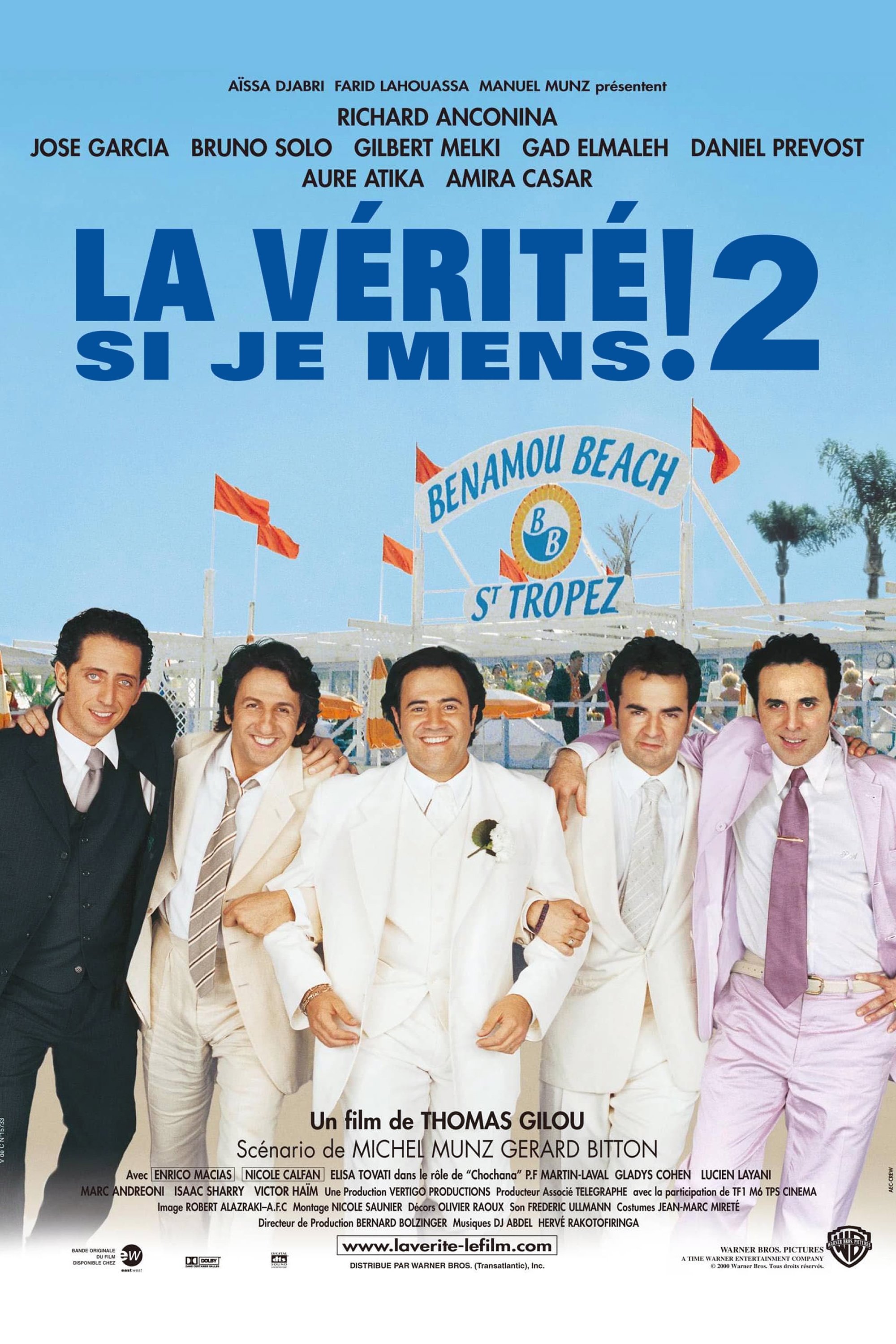
Eddie, Dov, and Yvan are back, still working in Paris' Sentier textile district, This time they're confronting the high-stakes world of large distribution after striking a deal with Eurodiscount, a European hypermarket chain.
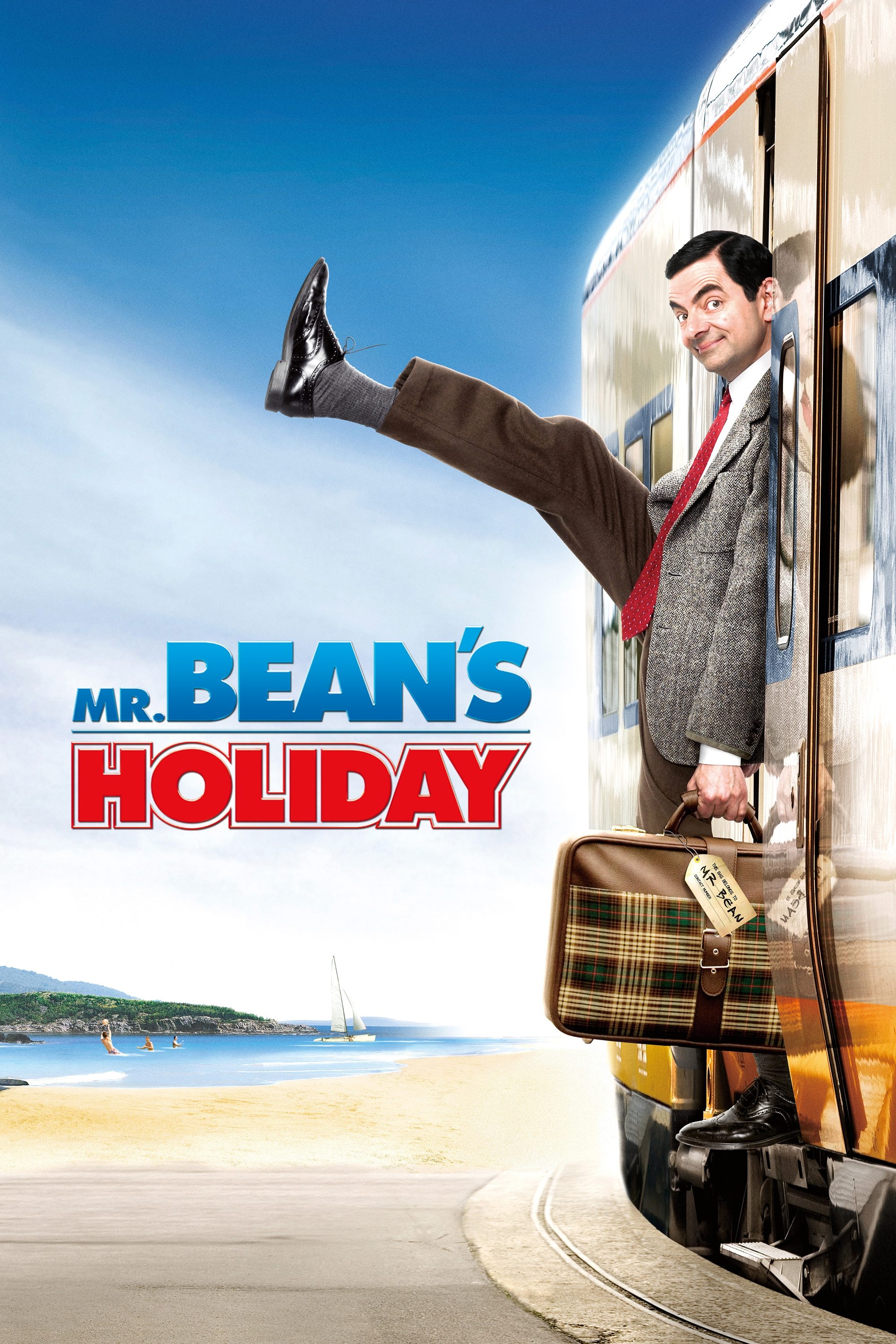
Mr. Bean wins a trip to Cannes where he unwittingly separates a young boy from his father and must help the two reunite. On the way he discovers France, bicycling and true love, among other things.
Ricky Gervais tackles life, death and the state of the world in a brutally honest special that spares no topic, even his own mortality.
Newly married, Mathilde and Robert are honeymooning at a resort owned by their friends Edith and Arthur, the Chateau d'Hercule. But an unpleasant shock is in store for them.
After literally swimming across the Atlantic Ocean, an Englishman takes a country trip across Canada on a railcar.