Social & External
Ice skating is the theme; at the Tropical Ice Garden, in Westwood Hills, are seen a flock of skating stars including Irene Dare and Phyllis Ann Thomoson, as well as Hollywood luminaries such as Franklyn Pangborn, Norma Shearer, Rita Hayworth, Mickey Rooney, Dick Purcell and Ann Sheridan.
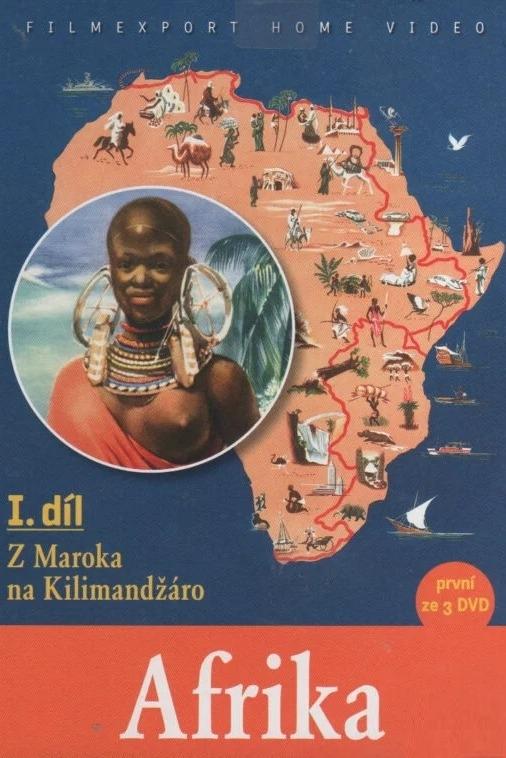
The feature-length film by engineers J. Hanzelka and M. Zikmund captures how the two travelers prepared for their first trip around the world and in documentary footage describes their experiences from the first half of the trip through Africa. You will see for yourself what obstacles they had to overcome on the ravaged roads of Abyssinia and in what danger the fate of the expedition was during the daring passage through the Nubian desert. The film culminates with an ascent to the highest mountain in Africa, the extinct volcano Kilimanjaro, whose peak is covered in ice all year round.
A featureless land fit only for war, as the narrator, J. L. Hodson stated in the early scenes: "If war was to be fought then let it begin here". In endless miles of rock-strewn scrub desert, where civilians hardly existed. Desert Victory tells the story of the Allied campaign to drive Germany and Italy from North Africa is analysed, with the major portion of the film examining the battles at El Alamein, including some re-enactment. Won "Best Documentary Feature" at the 16th Academy Awards in 1944.
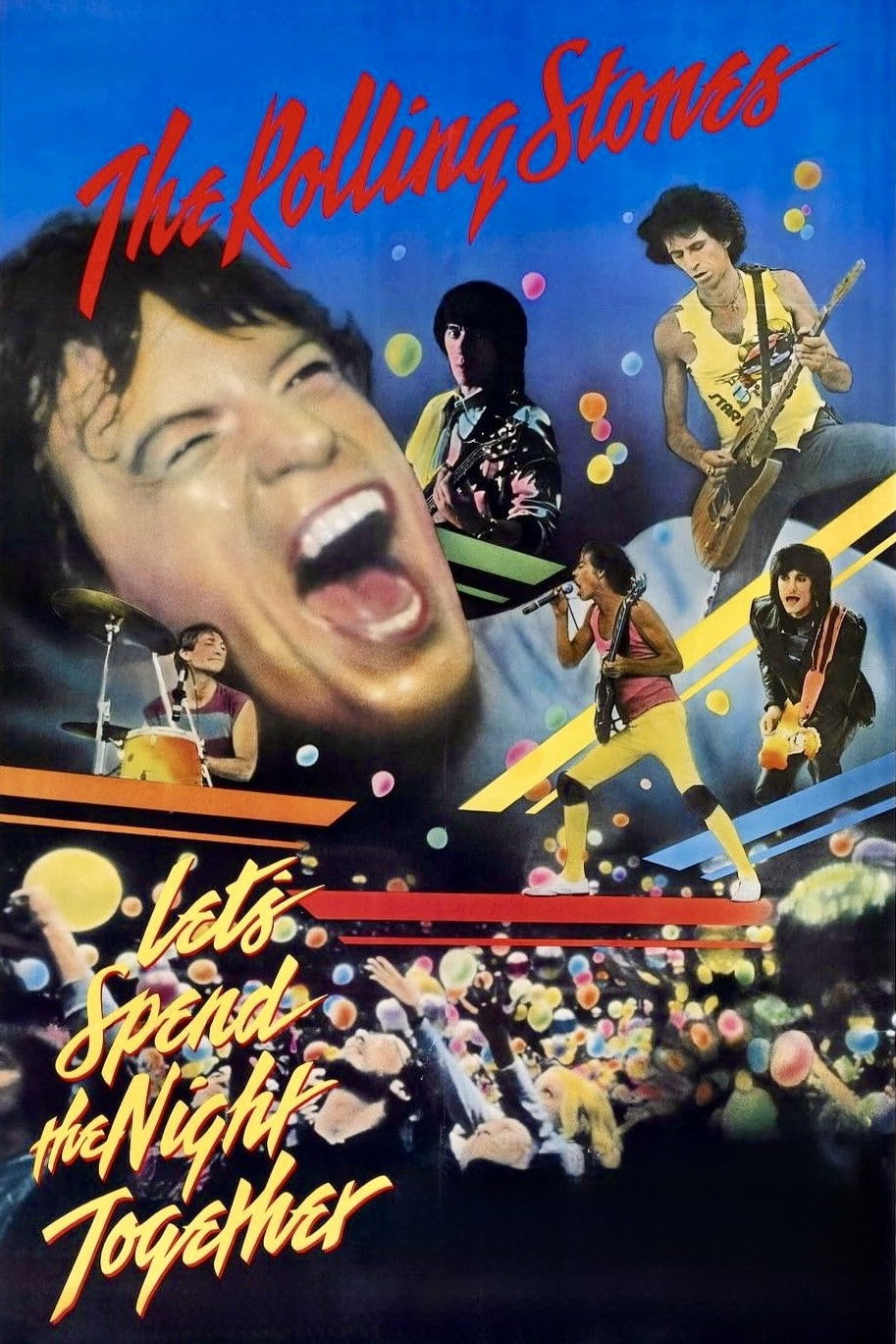
The Rolling Stones' record-breaking 1981 North American arena tour documented by director Hal Ashby. Featuring the biggest Rolling Stones songs from the first 20 years - in the words of Mick Jagger, "a feel of what it's like to be there", as 20 cameras take you onstage with the band in this groundbreaking, dynamic tour.
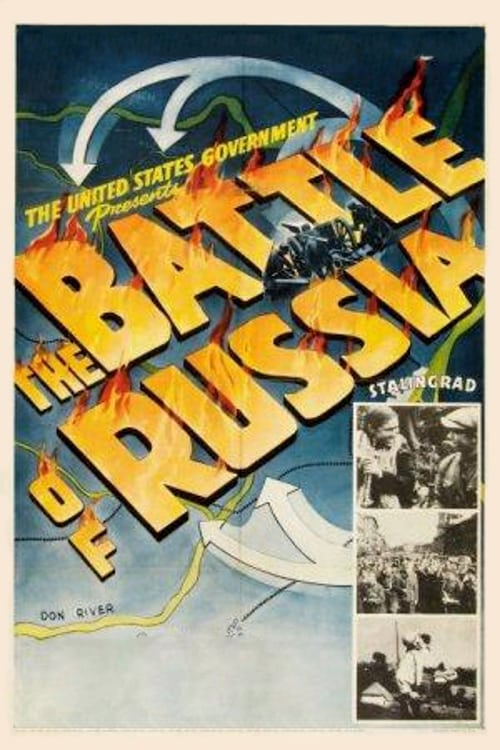
The fifth film of Frank Capra's Why We Fight propaganda film series, revealing the nature and process of the fight between the Soviet Union and Germany in the Second World War.
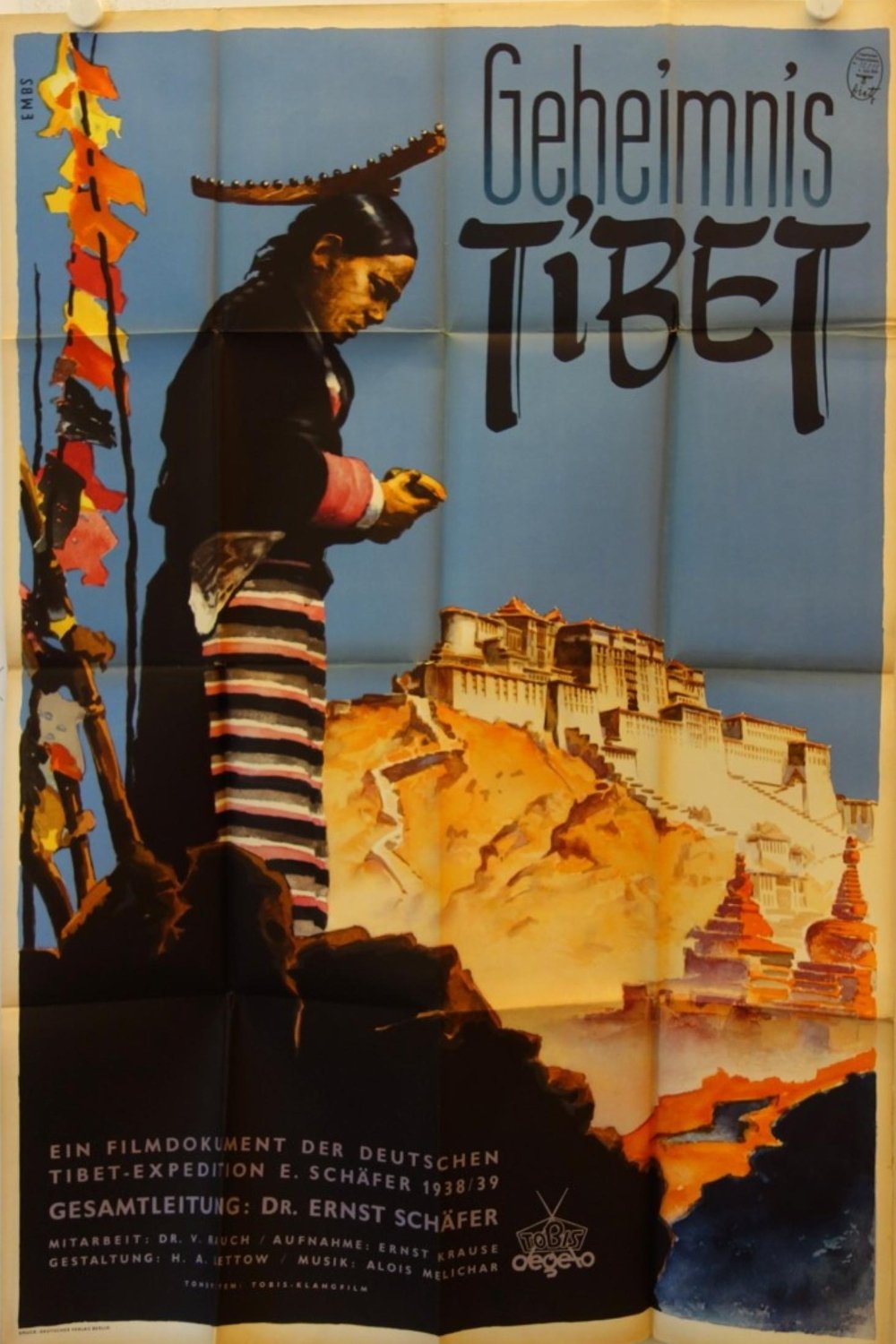
In 1938 Nazi leader Heinrich Himmler sponsored an expedition to Tibet lead by several Nazi SS scientists to study the regions flora and fauna, and to take scientific measurements of the Earths magnetic fields. The expedition was also sent to find traces of the orgins of the "Aryan" race in Tibet which was where Himmler thought evidence of could be found. This film is a Nazi era documentary of that expedition.
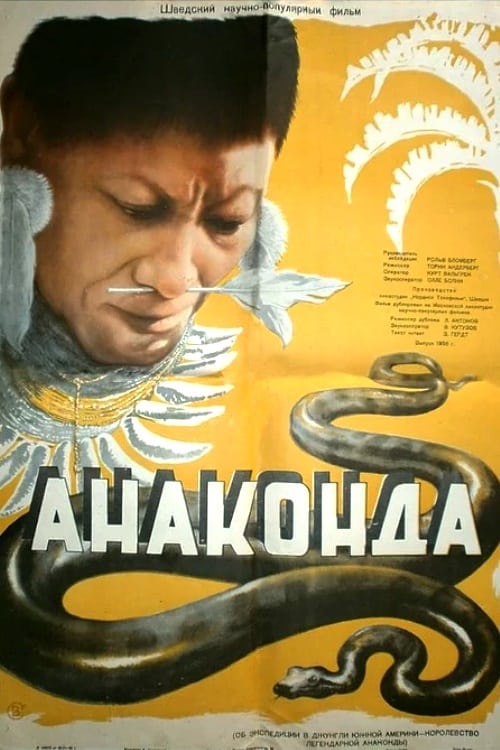
Documentary by Torgny Anderberg
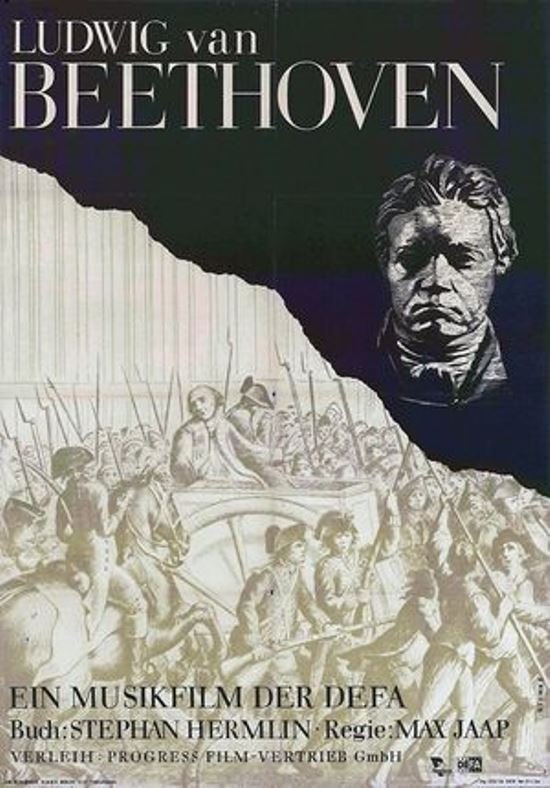
Documentary on the master composer, from a GDR point of view.
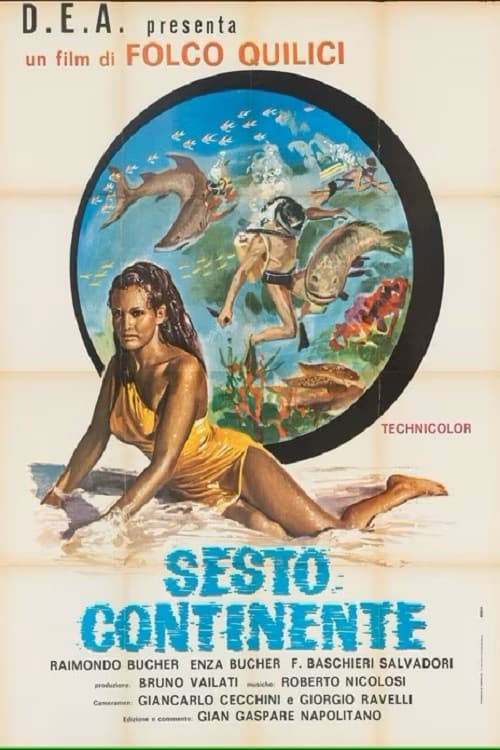
This 95-minute, full-color documentary was released in the U.S. as Sixth Continent. That continent is Africa -- or, more specifically, the coast of Ethiopia. Director Folco Quillici takes his cameras deep, deep into the waters near the coastal islands of Dalach, observing the passing parade of sea life on an up-close-and-personal basis. Particularly thrilling is a shark attack and its aftermath, with the cinematographers obviously in the thick of things. Gian Caspare Napolitano provides the narration, while the lush, evocative musical score is the handiwork of Roberto Nicolosi.
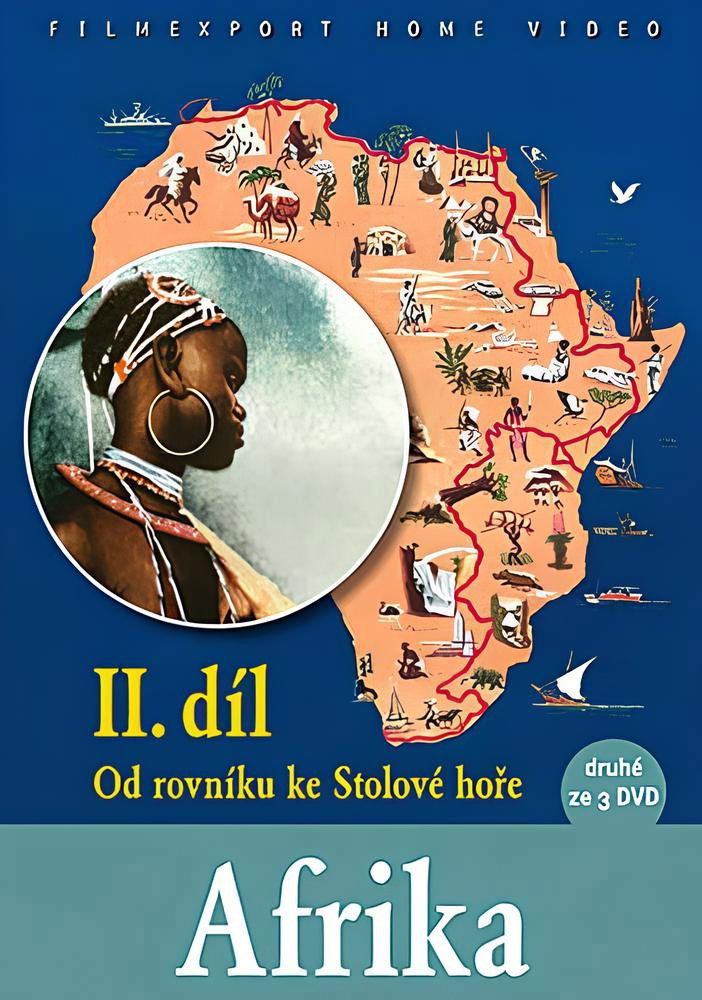
The second part of the film begins with a journey in the equatorial region, where the travelers managed to capture the most typical images of the original Africa. The journey continues to the forests of the Belgian Congo, where they filmed the smallest people in the world, black dwarfs. From Central Africa, they head south through Victoria Falls and the mysterious ruins of a medieval settlement in Zimbabwe. In Johannesburg, they witness a celebration of black gold diggers. Their journey ends at the southernmost tip of Africa under Table Mountain in Cape Town. The end of the film depicts the birth of a volcano shot from close range.
Travelers Hansel and Zikmund sail from Africa to South America. On their journey to film, they capture clouds of locusts on the plains of Argentina's Chaco, a snake farm in Butantane, skyscrapers in Buenos Aires and Rio de Janeiro, a visit to lepers in Paraguay, waterfalls in Iguazu, a daring expedition to the jungles of the Marañon river basin to hunt skull hunters. an Indian settlement in Panama and the journey ends prematurely in Mexico amidst the ruins of ancient Indian temples and pyramid.
A story about a family after the Second World War. The petty bourgeois cashier Karl Weber of Berlin observes from a distance how his son Ernst participates in the building of a new socialist society. Karl does not understand Ernst's visions, instead he confides in his other son Harry. However, Harry becomes involved in illicit business and Karl quickly realizes that it would be best to join his son Ernst in the citizen-owned factory.
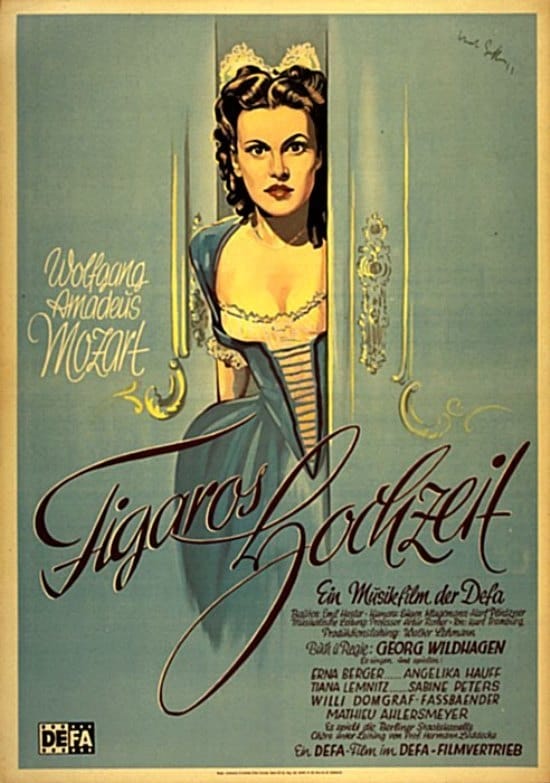
Shortly after WWII, the DEFA Studios produced a series of operas and operettas which belonged to the classical German musical heritage. This enchanting film, the very first opera production of DEFA, stands out because of its lavish decor and costumes, its outstanding actors and their masterful voices of that time.
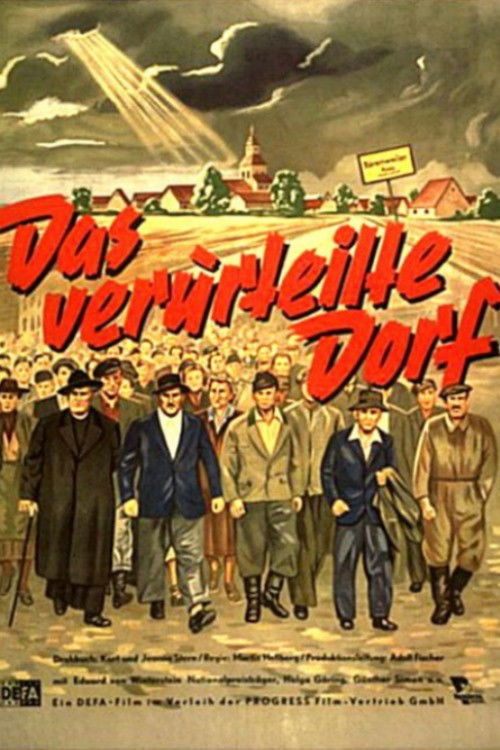
East German propaganda film about an American army base trying to take away land from a West German village.
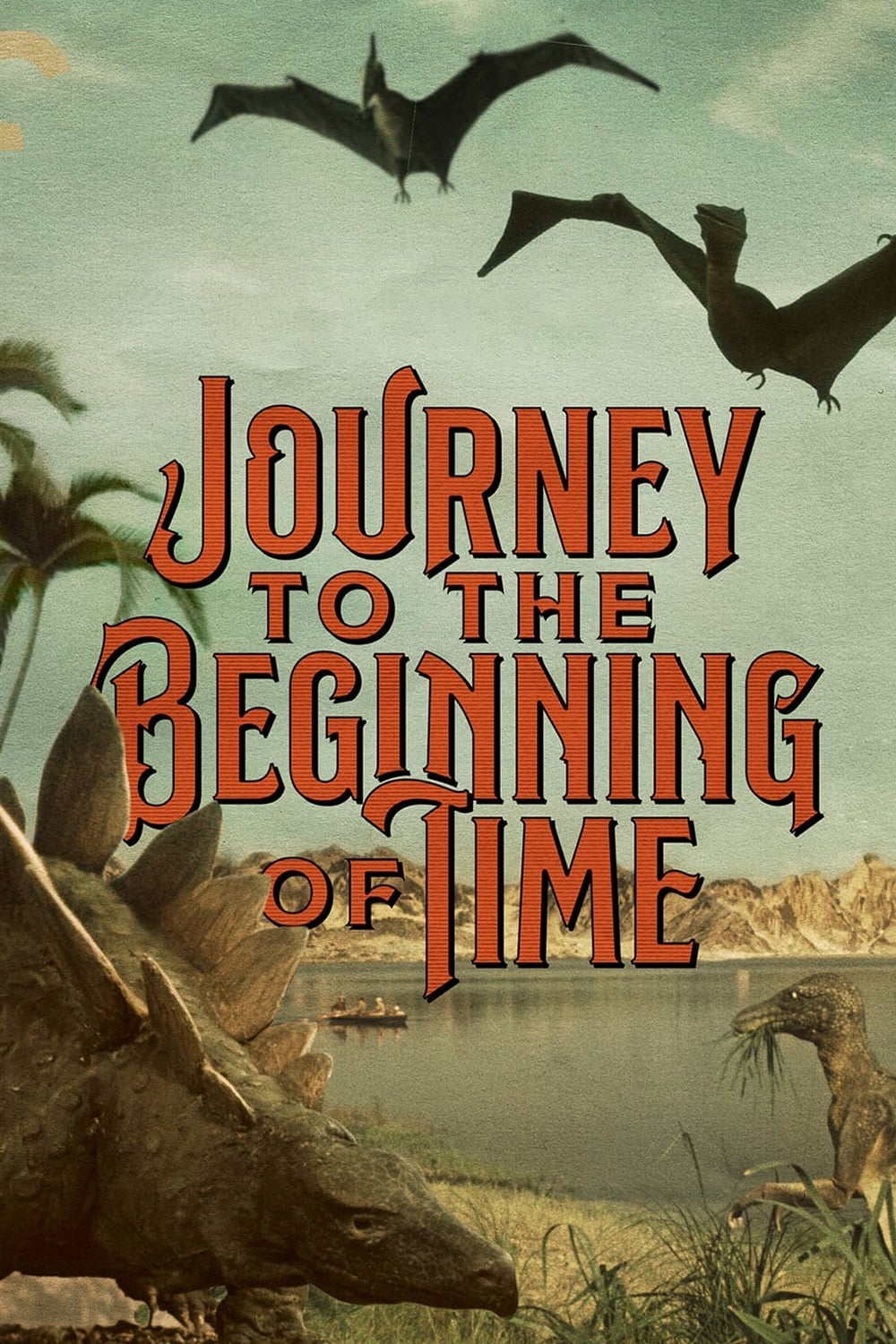
Four schoolboys go on an awe-inspiring expedition back through time, where they behold landscapes and creatures that have long since vanished from the earth.
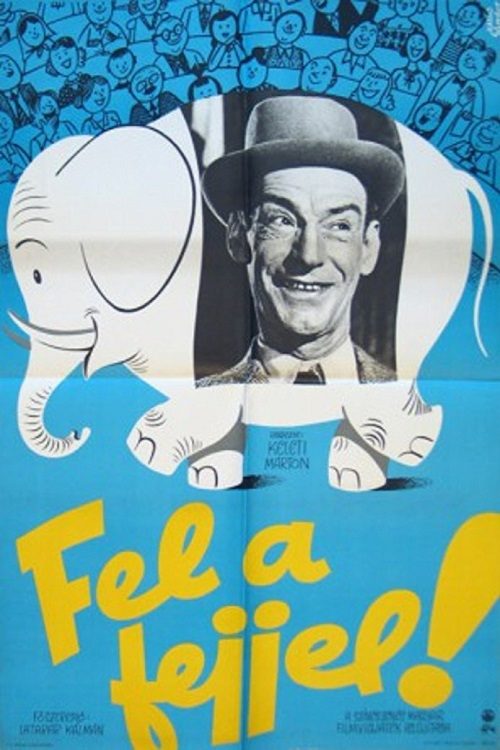
On the Spring of 1945 the Jackson circus is heading towards the border with the clown Peti and Aida, the elephant. They have to play for the Hungarian Fascists, while Peti is hiding the Jew Annuska and Sanyika.
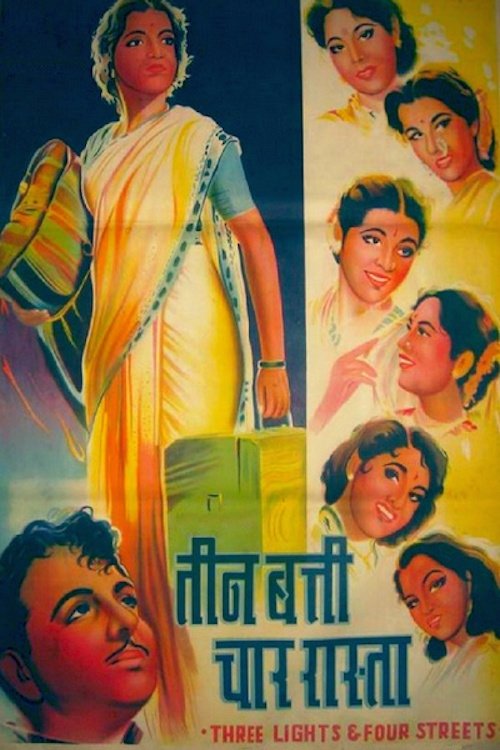
Ramesh, the youngest son of a well-to-do family, falls in love with a woman he hears singing on the radio -- even though he's never seen her. When he finds out his mystery woman is Ksama, a servant in his parents' house, everything is thrown into turmoil. Will Ramesh accept Ksama? Will they get married? Love may just conquer all in this classic Bollywood melodrama.
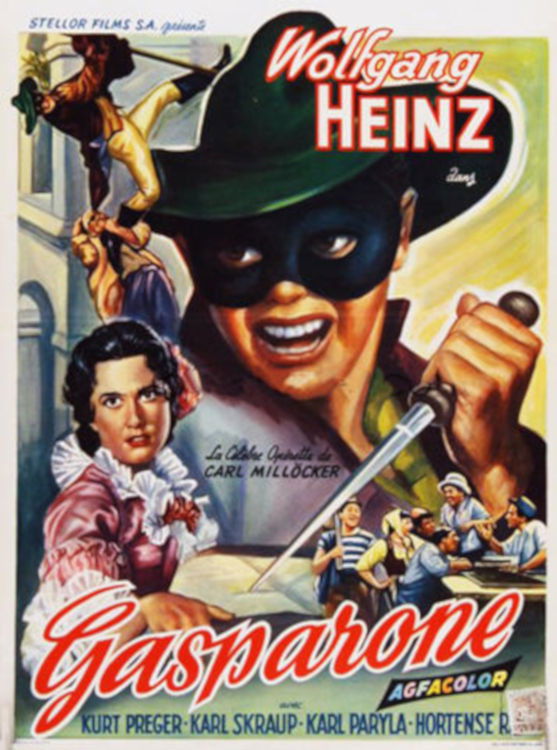
Based on the operetta of the same name by Carl Milöcker. The residents of an Austrian town decide to teach their eccentric mayor a lesson. A young fisherman dresses up as the famous bandit Gaspare and goes to see the mayor. The mayor, terrified, flees from "Gaspare" and commits a series of ridiculous acts, becoming the laughing stock of the whole town.
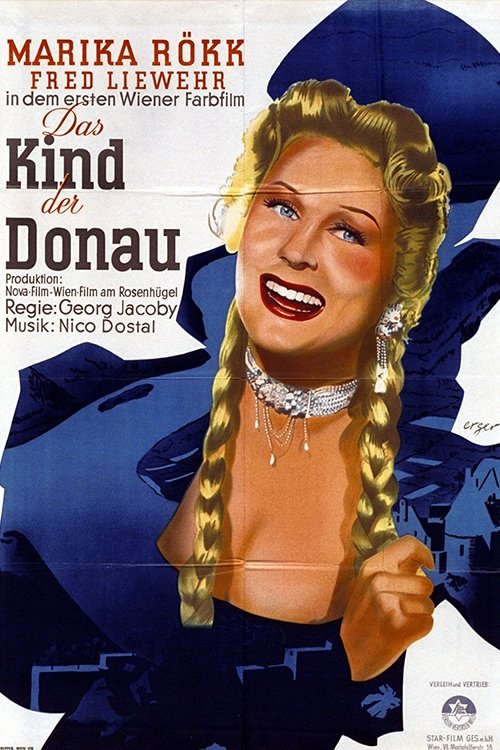
Marika is a cheerful girl who lives on the Danube aboard an old barge she inherited from her father. She works as a waitress in her aunt's inn, entertaining the guests with singing and dancing. Her greatest dream is to save enough money to repair the old barge and sail down the Danube. One day, she meets three young artists, Georg, Oskar, and Christoph, who all fall in love with her. Together, they put on an open-air revue and raise the necessary money. And with Georg, Marika is lucky in love.
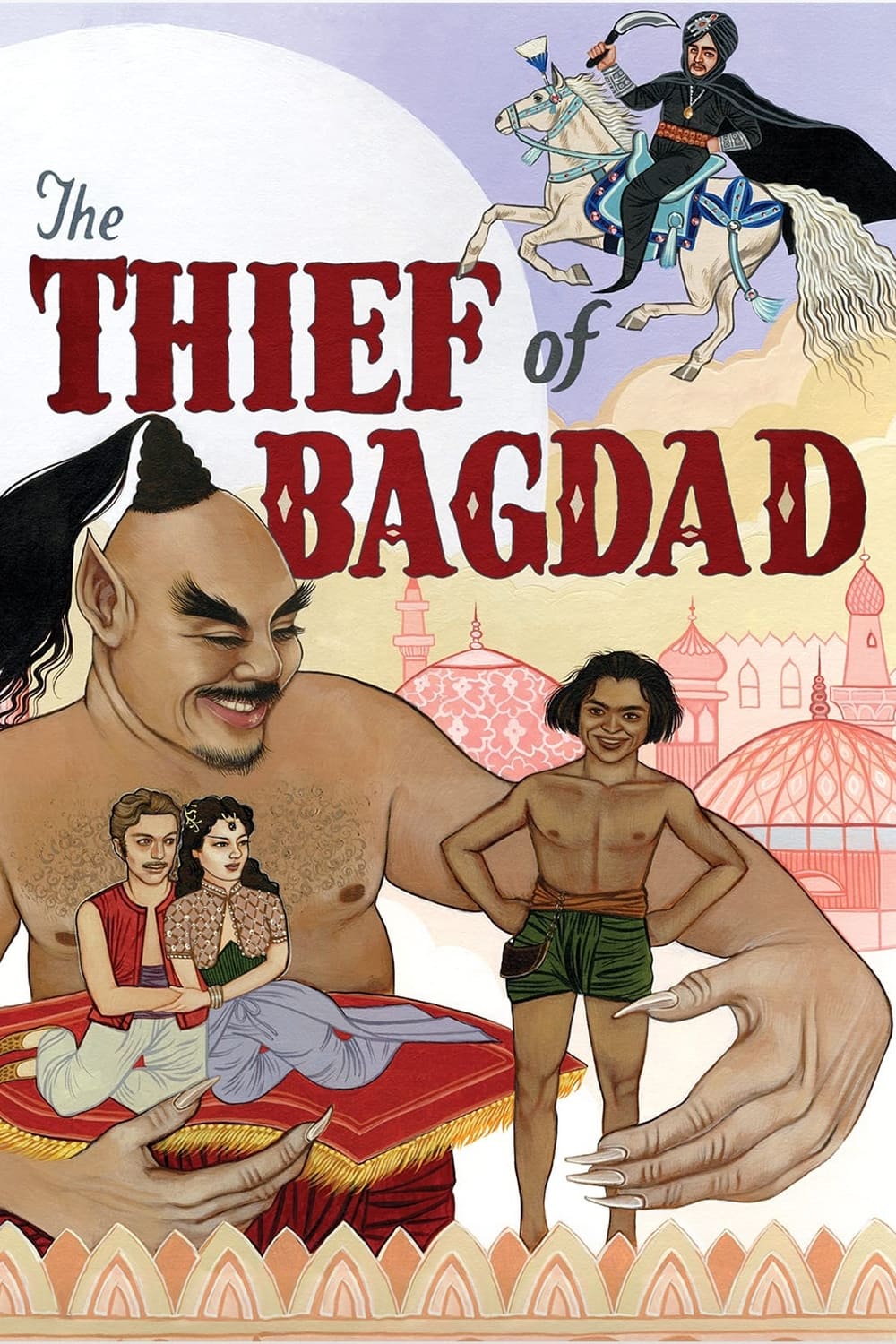
When Prince Ahmad is blinded and cast out of Bagdad by the nefarious Jaffar, he joins forces with the scrappy thief Abu to win back his royal place, as well as the heart of a beautiful princess.
An inside look at one of the most anticipated movie sequels ever with James Cameron and cast.
JB Smoove and Martin Starr host a celebration of 20 years of "Spider-Man" movies, from the Sam Raimi trilogy to Marc Webb's movies and the trio from Jon Watts.
Those who knew iconic funnyman John Candy best share his story, in their own words, through never-before-seen archival footage, imagery, and interviews.
Through deeply personal interviews with her siblings and an examination of the photographs, letters, and belongings left behind, Mariska assembles a new portrait of her mother Jayne Mansfield, an extraordinary and complex woman.
Grammy® winner singer-songwriter Olivia Rodrigo takes a familiar road trip from Salt Lake City, where she began writing her debut album “SOUR,” to Los Angeles. Along the way, Rodrigo recounts the memories of writing and creating her record-breaking debut album and shares her feelings as a young woman navigating a specific time in her life. Through new live arrangements of her songs, intimate interviews and never-before-seen footage from the making of the album, audiences will follow Olivia along on a cinematic journey exploring the story of “SOUR.”
This revealing documentary honors the legendary Sidney Poitier—iconic actor, filmmaker, and civil rights activist. Featuring interviews with Denzel Washington, Spike Lee, Halle Berry, and more.
After years in the limelight, Selena Gomez achieves unimaginable stardom. But just as she reaches a new peak, an unexpected turn pulls her into darkness. This uniquely raw and intimate documentary spans her six-year journey into a new light.
Offensive lines. Full-contact comedy. Kevin Hart hosts this all-star roast of NFL legend Tom Brady.
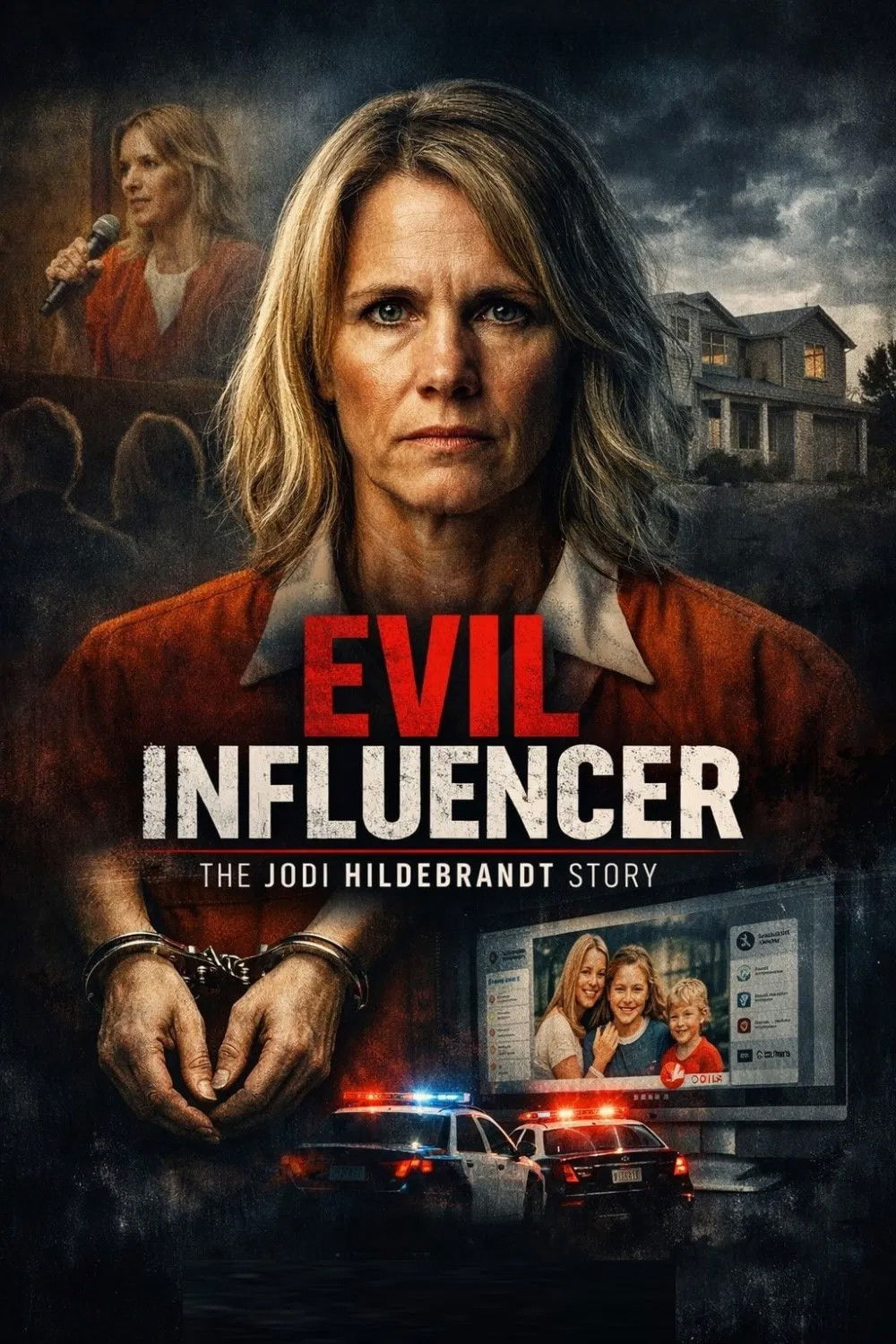
Unravel the case of Utah therapist Jodi Hildebrandt, whose child abuse arrest with parenting YouTuber Ruby Franke exposed a twisted tale of manipulation.
Explore the evolution of Buzz Lightyear from toy to human in the making of Pixar’s Lightyear. Dive into the origin and cultural impact of everyone’s favorite Space Ranger, the art of designing a new “human Buzz,” and the challenges faced by the Lightyear crew along the way.
Acclaimed for his unfiltered reporting and deadpan humor, Andrew Callaghan brings his gonzo style reporting to the undercurrents that led to the January 6 Capitol Riot. As one of the best-known and hardest working journalists of his generation, the 25-year-old ventures on a wild RV journey through America to take the pulse of a divided nation.
A night of drunken chaos rocks a quiet Dutch town in this shocking documentary about a teen's birthday invite that accidentally went viral on Facebook.
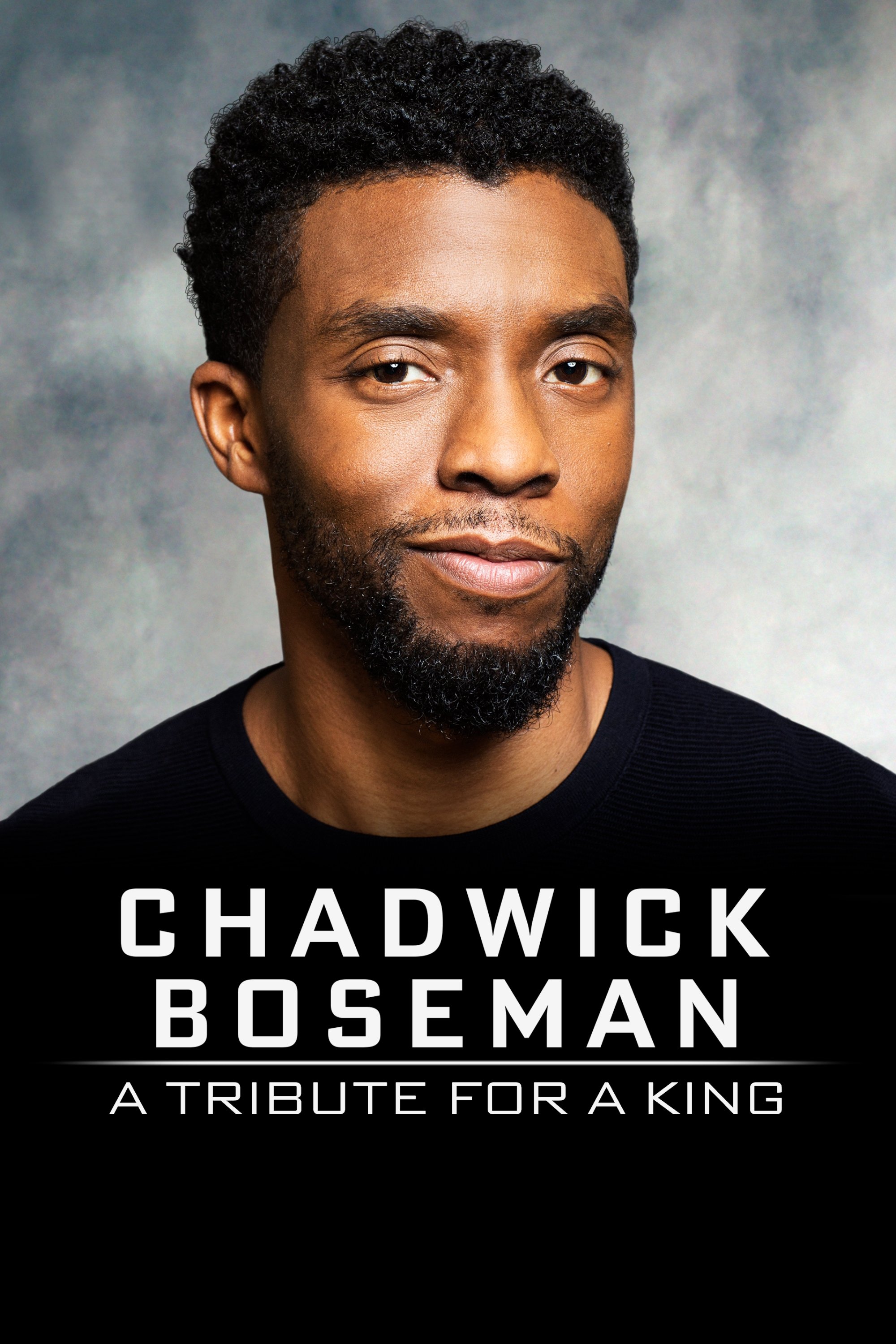
A tribute to Chadwick Boseman, celebrating his life and legacy.
Photographer Estevan Oriol and artist Mister Cartoon turned their Chicano roots into gritty art, impacting street culture, hip hop and beyond.
An intimately raw and magical journey through the life, mind, and heart of iconic artist Frida Kahlo. Told through her own words for the very first time — drawn from her diary, revealing letters, essays, and print interviews — and brought vividly to life by lyrical animation inspired by her unforgettable artwork.
A real-life undercover thriller about two ordinary men who embark on an outrageously dangerous ten-year mission to penetrate the world's most secretive and brutal dictatorship: North Korea.
Stars of "The Walking Dead," Andrew Lincoln and Danai Gurira, walk down memory lane and visit iconic locations where pivotal moments between their characters, Rick and Michonne, were filmed.
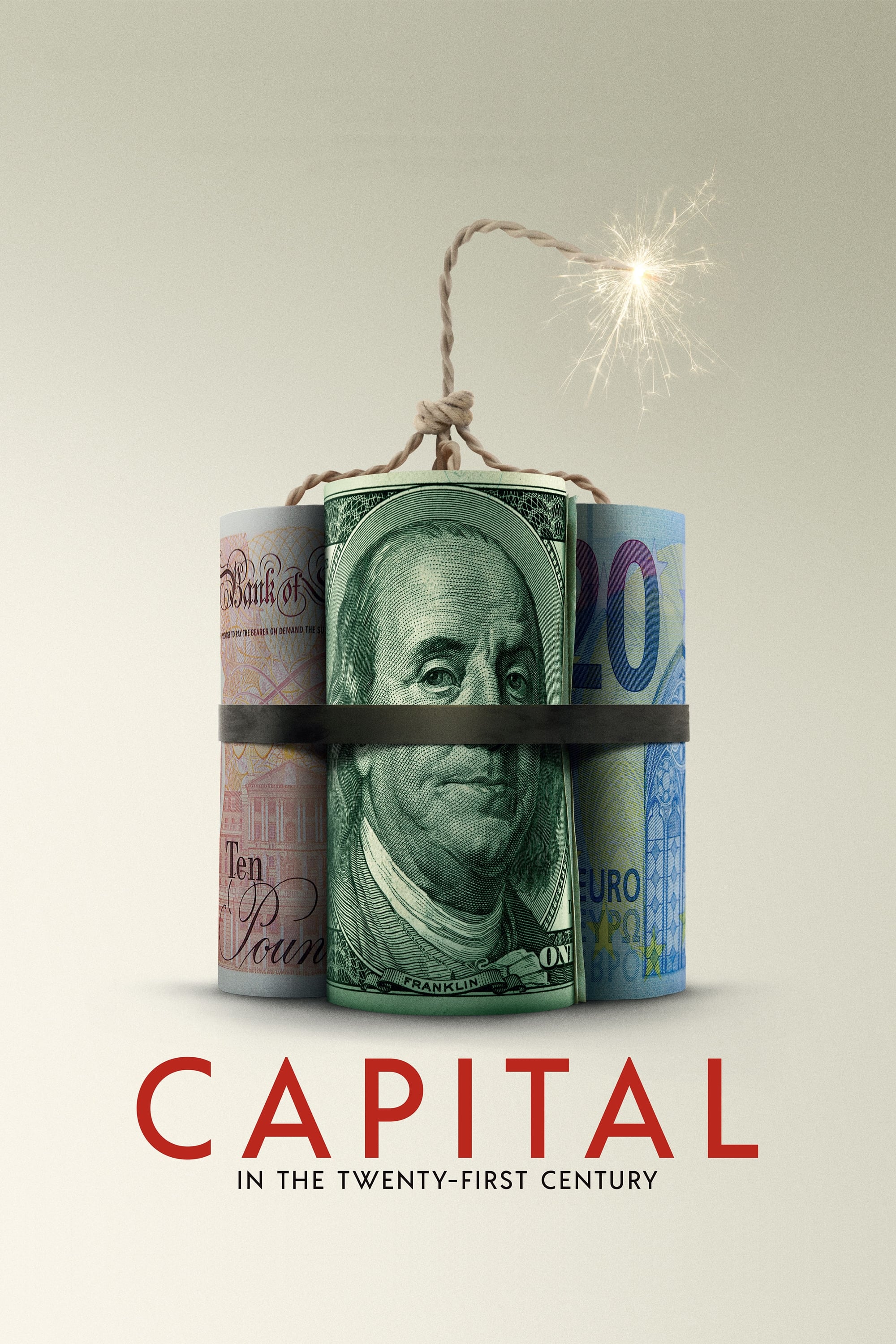
Film adaptation of French economist Thomas Piketty's ground-breaking global bestseller of the same name: an eye-opening journey through wealth and power.
Vulgar, taunting texts blow up the phones of a teen and her boyfriend. Who's sending them — and why? This twisty documentary reveals the shocking answer.
With mesmerizing footage and time lapses of animators at work, this behind-the-scenes special captures the artistry of a unique tale years in the making.