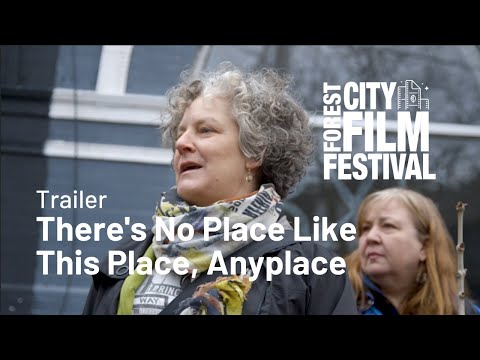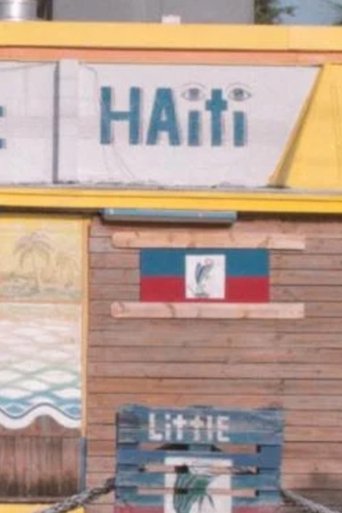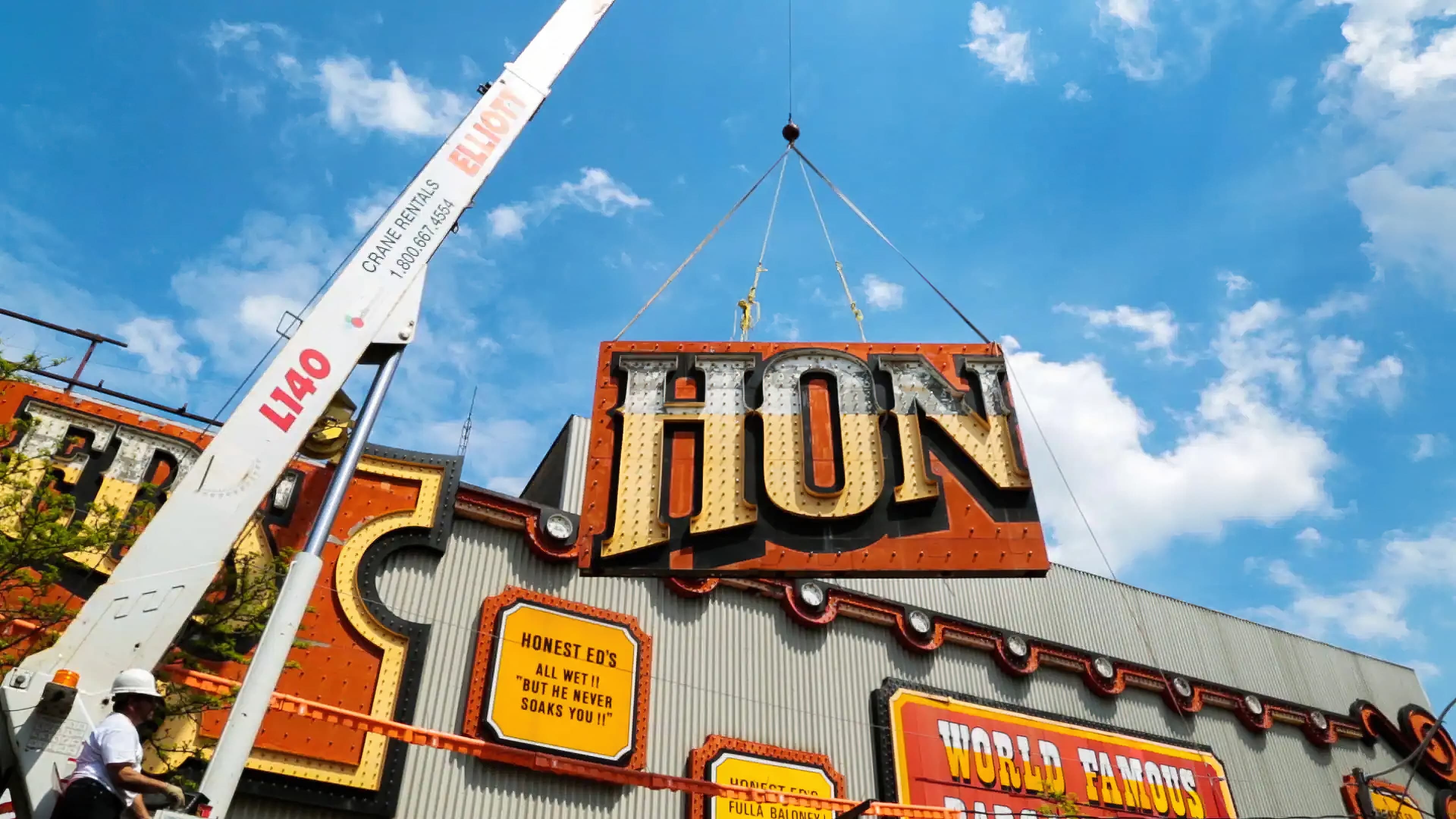

Over the course of over six decades, Honest Ed's became a Toronto Landmark. The neighbourhood it left behind when it closed its doors in 2016 reflects on its history and legacy.
Social & External
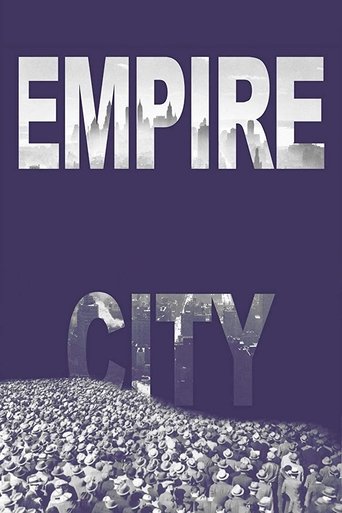
A film essay contrasting the modern metropolis with its "golden age" from 1830-1930, with the participation of some of New York's leading political and cultural figures. Made at a time when the city was experiencing unprecedented real estate development on the one hand and unforeseen displacement of population and deterioration on the other. Empire City is the story of two New Yorks. The film explores the precarious coexistence of the service-based midtown Manhattan corporate headquarters with the peripheral New York of undereducated minorities living in increasing alienation.
On the tiny island of Martha's Vineyard, where presidents and celebrities vacation, trophy homes threaten to destroy the islands unique character. Twelve years in the making, One Big Home follows one carpenters journey to understand the trend toward giant houses. When he feels complicit in wrecking the place he calls home, he takes off his tool belt and picks up a camera.
Karan and Rohan, two biracial brothers raised in a marginal environment, are finding ways to get stimulated on a normal summer day. They embark on a trip to buy candies to avoid boredom. This film plays with the sense of boundaries between what is real and what is fiction. It is a film about the love of two brothers and their singular reality in the countryside of Quebec.
A short film about the changing face of London Soho and the implications of gentrification on Mimi, an aging transvestite.
A documentary about Who's Emma, a collective of punks and anarchists that existed in Toronto's Kensington Market from 1996 to 2000.
A young and ambitious team of chefs face the life-changing challenges of competing in the world's most prestigious culinary competition.
In early 1960s Toronto, a white, Anglo-centric city, an underground music scene emerged from the Jamaican diaspora, led by newcomers like Jackie Mittoo, Wayne McGhie, and a young Jay Douglas. Battling racism and indifference, they left a lasting but underrecognized mark on Canadian music and culture. Nearly 60 years later, Jay Douglas still champions Jamaican music and is finally receiving long-overdue recognition. Play It Loud is a feature documentary that tells the little-known story of how Jamaican music became a vital, unlikely part of Canadian culture. It traces a cultural migration that made Canada a global hub for Jamaican music - celebrated abroad but overlooked at home. Told through the life and music of beloved singer Jay Douglas, born Clive Pinnock in rural Jamaica, the film follows his journey from teen performer to enduring icon.
A backstage and on-stage look at Nicki Minaj's career during the Pink Friday Tour, festivals, and more.
Crash 'n' Burn is an experimental film shot in and named after Toronto, Ontario's first punk rock club. (Not to be confused with Peter Vronsky's similarly titled 1977 documentary on the Toronto punk scene made for the CBC television network.) The film, shot on 16mm black-and-white stock, features performances by Dead Boys, Teenage Head, The Boyfriends, and The Diodes".
Filmed over four years, this documentary focuses on the impacts of gentrification as gay white professionals move into a largely black working-class neighborhood in Columbus, Ohio.
A portrait of Toronto, as defined by the spaces its queer residents inhabit and the memories they’ve created there.
Facing eviction the oldest black-owned gay bar in Brooklyn relies on a passionate community in its fight for survival.
Stompin' Tom performs live at the Horseshoe Tavern on Queen St. in Toronto.
A retrospective documentary on 9/11 in connection with the 2001 Toronto International Film Festival.
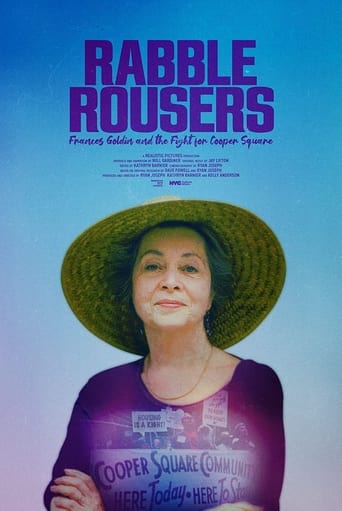
In 1959 New York City announced a "slum clearance plan" by Robert Moses that would displace 2,400 working class and immigrant families, and dozens of businesses, from the Cooper Square section of Manhattan's Lower East Side. Guided by the belief that urban renewal should benefit - not displace - residents, Frances Goldin and her neighbors formed the Cooper Square Committee and launched a campaign to save the neighborhood. Over five decades they fought politicians, developers, white flight, government abandonment, blight, violence, arson, drugs, and gentrification - cyclical forces that have destroyed so many working class neighborhoods across the US. Through tenacious organizing and hundreds of community meetings, they not only held their ground but also developed a vision of community control. Fifty three years later, they established the state's first community land trust - a diverse, permanently affordable neighborhood in the heart of the "real estate capital of the world."
Rob Ford scandalized Canadian politics as the brash yet beloved mayor of Toronto — until an infamous video of him smoking crack sparked his downfall.
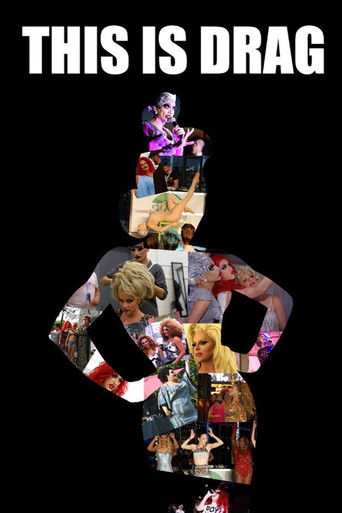
An intimate, behind-the-scenes look at performance, glamor, fame, family, love and sacrifice as some of the world's most renowned drag queens come together for World Pride in Toronto.
This Traveltalk series short visits Ontario, the second largest province of Canada. Toronto is the province's largest city, sitting on the shores of Lake Ontario. After the War of 1812, the Rideau Canal was built connecting the Ottawa River to Lake Ontario. The canal figures prominently in the geography and history of the City of Ottawa, the capital of Canada.
San Francisco has long enjoyed a reputation as the counterculture capital of America, attracting bohemians, mavericks, progressives and activists. With the onset of the digital gold rush, young members of the tech elite are flocking to the West Coast to make their fortunes, and this new wealth is forcing San Francisco to reinvent itself. But as tech innovations lead America into the golden age of digital supremacy, is it changing the heart and soul of their adopted city?
Dear Pyongyang is a documentary film by Zainichi Korean director Yang Yong-hi (Korean: 양영희, Hanja: 梁英姬) about her own family. It was shot in Osaka Japan (Yang's hometown) and Pyongyang, North Korea, In the 1970s, Yang's father, an ardent communist and leader of the pro-North movement in Japan, sent his three sons from Japan to North Korea under a repatriation campaign sponsored by ethnic activist organisation and de facto North Korean embassy Chongryon; as the only daughter, Yang herself remained in Japan. However, as the economic situation in the North deteriorated, the brothers became increasingly dependent for survival on the care packages sent by their parents. The film shows Yang's visits to her brothers in Pyongyang, as well as conversations with her father about his ideological faith and his regrets over breaking up his family.