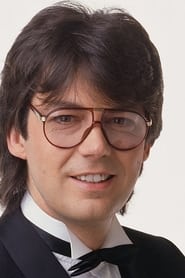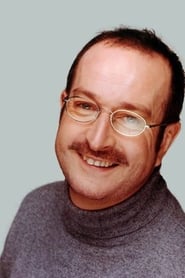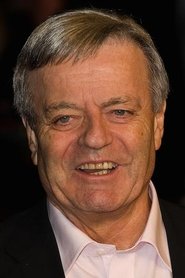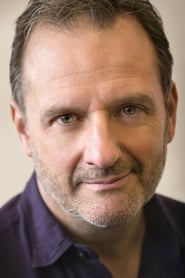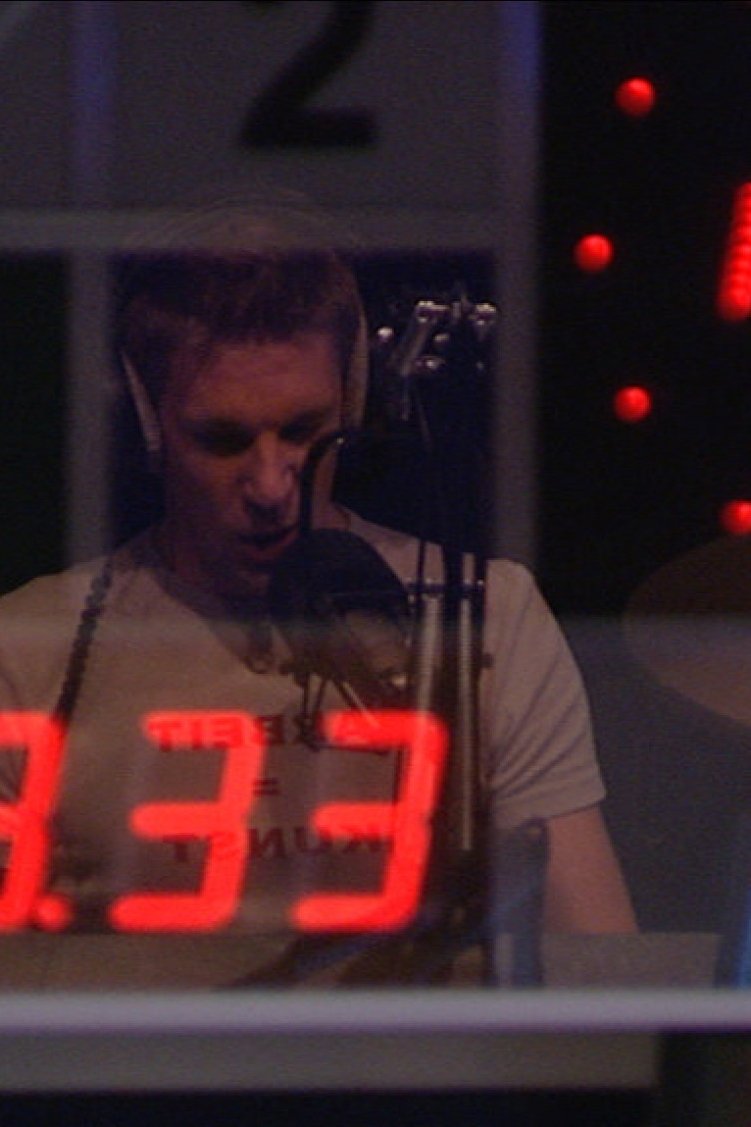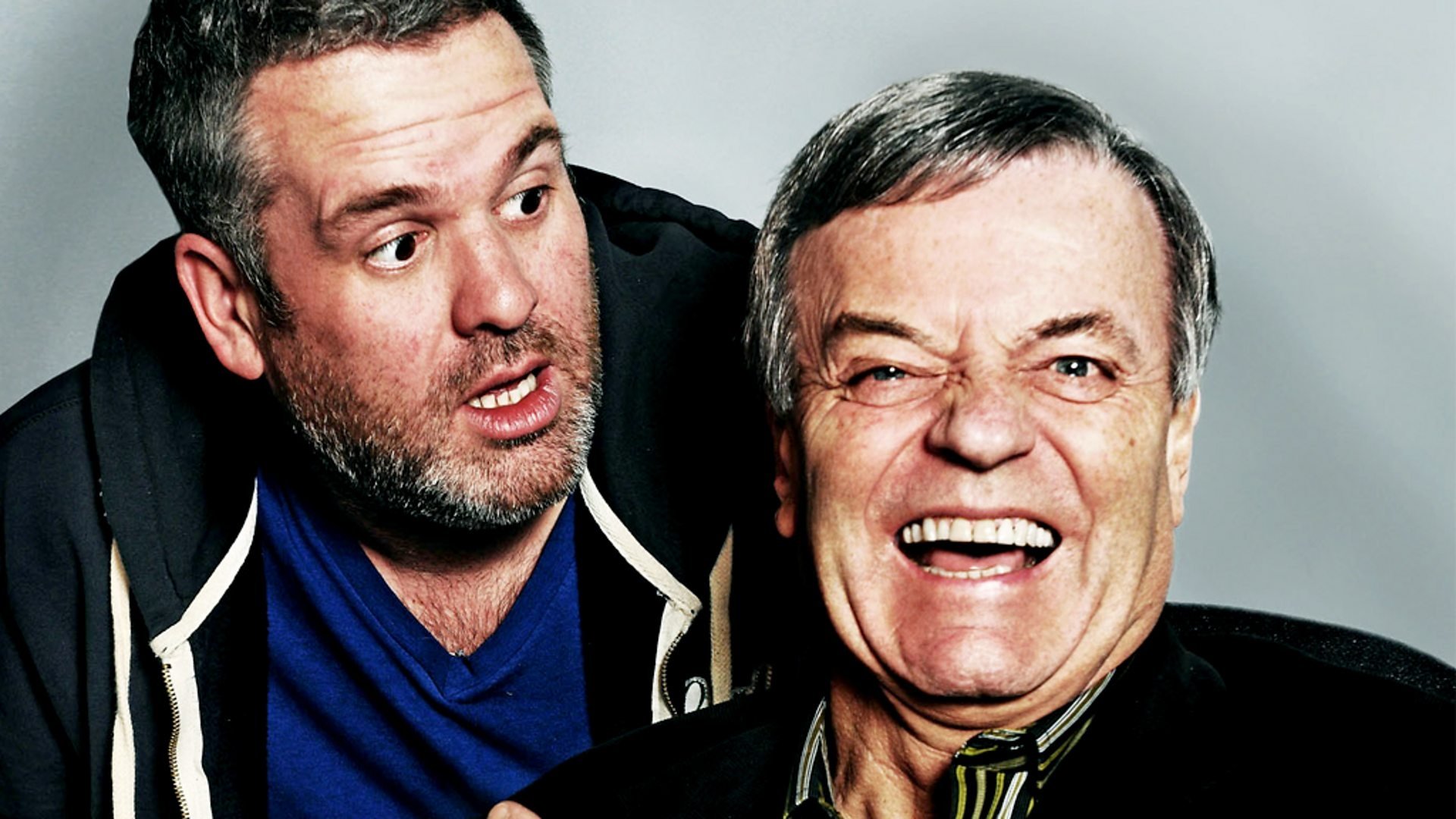
DJ Chris Moyles looks at how the Radio 1 Breakfast Show has reflected life in Britain over the past 40 years, as he meets his predecessors in the early morning slot.
Social & External
Himself
Herself
Street vendors in Korea are almost like a national institution, they are so widespread and relied upon. In Little Pond in Main Street a group of vendors band together to create a community radio station but come into conflict with other groups, as well as the government trying to shut them down.

SEX AND BROADCASTING is a feature length documentary about New Jersey's WFMU, the world's strangest and most unique radio station, and one man's attempt to keep it alive in the face of recession, the persistent threat of commercial media, and the challenges that come with keeping a rebellious group of outsiders together.
Directors Hetherington and Junger spend a year with the 2nd Battalion of the United States Army located in one of Afghanistan's most dangerous valleys. The documentary provides insight and empathy on how to win the battle through hard work, deadly gunfights and mutual friendships while the unit must push back the Taliban.
In a village in West Africa where dreams play a key role, the hosts of local radio interpret the oniric visions of their listeners. The language of dreams is spoken here. The limits between the real and the fantastic blur, and time is suspended.
THE VOICE THAT ROCKED AMERICA is an one-hour documentary about Top 40 radio personality Dick Biondi. Dick's powerful connection with his audience has endured for decades, and the bands he promoted have never forgotten his generosity. Dick's story will be told through archival photos and footage, recreations, and interviews with recording artists, broadcasters, fans, friends and Dick Biondi himself. The film is narrated by Pam, whose life was changed when she met her teenage idol.
Beatrice is an 18-year-old young reporter with the Children’s Radio Foundation (CRF) in Lusaka, Zambia. She is part of the Unite4Climate Radio Initiative, a project which uses the power of radio to challenge mindsets and shift behaviours around environmental protection.
Baseball, Dennis & the French tells the true story of Paul Croshaw, longtime liberal activist and connoisseur of French films, who amazed his family, friends and himself by becoming a churchgoing, conservative Christian after years of listening to nationally syndicated radio host Dennis Prager.
Using rare historical footage, vintage musical recordings, and interviews with 88-year-old Pedro J. Gonzalez and his wife, this film chronicles Gonzalez’s long and colorful life, from his early days with Pancho Villa during the Mexican Revolution, to his career as a popular radio personality in Los Angeles in the 1930s, to the controversial court case that sent him to San Prison, a victim of the repressive forces operating against the Chicano/Mexicano community during that period.
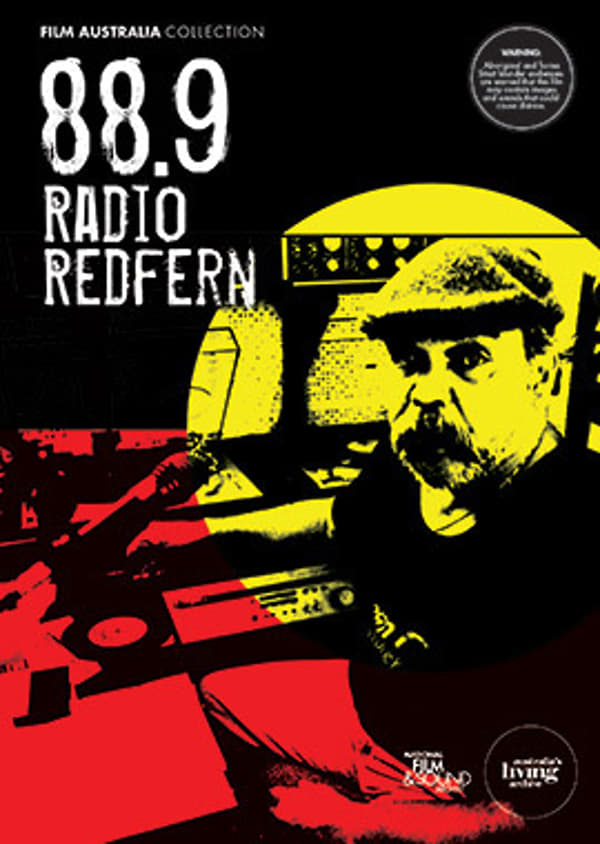
An observational documentary which looks at Sydney’s first community Aboriginal radio station, 88.9 Radio Redfern. Set against a backdrop of contemporary Aboriginal music, 88.9 Radio Redfern offers a special and rare exploration of the people, attitudes and philosophies behind the lead up to a different type of celebration of Australia’s Bicentennial Year. Throughout 1988, 88.9 Radio Redfern became an important focal point for communication and solidarity within the Aboriginal community. The film reveals how urban blacks are adapting social structures such as the mass media to serve their needs.
Documentary about radio comedies primarily focused on Burns & Allen, Edgar Bergen & Charlie McCarthy, The Jack Benny Program, Fibber McGee & Molly, The Bob Hope Show, and The Fred Allen Show.
Radio 1's longest-serving broadcaster Annie Nightingale takes us on a counter-cultural journey through the events, people and sounds that have inspired her illustrious career.
A day in the life of 91.1, Nuxalk Radio, a radio station built to help keep the Nuxalk language alive while broadcasting the laws of the lands and waters.
Documentary about the American radio station AFN (American Forces Network), which was founded in 1943 to accompany the American troops in Western Central Europe. In the post-war period, it stood for the American way of life like almost no other station, wherever it could be received.
Using edited archive footage, mockery is made of Italy's dictator Benito Mussolini.
The Mayan doomsday prophecy looms over a dark night in Poland. A late-night radio host takes in calls from citizens expressing their concerns, predictions and speculations on what may happen when—or even if—the sun comes up. Simultaneously, a crisis centre dispatcher fields panicked calls from people experiencing real-life traumatic situations in need of immediate attention. The voices of these callers are interwoven with an intimate therapy session and a wandering taxicab to build a profile of a place where citizens want to be heard. Never showing the callers on the other end of the line, the film creates an aural overview of a darkened city. As the night progresses, the calls continue coming in, revealing the various struggles people are experiencing in dealing with conceptual fears and current woes—all in a world that soon may be over.
For 50 years radio dominated the airwaves and the American consciousness as the first “mass medium.” In Empire of the Air: The Men Who Made Radio, Ken Burns examines the lives of three extraordinary men who shared the primary responsibility for this invention and its early success, and whose genius, friendship, rivalry and enmity interacted in tragic ways. This is the story of Lee de Forest, a clergyman’s flamboyant son, who invented the audion tube; Edwin Howard Armstrong, a brilliant, withdrawn inventor who pioneered FM technology; and David Sarnoff, a hard-driving Russian immigrant who created the most powerful communications company on earth.
The 50 year struggle between rock pioneers and powerful business/government interests for the soul of music radio, told by America's favorite deejays and the artists they made rock stars.
"Jolly Roger" could mean Roger Schawinski. But by definition, a "Jolly Roger" is the classic black pirate flag with skull and crossbones. This documentary tells the unvarnished story of the Swiss radio pirates who emerged in the 1970s. The focus is on Radio 24 in its wild years, when Schawinski's team broadcast from Italy, with the strongest FM station in the world at the time, straight down from Pizzo Groppera, 130 kilometers all the way to the Zurich area. Supported by numerous original documents from private filmmakers and from the SRG archives, the viewer relives the absurd radio war between David and Goliath that lasted almost four years, 24 years after this war between the radio pirates and the state power began on November 13, 1979. The many known and unknown fighters, who rallied behind their Radio Winkelried Schawinski in 1979 to help usher Switzerland into a new media age, remember the good and bad times, the demonstrations and the numerous threatened and actual closures.