In a grimy provincial industrial city, a talented but unattractive schoolteacher dreams of an operatic career.
Social & External
The people behind it
Dong Xuan
Teacher Xiao Zhang
Jiang Wenli
Wang Cailing
Jiao Gang
Mr. Hu
Li Guangjie
Huang Sibao
Wang Yajie
Zhang Yao
Gao Beibei
Zhang Jingchu
Gao Weihong
An operatic film adaptation of the poem by Paul Laurence Dunbar of the same name.
The Marx Brothers take on high society and the opera world to bring two lovers together. A sly business manager and two wacky friends of two opera singers help them achieve success while humiliating their stuffy and snobbish enemies.
A short opera about the assassination of poet and dramatist Federico García Lorca at the hands of Nationalist forces at the beginning of the Spanish Civil War.
Lumee, one of the two main characters (of the opera p r i s m), sings this aria while smoking outside a nightclub in the second act, providing a window into her selfish fantasies. Not a recorded section of the opera, but a companion piece meant to depict the character's imagined realities.
The legendary director Ruth Berghaus created this staging of Carl Maria von Weber’s Der Freischütz as a gripping theatrical experience for the Zurich Opera in 1993. Its revival in 1999 was a roaring success. With sets by Hartmut Meyer and costumes by Marie-Louise Strandt, Berghaus’ staging avoids the local peasant colour conventionally associated with Weber’s opera. Chorus and orchestra of the Zurich Opera House are conducted by Nikolaus Harnoncourt, universally celebrated for the structural transparency of his interpretations, his intellectual penetration and his emotional understanding of both music and opera plot. And last but not least an all-star cast made this production a highly memorable event: the dramatic soprano Inga Nielsen as Agathe, one of her best roles, the Swedish soprano Malin Hartelius as Ännchen, the sought-after Heldentenor Peter Seiffert, who gives a convincing passionate Max, and many others.
This short begins with a pair thriving in a lush paradise representing the Garden of Eden. The pair are suddenly uprooted and driven to the unknown: the original sin of slavery. In the end, they dig their roots into the soil and stretch their limbs to the sun, finding new identities, new truths and new power.
TANNHÄUSER UND DER SÄNGERKRIEG AUF WARTBURG is a grand opera by Richard Wagner in three acts. After experiencing boundless sensuality and freedom with the fun-loving Venus (soprano), the singer Tannhäuser (Tenor) finds it impossible to conform to the cultured setting of his betrothed Elizabeth (soprano), who loves him. During a singing contest, Tannhäuser describes the affair with Venus as the ultimate love experience and because of that, he is cast out from the established society. Thanks to Elizabeth's intervention, he is allowed to undertake a pilgrimage to the Pope to ask for the Holy Father's pardon. If the Pope accepts to forgive him, he would be allowed to take back his place in society. Tannhäuser accepts. But fate will not allow him to meet with his beloved Elizabeth again in this life. This is a recording of the legendary staging by Götz Friedrich for the 1978 Bayreuth Festival conducted by Sir Colin Davis.
A dead woman wanders through the shadowy space between memory and reality, tracing the lines of her identity through the land she once walked—an immigrant in death as in life.
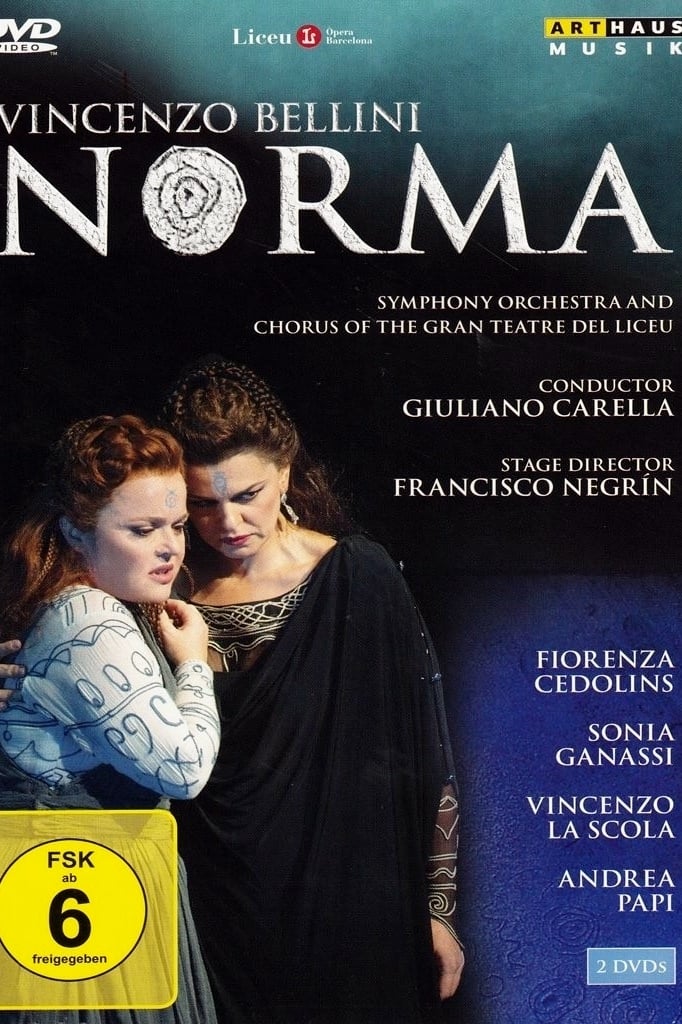
NORMA tells the tragic story of a supposedly chaste druidic priestess, who is driven to murderous jealousy by her lover's inconstancy. But she forgoes vengeance, protects innocence, and sees to it that the guilty atone for their crimes. Fiorenza Cedolins, Sonia Ganassi, Vincenzo La Scola, and Andrea Papi star in this 2007 Gran Theatre Del Liceu/Grand Theatre de Geneve co-production of the Bellini opera.
Two mystical beings emerge from the scenery, embarking on a journey through Gallup— Na'nízhoozhí in the Navajo language— before melting back into the desert at nightfall.
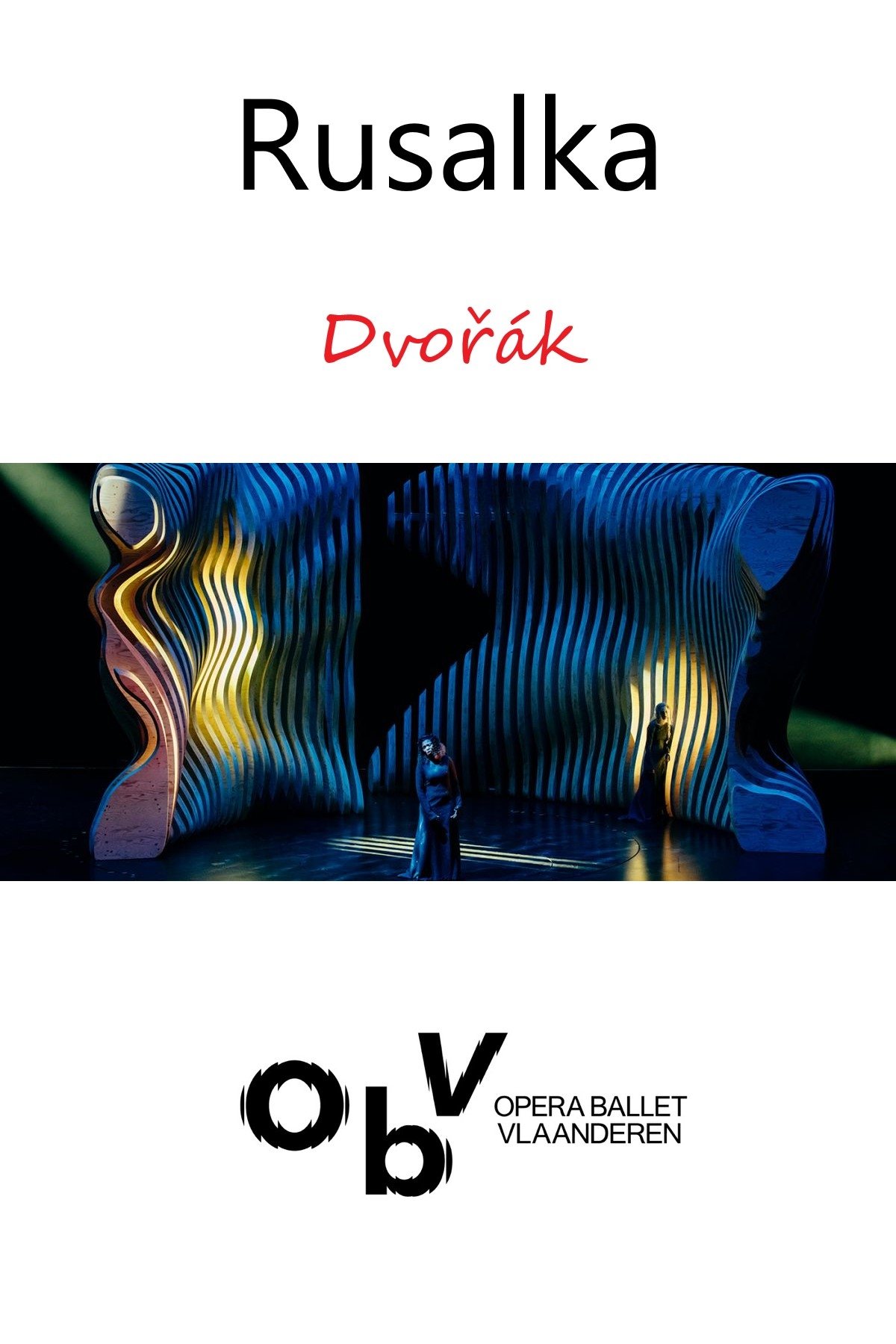
More than anything in the world, Rusalka, a mysterious and elusive water nymph, yearns to become human to win the heart of a young prince. But this metamorphosis comes at a price: she will lose her voice and be damned forever should their love story fail. Rusalka, a lyrical fairy tale inspired by The Little Mermaid and Undine, is Dvořák’s penultimate work and one of his greatest successes. In Opera Ballet Vlaanderen’s production, Norwegian director and choreographer Alan Lucien Øyen adds a new dimension to this masterpiece of the Czech repertoire by representing the main characters on stage twice: by a singer and a dancer. This doubling reinforces the opera’s deeply dreamlike nature. The impressive South African soprano Pumeza Matshikiza embodies the character of Rusalka, while the Lithuanian conductor Giedré Šlekytė leads the orchestra with brio and intensity.
A man with a broken back dies after his wife has an affair with his brother.
Every woman wants him, every man wants to be him: Mozart’s version of the irresistible rogue who brings excitement with him and leaves destruction it his wake has always attracted top singing actors, as in this performance brilliantly led by James Levine. Samuel Ramey is Don Giovanni, pursued by the incandescent Karita Mattila (Donna Elvira) in her Met debut season and role, and by the white-hot avenging fury of Carol Vaness (Donna Anna.) Ferruccio Furlanetto delivers a masterful comic turn as the Don’s servant, Leporello.
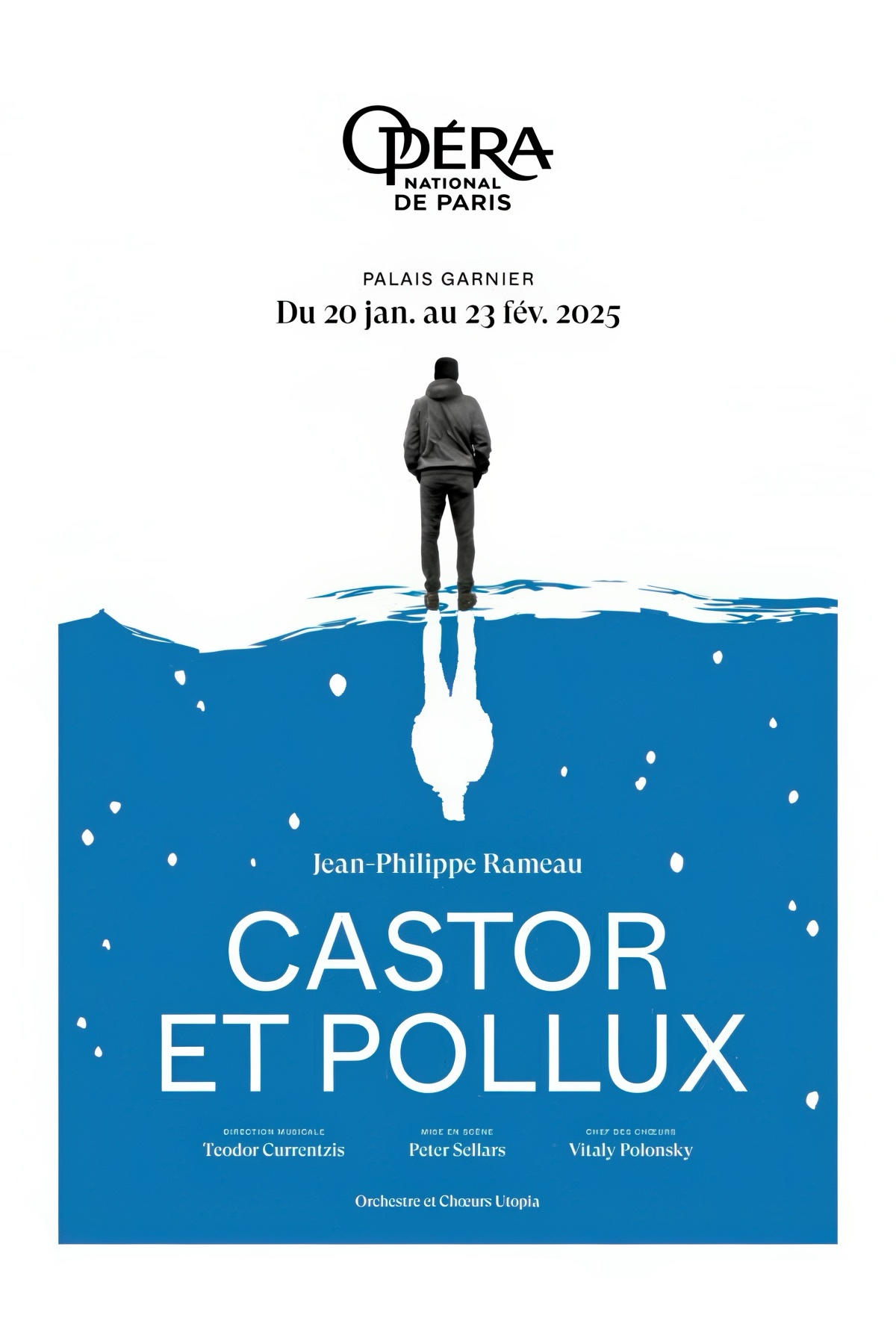
A return to its roots for Castor et Pollux, Jean-Philippe Rameau’s lyric tragedy first performed in 1737 at the Académie royale and inspired by the mythological episode of the Gemini. Rarely performed in its original version – the score was reworked by Rameau himself in 1754 –, this daring work plays on contrasts and expressiveness, as in the famous “Tristes apprêts”. The aria is sung by Télaïre mourning the death of her fiancé Castor, killed in battle, before his twin brother Pollux descends into the Underworld to ask his father, Jupiter, to bring him back to life. While this opera celebrates brotherly love, its prologue poses an essential question for director Peter Sellars: how do you stop a war and its attendant hatred and resentment?
German composer Richard Wagner wrote Parsifal, which is a three-act opera that tells the story of the title character's quest to save the Knights of the Holy Grail by returning the Holy Spear, healing King Amfortas, and carrying out the sacred ceremony of uncovering the Holy Grail.
Based on the 19th century novel by Tolstoy, the opera of War and Peace tells the story of young Natasha who falls for dashing widow Prince Andrei. But his father disapproves of their proposed union causing the match to be postponed.
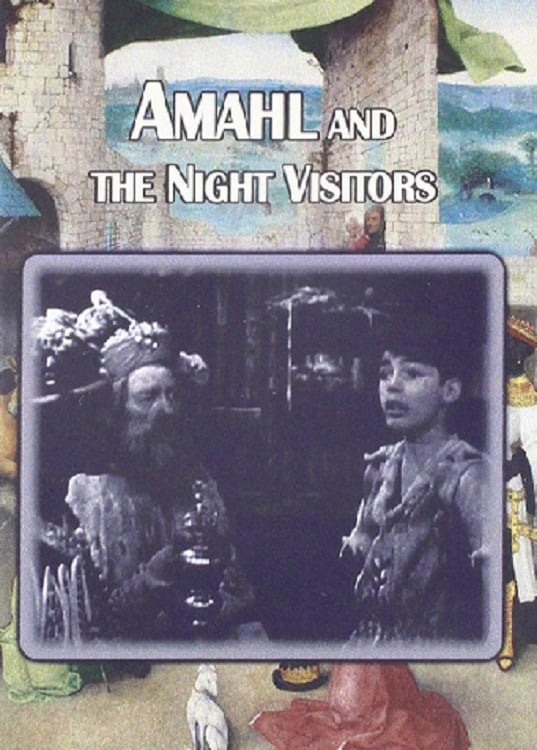
The historic, original, live airing of what would become an annual Christmas tradition throughout the 1950s, this opera tells the story of Amahl, a crippled shepherd boy, and his destitute mother, who provide temporary shelter to three men who are following a star to the newly-born Christ child.
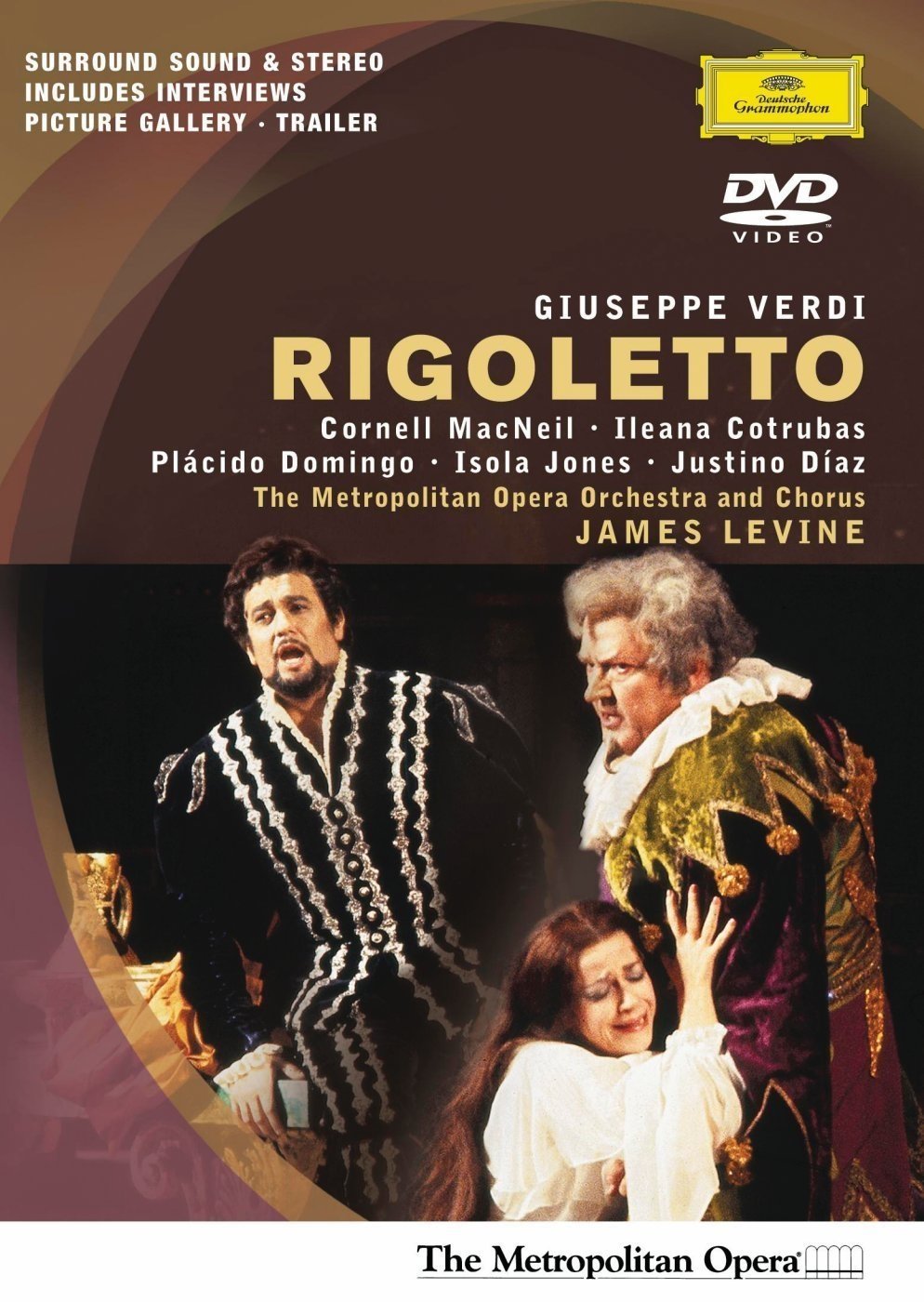
A Victor Hugo play, haunting and scandalous, provided the inspiration for Verdi’s mid-career masterpiece. A vengeful but misguided court jester strives to save his daughter from a duke’s licentious clutches, but can't part with the feeling that a curse looms over all of his actions. In Rigoletto, the composer introduces several of his most iconic arias and duets—as well as an 11th-hour quartet that counts among the finest moments in opera.
Politics and love leads to a love triangle between father, son and stepmother.
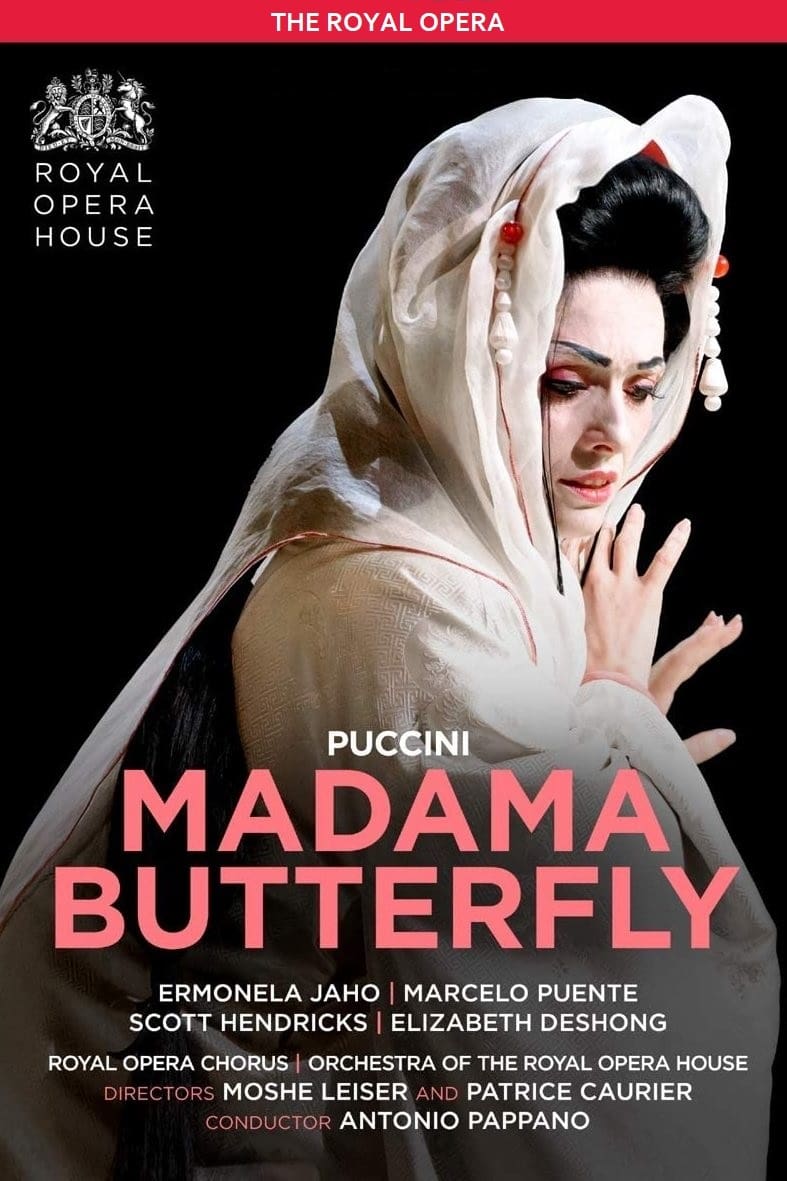
Cio-Cio-San, the young Japanese bride of dashing American officer Lieutenant Pinkerton, finds her romantic idyll shattered when he deserts her shortly after their marriage. She lives in hope that one day he will return. Three years later, Cio-Cio-San and her little son see Pinkerton’s ship in the harbour. She excitedly expects his visit – but Pinkerton and his American wife Kate have come only to take the boy away, to raise him in America. Cio-Cio-San bids her son farewell and then takes her own life.
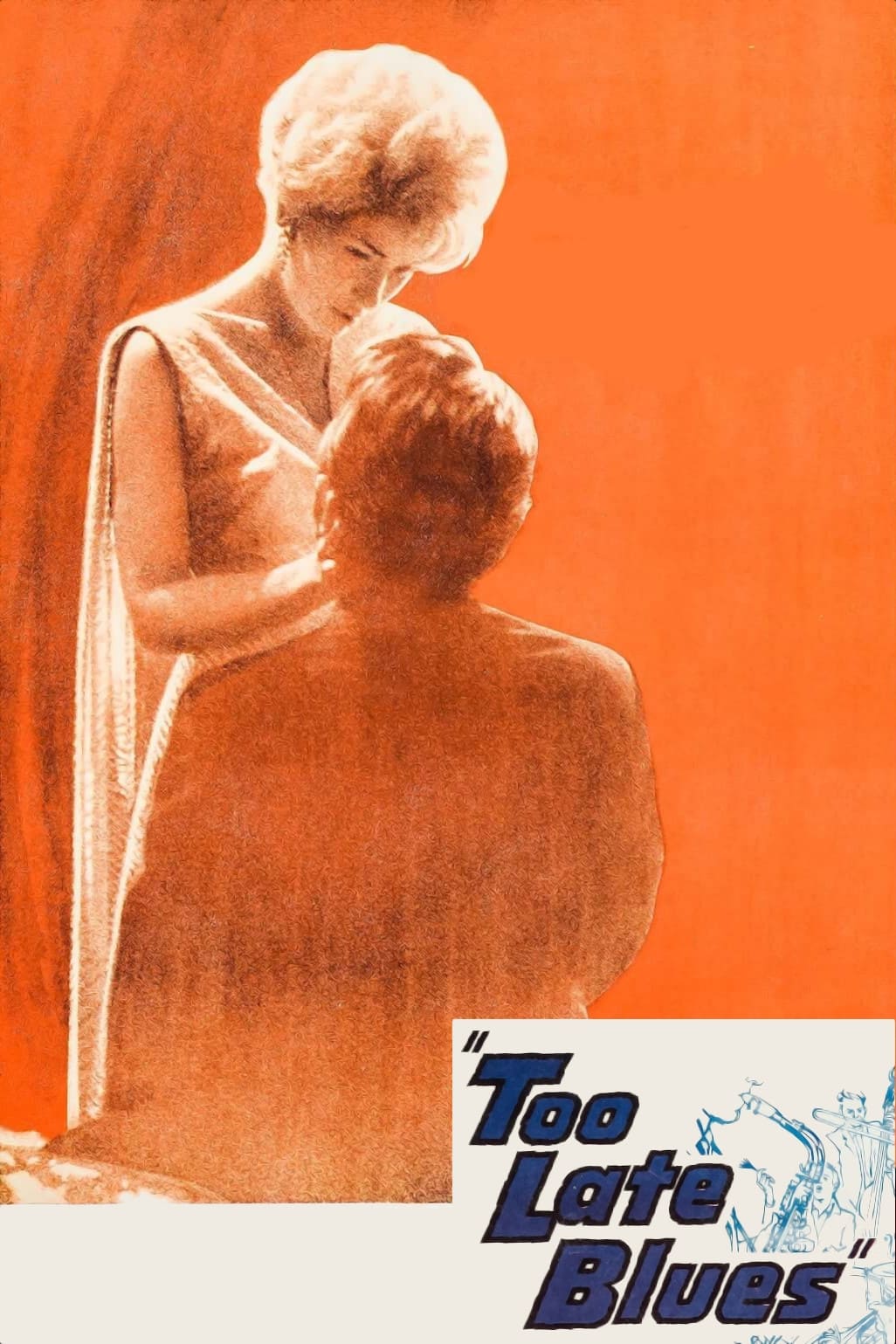
Ghost is an ideological musician and leader of a jazz band who would rather play his blues in the park to the birds than compromise himself. His peripatetic performances lead him to cross paths with a singer, while his masculinity is thrown into question following a violent brawl.
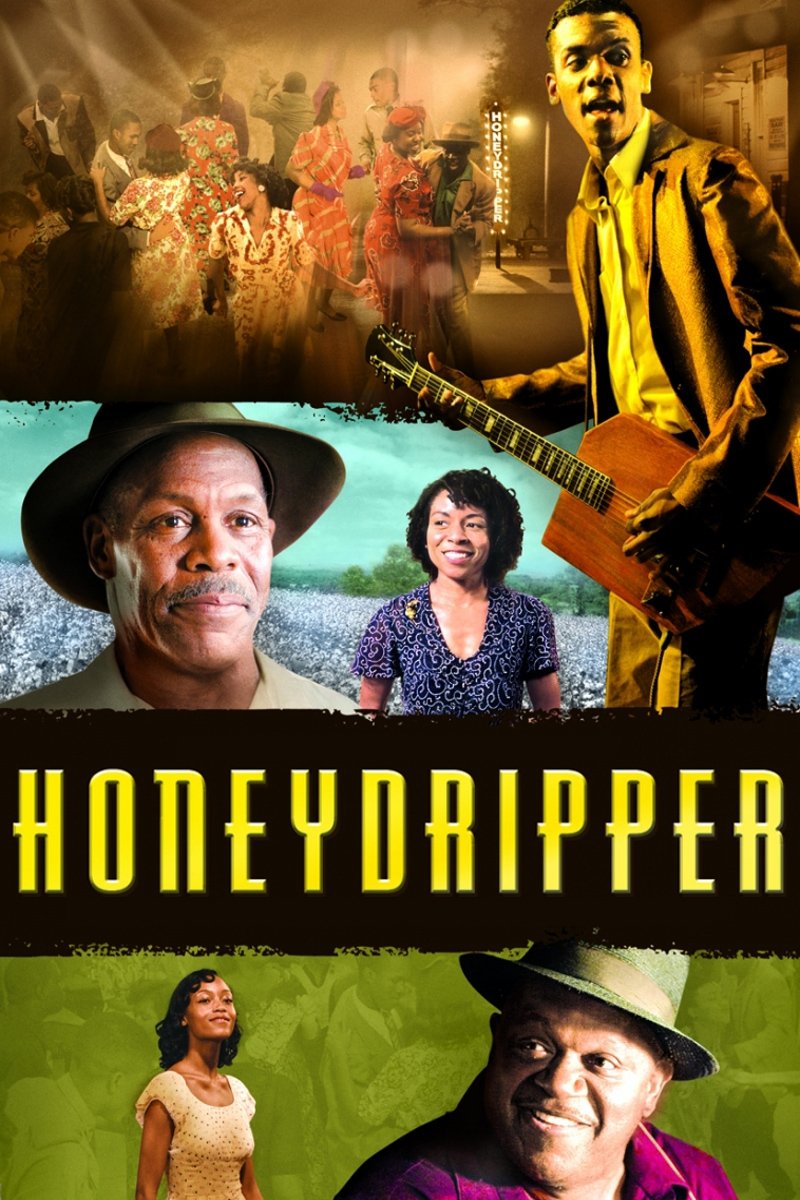
In 1950s Alabama, the owner of the Honeydripper juke joint finds his business dropping off and against his better judgment, hires a young electric guitarist in a last ditch effort to draw crowds during harvest time.
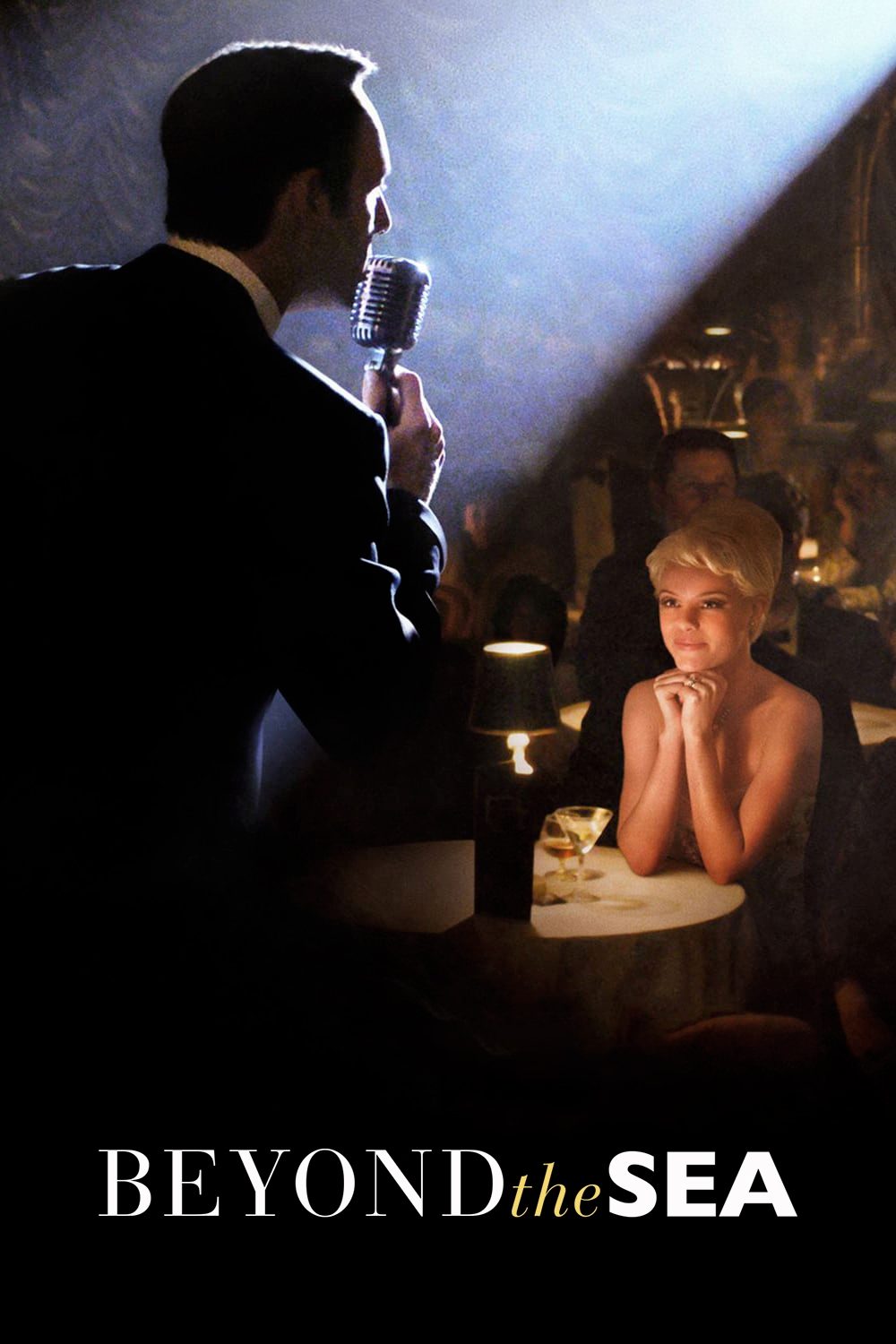
Based on the life and career of legendary entertainer, Bobby Darin, the biopic moves back and forth between his childhood and adulthood, to tell the tale of his life.
A street smart runner develops an intense rivalry with an equally ambitious wealthy young athlete.
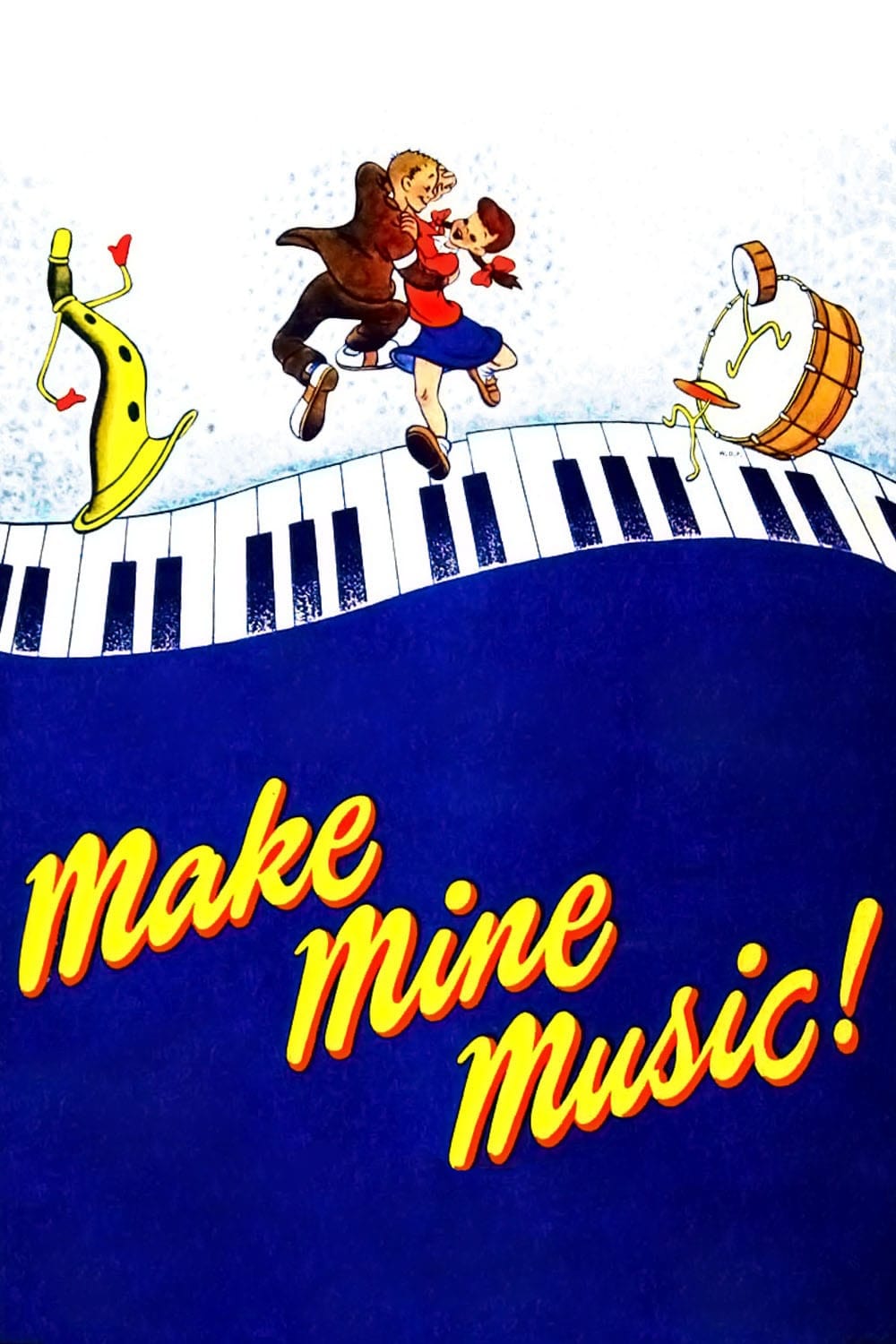
In the tradition of Fantasia, Make Mine Music is a glorious collection of musically charged animated shorts featuring such fun-filled favorites as "Peter and the Wolf", narrated by the beloved voice behind Winnie the Pooh. In addition you'll enjoy such classic cartoon hits as "Casey at the Bat," "The Whale Who Wanted to Sing at the Met" and "Johnnie Fedora and Alice Bluebonnet."
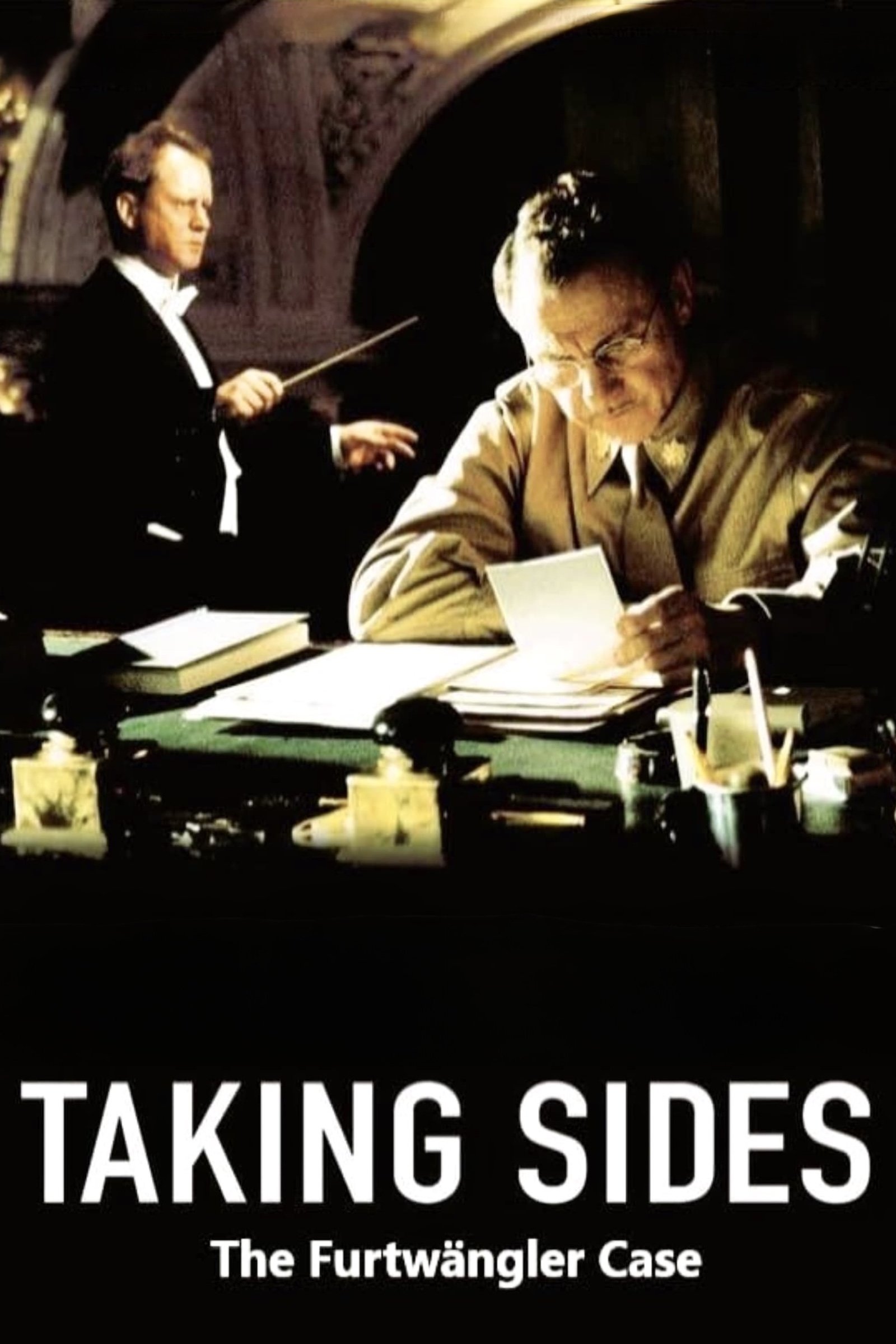
One of the most spectacular and renowned conductors of the 1930s, Wilhelm Furtwangler's reputation rivaled that of Toscanini's. After the war, he was investigated as part of the Allies' de-Nazification programme. In the bombed-out Berlin of the immediate post-war period, the Allies slowly bring law and order to bear on an occupied Germany. An American major is given the Furtwangler file, and is told to find everything he can and to prosecute the man ruthlessly. Tough and hard-nosed, Major Steve Arnold sets out to investigate a world of which he knows nothing.
The story of golf icon and legend, Bobby Jones, who retired from competition at the tender age of 28.
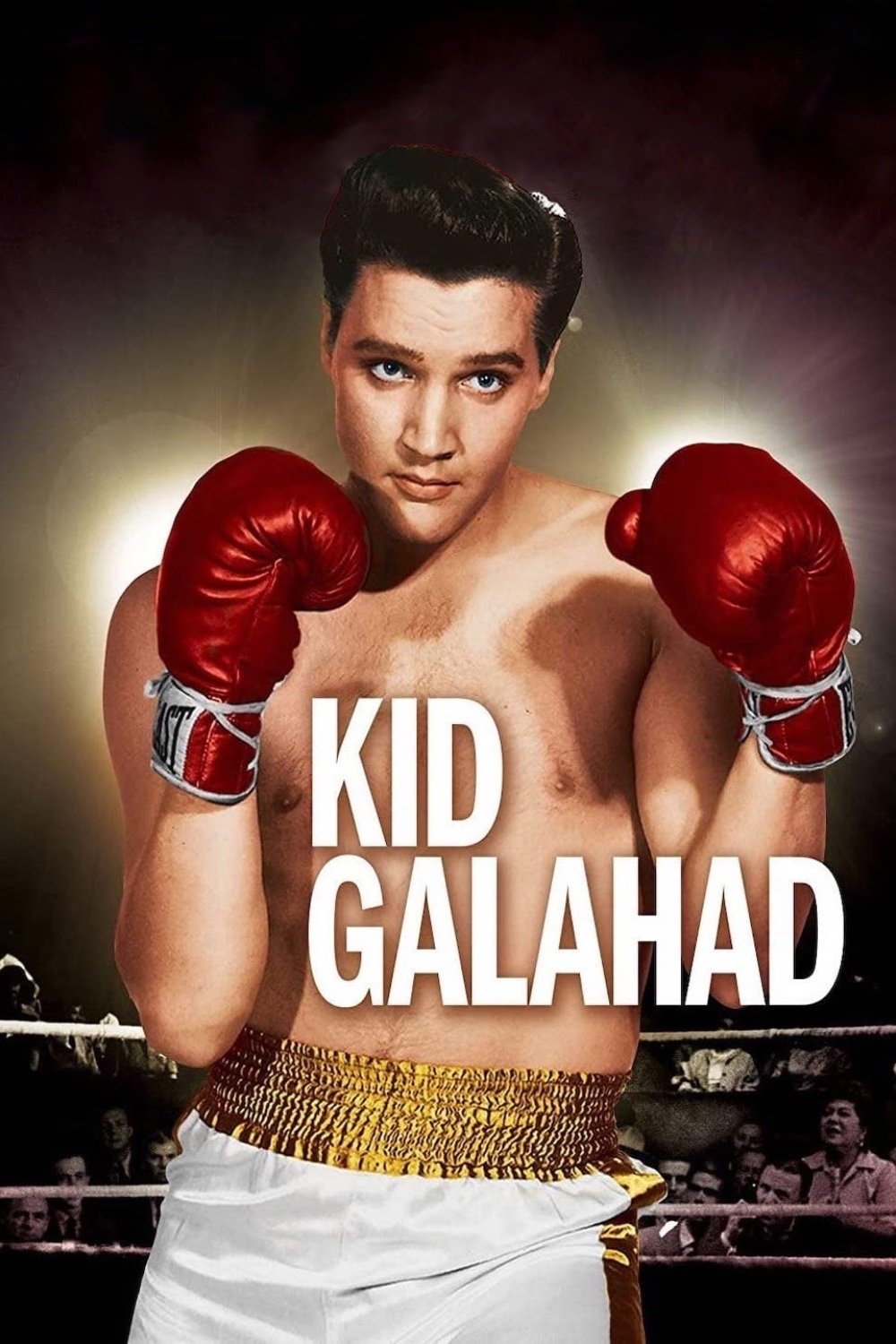
After completing military service, Walter Gulick takes a job as a sparring partner at a gym, the owner of which sees potential in Walter as a professional fighter—and takes him under his wing.
94-year-old Eleanor Morgenstein tries to rebuild her life after the death of her best friend. As a result, she moves back to New York City after living in Florida for decades.
An optimistic, talented teen clings to a huge secret: she's homeless and living on a school bus. When tragedy strikes, can she learn to accept a helping hand?
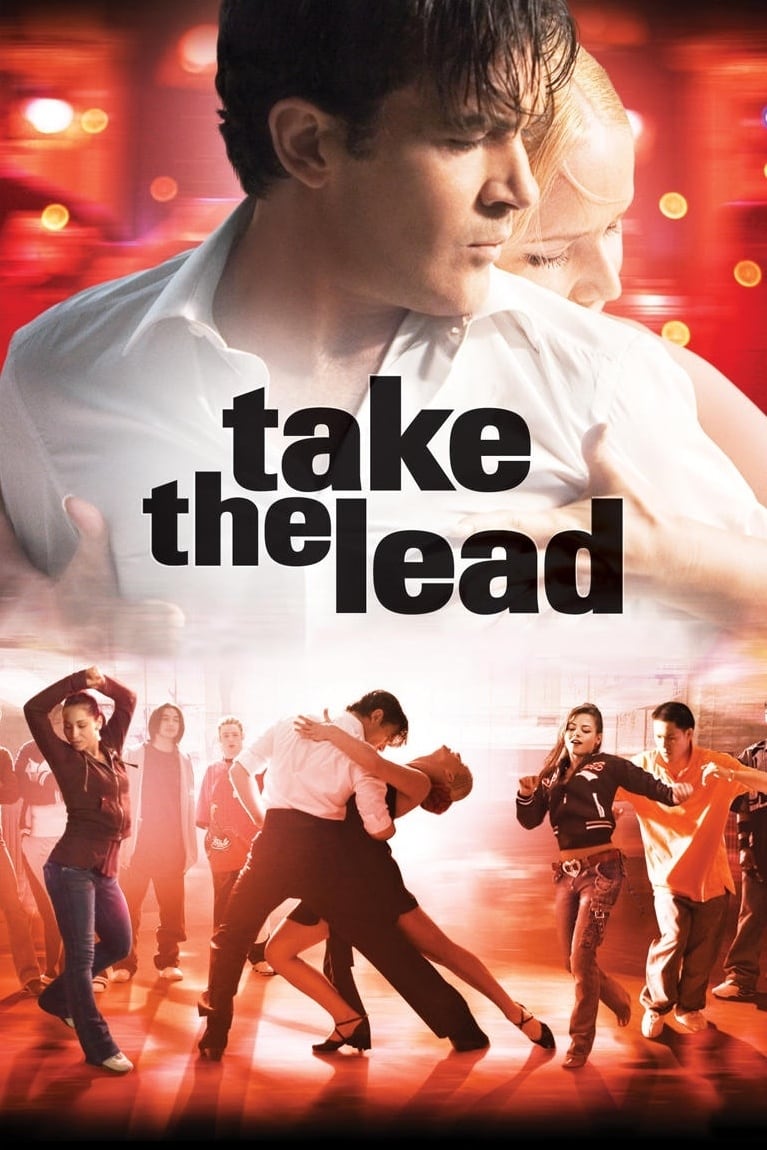
A former professional dancer volunteers to teach dance in the New York public school system and, while his background first clashes with his students' tastes, together they create a completely new style of dance. Based on the story of ballroom dancer, Pierre Dulane.
Released from jail, Lang returns to his hometown in Northwest China. As part of a dog patrol tasked with clearing stray dogs before the 2008 Olympics, he bonds with a black stray. The two lonely souls embark on a new journey together.
A teenage rapper must use his musical talent to help a friend and win the girl of his dreams while overcoming self-doubt and the expectations of his strict religious parents.
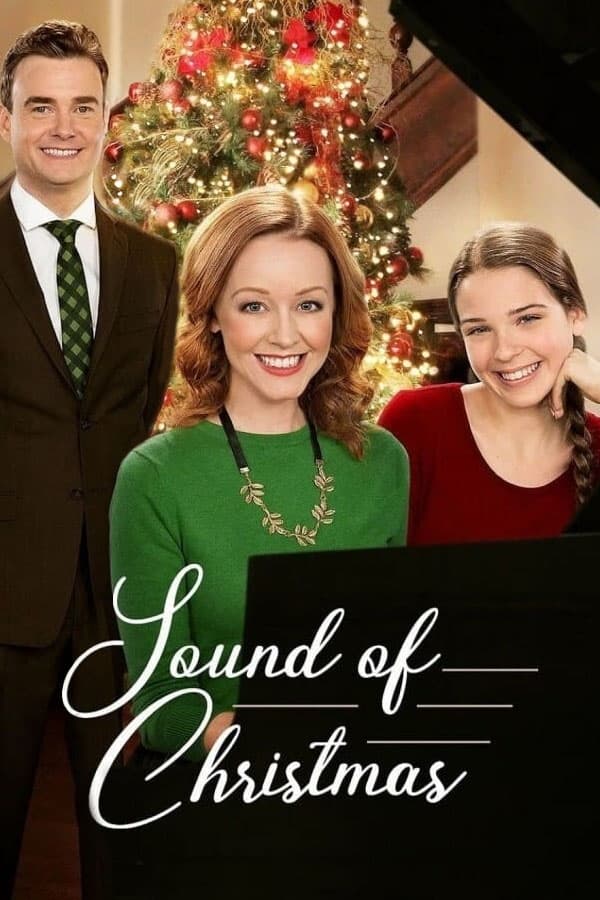
Lizzie is a young piano teacher working at a music school while trying to save enough money for a Steinway piano. The school is gearing up for their major Christmas fundraiser and she has committed much of her time to plan the event. One afternoon, she meets Brad who takes an interest in her playing and asks if she will teach his uninterested teenage daughter. She begins to break through to the young girl, and sparks begin to fly with Brad, but she is shocked to find out that his interest is not solely in her playing, but in the property that houses the music school. She sets out to save the school and the event, but can she work things out with Brad?
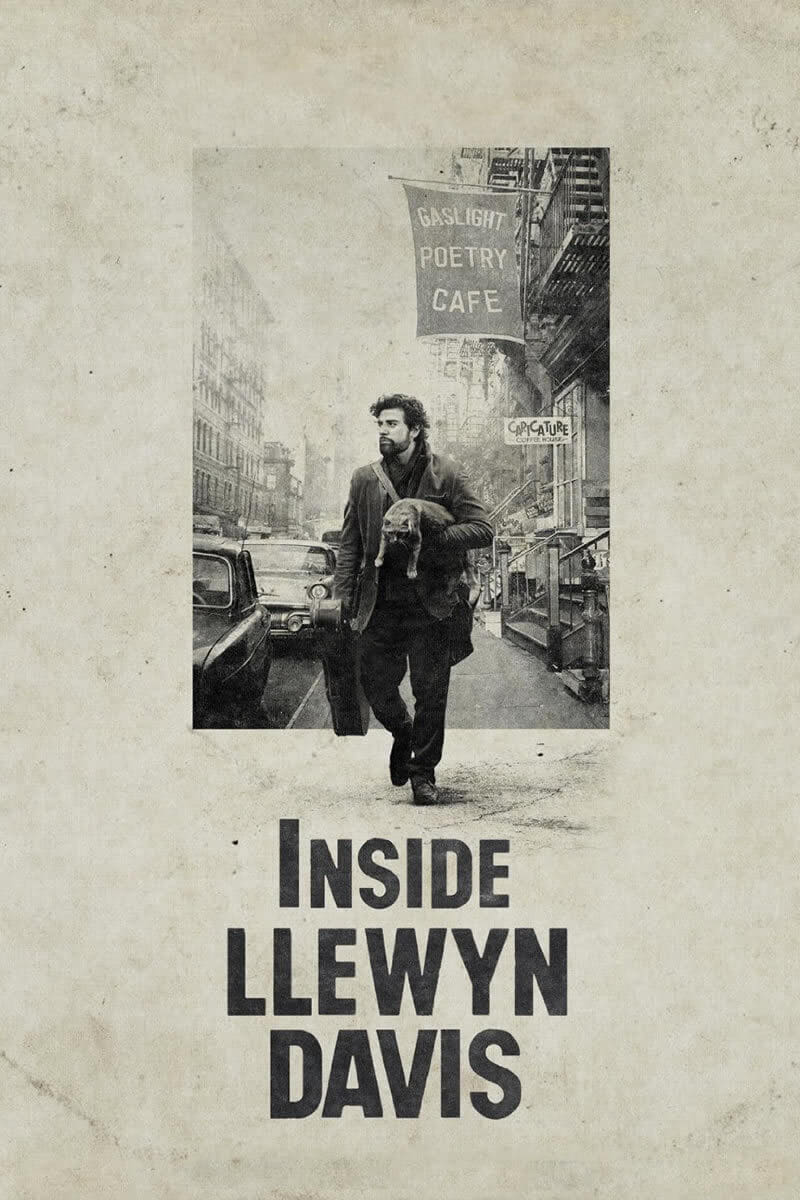
In Greenwich Village in the early 1960s, gifted but volatile folk musician Llewyn Davis struggles with money, relationships, and his uncertain future.
Jamie Fitzpatrick and Nona Alberts are two women from opposites sides of the social and economic track, but they have one thing in common: a mission to fix their community's broken school and ensure a bright future for their children. The two women refuse to let any obstacles stand in their way as they battle a bureaucracy that's hopelessly mired in traditional thinking, and they seek to re-energize a faculty that has lost its passion for teaching.
The relationship of a couple who meet by chance in New York City is put to the test when they encounter a life or death circumstance.
A family of four fractures under the weight of unmet expectations, unexpected tragedy, and uncompromising pride.
During the harrows of WWII, Jo, a young shepherd along with the help of the widow Horcada, helps to smuggle Jewish children across the border from southern France into Spain.
Pete Bell, a college basketball coach is under a lot of pressure. His team isn't winning and he cannot attract new players. The stars of the future are secretly being paid by boosters. This practice is forbidden in the college game, but Pete is desperate and has pressures from all around.